“Inside Out 2”: Pixar and Disney’s new journey into our emotions
“Inside Out 2” is the Disney and Pixar sequel to the successful Inside Out, which took us deep into Riley’s mind and emotions. Since its release, it has already become the highest-grossing film of the year.
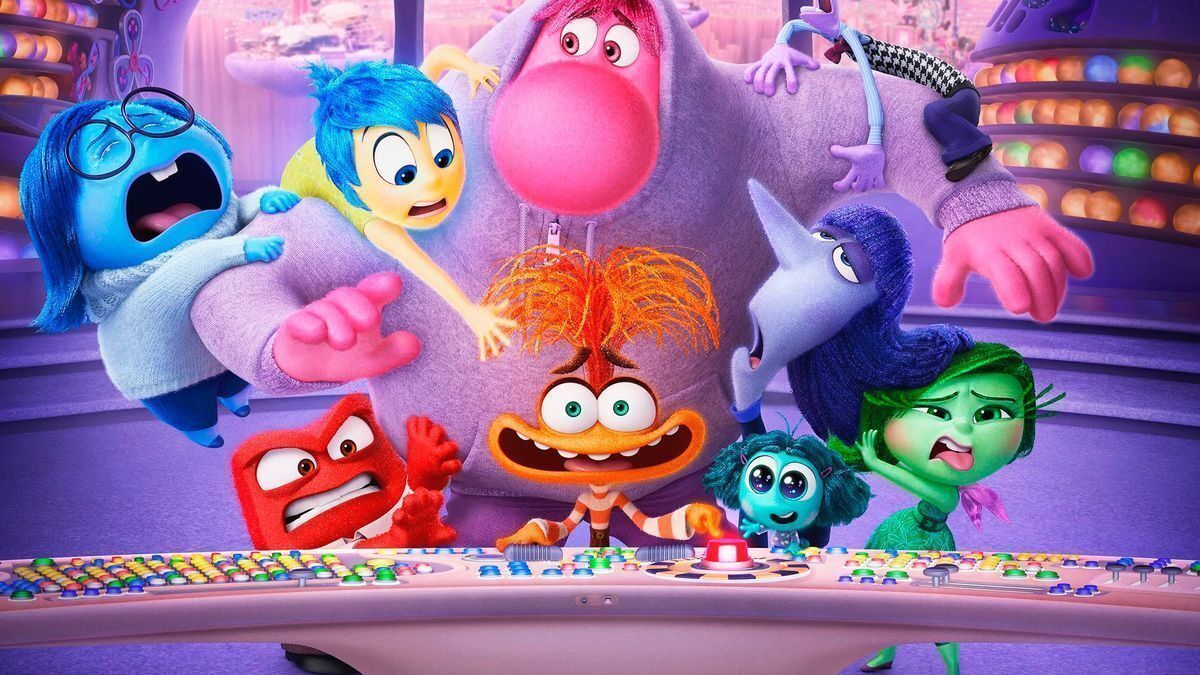
This time, Riley has grown up, just turned 13, and is in the midst of adolescence, a crucial stage where new emotions like anxiety, embarrassment, envy, and ennui – a mix of boredom and apathy – emerge.
“Anxiety starts to make a strong appearance when we become teenagers.”
All emotions matter
All emotions are relevant, despite our tendency to categorize them as good or bad, as they provide us with information about what we are feeling, our beliefs, and what makes us happy, worries us, or saddens us. This is something that the film portrays very well. The emotions compete to be the main ones, until they realize that all of them are part of every human mind and that, whether we like it or not, they all are present in our lives, to varying degrees depending on the moment we are experiencing and our circumstances or beliefs.
Beliefs vs. Memories
One aspect of the script for “Inside Out 2” that we particularly liked is its focus on beliefs. That is, those stories we tell ourselves and feel are true after experiencing trauma or a difficult time. We could say they are conclusions we have reached after going through certain circumstances in our early life, and, without realizing it, they condition and shape our personality, making us believe we are something we are not.
“Memory is the diary that we all carry about with us.” Oscar Wilde
Joy is the “captain” of Ripley‘s mind and, in some way, organizes her memories to prevent the most unpleasant ones from being too present and affecting her excessively in the present. This is something our mind does to protect us. If we lived in the past, especially if it were traumatic, it would be very difficult to move forward or connect with more vital emotions that drive us forward. This is when anxiety appears more intensely, accompanied by fear, sadness, and anger, which is depicted in the film.
A new journey to the depths of the mind
Just like in “Inside Out”, in this sequel we dive back into Ripley‘s mind after she goes camping with her friends. It is there that she begins to change, experiencing different and confusing feelings characteristic of adolescence and the hormonal and life changes it entails.
Although we delve into the mind of a teenager, the functioning of the characters who represent all the emotions – such as joy, sadness, fear, anxiety, or embarrassment – is similar to any mind. It’s clear that an adult mind has greater self-awareness and understanding, but the triggers for these emotions are the same. This allows us all to identify with them or at least reflect on our own experiences from that life stage.
“Everyone has an inner emotional life, and we know what it feels like when fear paralyzes us, anger overwhelms us, or sadness consumes us.”
The Best: All the reflections that arise as the emotions react, which in turn make us ponder the importance of maintaining mental health, both during adolescence and at any stage of life. And how they ultimately all interact with a common goal.
The Worst: The loss of the element of surprise and a script very similar to its predecessor.
Check showtimes.
(*) Cover: Frame from the film.