“Mickey 17”: Existential Sci-Fi on immortality and identity
While Bong Joon-ho’s latest film aims for a deep reflection on identity, exploitation, and the human soul, it ultimately falls somewhere between concept and emotion — never fully becoming either.
Some films are born with the ambition to be great — to become cultural landmarks. And then there are those which, despite having all the ingredients to achieve it — a cult director, a lead actor in his prime, striking visuals and a multi-million budget — end up lost in the maze of their own ideas. “Mickey 17”, Bong Joon-ho’s long-awaited dive into conceptual science fiction, sadly belongs to this second group.
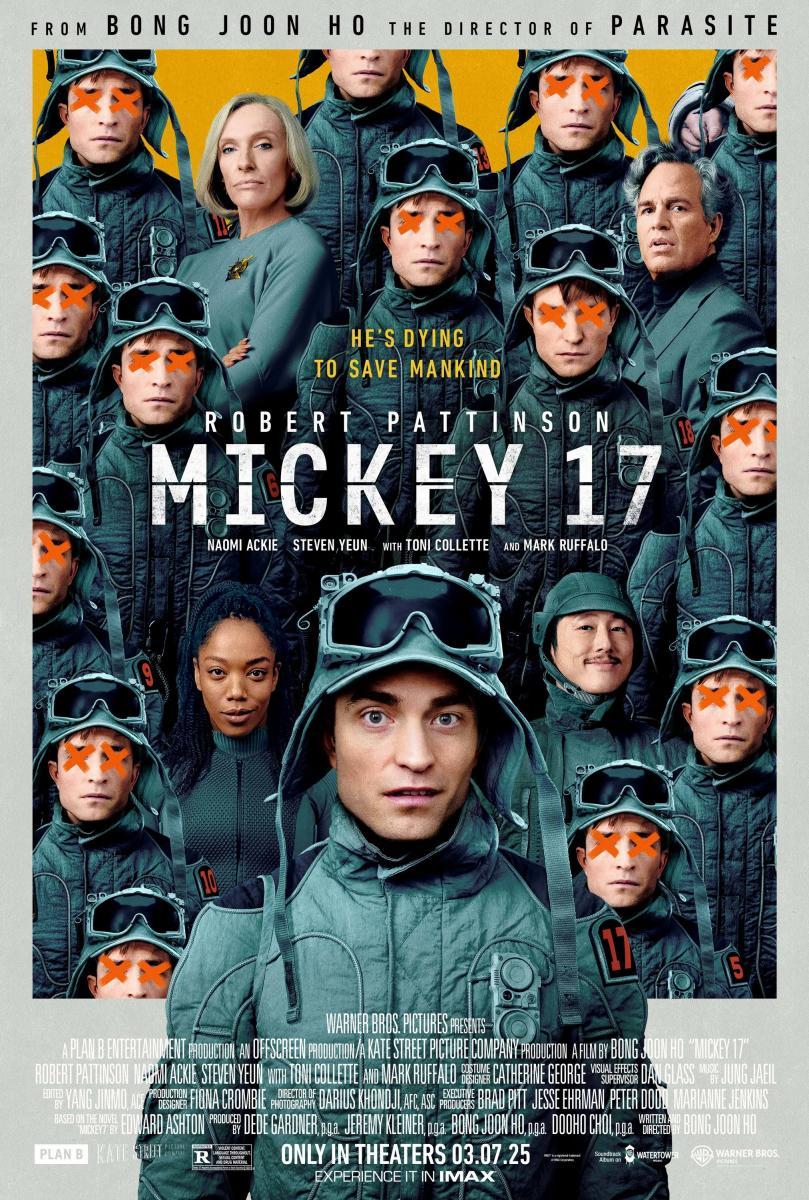
At CC/magazine, we don’t recommend the film as a cinematic experience. But we do want to pause and consider what it tried to be, and the message its director — ambitious yet unfocused — sought to share.
To clone oneself is to die while living
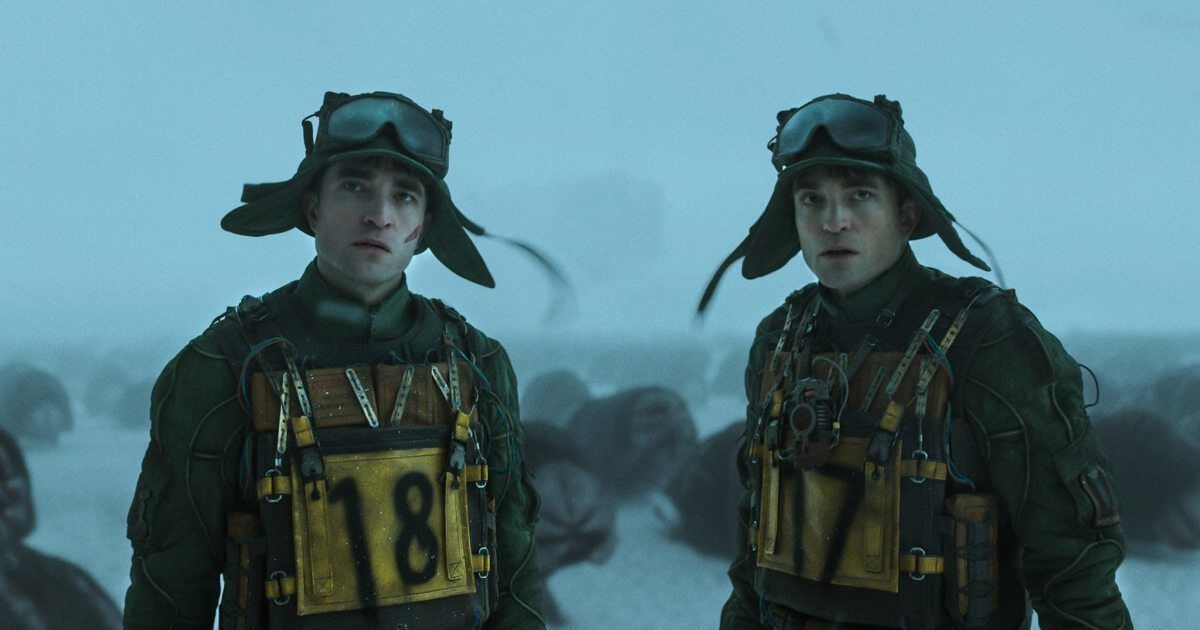
Based on Edward Ashton’s novel “Mickey7”, the film follows an “expendable”: a human being sent on deadly missions with the promise of being cloned after each death. Apparently immortal, but in essence, each Mickey is just an echo of the last — trapped in a kind of existence that questions authenticity and the very notion of self.
The question hovering over the story is a disturbing one: If your consciousness can be replicated, what is the value of your life? It’s a powerful reflection, echoing current dilemmas around artificial intelligence, the automation of labour, and the hollowing out of the soul in societies that reduce the human being to a replicable function.
Science fiction in the guise of social critique
As in “Parasite” and “Snowpiercer”, Bong Joon-ho uses satire to expose the structural flaws of our system. The figure of the “expendable” is a sharp metaphor for the exploited, replaceable, alienated worker — for those who give their bodies and time to a machine that fails to see them.
But in “Mickey 17”, that critique never quite strikes a chord. It lacks visceral force, it lacks epic weight, it lacks soul. The viewer remains outside, watching a machine of clever ideas, but without a heart to drive them.
The weight of budget, the lightness of emotion
Visually flawless, with large-scale production value visible in every frame, the film struggles to turn its resources into emotional impact or dramatic tension. The pacing is uneven, the plot dense and repetitive, and the experience — far from a philosophical or emotional odyssey — becomes heavy, like a brilliant lecture read in a monotone voice.
Even Pattinson, committed as he is, seems trapped in a character more conceptual than human. And perhaps that’s “Mickey 17”’s greatest flaw: in trying so hard to reflect on what makes us human, it forgets to actually show us human beings on screen.
A film to think about, but not to feel
We applaud Bong Joon-ho’s willingness to explore cinema as a philosophical tool. But thought without emotion rarely leaves a lasting impression. “Mickey 17” asks deep questions — but it doesn’t shake us. It has form, but no fire.
Perhaps, like the clones at the centre of its narrative, the film itself is a sophisticated copy of something that was once unique. A brilliant idea, replicated over and over — until it lost its soul.
Enjoy it on board Air Europa flights from July to December 2025.