La Llama: a journey through Spanish creativity in animation
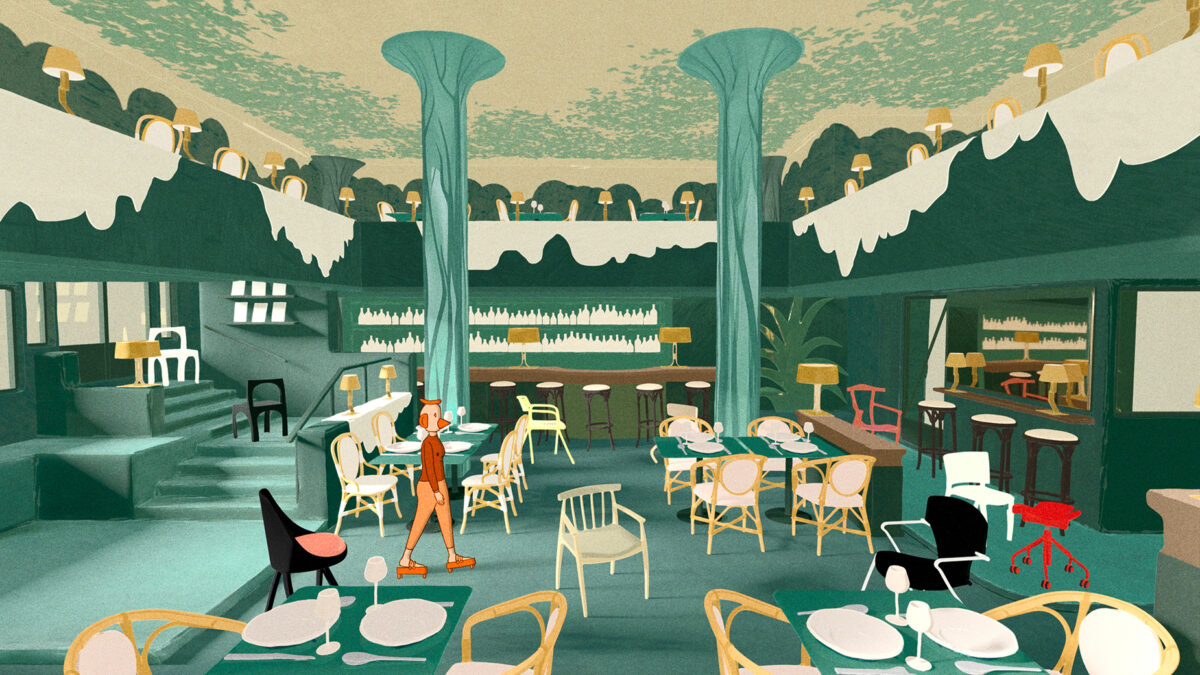
Directed by Turbo, La Llama transforms design, architecture and visual culture into a poetic animated experience, bringing together some of the most celebrated names in contemporary Spanish creativity.
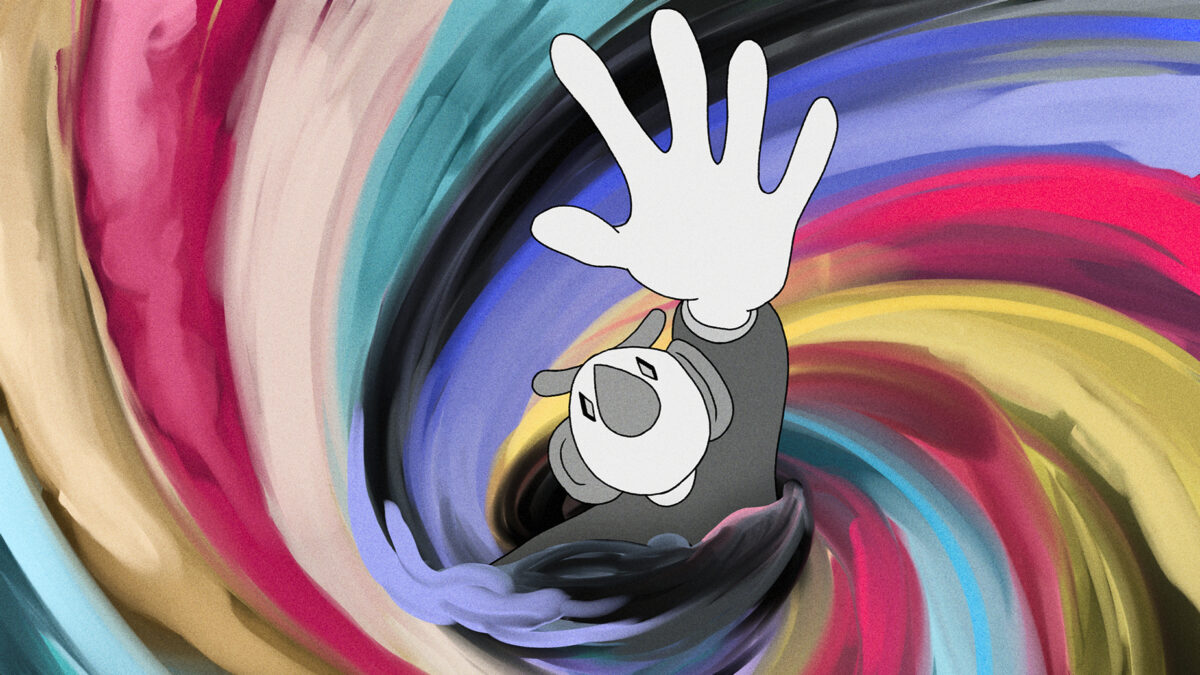
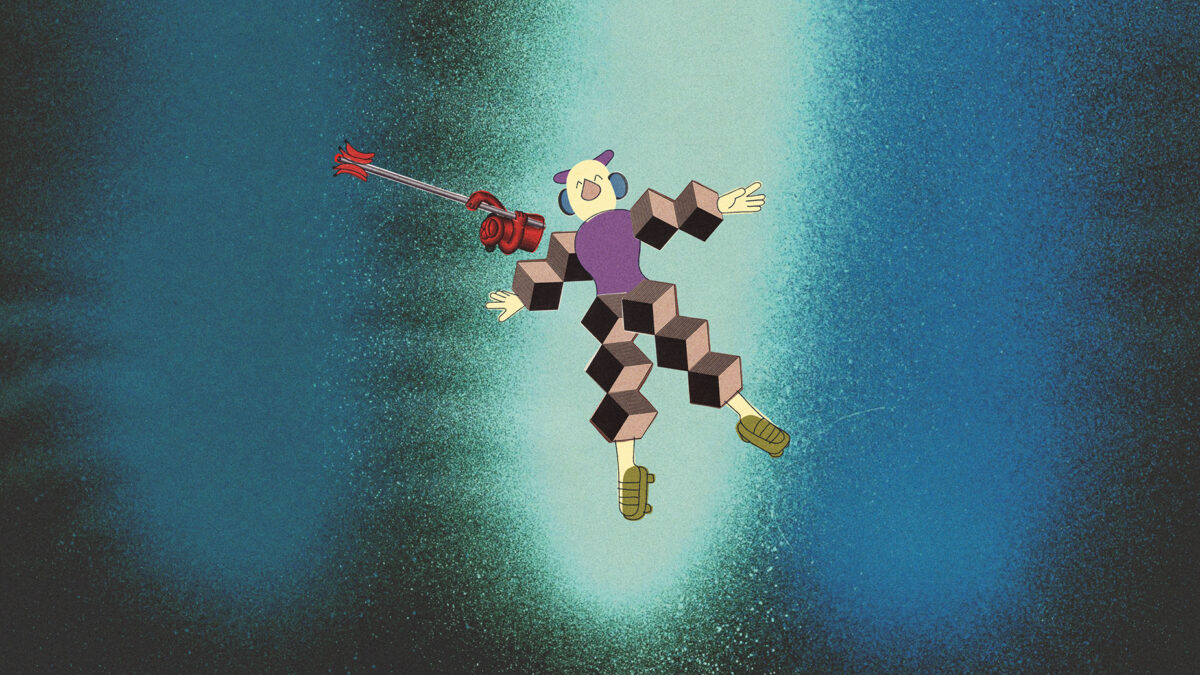
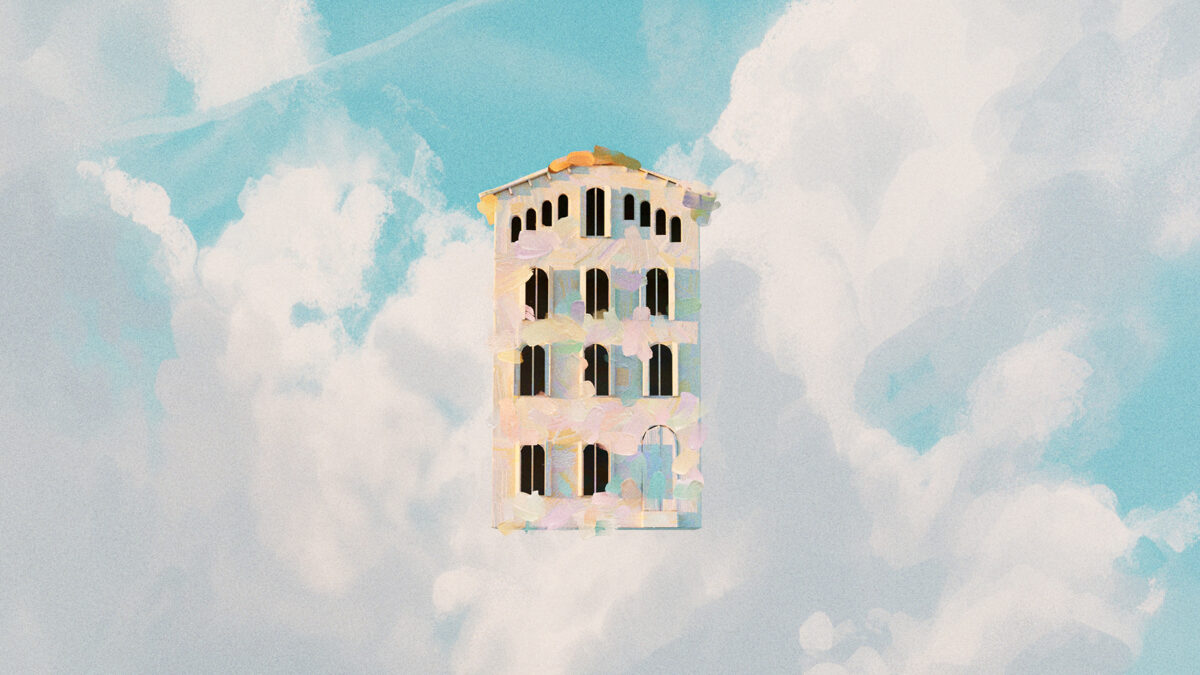
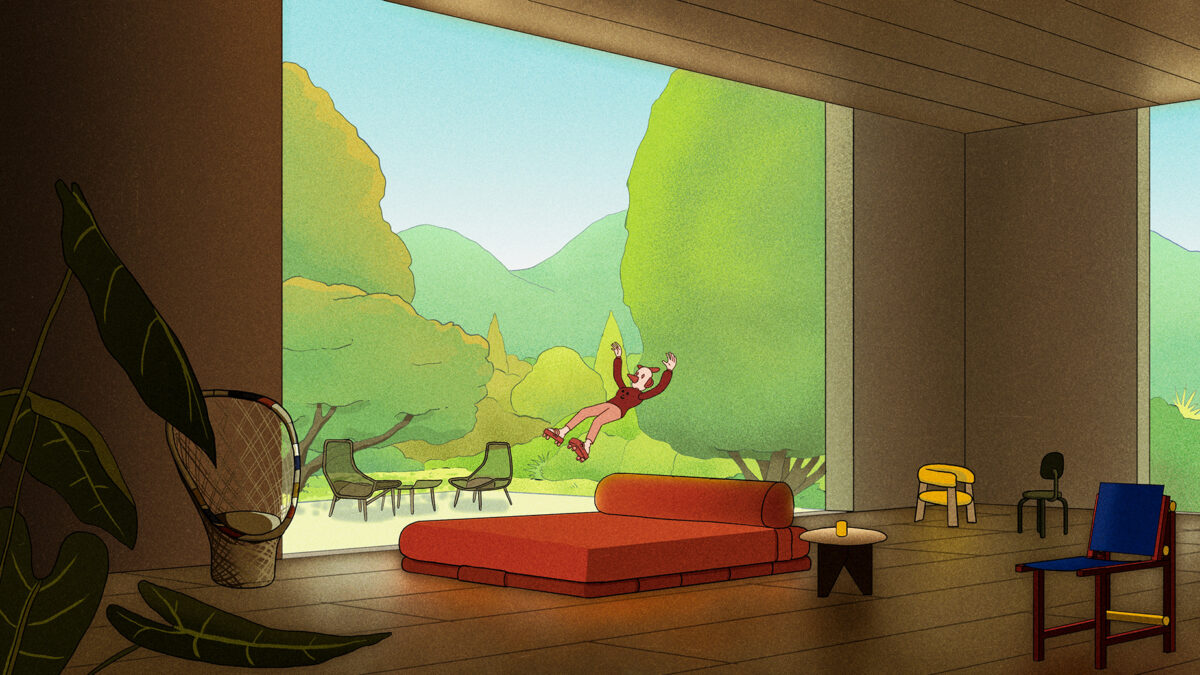
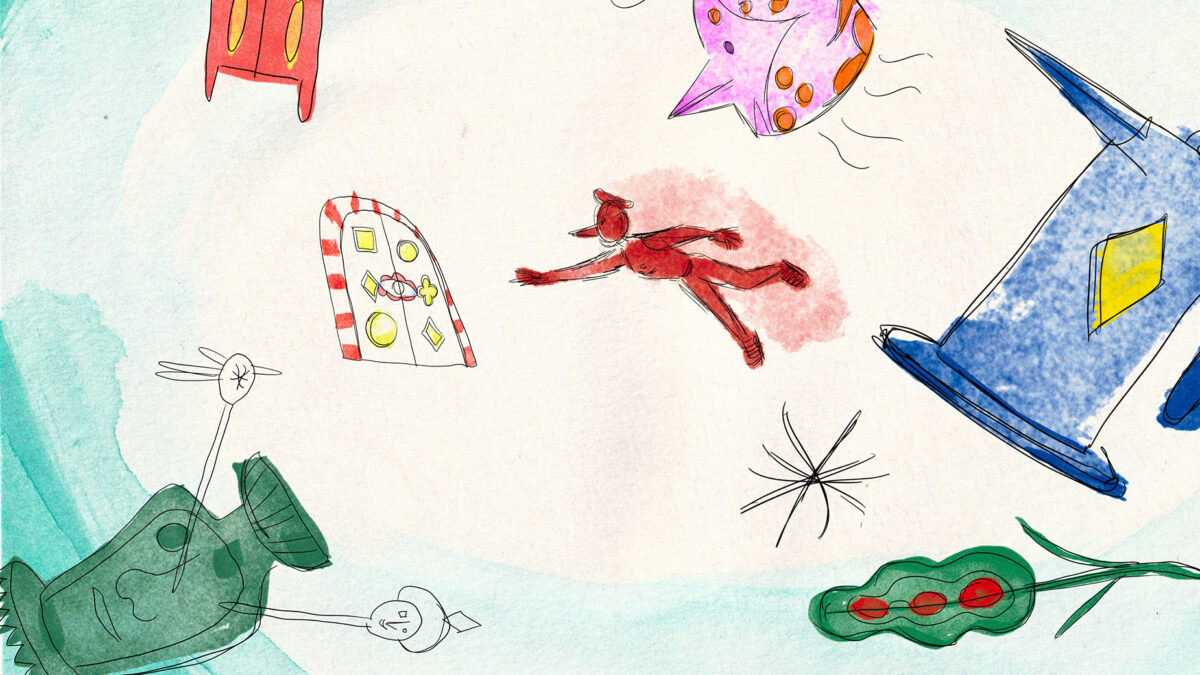
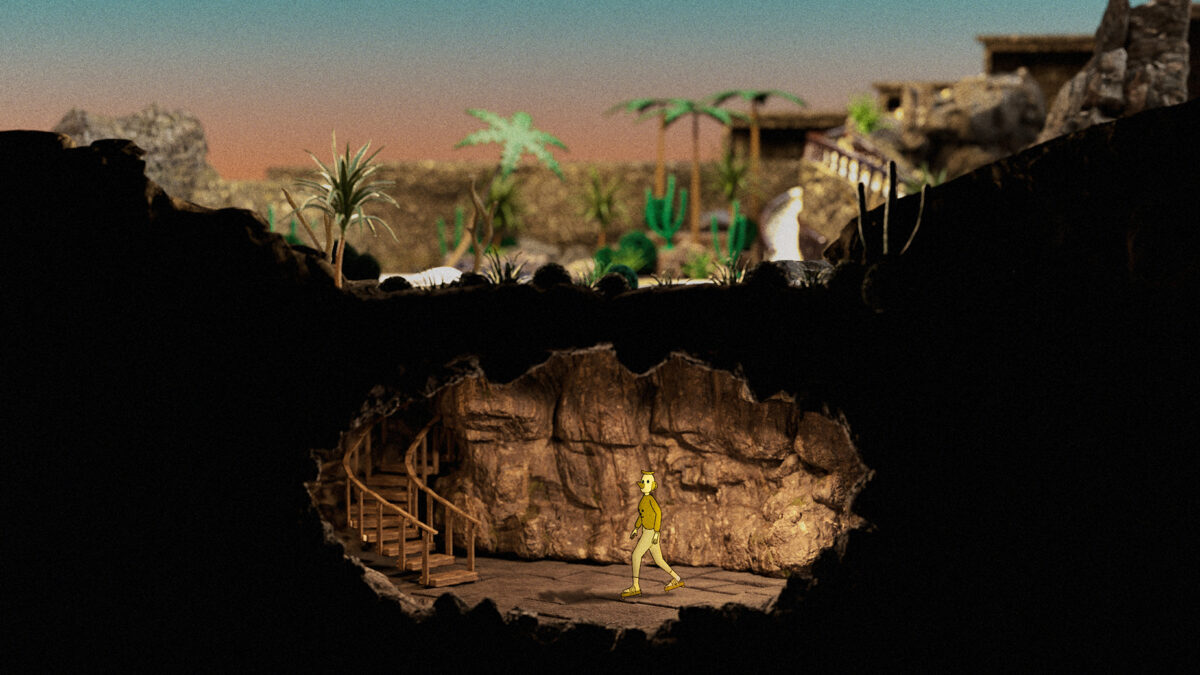
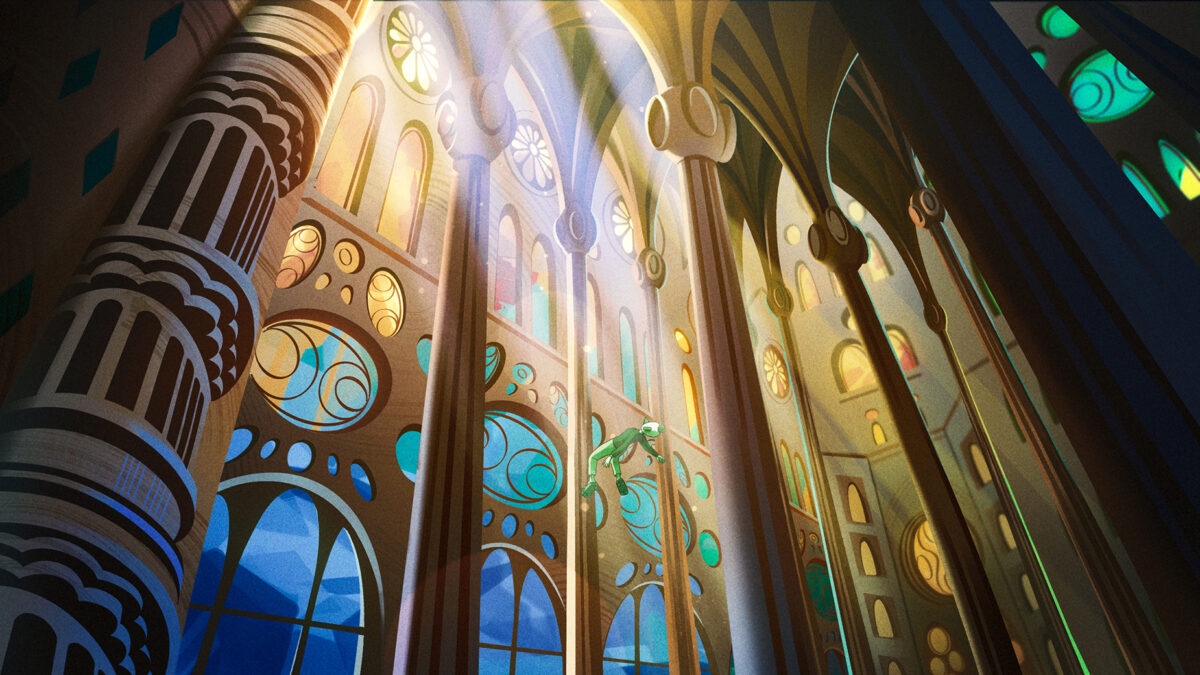
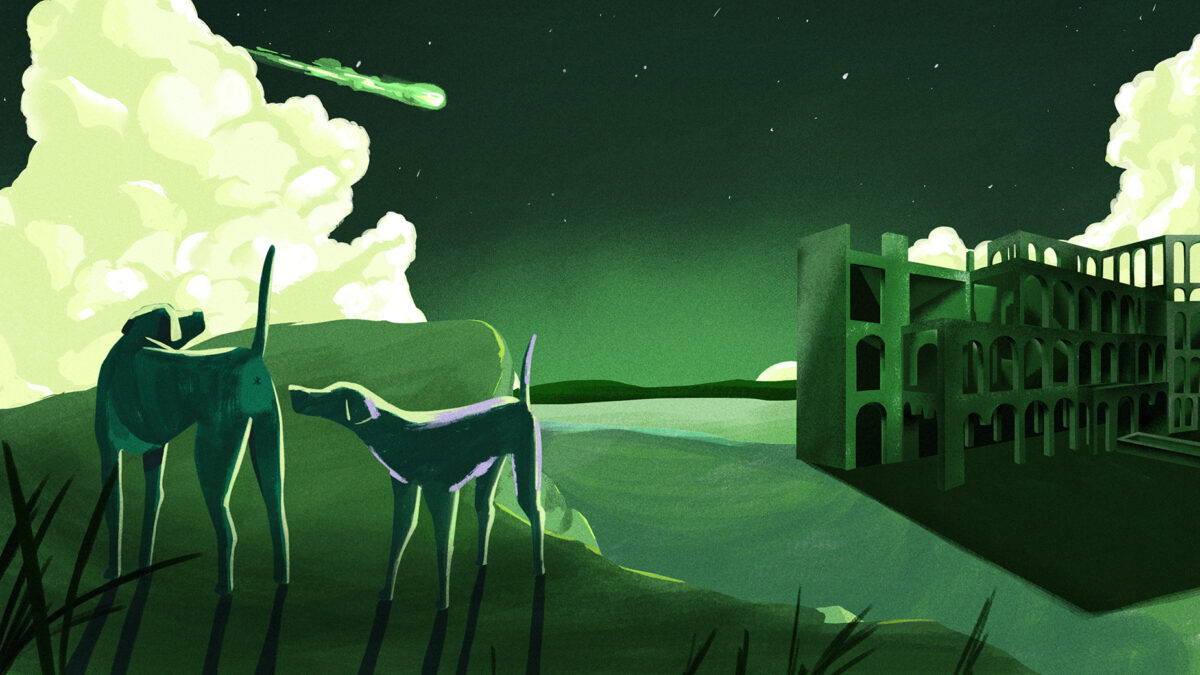
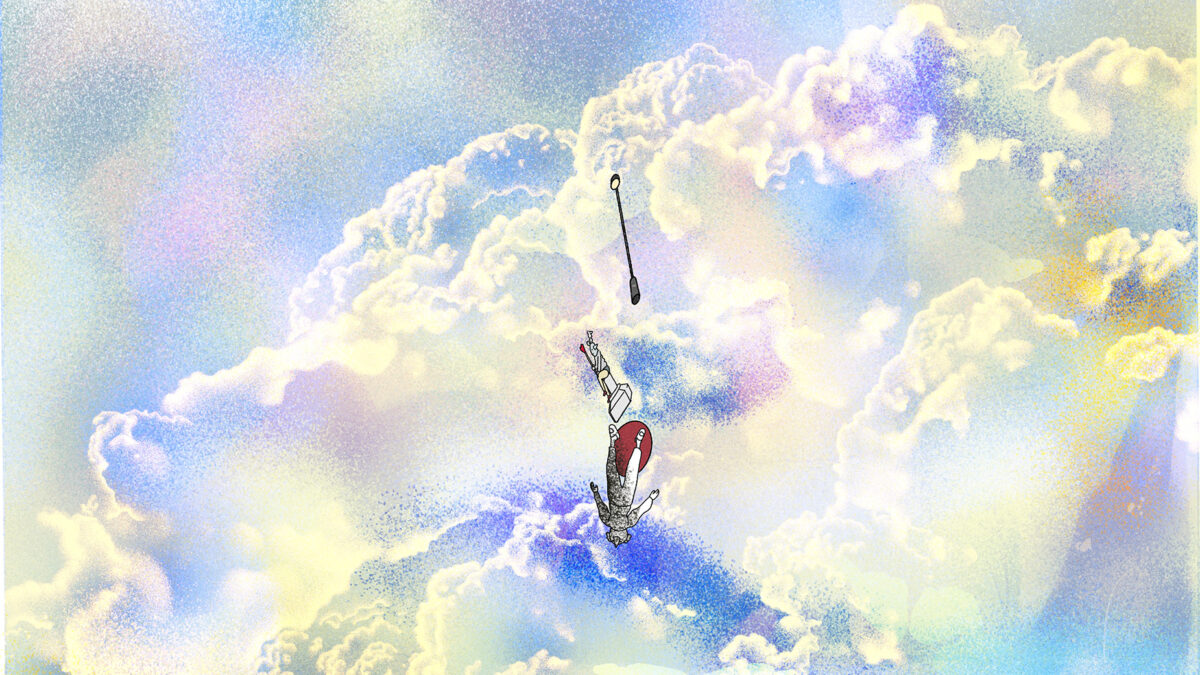
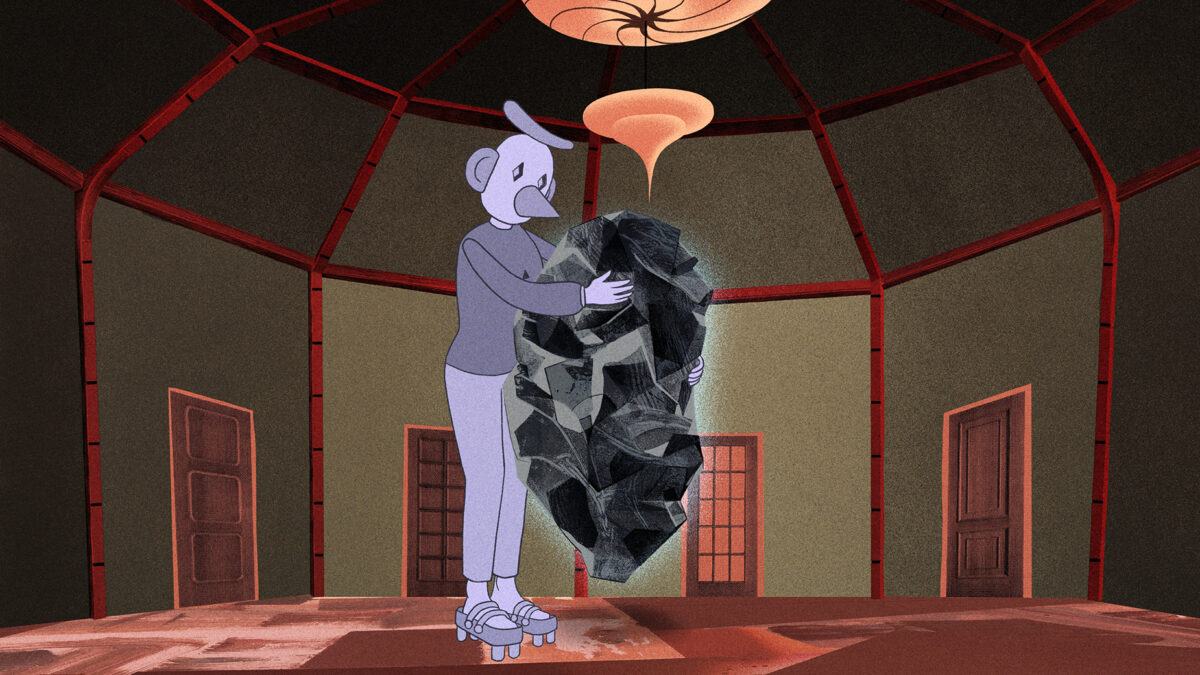
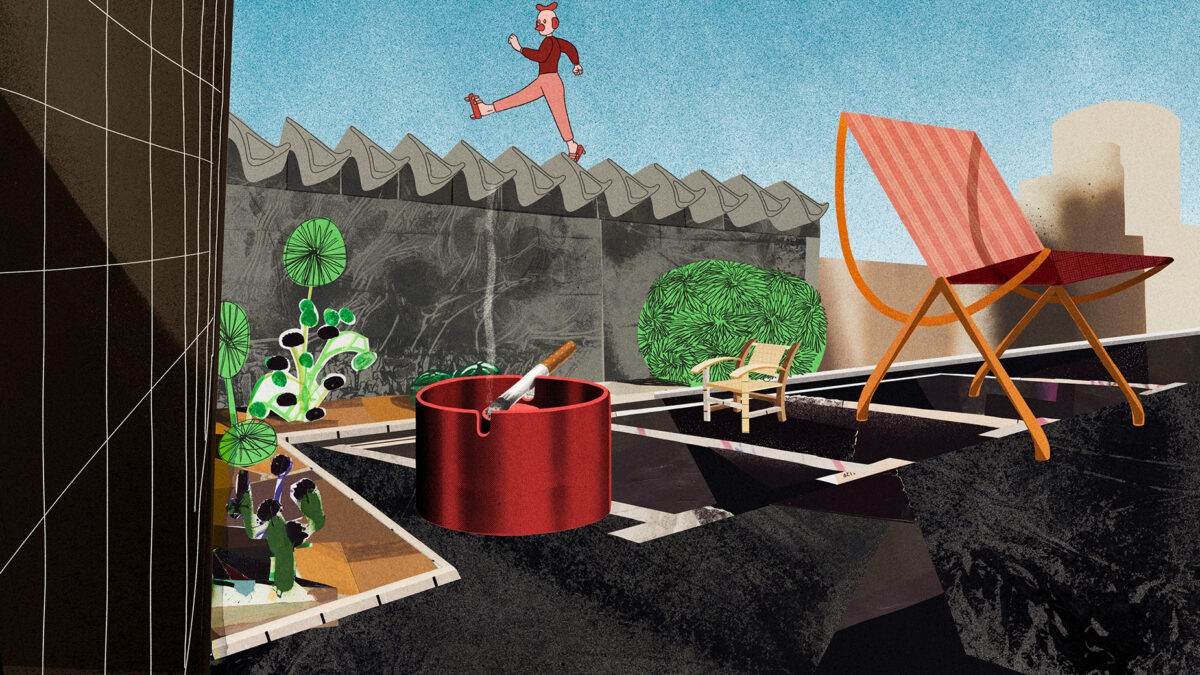
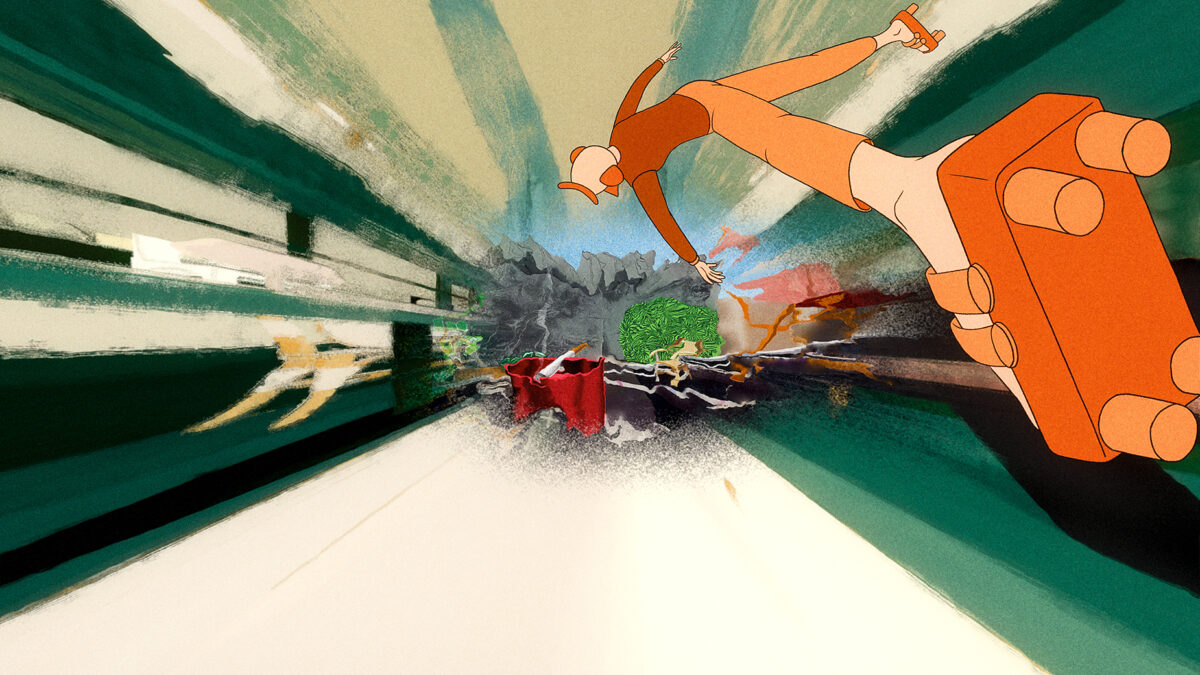
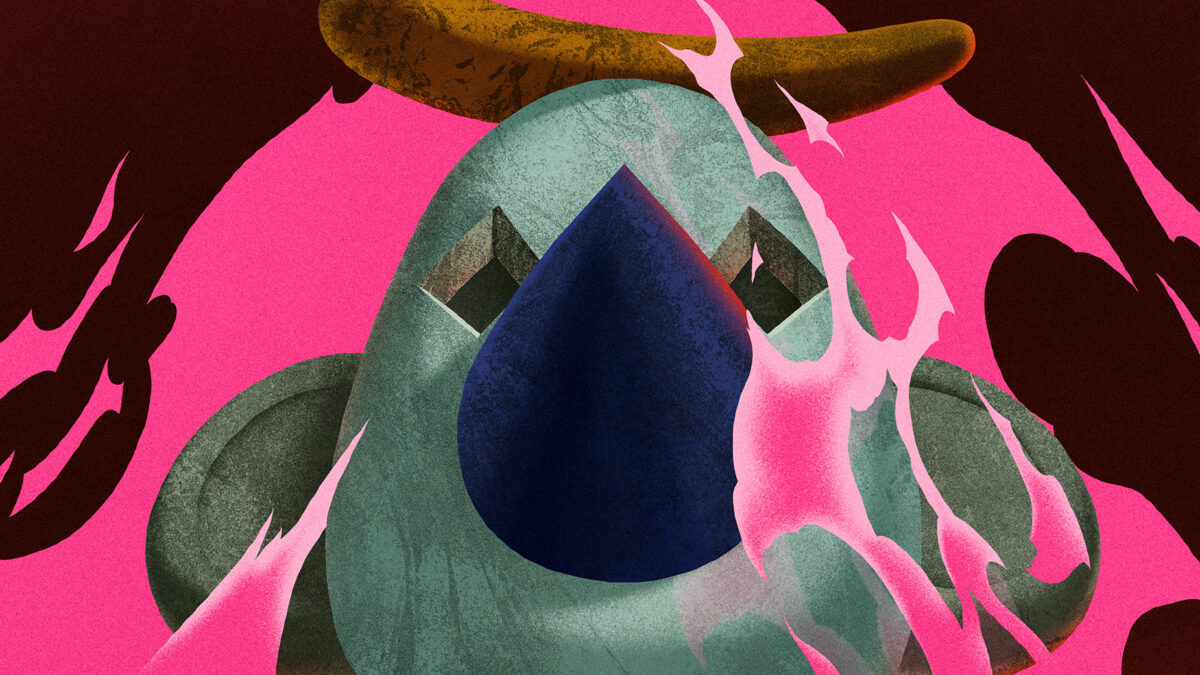
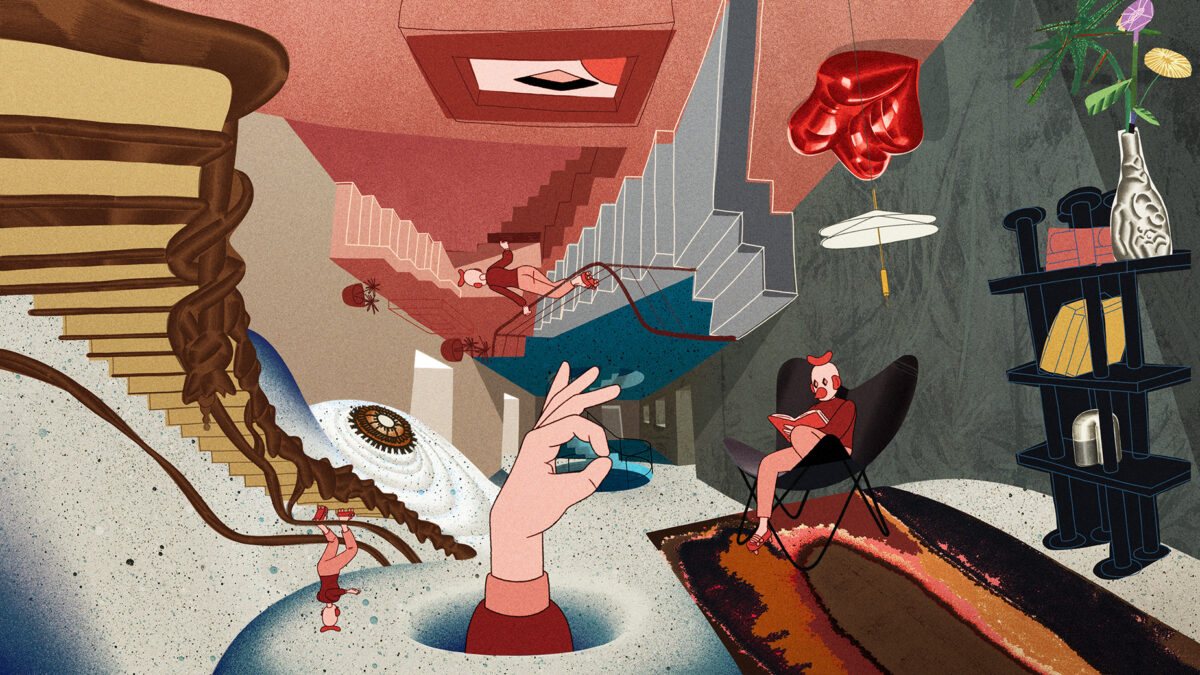
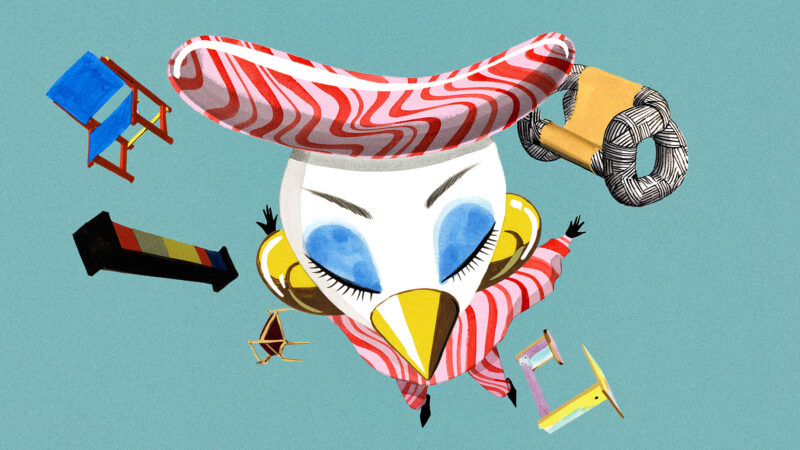
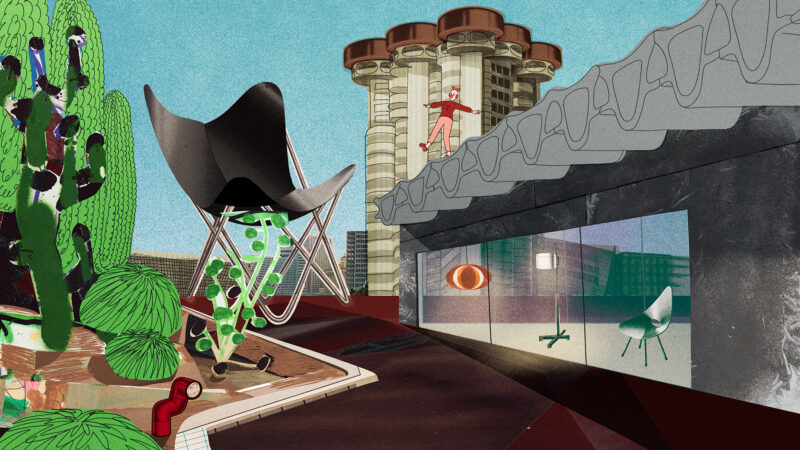
What would Spanish creativity look like if it could be transformed into a place to inhabit? That is, in many ways, the question posed by La Llama, the new animated short film directed by Turbo — the creative studio founded by Pau López and Gerardo del Hierro — and produced by White Horse and Apartamento. The film offers a visual journey through more than a century of Spanish design, architecture and culture, unfolding through a narrative that is as free-flowing as it is evocative.
Premiered during the Cannes Film Festival, the project brings together some of the most recognised voices in today’s creative landscape. Its visual universe begins with the imagination of Jaime Hayon, who designed the characters and serves as the story’s creative thread, accompanied by an original score from Yerai Cortés, vocals by La Tania and a text written by Leticia Sala. The production also features the work of leading figures in animation and illustration, including Isabel Herguera, María Médem, María Trénor, Marc Torices, Jordi Labanda and Khris Cembe.
Rather than attempting to recount the history of Spanish design chronologically or produce a conventional documentary, La Llama pursues something far more evocative: capturing the creative energy that has shaped generations of architects, designers and artists, transforming it into a rich sensory experience.
A house that never stops changing
The entire story unfolds inside a vast imaginary house in a constant state of transformation.
It is not a specific building but an ever-evolving environment where rooms, objects and characters continuously shift and change. Every space introduces new references to industrial design, architecture, furniture and Spain’s domestic visual culture, creating a landscape where different historical periods and creative languages coexist.
The house becomes a metaphor for design itself: an open territory where ideas merge, evolve and continually find new ways of existing.
Rather than offering a nostalgic reading of Spain’s creative heritage, La Llama presents a contemporary vision of Spanish creativity as a living process, capable of engaging with the present without losing its distinctive identity.
Jaime Hayon’s visual universe as the starting point
Jaime Hayon‘s visual language is essential to understanding the personality of the film. His instantly recognisable characters, defined by their organic forms, playful spirit and expressive qualities, act as guides through this journey into the culture of design.
More than simply protagonists, they embody the creative spark that gives the film its title and connects every discipline represented throughout the story.
The flame is not understood merely as fire. It also symbolises curiosity, intuition and the ability to imagine new possibilities — ideas that have long defined Hayon’s work and that here acquire a new narrative dimension.
When collaboration becomes the real project
One of the most compelling aspects of La Llama is the remarkable range of creative voices brought together within a single work.
Turbo‘s direction is complemented by the production of White Horse and Apartamento, while the animation has been created by The Post Office. Musicians, illustrators, writers and animators, each with their own distinctive style, come together to build a shared visual language without compromising their individual identities.
For Gerardo del Hierro, the project confirmed an idea that accompanied the entire creative process: inspiration does not arrive while waiting for the right moment, but through working alongside other people.
It is a way of thinking that helps explain both the speed with which the project came together and the collective spirit present in every scene.
That collaborative dimension is equally evident in the finished film. Rather than concealing the diversity of perspectives involved, La Llama embraces them, turning plurality into one of its greatest strengths.
Objects tell stories too
If there is one element that runs throughout the film, it is the constant presence of objects.
The story is populated with pieces that have become part of the history of Spanish design: Jorge Pensi‘s Toledo chair, Miguel Milá‘s TMC lamp, Bella Durmiente by Nina Masó and Gabriel Ordeig, Jaime Hayon‘s creations for brands such as Lladró, Expormim and Nanimarquina.
André Ricard‘s iconic ashtrays all appear alongside architectural landmarks including Casa Batlló, César Manrique‘s Jameos del Agua and the City of Arts and Sciences in Valencia.
Rather than functioning as a catalogue of design icons, these objects come together to create a visual landscape in which design is understood as an essential part of culture and everyday life.
Pau López explains that one of the project’s central ambitions was to create what he describes as a “visual dictionary of reality”. Not only of celebrated design classics, but also of the anonymous everyday objects that quietly accompany our lives and whose significance often goes unnoticed.
The film places all these elements on equal footing, presenting design not as something reserved for museums or galleries, but as a creative force embedded in the smallest gestures of daily life.
A tribute to Spanish design through animation
Although deeply rooted in the world of design, La Llama carefully avoids adopting an academic tone.
Its references are woven naturally into the narrative, inviting viewers to discover unexpected connections between architecture, furniture, illustration, craftsmanship and popular culture without the need for explanation.
Animation also allows the filmmakers to transcend physical limitations. Spaces shift in scale, objects come to life and the boundaries between disciplines dissolve, creating a visual language that could only exist within this medium.
That creative freedom makes La Llama particularly rewarding for anyone who understands design as a cultural expression rather than simply a functional discipline.
A contemporary perspective on creativity
Rather than offering definitive answers, La Llama proposes a new way of looking at Spanish design. It presents creativity as a shared process in which architecture, illustration, music, literature and animation are in constant dialogue. The result is an open and generous vision that reflects the richness of a creative ecosystem capable of continually reinventing itself without losing its distinctive identity.
Despite its short running time, the film displays remarkable visual ambition, demonstrating the potential of animation as a medium for telling stories about design and culture. It encourages viewers to look afresh at the objects, spaces and ideas that shape everyday life, while reaffirming the outstanding moment currently enjoyed by Spanish creativity on the international stage.
You can watch La Llama through this link.
(*) Images courtesy of ICEX.