“Sorda”: Motherhood, Identity and Belonging in Silence
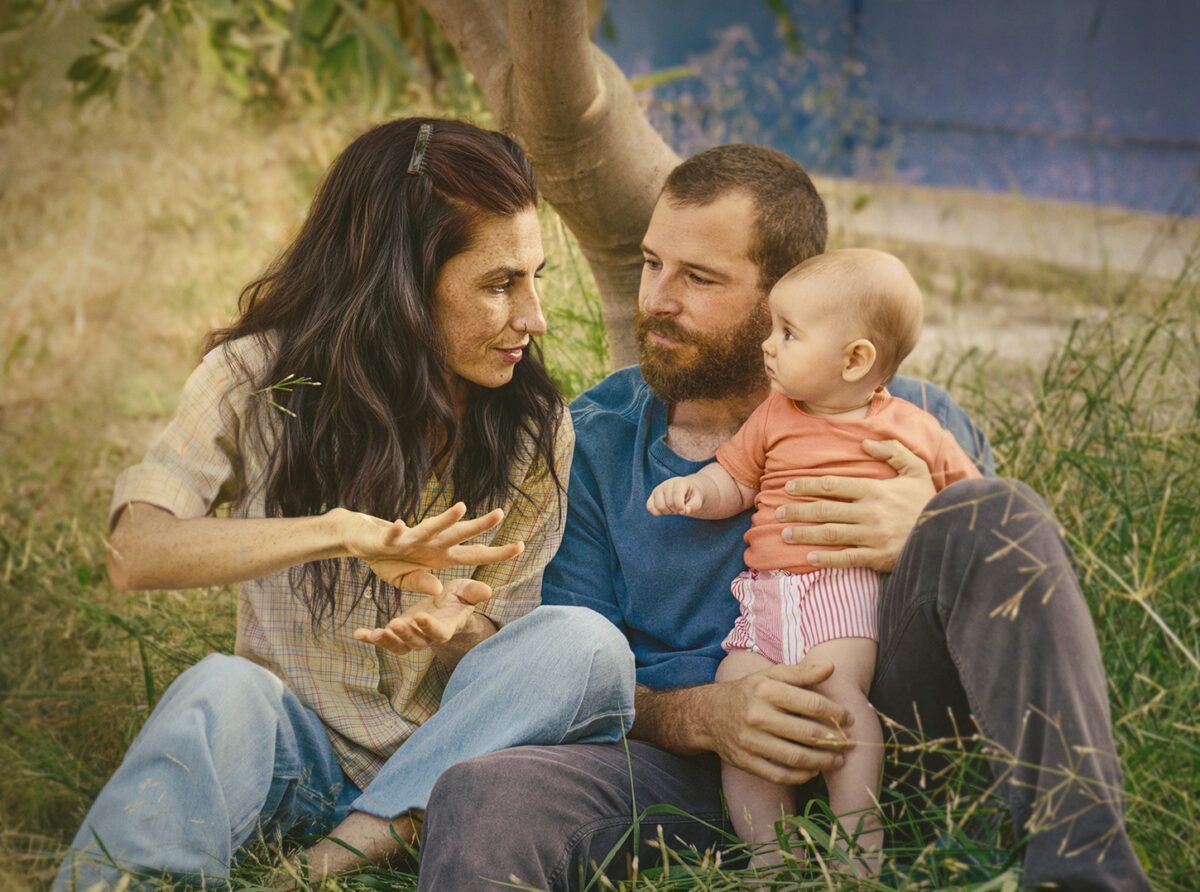
Directed by Eva Libertad and starring her sister, the deaf actress Miriam Garlo, “Sorda” offers an intimate and realistic portrayal of motherhood from the perspective of a deaf woman. It’s a bold and necessary cinematic proposal, especially in a landscape where the representation of hearing disability is still scarce and often stereotyped.
The story was born from a conversation between the two sisters about the fears and challenges of motherhood when one is deaf. That conversation first became a short film nominated for the Goya Awards in 2023, and later developed into a feature-length film that has earned numerous accolades, including the Golden Biznaga at the Málaga Film Festival and the Audience Award at the Berlinale.
“Sorda” resists sentimental clichés and chooses to portray its protagonist, Ángela, as a complex woman—full of doubts, contradictions, and an overwhelming emotional depth. On a technical level, the film becomes a sensory experience, immersing the viewer in the world of a deaf person through its masterful use of sound, silence and visual storytelling.
But beyond the cinematic value, “Sorda” opens up an urgent space for reflection on accessibility, empathy and care. And at the heart of it all is Miriam Garlo, whose personal story helps us understand the power and depth of this project.
We recently interviewed Miriam Garlo, and this is what she told us. Come in and have a read.
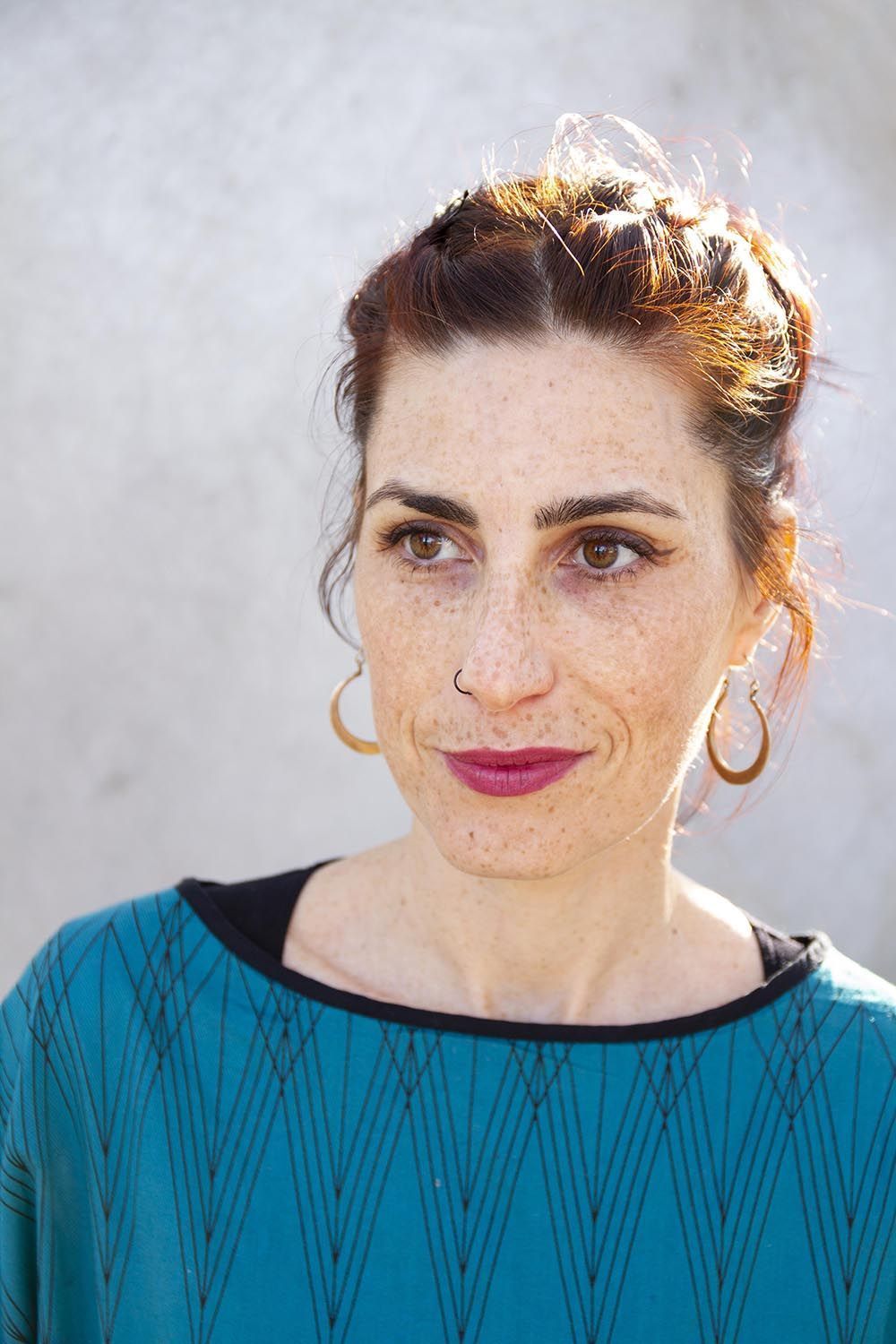
You learnt Spanish Sign Language (LSE) at the age of 30, which you described as “starting to see the world in colour.” How did this learning transform your personal identity and artistic career?
Learning LSE brought a radical shift in every dimension of who I am. Until then, I had normalised feeling insecure, alone, hesitant—even inferior—because I didn’t have access to information. I could only understand things through effort, both intellectually and socially.
I completed a degree, a master’s and a PhD without support. I was constantly exhausted, frustrated, living in survival mode. Once sign language came into my life, I discovered my natural language—one that matched my way of perceiving and thinking. It gave me energy, peace, and allowed me to enjoy learning, working and connecting with others.
I also discovered the immense cultural legacy within the Deaf community, which gave me a sense of belonging. Nowadays, I’m cast specifically as a deaf actress and it’s understood that I require the support of an interpreter. This makes me feel much more comfortable and included, and it allows me to contribute to artistic projects that aim to improve society—for everyone.
“Learning sign language was like seeing the world in colour for the first time.”
In “Sorda” you play Ángela, a deaf woman facing motherhood in a predominantly hearing society. What elements of your own experience did you bring to the character, and which were entirely fictional?
Being a deaf actress, I’m intimately familiar with the daily challenges of accessibility, social prejudice, and miscommunication. I also understand the emotional contradictions Ángela goes through. That’s the truthful part I brought to the role.
However, from the very beginning, Eva and I wanted to create a character very different from myself. Ángela’s personality, her reactions, decisions and the phase of life she’s in—none of that is me. It’s entirely fiction, and that gave me creative freedom to build a different person.
The film moved us deeply because of its authenticity and emotional restraint. As a deaf actress, what challenges and opportunities did you face while portraying a story so close to your own life?
Working with my sister is a privilege. We have a relationship built on trust, empathy and respect. I was involved from the start—I read every draft of the script, we shaped the character together, discussed her emotional arc. I was even consulted when choosing my co-star, Álvaro Cervantes. Importantly, accessibility was considered throughout the entire production. That’s rare, and it made the process safe and empowering.
“Working with my sister is a privilege. We have a relationship built on trust, empathy and respect.”
The greatest challenge came later, during promotion. While the film was well received, it’s still exhausting to face the general lack of understanding around deafness. Some questions are ill-informed or insensitive, and not all feedback is constructive.
You’ve mentioned that you don’t consider yourself a “role model” but rather a representative of a wider community. How do you see your role in the visibility of deaf people in film and culture?
I want to use this opportunity to help the Deaf community move forward—because that benefits us all. I focus on creating visibility within film, theatre and the arts. I want to see Deaf characters normalised on screen—not portrayed as something exotic or tokenistic.
We need Deaf people working across departments—scriptwriting, directing, producing—not just acting. I want the next generation to have it easier. And I hope both Deaf and hearing worlds can become more understanding and compassionate with one another.
“I hope the film raises awareness around care, emotional wellbeing and empathetic communication.”
What message do you hope hearing and Deaf audiences take away from Sorda?
With “Sorda”, we aimed to explore the complexity of human relationships—love, family, friendship, work—but through the unique lens of a Deaf mother navigating a world without enough support, structurally or emotionally.
At the end of the day, we are all human. I hope the film raises awareness around care, emotional wellbeing and empathetic communication. I hope it speaks equally to Deaf and hearing audiences.
A film that listens
More than just a film, “Sorda” is a tool for social reflection and awareness. Through its honest narrative and meaningful representation, it invites viewers to challenge their assumptions about disability, language, and motherhood.
A cinematic work that doesn’t just tell a story — it makes you feel, building a bridge between worlds that too often exist apart.
Highly recommended.
Enjoy it on board Air Europa flights from this July.
(*) Miriam Garlo’s photo: Nino.