La bola negra: living without denying who you are
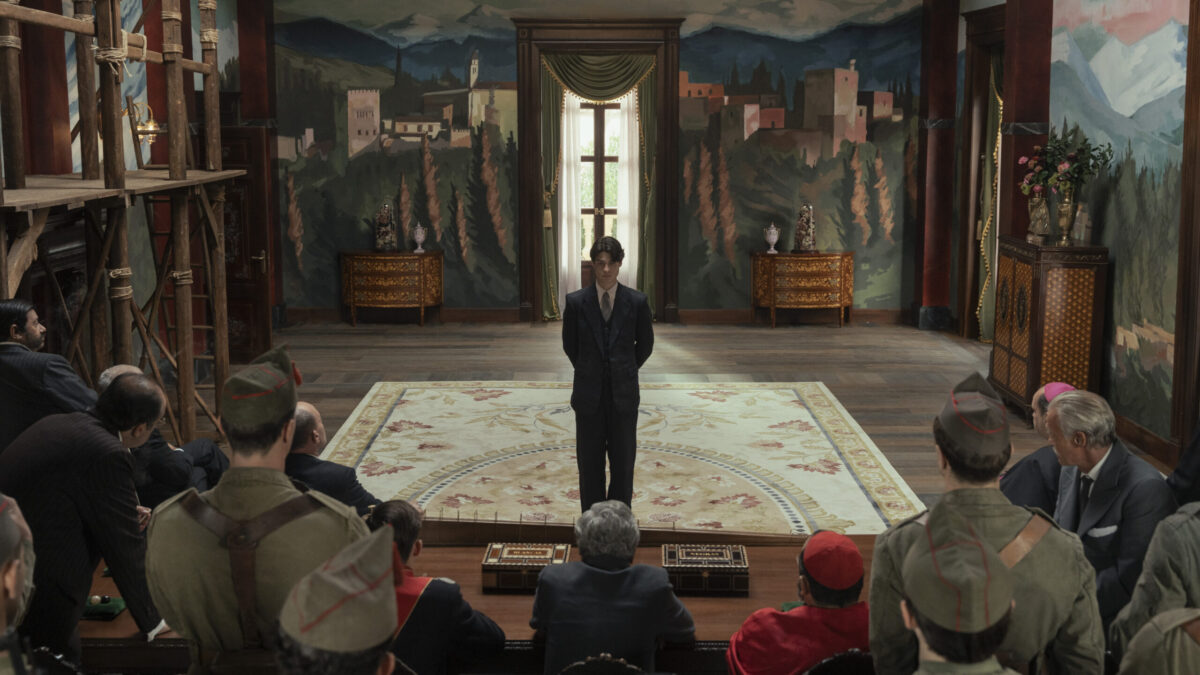
La bola negra, the new film by Javier Calvo and Javier Ambrossi, moves across three periods in Spanish history to explore desire, memory, identity and inherited trauma. An ambitious, profoundly human work destined to leave its mark far beyond Spain’s borders.
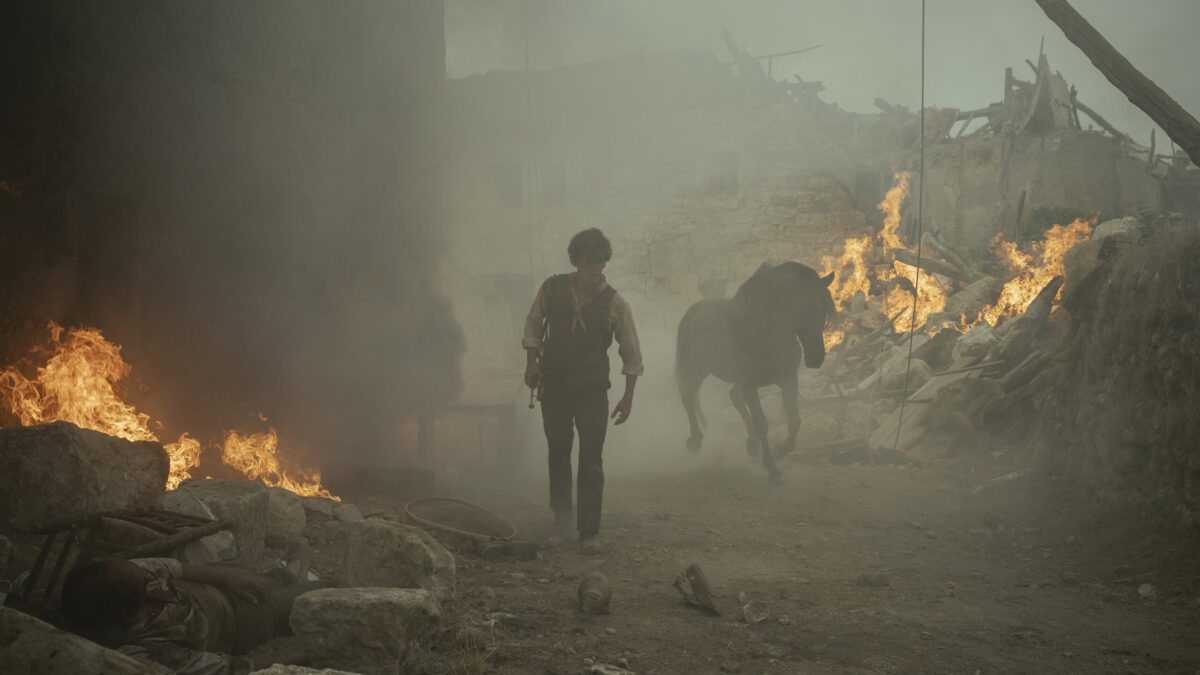

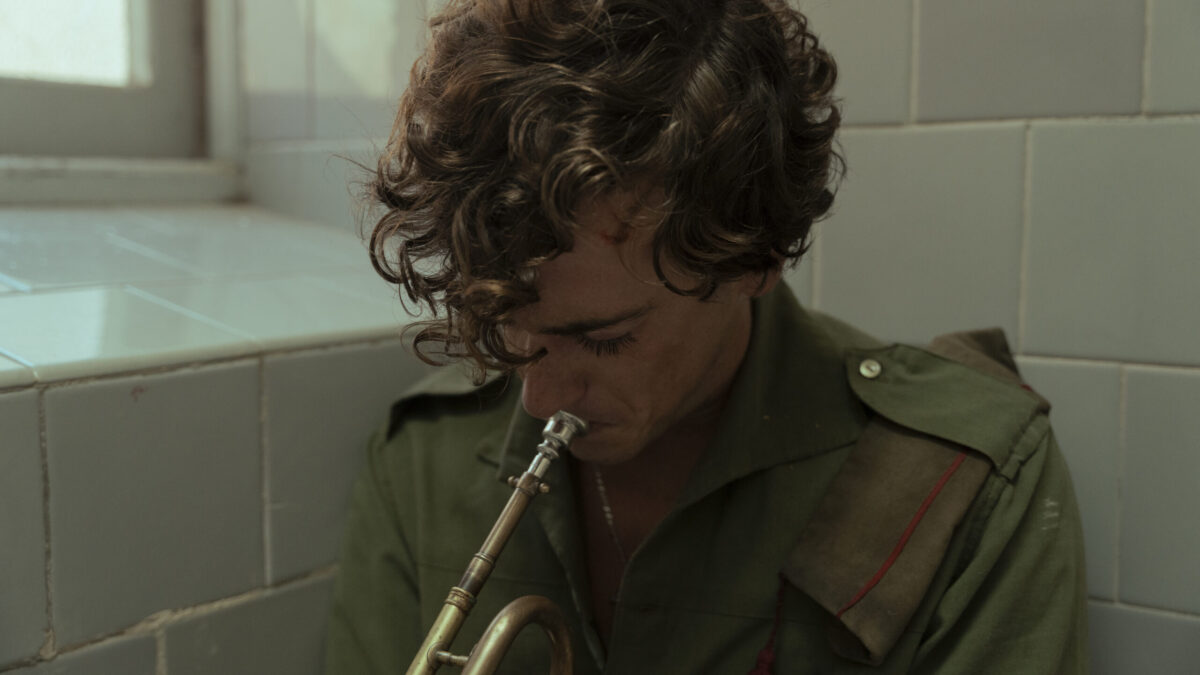
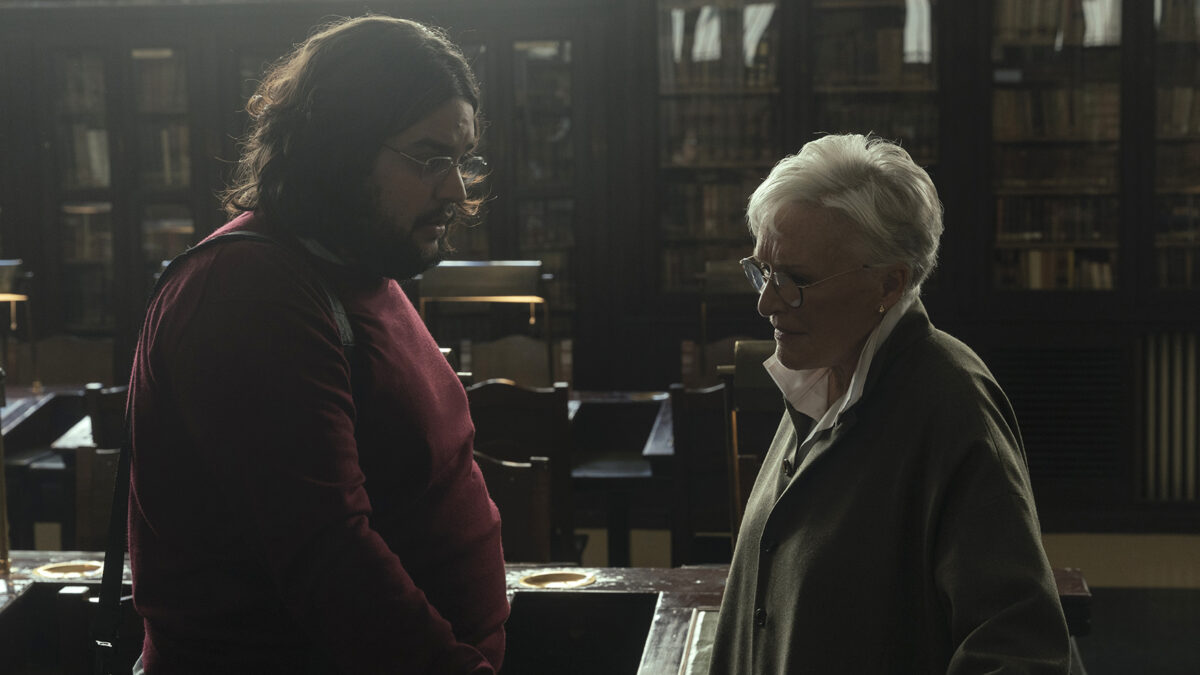
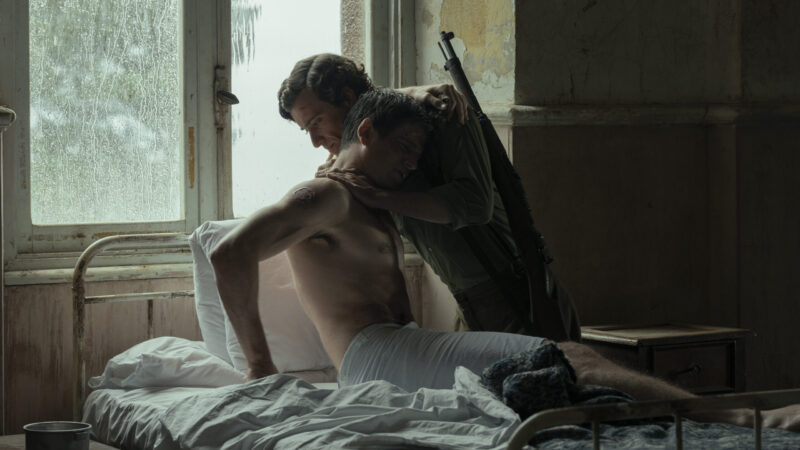
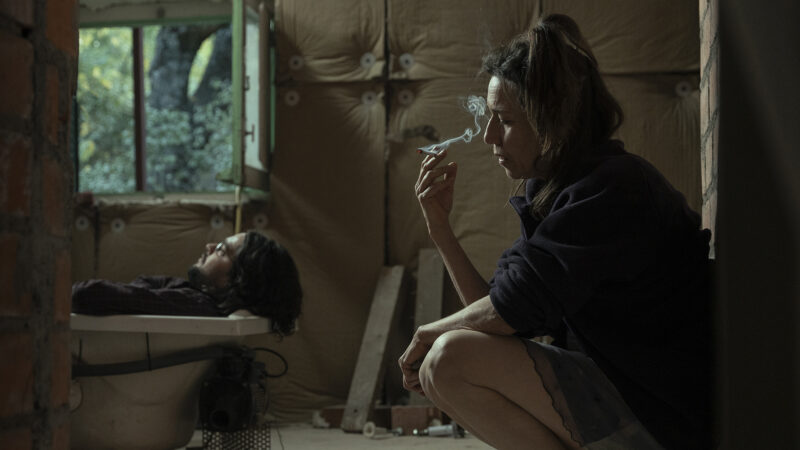
La bola negra emerges from a wound that Spain never fully managed to heal and from all the lives that were marked by it. Javier Calvo and Javier Ambrossi have created their most ambitious work and, at the same time, one of their most intimate: a story about political violence, sexual repression and the traumas that, when kept hidden, travel through time and continue to surface in those who come afterwards.
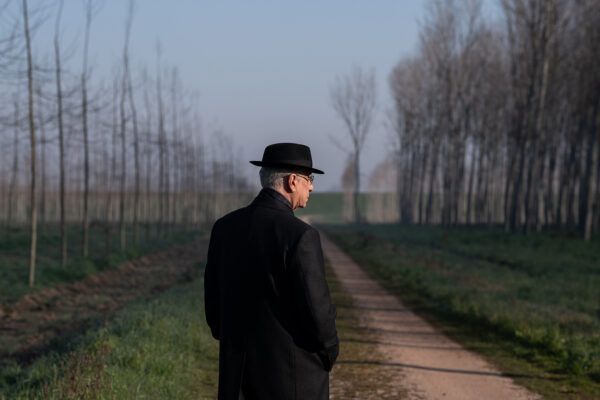
Inspired by an unfinished work by Federico García Lorca and by La piedra oscura, the play by Alberto Conejero — who also co-wrote the screenplay — La bola negra connects the lives of three men at three different points in time: 1932, 1937 and 2017. Desire, pain, guilt and an emotional legacy extending far beyond blood ties circulate between them. These are not three separate stories, but the same wound reappearing in different forms and different bodies.
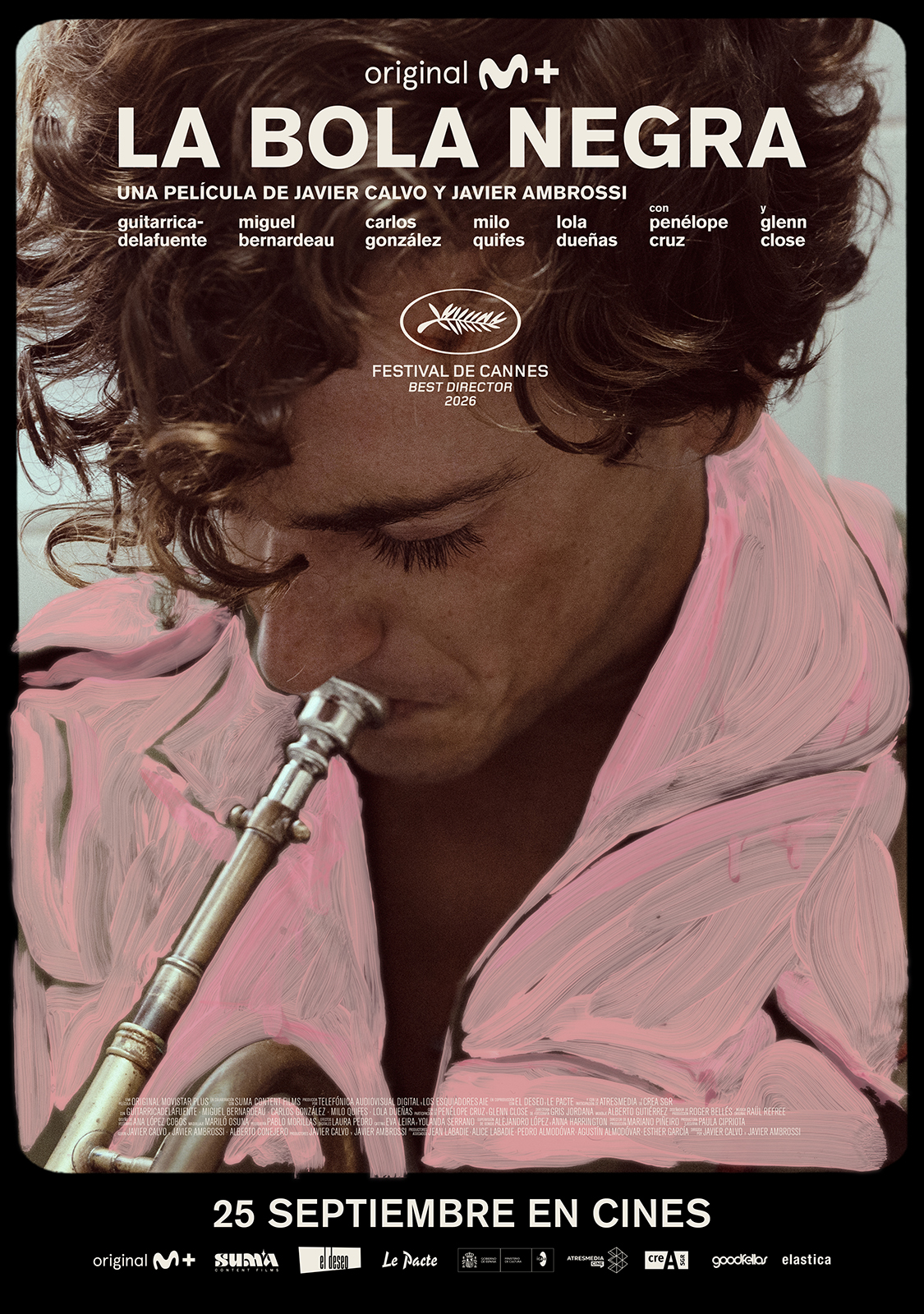
As Javier Ambrossi has explained, “this is not a film about Lorca. It is not a Lorca biopic.” The poet is naturally present, but not as a monumental, motionless figure. Instead, he is an energy running through the story: the desire seeking expression, the artist who understands that life can only truly be lived through honesty, and all those who paid an unbearable price for daring to be themselves.
The violence of not being allowed to be yourself
The title refers to the black ball once used within certain social circles to prevent someone from being admitted without openly revealing who had rejected them. A single vote against a candidate was enough to exclude them. The image encapsulates the film’s symbolic core: the rejection imposed by a community, but also the black ball that a person may eventually cast against themselves after years of fear, contempt or shame.
The most profound violence in La bola negra is not always explicit. It also inhabits the words that remain unspoken, the restrained gestures, the affections that must be concealed and the constant vigilance of someone who has learnt that revealing who they truly are could cost them their freedom, their family or even their life. Repression eventually takes root within the individual, persuading them that their desire is a source of guilt and their identity a mistake.
To deny yourself is to deny yourself life. This is one of the essential truths underpinning the film, because living is not simply a matter of surviving: it means recognising yourself, loving and occupying your own place in the world without apologising for existing. When that possibility is taken away, the damage does not disappear over time. It changes its appearance, becomes embedded in a family’s emotional education and is passed down through silence.
Trauma is inherited too
Calvo, Ambrossi and Conejero construct a narrative in which the past is not a closed chapter, but living matter.
What one generation suppresses, the next may transform into anxiety, emotional distance, incomprehension or an inability to love. Trauma endures because the strategies that once made survival possible are inherited too: hiding, distrusting, hardening oneself and asking no questions.
To deny yourself is to deny yourself life.
Through this dialogue between different periods, La bola negra addresses historical memory without reducing it to an academic lesson. The Spanish Civil War and Franco’s dictatorship are inscribed upon bodies and relationships. Their consequences didn’t end on an official date, because they continued to shape how people loved, formed families and related to their own desires. The film understands that remembering does not mean remaining anchored in the past; it means recovering what was deliberately erased in order to inhabit the present with greater freedom.
Nor is its queer dimension a territory reserved for a minority. “Gay people are not a niche audience,” its directors have argued. Love, the fear of rejection, the need to belong and the desire to be recognised are universal experiences, even though not all bodies have been subjected to the same threats. This combination of historical specificity and shared emotion allows the story to be political without losing its humanity, and profoundly intimate without relinquishing the scale of a major production.
Three periods, one wound
The interwoven structure demands precision, and Alberto Gutiérrez’s editing finds connections between different periods, gazes and emotions without turning them into a mechanical exercise. The viewer gradually discovers how each story illuminates the others and how a gesture made decades earlier can acquire new meaning when it reappears in the present.
Guitarricadelafuente, Miguel Bernardeau, Carlos González and Milo Quifes embody different faces of desire confronted by violence. They are joined by an extraordinary cast featuring Lola Dueñas, Penélope Cruz, Glenn Close, Antonio de la Torre, Natalia de Molina, Albert Pla, Julio Torres, Lorenzo Zurzolo, Daniel Ibáñez, Mona Martínez, Nuria Mencía, Hugo Welzel, María Morales and Yenesi Suárez.
The performances prevent suffering from becoming an abstract idea. The story takes concrete form in a breath, a moment of hesitation or a hand that never quite manages to draw closer. In the face of the brutality surrounding them, tenderness becomes a form of resistance. To love, care for or listen to another person are presented here as acts capable of defying an order built to divide, punish and silence.
Beauty as an act of resistance
Shot on 35mm film, La bola negra possesses a material quality that enters into dialogue with memory.
Gris Jordana’s cinematography doesn’t merely distinguish the different periods through obvious visual codes; it constructs a universe in which light appears to preserve traces of what has happened. The texture of celluloid, its grain and the depth of its colours give the images a physical, almost tactile quality.
Roger Bellés’s production design and Ana López Cobos’s costumes reconstruct each period through detail rather than ostentation.
The spaces speak of hierarchy, belonging and exclusion, while the clothing reveals what the characters wish to display and what they are forced to conceal. Hair, make-up and character design complete this immersion without calling attention to the artifice behind it.
Movement, directed by Belén Martí Lluch, also plays an essential role. In a film about bodies that are watched, desired or punished, the way someone walks, looks or maintains their distance communicates as much as the dialogue. The characters carry their period upon their shoulders, but also the weight of everything they cannot say.
The music of what endures
Raül Refree’s score does not simply accompany the images: it opens an emotional passage between them. His music moves between the popular, the contemporary and the spectral, as though the voices of the past were still resonating beneath the present. The new interpretation of La leyenda del tiempo, Camarón’s legendary song based on verses by Lorca, strengthens the connection between tradition and rupture.
Particularly significant is La nieve, composed by Guitarricadelafuente with Refree and inspired by Lorca’s final letter to Rafael Rodríguez Rapún, as well as by the film’s own emotional universe. The song doesn’t function as a promotional addition, but as another narrative layer: everything the characters are unable to express ultimately finds a musical form.
Rodrigo Madrigal’s sound design and Alejandro López’s sound editing ensure that silence is never empty. Some silences are protective, others imposed, while some contain entire decades of pain. The film knows how to listen to these absences and, in its closing credits, gives the viewer the necessary time to remain within what they have witnessed without bringing the emotion to an abrupt end.
A film for the present
“We wanted to make a major anti-war, anti-fascist film,” Calvo and Ambrossi have said. That ambition feels particularly relevant at a time when certain discourses seek to relativise the dictatorship, trivialise intolerance or present hard-won rights as dispensable privileges.
La bola negra doesn’t observe the past from a comfortable position. It interrogates it, reminding us that no freedom can ever be taken for granted and that hatred rarely begins with a great tragedy. More often, it begins with an act of exclusion, an insult that is tolerated, an identity turned into a threat or a black ball cast in secret.
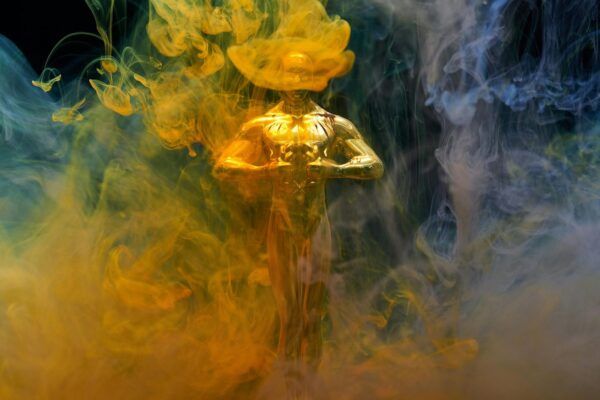
Having won the Best Director award at the Cannes Film Festival and the People’s Choice Award in Toronto, the film is representing Spain in the race for the Academy Award for Best International Feature Film. It hardly seems an exaggeration to predict an extraordinary journey for it in Hollywood, potentially extending to categories such as directing, cinematography, music, acting and original song. It possesses cinematic ambition, emotional power and a distinctive visual identity, together with a story deeply rooted in Spain that, precisely because of its truth, can travel anywhere.
“We wanted to make a major anti-war, anti-fascist film.” Calvo & Ambrossi
We hope the Academy Awards recognise everything contained within La bola negra. Not only because this is one of the great Spanish films of recent years, but because its message deserves to cross borders: nobody should have to renounce who they are in order to be accepted. Life begins when we stop casting that black ball against ourselves.
In cinemas from 25 September. Check local listings.