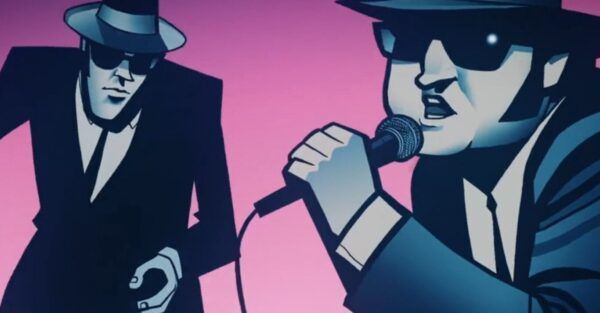
“Eddington”: the tragic farce of a nation in check
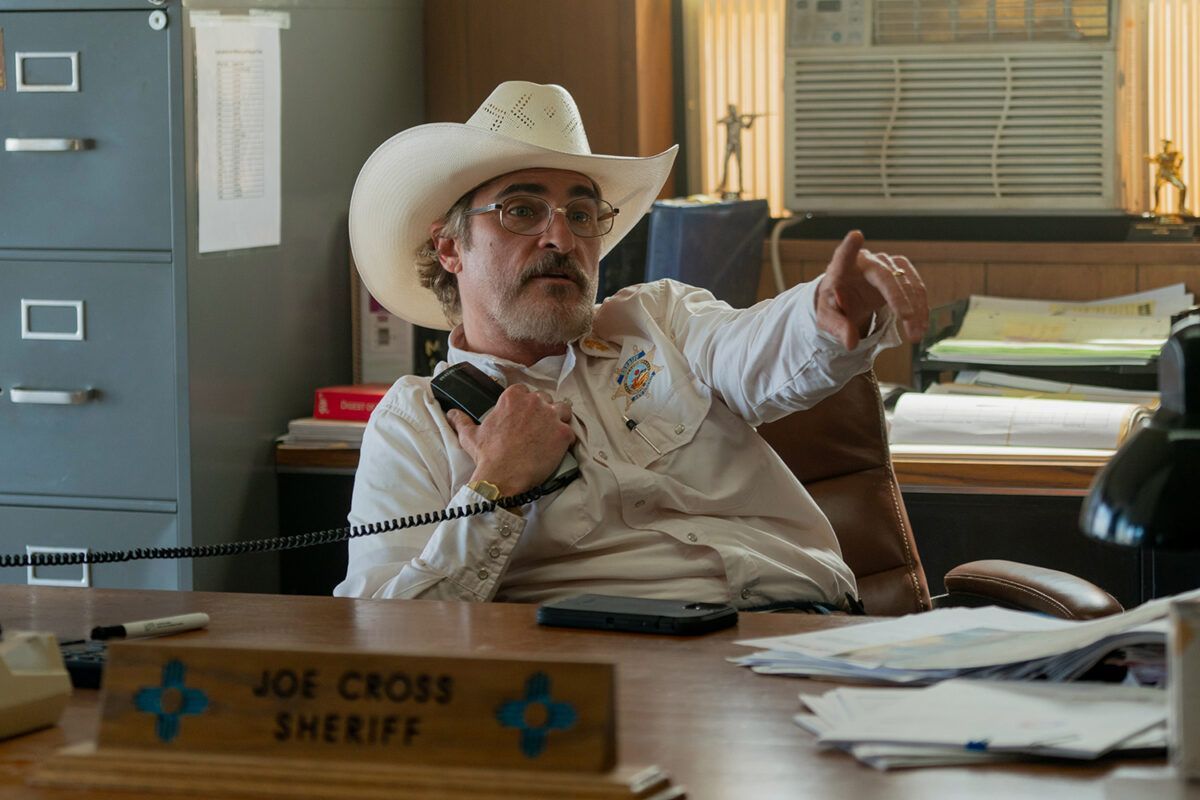
Ari Aster signs a black comedy that portrays the social and moral collapse of the United States during the pandemic, with Joaquin Phoenix and Pedro Pascal locked in an unforgettable duel.

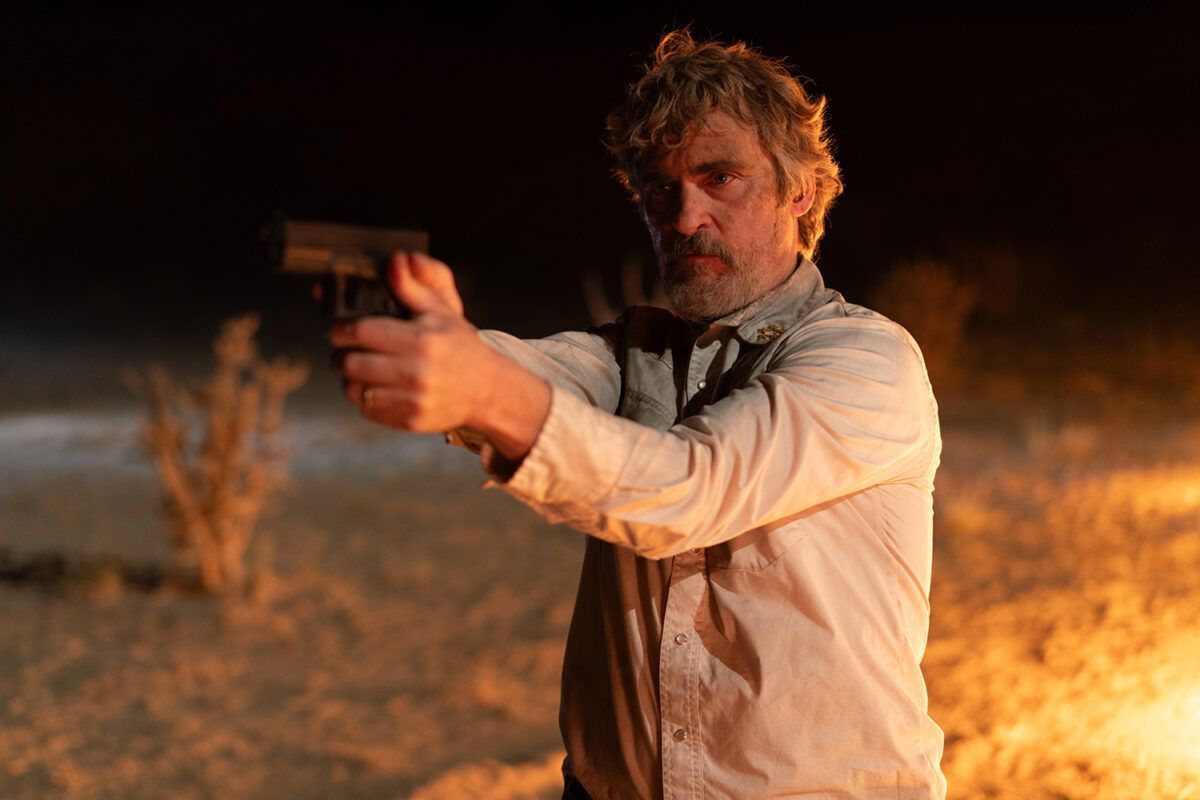
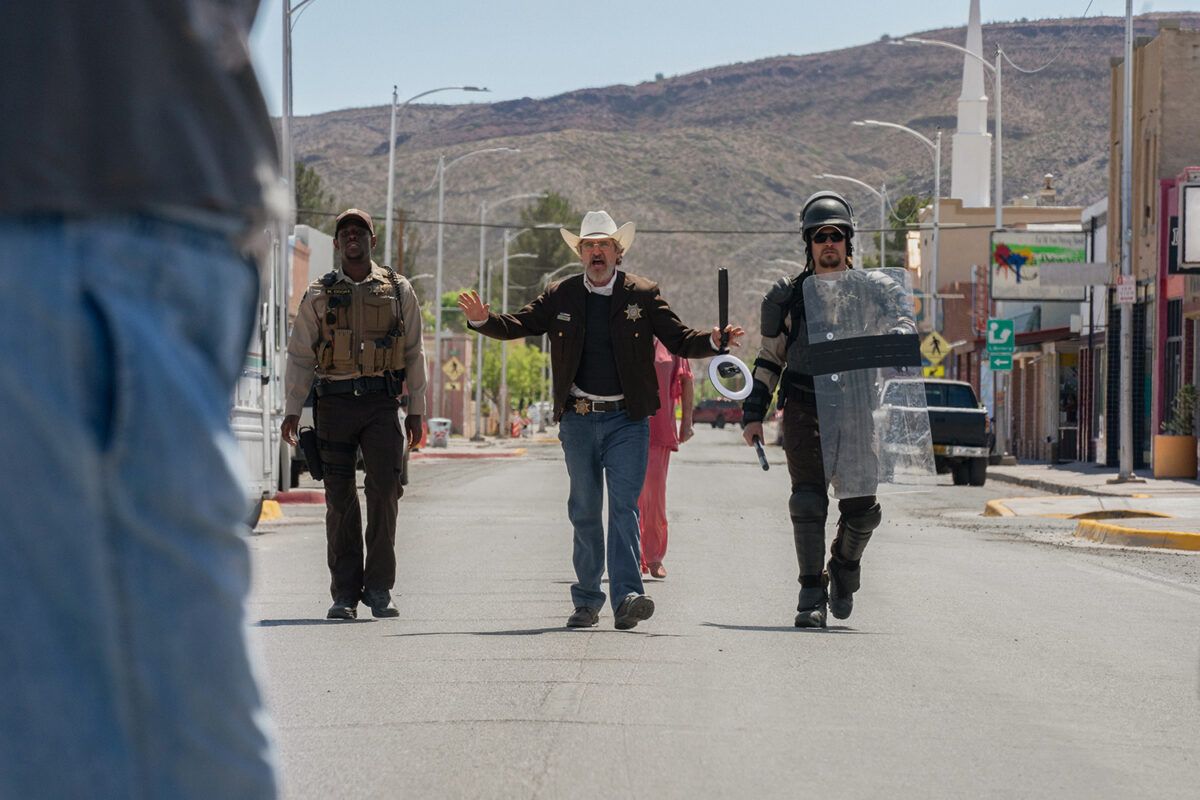
New Mexico, Summer 2020: a town, a pandemic, two worldviews
In “Eddington”, Ari Aster takes a bold leap into political chronicle disguised as dark comedy, reinventing the modern western with a fierce reading of the American soul. Set in the suffocating and paranoid summer of 2020, the film places Eddington, a small fictional town in New Mexico, at the symbolic epicentre of a national collapse.
Starring Joaquin Phoenix as Sheriff Joe Cross and Pedro Pascal as progressive mayor Ted García, “Eddington” becomes an ideological battle between old and new, between conservative instinct and technologised modernity. Both men clash for control of a town ravaged by misinformation, fear, and technology. The result is a choral, tragicomic, brutally honest portrait of 21st-century America.
A paranoid western for a dystopian age
Drawing from the classic western but also political thrillers and cult cinema, Aster explores social fragmentation through a gallery of characters trapped between reality and conspiracy. The film does not look for culprits—nor does it resolve conflicts. Its power lies in showing chaos without concessions, as if John Ford had been reincarnated in a director who has spent far too much time on Reddit.
“Eddington is a western where the guns are phones”, Aster summarises. The film finds its heart in the noise, in the constant feedback loop of networks, in the impossibility of distinguishing the true enemy from the neighbour eyed with suspicion.
“Eddington is a western where the guns are phones.” A. Aster
Joaquin Phoenix and Pedro Pascal: the divided soul of a nation
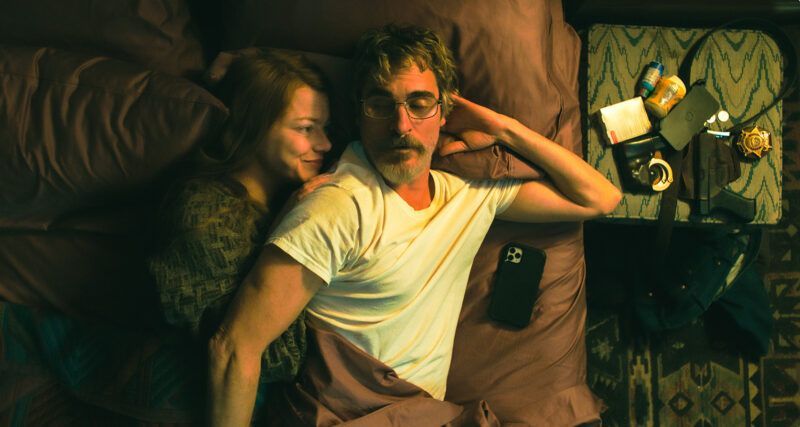
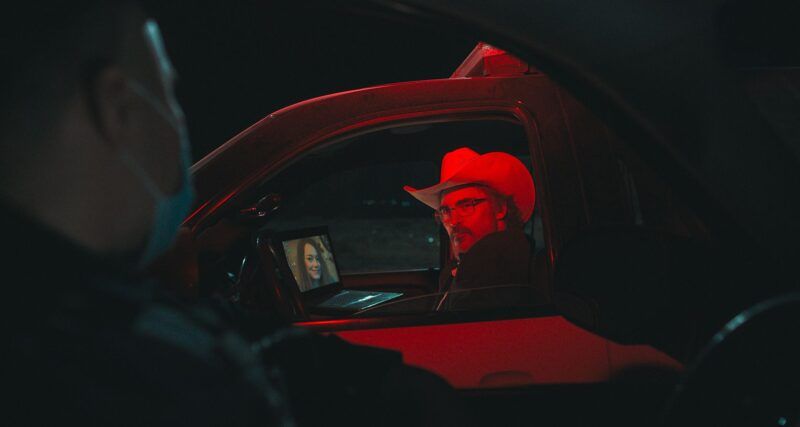
Phoenix brings Joe Cross to life with a mix of tenderness and stoicism. He is an old-school sheriff, refusing to wear a mask, who decides to run for mayor against the threat of an AI data centre set to transform Eddington into a city of the future. Pascal, meanwhile, plays Ted, the outgoing mayor, with charisma and ambiguity — a technophile entrepreneur with a progressive agenda that does not quite fit the town’s dusty soul.
Both actors craft deeply human, contradictory characters, trapped in a system they no longer understand. There are no villains in “Eddington”, only individuals disconnected by the machinery of information.
A town called America
Eddington is more than a place; it is a metaphor. It is the United States in miniature.
The film presents a dysfunctional community, populated by characters as recognisable as they are disturbing. Emma Stone shines as Louise, the sheriff’s wife, a vulnerable woman who channels her traumatic past through conspiracy theories and eerie doll-making.
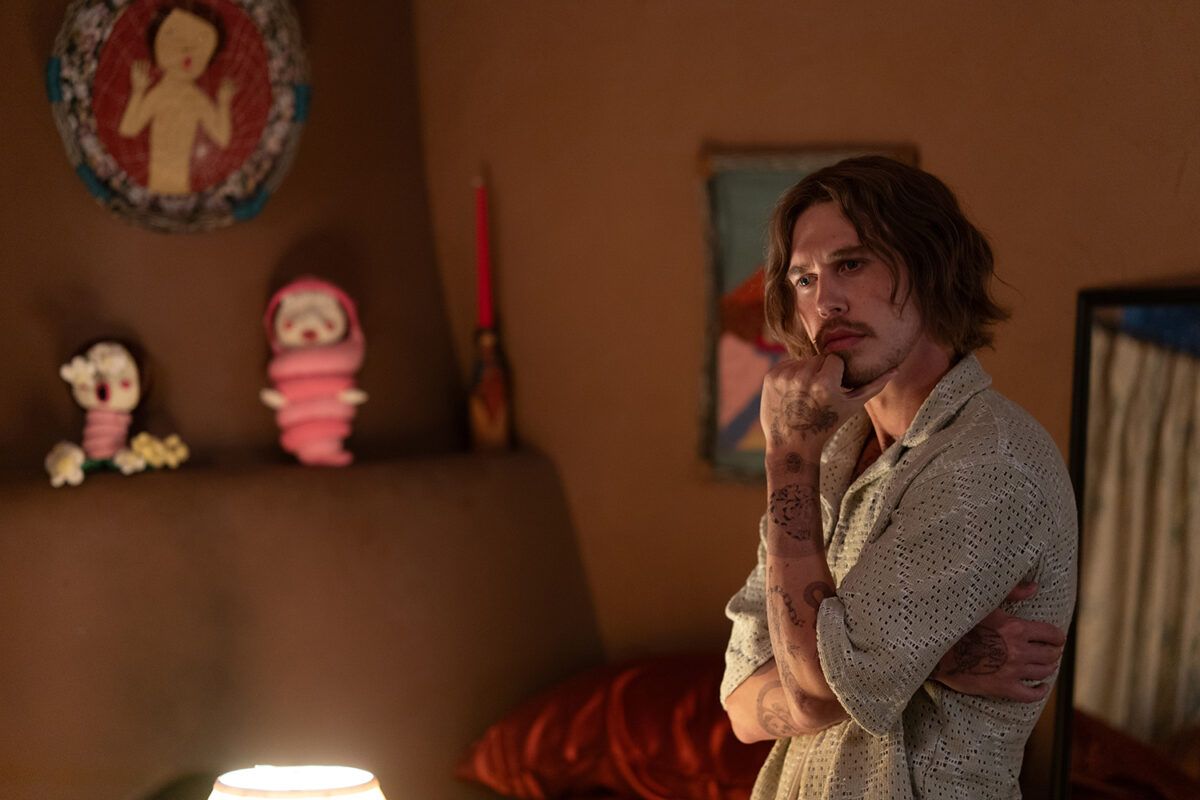
Austin Butler plays Vernon Peak, a digital guru who blends spirituality, paranoia, and anti-elitist rhetoric. He mirrors the messianic influencers who thrived during lockdown. His relationship with Louise exemplifies how networks capture personal fragilities and transform them into collective fervour.
Around them, an ensemble cast including Luke Grimes, Micheal Ward, Clifton Collins Jr., and Deirdre O’Connell bring layers of racial conflict, generational tension, and economic despair. Tribal sheriff Butterfly Jimenez (William Belleau), a silent, steadfast observer, provides the ethical counterpoint amid the madness.
Between Black Lives Matter, QAnon, and the end of the American dream
“Eddington” does not shy away from the raw reality of 2020: Black Lives Matter protests, the pandemic, the rise of conspiracy movements, viral misinformation. Aster doesn’t simply reflect them; he deconstructs and remixes them to reveal a deeper truth: the loss of connection between citizens and power.
The town’s youth, torn between rebellion and confusion, embody a generation inheriting chaos. Subplots led by Amélie Hoeferle, Cameron Mann, and Matt Gomez Hidaka add emotional depth to the political narrative, illustrating the gap between the apparent hope of change and the harshness of a reality that devours everything.
Auteur direction and an unforgettable aesthetic
Ari Aster confirms himself as one of contemporary cinema’s most provocative auteurs. Far from the pure horror of “Hereditary” or “Midsommar”, in “Eddington” he dives into realism distorted by technology and alienation. The mise-en-scène is subtly claustrophobic, even in images of the vast desert.
Cinematographer Darius Khondji (Se7en, Amour) strikes a majestic balance between the natural beauty of the American Southwest and the psychological oppression suffocating the characters.
The common enemy: distraction
Aster has said that if “Eddington” is about anything, it is about distraction. In a system dominated by technology, political struggles appear significant but are mere spectacle. While sheriff and mayor argue, while citizens polarise, the real power—the data centre rising by the end of the film like a silent fortress—takes root without resistance.
“The film revolves around the construction of the data centre”, Aster notes. It is the ultimate metaphor for contemporary submission: technology as the new conquest. While we argue on social media, true power has already won.
“The film revolves around the construction of the data centre.” A. Aster
A necessary, provocative, profoundly human film
“Eddington” is a bold, unsettling and challenging film. Ari Aster proves he is far more than a master of horror: he is a chronicler of contemporary absurdity. Yet the work is not without its flaws. The first hour unfolds at an excessively slow pace, testing the viewer’s patience, before splintering into multiple narratives that converge in a finale as bewildering as it is enigmatic.
Still, the film offers an unflinching portrait of American collapse, one that ultimately serves as a mirror for our own uncertainties. We won’t say more—better to face “Eddington” with an open mind and allow yourself to be drawn into its uncomfortable questions.
(*) Photos by Upi Media.