Kill the Jockey: the beauty of losing yourself and starting again
Luis Ortega turns the story of a jockey on the run into a visually dazzling film about identity and freedom. Starring Nahuel Pérez Biscayart and Úrsula Corberó, it is a jewel of recent Argentine cinema that we did not want to overlook at CC/magazine, even though it is no longer a new release.
Kill the Jockey won us over from its opening sequence, when Luis Ortega introduces us to the world of horse racing and makes it clear that we are not about to watch a conventional sports film. There is humour, danger and a visual beauty that invites us to linger over every shot. Yet what captivated us most was Remo: a man capable of controlling a horse at full speed who seems to have completely lost control of his own life.
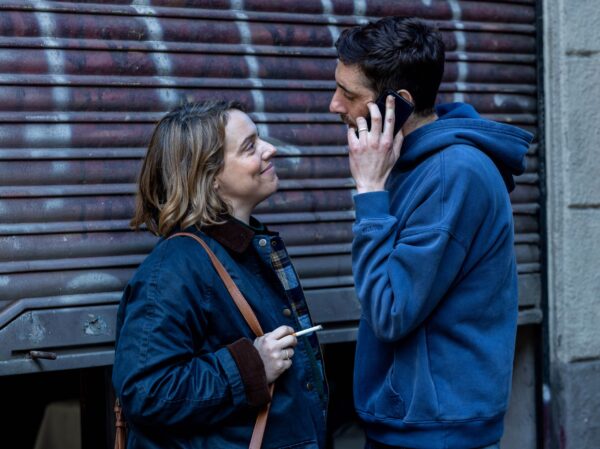
Remo Manfredini, played by Nahuel Pérez Biscayart, is a racing legend whose talent coexists with increasingly self-destructive behaviour. He races for Sirena, a businessman to whom he owes money, while Abril — his partner, who is also a jockey and is pregnant — tries to decide what she wants for her future. On the day of a decisive race, Remo has an accident, disappears from hospital and begins wandering through Buenos Aires. Sirena wants to find him, and so does Abril, although the person they are looking for is beginning to change in ways neither could have foreseen.
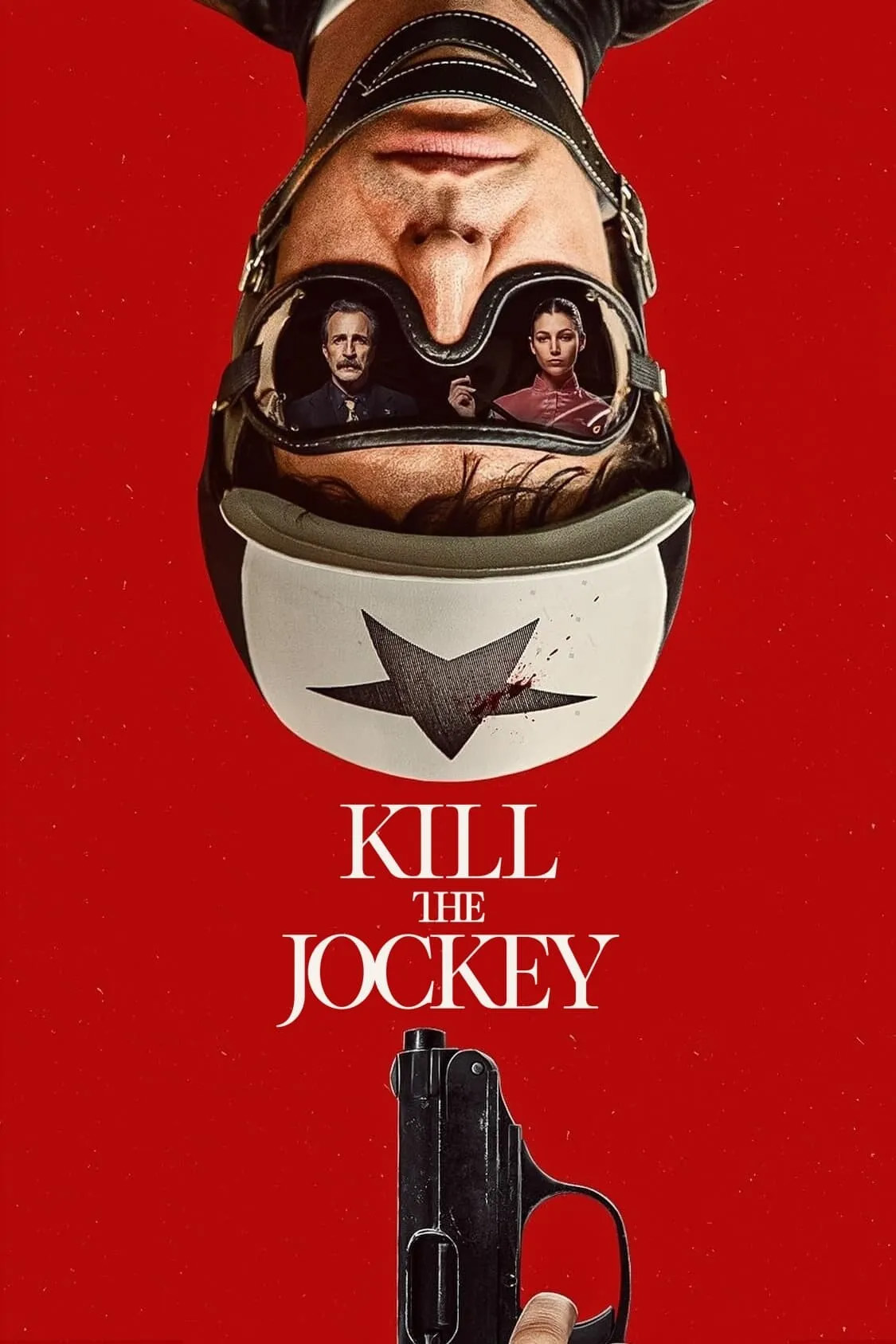
The film premiered in 2024 and reached Spanish cinemas in 2025. Although it is not a release from this year, we did not want to let it go unmentioned in CC/magazine: we were enthralled by its story, fascinated by its cinematography and prompted to reflect on how difficult it can be to discover who you are when you have spent too long living according to other people’s expectations.
Remo, the man everyone thinks they know
Before the accident, almost everything that defines Remo seems to belong to other people. Sirena needs him to win to recover his money; the public sees him as an exceptional jockey; Abril wants someone with whom she can share a life that is about to change. Remo responds to these demands with a mixture of talent, addiction and escapism, as though each race allows him to postpone, for a few hours, the question of what to do once he gets off the horse.
Ortega observes this contradiction without trying to explain it fully. Remo is not an enigma the film seeks to solve through a revelation about his past: he is someone who knows how to do one thing extraordinarily well, but can no longer find a way to live within the persona built around that ability. His behaviour can be frustrating and painful for those around him, and this is precisely what makes his need to escape more interesting than a simple fantasy of freedom.
The accident breaks with the life we have come to know and opens up another film within the film. Remo leaves the racecourse behind, moves through an increasingly strange Buenos Aires and adopts the name Dolores. This transformation includes a different expression of gender, but Ortega does not present it as a joke, a temporary disguise or a definitive answer to the question of identity. He follows it with curiosity, allowing ways of dressing, moving and relating to others to become part of a search that remains open.
Gender identity as possibility
This transition from Remo to Dolores is one of the most interesting aspects of Kill the Jockey. Particularly because some films construct a change of identity as a twist intended to surprise the audience, only to explain it immediately afterwards. Here, however, what matters more is observing what happens when the character allows themselves to stop conforming to the image others have of them. Changing a name and an appearance does not erase a personal history, although it does alter how someone can inhabit their body and engage with the world.
Nor does the film ask us to place Dolores in a category in order to understand her. Ortega is interested in movement, in the possibility of trying out a different life and in the vertigo that arises when previous certainties no longer hold. There are moments of playfulness and joy in this exploration, alongside others in which we sense that a personal transformation does not make debts, relationships or the harm caused disappear. This coexistence of freedom and responsibility gives the story an emotional richness that stays with us after watching.
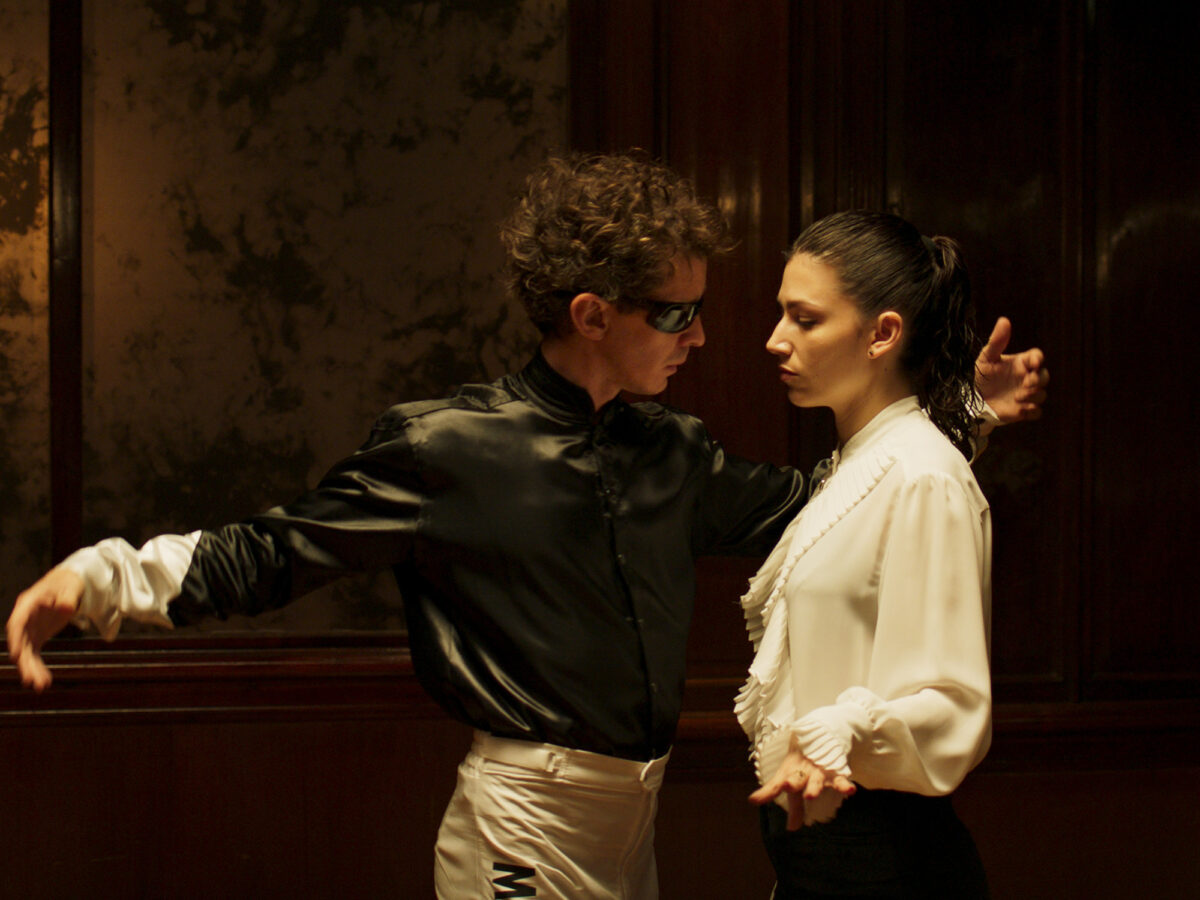
Abril plays a crucial role in all of this. Portrayed by Úrsula Corberó, she too is thinking about her body and her future, although from a very different position. Her pregnancy does not reduce her to the role of someone waiting for Remo: she races, desires and makes her own decisions. The film allows both characters to face profound changes without turning one person’s search into the answer to the other’s life. When they meet, they recognise one another even in what they cannot yet name.
A Buenos Aires from another world
Timo Salminen’s cinematography is wonderful. The racecourse, the interiors and the streets at night seem to exist in a Buenos Aires slightly removed from reality, where every colour and composition influences how we see the characters. Some shots are extraordinarily beautiful, yet it never feels as though Ortega has stopped the story to show them to us: the images draw us further into Remo’s state of mind and the new life Dolores is beginning to discover.
The costumes and Nahuel Pérez Biscayart’s physical performance matter just as much. Long before we know where the character is heading, we notice small changes in posture, gestures and the way they occupy a space. Biscayart gives an emotionally continuous performance through all these transformations; he can be funny, fragile, disconcerting and deeply moving within the same scene.
Sune Rose Wagner’s music also deserves special attention. Ortega uses it to propel the images, make room for humour or allow an unexpected melancholy to surface. The dances, in particular, tell us a great deal about Remo and Abril: we see their closeness and their differences in the ways they approach, provoke and move away from each other. In Kill the Jockey, the characters do not always find the words, but their bodies are rarely silent.
An Echo of Kaurismäki
There is something about Kill the Jockey that reminded us of Aki Kaurismäki’s cinema: the humour that emerges from bleak situations, characters who can say a great deal while barely changing their expression, and frames in which the colours, objects and position of every body seem to be exactly where they should be. It also shares with his films a distinctive use of music, which hints at emotions the characters rarely express aloud.
Ortega, however, heads in a different direction. His film is more exuberant, unpredictable and open to change, although in both directors’ work we recognised an affection for people who do not quite fit the lives they have been given and who keep looking for a chance to live differently.
The connection is visible in the images, too. Timo Salminen, the cinematographer of Kill the Jockey, has worked with Kaurismäki for decades, and that visual precision feels familiar, though here it serves a more feverish Buenos Aires and a story that never stops transforming.
A cult film that keeps revealing more
Kill the Jockey competed at the Venice Film Festival and won the Horizontes Award at San Sebastián, but its festival journey tells only part of the story. What made us want to write about it was the experience of watching it: the suspense of wondering where Remo will take us, the pleasure of each composition, the music, the unexpected humour and the emotion that emerges as Dolores begins to make a place for herself in the world.
It is a film that invites you to return to certain scenes, perhaps because its interest in identity resists a definitive answer. Changing does not erase everything we have been, and discovering a new way to live does not guarantee that we will stop hurting ourselves or others. Ortega holds on to that complexity without ever losing his taste for a gripping story.
That is why we think Kill the Jockey has all the makings of a cult film: it has a recognisable visual language, characters who are difficult to leave behind and enough layers for every viewing to reveal something new. It fascinated us the first time, and we suspect that when we return to it, we will find someone different at the end of the race.
Highly recommended.