“Disclaimer”: Cuaron’s series on the power of the narrative
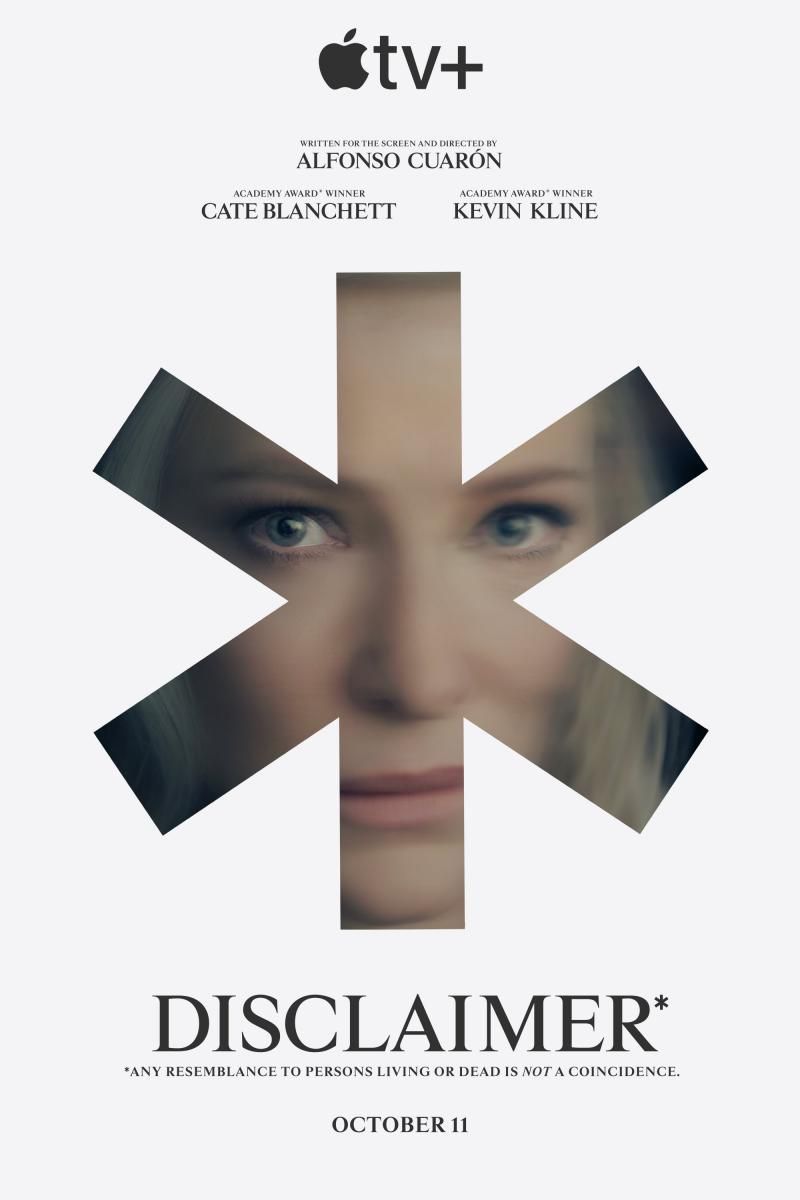
Recently, we watched “Disclaimer” on Apple TV, the fascinating series based on the eponymous book by Renée Knight, directed by filmmaker Alfonso Cuarón—known for “Roma” and “Gravity”, with which he won the Oscar in 2018 and 2013, respectively—and starring Cate Blanchett, Sacha Baron Cohen, Kevin Kline, Leila George, Leslie Manville, Kodi Smit-McPhee, Louis Partridge, and Indira Varma as the narrator.
This production explores the blurred boundaries between reality, memory, and the interpretation of events, while also focusing on the importance of doubt and the presumption of innocence. In an era where rumors, cancel culture, and post-truth thrive, and fact-checking seems to concern only a few, this storyline feels highly relevant.
We say this even though the plot is not centered on a political issue, as it is based on an alleged event that happened many years ago, which led to the death of a young man while attempting to save the protagonist’s son.
Over the course of the 7 episodes that make up this psychological thriller, we gradually learn all the details, with multiple questions being answered, resulting in a narrative very different from its starting point.
The plot
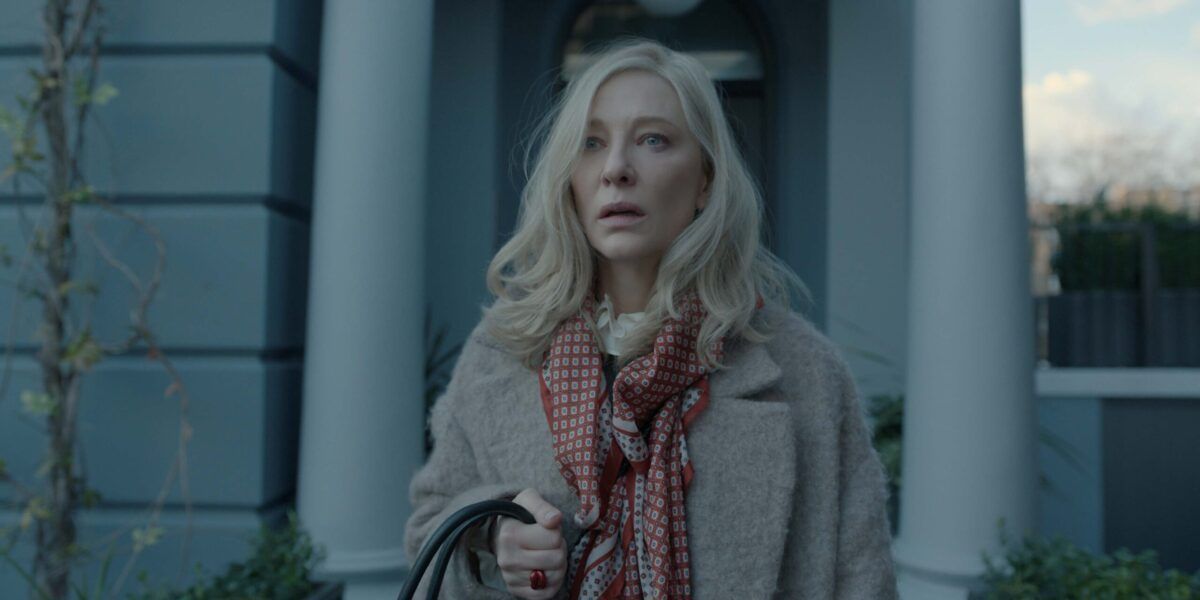
Catherine Ravenscroft (played by Cate Blanchett) is a renowned documentary filmmaker who finds herself trapped in a nightmare after receiving a book—A Perfect Stranger—that reveals intimate details of her life, hidden secrets she has tried to bury in the past, connected to a sordid and traumatic event.
This book also reaches her family—husband and son—and her work environment, as the author weaves a terrifying revenge.
Truth, doubt, revenge, and manipulation
The story unfolds at the intersection of the fiction in the novel and the protagonist’s personal reality, with the very concept of “disclaimer” becoming one of the central themes of the narrative.
Here, what a stranger thinks they know about the protagonist’s life becomes an absolute truth, gaining even more credibility as it is presented in painstaking detail in a literary work she never asked for, yet which seems to know her better than she knows herself.
What’s particularly intriguing about the story is that it prompts reflection on “truth” and the manipulation anyone can exercise over another, either to seek revenge or to feel justified.
We see how the victim’s environment will almost succumb to the testimony of a stranger, who passionately claims to know lurid and shocking secrets about Catherine Ravenscroft—once admired and envied in equal measure.
That said, it is also true that the series ventures into risky territory by playing with the perception of truth in ways that don’t always land effectively. While the idea of a hidden truth buried under layers of manipulation is well-executed, the constant plot twists and cliffhangers eventually become somewhat predictable and at times contrived.
A visually immaculate series, composed of four stories
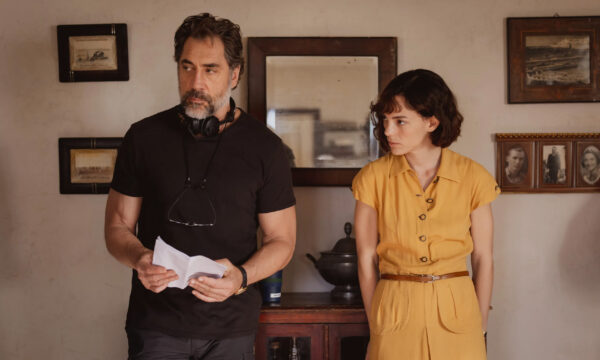
Stylistically, Cuarón manages to convey the dense, ominous atmosphere the plot demands. His handling of tension, the use of shadows, and long shots are trademarks of his talent for creating an immersive psychological atmosphere.
To achieve this, he also worked with two talented cinematographers: Emmanuel “El Chivo” Lubezki (“Children of Men” or “Gravity”, for which he won his first of three consecutive Oscars) and Bruno Delbonnel, known for his work with high-profile directors like Jean-Pierre Jeunet, Tim Burton, the Coen Brothers, Joe Wright, and Wes Anderson. Together, they developed distinct visual languages for each of the stories.
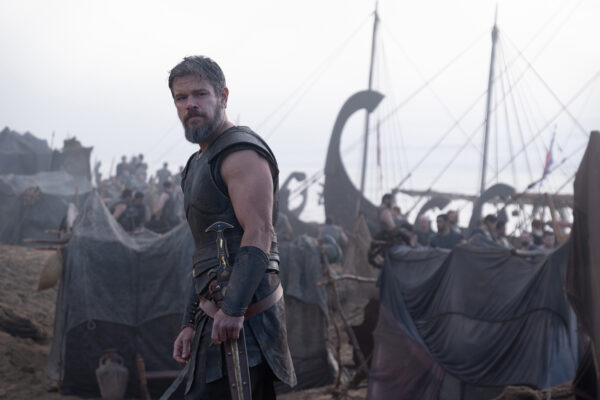
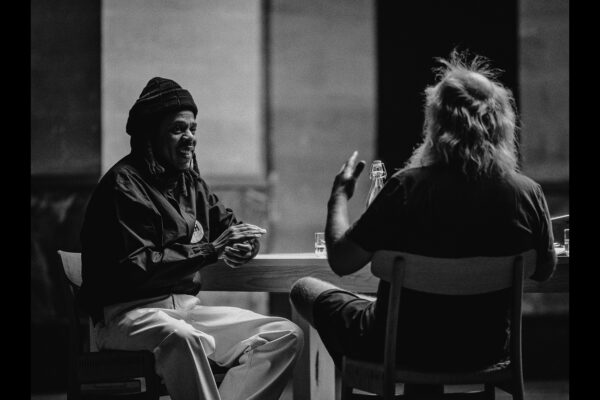
As you’ll see, Cuarón chose to structure his story around four independent tales, which gradually reveal how interconnected they truly are. The narrative plays with structure, utilizing flashbacks, different perspectives, intertwined timelines, and voice-over narrations that provide fragments of information throughout the story.
Cast
Blanchett (Catherine Ravenscroft) carries the weight of the story with an extraordinary performance, brimming with emotion, navigating between desperation and suppressed rage. At first, it’s hard to empathize with her, but you have to give the story time for that to change.
Her “avenger” is the great Kevin Kline (Stephen Brigstocke), a depressed professor mourning the death of his wife and son. He is jaded with life, utterly insensitive in his dealings with students, and obsessed with avenging his son’s death, which also led to his wife’s death from cancer, leaving him alone in a life without meaning.
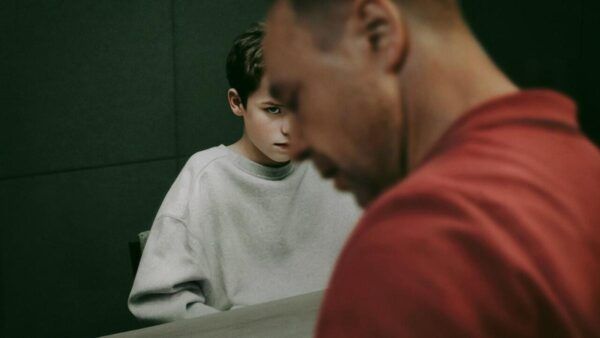
Louis Partridge plays Jonathan, Stephen Brigstocke’s son, who is passionate about photography. Leila George portrays young Catherine Ravenscroft, and Kodi Smit-McPhee plays Nickolas, Catherine’s older son, whom Jonathan (Louis Partridge) “saved”.
Sacha Baron Cohen is Robert, Catherine Ravenscroft’s weak-willed husband, and Leslie Manville plays Stephen Brigstocke’s wife, who is obsessively fixated on her son, both in life and after his death. All of the performances are excellent, particularly those of Blanchett, Kline, and Manville.
Cats as a balance between perfection and chaos
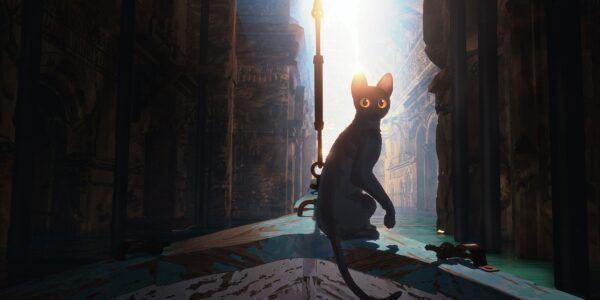
As cat lovers, we found it curious that nearly every house in the series featured a cat—whether it was the Ravenscroft household, Stephen Brigstocke’s home, or even Cate‘s mother’s house. Beautiful cats appear in many scenes.
The reason? Cuarón himself explained that the presence of cats represents a balance between perfection and chaos. As he put it, he likes imperfections, and since we can’t control cats, they became a symbolic element of the unpredictable.
“Beware of narrative and form. Their power can bring us closer to the truth, but they can also be a weapon with great manipulative power.” Christiane Amanpour
Highly recommended.