The past never sleeps
By Cecilia Camacho, founder and Editor-in-Chief of CC/magazine
There’s a kind of fear that doesn’t stem from an immediate threat, yet it weighs heavier than many of the dangers we can actually see. A fear that doesn’t arise from the future, but from the past. The fear that, no matter how much we’ve read, debated, commemorated and sworn “never again”, humanity might once again be flirting with tragedy.
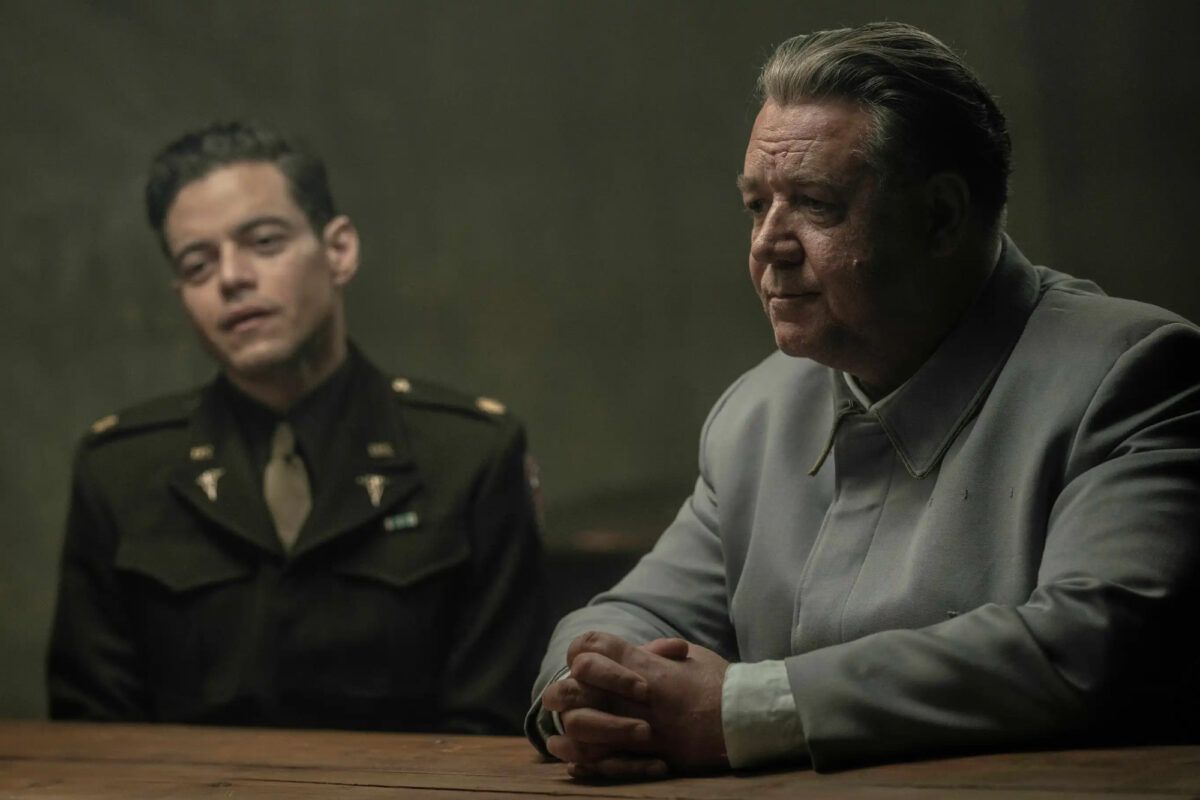
We recently watched “Nuremberg”, the film directed by James Vanderbilt. While it didn’t fascinate us from a cinematic point of view – with the glorious exception of Russell Crowe’s performance –, it certainly stirred something essential. Based on the book “The Nazi and the Psychiatrist”, the film doesn’t dwell so much on the historical trial itself, but rather on the disturbing relationship between Hermann Göring — Hitler’s right-hand man — and Douglas M. Kelley, the American army psychiatrist assigned to evaluate him in prison.
What emerges from their exchanges — at times clinical, at others disturbingly human — is a truth that’s hard to face: the architects of one of the greatest atrocities in history were not mythological monsters. They weren’t “madmen”. They were human beings. Narcissistic, yes. Lacking empathy, certainly. Steeped in ideology. But human, nonetheless. And perhaps that’s the most unsettling realisation of all.
Watching “Nuremberg” in the current climate feels alarmingly relevant. Across Europe — and much of the world — we’re seeing voices rise again to reclaim figures like Franco and Hitler. We’re watching the far-right creep back into democratic systems under the guise of patriotism, promising order while stoking fear. And in doing so, we’re reminded how it all began.
Let’s not forget: the Nazis came to power through democracy. Once inside the system, they dismantled it from within — banning opposition parties, controlling the press, fuelling division, designating enemies. All under a veneer of legality that lulled much of society into silence… until it was too late.
This film doesn’t just reflect on what was. It warns of what could be again. And it does so through the psychiatrist’s voice — who, at the film’s close, delivers a chilling line that lingers long after the credits: “The Nazis of the future will not walk around wearing the same uniforms, but make no mistake — they are among us.”
That sentence haunts us because it feels close. Because they are among us already — in the form of discourse that trivialises fascism, promotes racial hatred, denies genocide, manipulates fear and ignorance. In leaders who romanticise authoritarianism as a neat solution to a complex present.
This is not meant to be a political statement, but a human one. Speaking about the past is not just about memory, it’s about awareness. About remaining alert. About taking responsibility. Knowing history isn’t enough — we must be able to recognise its echoes when they return.
Telling these stories isn’t easy, but it’s necessary. Looking back is not about nostalgia — it’s about clarity. And art, cinema, literature, and ideas aren’t here just to entertain or distract us — they help us understand. They allow us to see more clearly. To pause. To reflect on what we’ve heard so many times it risks becoming invisible.
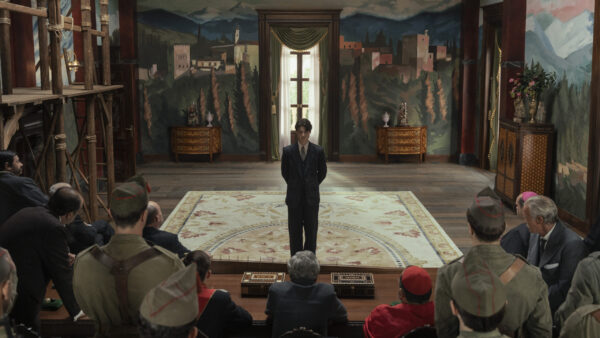
(*) Photo: Cover photo: still from the film Nuremberg.