FONDO reinterprets the history of Café Barbieri through gastronomy
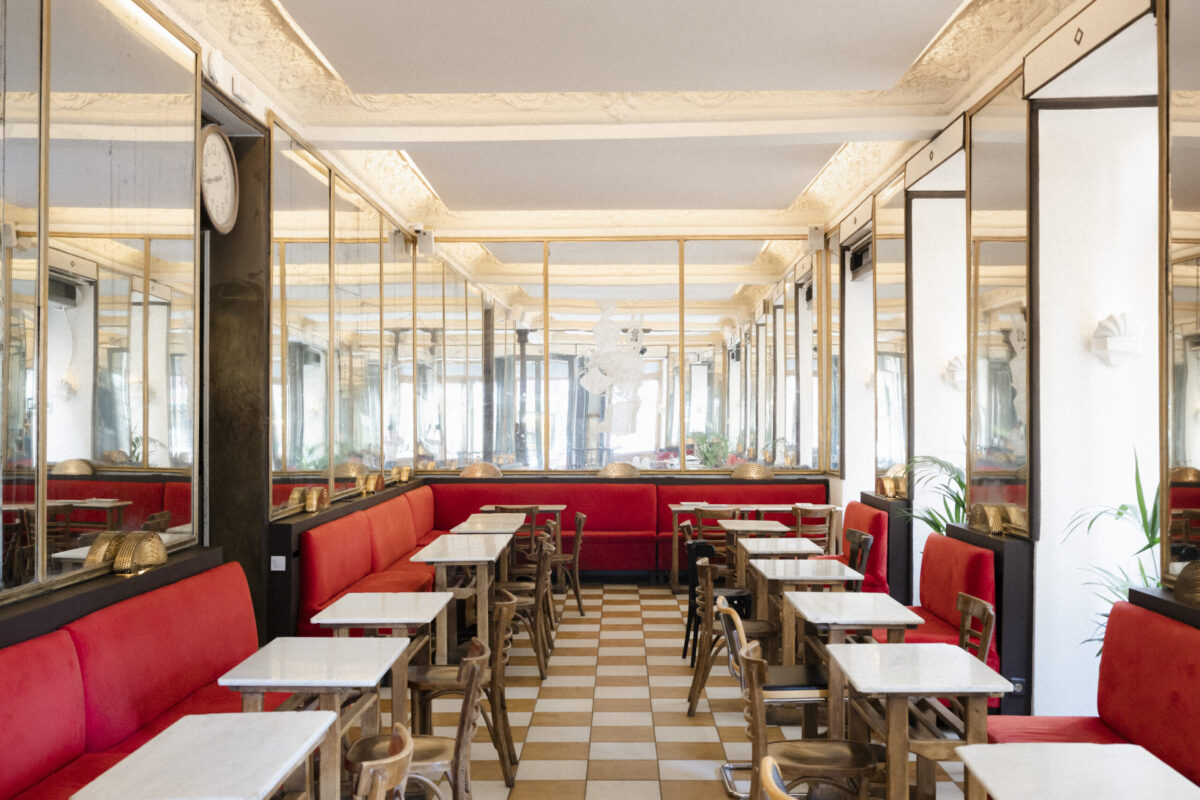
Following Mayice Studio’s intervention in 2022, the historic café begins a new gastronomic and cultural chapter with FONDO. Traditional cooking, wines from small producers and gatherings around the table renew its relationship with neighbourhood life.
At Café Barbieri, history is visible in the mouldings, mirrors and marble tables, but also in the habit of sitting down without being in too much of a hurry.
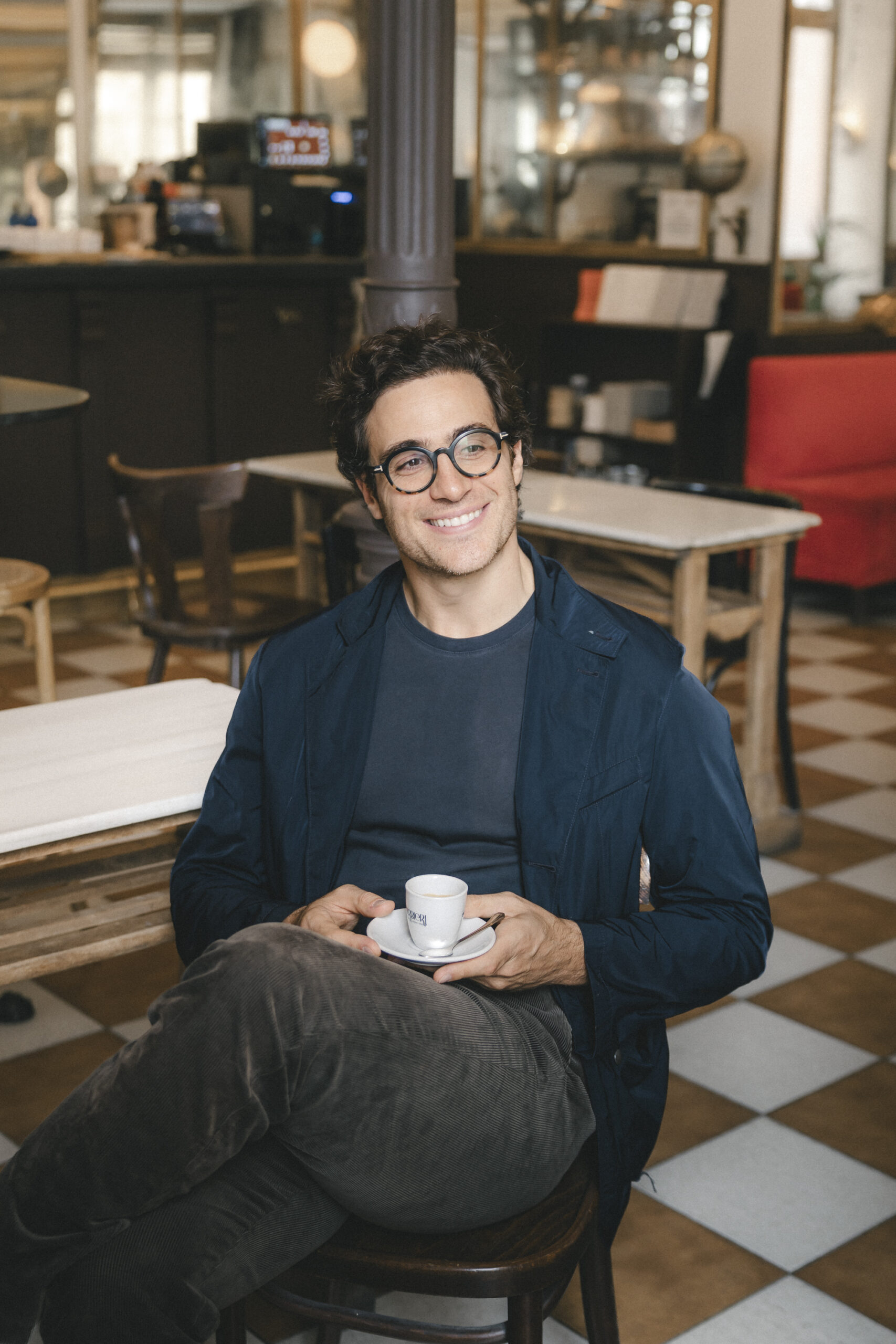
That relationship between the space and the people who use it is once again shaping the future of the establishment at 45 Calle del Ave María, which is strengthening its identity as a traditional neighbourhood restaurant and cultural meeting place under the direction of Paul Torriglia de Altolaguirre.
This new chapter follows Mayice Studio’s intervention in 2022, when the café reopened after closing during the pandemic. That project restored the furniture and used lighting and colour to refresh its atmosphere.
Now, Madrid-based studio FONDO brings gastronomic research connecting historical cookbooks with breakfasts, lunches and late-night drinks, alongside a cultural programme announced for this autumn.
A history rooted in conversation
Barbieri’s history helps explain this evolution. According to Madrid’s municipal catalogue of historic businesses, its predecessor was Café de la Unión, which opened in 1901 on Calle de la Primavera.
In 1902, Ángel Orejas Fernández acquired the business and renamed it after the nearby Teatro Barbieri.
FONDO brings gastronomic research connecting historical cookbooks with breakfasts, lunches and late-night drinks.
In 1906, it moved to its current address, occupying larger premises that had previously housed a wine shop, and opened as Nuevo Café Barbieri. It began serving meals there and established itself as a place for conversation, cards and billiards. Food was therefore part of its identity from those early days on Calle del Ave María.
That continuity between eating and talking explains the appeal of a proposal that once again asks how the café can maintain its everyday relationship with the neighbourhood.
Mayice’s intervention and the value of preservation
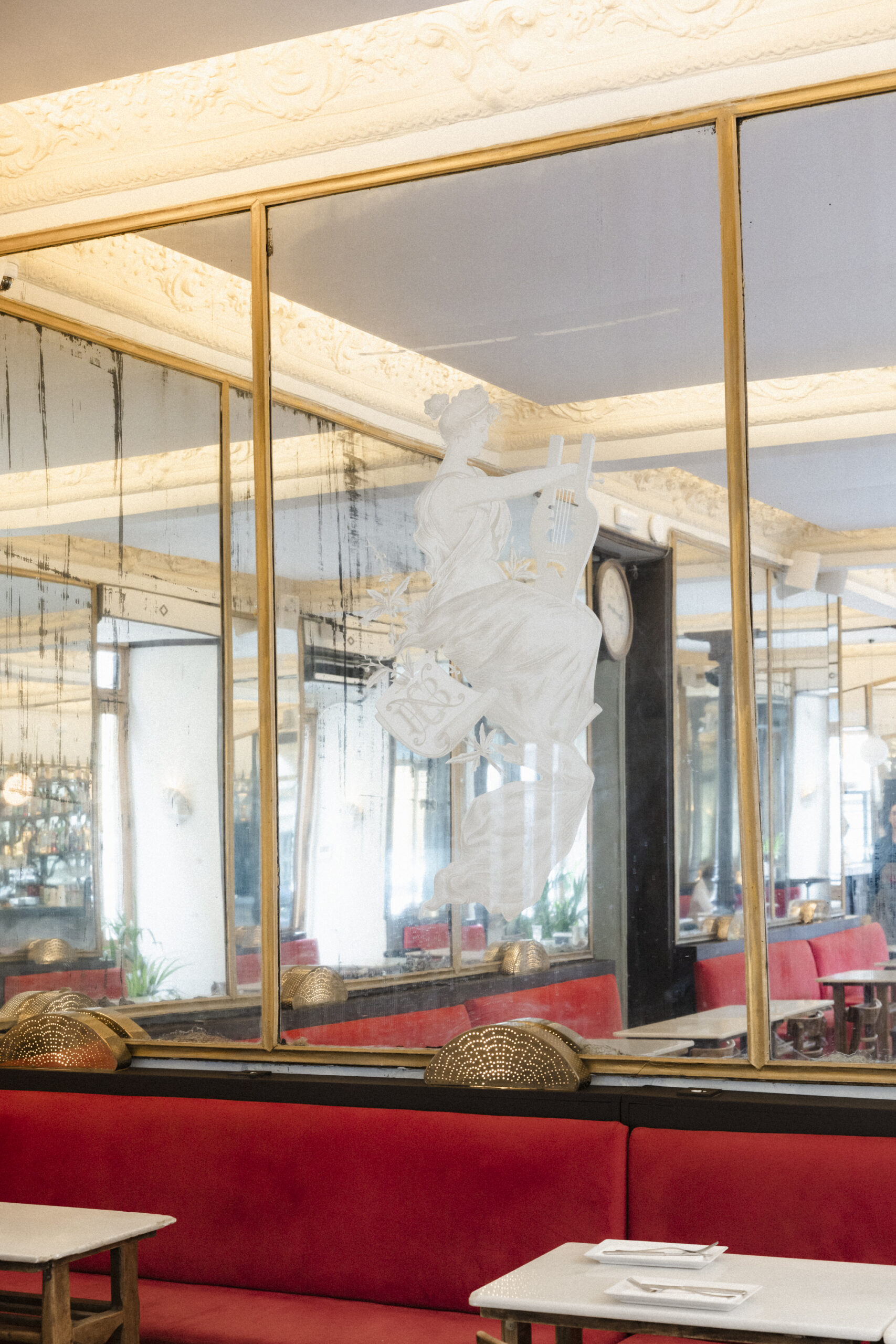
When Mayice Studio, founded by Imanol Calderón and Marta Alonso, approached the renovation in 2022, the interior offered a distinctive heritage to work with. The mouldings, iron columns, chequerboard floor, mirrors and red velvet upholstery were all part of an appearance worth preserving.
The studio restored the furniture and paid particular attention to light, taking the existing features as its starting point. The original shell-shaped plaster wall sconces were retained, incorporating a light source designed to cast radial reflections that followed their geometry.
Beside the mirrors, the lights were paired with fan-shaped brass elements, handcrafted in Madrid. The repetition of these shapes connected the new additions with the historic details, while golden tones and subdued lighting evoked the warmth of candlelight.
The project made it possible to recognise the café while also seeing it differently. Restoring the sofas and tables, illuminating the mouldings and giving the bar greater presence were decisions that affected both the preservation of the interior and the experience of sitting within it.
A journey through sand, coral and blue
Colour was the other tool Mayice used to define the different spaces. The main room received sandy tones, with columns, the bar and selected details in elephant grey, while the small transitional space housing the century-old clock was painted light grey.
The elongated second room introduced a shift in intensity through coral walls and lighting designed to cast reflections across them. The route continued through the petrol blue of the staircase and the approach to the toilets, before reaching the carmine of their interiors.
The work also included a handcrafted ceiling with a gold mirror finish and flexible neon lighting in interwoven organic shapes near the entrance to the toilets. These details added a contemporary dimension to the intervention, giving the secondary spaces their own character within the overall scheme.
FONDO brings the archive into the kitchen
FONDO’s work now builds on that history, focusing on researching and developing the gastronomic and cultural offering.
The studio has consulted the café’s archives and texts spanning the seventeenth to the twentieth centuries, including Martínez Montiño’s Arte de cocina, published in 1611; Ángel Muro’s El Practicón, from 1894; and Emilia Pardo Bazán’s La cocina española antigua, from 1913.
The breadth of these sources places the project within a culinary memory extending beyond the establishment’s foundation. Recipes, techniques and ways of serving become tools for developing a contemporary menu, designed for sharing and suited to different times of day.
Torriglia de Altolaguirre explains that the collaboration has helped shape an offering that respects Barbieri’s history while interpreting it through a contemporary perspective. That intention takes the form of familiar dishes and drinks that revisit popular traditions, with the aim of giving the archive an everyday expression at the table.
From migas to vermouth and dinner
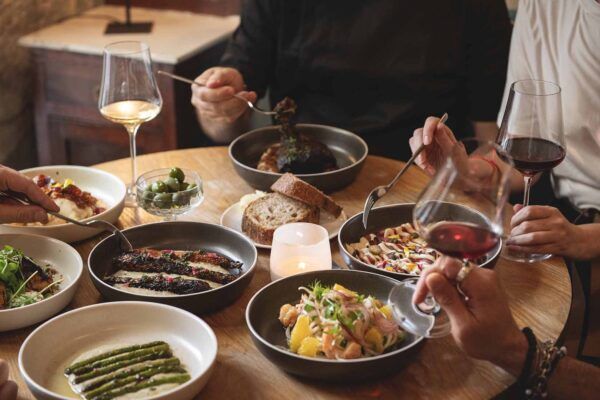
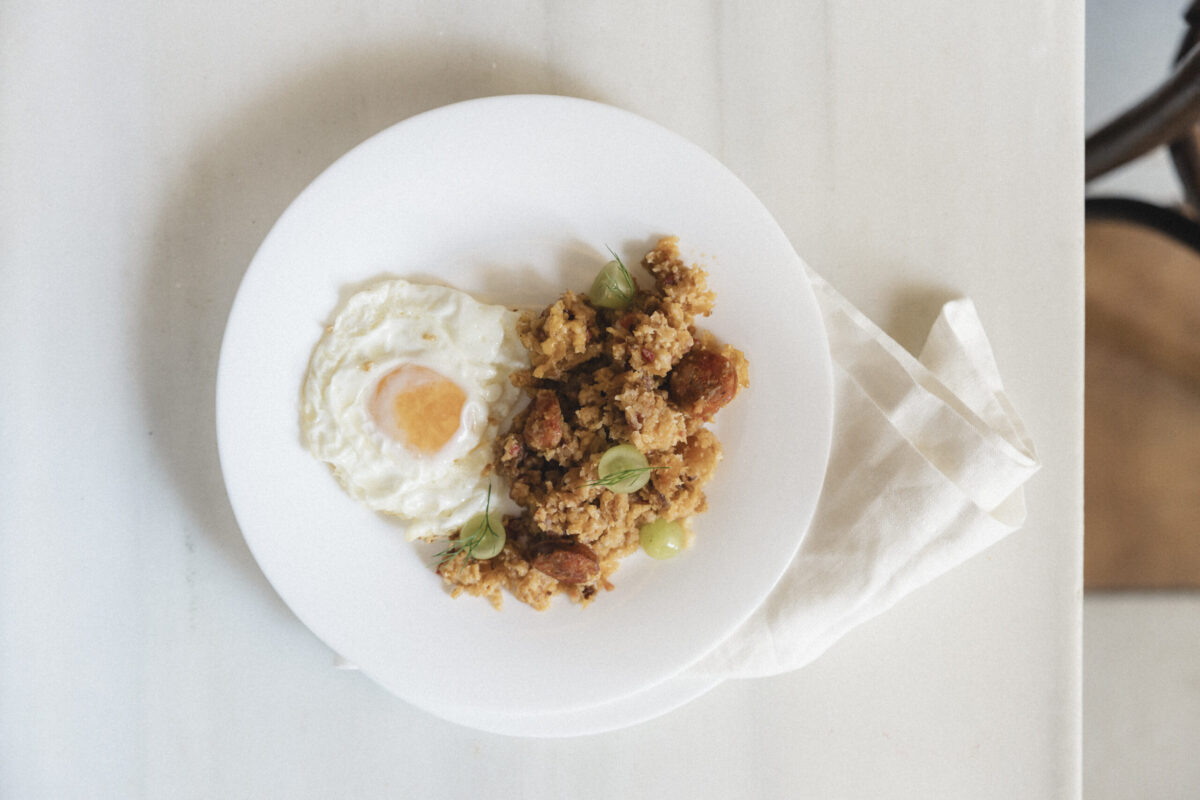
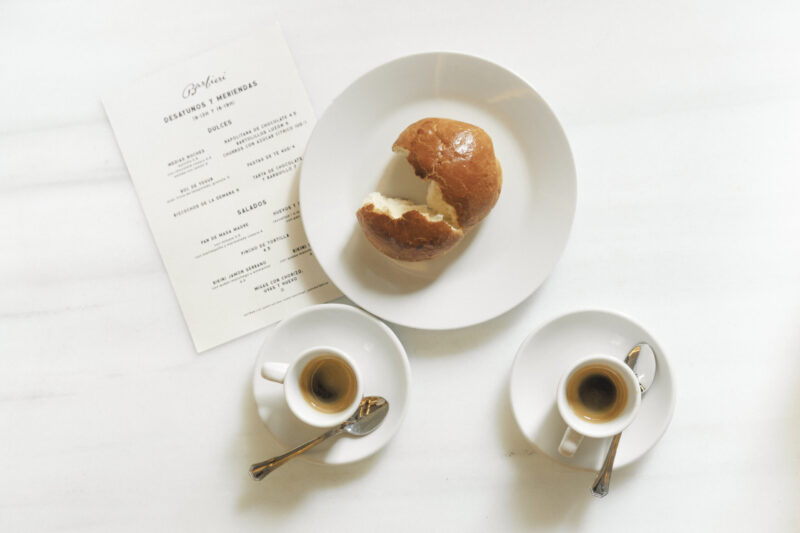
Mornings begin with speciality coffee, homemade medianoches — soft, lightly sweet rolls — and options such as migas with chorizo, grapes and egg. Breakfast therefore accommodates both a brief visit and a more substantial meal, while maintaining a connection with traditional preparations.
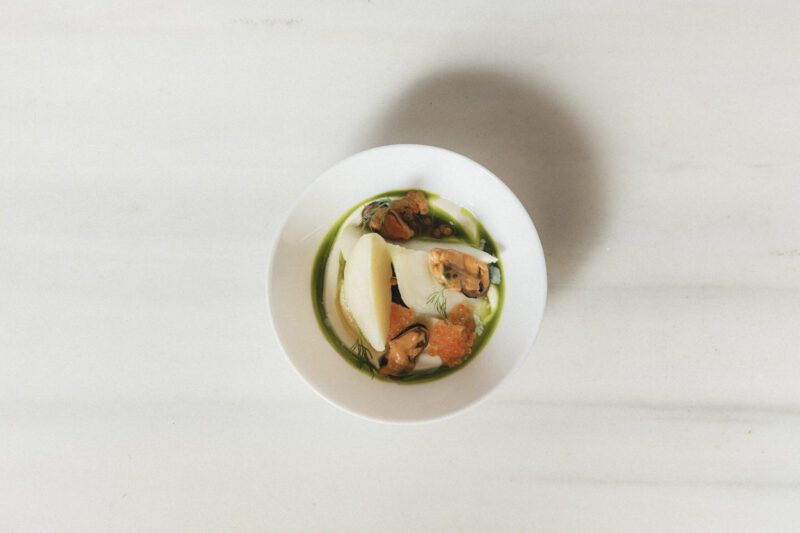
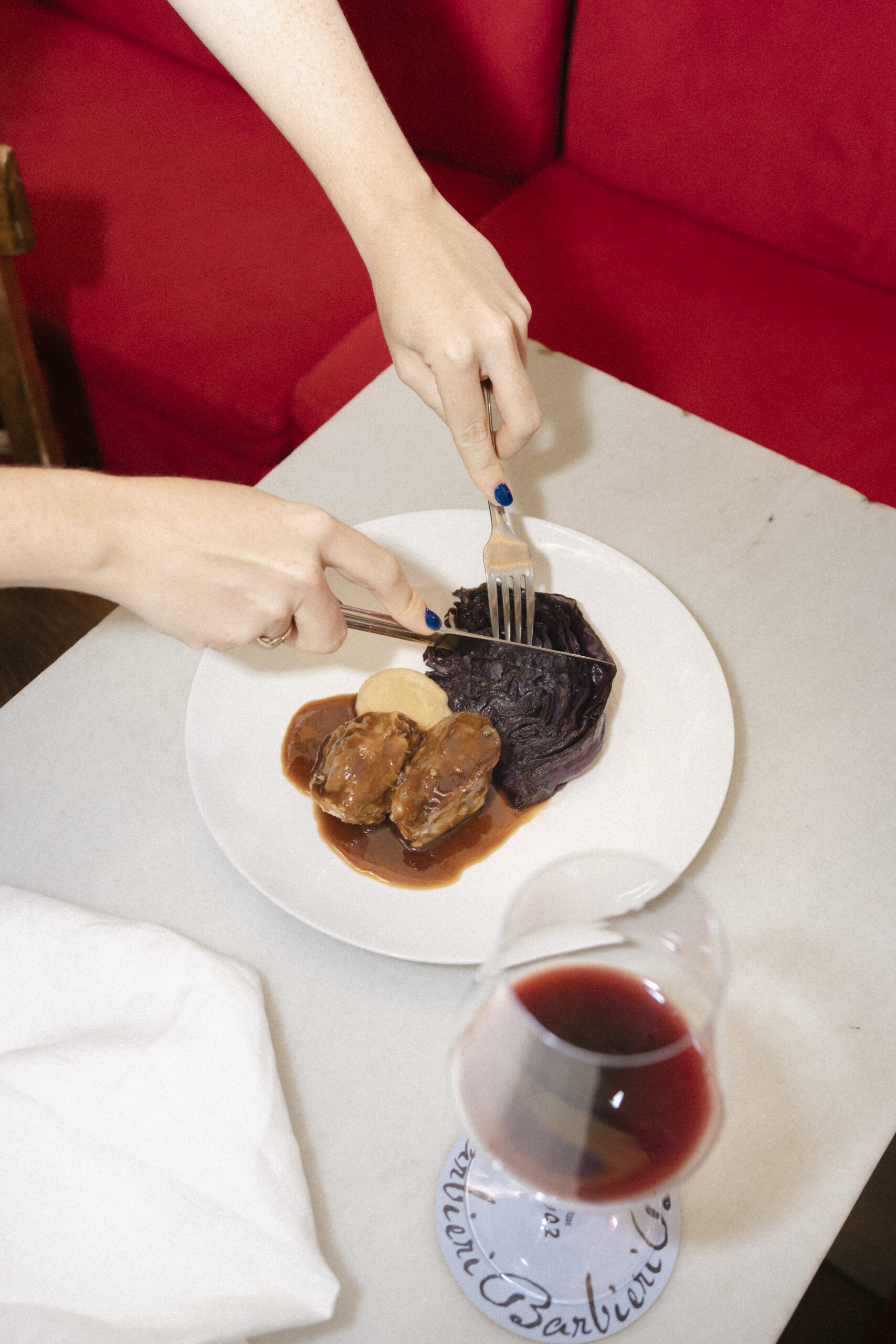
At lunchtime, Barbieri offers a single-dish set menu drawing on market cooking and comforting, spoonable dishes. The announced preparations include vegetable pisto and meatballs with mushroom sauce, within a repertoire intended to feel familiar.
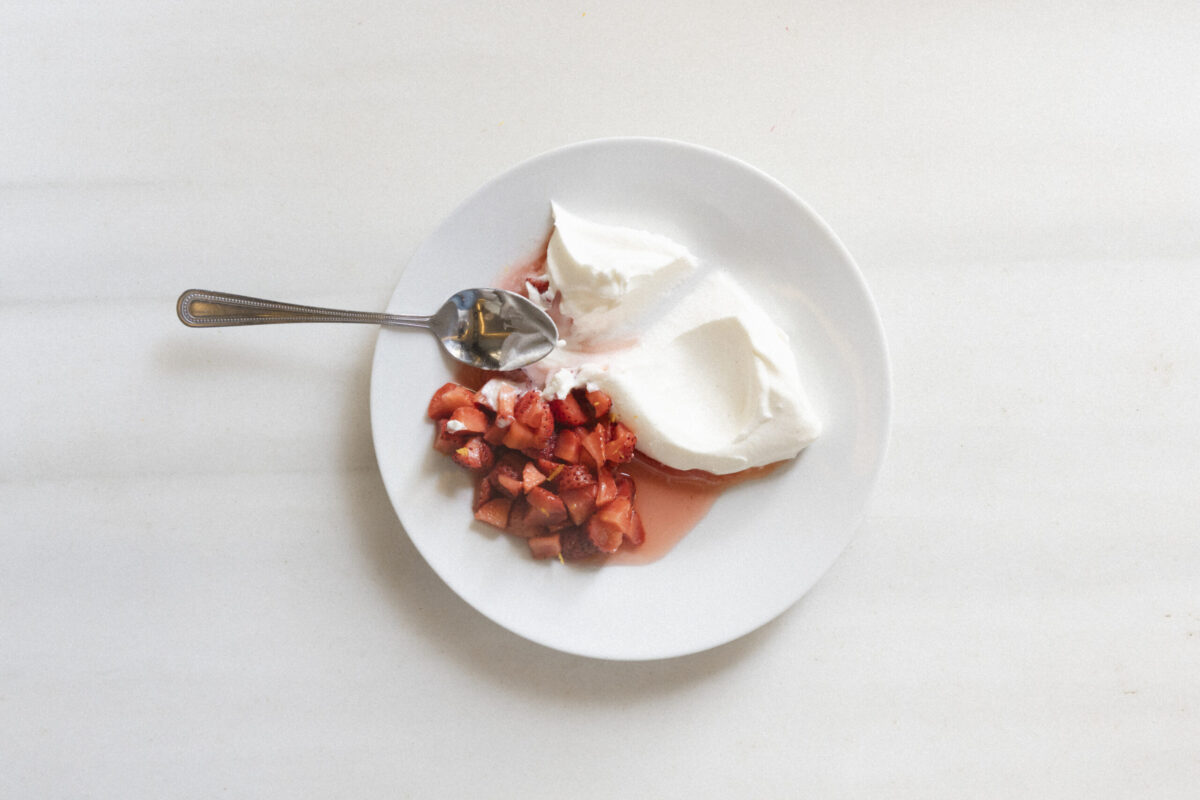
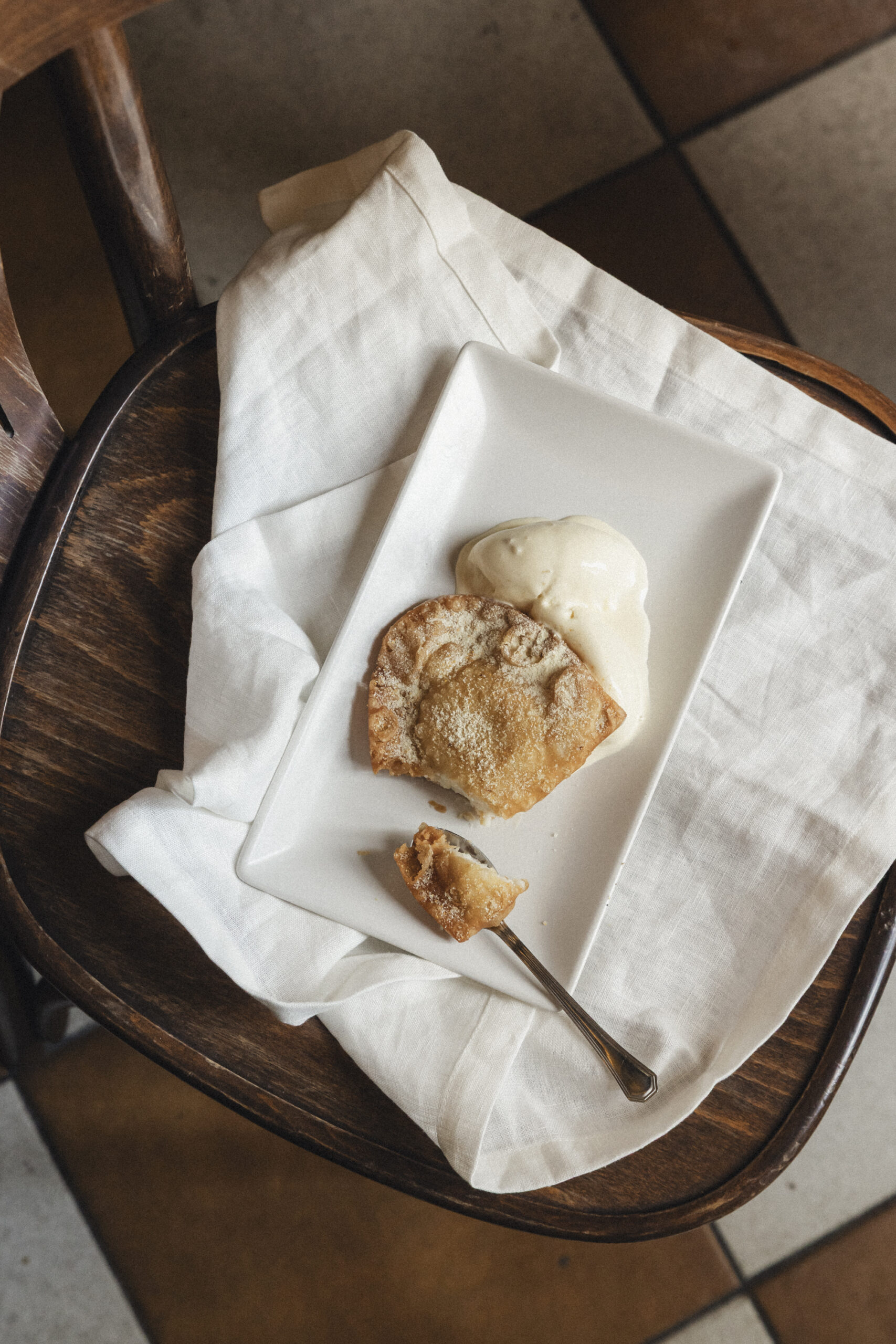
Small plates accompany other ways of using the café, with portions of Spanish tortilla and crispy pig’s ear to share over vermouth on tap or a glass of wine. In the evening, dishes such as roast beef join the selection, alongside bartolillos, traditional cream-filled pastries, and buñuelos de viento, light fritters filled with torrija cream.
The offering allows visitors to choose when to come according to their appetite and plans, although the café’s continuous opening hours do not mean that the entire menu is available at all times. Breakfast, lunch and dinner each have their own selections, while the small plates bring flexibility.
Barbieri offers a single-dish set menu drawing on market cooking and comforting, spoonable dishes.
Drinks that extend the conversation
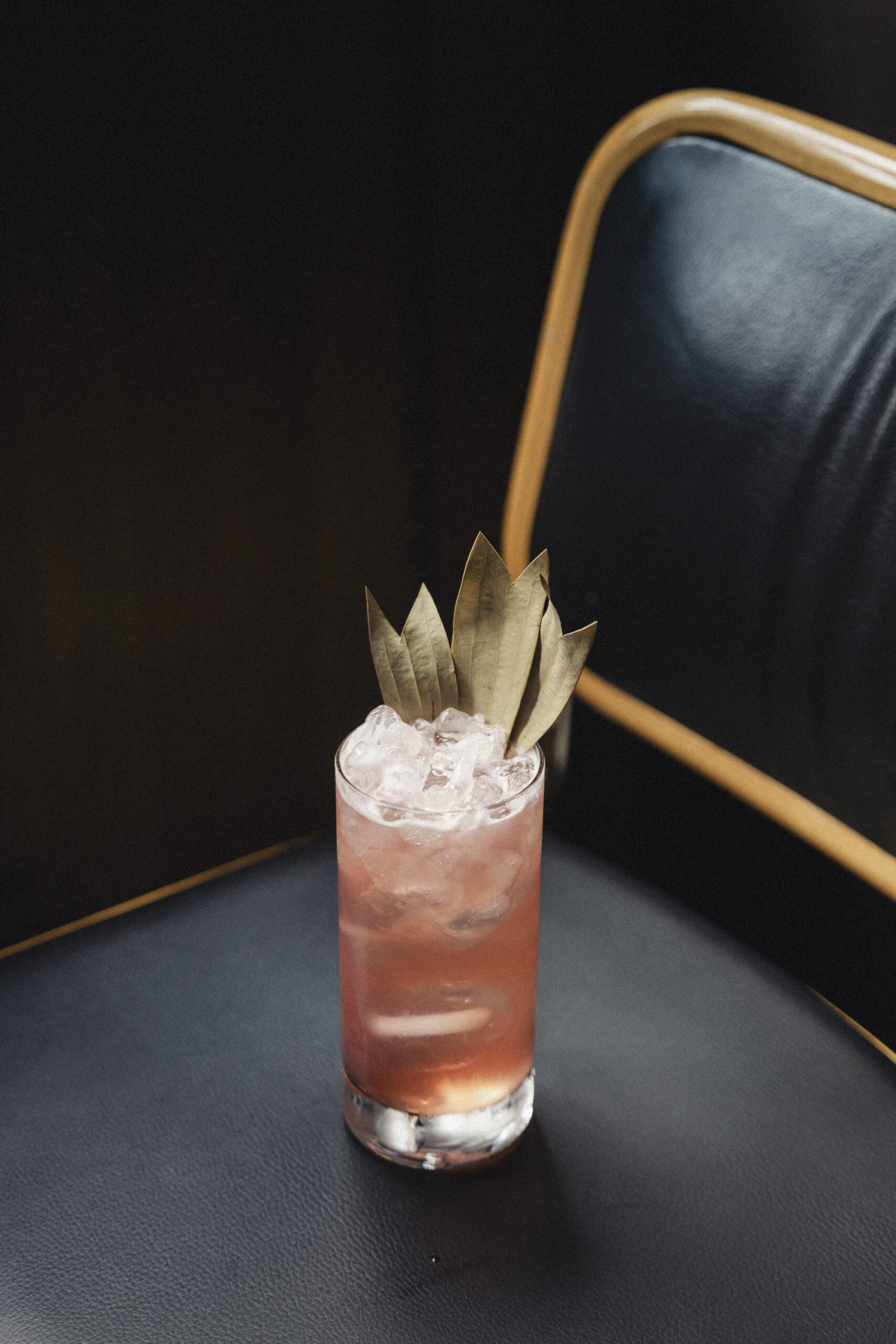
The gastronomic research also reaches the bar, with house-made infusions and traditional spirits. Aloja appears in a version combining brandy de Jerez, spiced honey and lemon, alongside drinks such as limoná de verbena and homemade barley water.
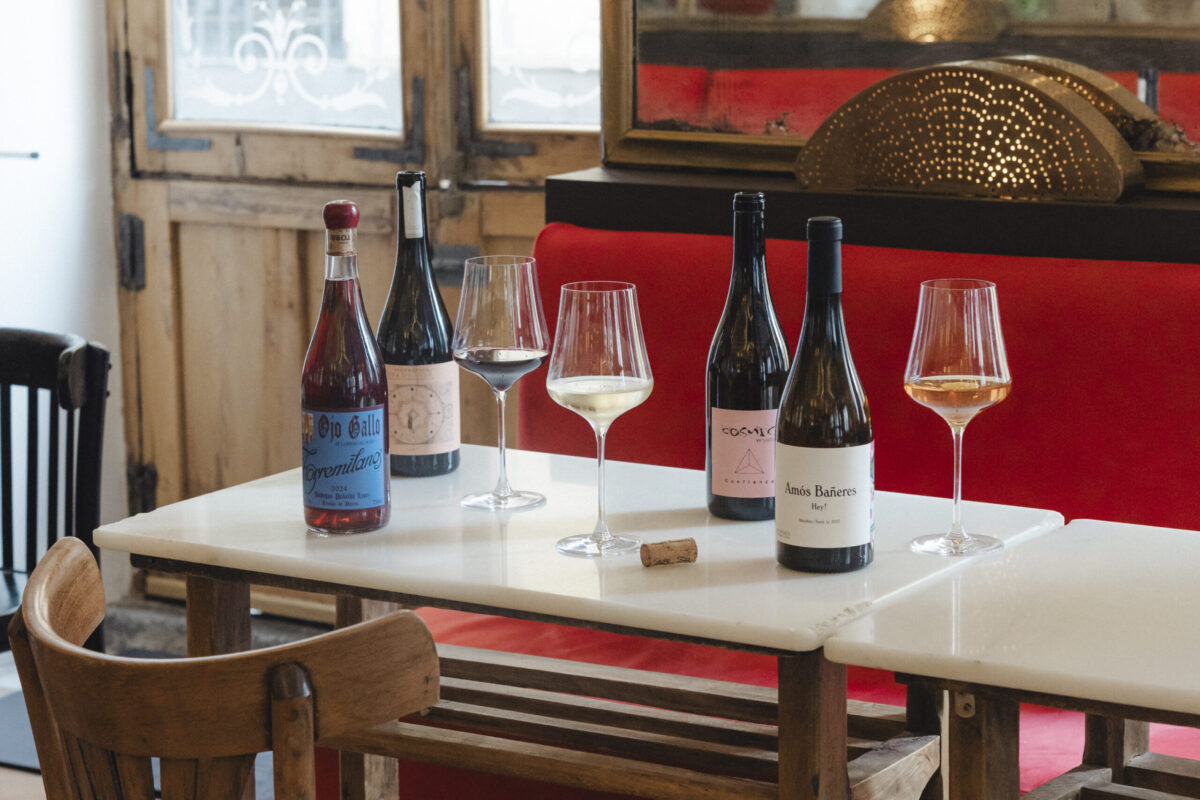
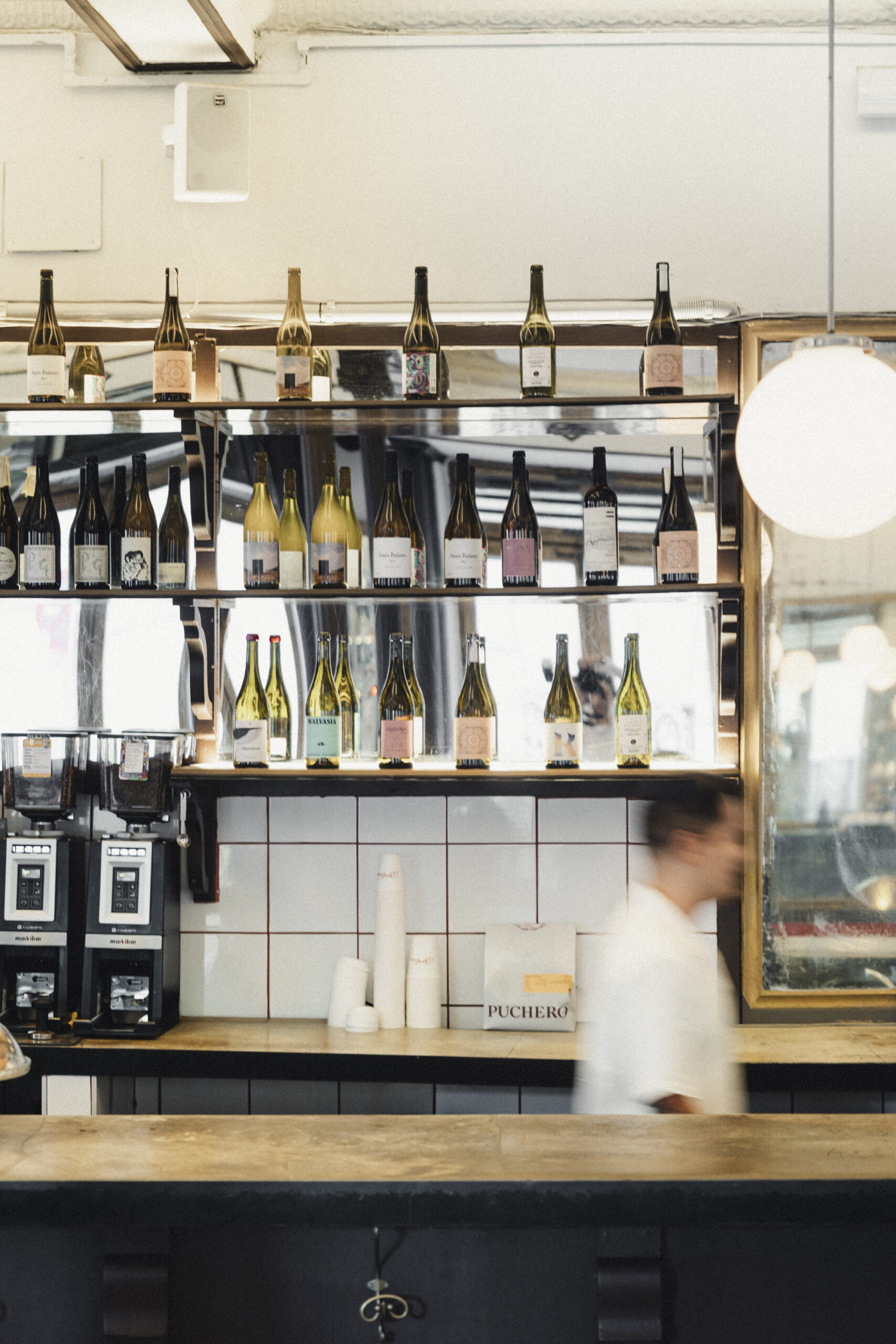
The wine selection brings together small Spanish, French and Austrian producers, with wines available by the glass and bottle, including whites, sparkling wines, rosés and orange wines. The project highlights a particular interest in natural wine and producers seeking to express terroir and grape variety, with options intended to appeal to different tastes.
New forms of café conversation
The cultural dimension aims to establish continuity through book clubs, artist gatherings and residencies, as well as supper clubs. Nora Silva, director of FONDO, explains that these collaborations should become part of the café’s everyday identity and connect with Lavapiés’s cultural community.
This is an announced programme whose development can be followed through the venue’s event listings. The intention is for culture to find a regular place around its tables, alongside those who come for breakfast, a meal or a conversation.
The cultural dimension aims to establish continuity through book clubs, artist gatherings and residencies, as well as supper clubs.
Mayice’s intervention and FONDO’s current work belong to different moments and disciplines, but together they offer a way of understanding Barbieri’s evolution through a shared concern for its history. The restored interior provides the setting; the cooking and gatherings will need to bring it to life each day, keeping the reasons to return alive.
(*) Photos: Palacio y Rio.