The Companion Vienna: a new design hotel by weStudio
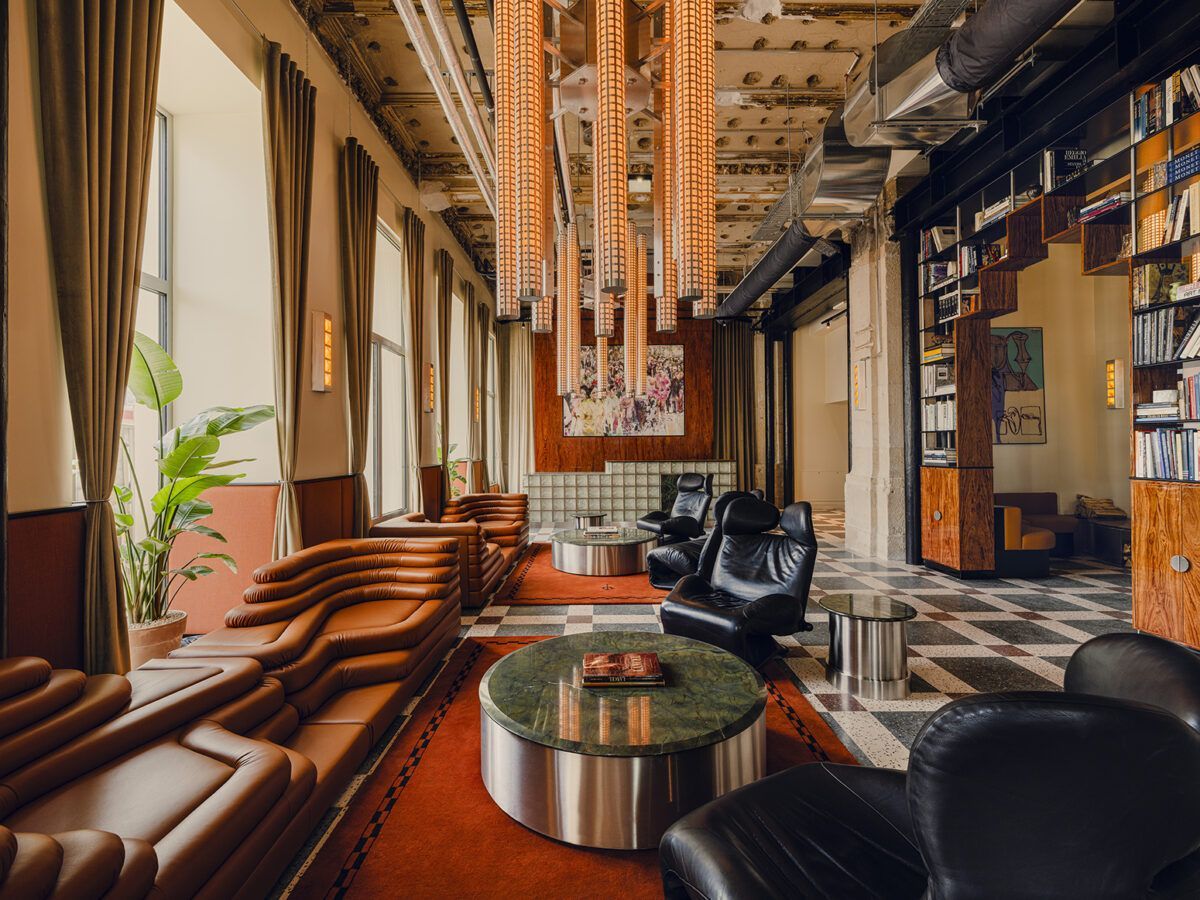
Vienna has always coexisted with the weight of its cultural legacy. Yet few recent projects have managed to reinterpret that heritage without falling into nostalgia or aesthetic caricature. The Companion Vienna, the new boutique hotel conceived by Berlin-based studio weStudio, achieves precisely that: building an honest dialogue between history and contemporaneity, where architecture, design and hospitality coexist with unusual naturalness.
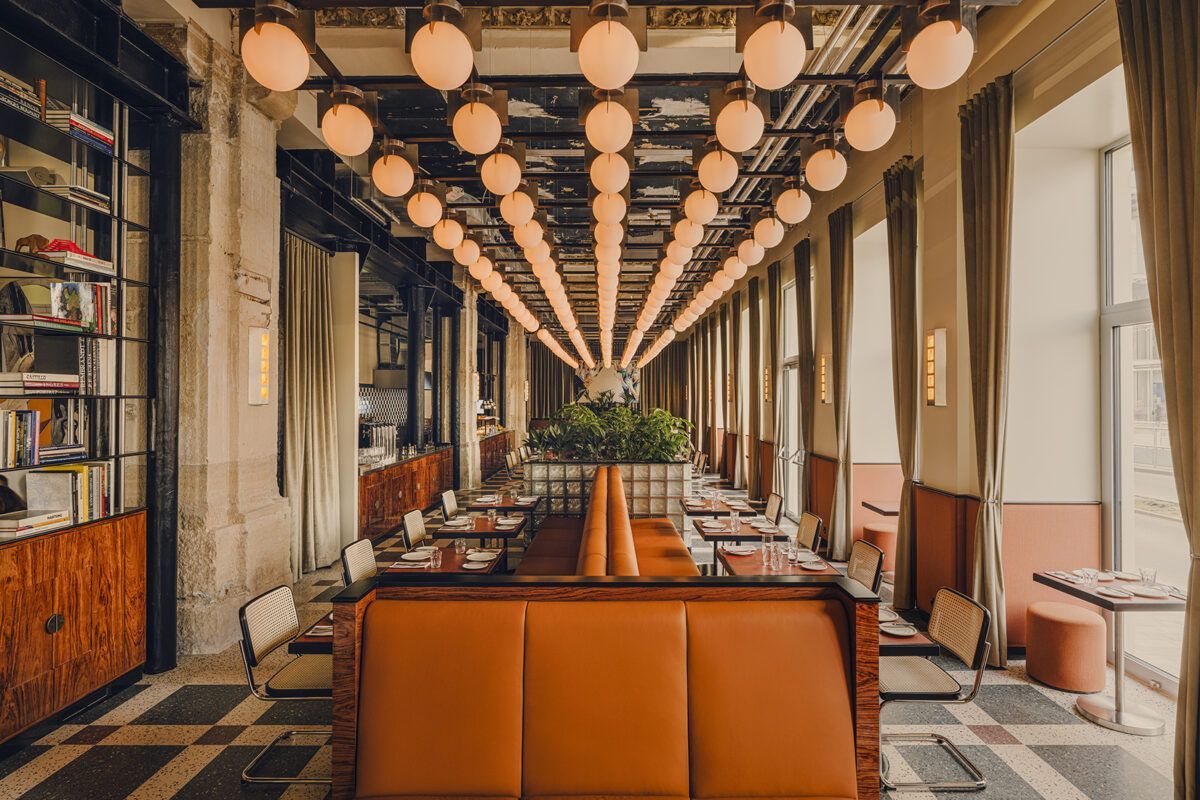
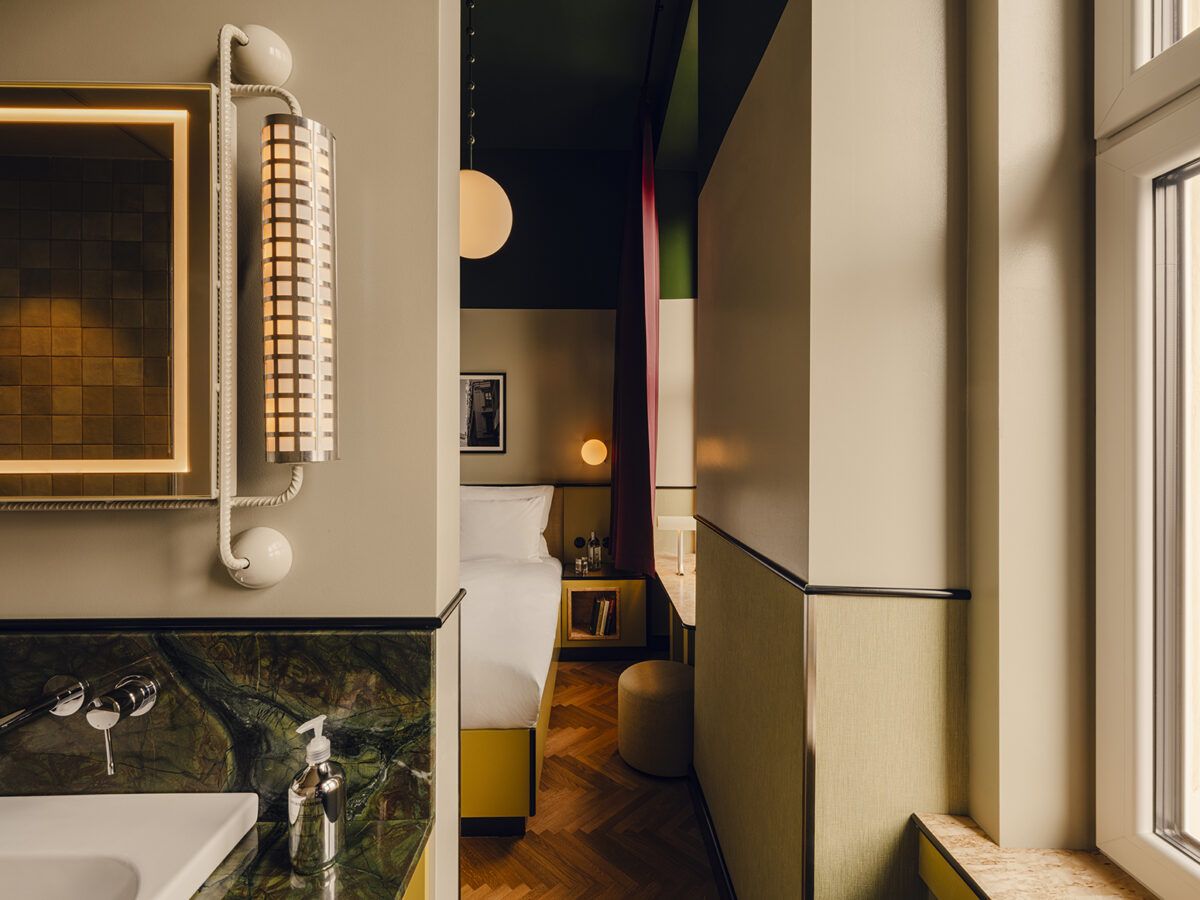
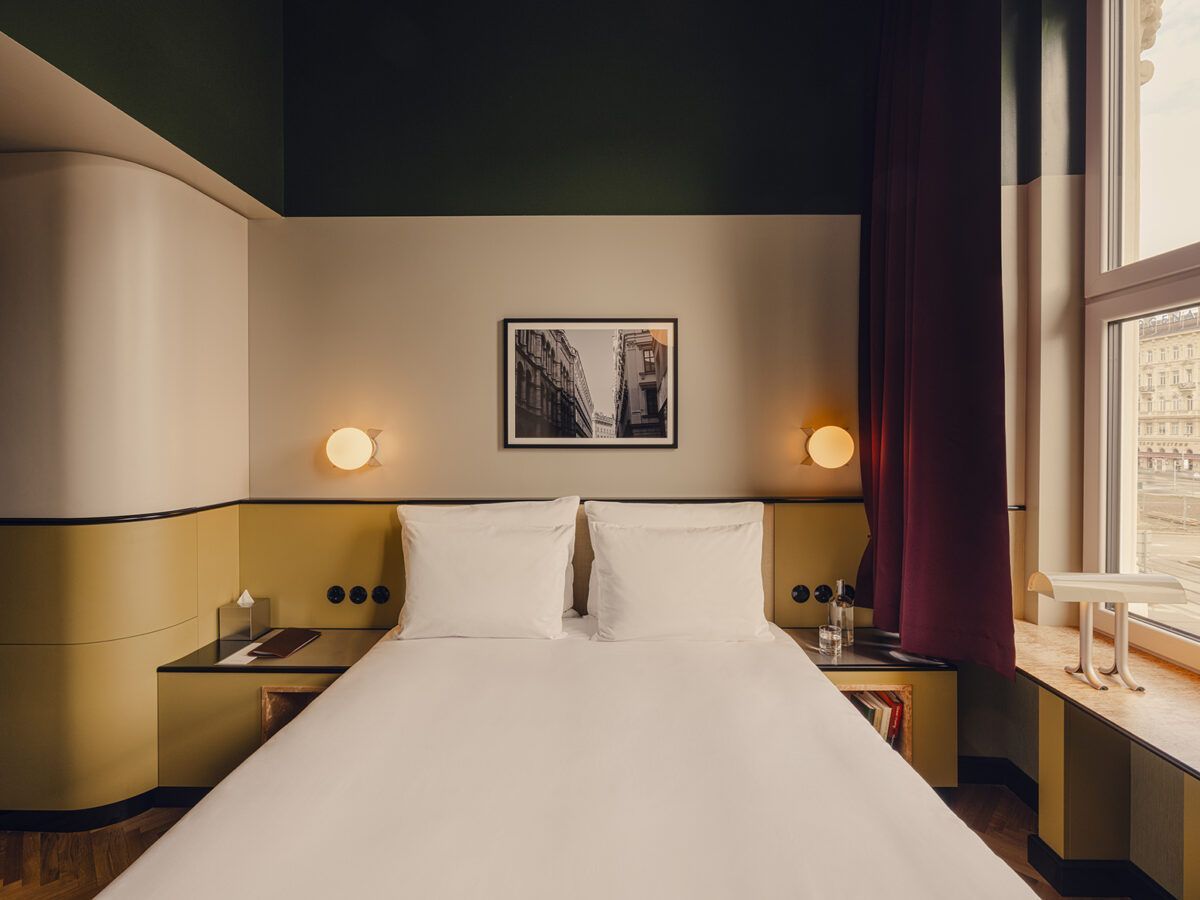
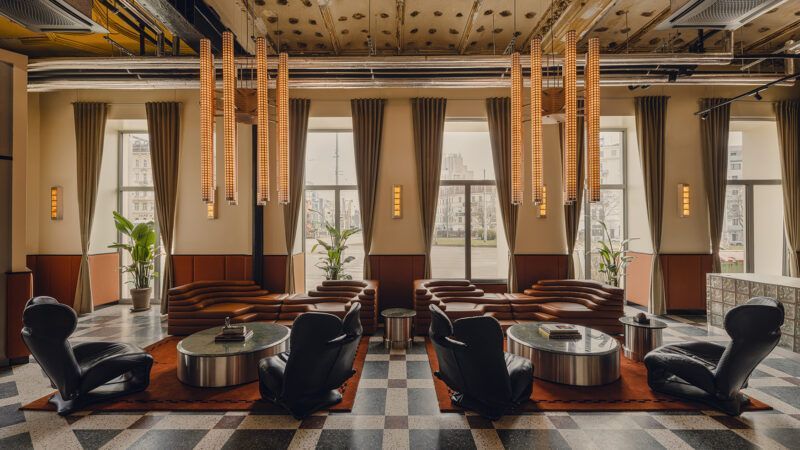
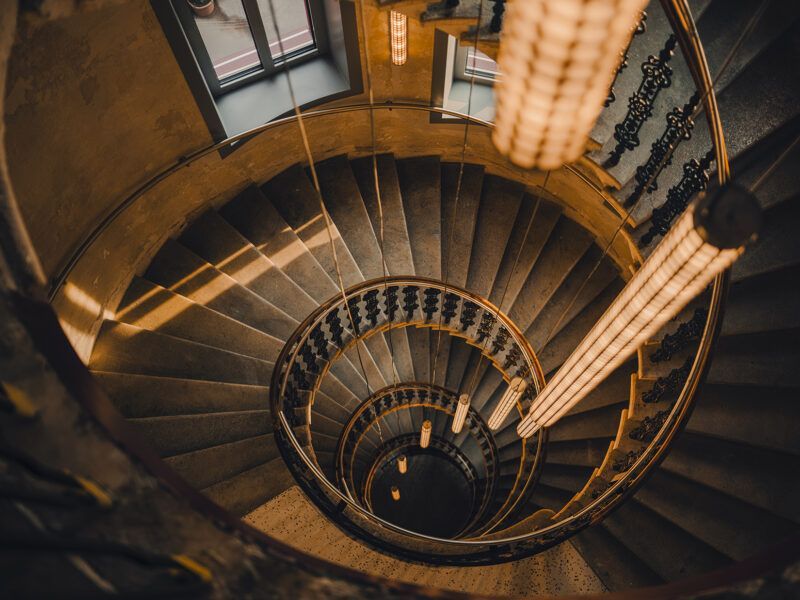
Located next to Westbahnhof, in one of the Austrian capital’s most dynamic and creative districts, the hotel proposes a different way of understanding contemporary hospitality. Far removed from the rigidity traditionally associated with luxury hotels, the project embraces open spaces, warm atmospheres and a far more fluid relationship between guests, locals and the city itself.
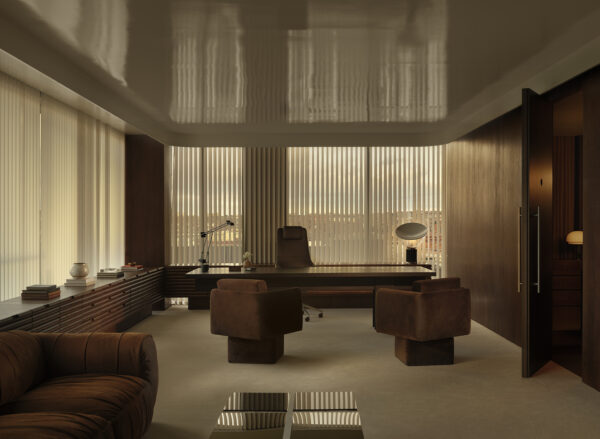
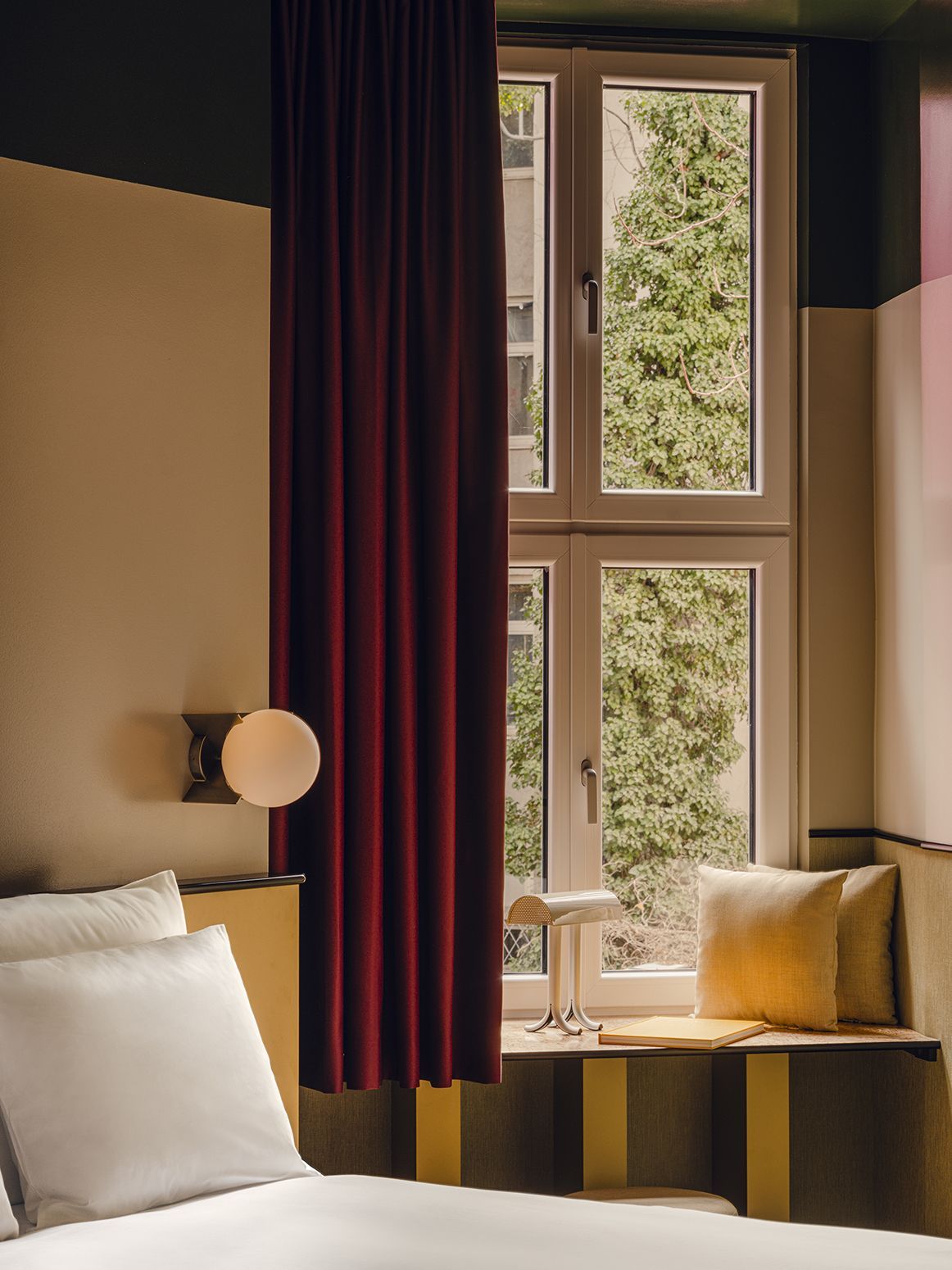
From the outside, the building retains part of Vienna’s characteristic architectural sobriety. Yet once inside, a far more layered spatial narrative unfolds: honest materials, aged textures, sculptural lighting and carefully curated furniture create a visual universe that constantly shifts between industrial and sophisticated.
“From the beginning, we wanted to move away from the conventional idea of a hotel and create a space that felt much more open, fluid and social”, explains Piotr Wisniewski, architect, interior designer and creative director of weStudio.
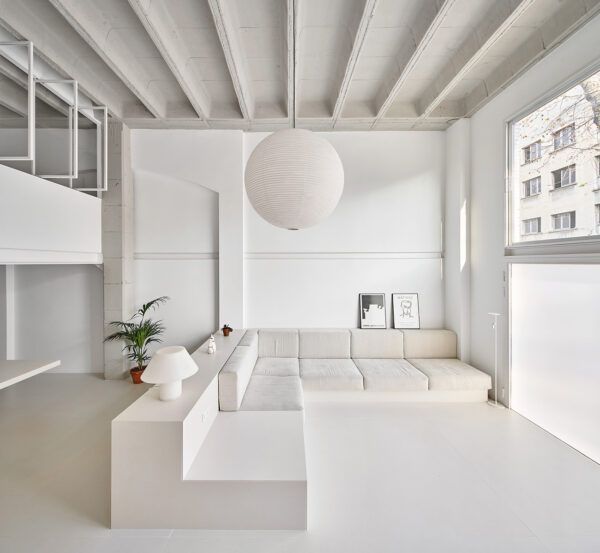
That philosophy defines much of the project’s identity. The lobby, restaurant and communal areas operate as a single interior landscape where the boundaries between functions almost disappear. Rather than relying on obvious physical divisions, the layout is articulated through shifts in lighting, atmosphere, furniture and materiality.
The atmosphere feels much closer to a contemporary creative club or cultural residence than to a traditional hotel.
Historic architecture and contemporary intervention
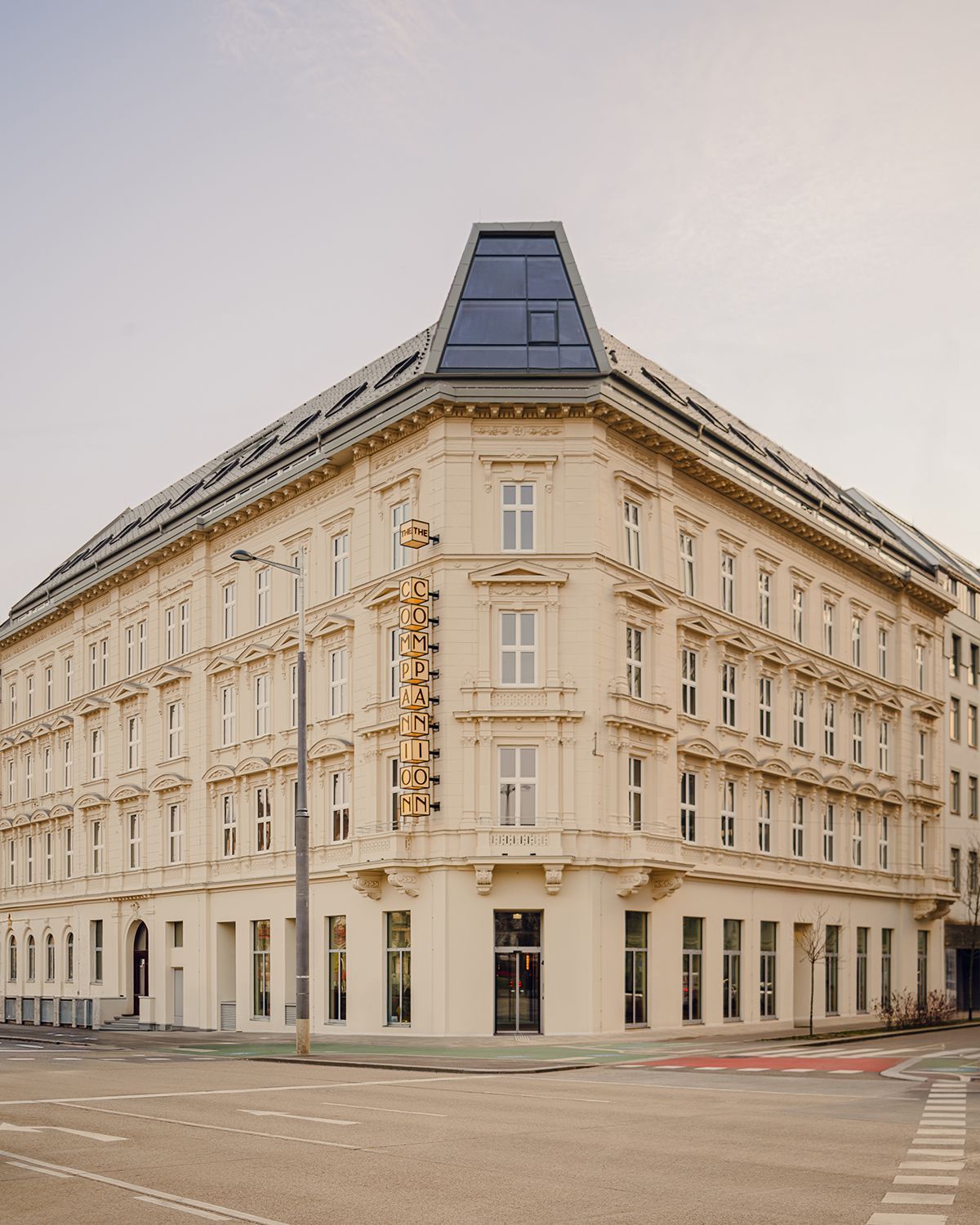
One of The Companion Vienna’s greatest strengths lies in the way weStudio chose to work with the original building. The historic property, built in the 19th century, presented enormous spatial complexity, requiring the studio to develop an especially sensitive and flexible approach.
The structure was filled with irregularities: rooms with different proportions, unexpected corners, varying ceiling heights and unique architectural details that made homogeneous or overly rational solutions impossible.
“Every corner seemed to have its own logic”, recalls Wisniewski. “Rather than imposing a closed vision, the project became an ongoing conversation with the existing architecture.”
That direct relationship with the building shaped the entire creative process. From the outset, weStudio understood that the value of the space did not lie solely in its aesthetic potential, but also in the traces of time still visible within the original structure.
“From the beginning, we wanted to move away from the conventional idea of a hotel and create a space that felt much more open, fluid and social.”
Instead of concealing those imperfections or attempting to neutralise them, the studio actively incorporated them into the hotel’s narrative.
“We never wanted to erase the building’s history”, says the architect. “The goal was to make it even more visible.”
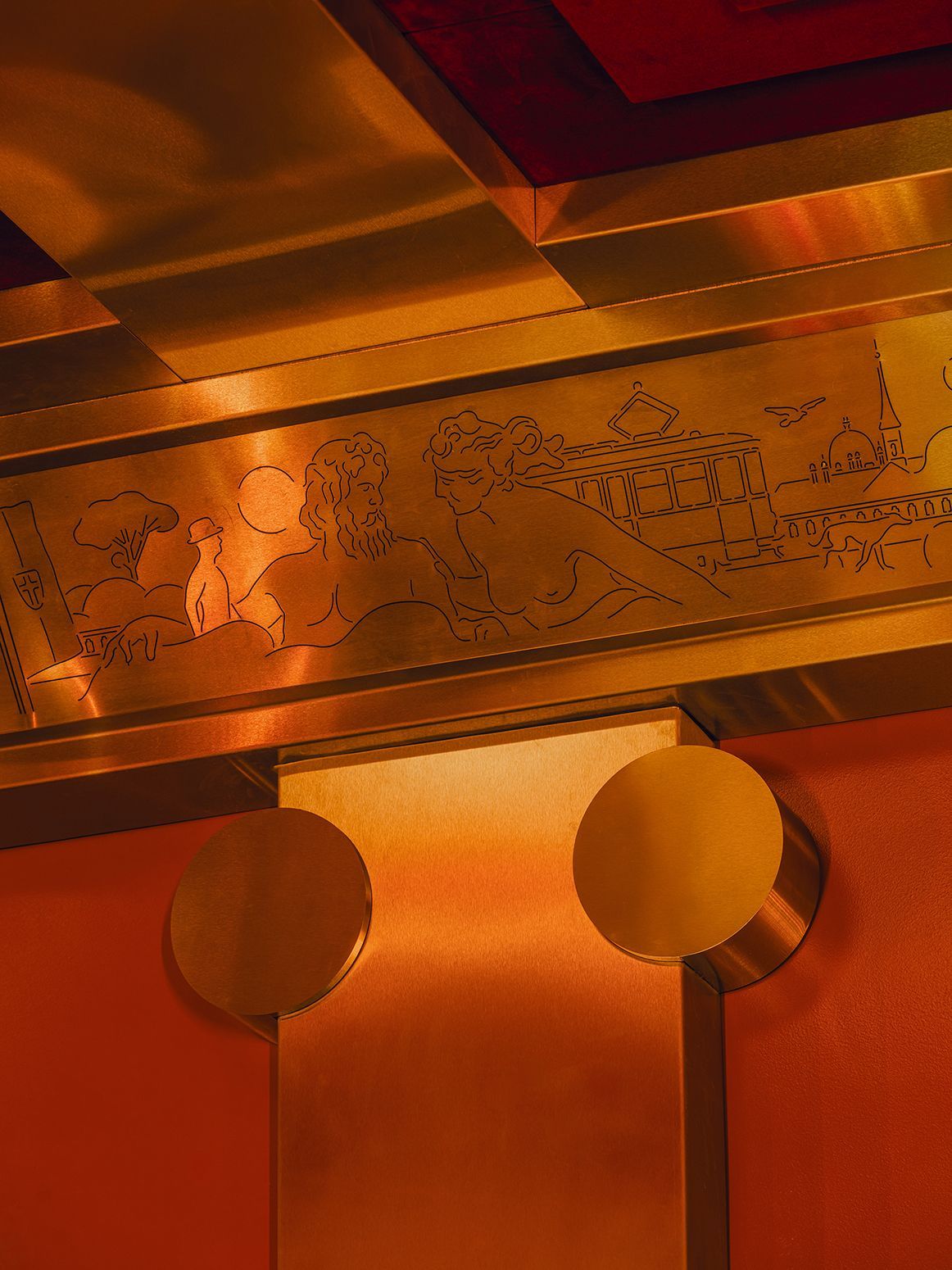
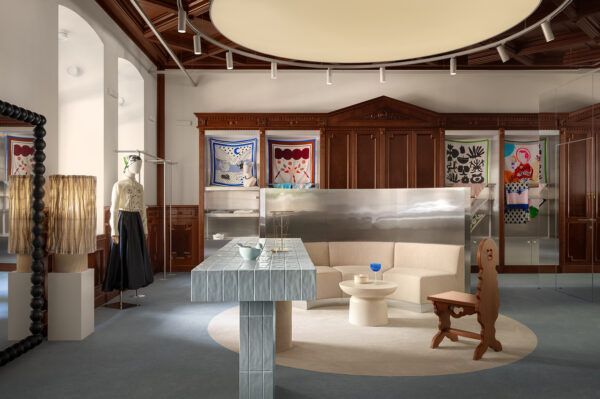
Partially exposed walls, weathered surfaces, irregular textures and original structural elements appear constantly integrated into the interior design. All of this coexists with far more refined contemporary materials, generating an especially rich visual tension.
Materiality as narrative
Materiality occupies a central place within The Companion Vienna’s visual universe. Beyond aesthetics, materials function here as a tool capable of connecting different eras and creating emotional depth throughout the space.
weStudio consistently works through contrasts between raw surfaces and sophisticated finishes. Exposed concrete, aged walls and rough textures dialogue with marble, quartzite, polished metals, solid wood and high-gloss lacquered finishes.
“Contrast was fundamental for us”, explains Wisniewski. “The refined materials were never meant to compete with the building’s historical essence, but rather to emphasise it.”
Lighting also plays an essential role within that material narrative. Warm light accentuates the irregularities of the original surfaces and creates different layers of visual depth throughout the day.
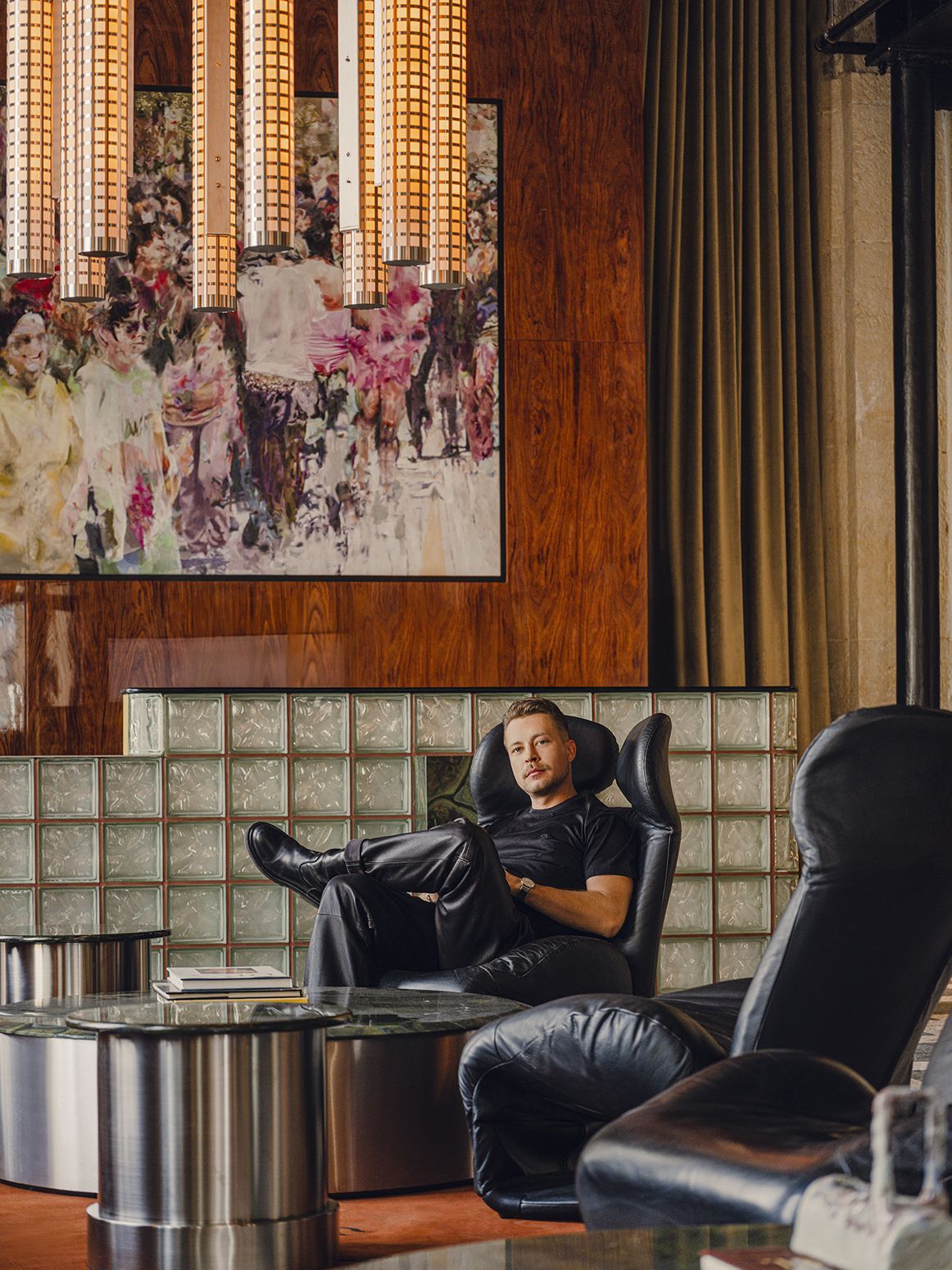
Nothing feels excessively calculated or artificial. Imperfections, traces of time and the honesty of the materials form an essential part of the space’s identity.
In contrast to many hotel interiors built around a globalised and easily replicable aesthetic, The Companion Vienna embraces a far more sensitive relationship with the existing architecture and the building’s memory.
The surfaces retain depth, texture and character. Rather than decorative elements, they function almost as fragments of a story still present in every corner of the hotel.
The influence of the Wiener Werkstätte
Viennese cultural identity appears subtly reinterpreted through references to the Wiener Werkstätte, the artistic movement founded in the early 20th century by figures such as Josef Hoffmann and Koloman Moser.
Rather than reproducing historical language literally, weStudio borrows some of its core principles and translates them through a far more contemporary sensibility.
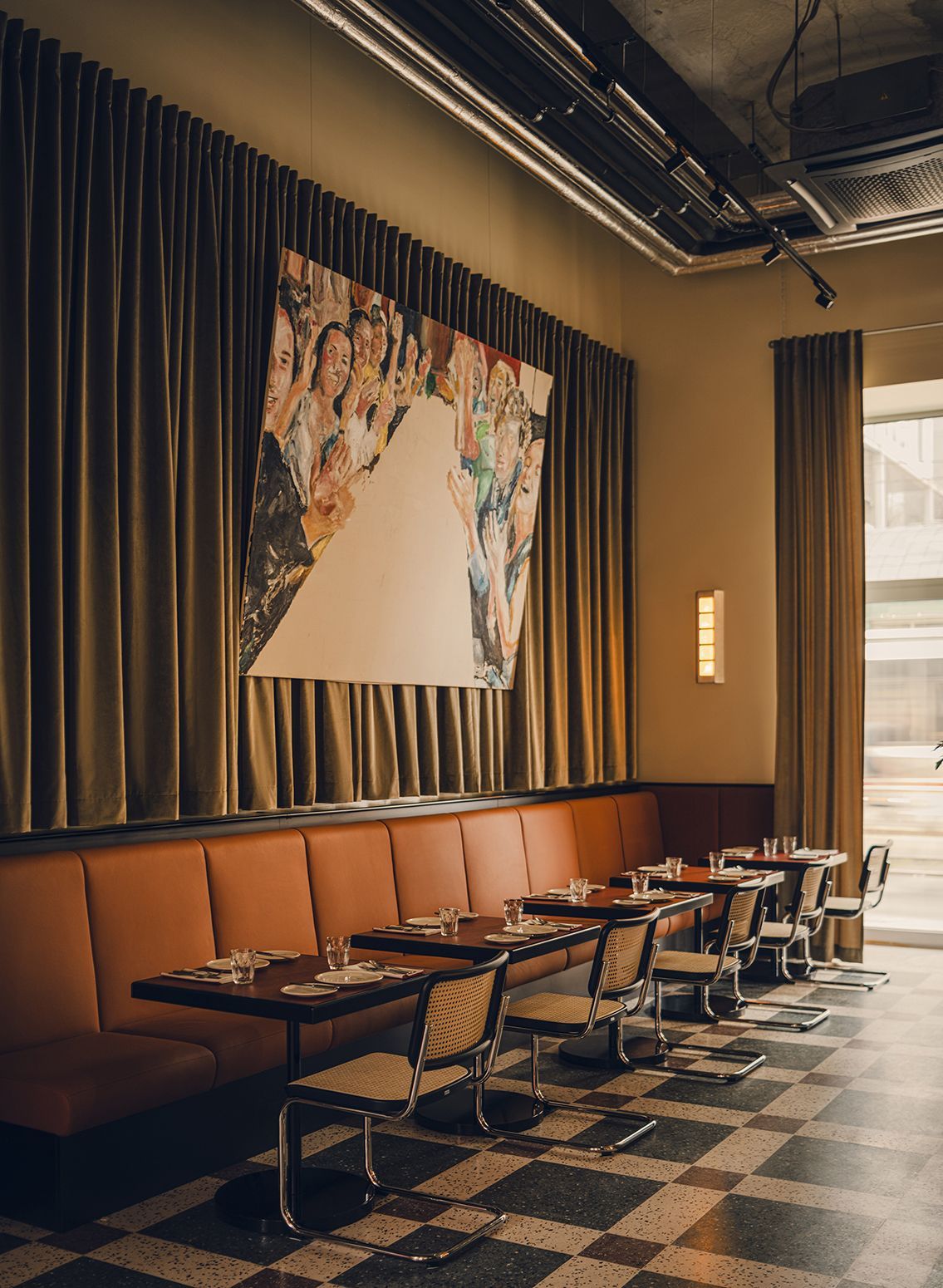
“The Wiener Werkstätte was a very important reference throughout the project”, explains Wisniewski. “We were especially interested in its formal clarity, functionality and the artisanal value of its pieces.”
That influence can be perceived in the geometry of the furniture, certain lighting elements and the recurring use of the square as a visual thread running throughout the hotel.
Many of the pieces were designed specifically for the project, particularly parts of the sculptural lighting and built-in furniture, creating aesthetic continuity between the different spaces.
“Our intention was never to reproduce a historical language”, notes the architect. “We wanted to reinterpret those references through a more minimalist and contemporary lens.”
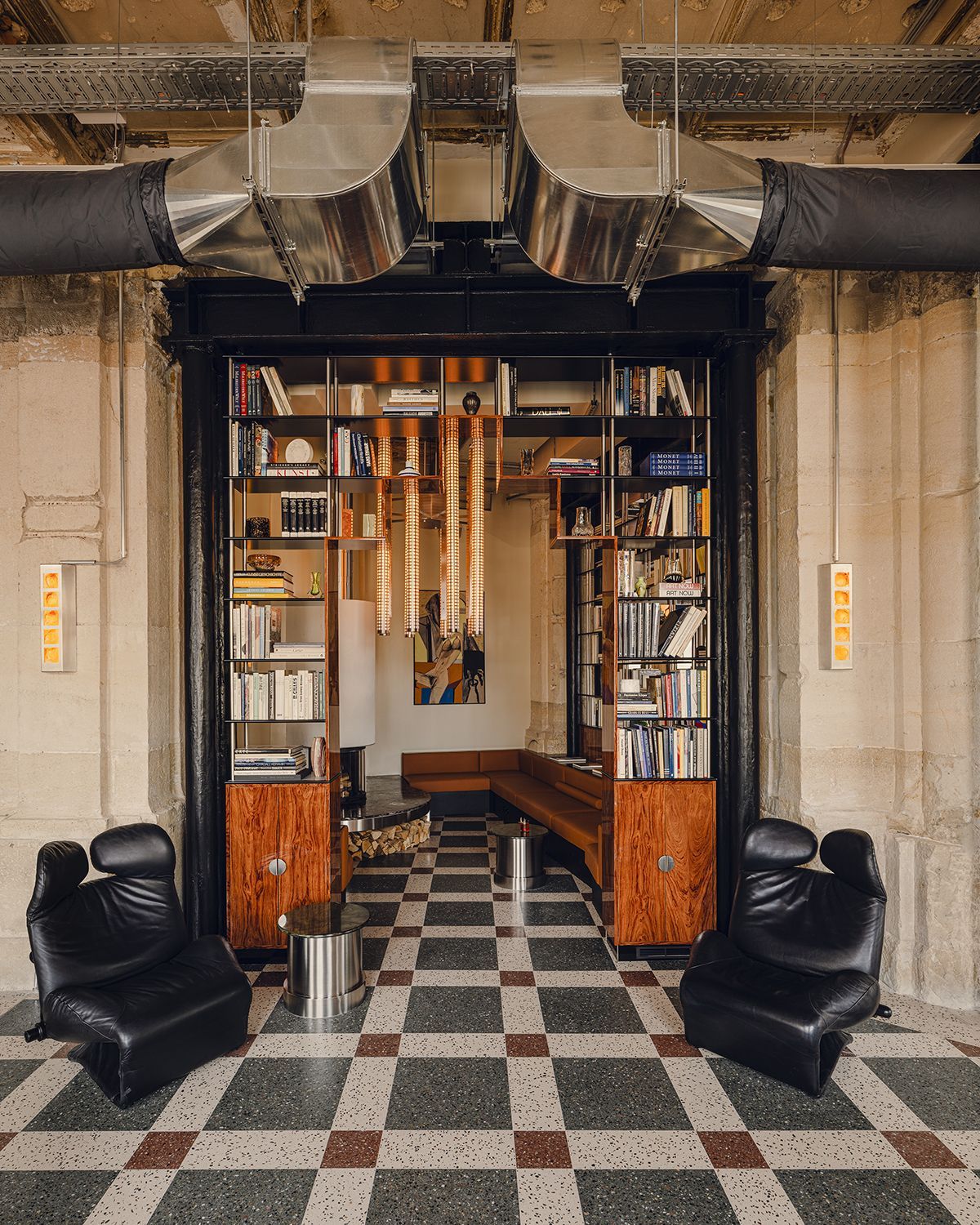
That reinterpretation allows the hotel to maintain a strong connection with Vienna’s cultural heritage without falling into predictable decorative codes or excessive nostalgia.
A hotel designed for urban life
Another of The Companion Vienna’s most interesting aspects is its relationship with the neighbourhood and with contemporary urban life.
At The Companion Vienna, weStudio embraces a much more open and connected relationship with the urban environment, understanding the hotel not only as a place to stay, but also as a space integrated into the city’s everyday life.
Large ground-floor windows remove any sense of barrier between interior and exterior. From the street, the space constantly invites people to enter, observe or simply remain.
“We wanted to spark curiosity among people passing by”, explains Wisniewski. “The hotel needed to feel accessible and capable of contributing something to the neighbourhood.”
That intention directly shapes the spatial experience. The communal areas encourage people to work, meet, have a drink or simply spend time within the hotel — even if they are not guests.
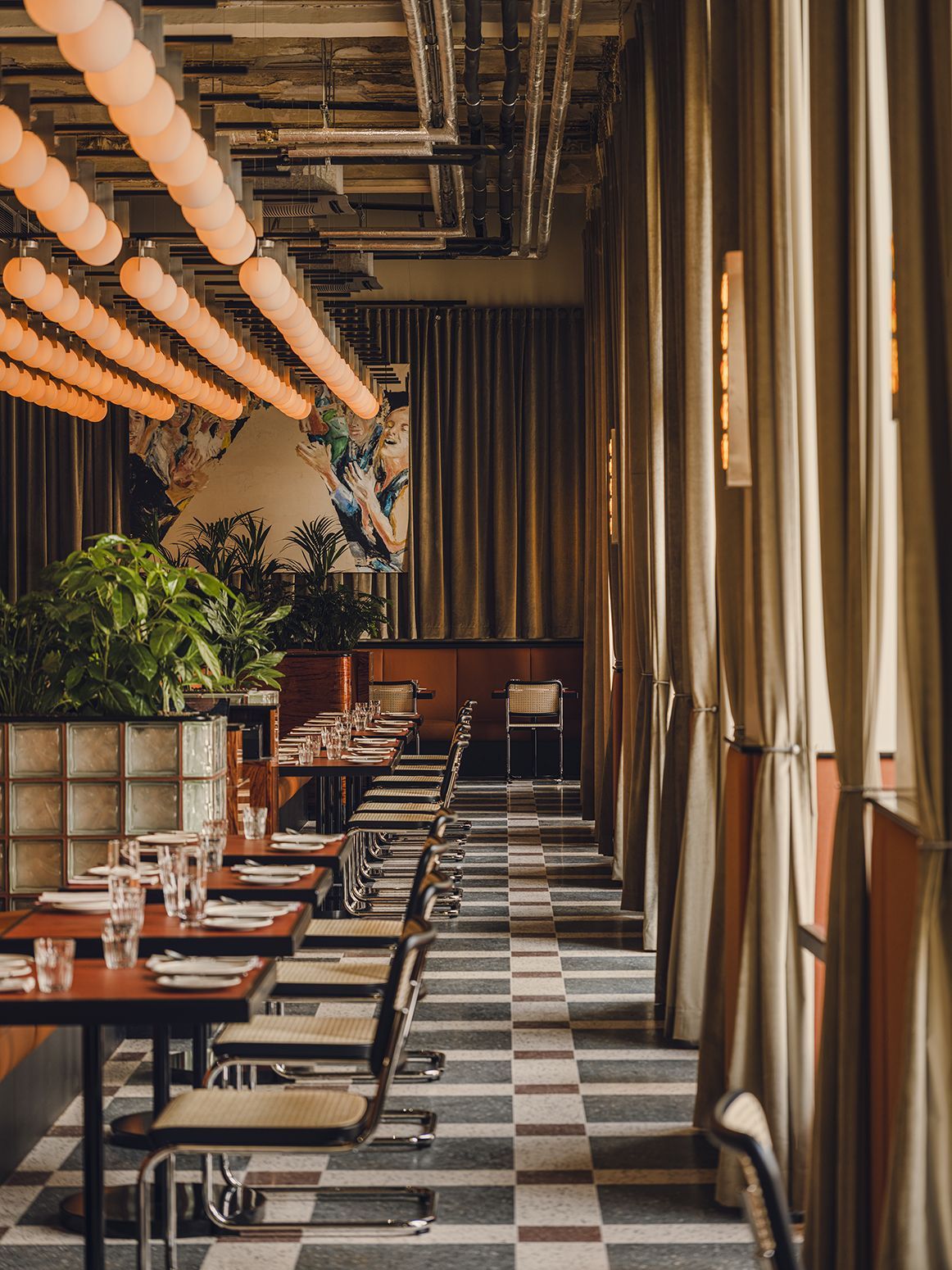
The atmosphere avoids any excessively ceremonial gestures. Instead, there is a far more relaxed and approachable feeling, where hospitality is constructed through small details, spatial rhythm and visual comfort.
The choice of Westbahnhof is no coincidence either. Although Vienna possesses a long-standing hotel tradition, this area is not typically associated with hospitality concepts linked to contemporary design and the city’s creative life. Precisely for that reason, The Companion Vienna introduces new energy into the neighbourhood and functions as a meeting point between different urban communities.
The new contemporary luxury
Beyond its visual identity, The Companion Vienna reflects a much deeper transformation within European hotel design.
In recent years, the idea of luxury has begun moving away from ornamental excess and ostentatious sophistication towards experiences that feel more emotional, honest and connected to context.
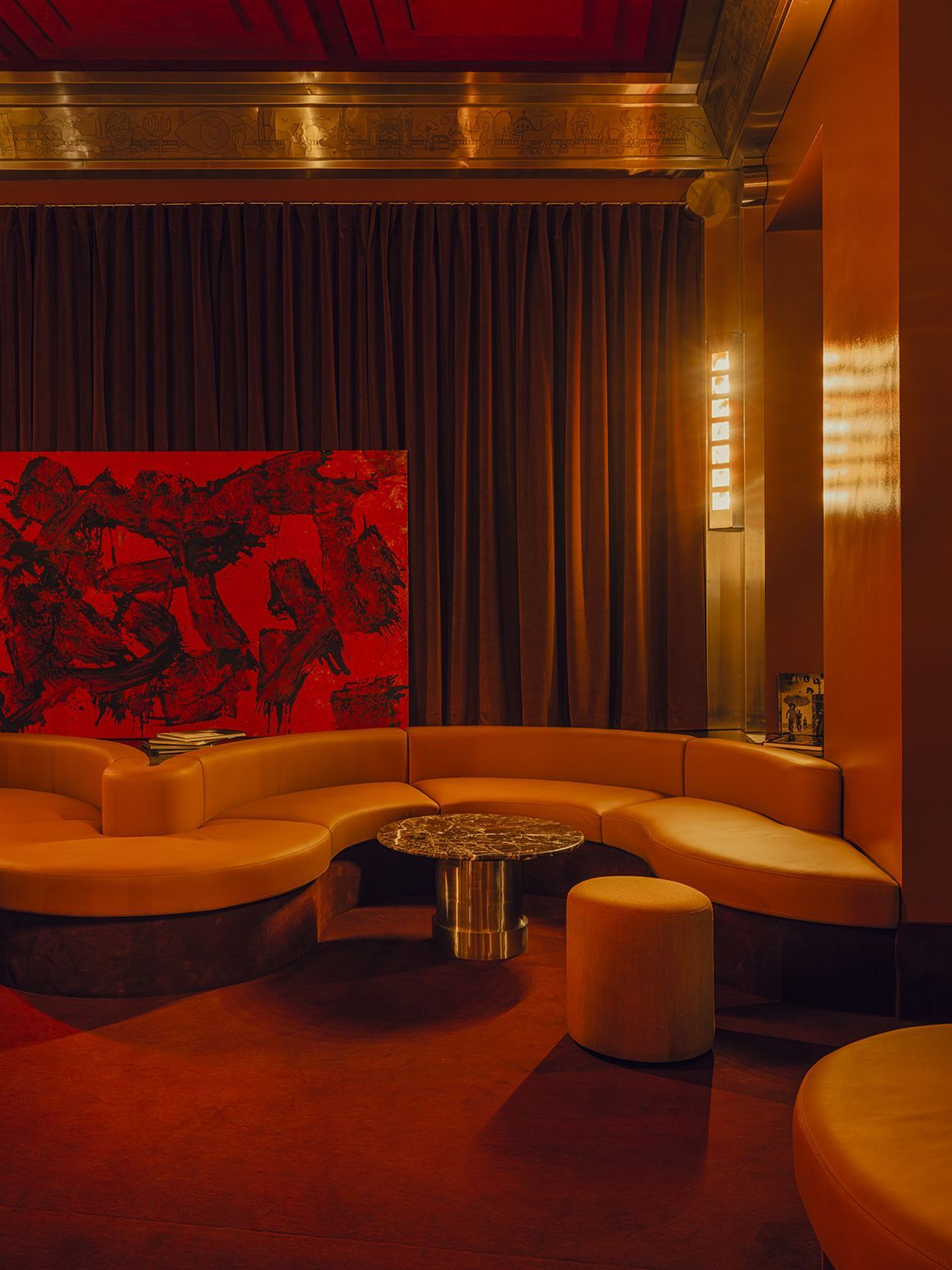
Today, many travellers seek spaces capable of conveying personality, memory and authenticity — places that could not exist in exactly the same way elsewhere. The Companion Vienna understands that shift in sensibility perfectly.
Here, luxury is built through carefully balanced atmospheres, honest materials and spaces capable of generating emotional connection with those who inhabit them.
“The real challenge was allowing different eras, materials and atmospheres to coexist without competing against one another”, says Wisniewski.
That coexistence between different temporalities becomes one of the project’s greatest achievements. Nothing feels forced. Nothing tries to demand immediate attention. And yet every spatial decision responds to an extremely precise logic.
weStudio and a new european sensibility
Founded in Berlin, weStudio has quickly established itself as one of the most compelling studios within the new European scene of architecture and interior design linked to contemporary hospitality.
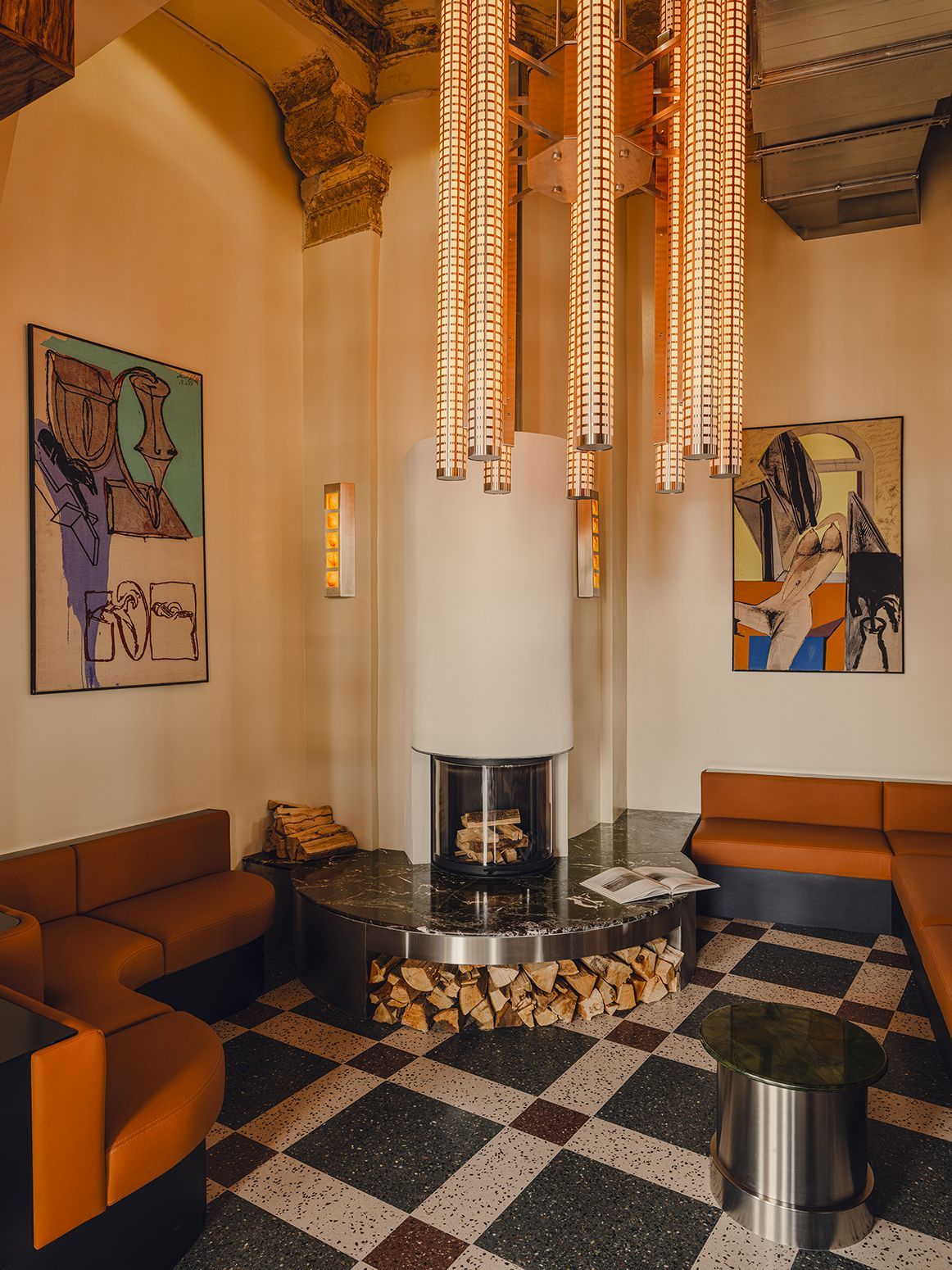
Their work is characterised by a deeply sensory approach where architecture, design, materiality and cultural identity are closely intertwined. Rather than pursuing fleeting trends or easily recognisable visual formulas, the studio creates spaces rooted in context and in the user’s emotional experience.
The Companion Vienna synthesises many of those concerns: historical sensitivity, material sophistication, attention to detail and a highly contemporary understanding of urban life.
The project avoids both minimalist coldness and decorative excess, embracing instead a quieter and far more emotional sophistication.
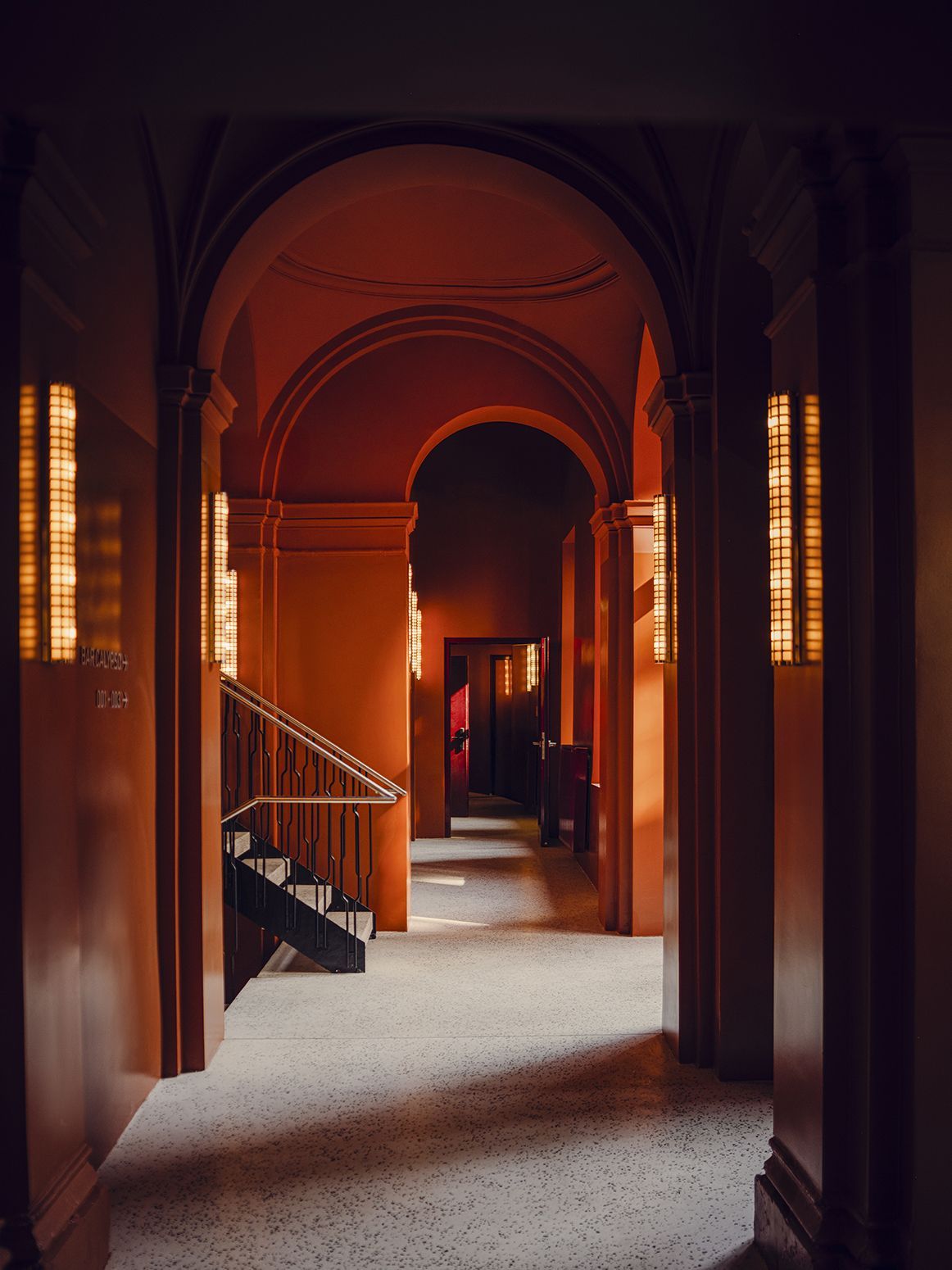
“The real challenge was allowing different eras, materials and atmospheres to coexist without competing against one another.”
Designing spaces that remain in memory
At a particularly interesting moment for contemporary hotel design, The Companion Vienna embraces a distinctive identity built through material sensitivity, the building’s history and a highly personal vision of hospitality.
The hotel does not attempt to resemble any other space or reproduce visual formulas designed solely for immediate impact on social media. Its strength emerges precisely from what is not obvious: the material layers, the small imperfections, the tension between different eras and the way the space evolves as it is experienced.
Beyond its visual identity, The Companion Vienna proposes a far more sensitive and conscious way of understanding contemporary hospitality — a space where the building’s history, materiality and urban life coexist without artifice, creating an atmosphere that feels deeply authentic.
Some hotels function merely as temporary settings. Others, however, manage to activate something far more emotional and difficult to explain: the feeling of having discovered a place with its own soul. At The Companion Vienna, that identity can be felt in every material, every texture and every transition between spaces.
(*) Photography: PION Studio / @pionfotografia.