Casa Luz: a hotel designed around mediterranean light
Barcelona has welcomed another addition to its hospitality scene, but Casa Luz doesn’t seem particularly interested in competing through the usual formulas of the industry. It doesn’t boast a secret location, an extravagant narrative or an experience designed for Instagram. Its proposition is considerably simpler: to create a comfortable, light-filled place that is genuinely connected to the life of the city.
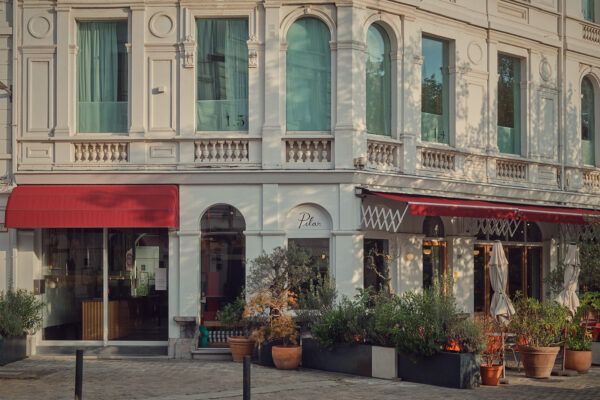
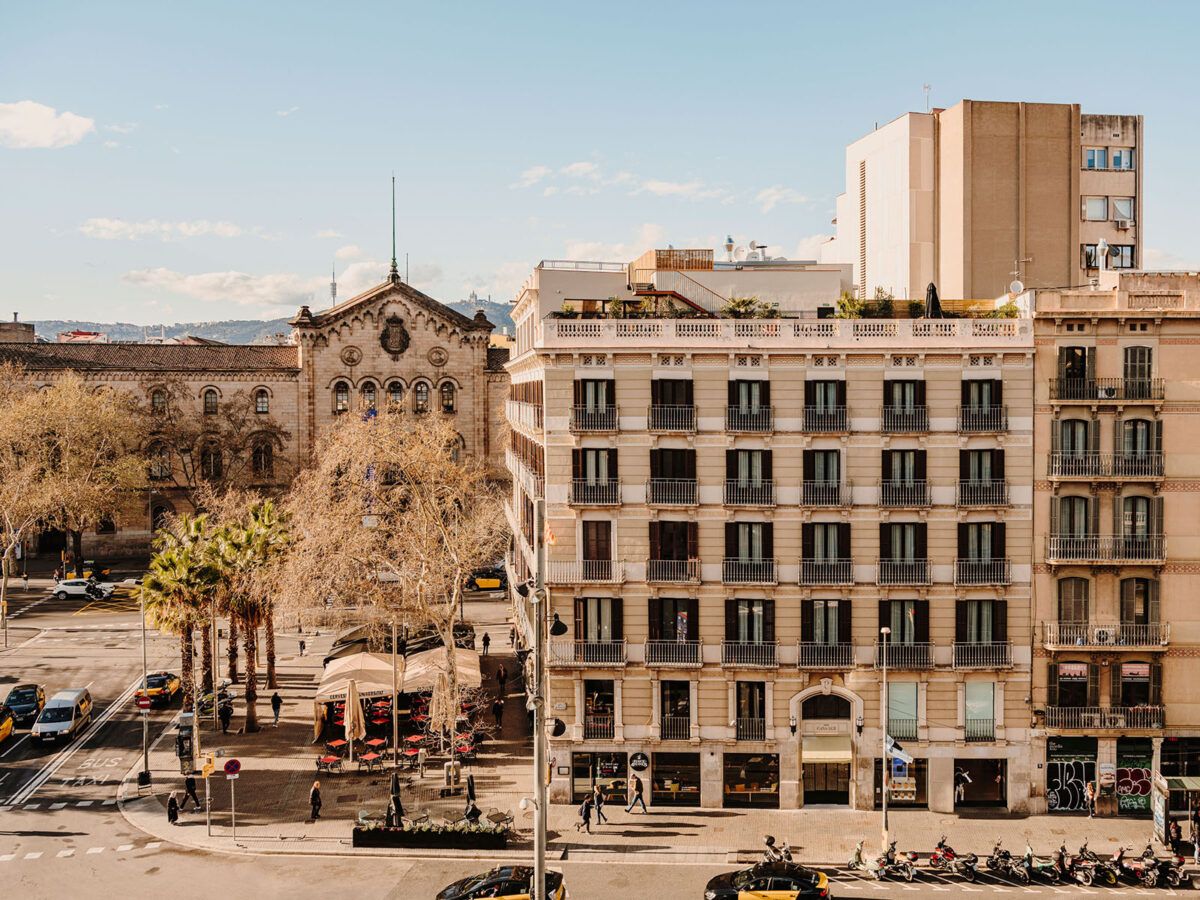
Located on Plaça Universitat and conceived by interior designer Lázaro Rosa-Violán, the project occupies a building that looks simultaneously towards Eixample and Barcelona’s historic centre. That in-between position ultimately defines much of its identity. Casa Luz functions as a meeting point between the city’s urban energy and the need to find moments of calm within it.
A new generation of urban hotels
The opening of Casa Luz comes at a time of transformation within the hospitality sector. For years, many boutique hotels built their identities around increasingly eye-catching concepts, hyper-personalised experiences or narratives designed to stand out in an oversaturated market. Yet some of the most interesting projects to emerge in recent years appear to be moving in a different direction.
Rather than becoming destinations in isolation, they seek to integrate themselves into the urban fabric and become part of the city’s everyday life. These are hotels designed not only for travellers but also for local residents. Spaces where it is possible to work, enjoy a coffee, have lunch, hold a meeting or simply spend a few hours without necessarily staying overnight.
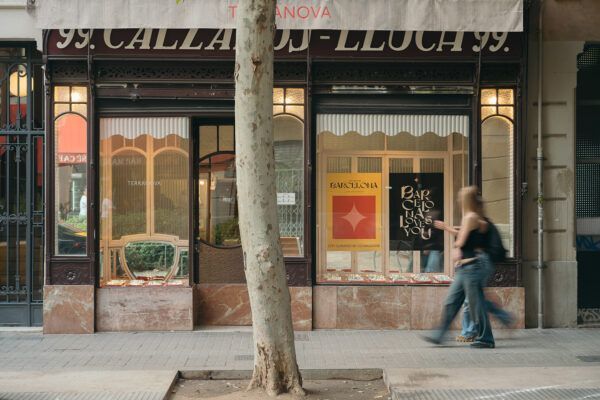
Casa Luz fits naturally within this trend. Its location in one of Barcelona’s busiest areas allows it to function as a natural extension of the neighbourhood, connected to the bookshops, galleries, restaurants, universities and cultural venues that form part of the city’s daily rhythm.
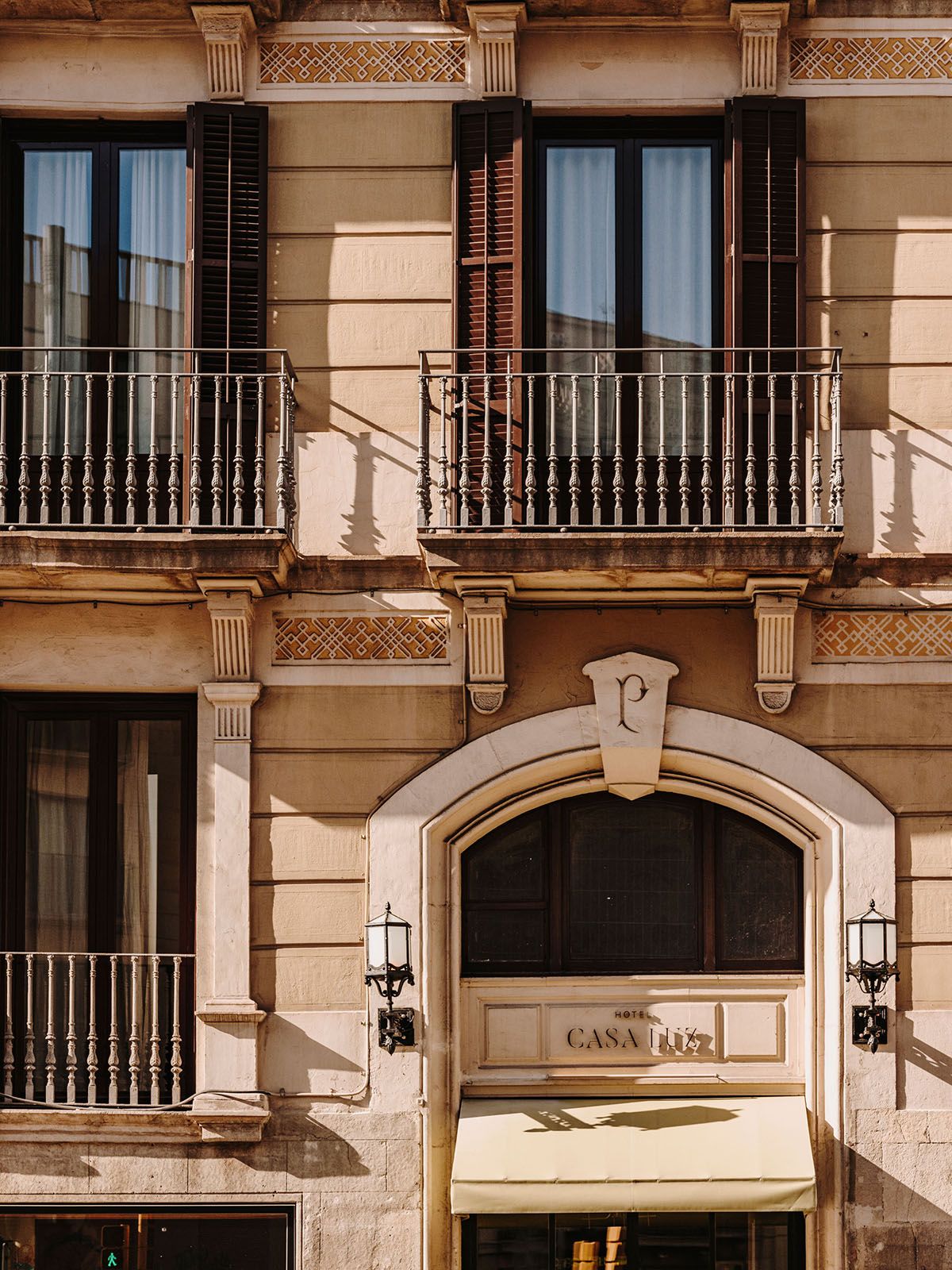
Its location in one of Barcelona’s busiest areas allows it to function as a natural extension of the neighbourhood.
The world of Lázaro Rosa-Violán
Much of the project’s personality can be understood through the work of Lázaro Rosa-Violán. Over the past two decades, the designer has created some of the most recognisable hospitality interiors in Europe, developing a distinctive language capable of combining historical references, contemporary sensibilities and an almost obsessive attention to detail.
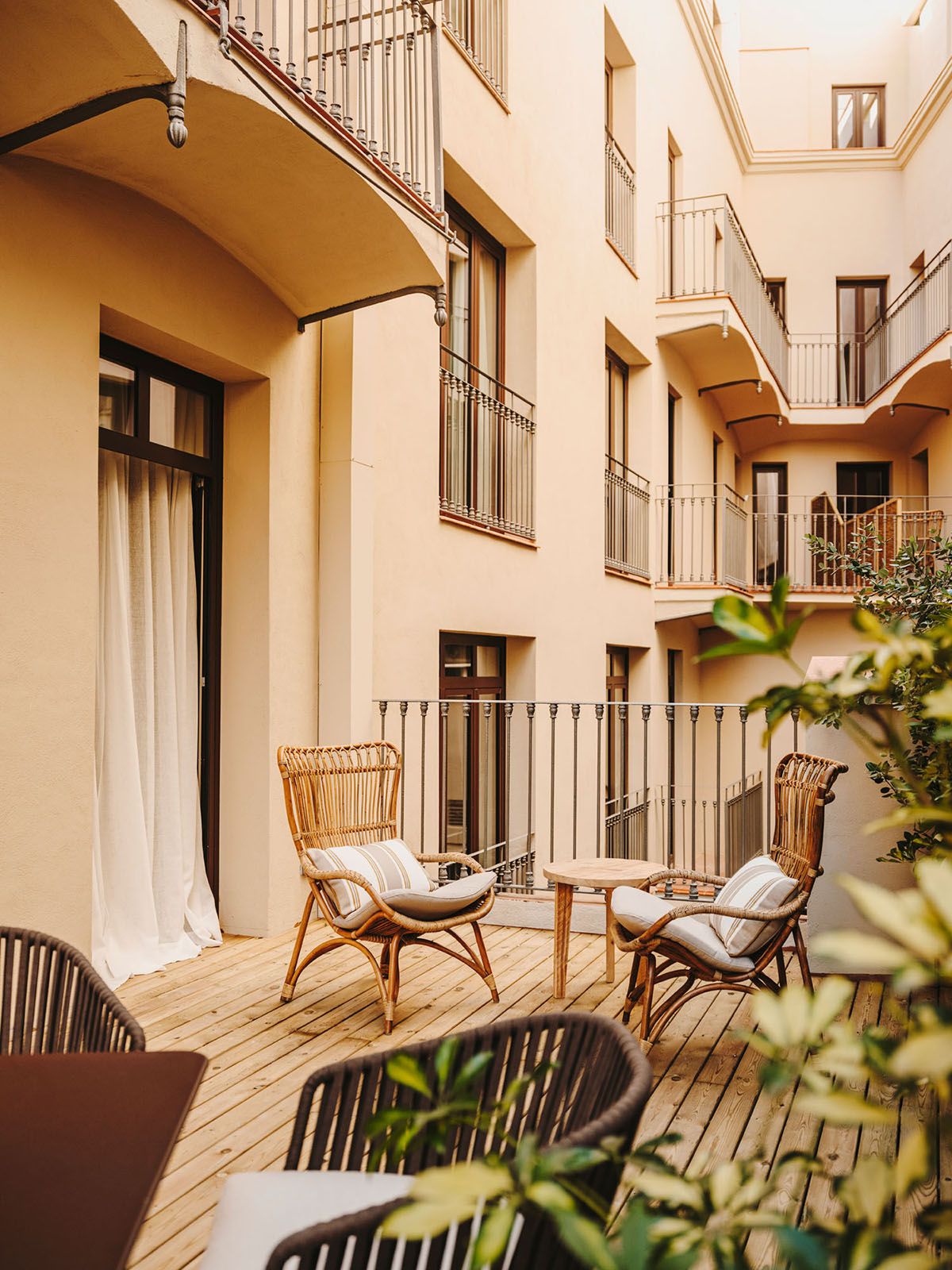
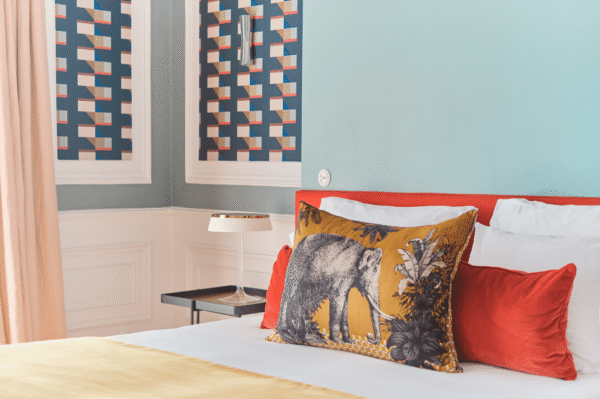
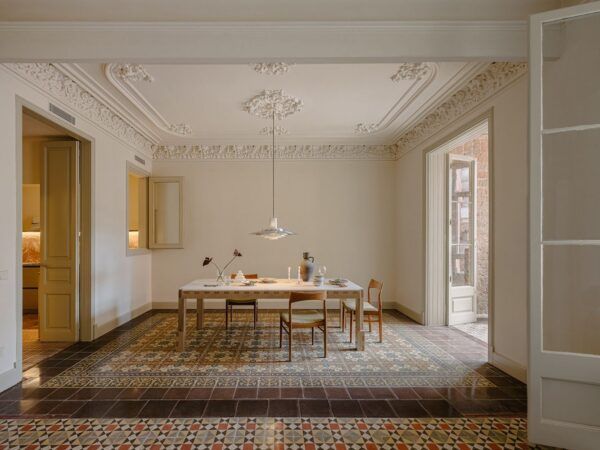
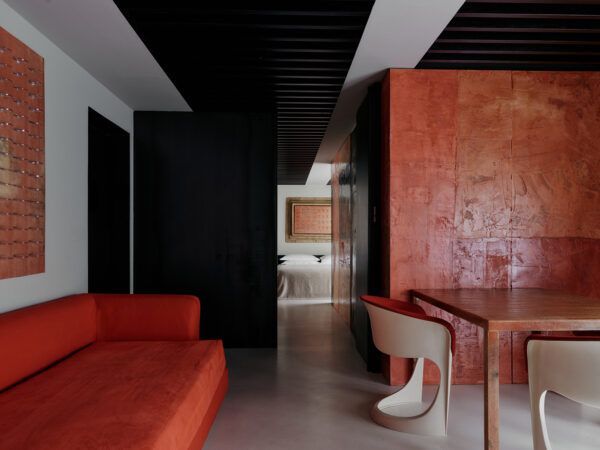
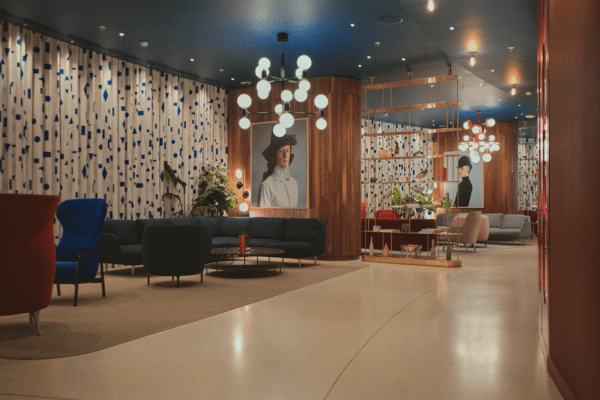
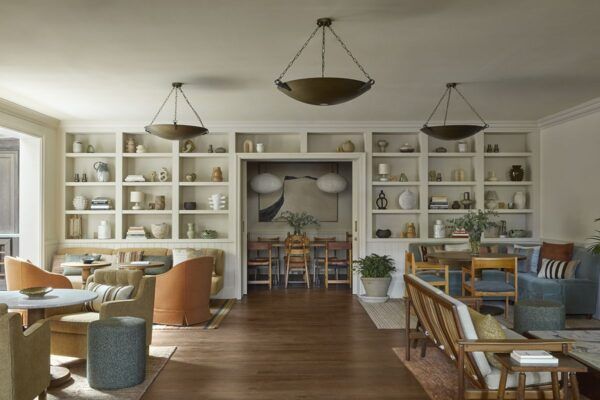
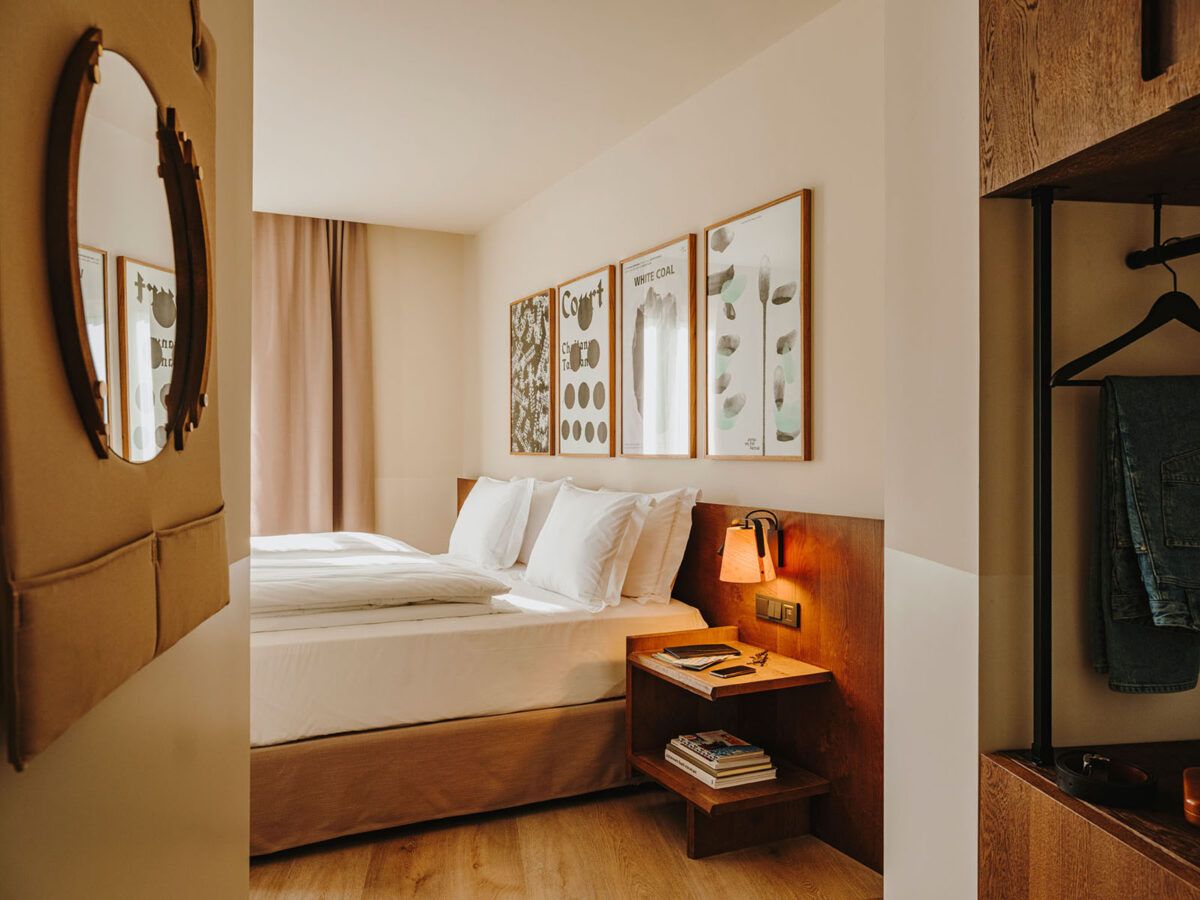
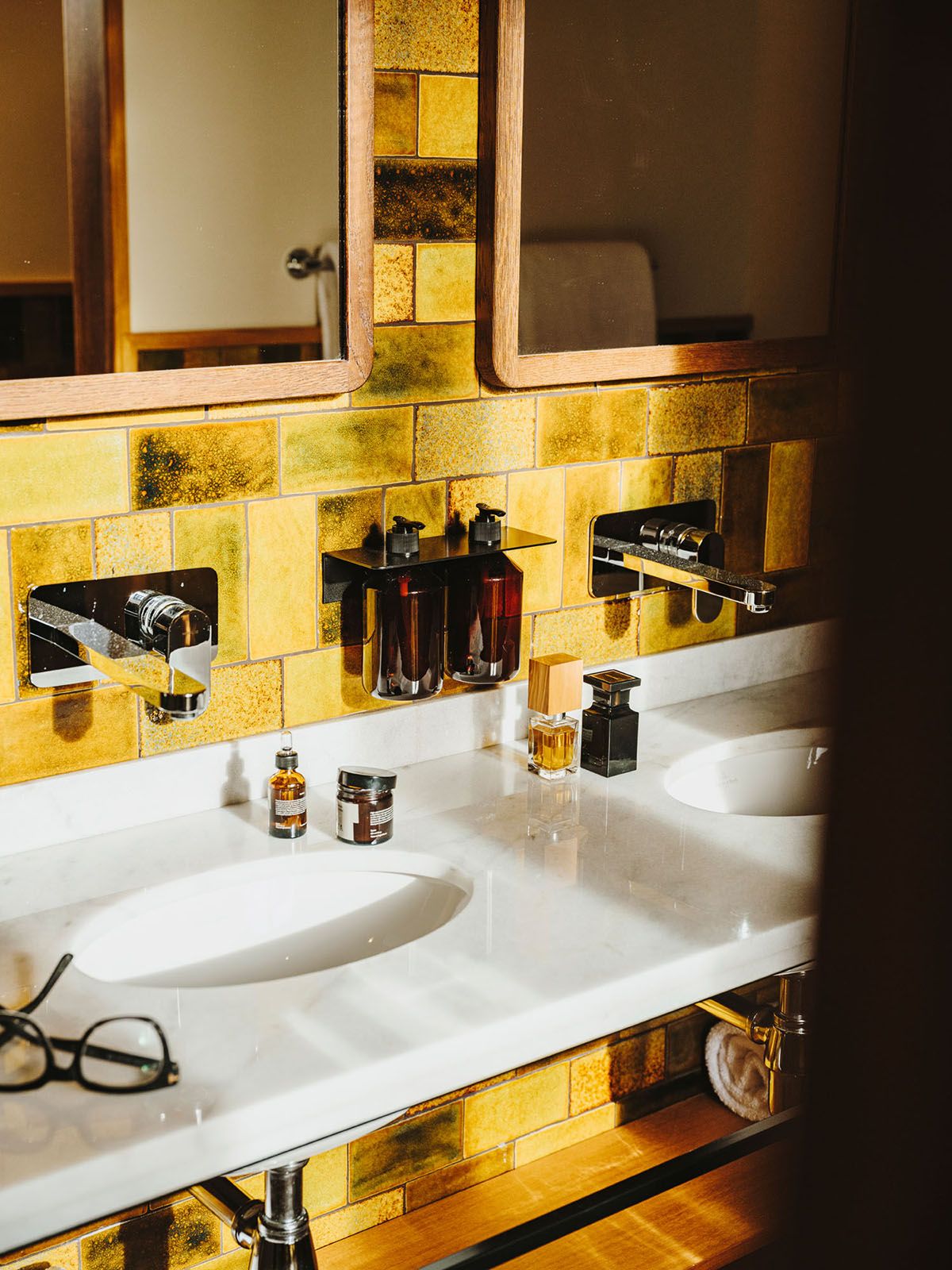
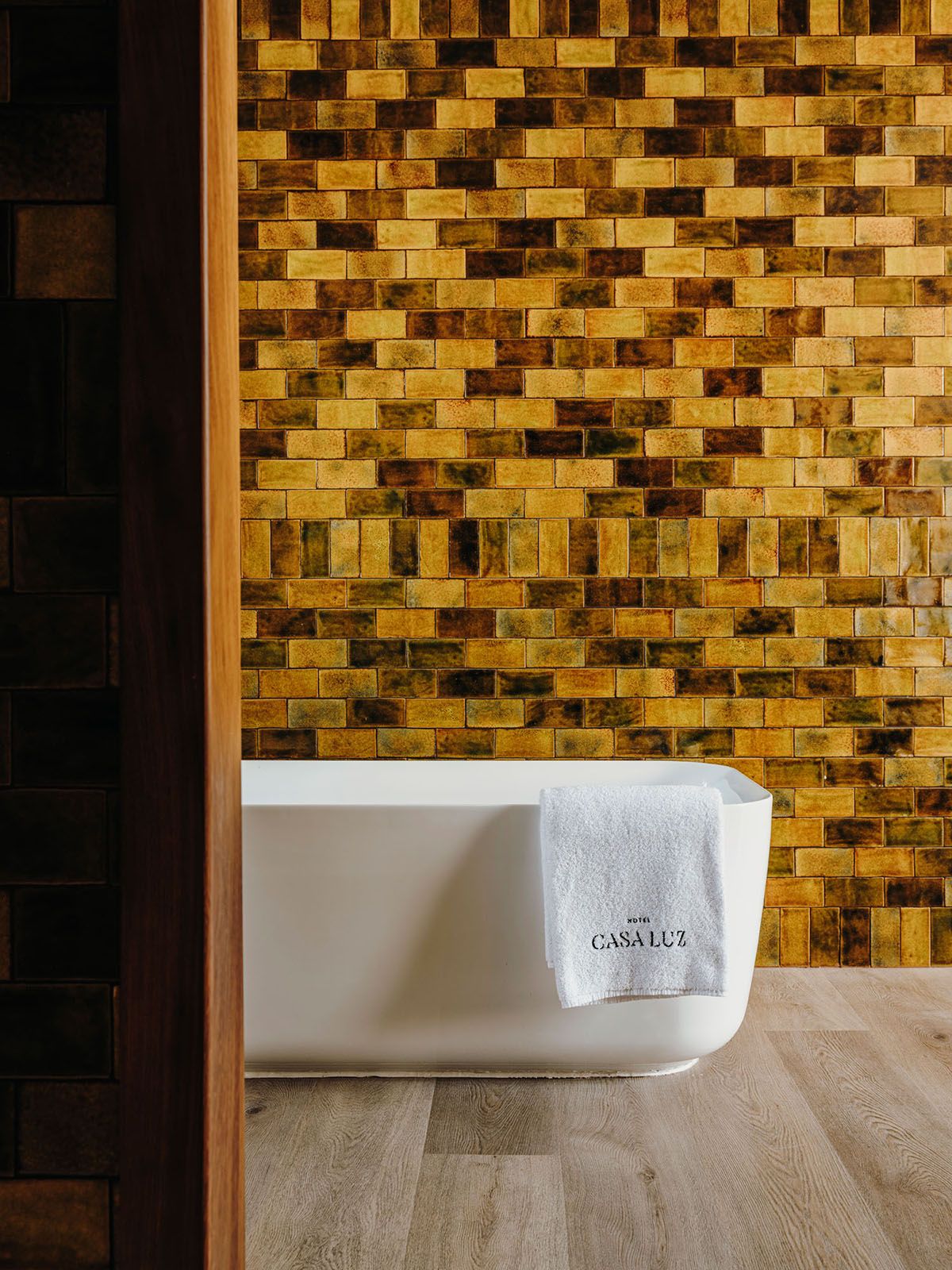
At Casa Luz, his intervention avoids any unnecessarily theatrical gestures. Mid-century influences appear subtly through the furniture, proportions and choice of materials, while earthy tones, soft greens and natural textures help create an atmosphere that feels both serene and timeless.
Rather than imposing a particular aesthetic, the interior design seeks to generate a sense of balance. Every element appears carefully considered to enhance the guest experience without constantly demanding attention. It is a design approach rooted in discretion, something increasingly rare in an era dominated by spaces created to be photographed.
Rather than imposing a particular aesthetic, Lázaro Rosa-Violán’s interior design seeks to create a sense of balance.
The importance of light
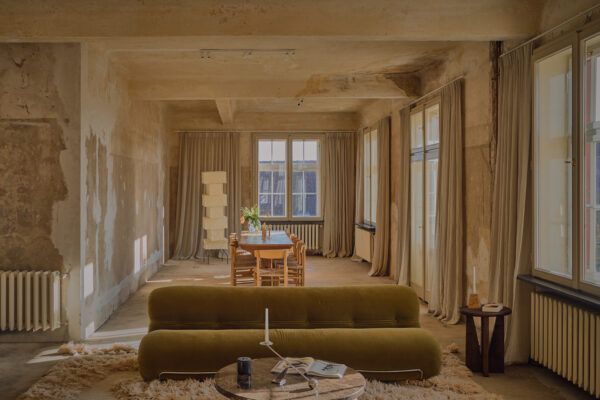
The hotel’s name is no coincidence. Natural light acts as one of the project’s defining elements and plays a decisive role in shaping the experience of its spaces.
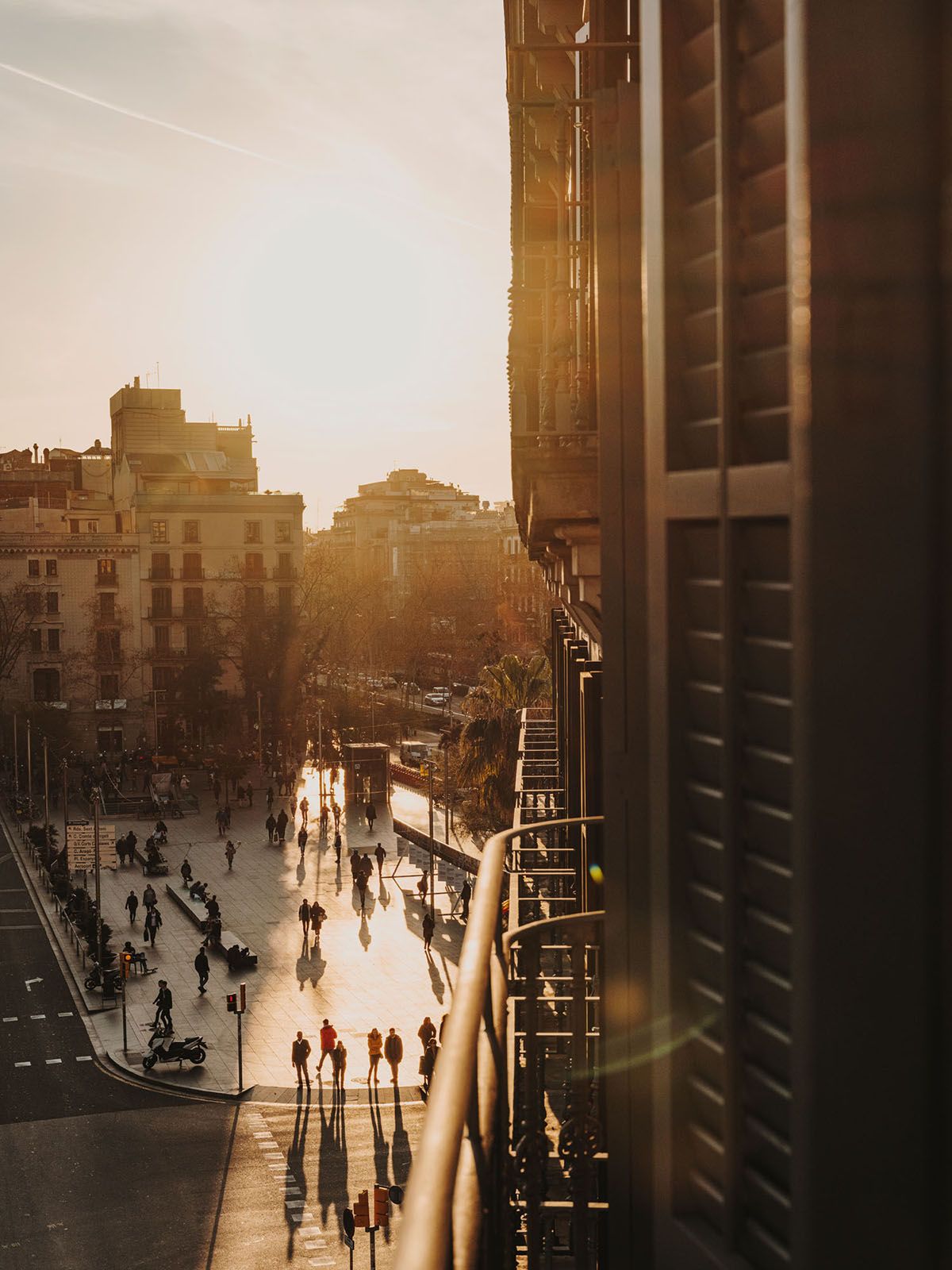
Throughout the day, both the bedrooms and communal areas change character according to the way light moves through the building. The clarity of the morning, the intensity of midday and the warm tones of sunset introduce subtle variations that alter the perception of the interiors and reinforce the feeling of being connected to the outside world.
In a city such as Barcelona, where Mediterranean light forms an essential part of its architectural identity, this decision takes on particular significance. More than a decorative feature, light becomes a tool capable of influencing wellbeing, daily rhythms and the way spaces are inhabited.
Rooms for different ways of travelling
The diversity of room categories is another of the project’s most interesting aspects. In contrast to the standardisation that characterises much of contemporary hospitality, Casa Luz offers rooms designed for different ways of travelling and different ways of experiencing the city.
The outward-facing rooms take full advantage of views across Plaça Universitat, allowing guests to observe the constant movement of one of Barcelona’s key urban hubs. By contrast, the inward-facing rooms prioritise tranquillity and disconnection, offering a more intimate and peaceful experience.
Natural light acts as one of the project’s defining elements and shapes the experience of its spaces.
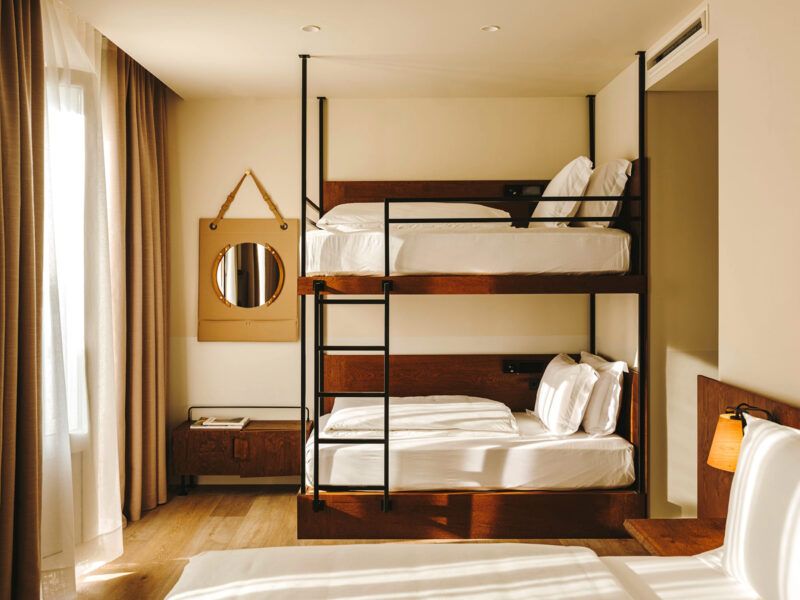
Particularly noteworthy is the inclusion of interconnected and group-friendly rooms, a category that remains relatively uncommon in central Barcelona.
These spaces respond to the increasing diversity of modern travellers, providing solutions for families, groups of friends and small creative teams without compromising either comfort or design.
Barcelona from above
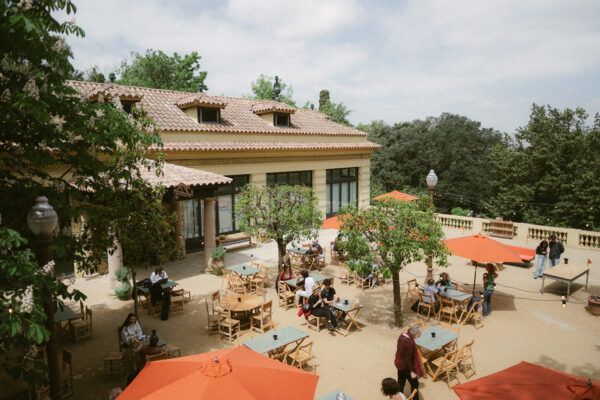
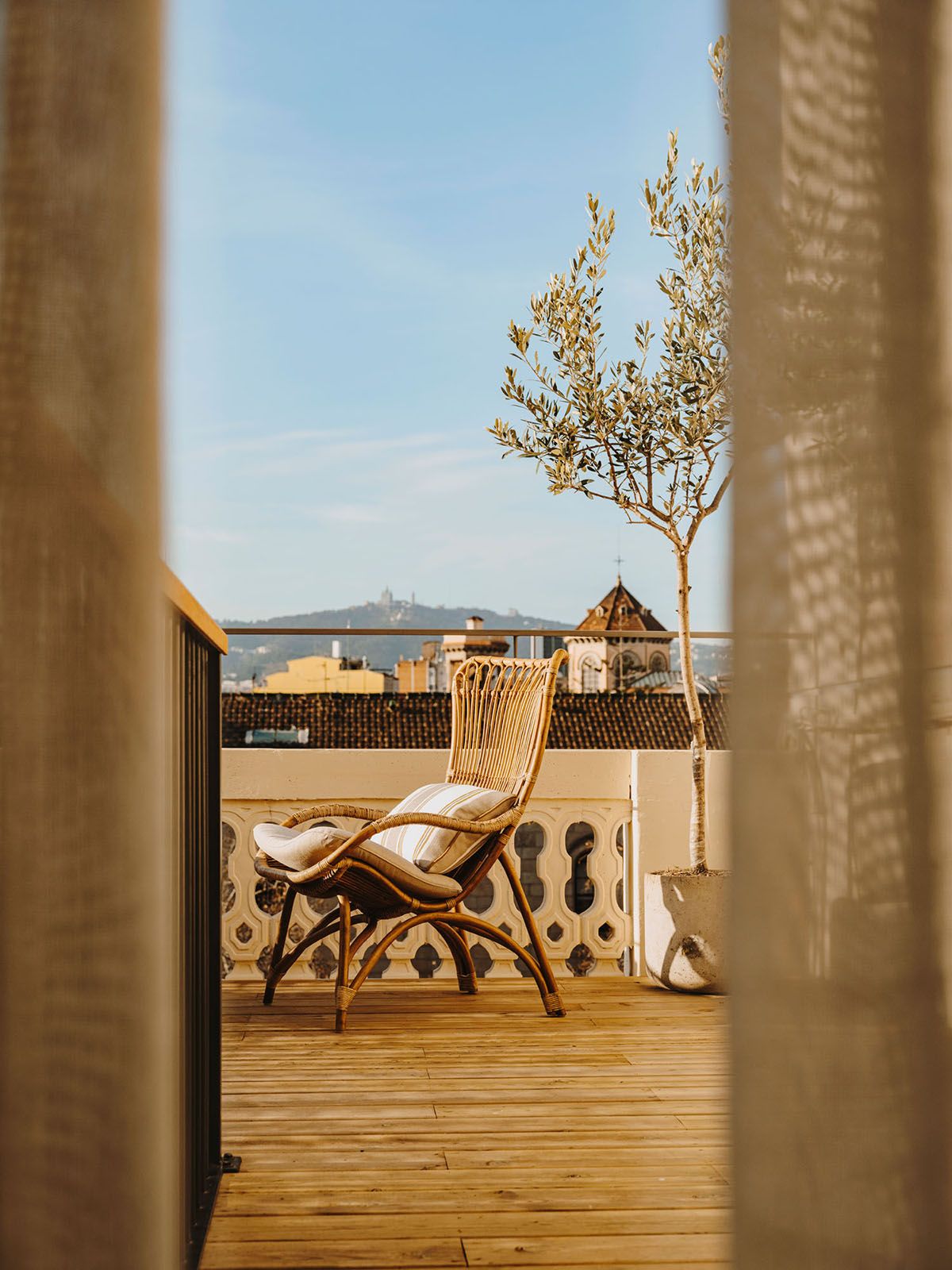
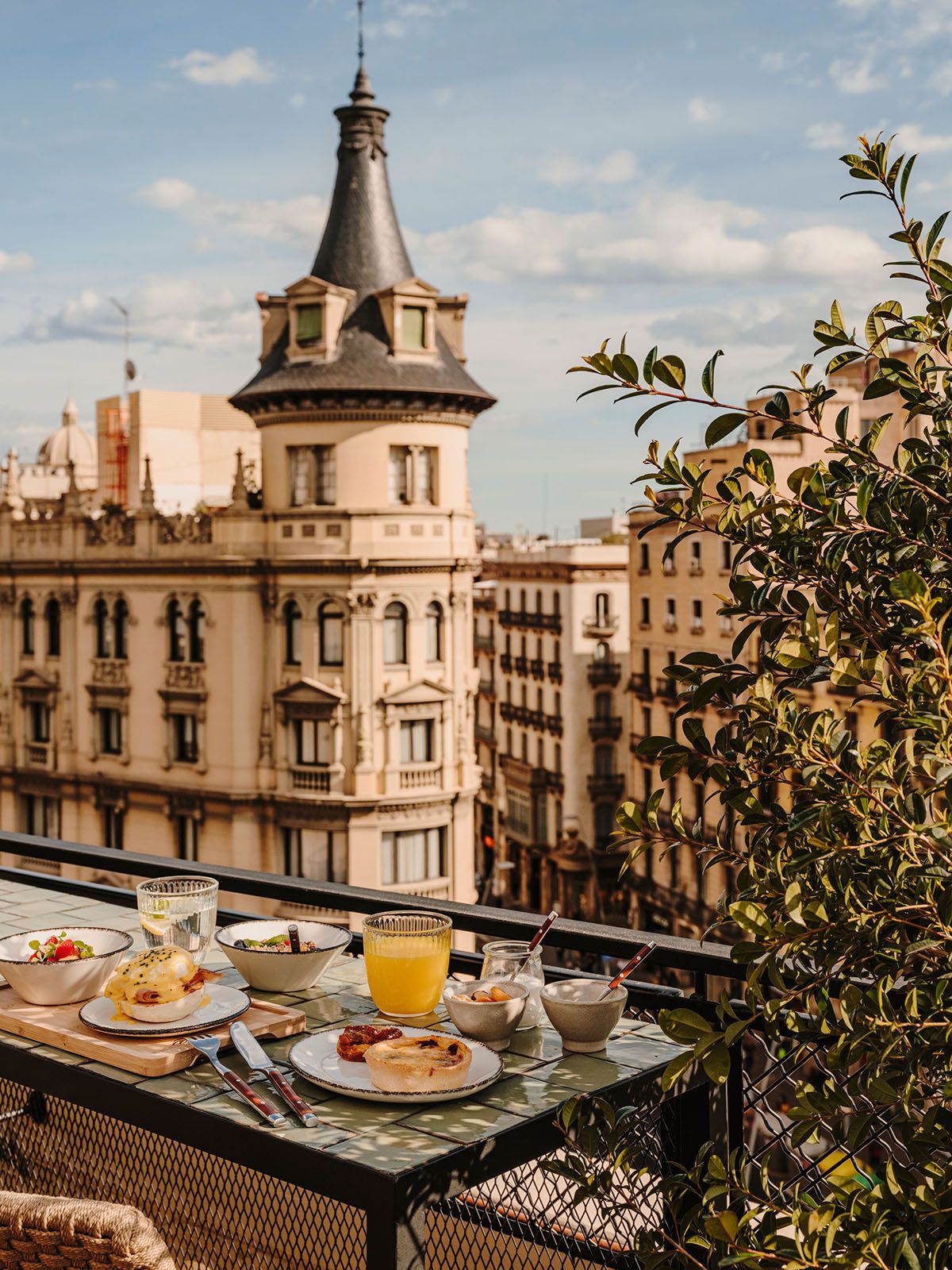
As is often the case in Barcelona, part of the experience unfolds on the rooftop. Here, guests will find Casa Luz Restaurant, led by chef Tomás Abellán, whose culinary proposal aligns with one of the city’s most visible trends: the transformation of rooftops into genuine urban meeting places.
Beyond the panoramic views, the appeal of these spaces lies in their ability to attract diverse audiences and create connections between visitors and residents. The restaurant operates according to precisely that logic, combining Mediterranean cuisine, a relaxed atmosphere and a privileged position above the rooftops of the city centre.
The rooftop is home to Casa Luz Restaurant, led by Tomás Abellán.
From this vantage point, Barcelona reveals itself from a different perspective. Less monumental and more everyday. A city composed of terraces, inner courtyards, rooftops and façades that rarely appear on postcards but form a significant part of its true identity.
A hotel designed for living the city
Rather than reinventing the boutique hotel concept, Casa Luz seeks to revive a number of ideas that have gradually been overshadowed by the constant pursuit of novelty: the importance of comfort, a meaningful relationship with its surroundings, the quality of materials and the creation of spaces designed to stand the test of time.
Instead of chasing passing trends, the hotel embraces a quiet, timeless elegance that places guests’ wellbeing at the heart of the experience.
Perhaps that is what makes Casa Luz stand out: it understands that true hospitality lies in offering a place from which to discover the city at an unhurried pace.
(*) Photographs courtesy of Hotel Casa Luz.