COMBO Venice: architecture, community and culture in a unique blend
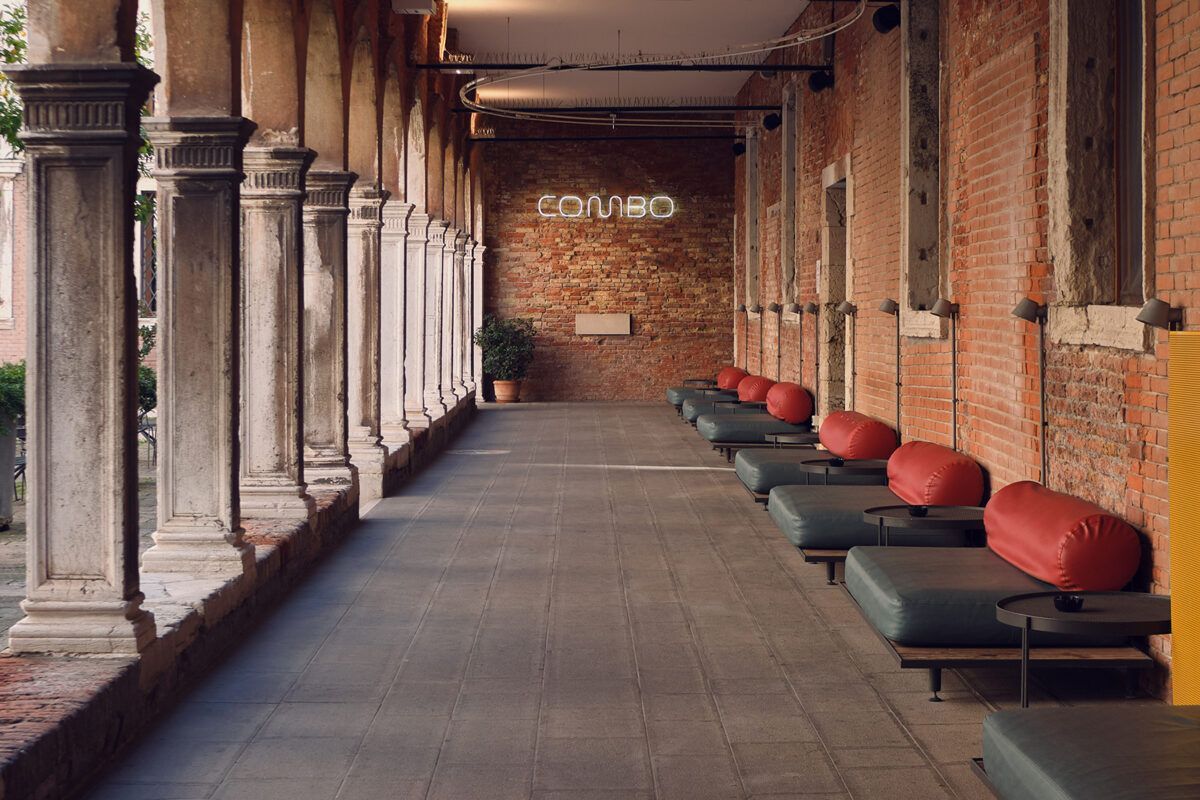
In the heart of Cannaregio, one of Venice’s most authentically local districts, lies a place that surprises with its scale, serenity and its blend of minimalist and classical aesthetics. This is COMBO, an innovative hospitality project that has transformed a former 12th-century convent into a hybrid space where travellers, students, artists and residents come together.
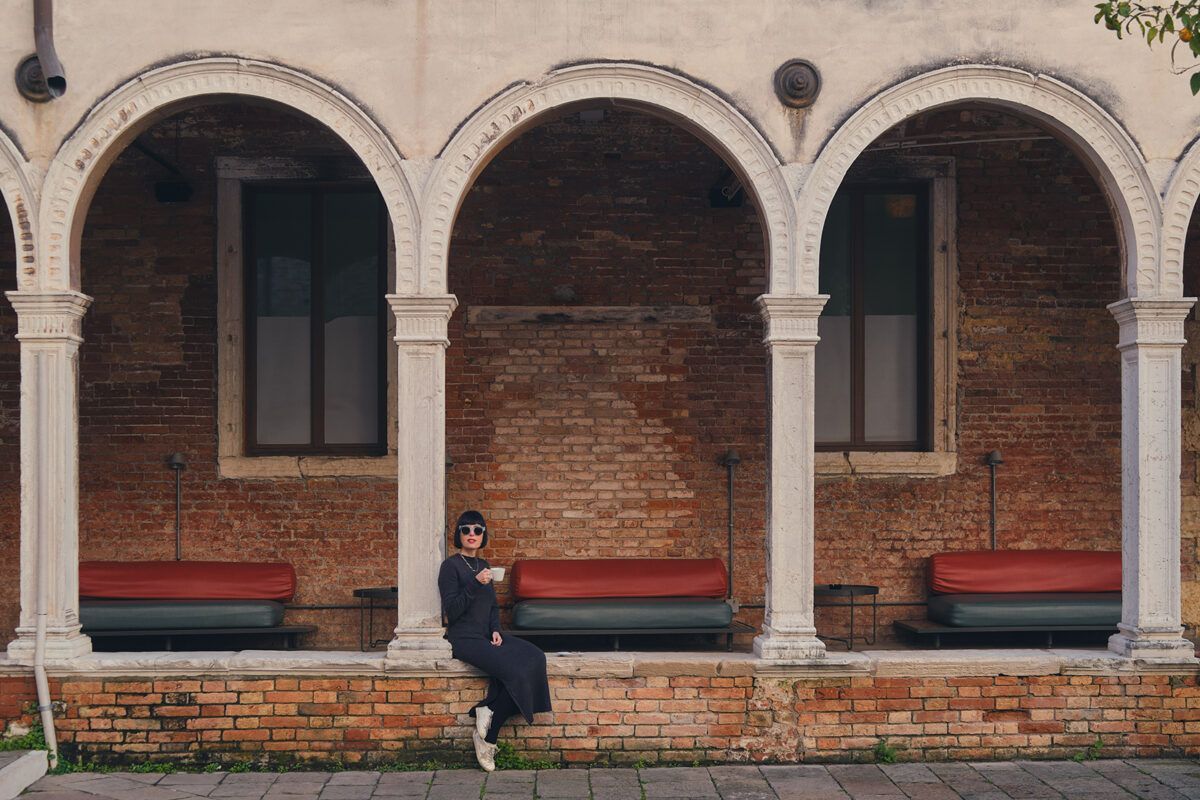
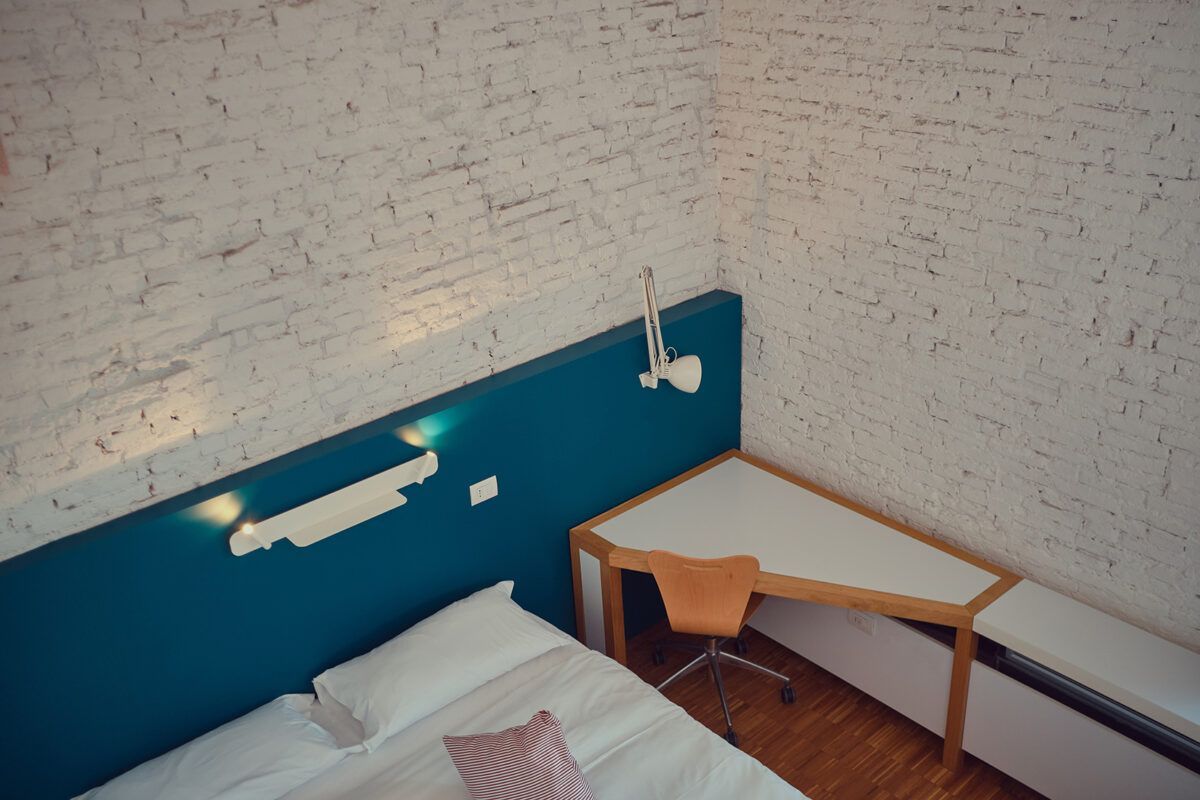
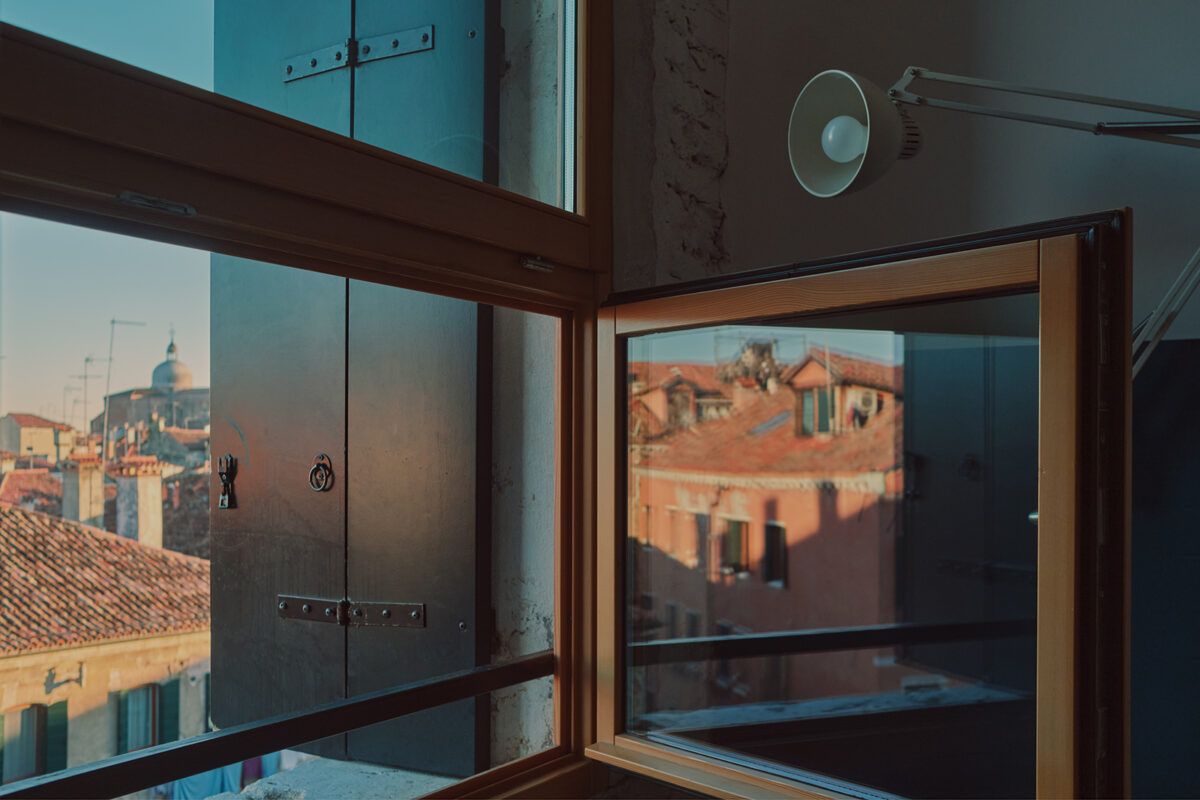
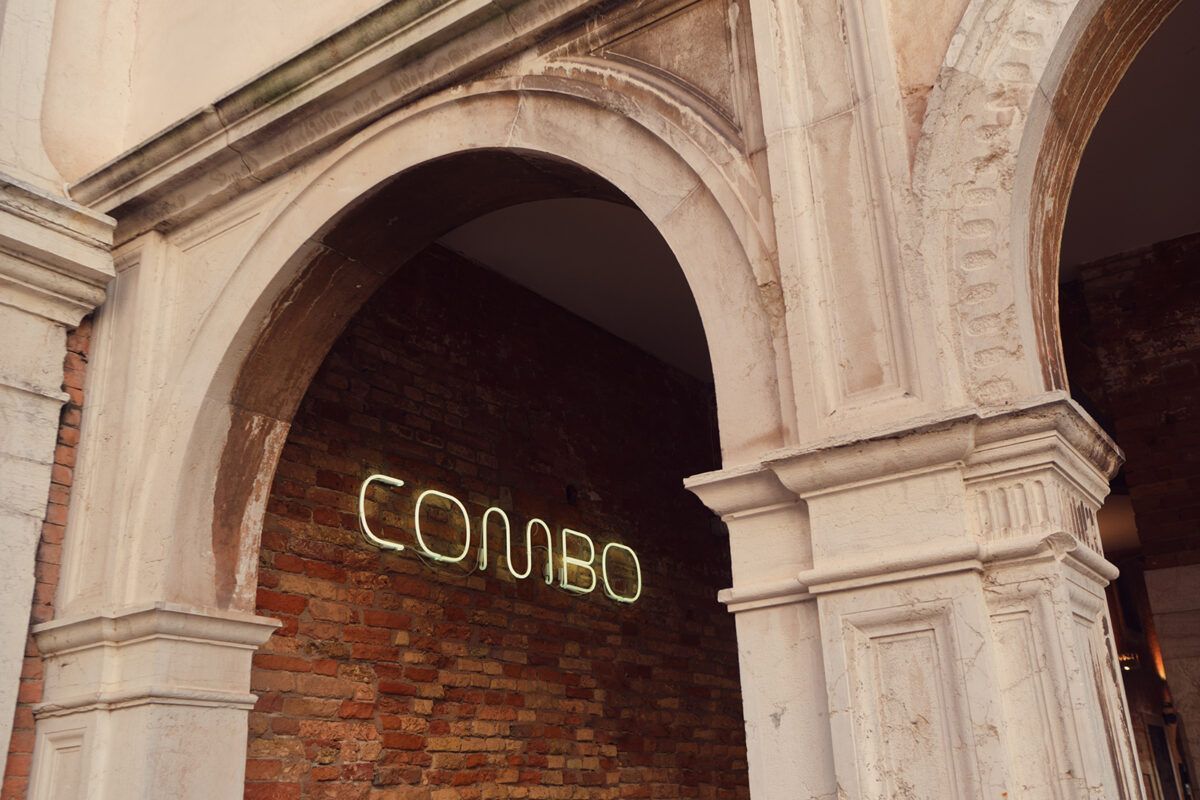
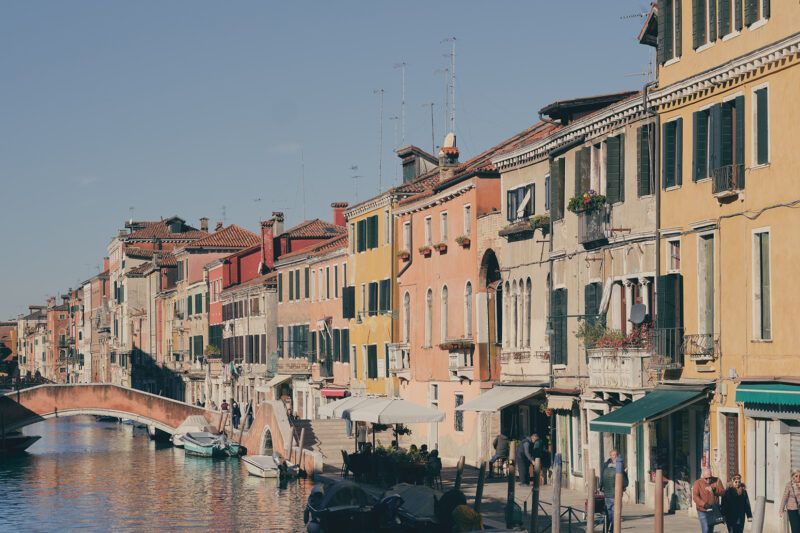
Beyond its unbeatable location—just steps away from vaporetti connecting to the airport and within easy reach of the city’s main attractions—COMBO redefines what contemporary hospitality can be.
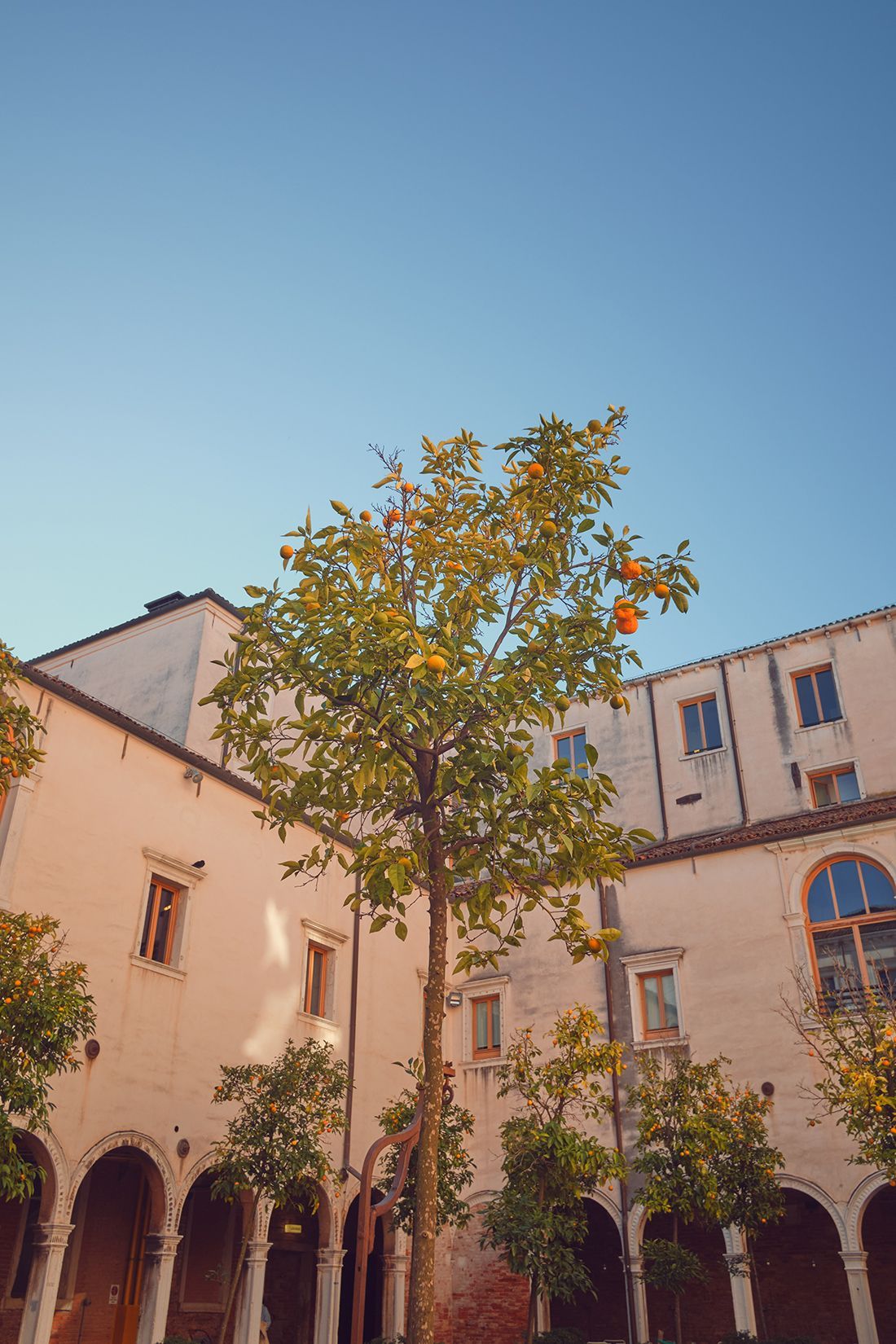
Although its website describes it as a hostel, COMBO is much more. Its identity is built on sensitively restored architecture, a sober and functional design, a cultural programme that speaks to the city, and a philosophy centred on openness, diversity and communal living.
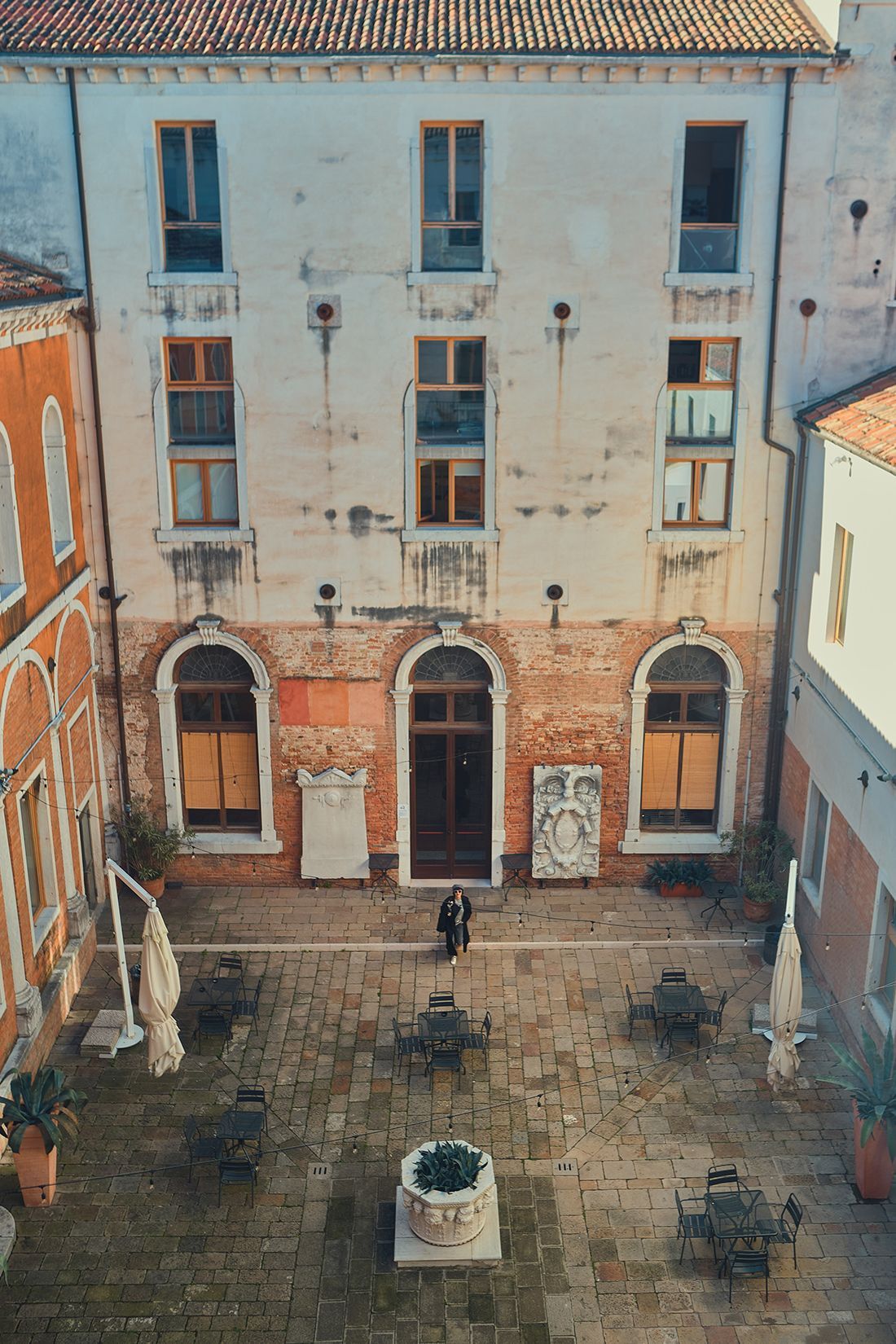
“The architectural complex occupies what was once the Convento dei Crociferi.”
A building with history
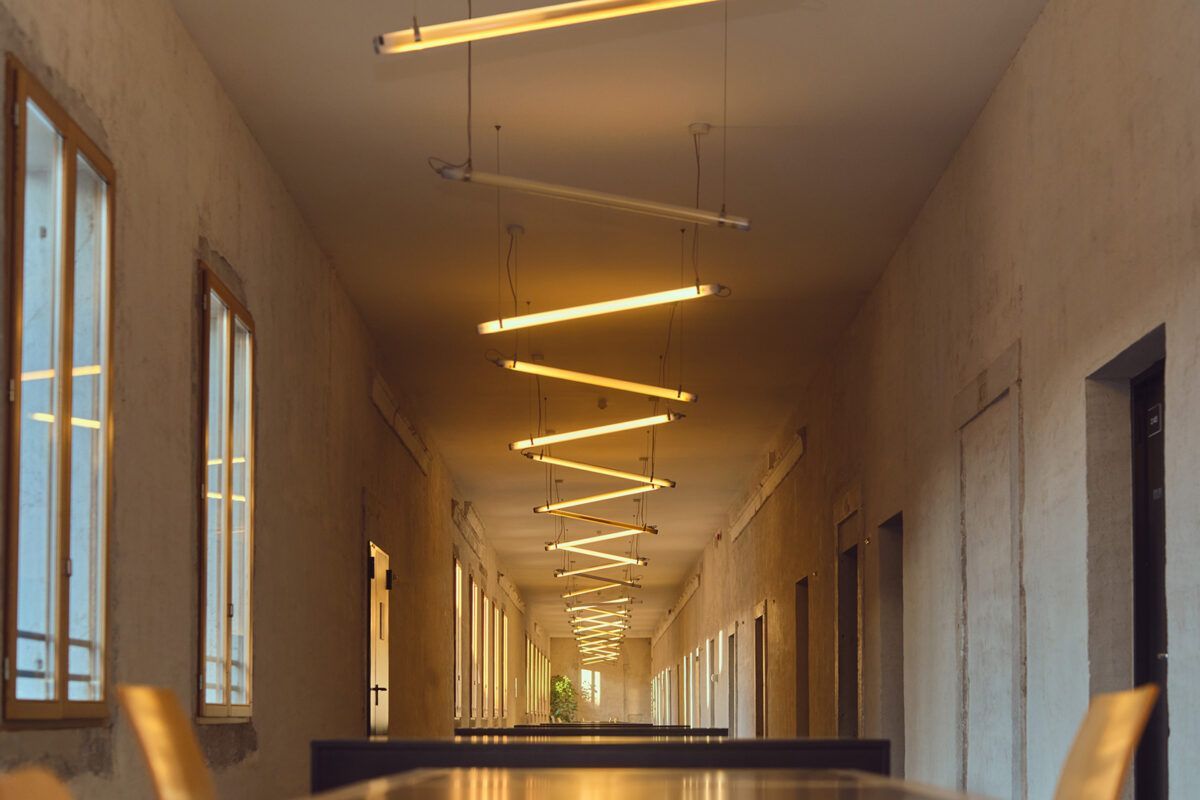
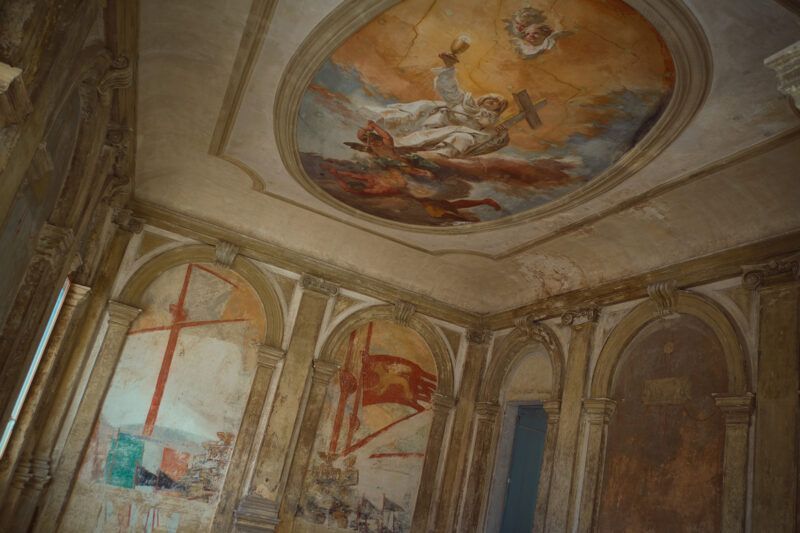
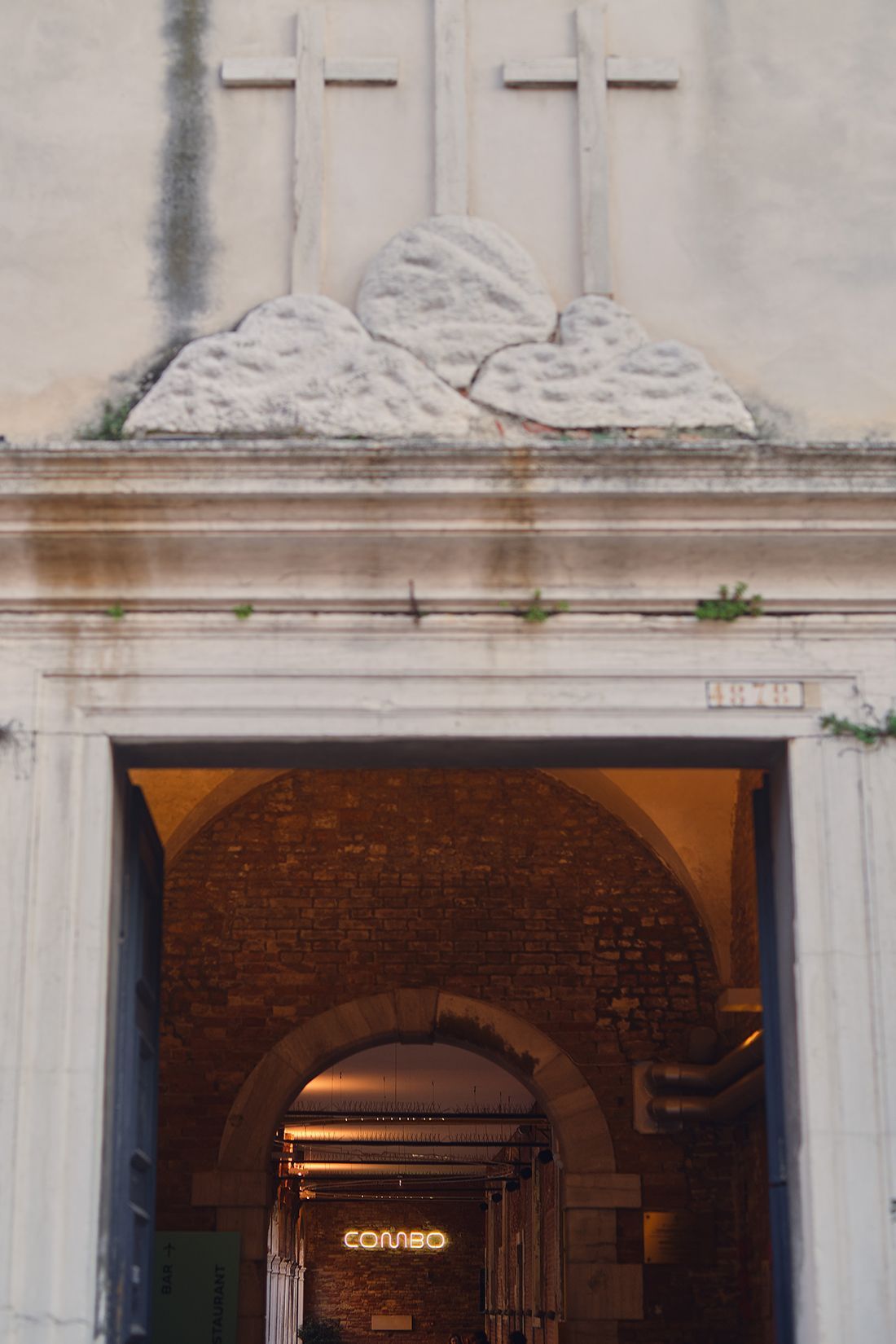
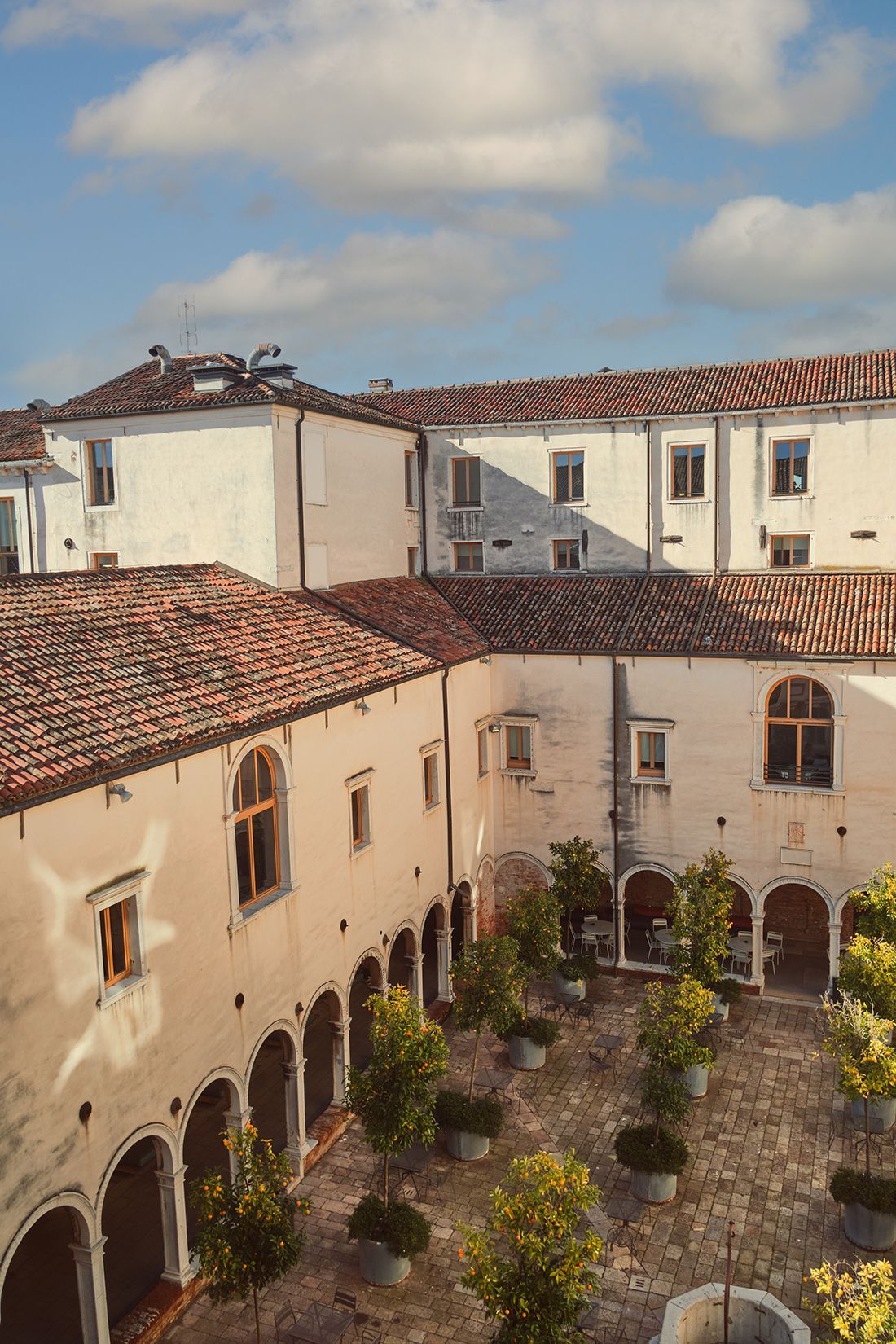
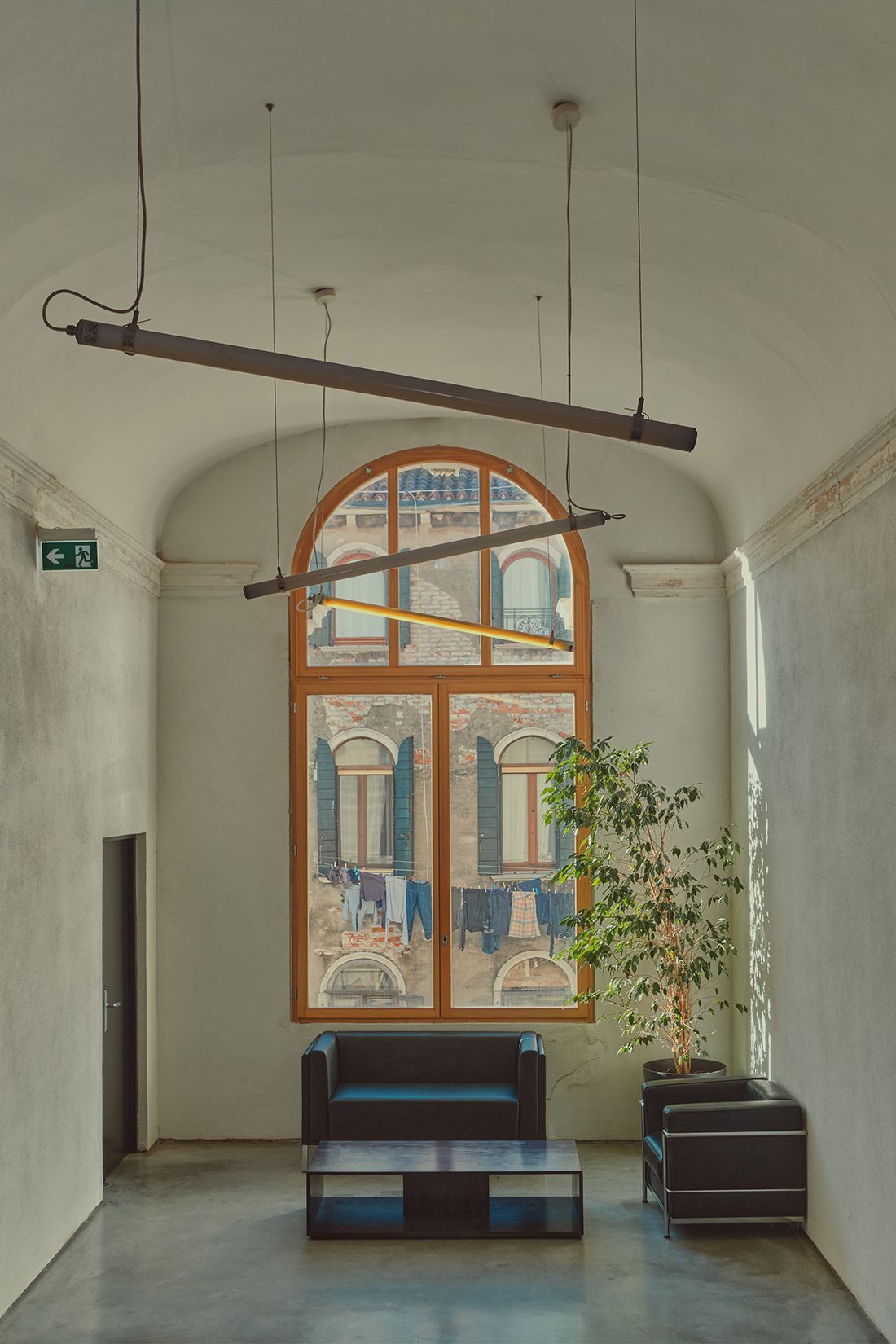
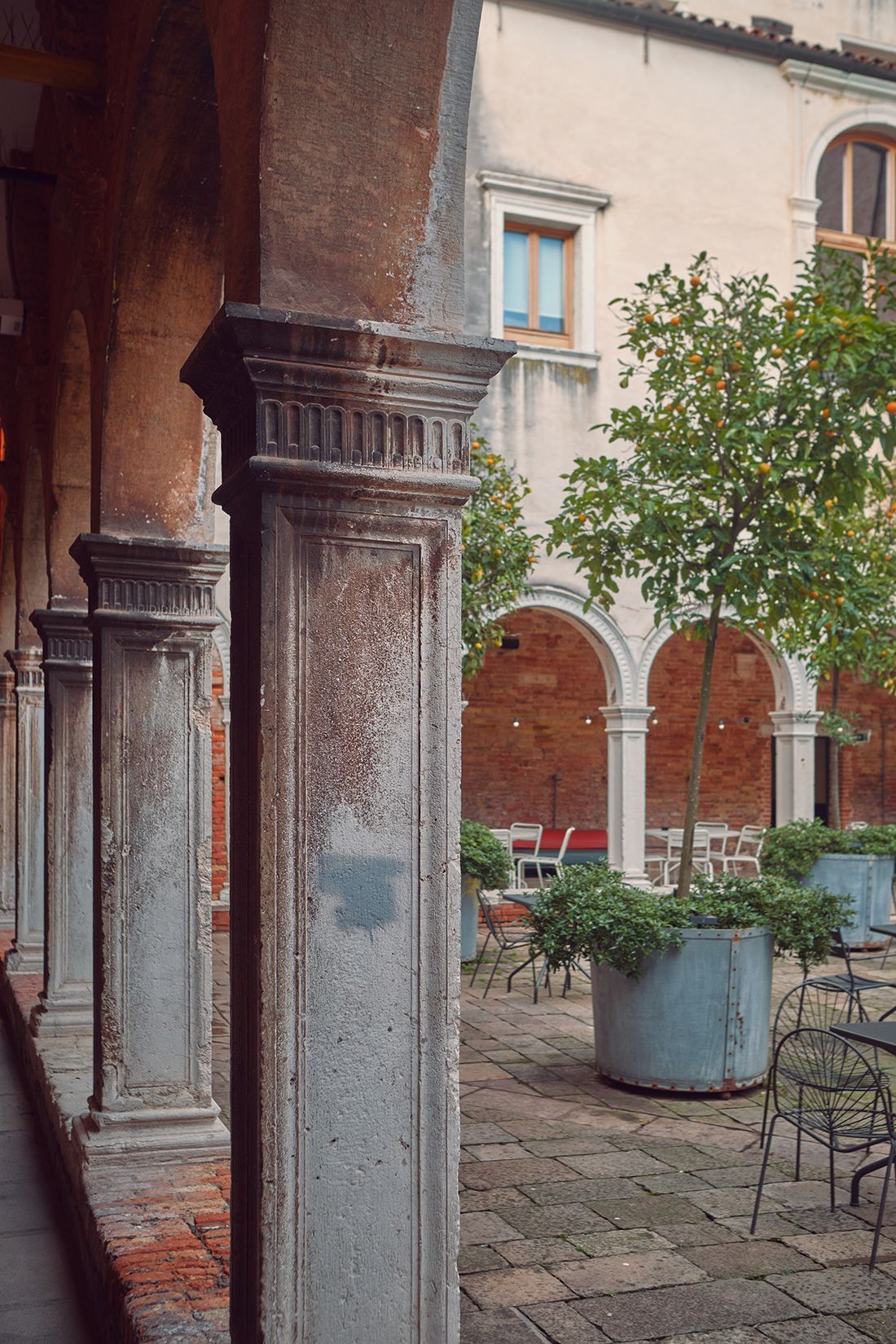
The architectural ensemble occupies the former Convento dei Crociferi, whose original structure remains almost intact: two cloisters, long stone corridors, Istrian-stone staircases, high ceilings with magnificent frescoes and chapels converted into common areas. The building does not stand as a museum set piece, but rather as a habitable scenography where the past blends seamlessly with everyday life.
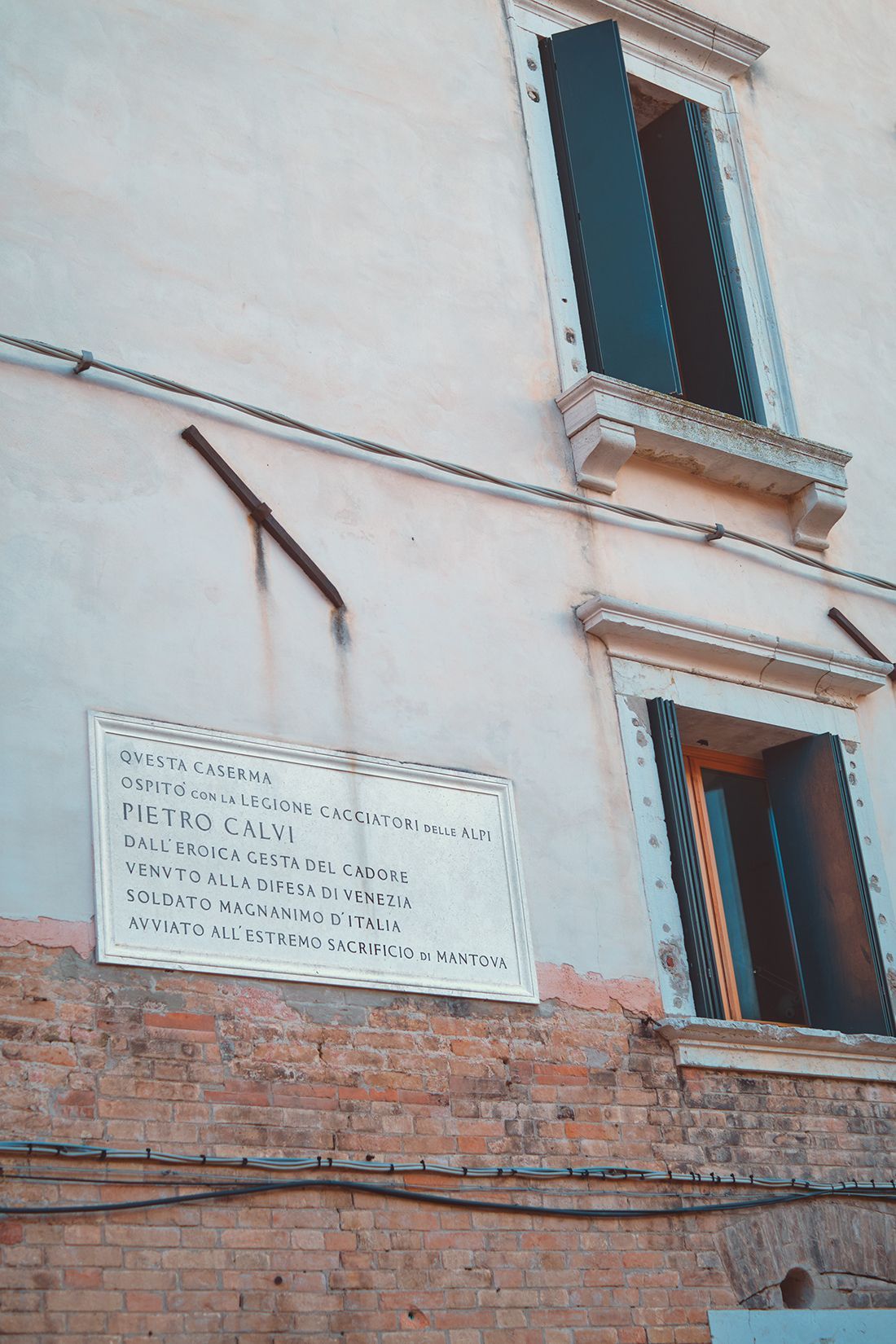
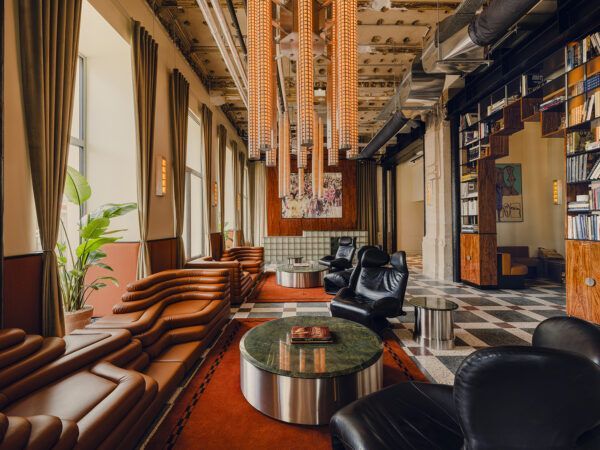
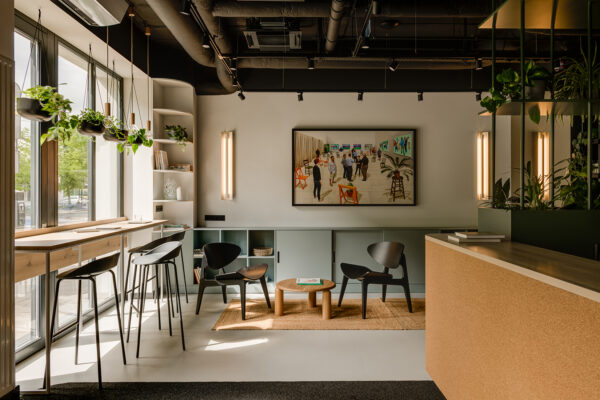
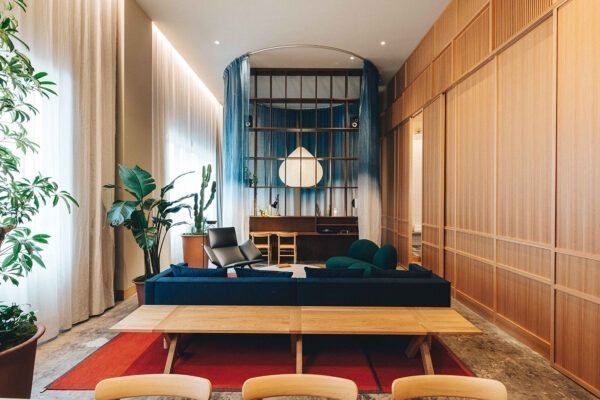
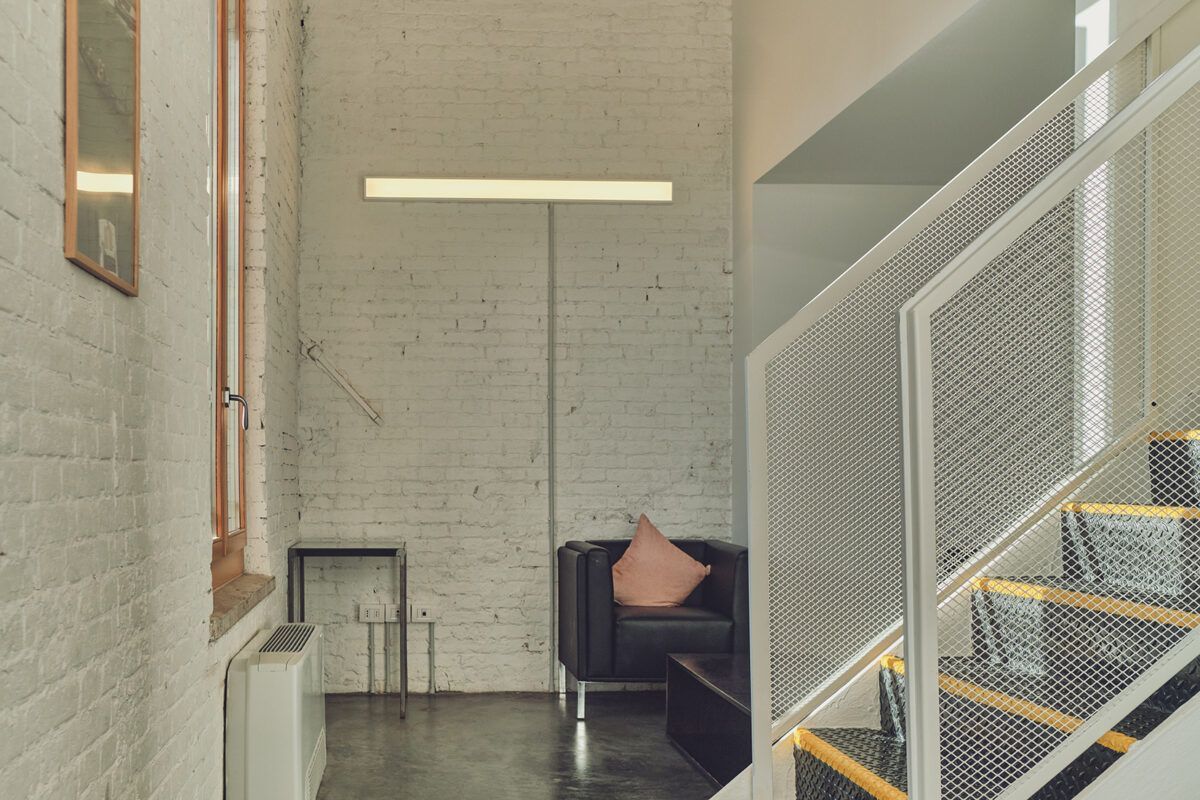
The architectural intervention did not seek to impose a contemporary layer, but to reinterpret what was already there. The marks of time have been preserved, and new elements converse respectfully with them: pale wooden furniture, neutral textiles, industrial lamps, touches of steel. Everything invites contemplation—and also community.
Sleep, study, live
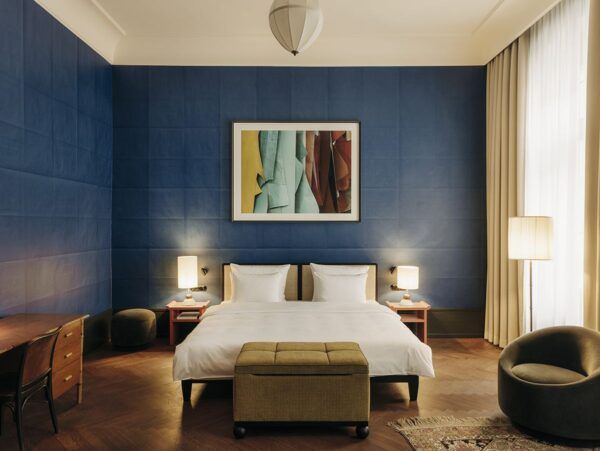
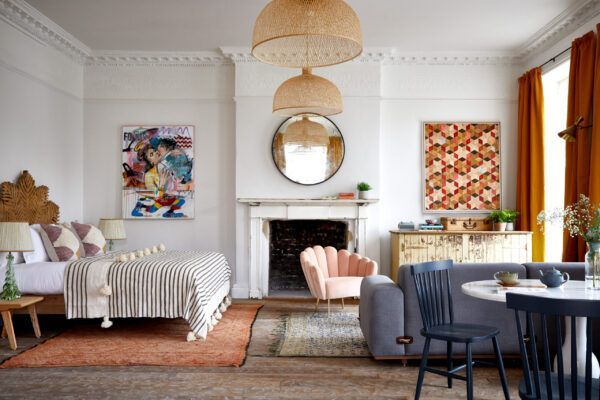
The space has been designed to accommodate a range of stays, from short visits to long-term residencies. For this reason, there are private rooms, shared dorms and loft-style apartments.
This variety responds to the needs of the people who stay here: travellers spending just a few days, solo travellers, digital nomads or coworkers settling in for weeks or months, and students who remain throughout the academic year as part of a residency programme agreed with the university.
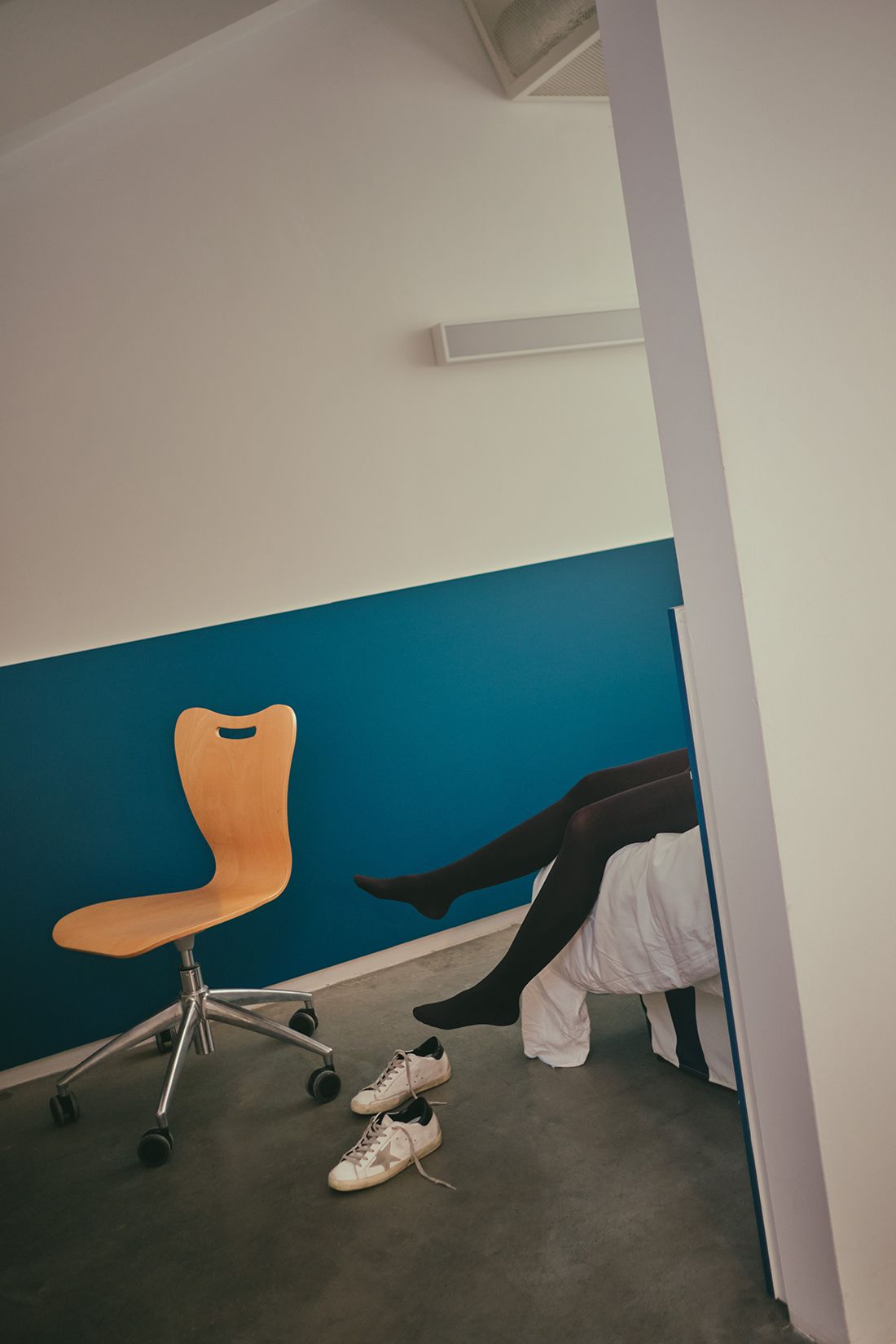
All rooms—even those intended for families or groups—feature their own bathroom, good natural light, and access to common areas that work as an extension of the living space. Some also include a kitchen.
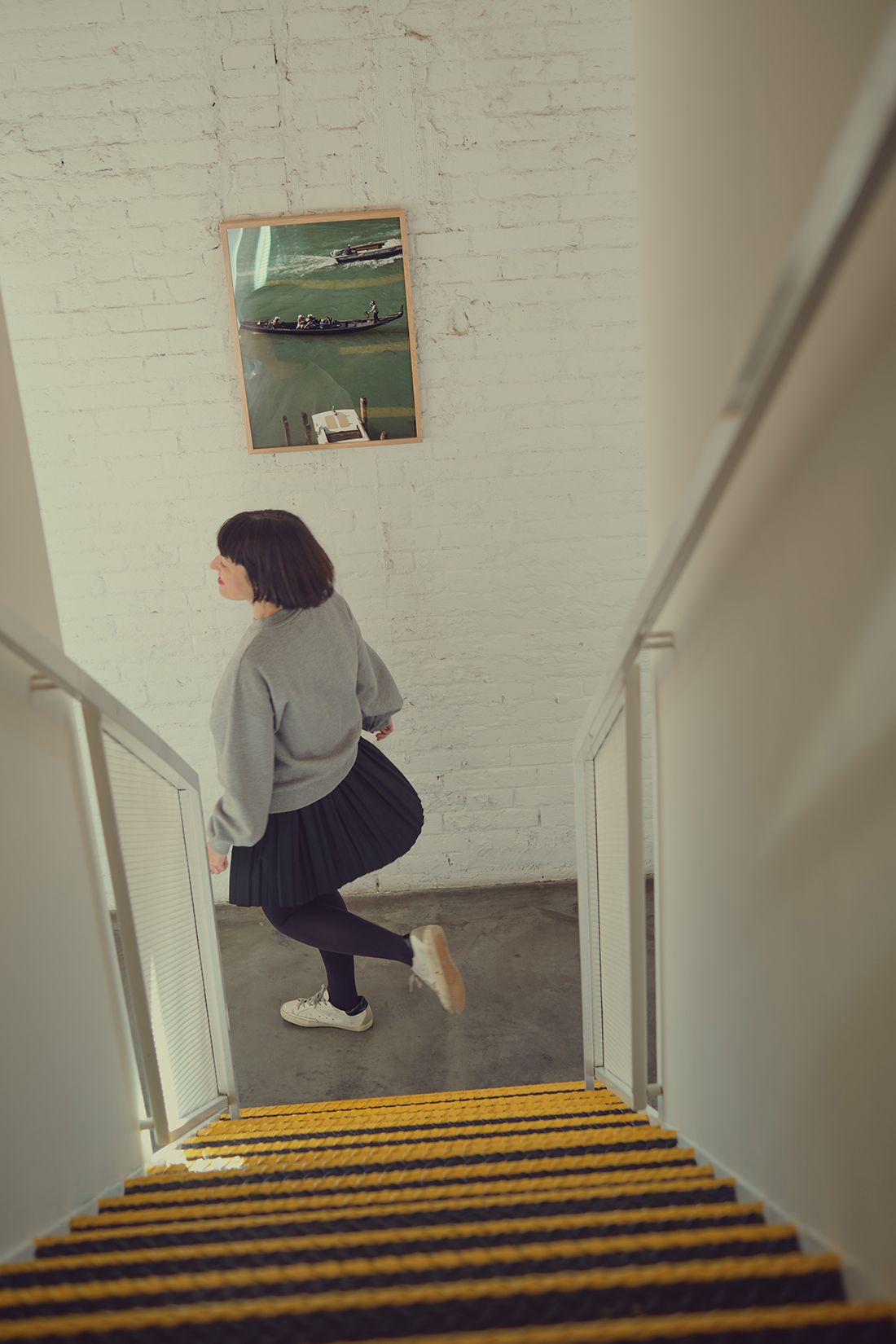
The atmosphere is calm, almost domestic. The inner courtyards serve as spaces for walking through, reading or chatting.
There are study rooms, a library, a gym—a distinctive feature compared to similar accommodations—and quiet corners for working on a laptop, reading or simply observing.

A crossing point
This mix of profiles is one of the project’s major achievements.
Rather than segmenting guests by type, COMBO offers an environment where everyone coexists naturally. The community is made up of couples, families, groups of friends of all ages, students and nomads, each with their own rhythms and ways of inhabiting the space.
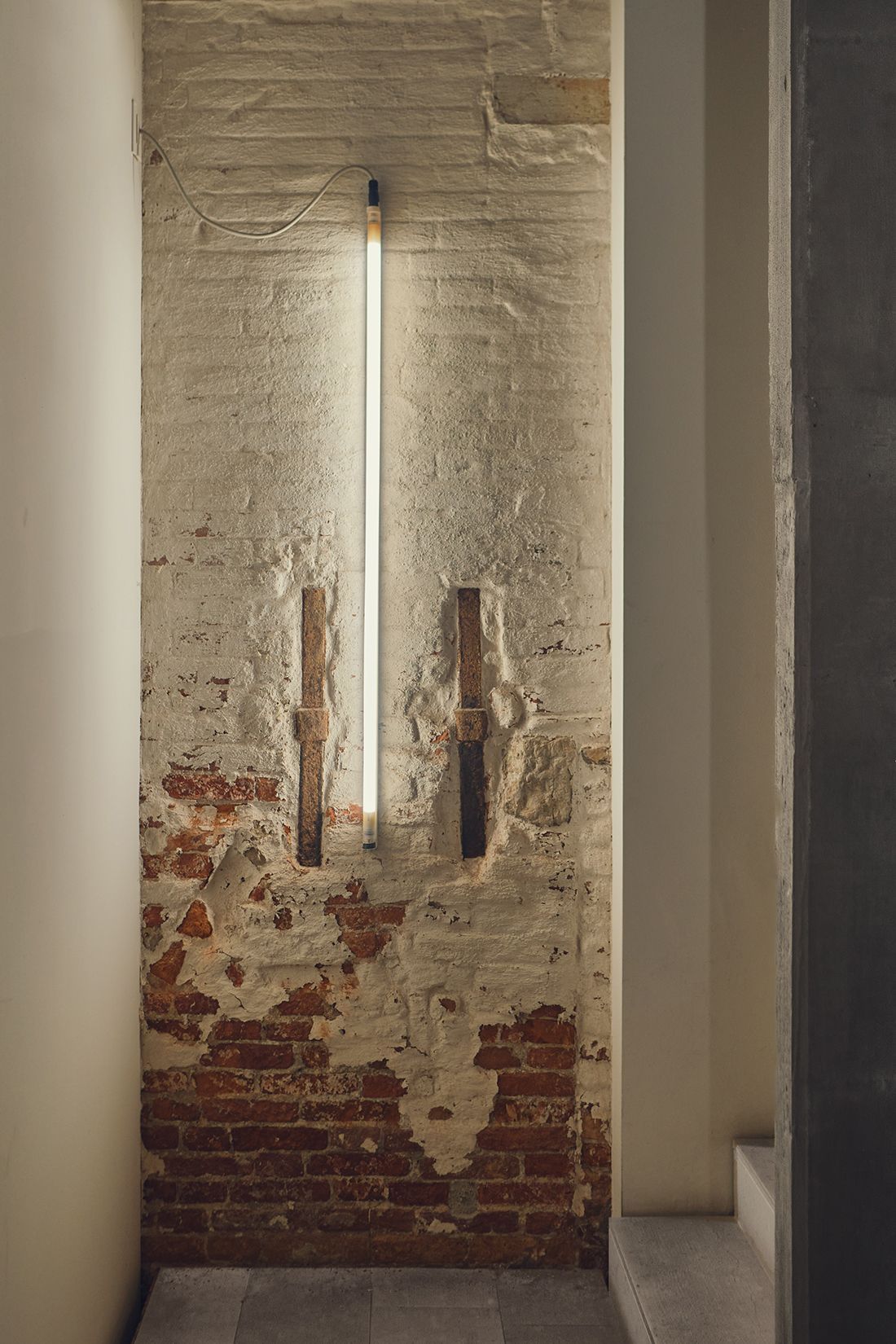
Although the design encourages interaction, the atmosphere is never intrusive. Something about its proportions, layout and gentle pace allows for both conversation and quiet retreat.
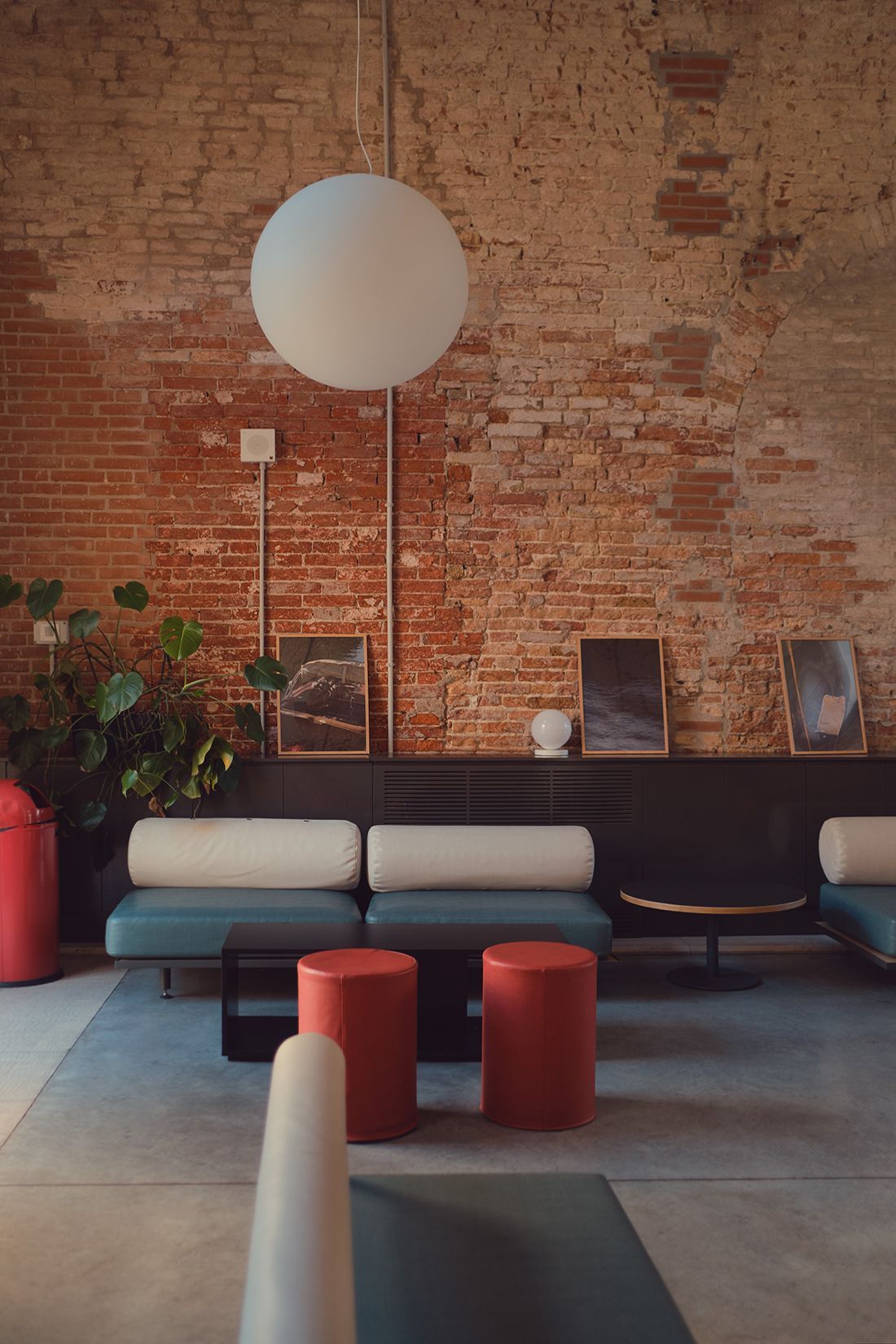
Culture woven into the everyday
Another cornerstone of COMBO is its connection with the local cultural scene. In Venice, this translates into a programme ranging from concerts and open-air cinema to illustration markets, ceramic workshops and listening sessions. Some events are activated during the Biennale, but many others emerge from collaborations with Venetian collectives or residents.
More than a fixed agenda, COMBO functions as a flexible cultural infrastructure, a place where things can happen spontaneously. There is a constant sense that something might unfold: a conversation, a pop-up exhibition, an impromptu meal.
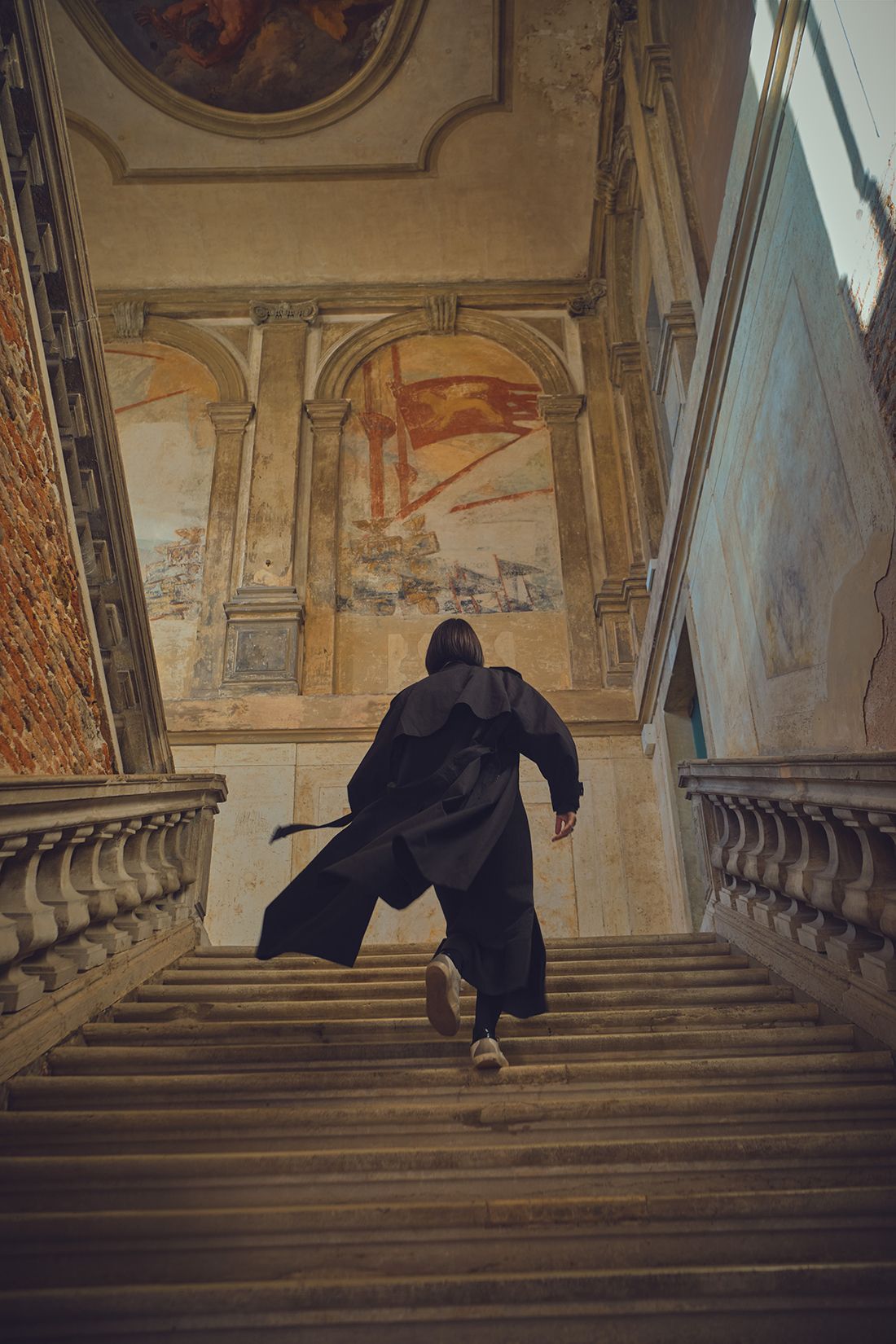
“Another of COMBO’s pillars is its connection with local culture.”
Eat, meet, observe
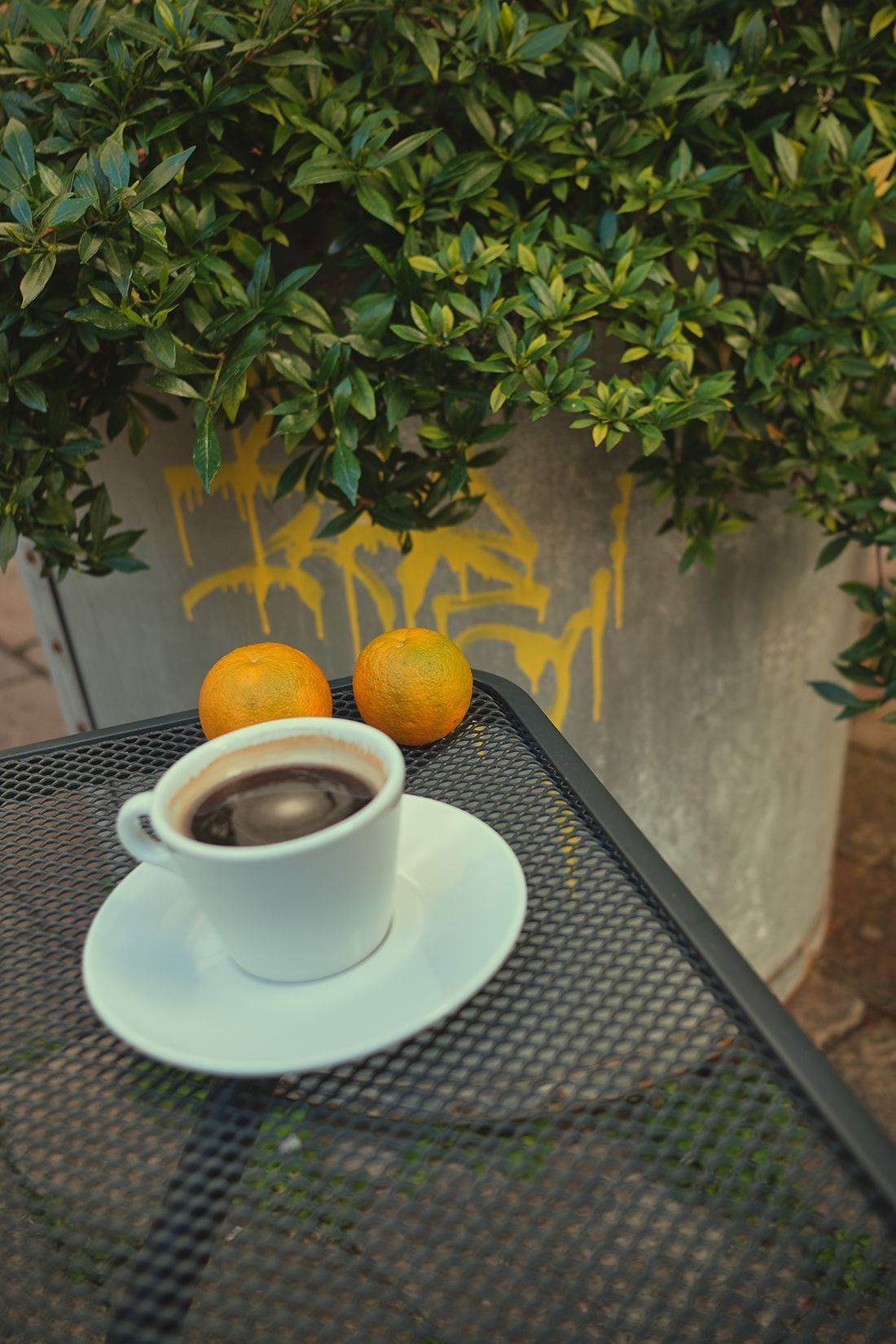
The area occupied by the Bàcaro—its bar inspired by Venetian tradition—opens onto a small indoor dining room and a terrace facing the cloister. It is a place for both pause and passage, where mid-morning coffee coexists with the last spritz of the day and conversations in many languages.
Next to reception stands the Crociferi restaurant and bar, named after the old convent. The menu changes daily and seasonally, offering simple, Italian-inspired dishes designed for an international audience. The à-la-carte menu—also open to non-guests—matches the relaxed atmosphere: shared tables, soft lighting, dishes served without hurry.
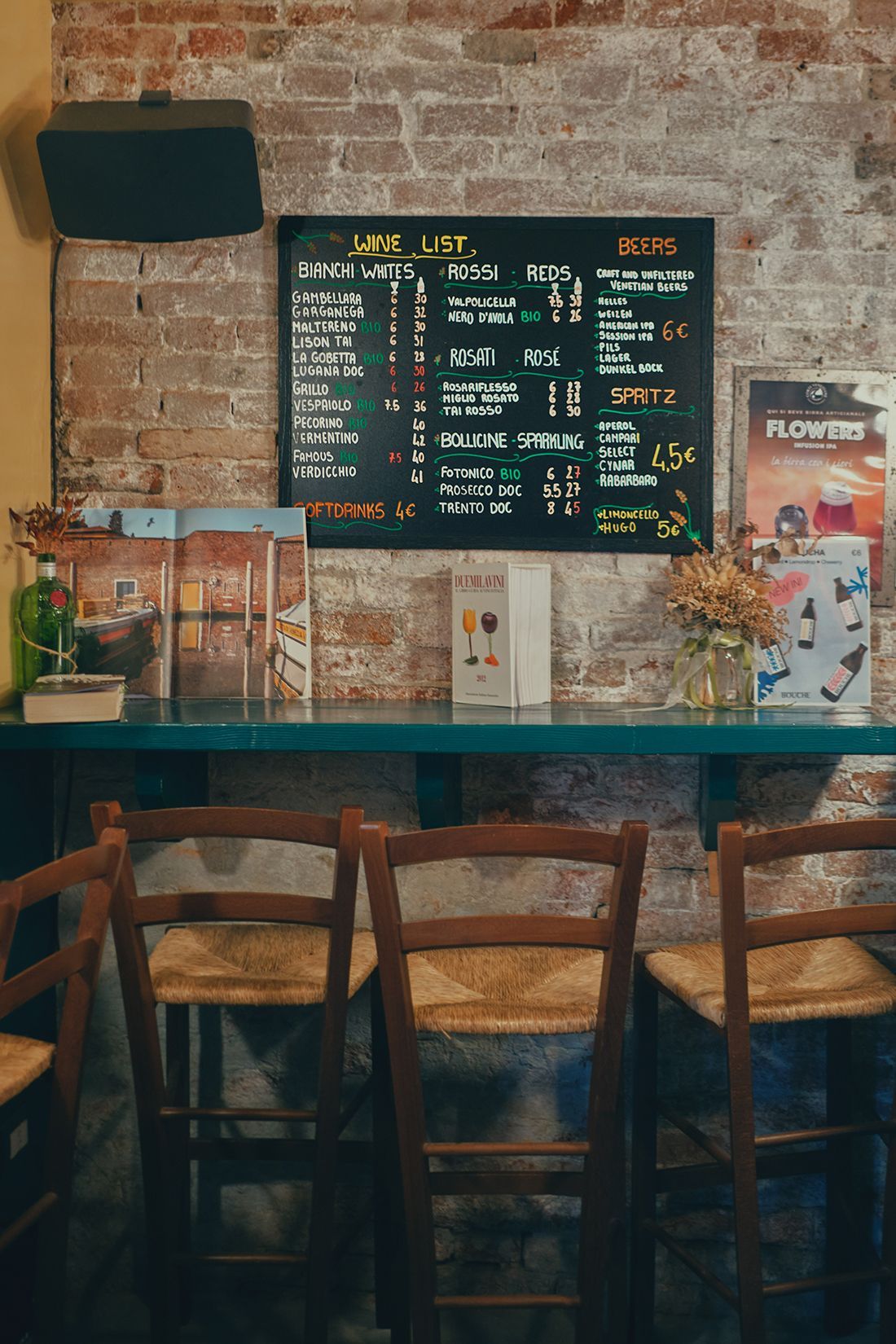
Breakfast is served each morning in a classic adjoining space, which also hosts DJ sessions and artistic and cultural events.
The future, according to its CEO
In a recent conversation with Marc Sampietro, the new CEO of COMBO, we learned that the brand does not want to replicate a standardised model.
“Each city has its own history, customs and challenges”, he explained. “Our ambition is to respect the spirit of the city through the history of the building”.
Each location—present in Milan, Bologna, Turin and Venice—responds to its own neighbourhood and structure, revitalising historic spaces and activating them with new uses. In Milan, they are in a casa di ringhiera; in Turin, in a former barracks; and in Bologna, in what was once a railway station—restored with the same respect for the past that characterises the brand.
“Our ambition is to respect the spirit of the city through the history of the building.” Marc Sampietro
Since joining COMBO, Sampietro has prioritised listening and deep analysis.
“During my first days I visited all four sites anonymously to experience them as a real guest,” he said. “This helped me identify strengths, weaknesses and, above all, the diverse profile of our guests.”
One of his greatest insights was precisely that diversity: “COMBO is not just for young backpackers. We welcome families, nomads, coworkers, couples and groups of friends of all ages… That mix is one of our biggest strengths.”
His medium-term vision includes continuing to grow in Italy—with particular interest in Palermo, Naples, Rome or Florence—and expanding into countries such as Spain, France or Portugal. “We want to grow in cities with soul, places where we can restore historic spaces and offer authentic experiences.”
But beyond geographic expansion, his ambition is clear: “COMBO is not just a place to sleep, but a point of emotional and cultural connection. We want people to remember it as the place where they discovered an artist, worked on a project or simply felt part of something.”
An emotional infrastructure
At a time when many cities lose their informal meeting spaces, COMBO proposes a new kind of hospitality: open, flexible and culturally active. A place where the everyday coexists with the creative; where you might encounter a concert, a talk, an exhibition or simply someone with whom to exchange an idea.
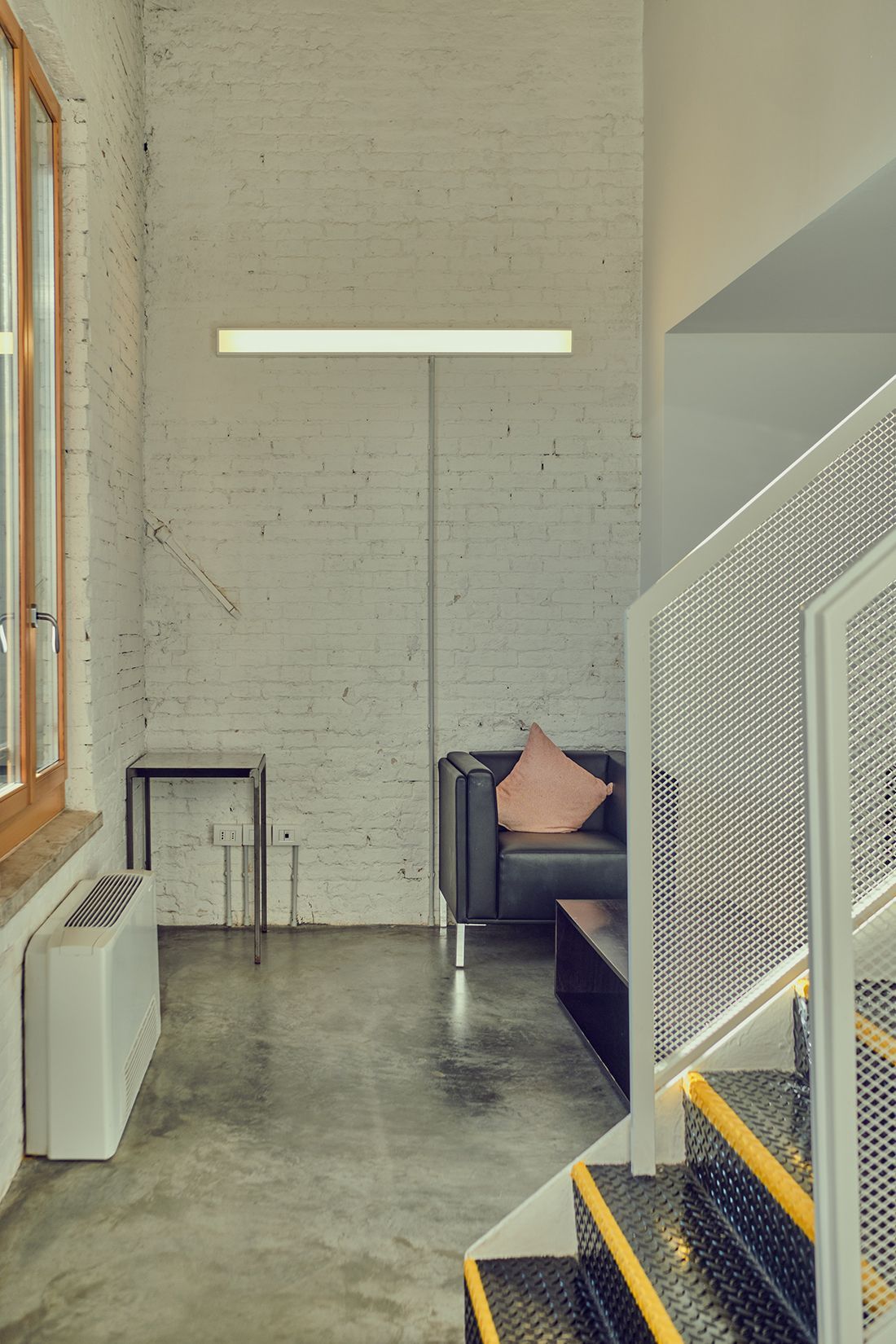
It is not just about sleeping, but about inhabiting. That’s why, as we left Venice, the feeling was not that of having stayed in a hostel, but in a temporary community—among cloisters, conversations, tall windows and long coffees. A place that, like the city that hosts it, invites you to stay a little longer.
Cannaregio: the Venice that breathes slowly
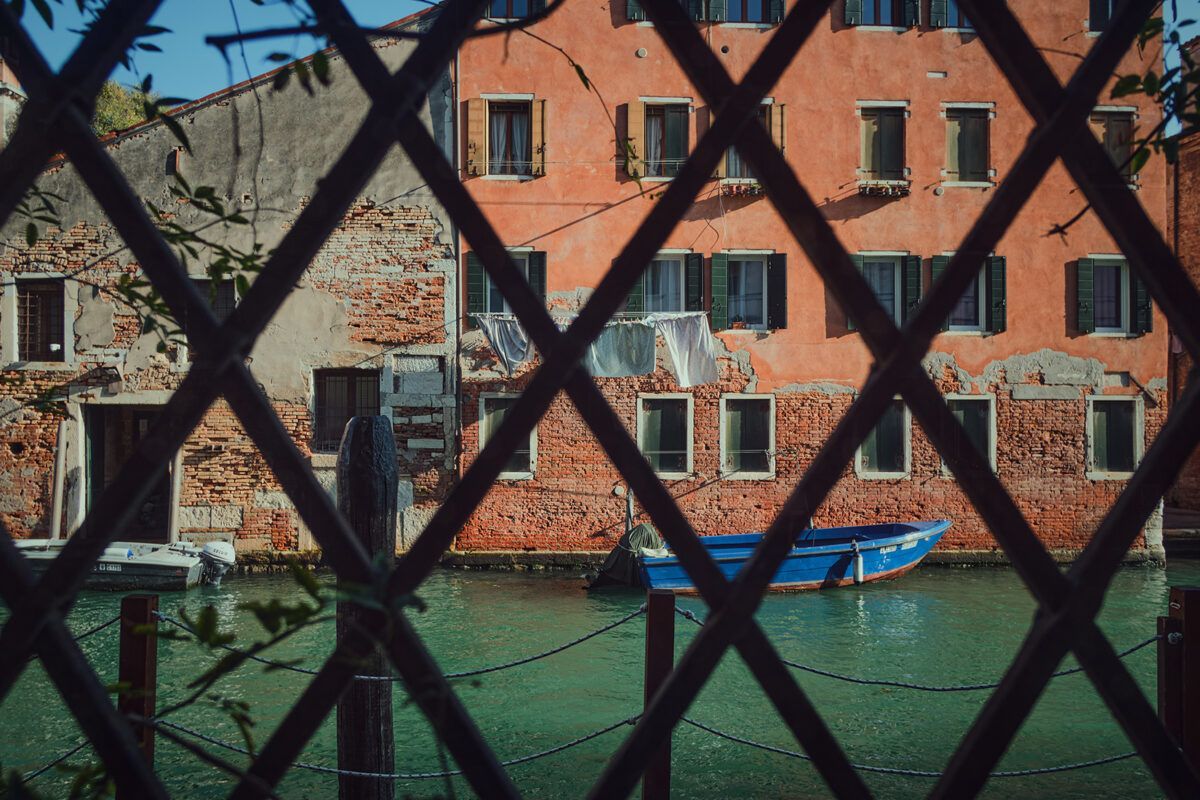
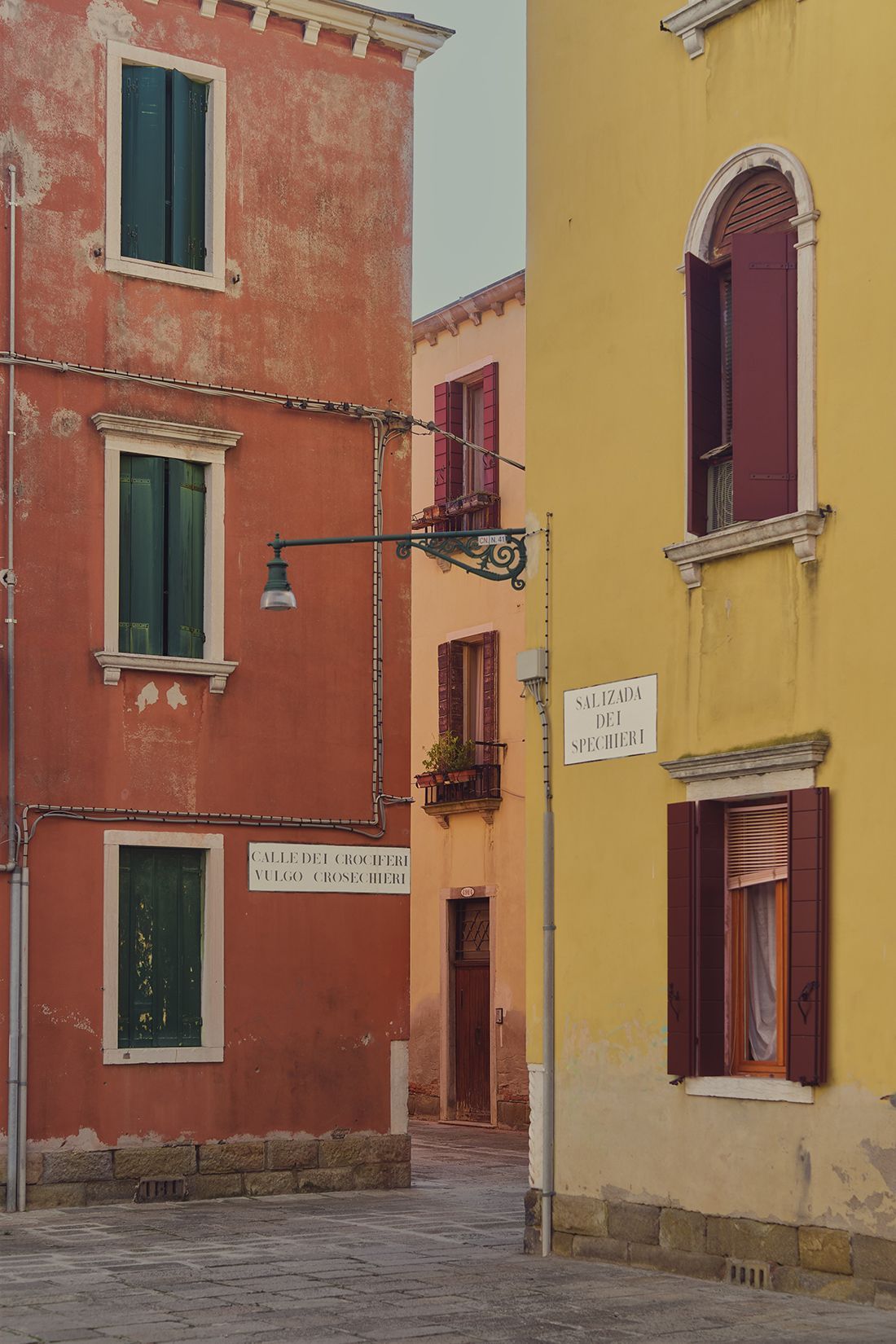
Far from the constant murmur of San Marco and the city’s busiest tourist routes, Cannaregio is a pause beating to the rhythm of real Venetian life. It is a corner where the city’s soul appears unadorned, among peeling façades and trembling reflections on quiet canals.
“The district of Cannaregio is a pause that beats to the rhythm of real Venetian life.”
Walking along Fondamenta della Misericordia is to immerse yourself in a spontaneous choreography of children on bicycles, neighbours greeting each other from windows, and aromas spilling from open kitchens. Every corner offers a promise: stopping at Sullaluna, a bookshop-bistro inviting slow reading between organic dishes and natural wines; or at Vino Vero, where every glass tells a story and every stool by the canal becomes a confession booth—and where, in our view, they serve the best cicchetti in Venice.
At La Sete, the cocktail bar becomes a sensory laboratory; and at Osteria Giorgione da MASA, the meeting of Japanese cuisine and Venetian tradition turns into an unexpected cultural manifesto—one worth returning to. The gastronomic experience is, quite simply, memorable. Cannaregio also retains the essentials: small shops run by locals, such as Maramao, a tiny grocery where you can buy tomatoes, Italian products or artisanal bread.
The truth is that Cannaregio breathes authenticity, and whenever we visit the world’s most beautiful city, we love spending time along its canals, streets and gathering spots.
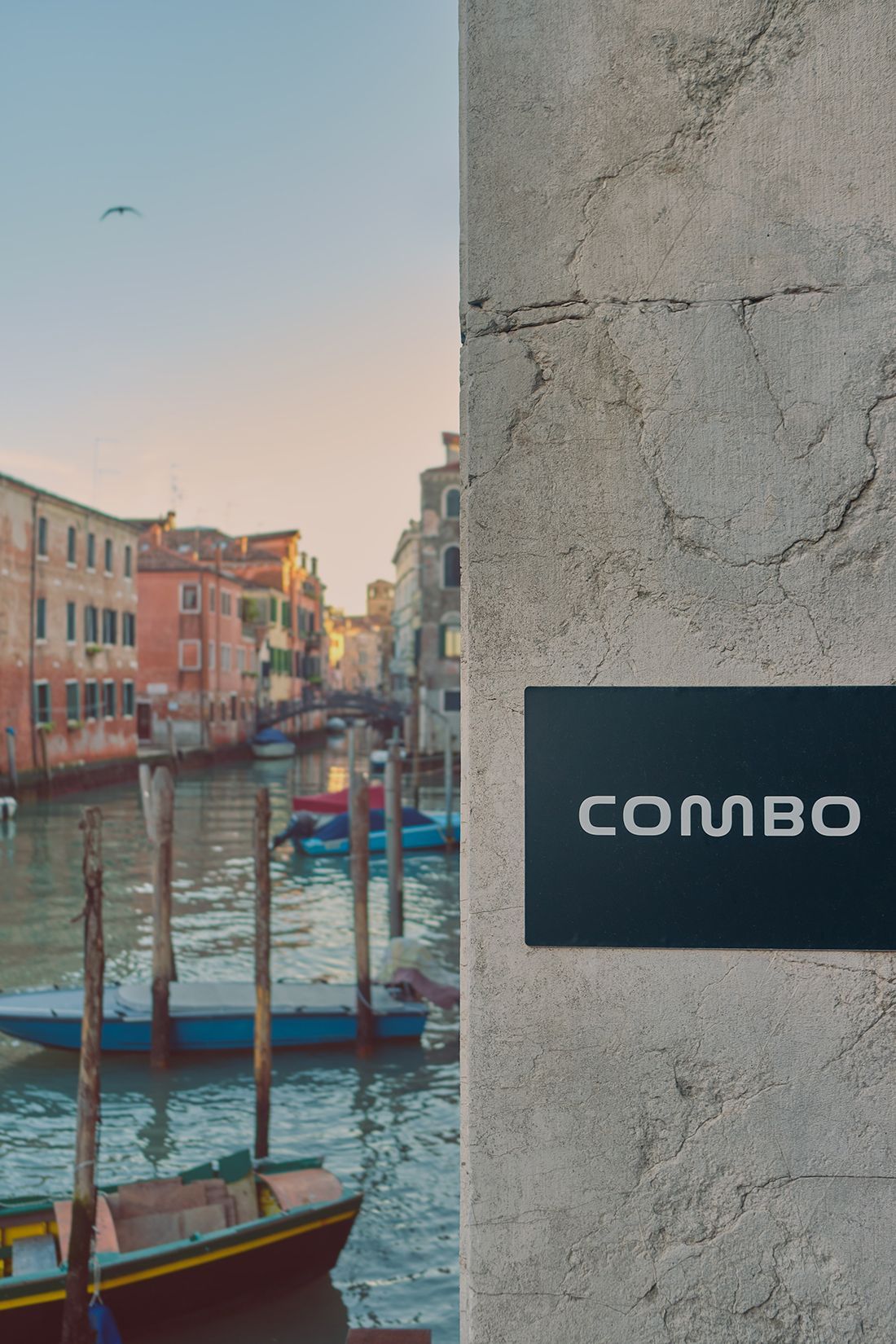
In short, if you are looking to experience an authentic Venice without giving up design, tranquillity and character, COMBO is an excellent choice—with a price-quality ratio difficult to beat.
(*) Photographs: Ely Sánchez & Cecilia Camacho (CC/studio).