TWA Hotel: design, nostalgia and architecture at the heart of JFK
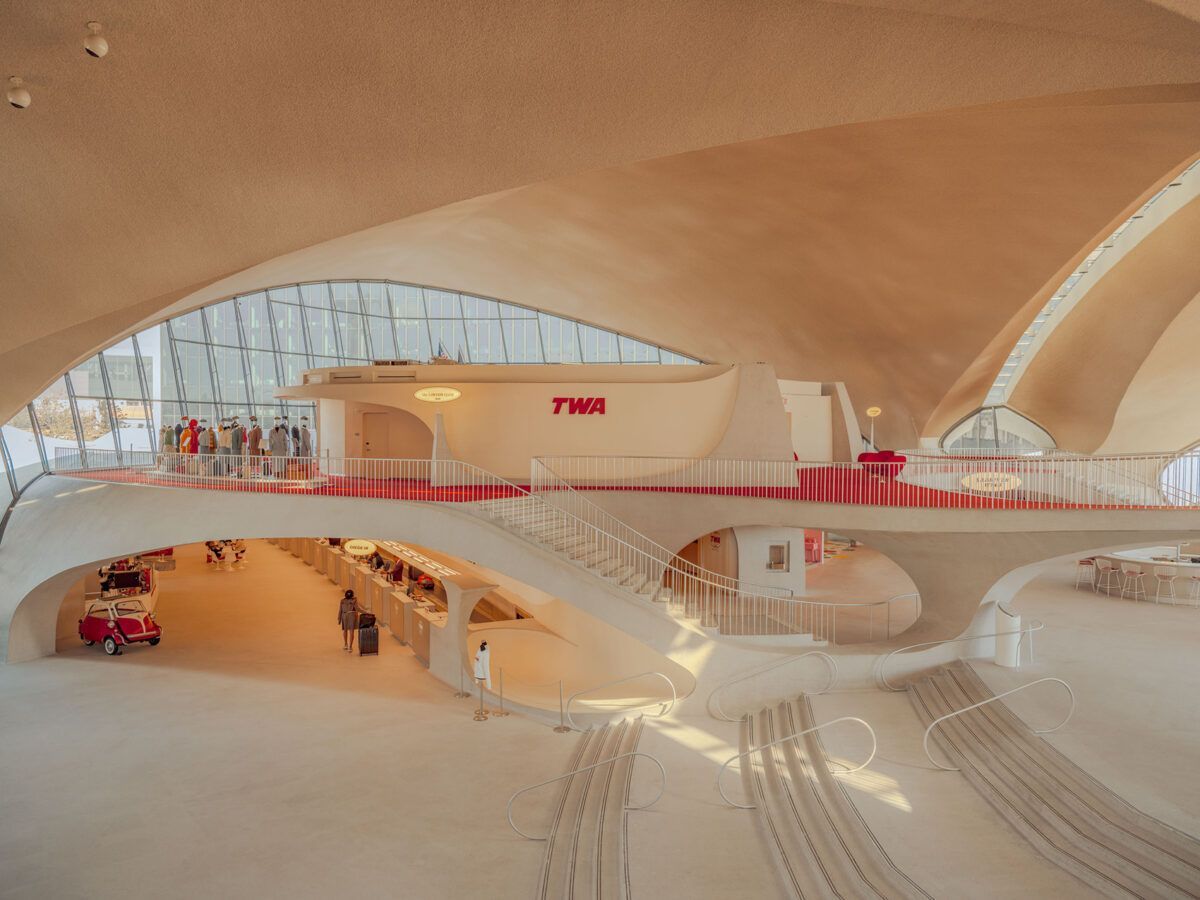
Welcome to the TWA Hotel in New York: iconic architecture, mid-century aesthetics, airport comfort, and a true time-travelling experience.
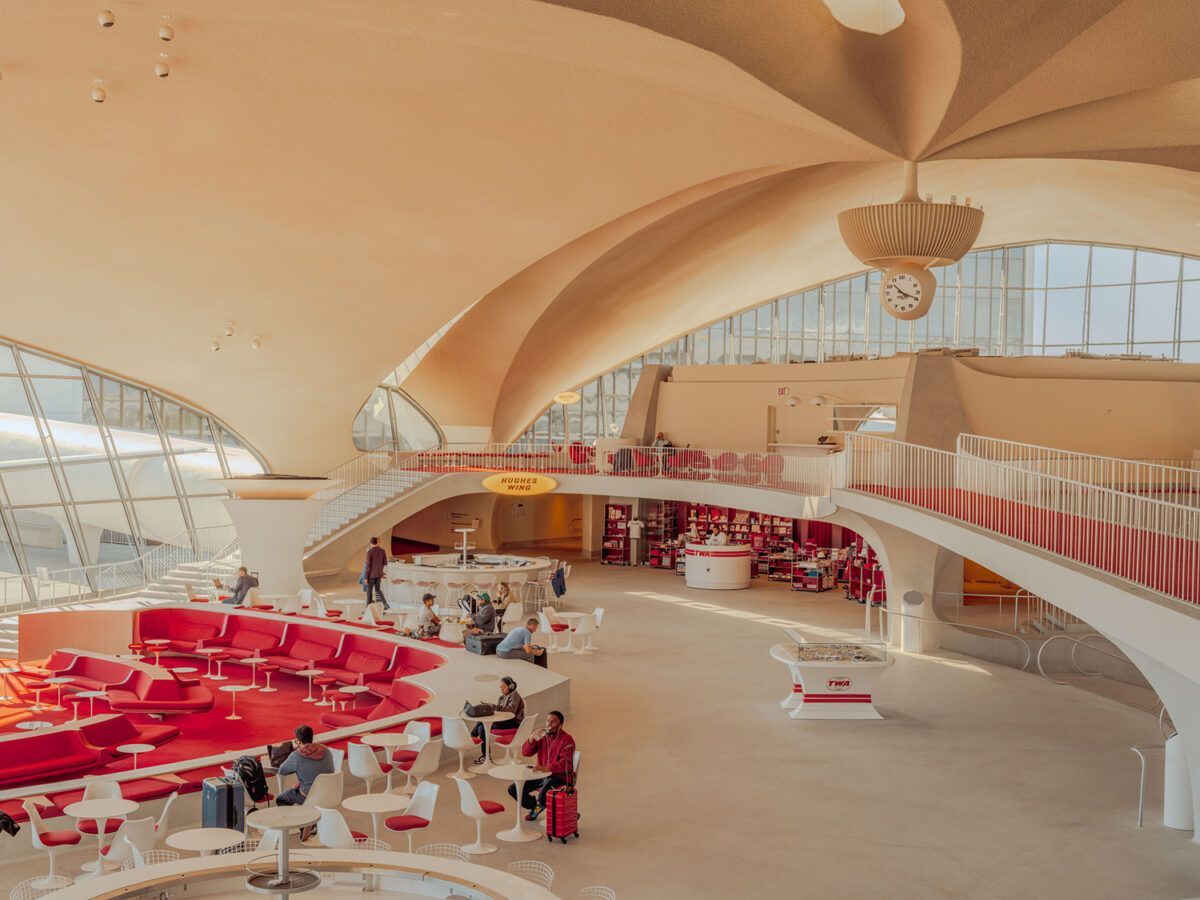
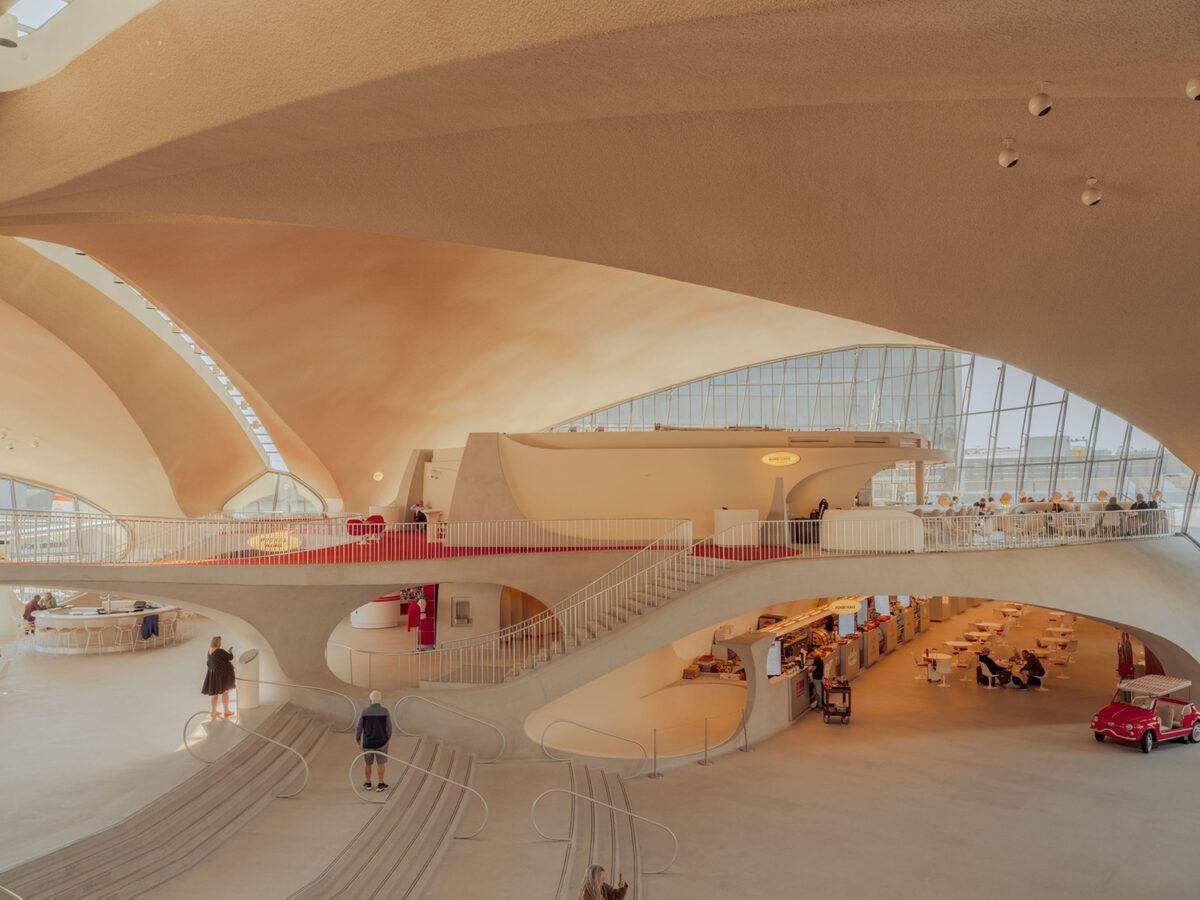
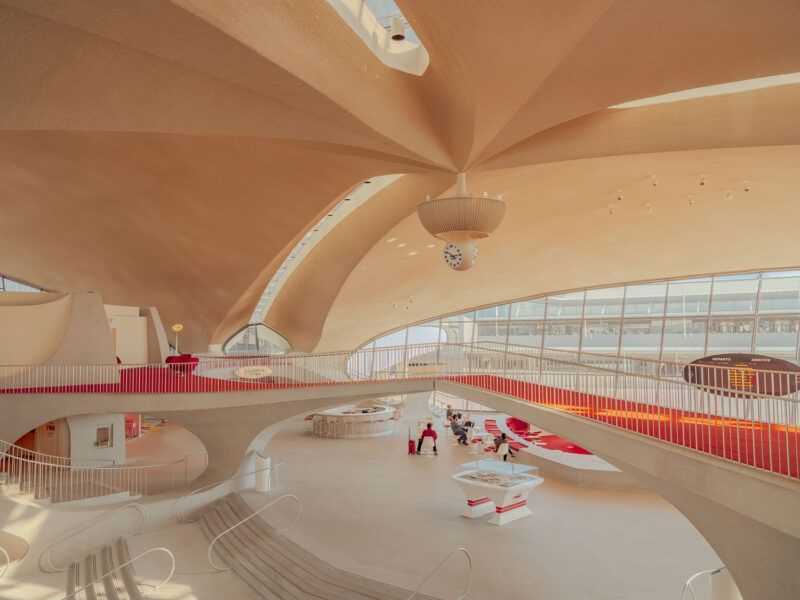
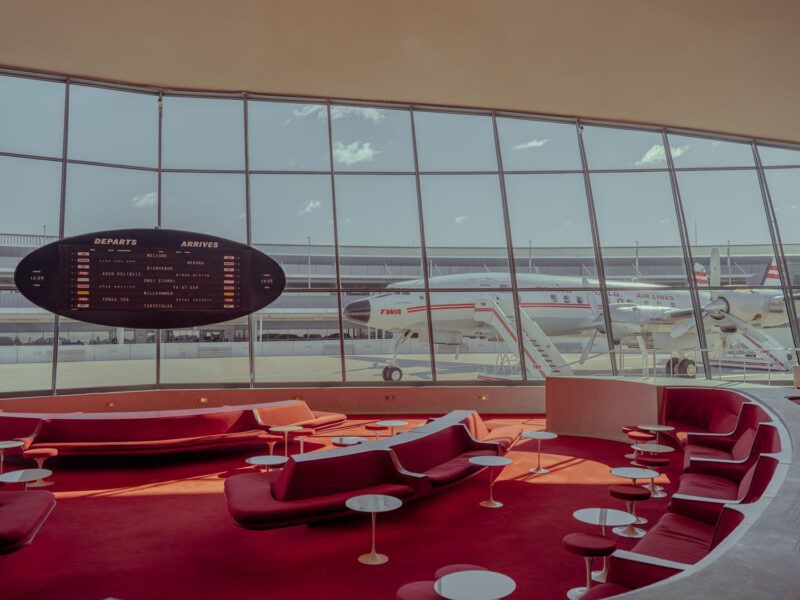
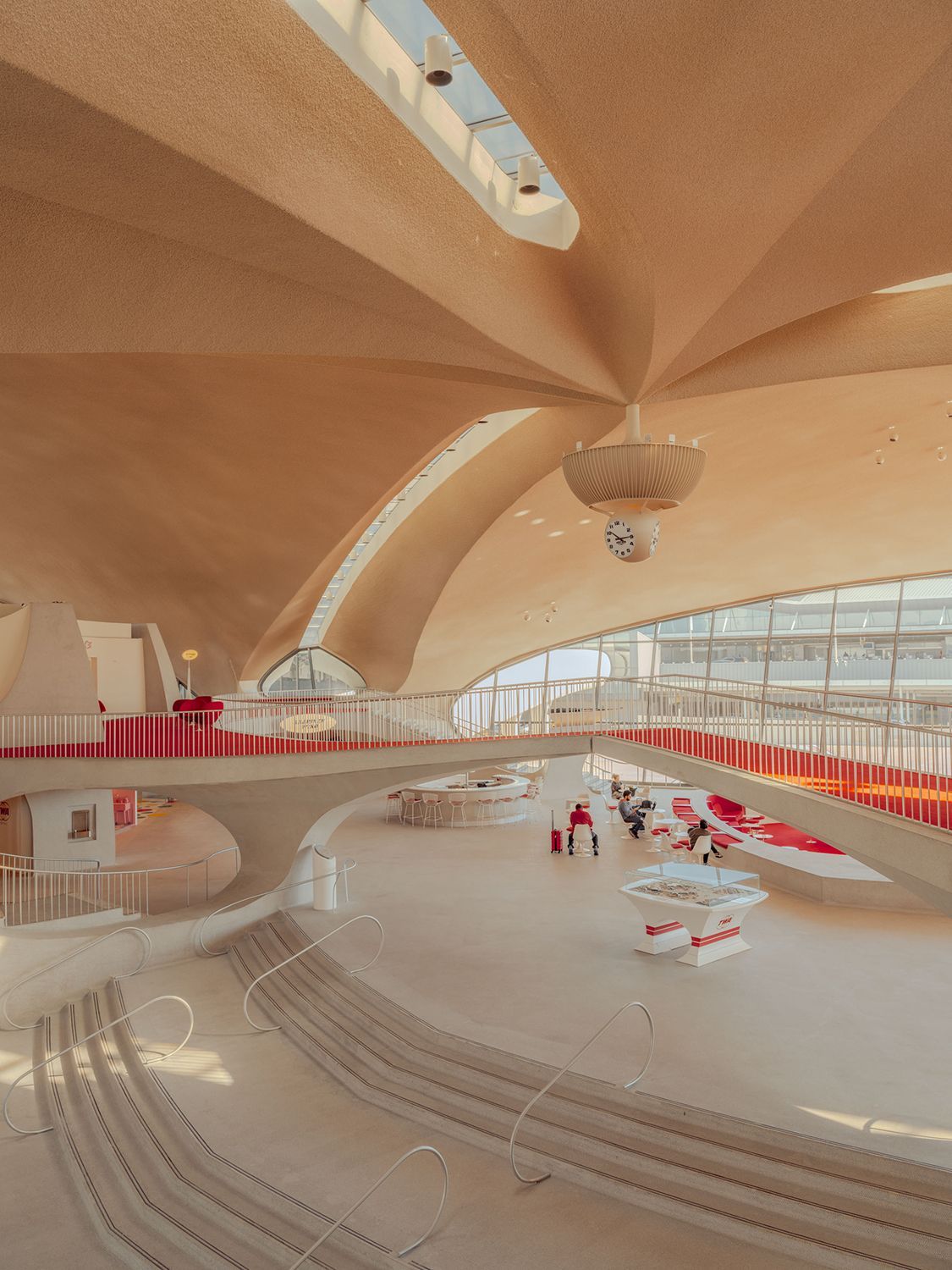
The TWA terminal at JFK Airport was, for decades, one of the great temples of modern design. Designed in 1962 by legendary architect Eero Saarinen for Trans World Airlines, it embodied the Jet Age‘s splendour — fluidity, optimism, sophistication, and a devotion to the future that, even in 2026, still dazzles.
When it reopened as the TWA Hotel in 2019, it did so not only as a tribute to that golden era, but also as one of the most ambitious preservation efforts in recent US architectural history.
An architectural journey into the past
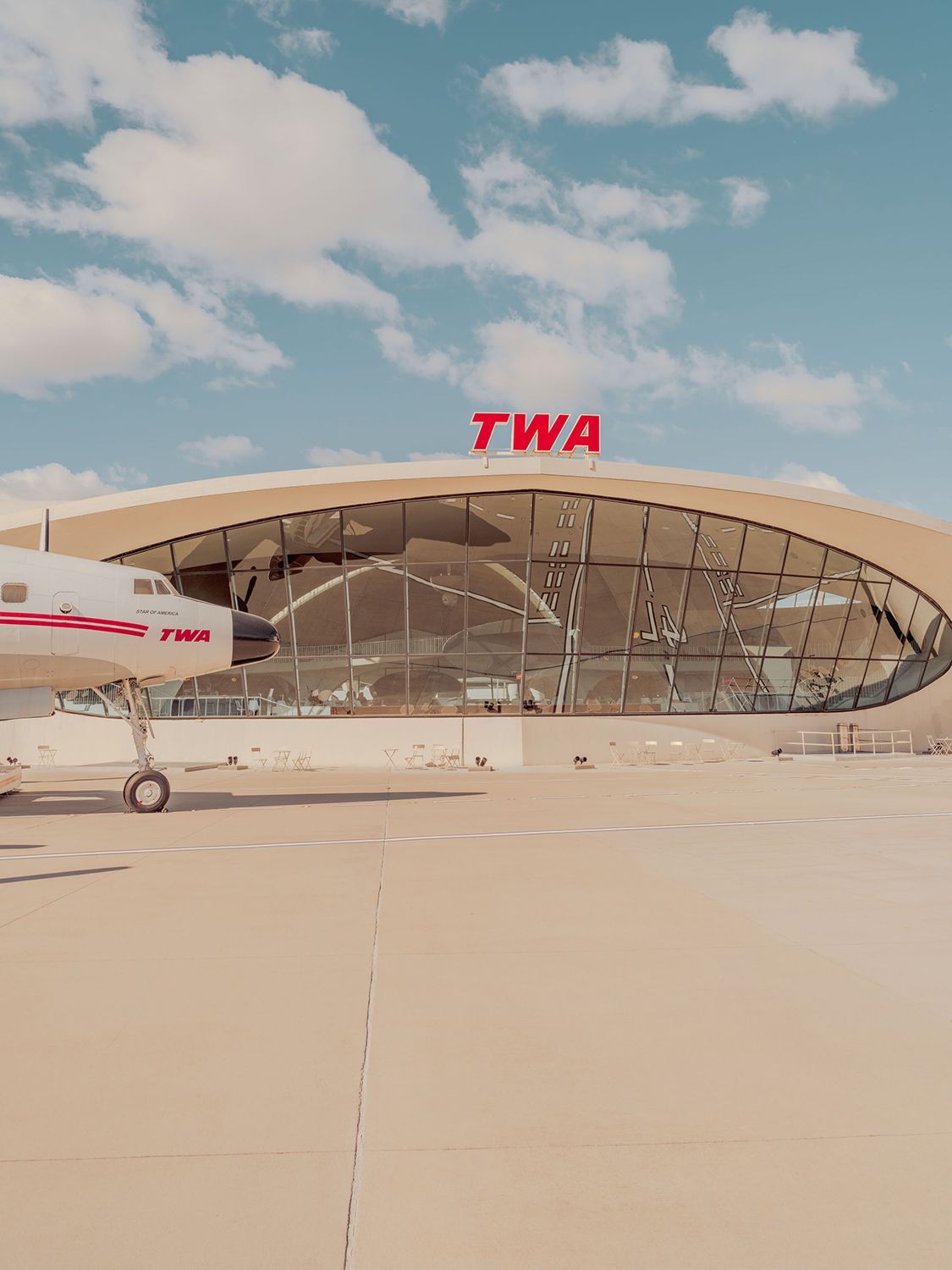
The TWA Flight Center opened in 1962 as a bold statement. In a decade marked by the space race, technological advancement, and the American Dream, Saarinen conceived a structure ready to take off. Its curved roof, fluid forms and complete lack of right angles defied conventional architecture. Like many modernist works, it was a built utopia.
For years, the terminal was the heart of one of the most iconic US airlines. TWA (Trans World Airlines) stood for glamour, efficiency and global connection. But time, corporate mergers and a changing aviation industry led to its closure in 2001.
Restoring without betraying: Saarinen’s legacy
Declared a historic landmark in 1994 and listed on the National Register of Historic Places in 2005, the building simply had to be preserved — it was an architectural necessity.
MCR and MORSE Development led the monumental project, involving 22 government agencies, over 170 firms, and hundreds of workers. Beyer Blinder Belle oversaw the restoration of the original building, while LUBRANO CIAVARRA Architects designed two new hotel wings that embrace the terminal without overshadowing it.
The result: 512 rooms woven into a sophisticated, seamless, and functional experience.
“The TWA Terminal at JFK, designed by Eero Saarinen, was for years one of the great temples of modern design.”
Uncompromising mid-century aesthetics
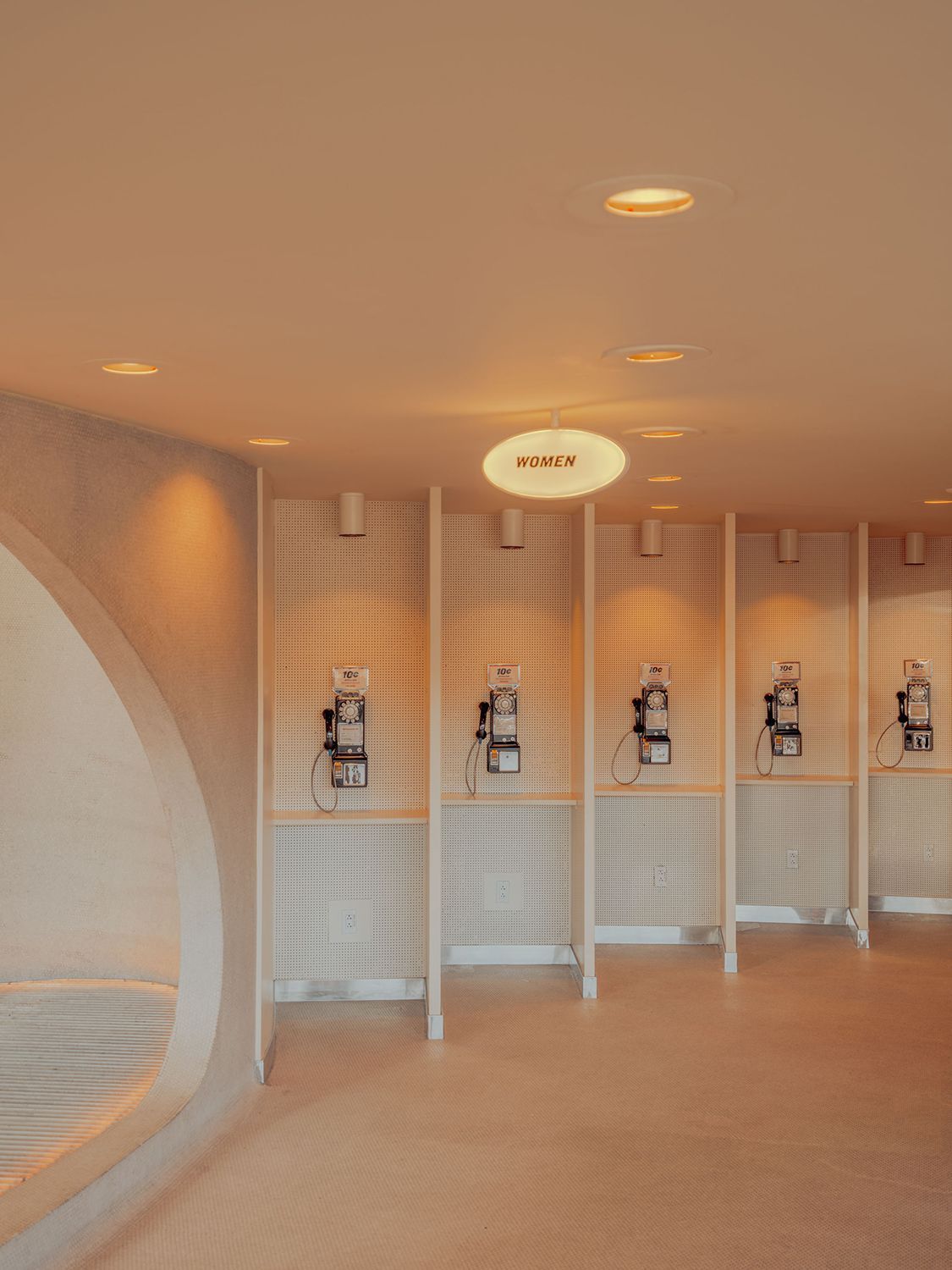
Walking through the TWA Hotel is like stepping onto a film set — not one that imitates, but one that revives. Every detail is executed with near-obsessive rigour: walnut panelling, red carpets, original Tulip furniture, rotary phones, retro light fittings and vintage magazines.

“Walking through the TWA Hotel is like stepping onto a film set.”
The interiors, designed by Stonehill Taylor, achieve something exceptional: nostalgia without heaviness. Everything feels natural, flowing, functional. The hotel is not only a visual reference but also a living museum. Original TWA uniforms — designed by Balmain, Valentino, and Stan Herman — are displayed like works of art. A partnership with the New-York Historical Society has created exhibits dedicated to the Jet Age, TWA’s history, and mid-century design.

The rooms: design, comfort, and a few shortcomings
The rooms at the TWA Hotel extend the overall concept beautifully. Knoll furniture, walnut details, terrazzo bathrooms and carefully curated amenities. Everything works aesthetically and sensorially. The soundproof windows (some of the thickest in the world) allow guests to watch planes take off in complete silence.

Comfort is guaranteed with Sealy mattresses, high-quality sheets and rainfall showers.
However, there are small areas for improvement. Storage is limited, minibars are empty, and there’s no coffee maker or kettle in the room. Minor details, but ones that may affect functionality for some guests.
The world’s largest hotel gym (literally)
The TWA Hotel does nothing by halves. Its gym is the largest hotel gym in the world.
Managed by The Wright Fit, it has over 10,000 square feet devoted to wellness. With Peloton bikes, yoga areas, free weights, battle ropes and cutting-edge machines, it redefines what “keeping fit” means while in transit.
A pool with a view of dreams
The hotel’s hidden gem is its rooftop infinity pool. With direct views of runway 4L/22R, it offers a surreal experience: swimming as aircraft take off just metres away. In winter, it transforms into a heated “pool-cuzzi” and remains open year-round.
The pool isn’t just a place to relax — it’s a space for reflection. From here, JFK’s airport landscape takes on unexpected beauty.
Dining between runways and nostalgia
The Paris Café by Jean-Georges is the hotel’s culinary hub. Seating 200 guests with an open kitchen, it revives the legacy of the original Paris Café that once occupied the same spot. The menu, created with Tastes on the Fly, offers elegant dishes in a timelessly stylish setting.
Other options include the Food Hall (featuring fast favourites like Empanada Republic and The Halal Guys), the Intelligentsia Coffeebar, and of course, The Sunken Lounge — a conversation pit with red carpeting and curved sofas serving 60s-inspired cocktails.
The Connie Cocktail Lounge, located inside a restored Lockheed Constellation aircraft, is the ultimate nostalgic experience. While the cocktails may not be the highlight, sipping one inside a historic plane more than makes up for it.
Beyond accommodation: museum, postcard and manifesto
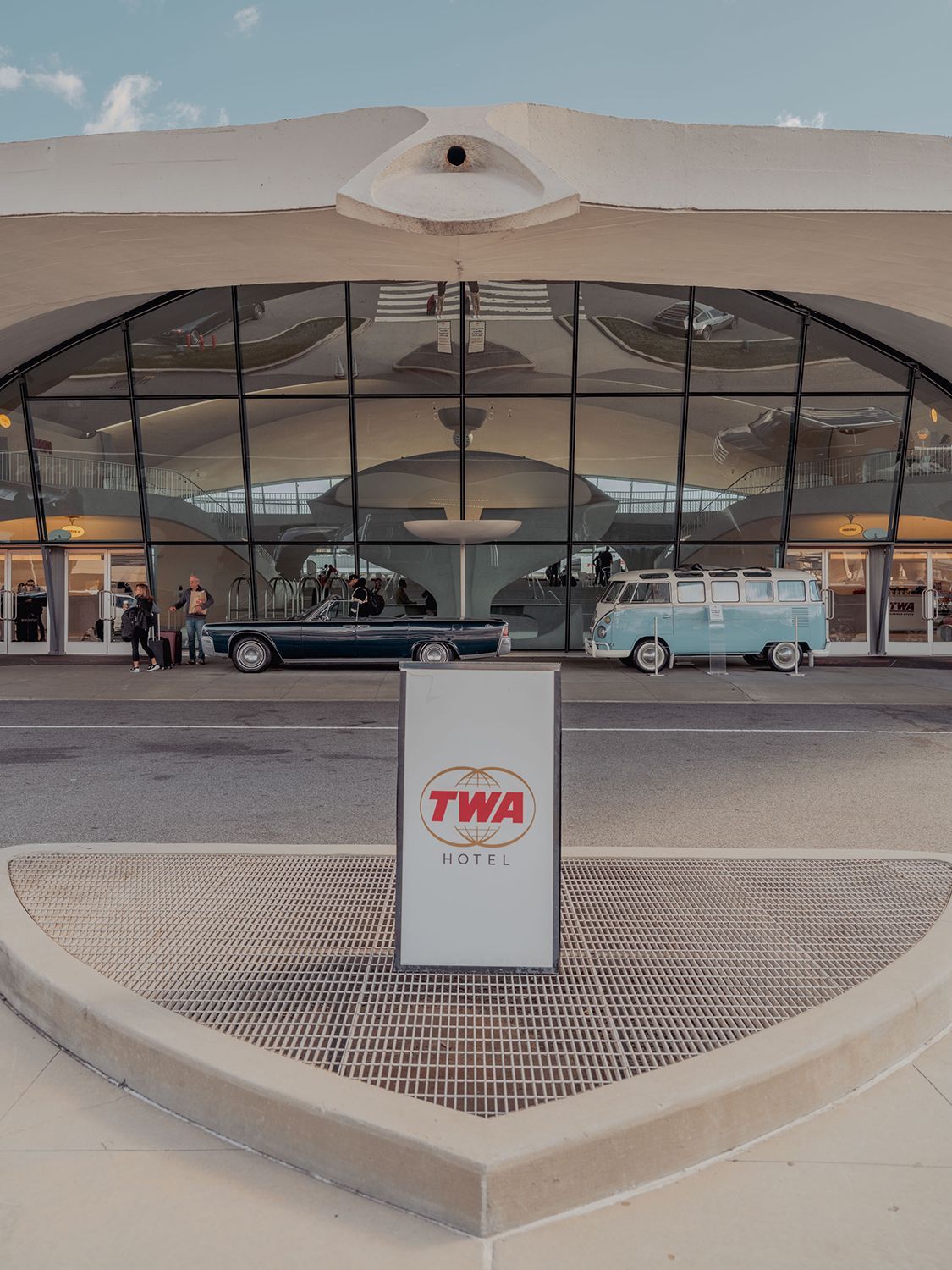
The TWA Hotel is no ordinary airport hotel — it’s a cultural statement. With brand collaborations including Herman Miller, Phaidon, Shinola and Warby Parker, it functions as a full design ecosystem. Its obsession with detail — from custom manhole covers to typography inspired by Saarinen’s original sketches — elevates it to a total experience.
Since its opening in 2019, it has welcomed thousands of visitors, boosted the local economy, and returned some of the lost magic to JFK Airport. And in 2026, it remains one of New York’s most photogenic, unique and evocative spaces.
(*) Photos by Ludwig Favre · Instagram · YouTube.