Bristol and Bath: between the alternative and the classic
Between Bristol’s creative dynamism and Bath’s historic elegance lies one of the most rewarding and inspiring city breaks in south-west England. Separated by just a few minutes by train, these two cities offer very different — yet deeply complementary — ways of experiencing British culture, design, gastronomy and lifestyle. From the alternative to the classic, from the spontaneous to the refined, this journey strikes a perfect balance between contemporary energy and timeless beauty.
Bristol: where urban art and authenticity set the pace
Bristol has no interest in resembling any other city, and that is precisely where its appeal lies. Creative, diverse and slightly untamed, it retains a distinctive energy that makes it one of the most exciting destinations in the United Kingdom.
Above all, Bristol is a city that feels alive. A place where being alternative is not a trend but a way of life. Its streets function as an open canvas and its neighbourhoods as a melting pot of cultures, styles and generations. It is no coincidence that Bristol gave rise to seminal figures such as Banksy — the enigmatic artist who transformed street art into a global phenomenon — as well as Massive Attack, the pioneering collective that shaped trip-hop through a sophisticated fusion of electronic music, dub and soul; Portishead, whose cinematic and melancholic sound became synonymous with the genre; Tricky, one of the defining voices of the Bristol sound, renowned for his raw, experimental and deeply personal approach, and Idles — the acclaimed post-punk band known for their ferocious sound, incisive social commentary and exhilarating live performances. They all share that restless, experimental and fiercely independent DNA that defines the city itself.
Even figures such as photographer Martin Parr — although born in Surrey — found their creative home here. His legacy lives on through the essential Martin Parr Foundation, a must-visit destination for anyone interested in contemporary photography.
A city that hasn’t sold Its soul
Perhaps the most interesting thing about Bristol is that it still retains an authenticity that is increasingly rare in European cities. It doesn’t feel designed to please everyone, nor has it been completely domesticated by global brands. Instead, it maintains a local, independent and slightly eccentric character that feels genuinely refreshing.
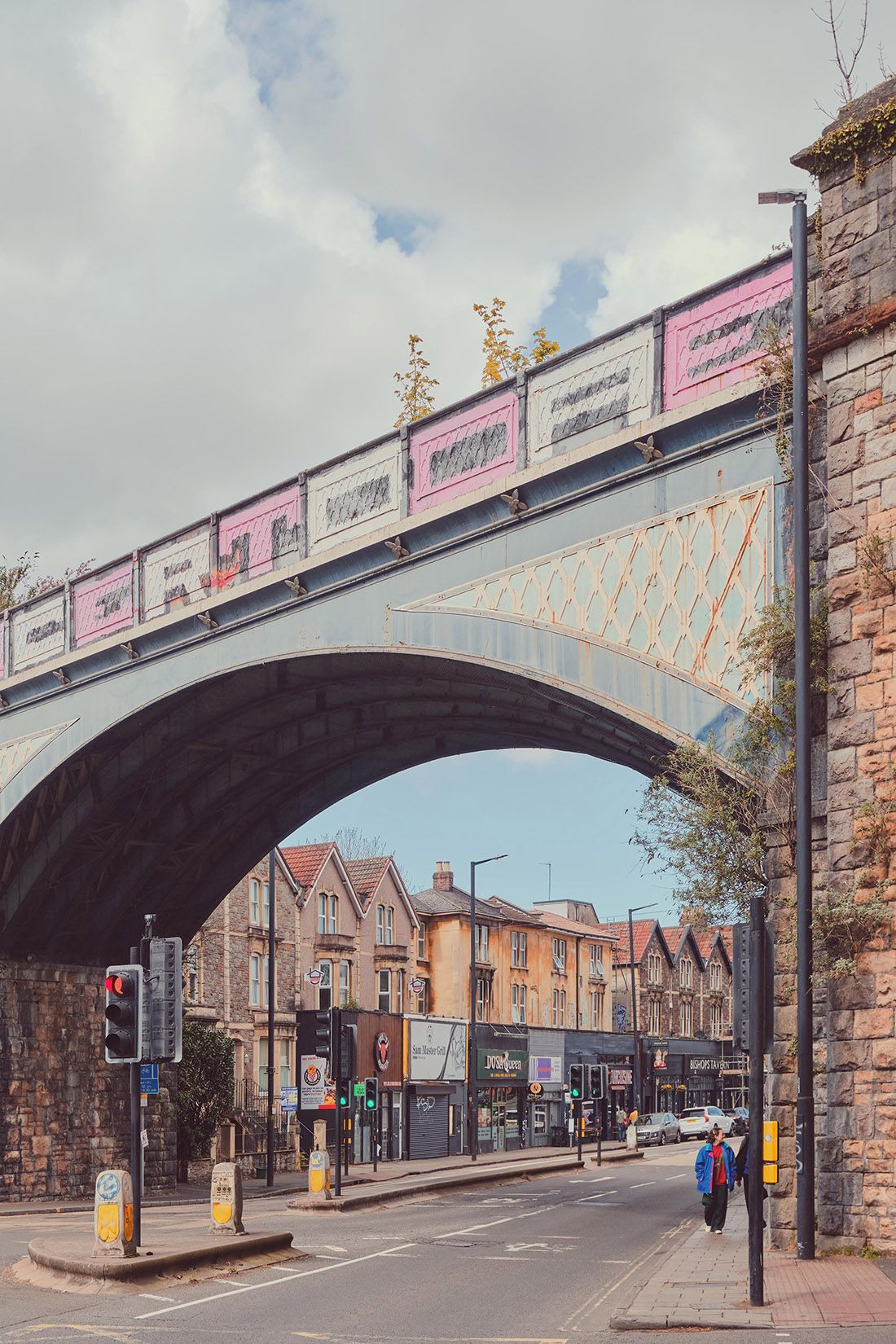
The best example is Gloucester Road, often described as having the highest concentration of independent businesses in Europe. Walking along it means discovering bookshops, vintage stores, speciality coffee shops and creative ventures that have escaped the homogenisation found elsewhere.
Bristol is also a city of diversity: of styles, ethnicities and nationalities. That diversity not only defines its urban landscape but enriches it, making it an endlessly fascinating place to explore.
What to see in Bristol: creativity, history and character
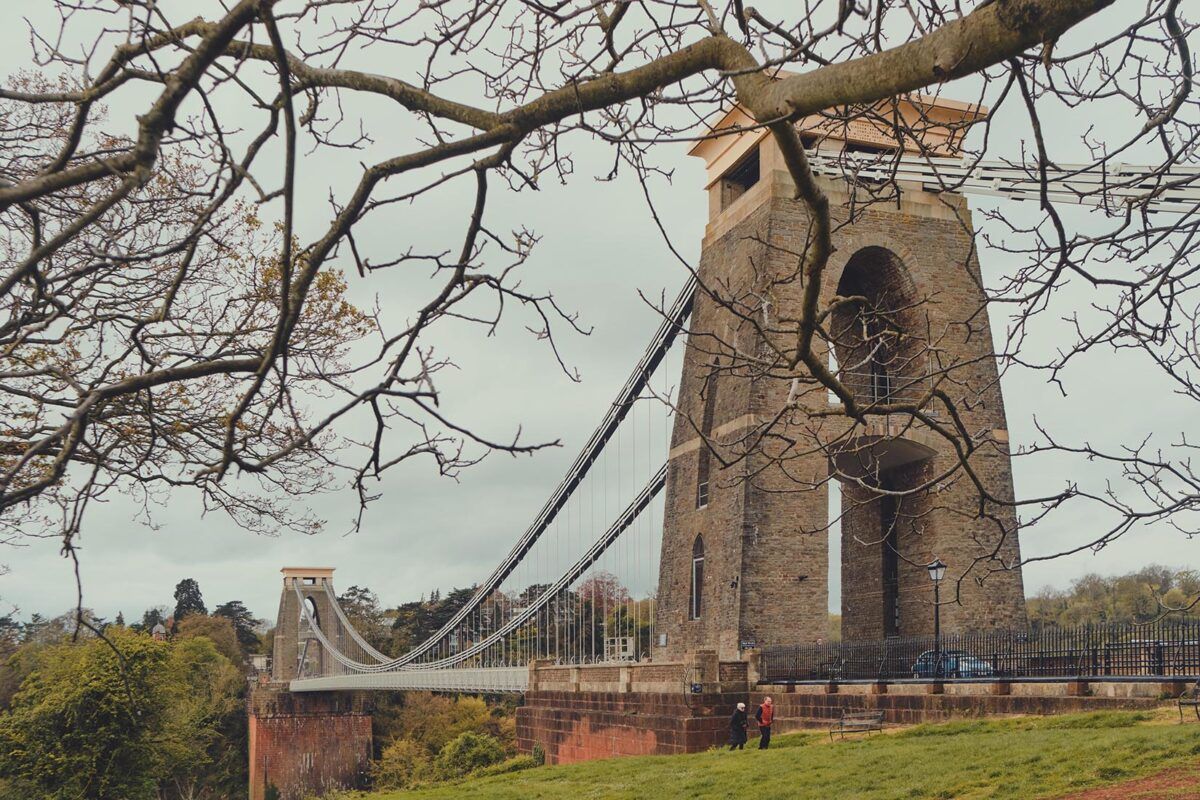
The iconic Clifton Suspension Bridge remains one of the city’s great symbols, a masterpiece of Victorian engineering that impresses not only through its design but also through its dramatic setting above the Avon Gorge. Nearby, the Clifton Observatory offers some of the city’s finest panoramic views, particularly at sunset.
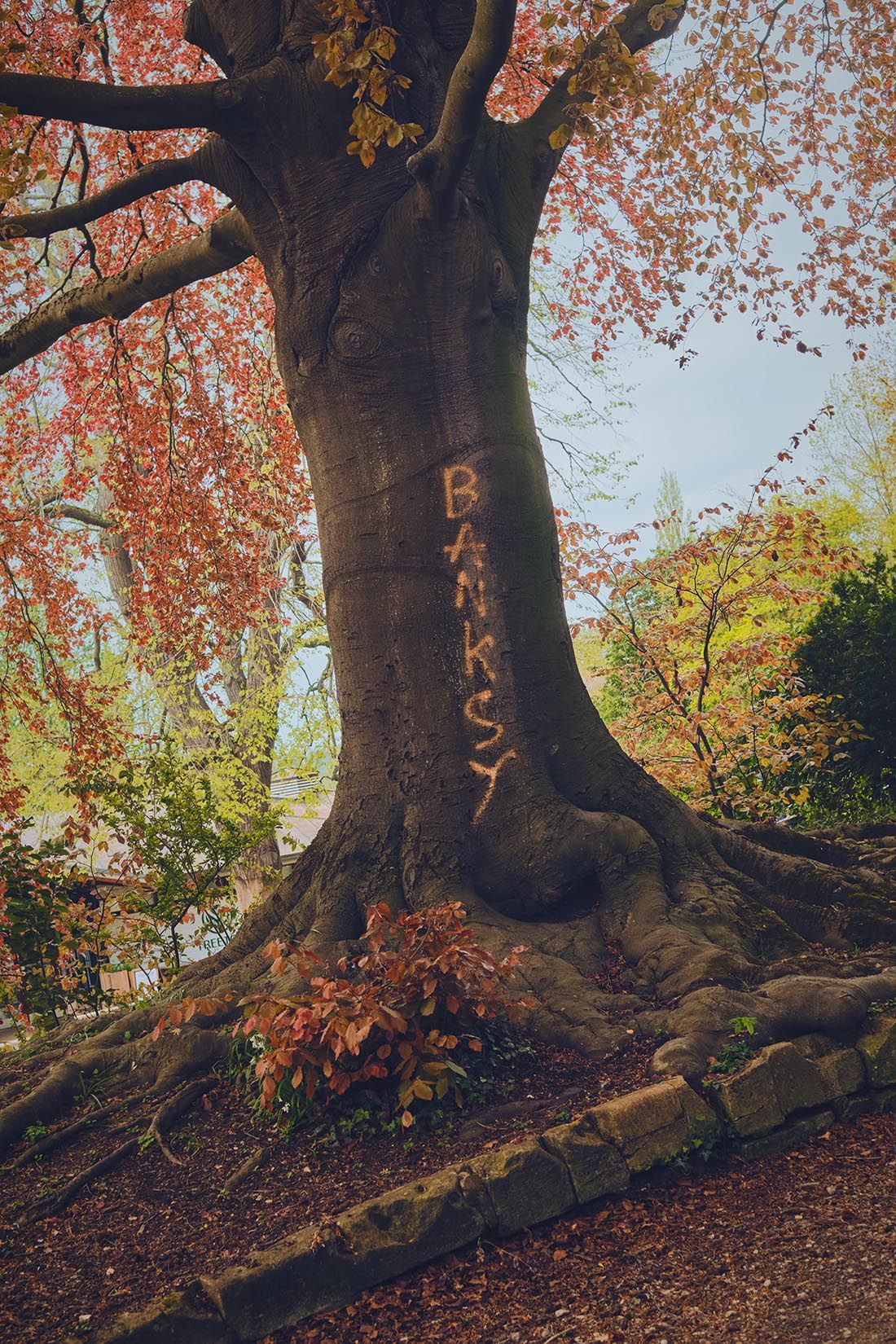
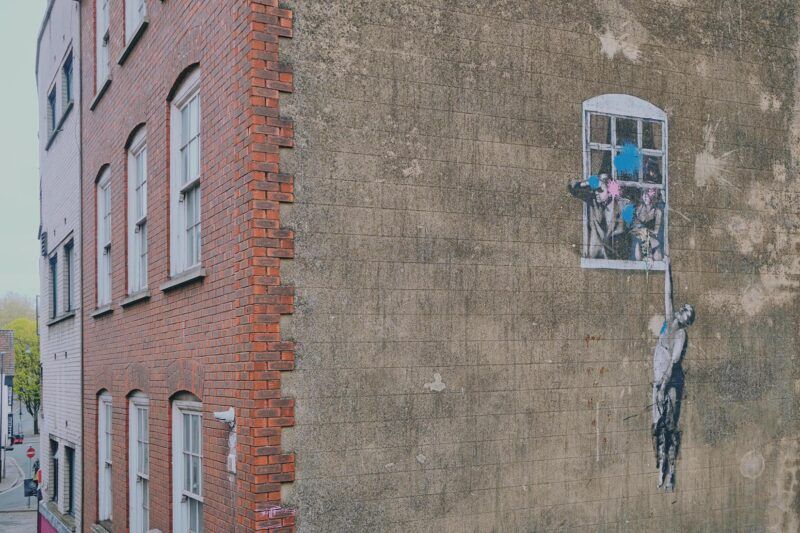
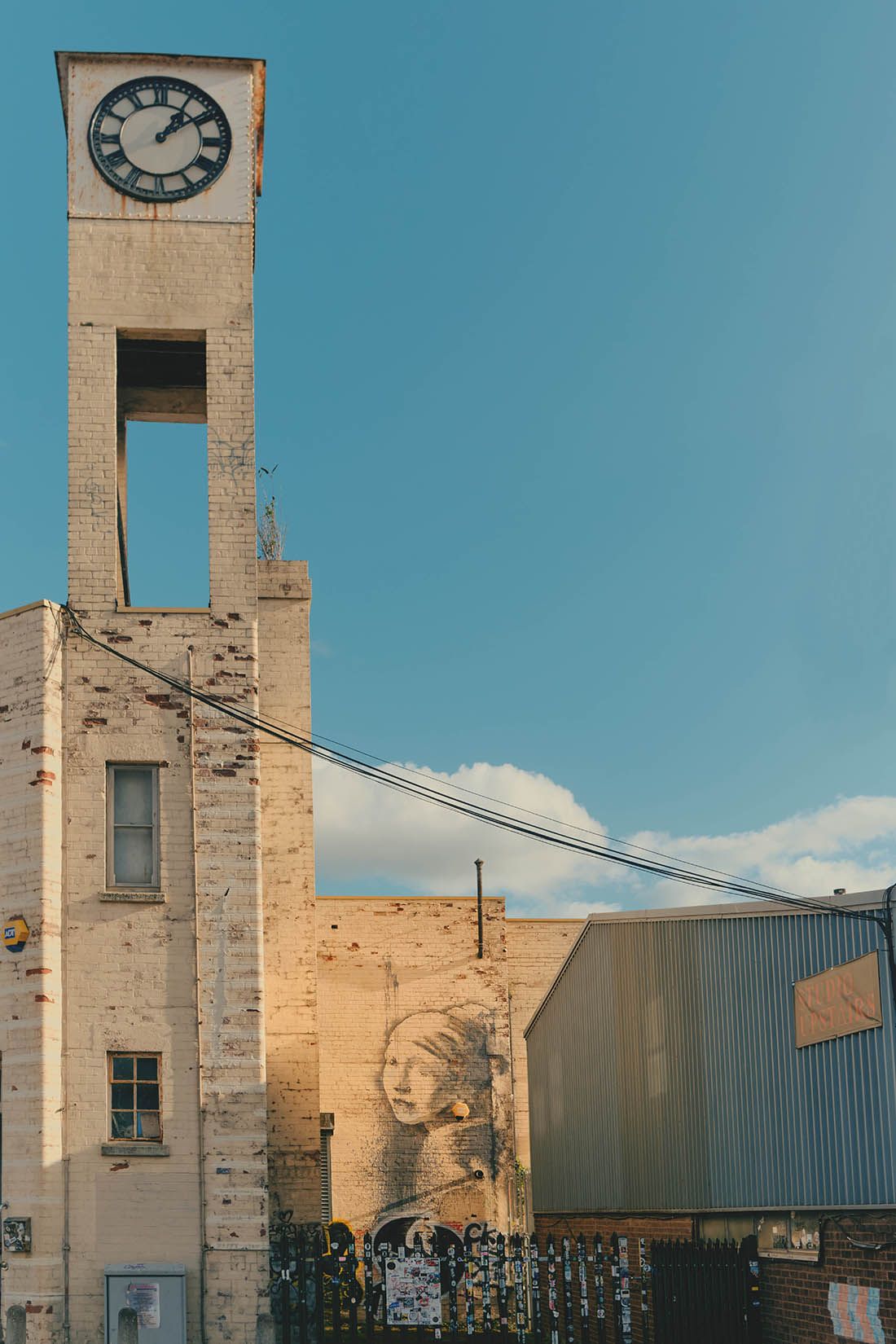
Street art is everywhere. Works by Banksy, including Girl with a Pierced Eardrum and Well Hung Lover, transform Bristol into an open-air gallery that is accessible, democratic and alive.
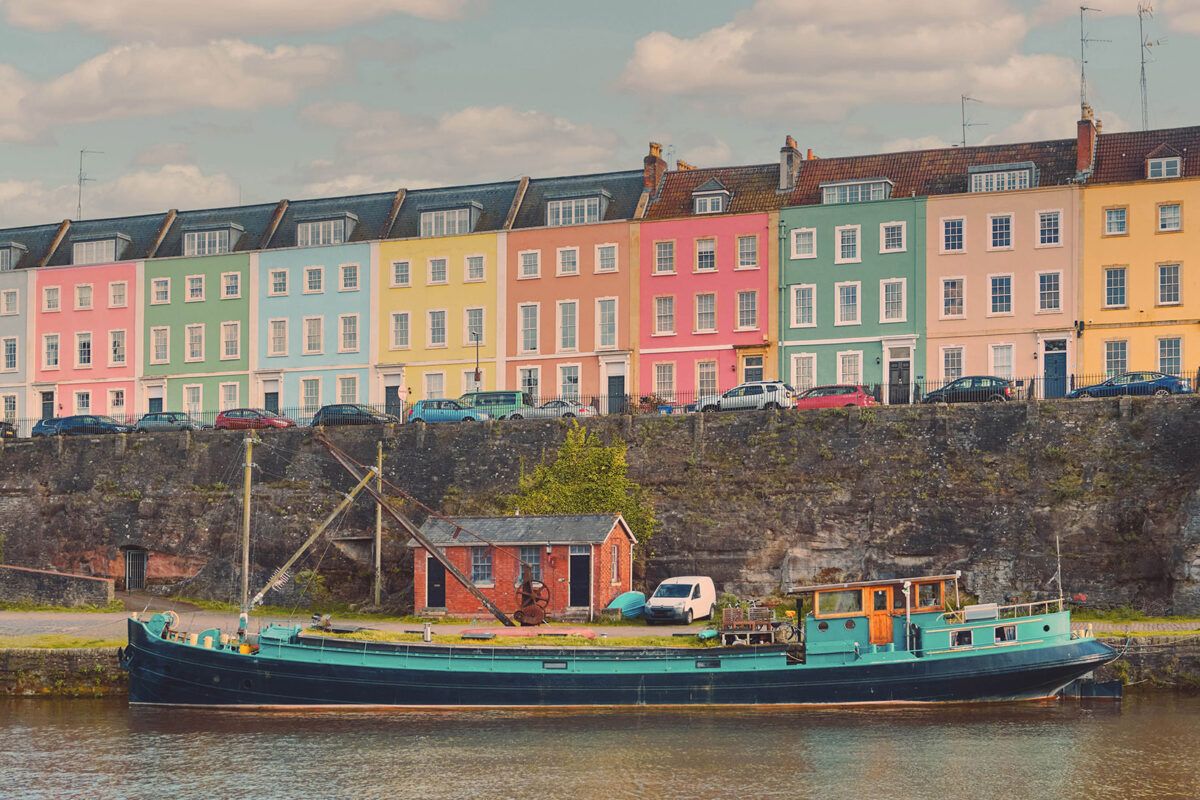
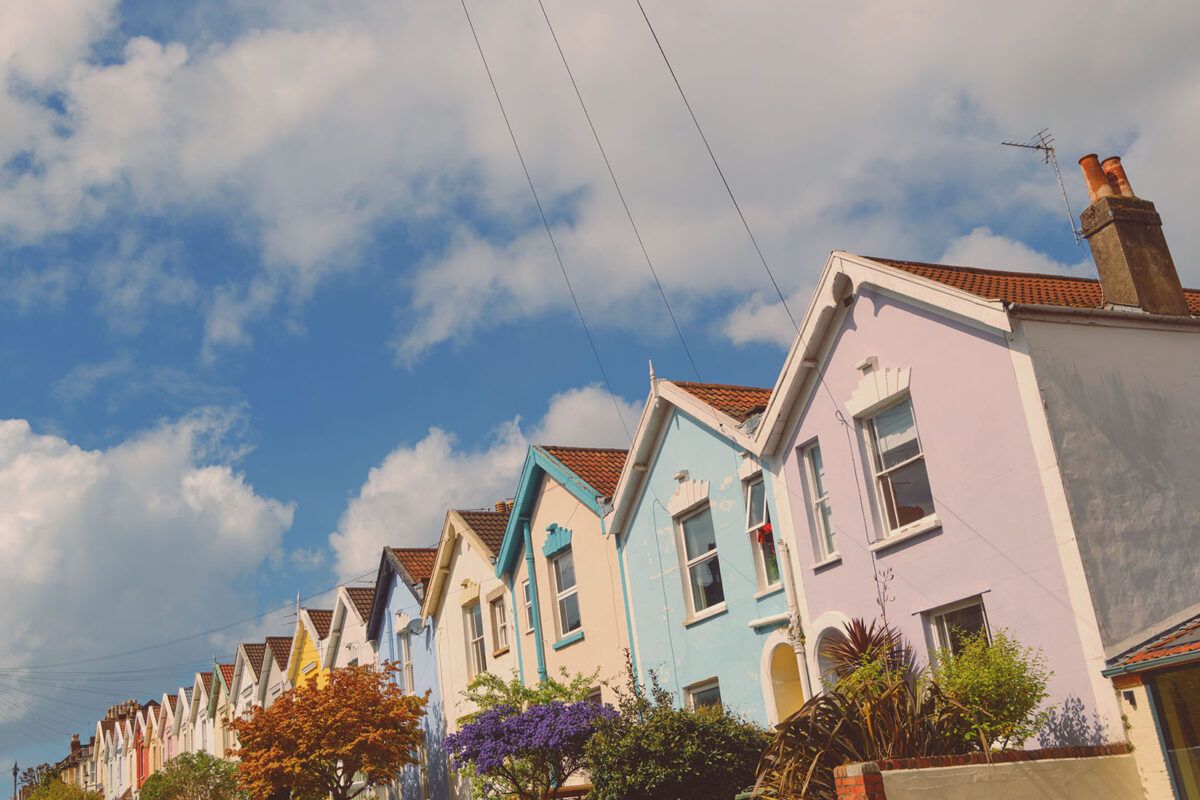
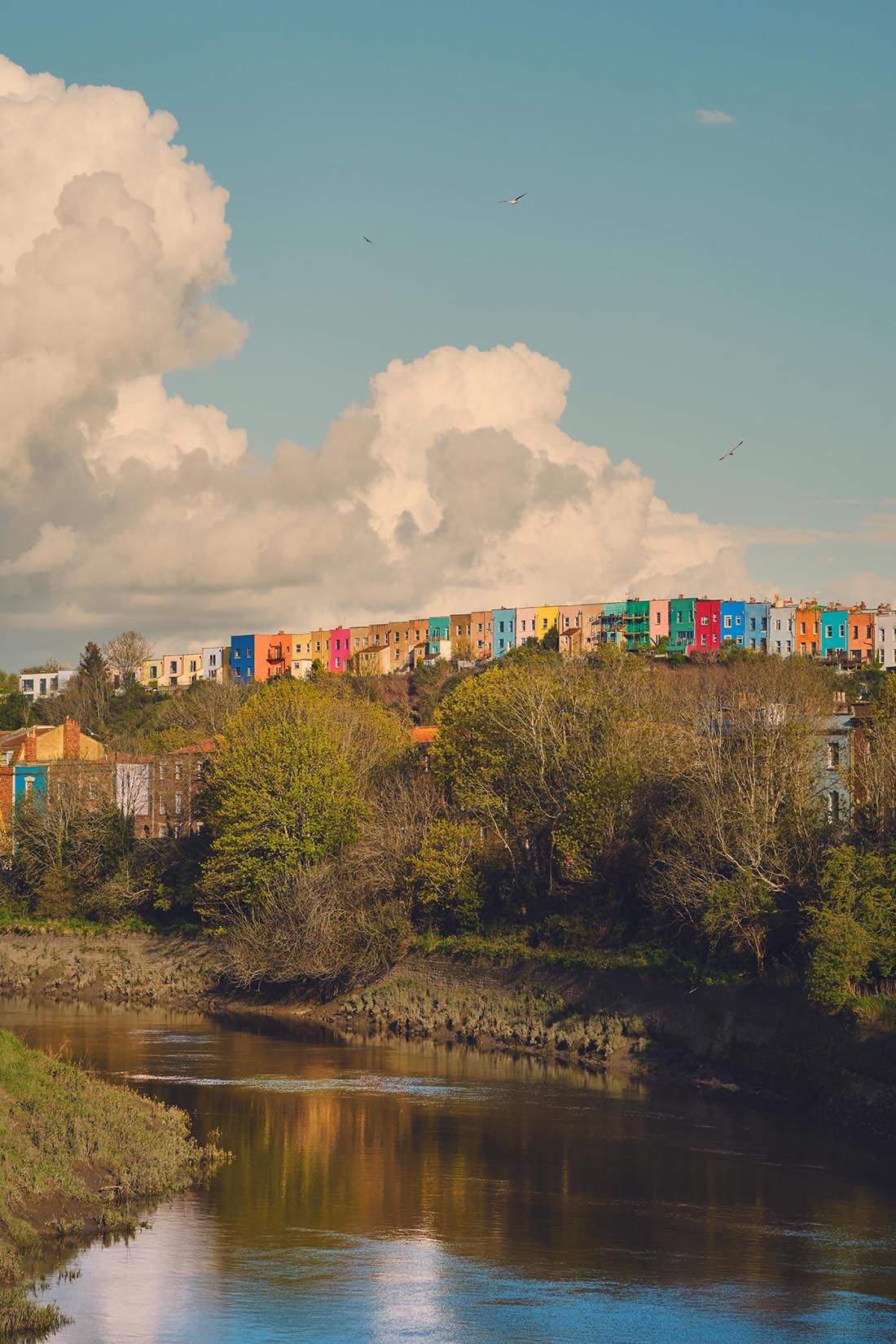
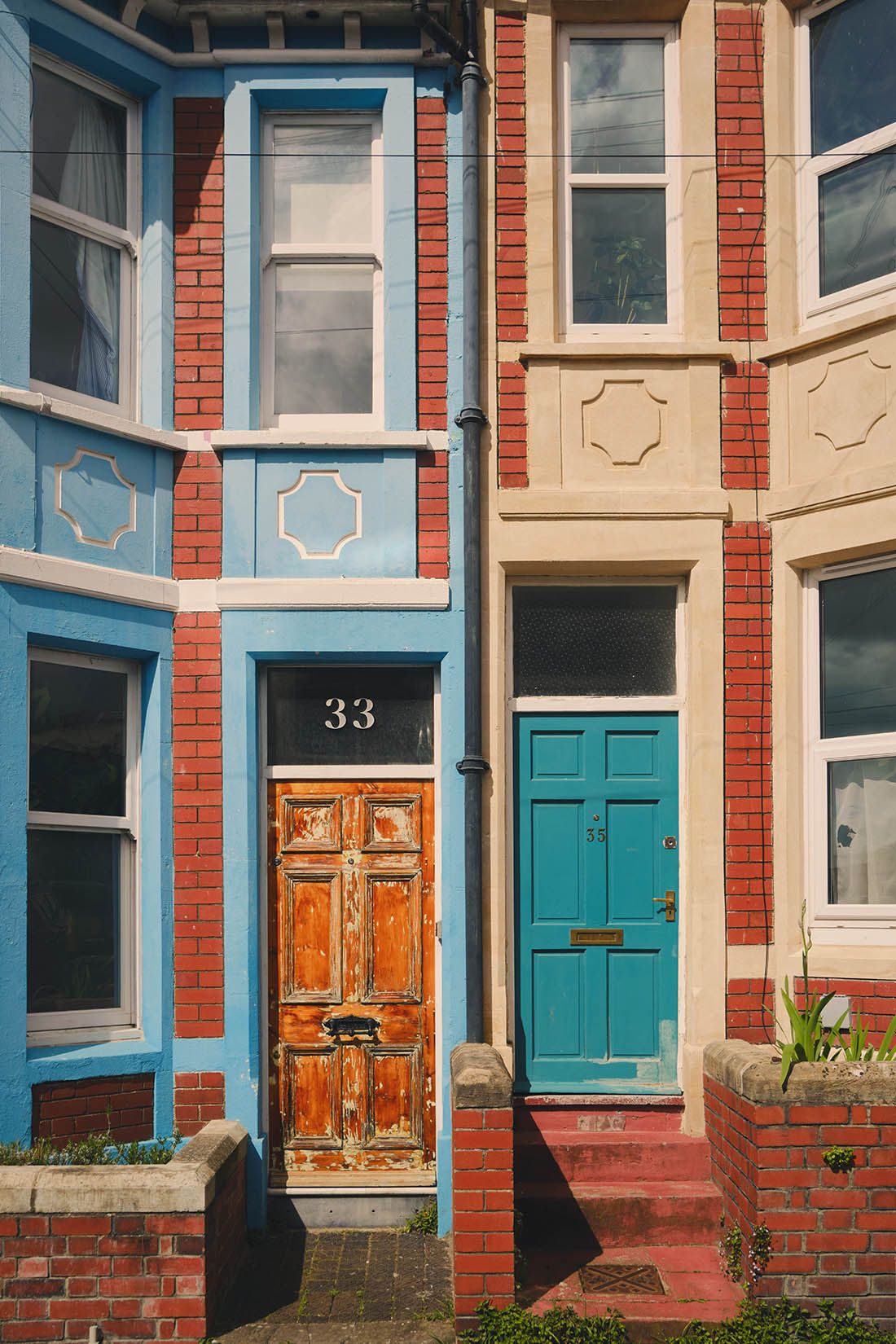
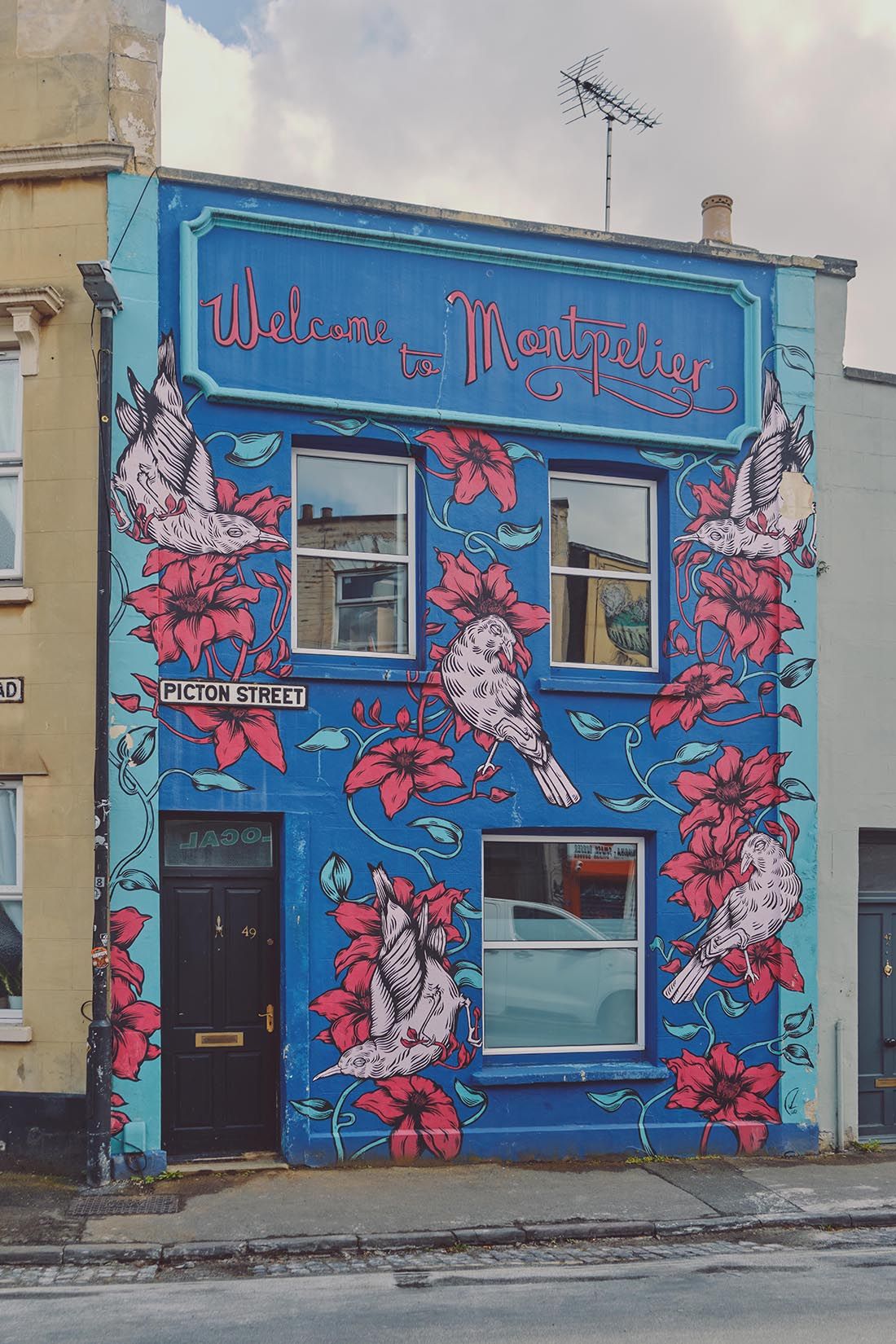
Neighbourhoods such as Stokes Croft concentrate much of this creative energy through murals, graffiti and independent cultural spaces. Just a short walk away lies Montpelier, a more residential yet equally bohemian district celebrated for its diversity, colourful architecture and strong local identity.
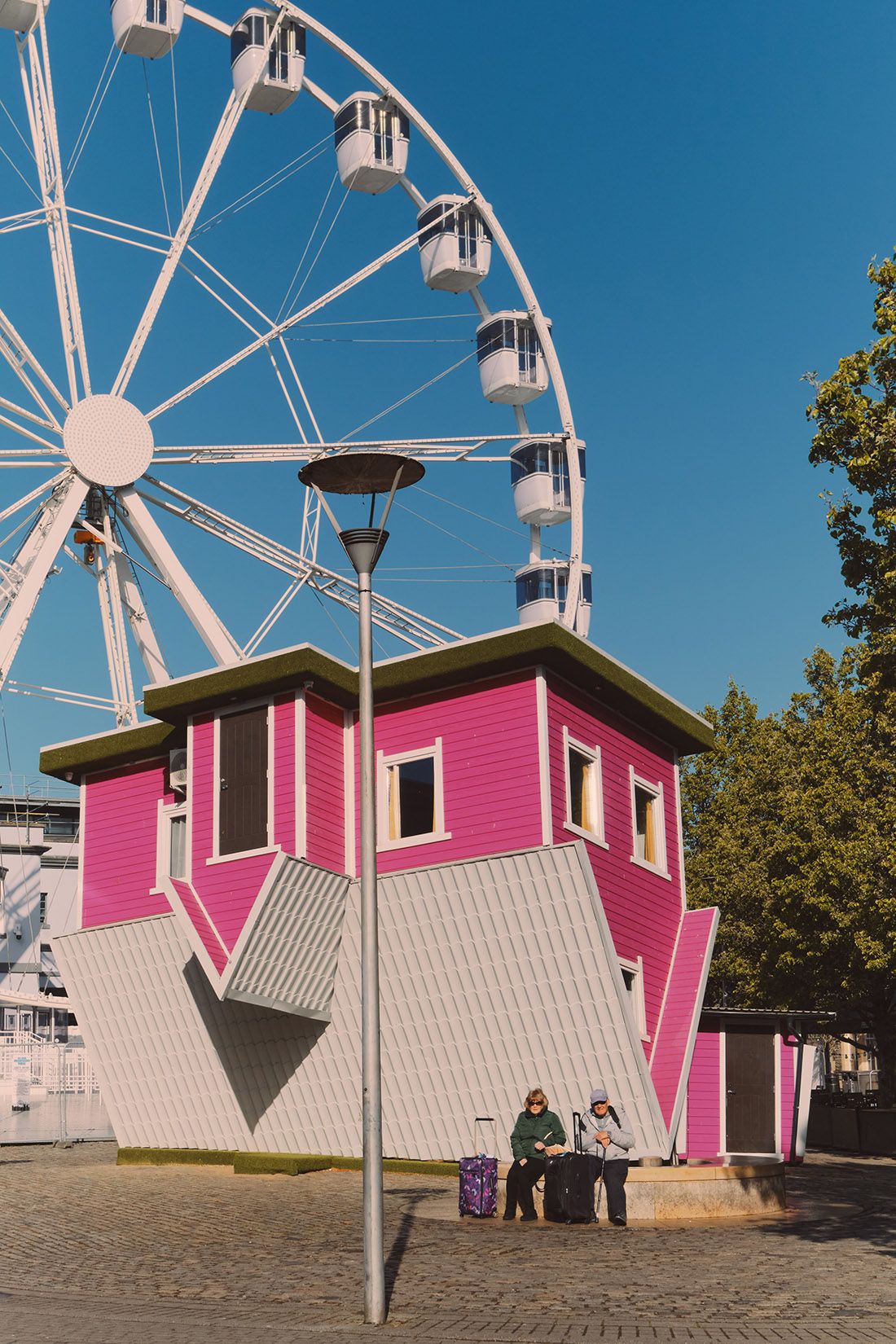
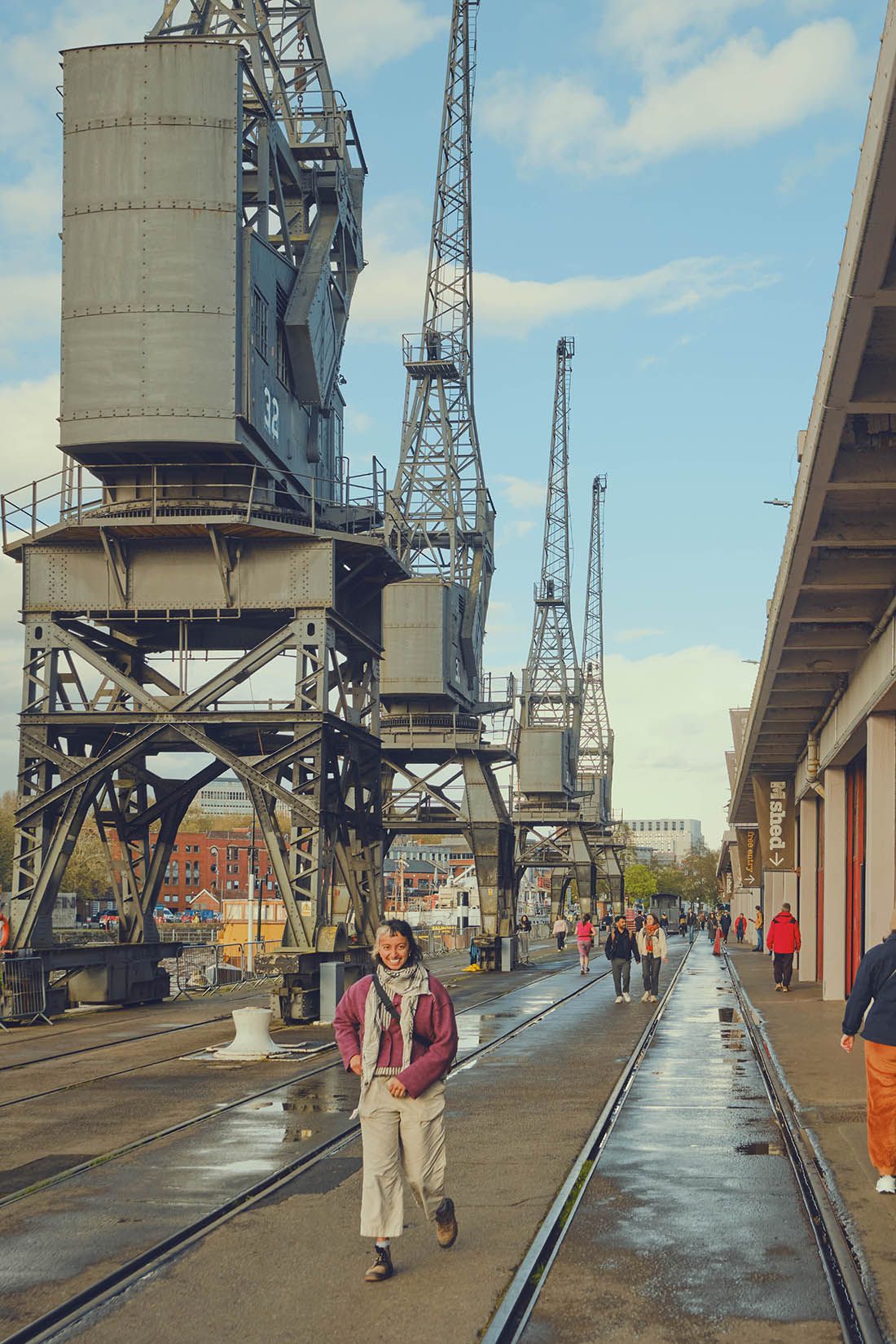
A stroll around Harbourside reveals a city that has successfully reinvented itself without losing its essence. Once an industrial dockland, it has become a vibrant waterfront where culture, leisure and gastronomy coexist.
Nearby, Wapping Wharf stands out for its repurposed shipping containers transformed into restaurants and independent shops, perfectly reflecting Bristol’s innovative spirit.
It is worth taking time to explore both sides of the River Avon, stopping at essential venues such as Arnolfini, one of the UK’s leading contemporary arts centres, with exhibitions, cinema screenings and cultural programming; Spike Island, a creative hub housing artists’ studios, galleries and residency programmes; and Underfall Yard, a fascinating historic site where visitors can still understand the hydraulic systems that once powered the harbour and which today combines industrial heritage with active workshops.
Where to eat in Bristol: independent flavour
Bristol’s food scene perfectly reflects its character: creative, independent and free from pretension. Eating here is not simply about good food; it is about discovering projects with a strong identity, where every detail — from the ingredients to the setting — tells a story.
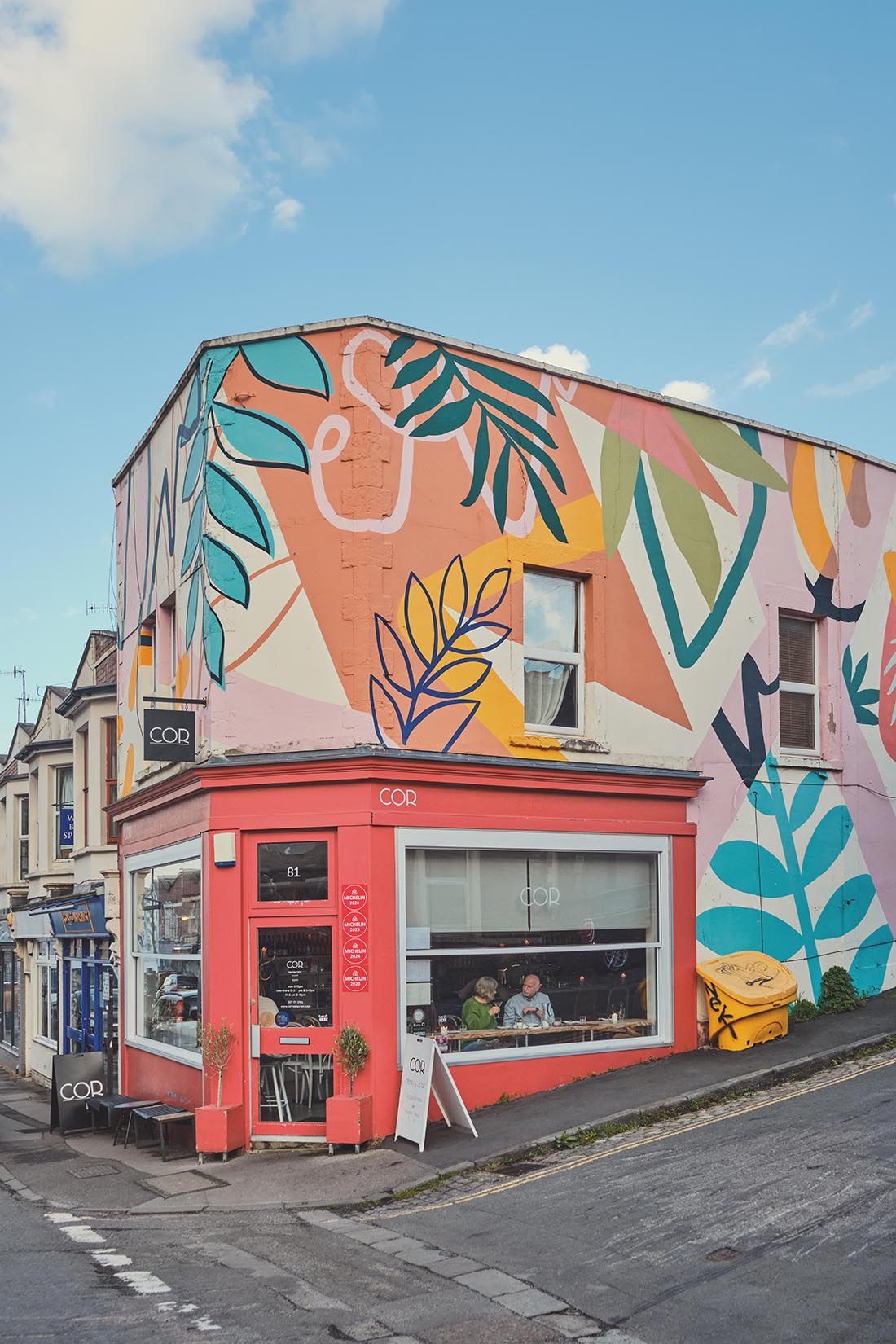
Restaurants such as COR Restaurant champion contemporary European cooking centred around seasonal produce and precise yet relaxed execution. The menu changes frequently and reflects a clear respect for ingredient provenance.
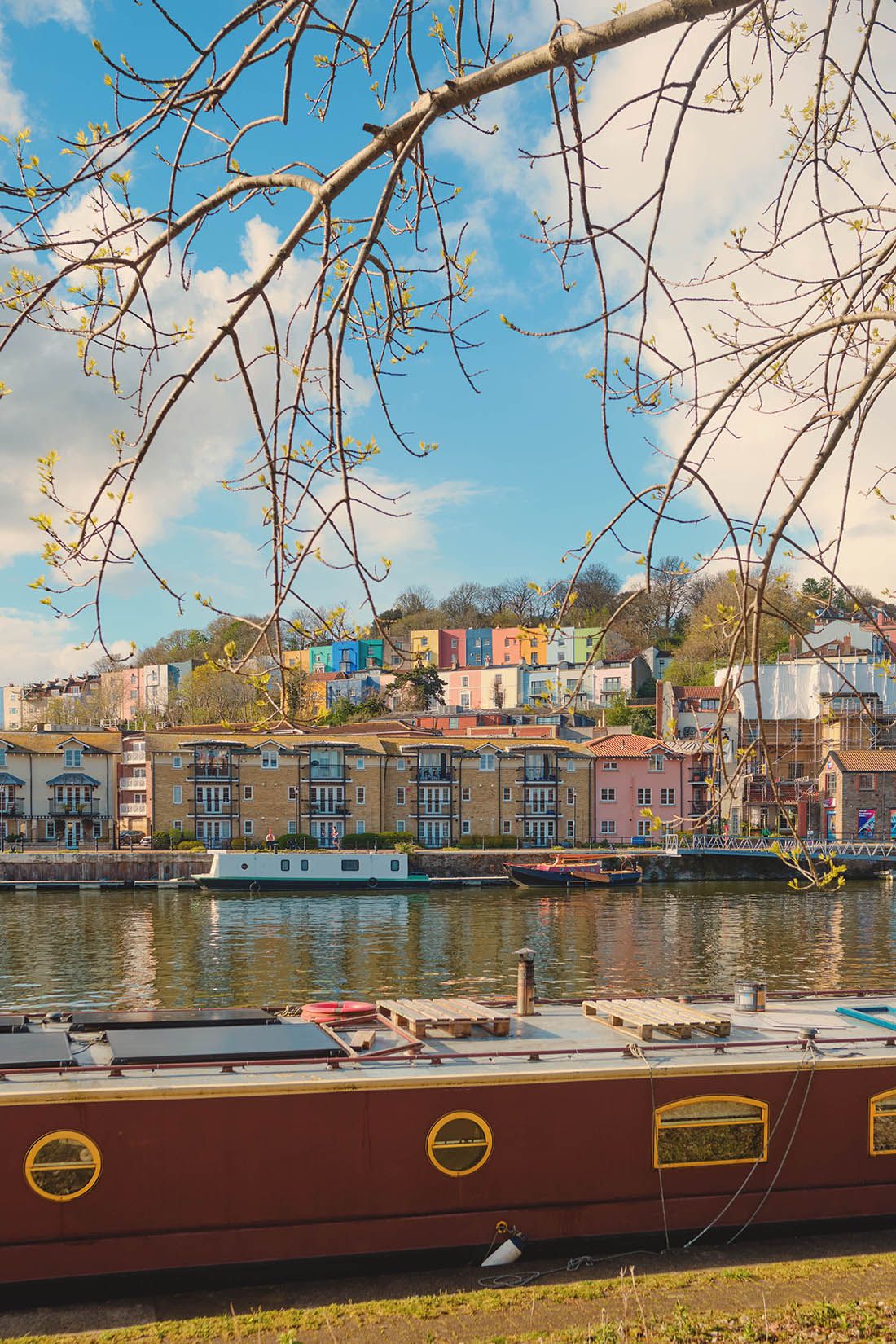
Along similar lines, OTHER Restaurant offers a more intimate and experimental experience, combining technique and creativity through menus that surprise while remaining coherent and thoughtful.
Dongnae introduces a different perspective through its modern Korean cuisine: bold flavours, dishes designed for sharing and a vibrant atmosphere that perfectly suits Bristol’s diverse character.
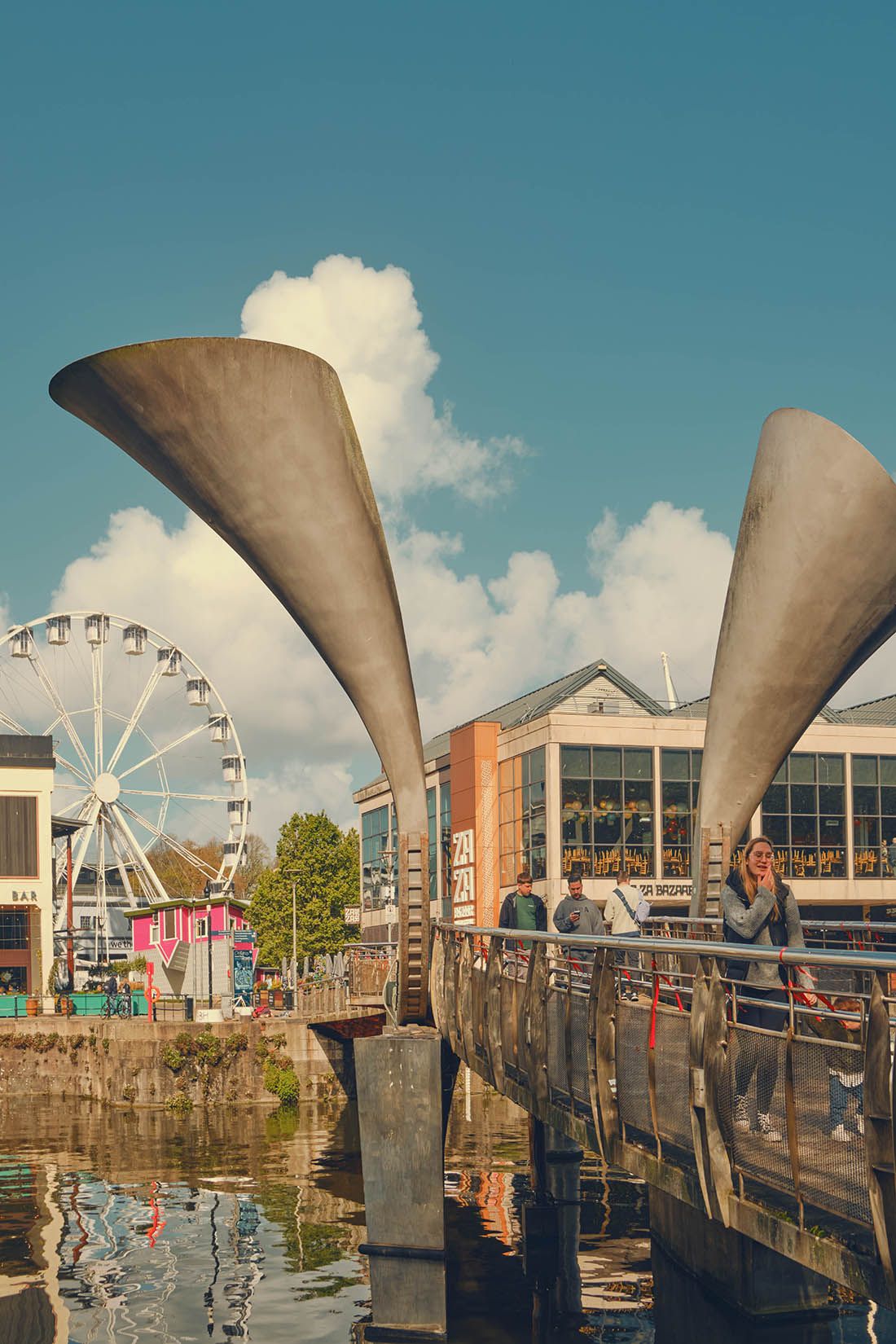
On the more casual side, Bristol shines just as brightly. Bertha’s Pizza has become something of a local institution thanks to its slow-fermented doughs, light bases and carefully sourced ingredients.
Pizzarova follows a similar philosophy with a more urban and laid-back approach, while Bianchis delivers the atmosphere of a contemporary trattoria where everything — from the pasta to the ambience — encourages guests to linger longer than planned.
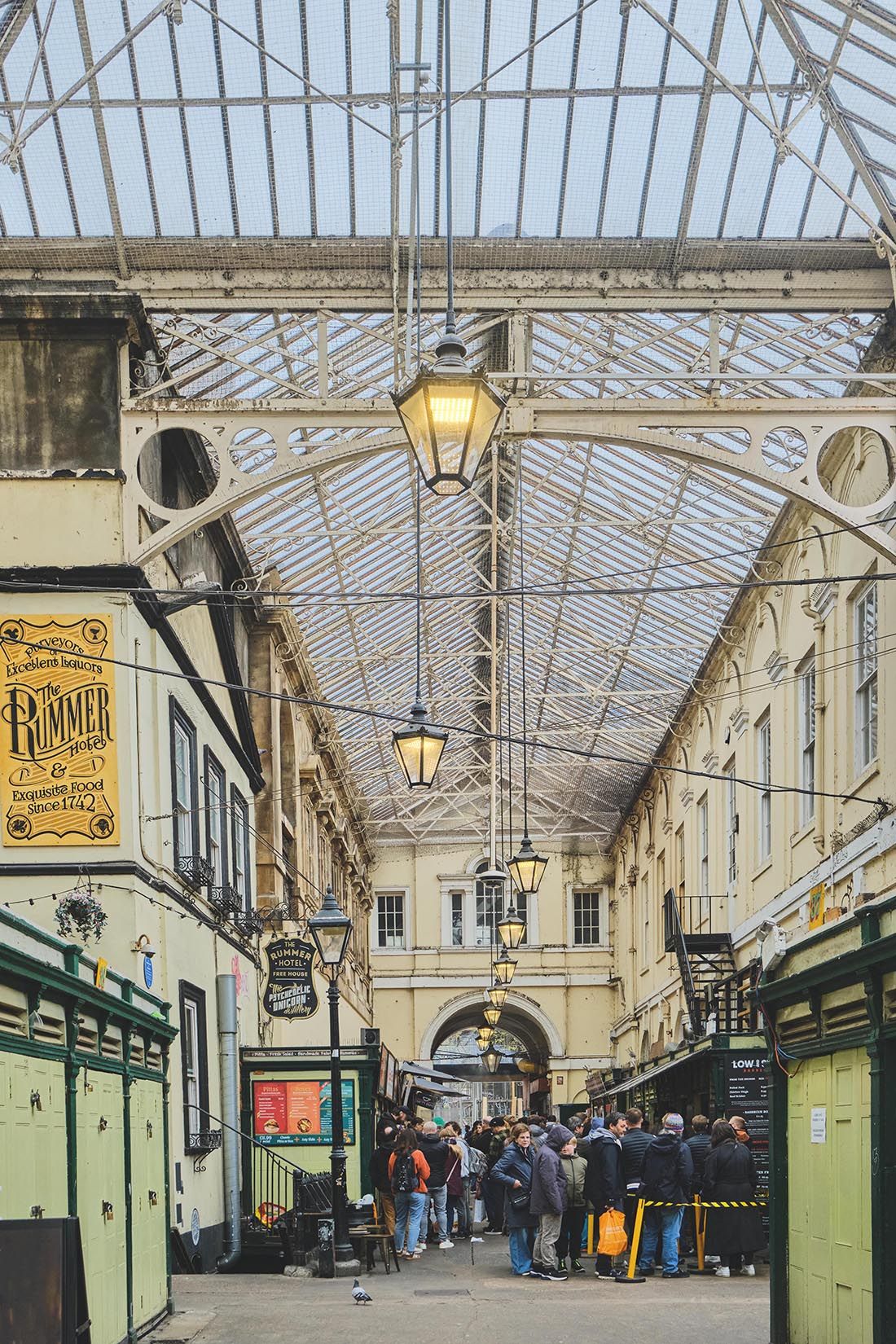
Places such as St Nicholas Market and Cargo Cantina offer a more dynamic and accessible introduction to the city’s culinary landscape.
At Cargo Cantina, inspiration comes directly from traditional Mexican cantinas, reinterpreted through a contemporary lens. Expect tacos made with carefully sourced ingredients, organic meats, homemade sauces and non-GMO tortillas. It is also a concept that deliberately departs from the exclusivity traditionally associated with cantinas, creating a welcoming, inclusive and distinctly Bristolian environment.
Caper & Cure offers a more refined but equally approachable experience, with a menu centred around quality ingredients and thoughtful flavour combinations.
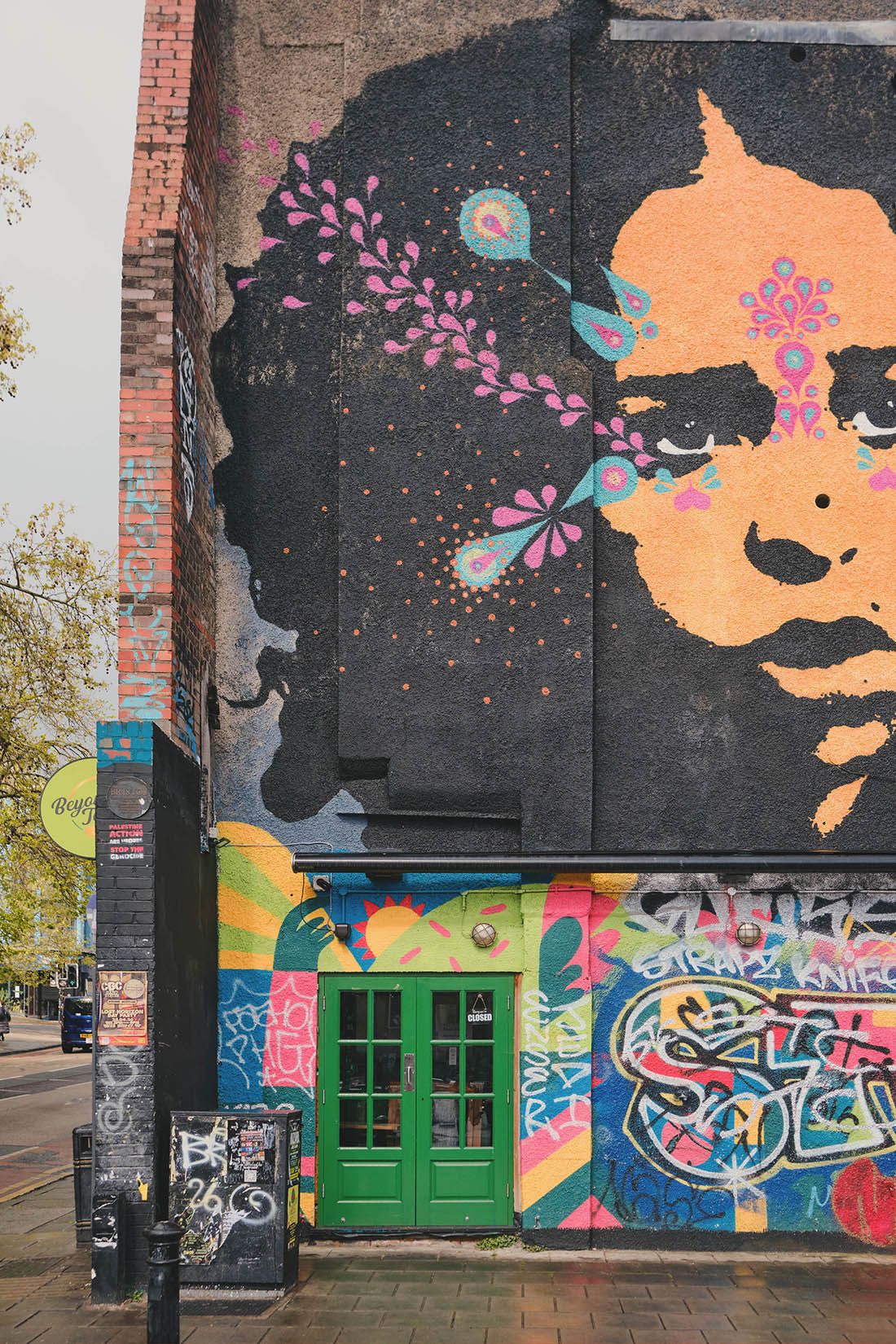
Lonely Mouth adds a particularly interesting dimension to the city through its Japanese breakfasts, a rarity in Britain, delivering a delicate, carefully considered dining experience that further enriches Bristol’s culinary diversity.
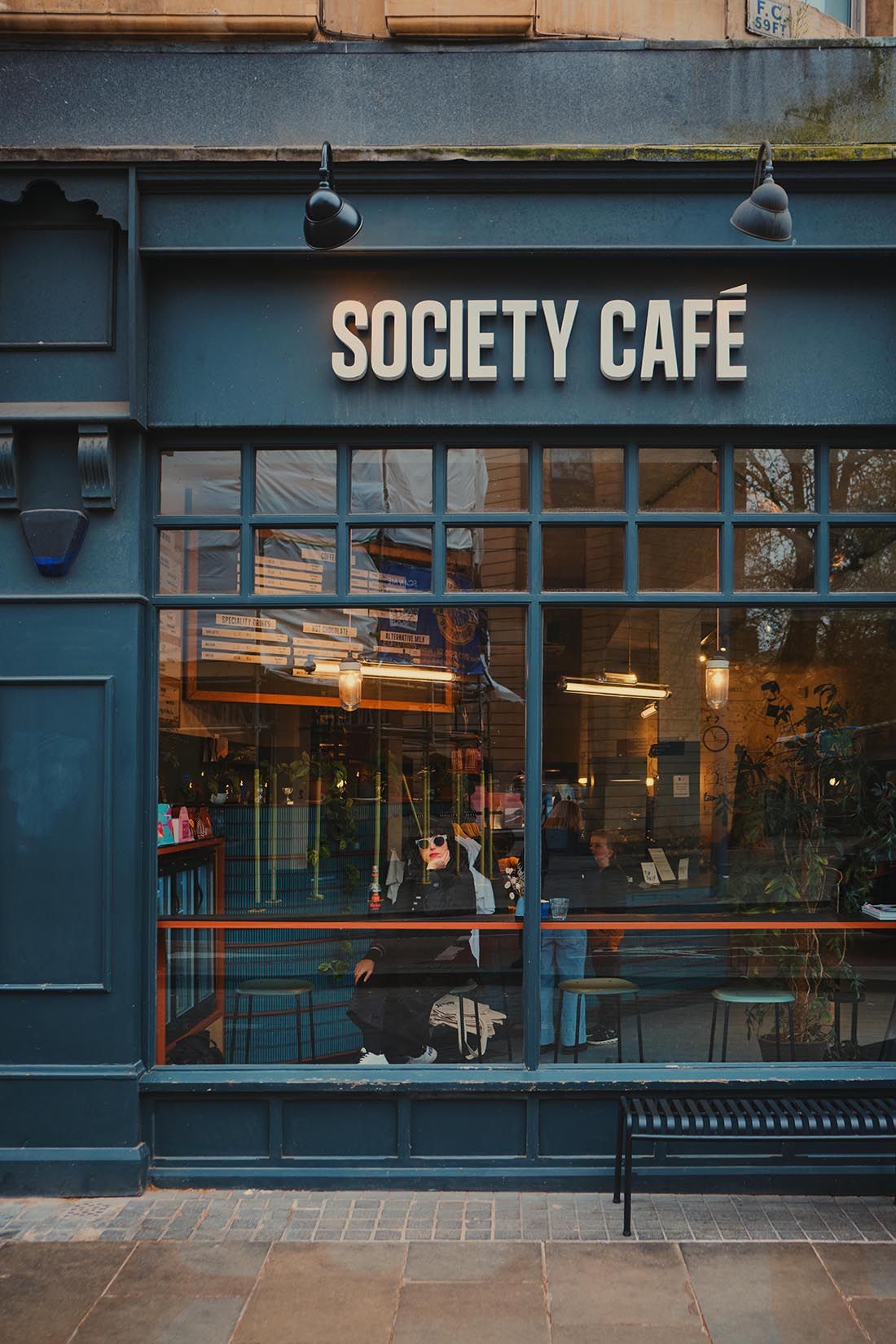
Cafés, bakeries and shops: the art of everyday living
In Bristol, everyday rituals become experiences. Coffee, bread and even shopping form part of a creative ecosystem where details matter.
Foliage Café is one of those places where everything feels perfectly balanced: natural light, thoughtful interiors and a menu that invites you to stay a little longer.
Similarly, Hem Coffee stands out for its Scandinavian-inspired aesthetic, welcoming atmosphere and breakfasts that strike the perfect balance between simplicity and quality. Institutions such as Society Café and Full Court Press continue to raise the standard of speciality coffee in Bristol. At the latter, attention to detail is absolute, from bean selection to brewing methods.
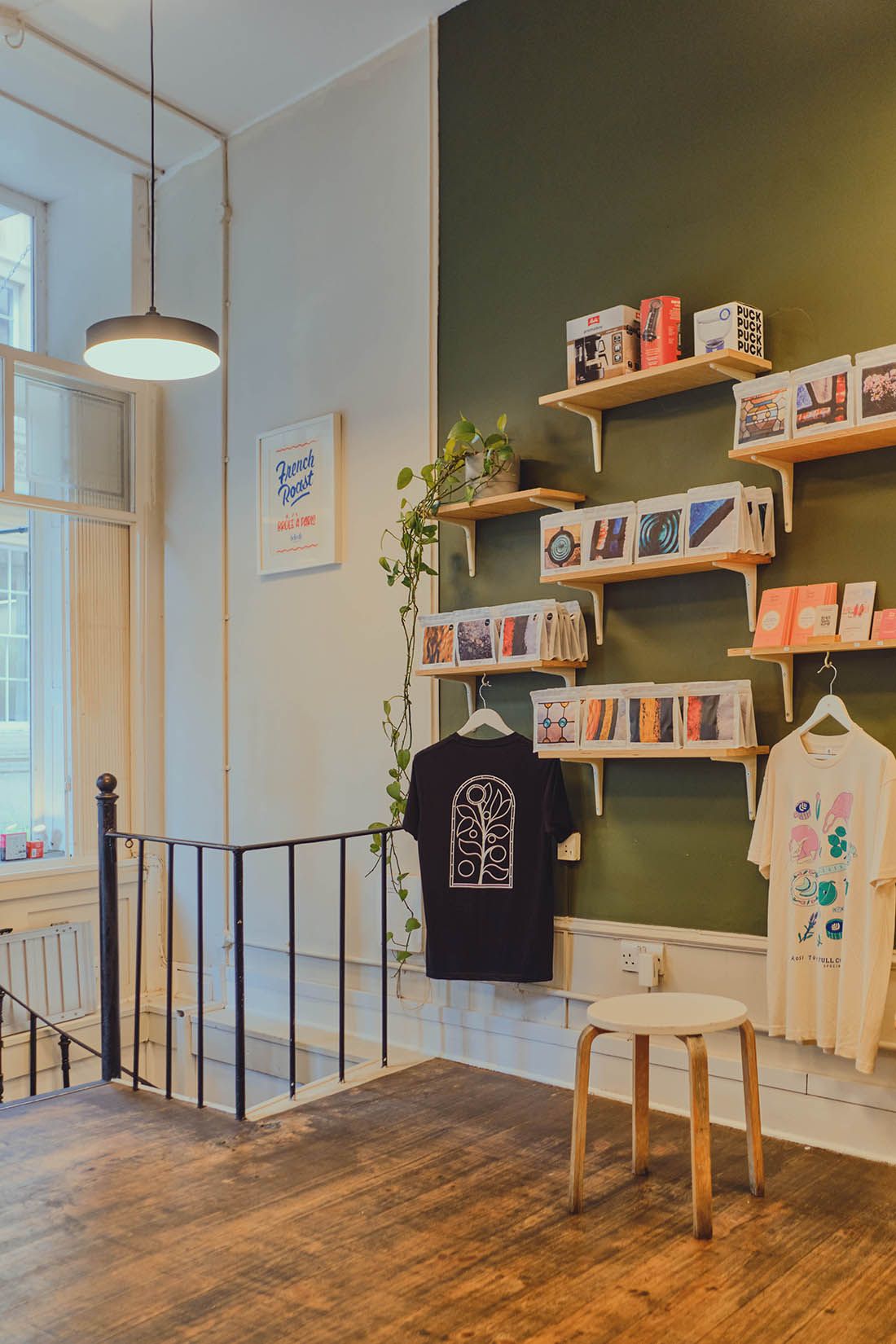
When it comes to bakeries and pastry shops, The Bristol Loaf — with several locations across the city — is ideal for generous toast and expertly prepared breakfasts. Farro Bakery, our personal favourite, takes things a step further with slow-fermented breads, exceptional pastries and a visual identity as appealing as its products. Hilda brings a contemporary and delicate approach, while bakehouse completes the city’s bakery scene with a consistently strong offering housed within a distinctive industrial setting.

Bristol is also discovered through its shops. Places such as Rough Trade Bristol, a cultural institution that transcends the traditional record shop, becoming a pilgrimage destination for music lovers, collectors and seekers of new sounds alike, and Blues Store, with its carefully curated fashion selection, embody the independent spirit that defines the city.
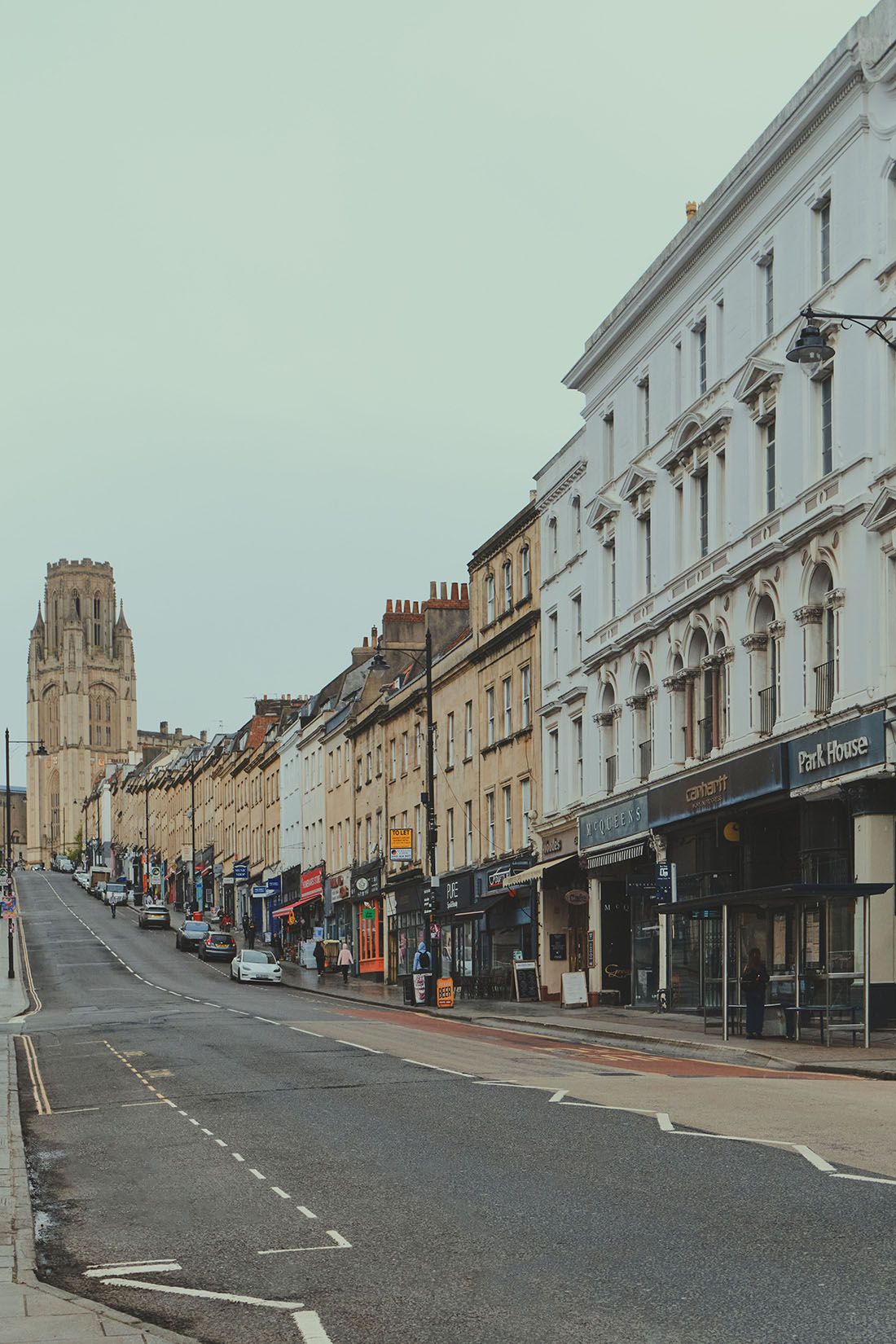
And of course, if shopping is on your agenda, there is nothing better than getting lost along Gloucester Road or exploring Park Street. Both are home to some of Bristol’s finest independent shops, cafés and creative ventures, offering the clearest expression of a city that has resisted homogenisation.
Where to stay: creativity with character
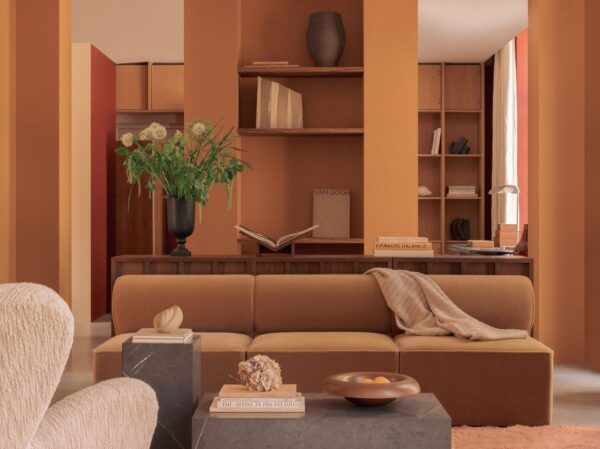
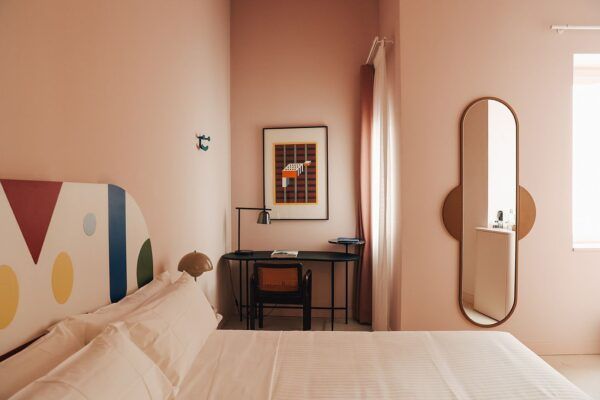
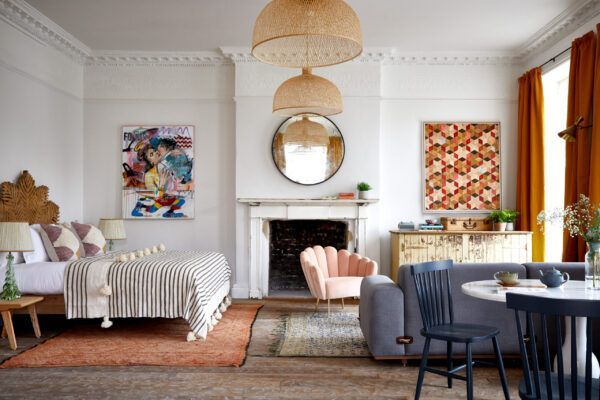
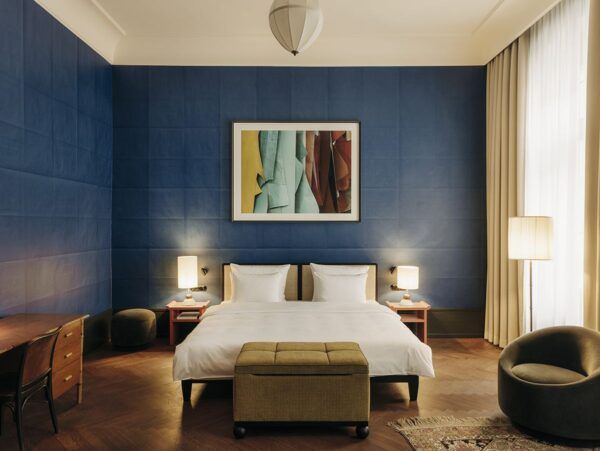
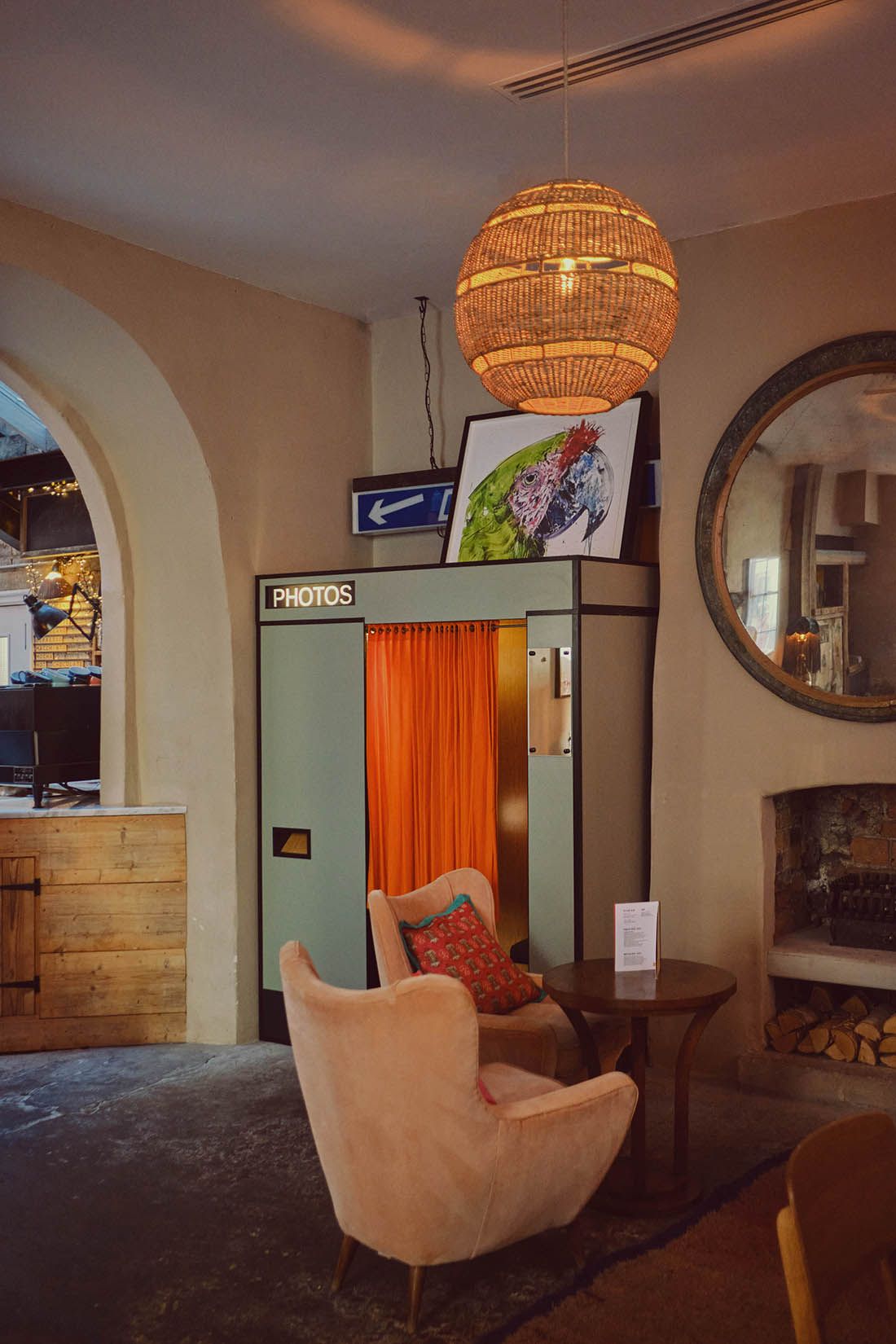
Our choice was Artist Residence Bristol, a hotel with genuine creative soul that perfectly reflects the city’s personality. Thoughtfully designed spaces, eclectic interiors and an atmosphere that combines art, design and warmth. It is not simply somewhere to stay — it is part of the Bristol experience itself.
Bath: Georgian elegance and Timeless Beauty
Just ten minutes by train from Bristol, Bath presents a contrast that is both immediate and captivating. If Bristol embodies creative energy and untamed character, Bath is defined by harmony, history and a quiet sophistication that can be felt in every façade.
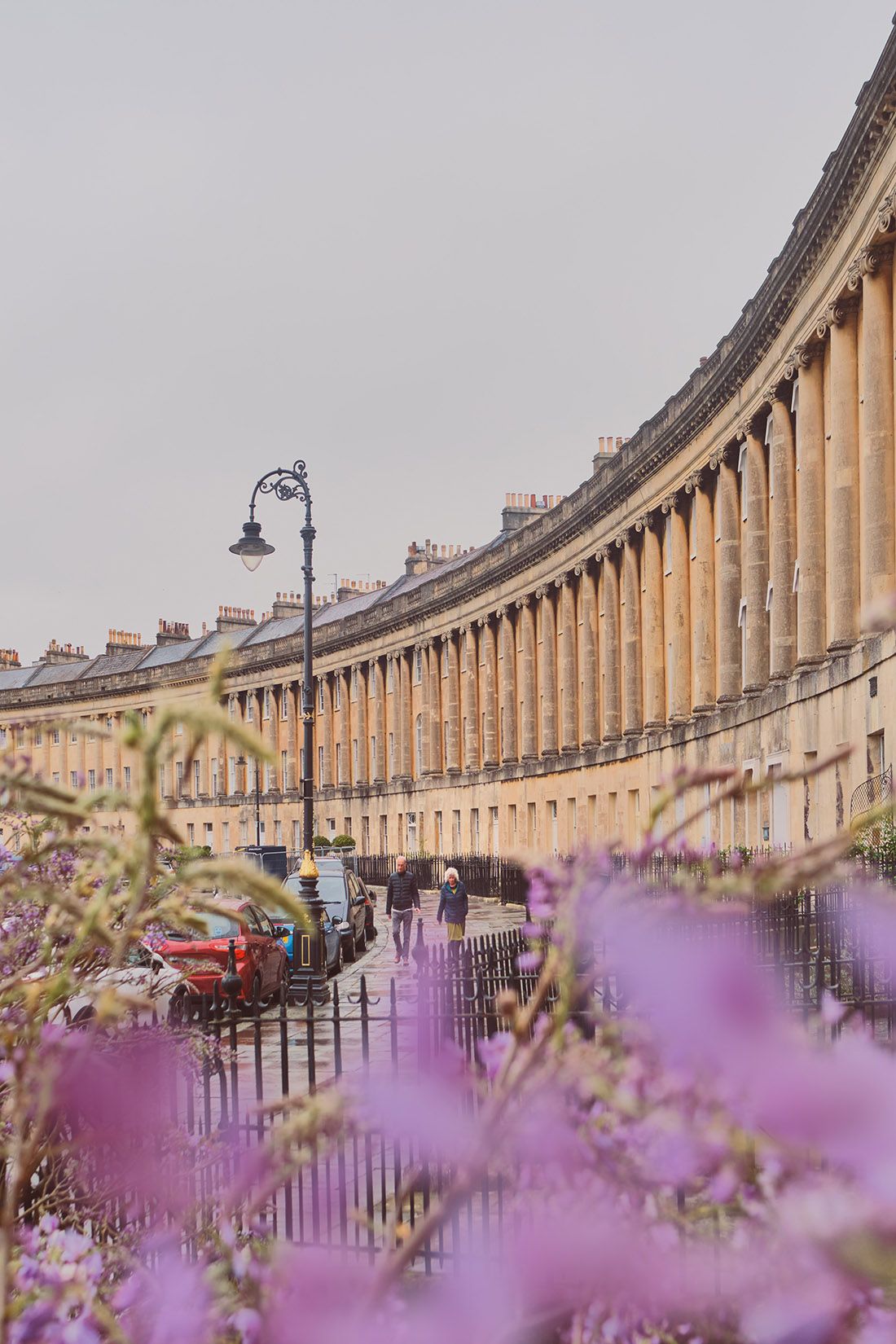
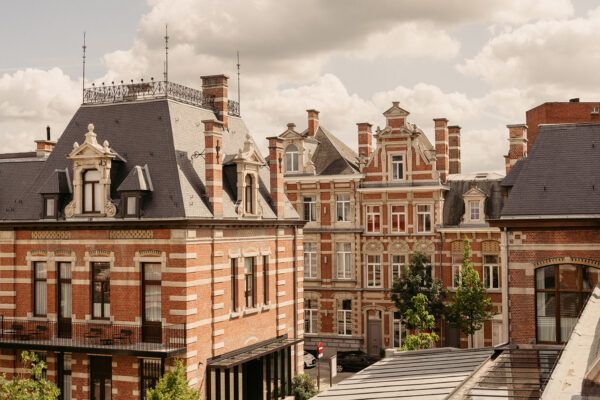
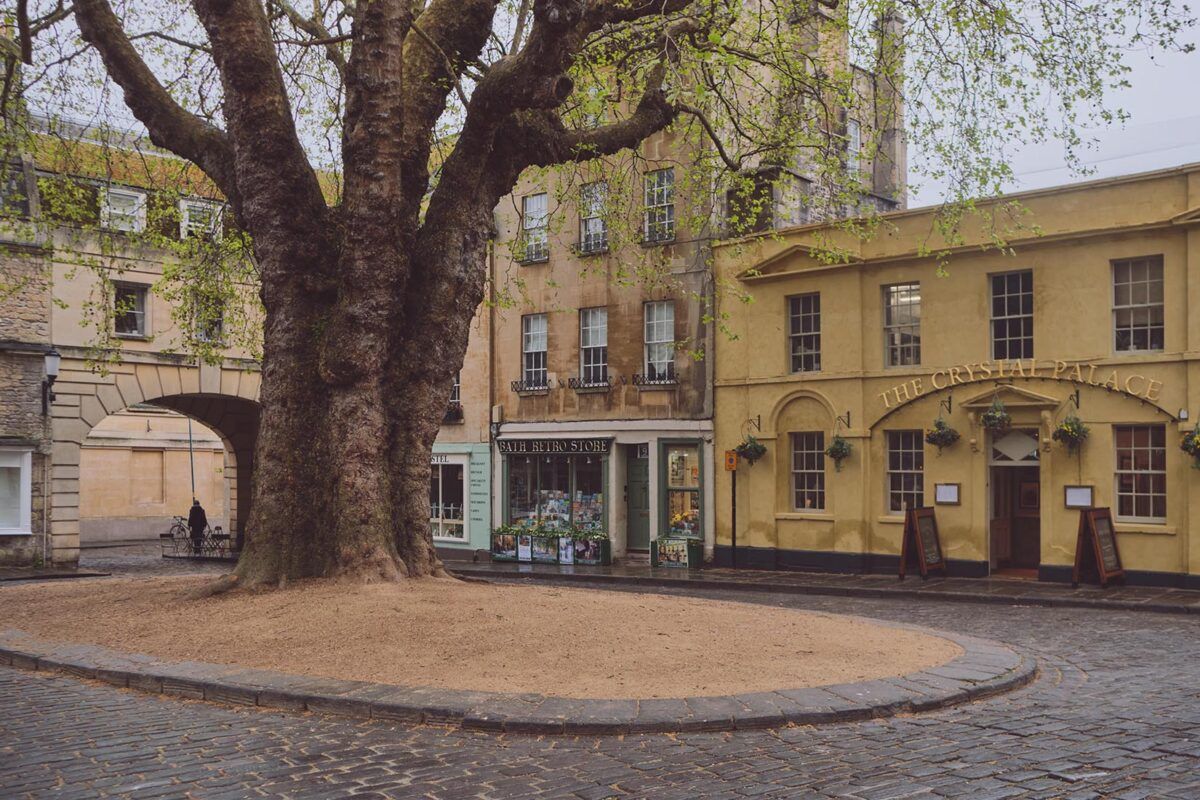
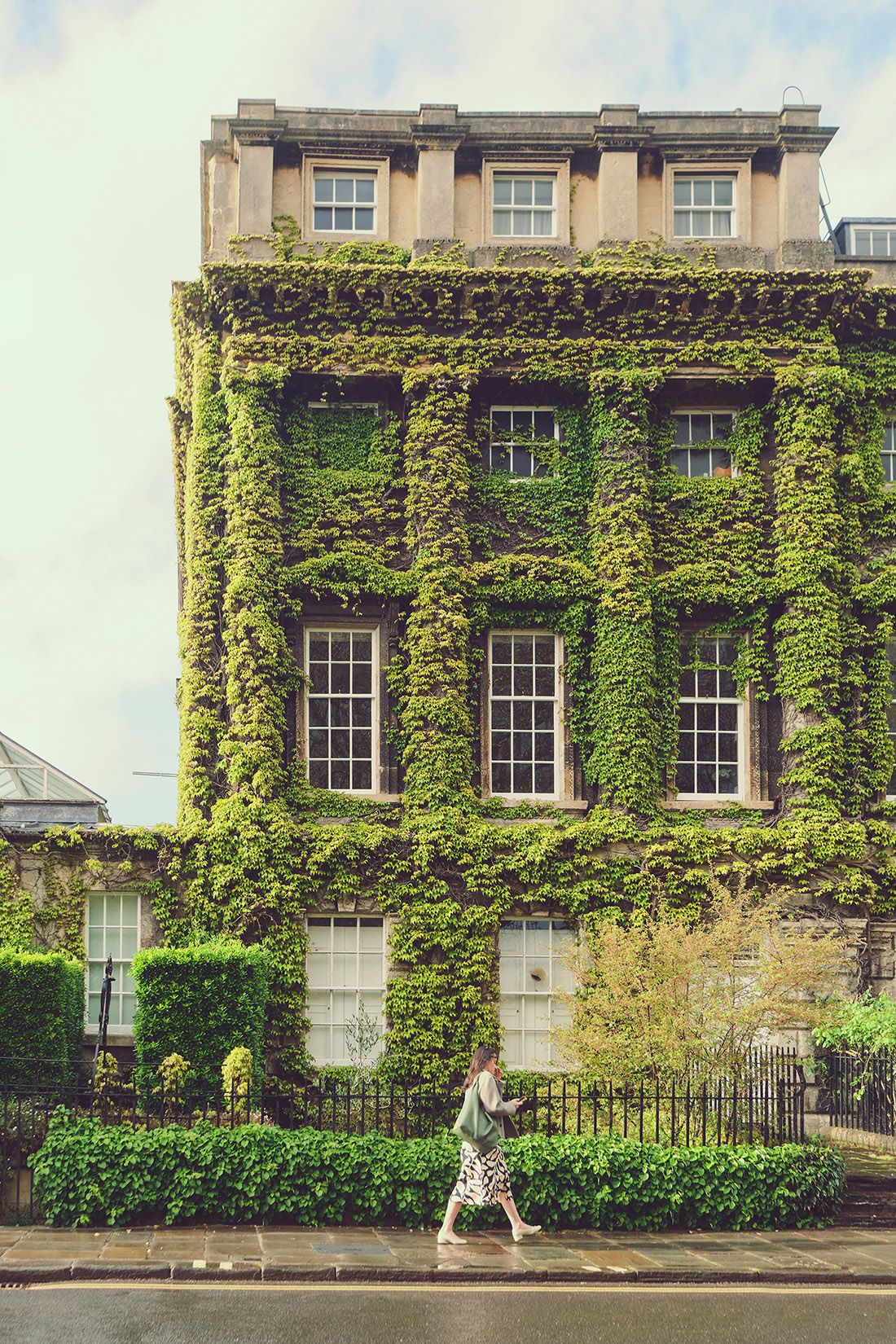
Recognised as a UNESCO World Heritage Site, Bath is one of England’s most beautiful cities. Its Georgian architecture, built from the city’s characteristic honey-coloured stone, its impeccably planned streets and its elegant atmosphere create an experience that feels entirely different yet perfectly complementary.
What to see in Bath: history at its finest
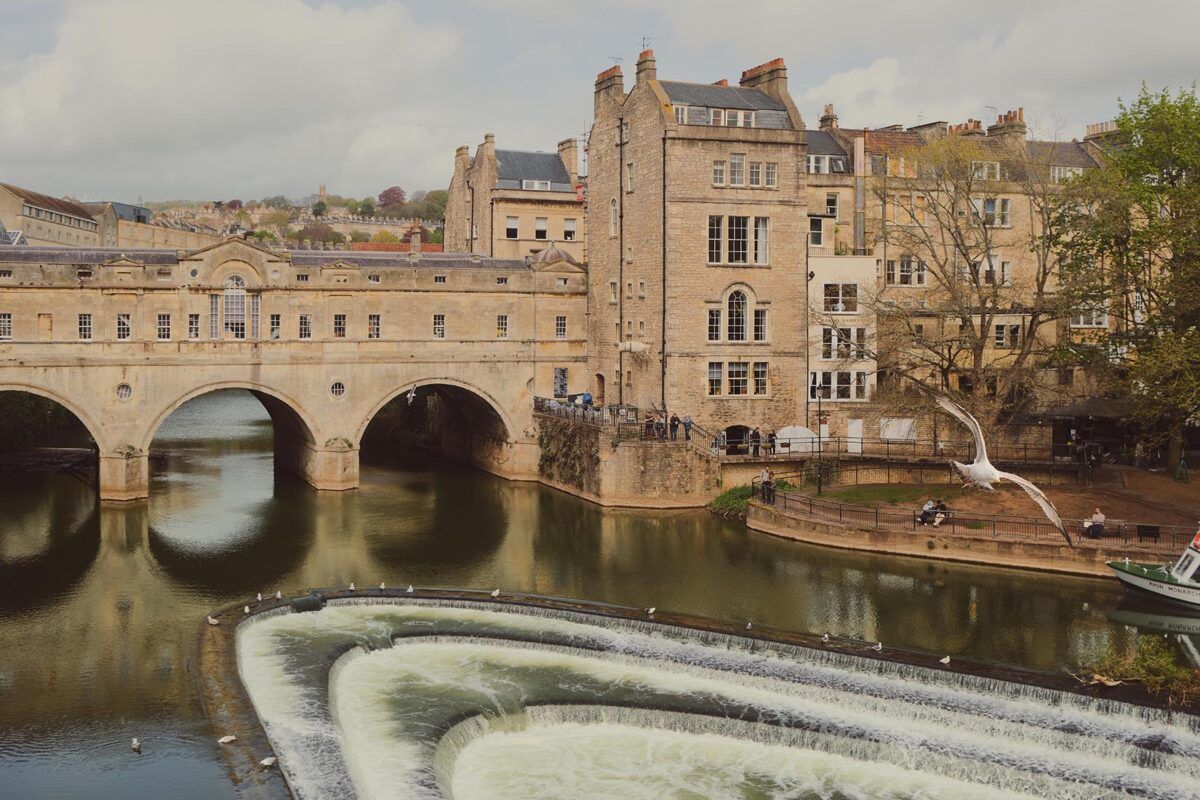
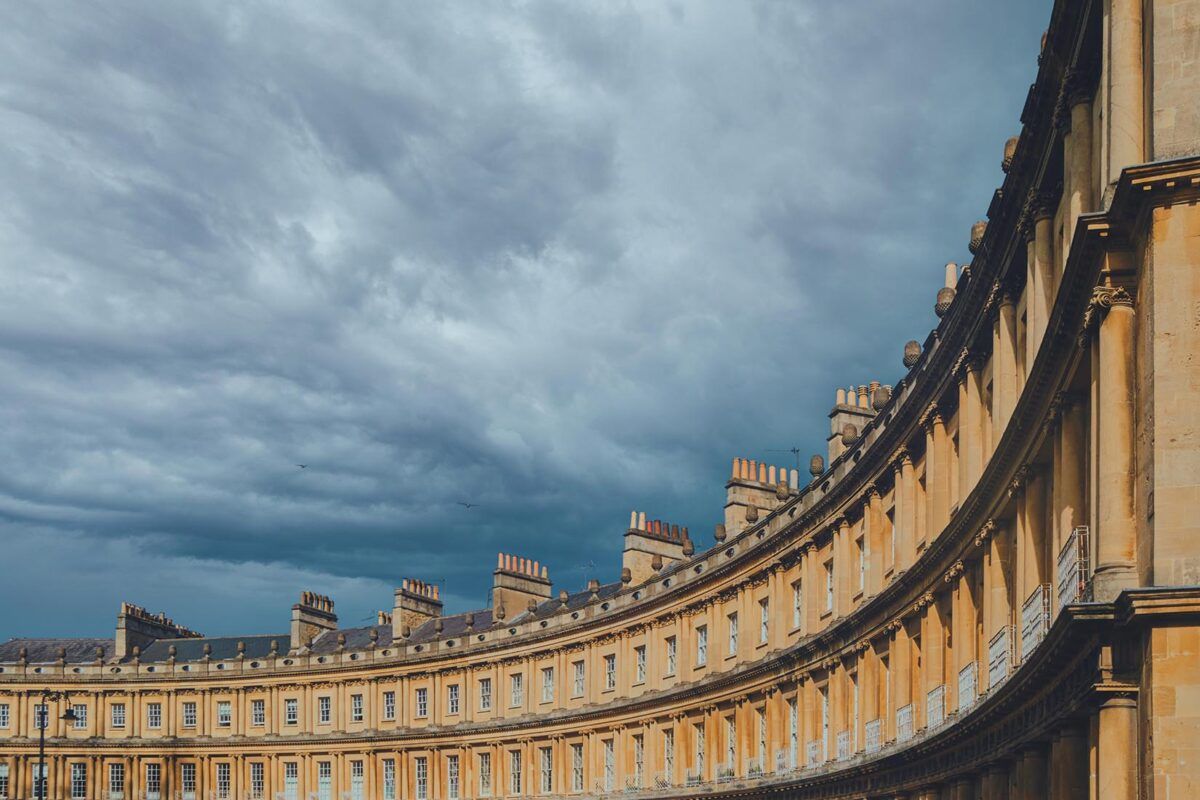
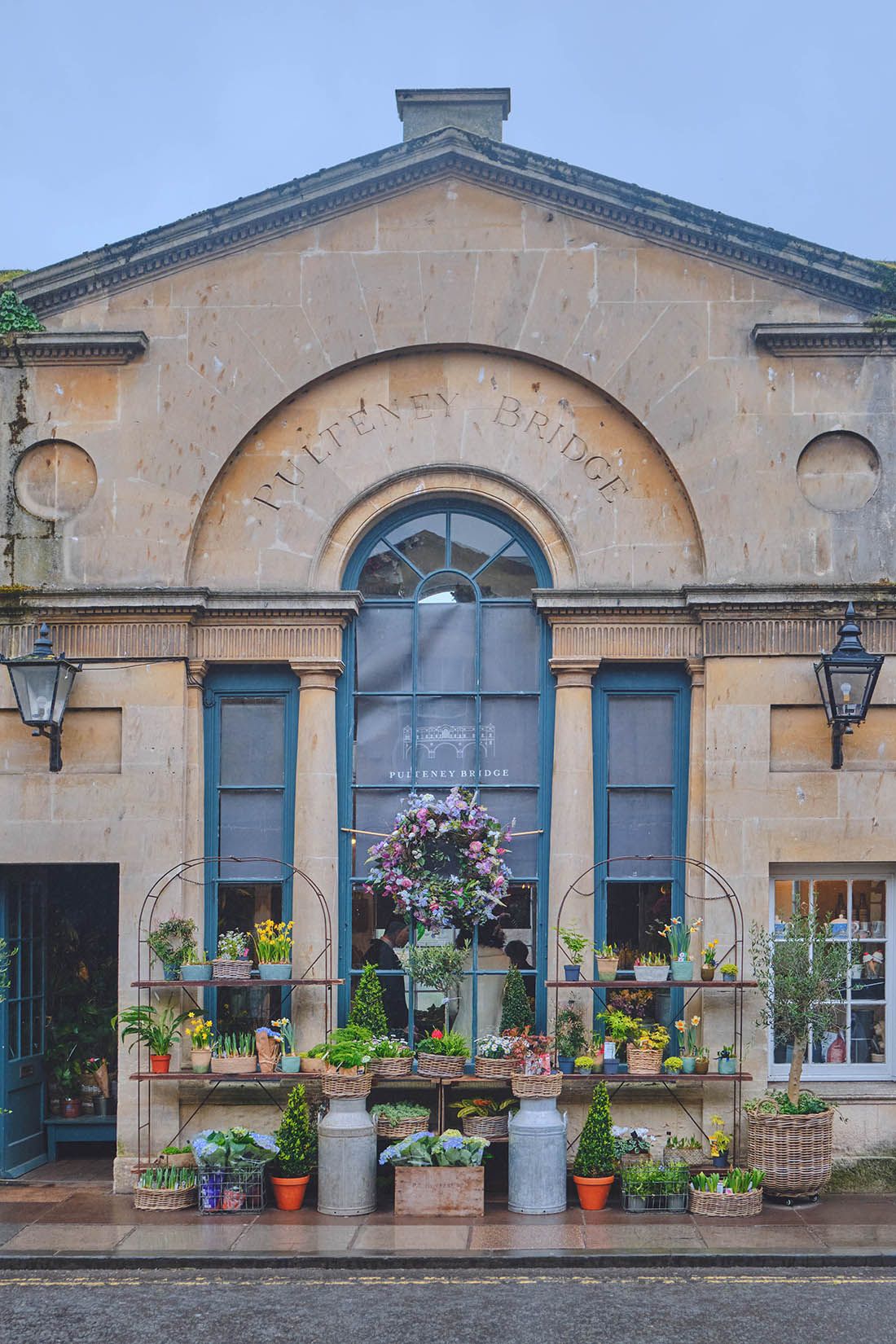
Pulteney Bridge is one of Bath’s most recognisable landmarks. With shops built directly above the River Avon, it evokes the great historic bridges of Italy. Nearby, the majestic Royal Crescent — an immaculate sweep of Georgian houses arranged in a crescent — stands as one of the finest examples of eighteenth-century architecture in Britain.
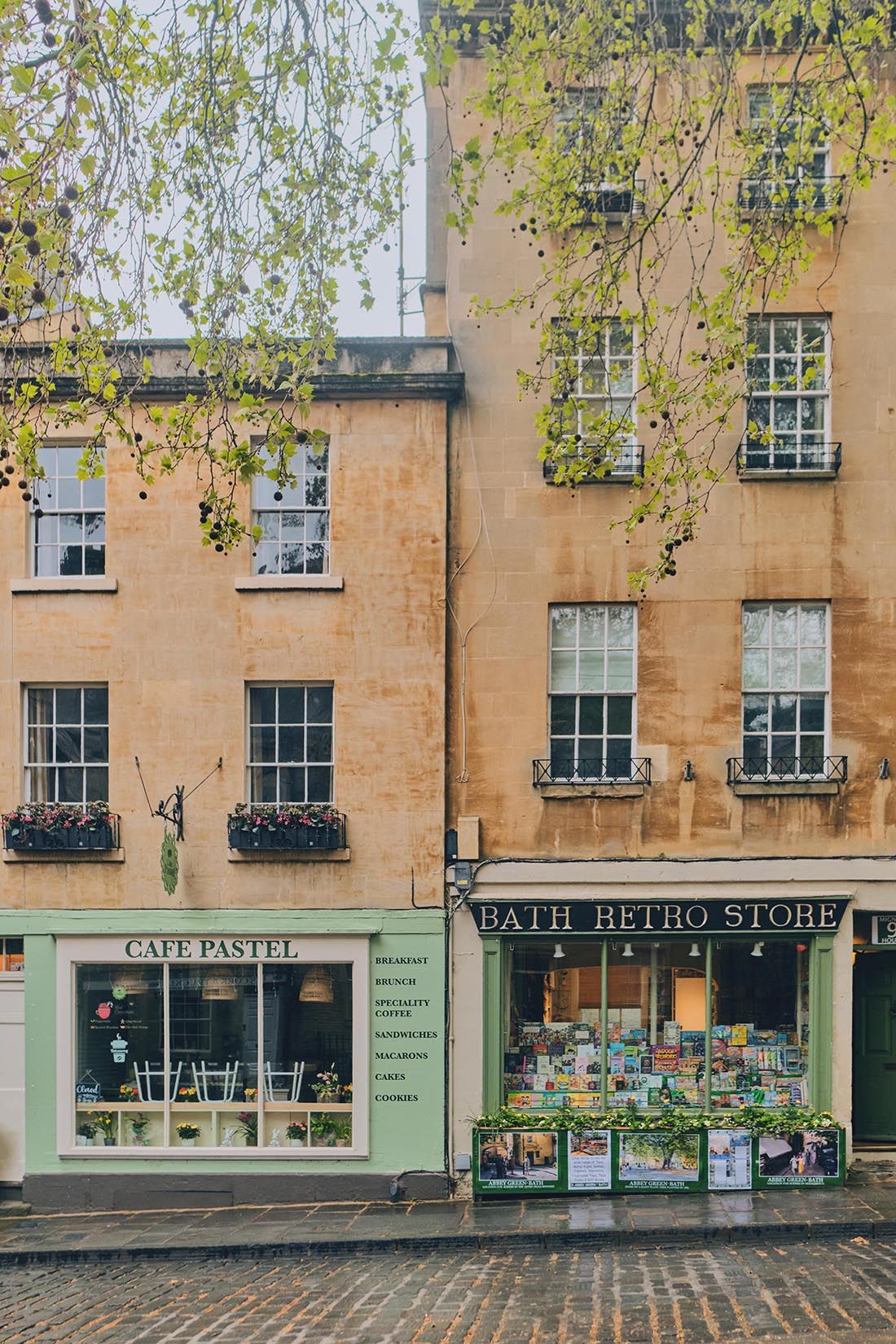
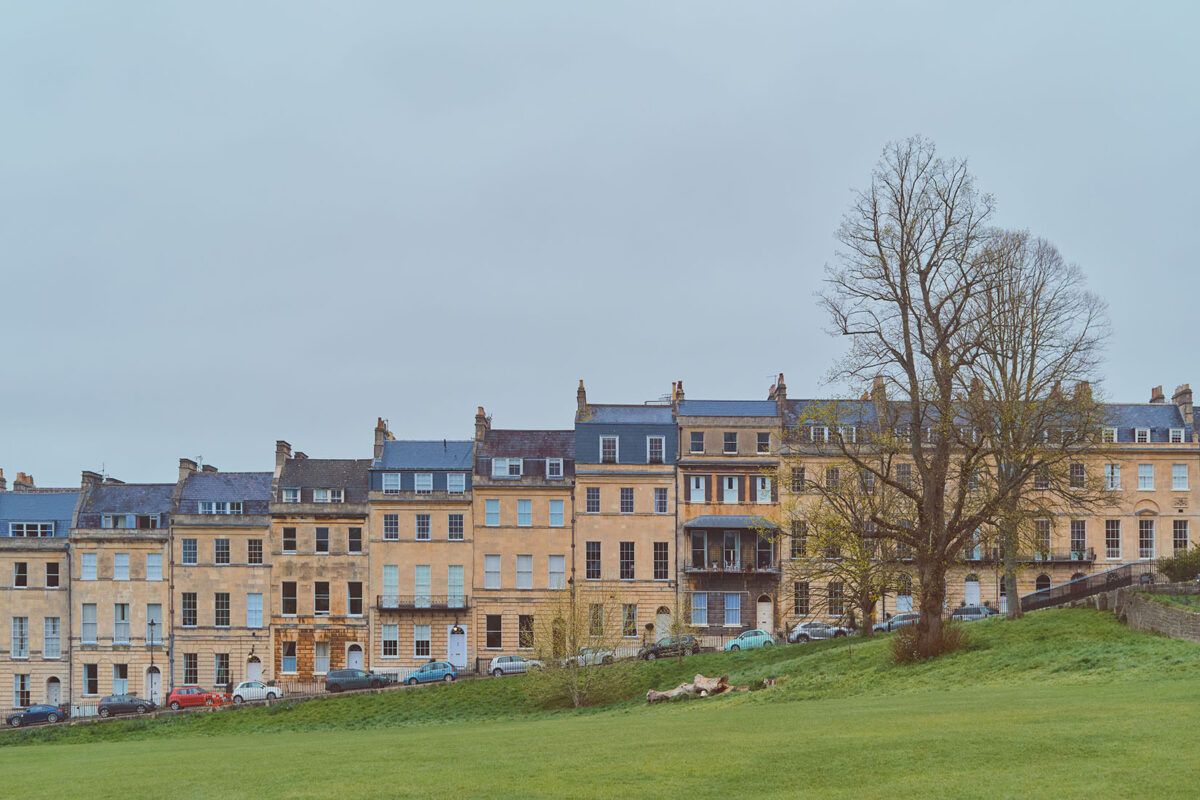
Just a short walk away, Marlborough Buildings continues this architectural elegance in a quieter, more residential setting that rewards unhurried exploration.
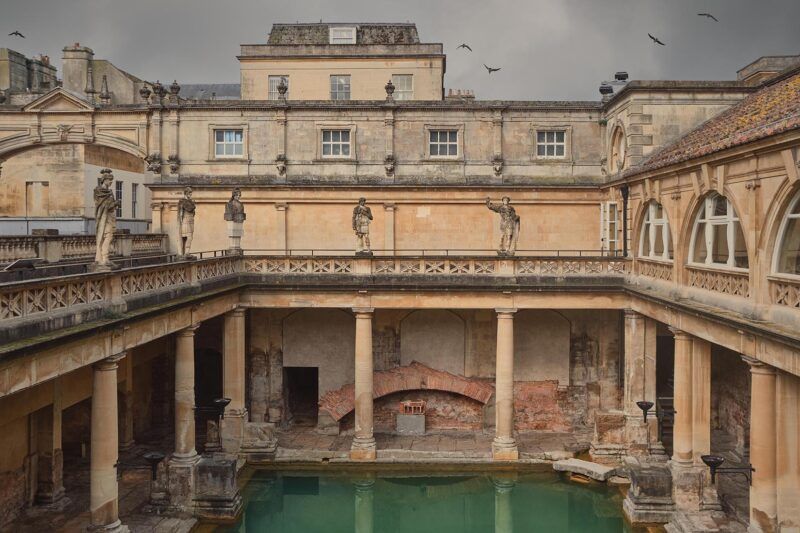
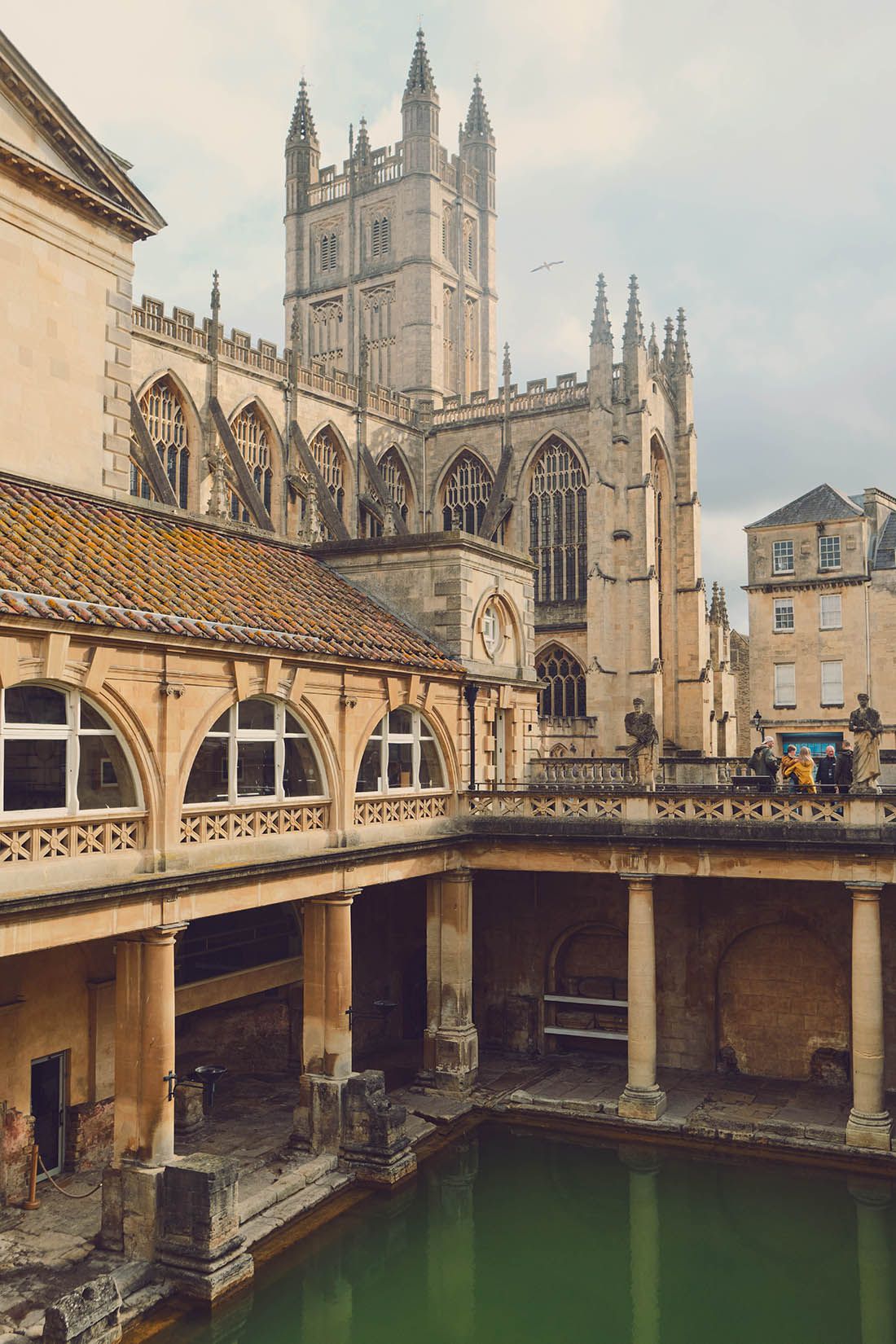
The Roman Baths are, quite simply, the heart of Bath. Not only because of their remarkable state of preservation, but because they explain the very origins of the city itself. Founded by the Romans around natural thermal springs, Bath owes its name to these historic bathing complexes. The experience allows visitors to immerse themselves in a two-thousand-year-old thermal site where hot water still flows today, creating a surprisingly tangible connection between past and present.
Another essential stop is The Holburne Museum, an elegant institution housed within a neoclassical building and home to outstanding collections of European art, decorative arts and fine paintings.
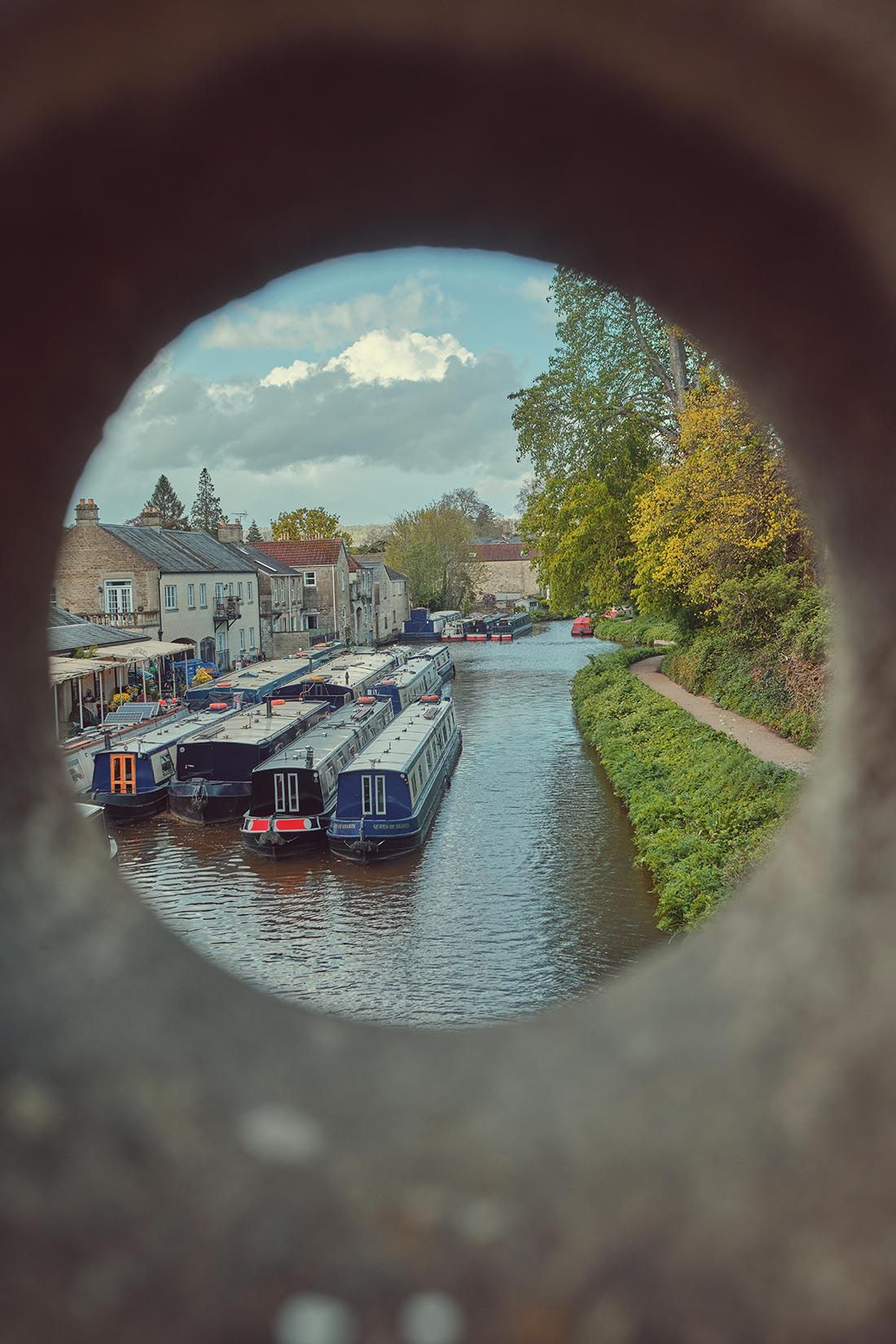
It also serves as the gateway to Sydney Gardens, whose beautifully maintained green spaces and peaceful pathways are particularly delightful on a sunny day.
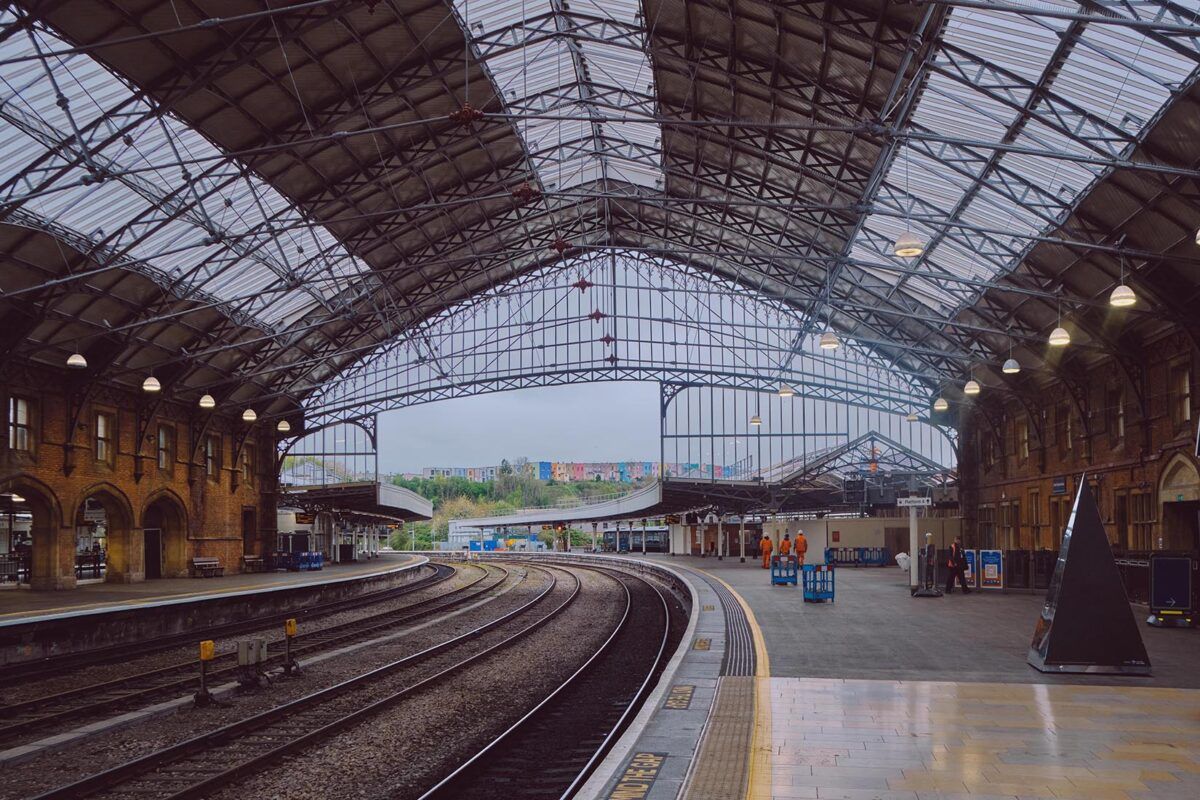
Green Park Station is equally worth a visit. This former Victorian railway station has been transformed into a vibrant market and food destination and is also home to Resolution Records, a perfect stop for vinyl enthusiasts in search of hidden treasures.
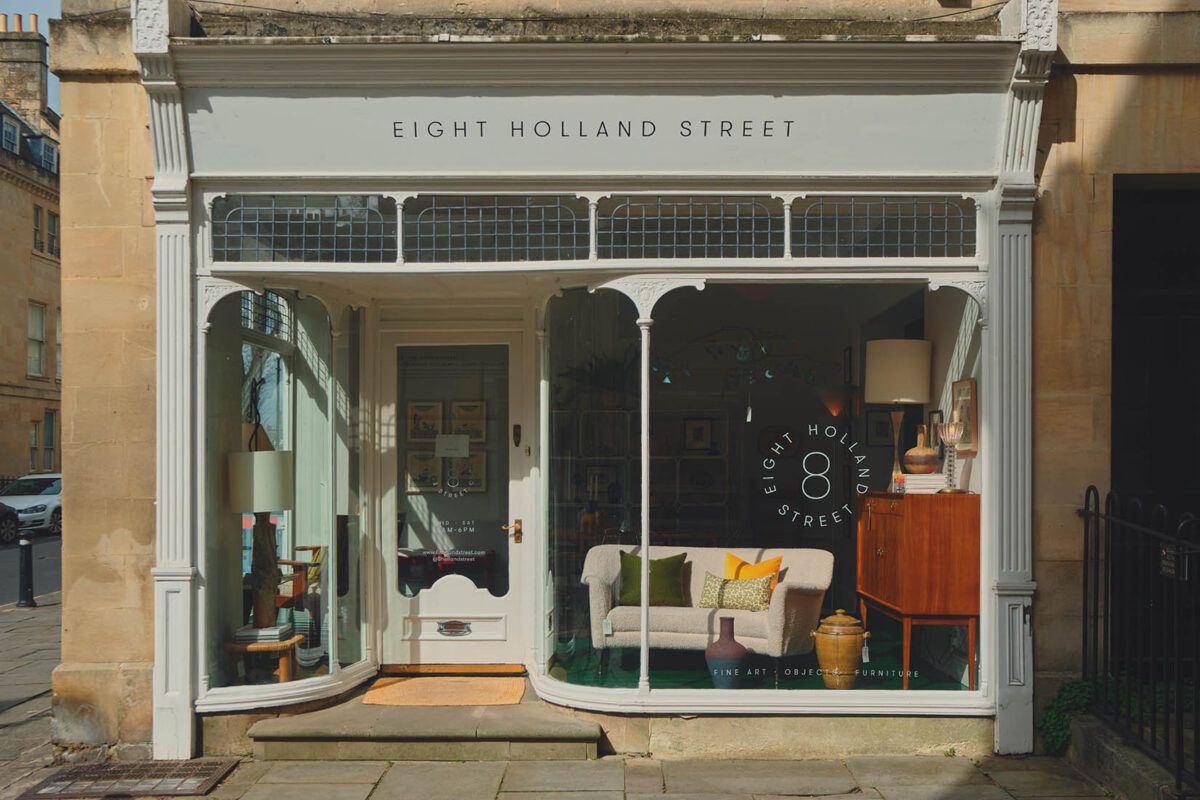
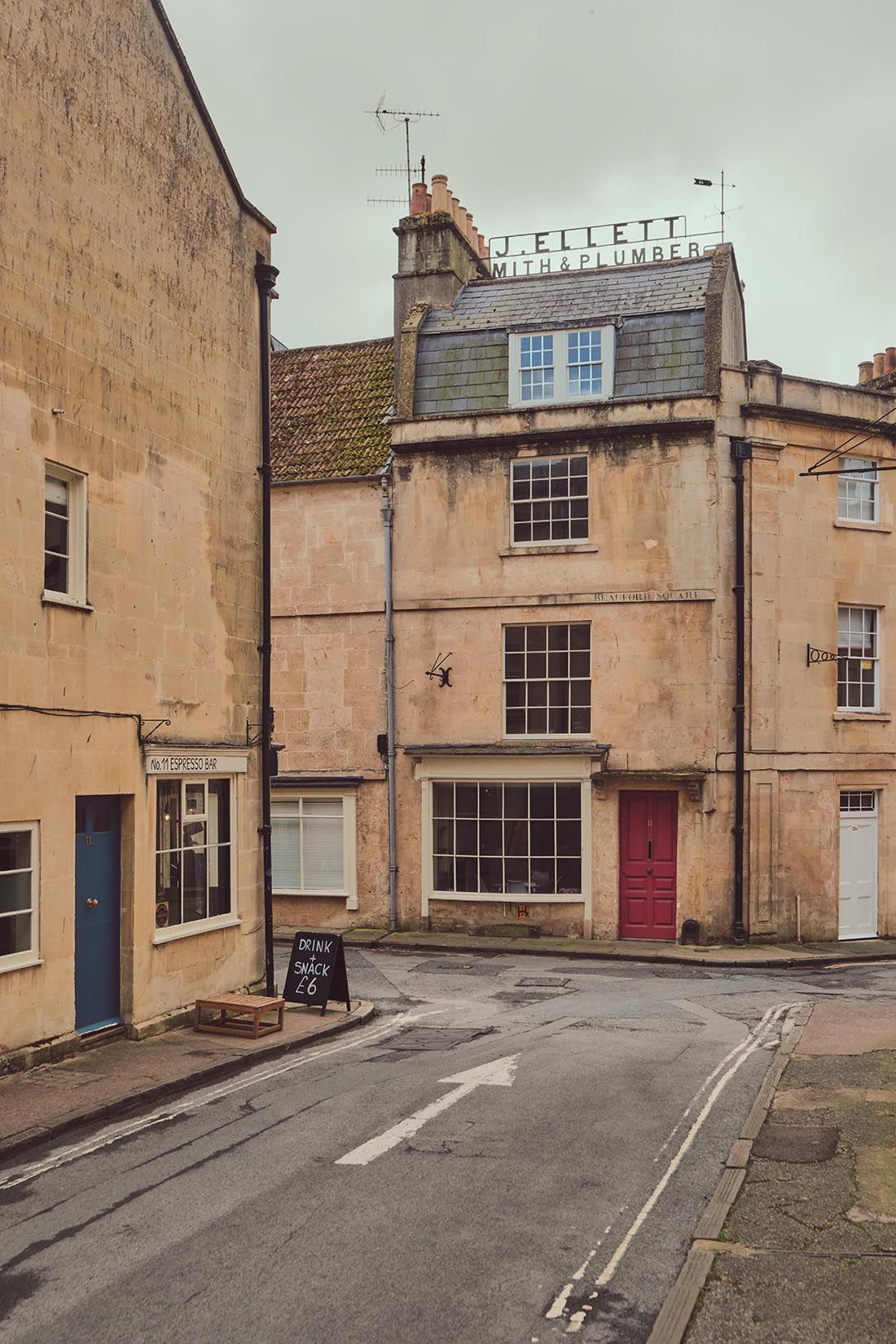
Getting lost along streets such as Green Street, Milsom Street, Walcot Street, New Bond Street and Margaret’s Buildings is an essential part of the Bath experience.
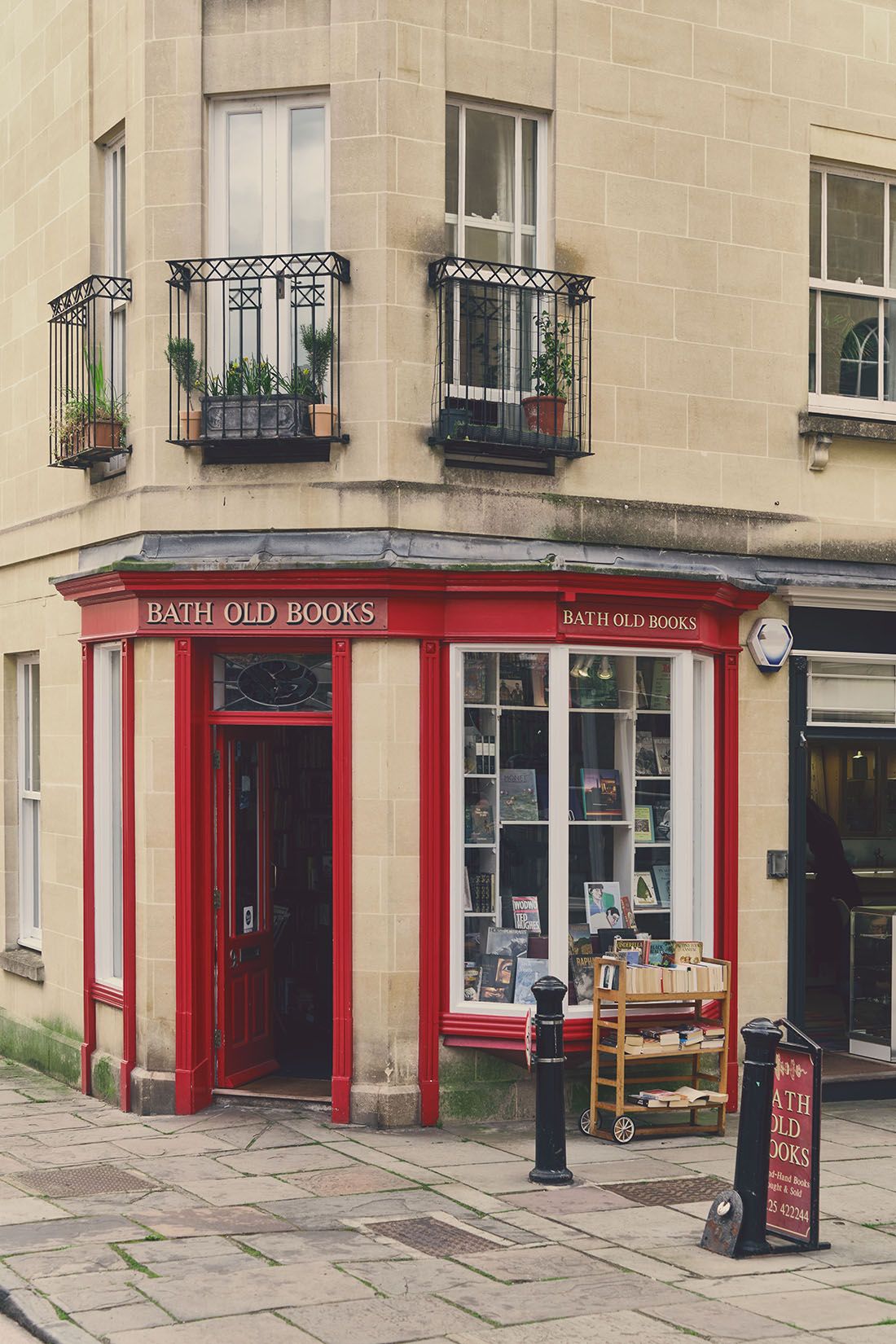
These charming thoroughfares are ideal for discovering independent boutiques, British design and inviting places to pause for a drink, such as the delightful 18 Green Street Wine.
Where to eat in Bath: contemporary refinement
Bath has developed a sophisticated culinary scene that reflects its elegant surroundings while remaining open to innovation.
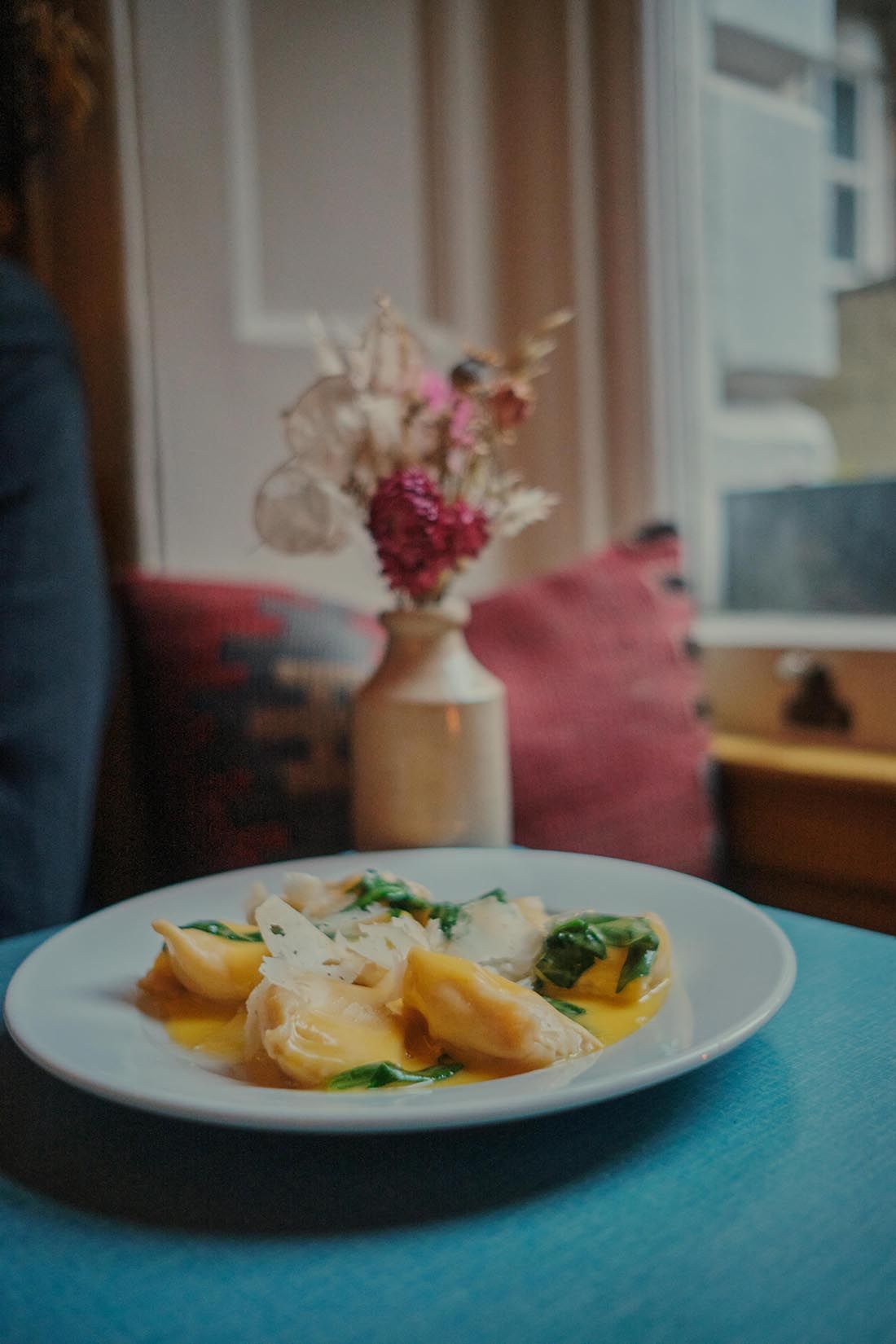
Our absolute favourite was OAK Restaurant, a plant-focused dining experience that transcends labels. At OAK, the menu changes constantly according to seasonal availability, with a strong emphasis on organic, biodynamic and minimally intervened ingredients. Its philosophy begins with a simple belief: great cooking starts in the soil. As growers, suppliers and chefs, the team works with locally sourced ingredients cultivated without chemicals or overexploitation, many coming directly from their own market garden on the outskirts of Bath. The result is honest, seasonal cooking deeply connected to the land, complemented by an excellent selection of natural wines chosen for both their stories and their respect for traditional winemaking methods.
Other highlights include Beckford Canteen, offering modern British cuisine centred around exceptional produce and refined technique; Root, a creative and playful vegetable-focused restaurant exploring flavour and texture in fascinating ways; and Solina Pasta, ideal for a more relaxed yet equally thoughtful meal.
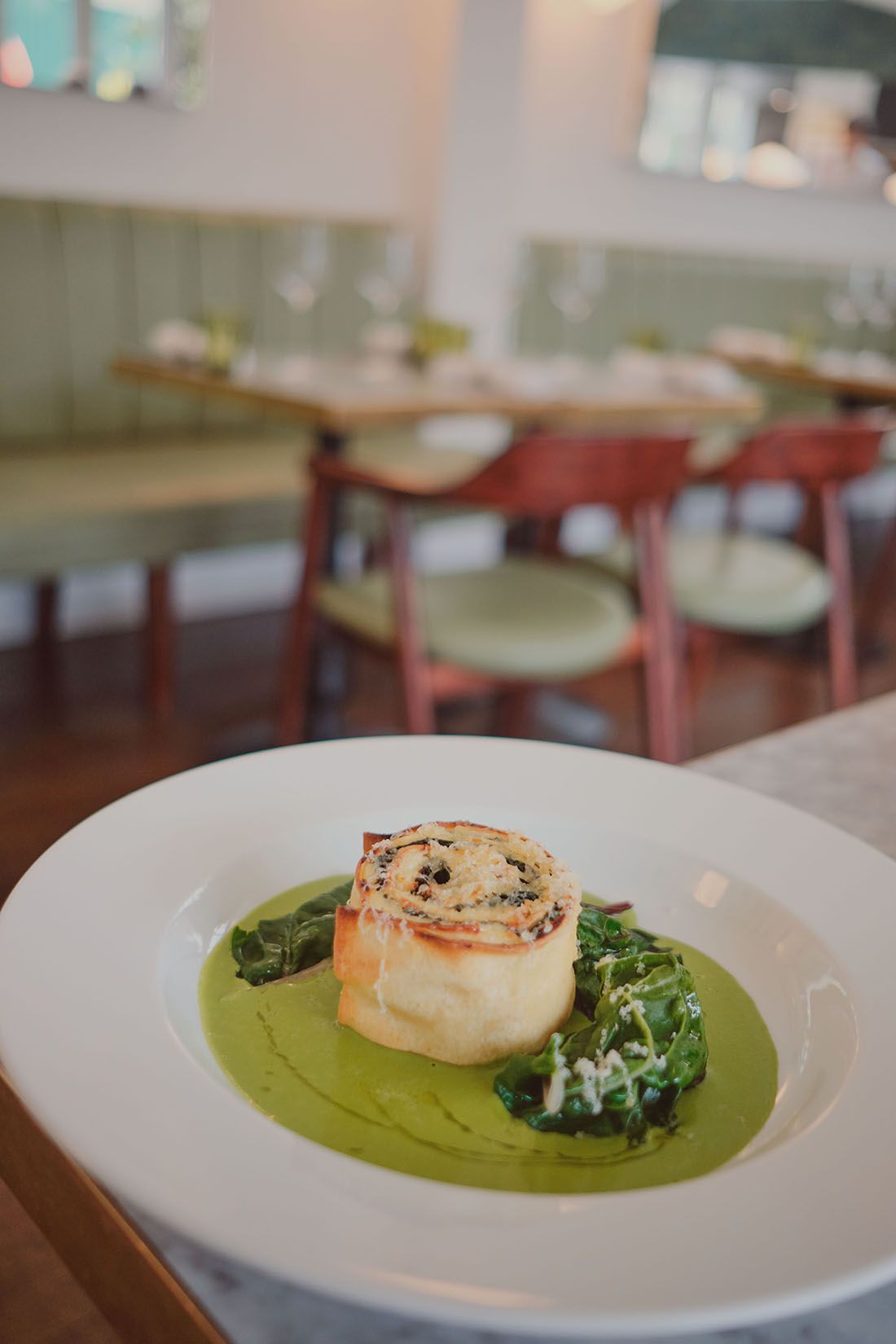
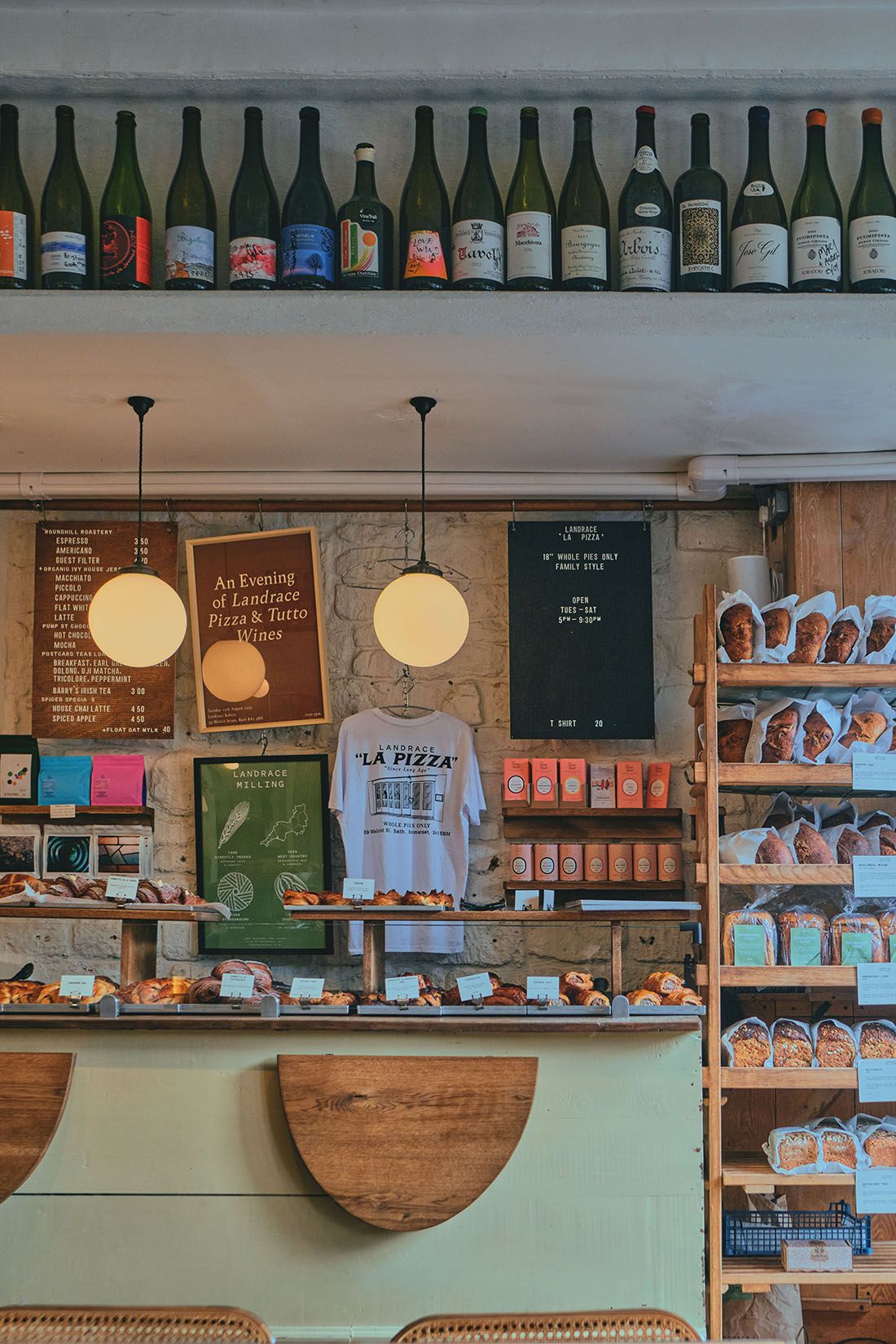
Also worth visiting are Sydneys, Dough and Clayton’s Kitchen. A special mention must go to Upstairs at Landrace, a bright restaurant located above one of Bath’s finest bakeries. Here, sourdough bread made from British-grown grains takes centre stage. The menu changes daily and celebrates seasonal British produce handled with sensitivity and precision. Unsurprisingly, the bread and butter are among the meal’s true highlights. The venue also offers an irresistible combination of pizza and natural wines without reservations, available Tuesday to Saturday from 5pm until 9.30pm.
Cafés, bakeries and charming shops
Landrace is undoubtedly one of Bath’s essential addresses. As mentioned, this artisan bakery specialises in sourdough made with stone-milled British flour and stands out not only for the quality of its breads and pastries but also for its atmosphere, aesthetics and service. Quite possibly our favourite place in the city.
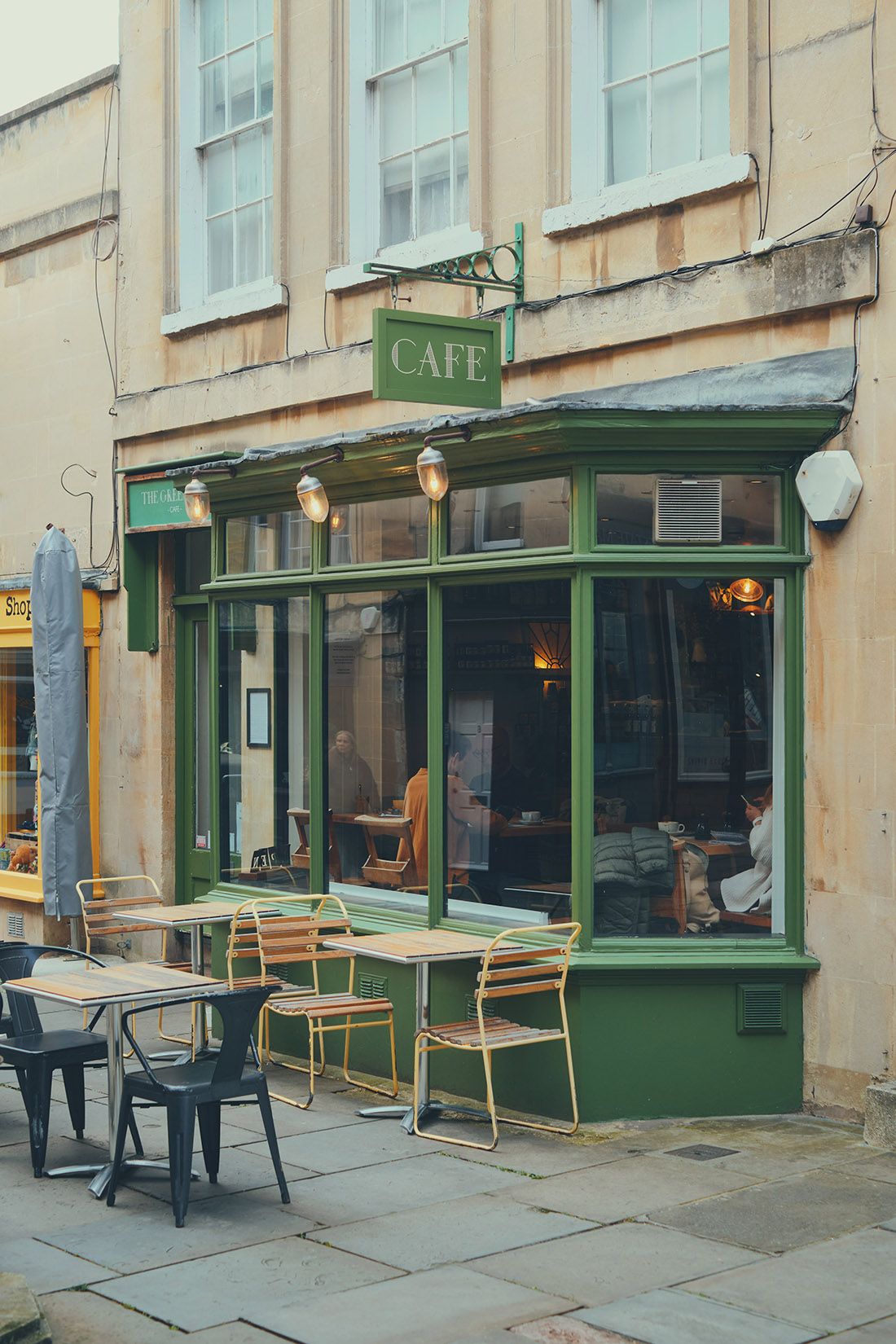
Other standout names include Colonna & Small’s, a benchmark for speciality coffee; WatchHouse, offering a more contemporary approach; Bertinet Bakery, a beloved local institution; and No. 11 Espresso Bar, a charming little café serving some of the finest coffee in Bath.
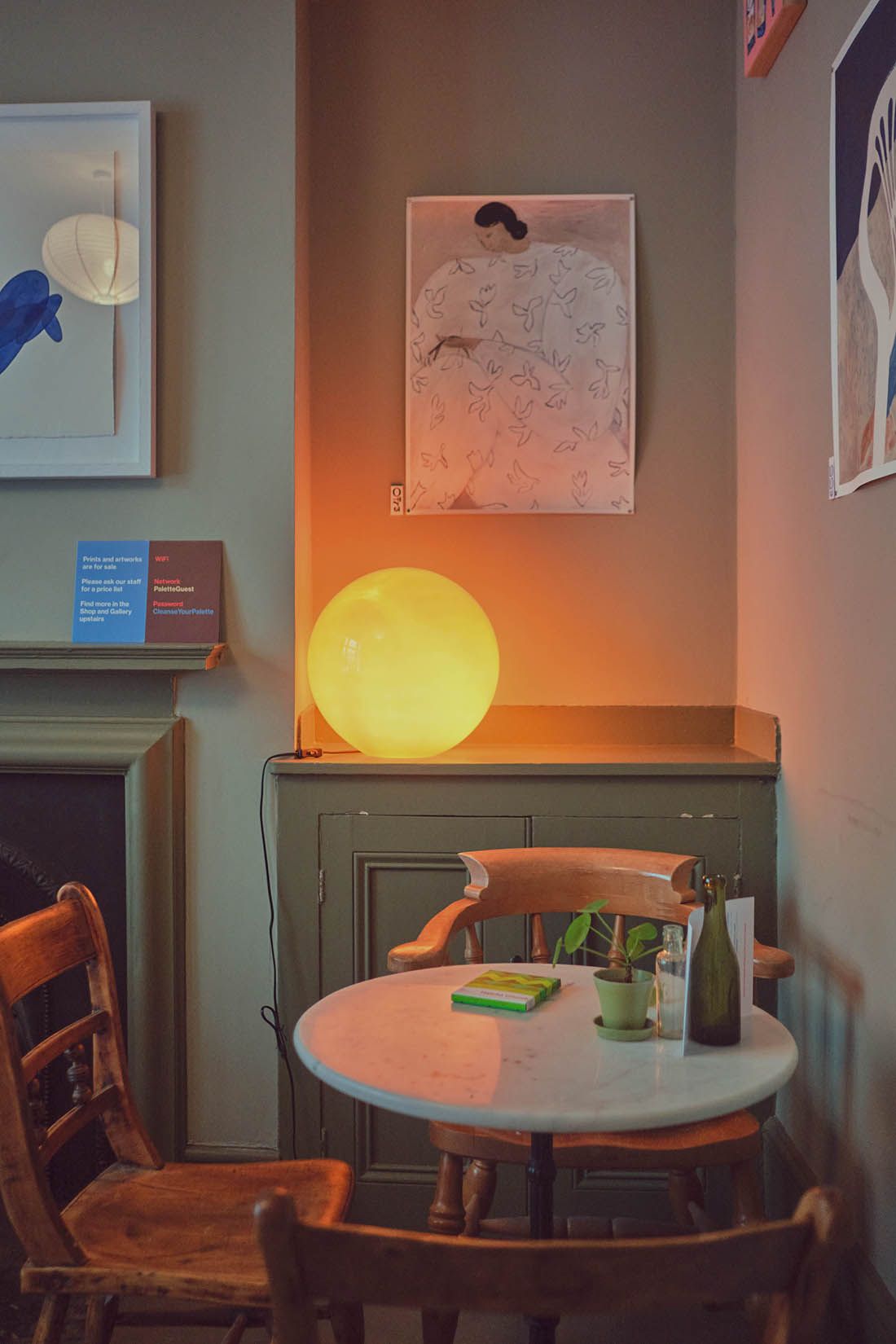
When it comes to shopping, our list is led by Berdoulat — widely regarded as one of the UK’s finest independent design stores — offering a beautifully curated selection of contemporary homeware.
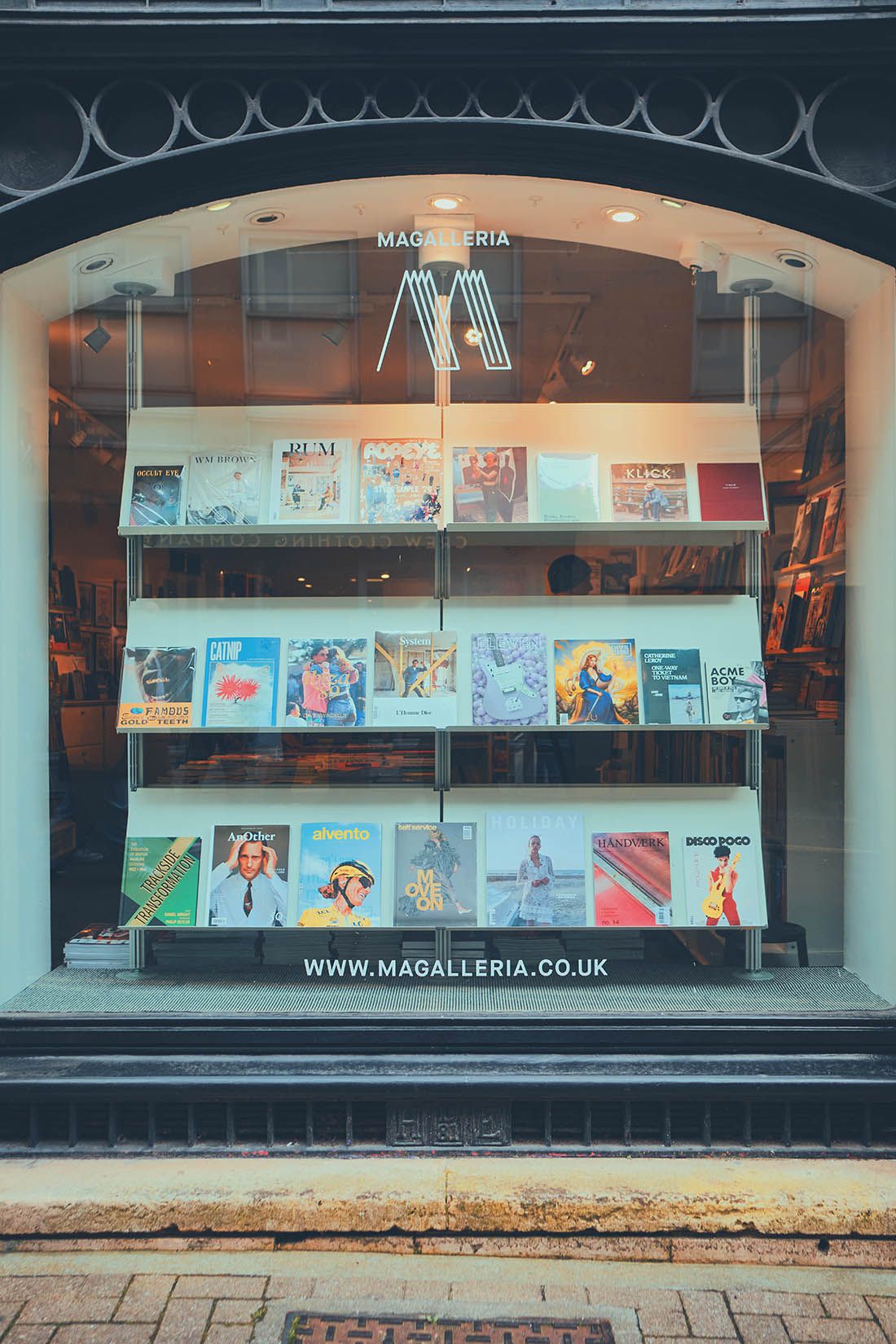
Magalleria, specialising in magazines from around the world, is a small paradise for lovers of visual culture. Its curation is exceptional.
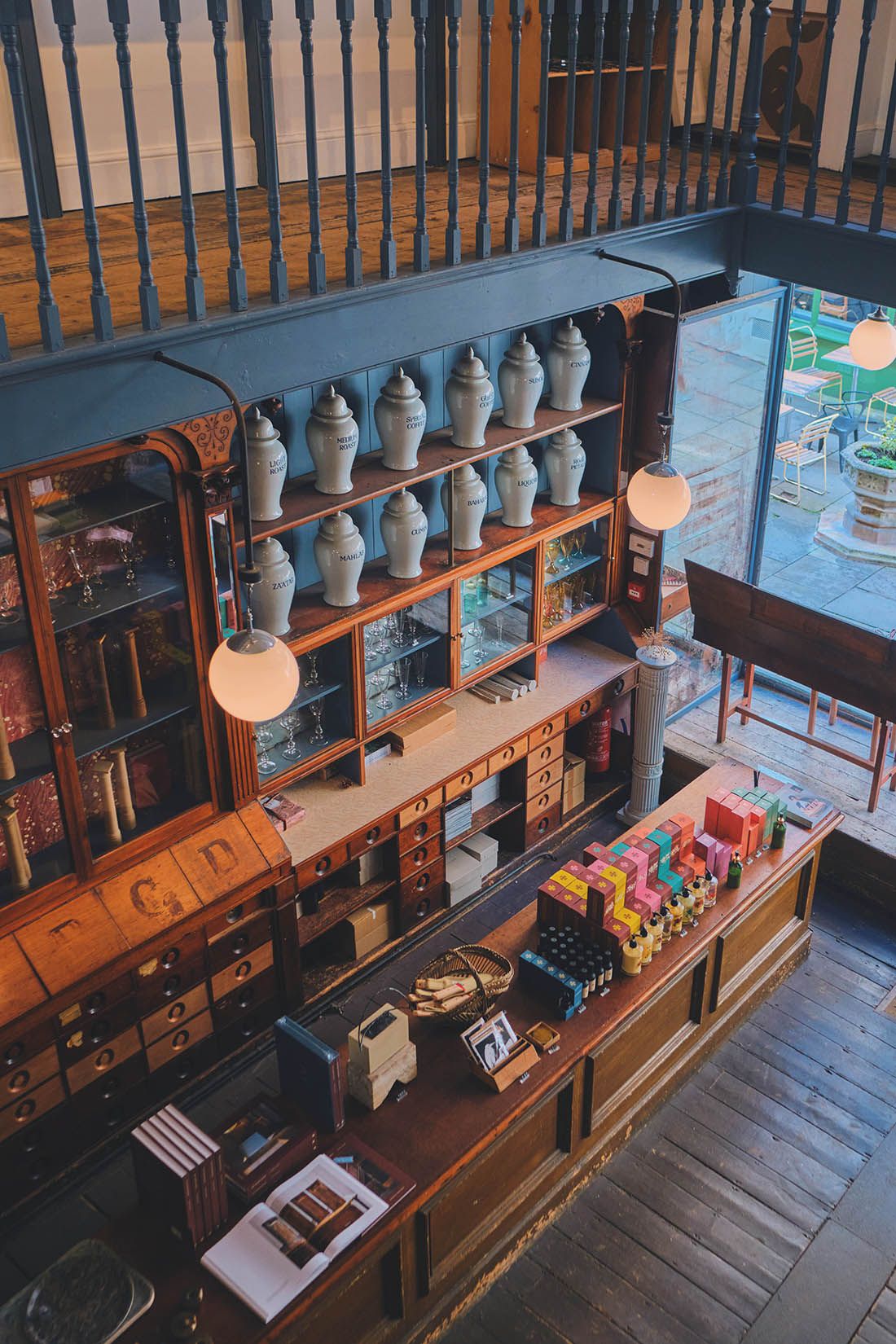
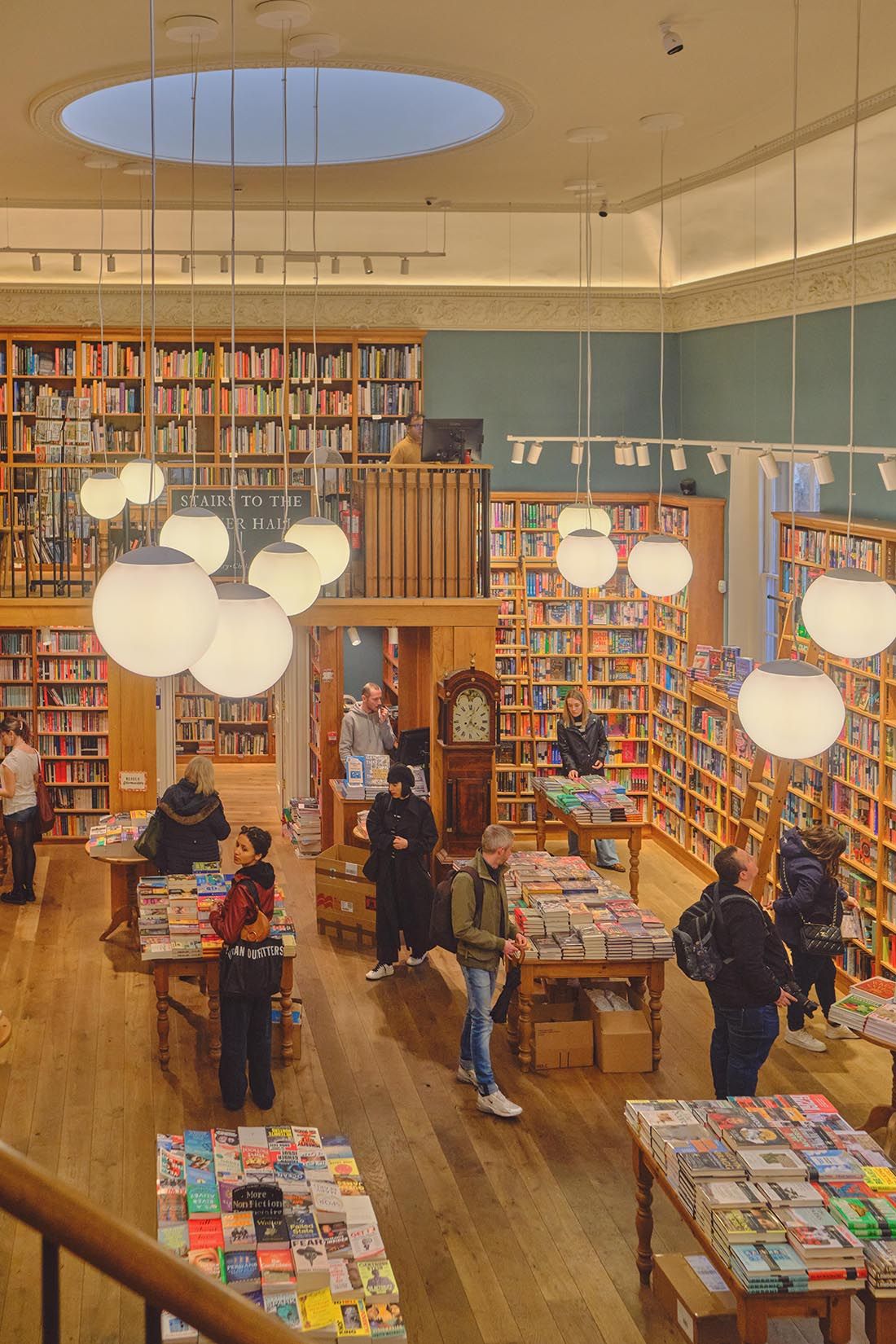
Topping & Company Booksellers is one of the most enchanting bookshops in Britain, with endless shelves and a warm atmosphere that turns every visit into an experience. Meanwhile, Bath Guildhall Market provides a more local flavour and is perfect for discovering independent traders and traditional businesses.
Where to stay: relaxed luxury
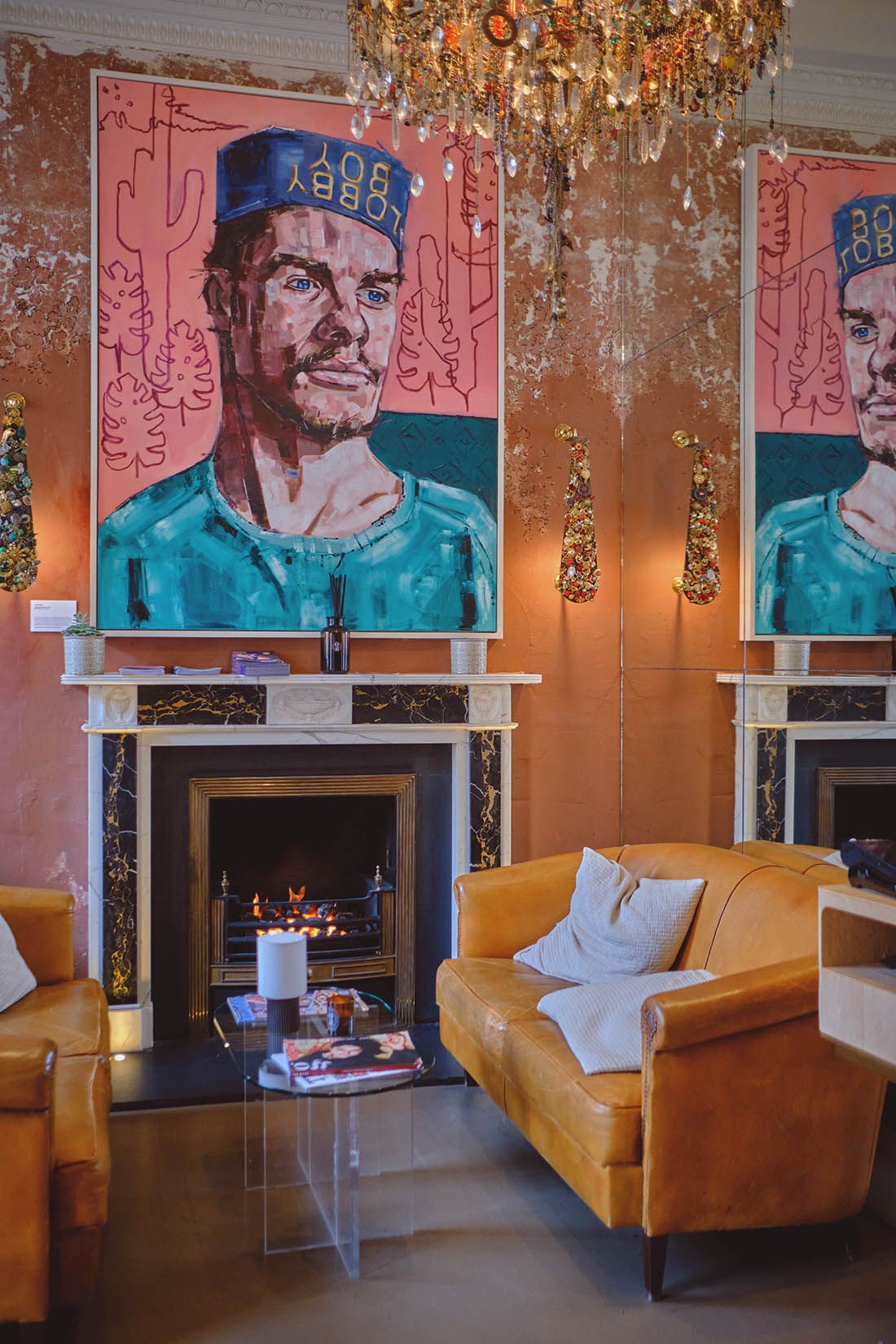
We stayed at No. 15 Bath by GuestHouse, a boutique hotel that effortlessly combines elegance, design and wellbeing. Its spa and meticulous attention to detail make it the perfect retreat after a day spent exploring the city.
Two cities, one perfect escape
Bristol and Bath are best experienced together. In the short journey that separates them, the scenery changes, the pace shifts and the experience broadens.
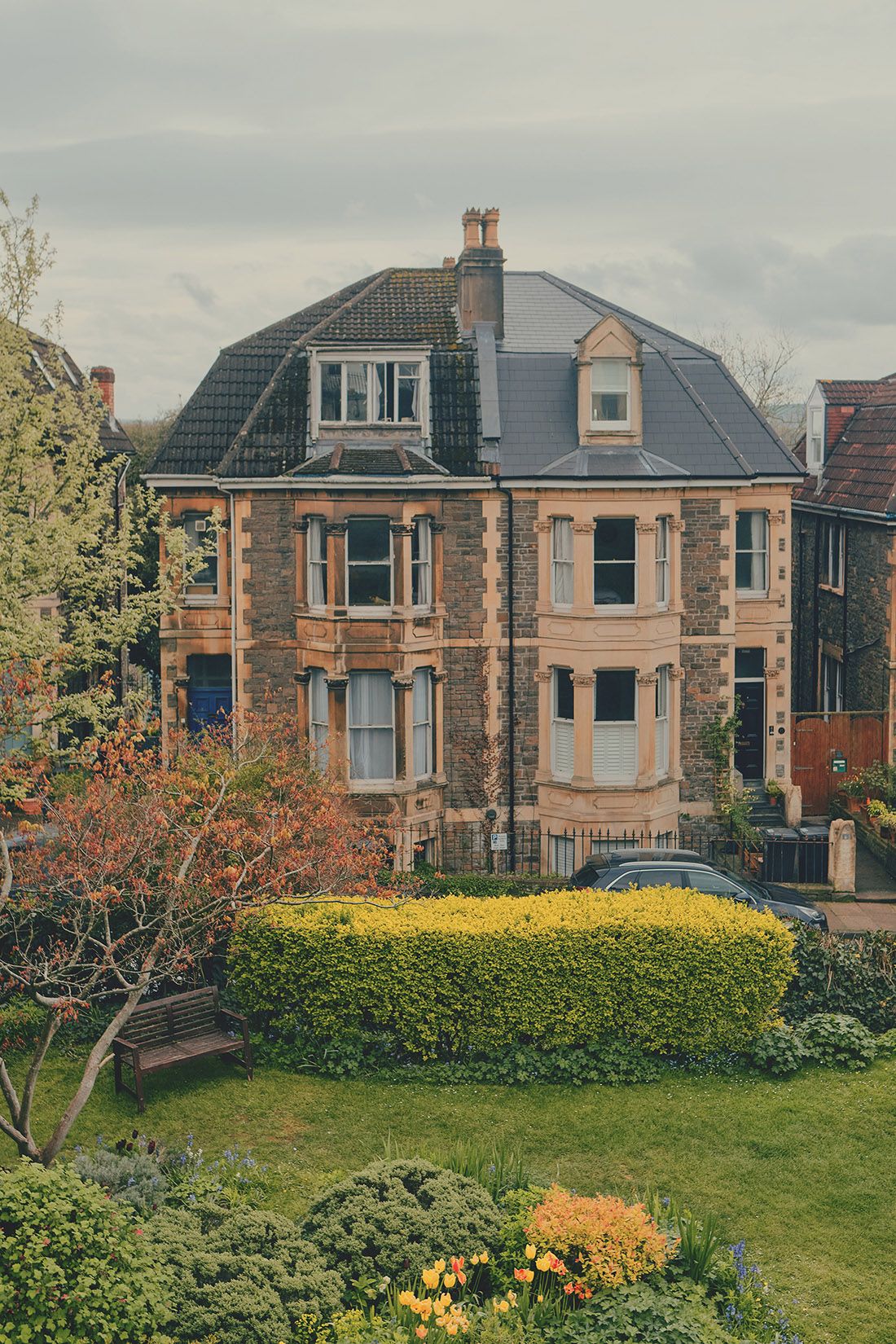
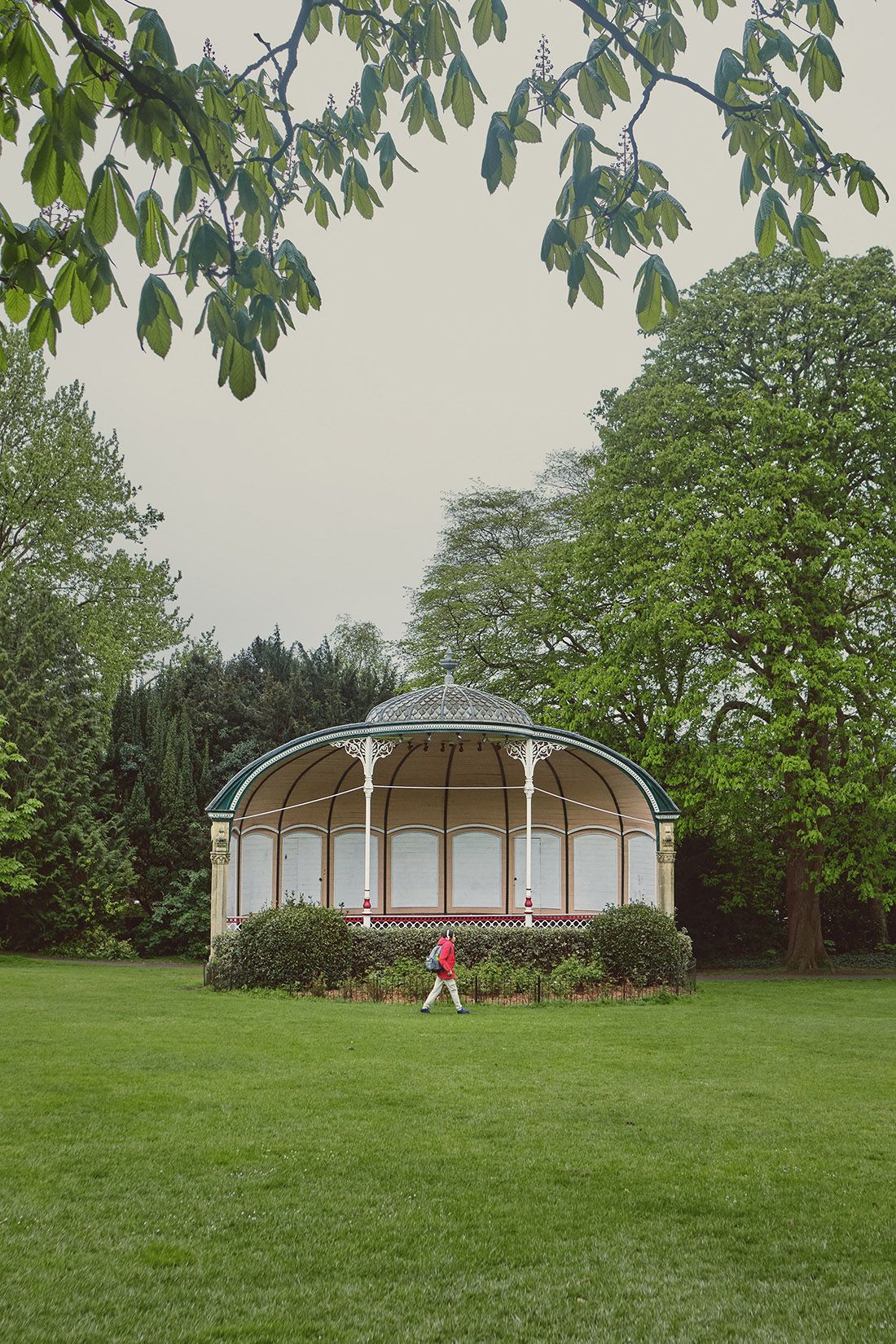
Bristol sharpens your perspective; Bath encourages you to slow down. Together, they create a rare balance: an England that is creative, elegant and full of nuance, moving beyond clichés to reveal one of its most fascinating faces.
(*) Photographs: Ely Sánchez (CC/studio).