Basel: the next city you’re going to fall in love with (Part 1)

A few days ago, we talked about our trip to Basel through the hotel we stayed at. This time, we’re going to dive into this fascinating and incredibly interesting city that left us captivated. Especially since there are other European cities with much more fame, despite the fact that Basel is a well-rounded destination if you, like us, are passionate about architecture, art, nature, design, and gastronomy. Basel has it all, and through two articles, we will explain why.

A City of Contrasts
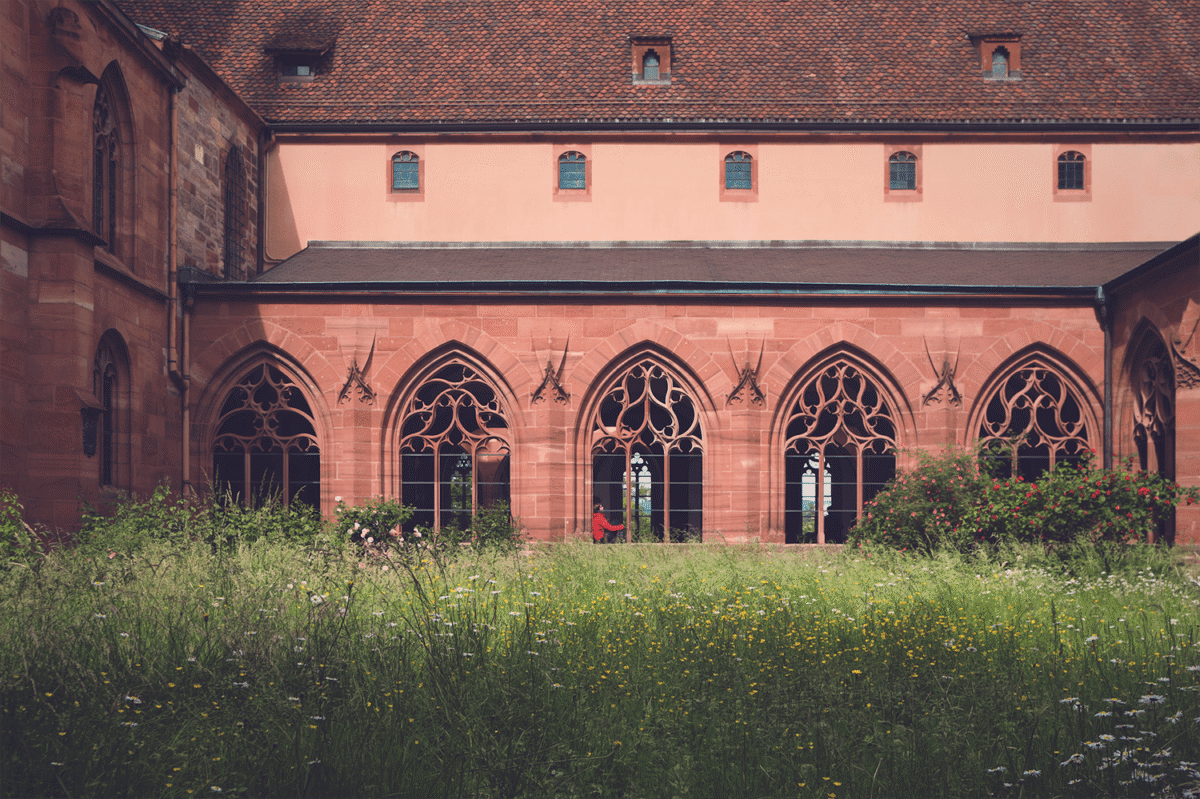
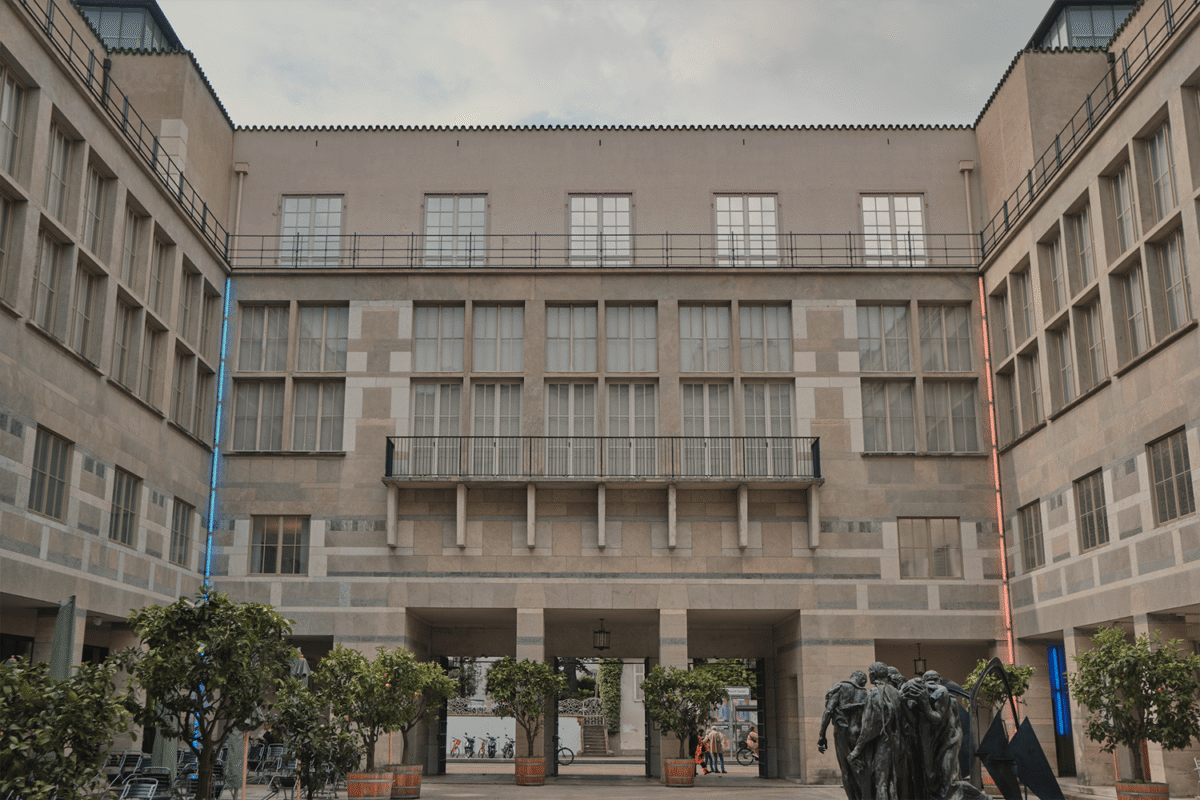
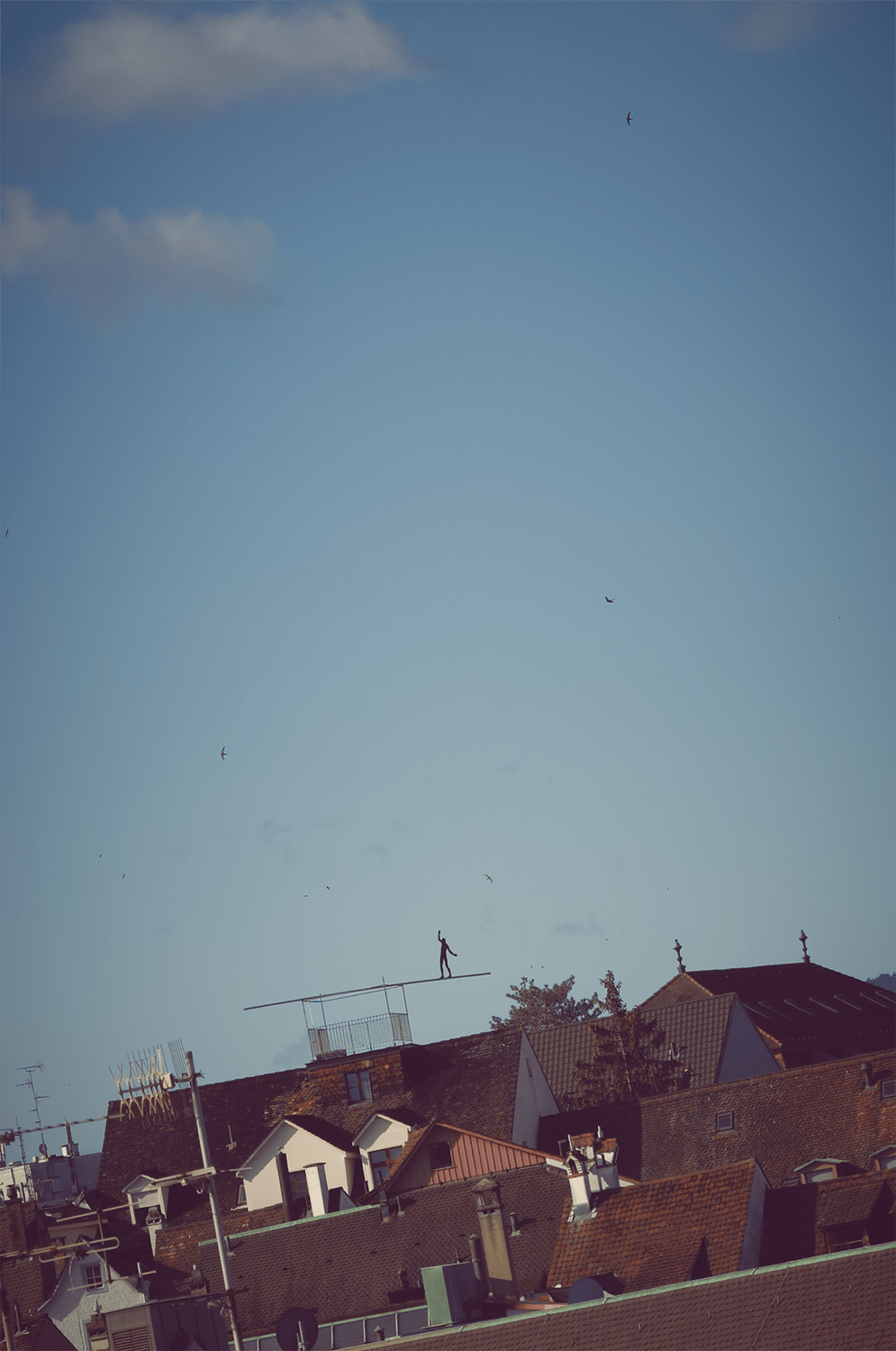
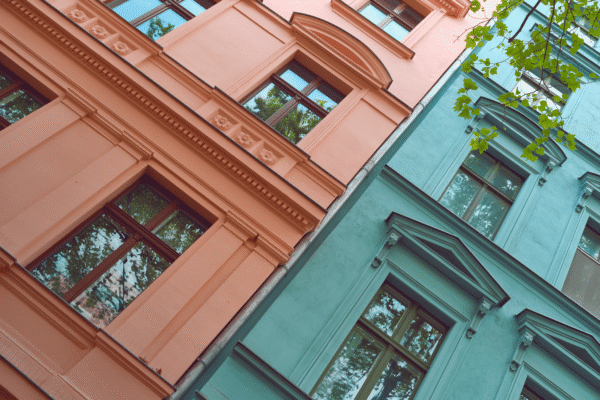
This inspiring city, located on the banks of the Rhine in northwestern Switzerland and bordering France and Germany, is full of charm and contrasts. This is a great advantage, as it offers beauty and plans for all tastes. Here, contemporary architectural landmarks coexist with a beautifully preserved old town. Tradition and cosmopolitan charm achieve a perfect match, and a good example of this is how classical contemporary art and urban art interact. Both artistic movements have a prominent representation in Basel.
Practical Information
This city is designed to be enjoyed by public transport, on foot, or by bike. Regardless of your choice, getting around is very easy. Trams and buses run efficiently, and if you opt for a bike, you’ll find that Basel has been designed for two-wheeled travel.
The most important things you need to know before traveling to Basel are the following:
Currency: We don’t recommend carrying cash, as all places accept cards. The official currency is the Swiss Franc.
BaselCard: By booking your hotel in Basel, you will receive this card that allows you to travel on public transport for free and comfortably. It also provides a 50% discount on museums, the zoo, Theater Basel (valid only for tickets purchased at the box office), among other cultural and leisure activities. You can also rent electric bikes at Guest Bike at the Swiss SBB station for CHF 20 per day. Additionally, there is an app that can be used offline, offering the same services and free discounts. In its electronic format, the personal card also includes an interactive city map.
Note: The BaselCard does not cover the trip to the Vitra Design Museum.
Museums-PASS: This pass is valid in 345 museums across Switzerland, Germany, and France, and is as convenient as the BaselCard. By showing it, you can access all of them and more than 1,000 temporary exhibitions.
Climate: This is an interesting point because, when we visited, the weather forecasts were terrible. However, we were pleasantly surprised. Basel has a fairly stable climate. The sun shines approximately 3,500 hours a year, and the average rainfall is only 90 mm per month. Daily temperatures can exceed 35°C in the summer.
Flight Duration: From Madrid to Basel is 2 hours and 20 minutes, and from Barcelona is 1 hour and 50 minutes. Both are very short flights that allow you to be in this beautiful city in no time.
Ferries: The four Rhine ferries, “Wild Maa“, “Leu”, “Vogel Gryff“ and “Ueli”, connect Grossbasel with Kleinbasel. They are attached to a long steel cable and are powered solely by the current of the Rhine. Aesthetically, they remain as they were 50 years ago, and it’s truly a unique experience that lets you cross to the other side all year round.
Basel is Art
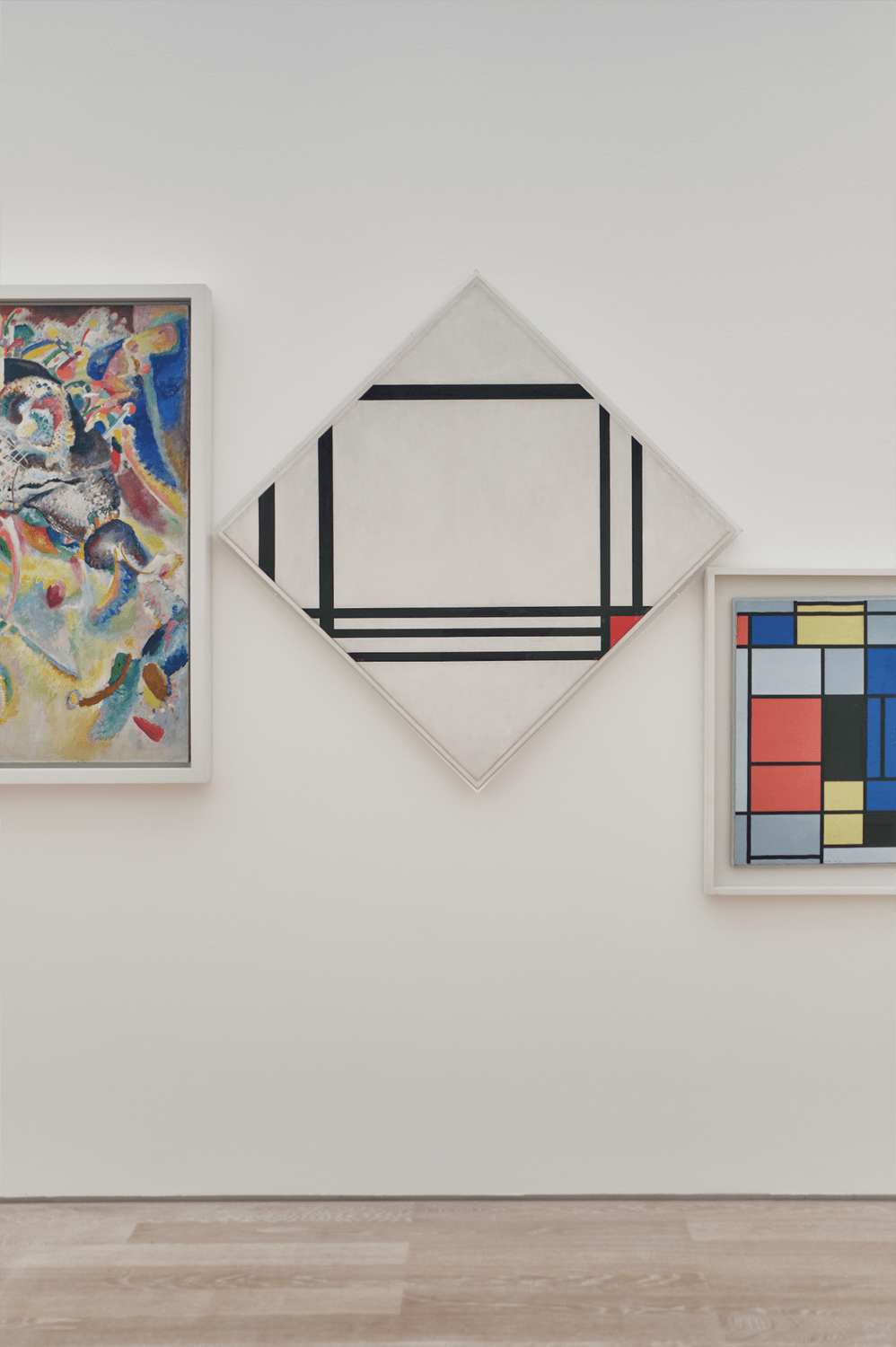
Not only because of the world’s largest art fair, Art Basel, but also due to the many exceptional museums it hosts and its vibrant, dynamic contemporary art scene.
The deep connection of Basel’s residents with the visual arts dates back to the Kunstmuseum Basel, founded in 1661. Its collection of over 300,000 works spans eight centuries and is considered the oldest public art collection in the world. Comprising three buildings, a visit to the Kunstmuseum is an absolute must.
Cultural and Artistic Highlights
As mentioned, this city offers an enormous and exquisite range of cultural and artistic experiences, and here are some of our recommendations:
ART
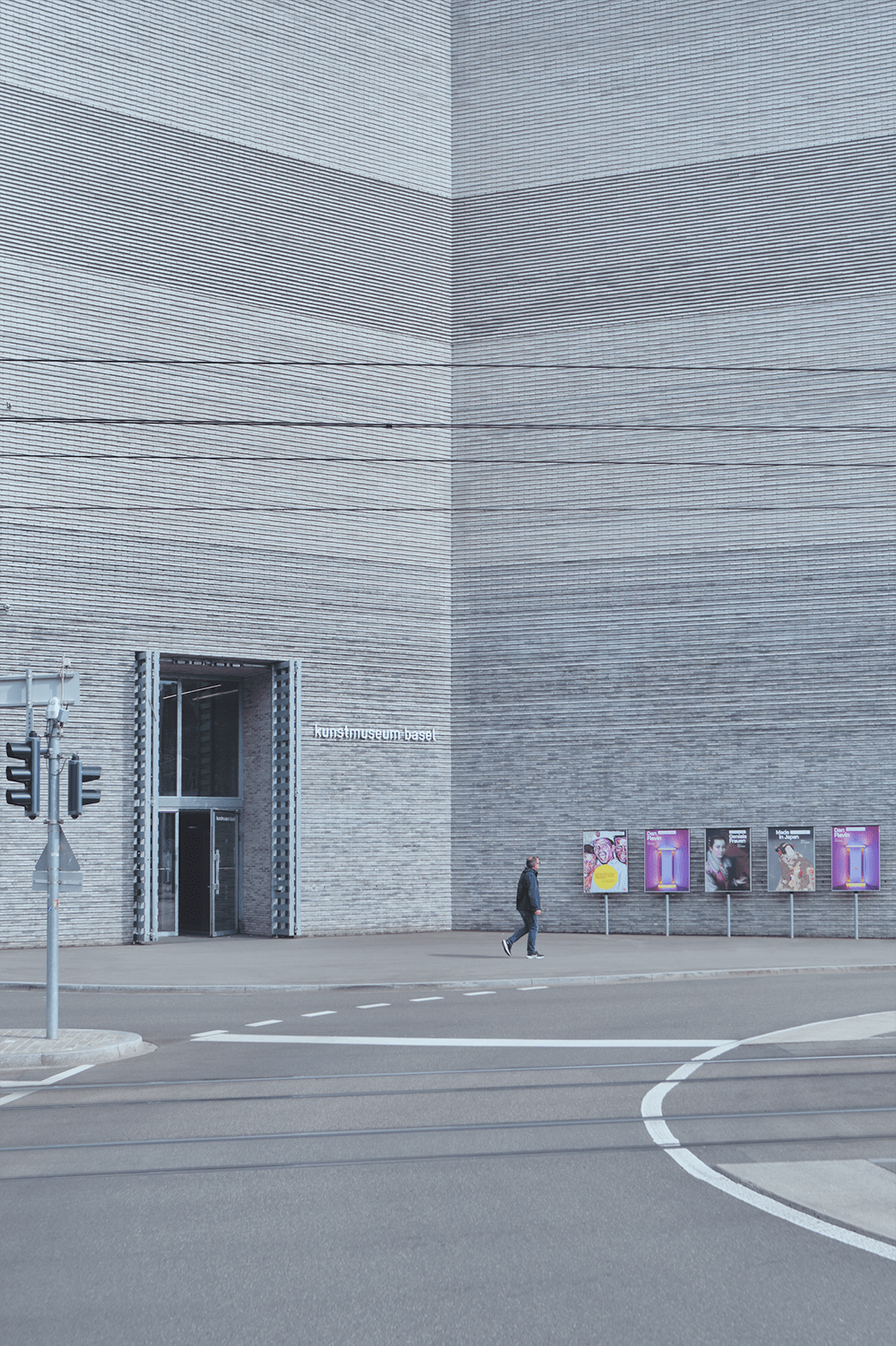
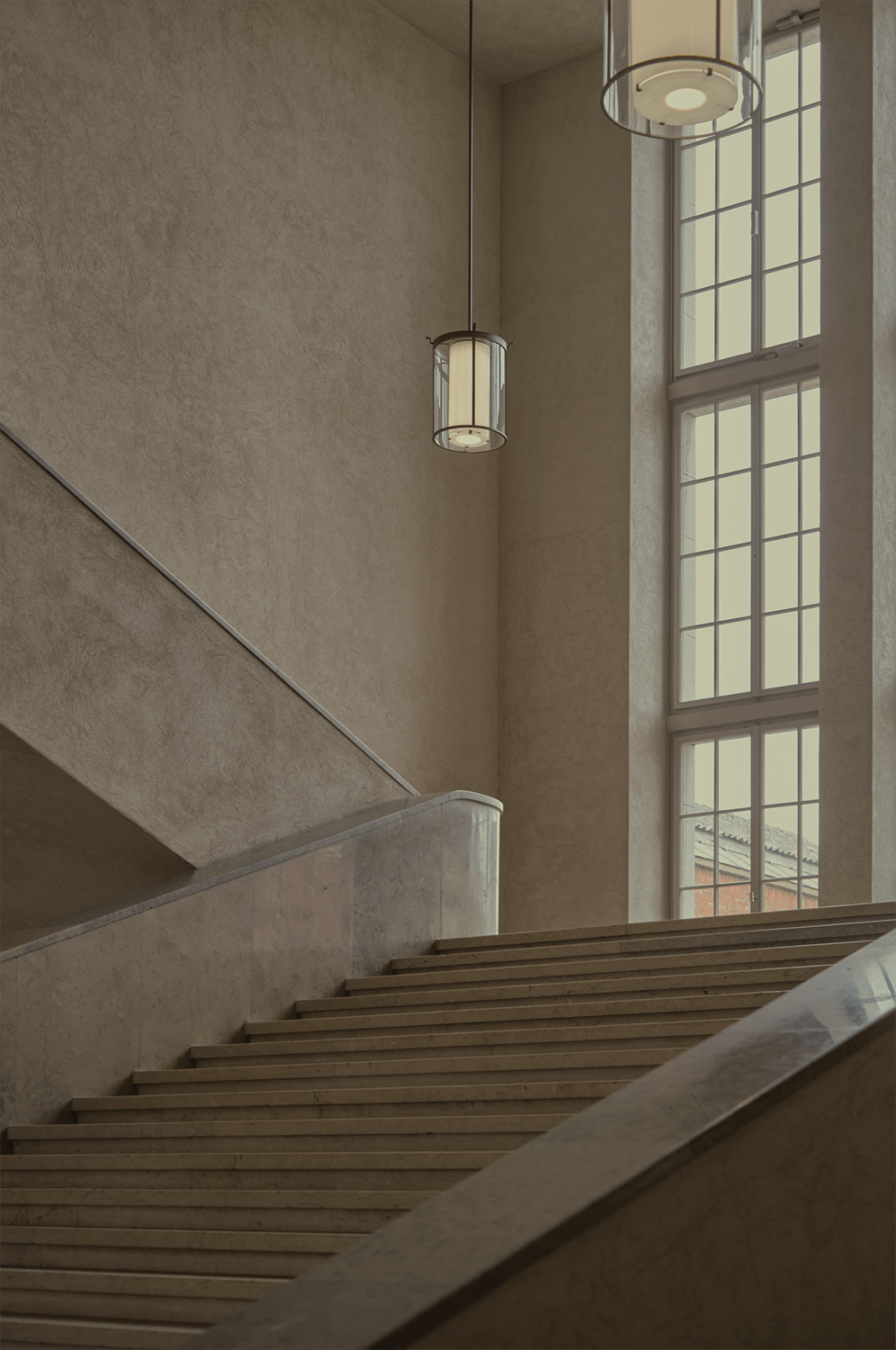
It is the municipal art collection of Basel, which dates back to 1661 when the city acquired the Amerbach Cabinet. Over the centuries, it has grown steadily. The Hauptbau building in the St. Alban-Graben district was inaugurated in 1936. The first expansion occurred in 1980 with the opening of Kunstmuseum Basel | Gegenwart, one of the first museums dedicated to contemporary art in the world. This museum was established thanks to the joint efforts of the Emanuel Hoffmann Foundation, the Christoph Merian Foundation, and the Canton of Basel-Stadt. This museum space features contemporary artworks from the Kunstmuseum Basel and the Emanuel Hoffmann Foundation collections, as well as special exhibitions. In 2016, a third location, known as Neubau, was added, designed by local architects Christ & Gantenbein.
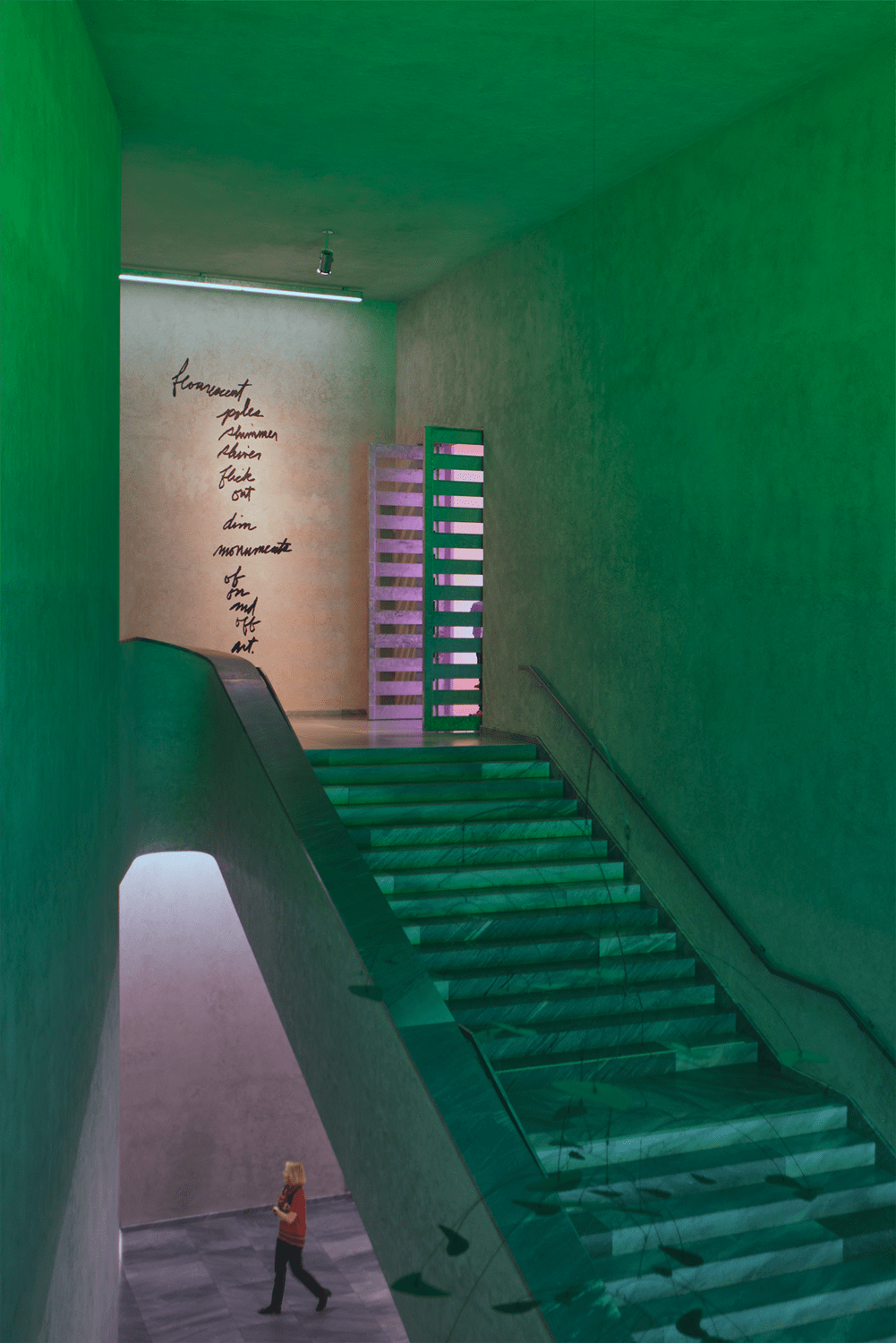
“Kunstmuseum Basel | Gegenwart is one of the first museums dedicated to contemporary art in the world.”
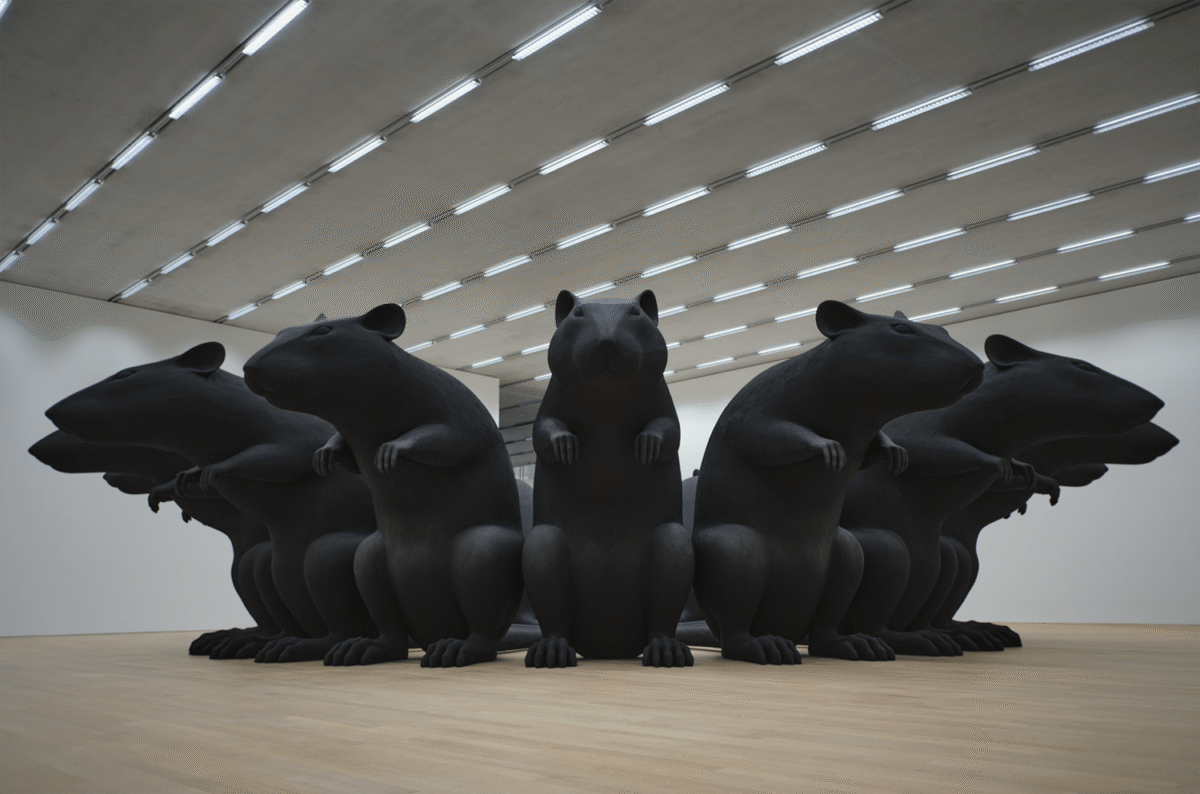
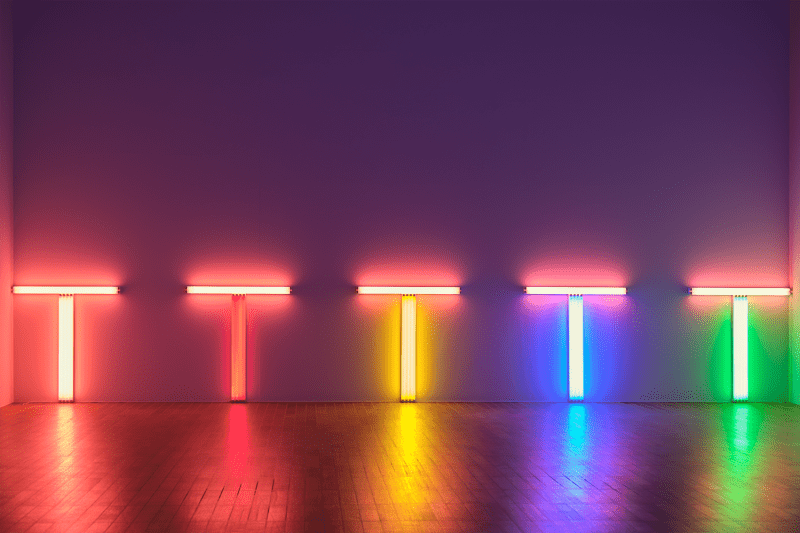
In this space, Neubau, you can enjoy the superb exhibition “Dedications in Lights” by the American artist Dan Flavin (1933-1996) until August 18. Flavin, a pioneer of minimalist art, gained fame in the 1960s with his work using industrially manufactured fluorescent tubes, inventing a new form of art. The exhibition setup is excellent, and the museum shop offers very interesting items inspired by the exhibition.
Switzerland’s most visited art museum was founded by Ernst and Hildy Beyeler, who commissioned architect Renzo Piano to build a spectacular museum for their exceptional collection, uniquely blending architecture, nature, and art.
The Fondation Beyeler’s collection has been open to the public since 1997.
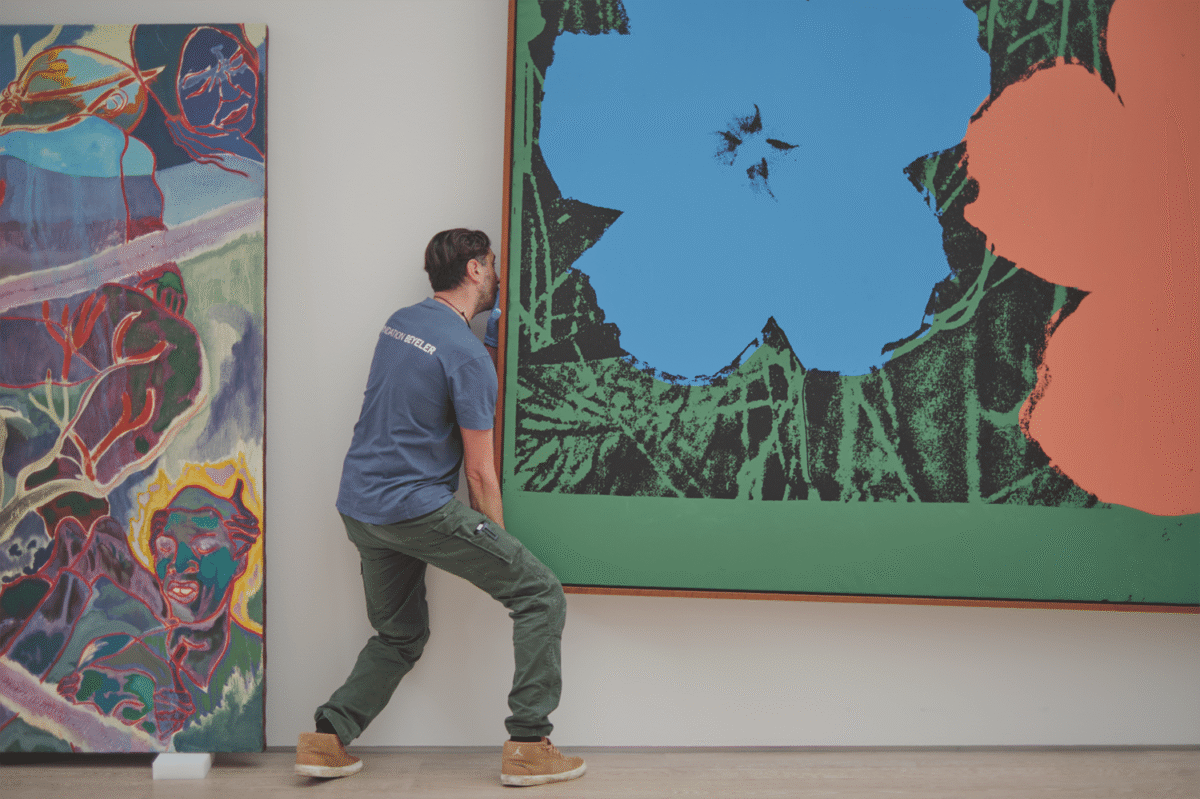
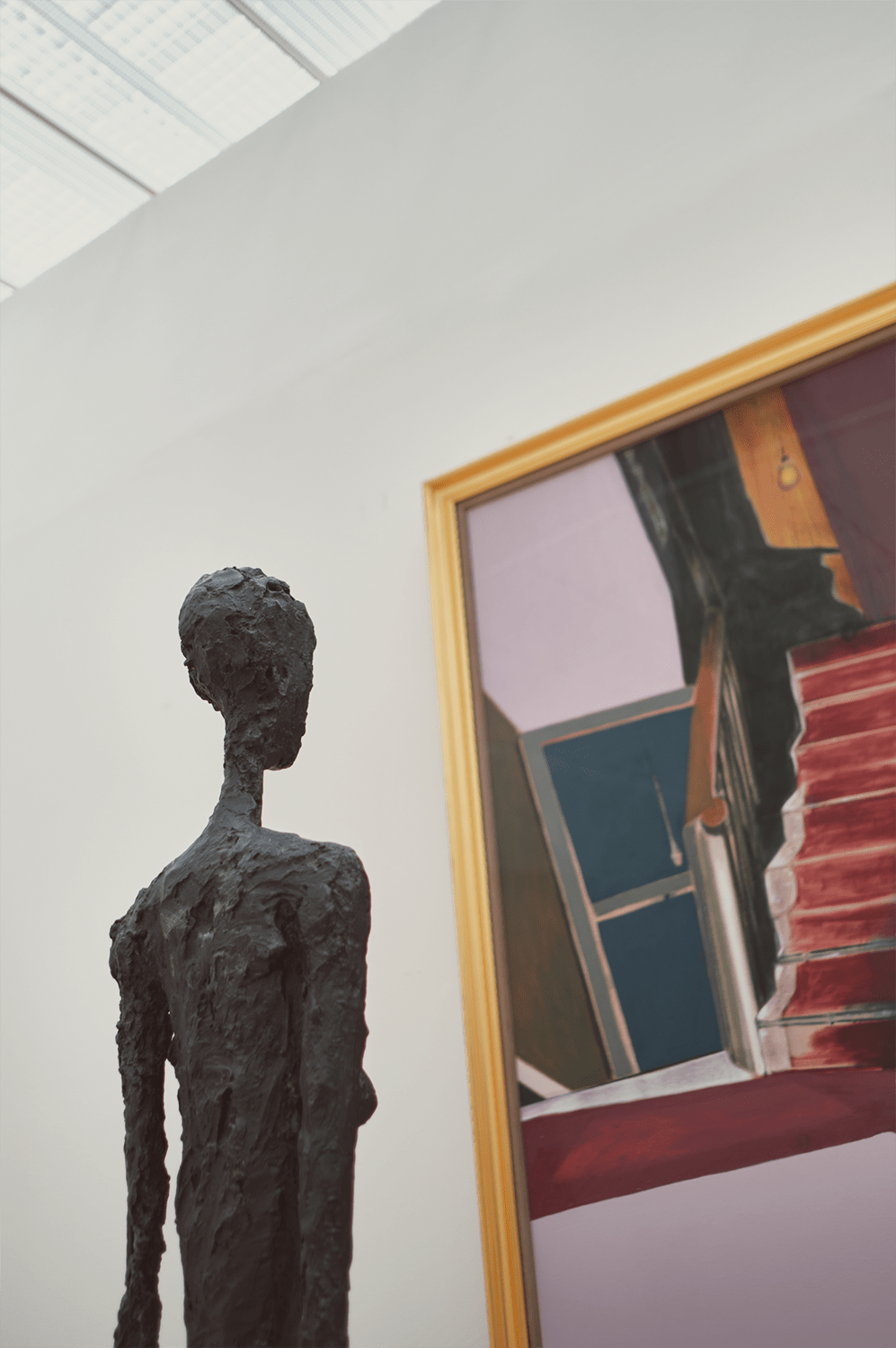
Today, it features over 400 classic modern and contemporary works, showcasing major artists such as Francis Bacon, Picasso, Monet, Rousseau, Andy Warhol, and Jeff Koons, among many others.
It is regarded as one of the best and most beautiful museums in the world, and we can certainly attest to that. Its location in the midst of Berower Park, with its ancient trees, lily pond, and views of cornfields, grazing cows, vineyards, and the foothills of the Black Forest, is truly unique.
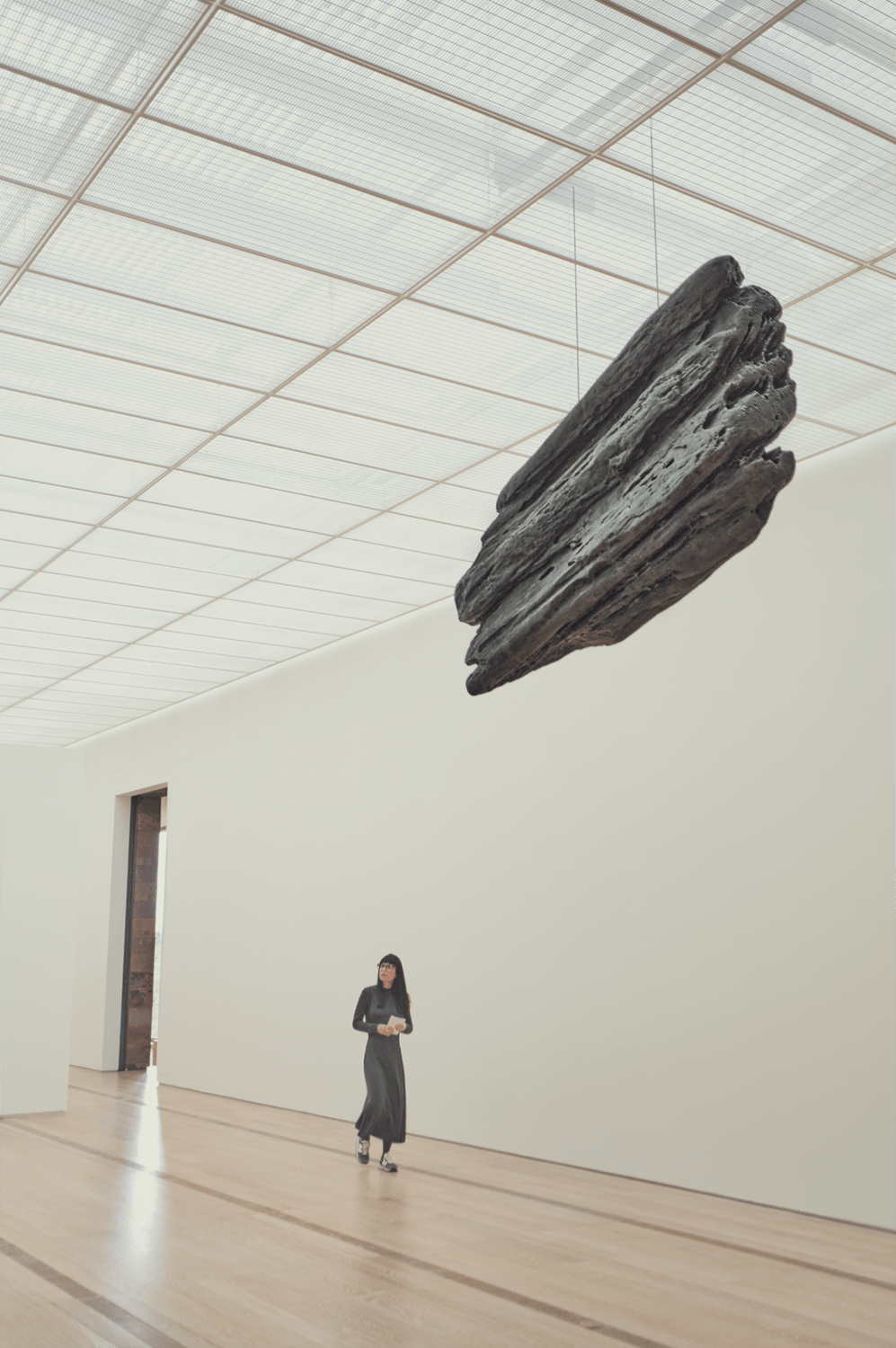
“The Beyeler is considered one of the best and most beautiful museums in the world.”
Don’t leave without visiting its shop and the Beyeler Im Park restaurant.
By the way, on the day we visited the museum, we were lucky enough to witness a unique event called “The Making Of”, which provides a rare opportunity to see artists and their teams preparing and setting up the exhibition firsthand. It was amazing!
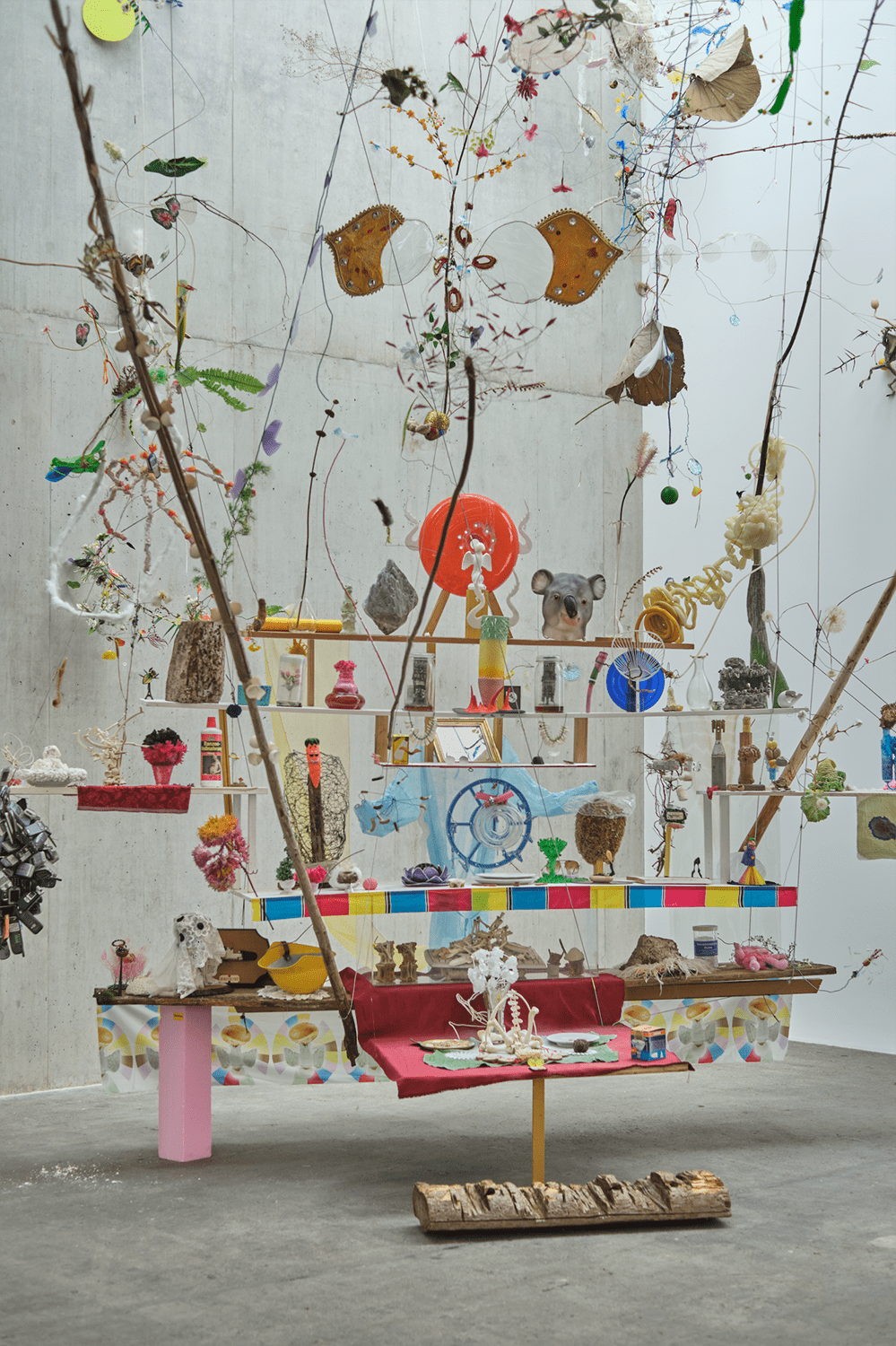
This museum is located in the Dreispitz district, in an area quite similar to New York’s Meatpacking District, which we love.
Since 1998, the renovated factory building has provided young artists with a platform of over 1,400 m² for artistic exchange through solo, group, and thematic exhibitions.
Kunsthaus Baselland is among the leading contemporary art exhibition spaces in the Basel region, both regionally and internationally. It’s also one of our favorites.
Until the end of the year, you can enjoy the exhibition “Rewilding”, which explores both the revitalization of the space it occupies and the artistic practices of the invited artists, mostly women from different generations and countries around the world.
Be sure to wander around the area as well, where you’ll find works by urban artists like Spy.
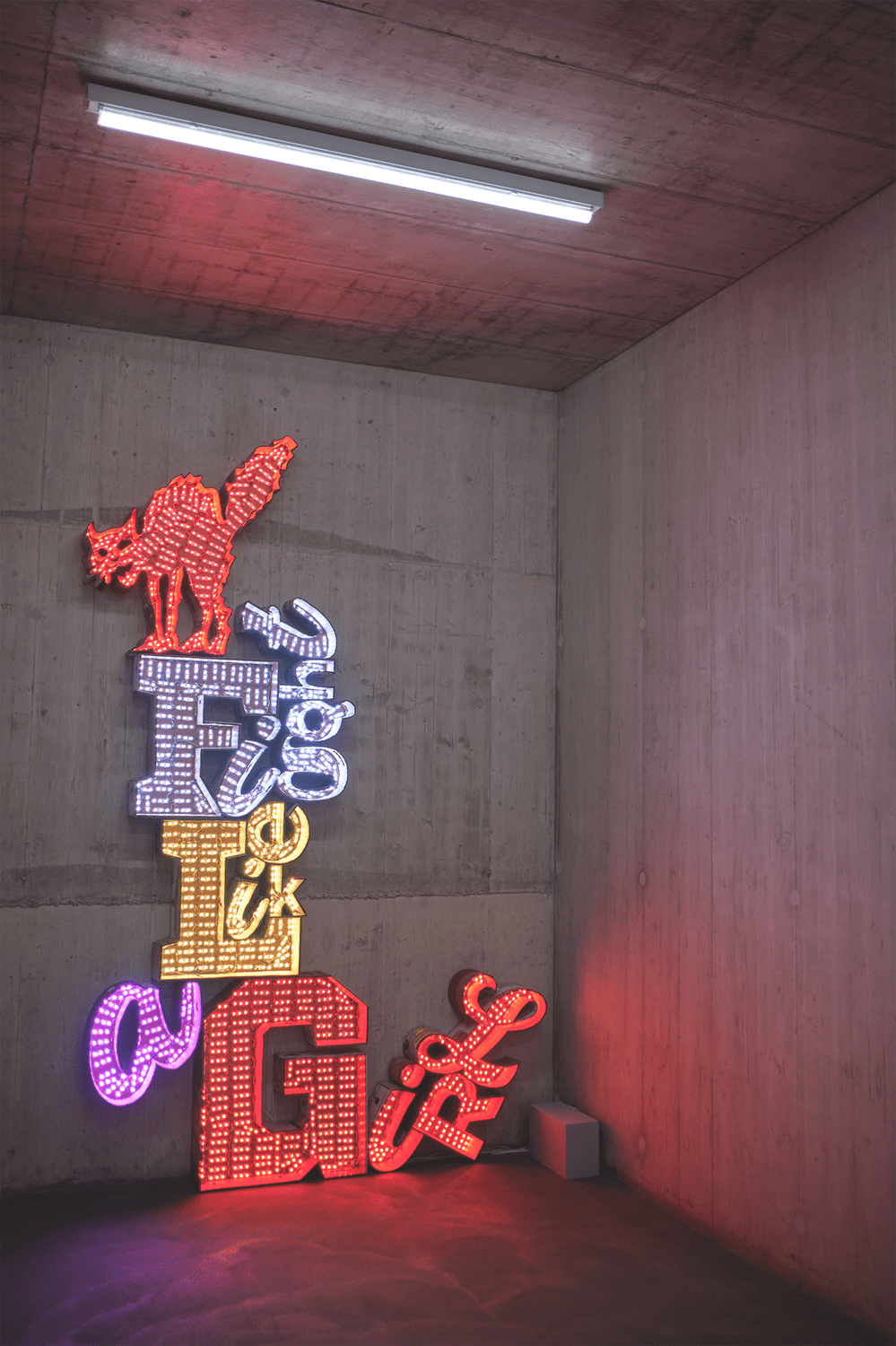
This museum houses a permanent collection of works by the Swiss painter and sculptor Jean Tinguely. Located in Solitudepark, on the banks of the Rhine River, the museum was designed by the Ticino architect Mario Botta. Tinguely also has a remarkable fountain in front of Theater Basel.
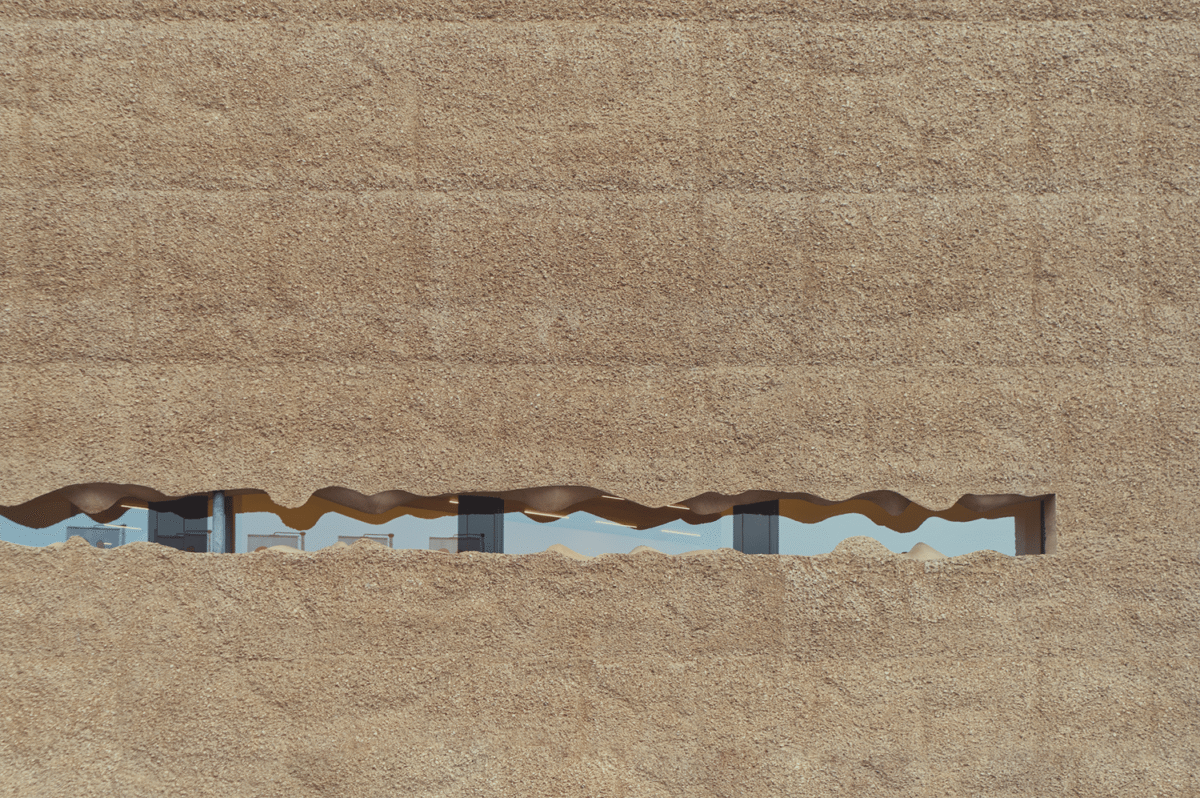
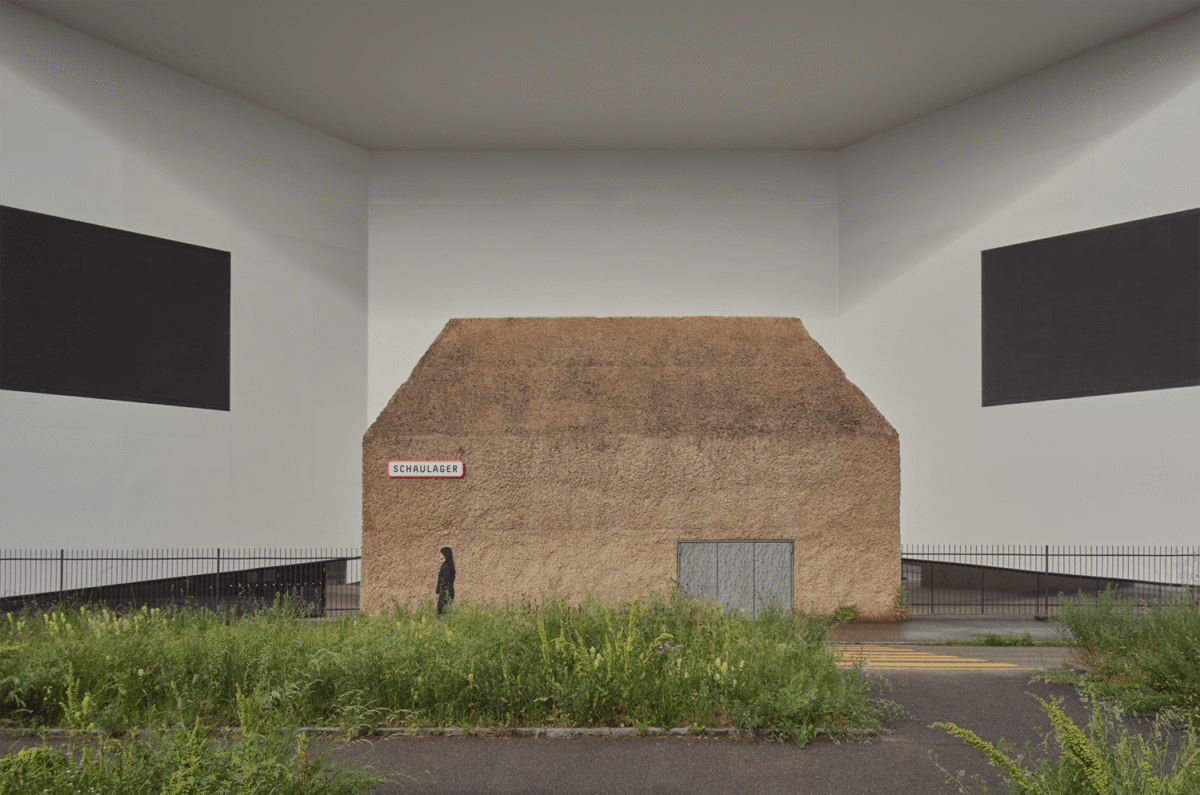
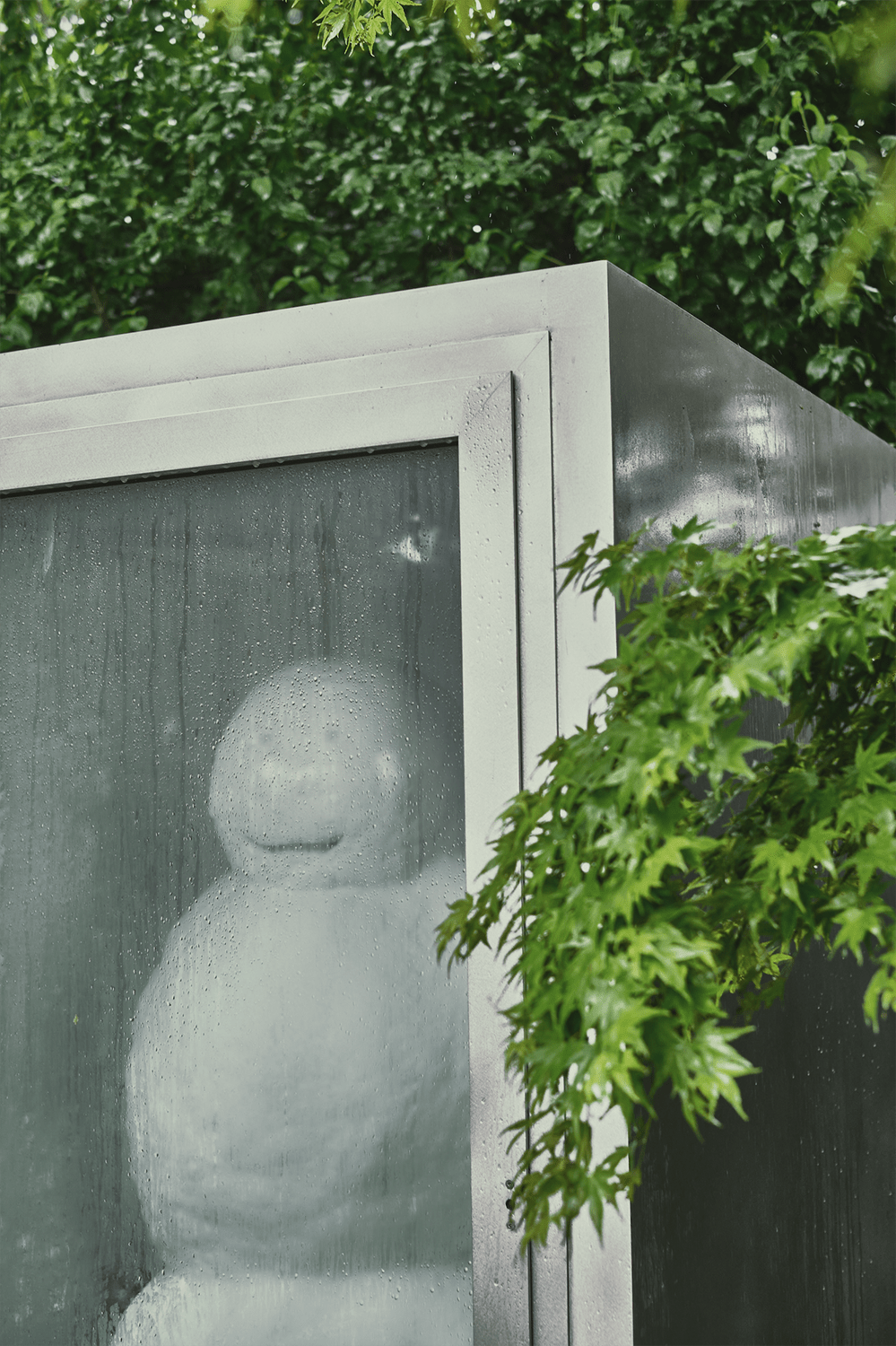
Schaulager is an innovative artistic institution that is neither a museum nor a traditional warehouse. It can be defined as a research institution, a storage center, and a venue for exhibitions and events. The creators of this unique building are Herzog & de Meuron. As you can see from the images, it is absolutely stunning.
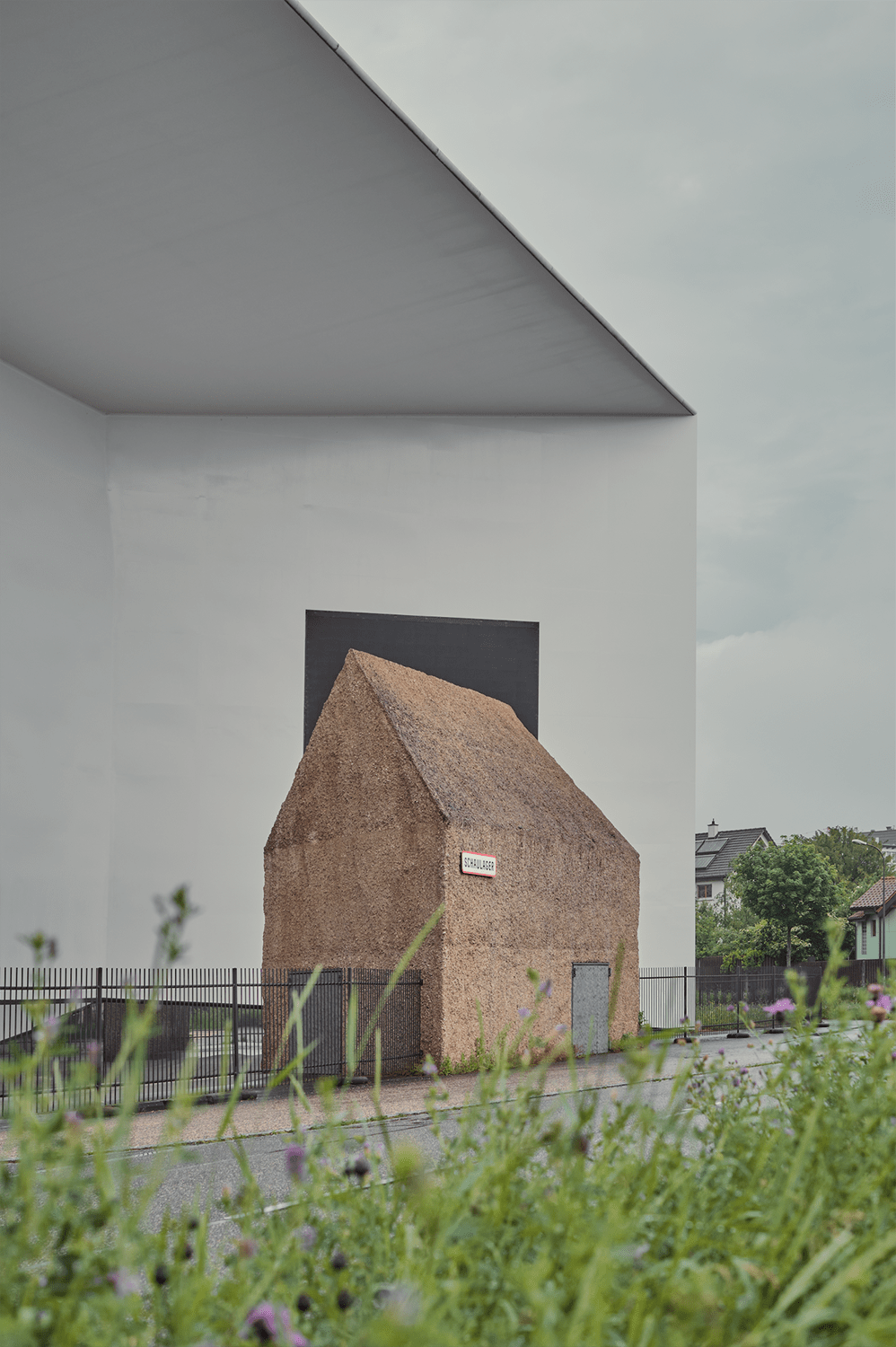
“The Schaulager building designed by Herzog & de Meuron is absolutely stunning.”
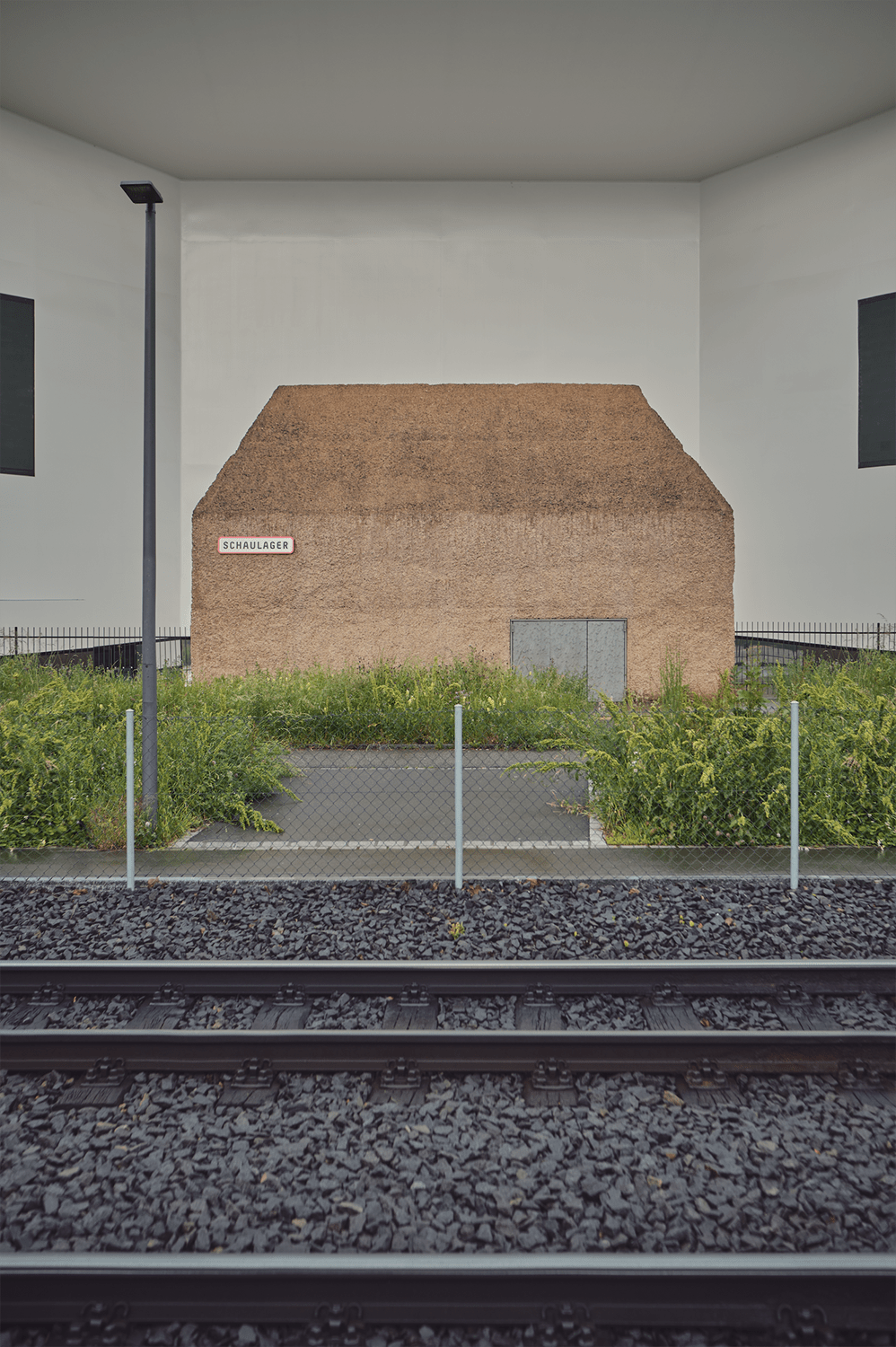
We took a guided tour and were thrilled. The next public project will be a Steve McQueen installation, the British artist, filmmaker, producer, and screenwriter, in June 2025. Until then, it will only be open to researchers, schools and universities in Switzerland and abroad by appointment. In the meantime, interested visitors can participate in Schaulager’s guided tours, which are held once a month in English and German.
Schaulager is supported and overseen by the Laurenz Foundation.
In 2004, Philipp Brogli created Artstübli, a platform showcasing all contemporary facets of art and urban culture, from graffiti to street art.
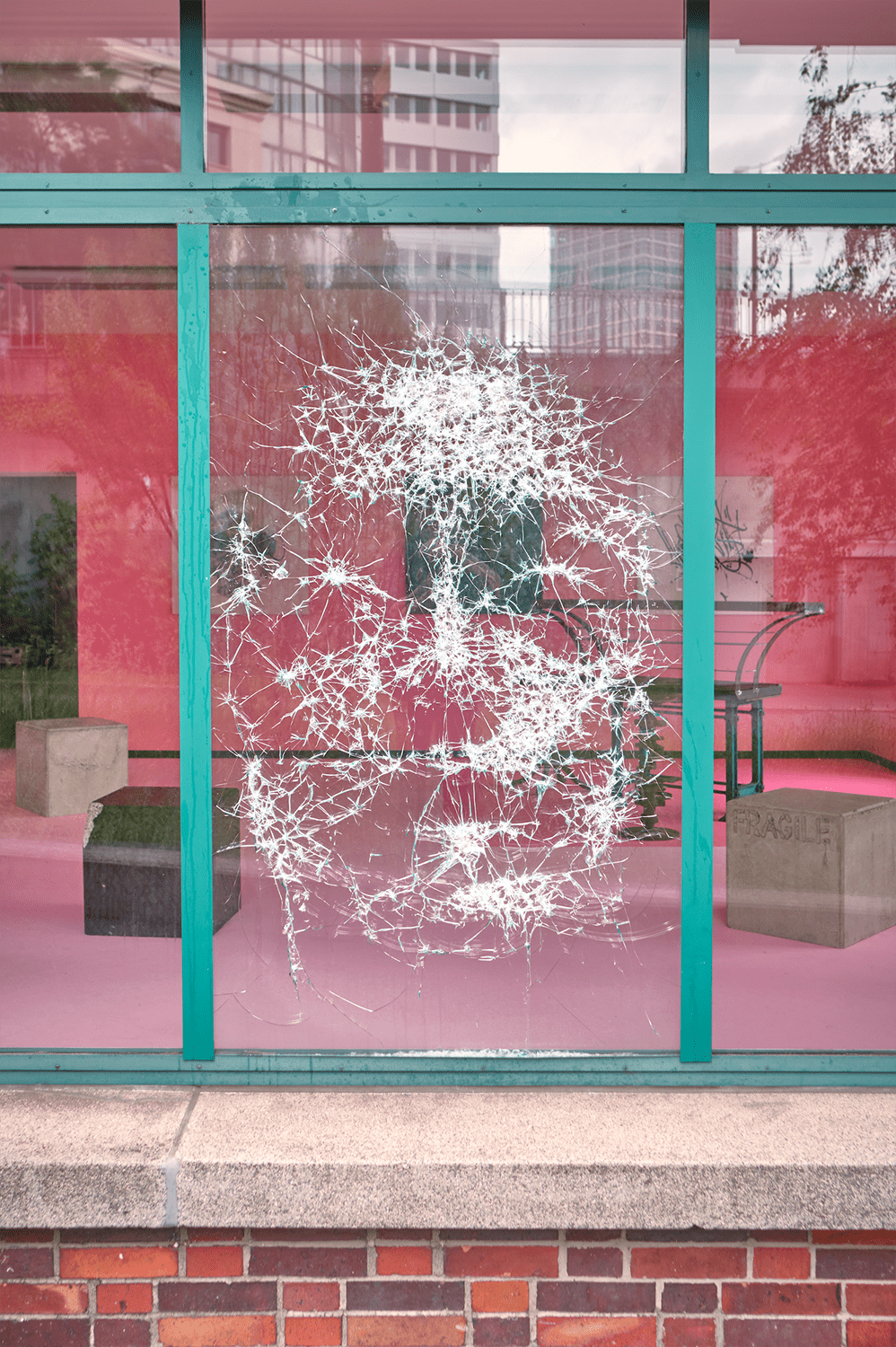
To mark its tenth anniversary, the gallery is featuring an exhibition titled “Fragile”, highlighting the work of two artists: Simon Berger and Vierwind. The exhibition explores human vulnerability, with a focus on sensitivity and the cultural, linguistic, and graphic connections between them.
Simon Berger’s work, displayed on one of the entrance windows, is impressive. At first glance, it seems as though the gallery’s glass is broken, but as you step back and use your phone to photograph it, you reveal an incredible image.
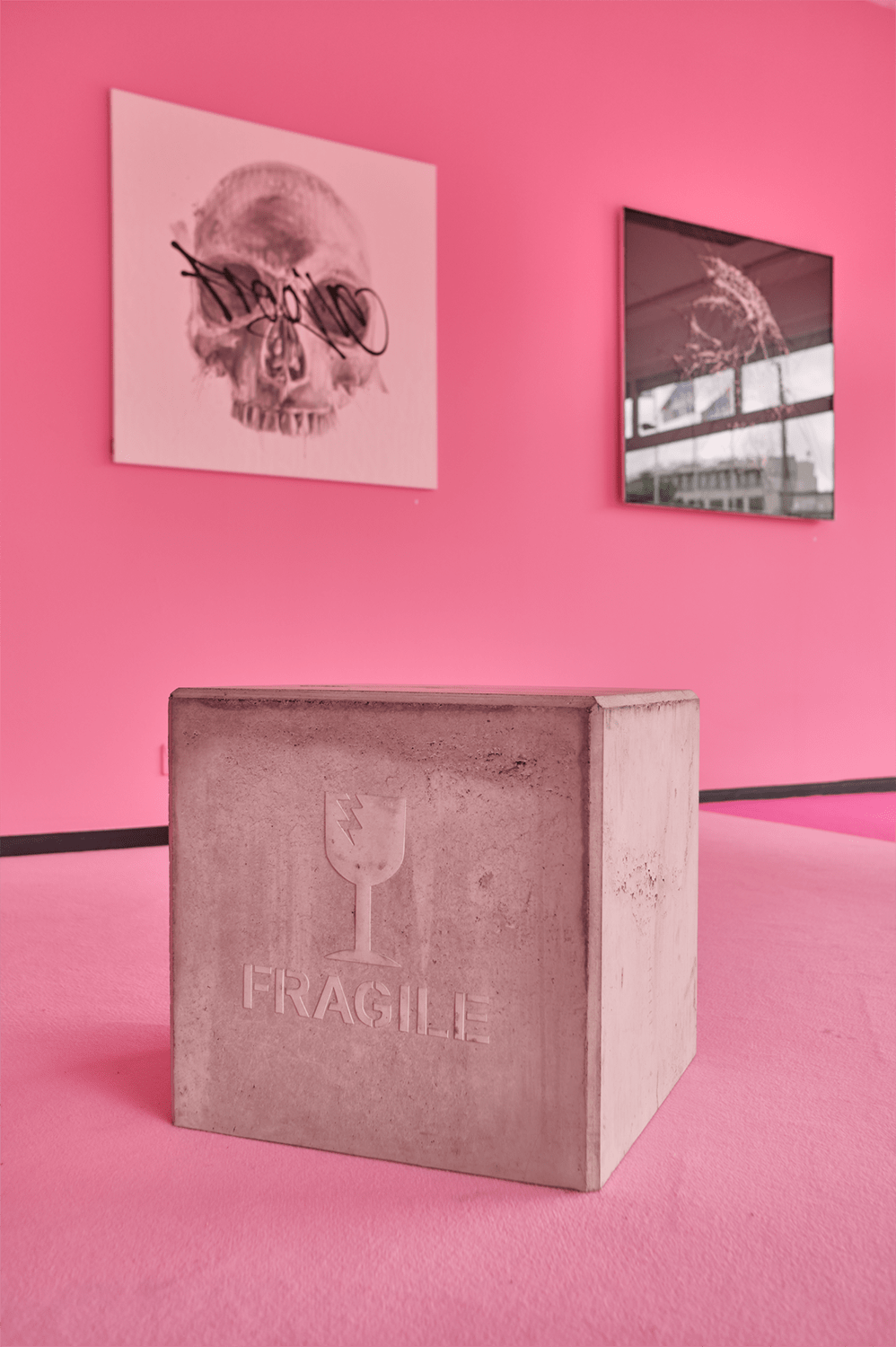
The carpet and the pink wall colors are from the previous installation by artist Nici Jost, “From West to East to Space”. The exhibition is complemented by furniture created exclusively by Basel artist duo Pascal Martinoli and Filip Wolfensberger.
Founded in Los Angeles in 1980 by Larry Gagosian, this global gallery specializes in modern and contemporary art. Since its inception, Gagosian has curated and presented unprecedented museum-quality exhibitions of historical artists.
Some of these artists include: Arakawa, Diane Arbus, Francis Bacon, Louise Bourgeois, Alexander Calder, Willem de Kooning, Andy Warhol, Giacometti, Roy Lichtenstein, Man Ray, Monet, Henry Moore, and Jackson Pollock, among many others.
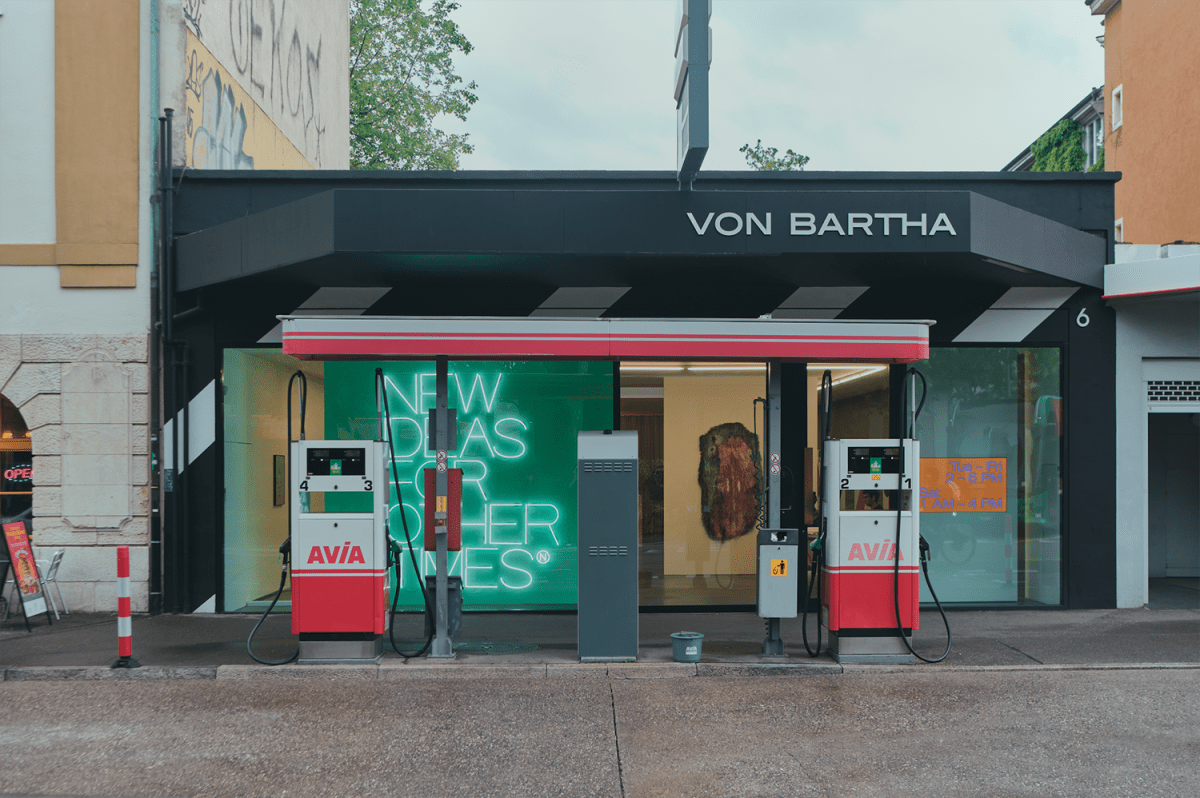
Since its opening in 1970, Von Bartha has been a Swiss intergenerational gallery that creates a meeting point between modern and contemporary art.
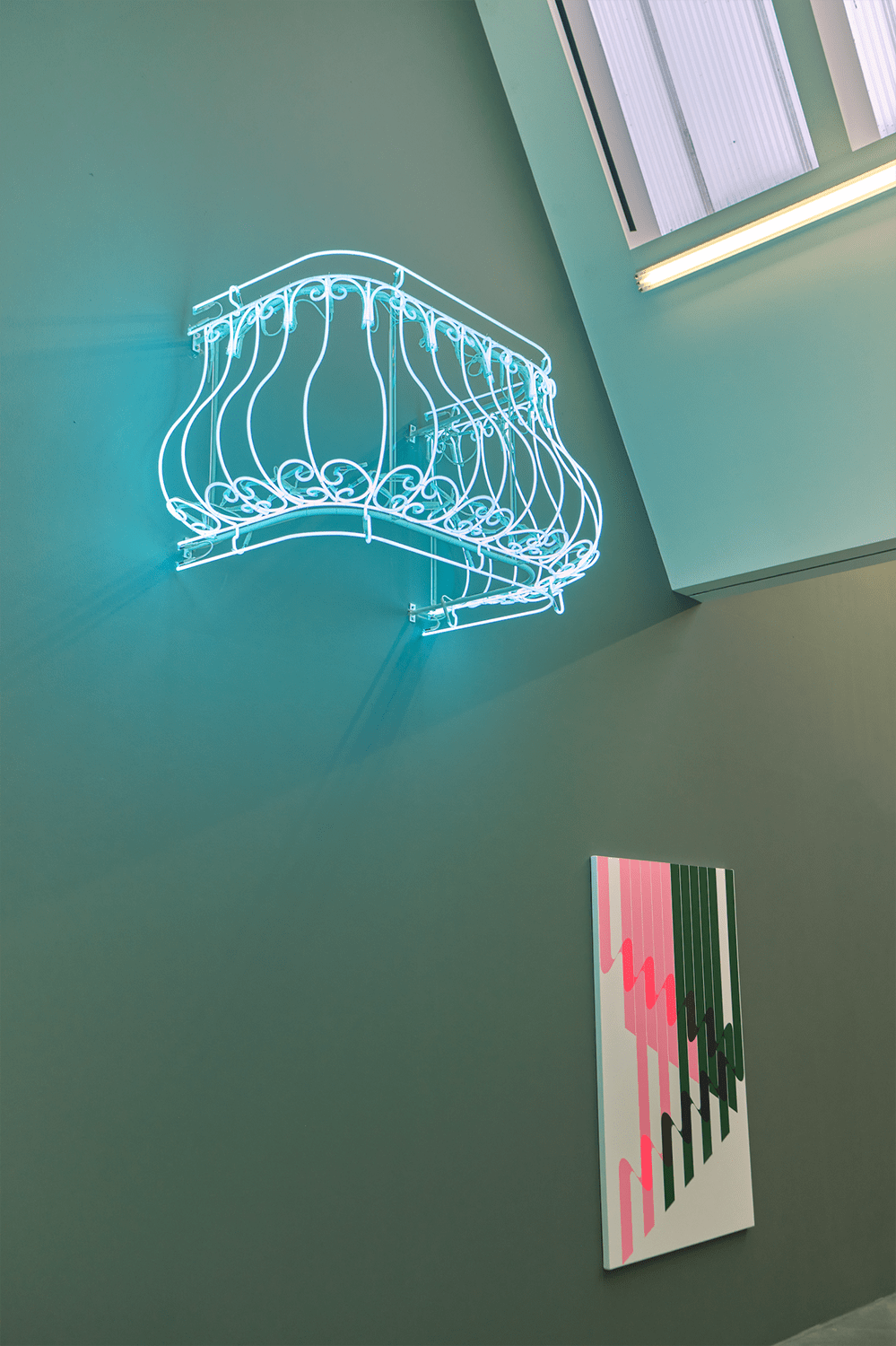
“Von Bartha is a meeting point between modern art and contemporary art.”
The gallery’s relocation and expansion in 2008 into a former car repair workshop, which is partially integrated with a gas station on Kannenfeldplatz Street, gives it a unique personality. Additionally, due to its size (over 700 m²), it can host up to five contemporary exhibitions a year.
Both the space and the exhibitions are definitely worth a visit.
THEATER & CULTURE
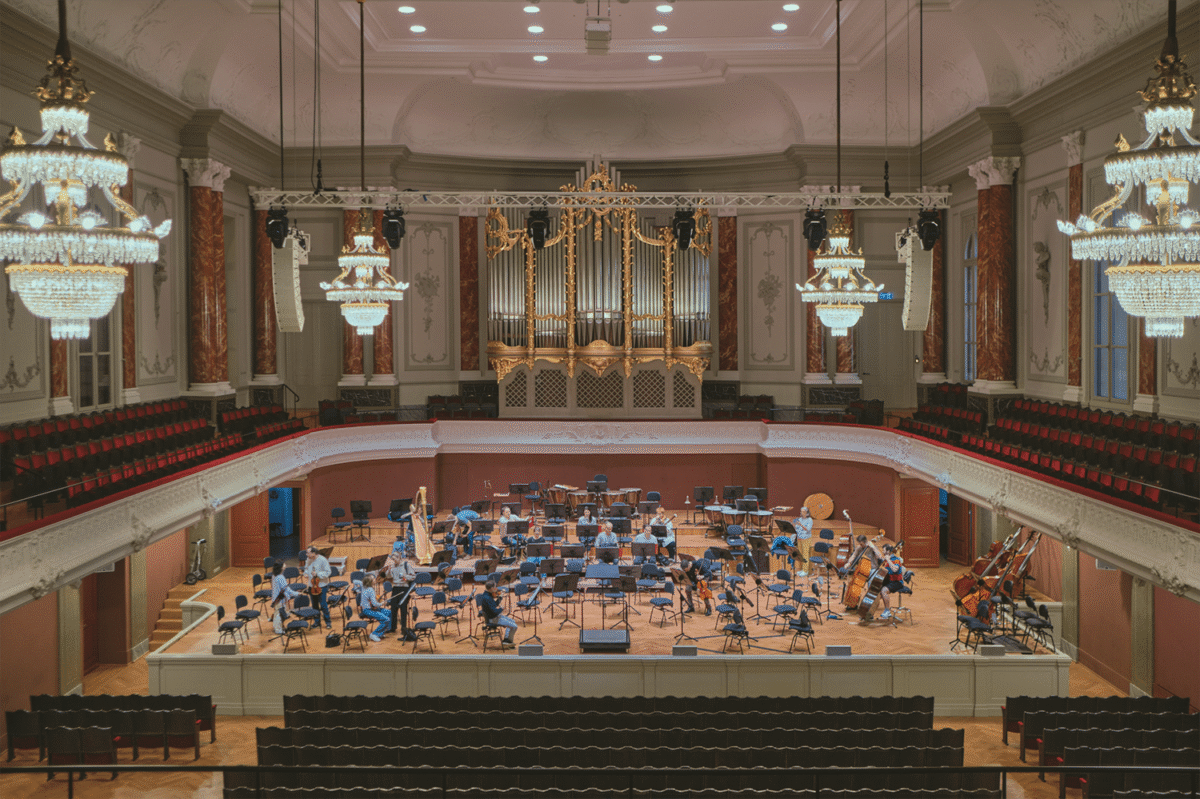
If you are lovers of theater and music, this city will delight you. Thanks to its acoustics, Stadtcasino is considered one of the best concert halls in the world.
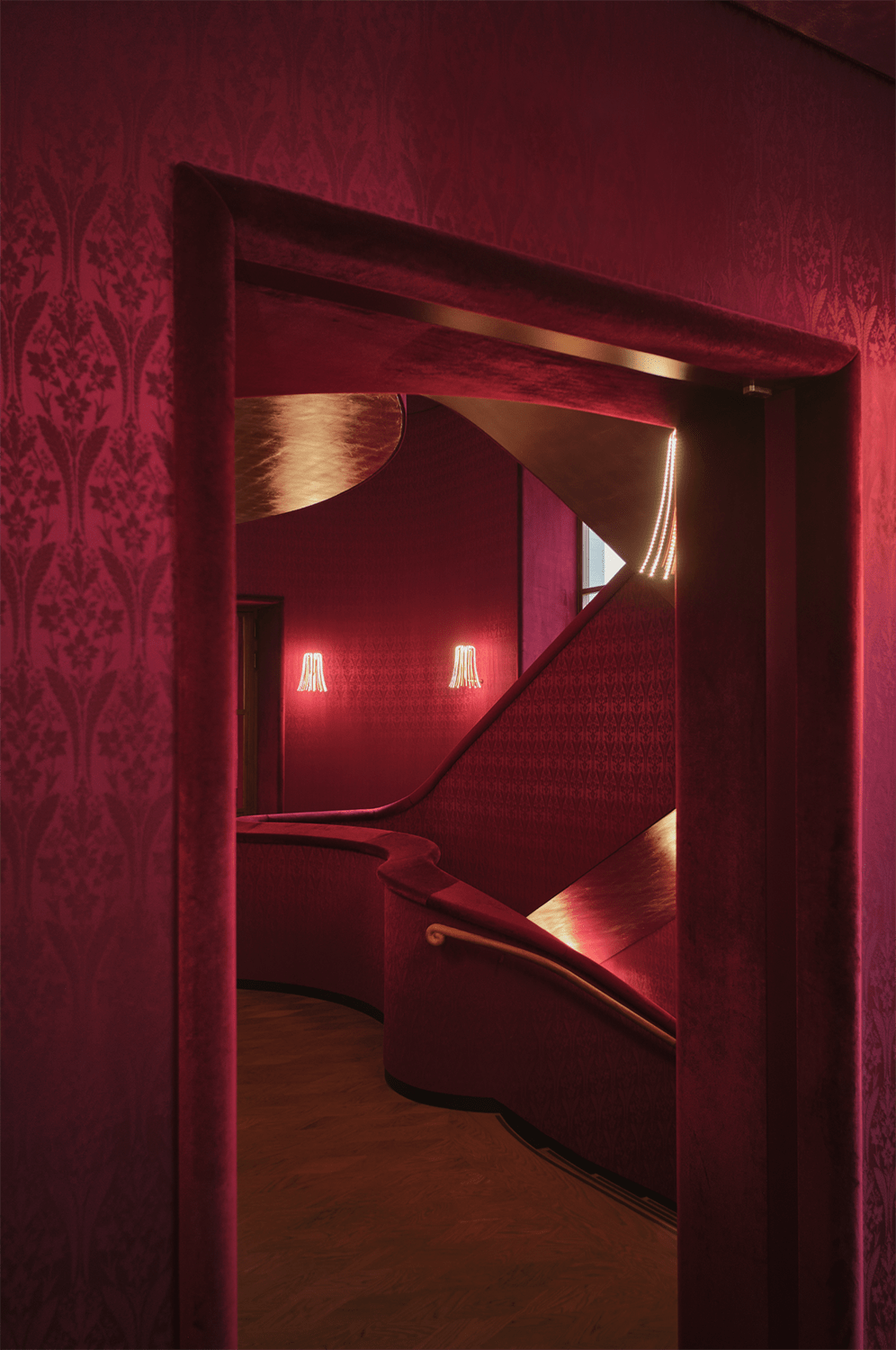
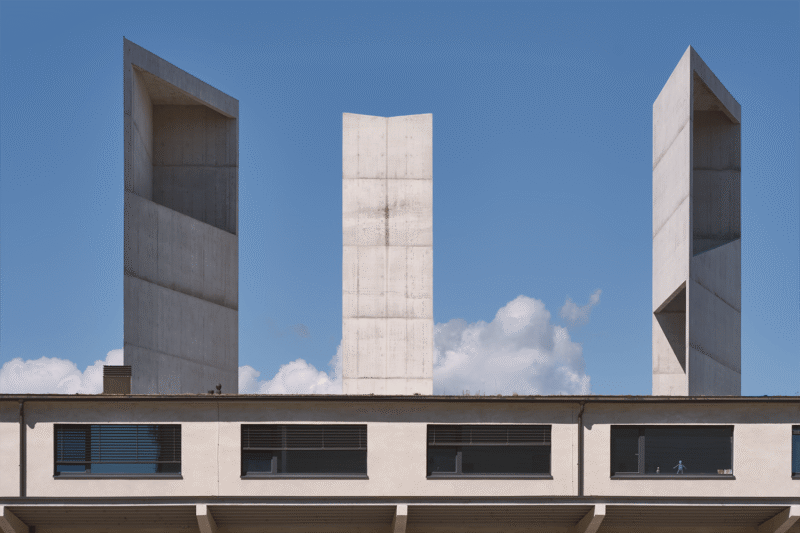
As you’ll see, it’s an exceptional theater that has been remodeled by Herzog & de Meuron. With great ingenuity, extensive research, and a sublime sense of aesthetics, they have preserved and enhanced its essence. The result is wonderful.
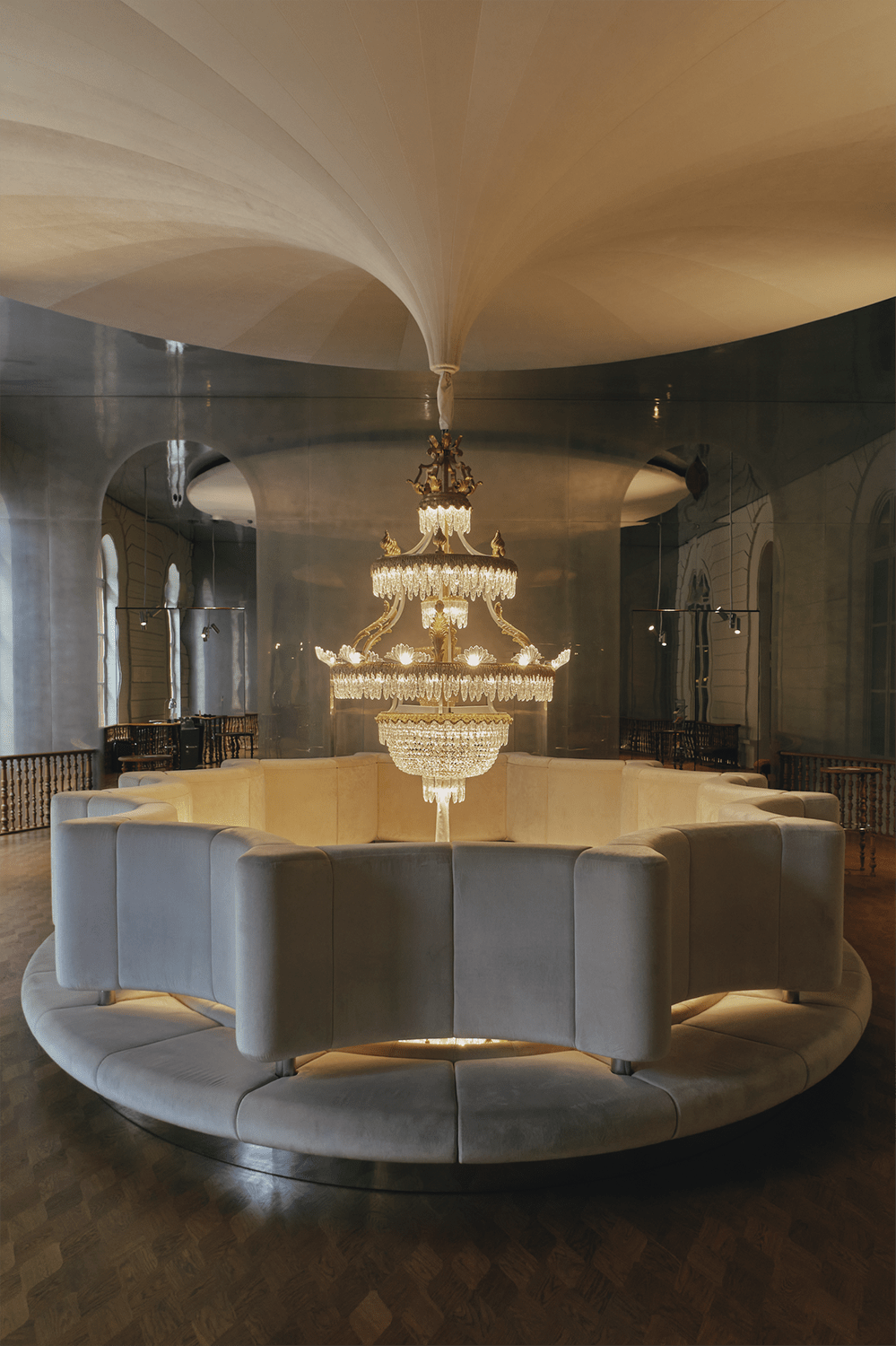
We highly recommend a guided tour to learn all the details about this building and its history.
Theater Basel
Theater Basel has been named Opera House of the Year twice and attracts prominent figures in performance and artistic direction from around the world. It is the largest mixed-use venue in Switzerland, hosting high-level dance, opera, and theater productions.
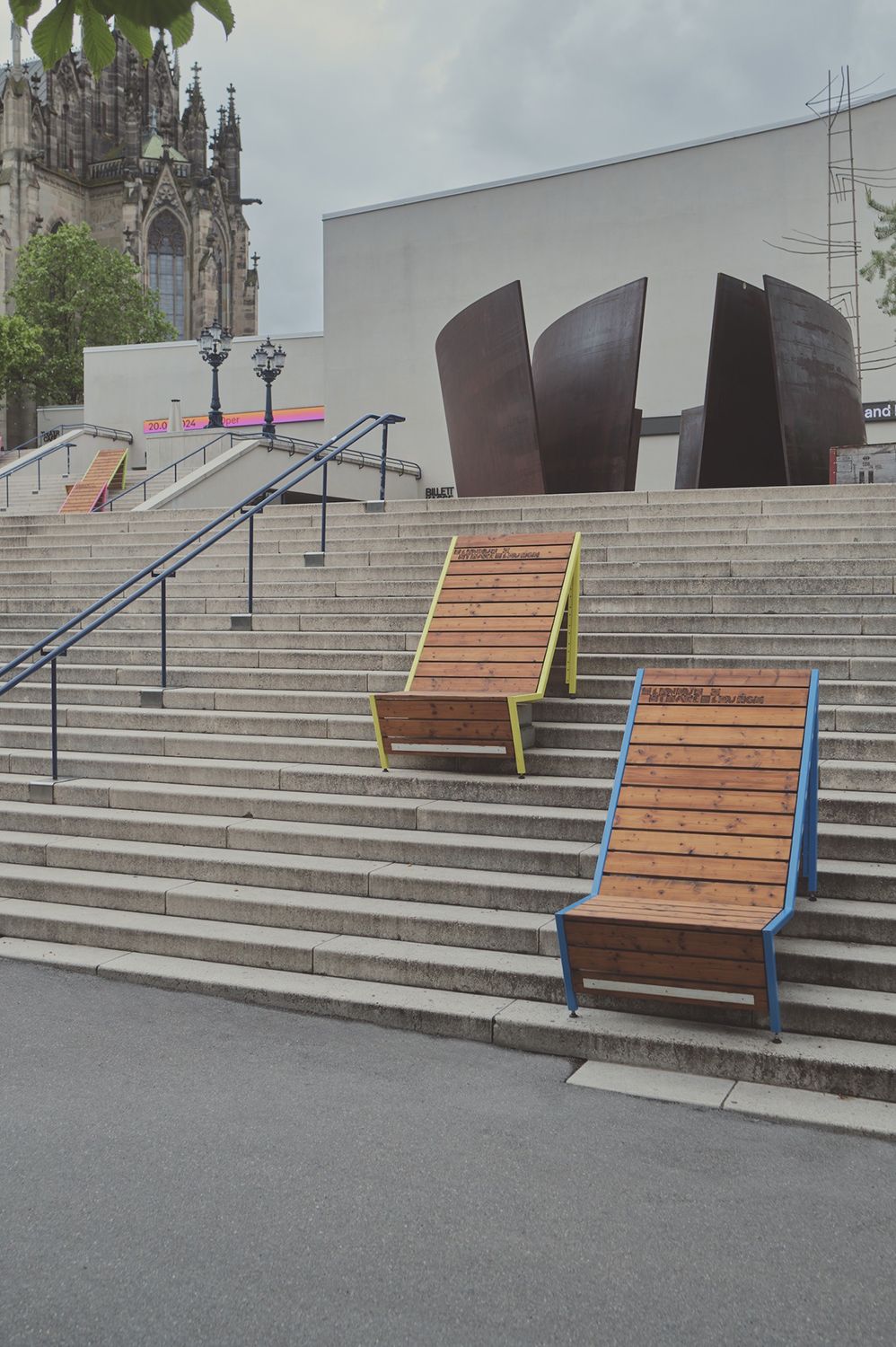
Its Public Foyer is well worth a visit. Just in front of this building is the famous fountain by Swiss painter and sculptor Jean Tinguely.
Kaserne
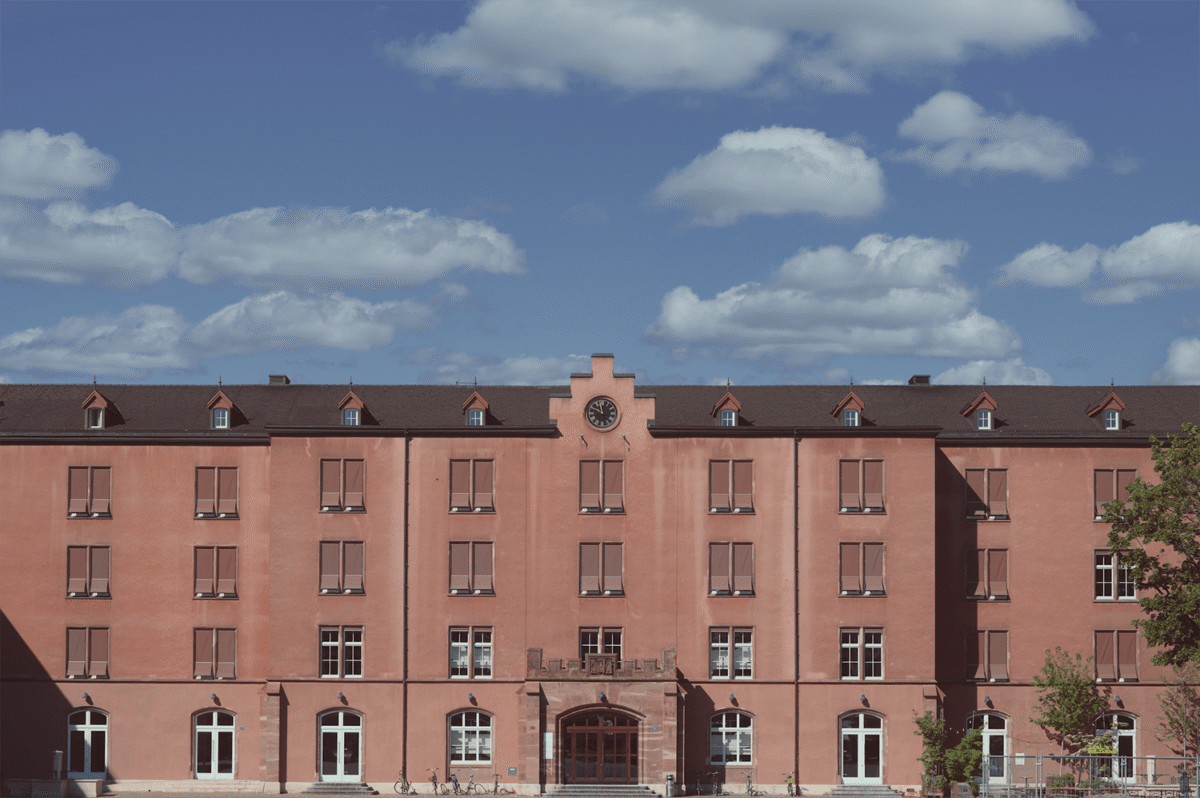
This former barracks is now the largest center for contemporary theater, dance, performance, and innovative popular music in northwestern Switzerland. The space is spectacular and features a very interesting dining offer.
From the terrace of the Amber Bar, there are also amazing views of Basel.

Allgemeine Lesegesellschaft
This is one of those places you discover by chance and don’t want to leave. It’s the reading society, founded on October 26, 1787, and it features a beautiful library and a reading room on the first floor. Located next to the Cathedral, it acquired this iconic building in 1830. Just imagine the history behind it.
We visited a couple of times because we fell in love with the place.
URBAN ART
Sommercasino
The 19th-century Sommercasino has now become a cultural hub for the youth. Its walls feature striking graffiti that is periodically refreshed. This space is available for rental to local young artists and also hosts concerts and parties.
Here you will find a massive multicolored basilisk (Basel’s heraldic animal) by Swiss graffiti artist Tika.
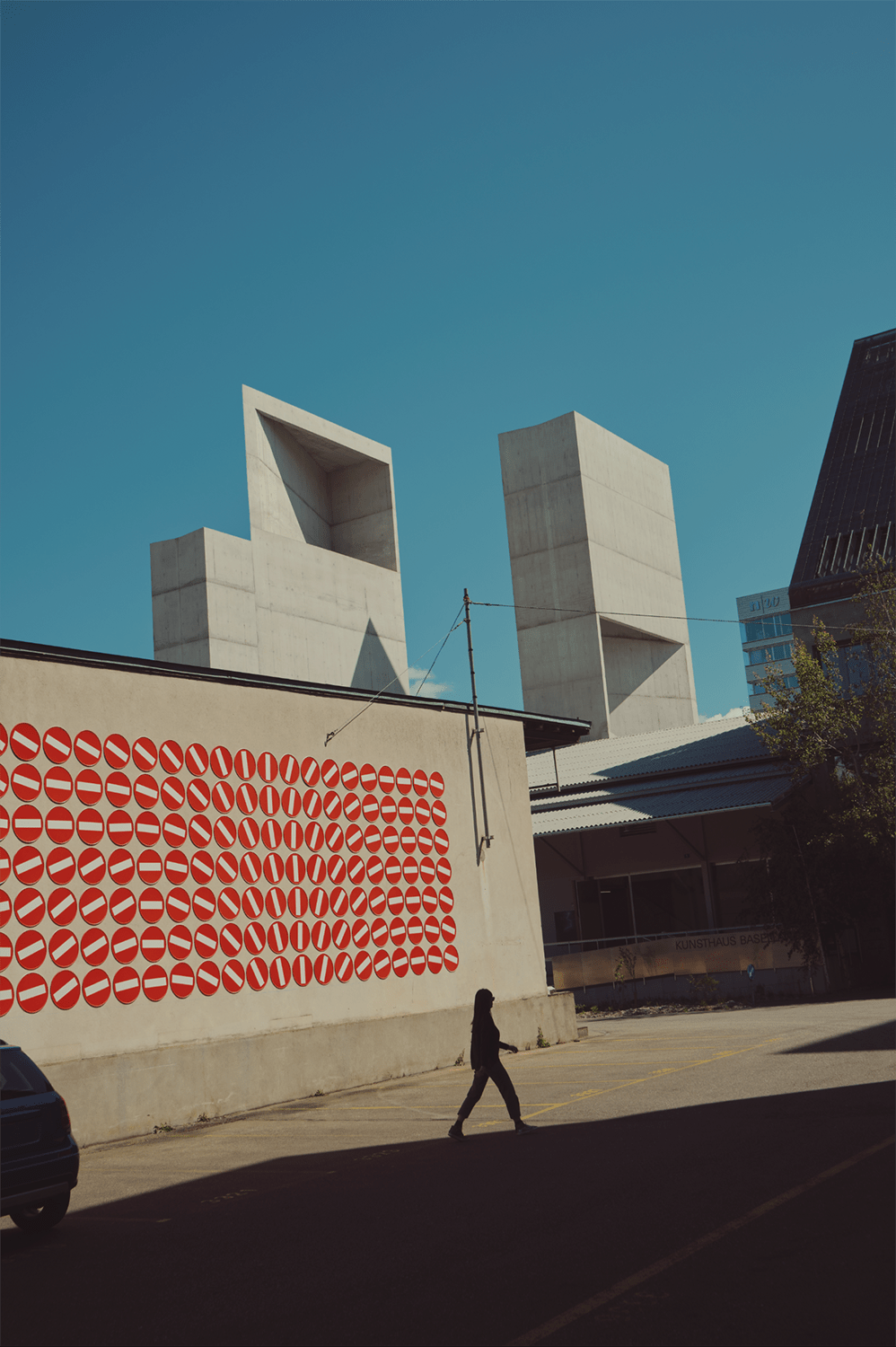
Florenz-Strasse (Dreispitz)
In this street and its surroundings, you’ll discover urban art by artists such as Hendrik “ECB” Beikirch, known for his large-format portrait of a warehouse worker on a concrete wall, and Spy, who has created an installation featuring “No Entry” traffic signs against a facade, in a rotating sequence. This work has been curated by Philipp Brogli of the Artstübli gallery.
Urban Art City Tour – Graffiti & Street Art
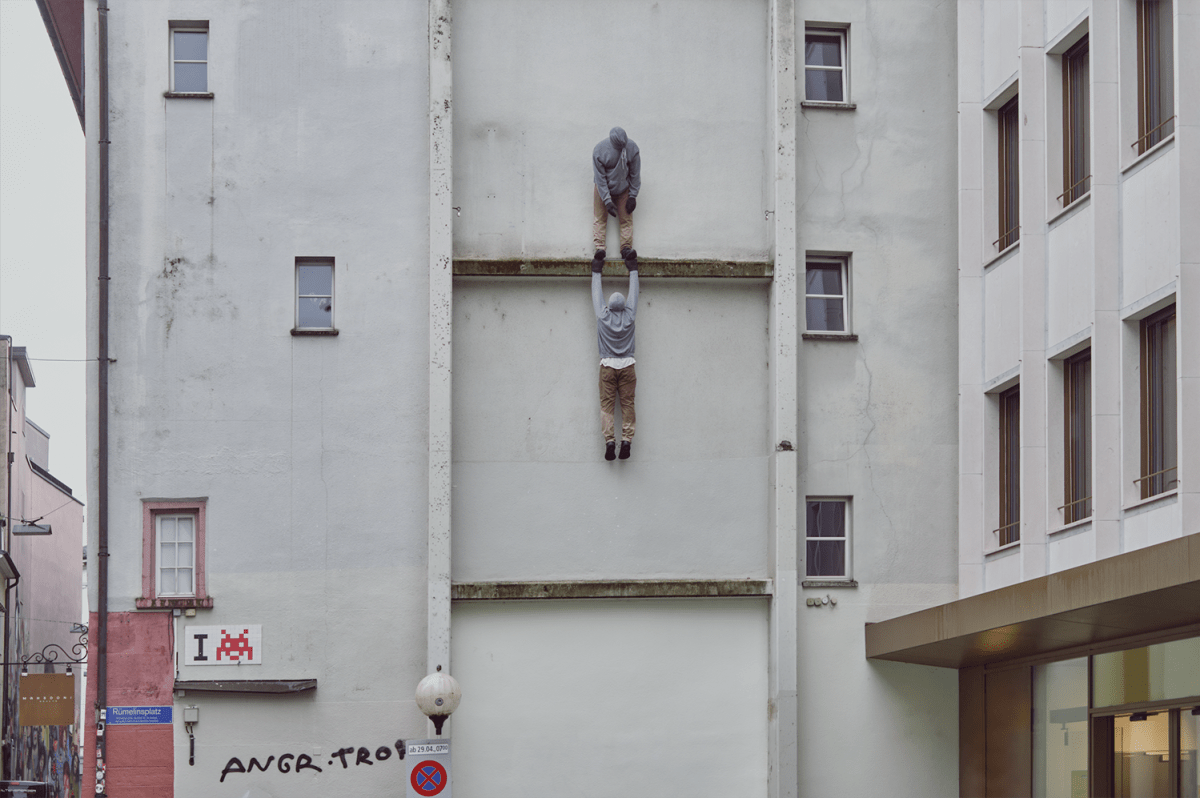
In recent years, urban art has firmly established itself in Basel’s artistic scene. In fact, the city became a favorite spot for graffiti artists in Switzerland during the 1980s, and since then, urban art has been recognized as a legitimate and distinct form of artistic expression.
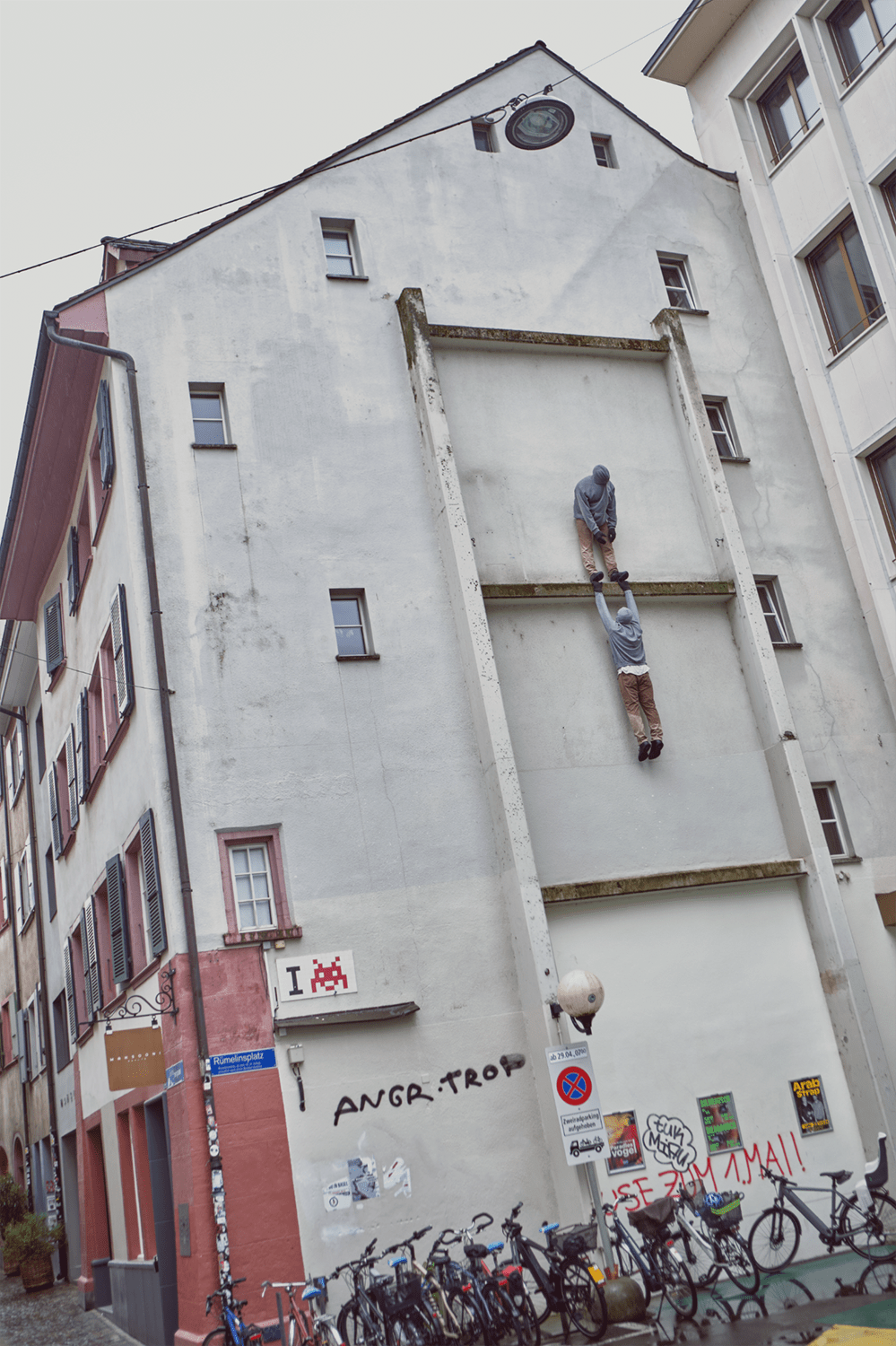
Street artists can legally express themselves in various parts of the city, as well as at urban art festivals and parallel events during Art Basel, where prominent international urban art figures like Invader, The London Police, Espo, Tarek Abu Hageb, Tika, Mr. Cenz, Bane, Chromeo, and Bustart are invited to adorn the city with their works.
If you’re interested, the Artstübli gallery organizes urban art and graffiti tours led by artists and experts.
As you can see, Basel is a fantastic city that impresses with the quantity and quality of its artistic and cultural offerings. It’s amazing that one city can host so much, allowing us to enjoy it fully without needing to travel to multiple locations.
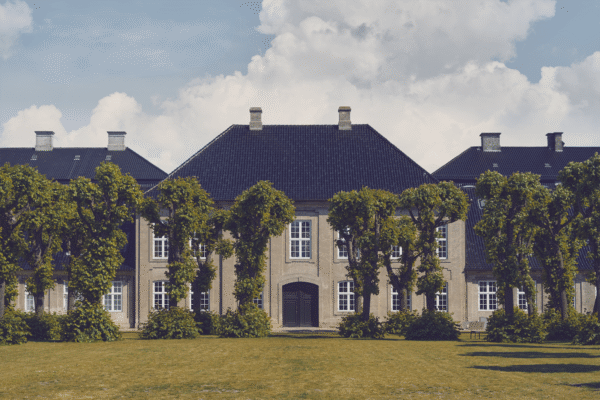
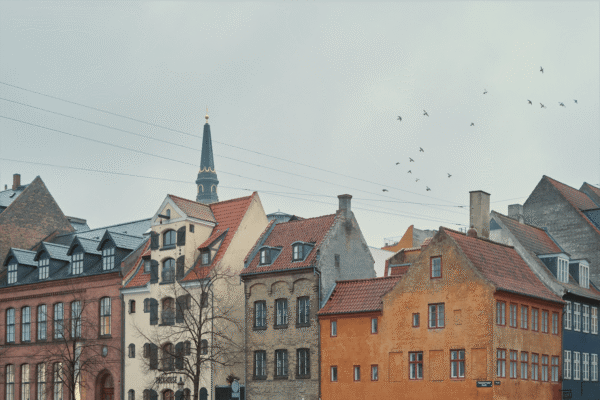
“The cosmopolitan charm of Basel coexists with its most ancient traditions.”
Remember, we will soon publish the second part of this feature on this charming Swiss city.
(*) Photos by Ely Sánchez & Cecilia Camacho (CC/magazine).

&p[summary]=&p[url]=https://ccmagazine.es/en/basel-the-next-city-youre-going-to-fall-in-love-with-part-1&p[images[0]=https://ccmagazine.es/wp-content/uploads/2024/06/ccmagazinexBasel49.png)
)