Limburg: a road trip through art, vineyards and heritage (Part 2)
After several days exploring former coal mines, reclaimed industrial landscapes, art centres and some of Limburg’s most fascinating architectural interventions, our journey entered an entirely different landscape. We left Hasselt behind and headed towards Haspengouw, a region of gentle hills, fields, orchards, small villages, castles and vineyards that stretches across the south of the province. The landscape opens up, the roads become narrower, and the pace slows almost without you noticing.
Here begins the second part of our road trip through Limburg. You can find the first part here.
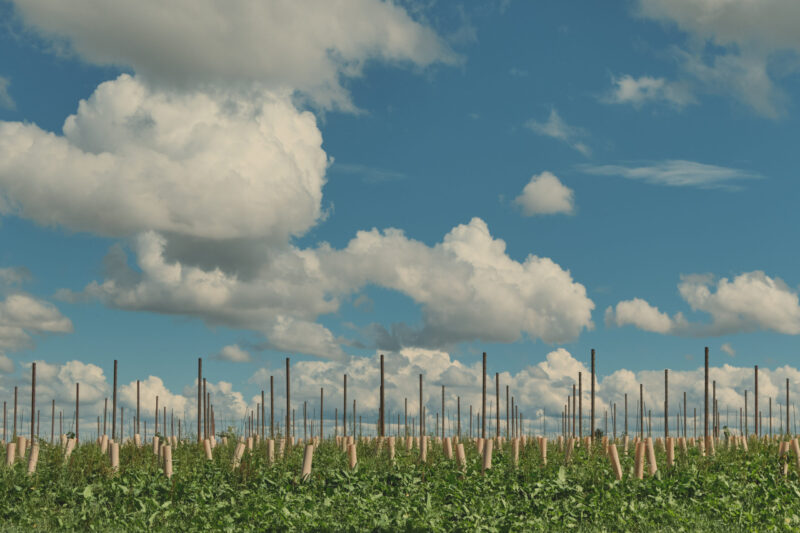
Over the following days, we walked through fields in search of works of art, discovered that Belgium is also a wine-producing country, stayed in a house dating back to 1666 in the heart of Borgloon, explored one of Flanders’ most important historic sites and encountered Gijs Van Vaerenbergh once again, the Belgian duo who had already appeared in the first part of our journey.
First with a church that almost disappears into the landscape. Then with another intervention, far more monumental, that restores the lost heart of a former abbey.
Borgloon: when the landscape becomes a museum
Our first base was Borgloon, a small town in the heart of Haspengouw, surrounded by one of Limburg’s most distinctive agricultural landscapes.
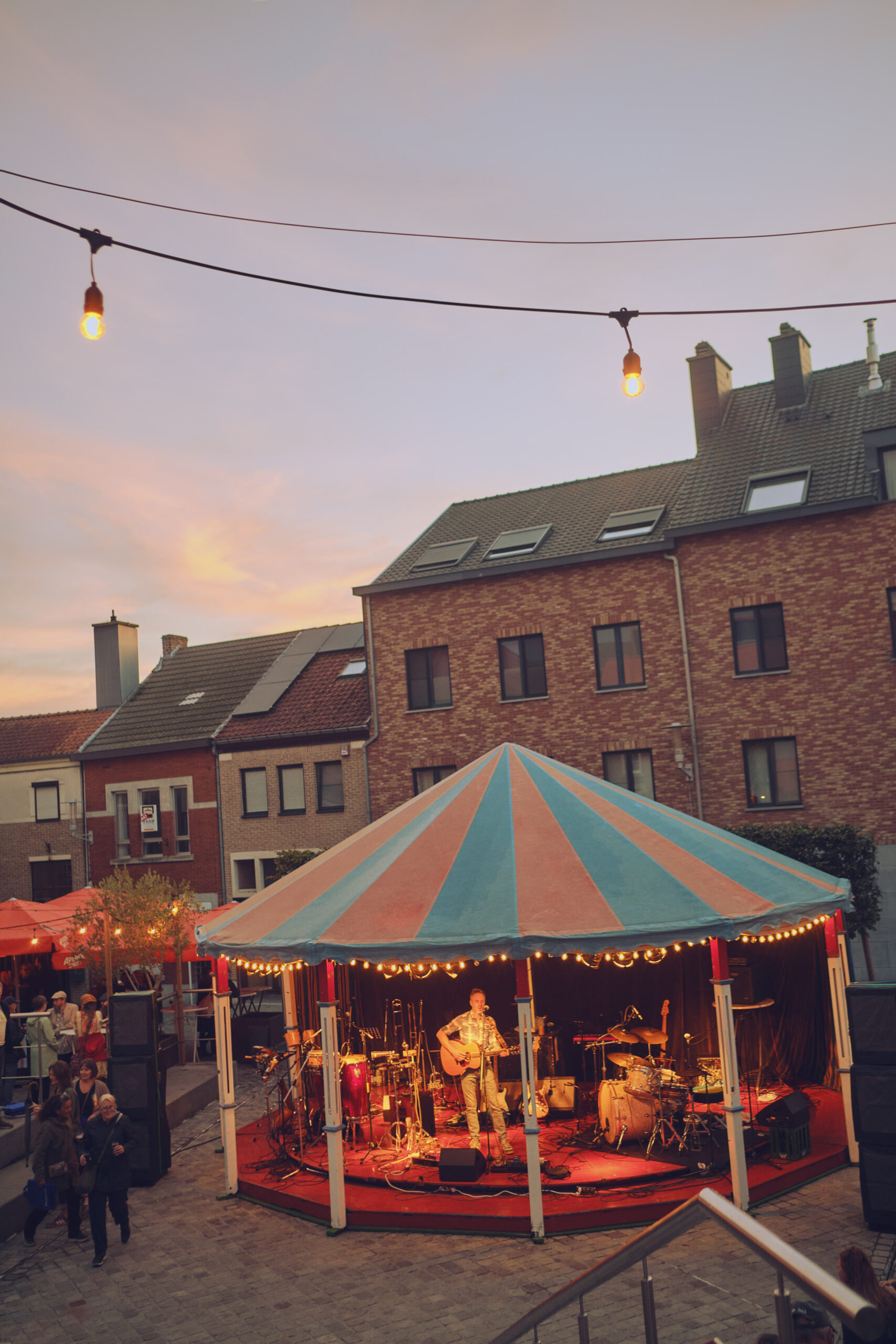
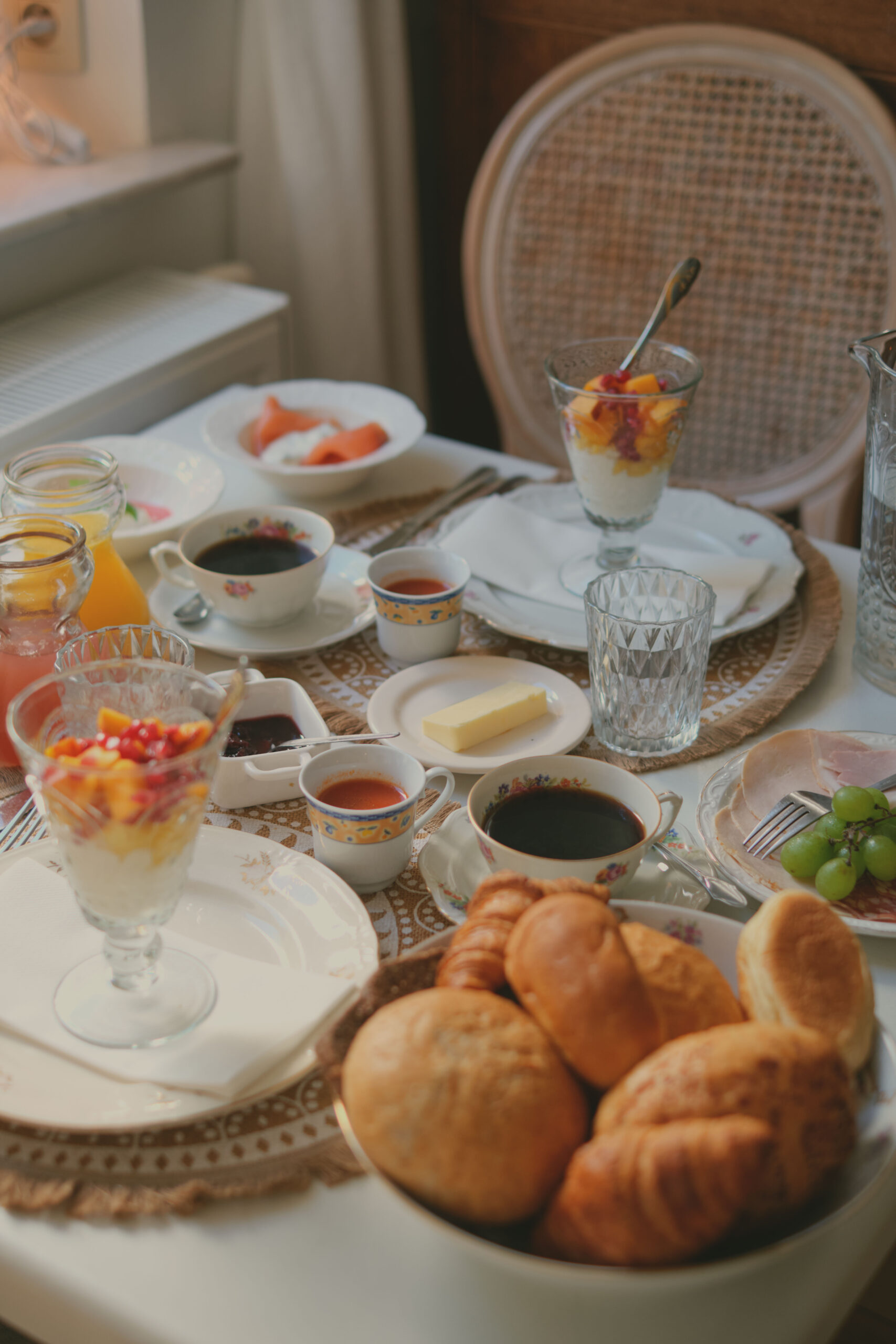
We stayed at Huis van Loon, a tiny B&B with just three rooms overlooking Borgloon’s main square. The protected building, dating from 1666, preserves many of its original features and feels extraordinarily welcoming.
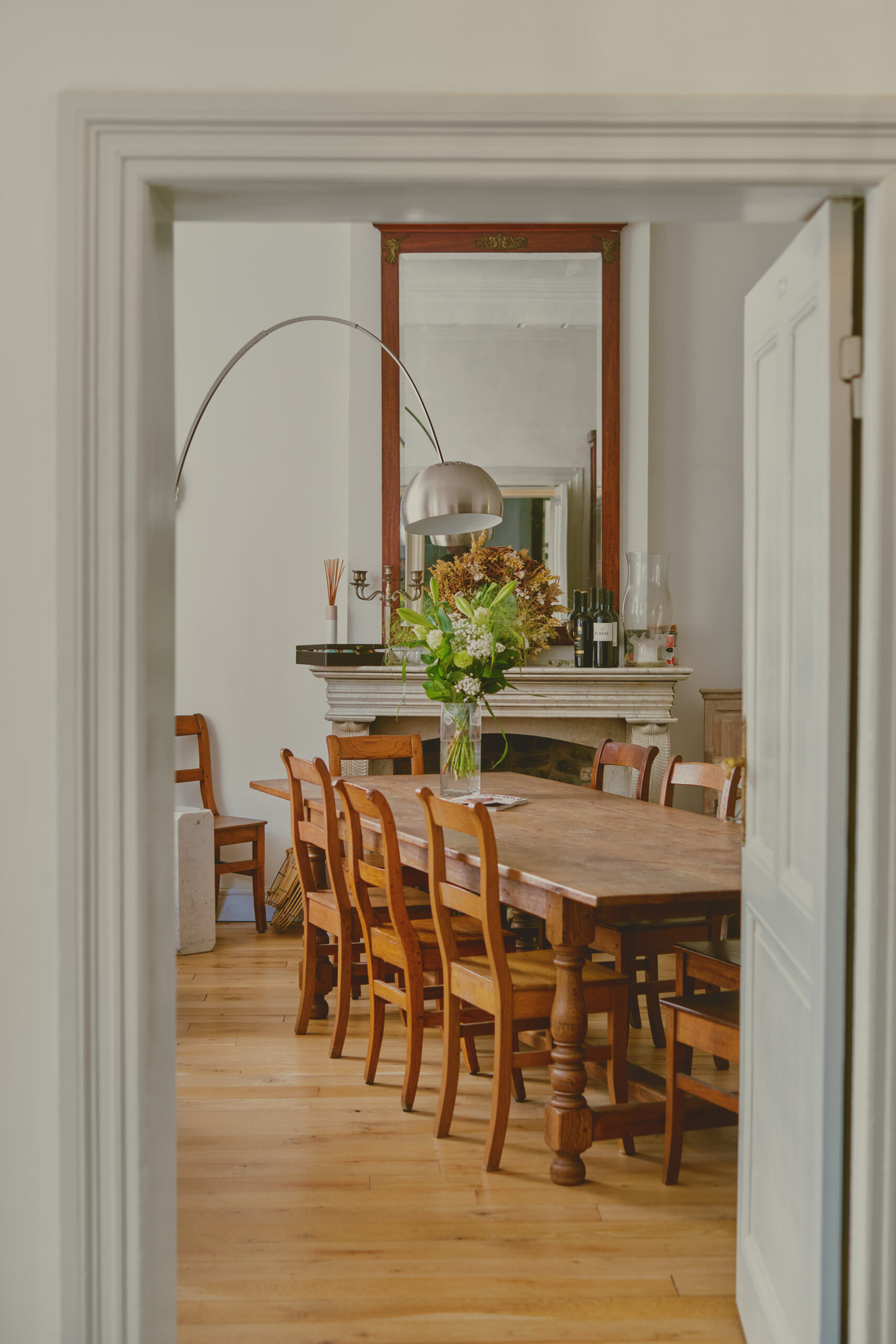
Its interiors — filled with antique furniture, chandeliers, wallpaper and carefully chosen details — have something of a house lifted straight from a Jane Austen novel.
Much of Huis van Loon‘s charm comes from Ingrid, its owner and host, whose warmth makes the experience even more memorable. Then there is breakfast: generous, delicious and prepared with regional produce, including breads and pastries, cheeses, cured meats, fresh fruit, homemade preserves and local specialities.
Served in the house’s beautiful dining room, it is one of those breakfasts that makes you want to linger far longer than planned. Staying at Huis van Loon felt like an absolute dream.
Borgloon is an excellent starting point for exploring this part of Limburg on foot. That is exactly what we did the following morning.
Our route led us along country paths between fields and orchards in search of several works belonging to PIT, a public art project that has gradually introduced contemporary interventions into the Haspengouw landscape.
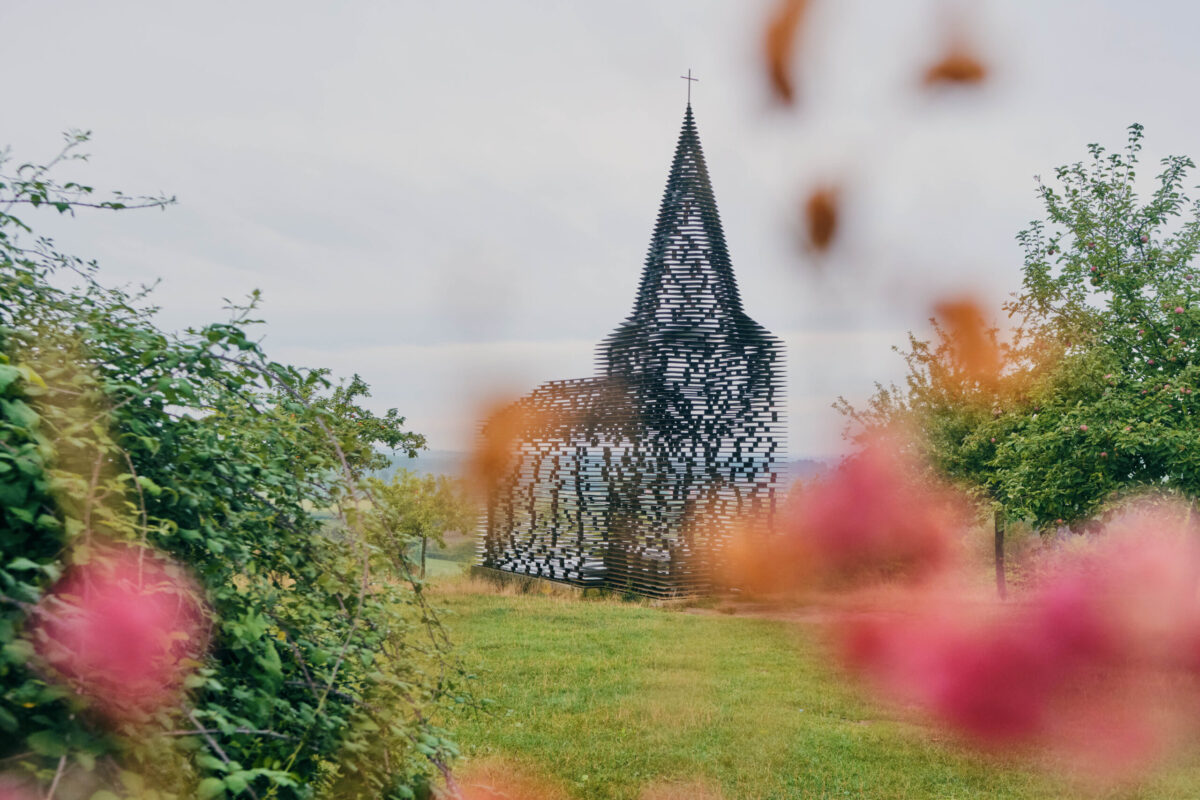
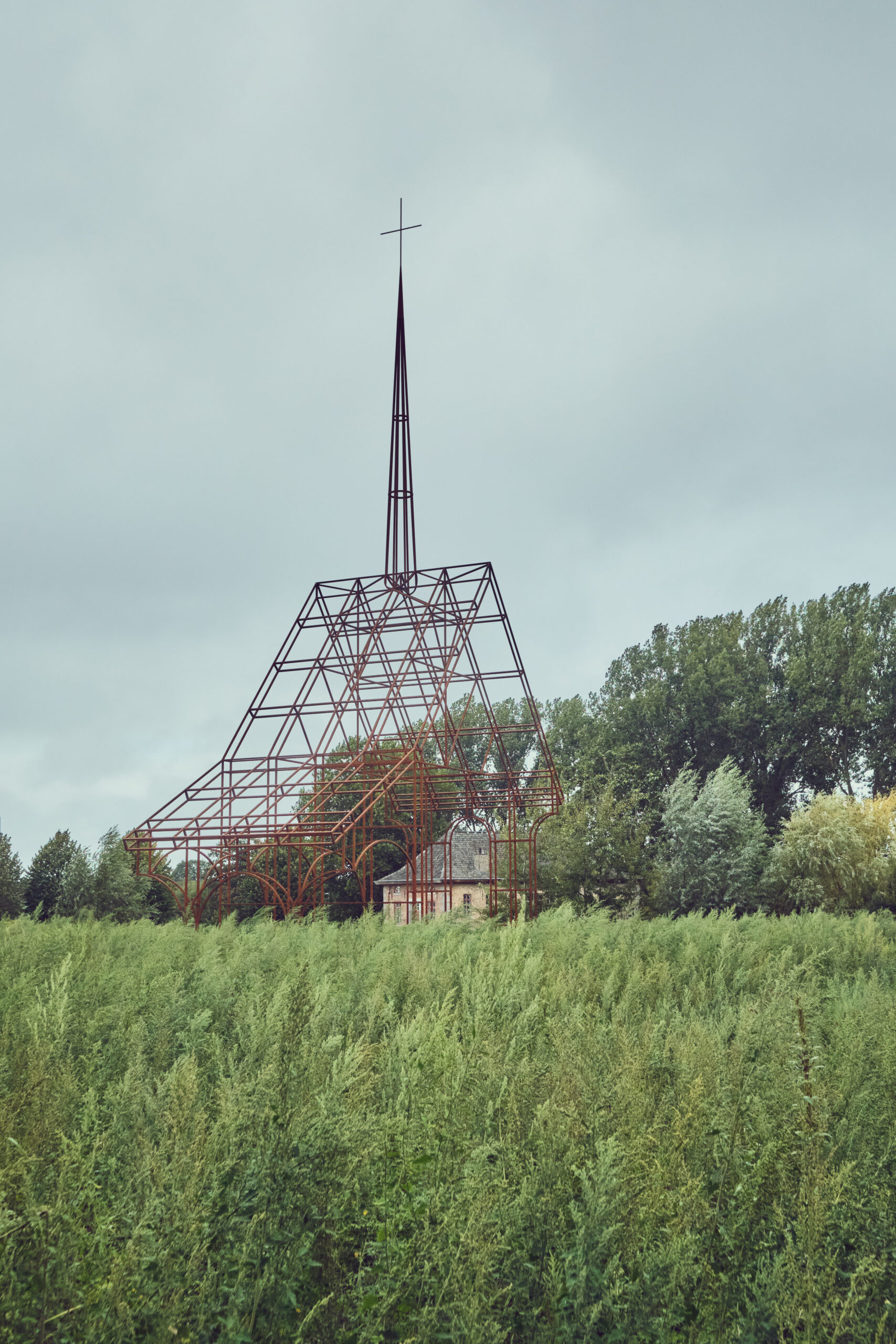
The best-known appears in the distance, standing on a gentle rise. It is Reading Between the Lines. From afar, it has the silhouette of a traditional church, but as soon as you approach, what seemed to be a solid building begins to disappear.
Reading Between the Lines has the silhouette of a traditional church, but as soon as you approach, what seemed to be a solid building begins to disappear.
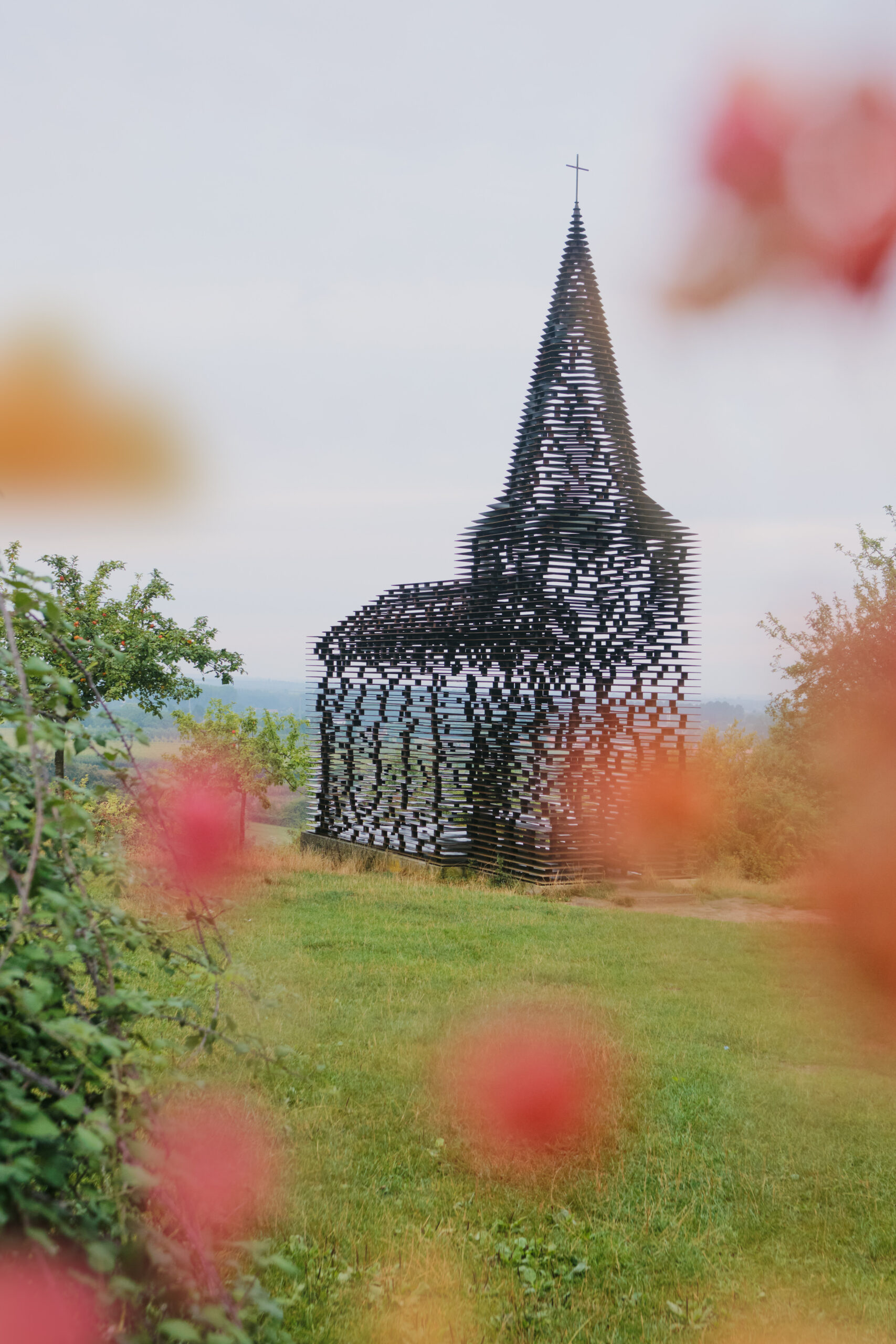
The work was created in 2011 by Belgian architects Pieterjan Gijs and Arnout Van Vaerenbergh, known together as Gijs Van Vaerenbergh, commissioned by Z33 House for Contemporary Art, Design and Architecture, the centre we had visited a few days earlier in Hasselt.
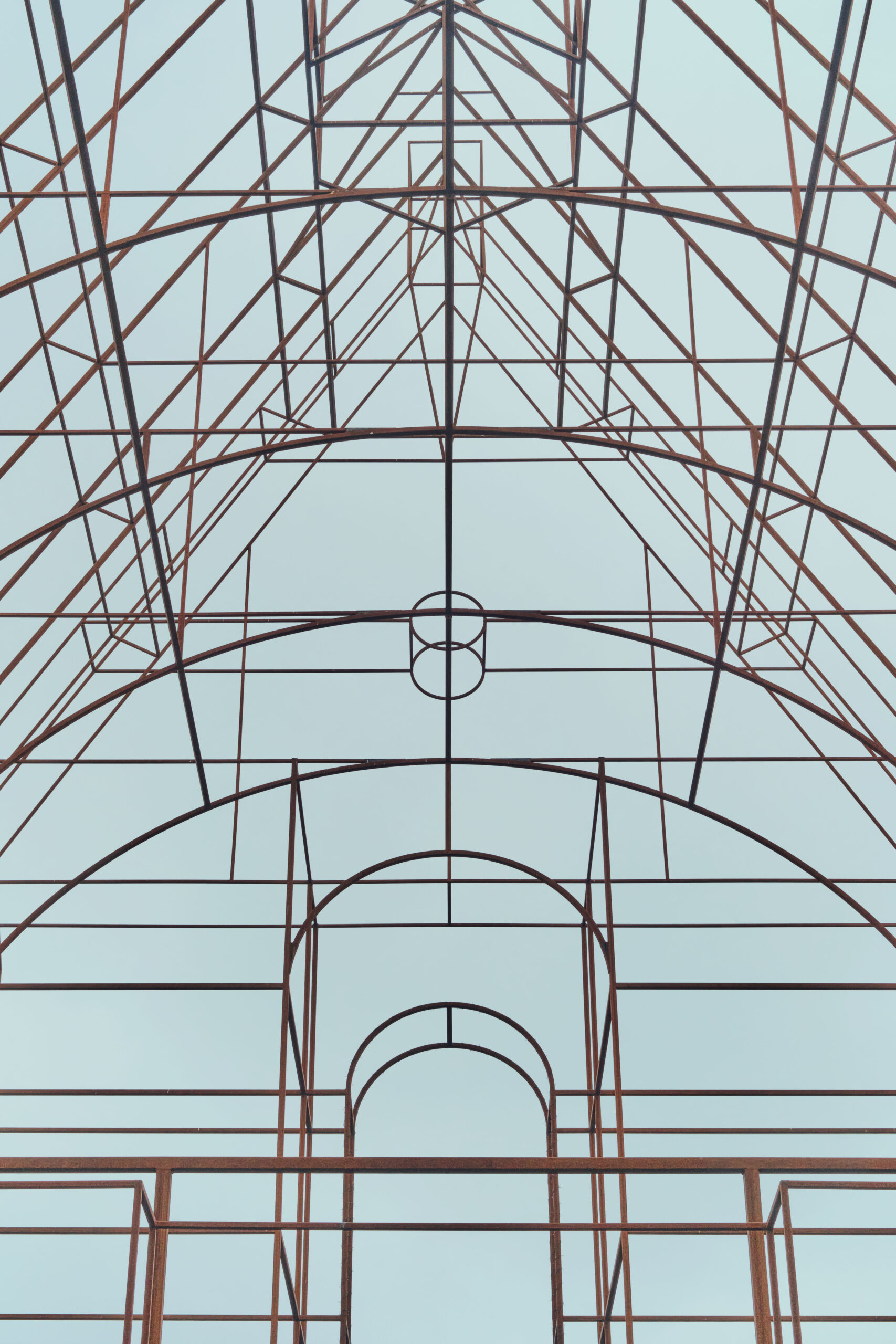
The structure is ten metres high and consists of one hundred horizontal layers of steel stacked and separated by around 2,000 slender columns. Its form reproduces the archetype of a local parish church, yet its structure allows you to look straight through it. That is precisely where much of its power lies.
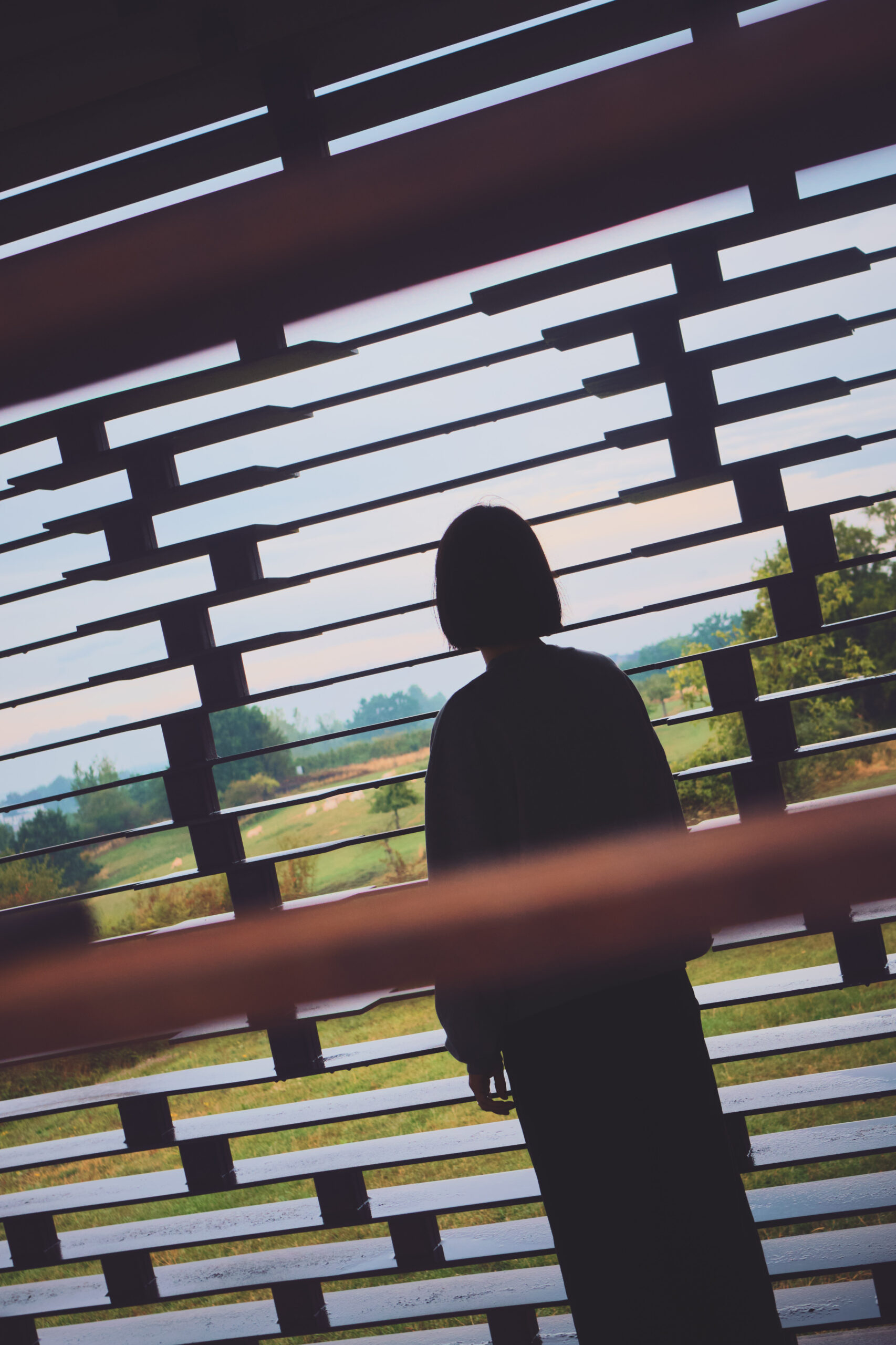
Depending on where you stand, the church appears solid, transparent or almost non-existent. As you walk around it, the steel lines overlap and separate again. Windows, vaults and the roofline emerge, only to disappear again a few steps later.
The landscape never stops being present. It remains visible through the walls and quite literally passes through the architecture itself. From inside, the surrounding fields are framed by a structure that should, in theory, separate us from the outside world, yet does exactly the opposite.
Walking through art, fields and orchards
Reading Between the Lines is not an isolated piece. It forms part of a series of interventions scattered across the landscape of Borgloon and Haspengouw. Some are highly visible; others appear almost by chance as you walk.
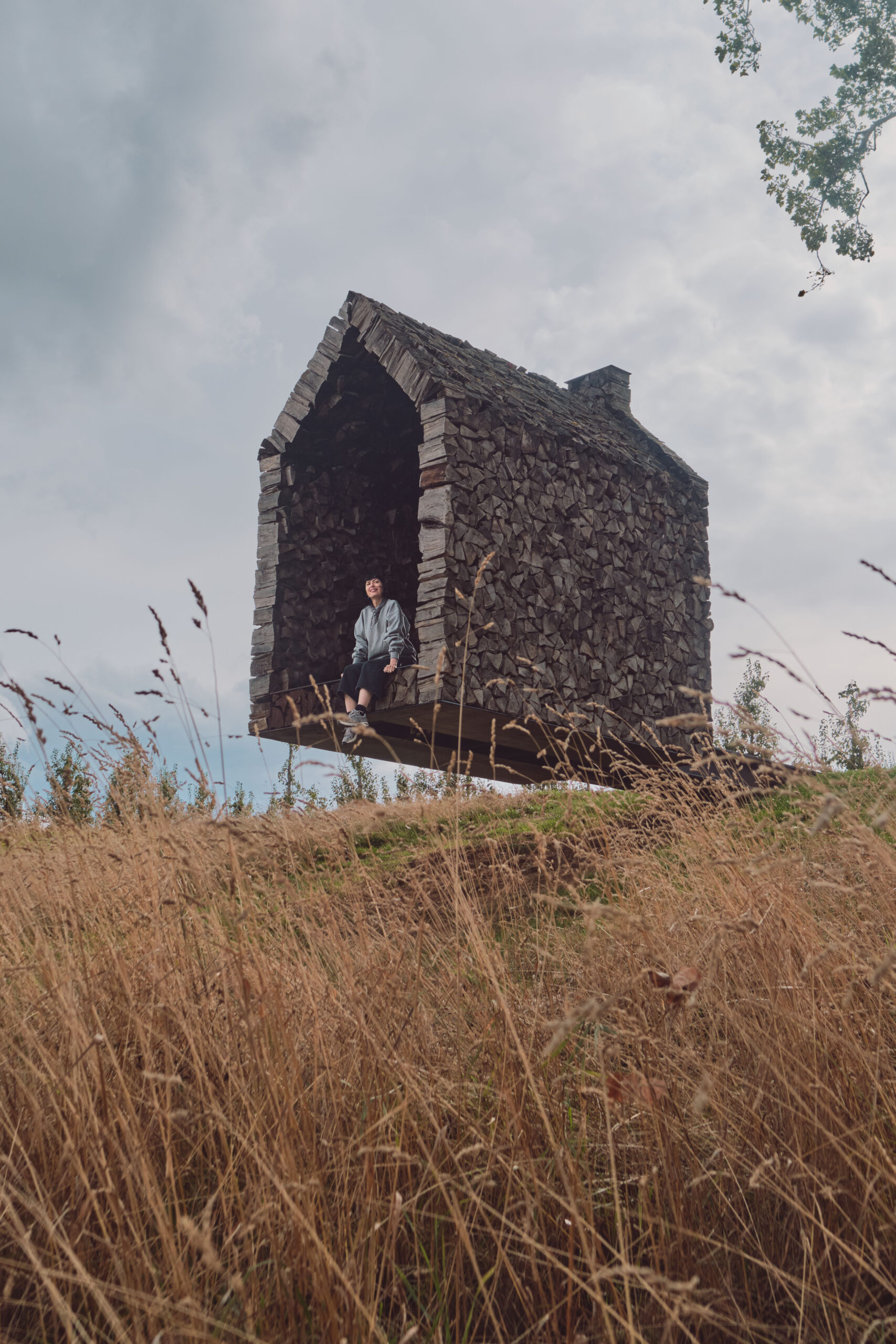
One of the most surprising is Helsh(ea)ven, a small chapel that seems to float among the trees. Conceived by artist Frits Jeuris, its light, translucent structure reinterprets the silhouette of a traditional chapel, transforming it into an almost ghostly presence suspended within the landscape.
It is one of those works you suddenly come across along the way, briefly altering your perception of the surroundings.
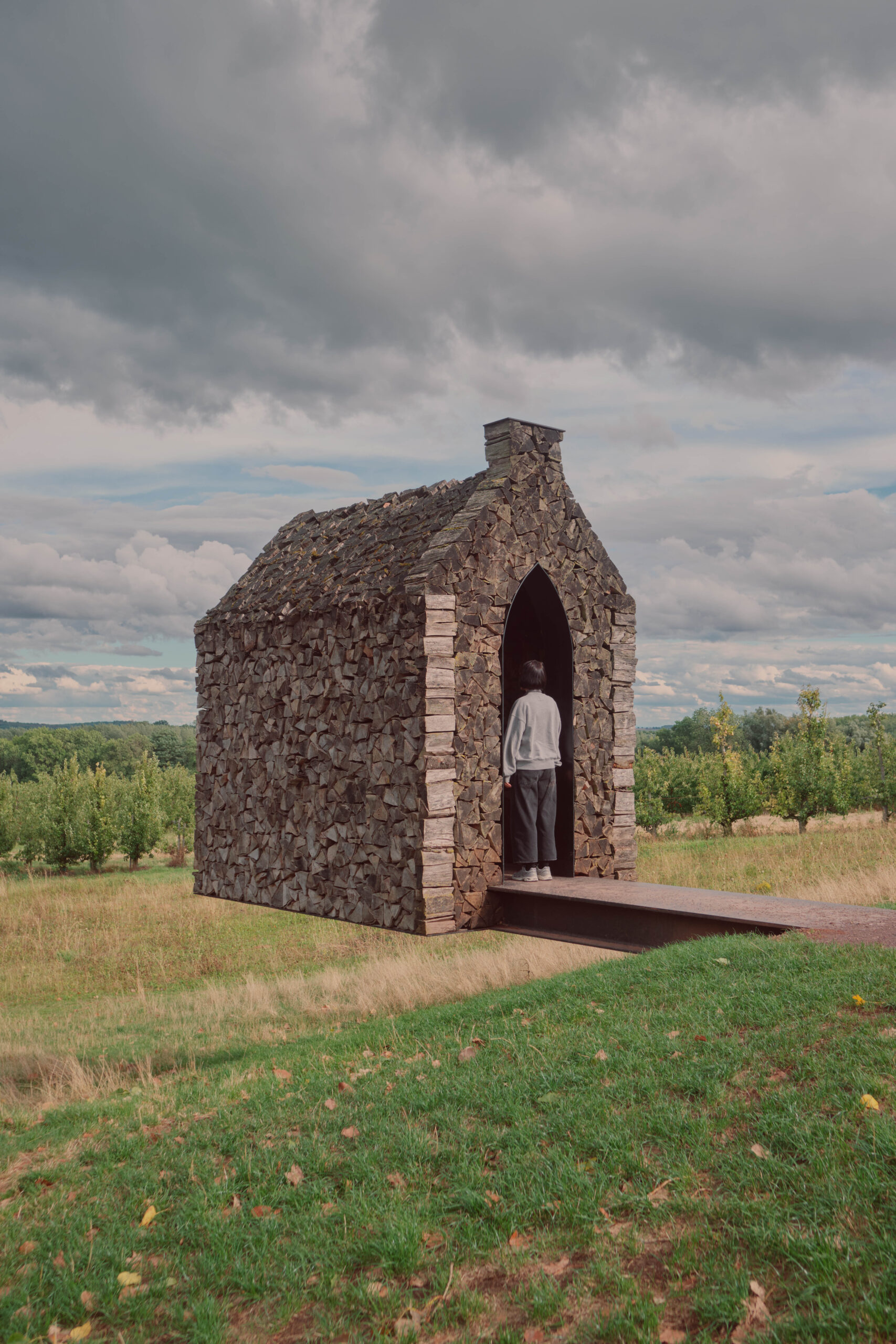
Among them is also Memento, another work integrated into this territory turned into an open-air exhibition space. The route allows you to encounter different interventions without ever leaving the agricultural paths, orchards and fields.
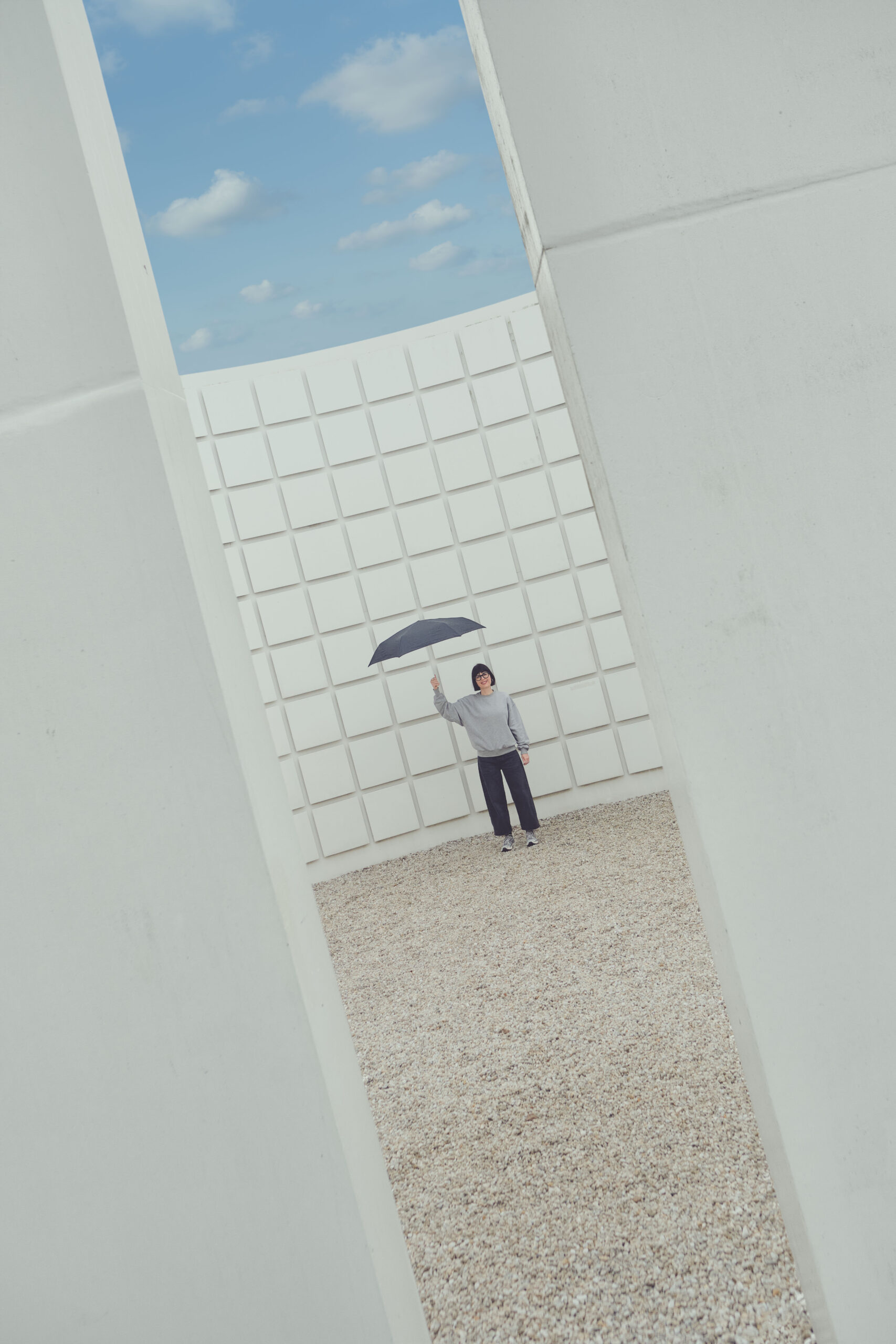
That changes the way you approach art considerably. There are no gallery rooms, no curator-defined route inside a building and no clear entrance marking where the visit begins or ends. Here, you simply have to walk. For much of the journey, all you encounter is landscape.
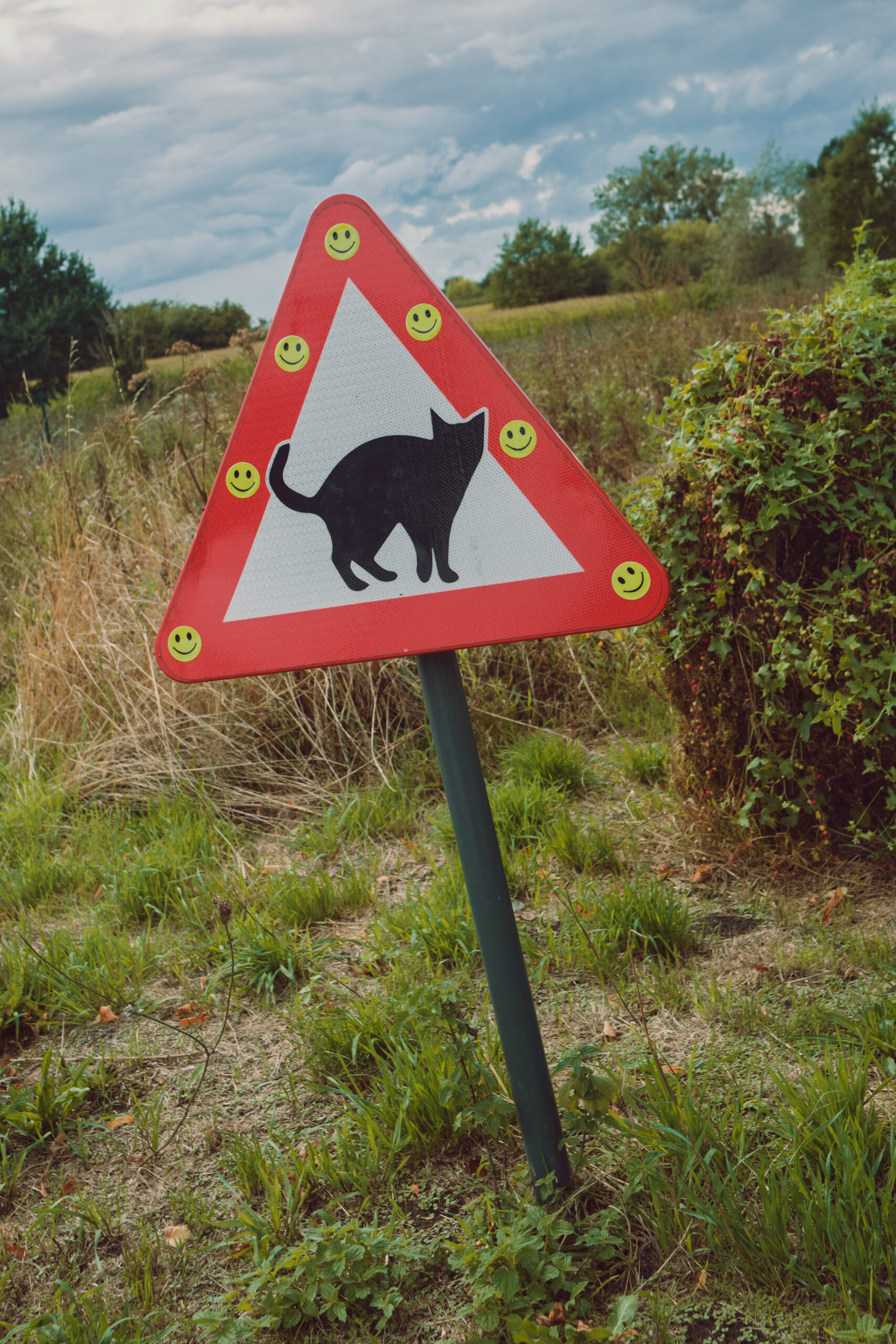
Borgloon is an excellent starting point for exploring this part of Limburg on foot.
That distance between one work and the next makes the experience feel very different from visiting a conventional museum or sculpture park. Art becomes embedded within a territory that continues to serve an agricultural purpose and changes constantly with the seasons.
In spring, Haspengouw is famous for the blossom of its thousands of fruit trees. When we visited, at the end of August, the landscape had already moved much closer to harvest season. Apple trees, pear trees, fields and vineyards lined much of the route.
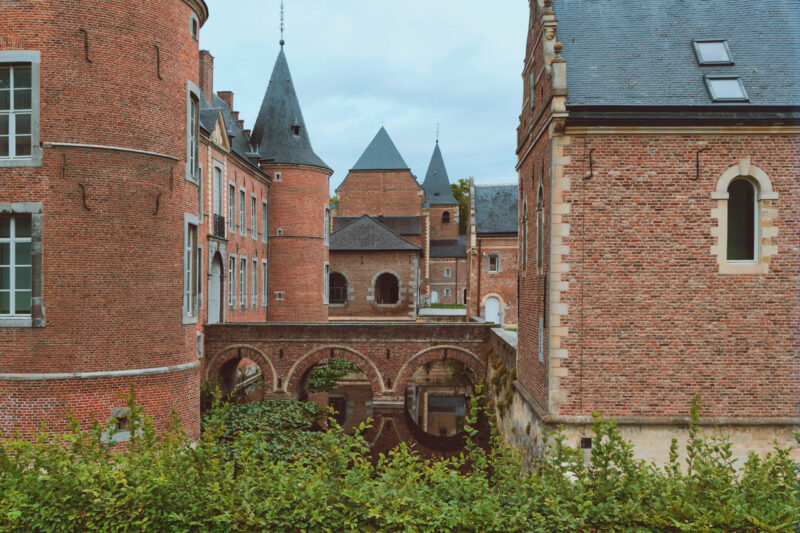
After our walk, we stopped for lunch at Château de Looz, a historic château surrounded by gardens, water and Haspengouw’s characteristic orchard landscape, before discovering another rather unexpected side of the region: its wine.
Haspengouw is also wine country
Belgium is probably not the first European country that comes to mind when thinking about wine. Yet wine has become another way of understanding Haspengouw’s landscape.
In spring, Haspengouw is famous for the blossom of its thousands of fruit trees.
The region has its own protected designation of origin and particularly favourable conditions for growing vines. Its limestone and loess-rich soils, rolling terrain and changing climate have encouraged a new generation of producers who are steadily placing Belgian wine in an increasingly interesting position.
To discover this, we joined a Wine Safari with Terroir, an experience that explores Haspengouw aboard small electric vehicles. The route begins in Gors-Opleeuw and follows secondary roads through villages, fields and vineyards. Along the way, several stops offer the chance to taste local wines while learning about the landscape, the grape varieties and the work of some of the region’s producers.
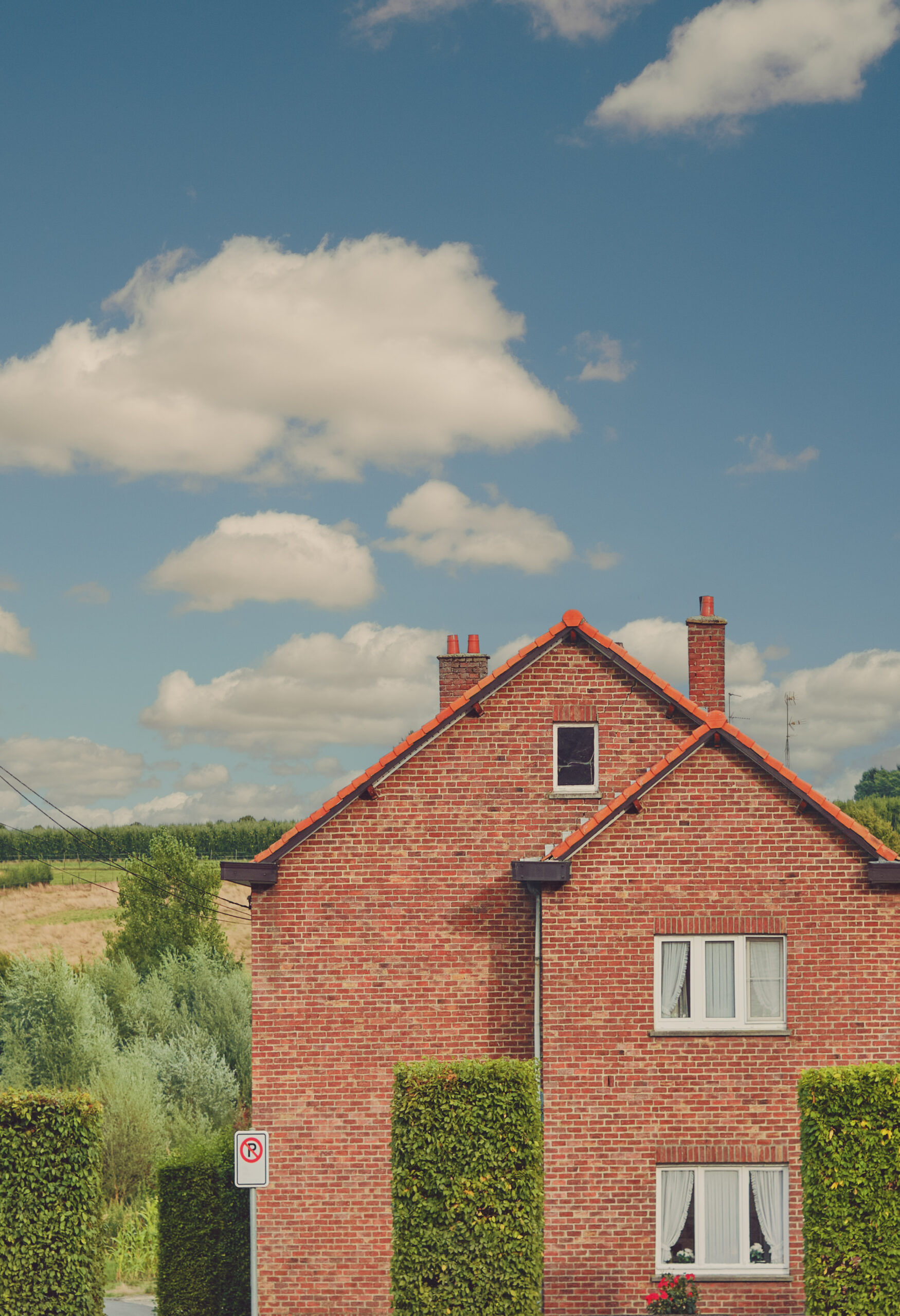
We arrived with plenty of curiosity but very few references when it came to Belgian wine. That is probably one of the reasons the experience feels so rewarding.
Viticulture here still carries a sense of discovery. The vineyards are small, many projects remain family-run, and many producers are experimenting with grape varieties and methods capable of adapting to climatic conditions that differ greatly from those of southern Europe’s major wine regions.
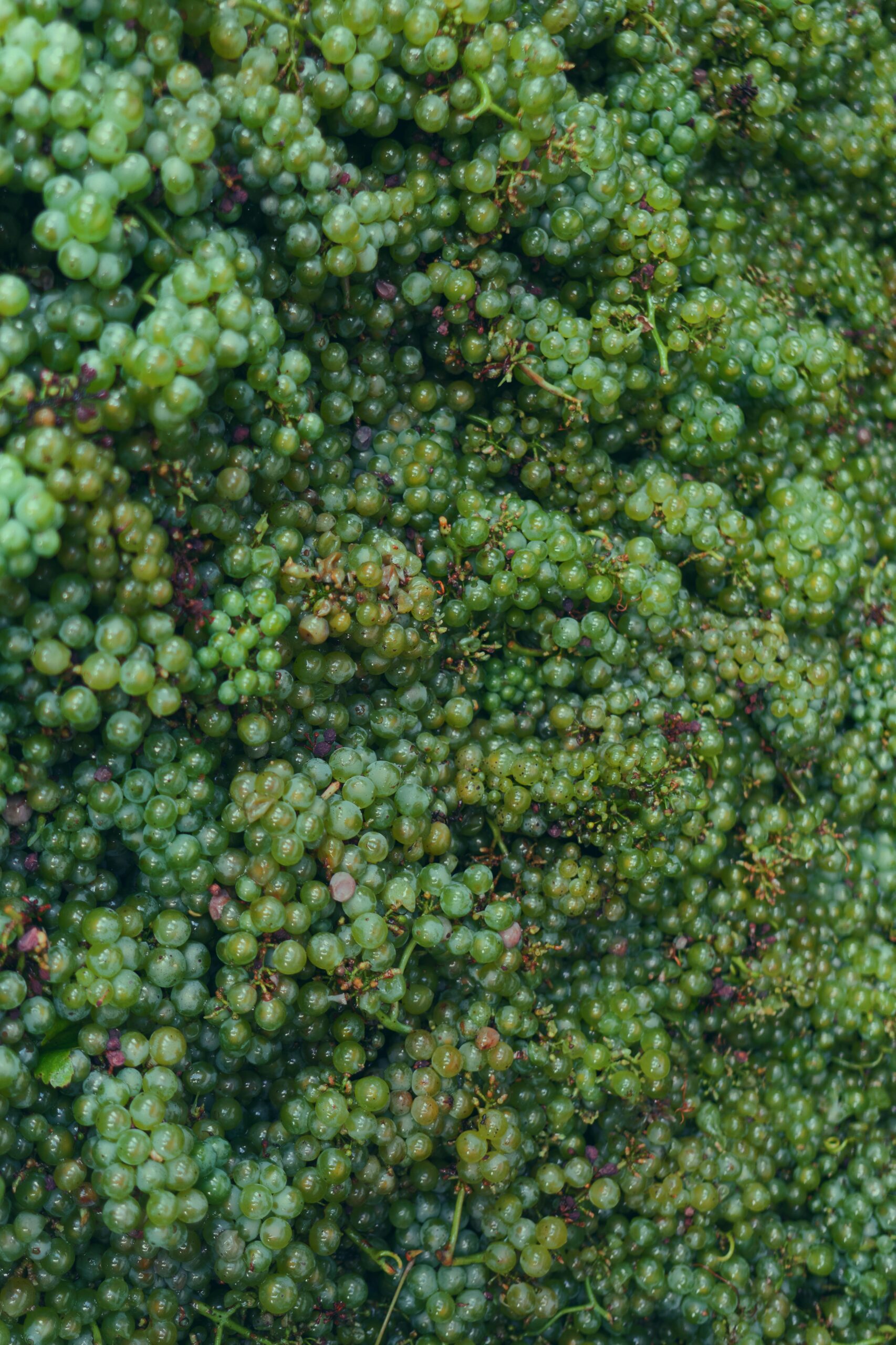
During the Wine Safari, we tasted local whites and sparkling wines while crossing the same landscape we had explored on foot only a few hours earlier in search of works of art.
It was the same territory seen from another perspective: first through the steel lines of Reading Between the Lines, then through its vineyards, its soil and everything it is capable of producing.
That evening, we had dinner at De Pastorie, a particularly welcoming restaurant housed inside a former vicarage. Its wood-fired artisan pizzas, made with a light, crisp dough, have become one of the house specialities and are worth the visit on their own. A simple, warm and genuinely lovely place to end the day before returning to Borgloon.
Bilzen-Hoeselt: eight centuries of history at Alden Biesen
The following day, we set off for Bilzen-Hoeselt, located precisely where two of the landscapes we had gradually discovered throughout the trip meet: Kempen to the north and the hills and fields of Haspengouw to the south. It is an especially green area, crossed by paths, forests and orchards, but also marked by an important historical heritage.
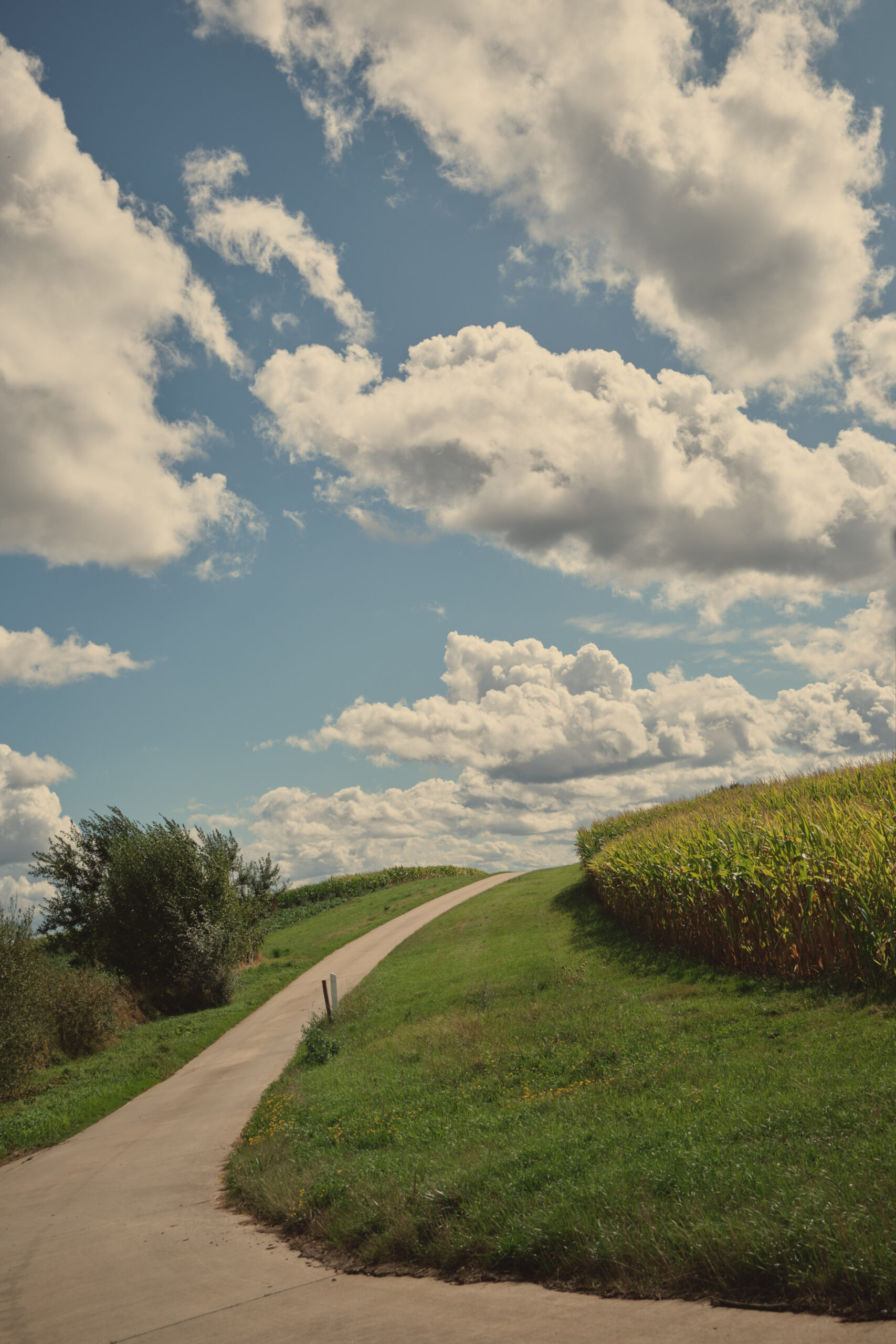
From there, we continued to Alden Biesen. The history of this vast estate dates back to the thirteenth century and is closely linked to the Teutonic Order. In 1220, Count Arnold III of Loon and Mechtildis of Are, Abbess of Munsterbilzen, granted the order a small church and farmland. From that modest beginning grew one of the order’s most important commanderies in this part of Europe.
The estate expanded over the centuries. Castle, church, courtyards, gardens and farmland gradually formed an extensive domain from which numerous possessions belonging to the order were administered.
The French Revolution brought that chapter to an end. The properties were confiscated, and in 1797 Hasselt’s mayor, Guillaume Claes, purchased the estate, saving it from demolition. Much later, in 1971, a devastating fire destroyed almost the entire castle, leaving only its walls standing. The subsequent restoration made it possible to recover the remarkable estate we see today.
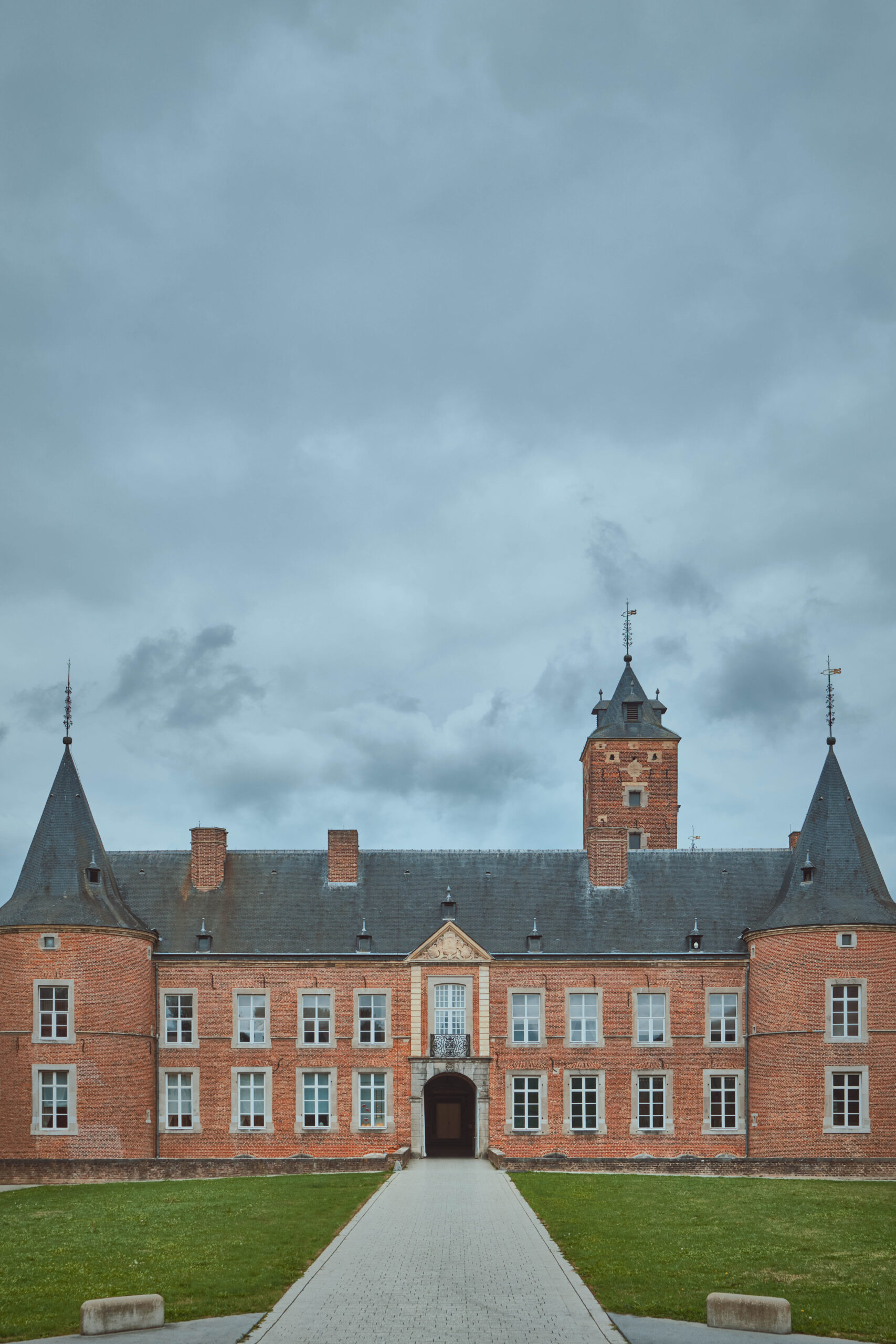
Walking through Alden Biesen reveals just how deeply this seemingly peaceful landscape has been shaped over centuries by power, religion, agriculture and trade.
The site preserves a remarkable sense of scale. Monumental gateways, courtyards, formal gardens, orchards and long perspectives organise the landscape around the architecture.
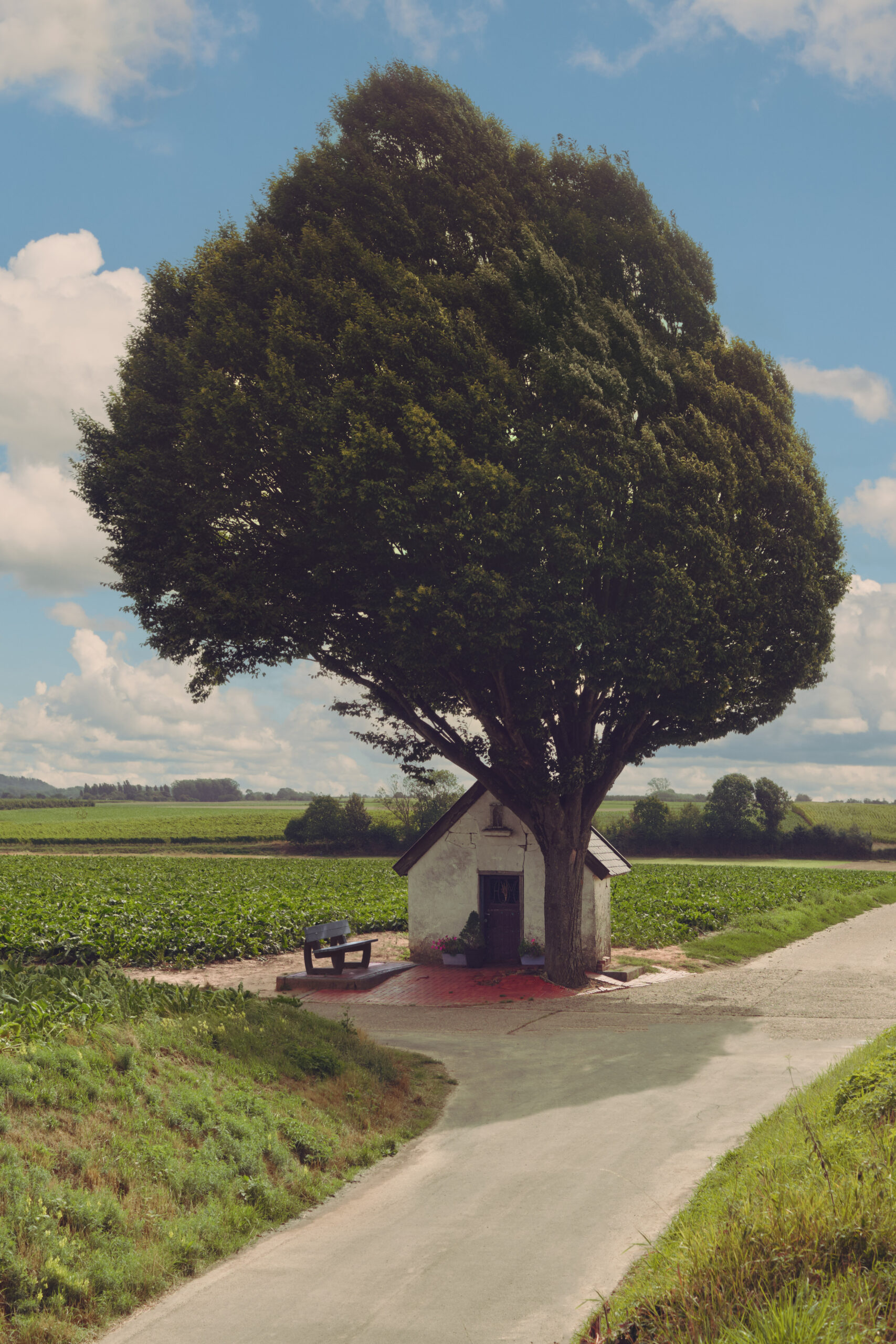
Before arriving, however, we made a small detour that is well worth seeking out: a tiny chapel beside a tree that feels as though it belongs to another scale entirely. It looked as if it had come straight out of a fairytale.
Sleeping in the former steward’s house
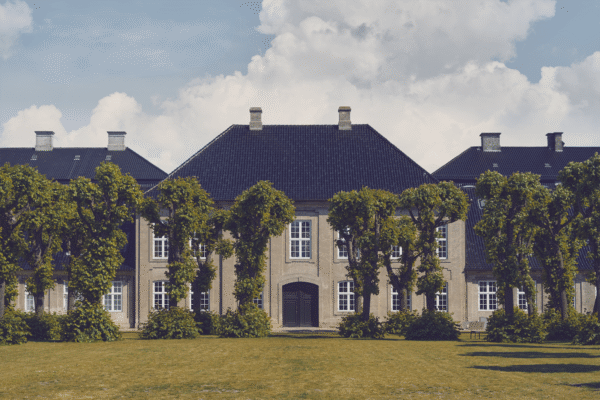
Martin’s Rentmeesterij stands just a few metres from Alden Biesen and occupies the former Rentmeesterij, the residence and administrative buildings associated with the estate’s steward.
The protected historic building dates back to the second half of the seventeenth century and gradually evolved into an enclosed complex organised around a large rectangular courtyard.
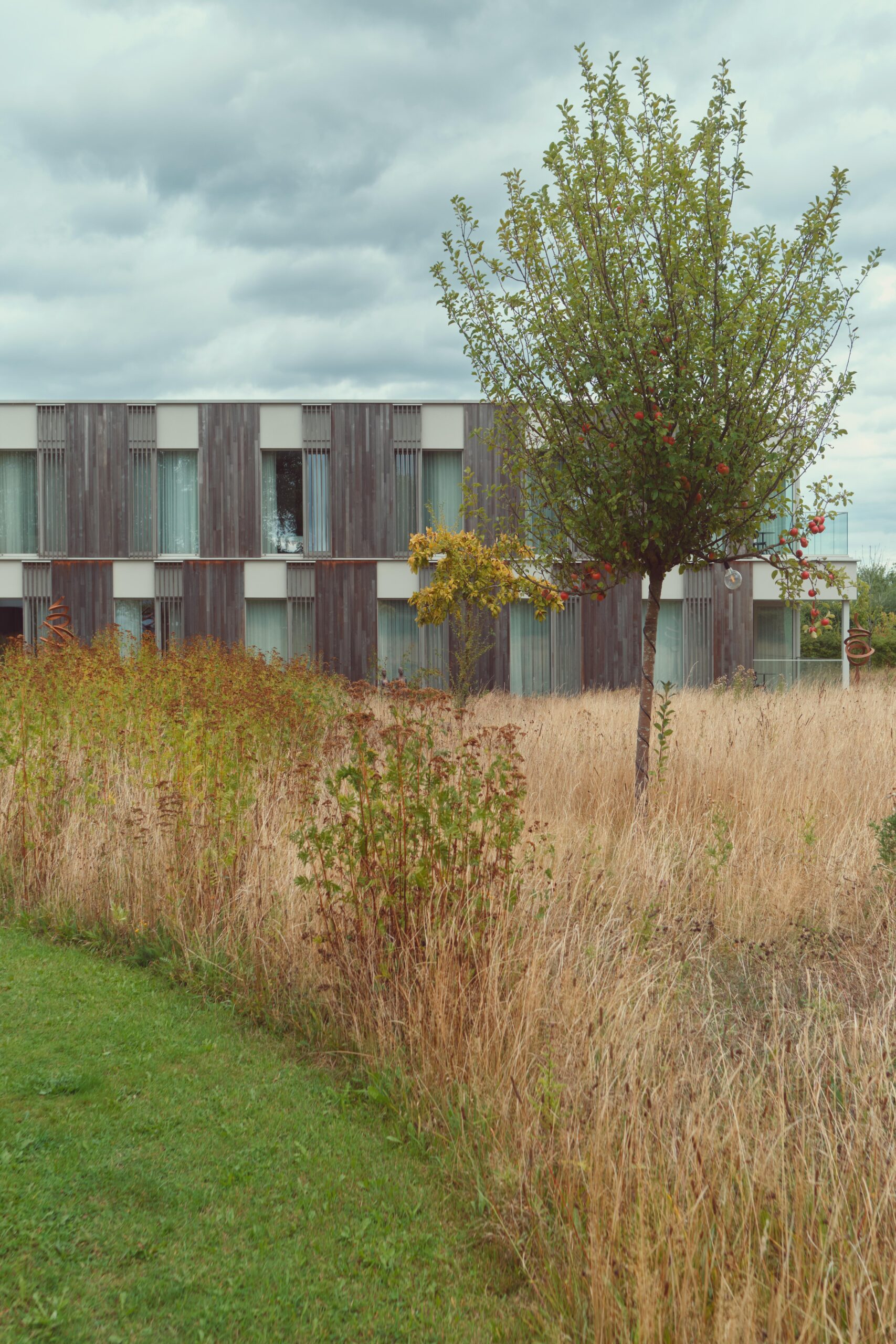
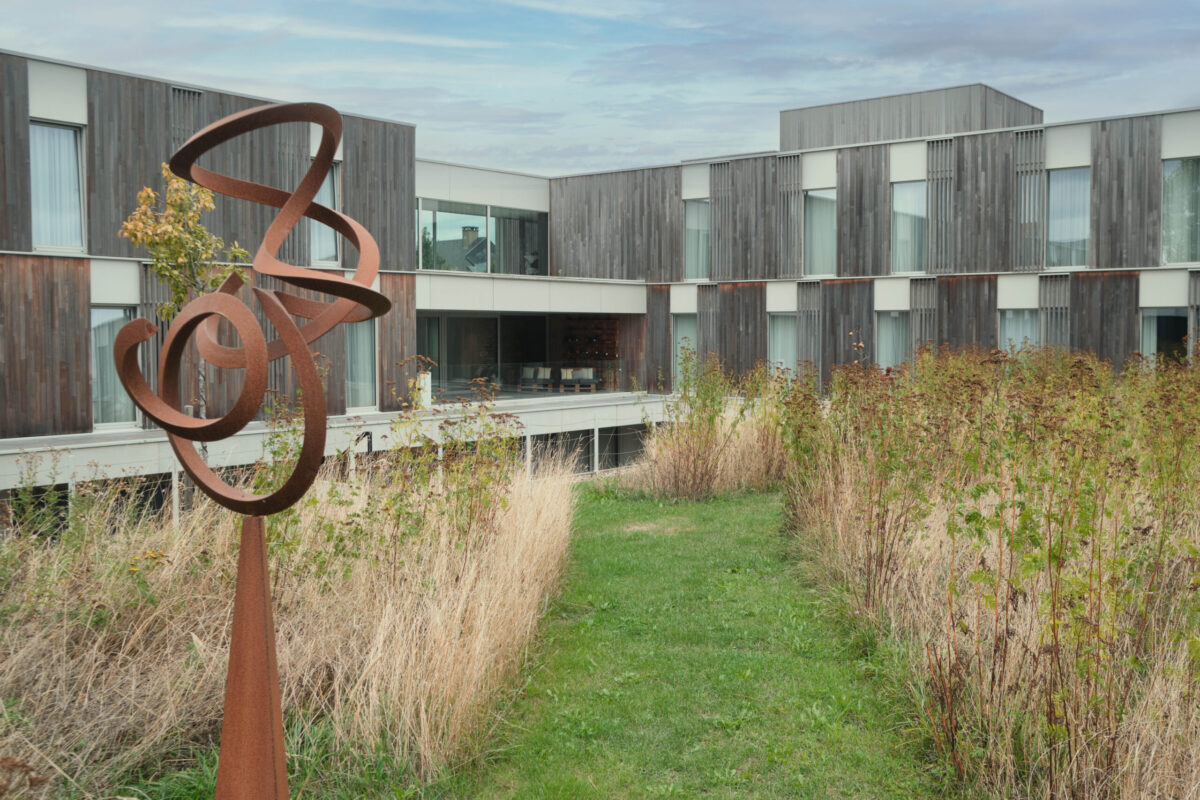
Today, the historic architecture coexists with a contemporary intervention that allows the complex to function as a hotel without losing the legibility of its past.
After exploring Alden Biesen, we had dinner there at Akko, Martin’s Rentmeesterij‘s gastronomic restaurant. The kitchen is led by chef Sébastien Oger, who draws on French culinary tradition to create a contemporary menu centred on produce, precision and seasonality.
We chose one of the tasting menus with wine pairing and it became, without question, one of the trip’s most memorable gastronomic experiences. A succession of delicate, technically flawless and deeply flavourful dishes, accompanied by an exceptionally well-judged wine selection that elevated each course. All of this unfolded in an elegant, serene dining room overlooking the gardens of Alden Biesen, with the open kitchen in full view. Highly recommended.
The following morning, one final stop awaited us. It would unexpectedly bring together many of the places we had visited throughout the week.
Clausura: rebuilding an absence
We returned towards the outskirts of Hasselt to visit Herkenrode Abbey, which for centuries had been one of the Low Countries’ most important female religious centres.
Cistercian nuns lived here for around 600 years, and the complex became one of the richest and most influential women’s abbeys in the region.
Today, however, something fundamental is missing: its heart. A fire in 1826 destroyed almost the entire central part of the monastery. The great abbey church, cloisters and much of the convent disappeared, leaving an enormous void at the centre of the site.
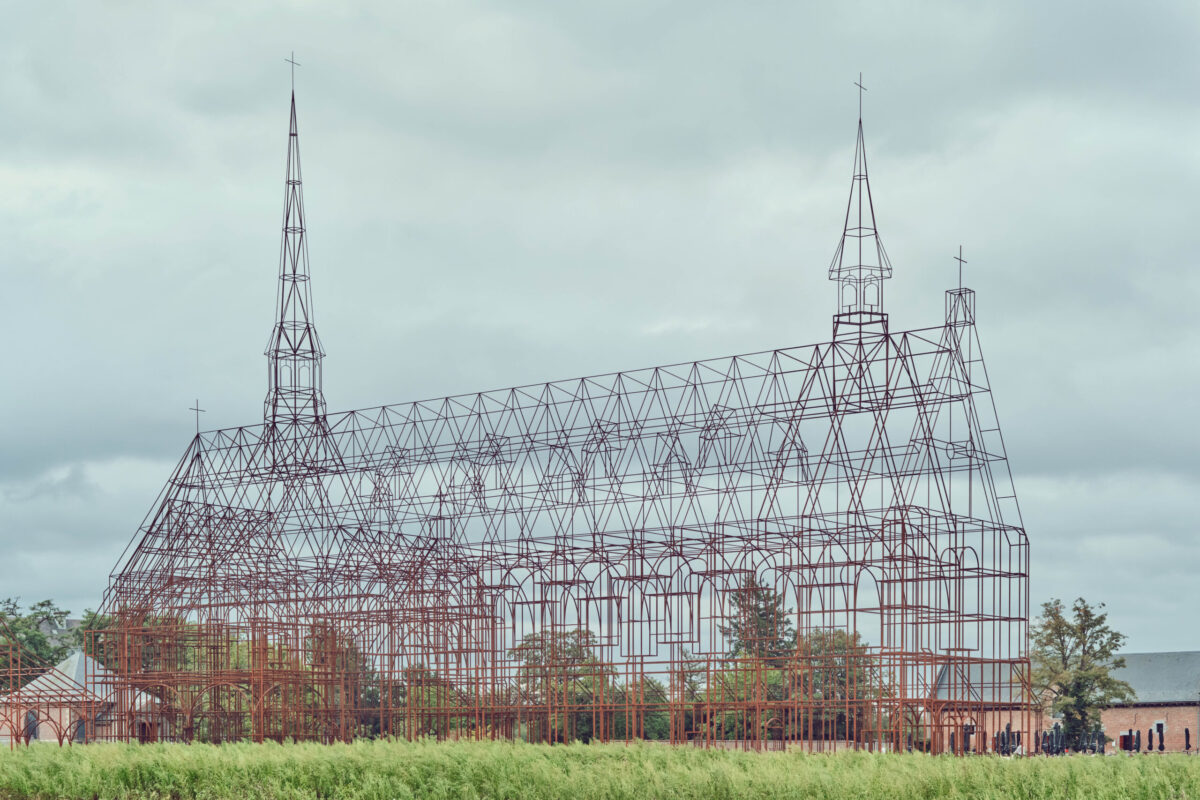
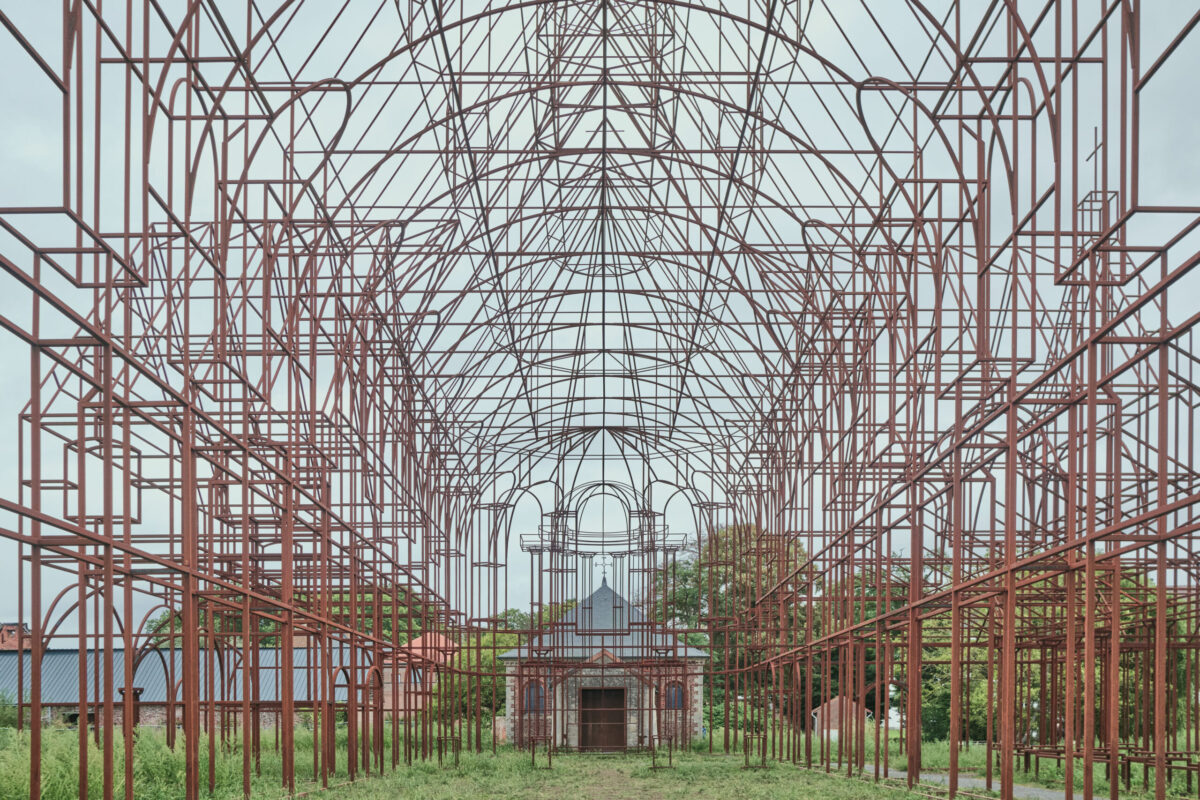
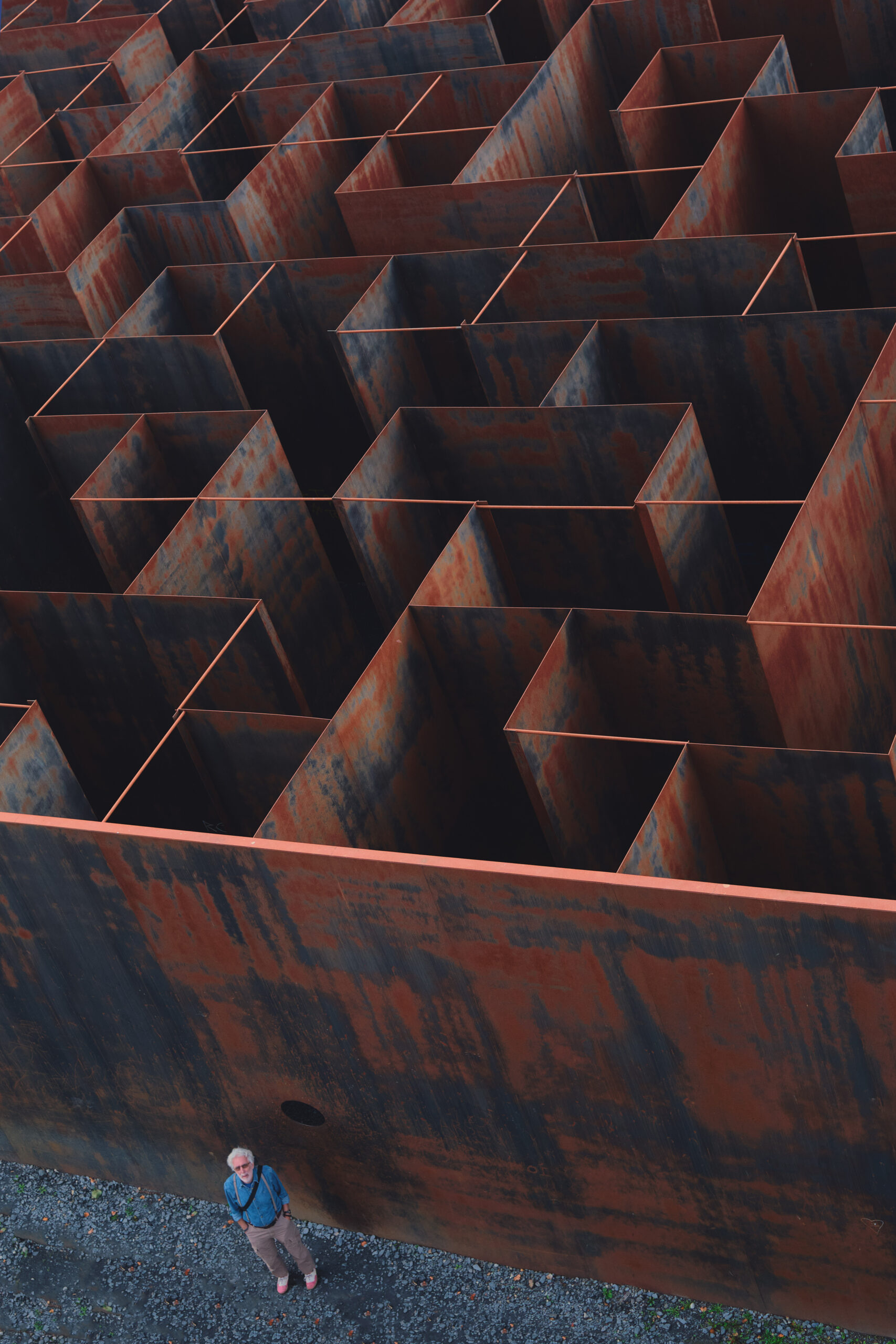
That absence is precisely the starting point for Clausura. Gijs Van Vaerenbergh‘s new intervention reconstructs, at full scale, the outlines of the vanished buildings through a monumental corten steel structure. Rather than rebuilding the abbey as it once was, it makes its absence visible.
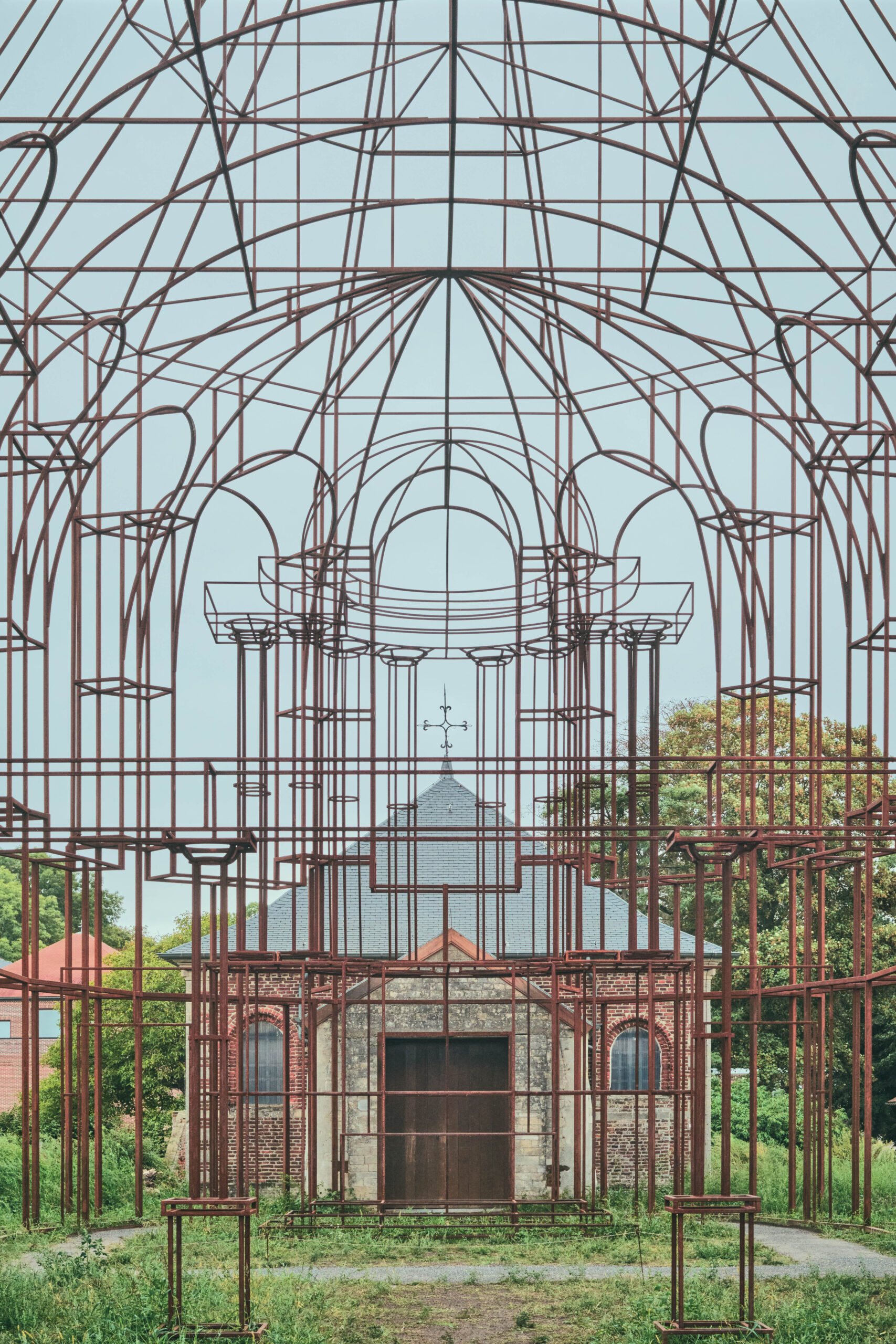
The steel lines trace the former church, cloisters and convent buildings through space. From certain viewpoints, the structure allows you to imagine the volume once occupied by the buildings; from others, it almost dissolves into the landscape. The scale is genuinely breathtaking.
Having seen Reading Between the Lines in Borgloon, the connection feels inevitable. There, a small steel church invited the landscape to pass through its structure. At Herkenrode, that same principle becomes monumental, restoring the memory of an architectural complex that no longer exists.
For us, there was another connection too. Our first encounter with Gijs Van Vaerenbergh had taken place a few days earlier at C-mine, where we explored Labyrint between the two great headframes of the former Winterslag mine. Then came Reading Between the Lines, and finally Clausura.
Without planning it, Gijs Van Vaerenbergh‘s work had become one of the threads connecting our entire road trip through Limburg.
Before leaving the province for good, we had lunch at Brousse Table, our favourite place in Hasselt. It occupies a former Brutalist bank building transformed by UAU into a space where gastronomy, art and culture coexist. We loved everything: the savoury dishes, the desserts, the granola, the coffee. A simple, creative and utterly irresistible kitchen that would have brought us back again and again. The perfect ending before heading towards Brussels.
From Limburg to Brussels
Our flight was not until the evening, so we spent our final hours making two stops in Brussels.
The first was Mix Brussels, the vast hospitality and wellness project housed inside the former La Royale Belge building, one of Belgium’s finest examples of post-war corporate architecture and a place we had already written about a few years ago after visiting it shortly after its opening.
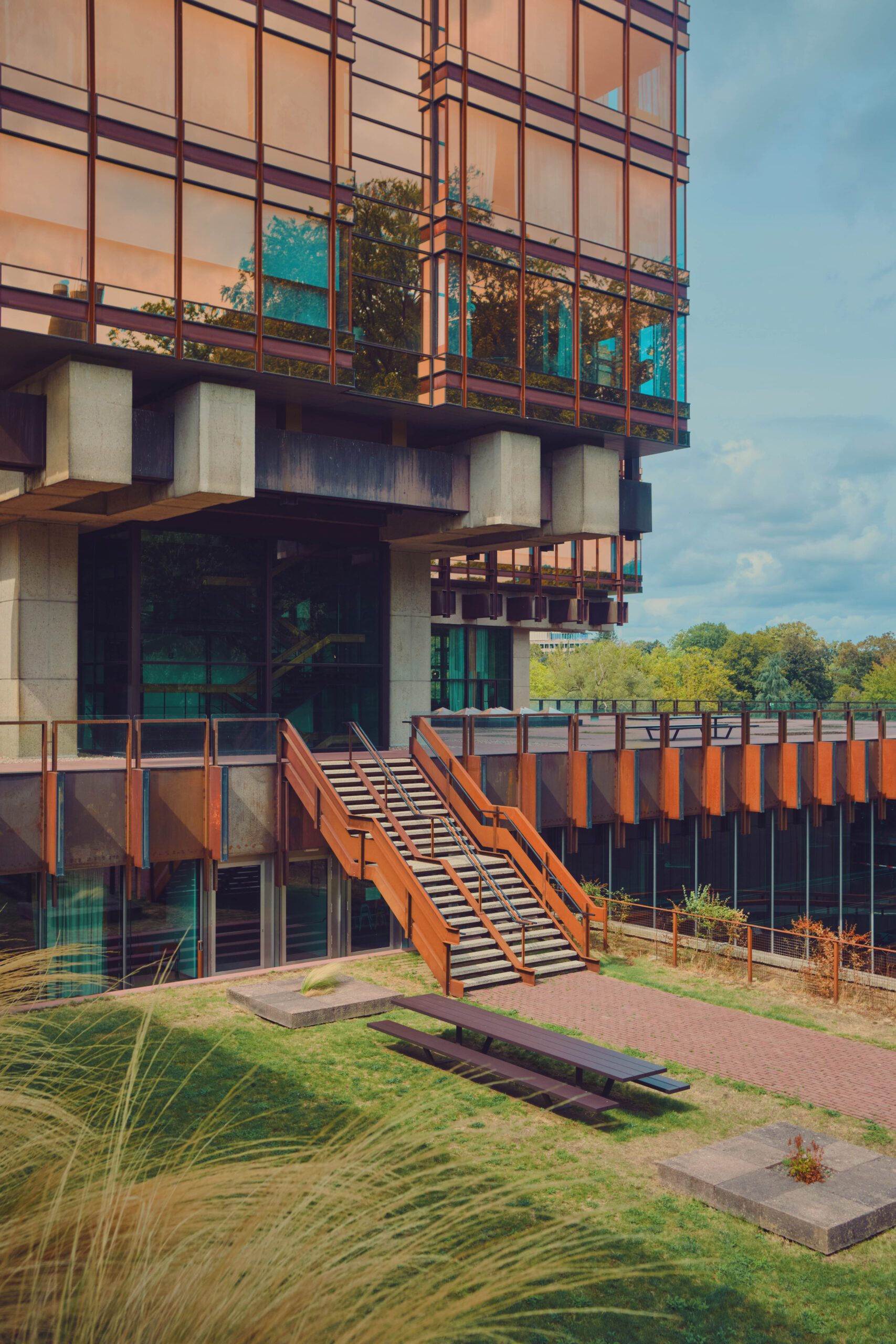
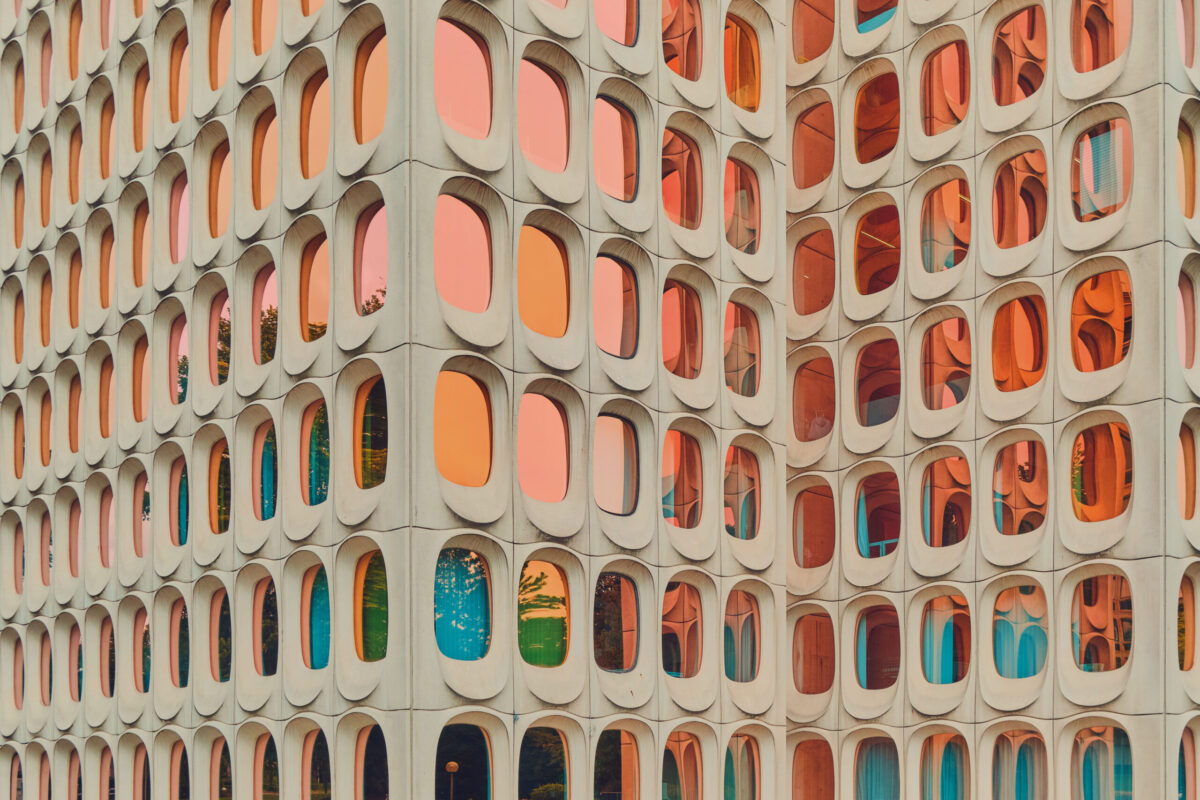
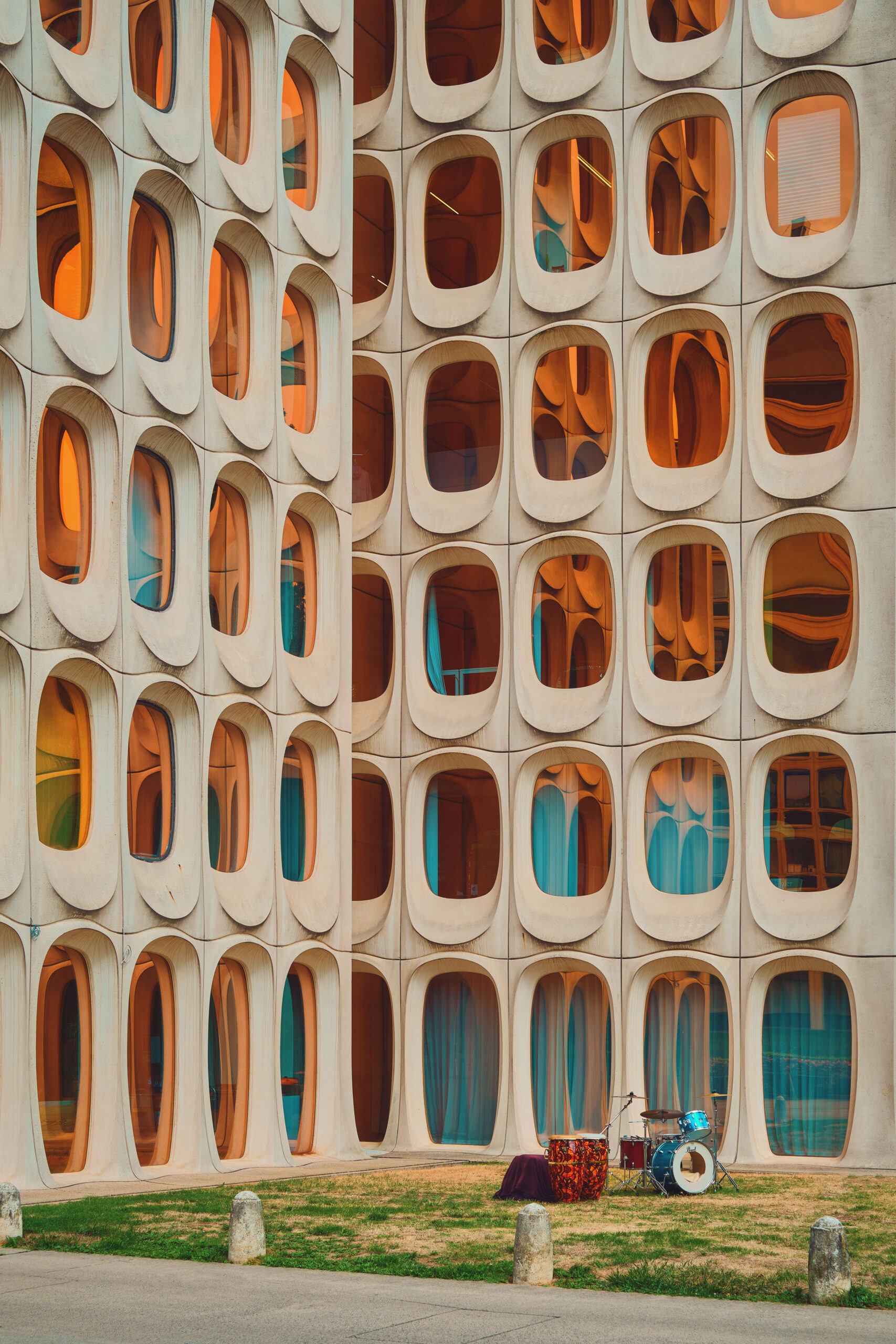
Before continuing, we made a brief stop outside the CBR Building, designed in the late 1960s by Constantin Brodzki in collaboration with Marcel Lambrichs. With its unmistakable façade of prefabricated concrete modules and oval windows, the building became one of the most distinctive works of post-war Belgian architecture and a remarkable example of how Brodzki explored the expressive possibilities of concrete beyond its purely structural function.
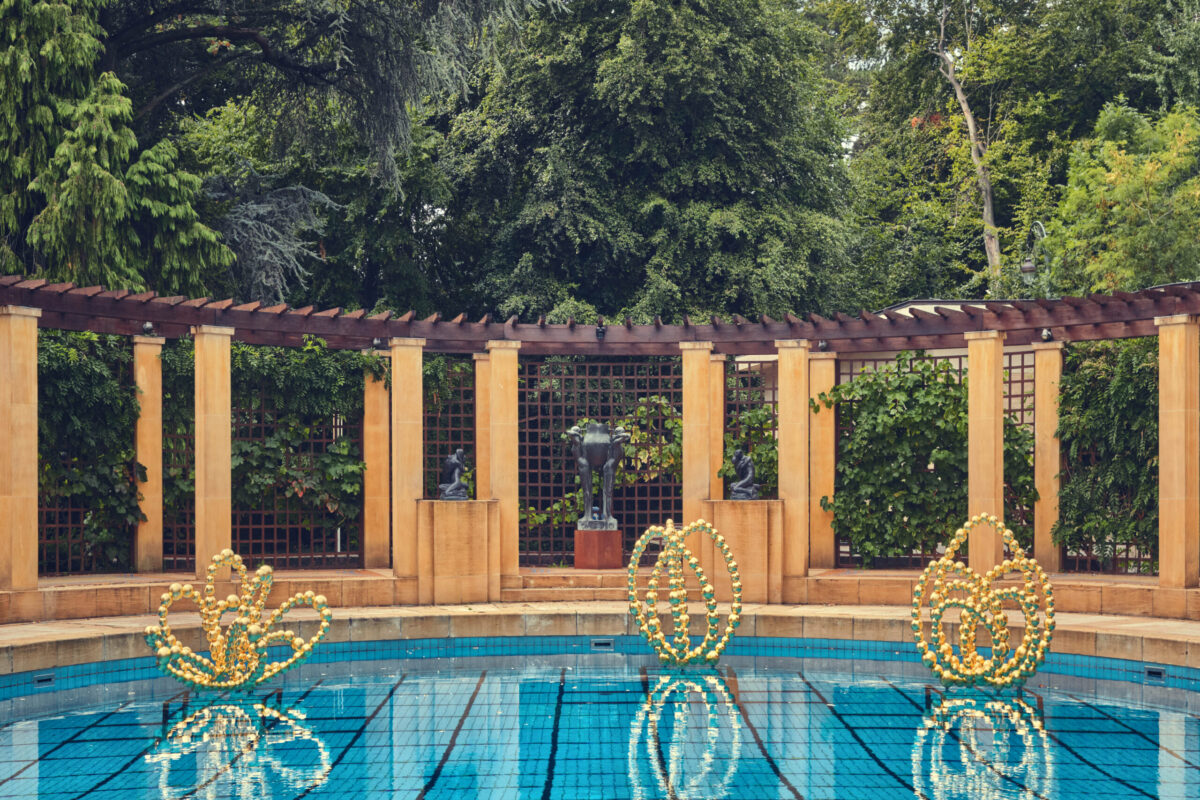
From there, we continued to Villa Empain, probably one of Brussels’ most extraordinary Art Deco houses. Designed in the early 1930s by Swiss architect Michel Polak for Baron Louis Empain, it stands out for the richness of its materials — marble, precious woods, polished granite, bronze and glass — the precision of its detailing and its spectacular outdoor swimming pool.
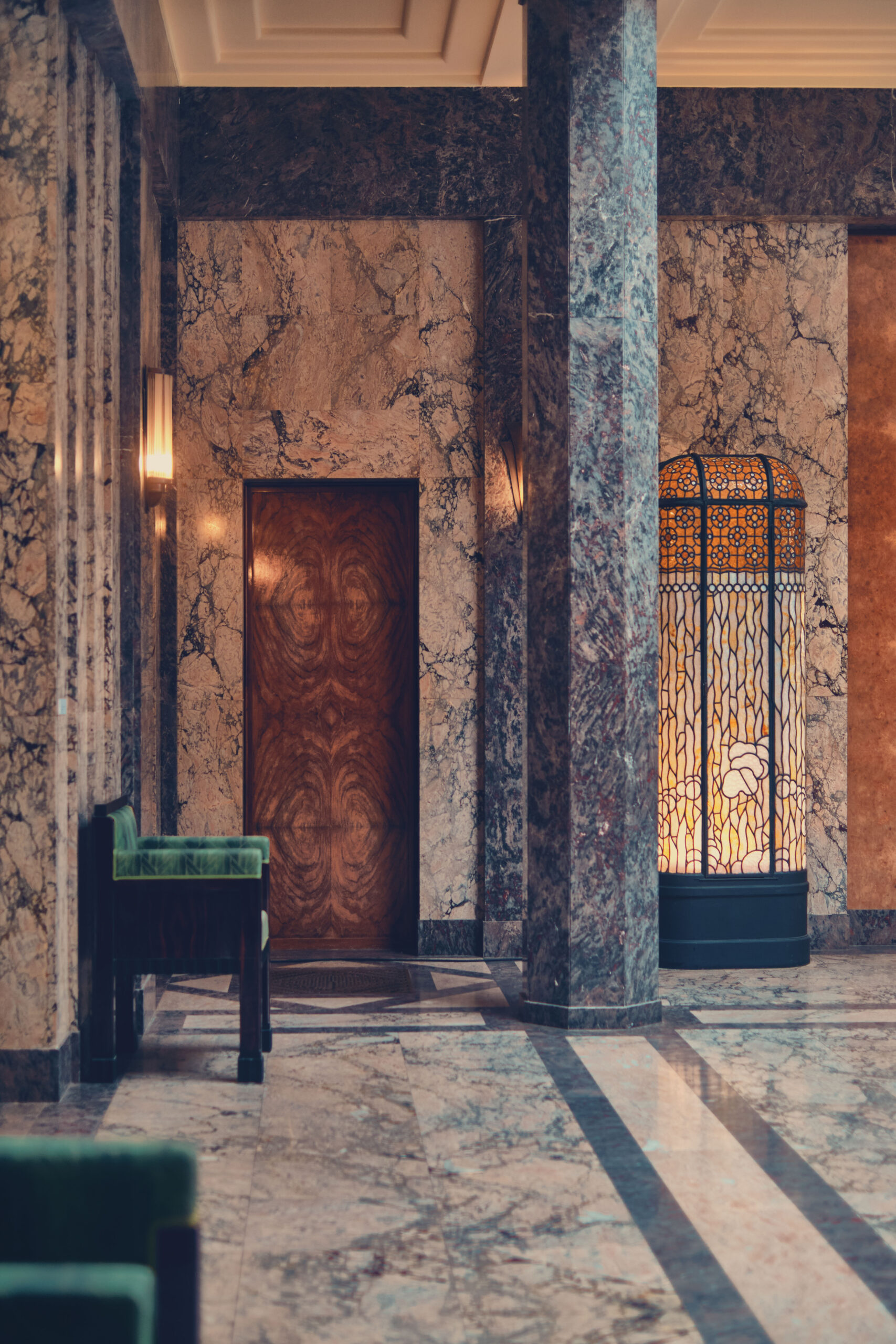
Its history is almost as fascinating as its architecture. It has served as a private residence, a museum, the Soviet Embassy and the headquarters of RTL, before enduring decades of neglect and deterioration. The Boghossian Foundation acquired the building in 2006 and carried out a meticulous restoration that received the Europa Nostra Award. Since 2010, it has operated as an art centre and a space for dialogue between Eastern and Western cultures.
Walking through its interiors and ending beside the pool felt like the perfect final dose of architecture before heading to the airport.
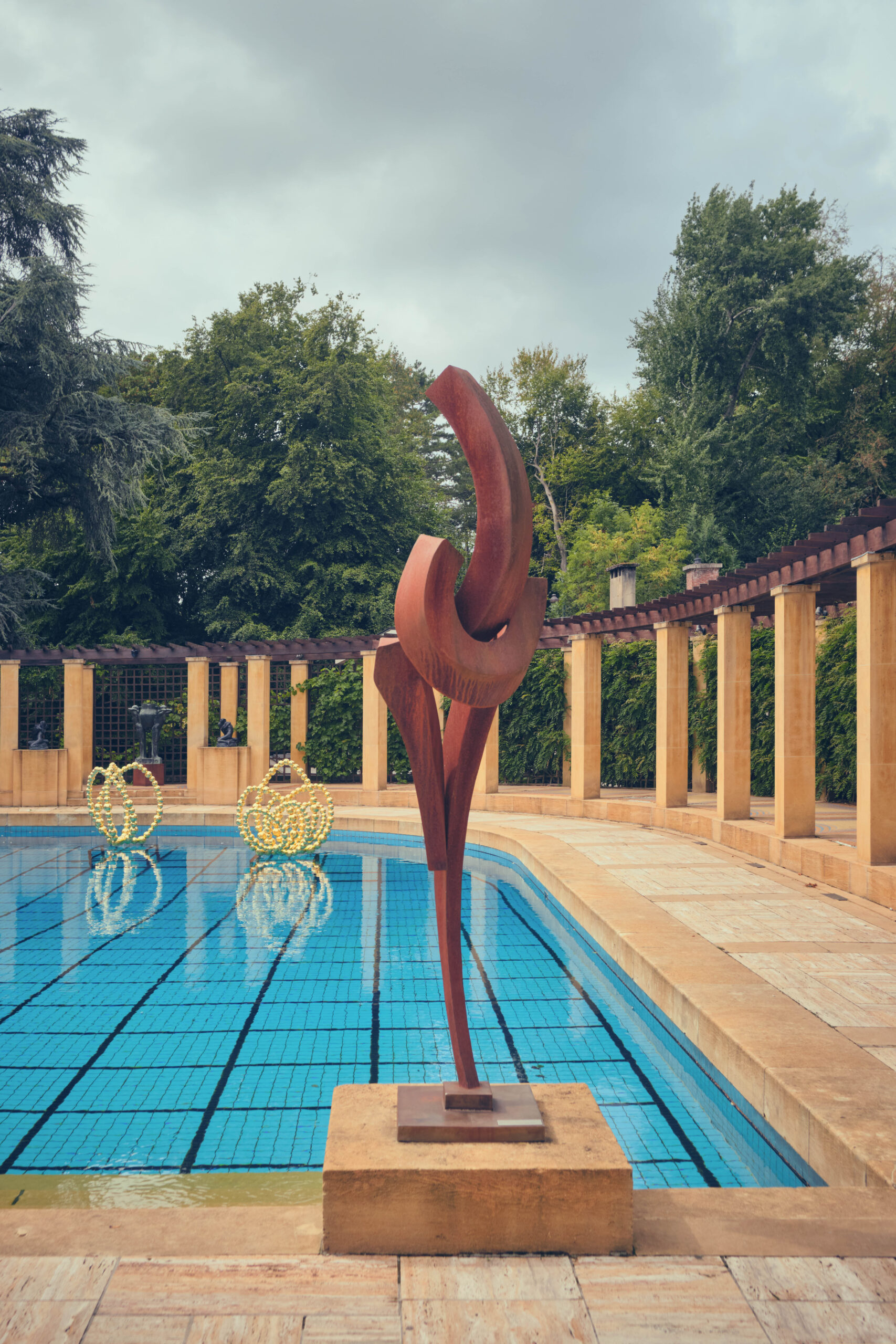
The contrast could hardly have been greater. After a week of mines, forests, fields, small cities, vineyards, abbeys and country roads, we finished our journey in front of one of Belgium’s most sophisticated architectural landmarks.
A week travelling through Limburg
Looking back at the journey as a whole, it is difficult to reduce Limburg to a single image. In Maasmechelen and Genk, we discovered a territory profoundly shaped by mining. In Hasselt, architecture, design and contemporary art. In Borgloon and Haspengouw, fields, orchards, wine and works that make the landscape inseparable from the artistic experience. In Alden Biesen and Herkenrode, centuries of history continue to absorb new layers. Perhaps what is most interesting is precisely the way all these worlds coexist.
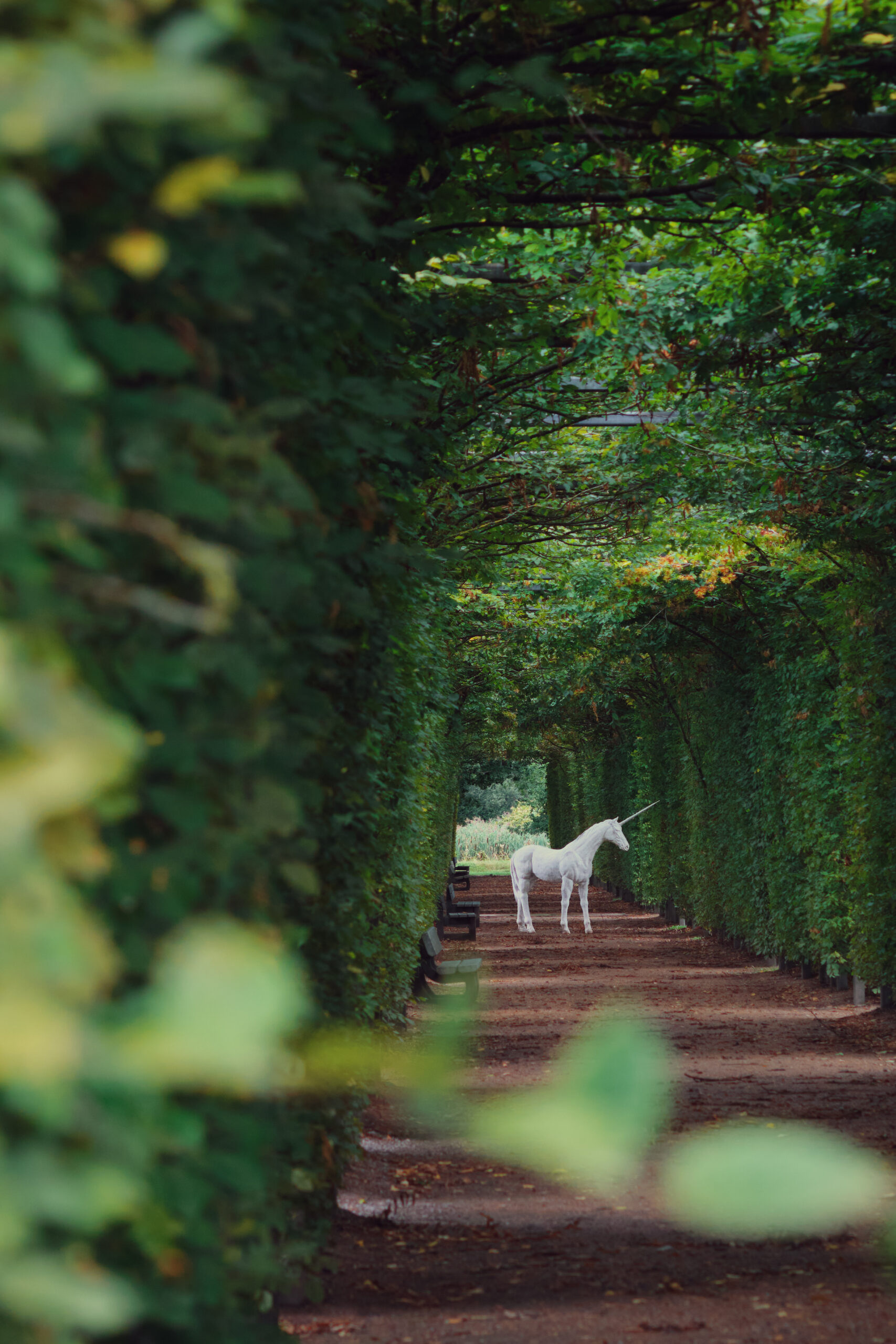
Throughout the week, we repeatedly encountered projects that begin with what already exists: a former mine becomes a creative centre; an industrial landscape becomes a natural environment; a church disappears between lines of steel; and a lost abbey is redrawn without ever being rebuilt.
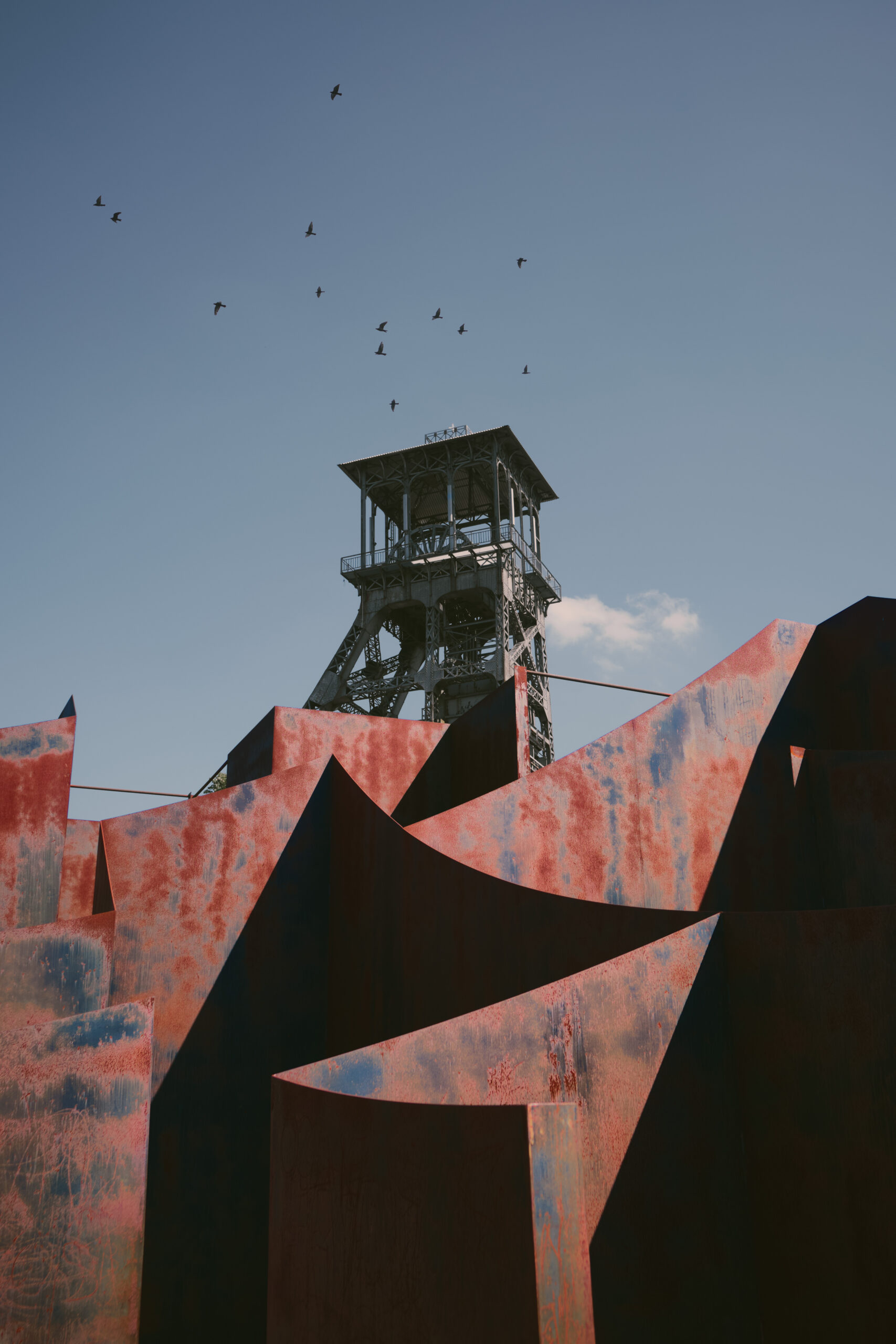
We travelled through Limburg by car, by bicycle and on foot, and ended up falling in love with this part of Belgium, which we had barely known before arriving. For its landscapes, for the way art and architecture appear in the most unexpected places, for its gastronomy and, above all, for its remarkable ability to use heritage and culture to continue shaping the territory without erasing what came before. It became one of those journeys that slowly sinks in and, by the time it ends, you already know you will remember it for a long time.
We travelled through Limburg by car, by bicycle and on foot, and ended up falling in love with this part of Belgium.
Where to stay
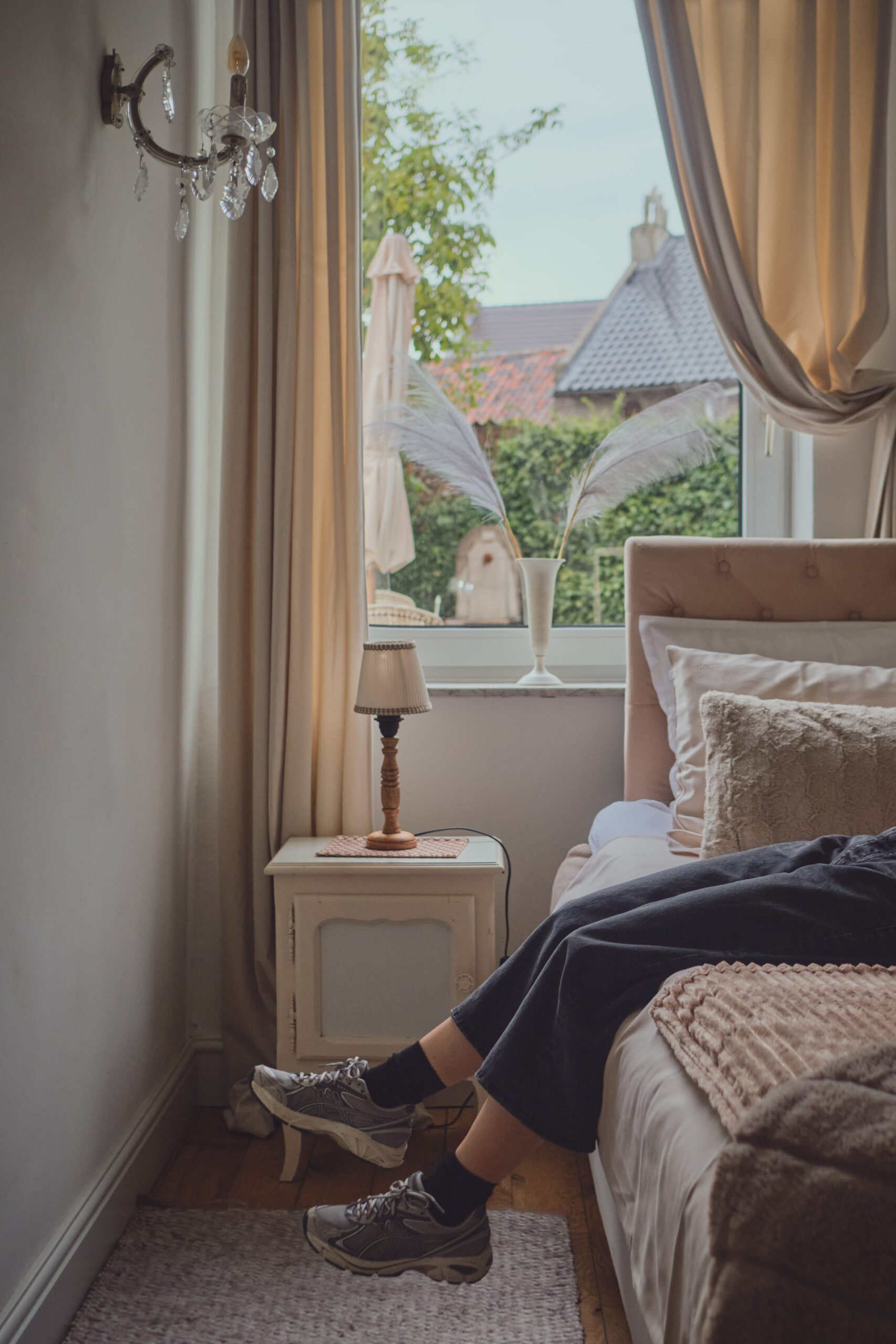
Huis van Loon (Borgloon)
A small B&B with just three rooms, housed in a protected building dating back to 1666 in the historic centre of Borgloon. It preserves many original features, and its intimate scale, together with its owner’s hospitality, makes it a particularly lovely base for exploring Haspengouw.
Martin’s Rentmeesterij (Bilzen-Hoeselt)
Located beside Alden Biesen, it occupies the historic residence of the former estate steward. The complex combines heritage architecture with contemporary design, allowing guests to stay quite literally inside one of the area’s most important historical landmarks.
Where to eat
Château de Looz (Borgloon)
A historic château surrounded by gardens and the Haspengouw landscape. An excellent stop after walking through the countryside around Borgloon and visiting Reading Between the Lines.
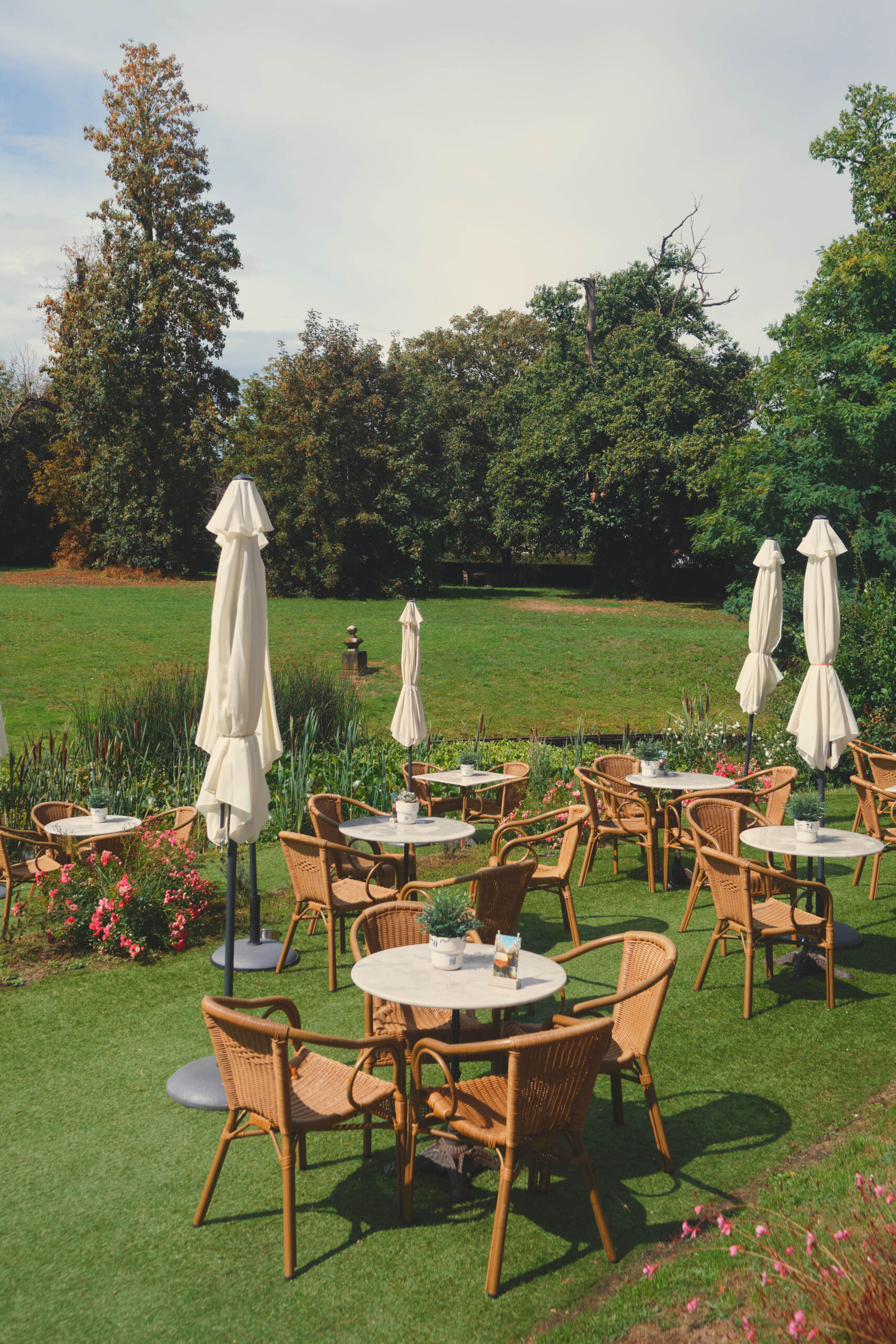
De Pastorie (Borgloon)
Our choice for dinner after the Wine Safari and the perfect place to end a day devoted almost entirely to discovering Haspengouw’s landscape.
Akko (Bilzen-Hoeselt)
Martin’s Rentmeesterij‘s gastronomic restaurant, led by chef Sébastien Oger. Contemporary French cuisine, exceptional produce and an outstanding location beside Alden Biesen.
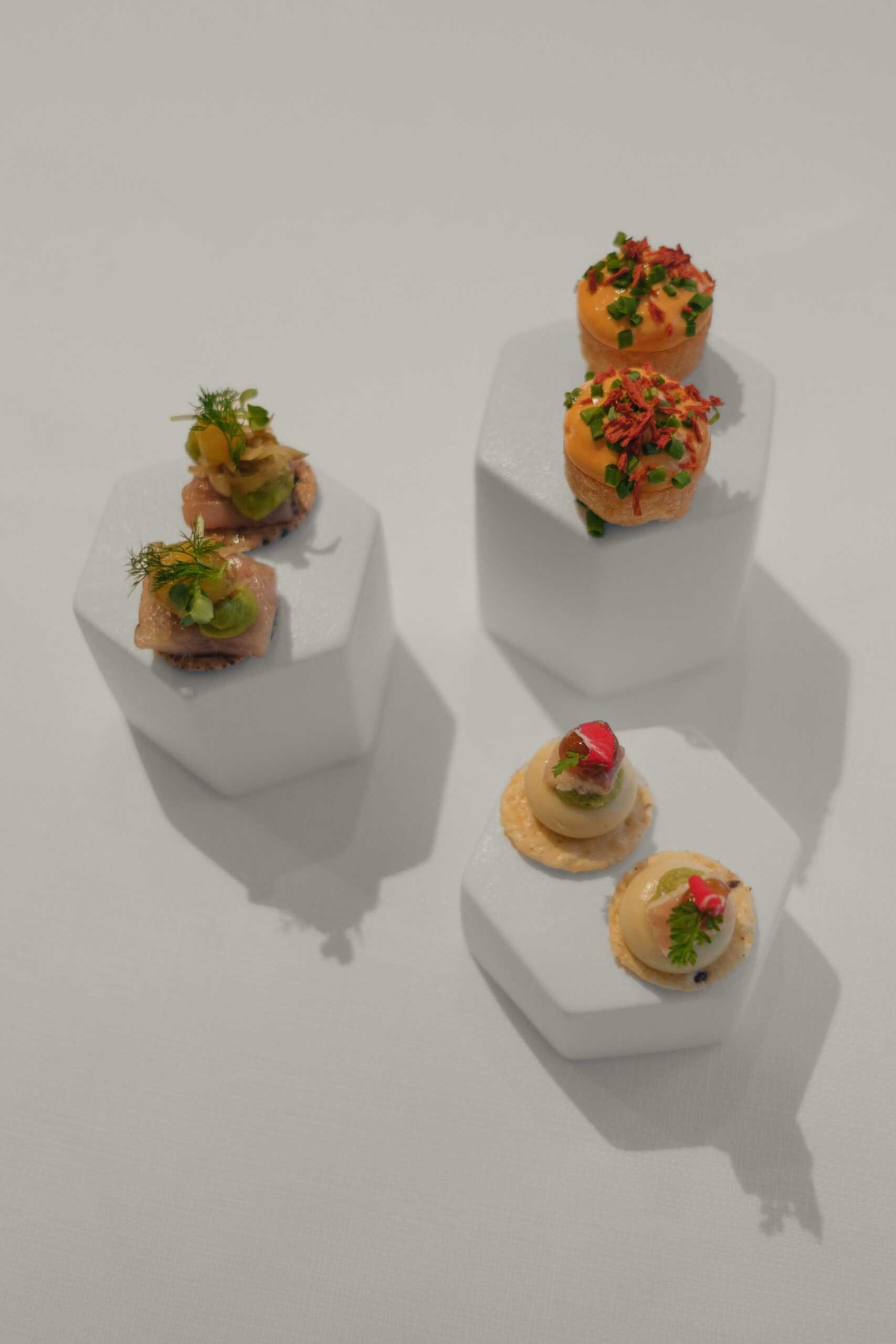
Brousse Table (Hasselt)
Chef Elien Gielen‘s restaurant occupies a former Brutalist bank building transformed into a space where gastronomy, art and culture coexist.
(*) Photography: Ely Sánchez (CC/studio · CC/magazine).


&p[summary]=&p[url]=https://ccmagazine.es/en/limburg-road-trip-art-vineyards-heritage-part-2&p[images[0]=https://ccmagazine.es/wp-content/uploads/2026/09/CCmagazine_Limburg_Roadtrip2-scaled.jpg)
)