Glyptoteket
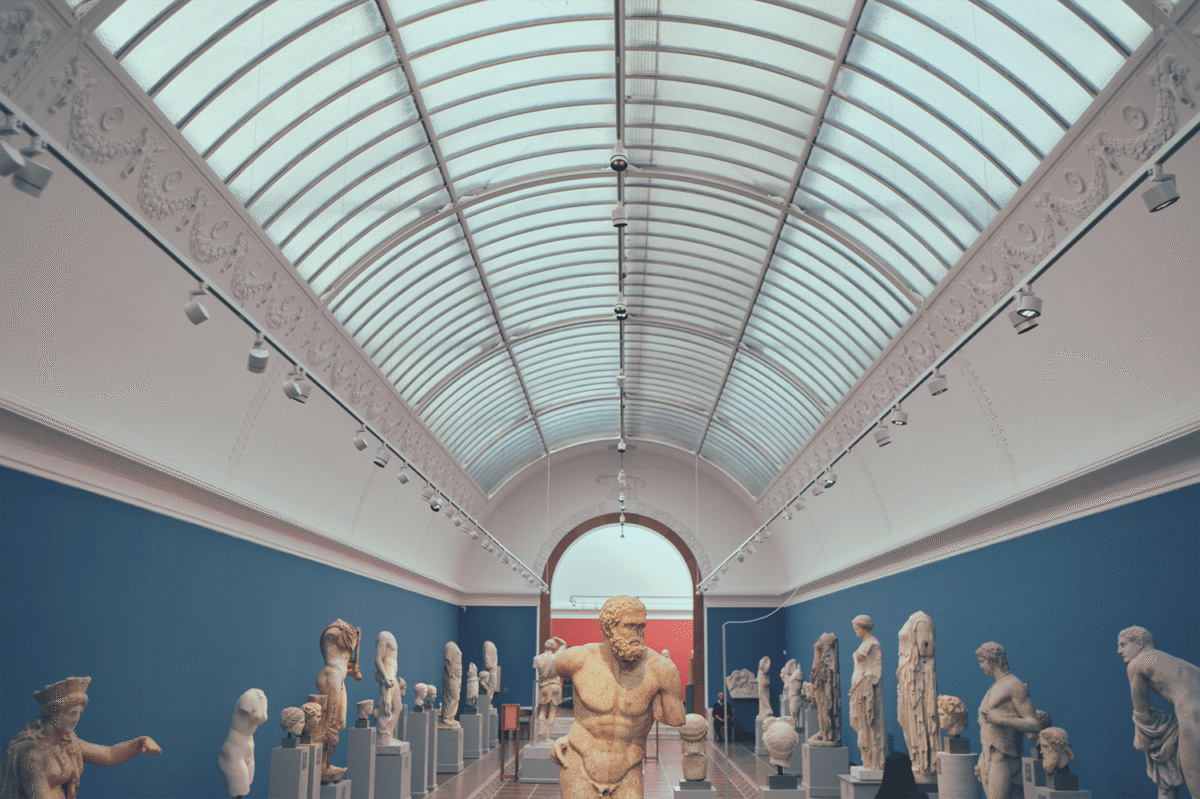
The superlative collection of the Glyptotek contains more than 10,000 works of art and archaeological objects, primarily divided into art from ancient Mediterranean cultures, as well as Danish and French sculptures and paintings from the 19th century, offering ever-new perspectives on life, culture, and civilization over a span of 6,000 years.
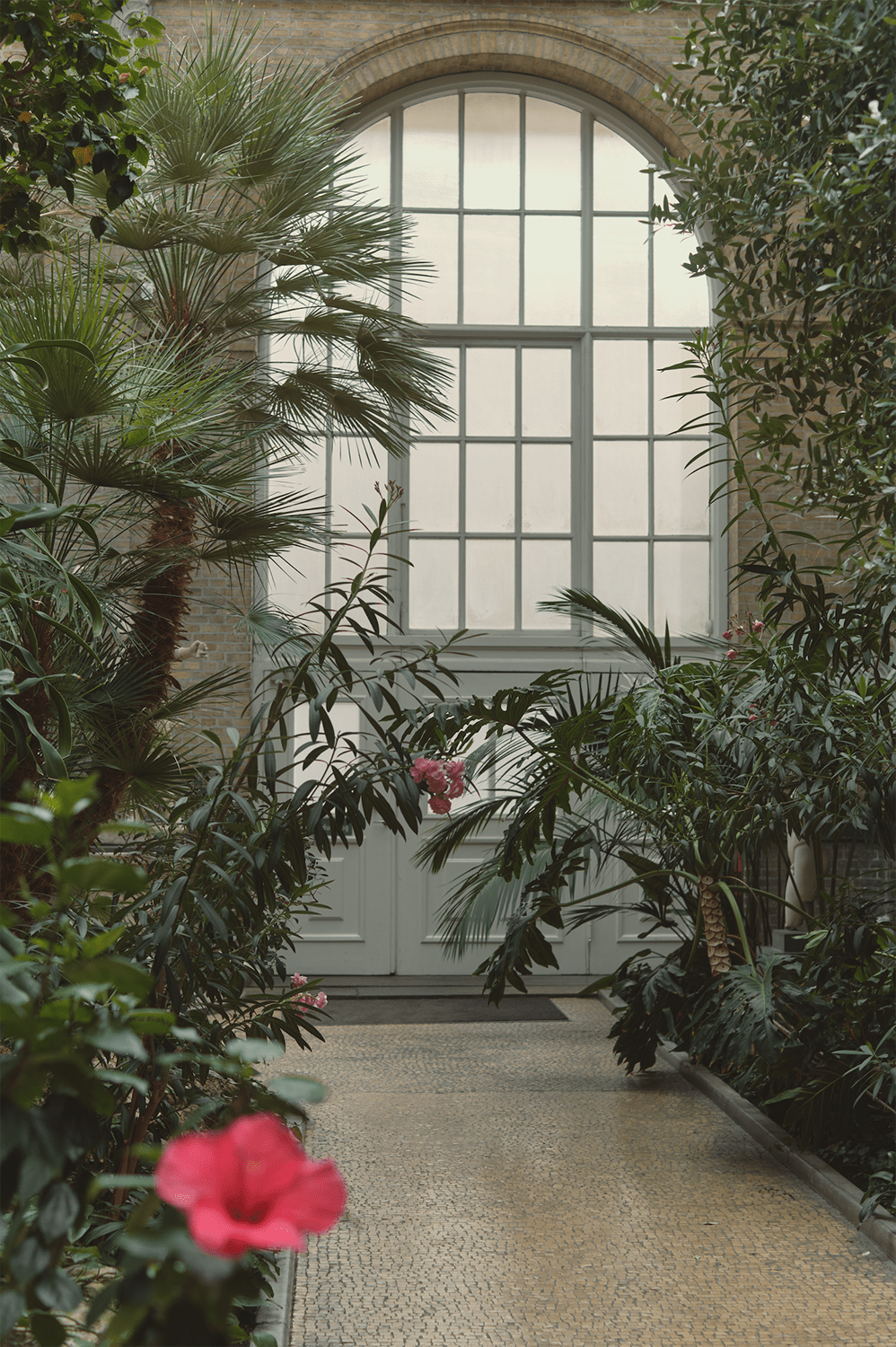
Carlsberg Glyptotek was founded by the brewer Carl Jacobsen (1842-1914), a passionate collector and one of the great industrial magnates of the 19th century. To this day he is the greatest patron of Danish art.
Carl Jacobsen‘s conviction that art can beautify, touch, and enrich the lives of all people remains valid in the Glyptotek.
The brewer firmly believed in the educational importance of art. But unlike traditional museums, he didn’t believe that either works of art or visitors should be overly burdened by scientific and academic systems. Rather, he considered that art should speak directly to the visitor, which is why Carl Jacobsen also invested in impactful works, preferably masterpieces and works with a certain monumentality.
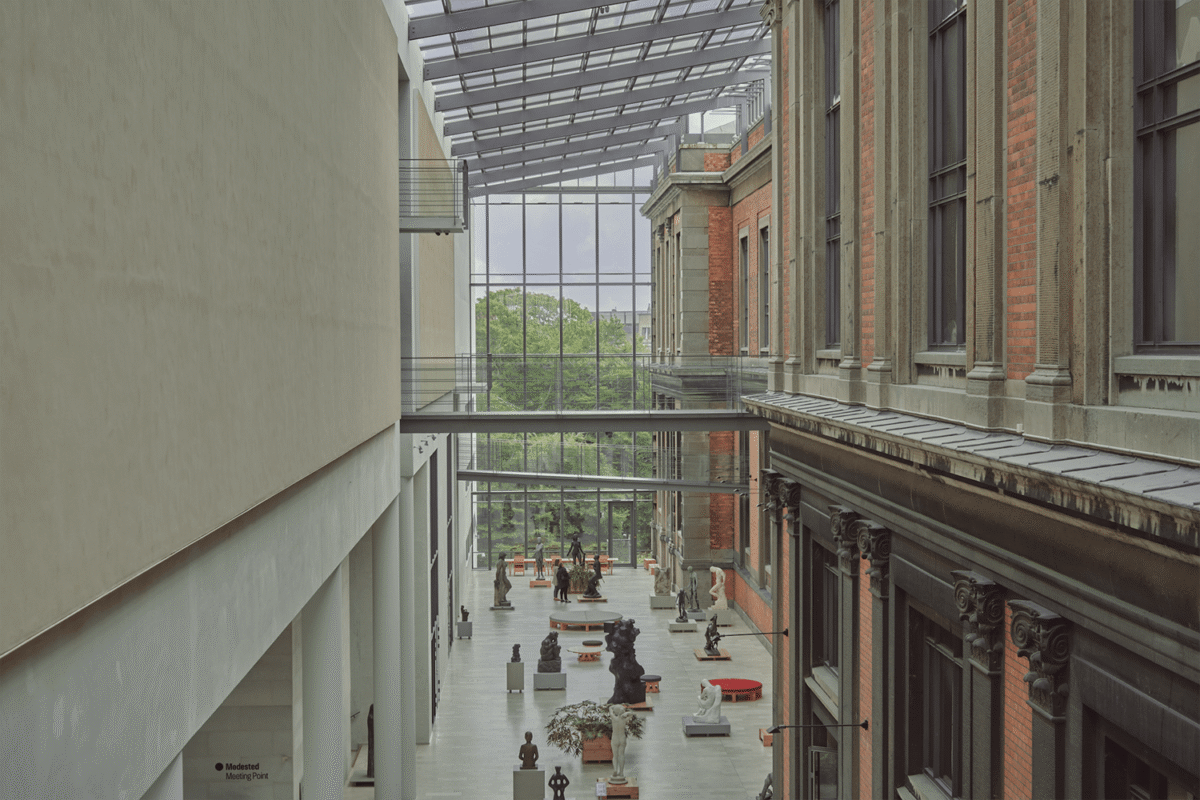
At the same time, the Glyptotek is also an oasis thanks to its Winter Garden, a beautiful orchard in which to relax from everyday life and make the visit a true pleasure.

Designmuseum Danmark
Designmuseum Danmark was founded in 1890 by the Confederation of Danish Industries in Copenhagen and the Ny Carlsberg Museumslegat. This museum was the first public hospital in Denmark, the Royal Frederik‘s Hospital, where Søren Kierkegaard was admitted and died in 1855. It offers exhibitions of decorative art, crafts, and industrial designs from the Western world and Asia from the late Middle Ages to the present.
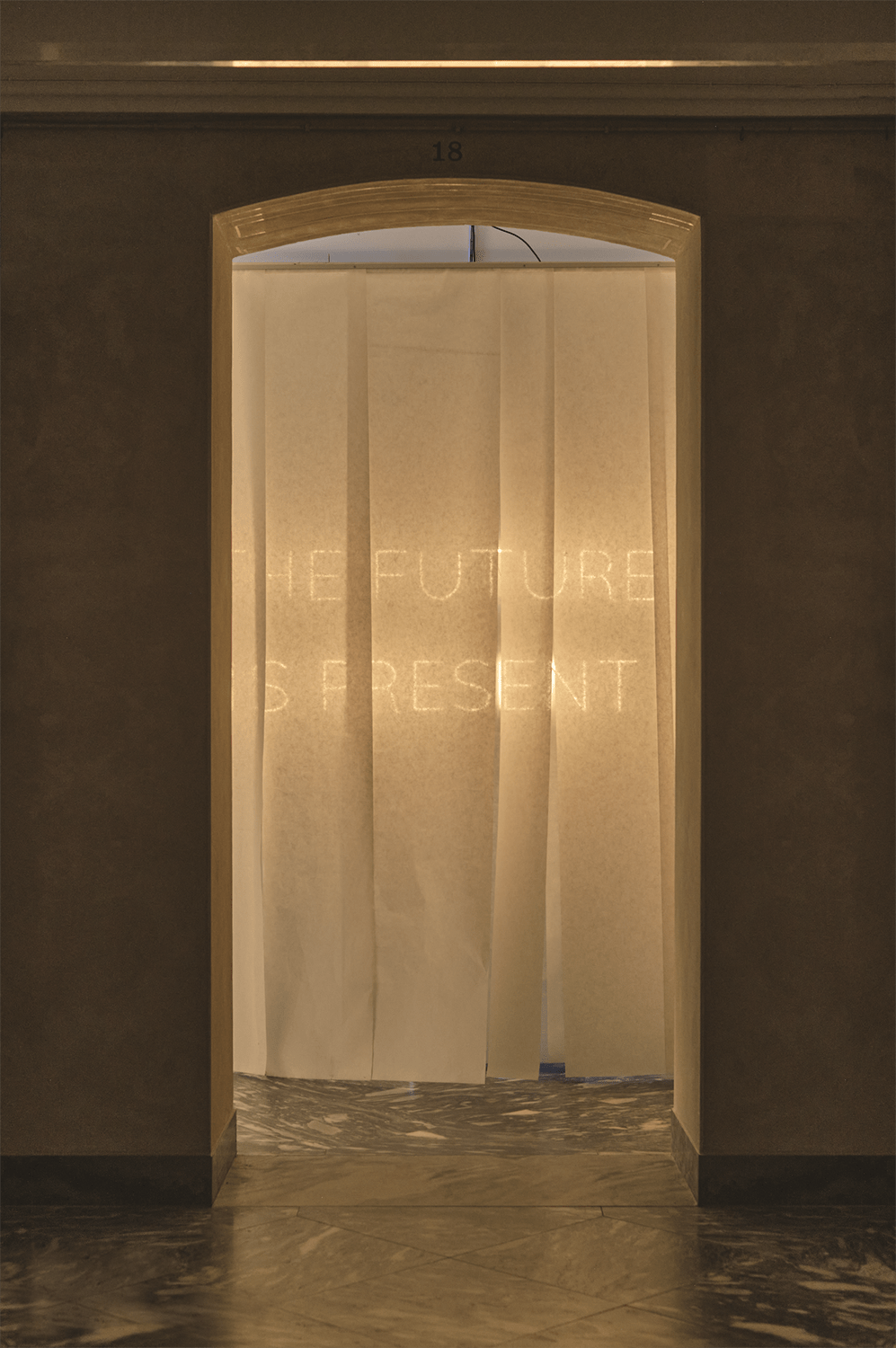
In addition to the permanent collection, the museum also presents temporary exhibitions such as “Danish Modern” – a show that reveals the history of Danish design from the 1920s to the 1970s, reflecting on its success and focusing on some of the most iconic Danish design objects – or “Irma – a design story” – this fascinating exhibition traces the design history of the Irma supermarket chain, which brought art and design into people’s everyday lives.
Don’t leave without visiting its shop. And if you go during the spring-summer season, enjoy its beautiful Grønnegård courtyard.
DAC (Danish Architecture Center)
The Danish Architecture Center (DAC) is an international cultural attraction that explores architecture, urban development, and design from its base in BLOX in Copenhagen’s harbor. The DAC‘s exhibitions, which are periodically updated, showcase the latest trends in architecture along with ideas from leading Danish architects. It is also a place to discover the masters of architecture like Jan Gehl and Arne Jacobsen, as well as the most interesting Danish studios of the moment, such as BIG and 3XN, which have produced innovative architecture like the VM Houses in Ørestad and the United Nations City in Copenhagen Harbor.
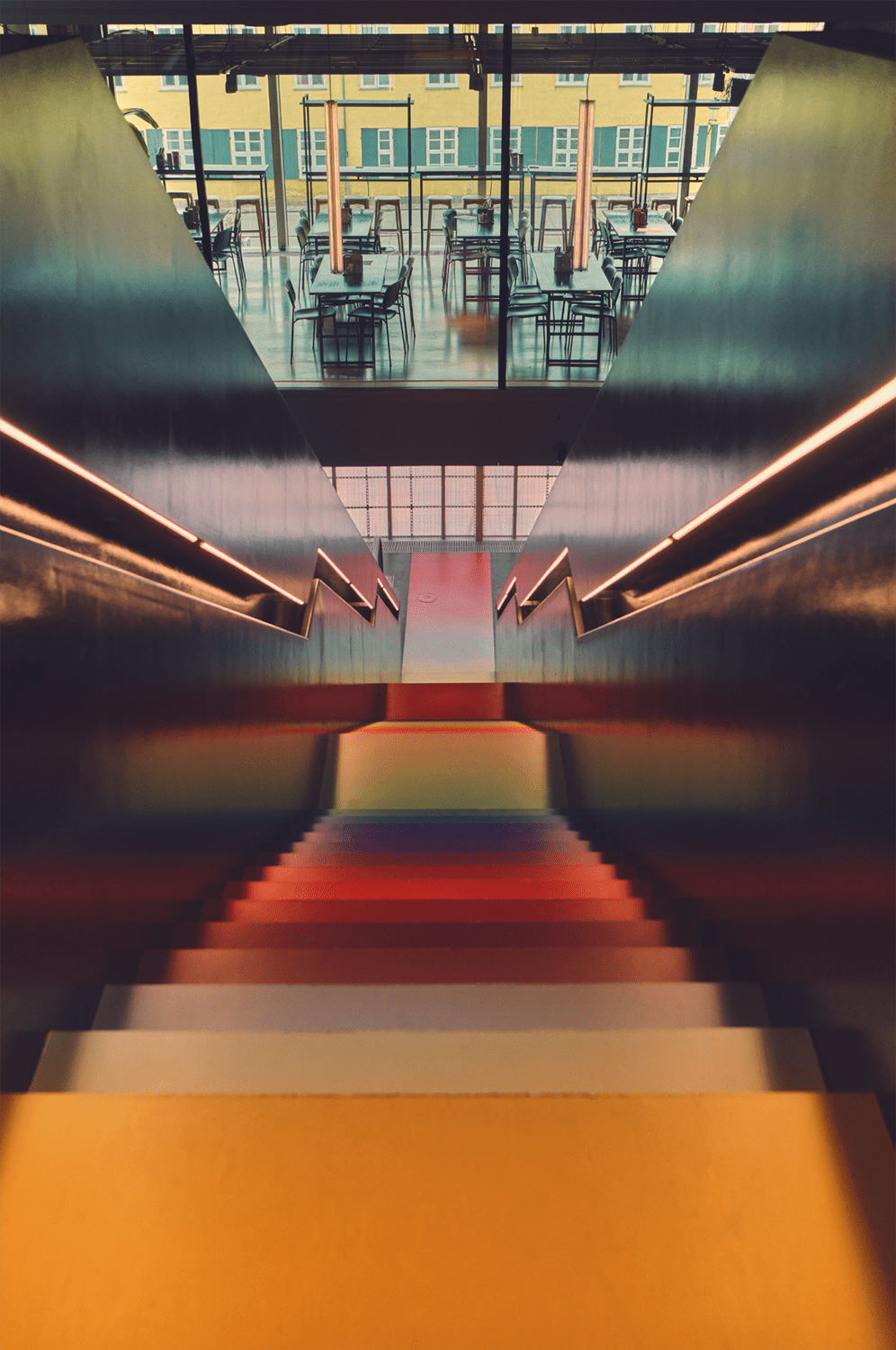
DAC also houses the DAC Slide, an art installation that challenges our senses through a unique 40-meter spiral slide with a height equivalent to 4 floors. Don’t miss it! You’ll be given little booties to slide more easily, and the experience is truly worth it.
One of the temporary exhibitions available until January 2025 is “Teenage Dreams”. Through fascinating installations created by renowned design studios, visitors are immersed in a world where dreams and reality merge. Each installation is designed to generate reflection and conversations about how spaces impact our well-being and reflect the sign of the times. Very interesting.
As we have done in previous museum recommendations, you cannot leave DAC without visiting its terrace and shop.
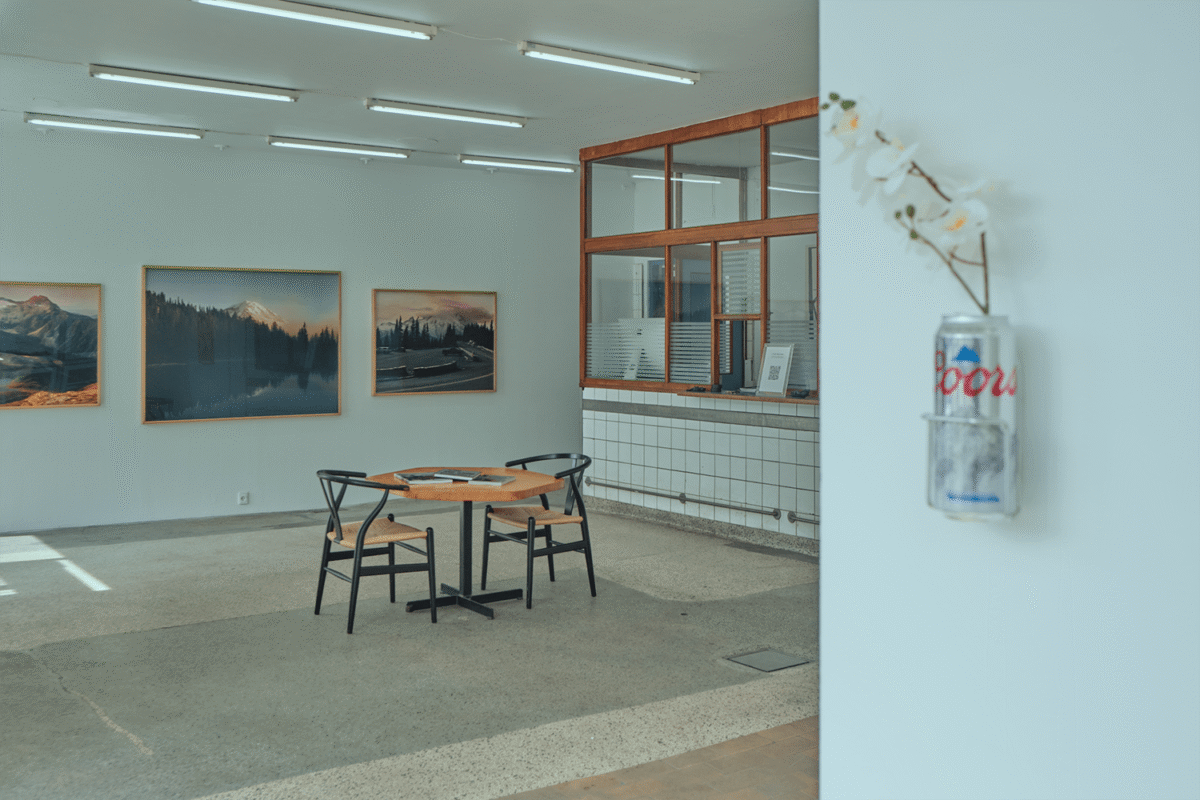
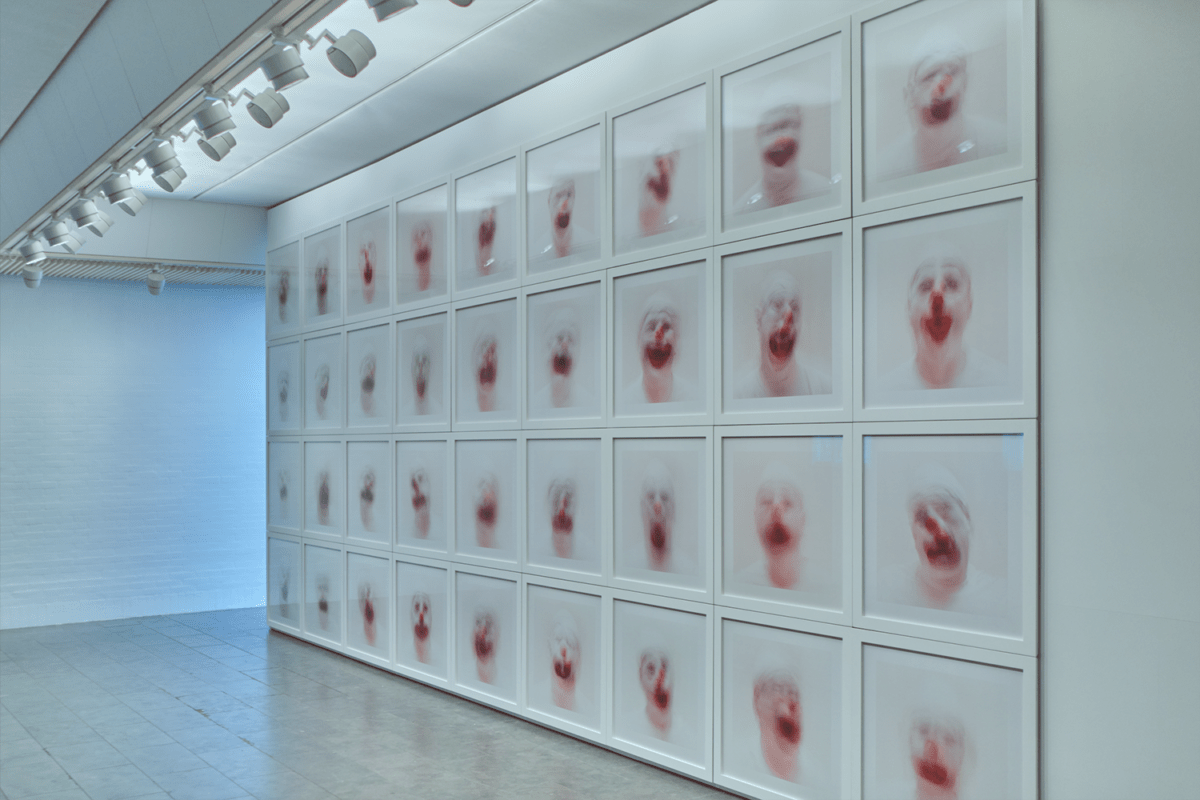
Regarding art galleries, these are some of the ones we visited: Brigade Gallery, Von Bartha, V1 Gallery, and Gether Contemporary.
Favorite Districts and Miscellaneous
Copenhagen has a lot to see and offer, and to our previous recommendations, we want to add these others:
Central Hotel&Café
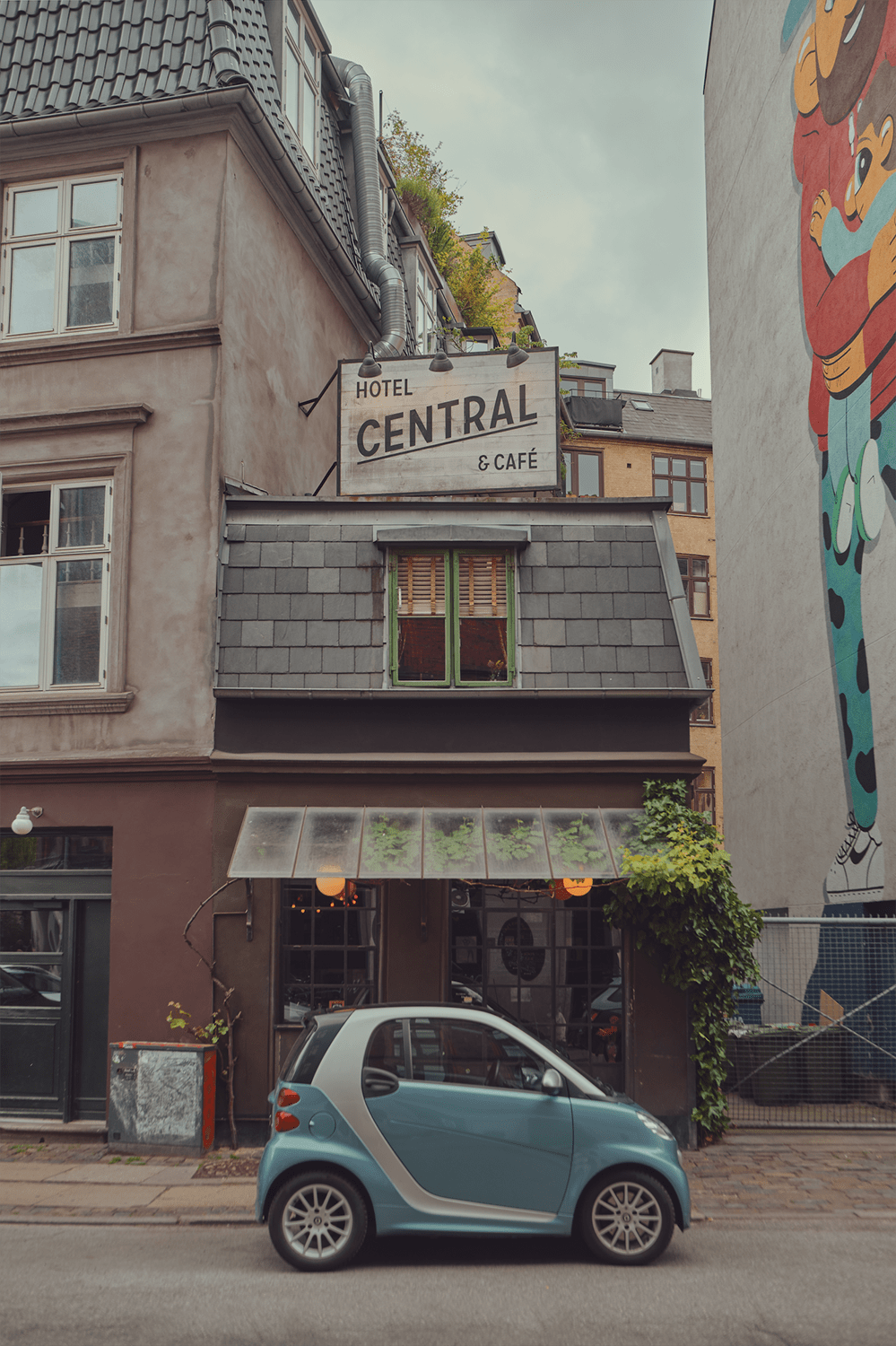
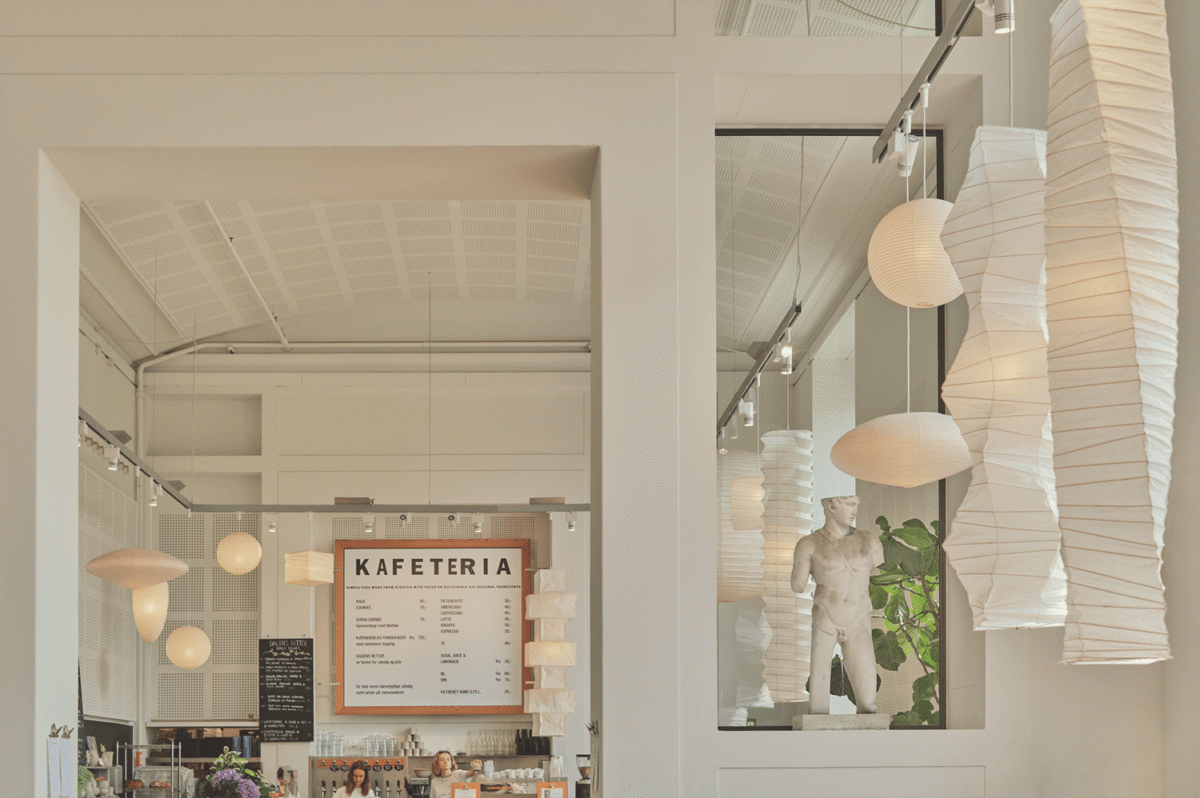
This hotel has only one room! It is located atop a small and charming café in the Vesterbro neighborhood. We haven’t stayed there, but we have visited the café. The building is beautiful and well worth a visit.
Cykelslangen
In 2014, this exclusive almost five-meter-wide bicycle path was inaugurated, winding 230 meters between commercial, residential, and office buildings to complete the first cross-connection of the Danish capital’s harbor. It’s impressive!
Superkilen Park
Located in the heart of the Nørrebro district, north of the Danish capital, Superkilen Park represents the cultural diversity of the area in a contemporary language. Bjarke Ingels, in collaboration with the Danish artist group Superflex and the Berlin landscape architects Topotek 1, approached this project as an exercise in citizen participation.

This meant that neighbors from more than sixty different nationalities were asked to suggest objects from their places of origin that they missed and considered could improve the Danish urban space. Said and done.
The result is a sort of surreal garden built with more than one hundred heterogeneous objects from around the world, revealing the true colors of contemporary Copenhagen.
Grundtvig’s Church
Grundtvig’s Church is located in the Bispebjerg district.
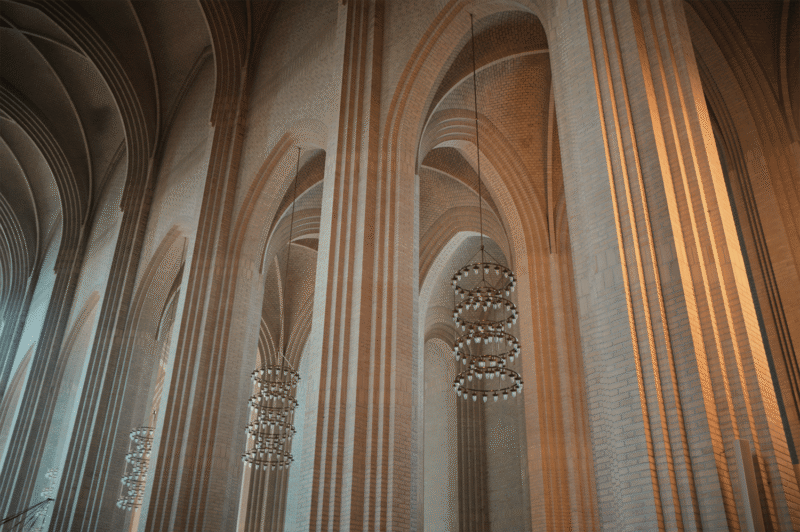
Thanks to its uncommon appearance, one of the most well-known churches in the city and one of the few examples of expressionist church architecture. It was erected in commemoration of the great Danish priest, poet, and reformer N.F.S. Grundtvig (1783 – 1882). This monumental and spectacular church is known in modern terms as a Gothic cathedral.
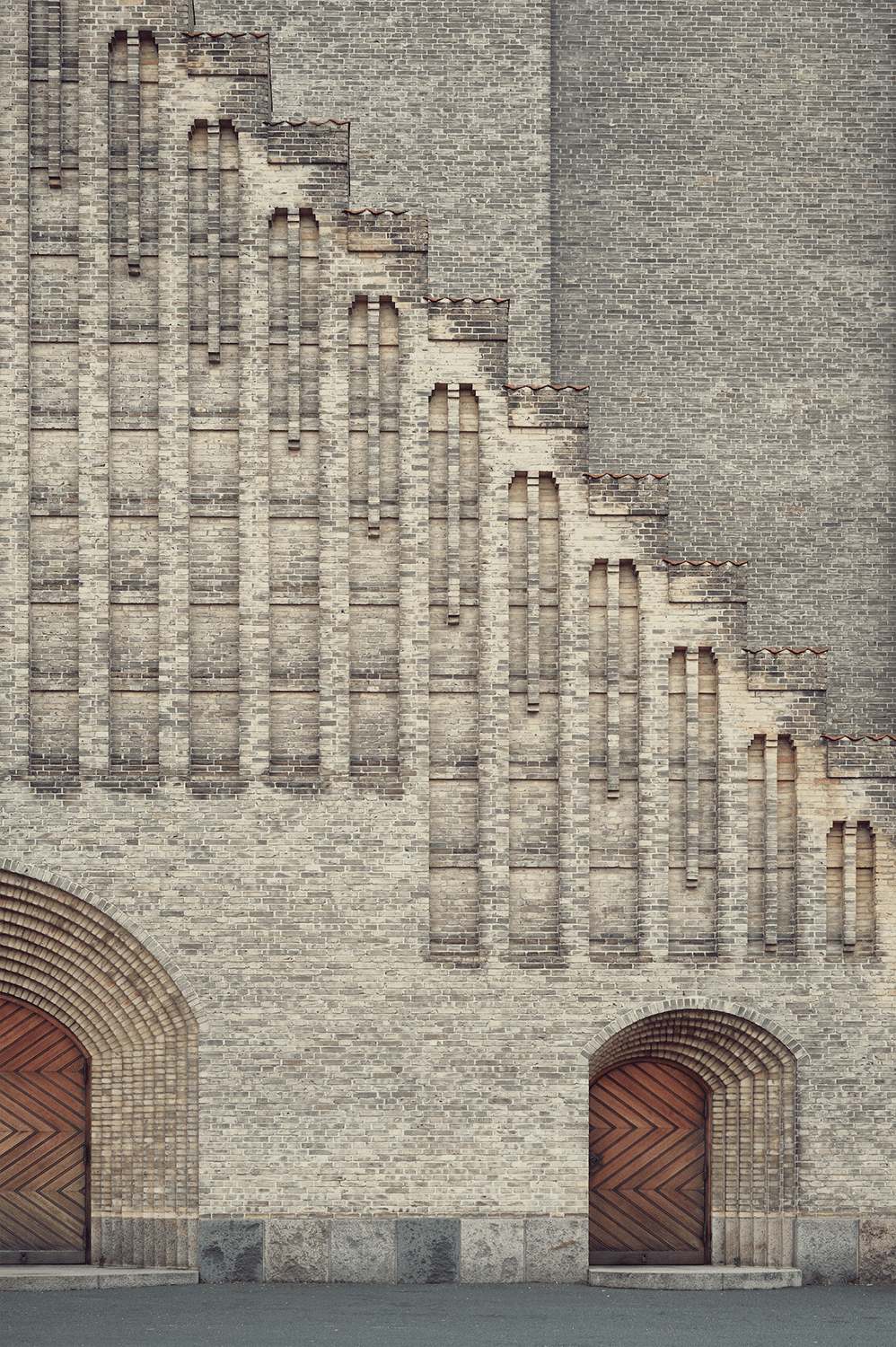
As the master builder and architect Peder Vilhelm Jensen Klint (1853 – 1930) died before the church was completed, his son, architect and designer Kaare Klint (1888-1954), was commissioned to complete the construction in 1940.
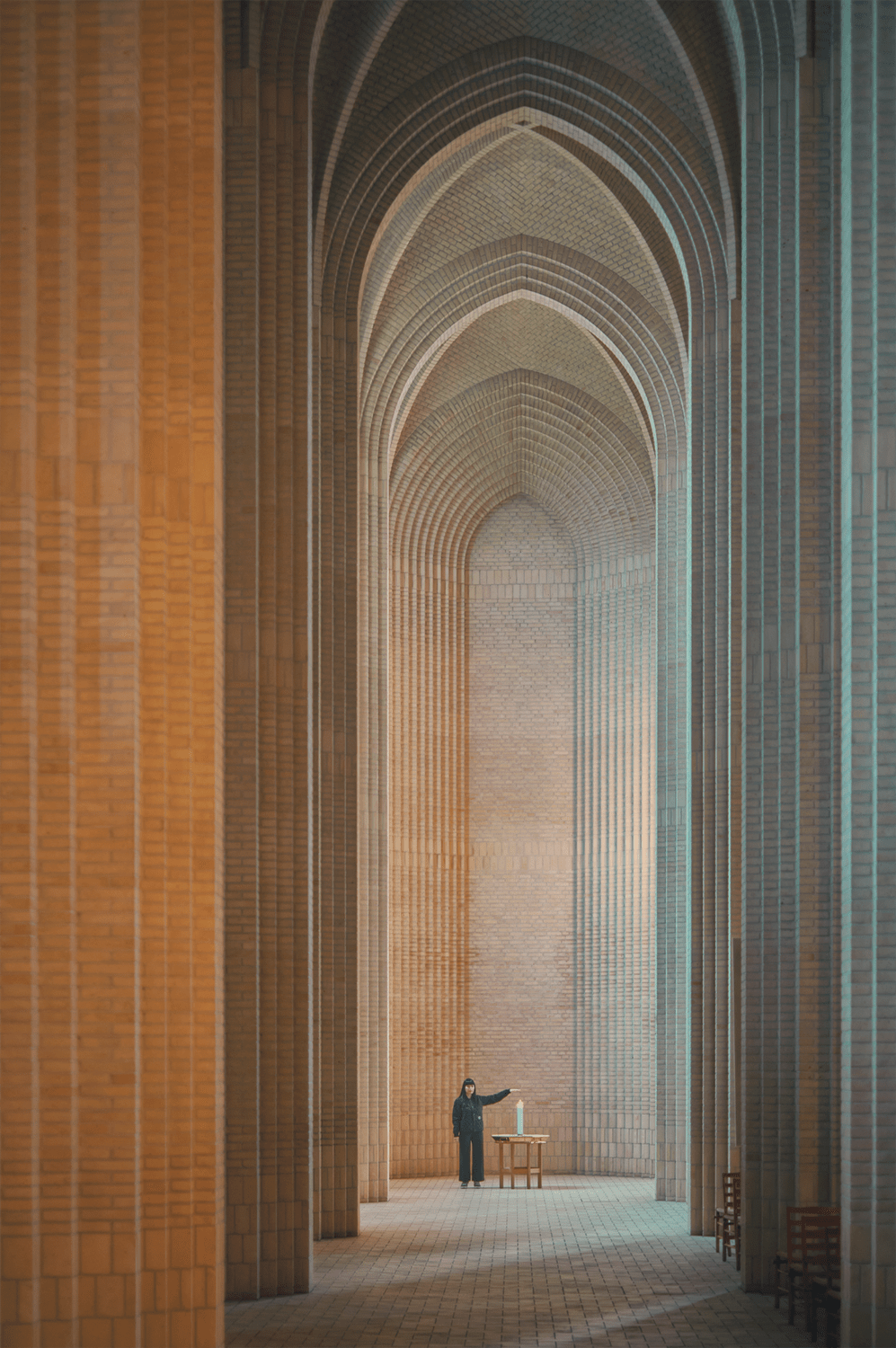
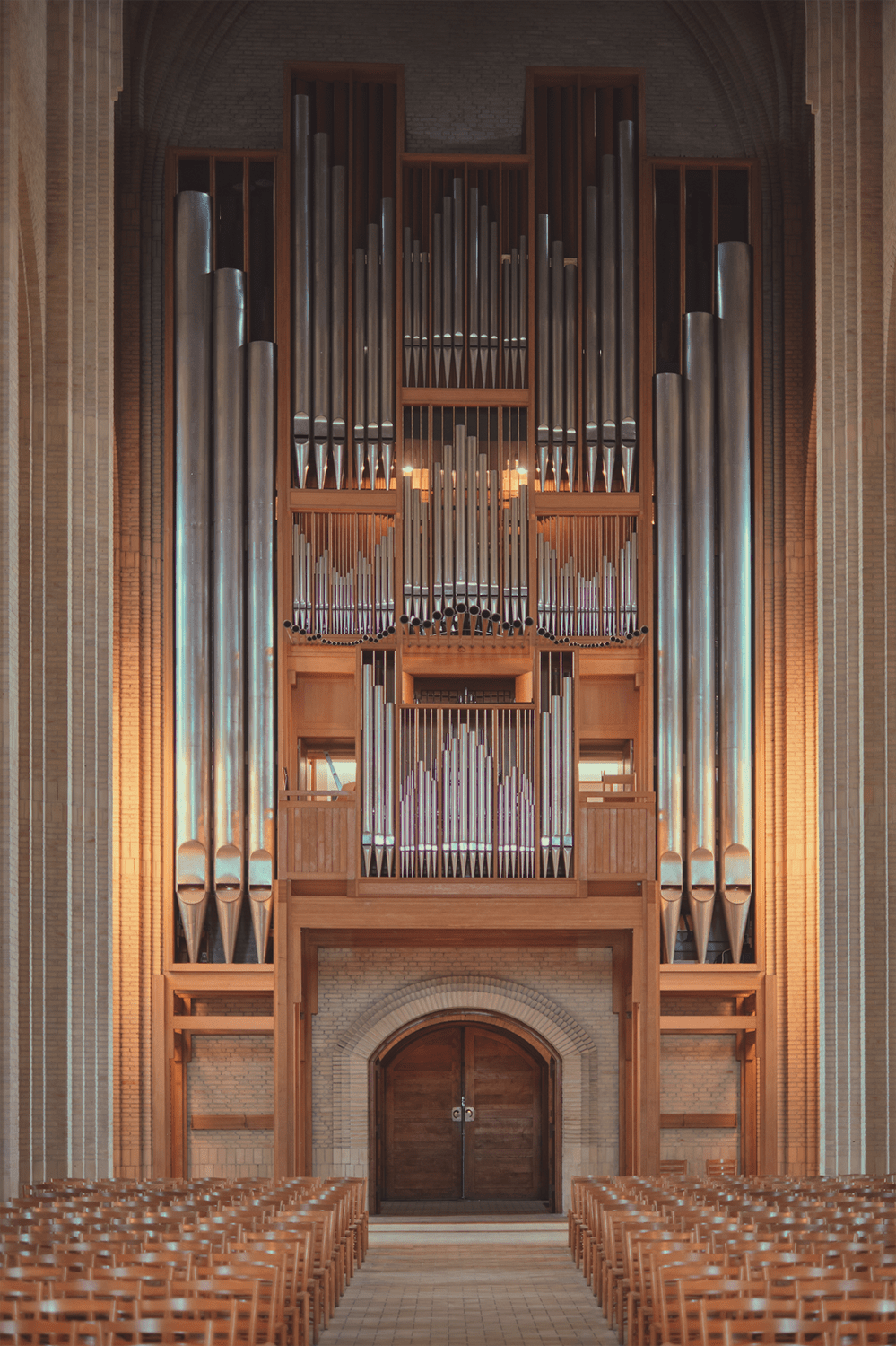
Despite its enormous size, the church radiates an atmosphere of inexplicable serenity and well-being. Its elegant minimalism and the filtered light that passes through this religious temple are some of the reasons.
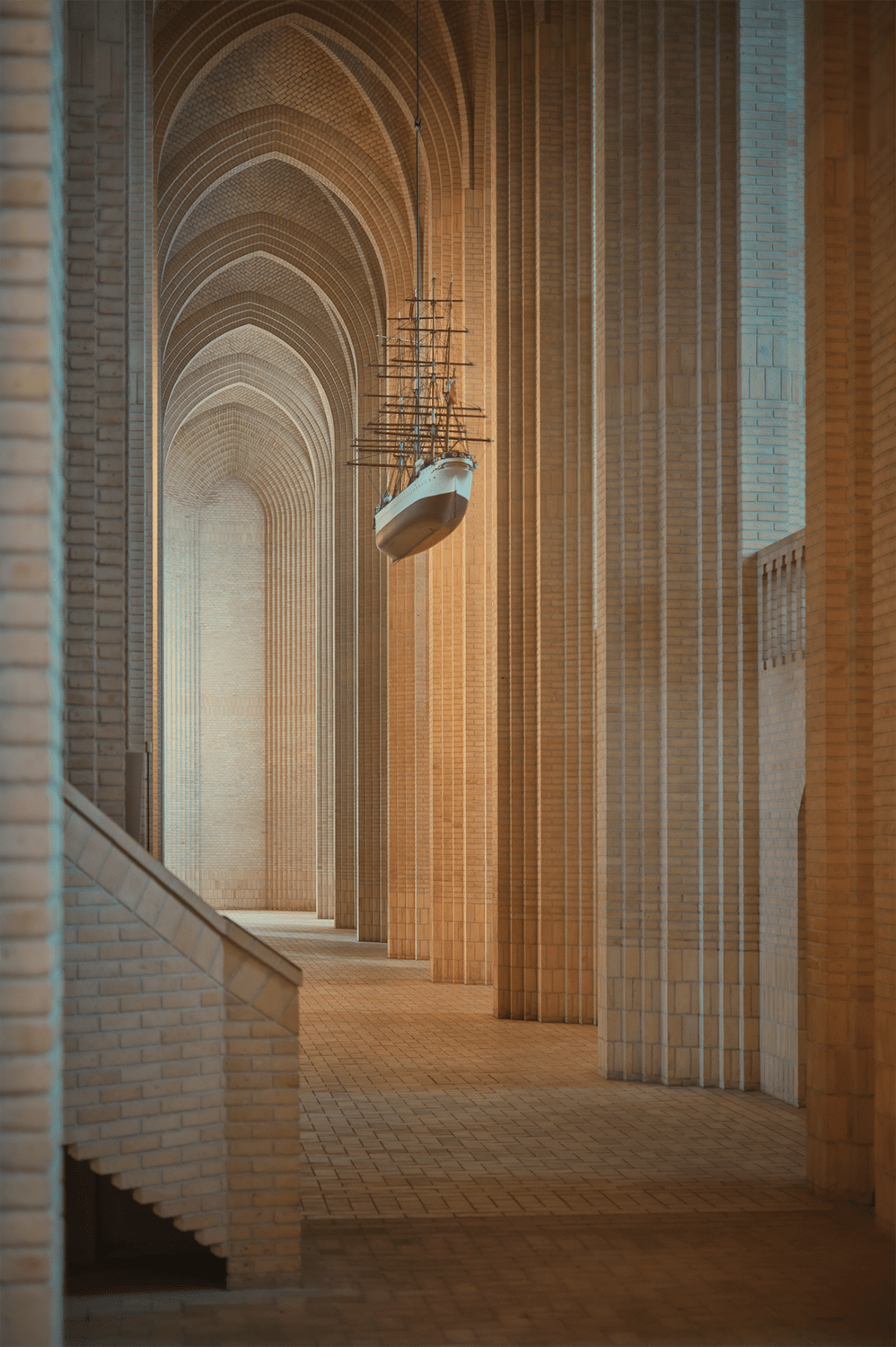
Regardless of your religious beliefs, this place is a beautiful architectural landmark that is well worth visiting.
Meatpacking District
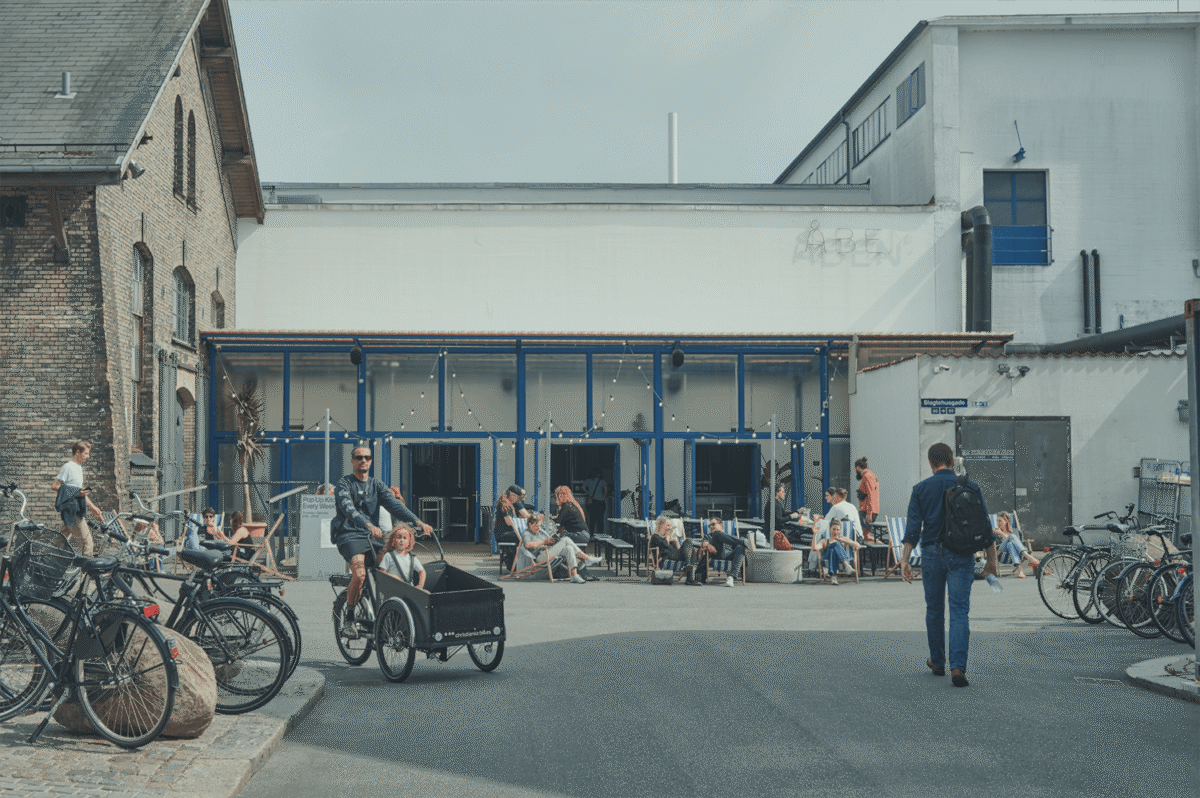
Originally the headquarters of Copenhagen’s meat industry companies, it has recently become a trendy neighborhood full of art galleries, nightlife spots – Jolene, Mesteren og Lærlingen, or Noho – and restaurants – Fleisch, Paté Paté, or Gorilla.
In the early 2000s, when the city of Copenhagen realized that the 1930s functionalist buildings in Halmtorvet might interest people other than butchers, the vision of a new cultural melting pot began to take shape.
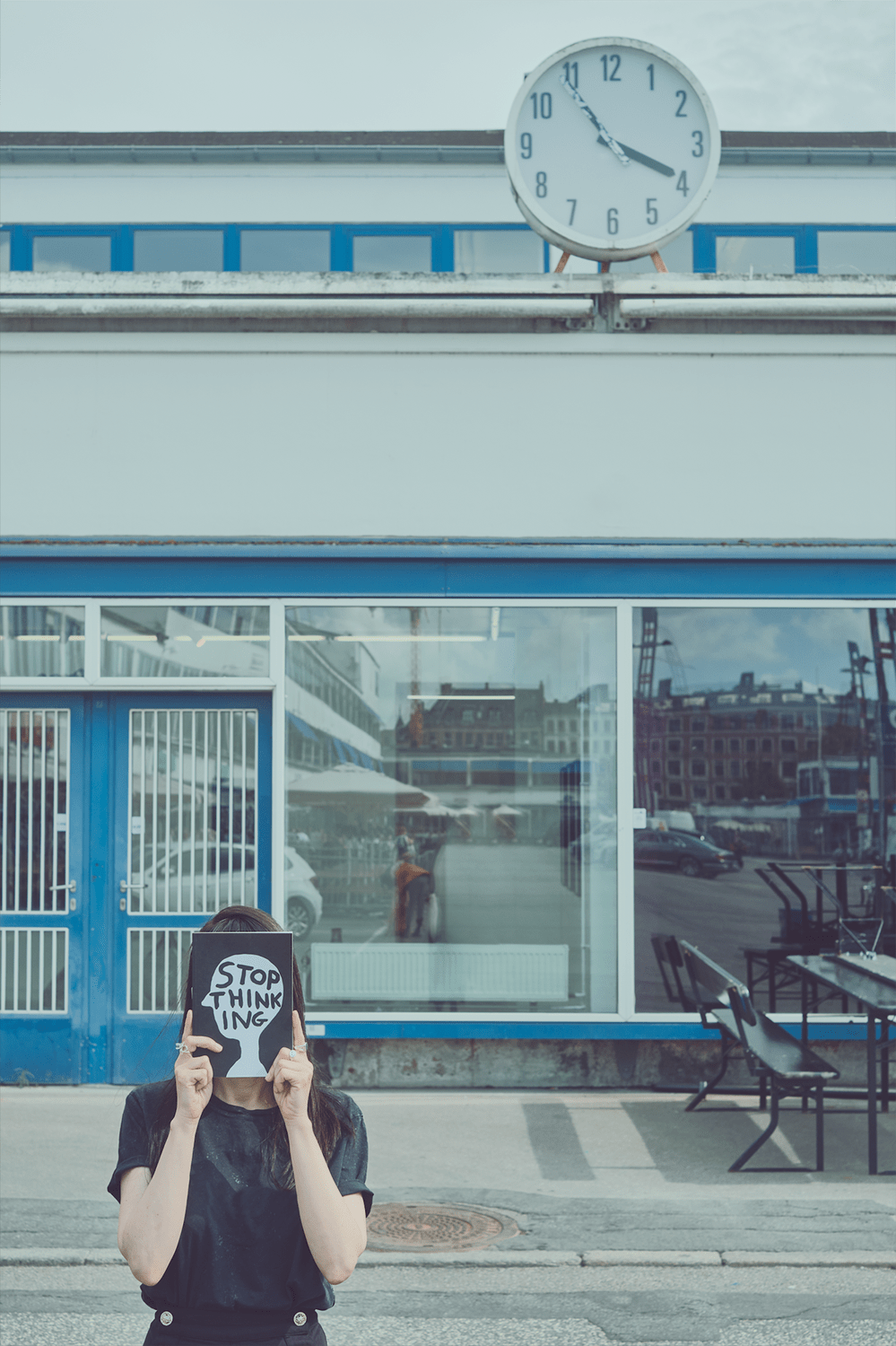
The Meatpacking District consists of three separate areas called White, Gray, and Brown Kødby, named after the color of the buildings, and it is one of the most popular places to go out in Copenhagen.
Nordhavn
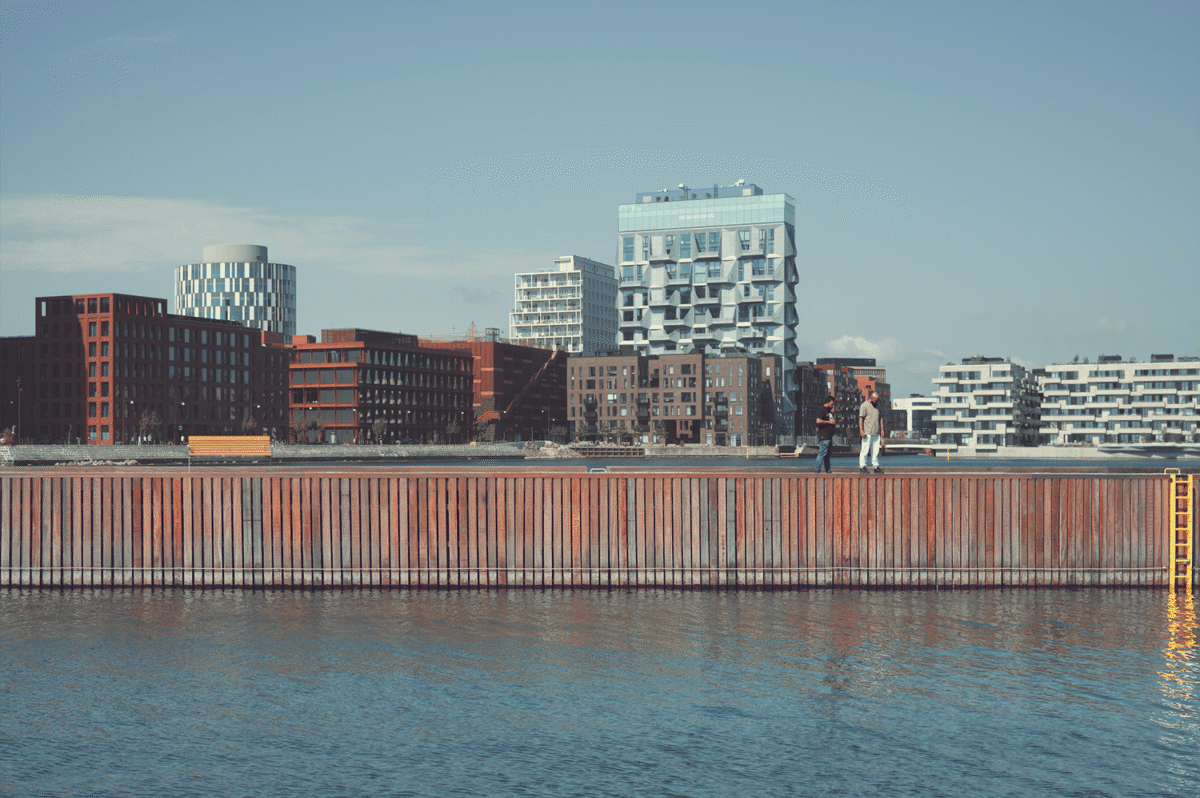
This district is located between Hellerup and Langelinie, near the Østerbro neighborhood, right next to the Øresund coast and Denmark’s largest marina.
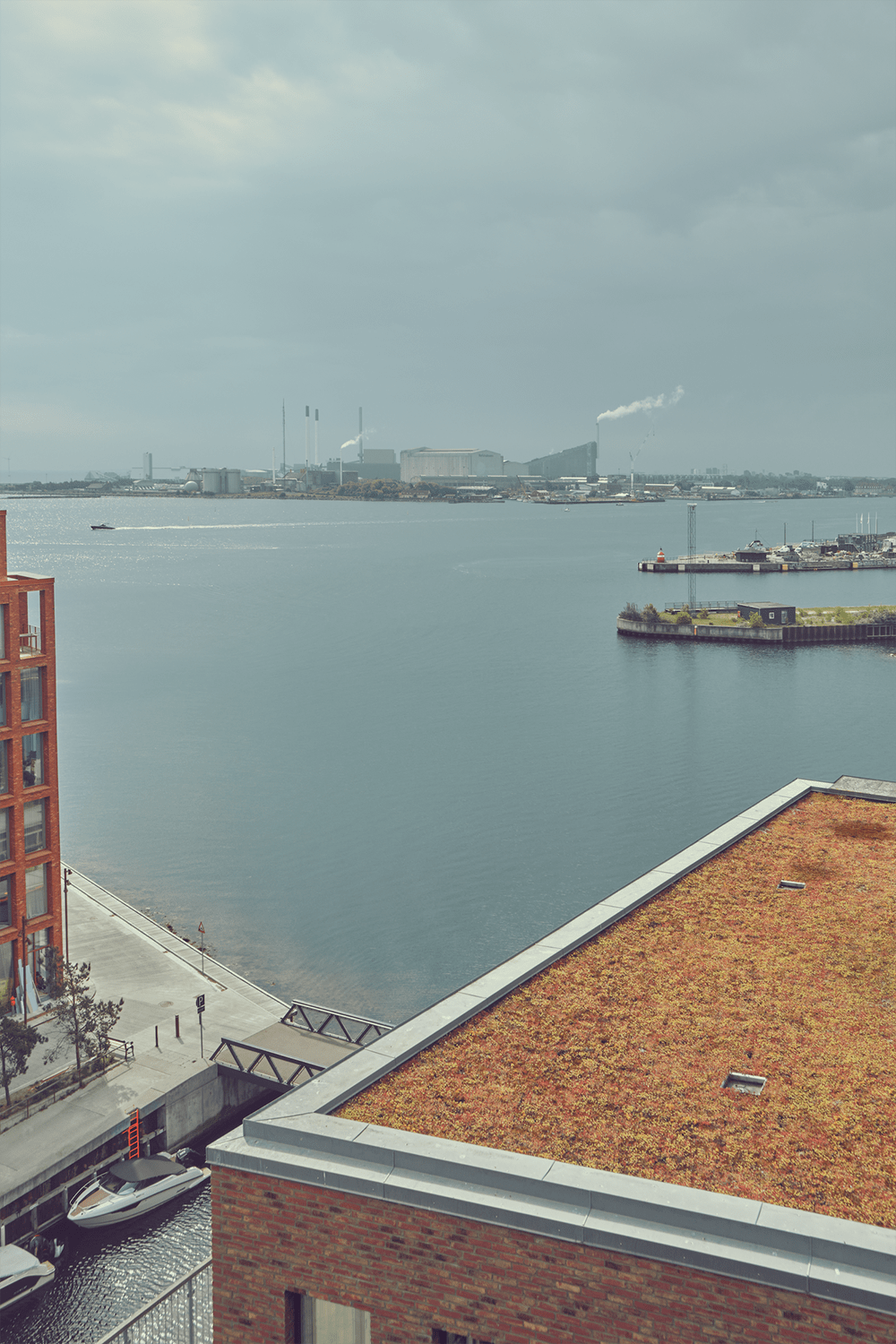
It has transformed from an industrial port area into a new and very attractive urban zone that includes new and interesting residential buildings, shops, schools, various services, and restaurants. All of this makes the area an independent neighborhood with its own life and a very special touch, right up to the pier.
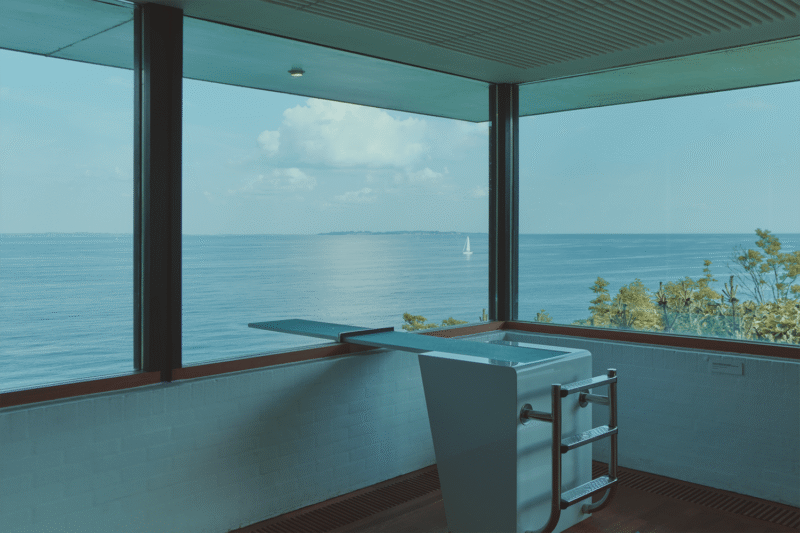
Next to the Nordhavn area is Denmark’s largest marina, Svanemøllehavnen, with more than a thousand berths. You can also find the Konditaget Lüders gym, the Portland Towers, and the UN building here.
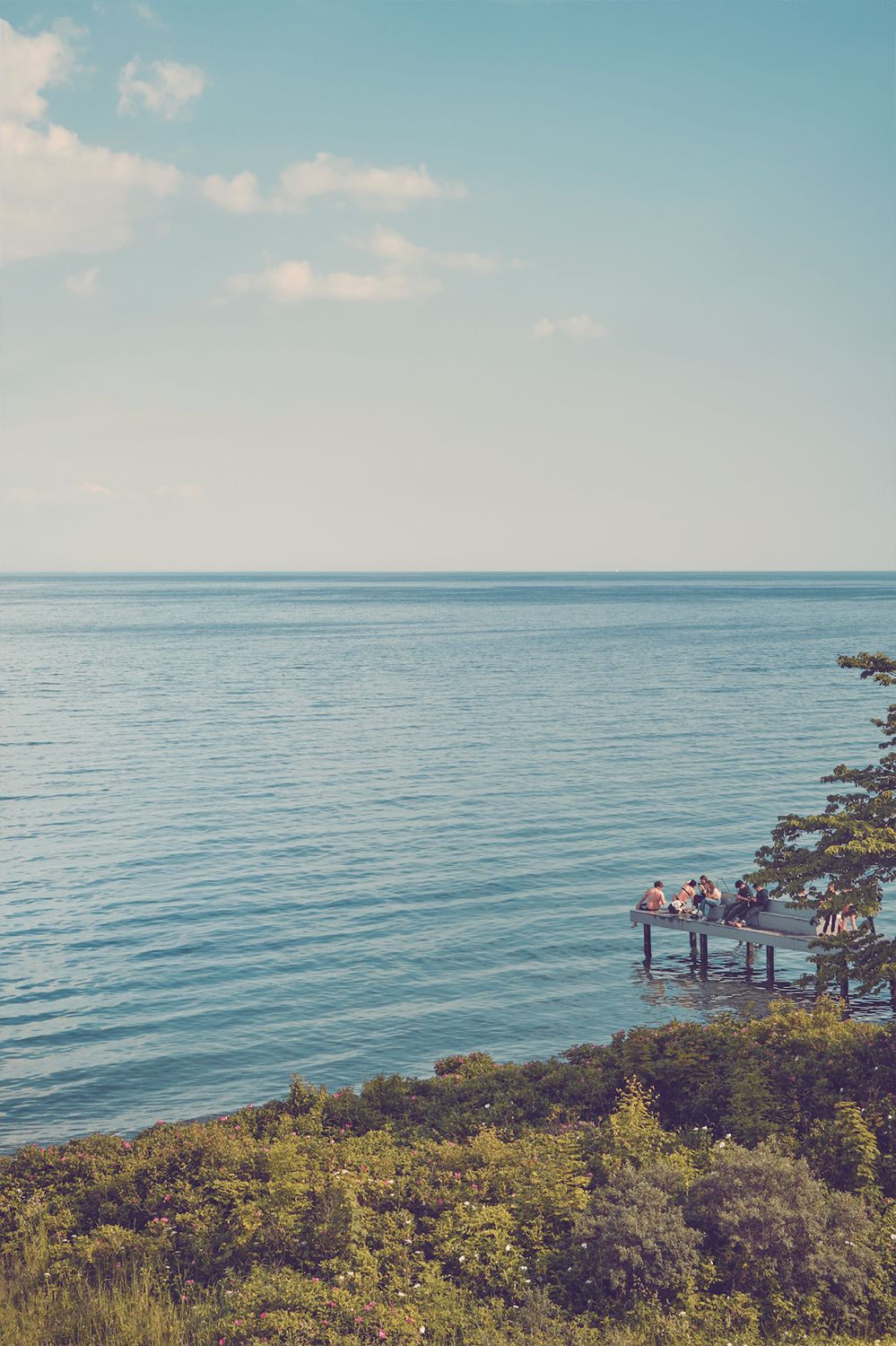
We loved this area and from the pier there are beautiful views. Furthermore, there are also restaurants and cafés we really like, such as Atelier September, Funky Eatery & Deli, Andersen & Maillard, or Audo.
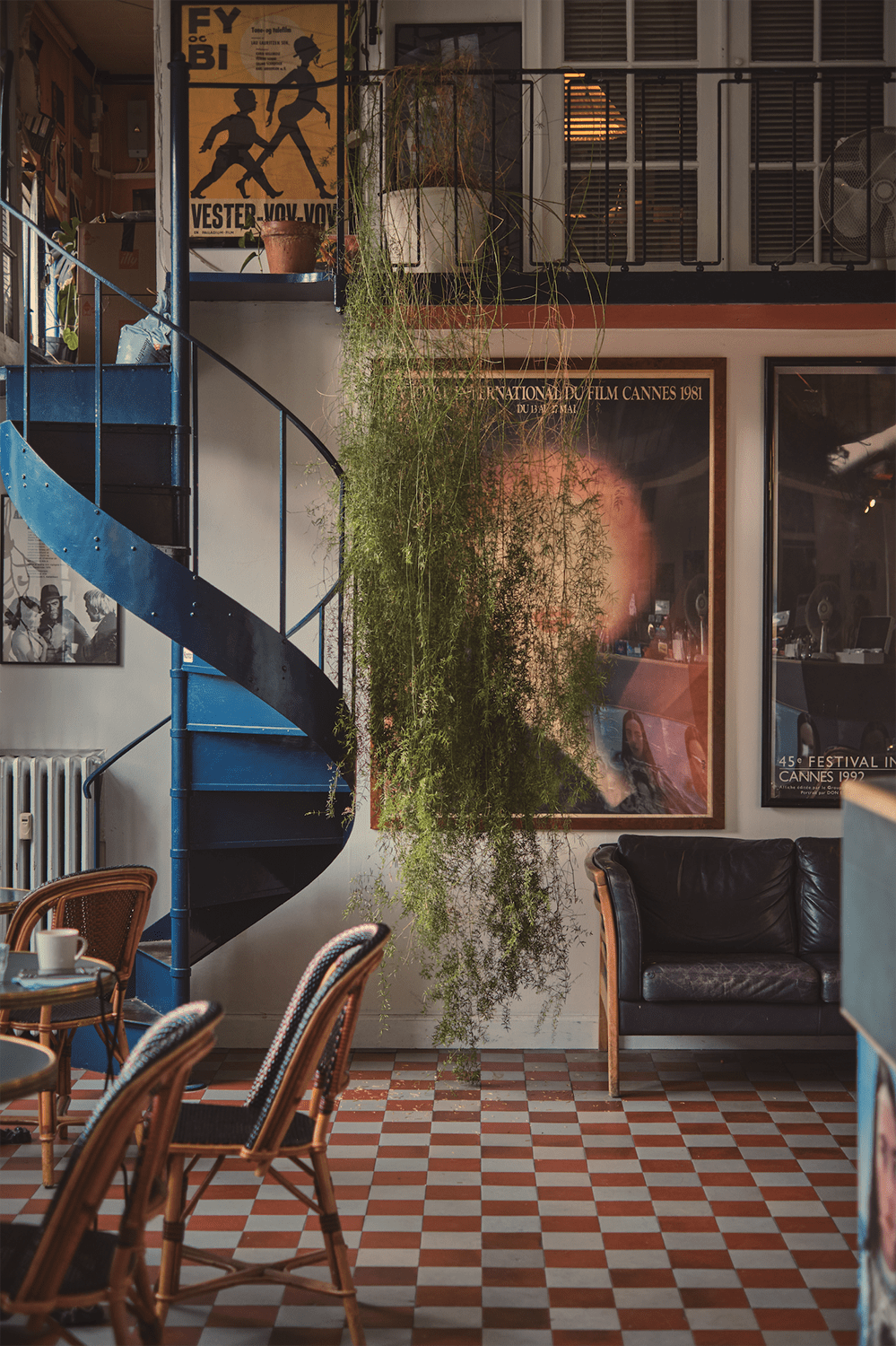
Vester Vov Vov
This old-school cinema was inaugurated in 1975 and is a marvel that is still active. Here they screen independent, not overly commercial films, as well as classic movies. Its café looks like it’s straight out of the movie Amélie and is perfect for having a drink. It also has outdoor tables that are perfect during the summer months.
Ultimately, we hope that you are now eager to discover and/or rediscover this city. We are in love with Copenhagen, and it is always a good plan to reunite with it.
(*) Photos by Ely Sánchez y Cecilia Camacho (CC/magazine).

&p[summary]=&p[url]=https://ccmagazine.es/en/copenhagen-the-perfect-city-part-2&p[images[0]=https://ccmagazine.es/wp-content/uploads/2024/07/CCmagazinexCopenhague2_10.png)
)