Faroe Islands: Europe’s last wild refuge (Part 2)
The Faroe Islands stand as one of the most unknown and surprising corners of Europe. Comprising 18 islands that rise dramatically from the North Atlantic, this territory seems suspended in time, where untamed nature dictates the rhythm of everyday life. With a population of just over 50,000 people but more than 80,000 sheep, the Faroes captivate those travelers who seek an authentic immersion in the wild, the genuine, and the untamed.
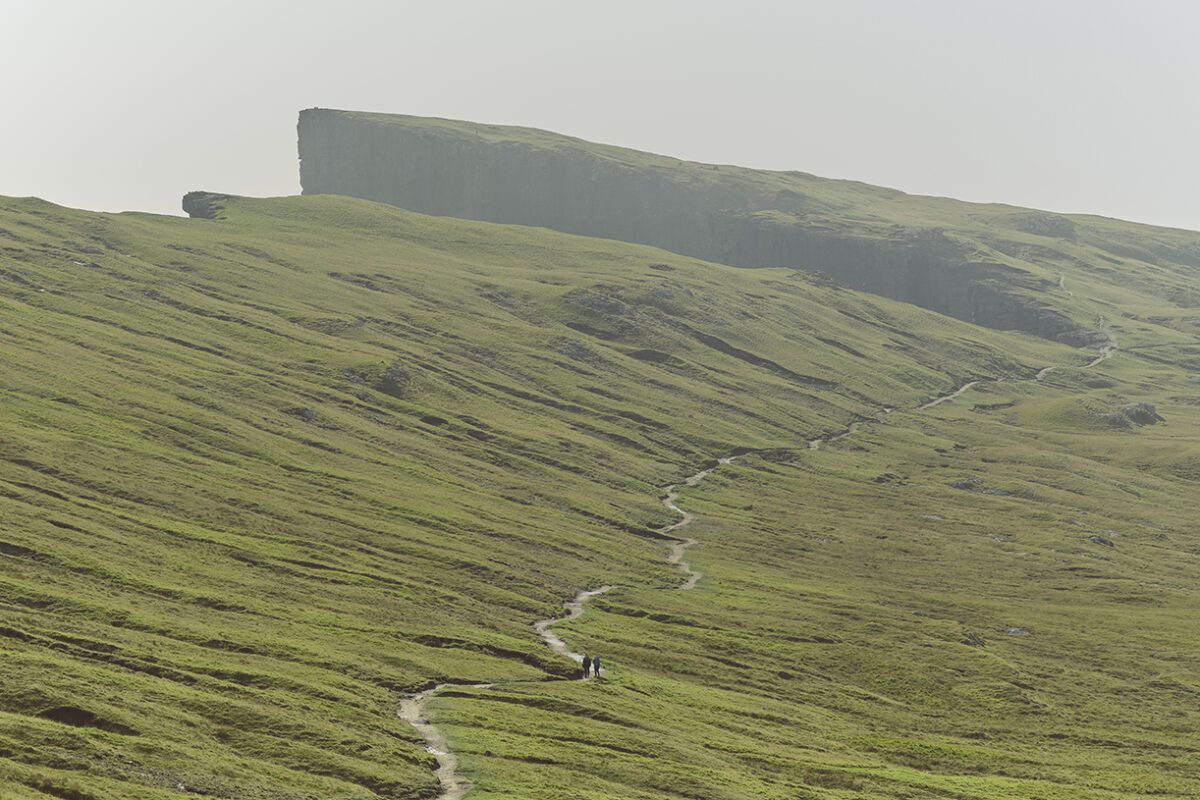
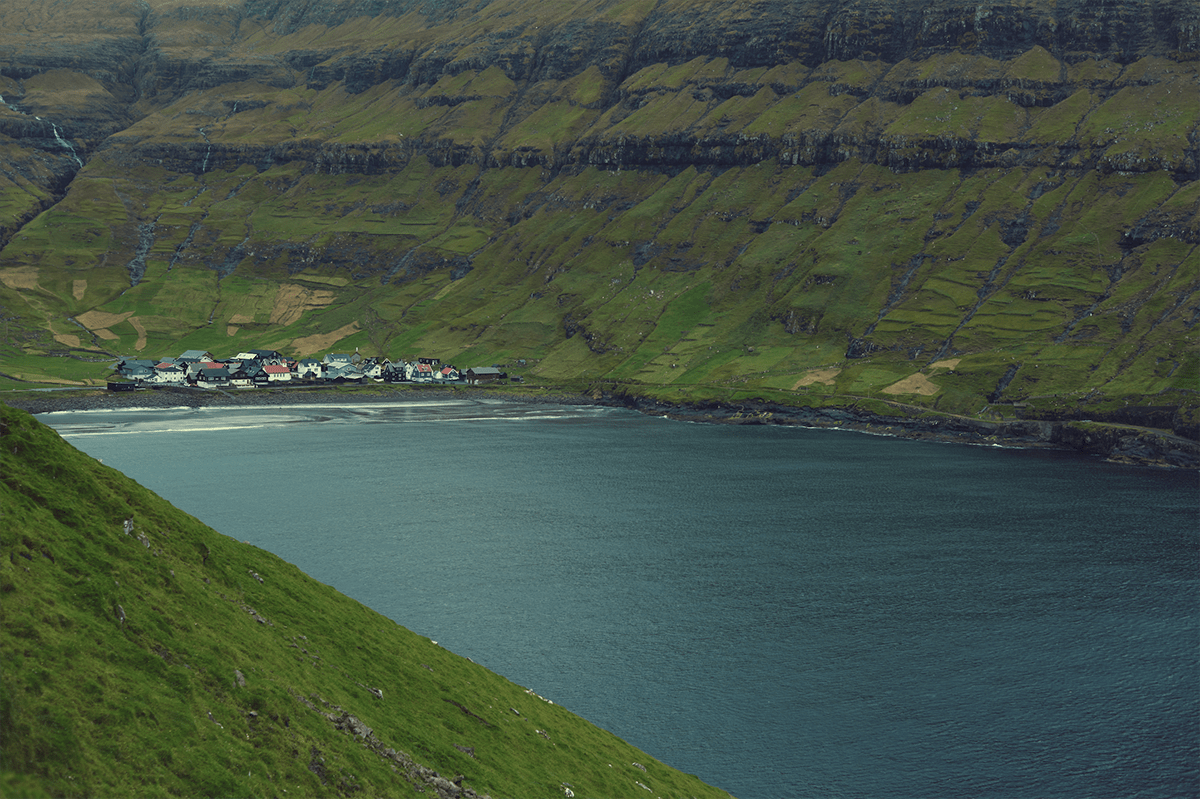
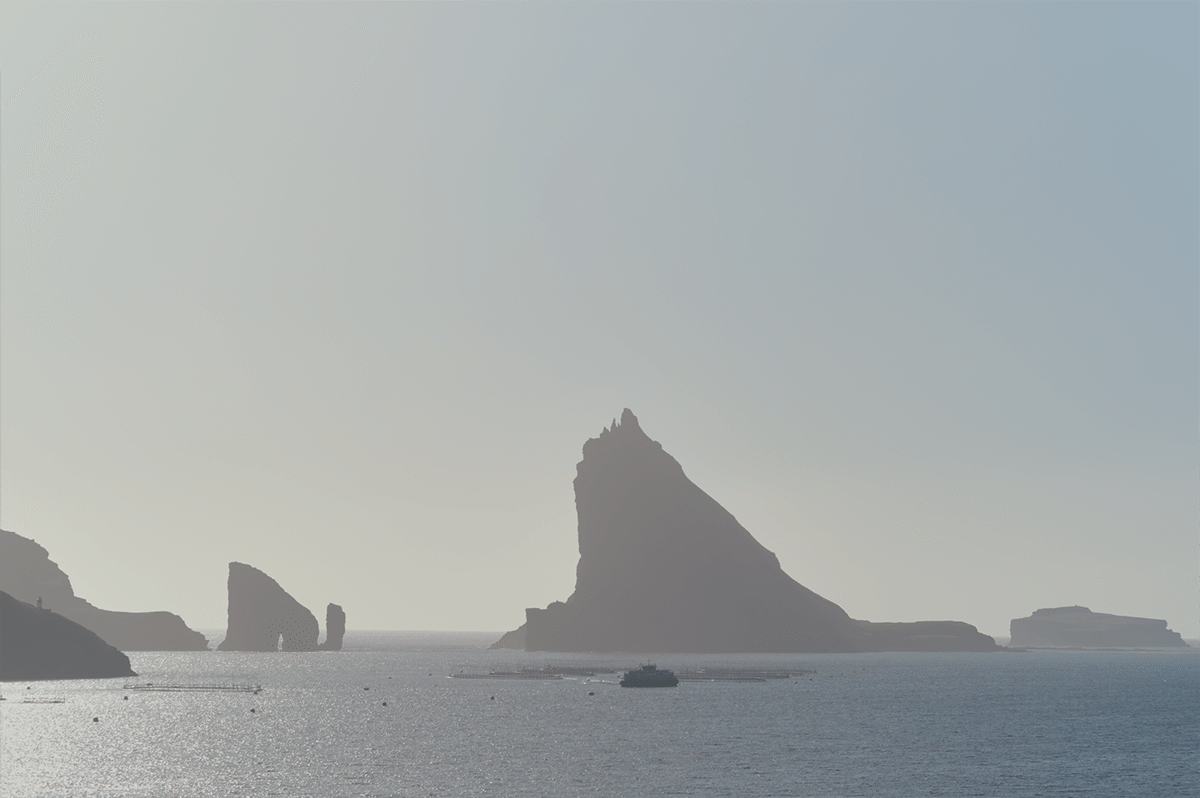
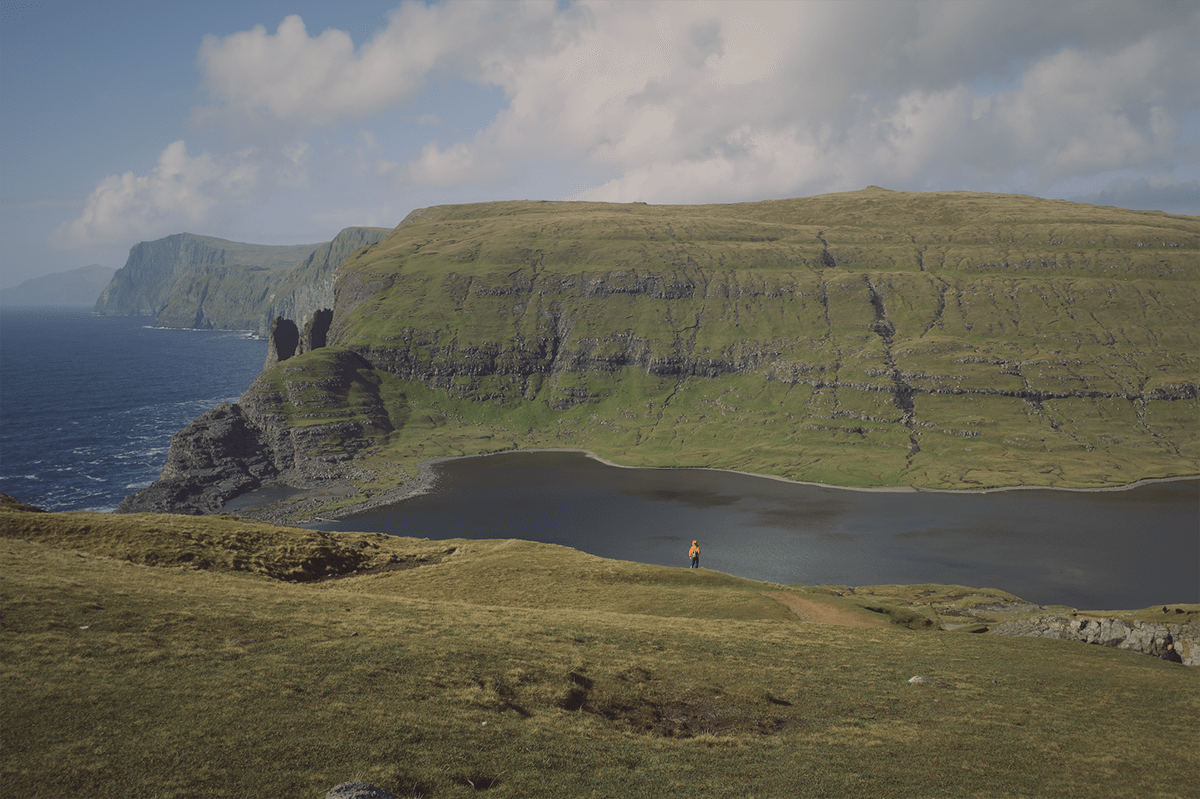
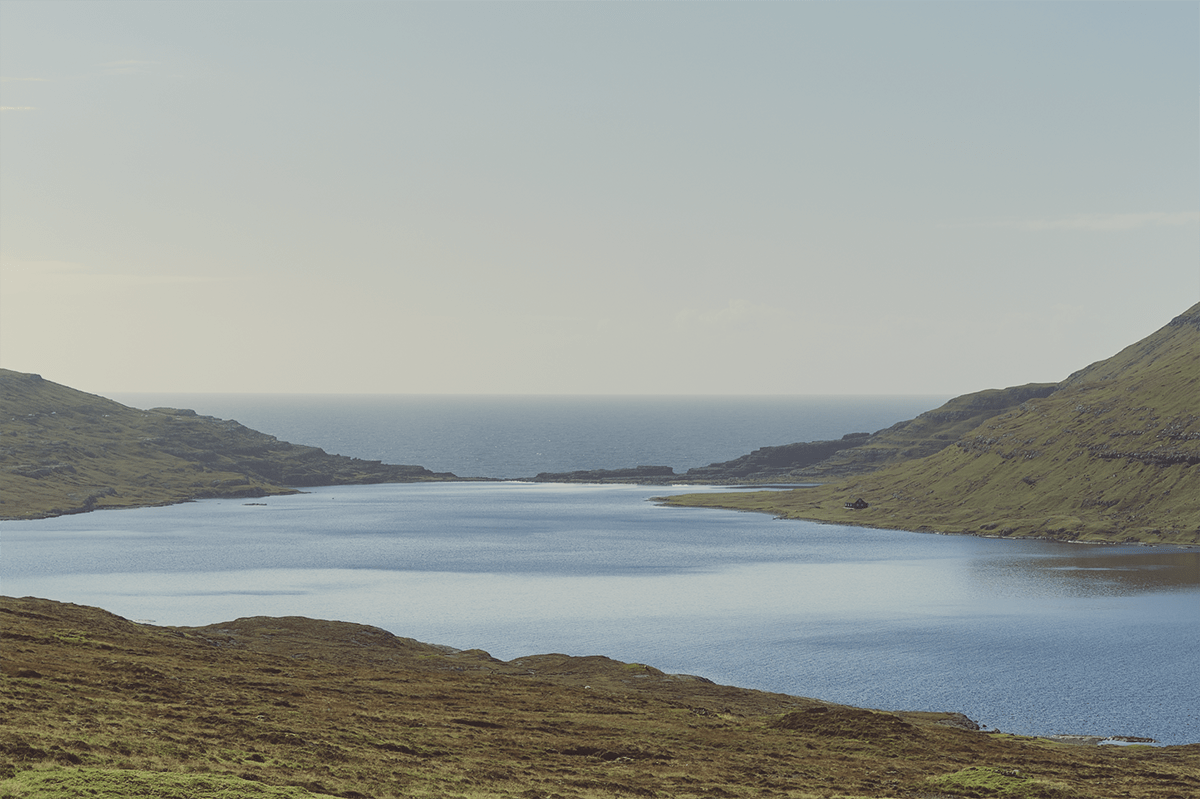
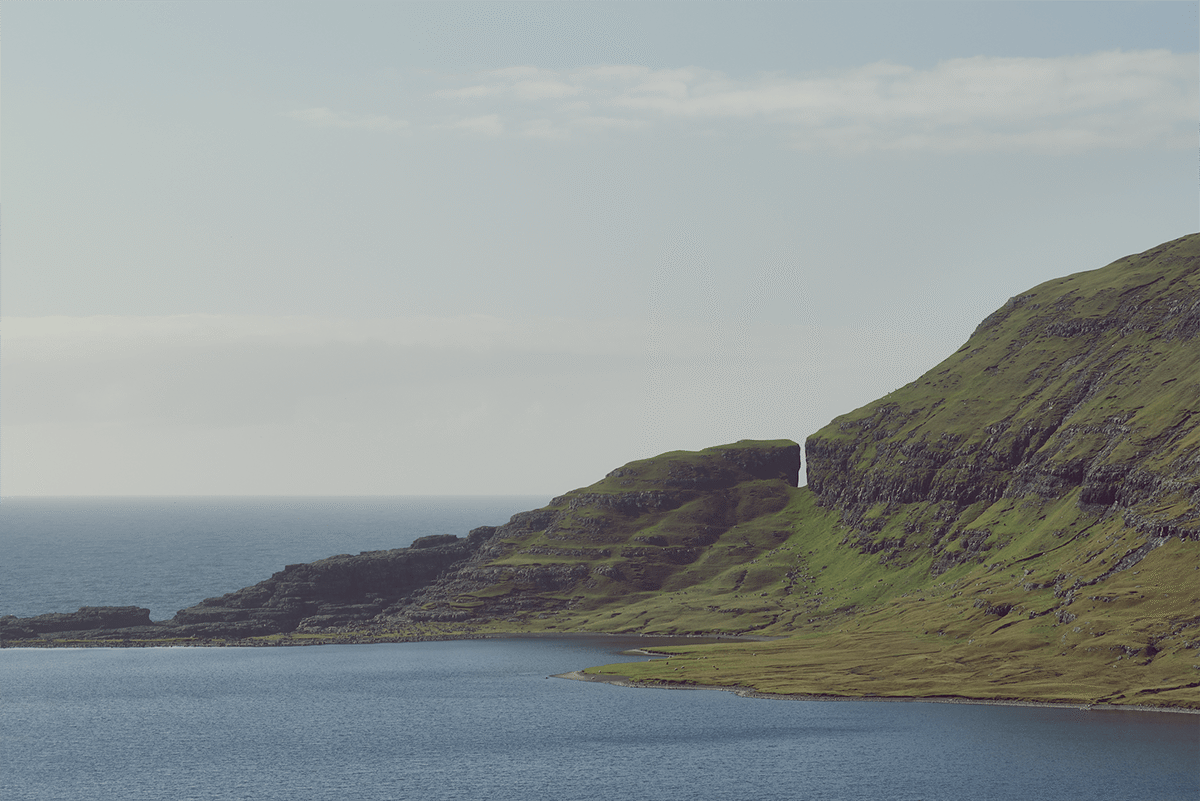
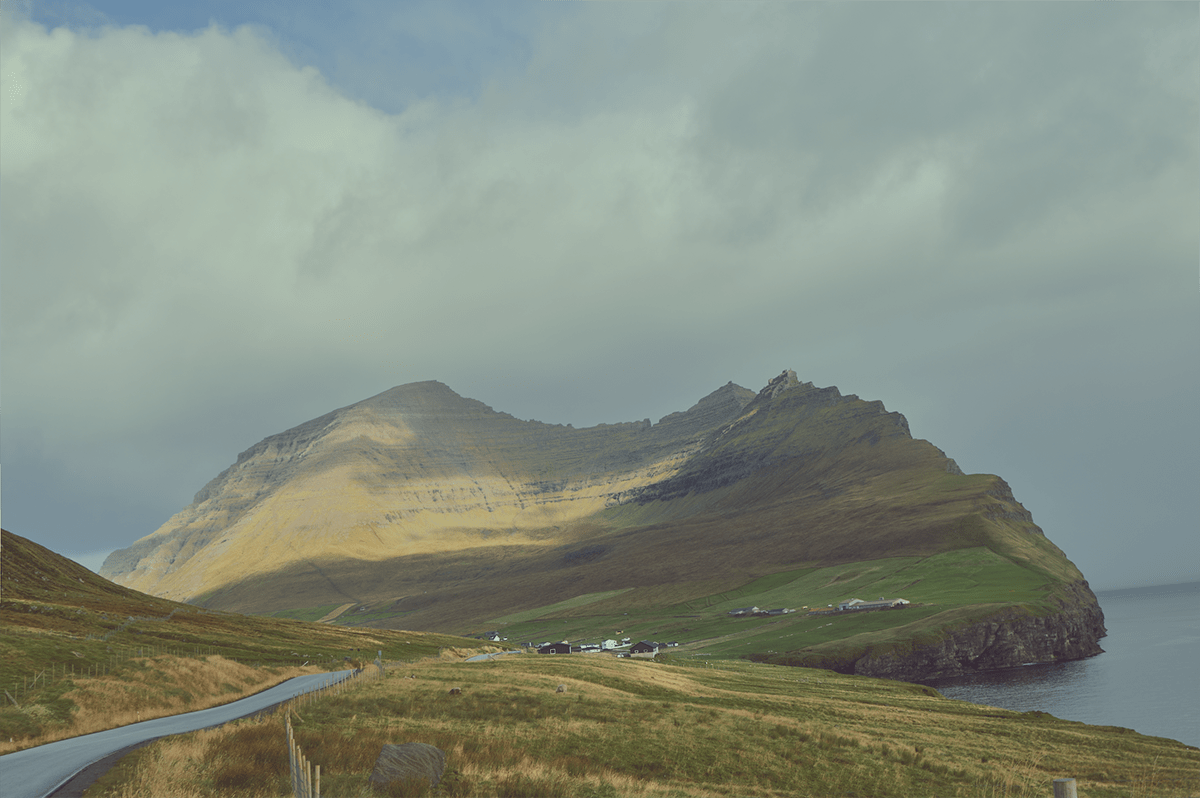

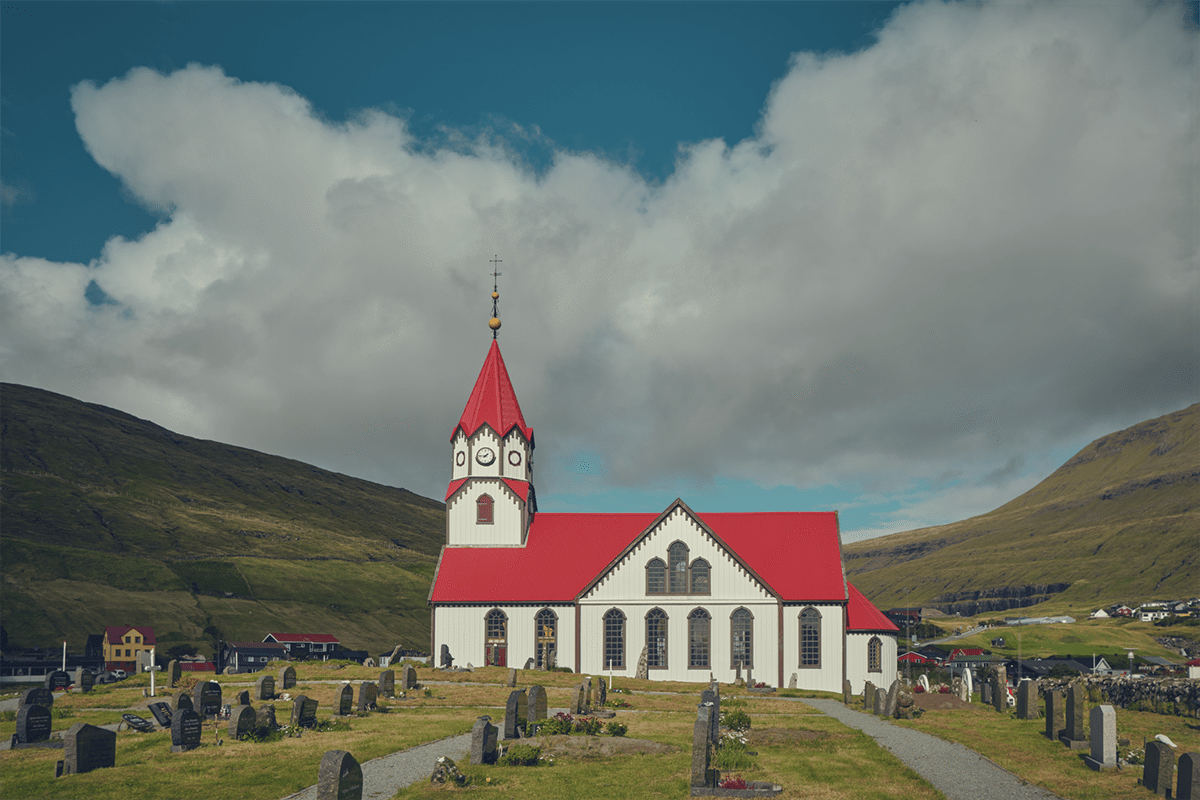
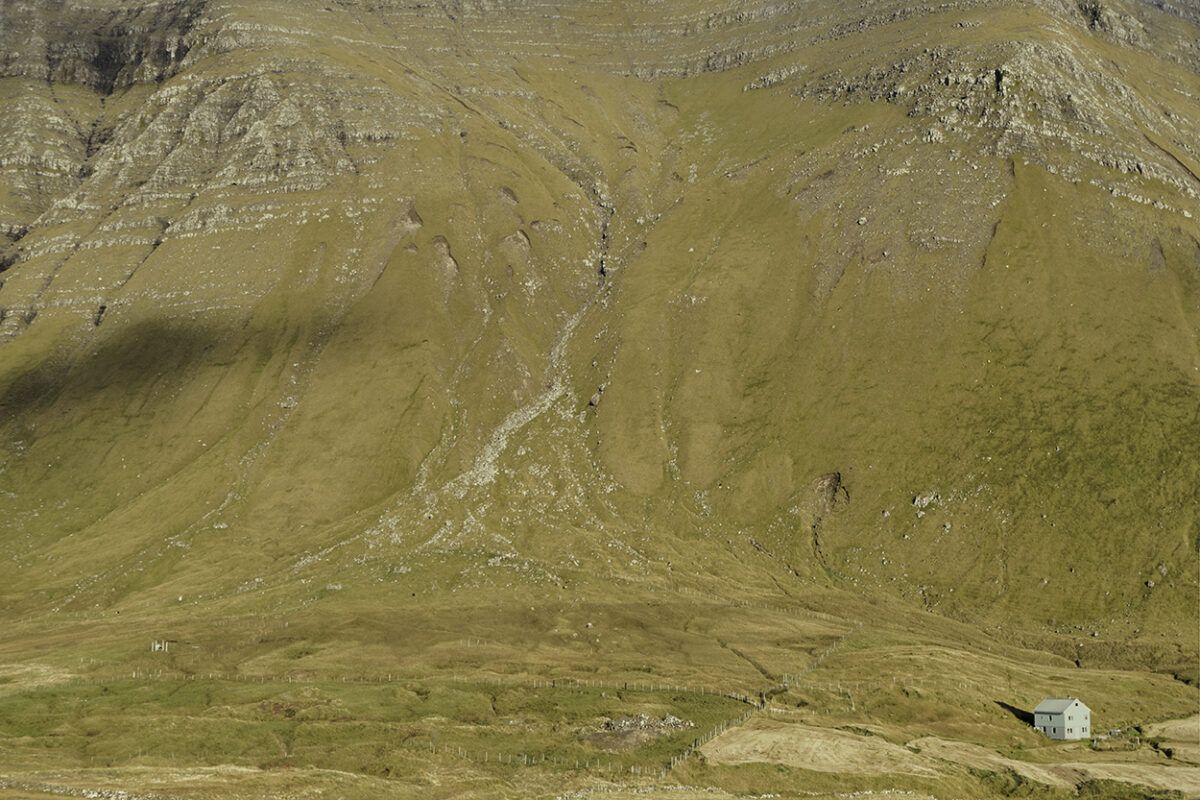
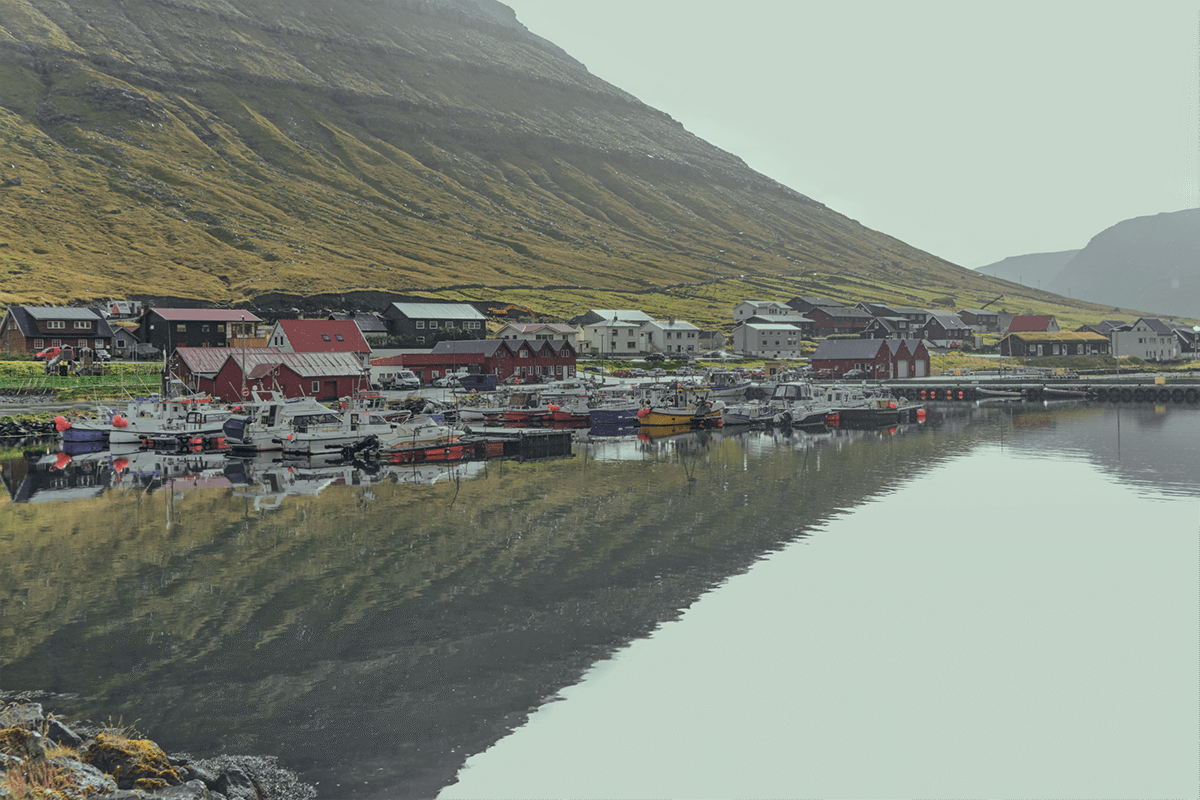
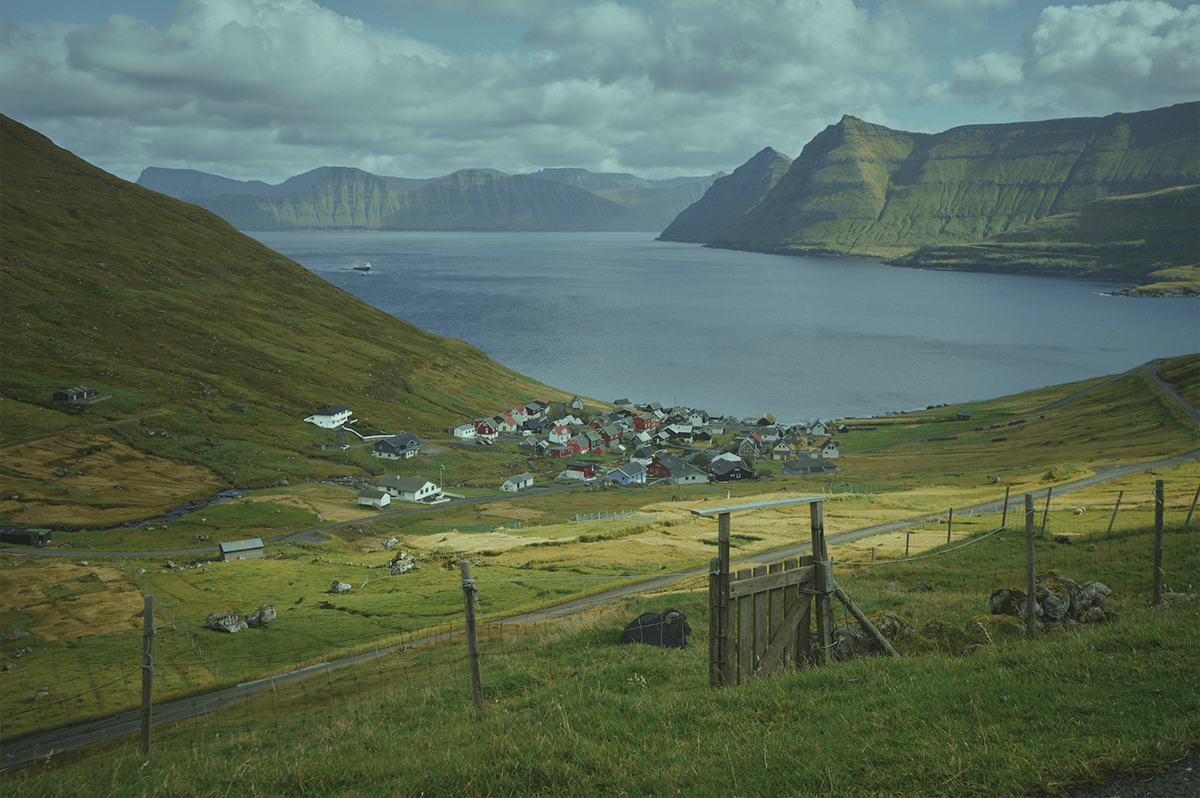
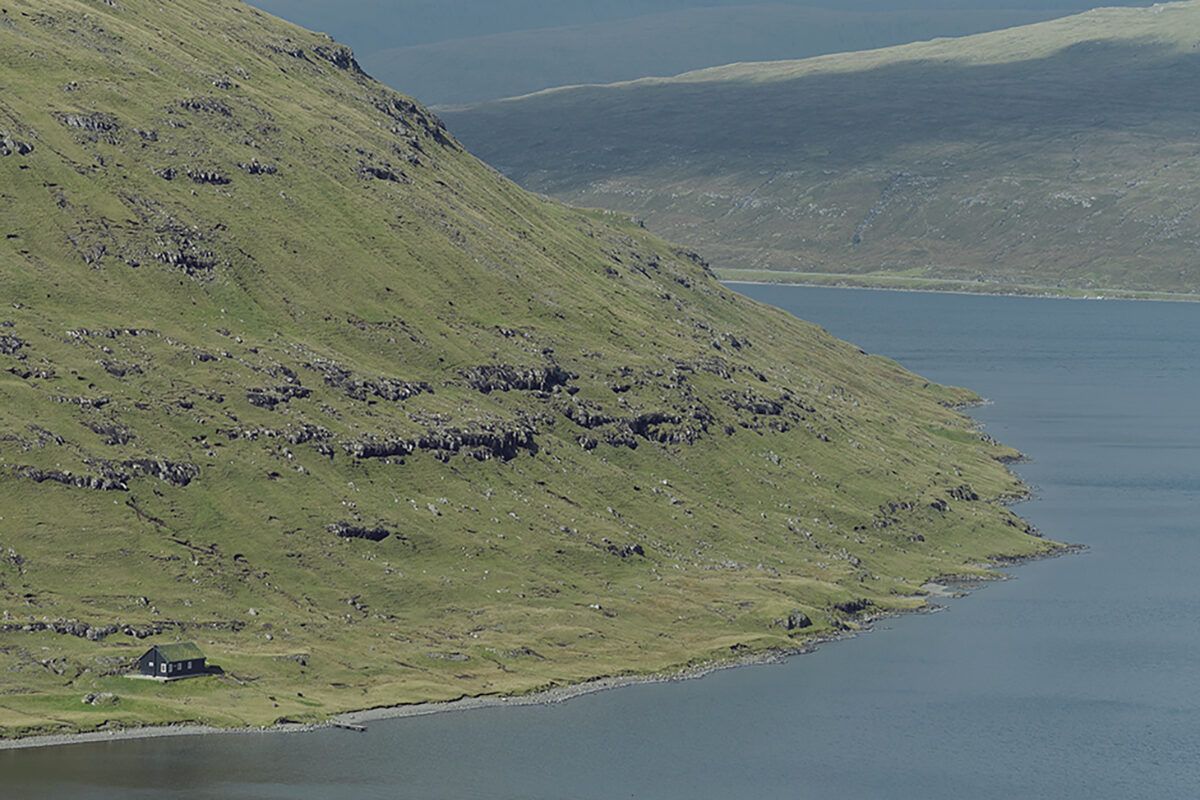
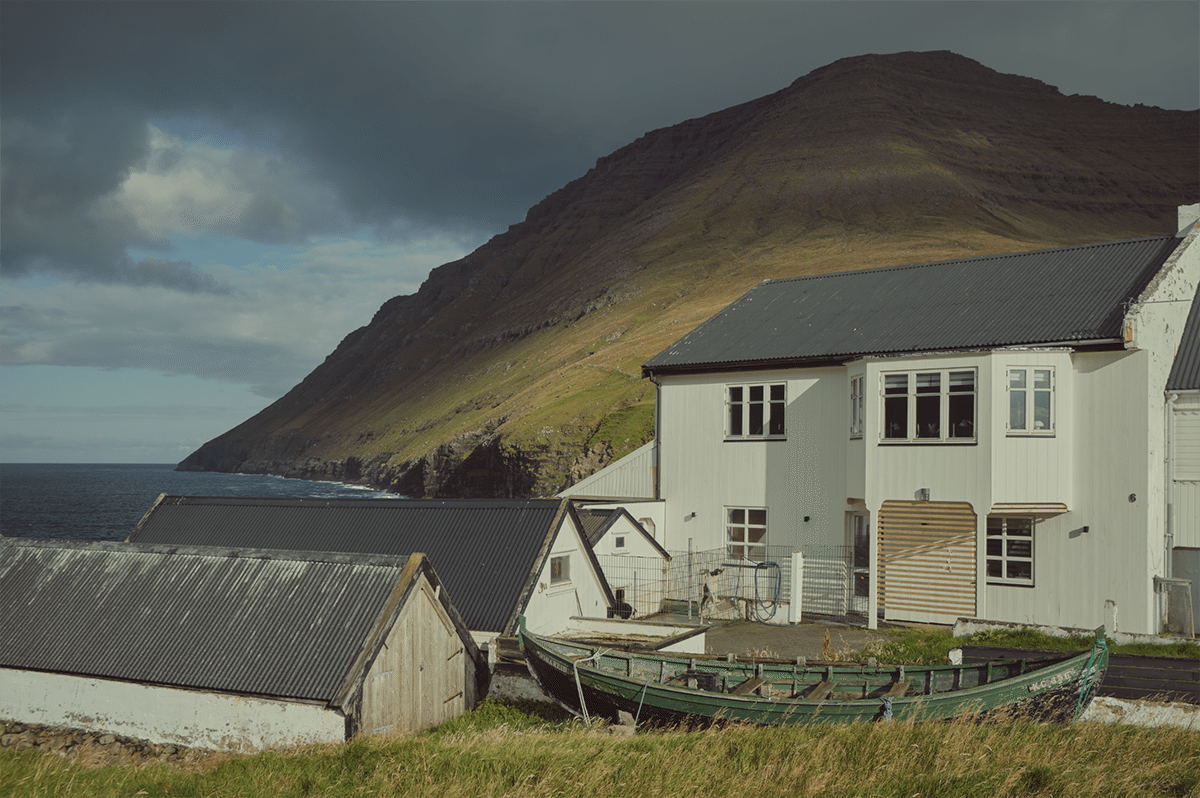
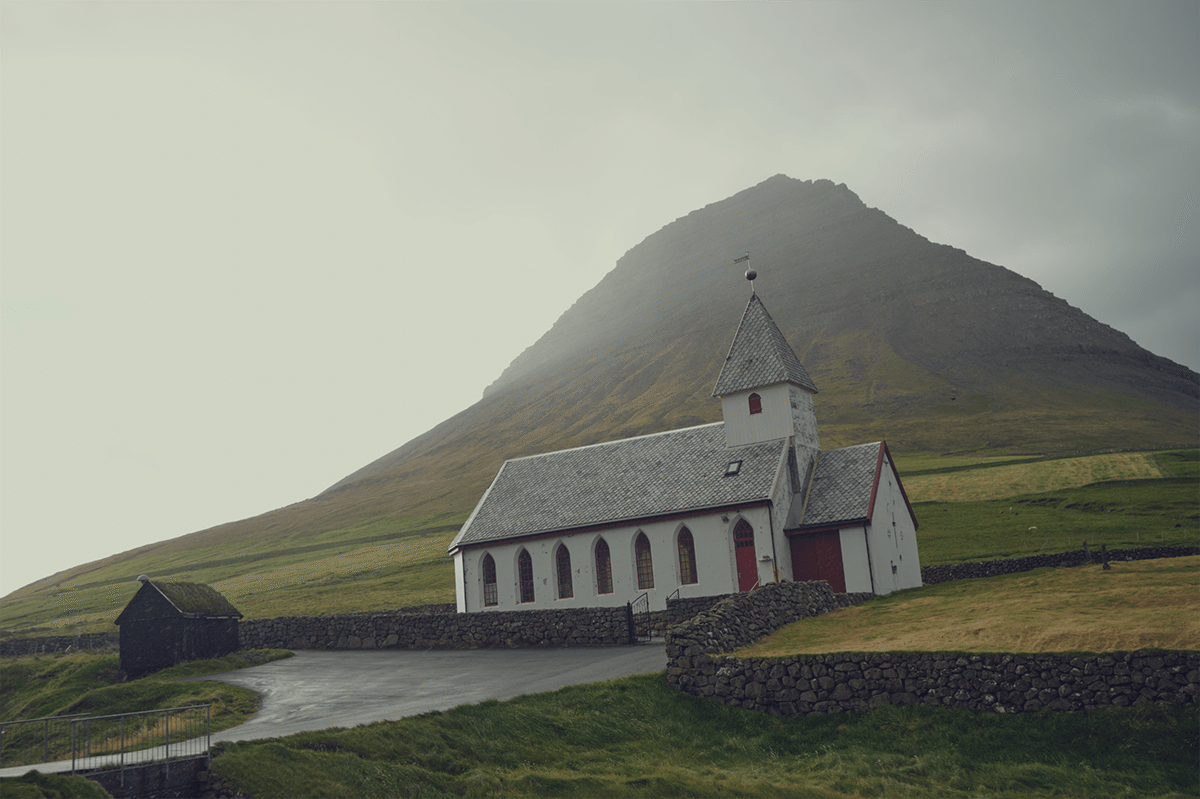
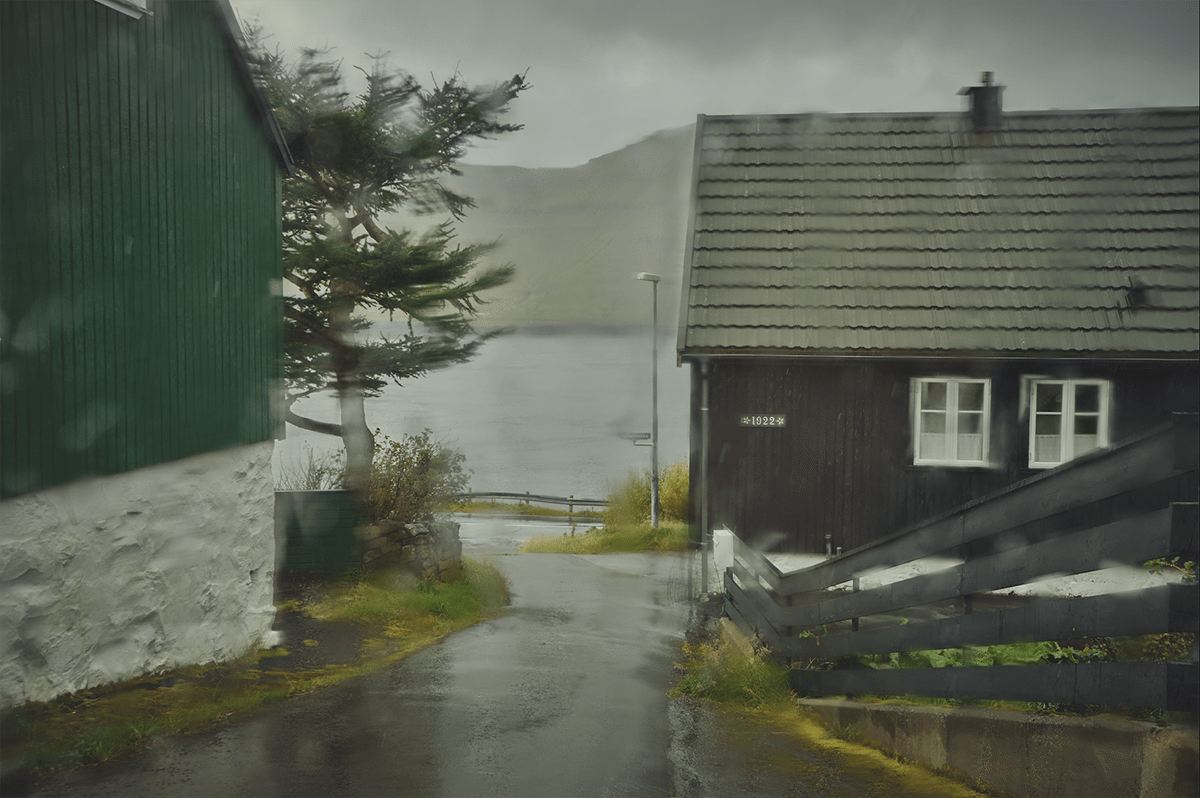
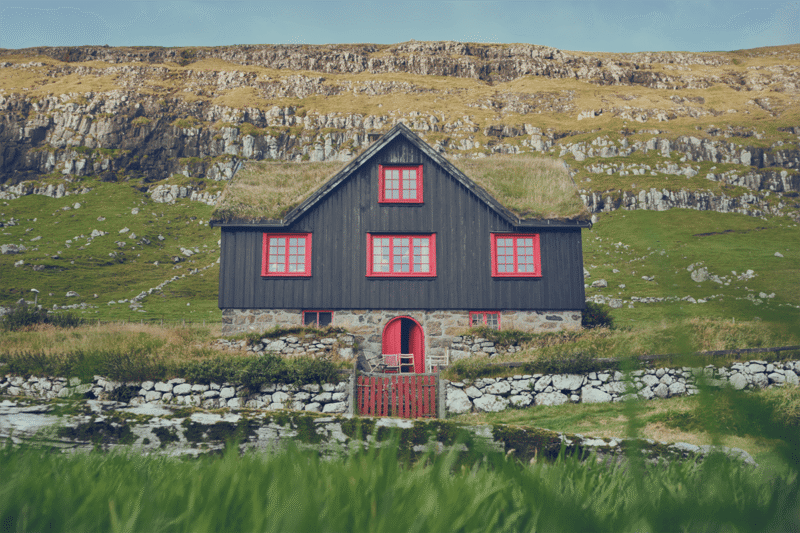
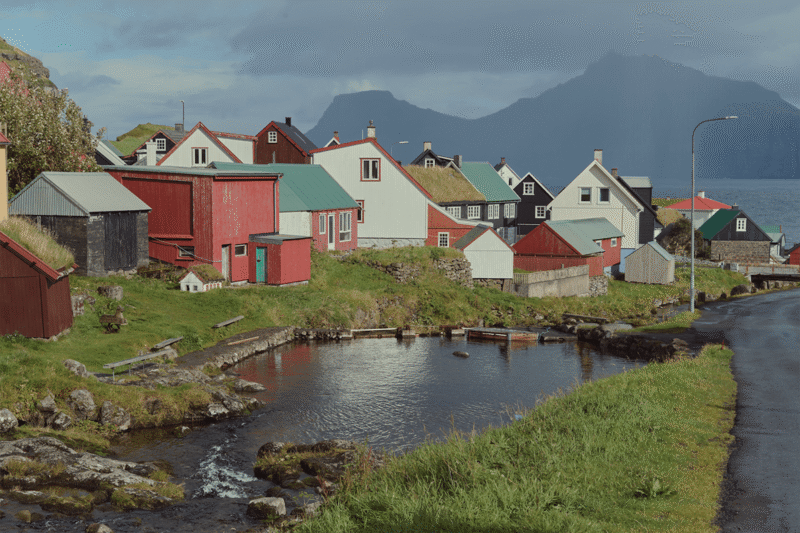
As we mentioned in the first article, visiting the Faroe Islands is not just an exotic getaway but an invitation to reconnect with the essentials: nature in its purest form, enduring traditions, and a lifestyle that defies the fast-paced modern world. In an era where everything seems just a click away, the Faroes remind us that there are places that can only be truly understood when experienced up close—walking their trails, listening to the wind’s roar and the birds’ songs, and gazing at the vast horizon where land meets the sea.
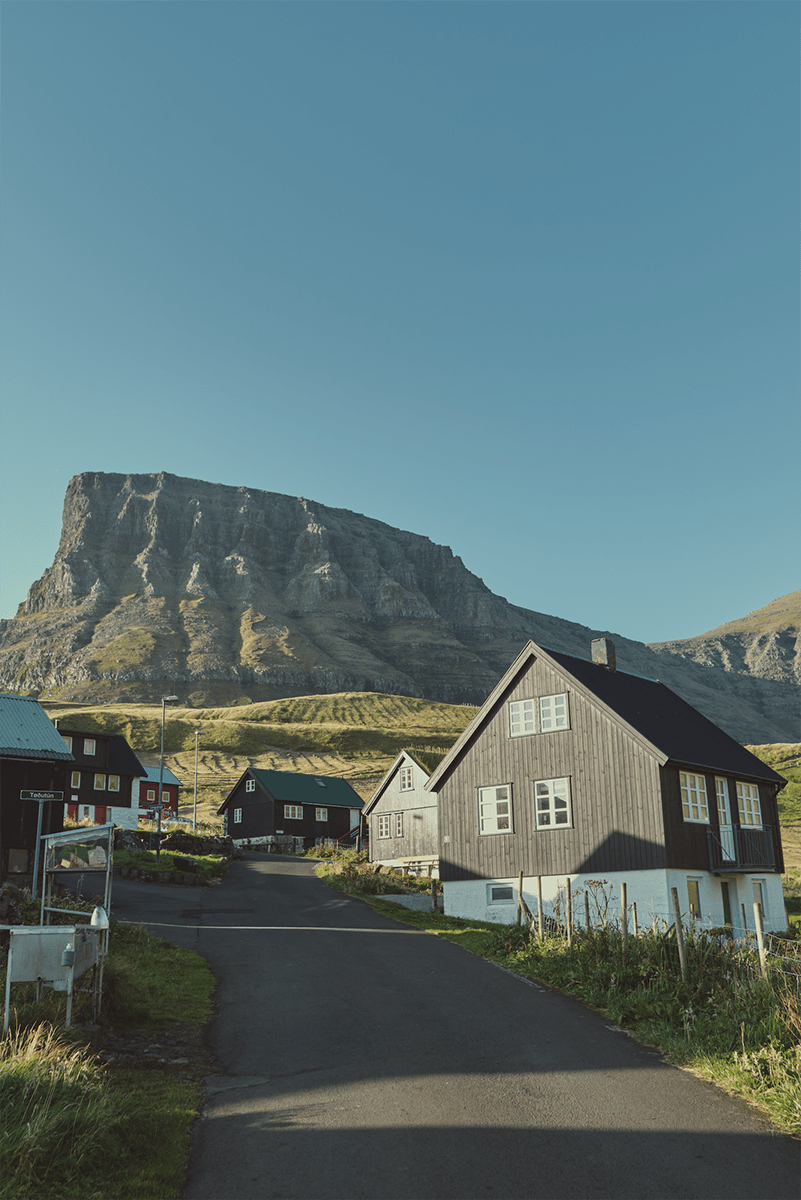
The Faroe Islands are, in essence, a corner of the world where the wild still reigns, a place where time moves at its own pace, and where, for a moment, visitors can feel like they’ve reached the edge of the world.
Although we didn’t visit all the islands, we did explore some of the most important ones, where we witnessed breathtaking landscapes.
Streymoy Island
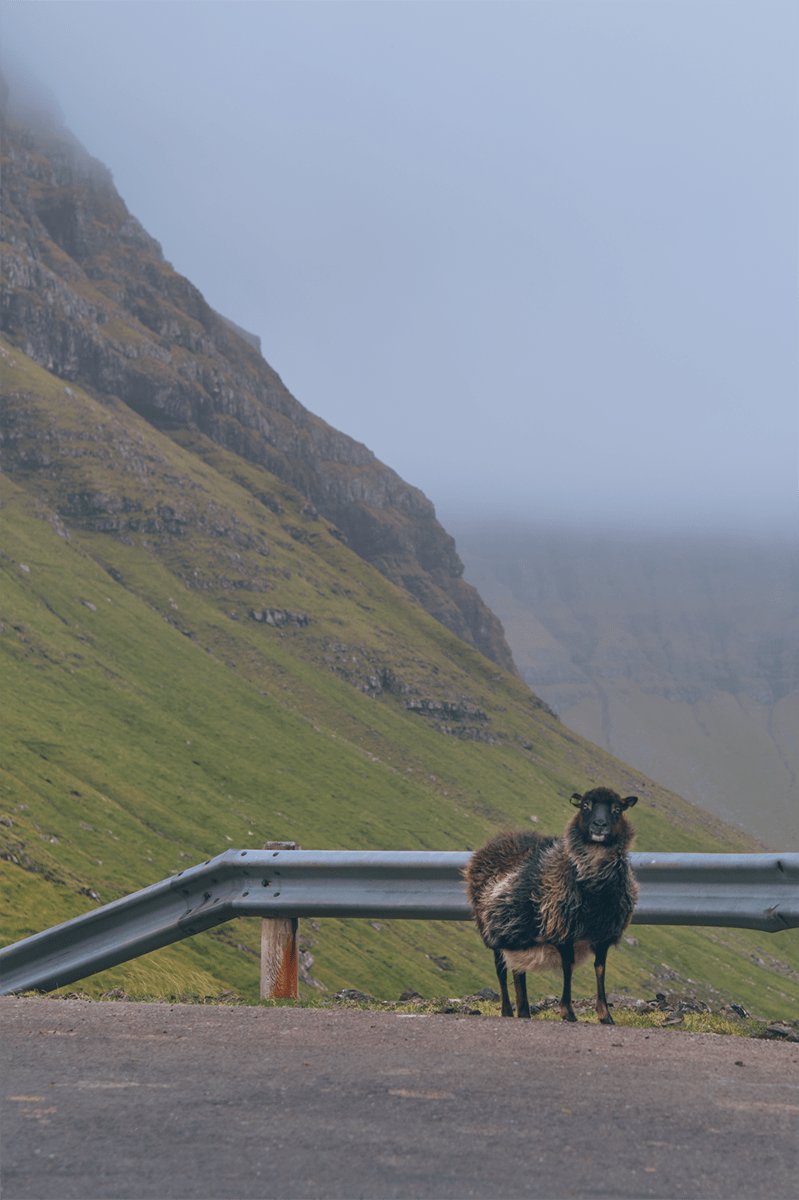
Amid the fog that often blankets the Faroe Islands, Streymoy emerges as the largest and liveliest island of this remote North Atlantic archipelago. With its rugged landscapes, deep fjords, and green pastures dotted with sheep, Streymoy is not only the geographical center but also the cultural and economic heart of the Faroes. It is here, on its eastern coast, where you’ll find the capital, Tórshavn, a small city that exudes equal parts charm and modernity.
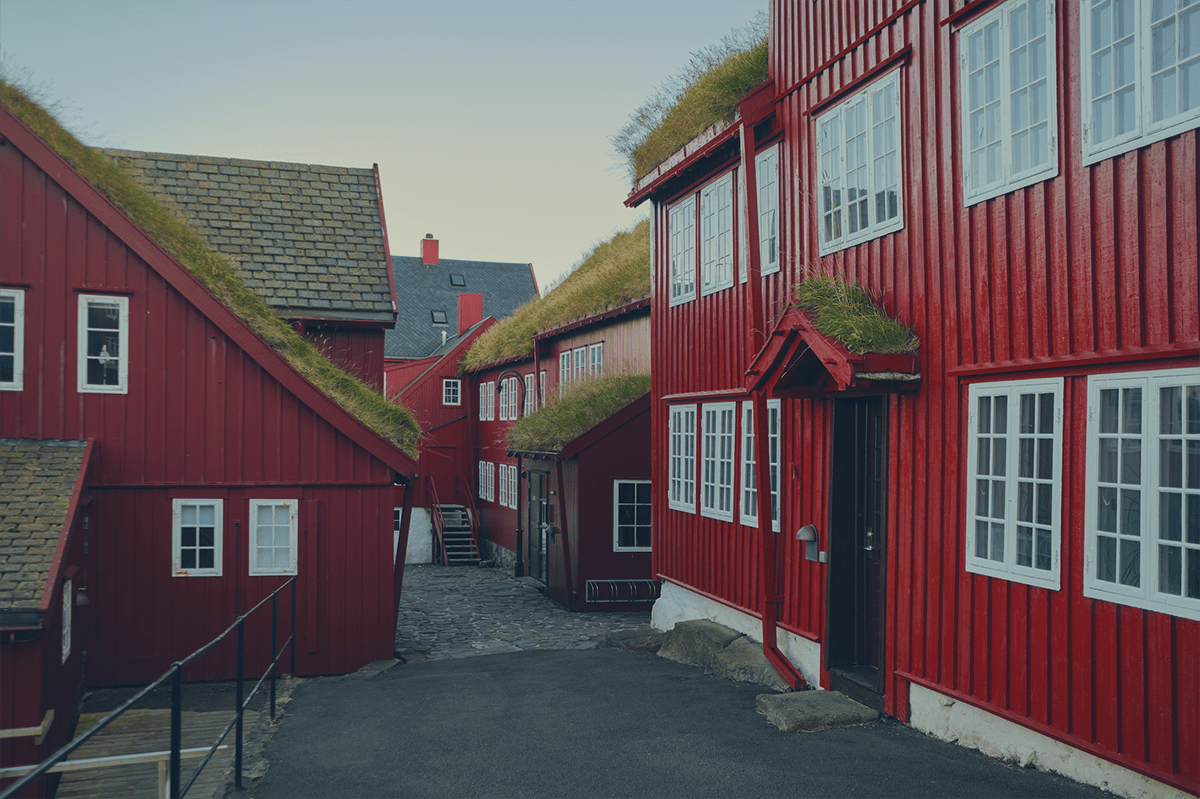
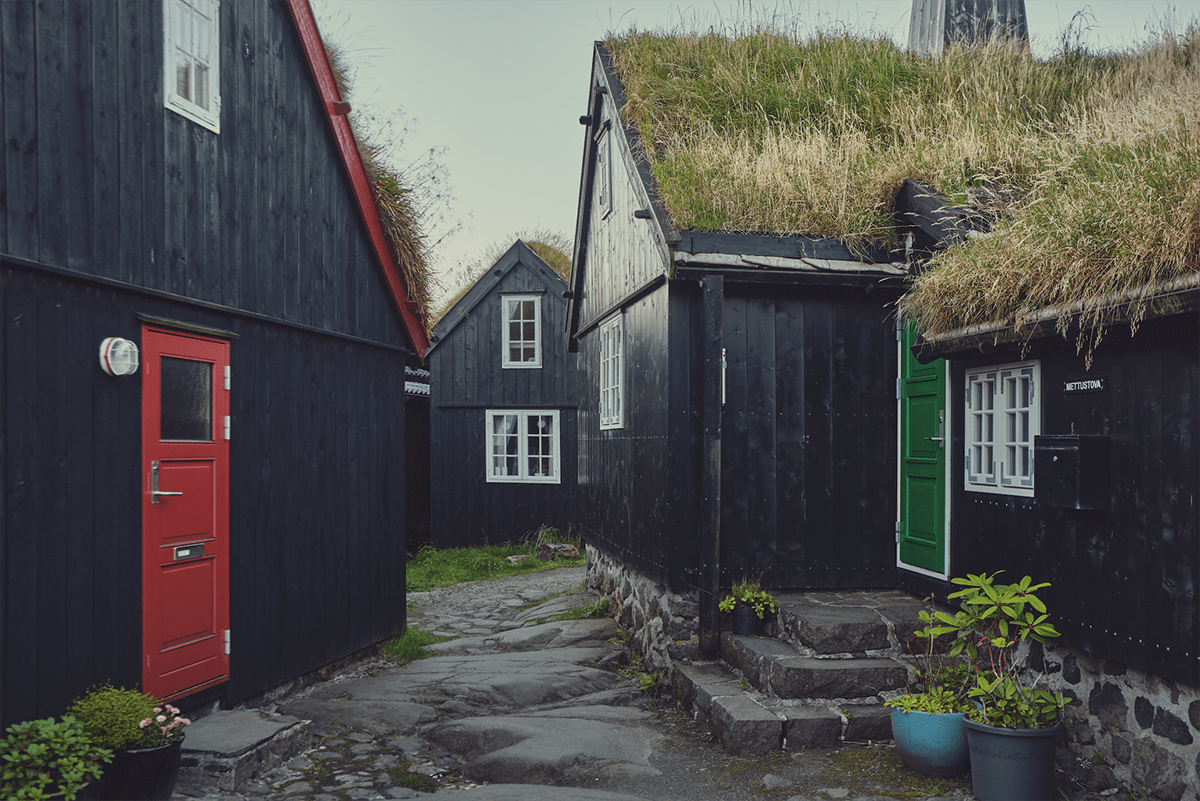
With a population of just 20,000, Tórshavn is one of the smallest capitals in the world. Its colorful houses with grass roofs sit alongside modern buildings, and its cobblestone streets lead to a surprising variety of cafés, galleries, and restaurants that celebrate Faroese cuisine. In recent years, international recognition has reached this far-off coast, largely thanks to its innovative culinary scene, which fuses traditional fare with contemporary haute cuisine. Fresh fish, seabirds, and, of course, lamb are staples of the local diet.
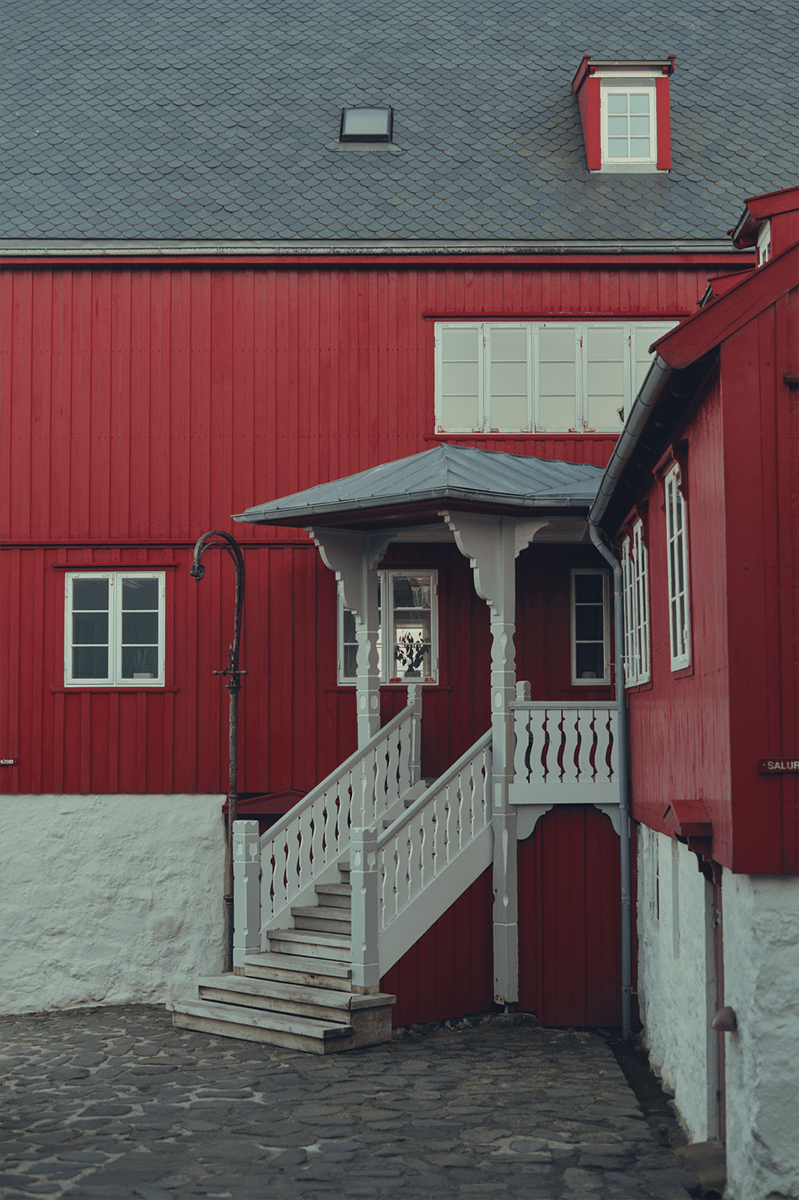
But Tórshavn is not only the epicenter of modern Faroese life, it is also a symbol of the islands’ history. In the heart of the city stands Tinganes, one of the oldest parliaments in the world, a remnant of Viking times that still stands today. The ancient red wooden houses of Tinganes sit atop a rocky promontory, reminding visitors that this small capital has witnessed centuries of meetings, disputes, and crucial decisions for island life.
Outside the capital, Streymoy reveals its wilder side. As you traverse its winding roads, you’ll encounter a dramatic landscape of steep mountains and cliffs plunging into the sea. Here are a few must-visit places where nature will leave you wide-eyed:
Vestmanna
The cliffs of Vestmanna, located on the western coast of Streymoy, are one of the Faroe Islands’ most impressive natural spectacles. These towering rock walls, rising hundreds of meters above the Atlantic, are home to a rich array of wildlife, including colonies of seabirds such as puffins, gannets, and gulls.
Saksun
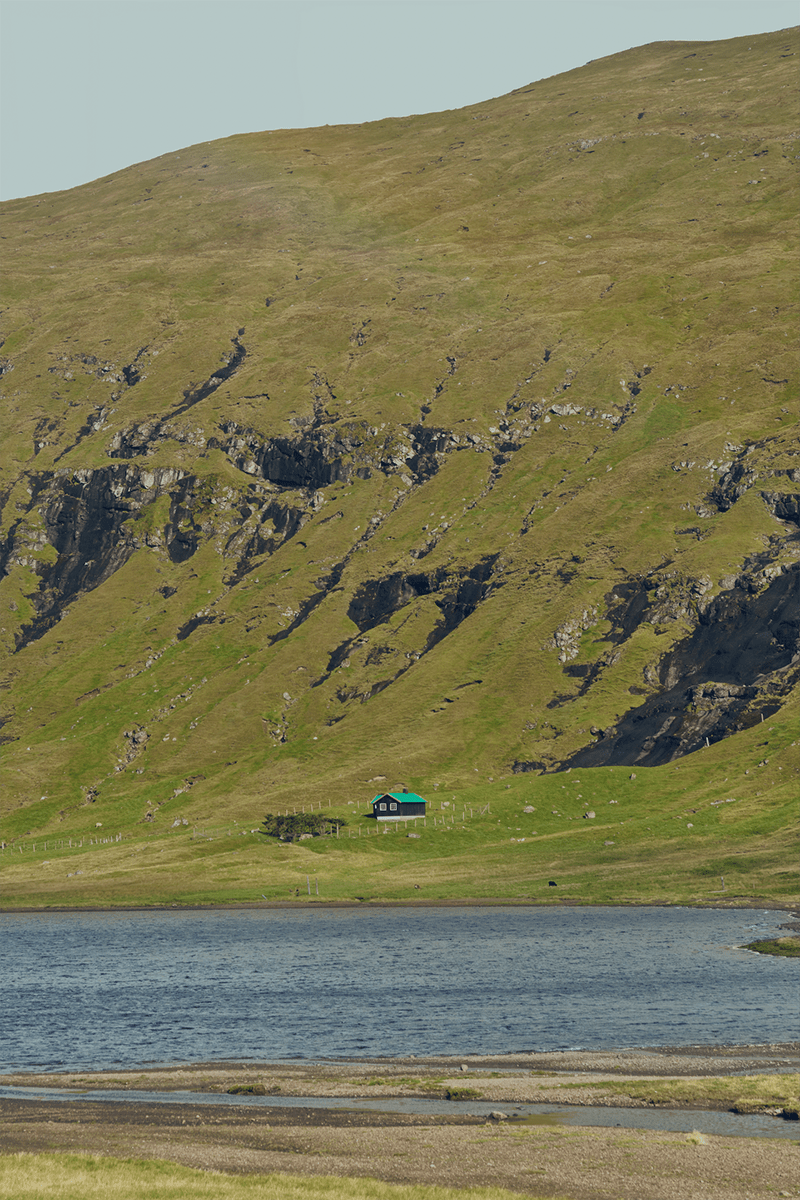
Further north lies Saksun, a beautiful small village straight out of a fairy tale. Surrounded by mountains and on the shore of a tidal lagoon, its quaint houses with grass roofs present a scene seemingly unchanged for centuries. Saksun is one of the clearest examples of how Streymoy’s inhabitants have adapted to their environment, living in harmony with nature.
Kirkjubøur
South of Tórshavn, you’ll find Kirkjubøur, one of the most historically important sites in the Faroe Islands. In the Middle Ages, it was the religious and cultural center of the archipelago, and it still retains remnants from that era. Magnus Cathedral, although never completed, stands as an impressive monument that has withstood time and the harsh climate.
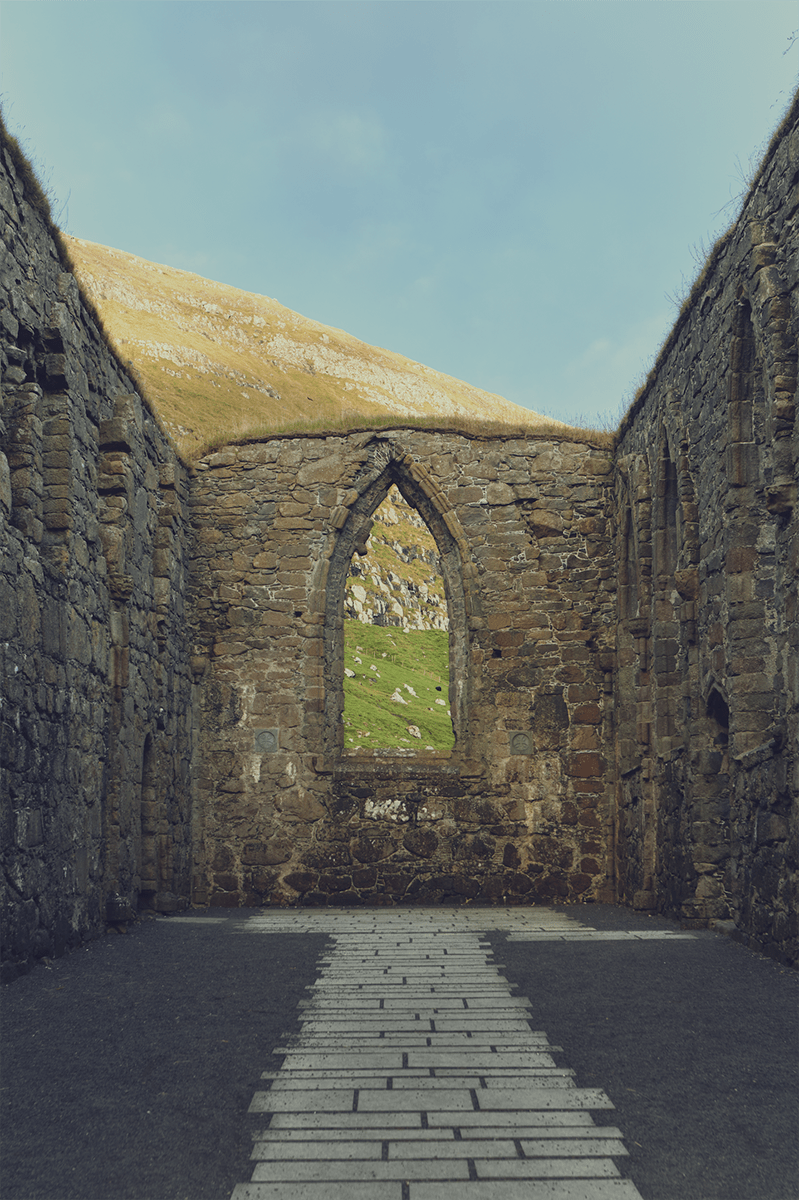
Kirkjubøur is also home to Roykstovan, one of the oldest inhabited wooden houses in the world, where the same family has lived for 17 generations. This place, rich in history, transports you to a time when life on the islands revolved around farming and religion.
Kvívík
Streymoy is also home to some of the best-preserved Viking sites in the Faroes. In the small village of Kvívík, archaeologists have uncovered remains of an ancient Viking settlement over a thousand years old. The excavations reveal the foundations of houses built alongside the river, offering a fascinating glimpse into the lives of the islands’ earliest inhabitants.
The natural surroundings of Kvívík are equally stunning, with green hills and fjord views that invite long walks. For history enthusiasts, this is an opportunity to connect with the Viking past of the Faroes.
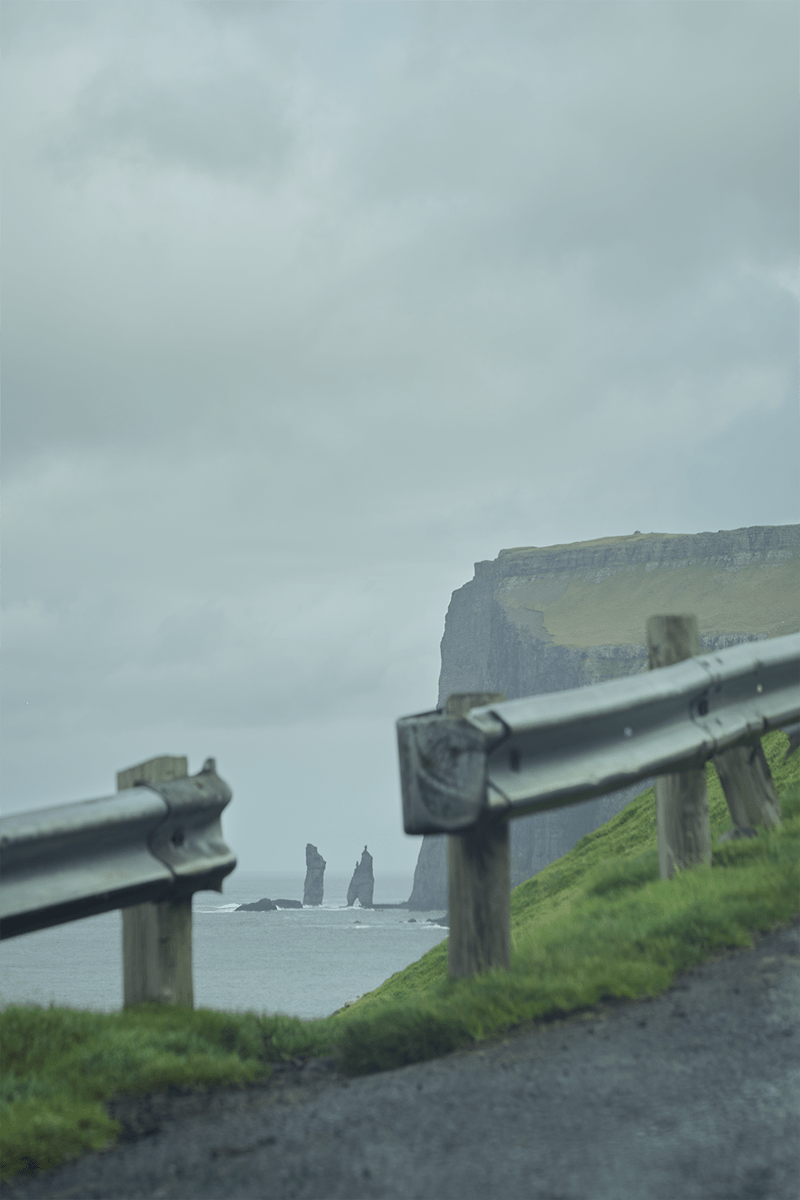
Tjørnuvík
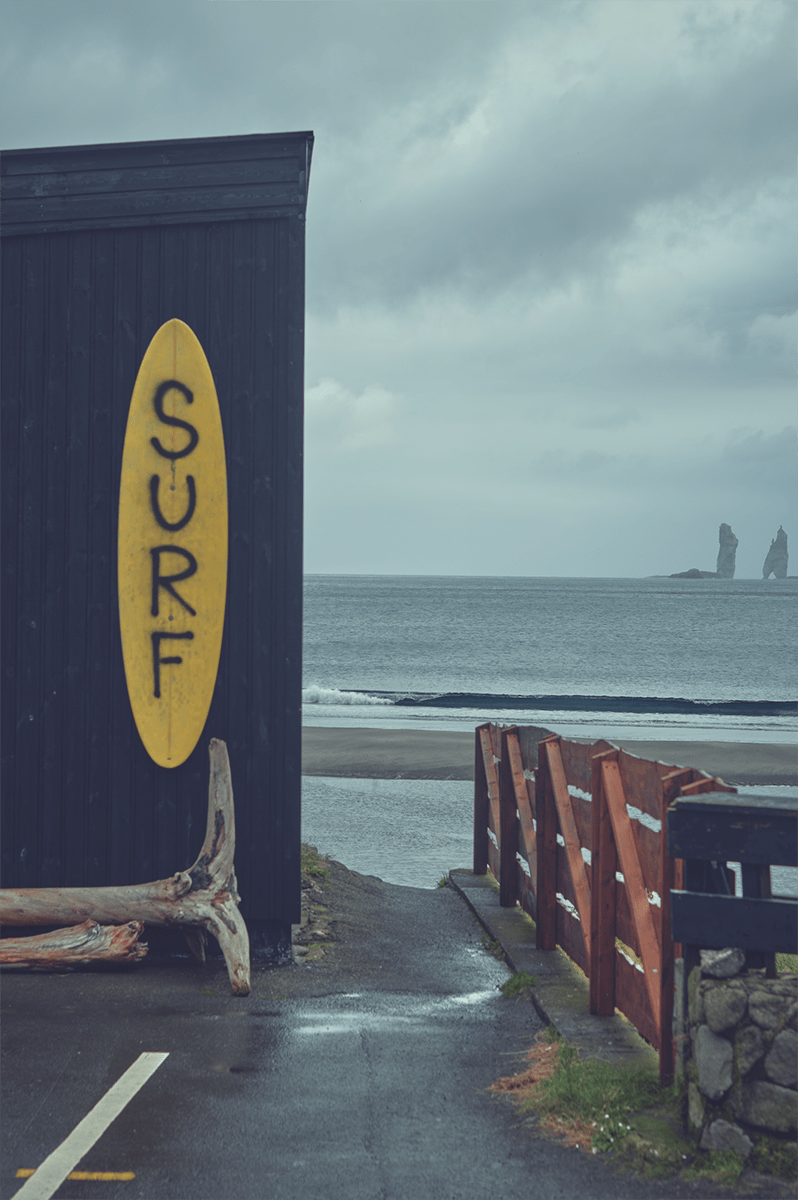
Tjørnuvík, a small and charming village in northern Streymoy, is a hidden gem nestled between steep mountains and the vast Atlantic. With its traditional grass-roofed houses and black sand beach, it’s one of the most picturesque settlements in the Faroe Islands. Surrounded by cliffs and waterfalls, this spot offers spectacular views of the rock formations Risin and Kellingin, which, according to Faroese legend, represent a giant and a witch. Tjørnuvík is also a popular starting point for hikers seeking scenic routes and surfers who brave the cold waters.
An invitation to the unknown
Streymoy, with its blend of history, modernity, and wild nature, invites travelers to discover a corner of the world still untouched. From the sound of the wind sweeping through the valleys to the quiet comfort of a small café in Tórshavn like Paname Café, the island offers an experience that goes beyond the visual: it’s an immersion into a way of life in tune with the essentials.
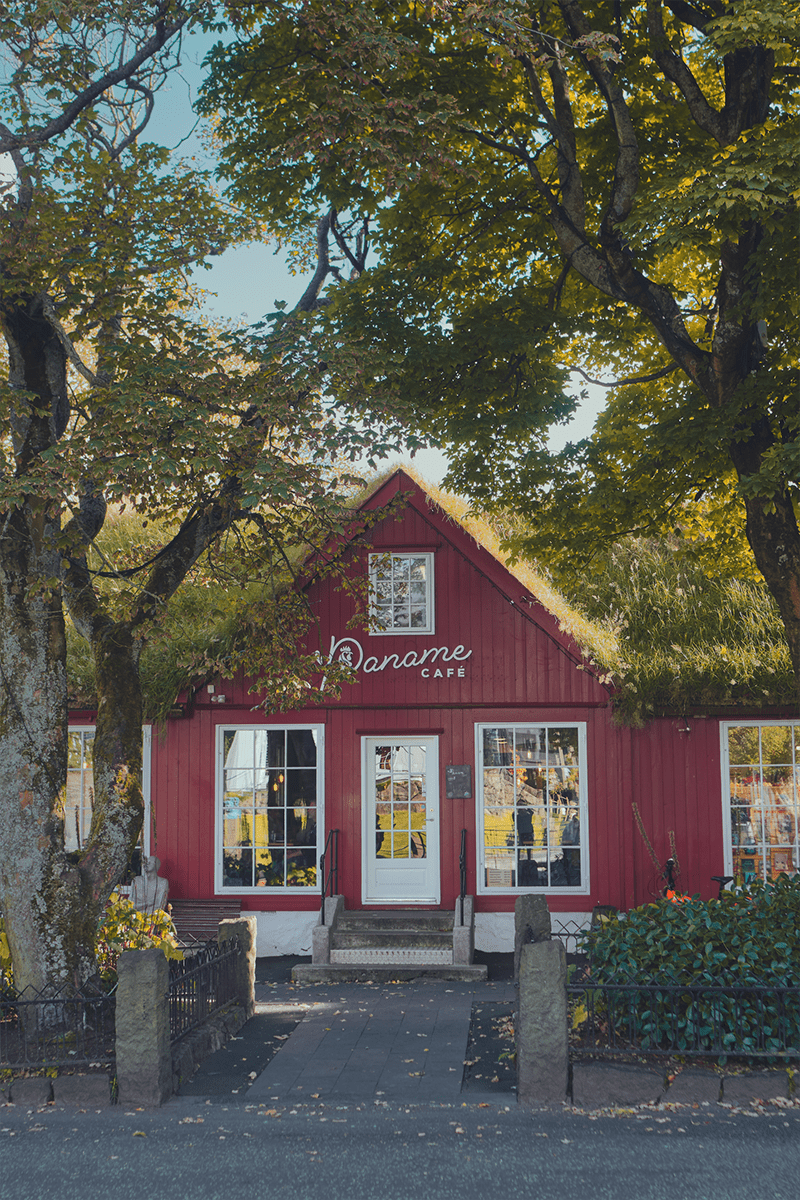
While the rest of Europe moves at a frantic pace, on Streymoy, the sheep still set the tempo—and that’s precisely what makes it such a fascinating destination. For those willing to venture off the beaten path, Streymoy and the Faroe Islands are a gateway to the unknown, a refuge in the middle of the Atlantic where the wild remains the true protagonist.
Vágar Island
Located on the western edge of the Faroe Islands, Vágar is much more than just a gateway for travelers arriving at the archipelago’s only airport. This island is a true natural gem, filled with dramatic landscapes, lakes suspended above the sea, and picturesque villages seemingly frozen in time. Vágar is the entrance to the Faroese world but also a destination in its own right, where wild nature reveals itself in all its splendor.
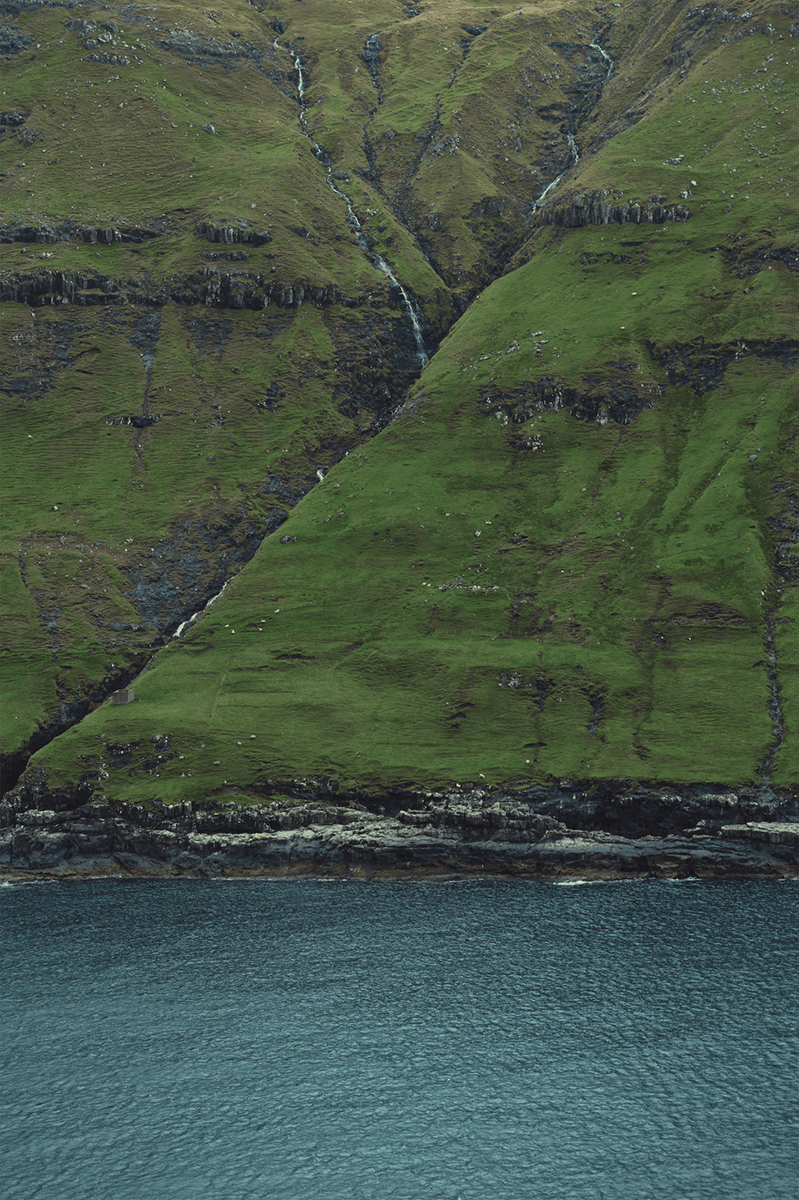
Sørvágsvatn: the gravity-defying lake
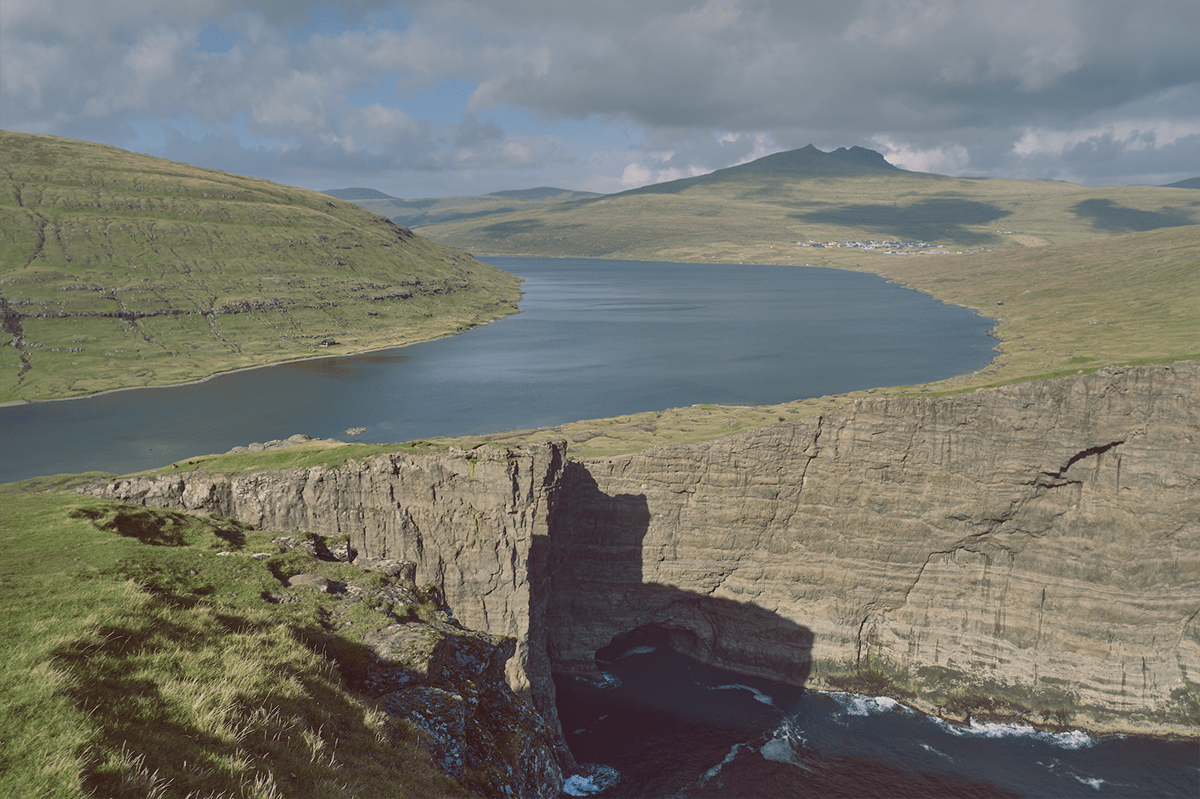
One of Vágar’s main attractions is Sørvágsvatn, the largest lake in the Faroe Islands, famous for its optical illusion. From certain angles, it appears as if its waters are suspended above the ocean, creating a surreal and magical image that has made this spot one of the most photographed places in the archipelago. Also known as Leitisvatn, the lake stretches like a mirror between green hills until it pours into a waterfall that flows directly into the Atlantic at the Bøsdalafossur cliff.
The hike to reach it takes about a couple of hours and is absolutely worth it. It’s a moderately challenging walk that culminates in spectacular views where the lake and ocean merge into a single breathtaking image. It’s a unique experience that showcases the power and beauty of the Faroese landscapes.
Múlafossur Waterfall
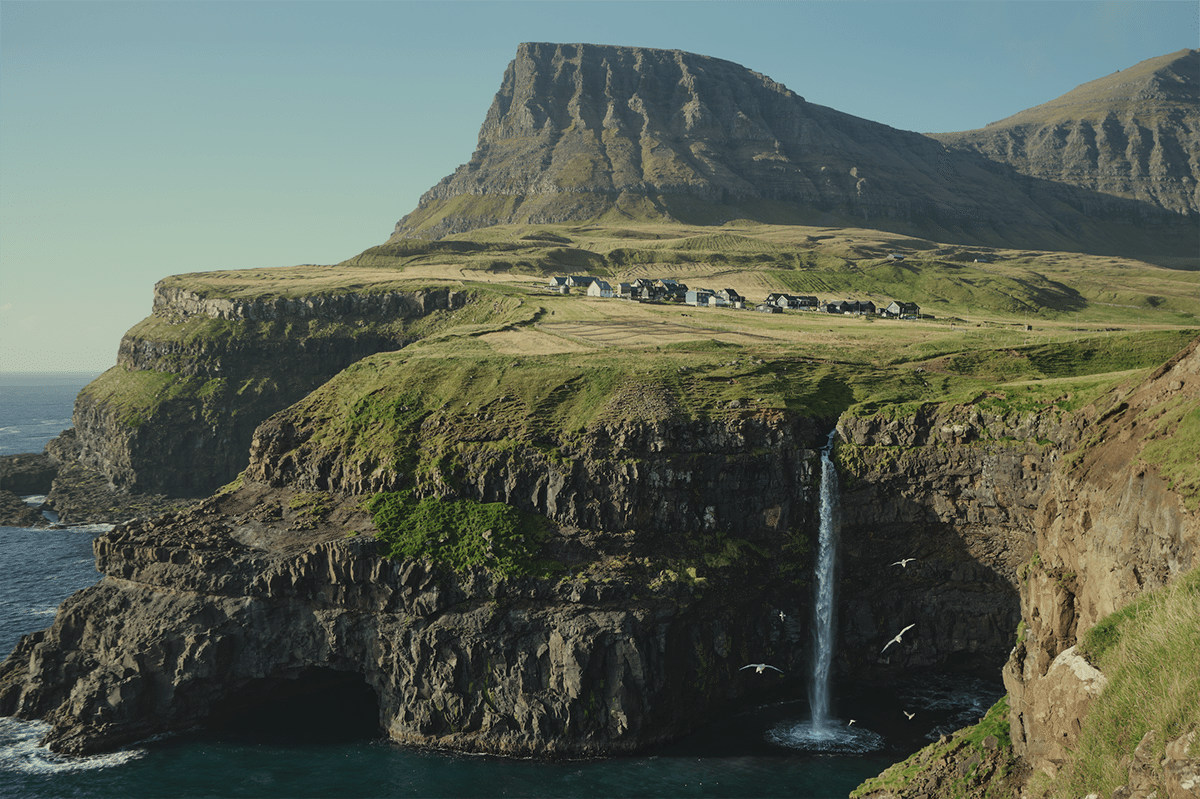
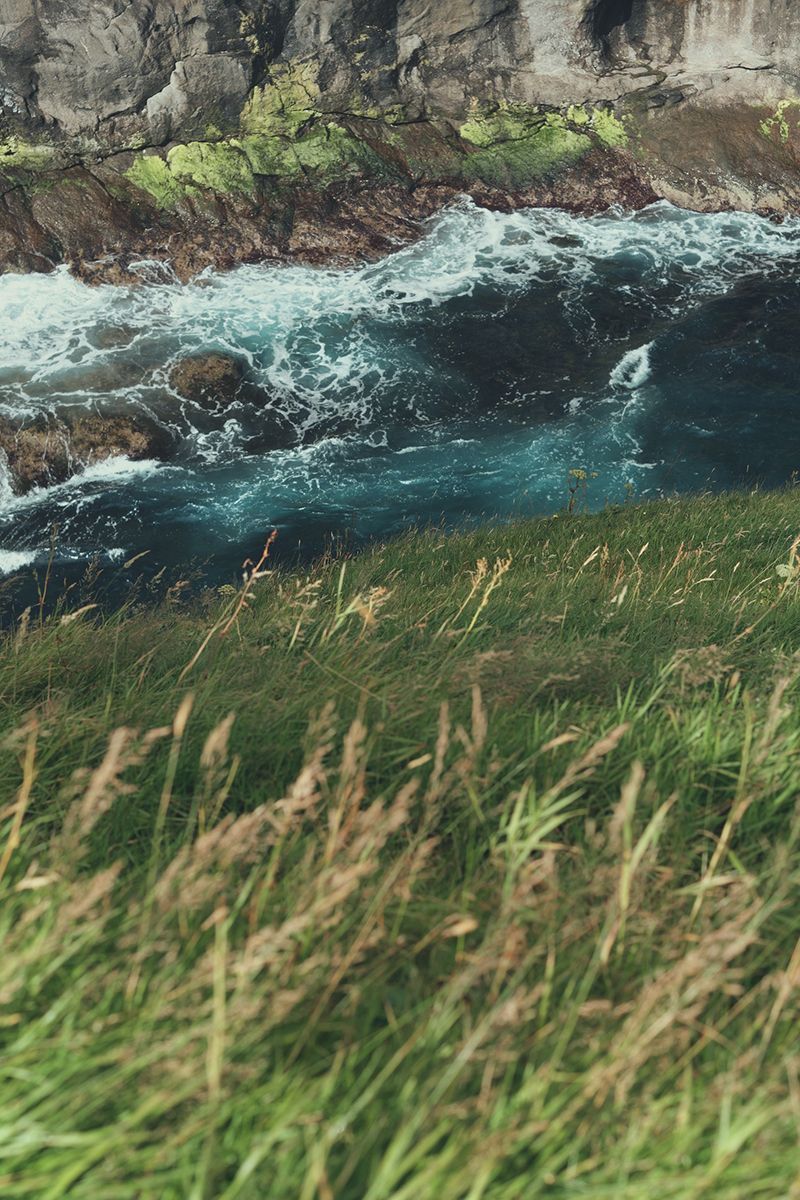
On the western coast of Vágar lies one of the most iconic spots in the Faroe Islands: Múlafossur, a dreamlike waterfall that cascades directly into the ocean from the top of a cliff. Located near the picturesque village of Gásadalur, this waterfall has been one of the most representative images of the archipelago for years. Surrounded by mountains and overlooking the endless Atlantic, Múlafossur seems like something out of a postcard.
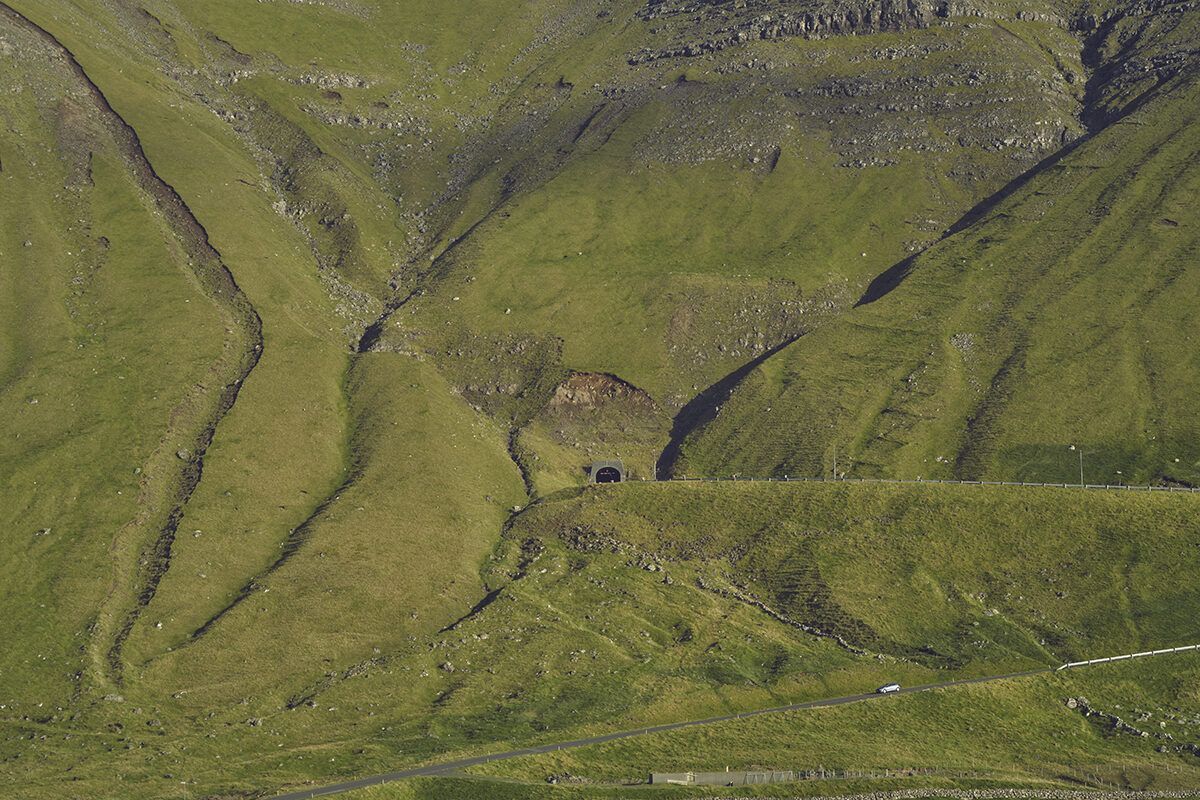
Until recently, Gásadalur was one of the most inaccessible villages in the Faroes, connected to the rest of the island only by a steep walking route. However, with the construction of a tunnel in 2004, the village gained road access without losing its remote charm. Visitors can walk to a nearby viewpoint to enjoy the stunning view of the waterfall and the ocean—a combination that encapsulates the wild essence of the Faroe Islands.
Bøur
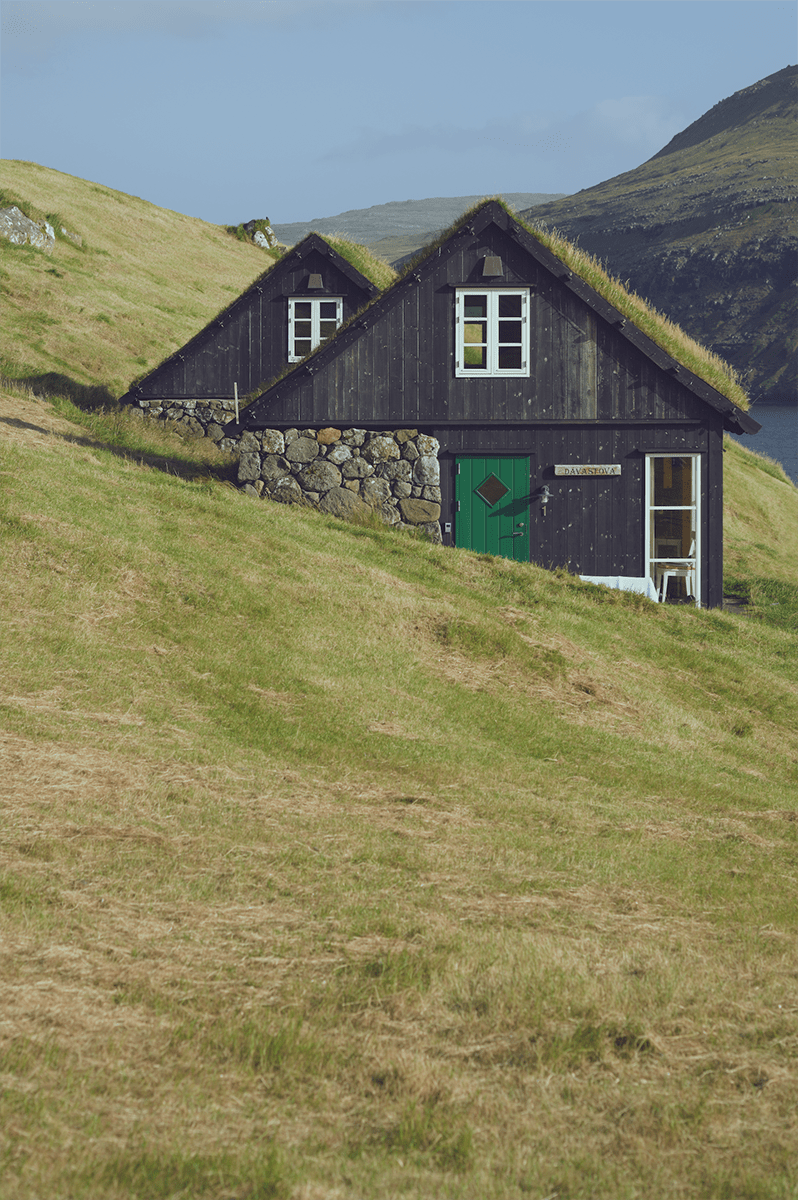
Vágar is also home to some of the archipelago’s most picturesque and tranquil villages. Bøur, a small settlement that seems forgotten by time, offers breathtaking views of the neighboring islets Tindhólmur and Drangarnir, whose rocky shapes rise dramatically from the sea. With its wooden houses and grass roofs, Bøur is an ideal spot for those seeking to immerse themselves in the serenity of Faroese rural life.
Sandavágur
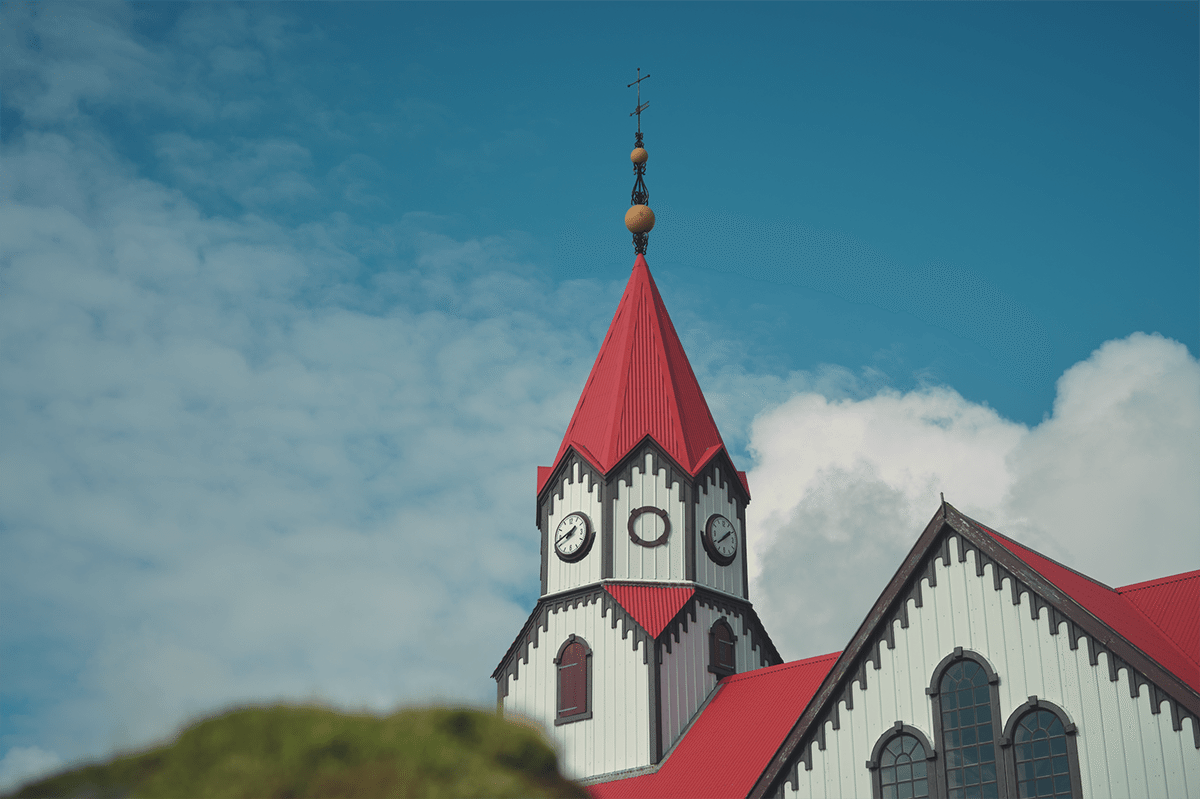
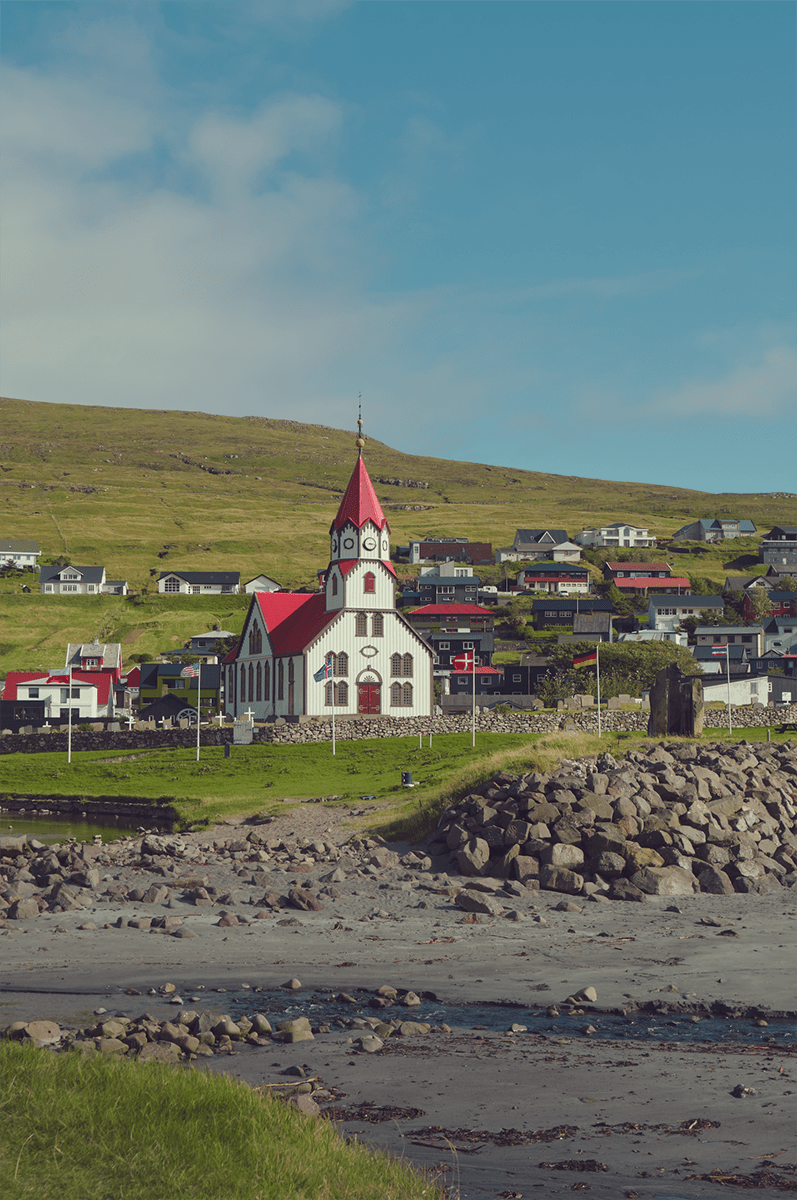
Not far away, Sandavágur is another village of historical and cultural interest. Here, you can visit a traditional Faroese-style church with a distinctive red roof, which houses a Viking runestone discovered in the 19th century, evidence of the islands’ long history of settlement. Sandavágur is also an excellent starting point for exploring some of the trails that crisscross the island, leading visitors to landscapes of extraordinary beauty.
Nature, history, and adventure
Vágar is much more than just a gateway to the Faroe Islands. With its extraordinary landscapes, peaceful villages, and rich history, this island offers travelers a deep immersion into the essence of this unique archipelago. From hikes around Sørvágsvatn to visits to villages like Gásadalur and Bøur, every corner of Vágar reveals a piece of Faroese identity, where nature and humanity have learned to coexist in harmony.
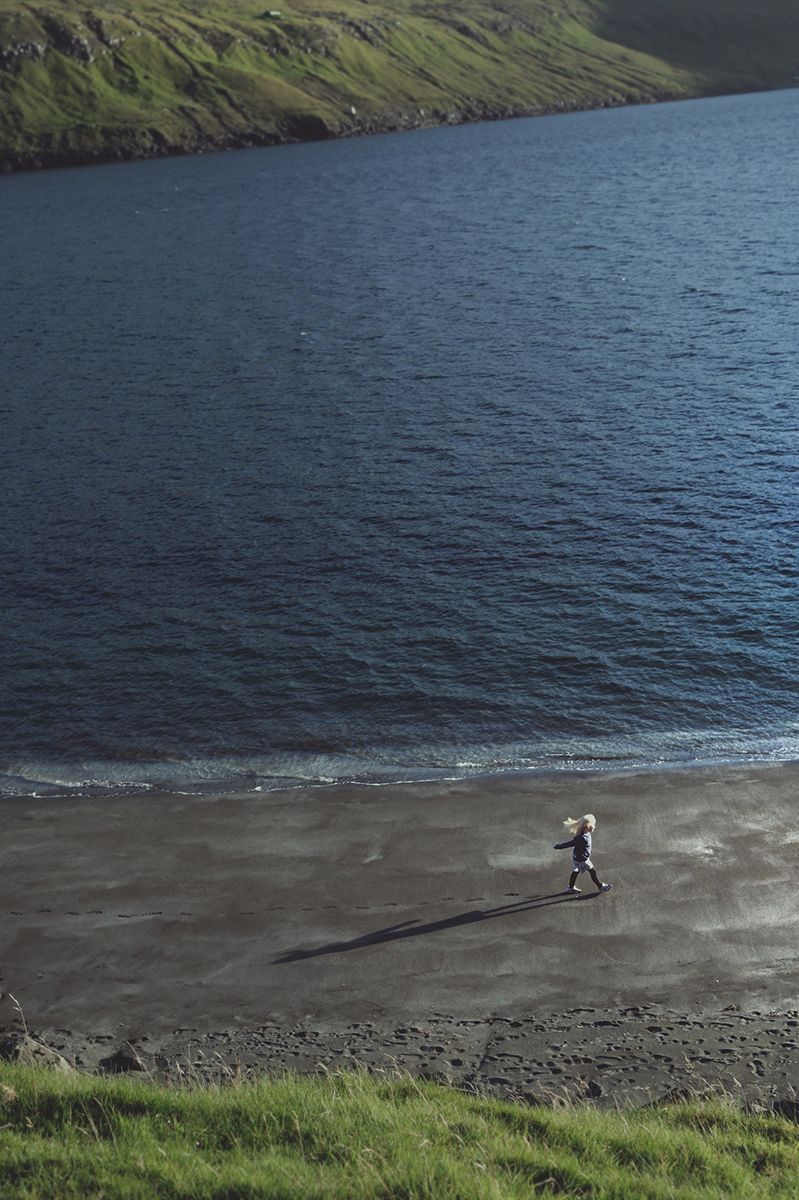
Eysturoy Island
Eysturoy, the second largest island in the Faroe archipelago, is a destination that blends stunning natural beauty with a rich cultural and mythological history. Located to the east of Streymoy, Eysturoy is a microcosm of dramatic landscapes, ranging from majestic mountains and green valleys to picturesque coastal villages, offering visitors a unique experience in the heart of the North Atlantic.
Slættaratindur
For the more adventurous, a hike to the summit of Slættaratindur, the highest mountain in the Faroes, is a must-do experience. Standing at 880 meters, the route to the top is challenging but rewarding, offering a path that winds through breathtaking landscapes with deep valleys and glacial lakes gleaming in the sunlight. On a clear day, much of the archipelago can be seen from this privileged vantage point.
Fossá
Fossá, the tallest waterfall in the Faroe Islands, is an impressive natural spectacle that cascades in two stages from a height of 140 meters. Its powerful torrent of water, especially vigorous after rain, flows down the steep slopes and into the sea. Fossá, which literally means “waterfall” in Faroese, is a popular destination for nature lovers and photographers, who come to admire its majesty and the tranquility of the surrounding landscape.
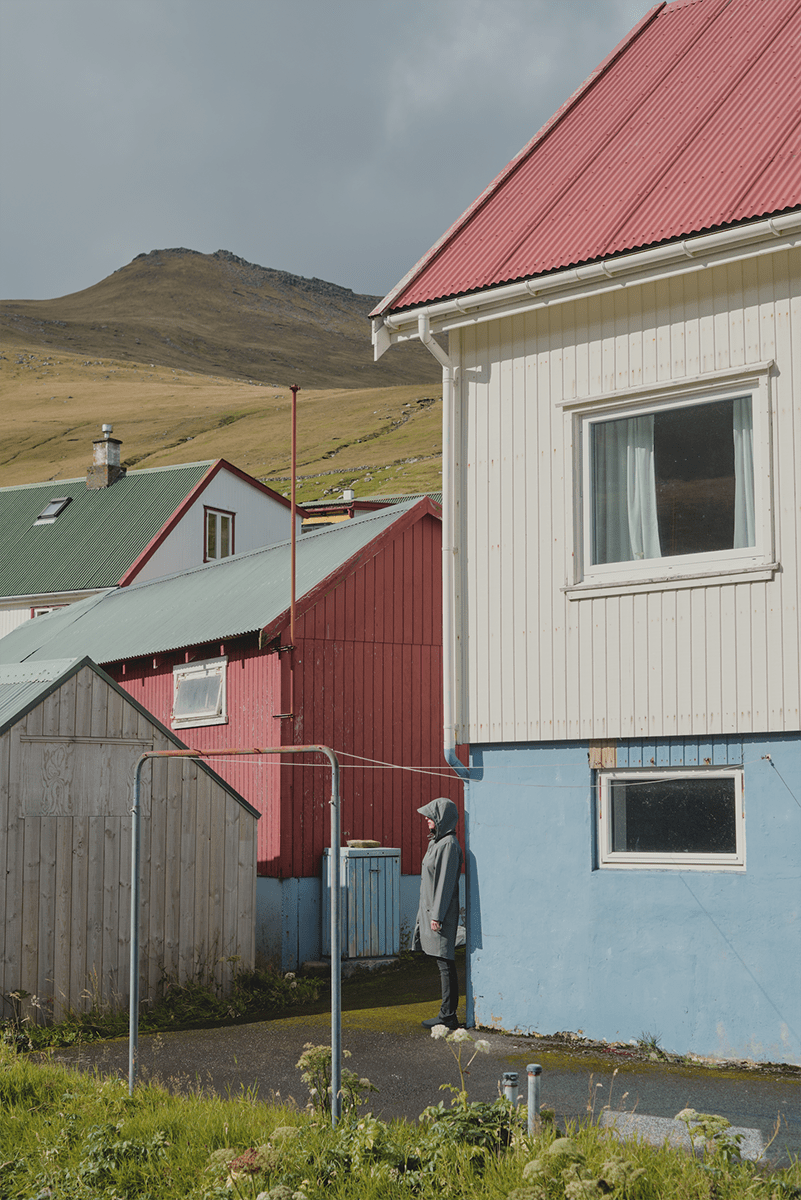
Gjógv
Gjógv, a small village at the northern tip of Eysturoy, is notable for its impressive natural harbor, which gives the place its name. Nestled between cliffs and rocky formations, the gorge-shaped harbor is one of the most unique geological wonders of the Faroe Islands. With fewer than 50 inhabitants, Gjógv is a peaceful haven surrounded by green hills and panoramic views of the Atlantic. Its colorful grass-roofed houses and tranquil atmosphere make it an ideal destination for hikers and those seeking to disconnect in the heart of nature.
A destination for all the senses
Eysturoy is a place where nature, history, and culture intertwine harmoniously, creating a destination that captivates all who visit. Whether exploring its mountains and trails, delving into its legends, or enjoying the peace of its villages, Eysturoy is an unmissable destination where every corner presents a new opportunity to discover Faroese magic.
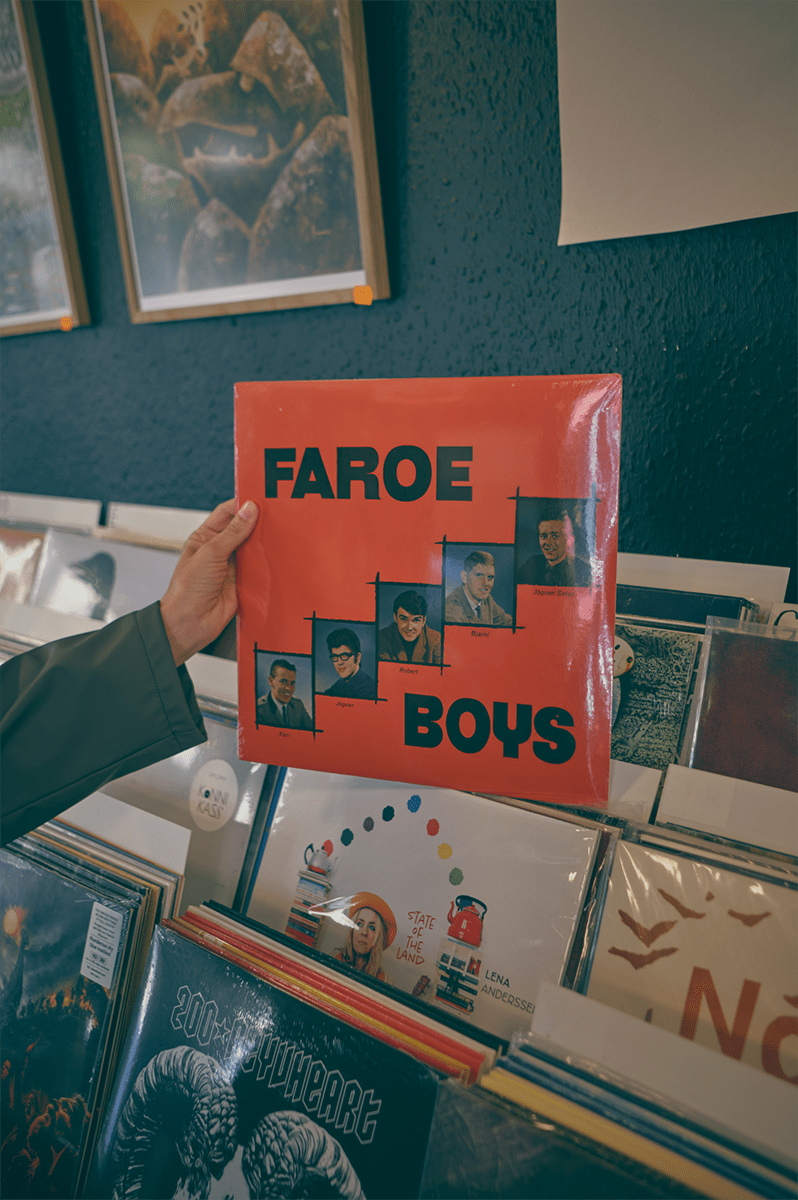
Kunoy Island
Kunoy is one of the smallest and least inhabited islands in the Faroe archipelago, a haven of tranquility and natural beauty. Located north of Streymoy, this island stands out for its dramatic landscapes, where steep mountains rise imposingly above the sea.
With a population barely exceeding 200 inhabitants, Kunoy offers a peaceful and authentic atmosphere, where life is shaped by nature’s rhythms. Its picturesque villages, such as the one that shares the island’s name, are surrounded by green pastures and cliffs that plunge into the ocean, creating an idyllic setting for those looking to escape the hustle and bustle of modern life. Additionally, Kunoy is famous for its rich birdlife, making it an ideal spot for seabird watching, a delight for nature lovers.
Moreover, the trails that wind across the island offer unparalleled opportunities for hiking, with the route leading to the top of Kunoyar being a highlight, offering stunning panoramic views of neighboring islands and the Atlantic Ocean.
And thus ends our first journey through the Faroe Islands! A destination that has truly captivated us, and one we are eager to return to.
(*) Photos: Ely Sánchez (CC/magazine).


&p[summary]=&p[url]=https://ccmagazine.es/en/faroe-islands-europes-last-wild-refuge-part-2&p[images[0]=https://ccmagazine.es/wp-content/uploads/2024/10/CCmagazine-FeroeIslands_2pH14.png)
)