Kyritz, the hidden pearl of Brandenburg
There are journeys that are carefully planned with excitement, and others that are chosen almost by intuition. Our trip to Kyritz, in north-western Brandenburg, belonged to the latter category. We were not searching for spectacular monuments or restaurants that are impossible to book. We were looking for something far more difficult to find: a place where the rhythm slows down naturally, where nature is not a complement but the centre, and where everyday life sets the pace.
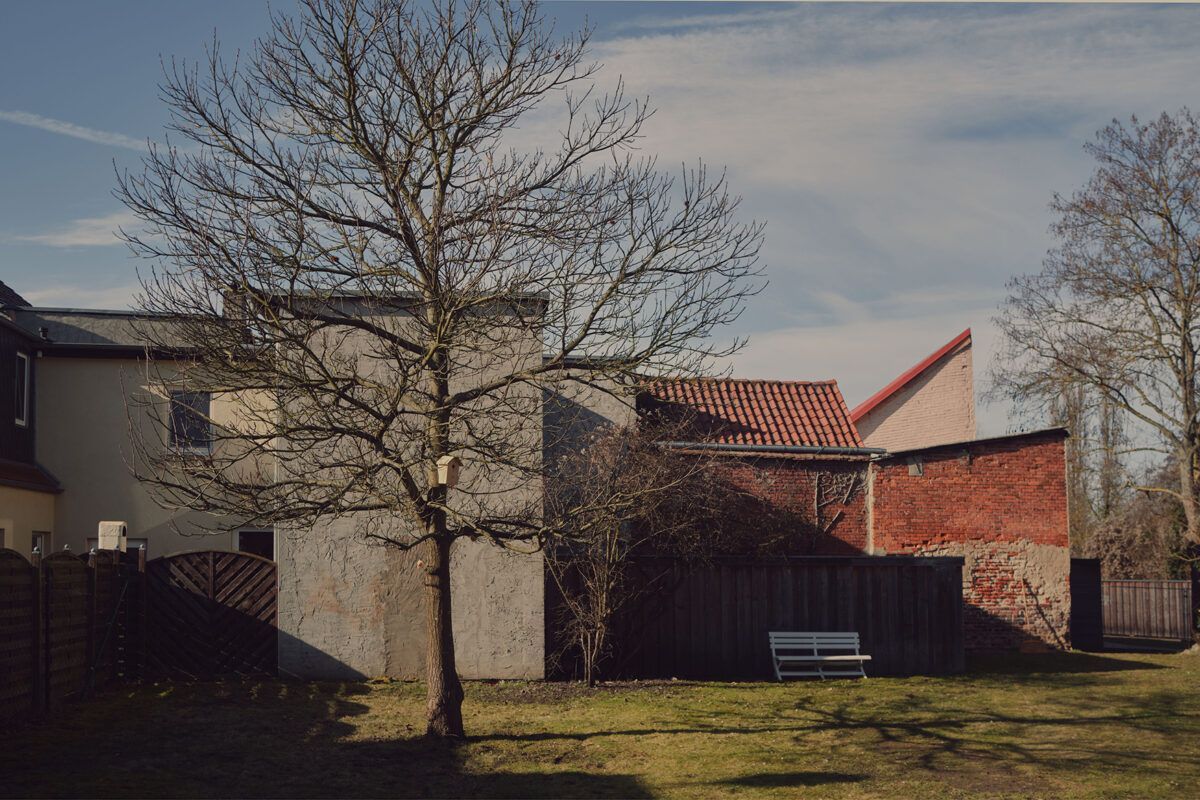
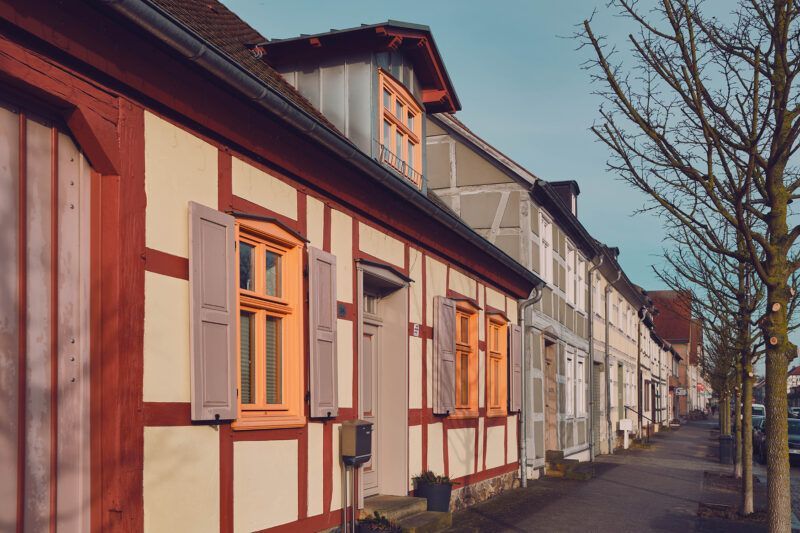
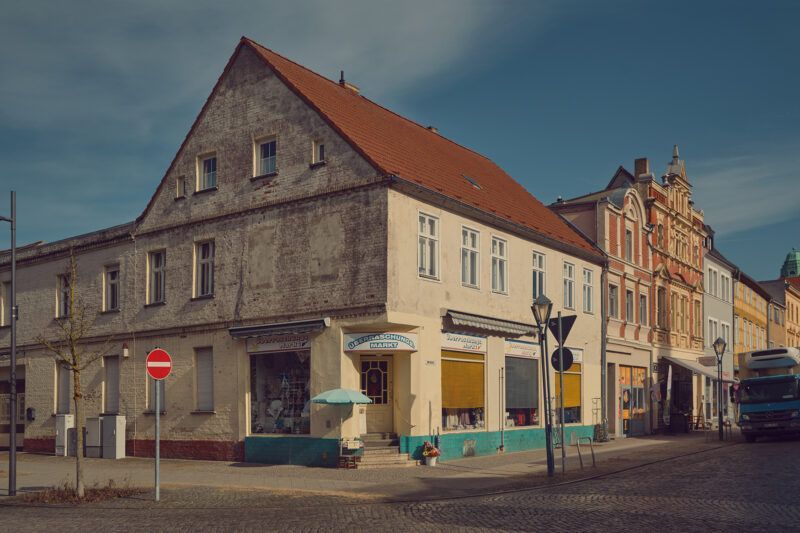
Just over an hour and a half from Berlin, Kyritz appears as a small historic town surrounded by forests and lakes, locally known as “the pearl of north-western Brandenburg”. It is a definition that might sound exaggerated until one arrives and realises that its value lies not in grandeur, but in coherence. Everything here feels human in scale. Everything invites you to stay a little longer.
The conscious decision to travel differently
Those of us who live in large cities know what it means to live with excess: constant stimuli, noise, compressed schedules, endless journeys and the permanent feeling of always being one step behind time. In that context, choosing a destination like Kyritz is almost a statement of principles.
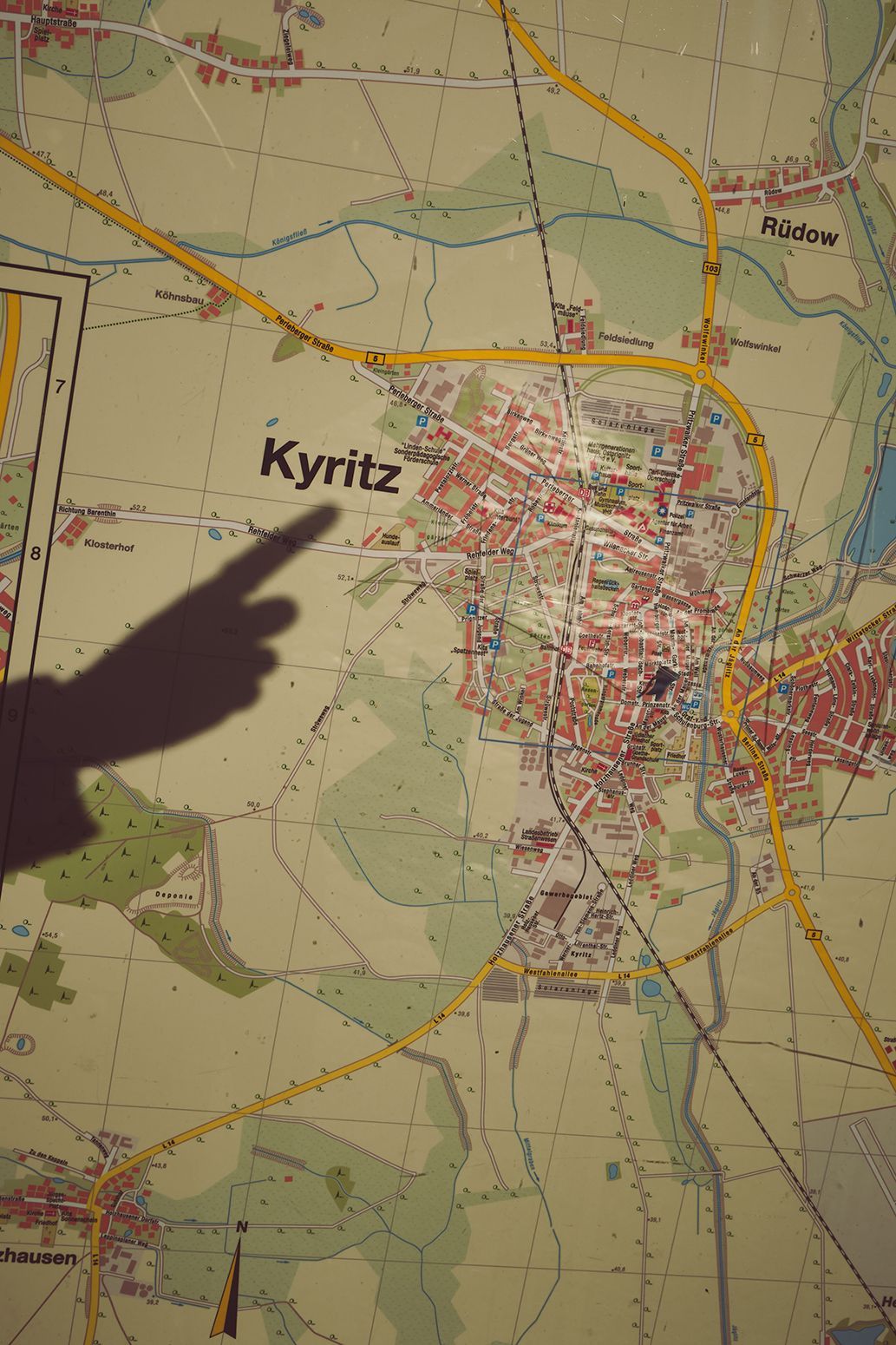
We decided to come here precisely because mass tourism has not arrived. Because it is not a place that appears on every list of travel trends. Because we wanted to see what happens when you settle into an environment where silence is not unusual and where the landscape does not compete for attention.
The experience begins even before walking through its streets. It begins when you accept that you don’t need to fill every hour with activities. In Kyritz, the greatest attraction is allowing the day to unfold without pressure.
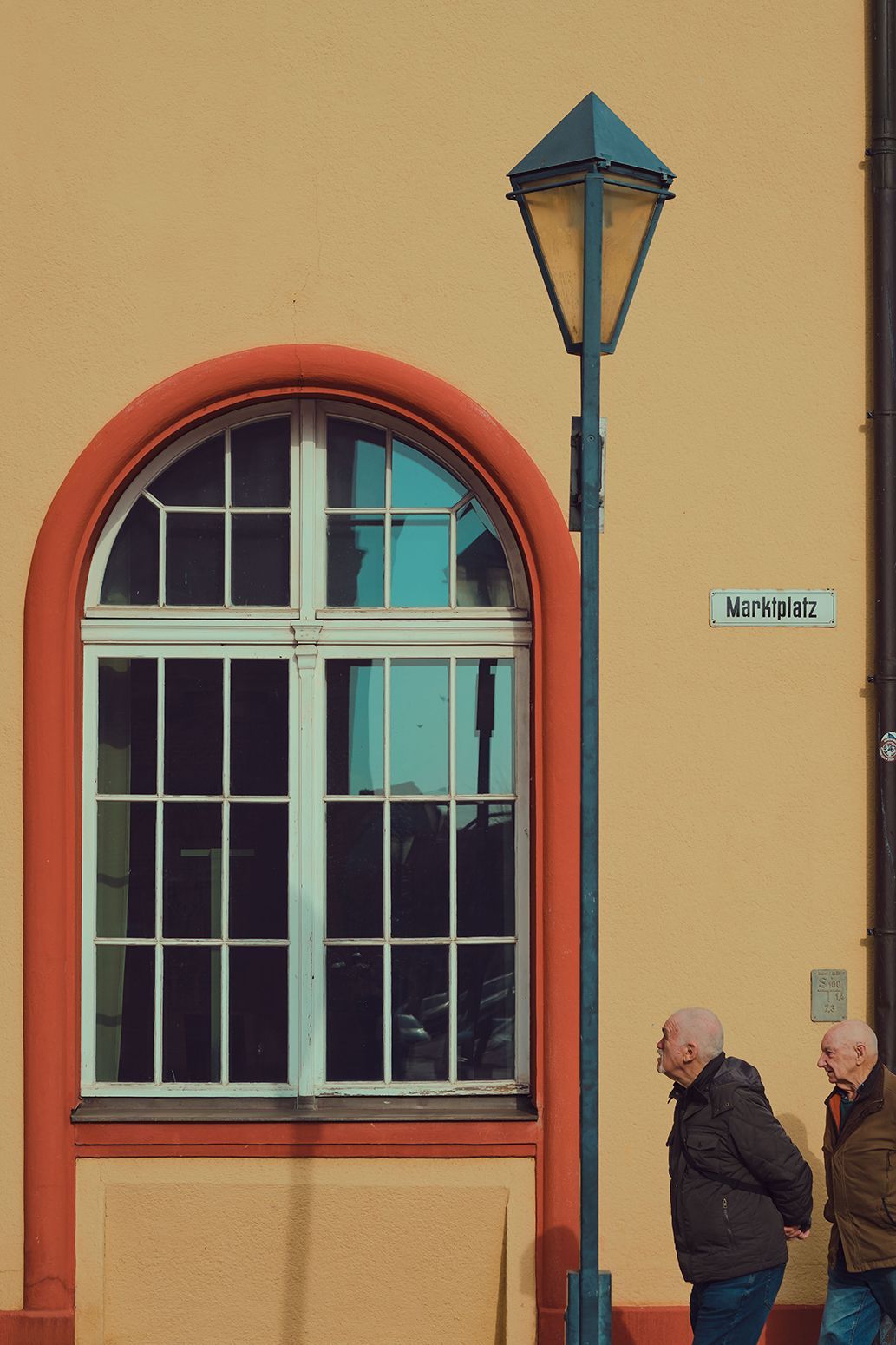
Marktplatz: the historic heart
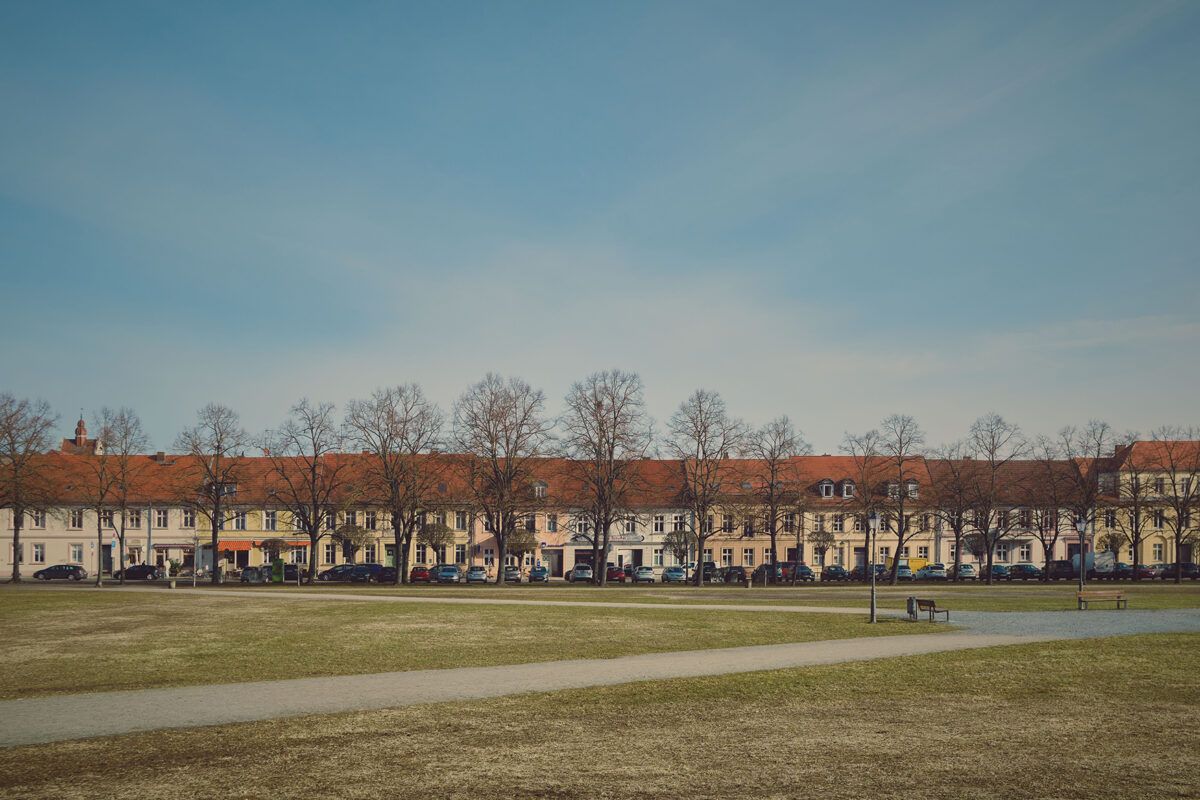
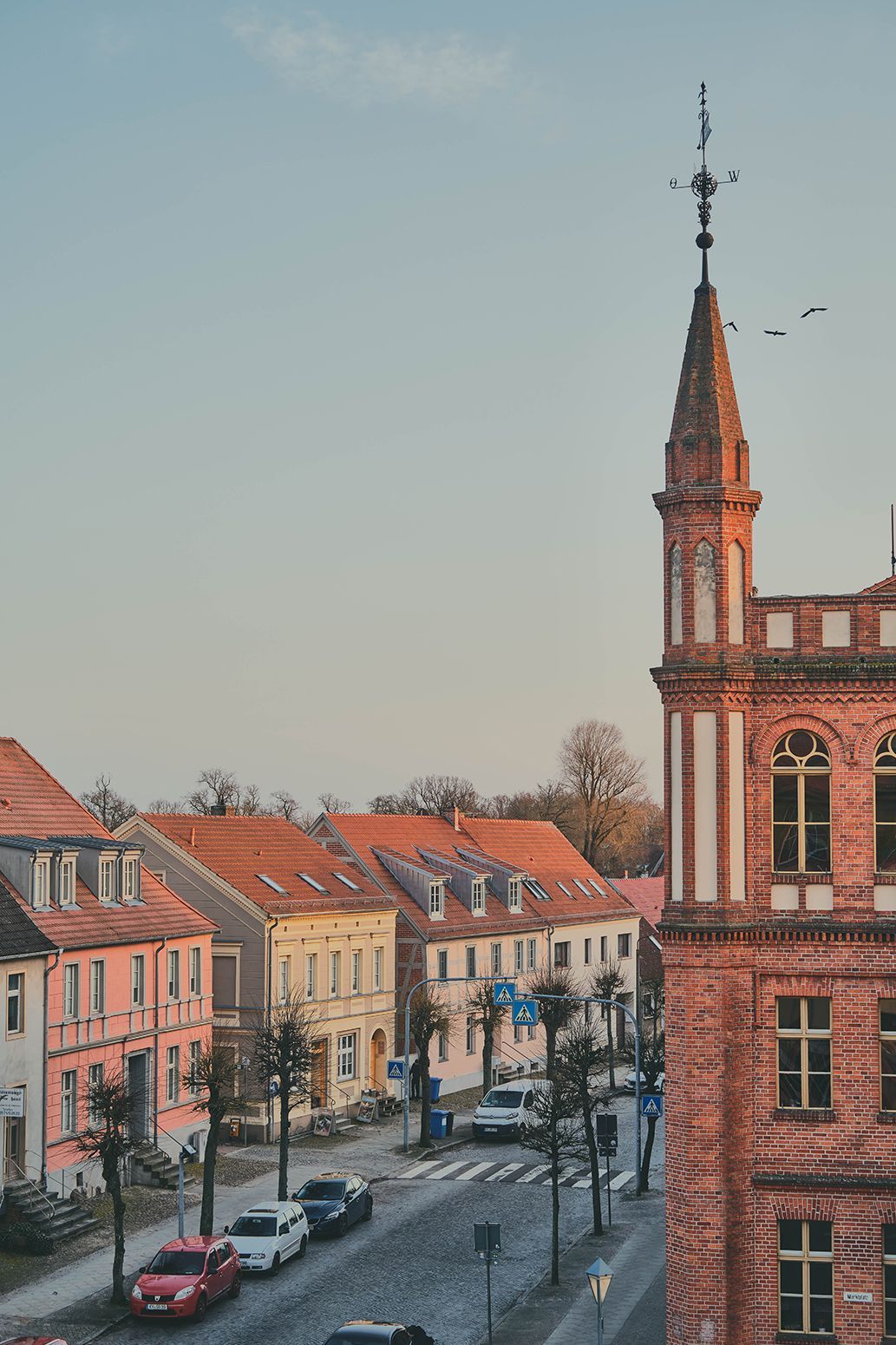
The heart of the town is its Marktplatz, a spacious and well-balanced square that still preserves its medieval urban structure. The Town Hall, elegant and well-proportioned, dominates the space with the characteristic serenity of German towns shaped by the Hanseatic tradition (the Hanseatic League being a historic confederation of trading cities that ensured security and promoted commerce across northern Europe).
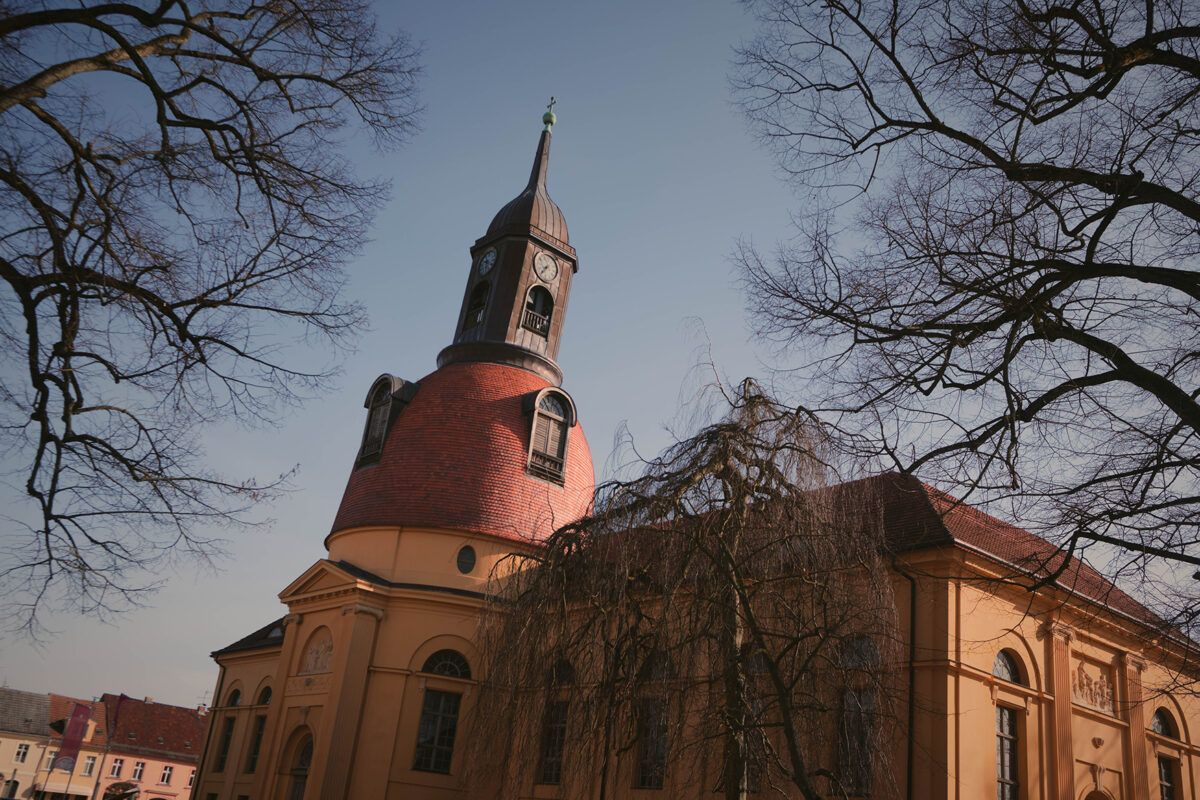
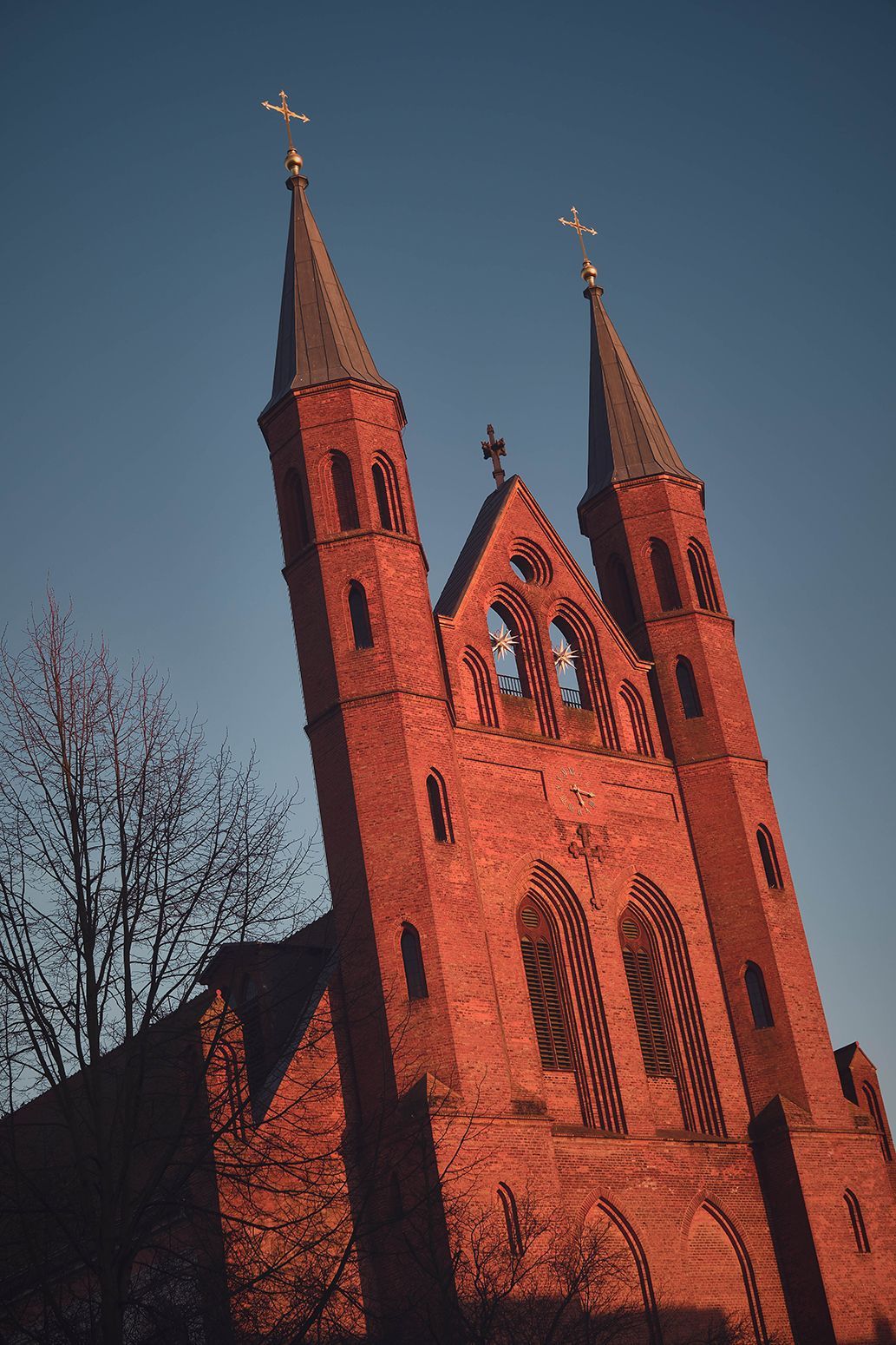
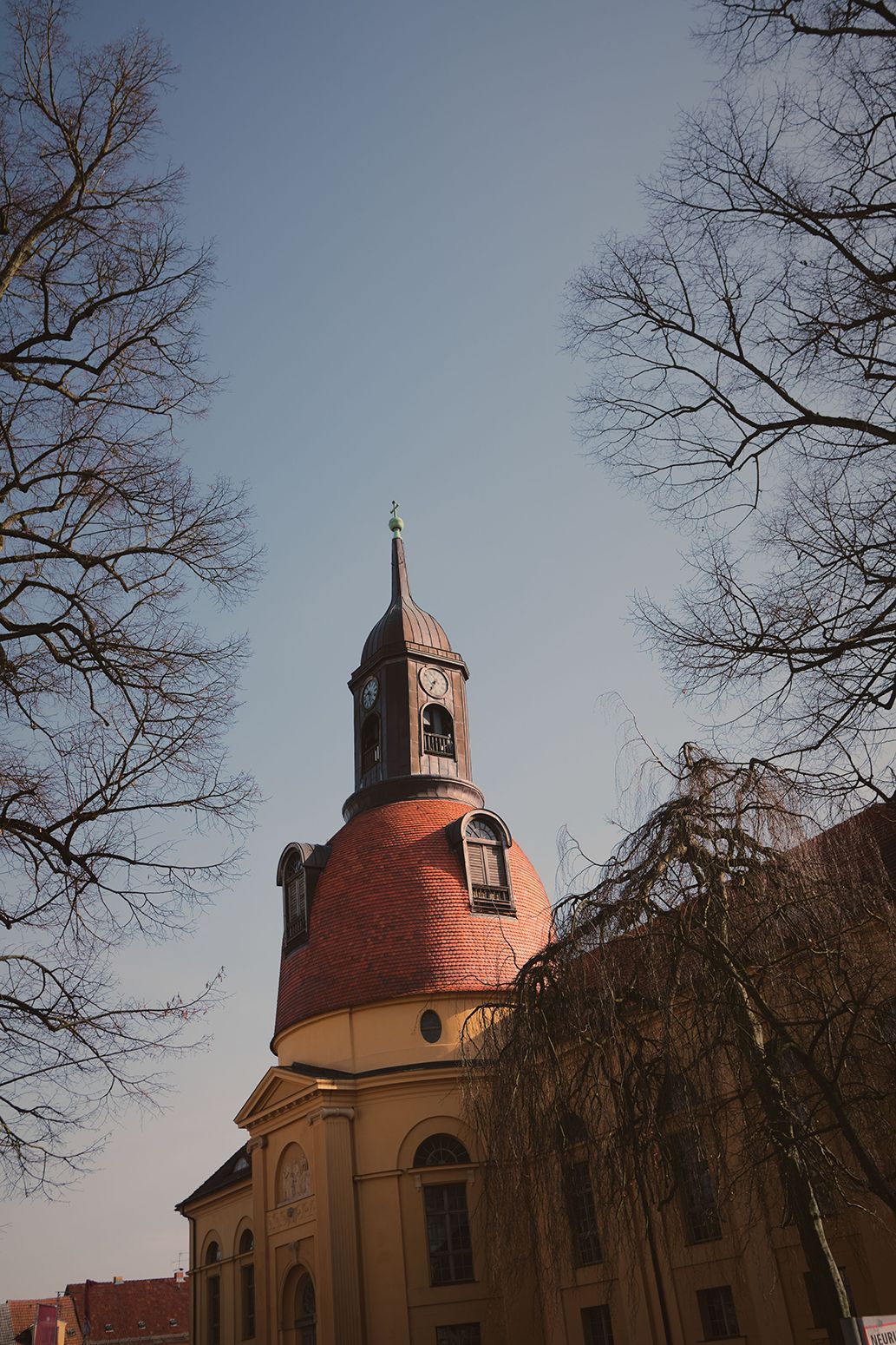
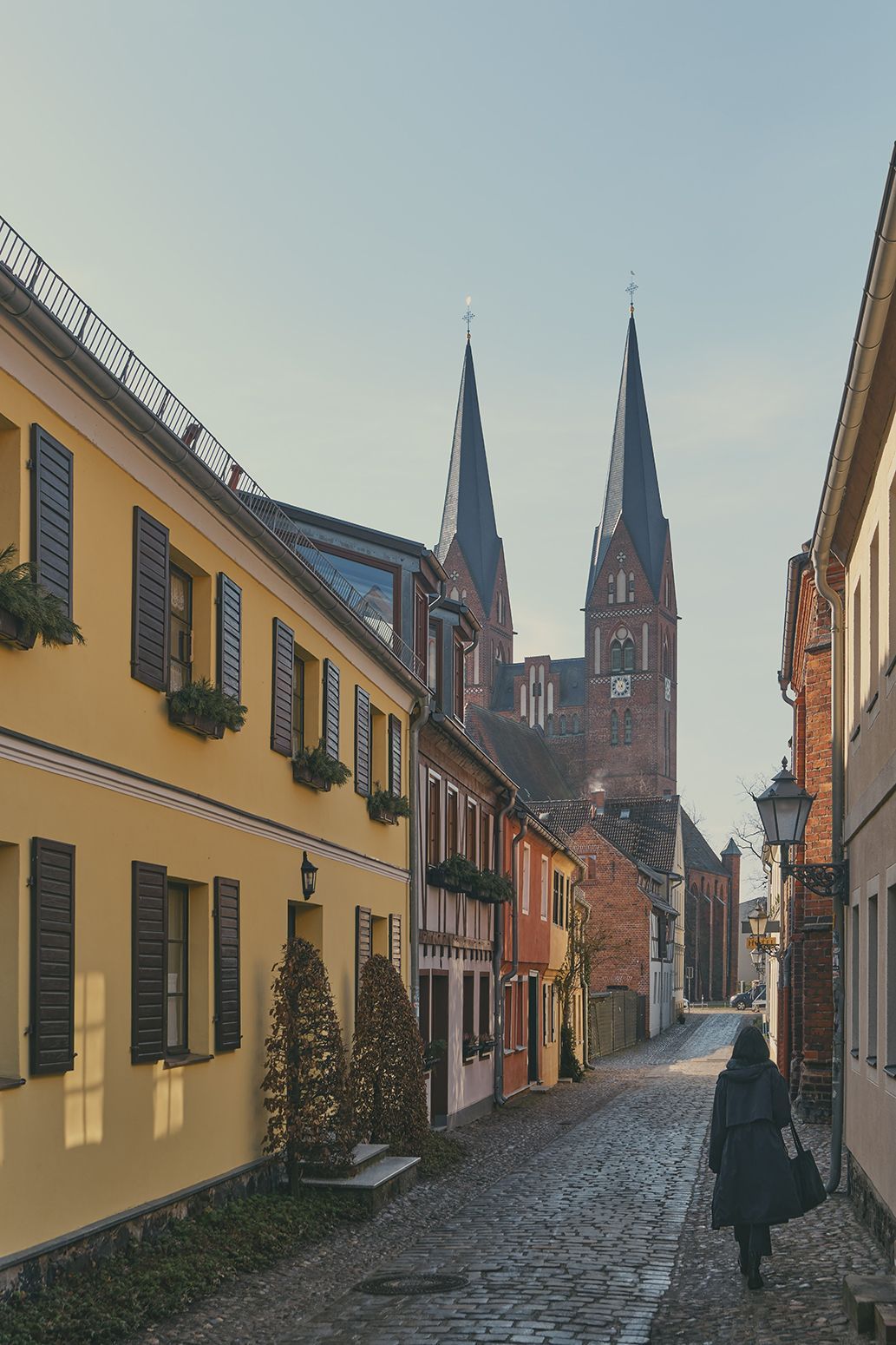
Just a few steps away stands the Protestant church of St. Marien, one of Kyritz’s most striking architectural landmarks. Built in brick, its tower defines the town’s skyline, recalling the city’s historical importance as a commercial hub in the Brandenburg region. Yet it is upon crossing the threshold that the experience becomes truly unexpected.
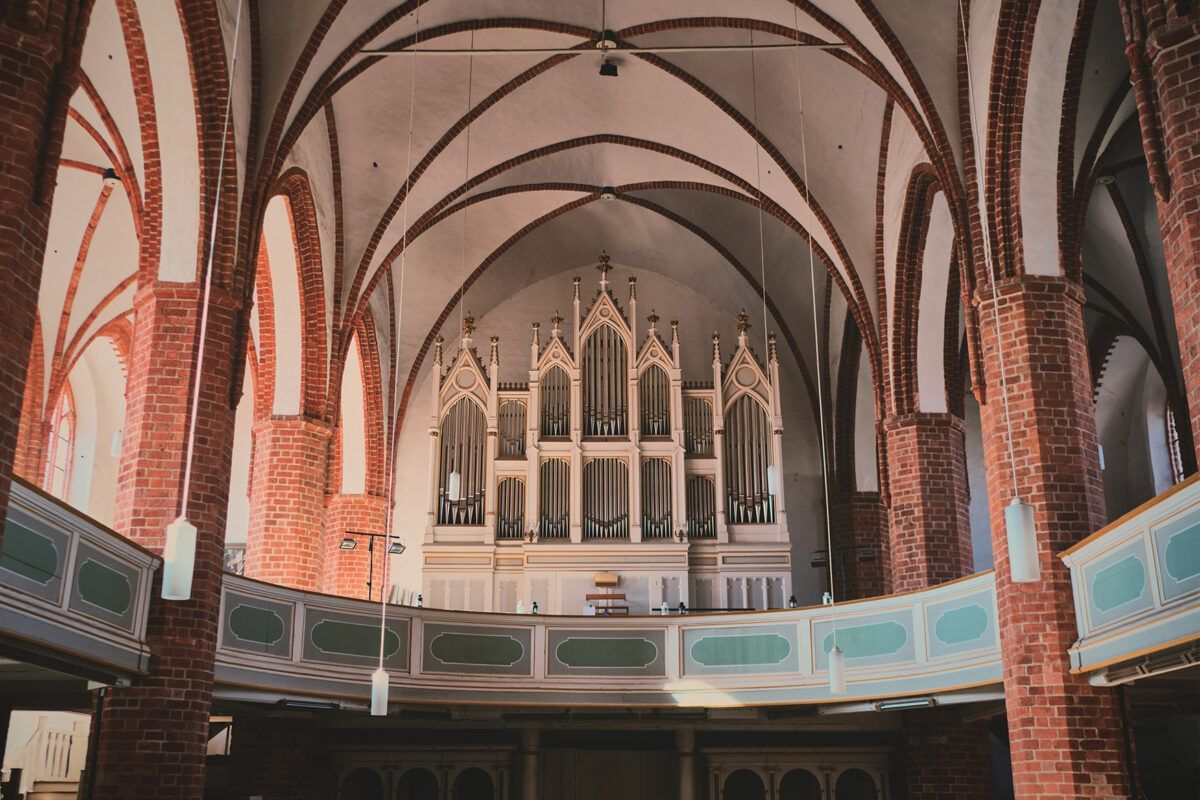
The interior doesn’t correspond to the solemn and dark image many associate with medieval churches. Instead, the space feels almost like a large civic hall — elevated and filled with light. The wide, uncluttered nave creates a sense of openness that is unusual, closer to a communal gathering space than to an introspective sanctuary.
“The city’s central hub is its Marktplatz, a spacious and well-balanced square that still preserves its medieval urban structure.”
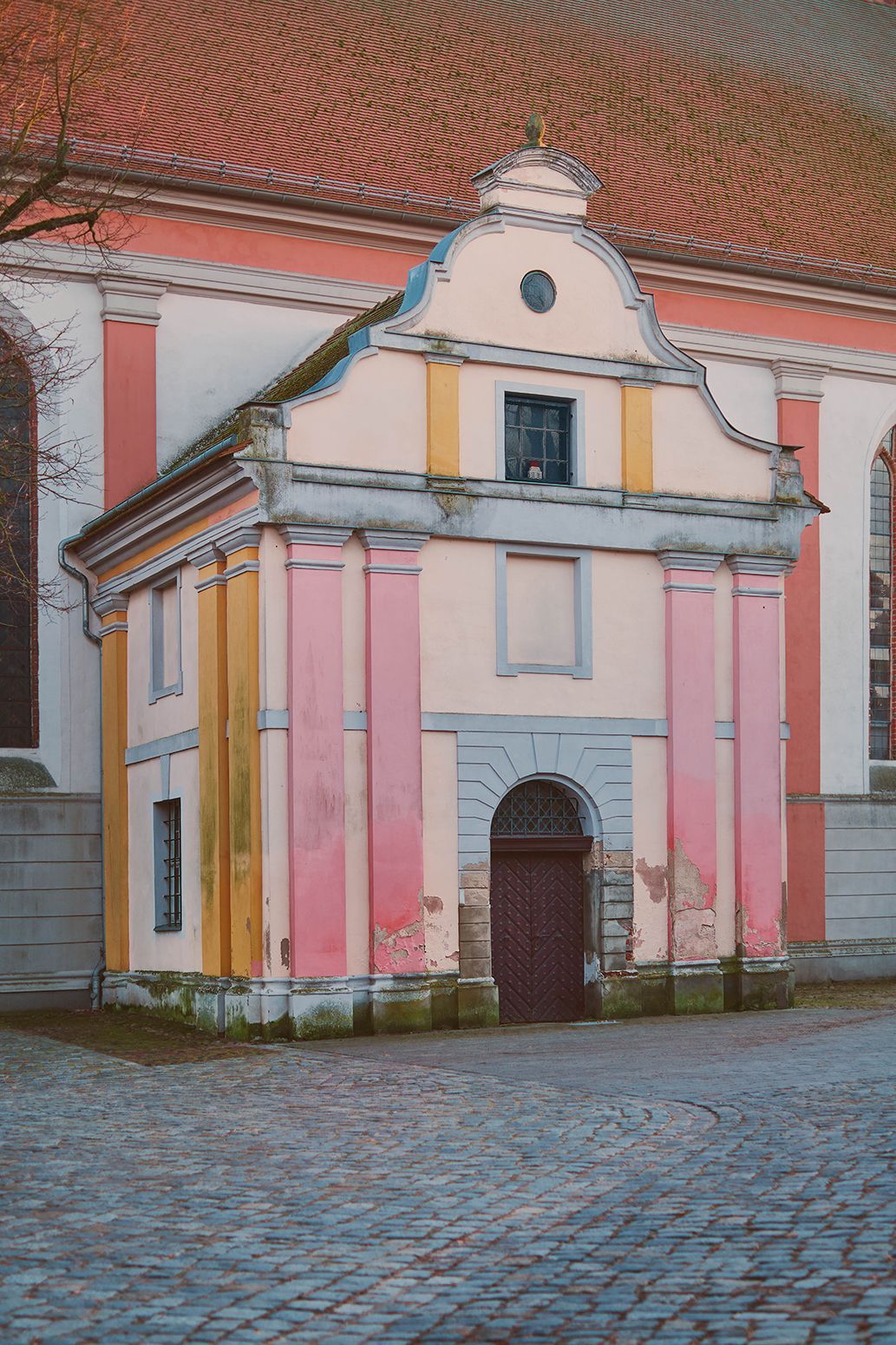
The whole ensemble conveys balance and structural clarity. It does not seek to impress through ornamental excess, but through proportion, rhythm and material coherence. For those who observe architecture rather than faith, St. Marien reveals itself as a refined exercise in space, light and texture, where brick, colour and geometry coexist naturally.
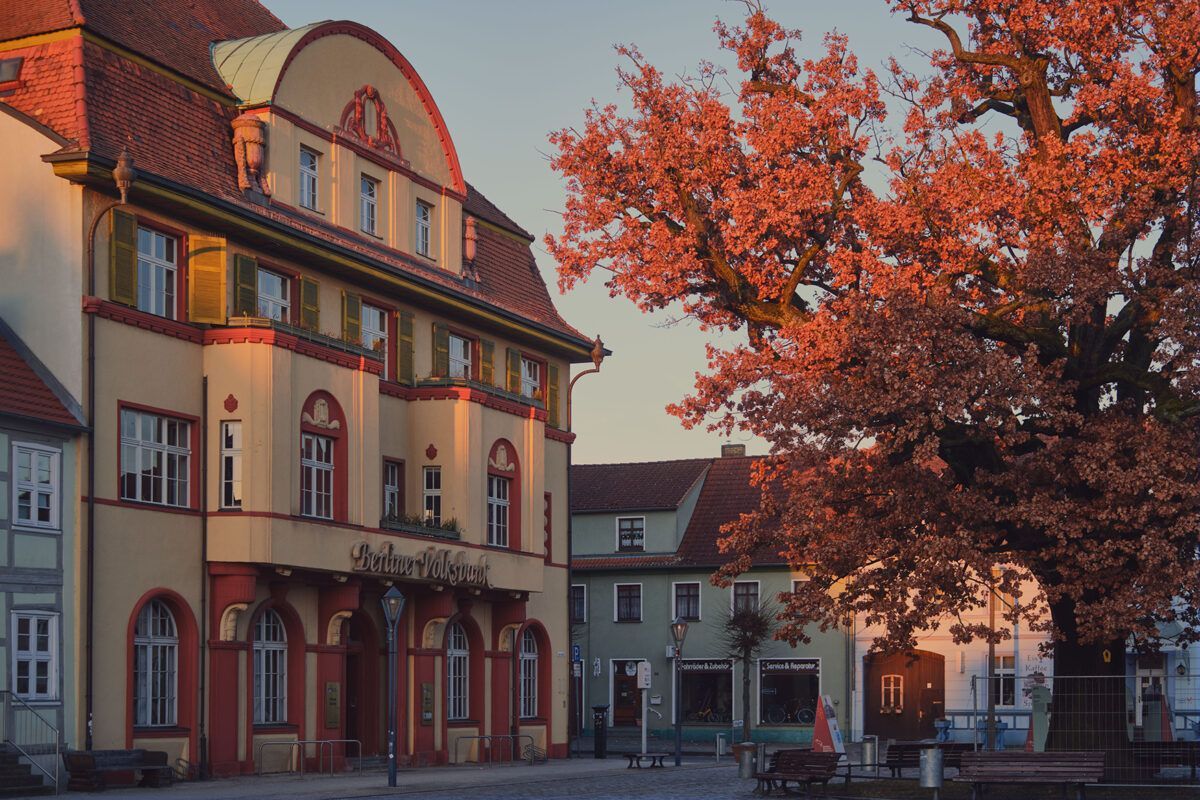
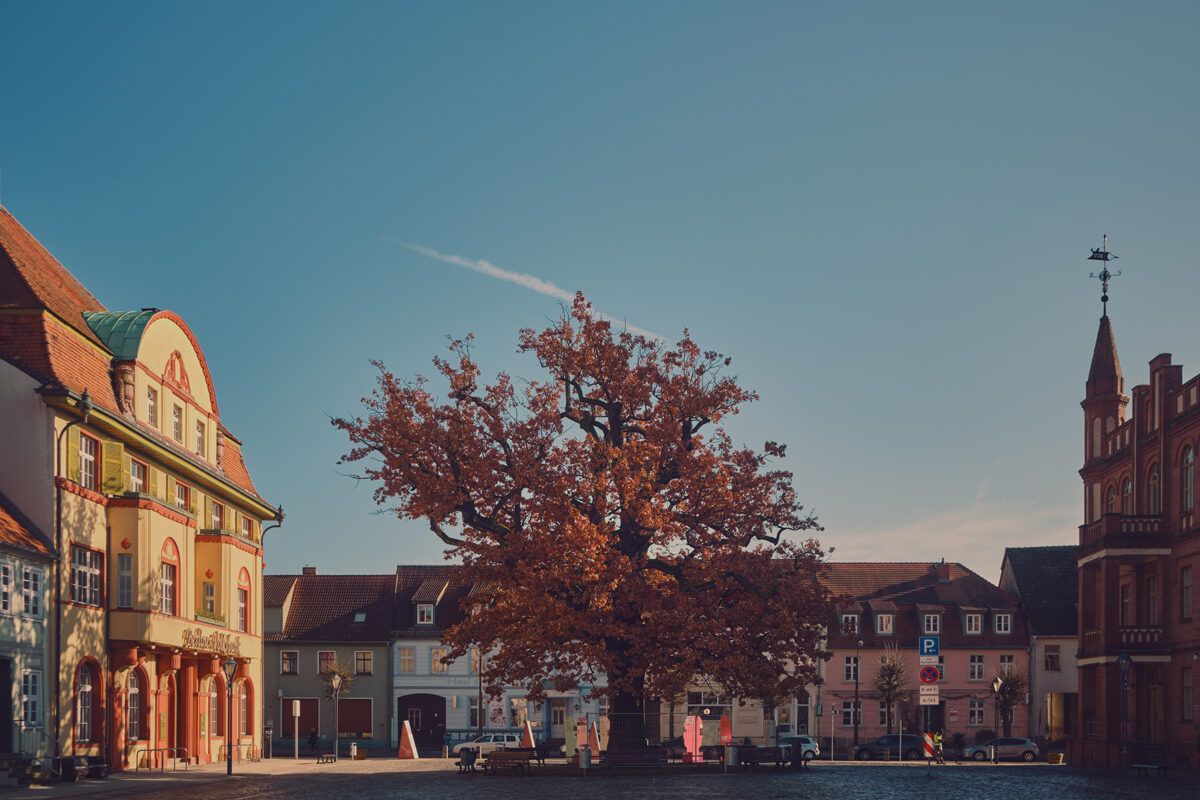
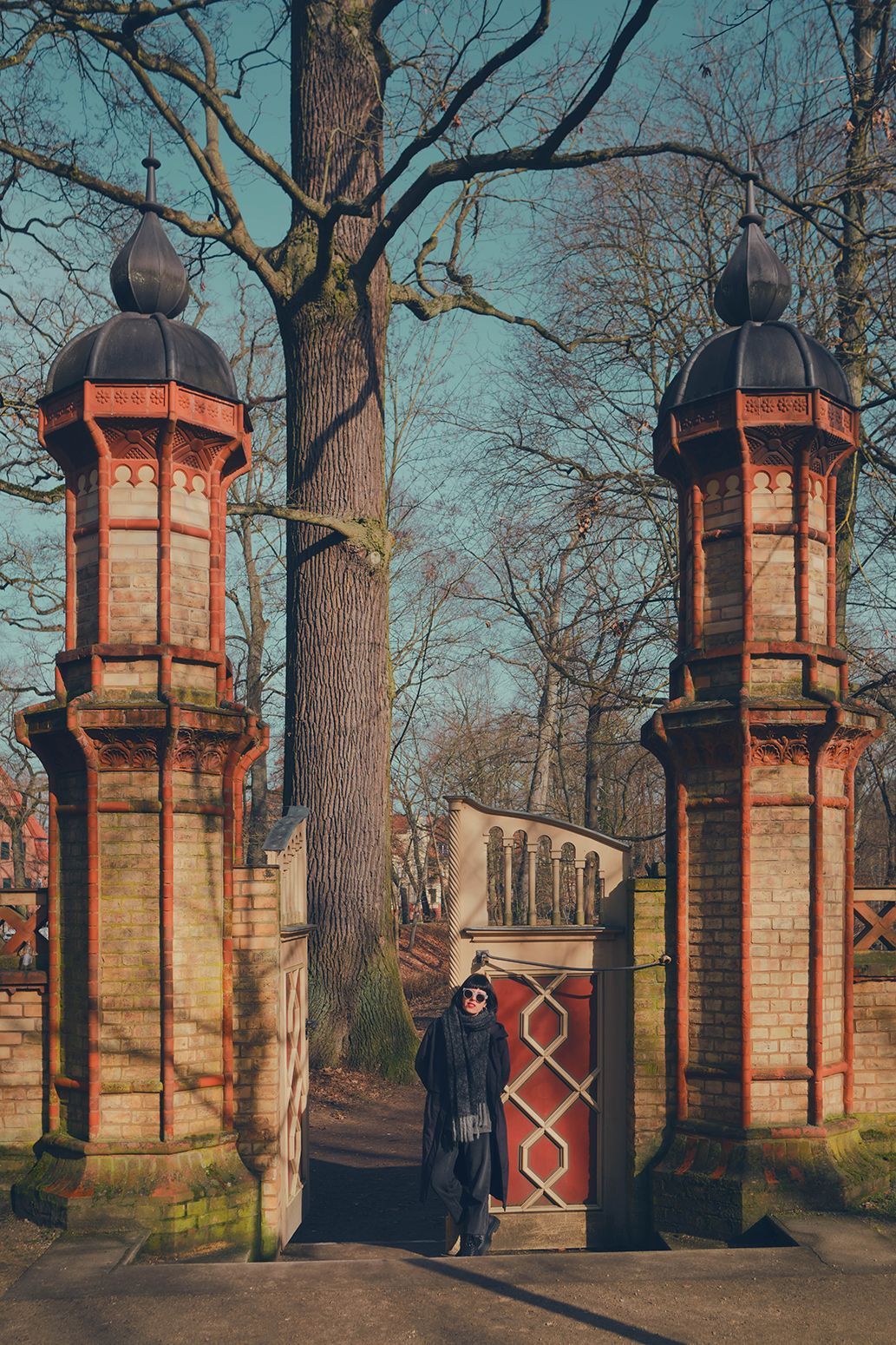
On the eastern side of the square stands the so-called Peace Oak. After the victory over Napoleon in 1814, four oaks were planted forming a rectangle and an obelisk was erected at the centre. Although the obelisk no longer exists, the central tree continues to be known as the Peace Oak and keeps the historical memory of the place alive.
“On the eastern side of the square stands the so-called Peace Oak, planted after the victory over Napoleon in 1814.”
Yet what is interesting is not only its historical origin, but also its current role. Directly opposite is Café Schröder, and when the weather is pleasant, locals and visitors buy ice creams there and sit under the shade of the oak to enjoy them unhurriedly.
The scene is revealing: a symbol born from a military episode that, two centuries later, has become a point of everyday encounter. Historical memory and contemporary life coexist here with a naturalness that defines the character of Kyritz.
Sleeping in a building with history: St. Oak Apartments
Our stay was at St. Oak Apartments, located in the renovated former building of Berliner Volksbank.
The property retains the solidity and institutional presence typical of early twentieth-century banking architecture, yet it has been transformed into contemporary apartments where modern design coexists with architectural memory.
High ceilings, generous spaces and attention to detail create an immediate feeling of calm. Staying in a restored historic building adds another dimension to the journey: you do not simply visit a destination, you inhabit part of its history.
The renovation demonstrates that heritage can adapt without losing character — something that resonates with a growing European awareness of the importance of reusing and reinterpreting existing buildings. We will soon tell you more about this evocative place.
The lake as the vital centre
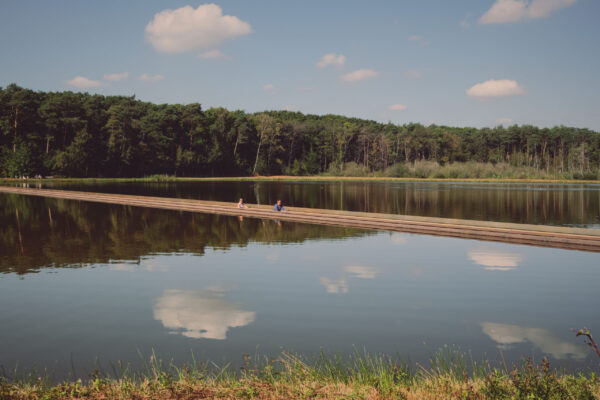
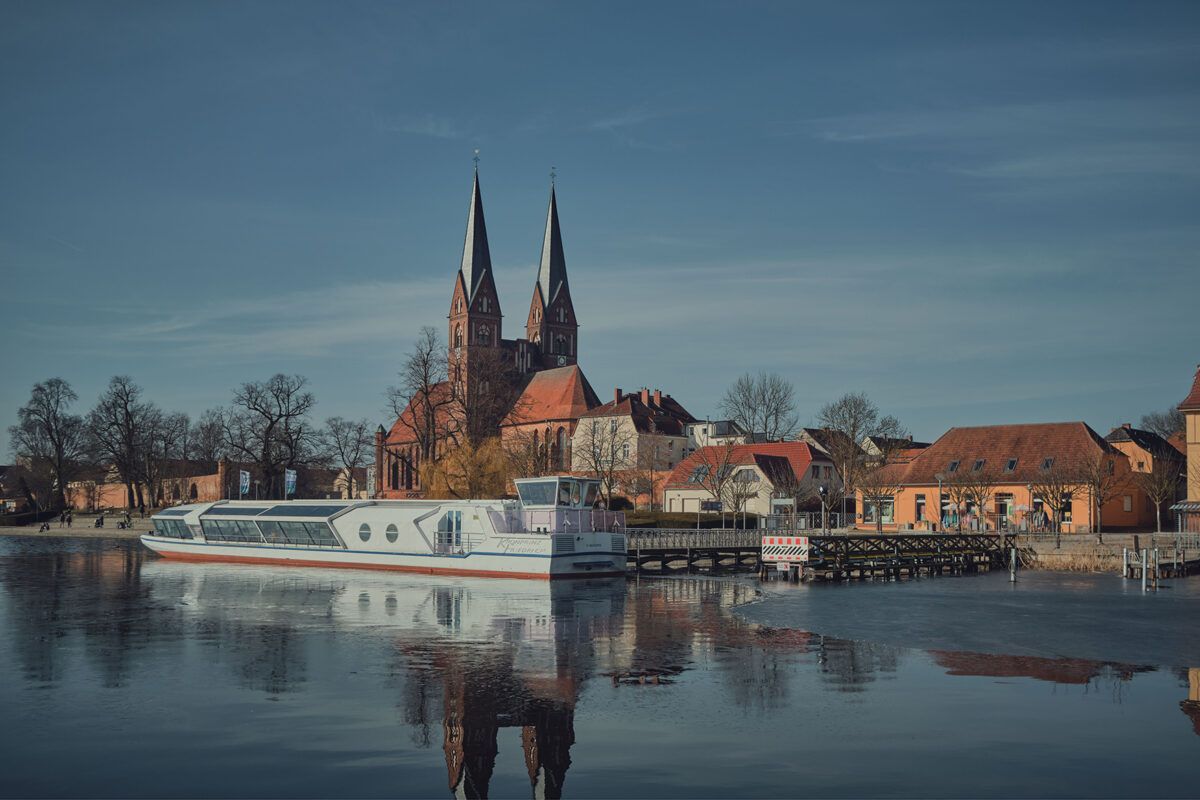
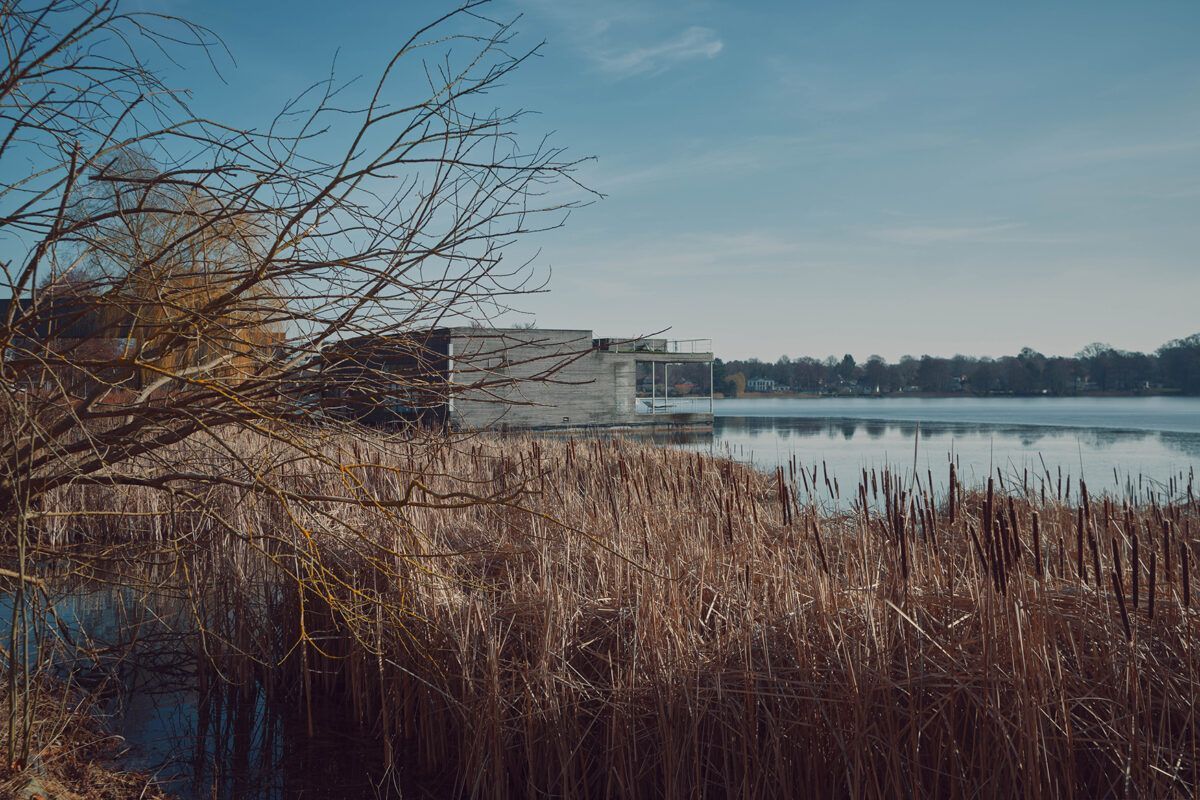
If the old town provides historical identity, the chain of lakes east of Kyritz defines its natural dimension. The forests surrounding the Kyritzer Untersee are part of a 23-kilometre interconnected water system where motorboats are prohibited. This apparently technical detail completely transforms the atmosphere.
“If the old town provides historical identity, the chain of lakes east of Kyritz defines its natural dimension.”
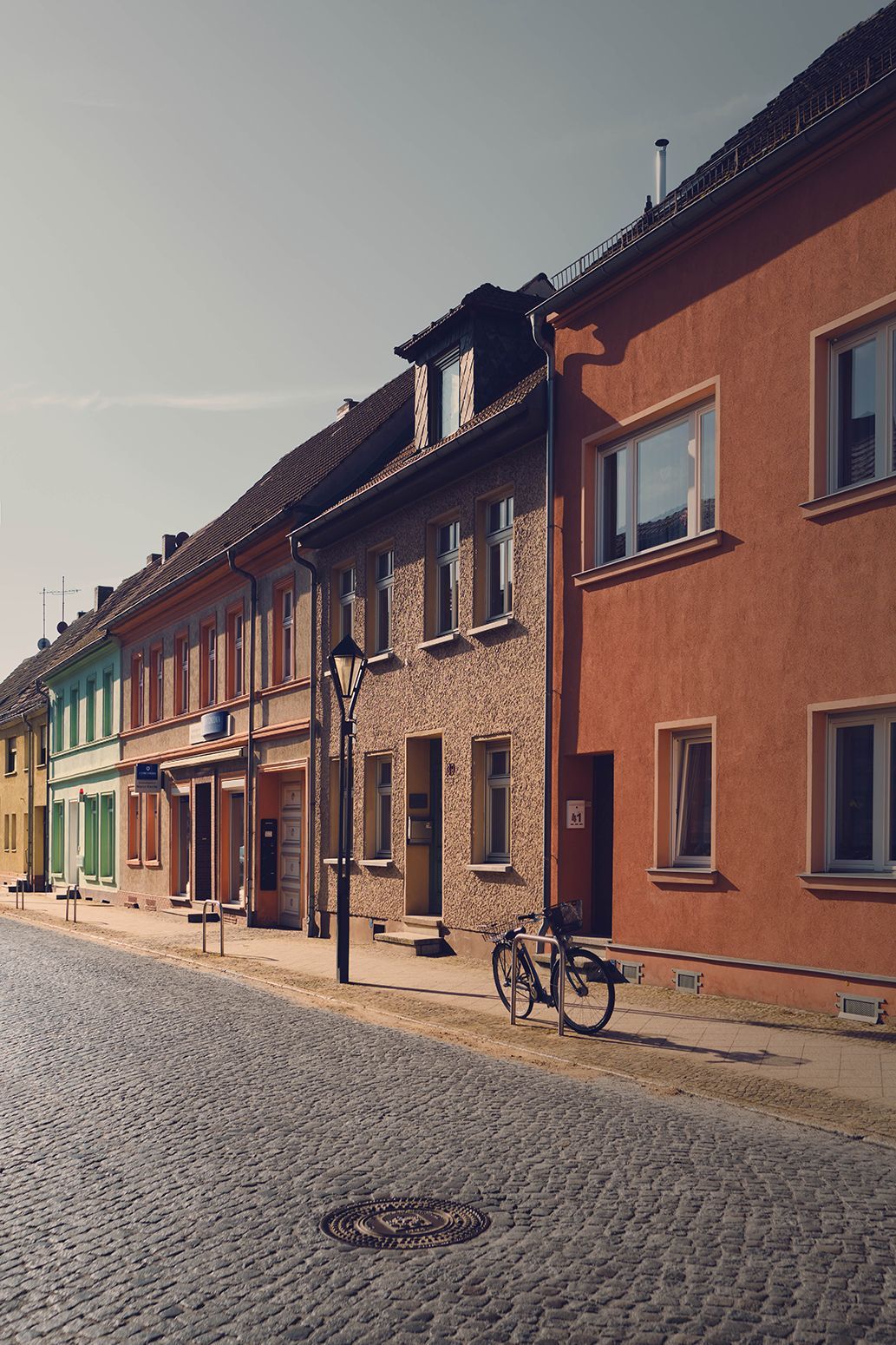
The water remains calm. The boats you see are sailing boats, small rowing boats or kayaks. Along the shore, cyclists and walkers move slowly, and fishermen remain focused in a silence that seems shared.
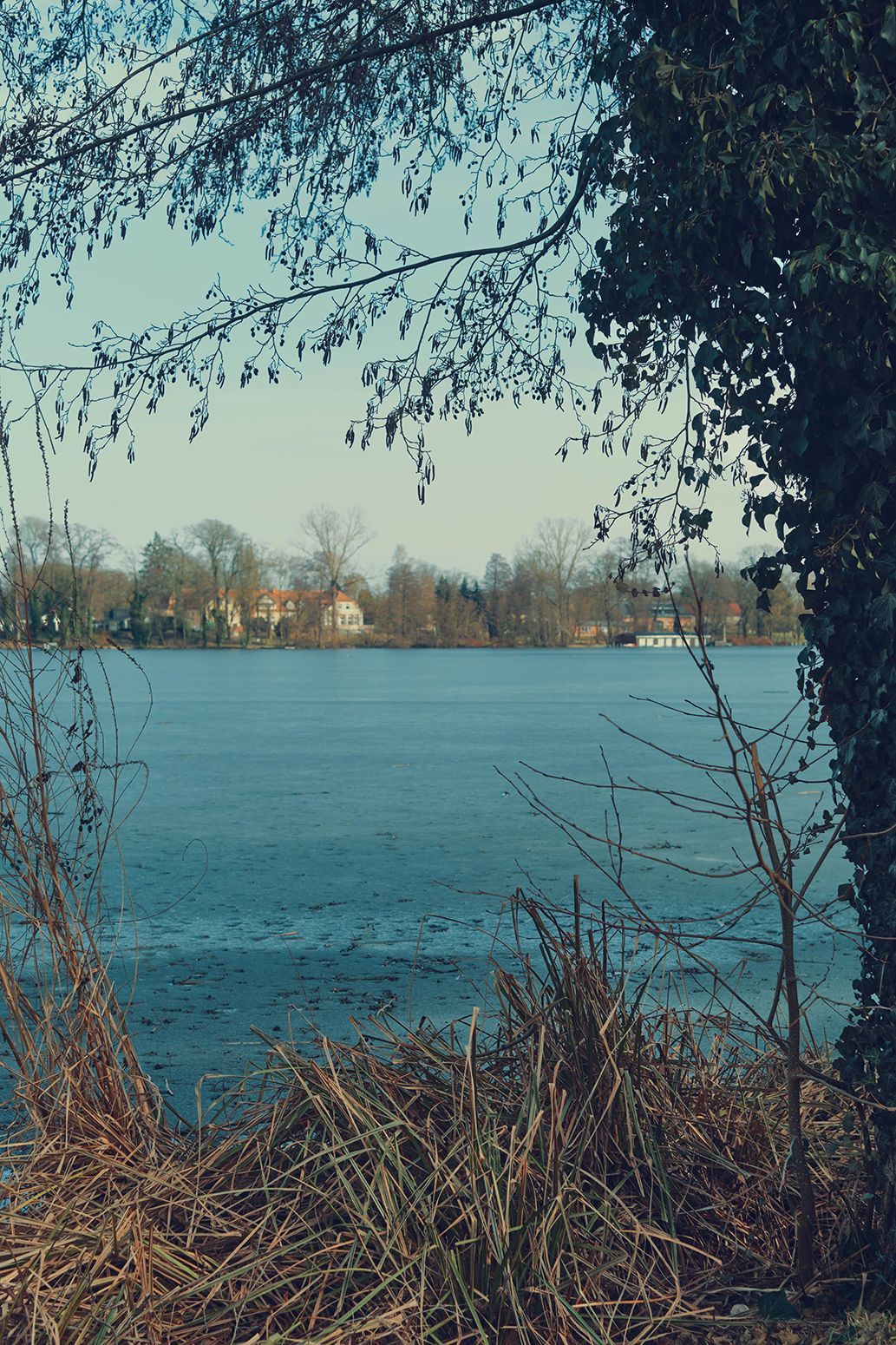
The Untersee beach, open from May to October, is an ideal place for swimming during the summer. From there you can take a ferry to the island located in the centre of the lower lake, where a restaurant serves local cuisine in an unexpectedly idyllic setting. Crossing to the island turns a simple meal into an experience that combines nature and everyday life.
“The Untersee beach, open from May to October, is an ideal place for swimming during the summer.”
In this environment one perceives how time acquires a different density. It is not about doing fewer things, but about experiencing them with greater attention.
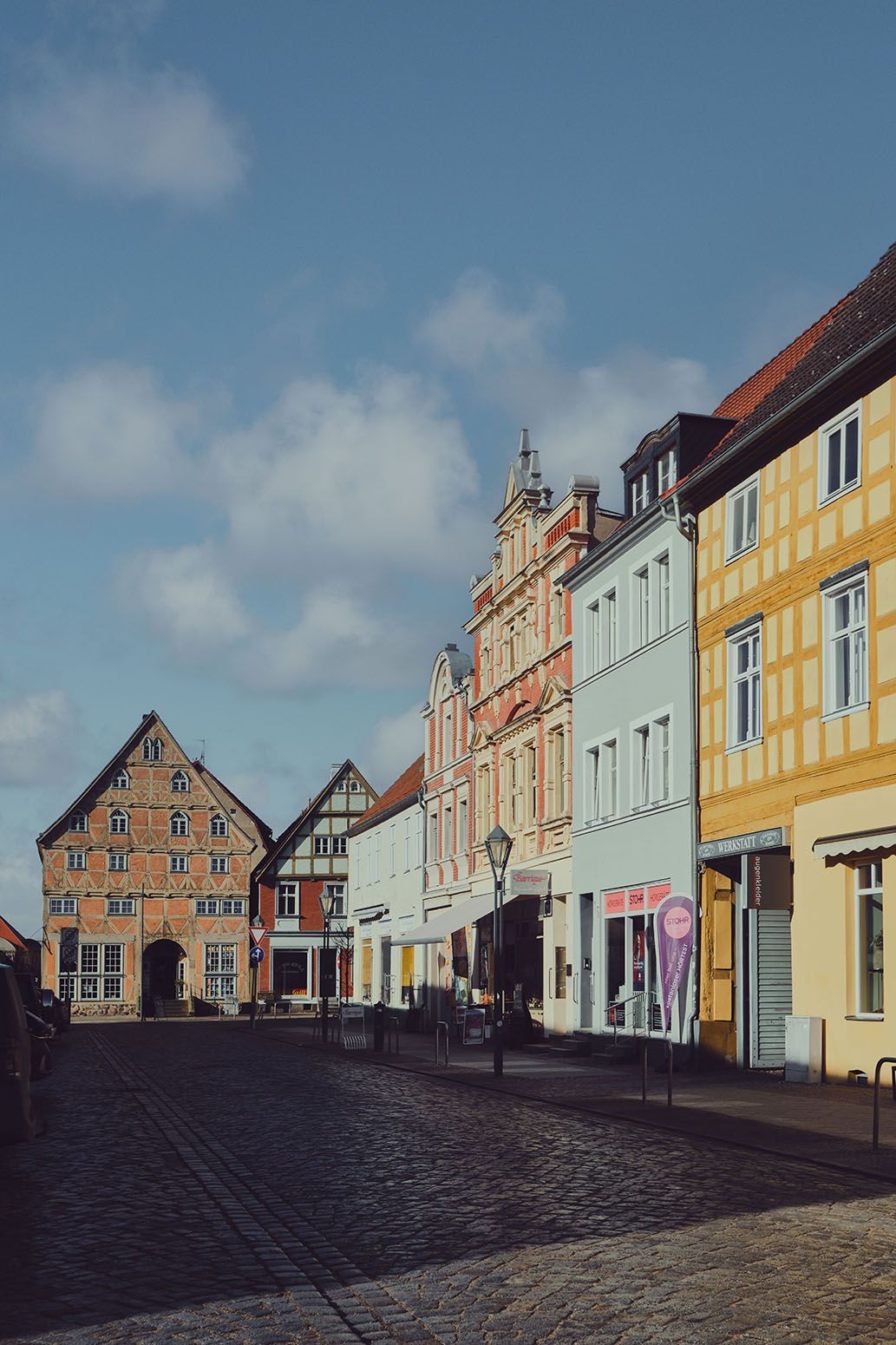
Gardens, fortifications and urban memory
One of the most interesting walks follows the route of the former fortification system. The area now occupied by the rose garden once formed part of the city’s medieval defence. After losing its military function in 1884, the Rünger Promenade was created and, at the end of the 1930s, the first garden was established.
The comprehensive redesign carried out in 2010 and 2011 transformed the space into a green area where history and landscape enter into dialogue. Walking through this garden means moving through overlapping layers of time: the fortified town, the bourgeois promenade of the nineteenth century, the contemporary reinterpretation.
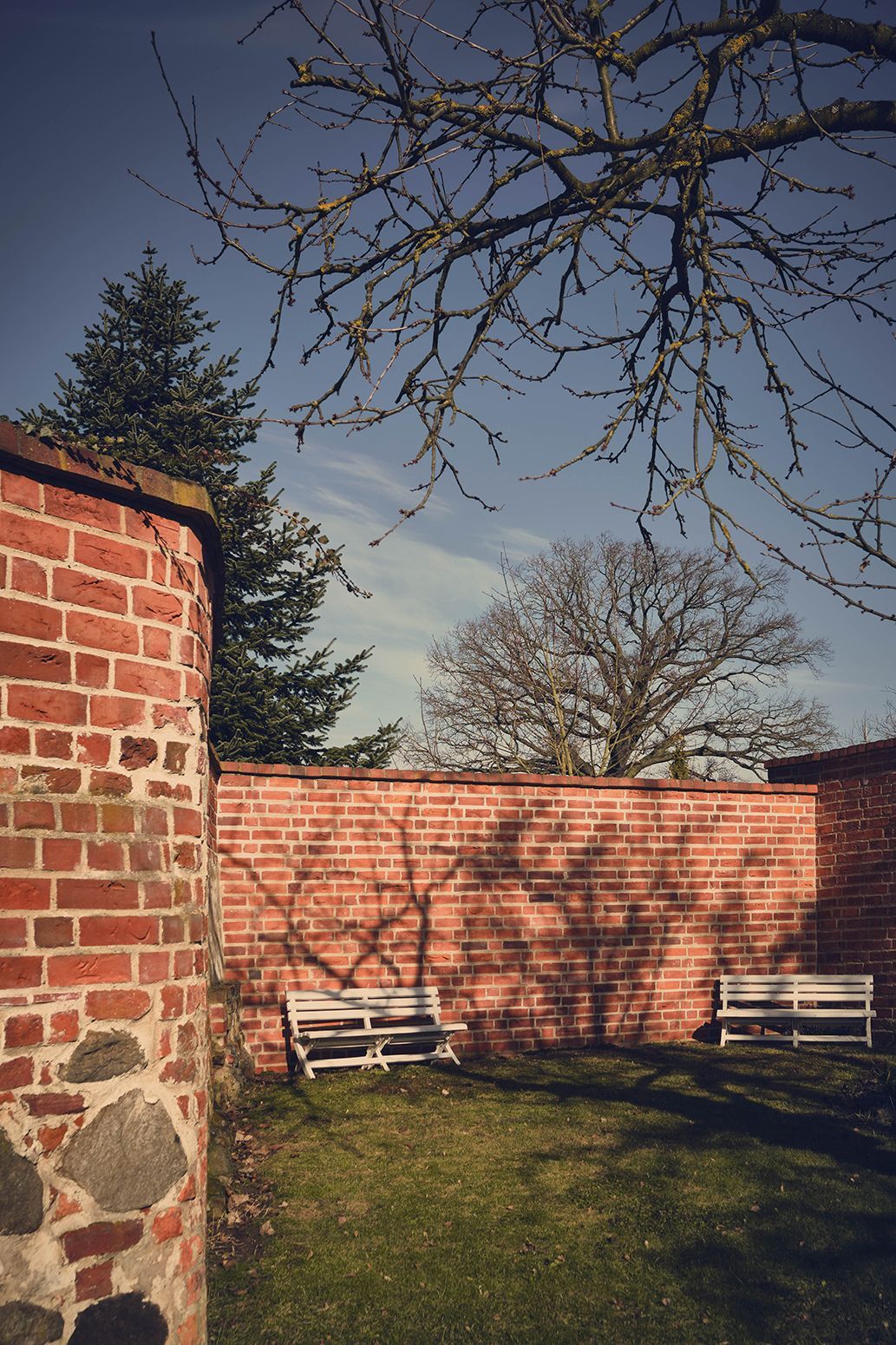
Kyritz demonstrates that even small places can contain a complex urban narrative.
Domestic architecture and everyday life
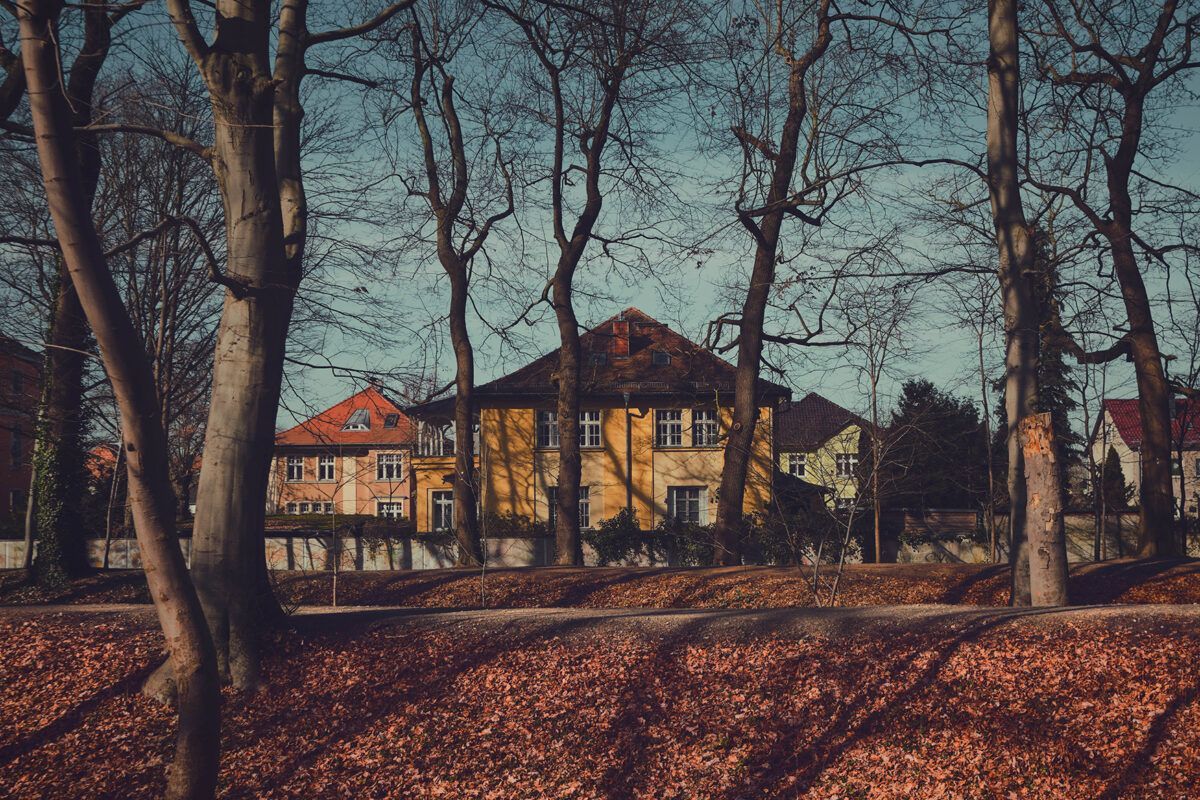
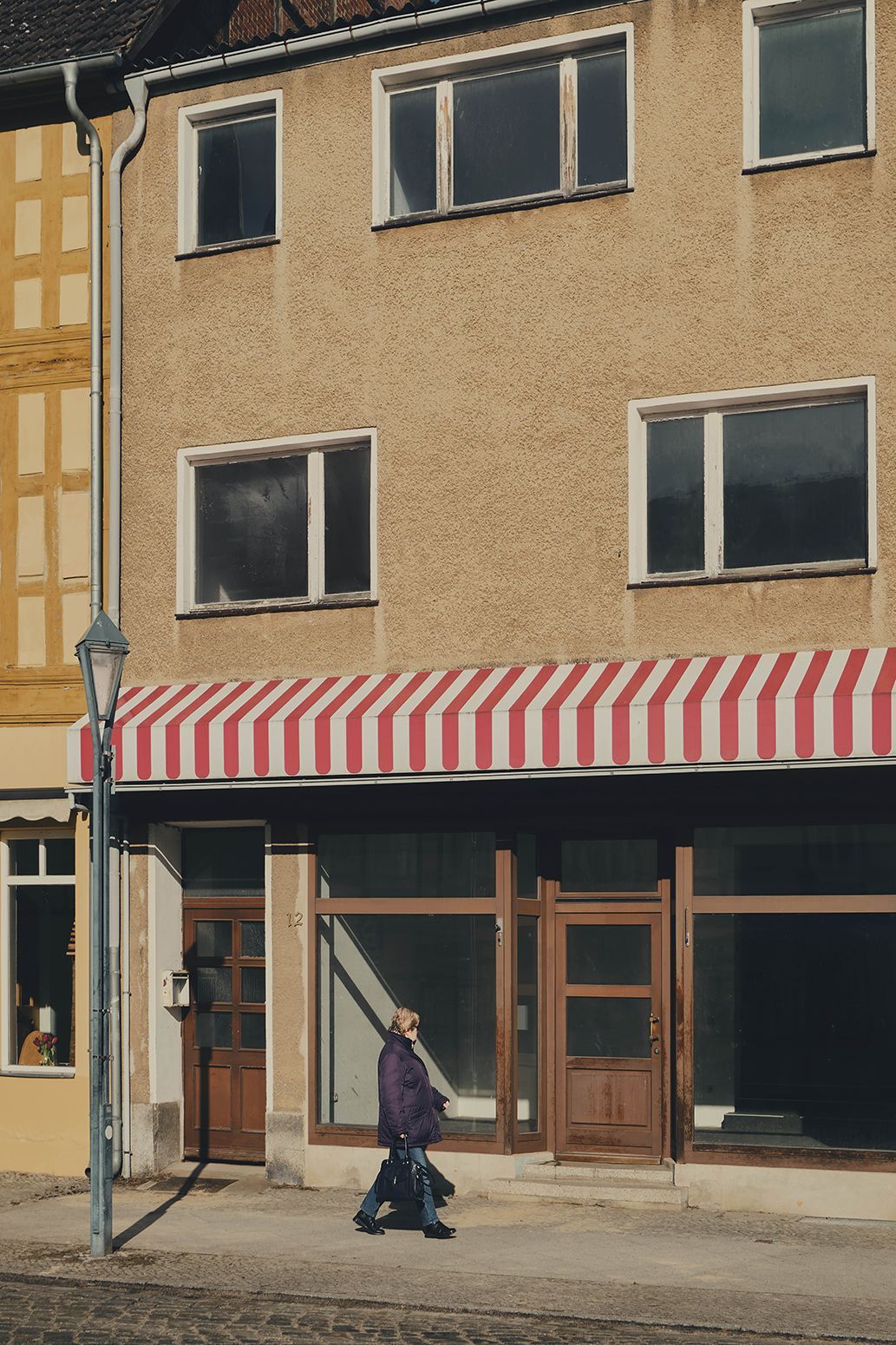
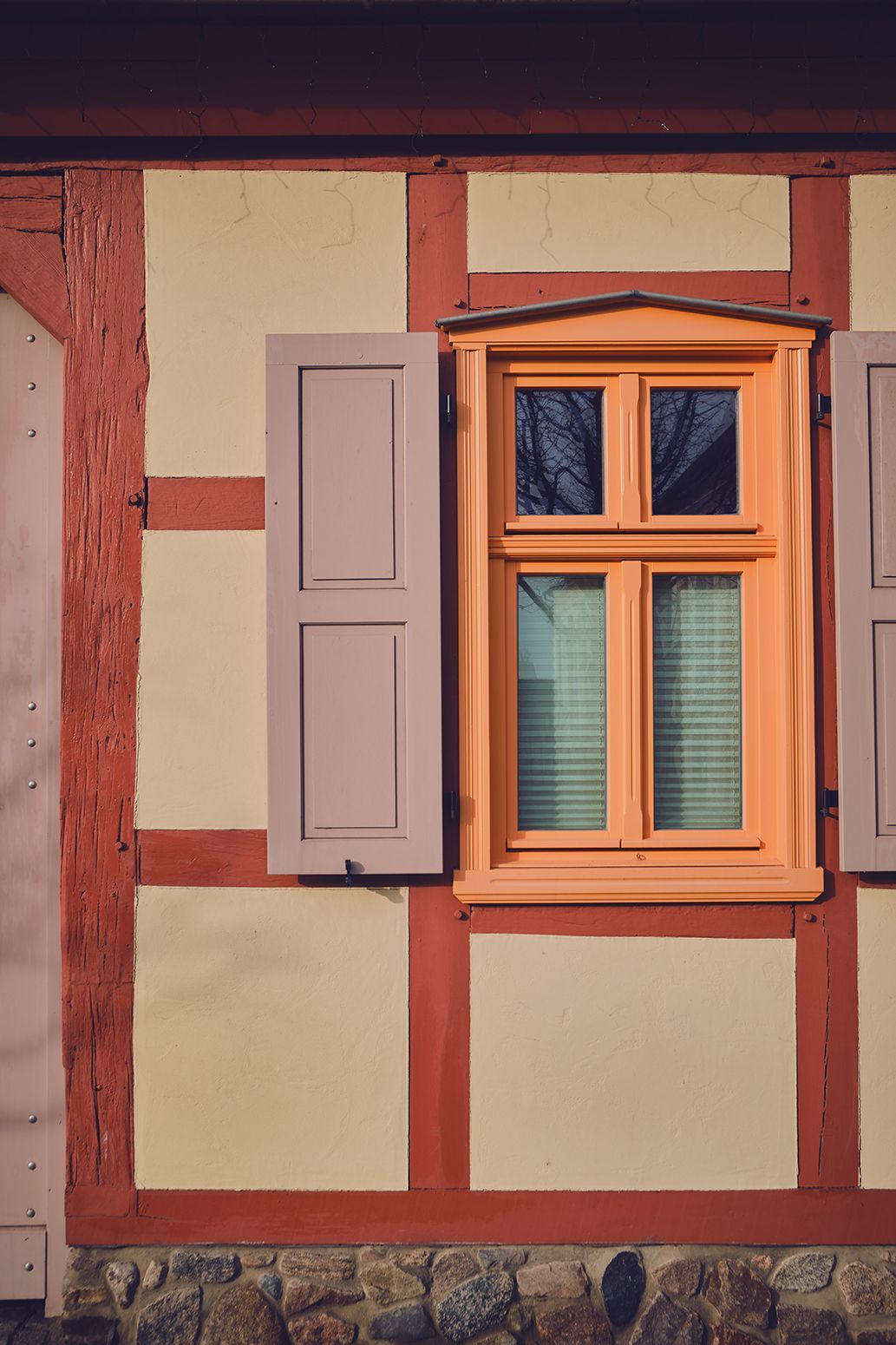
Beyond the emblematic buildings, Kyritz’s identity can be seen in its historic homes. On Johann-Sebastian-Bach-Strasse two significant examples stand out. Townhouse number 36 retains traditional features, while number 44 — known as the Eichhorst house after its renovation in 2023 — shows how residential architecture can be updated while respecting its essence.
These interventions don’t seek spectacle but continuity. And that coherence is part of the destination’s appeal.
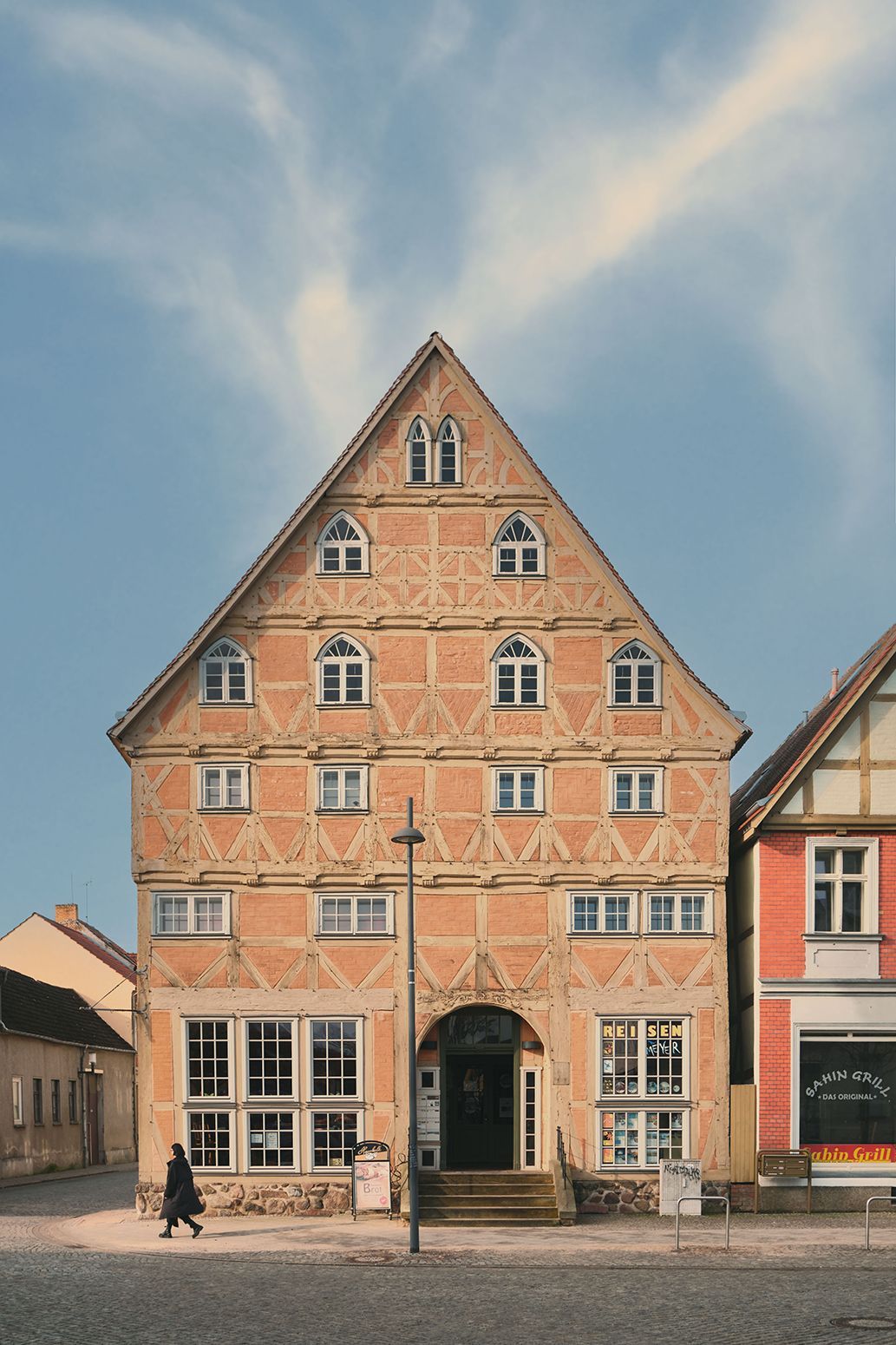
Just a few steps away, Bäckerei Hausbalk offers a simple and authentic gastronomic experience. Freshly baked bread and traditional pastries become a morning ritual. It is in these everyday moments that the journey acquires depth.
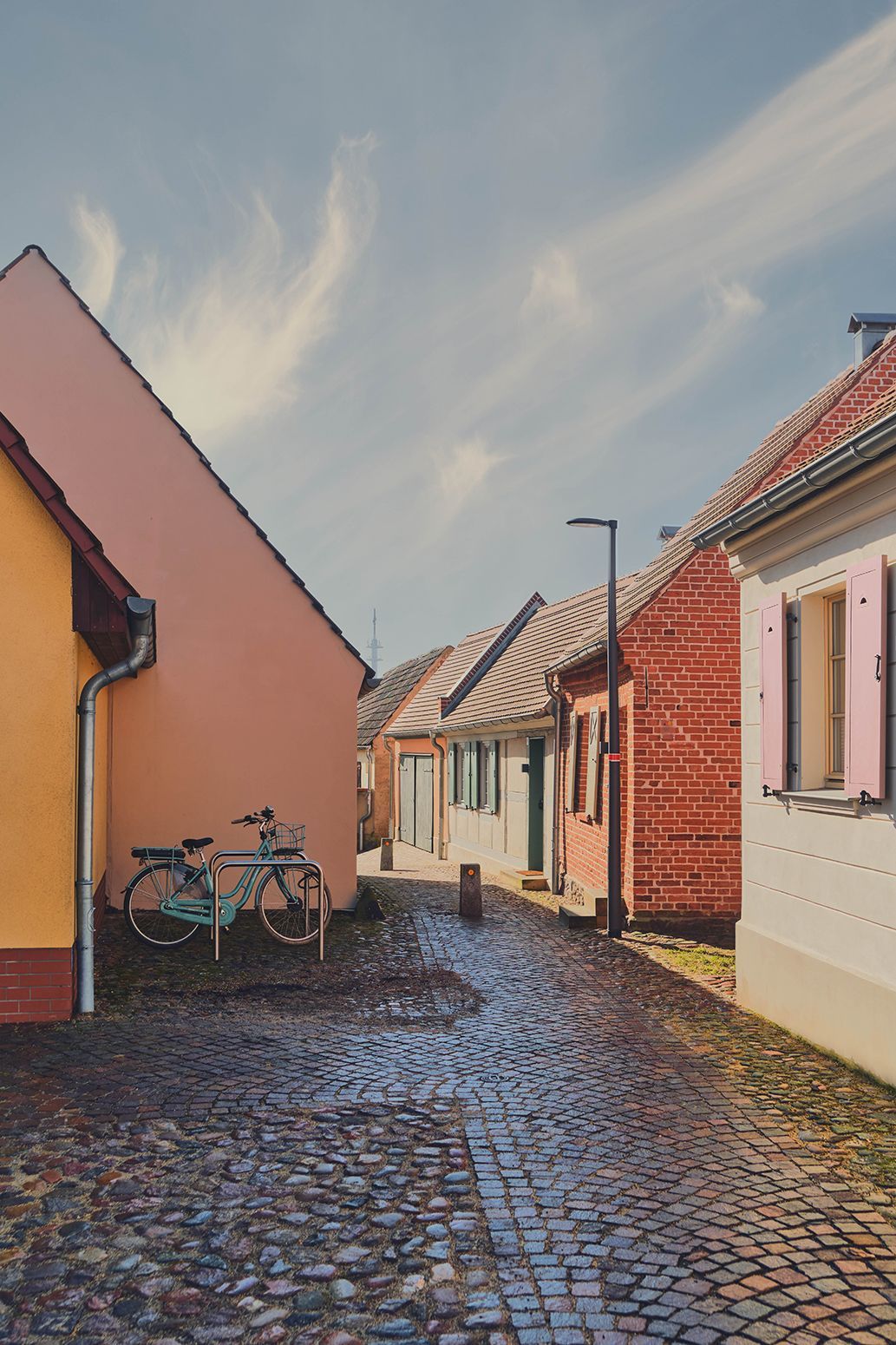
The reconstruction of the Franciscan monastery
The former Franciscan monastery of Kyritz, whose reconstruction is expected to be completed in 2027, stands next to the municipal library, also renovated in recent years.
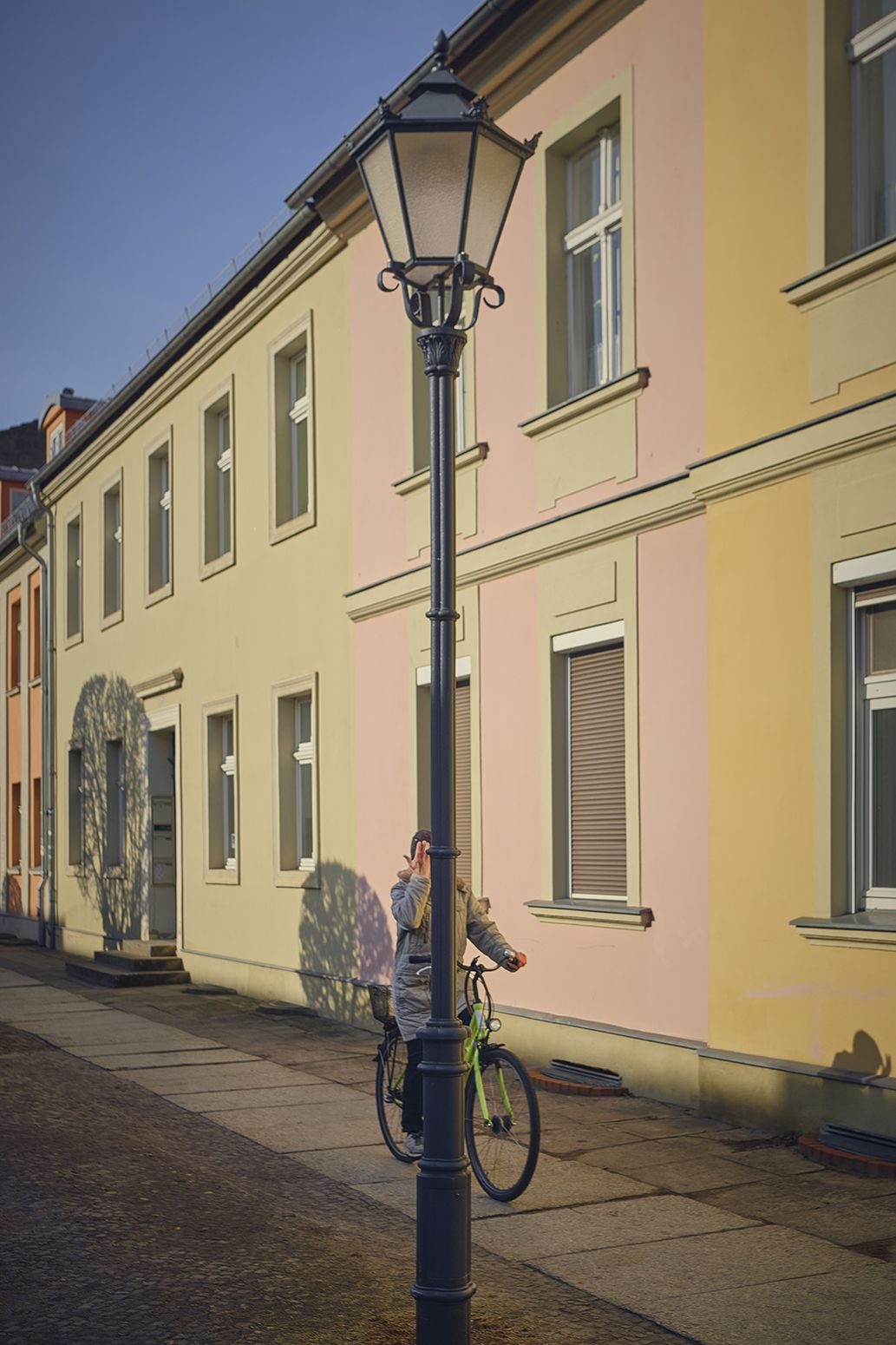
Both the monastery and the library form a small cultural nucleus where heritage and contemporary life coexist naturally. Founded in the Middle Ages, the monastery was for centuries an important spiritual and social centre in the region.
After periods of deterioration and transformation, the current project does not aim for a theatrical reconstruction, but for a respectful reactivation of the historic space.
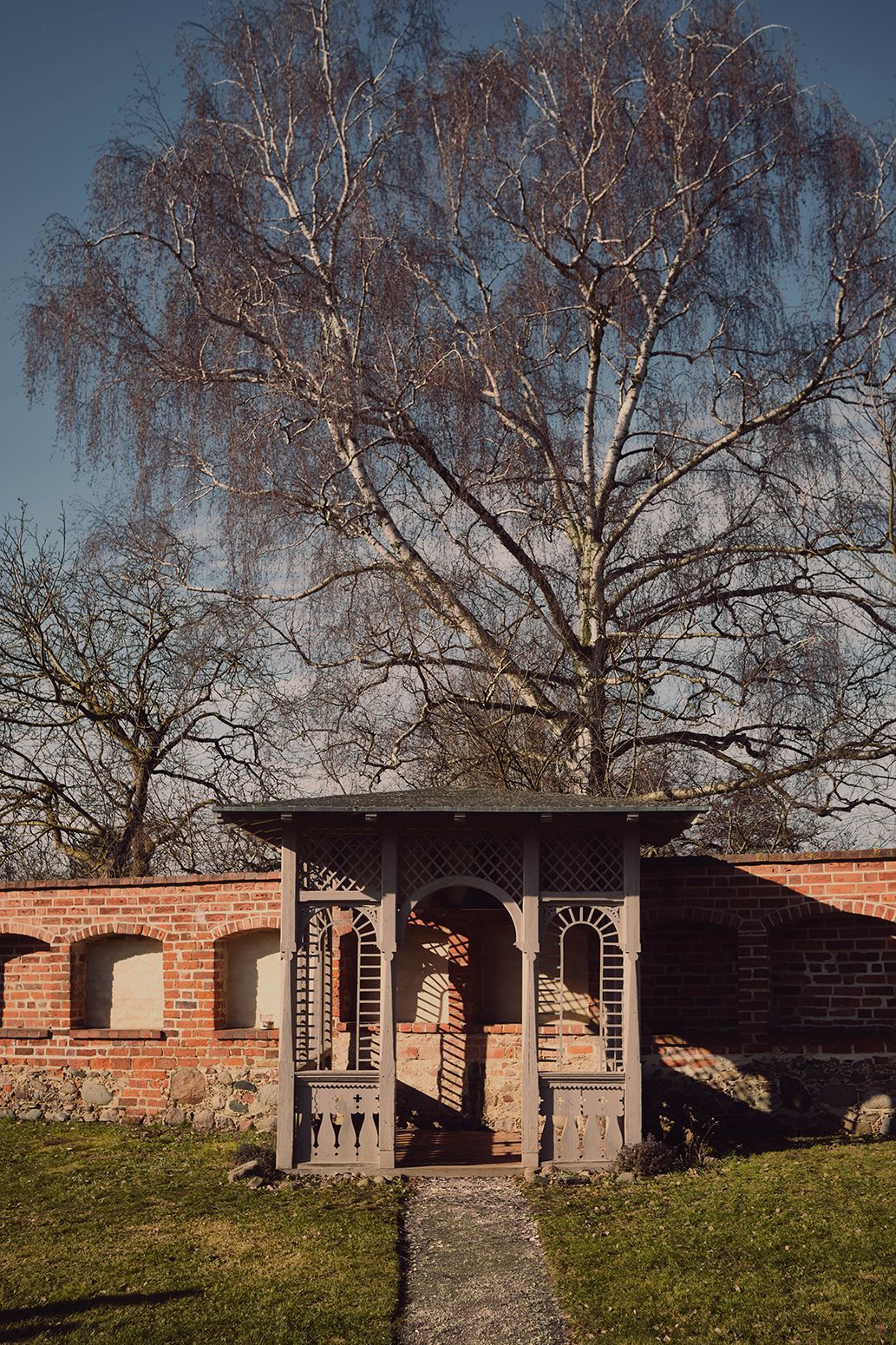
Particularly interesting is the garden adjoining the monastery, conceived as a place of retreat and transition between architecture and nature. Unlike the rose garden linked to the former walls, this space has a more intimate and structured atmosphere, evoking the tradition of monastic gardens as places of contemplation and cultivation.
Excursion to Neuruppin and thermal wellbeing
From Kyritz it is very easy to travel to Neuruppin, located on the shores of the vast Ruppiner See. The journey already anticipates the change of scale: Neuruppin is larger, more structured, with an urban elegance that contrasts with the rural intimacy of Kyritz while maintaining its connection with the landscape.
Known as the birthplace of the poet Theodor Fontane, Neuruppin has a remarkably orderly layout due to the reconstruction that followed the devastating fire of 1787. This Enlightenment planning can be perceived in its wide streets, neoclassical façades and the overall harmony of its urban fabric. Walking through its historic centre reveals why it is considered one of the most beautiful towns in Brandenburg.
One of the most pleasant routes begins along the lakeshore. The path leading towards the spa follows the line of the water, alternating wooded areas with open views of the lake.
The landscape changes with the light, and the walk becomes an essential part of the experience. It is not simply a journey to a spa, but a gradual transition towards rest.
The Fontane Therme integrates discreetly into the natural surroundings. From inside, the thermal pools offer direct views over the lake, turning the watery horizon into a backdrop for wellbeing. Warm water, generous spaces and contemporary architecture designed to maximise light and openness prolong the sense of pause that began upon arriving in the region.
Neuruppin thus adds a complementary dimension to the journey: literary culture, Enlightenment urbanism and contemporary wellbeing.
After the intimate serenity of Kyritz, here one experiences a more expansive calm linked to the open waters of the lake and the broader scale of the town.
Kyritz as a contemporary answer
What makes Kyritz special is not the accumulation of attractions, but its coherence. It is a destination that responds to an increasingly widespread need: reconnecting with nature and with oneself without renouncing cultural and architectural quality.
“It is a destination that responds to a need: reconnecting with nature and with oneself without renouncing cultural and architectural quality.”
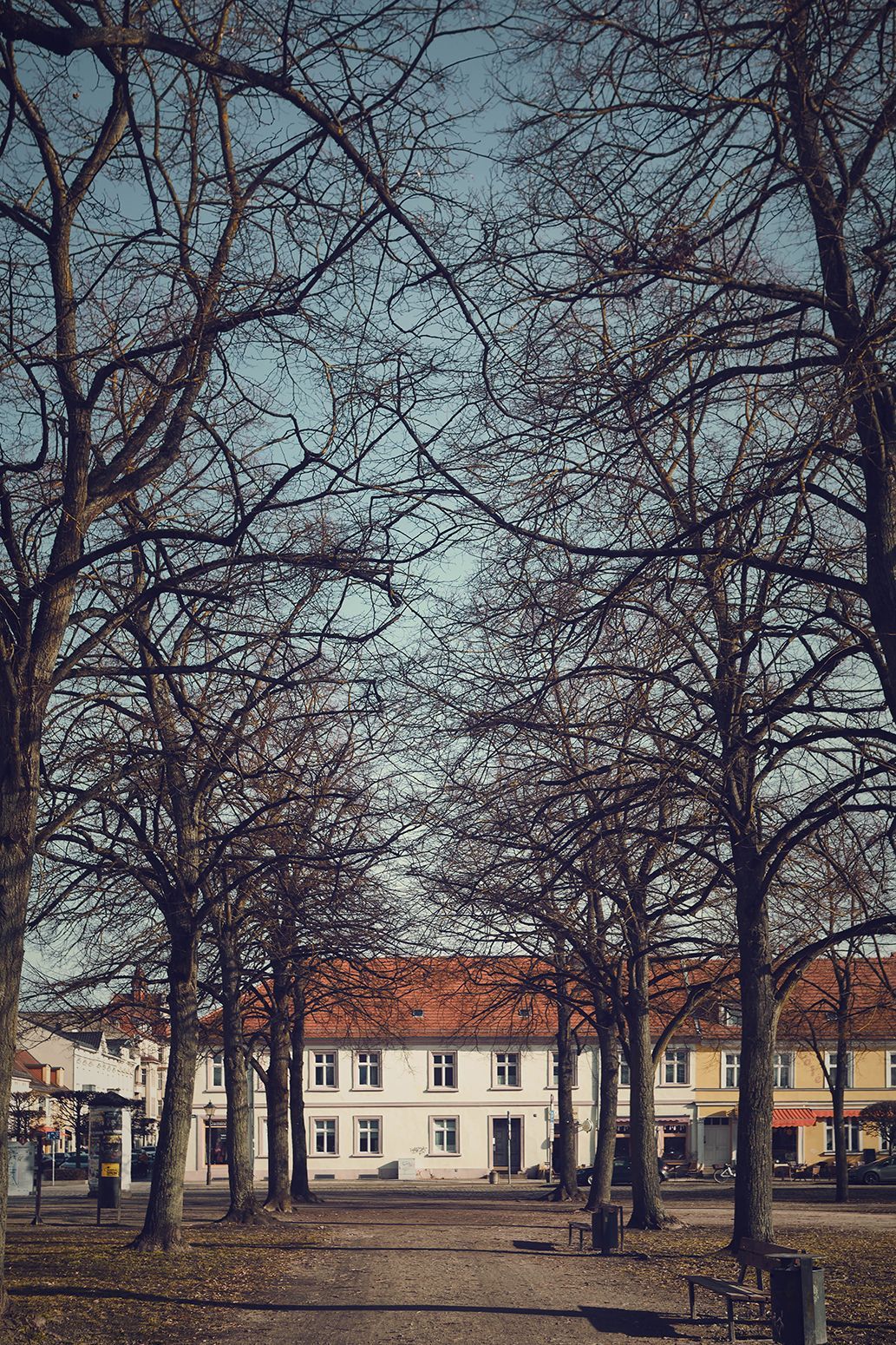
Here the experience is not measured by the number of places visited, but by the intensity of presence. The landscape invites you to walk without a fixed destination.
The architecture reminds us that history can be discreet and solid at the same time. Everyday life unfolds without artifice.
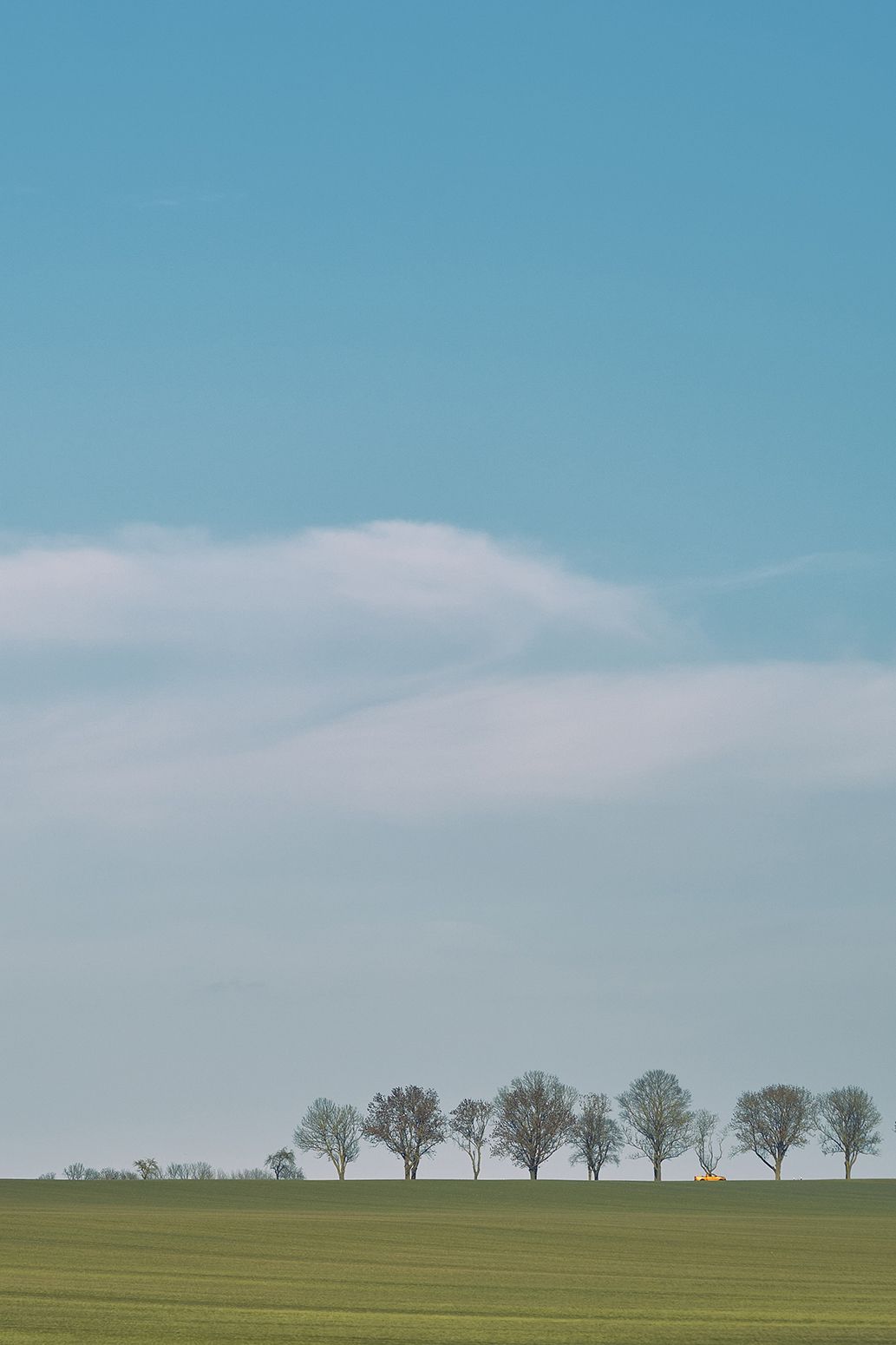
For those seeking nature escapes near Berlin, quiet destinations in Brandenburg or authentic experiences far from mass tourism, this small German town presents itself as a surprising and deeply revitalising option. And perhaps that is its greatest virtue: reminding us that travelling can also mean reducing, simplifying and staying.
(*) Photos: Ely Sánchez (CC/studio).