Lanzarote, chapter two: returning to the island that always surprises
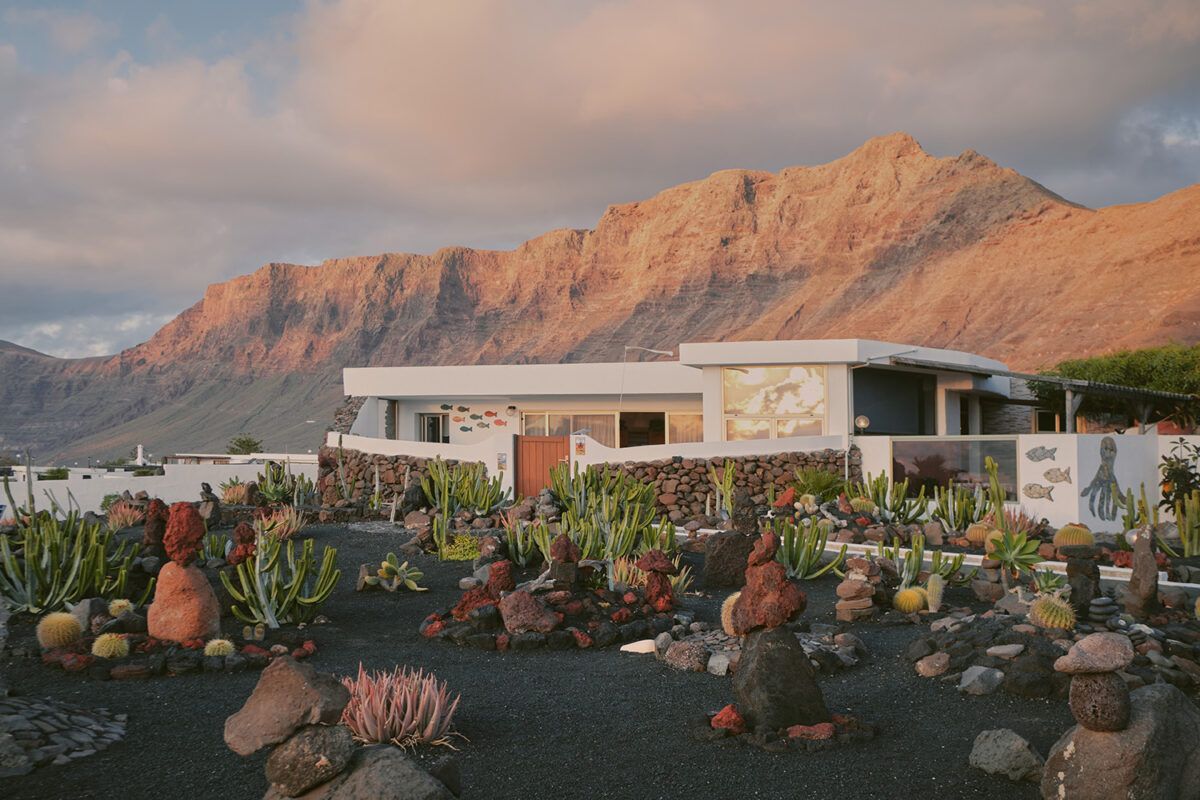
A journey through the most authentic side of Lanzarote: wild beaches, soulful villages, lesser-known corners and a gastronomic route that proves the island is meant to be lived with all five senses. A second look that complements our first trip to the island, which you can read here.
Mirador del Río: where art melds with the abyss
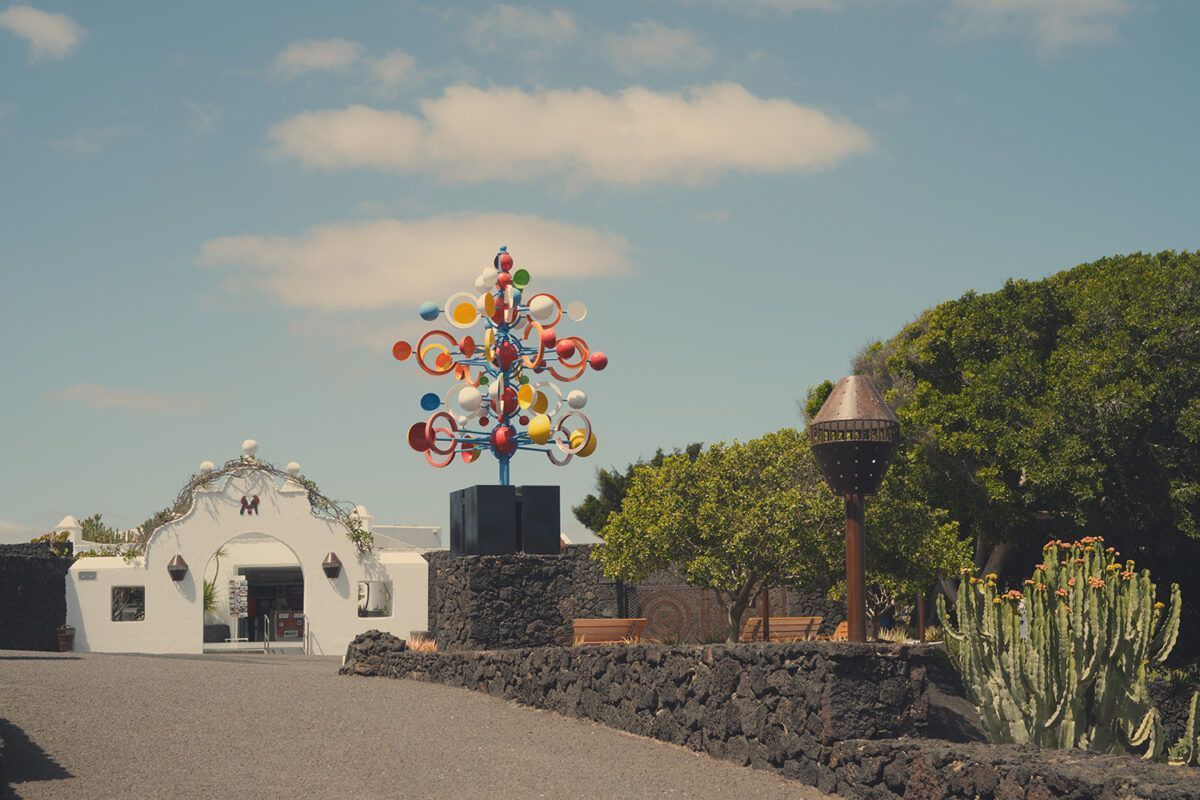
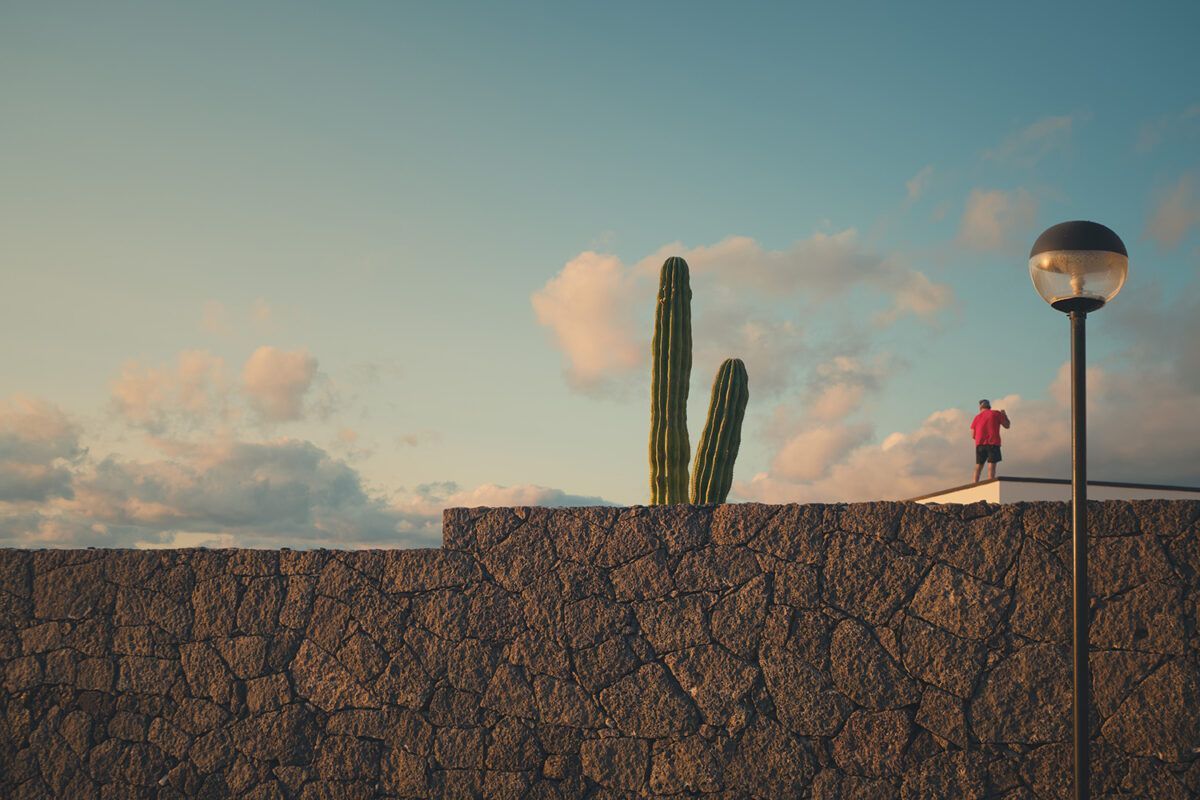
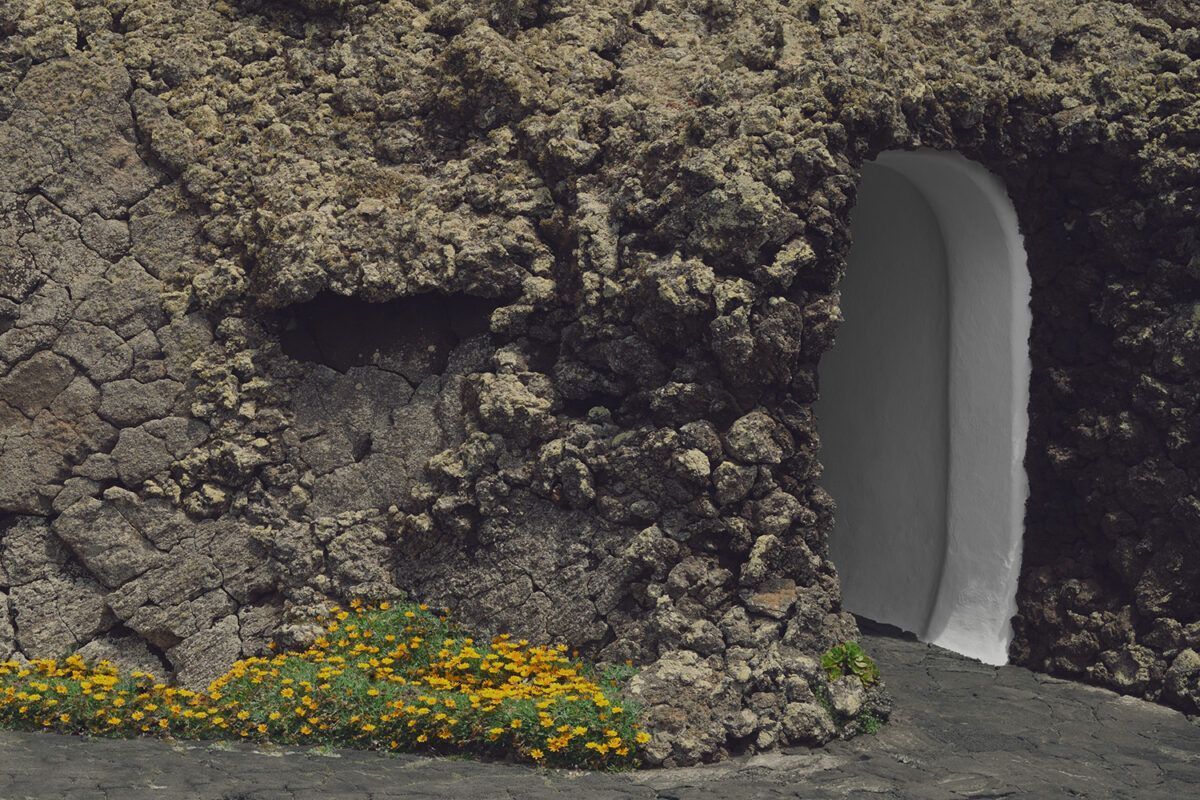
Visiting Mirador del Río is more than looking out over a landscape—it is a singular sensory experience suspended 500 metres above a cliff. A masterpiece by César Manrique, this landmark opened in the 1970s and stands as an emblem of his genius in fusing art and nature. From the very first moment, you are enveloped by organic architecture that blends into the volcanic rock, and greeted by a symbolic sculpture at the entrance—a bird and a fish representing air and water reigning in this realm.
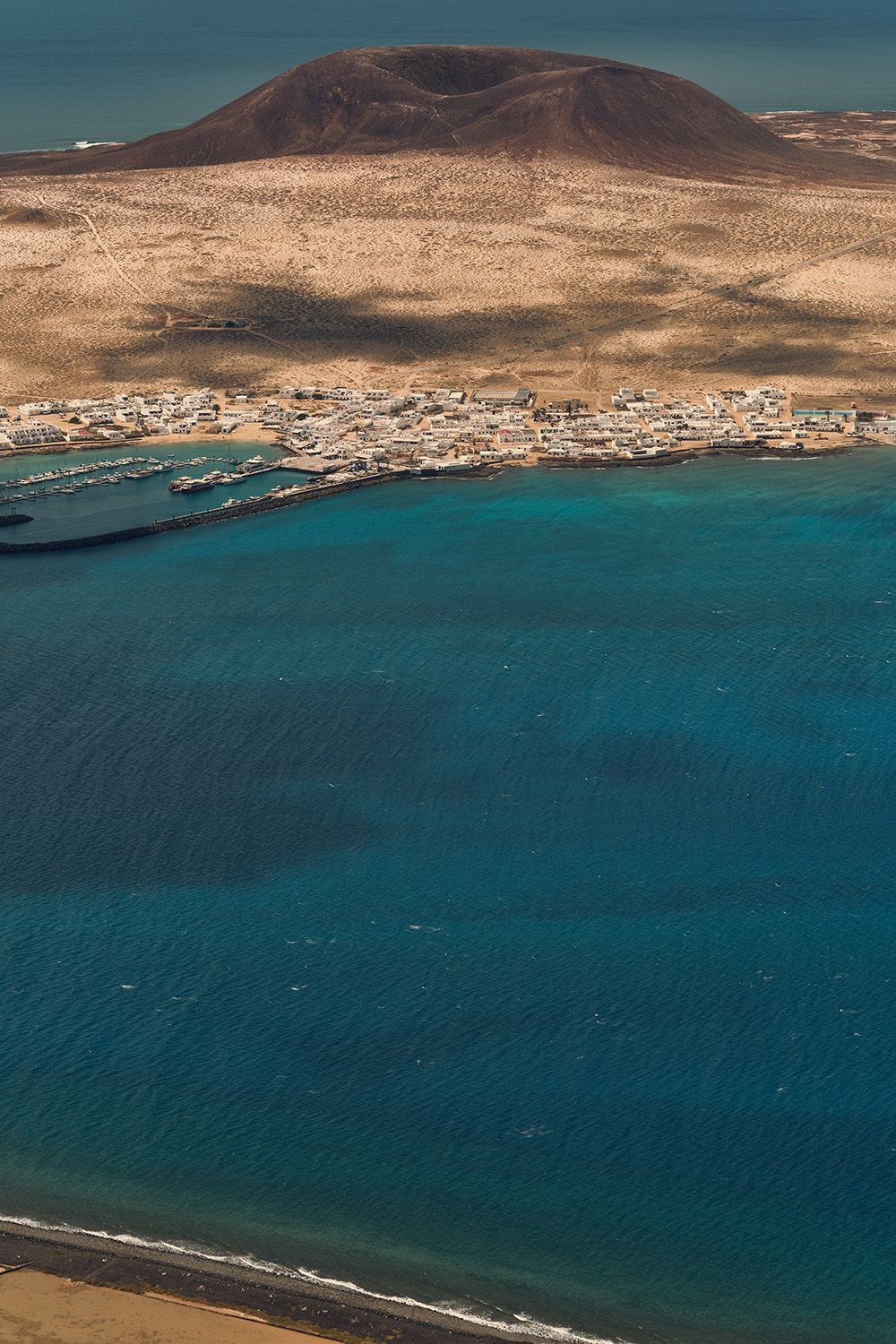
Cross its discreet, meandering entrance to find two vaulted windows seemingly carved into the cliff—the eyes of the Mirador. Through them, your gaze glides across the slopes of the Risco de Famara, over the narrow strait of El Río, and lingers, mesmerised, on La Graciosa. In the distance silhouette Montaña Clara, Alegranza, Roque del Este and Roque del Oeste: the wild jewels of the Chinijo Archipelago, Europe’s largest marine reserve of inestimable value.
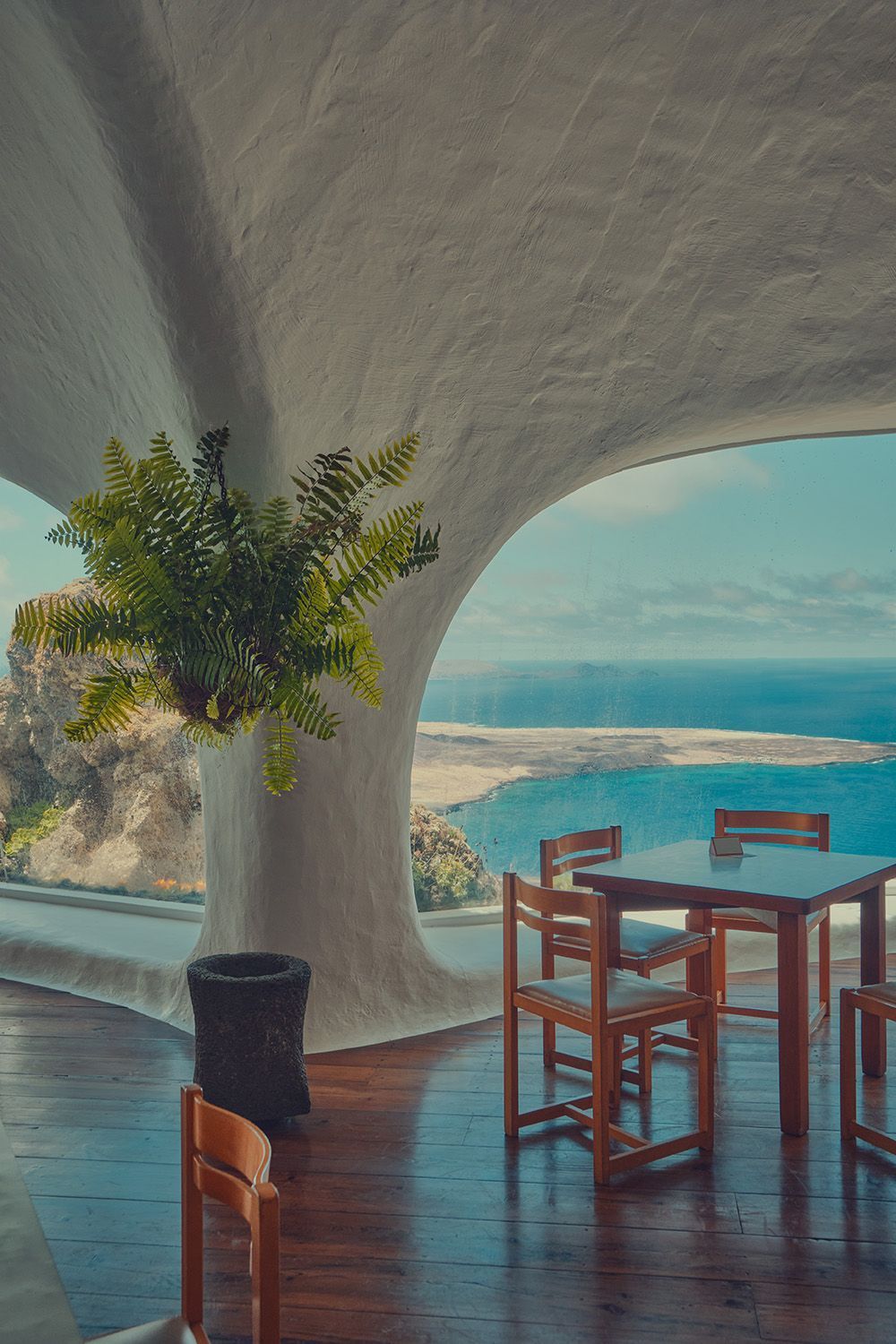
Inside, the Mirador reveals further secrets: integrated sculptures, a spiral staircase leading up to a terrace, a café with impossible views and a design shop paying homage to Lanzarote’s soul. Every detail was meticulously conceived in collaboration with Eduardo Cáceres and Jesús Soto, and executed over two years with profound respect for the environment.
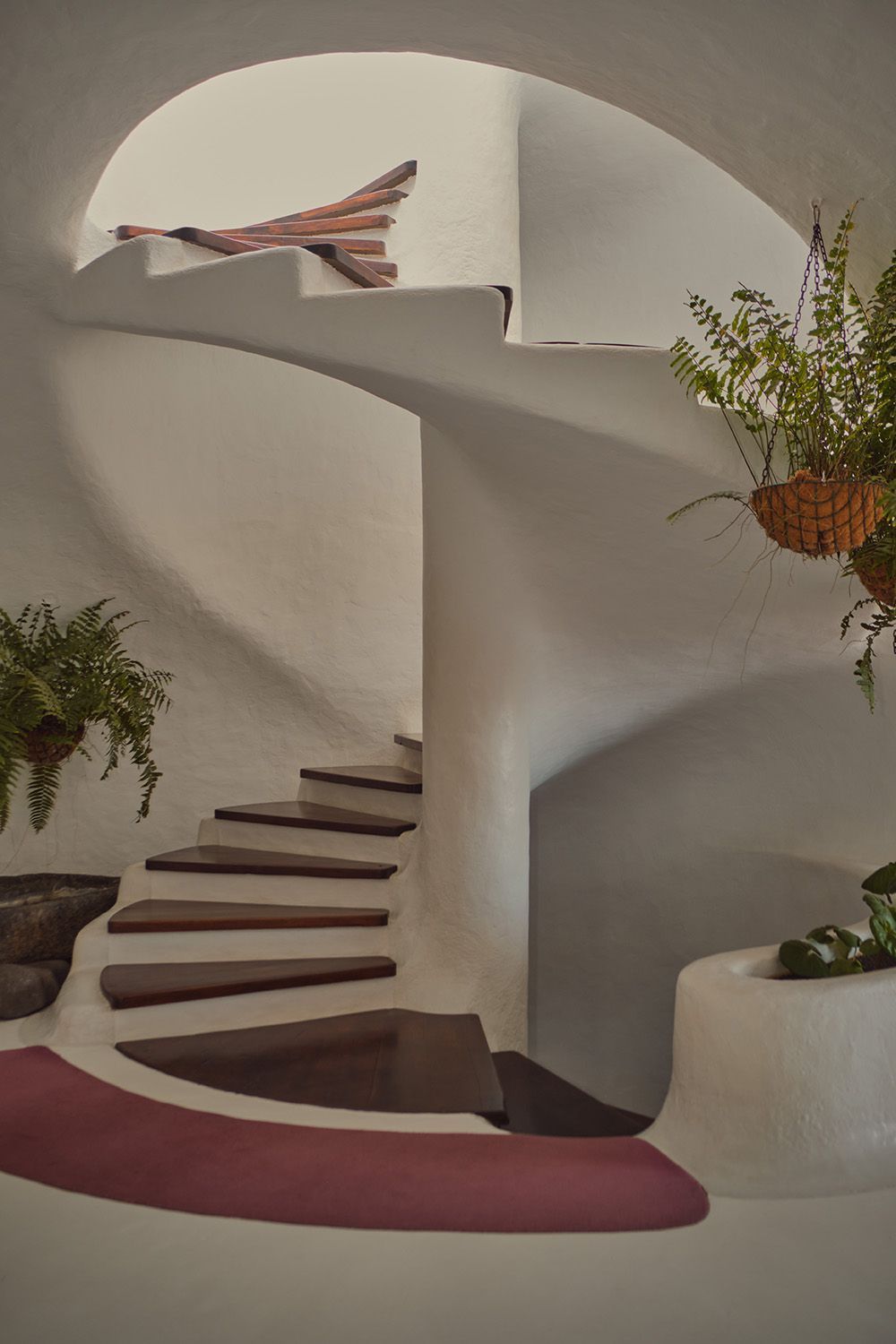
Here, where the horizon seems to touch infinity, you come to understand that beauty can be as overwhelming as vertigo.
Haría: the green heart at the beat of Lanzarote’s soul
Tucked into the lush Valley of a Thousand Palm Trees, Haría is an unexpected oasis amid Lanzarote’s volcanic terrain. The village unfolds with serenity among towering palms, traditional whitewashed houses and winding streets that follow the island’s slow rhythm. Here, there is no hurry—just an atmosphere of calm inviting you to pause, breathe deeply and connect with Lanzarote’s most intimate essence.
Haría is also living history. Its origins date back to pre-Hispanic times, and for centuries it served as a site of refuge and agriculture, thanks to its privileged microclimate and fertile soil. Beyond its natural richness, Haría holds a priceless cultural treasure: it is where César Manrique chose to spend his final years.
Today, his house-museum stands open to the public, breathing his creative spirit, love for the land and unwavering commitment to environmental preservation. Walking through its rooms, among sketches, personal objects and art-filled corners, is to step into the mind of the visionary who transformed Lanzarote into a universal symbol of harmony between nature and culture.
Punta Mujeres and the enchanted mystery of the chalet de Arrieta
Punta Mujeres has the timeless charm of a postcard. We stroll along the sea past natural pools where waves gently caress the rocks. Then, amid the salty murmur of the Atlantic, appears a silhouette unexpected—the Chalet de Arrieta.
From the outside, it looks like a stranded dollhouse facing the ocean, its facade painted in vibrant blues and rich reds that captivate at first glance. It is neither a hotel nor an ordinary dwelling; it is both a symbol and a mystery.
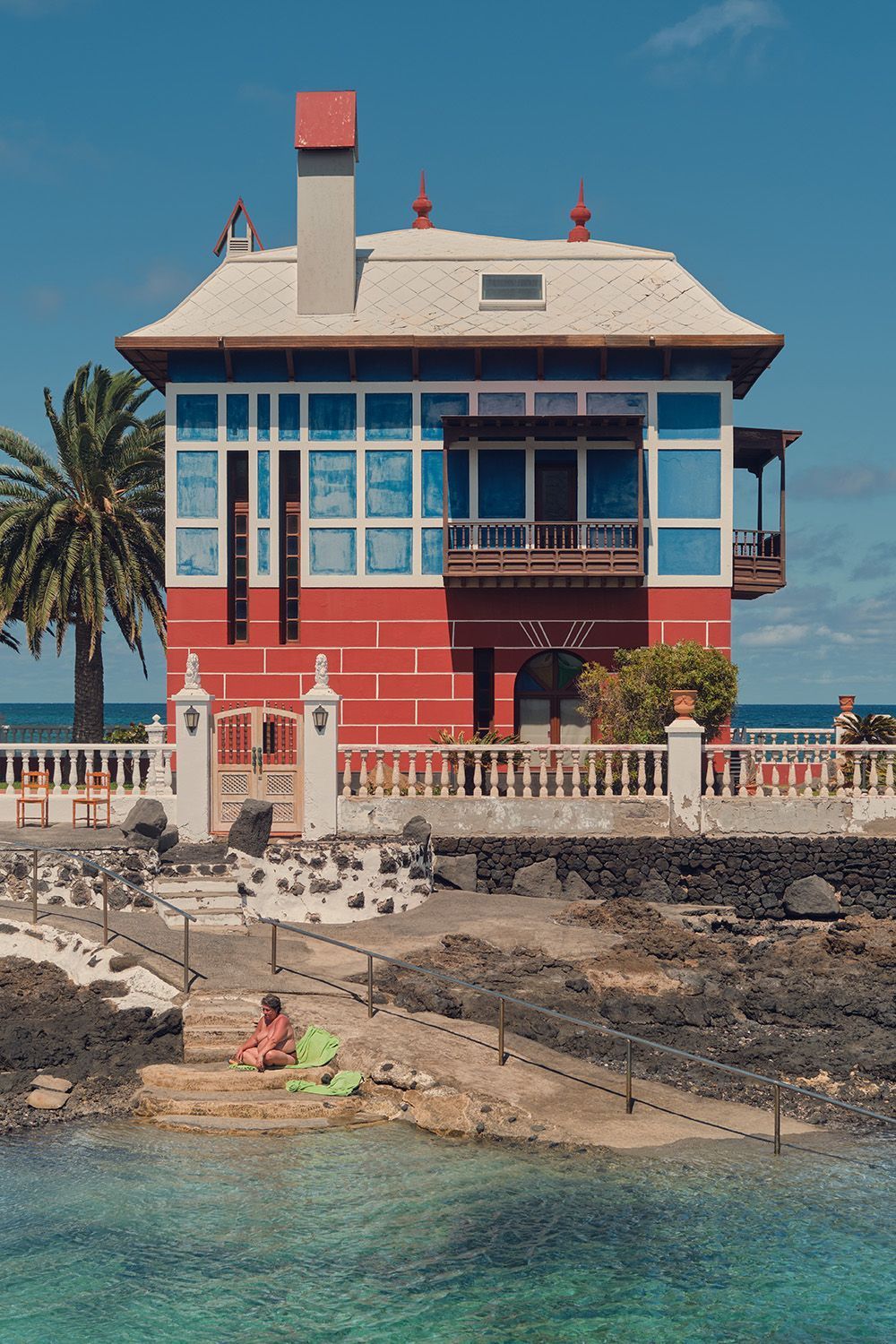
Built in 1921 by Juan de León Perdomo, a Lanzarote merchant who made his fortune in Argentina, this eclectic and singular building breaks from the island’s usual aesthetic. Sloping roofs, elevated chimneys, ornamental scrolls—an architectural ensemble as unusual as it is fascinating. Created with a deeply human purpose: to benefit his daughter Juanita, suffering tuberculosis, with seaside air.
But the story turned tragic—Juanita passed away and the house, later known as “El Hotelito La Juanita”, fell into decades of abandonment, shrouded in melancholy and legend. Although it has since undergone restoration, its silhouette still gazes wistfully at the sea, like a colourful memory refusing to fade.
La Geria: the miracle of wine born from ashes
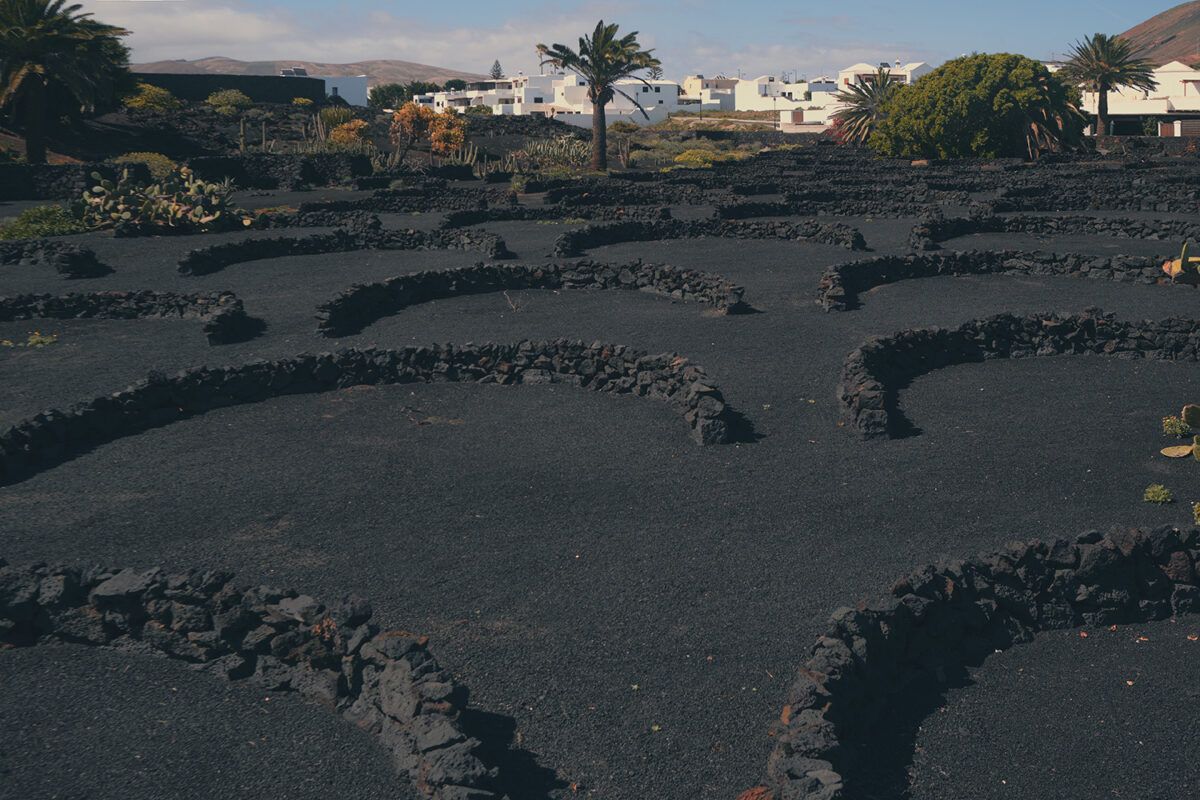
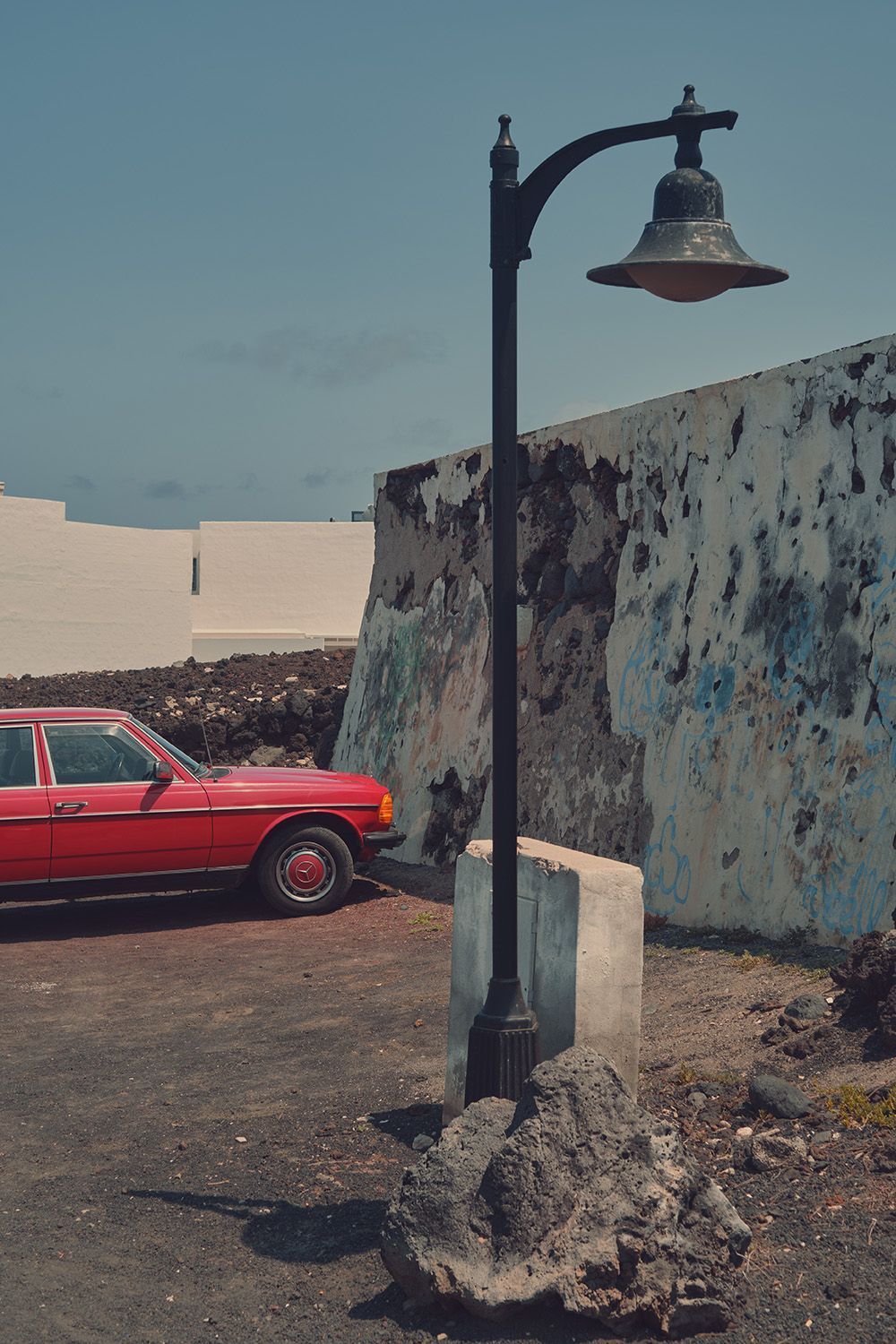
La Geria is one of those impossible landscapes that only Lanzarote can offer. A hypnotic scene where viticulture defies all logic yet triumphs with elegance and strength. On the dark volcanic ash, vineyards grow within circular craters shielded by stone walls—“zocos”.
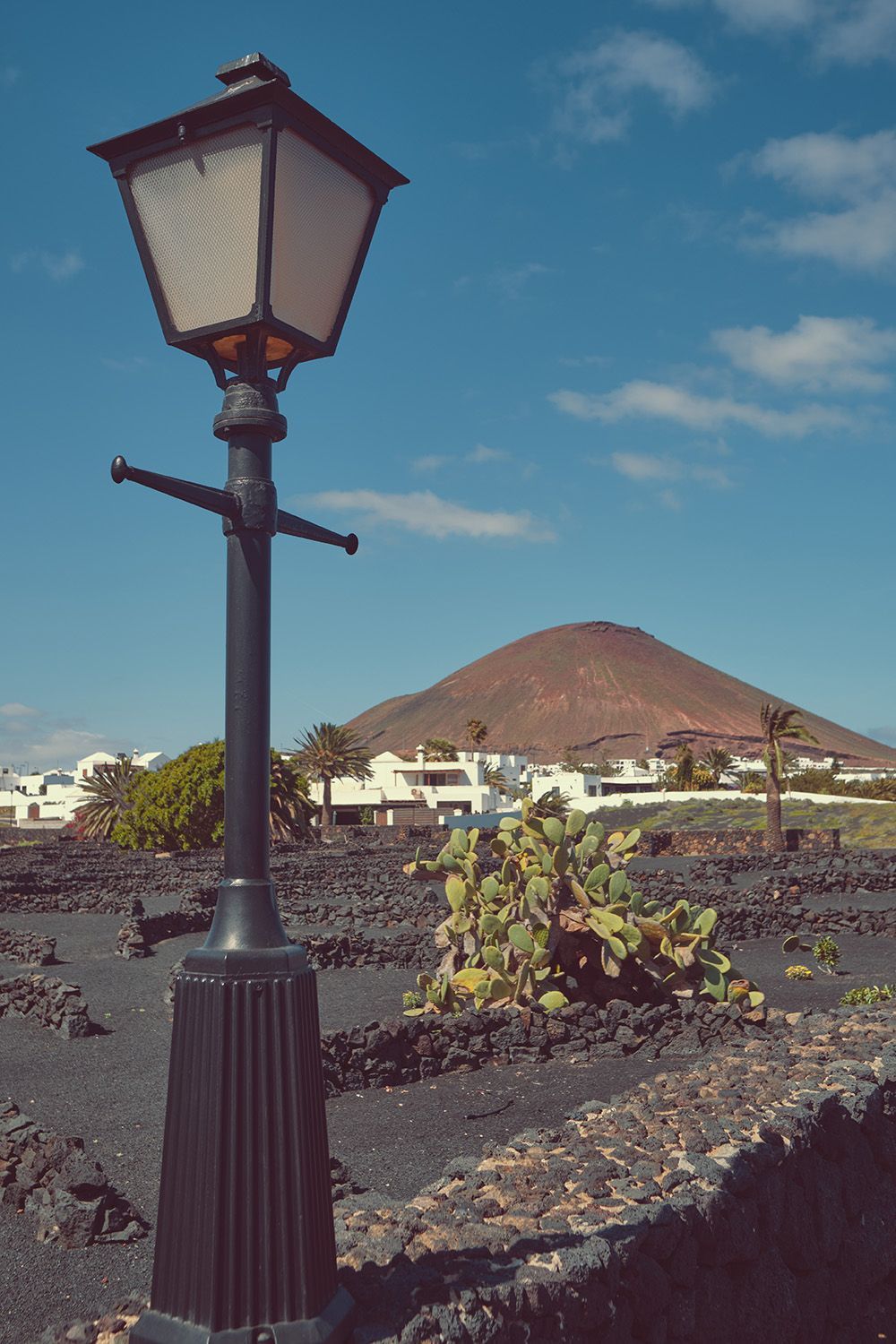
From afar, they resemble ritual drawings; on the ground, they embody heroic agriculture. We visit small family wineries and speak with growers who cultivate Malvasía volcánica as if tending an ancestral treasure.
The wine born here is unique: it tastes of resilient earth, tamed wind and fire transformed into fertility.
The Volcano House: César Manrique’s terrestrial refuge
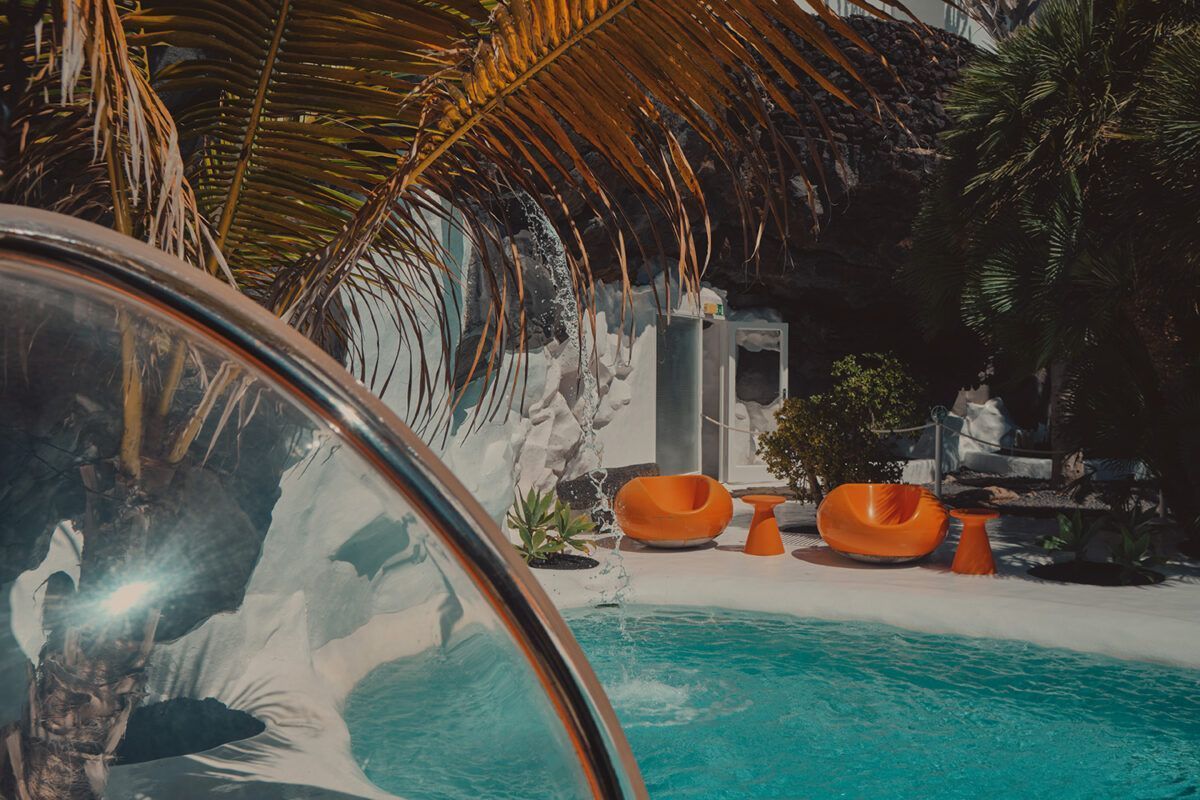
In Tahíche, atop a flow of solidified lava, stands one of César Manrique’s most striking creations—his former home, now the Fundación César Manrique.
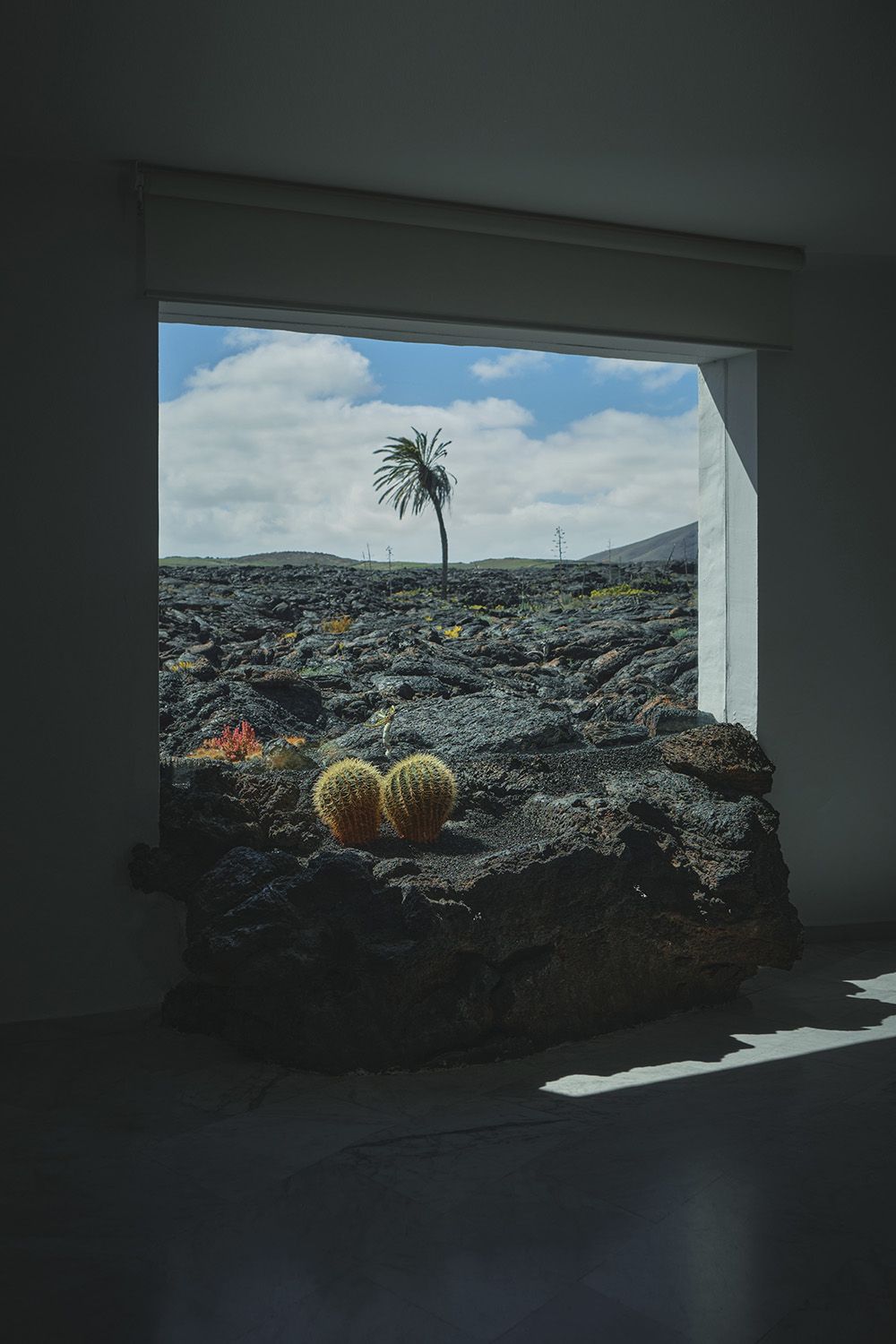
Also known as the Volcano House, this visionary masterpiece is more than just a house: it is an artistic and ecological manifesto built amidst eruptions. The upper level pays homage to traditional Lanzarote architecture, reimagined through a modern, light-filled lens.
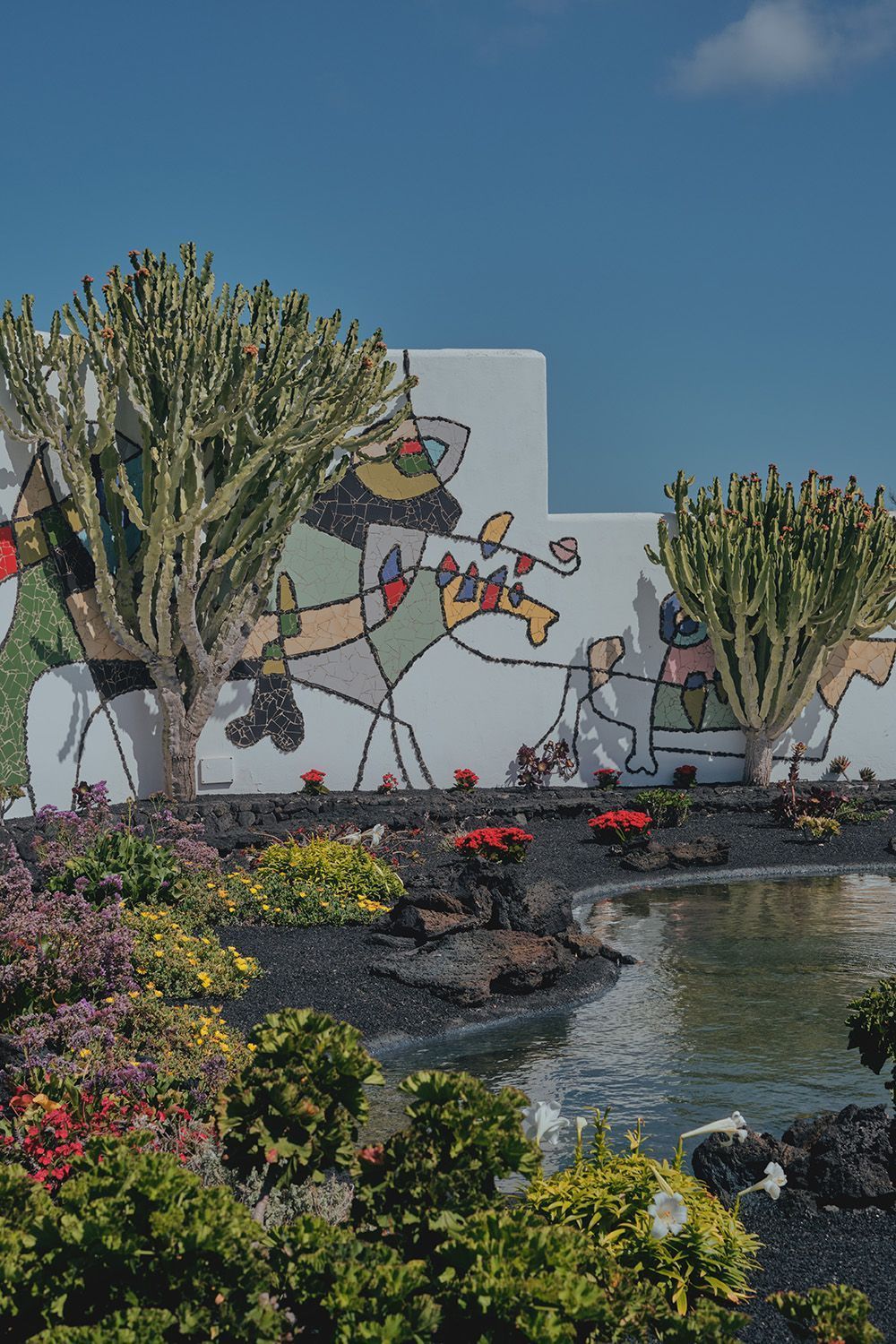
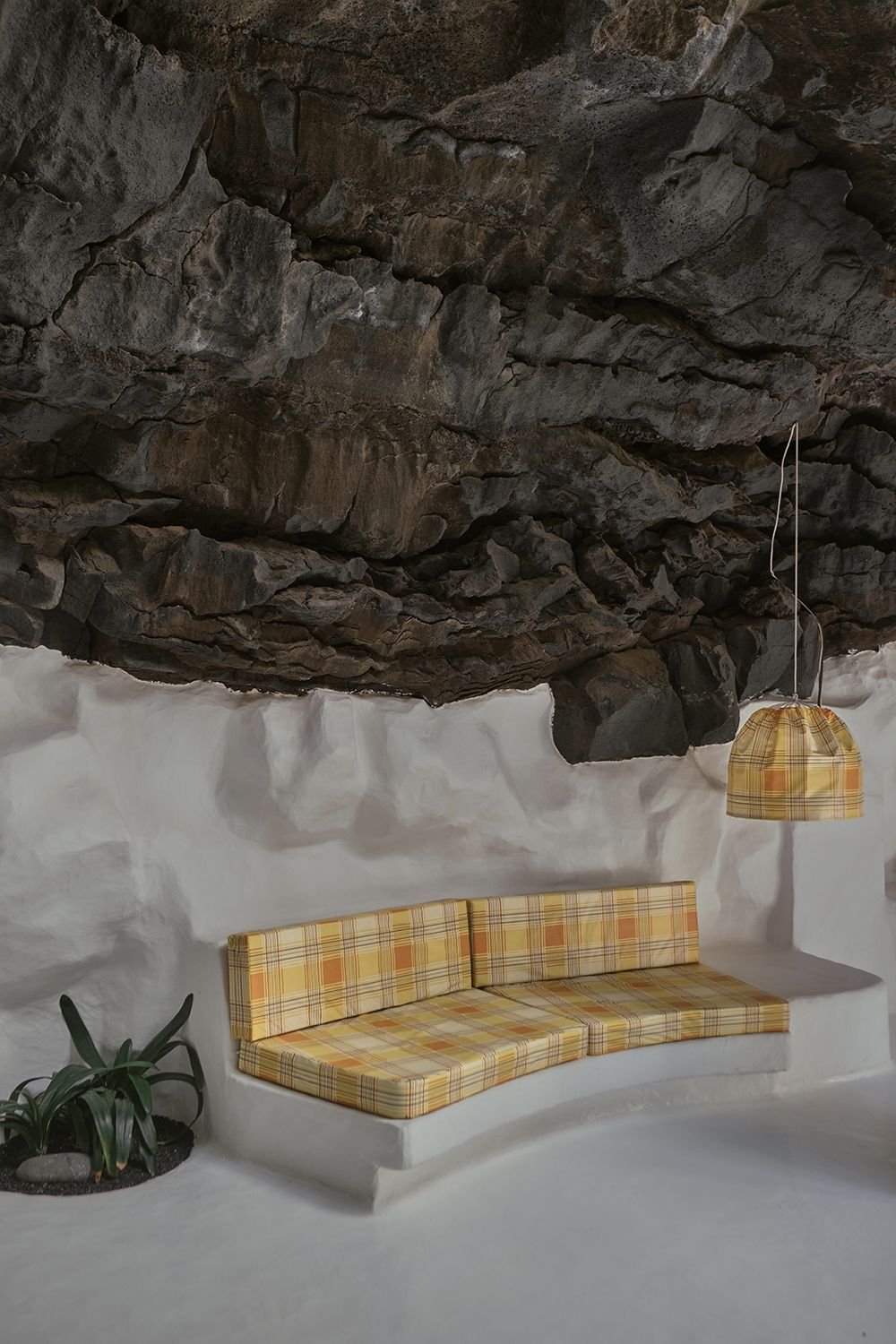
But the real enchantment lies below: five natural volcanic bubbles, connected by tunnels carved into the lava, form a surreal yet functional living space. A pool, oven, lush vegetation and unexpected corners create a perfect dialogue between nature and design.
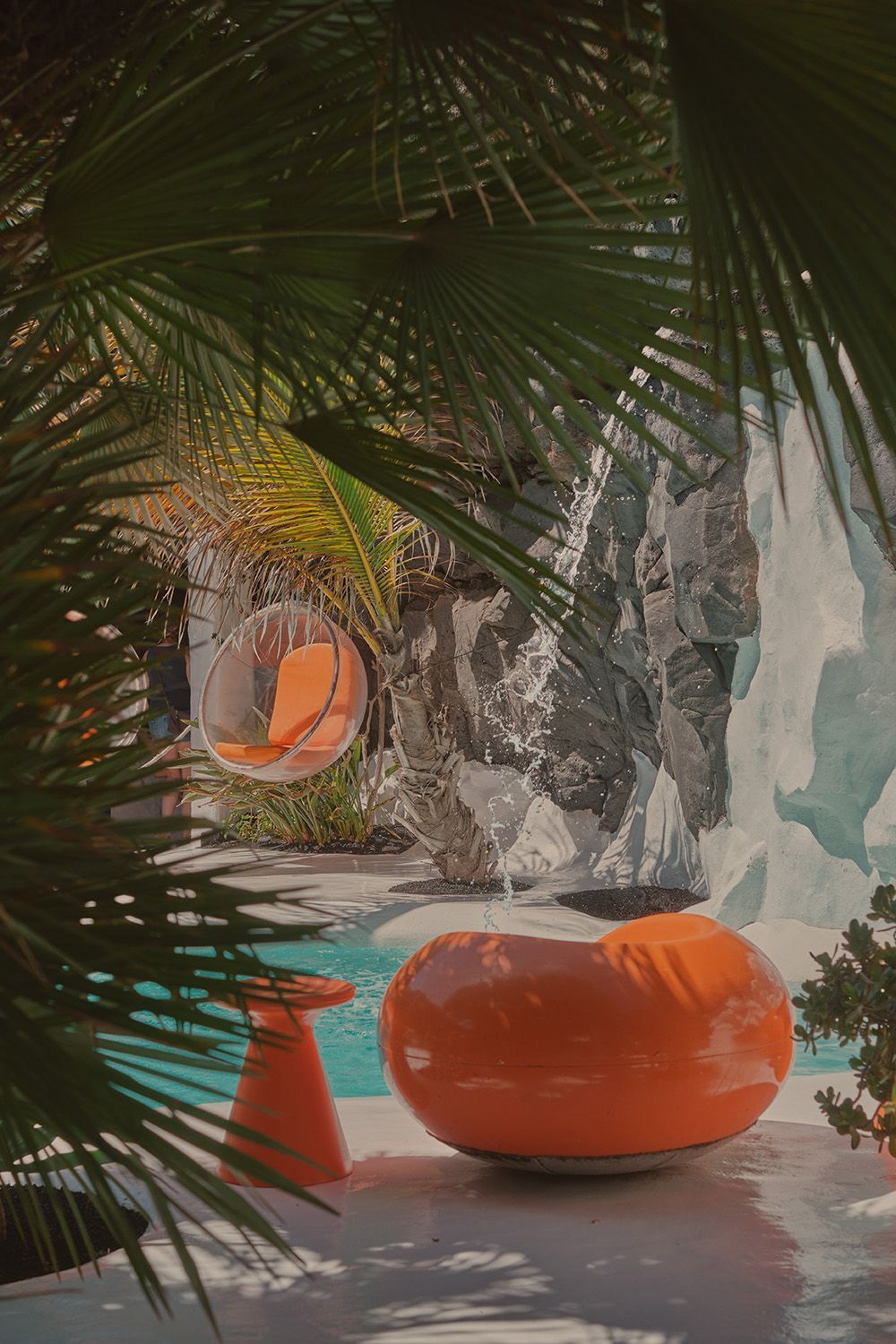
Outside, the garden extends the artwork—sculptures, murals and fruit trees coexist with black ash, mineral silence and volcanic energy. Visiting this house is stepping into Manrique’s intimate universe and experiencing how art can spring from Earth’s core.
Las Grietas: Lanzarote’s secret gorge
At first glance, the landscape may seem calm, but beneath Montaña Blanca, Lanzarote hides one of its most astonishing treasures: Las Grietas.
These volcanic formations, shaped over centuries by water erosion on basaltic rock, inevitably evoke Petra’s majestic Siq in Jordan. Both share the magic of natural canyons that narrow into shafts of light and shade—a near-sacred stage where nature sculpts a secret sanctuary.
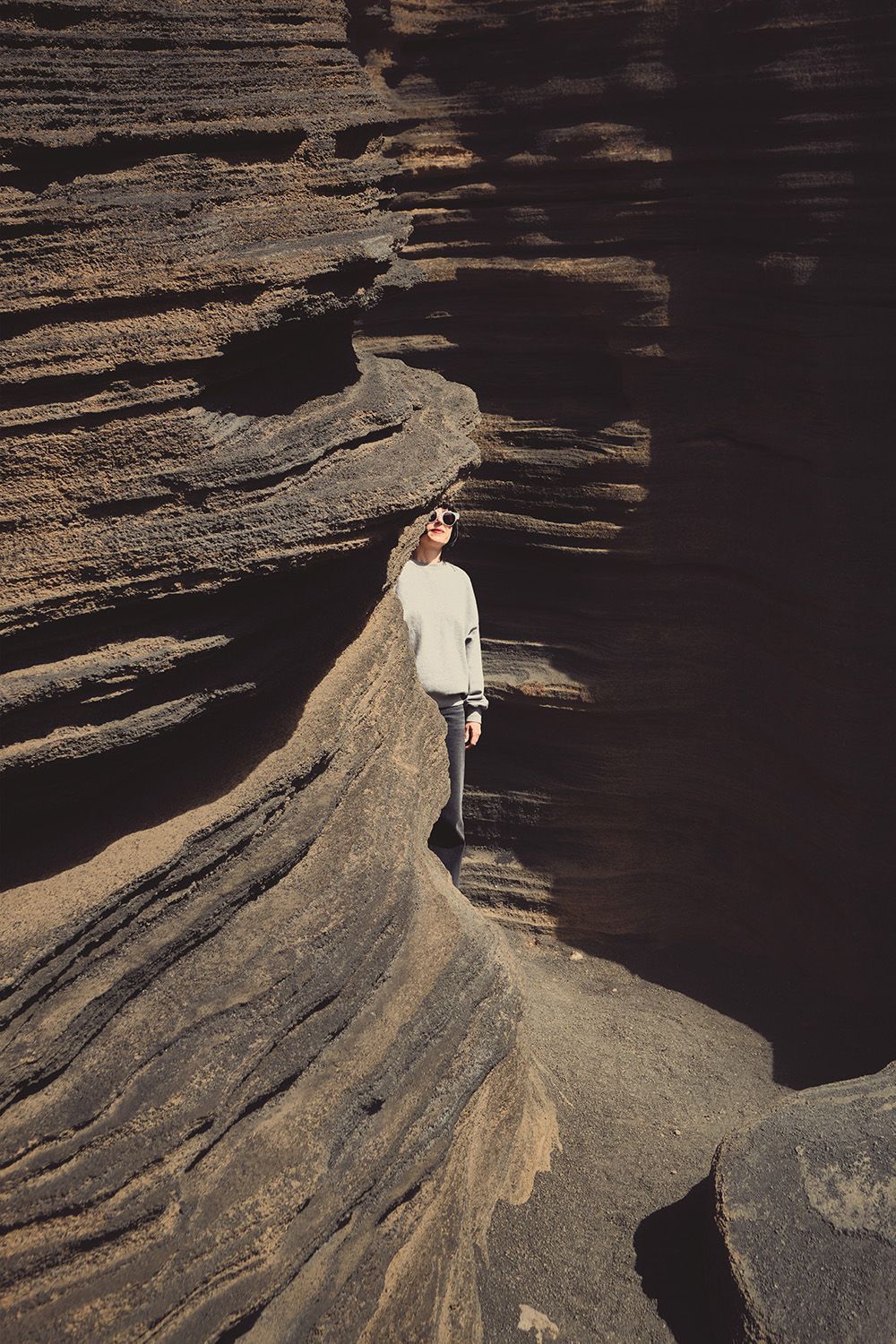
Walking through Las Grietas is journeying into the island’s innermost self. Rugged walls rise up as shafts of golden light transform each step into a cinematic scene. Here, silence is profound, the temperature drops and excitement intensifies: it’s as though Lanzarote whispers its most intimate history directly into your ear. Though close to the towns of Tías and San Bartolomé, this place remains off the beaten path—perfect for seekers of authentic beauty, unfiltered and unspoiled.
Explorer’s tip: Visit early morning or late afternoon, wear appropriate footwear and tread lightly with utmost respect for this fragile environment. Las Grietas are not merely a destination—they are an experience engraved in memory, a secret shared between you and the land.
“Nature is the purest masterpiece.” César Manrique
Three Villages, three Souls: Tenesar, Teguise & El Golfo
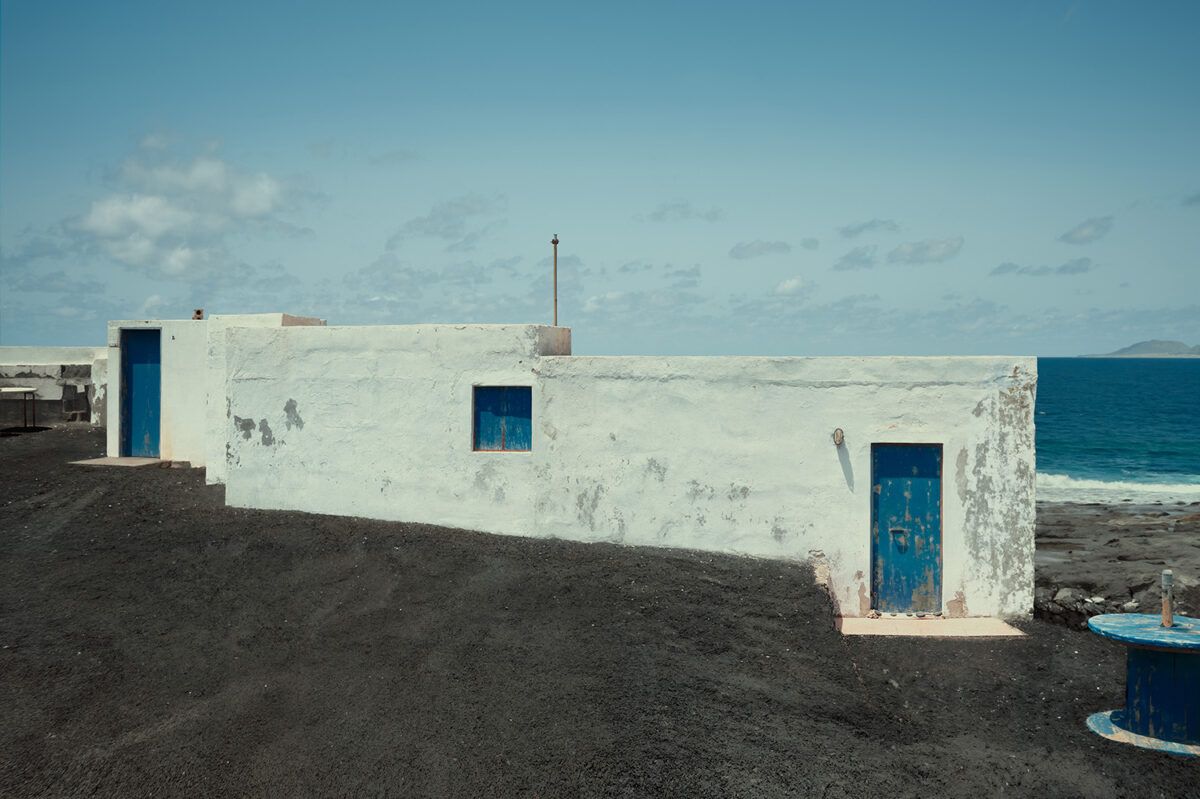
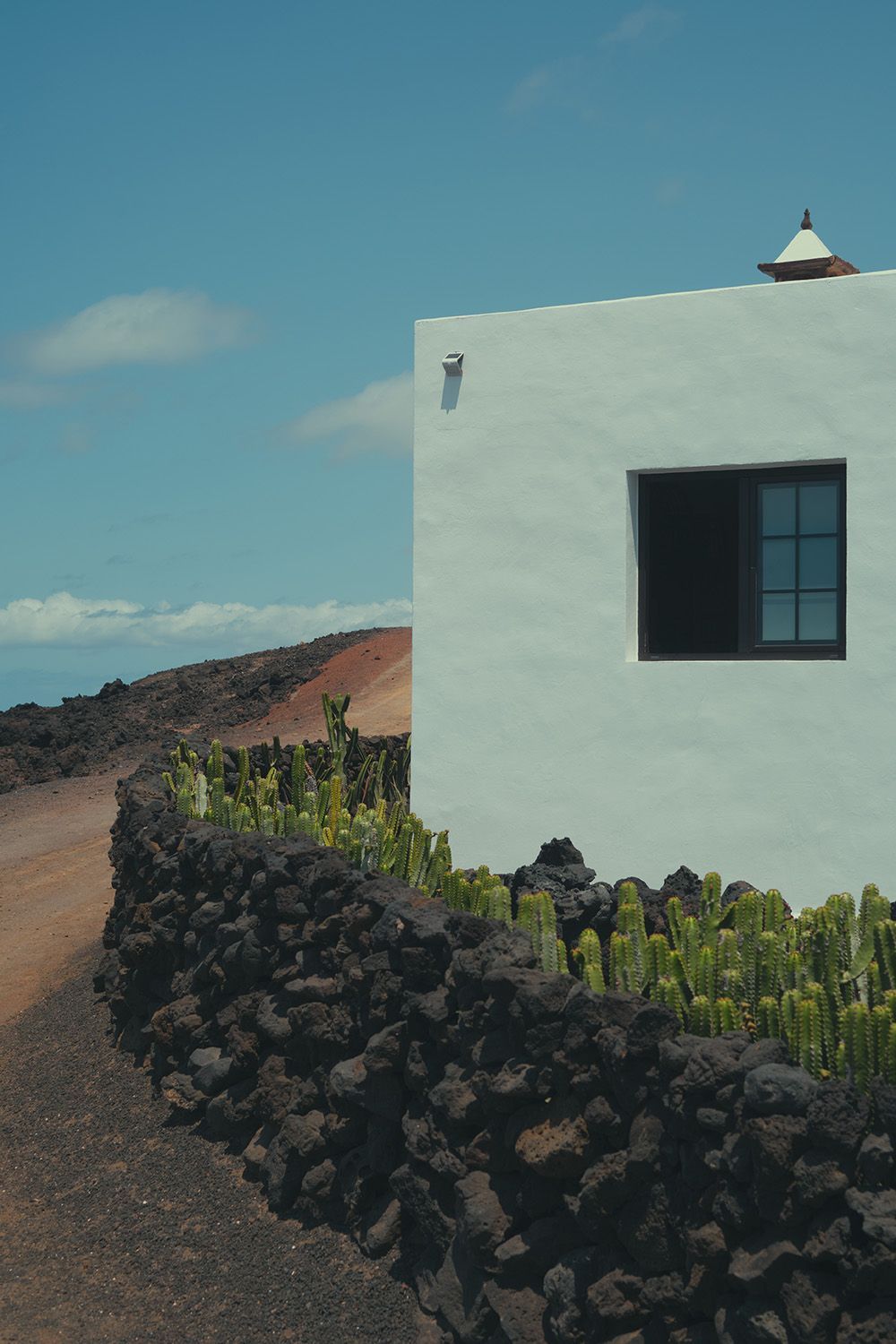
Some places in Lanzarote need no introduction—only time. Tenesar is one of them. We found it through Óscar’s recommendation from the charming Hotel Casa de las Flores. What was meant to be a brief stop turned into an unforgettable experience. This small coastal enclave, battered by wind and sea, seems frozen in time. Part-ruined houses, dirt roads and a silence that speaks volumes. There’s nothing to do—and that is precisely everything.
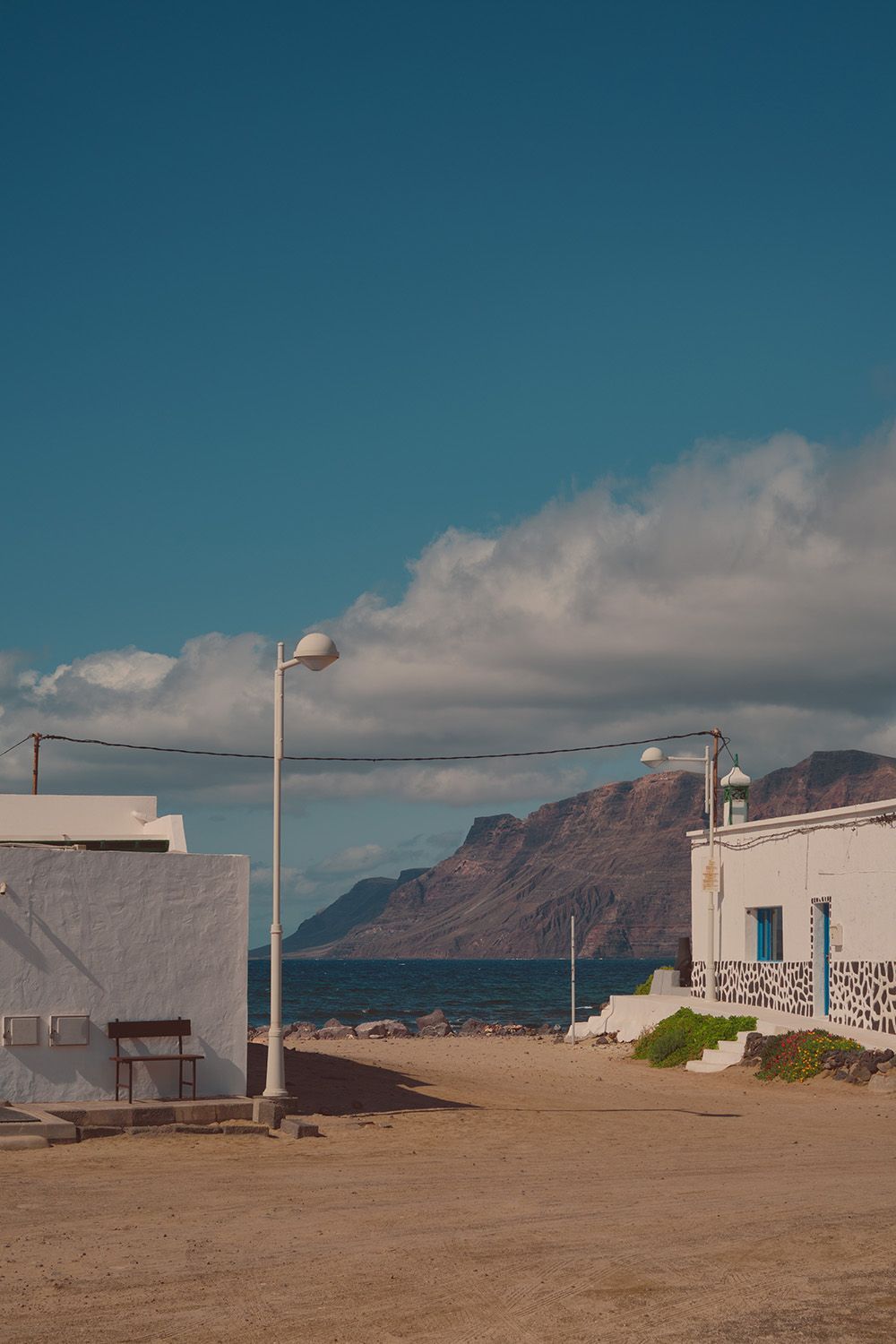
In contrast, Teguise, the island’s former capital, is full of history. Every cobbled street is a narrative in itself. Its white churches, tranquil squares and Sunday market tell of noble pasts, culture and resilience.
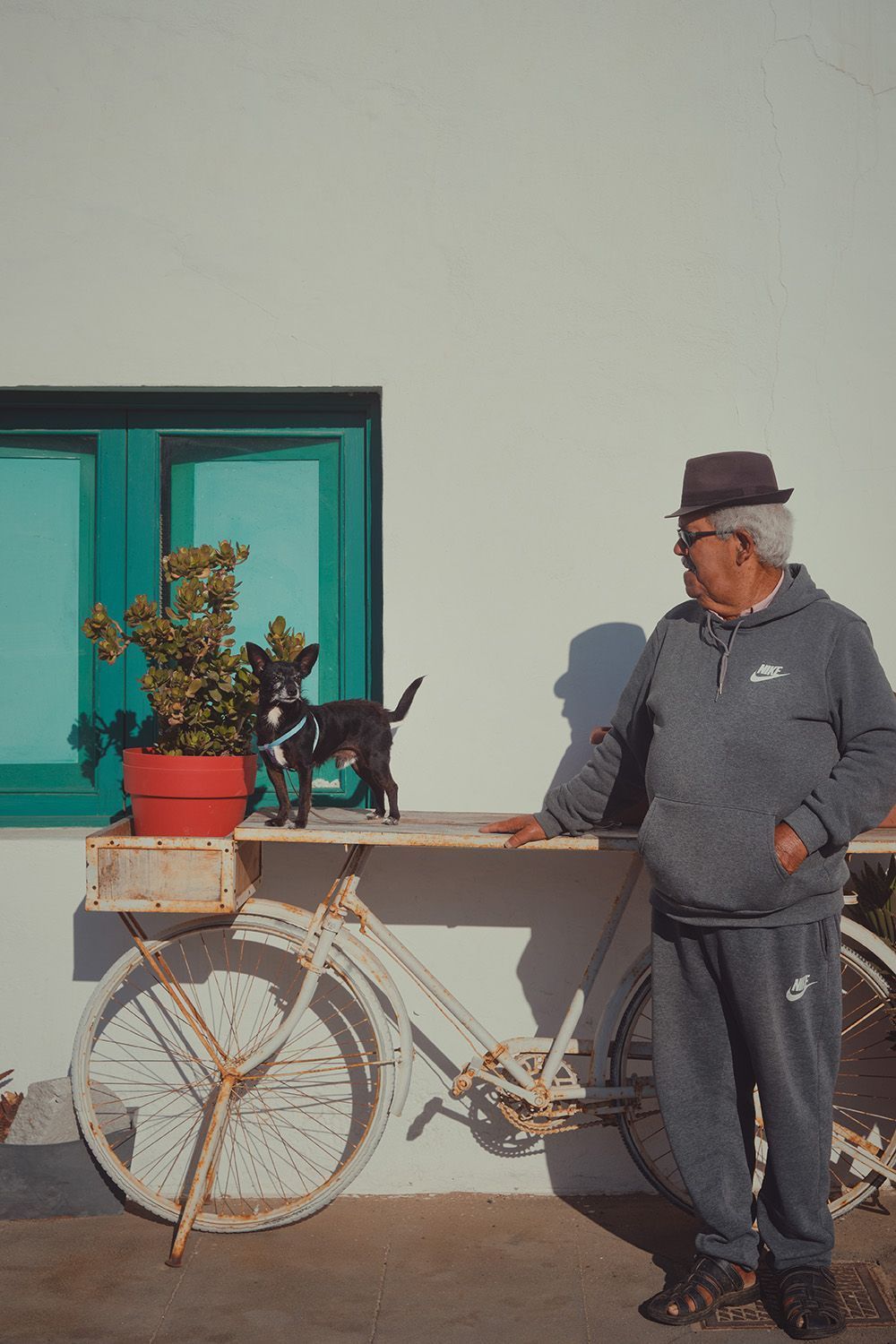
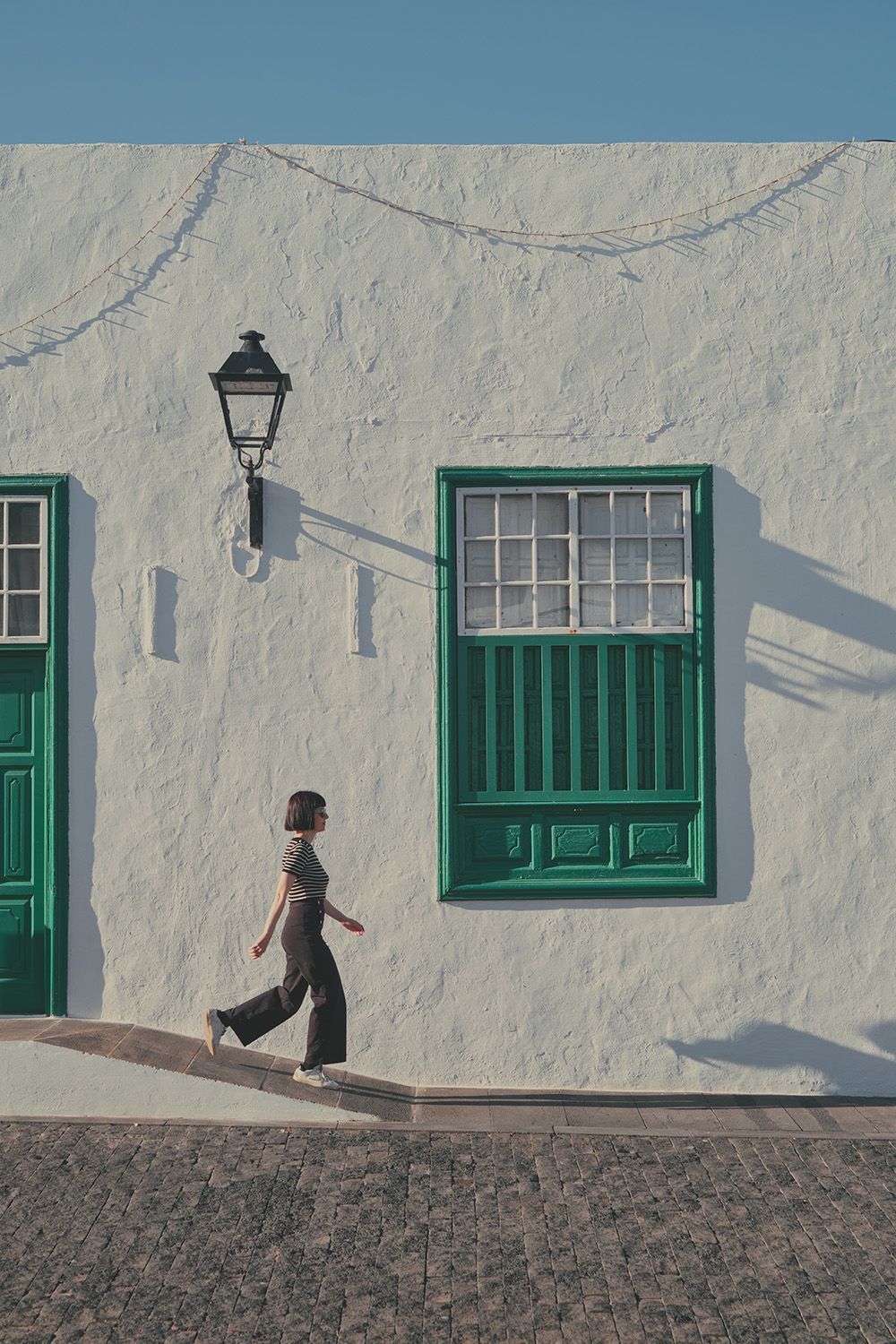
In this image, we see Tito, a lovable little dog, alongside his owner — both originally from Teguise — whom we watched every day as they repeated the same quiet ritual: a gentle stroll followed by a pause in front of their home. There, under the generous sun and in a shared silence, they would “pose” as if they were part of the serene landscape of this soulful corner.
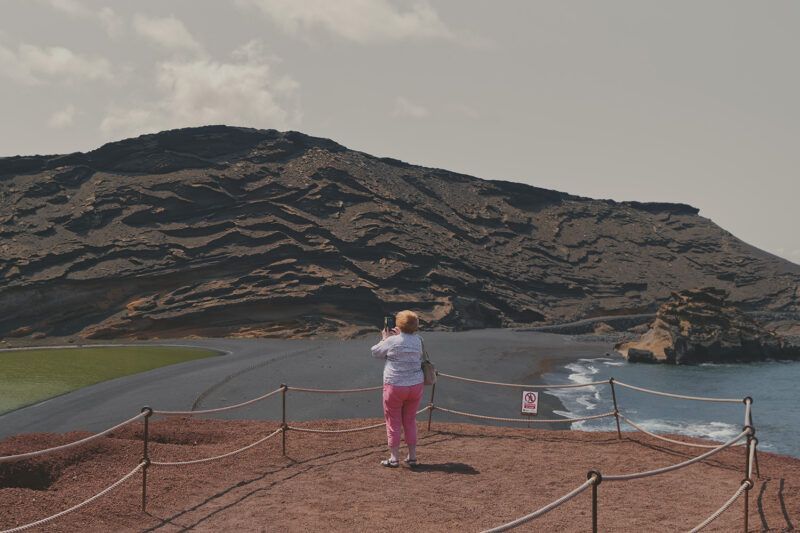
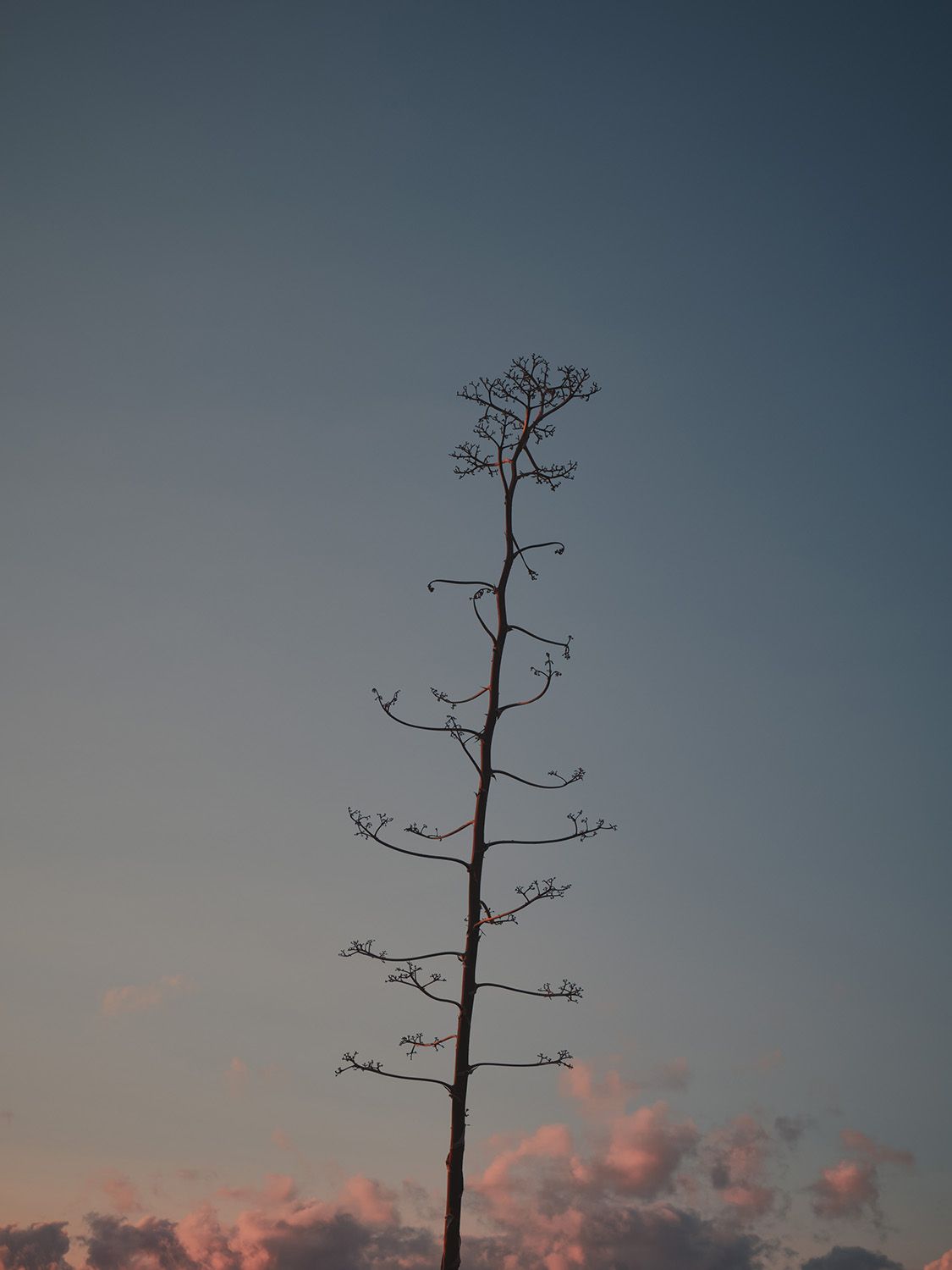
At the emotional opposite, El Golfo—a coastal village where life smells of fresh seafood and lava. There, the intense green of Laguna de los Clicos meets volcanic black—a natural spectacle of colour contrast.
Three villages, three ways to feel Lanzarote: what was, what remains and what pulses with each breaking wave.
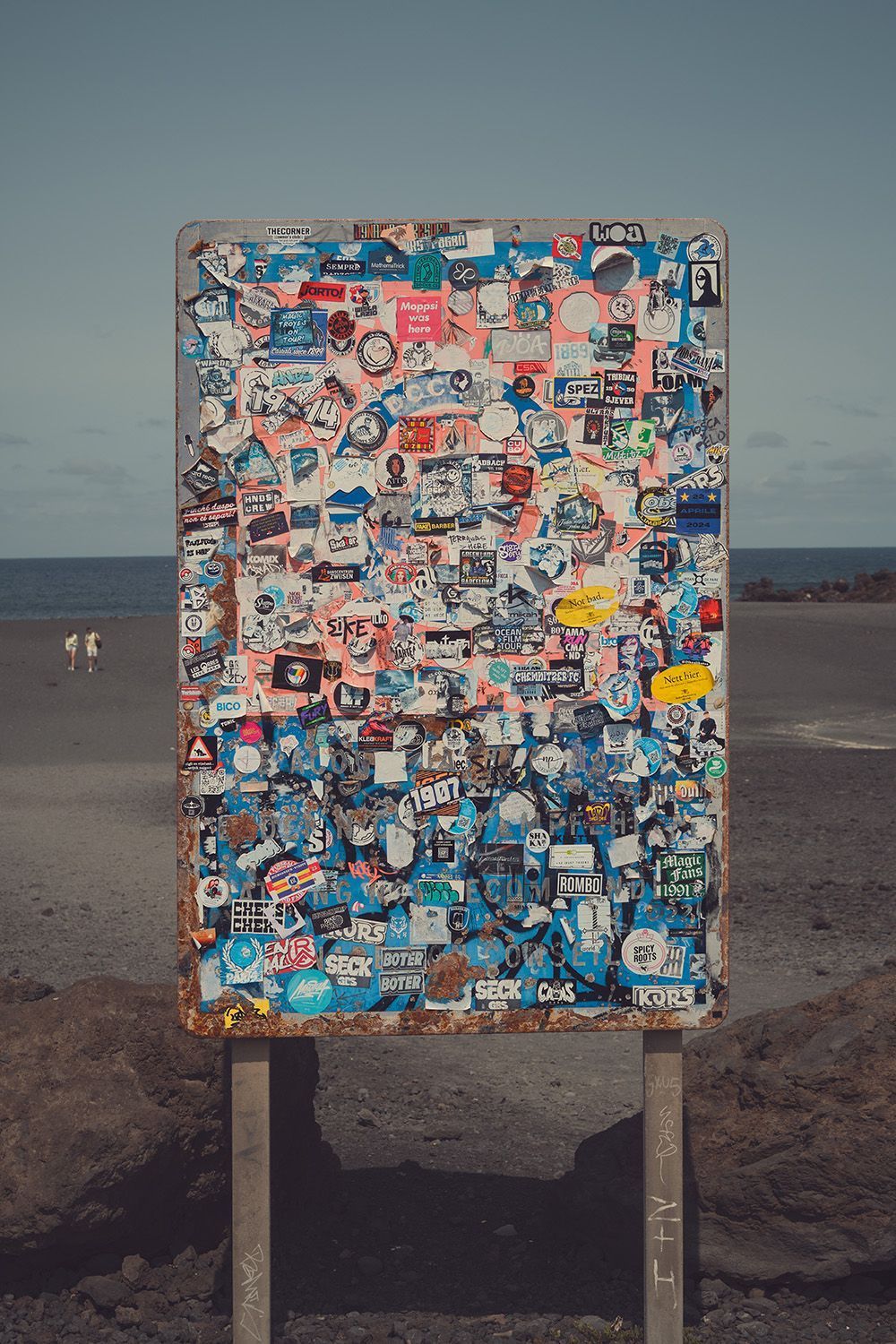
Returning where we once found joy
We had already been to Papagayo, Bermeja and Famara, but this time we decided to go back. Some beaches leave a mark and we needed to revisit.
Papagayo welcomed us just as before: a sheltered cove among cliffs, crystal-clear water and complete calm. We arrived at sunset—no one in sight, perfect light, a paused sea.
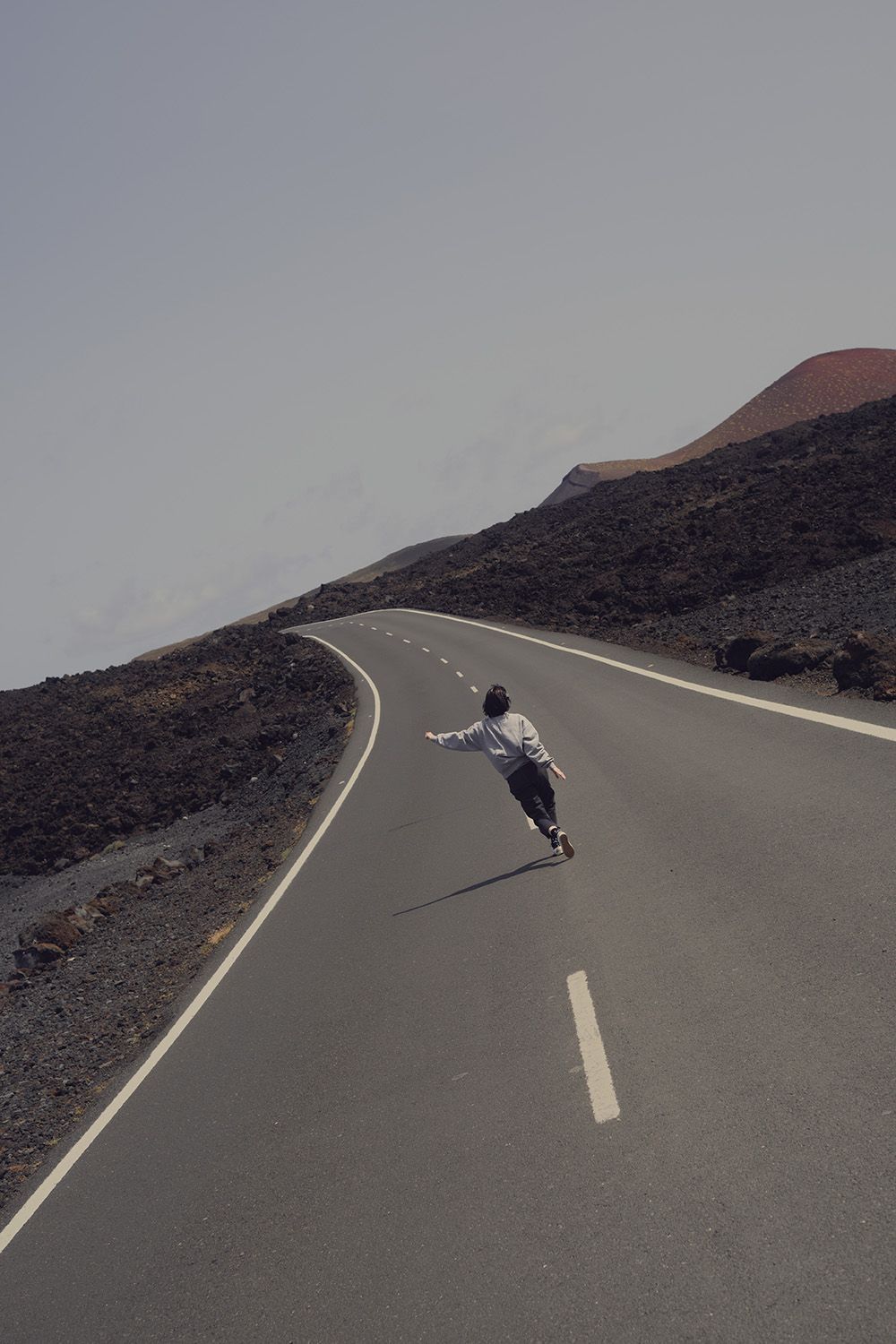
In Bermeja, the landscape transforms: black sand, red mountain and an ocean that crashes with force. Raw, direct, unforgettable.
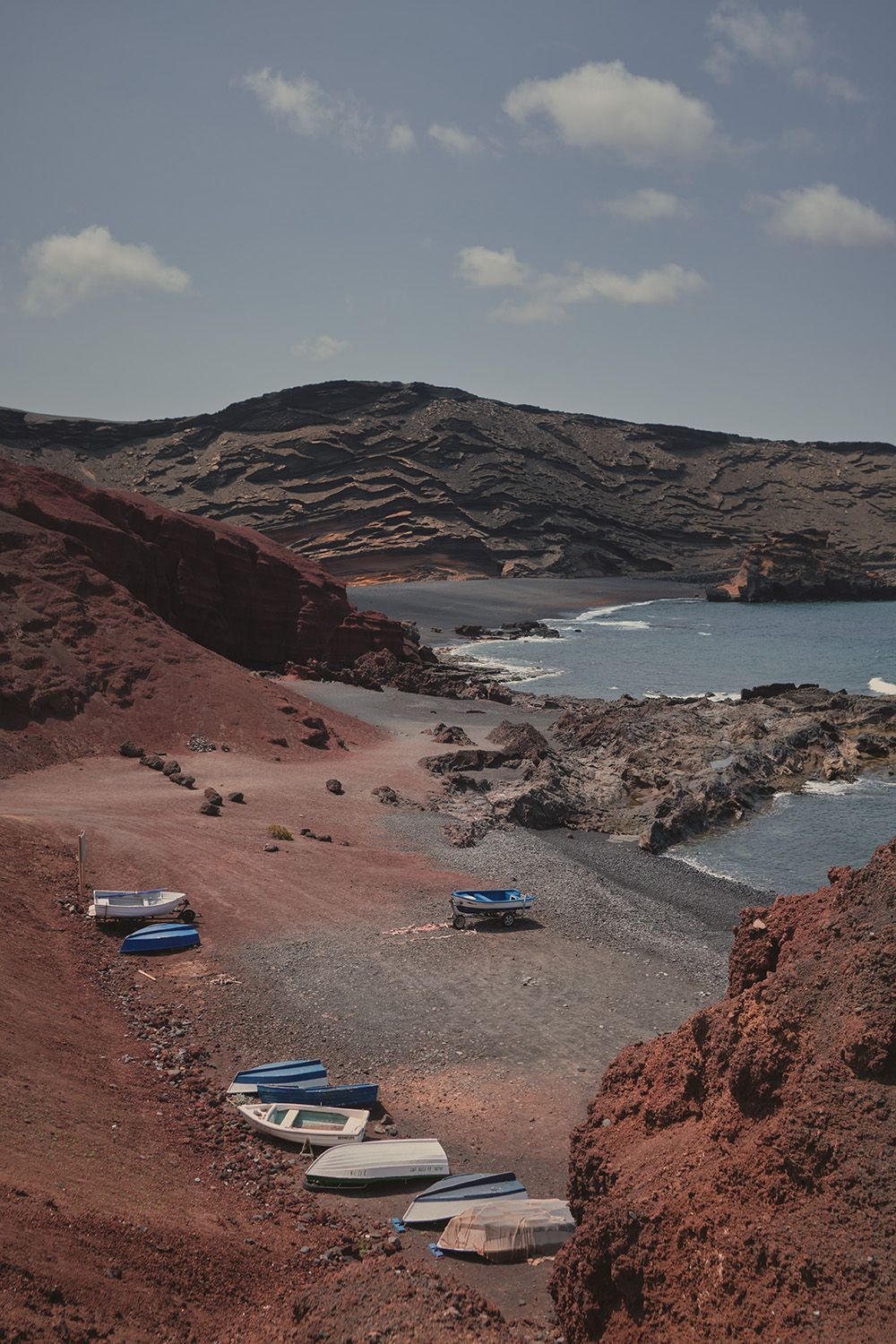
And Famara—our favourite. It is imposing. Dunes shifting with the wind, the Risco like a natural fortress, surfers gliding through the waves as if part of the scenery. It never wears out—it always moves something deep.
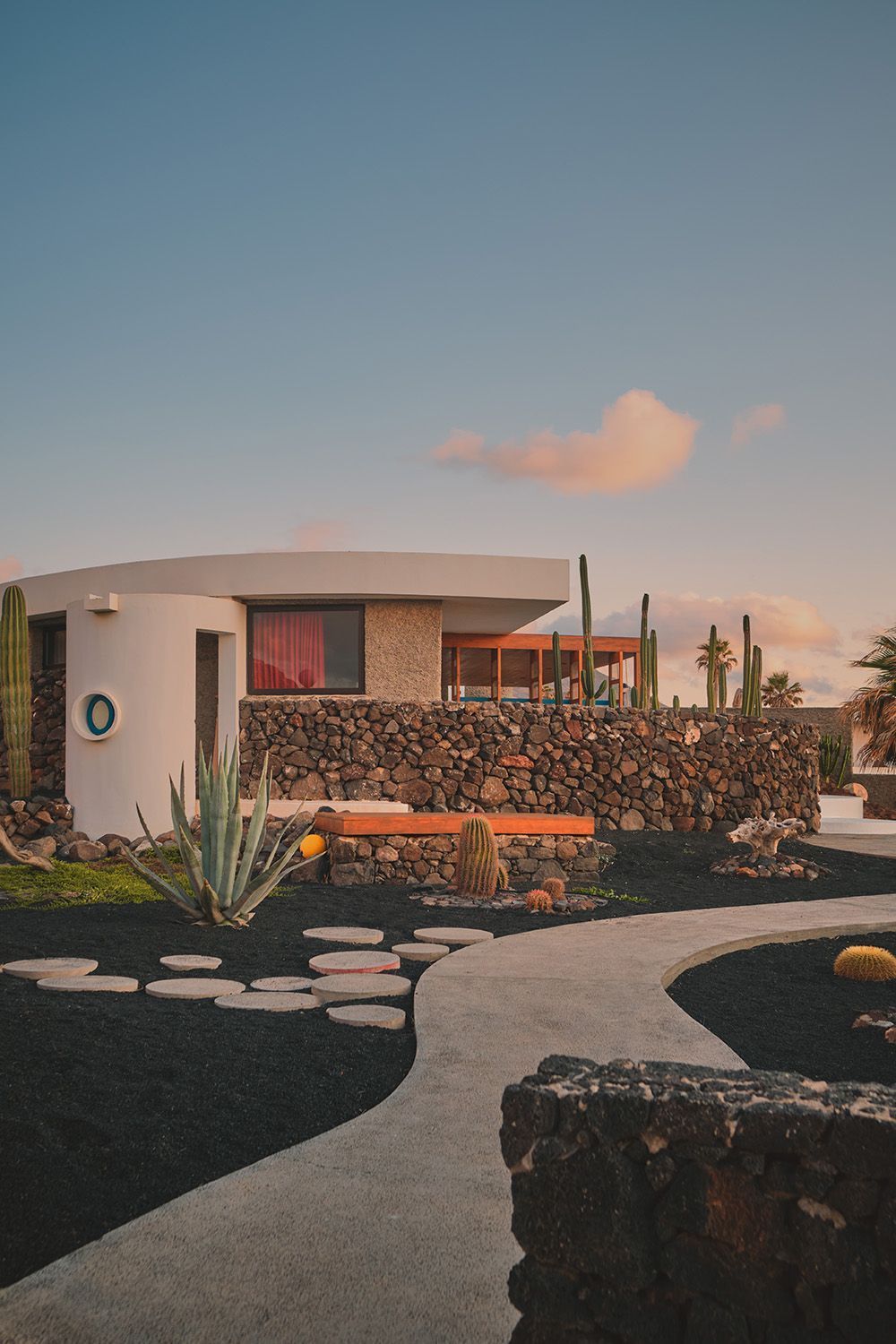
“I don’t understand art without life, nor life without freedom.” César Manrique
Eguzkine: ceramics that tell stories
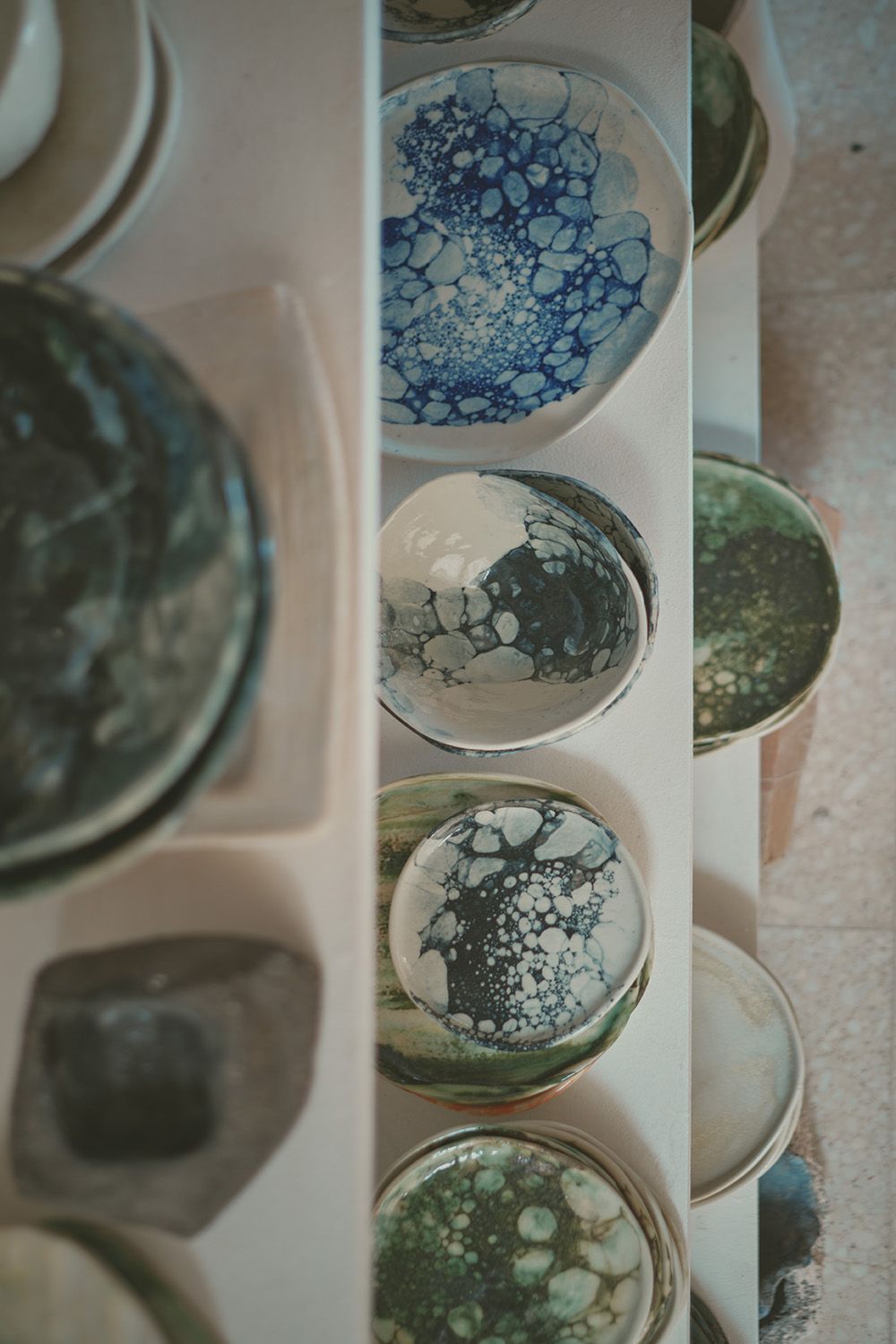
Reconnecting with Eguzkine Zerain was like meeting an old friend who always has something new to say. In her workshop in Teseguite, her pottery speaks of earth, sea and calm. We left with several pieces, each one unique—because each holds a piece of the island.
Where taste matters: a gastronomic route across Lanzarote
Dining in Lanzarote is an essential part of the journey. The island is savoured through dishes that speak of sea, volcano and memory—and we found proof at every stop.
At Tacande, the cuisine is honest, direct. Smoked cheese, mineral wine and reinterpretations of mojo potatoes reminded us why simplicity, done well, moves the soul.
At Coentro, chef João Faraco blends Portuguese roots with island soul: cod, octopus and pumpkin served with creativity—and authenticity.
At La Bodega de Santiago, oven-baked fish with mojo made us appreciate just how good simple fare can taste when made with care.
And we loved the casual scene at Bar Tropical—sardines, potatoes and cold wine—or El Barquillo, where fish is cooked the old-fashioned way: with time and respect. And of course Dunas de Famara, with its relaxed vibe in front of the Risco.
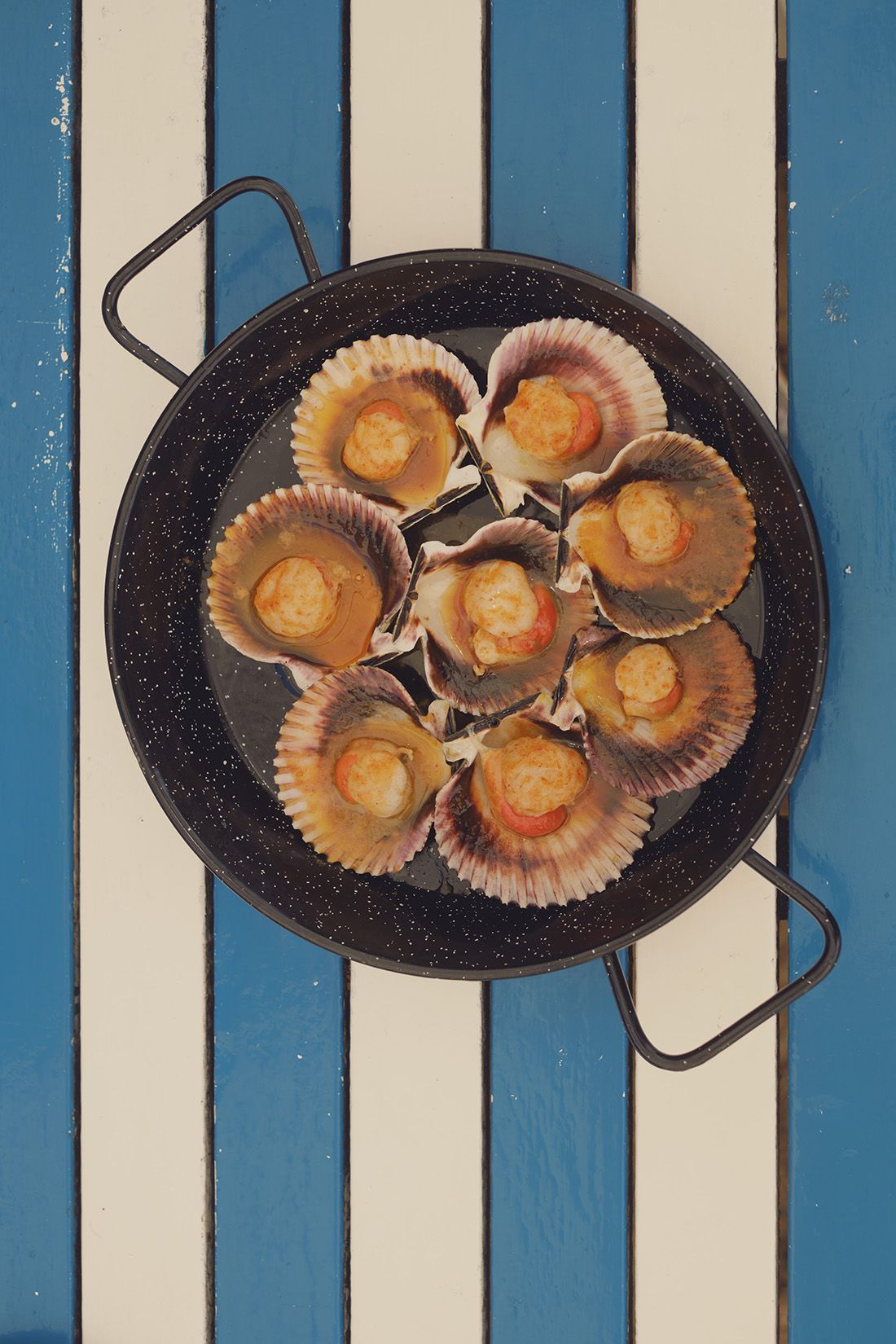
But the place that truly stayed with us was Sebe in Costa Teguise. Awarded a Sol Repsol in 2025 as Sustainable Restaurant of the Year and recommended by the Michelin Guide, it stood out for a team that treats cuisine as respect for the land.
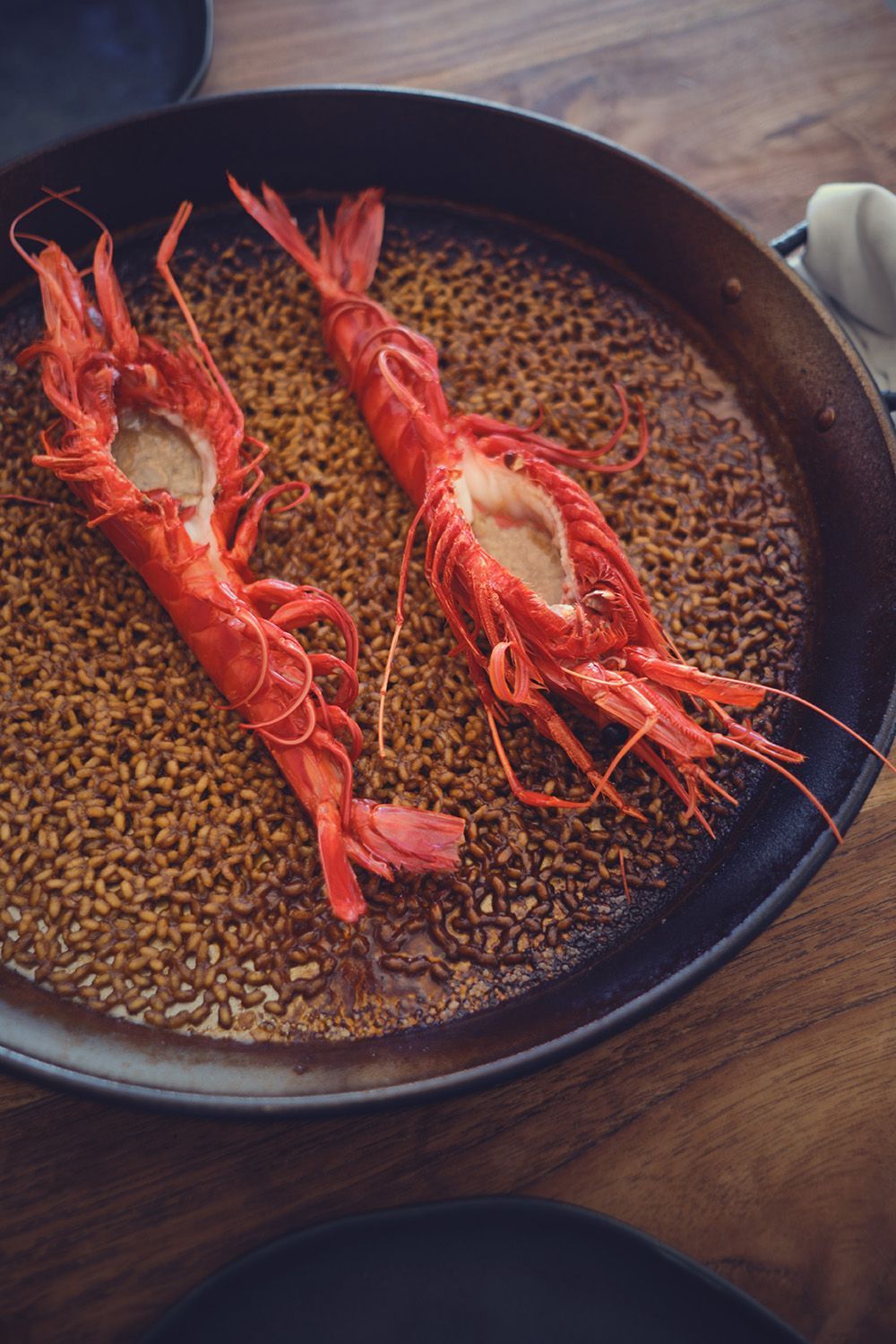
Headed by chef Santi Benéitez, with Begoña Ratón in charge of dining room and wine list, the viticulture selection from Lanzarote, La Palma and El Hierro reflects true knowledge and discernment. Benéitez’s cooking elevates local produce with technique, sensitivity and zero artifice. Their rice and fried dishes are signature items. We tried the creamy carabinero rice from La Santa—intense, flavourful, impeccable.
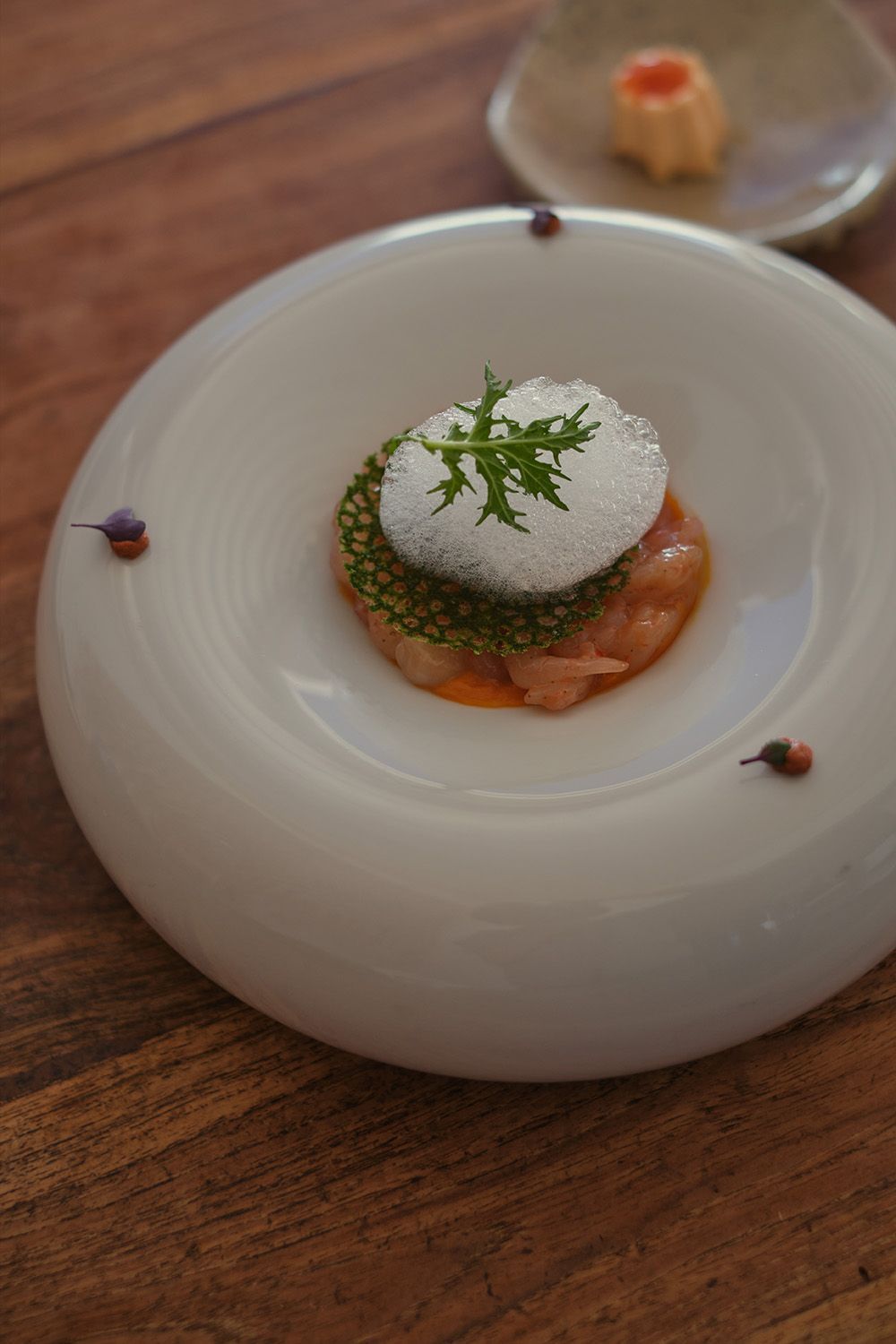
We tried their delicious garlic-prawn sashimi made with quisquilla from La Santa, served with almogrote — a brilliant combination of texture and flavour. To start, we had roasted black potatoes with traditional mojos: a coriander green and a smoky paprika red. Mmm…
Then came the creamy rice with carabinero prawns from La Santa: rich, flavourful, and perfectly executed.
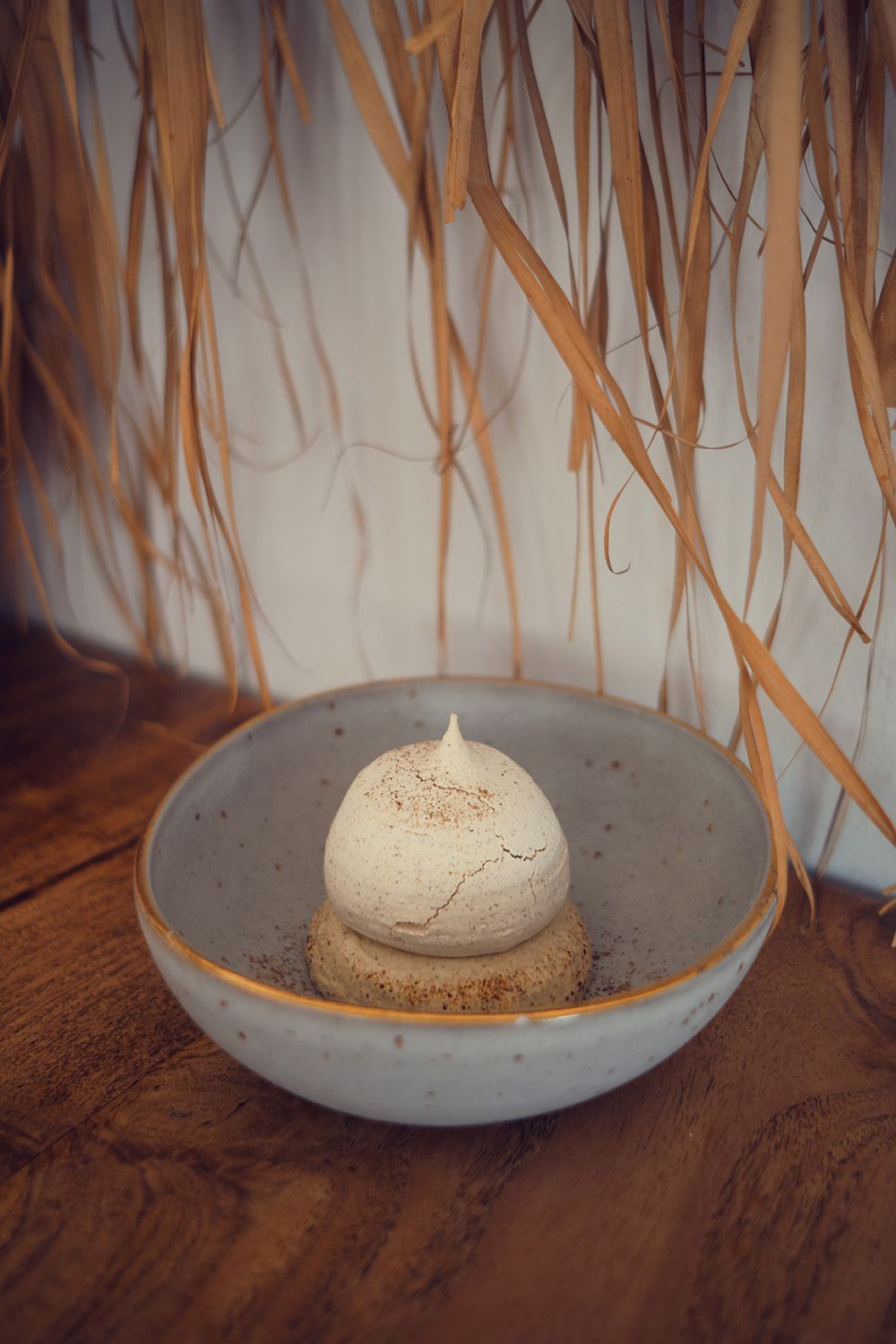
As for dessert, we went for the goat’s milk flan, which won us over with its delicacy. But it was the surprising “Solo Millo” that left us speechless — a tribute to the island’s maize, shaped like a bulbous pavlova that recalls the domed rooftops of certain Indian buildings, the very same that fascinated César Manrique and which he echoed in many of his creations.
Beyond its flawless cuisine, the service is warm, professional and genuinely charming, making the entire experience complete, authentic, and truly memorable. Sebe is not just a restaurant — it’s a place you’ll want to return to every time you set foot on the island.
And so, after a few incredible days, we say goodbye knowing that Lanzarote still has much more to reveal. This island — where art, food, nature and design blend like nowhere else — continues to surprise us, and that’s precisely why it always calls you back.
(*) Photographs by Ely Sánchez and Cecilia Camacho (CC/studio).