Beaches and Forests: nature in its purest form
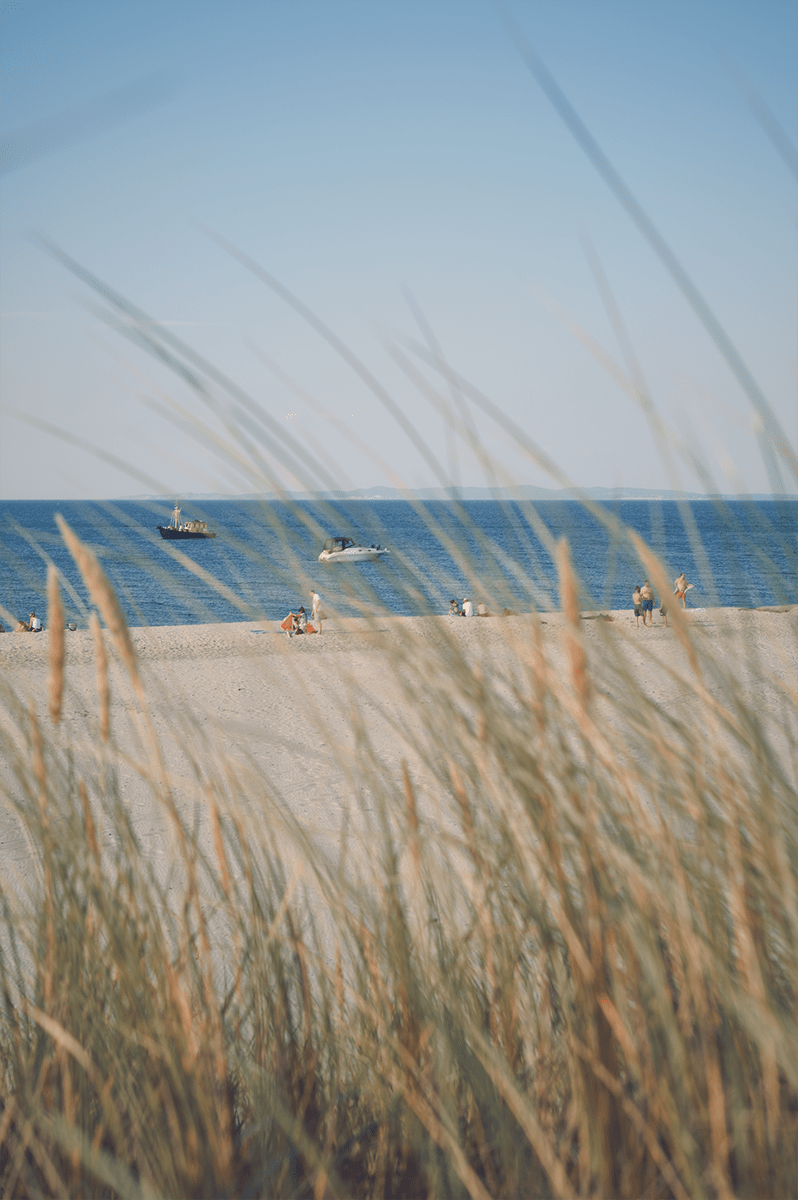
What truly characterizes the Copenhagen Coast is the perfect blend of nature and heritage. Here, vast forests and nature reserves intertwine with kilometers of coastline along the Baltic Sea.
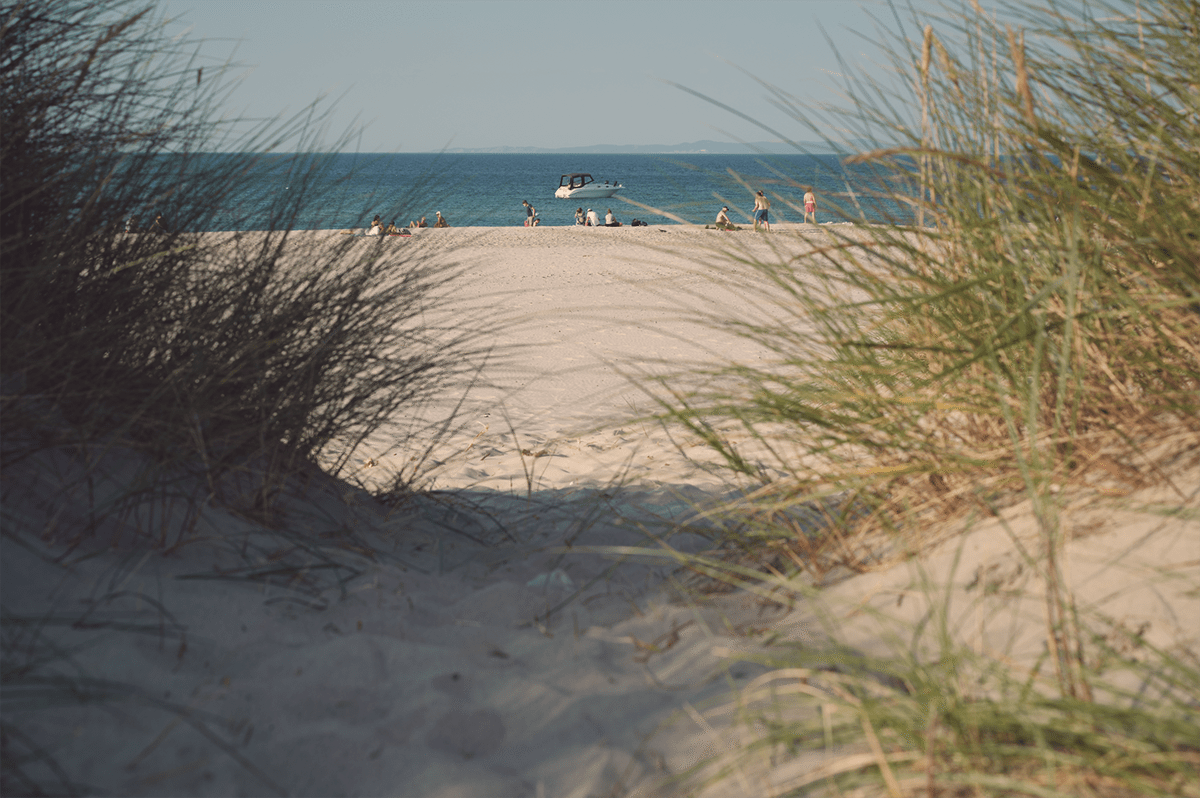
The beaches of Tisvildeleje and Hornbæk, famous for their white sand and crystal-clear waters, attract both locals and travelers seeking tranquility and unparalleled beauty. Hornbæk, in particular, is known as a summer destination for Denmark’s elite, where beachfront holiday homes offer a luxurious, yet unpretentious escape.
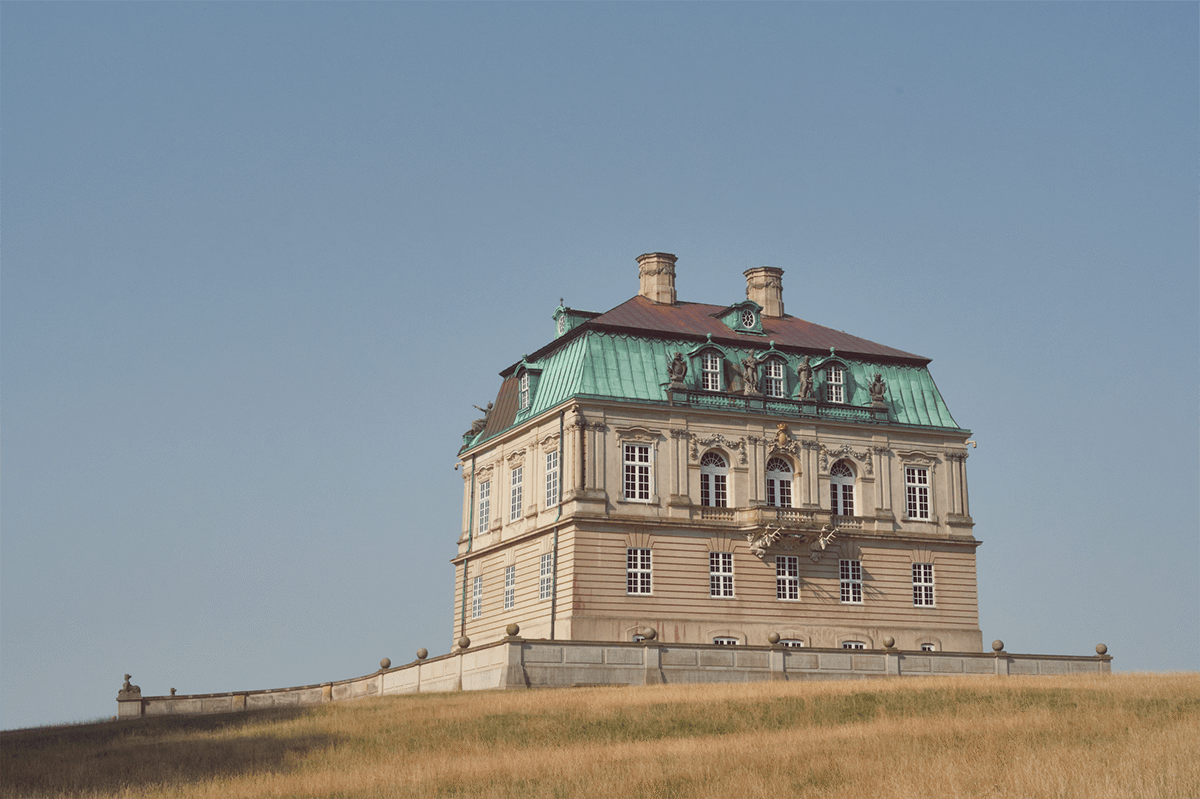
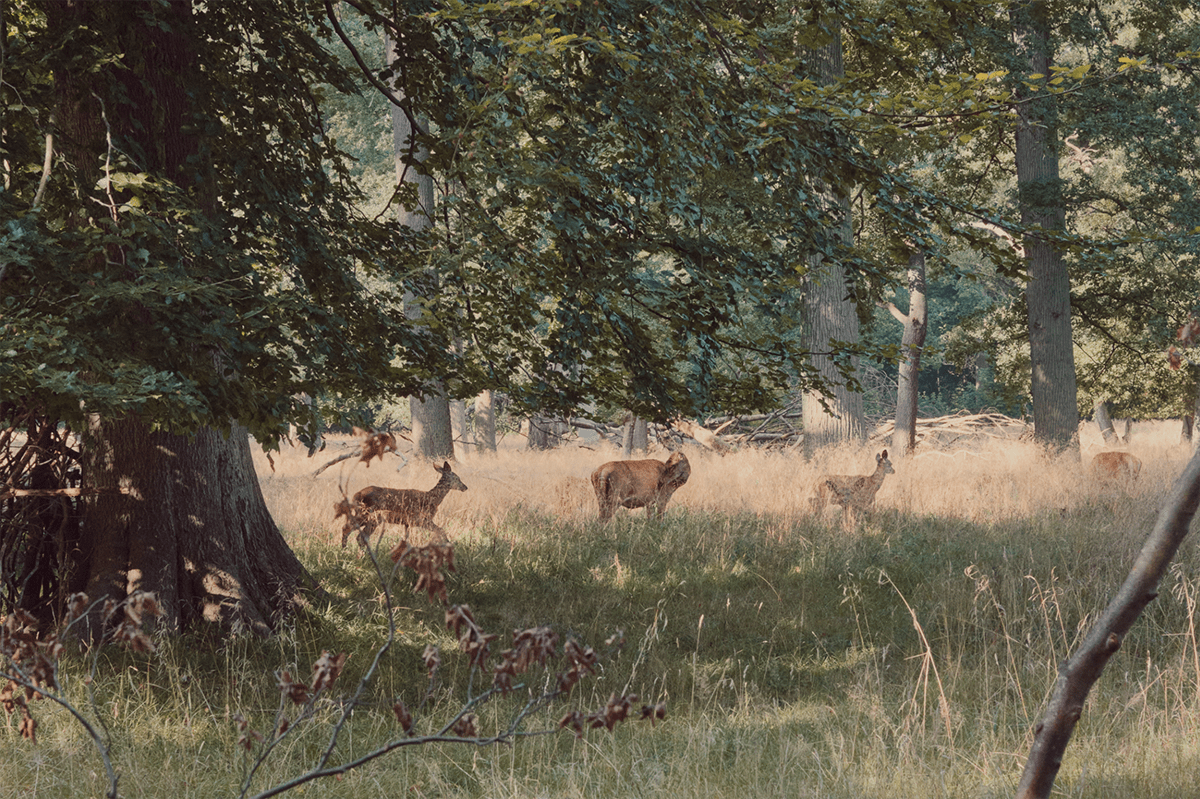
For hiking enthusiasts, a visit to Dyrehaven is a must. Also known as the “Deer Park”, Dyrehaven is an expansive natural park located north of Copenhagen, near the town of Klampenborg. It’s renowned for its vast wooded areas, open meadows, and, as the name suggests, its large population of deer that roam freely throughout the park. This space is popular for walking, cycling, and horseback riding, as well as outdoor recreational activities.
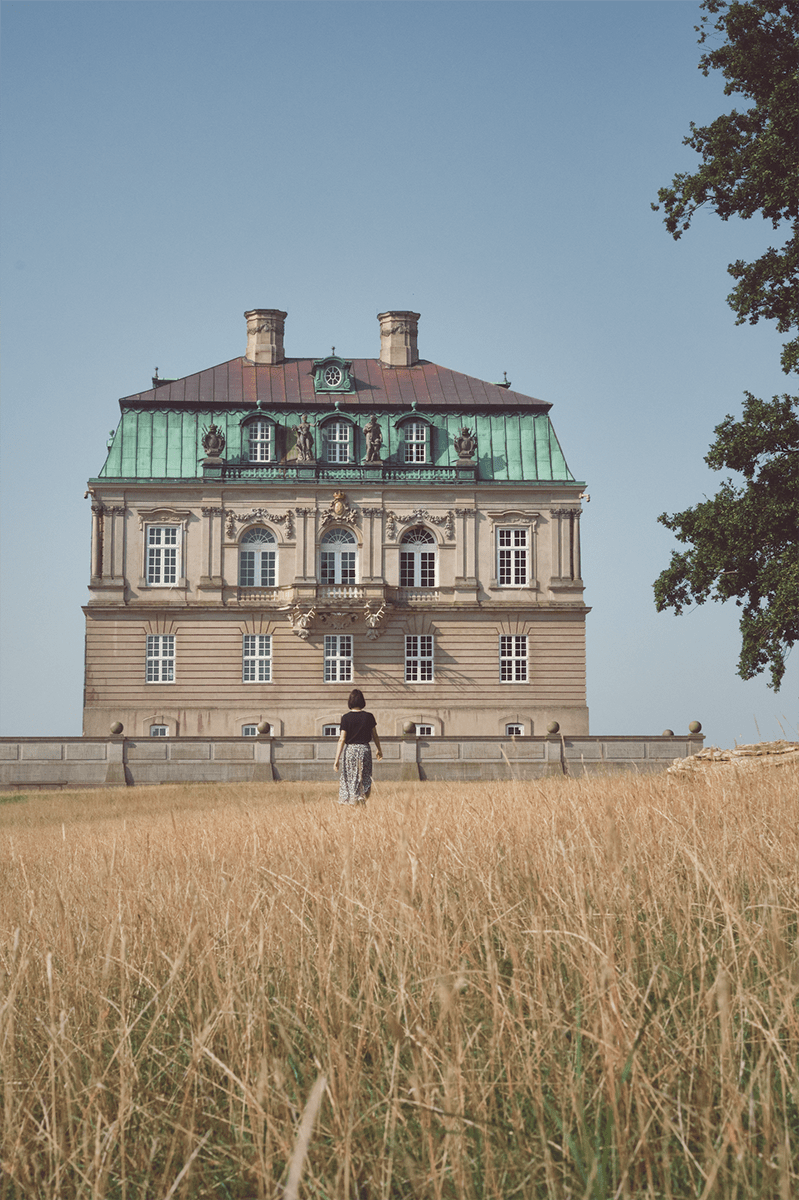
Dyrehaven is also home to the famous Bakken Amusement Park, the world’s oldest operating amusement park. The park is a UNESCO World Heritage Site and closely tied to the Danish outdoor lifestyle, with locals visiting to enjoy the natural surroundings and tranquility. It’s also a historic site, as it was originally established as a royal hunting ground in the 17th century. We visited it on a spectacularly sunny day and were in awe of its magnificence.
Elsinore: the setting of Shakespeare’s Hamlet and a UNESCO World Heritage Site
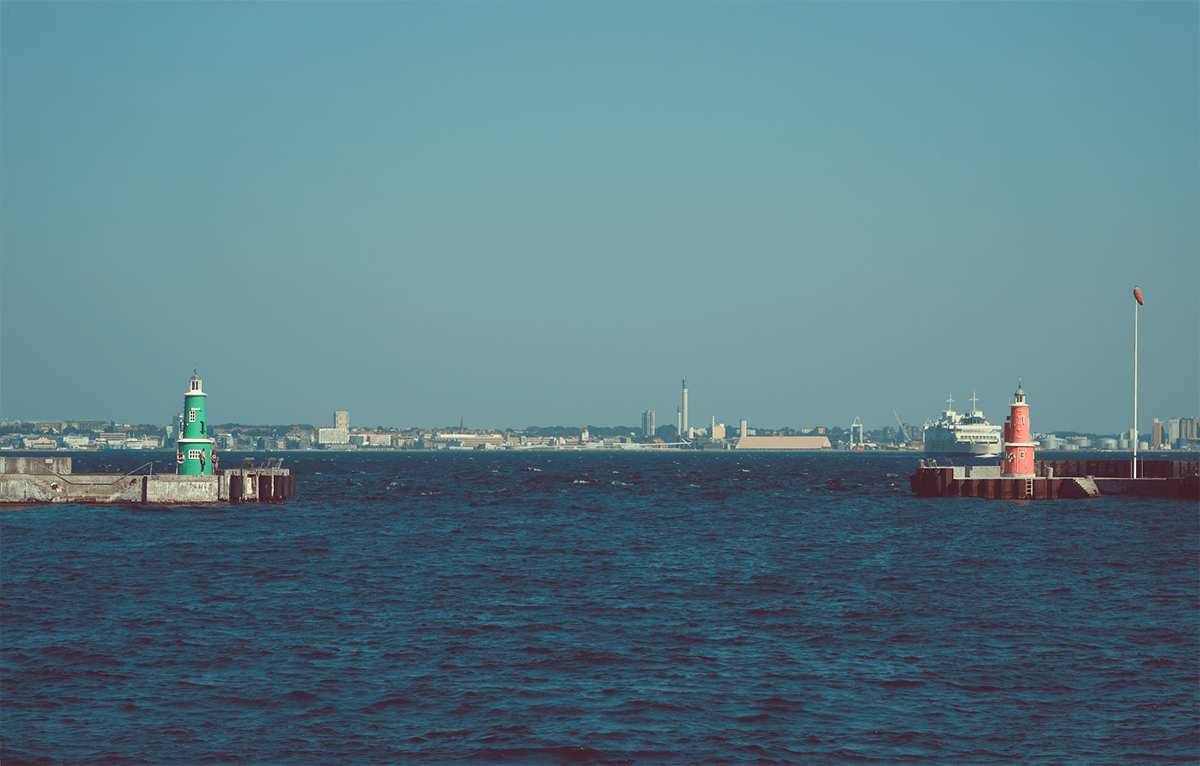
Elsinore, or Helsingør in Danish, is a coastal town that has gone down in history as the setting for William Shakespeare’s famous tragedy Hamlet. Located on the shores of the Øresund Strait, Elsinore is also renowned for its imposing Kronborg Castle, a Renaissance fortress and UNESCO World Heritage Site. This castle is not only an architectural gem but also a literary symbol, attracting thousands of tourists and theater lovers every year.
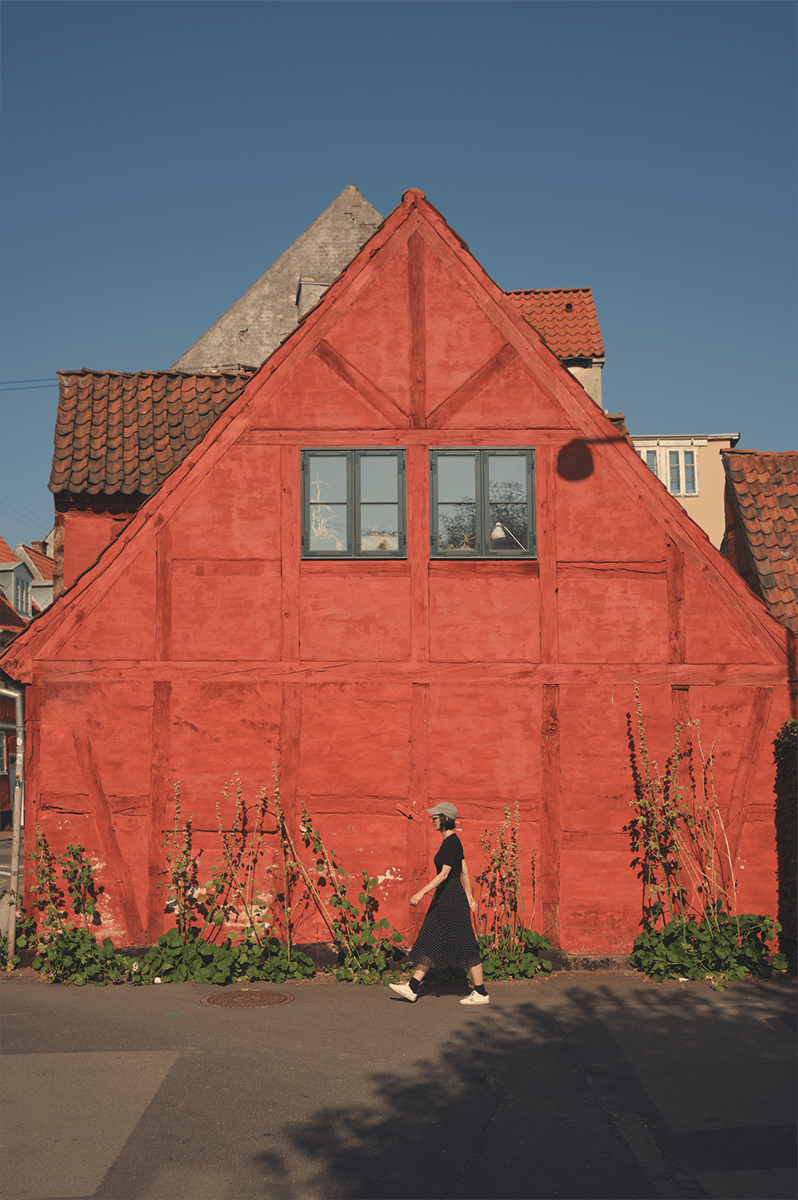
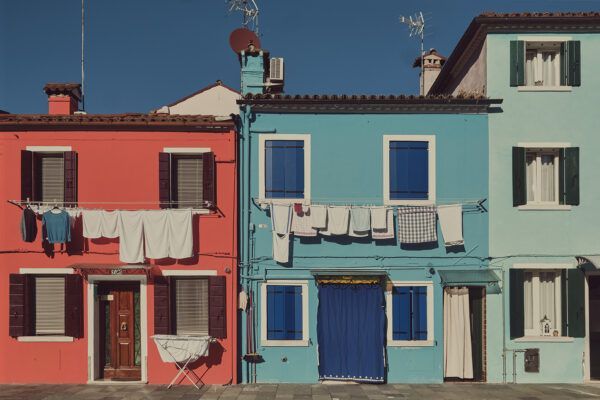
Beyond its cultural heritage, Elsinore has successfully reinvented itself as a vibrant center for contemporary art and culture, with museums, galleries, and a rich marine life that give it a charm extending beyond its historical roots. For us, its greatest appeal lies in the traditional 17th and 18th-century houses painted in vivid colors and the visible timber framework.
A refuge for sustainability and well-being
As with much of Denmark, the Copenhagen Coast is a prime example of sustainability and environmental respect. Many of the small coastal towns have embraced an eco-friendly approach, from using local and renewable materials in architecture to initiatives that protect the region’s biodiversity.
Here, well-being isn’t just a trend; it’s a deeply ingrained way of life. Local markets offer fresh, organic, and locally sourced products, while restaurants blend traditional Danish cuisine with contemporary influences, always prioritizing sustainable ingredients.
Scandinavian culture and design
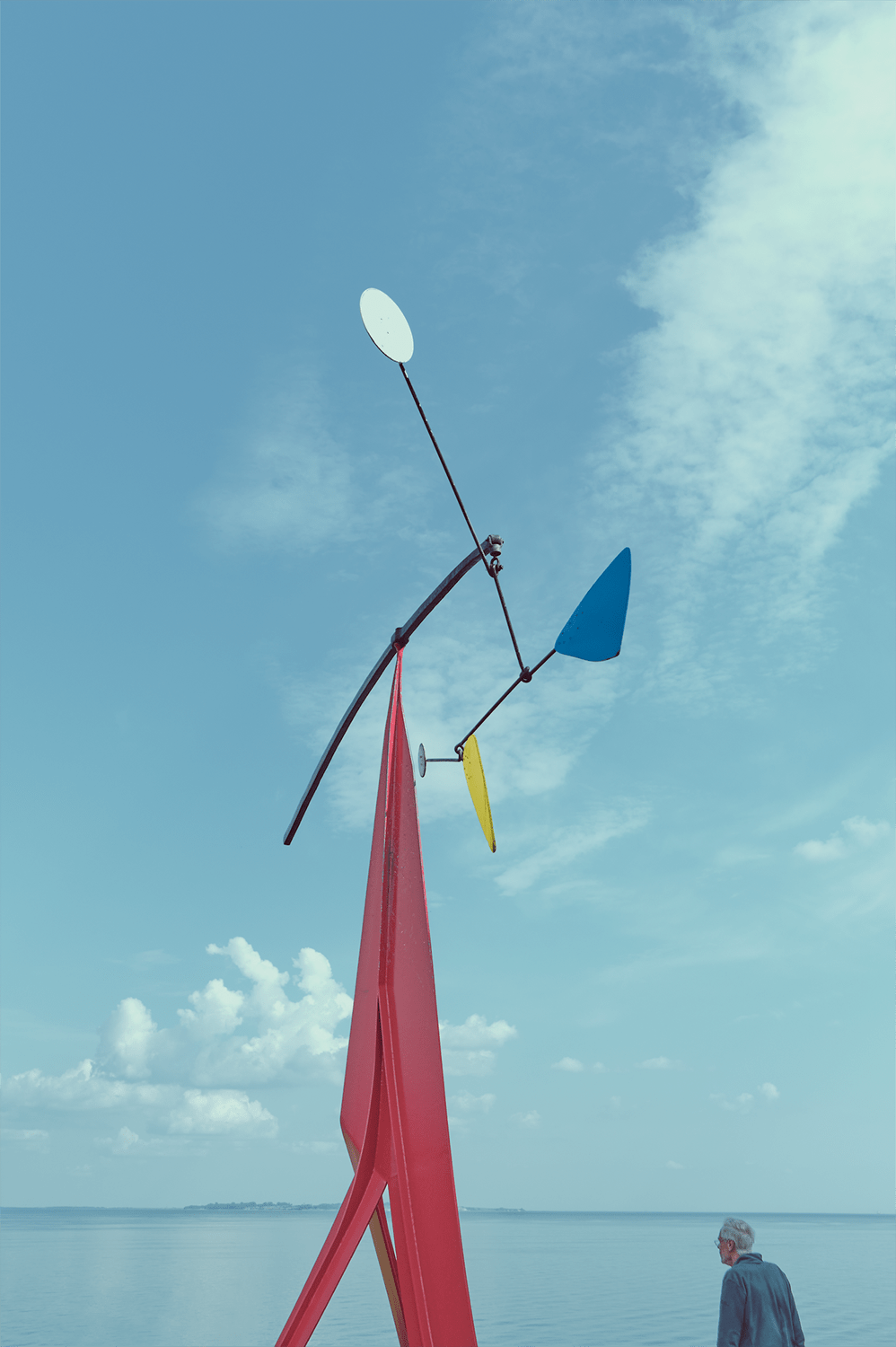
The coast is also a hotbed of creativity. In cities like Helsingør and Humlebæk, contemporary art museums, such as the renowned Louisiana Museum of Modern Art—which we covered in a previous article—are key destinations for those who appreciate Scandinavian art and architecture. With its prime seaside location, the Louisiana not only hosts exhibitions from world-renowned artists, but its sculpture gardens also offer spectacular views of the strait.
Other must-visit museums include:
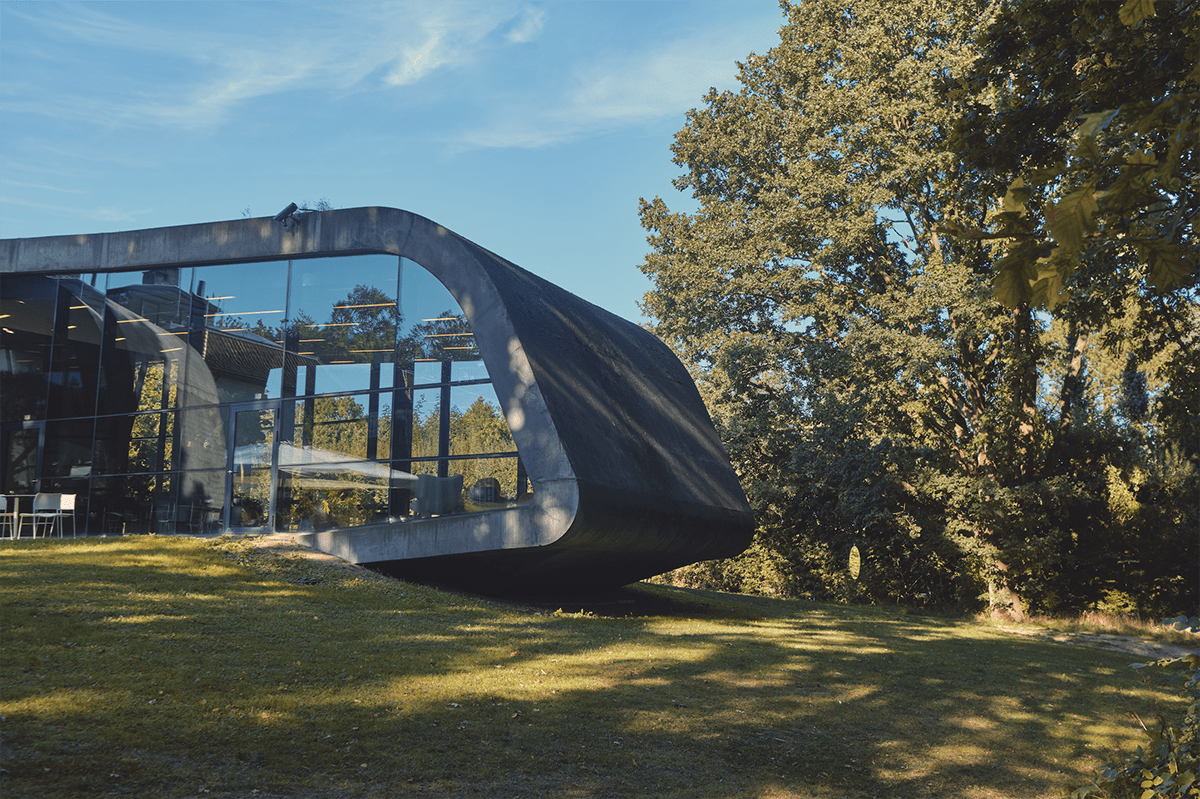
Ordrupgaard: This museum was designed by architect Zaha Hadid, who worked alongside Patrik Schumacher to develop the first extension of the museum. It’s a true treasure that combines art, history, and nature in an idyllic setting.
Founded by Danish art collector Wilhelm Hansen in 1953, the museum houses a notable collection of 19th- and early 20th-century Danish and French paintings, featuring works by masters like Pissarro and Monet, as well as prominent Danish artists like Wilhelm Hammershøi.
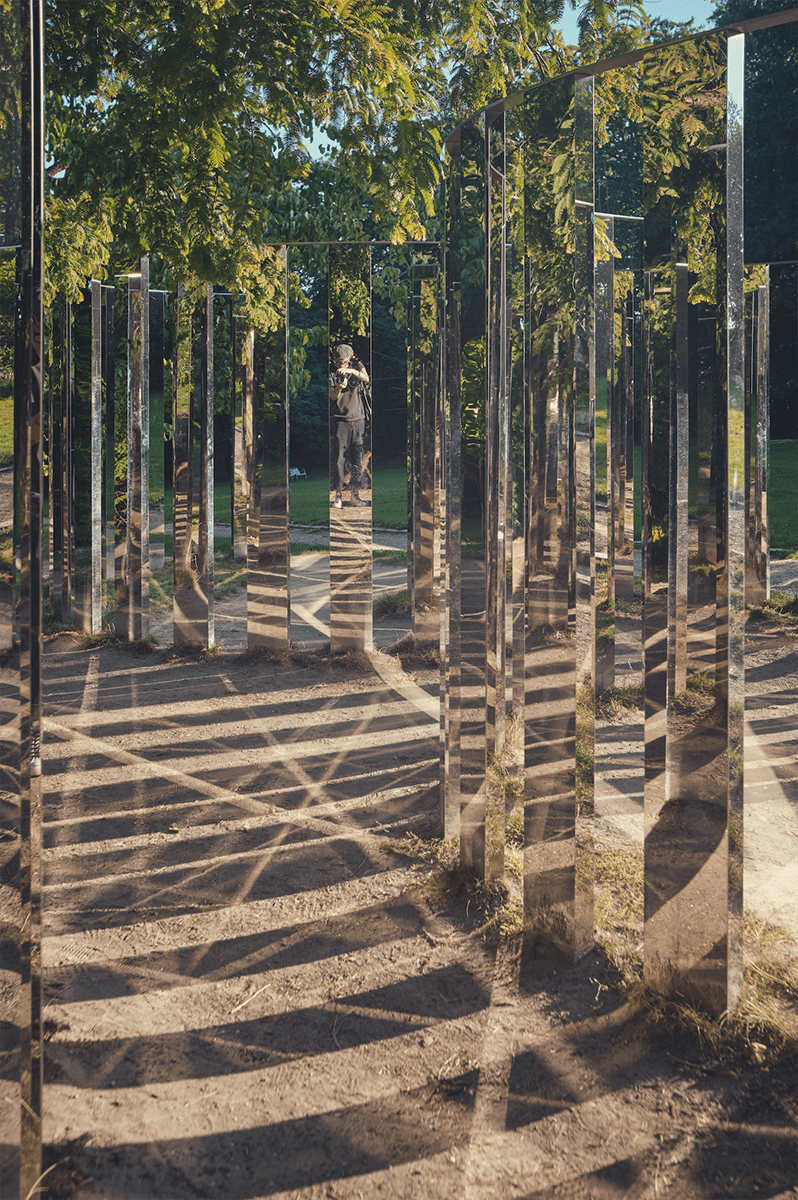
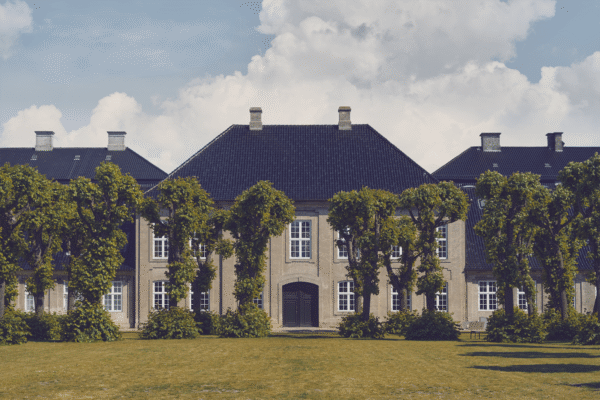
The building, which merges elegant classical architecture with modern design, is surrounded by a beautiful park that invites visitors to stroll and enjoy nature. In addition to its permanent collections, Ordrupgaard offers a dynamic schedule of temporary exhibitions and cultural events, making it a significant meeting point for art lovers in Denmark and beyond.
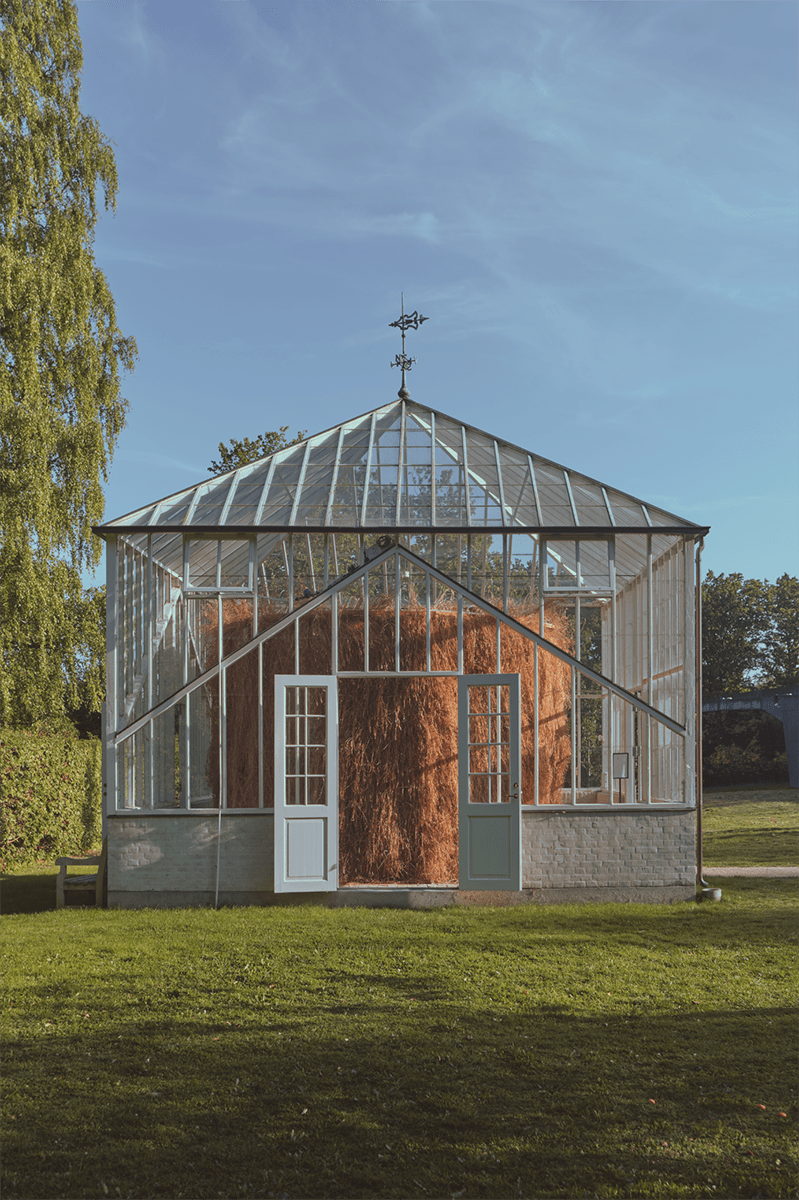
The fusion of art and landscape at this museum creates a unique experience that reflects the region’s rich cultural heritage. Currently, an intriguing exhibition by Ai Weiwei can be seen. Don’t forget to stop by the café after walking through its beautiful sculpture garden.
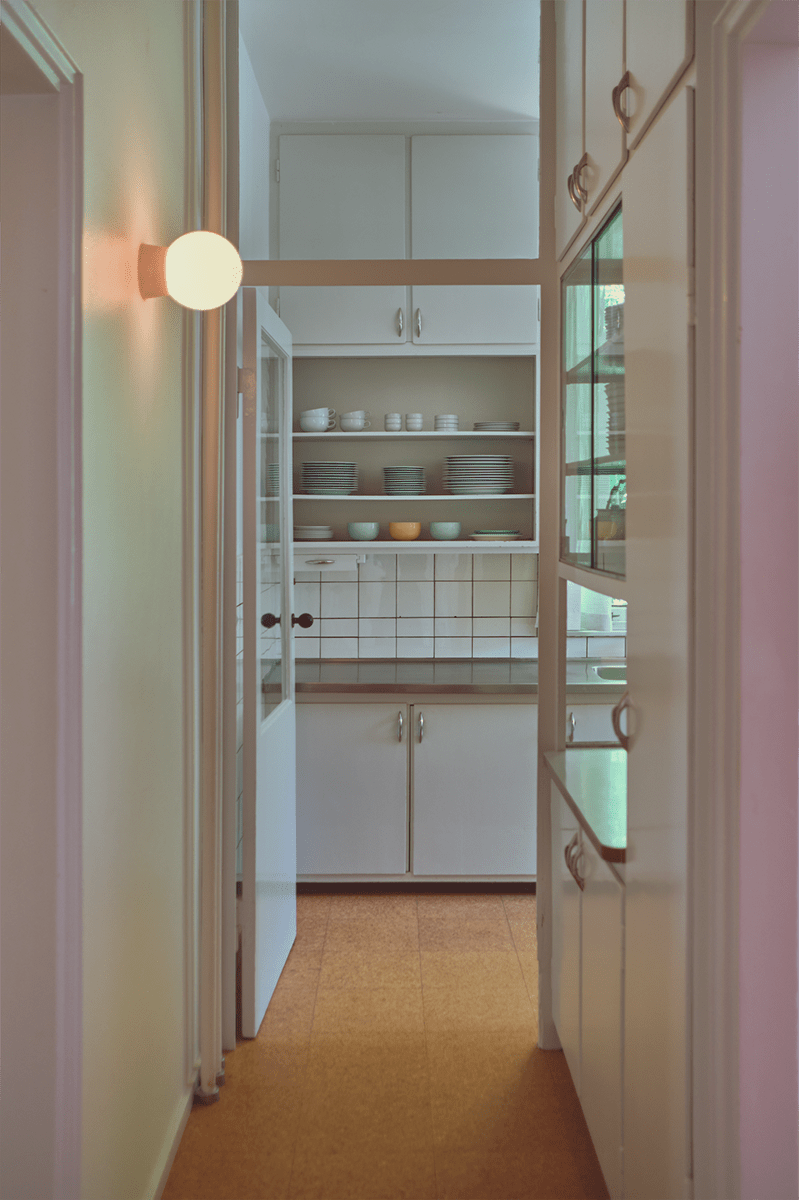
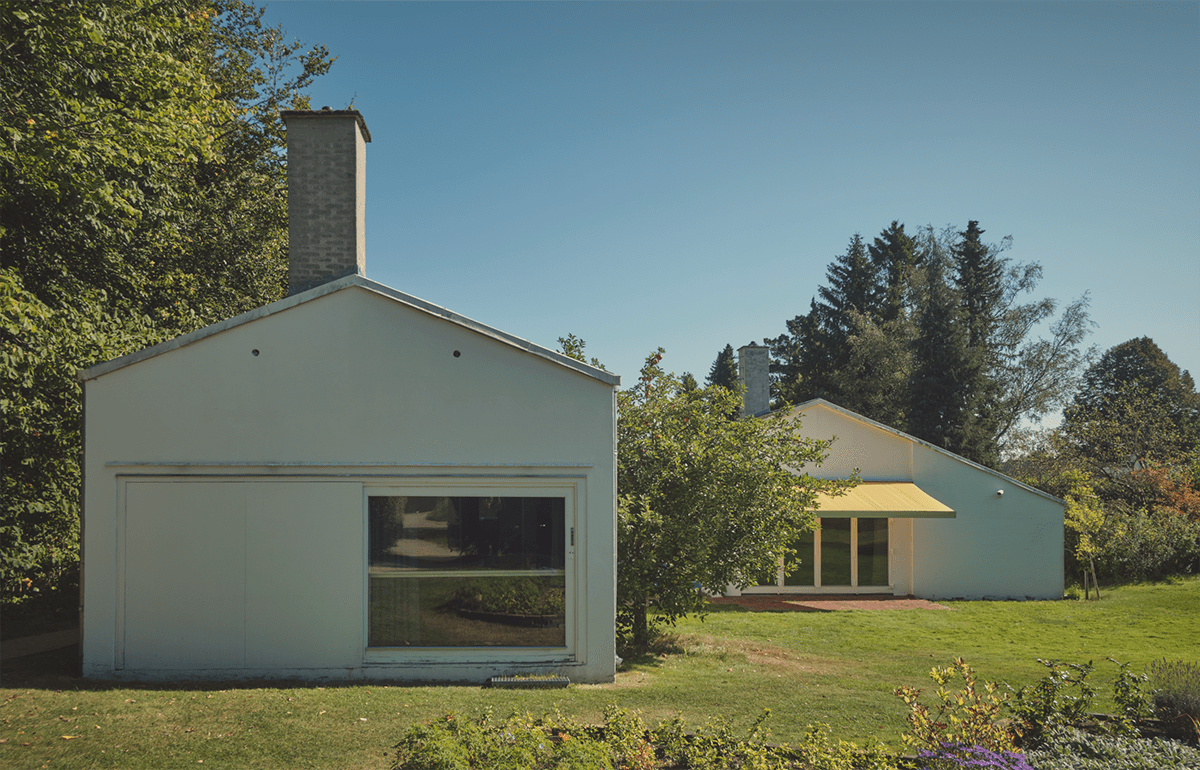
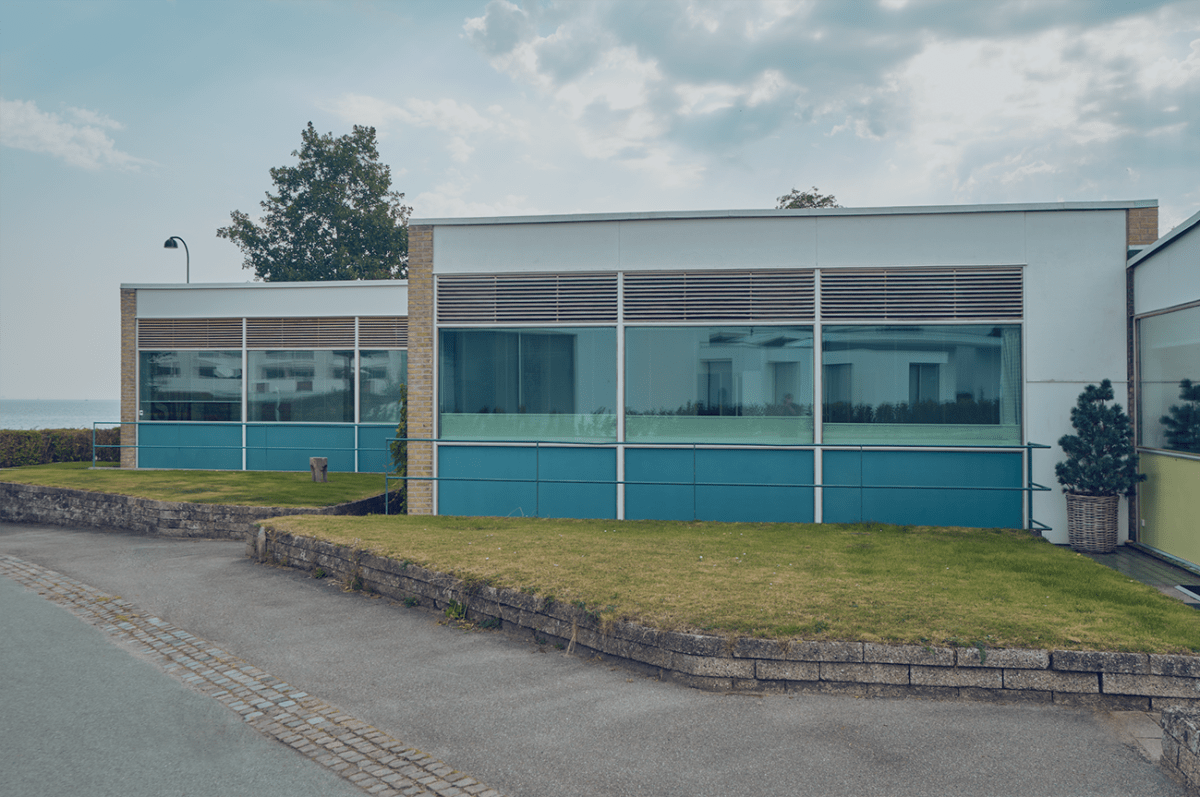
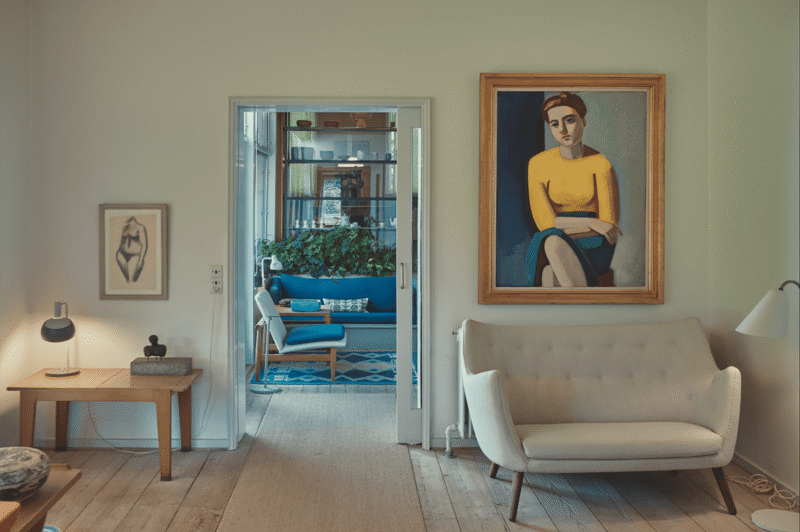
Finn Juhl’s House: Located in the quiet town of Ordrup near Copenhagen, this museum is a tribute to the legacy of the renowned Danish architect and designer Finn Juhl, known for his contribution to the 20th-century Scandinavian design movement.
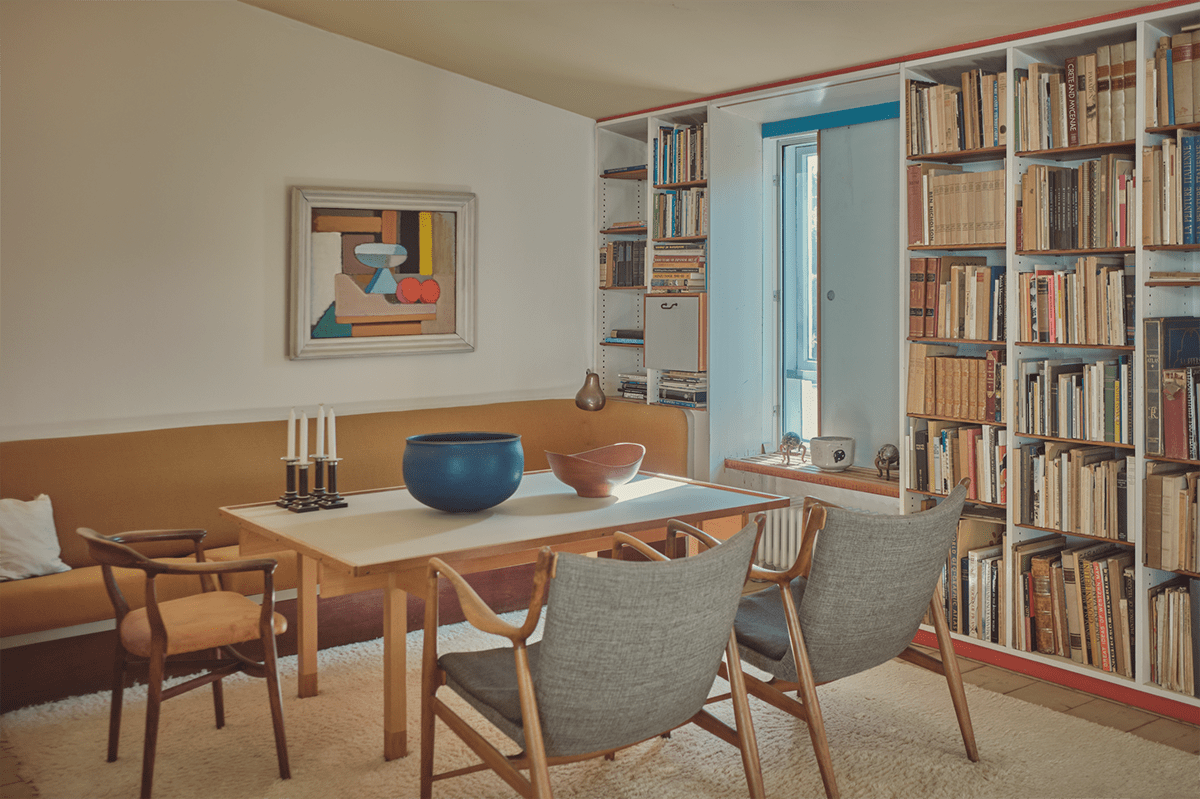
Once his home and studio, this space offers visitors an immersive experience in his innovative approach to design and architecture, highlighting his ability to blend functionality and aesthetics.
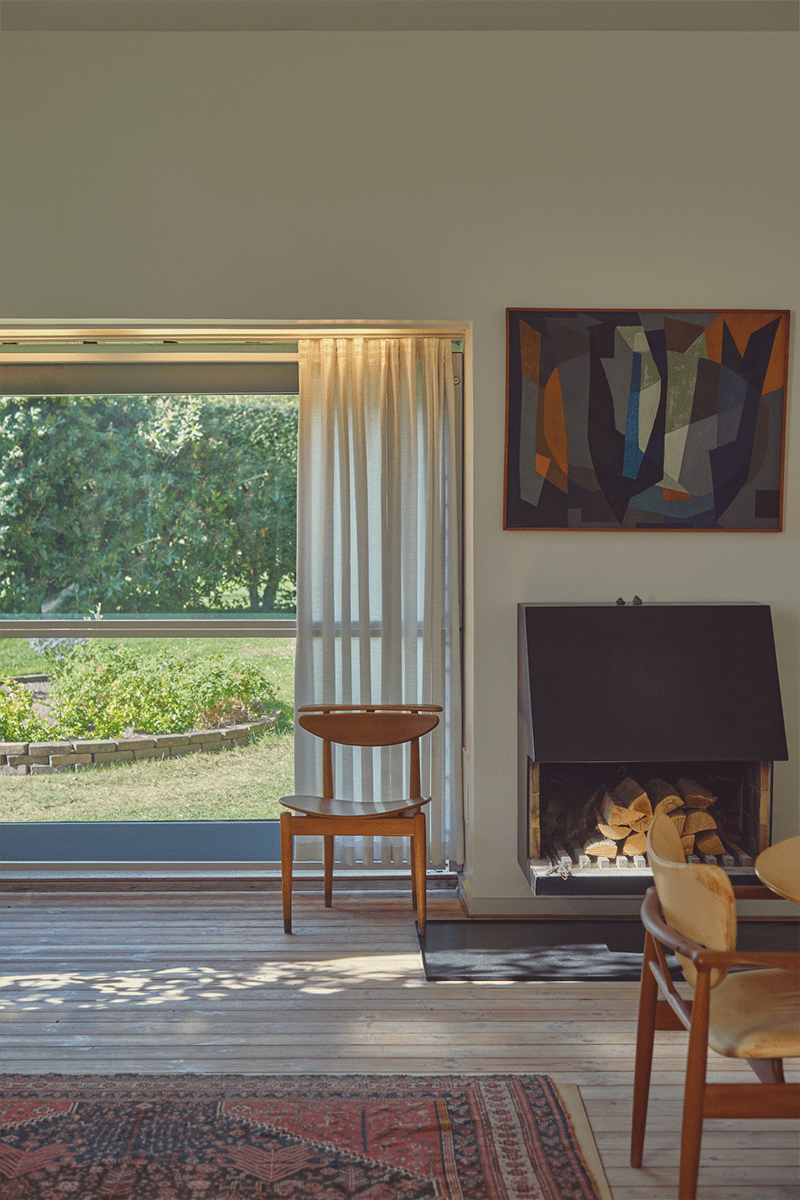
The museum showcases an impressive selection of iconic furniture, many of which are arranged in a setting that reflects Juhl’s unique vision of space and light.
Additionally, the building itself is a work of art, with clean lines and an organic design that harmoniously integrates with its natural surroundings. Through temporary exhibitions and educational programs, the Finn Juhl’s House museum not only preserves the legacy of this design master but also inspires new generations to explore the beauty and functionality in contemporary design.
Arken: one of the leading artistic hubs in Denmark and Europe
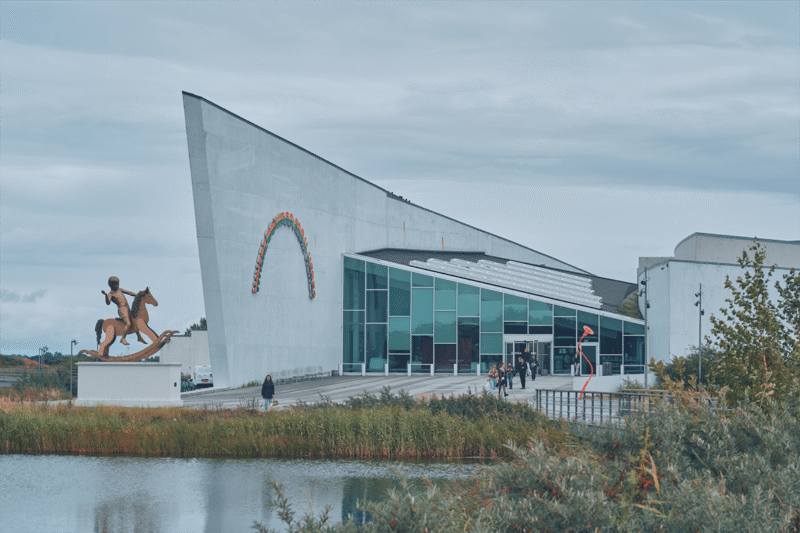
On the shores of the Baltic Sea, in the quiet town of Ishøj, about 20 kilometers south of Copenhagen, stands one of Scandinavia’s most fascinating museums: the Arken Museum of Modern Art. Opened in 1996, Arken is much more than a collection of contemporary art; it is a space where architecture, nature, and creativity converge to offer a unique experience that challenges traditional perceptions of art.
Designed by Danish architect Søren Robert Lund when he was only 25, the museum’s building resembles a ship stranded on the dunes of the Danish coast. The structure, with its large concrete and steel hull, seems ready to set sail at any moment. However, Arken remains anchored in time and space, perfectly integrated into its maritime surroundings. The choice of the name—”Arken” means “the ark” in Danish—reinforces this idea of a refuge, not only for art but also for the ideas and emotions it evokes.
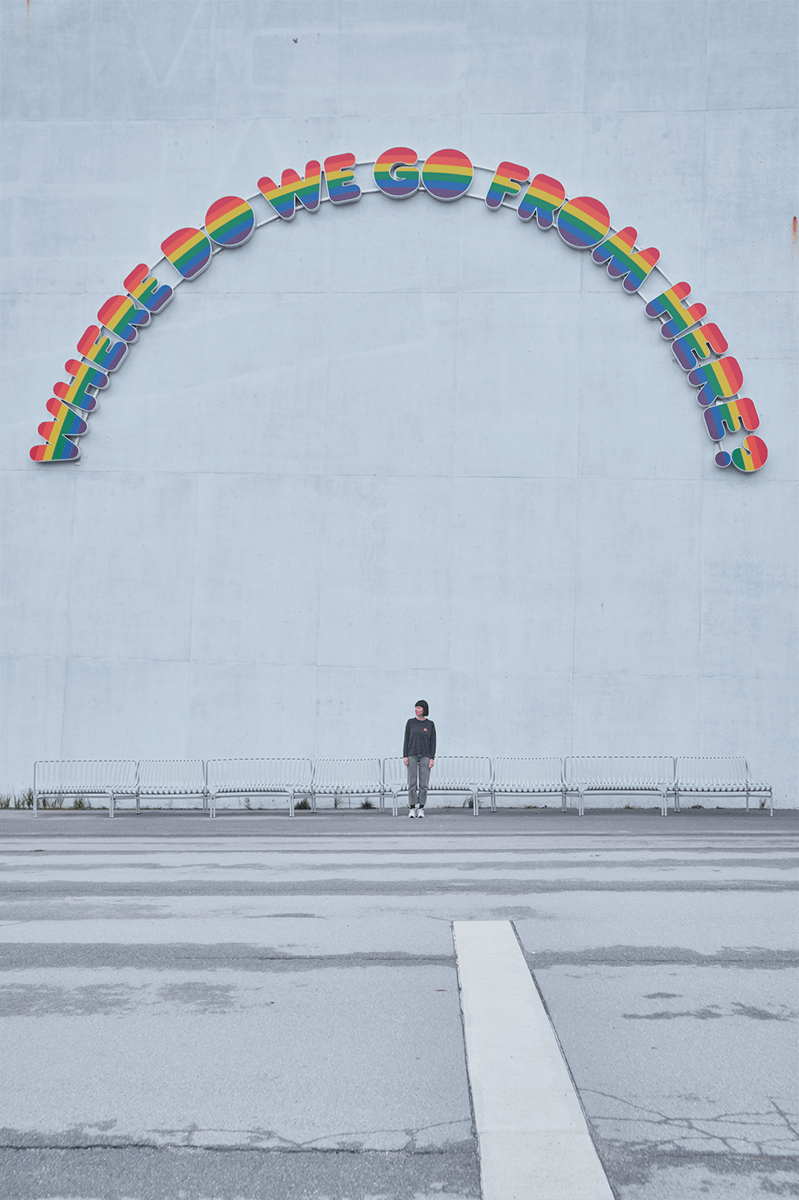
The museum’s exterior, with its angular and avant-garde lines, is a work of art in itself, but it is upon entering that visitors are immersed in a space designed to challenge the imagination. The high ceilings, expansive exhibition halls, and interplay of natural light create an atmosphere that invites contemplation and interaction with the works on display.
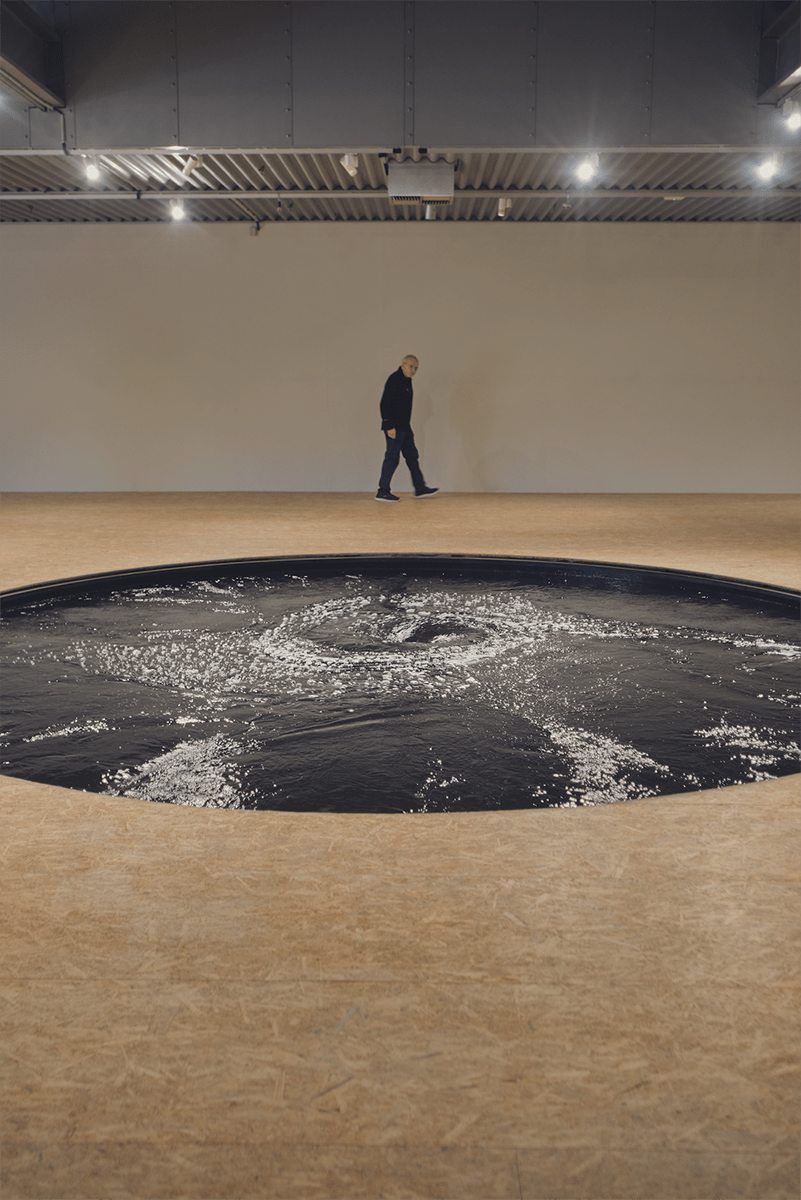
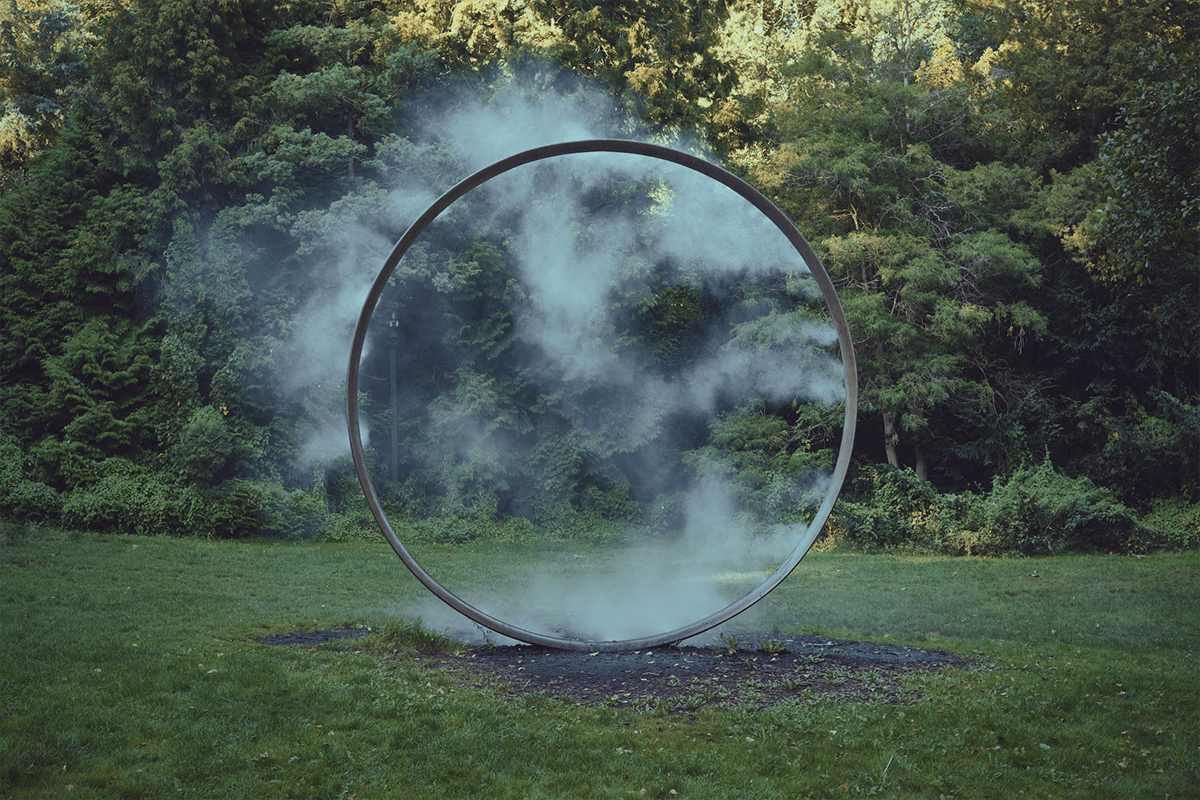
Arken houses an extensive collection of contemporary art, with a particular focus on movements that have emerged since the 1990s. The permanent collection includes works by renowned international artists such as Damien Hirst, Ai Weiwei, and Olafur Eliasson, but it also shines in its commitment to emerging Danish and Nordic artists. This balance between local and global makes the museum a unique space, reflecting both the diversity of international contemporary art and the sensibilities of the Scandinavian region.
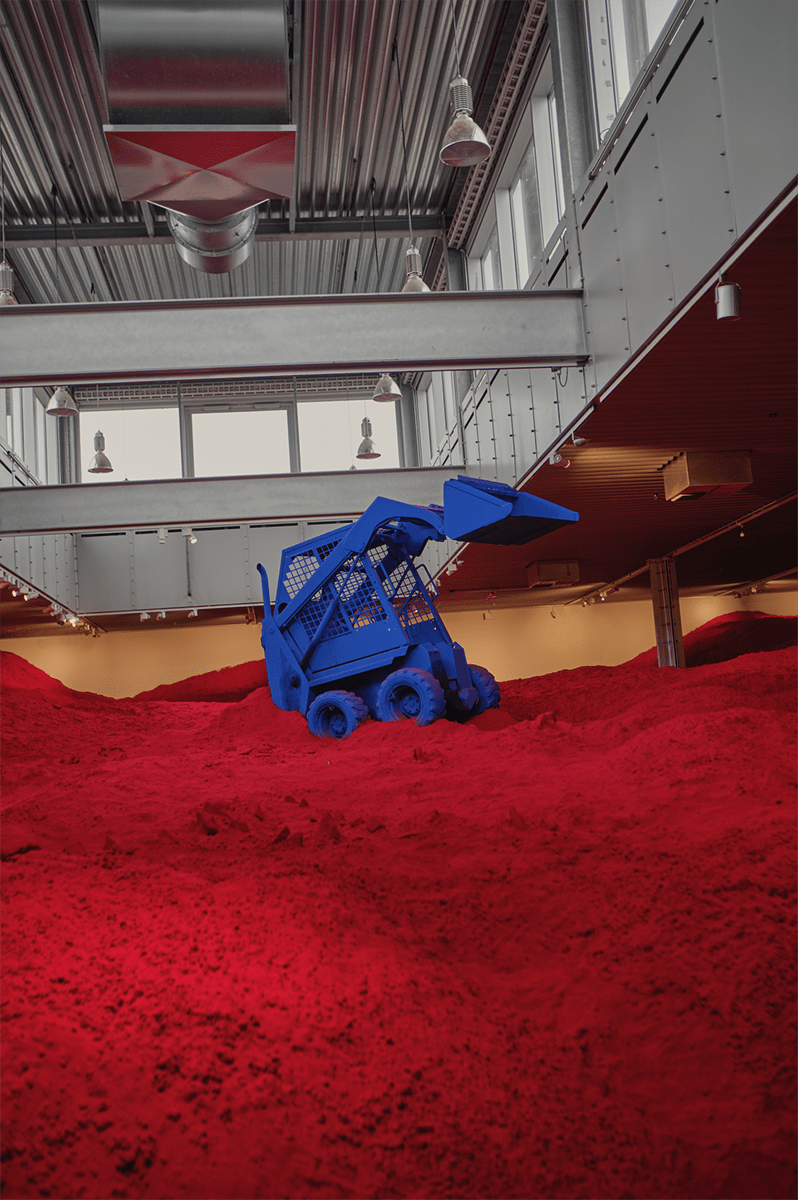
Currently, the museum is hosting a retrospective dedicated to artist Anish Kapoor, offering a deep dive into the work of one of the most influential voices in contemporary art. Kapoor, known for his multidisciplinary approach and his ability to fuse culture, technology, and nature, presents a collection that spans from his early immersive installations to his latest experiments with artificial intelligence and sustainability. The exhibited works, exploring themes such as identity, the environment, and globalization, invite reflection on the relationship between humans and their surroundings in a display that stands out for its conceptual boldness and visual beauty. Highly recommended.
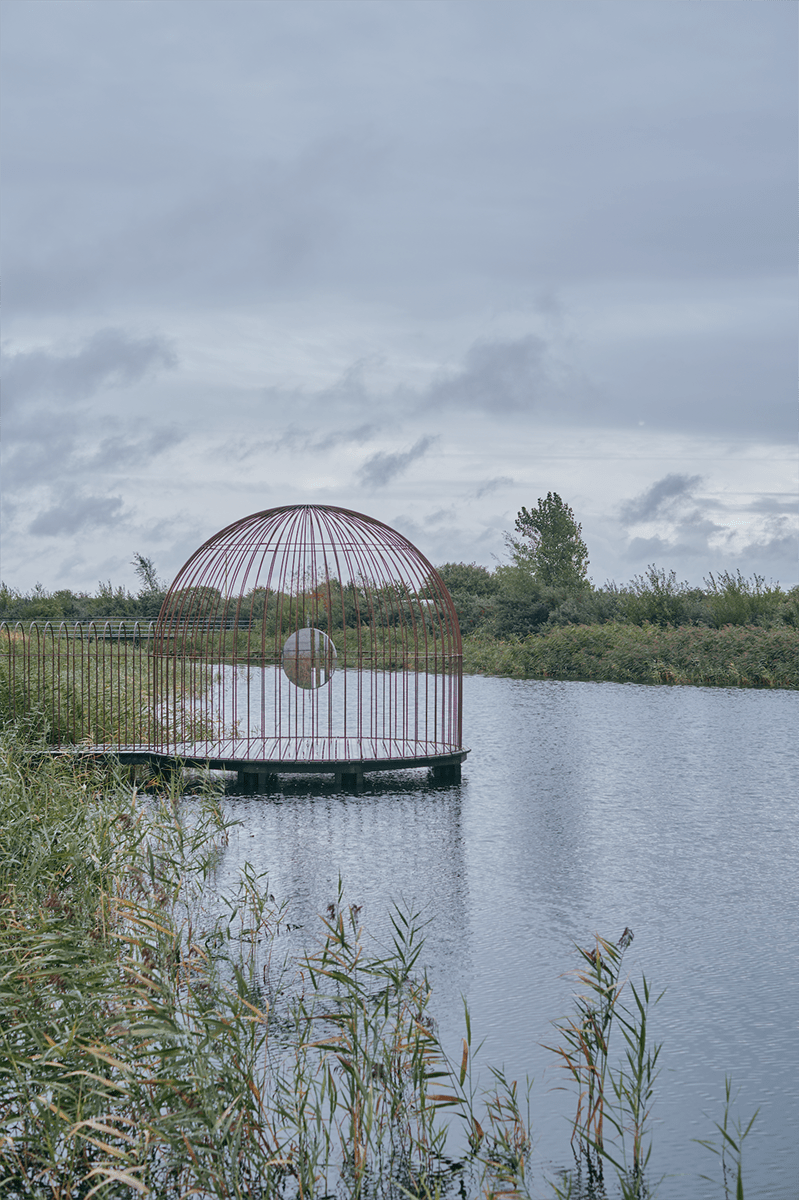
As you’ll see, Arken’s location, next to the coast and surrounded by wild nature, provides an unparalleled setting for appreciating contemporary art. On clear days, it is possible to see the sea from some of the museum’s rooms, a view that reminds visitors of the relationship between humanity and its environment.
This proximity to the natural landscape is no coincidence; it reflects the focus of many of the exhibited works, which explore pressing environmental and social issues.
In addition to its artistic offerings, don’t miss a visit to its shop and café.
Hotels and must-visit hotspots
For this journey, we chose to stay in Copenhagen. We spent a few days at the Kong Arthur Hotel and others at Audo Residence. From there, we traveled to the coast using public transport, as this area is well connected from Copenhagen.
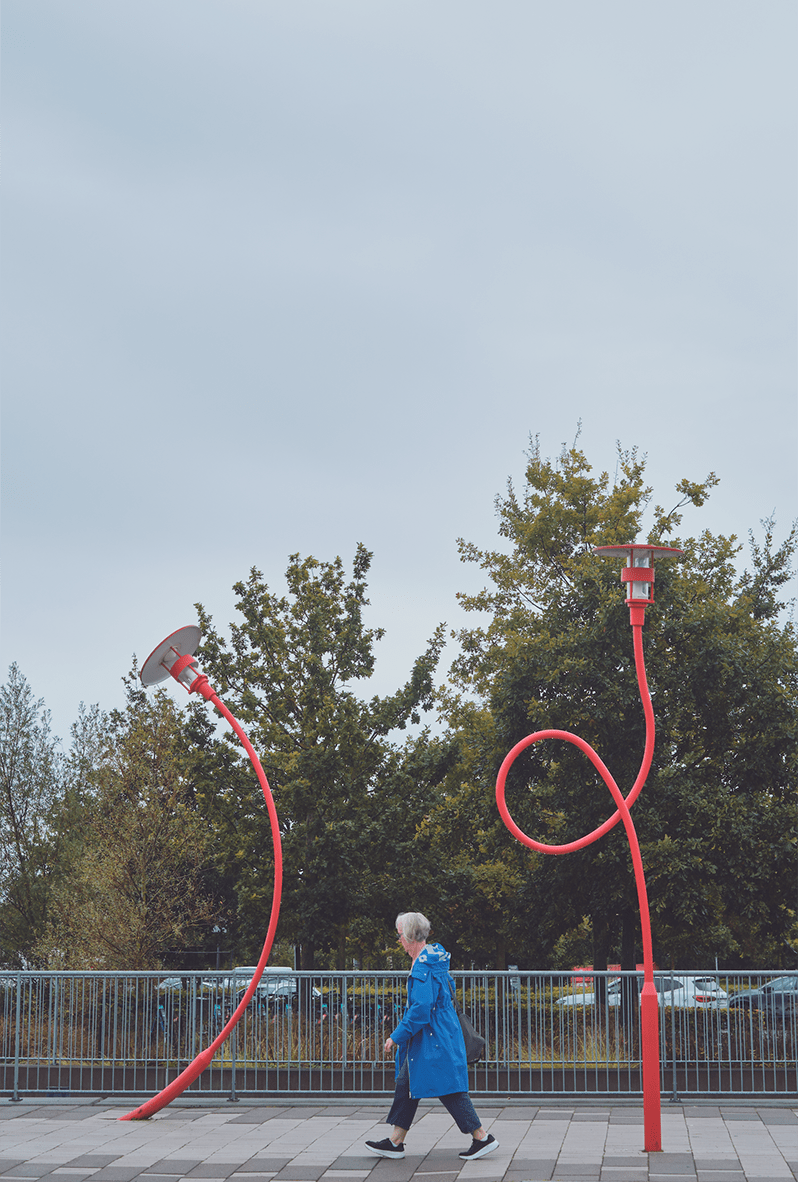
Hotels
Kong Arthur: This charming hotel has established itself as a cozy retreat that combines classic Danish elegance with a contemporary approach to service.
Located in a historic building dating back to the 19th century, the hotel offers a unique experience that fuses comfort and style, with individually decorated rooms reflecting the warmth of Scandinavian design.
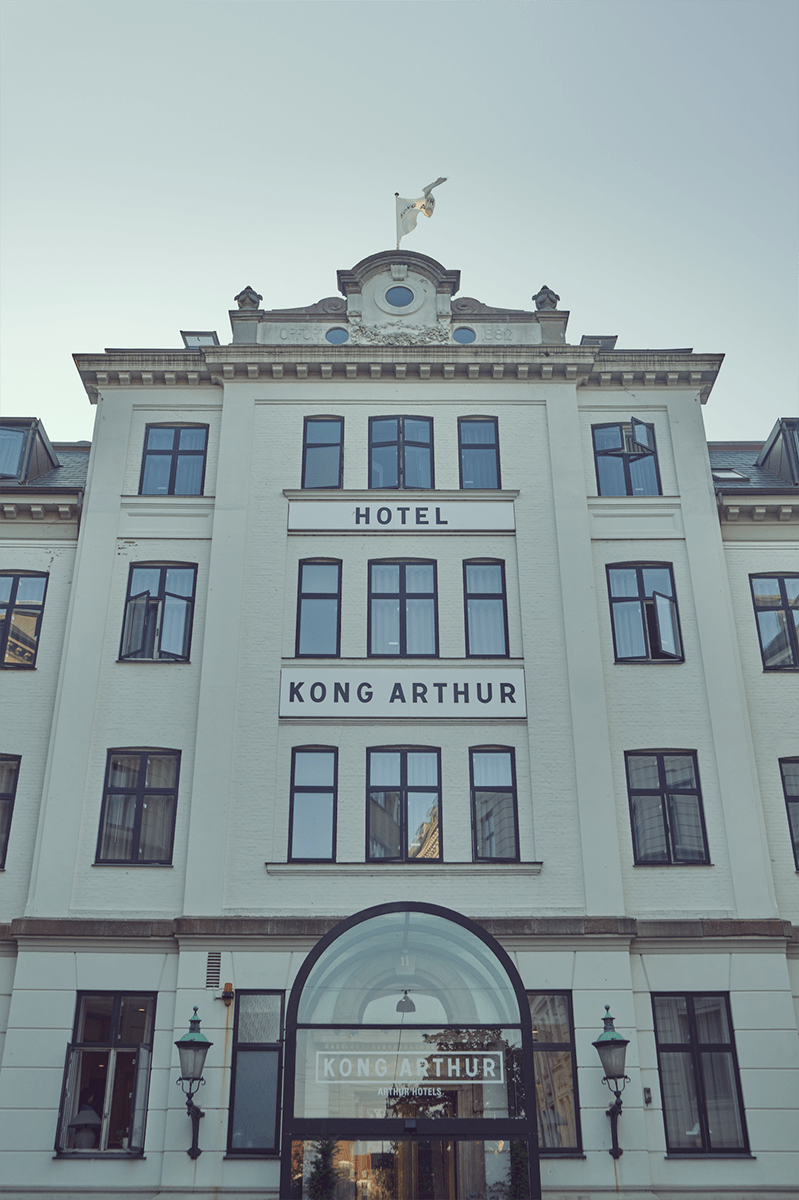
Its famous spa, Ni’mat, invites guests to relax with a variety of wellness treatments inspired by traditions from around the world, while the hotel’s restaurant stands out for its culinary offerings that utilize local and seasonal ingredients.
Both its strategic location near the city’s main points of interest and its welcoming atmosphere, friendly staff, and comfortable rooms make Hotel Kong Arthur highly recommended.
Audo Residence: Located in the vibrant Nordhavn district of Copenhagen, this hotel is a fascinating example of contemporary design that combines Scandinavian aesthetics with a functional and sustainable approach.
This boutique hotel, which we mentioned in another article, was created by the renowned design studio Norm Architects. It offers a unique experience in an environment where every detail has been carefully considered.
With rooms that blend comfort and elegance, Audo Residence is known for its use of natural materials and a soft color palette that evokes serenity and warmth. Audo Residence is situated within Audo House and not only provides a place to rest but also features a café, a showroom, and an event space, positioning itself as a creative hub ideal for those seeking inspiration at the intersection of design, culture, and hospitality in the Danish capital.
Next, we recommend some restaurants and cafés where we ate during our trip:
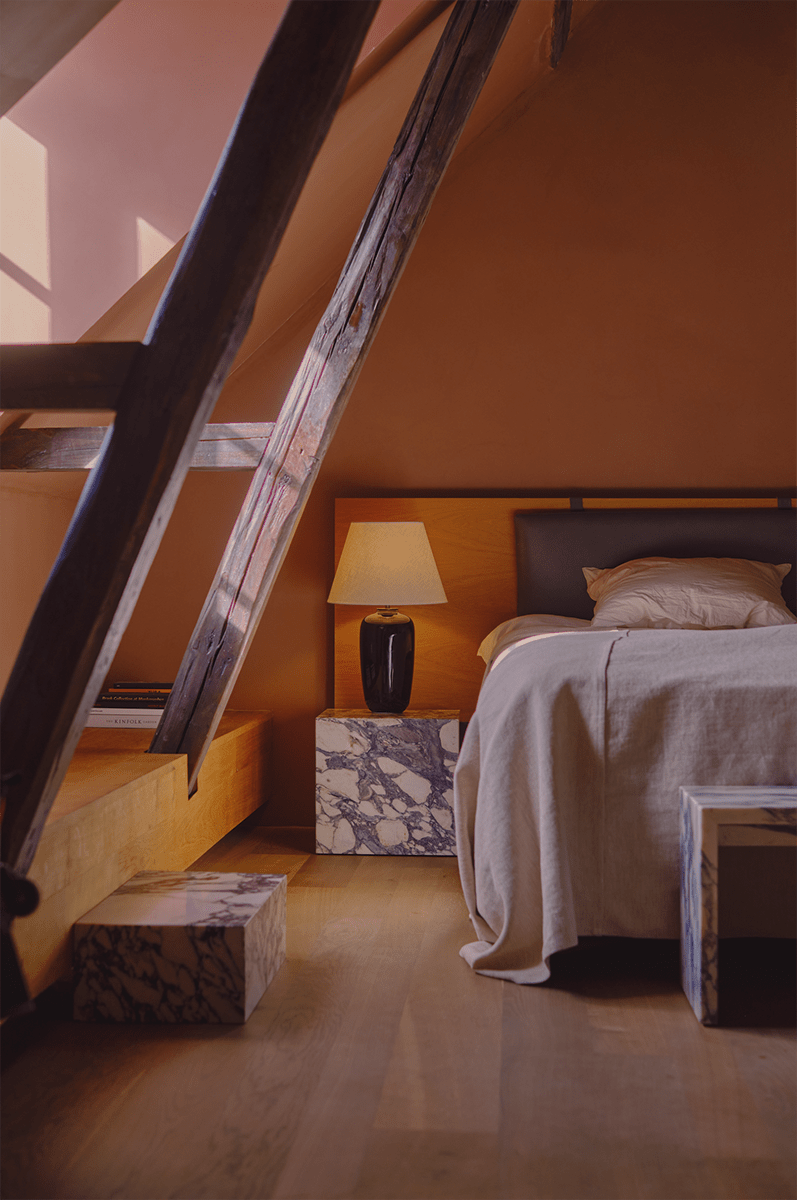
Restaurants and Cafés
In Copenhagen:
Riviera: This is the new café by chef Chiara Barla. A new space decorated with Frama furniture, where you can enjoy exquisite sweet or savory breakfasts.
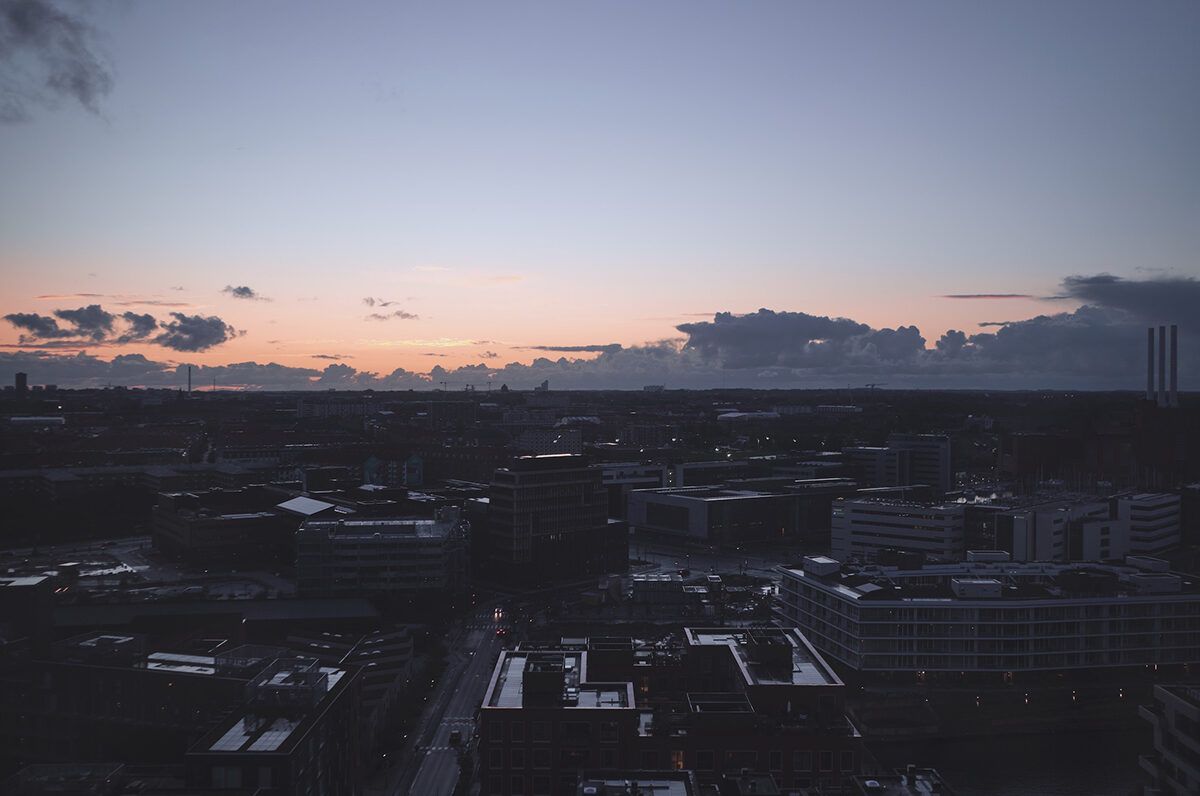
Silo: Located on the 17th floor of The Silo in the northern harbor area of Copenhagen, the building itself is quite an impressive architectural piece that also houses some of the capital’s most exclusive apartments. Restaurant Silo boasts stunning panoramic views and offers both lunch and dinner with a menu that changes with the seasons and the chef’s mood. Highly recommended!
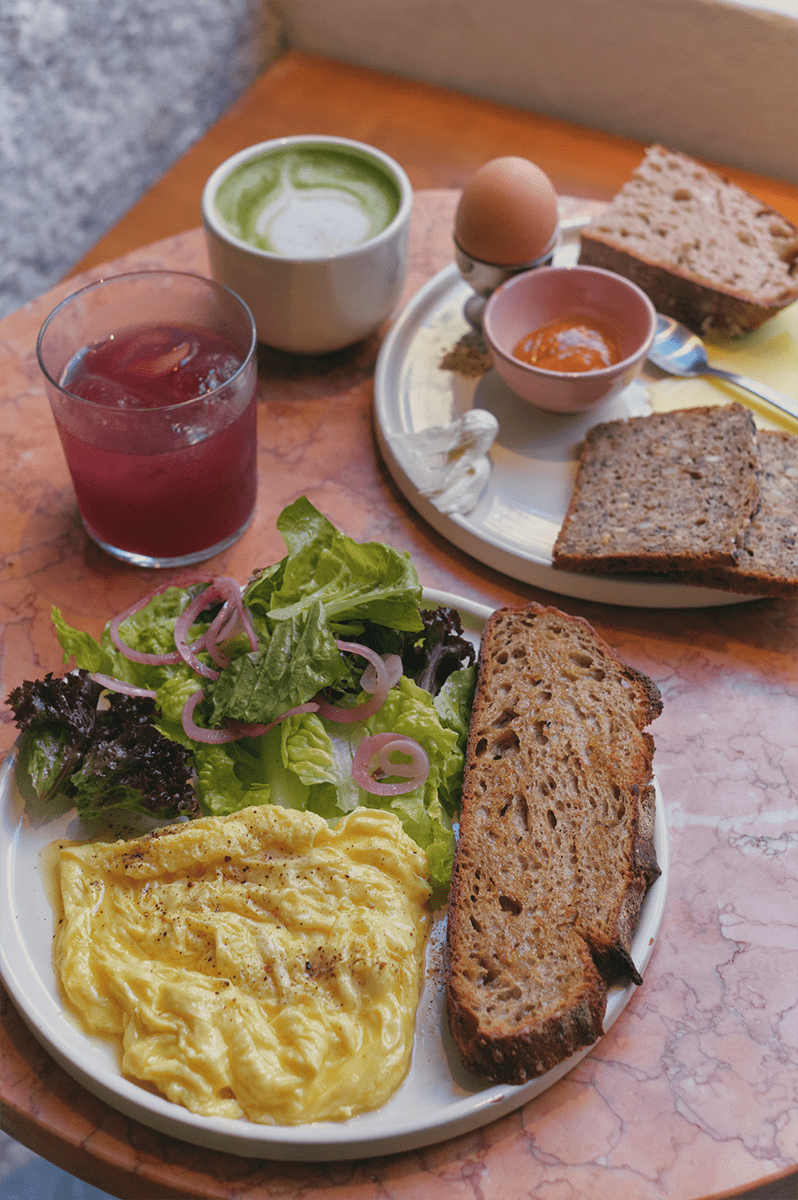
Høst: An outstanding example of contemporary Nordic cuisine, where tradition meets innovation in a cozy and elegant atmosphere. With an interior design that combines the warmth of natural materials with a minimalist touch, Høst provides a dining experience that celebrates local and seasonal ingredients, reflecting the richness of the Danish landscape. Its regularly changing menu features creative dishes that highlight the freshness and quality of the products, often accompanied by carefully selected wine pairings. The restaurant’s commitment to sustainability and respect for nature is evident in every bite, making Høst a must-visit destination for food lovers seeking an authentic immersion in Danish culinary culture.
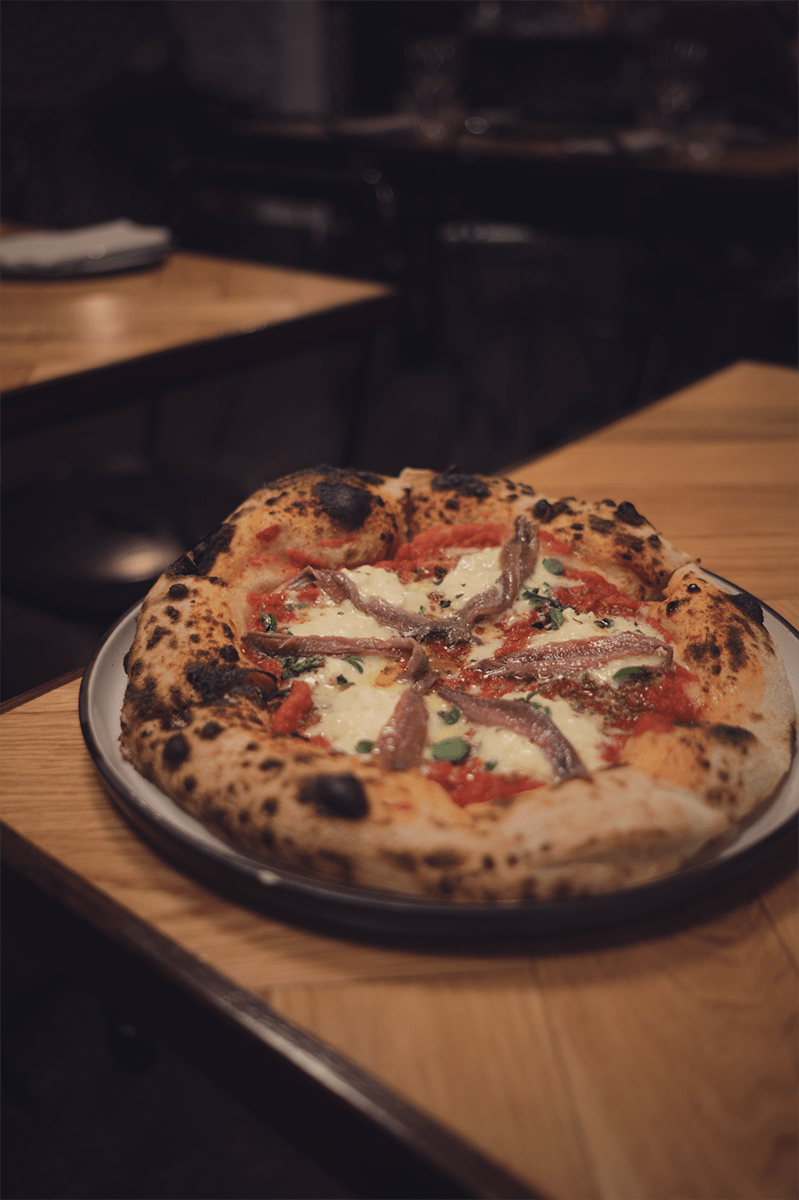
Bæst: Located in the lively Nørrebro district, this restaurant has earned a prominent place in the Danish culinary scene thanks to its bold and sustainable approach to Italian cuisine. Founded by renowned chef Christian Puglisi, it is famous for its artisanal pizzas made with long-fermented dough and baked in a wood-fired oven, giving them a unique and authentic flavor. Many of its ingredients come from its own farm and local producers, ensuring freshness and quality. Delicious!
Bistro Lupa: Located in the charming Østerbro district, it is a haven for vegan cuisine lovers, where the cozy atmosphere and friendly service combine to create a memorable dining experience. In this vegan bistro, sustainability is an important theme, focusing on local and seasonal products, some of which are harvested or sourced from its own farm. It’s one of our favorite restaurants in the city!
Lido: This restaurant offers dishes that combine fresh, seasonal ingredients with vibrant and creative flavors. The relaxed and cozy atmosphere, complemented by its modern and bright design, makes it a perfect place to enjoy a delicious coffee with a handmade pastry or lunch.
Juno: Considered the best bakery in Copenhagen, it’s always a must-visit. Everything is delicious!
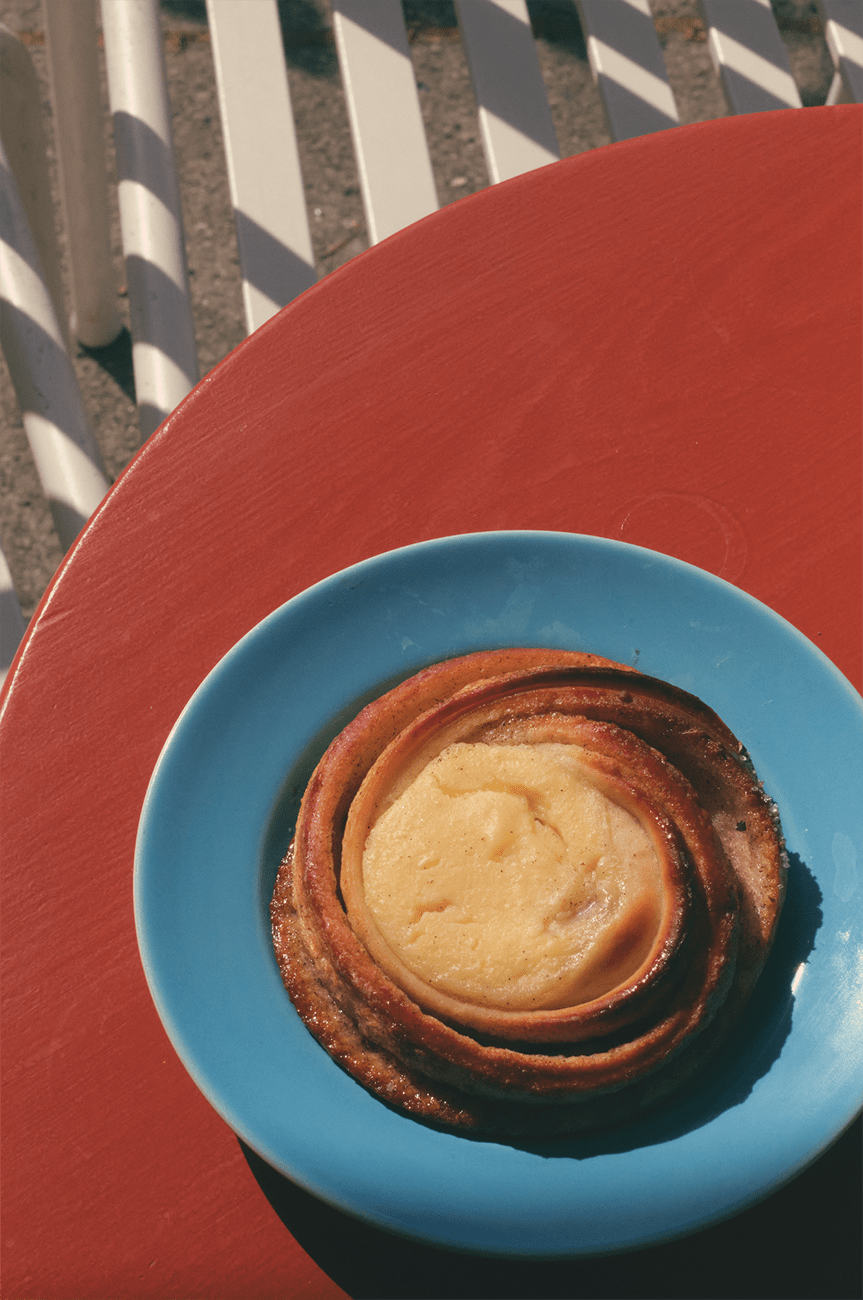
Nr.30 Spisested & Vinbar: Located in the vibrant Vesterbro district, it has become a must-visit destination for food and wine lovers. This cozy restaurant and wine bar, with a warm and contemporary atmosphere, offers a menu that celebrates the flavors of Nordic cuisine, using fresh, local ingredients that change with the seasons. Nr.30‘s culinary offerings stand out for their focus on simple yet carefully crafted dishes, inviting guests to savor each bite in a relaxed environment. Additionally, the extensive wine list, which includes options from sustainable and biodynamic producers, allows diners to find the perfect pairing for each dish.
On the Coast of Copenhagen:
Brede Spisehus, located in the historic town of Brede on the outskirts of Copenhagen, is a charming restaurant that combines Danish tradition with a contemporary approach to cuisine. This cozy establishment, surrounded by picturesque scenery, offers a menu that celebrates local flavors, highlighting fresh and seasonal ingredients, many of which come from nearby producers. The restaurant’s atmosphere is intimate and warm, with decor that reflects the charm of rural Denmark, creating an ideal space to enjoy a relaxed dinner with friends or family.
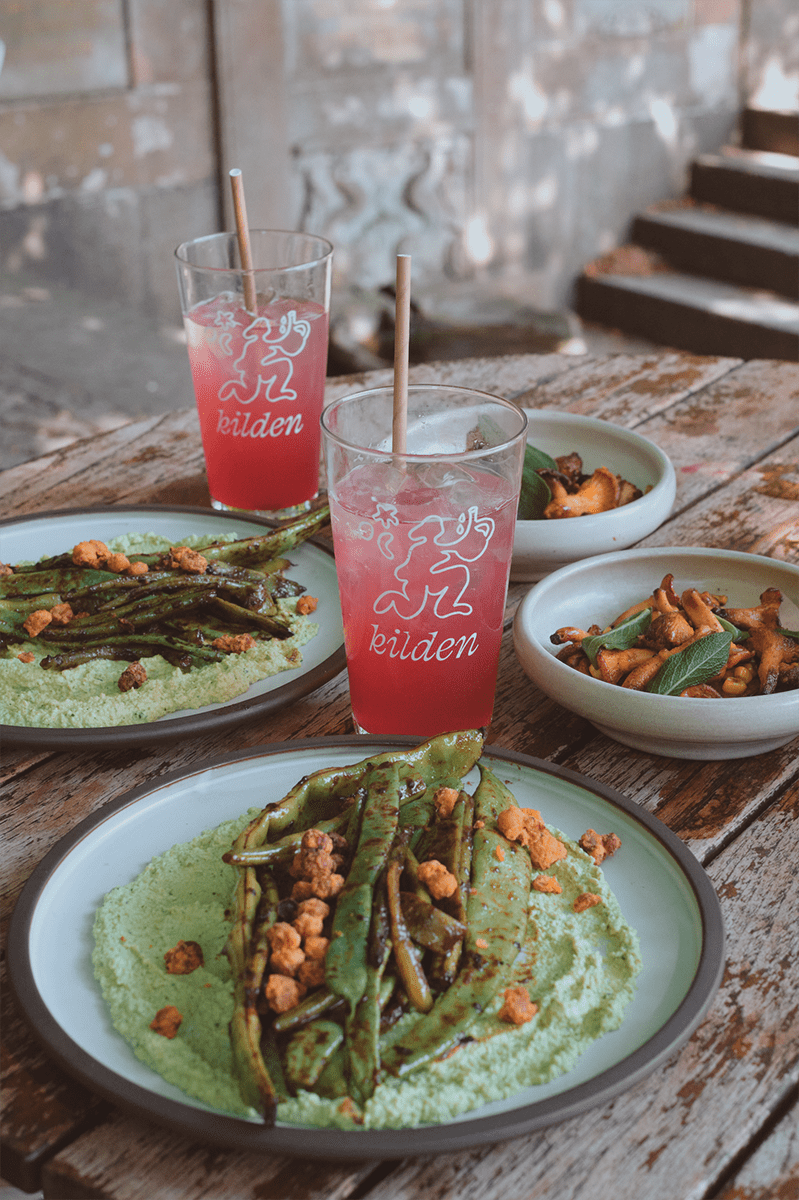
Kilden i Skoven, nestled in the heart of Rude Skov forest near Copenhagen, is a gastronomic retreat that offers a unique experience in nature. This restaurant is known for its focus on contemporary Danish cuisine, where local and seasonal ingredients take center stage on the menu. The atmosphere at Kilden i Skoven is cozy and rustic, with a design that harmonizes with the natural surroundings, inviting diners to enjoy a meal surrounded by trees and tranquility. In addition to its exquisite culinary offerings, which include creative and well-presented dishes, the restaurant strives to promote sustainability and respect for the environment by using products from local farms and responsible practices.
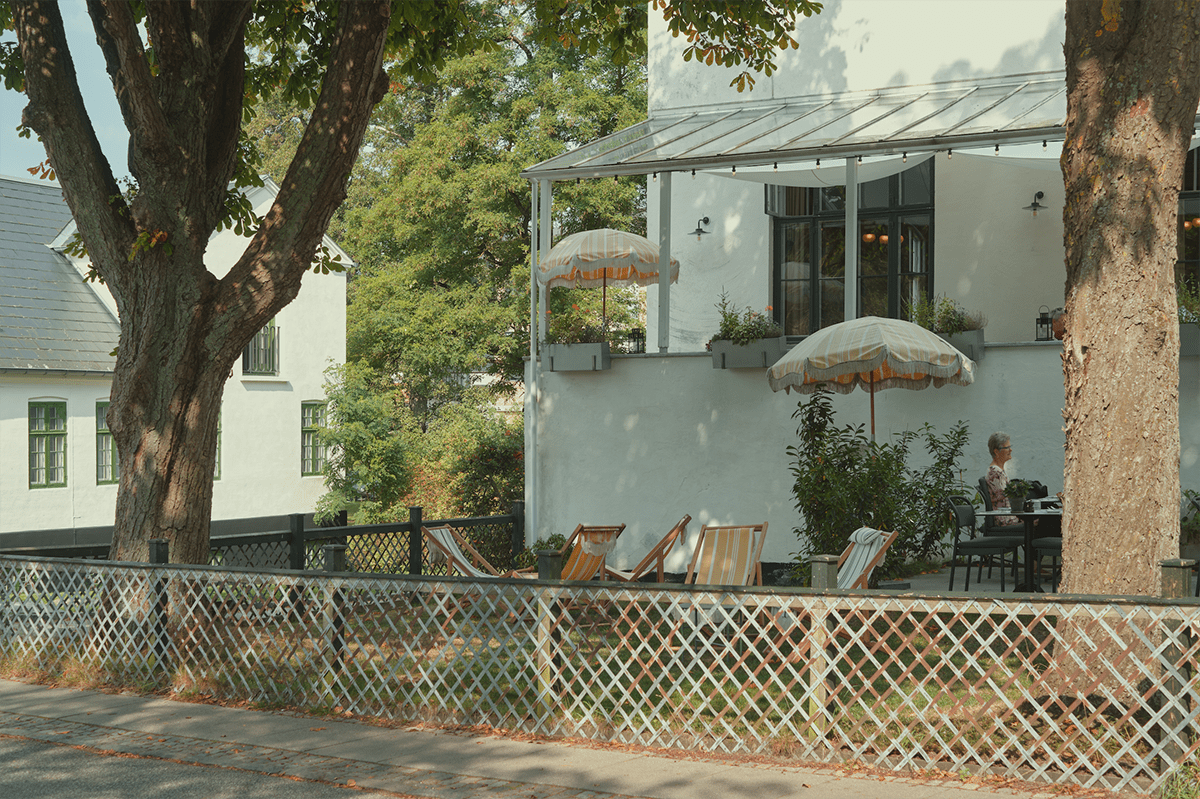
Søly, a local restaurant in the heart of Vedbæk, is also a community gathering place. The owners, Helle Schweers Lehmann and Carl Gustav Lehmann, have lived in the area since 2016. They missed a place where they could enjoy high-quality coffee, as they used to do in Copenhagen, so they decided to create their own space that also offers healthy and quality cuisine. The space is beautiful and located right by the beach.
A destination for all senses
In short, the coast of Copenhagen is a destination that combines the best of Denmark: history, nature, culture, luxury, and sustainability, all wrapped in a relaxed and welcoming atmosphere. Therefore, the next time you think about a getaway to Copenhagen, don’t forget to look a little further north, where all these hidden gems await you.
(*) Photographs: Ely Sánchez and Cecilia Camacho (CC/magazine).

&p[summary]=&p[url]=https://ccmagazine.es/en/the-copenhagen-coast-nature-history-art-and-beauty-part-2&p[images[0]=https://ccmagazine.es/wp-content/uploads/2024/10/CCmagazine_copenhagencoast1_portada.png)
)