The Copenhagen Coast: nature, history, art and beauty (Part 1)
Just a few kilometers north of Copenhagen lies a region that seems straight out of a postcard. The Copenhagen Coast is one of Denmark’s best-kept secrets. This coastal stretch offers a harmonious blend of sea, nature, and design, making it an iconic destination for both architecture lovers and those seeking the serenity of the Scandinavian landscape.
Jacobsen’s Style: functionalism by the sea
Arne Jacobsen, known for his clean lines and philosophy that design should be both functional and beautiful, left an indelible mark on Copenhagen’s coast. Born in the Danish capital, his work remains a testament to the modern aesthetic that has made Denmark famous worldwide.
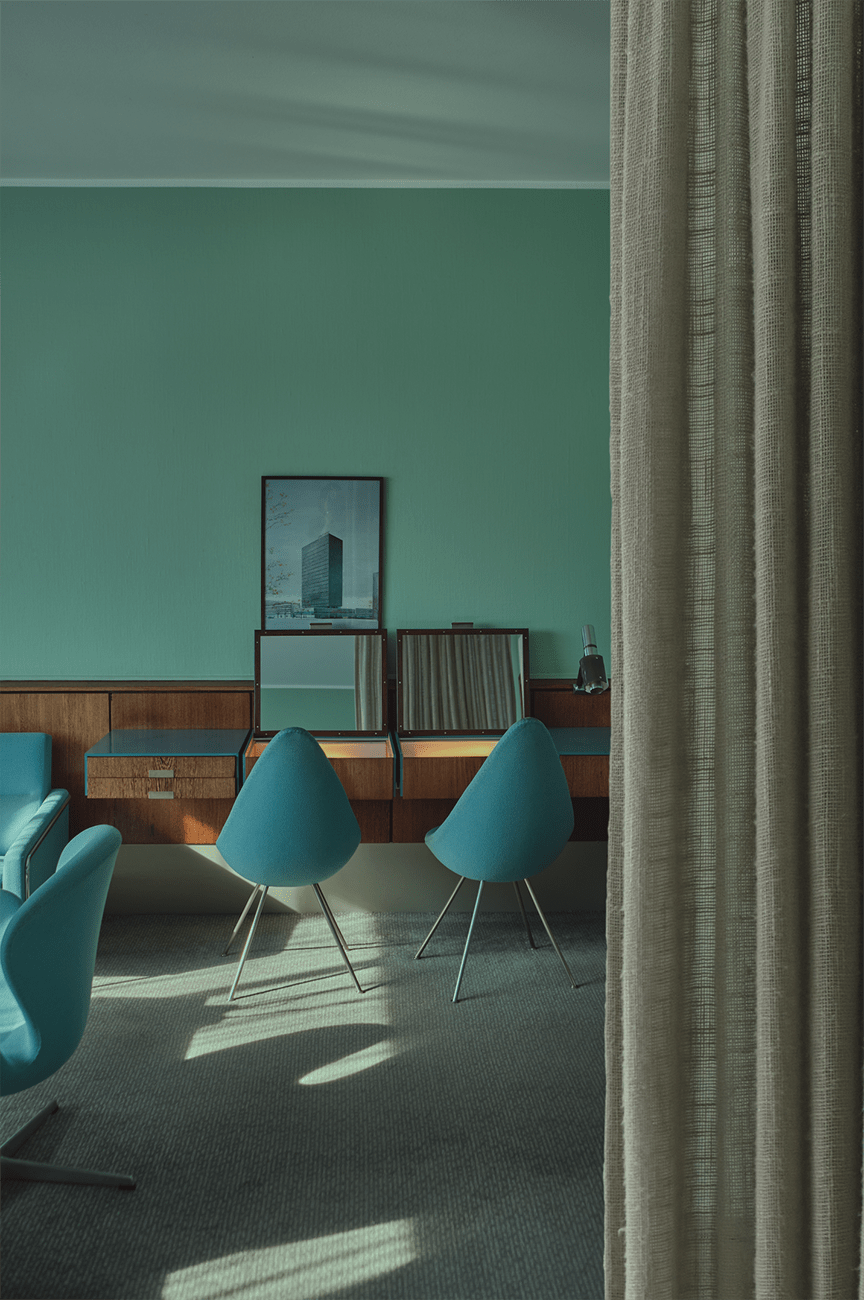
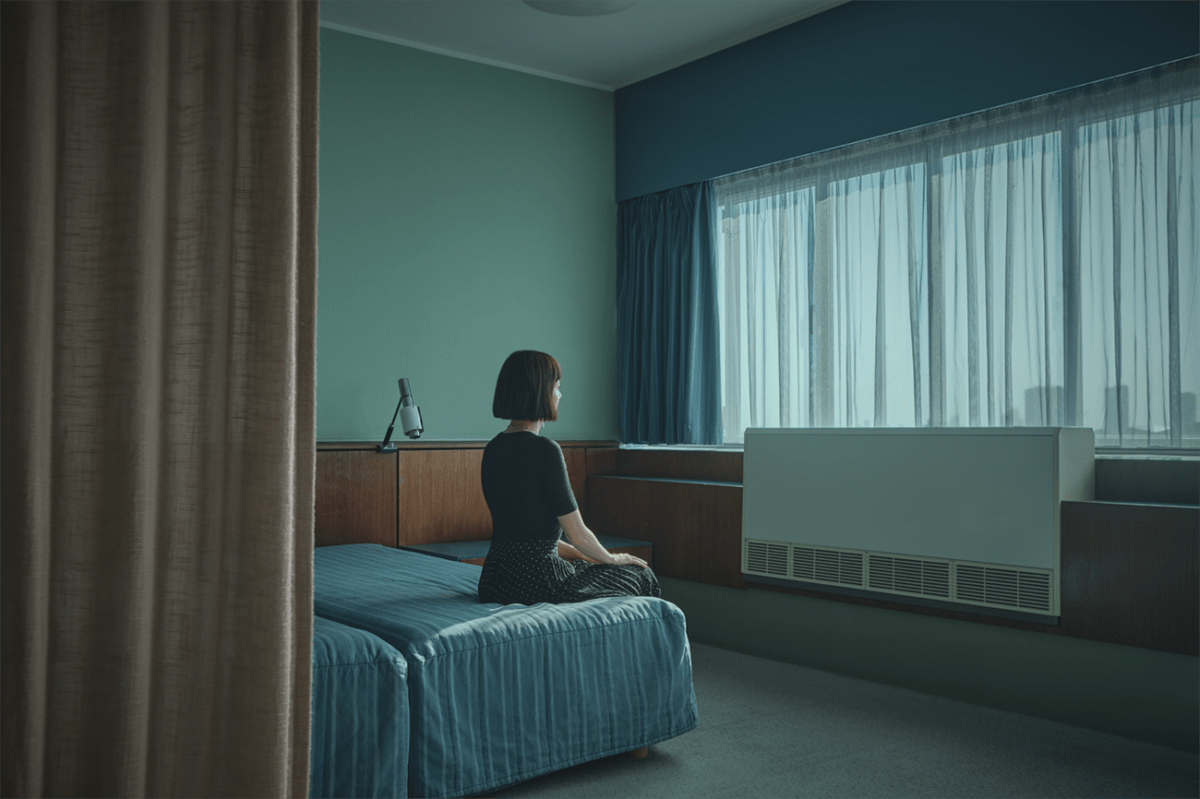
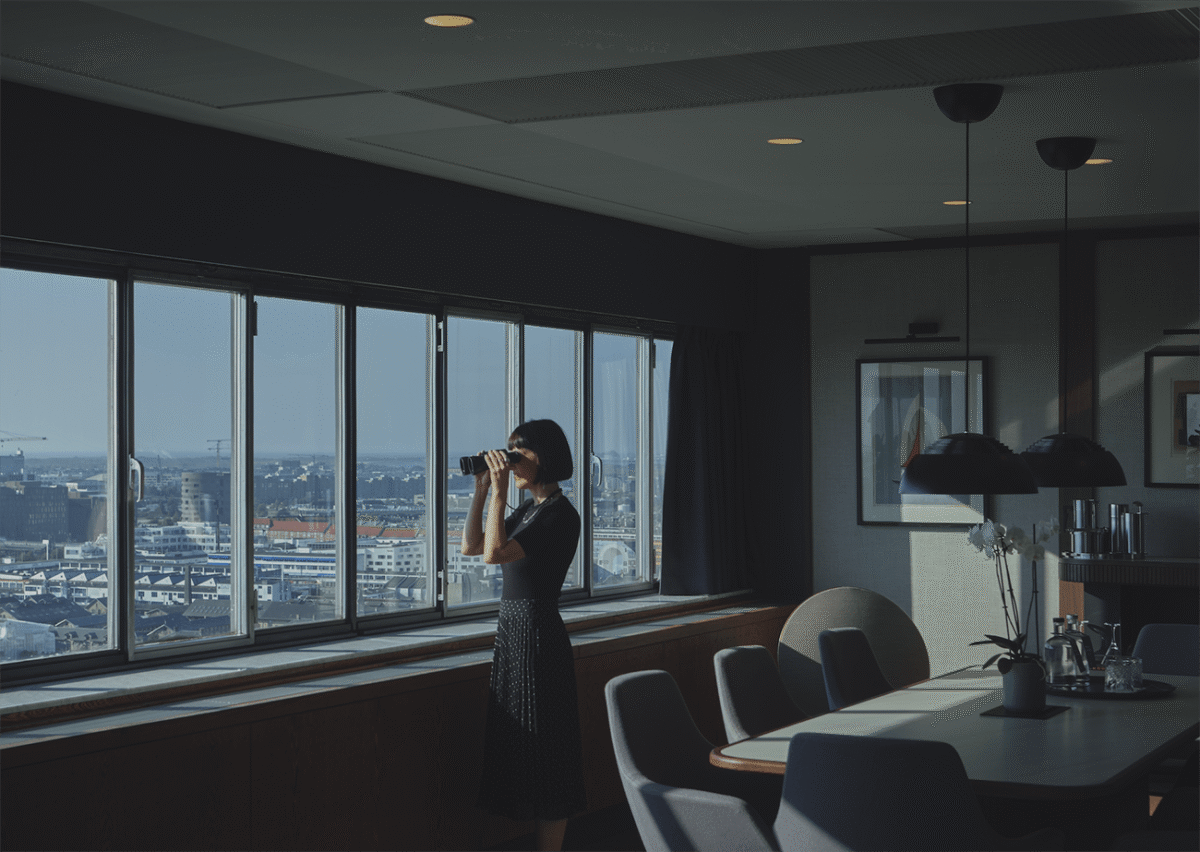
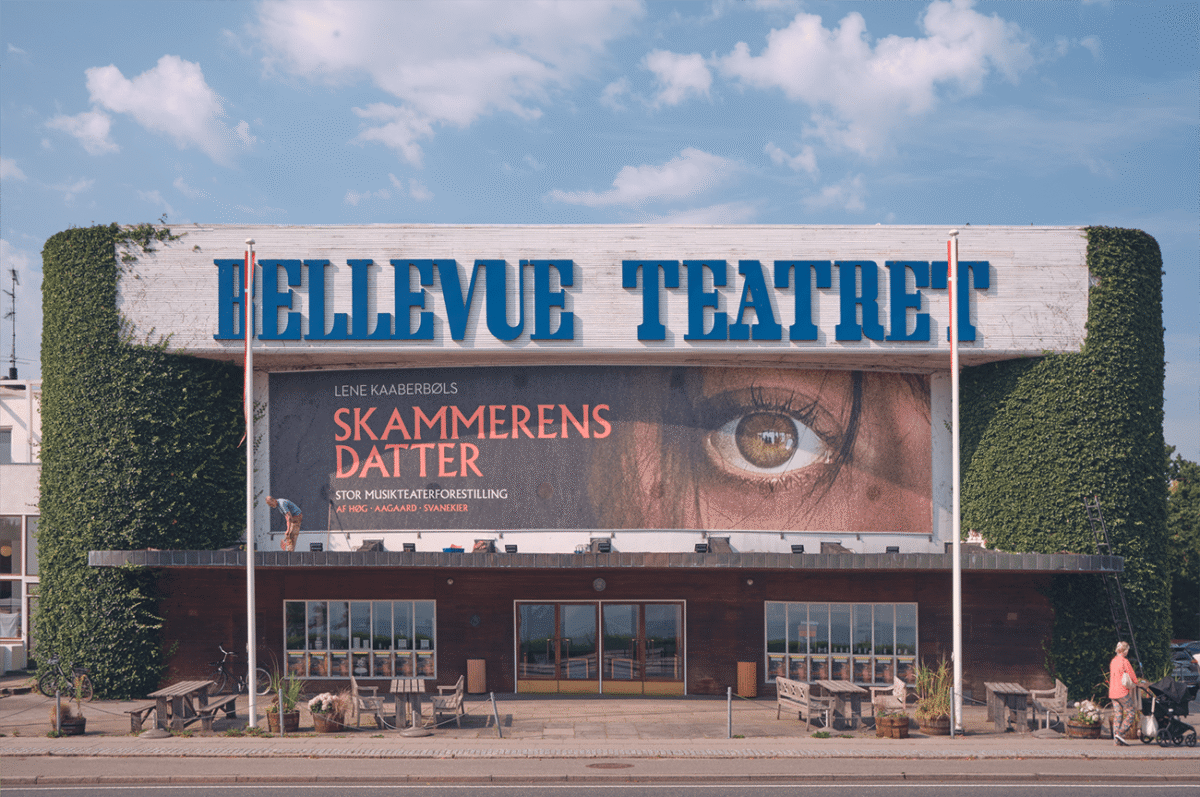
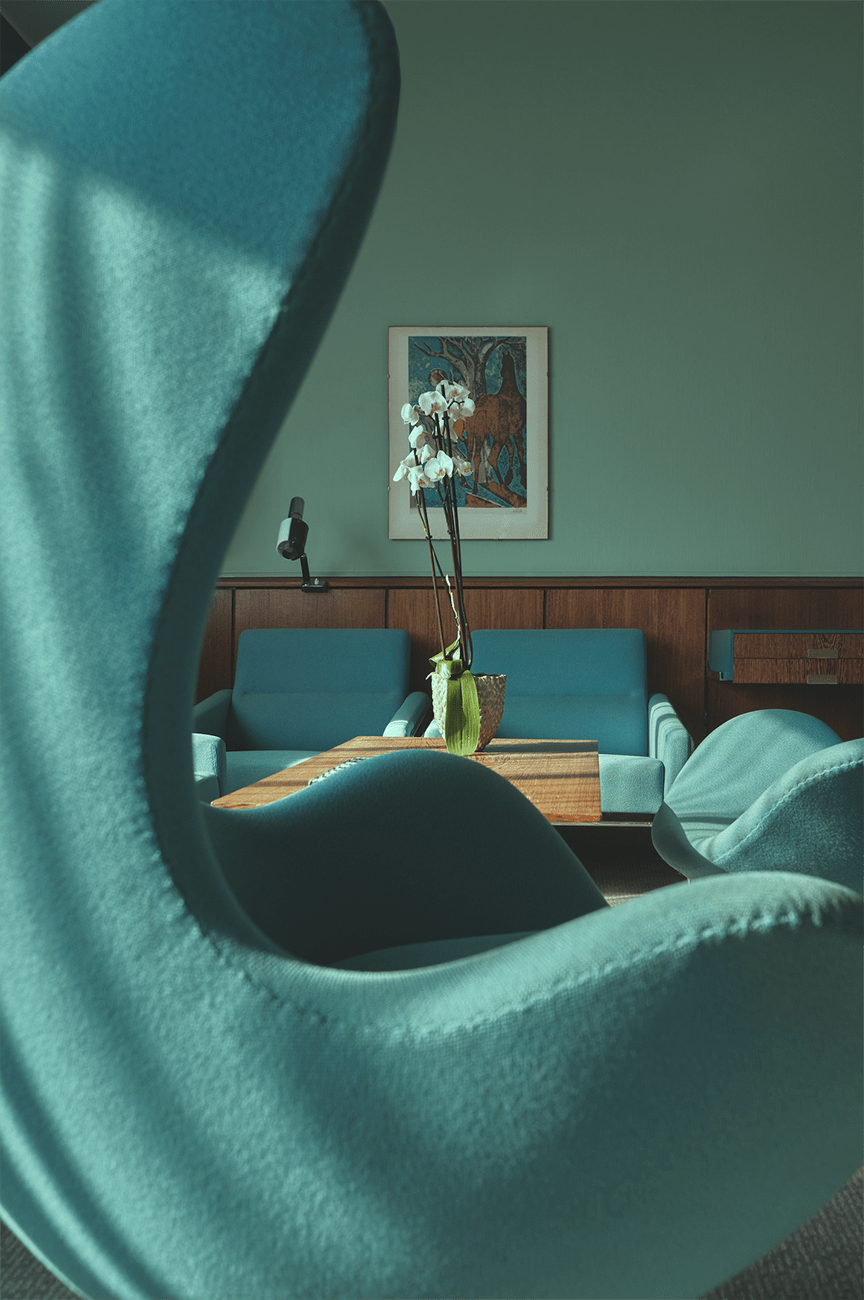
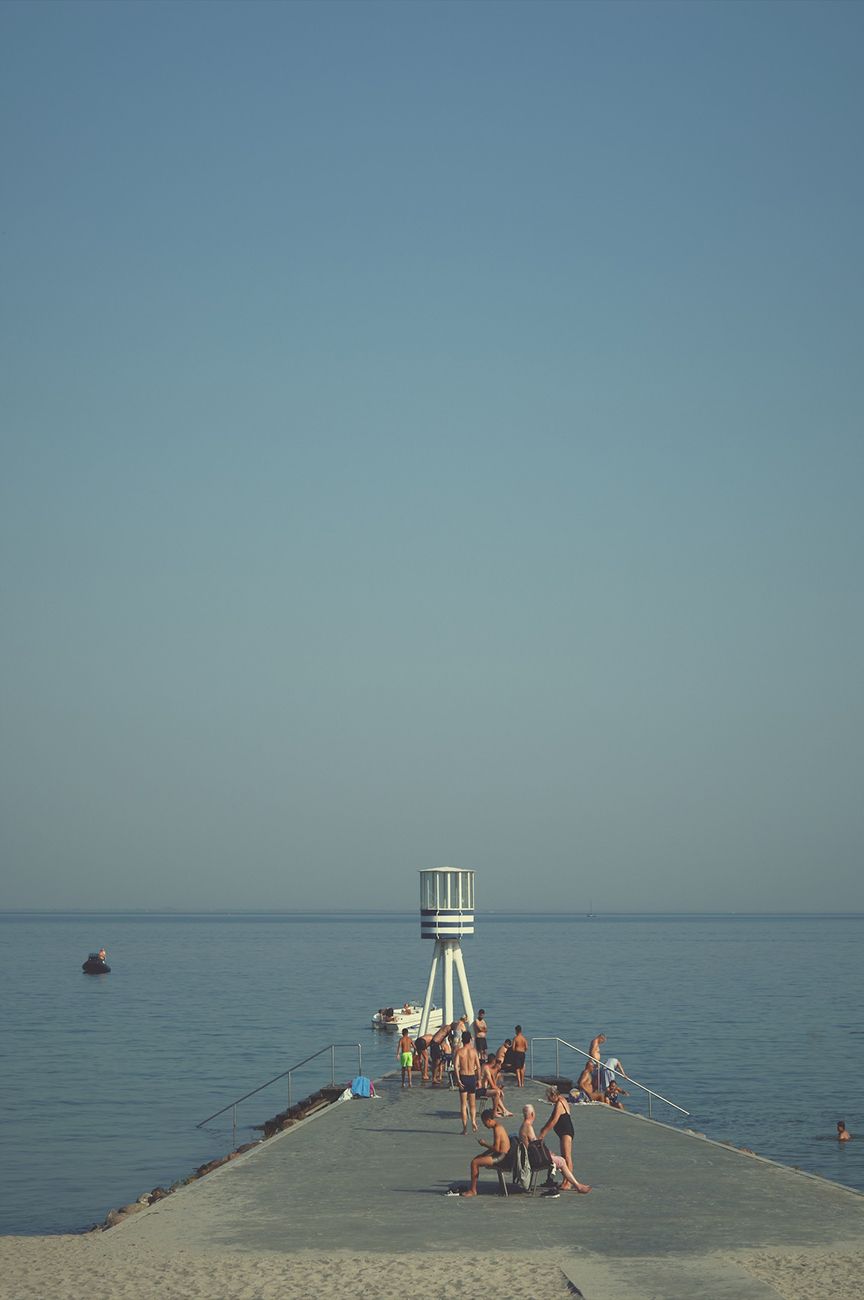
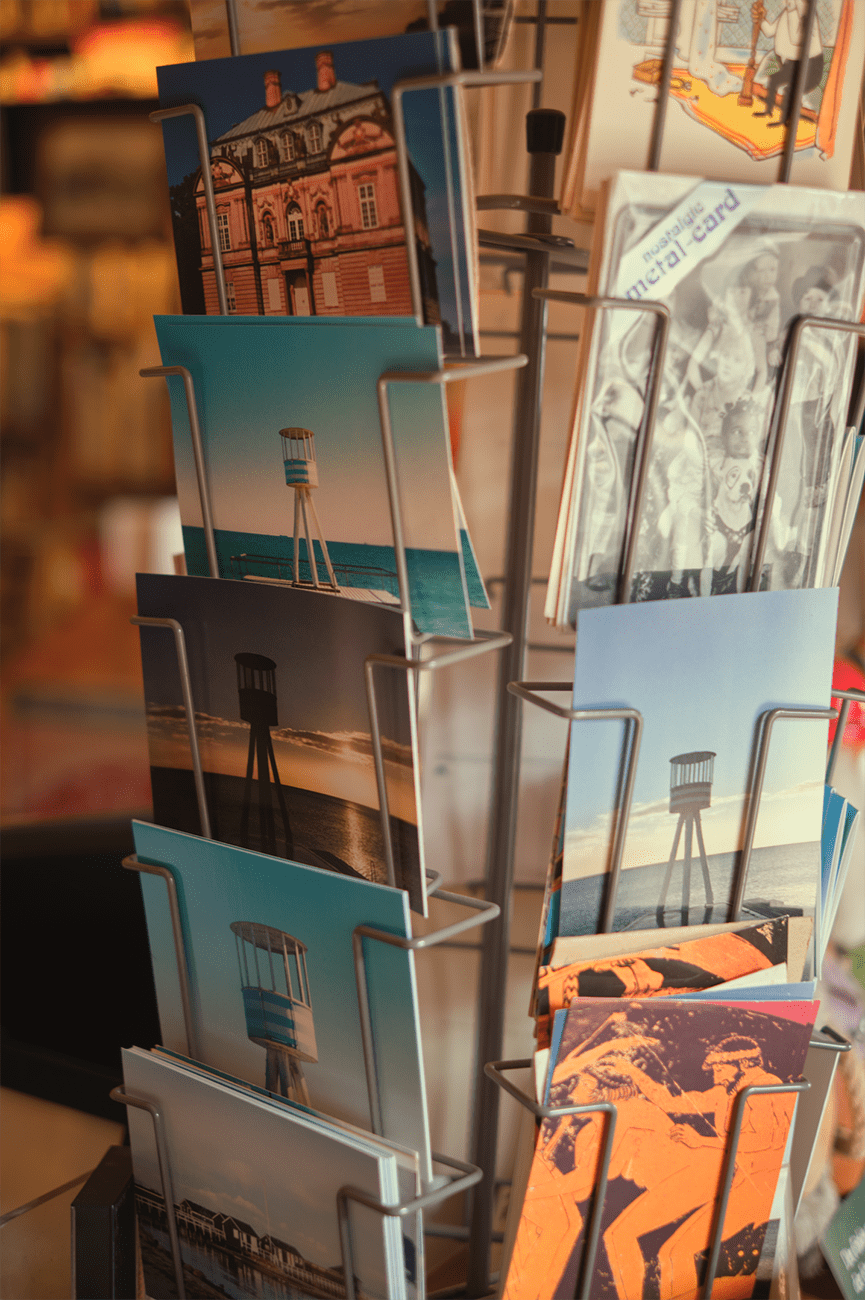
One of his most iconic projects is the SAS Royal Hotel (now Radisson Collection), a design icon that, although located in the heart of the city, has conceptual roots in the serenity of coastal landscapes. However, it is at Bellevue Beach, north of Copenhagen, where Jacobsen left one of his most visible marks. This beach complex, designed in the 1930s, is a perfect example of his style. The simple, white lifeguard towers, the theater, the minimalist pavilion, and the modular changing rooms are a lesson in how to integrate modernist design into a natural setting.
Today, Bellevue remains one of the most popular beaches among locals, not only for its beauty but also for Jacobsen‘s architectural heritage, which infuses the entire place with a sense of timeless elegance.
Klampenborg: where design meets nature
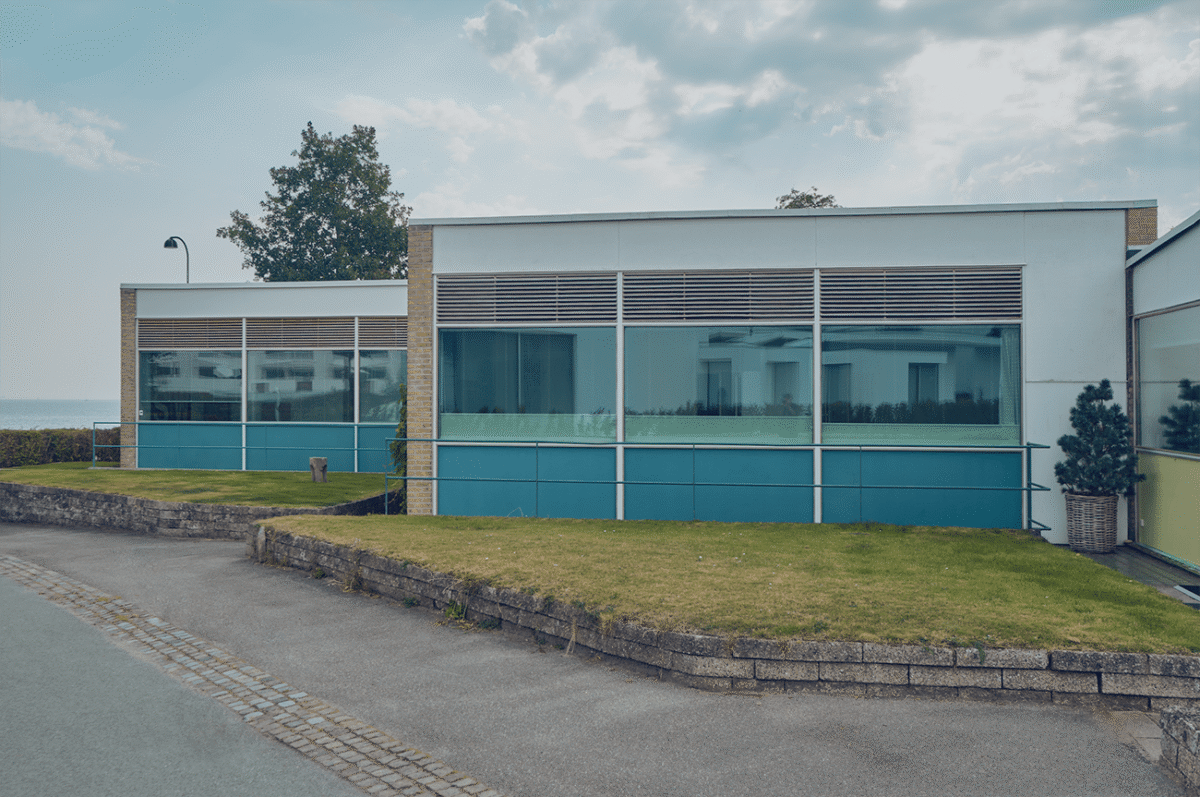
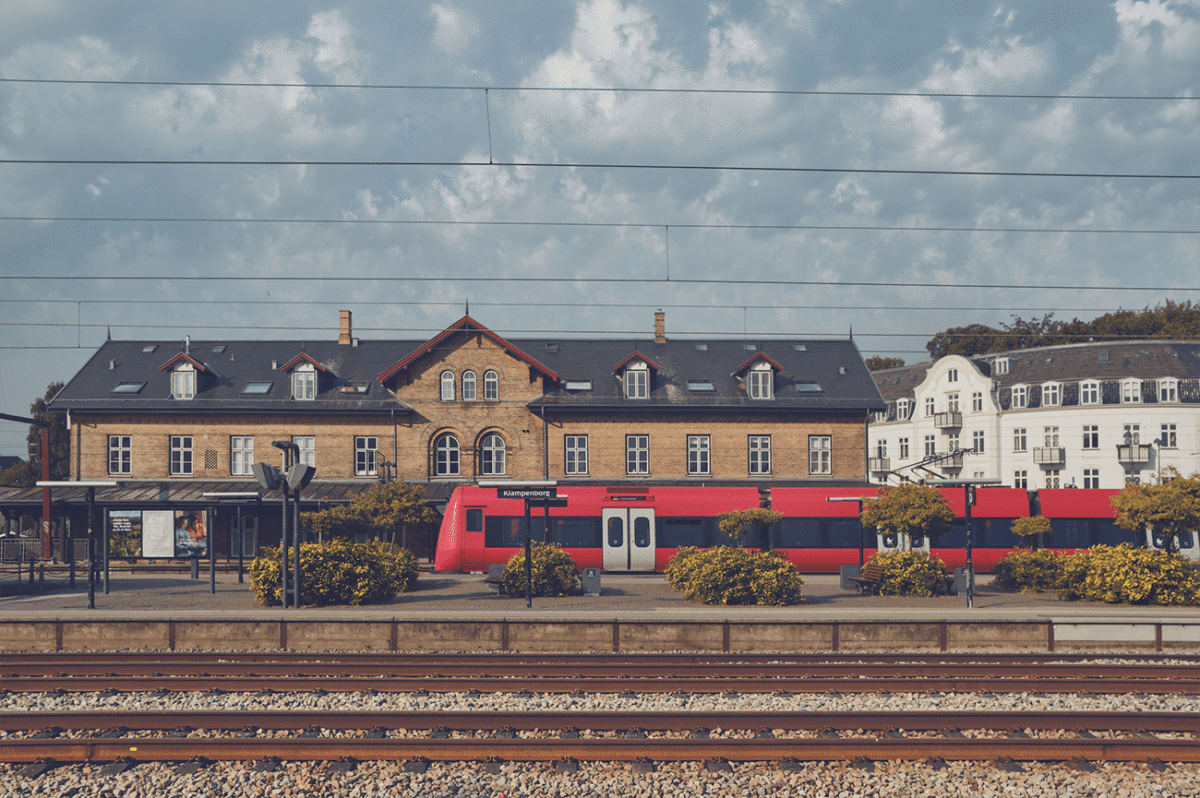
A few kilometers from Bellevue is Klampenborg, an exclusive coastal neighborhood that houses some of Jacobsen’s most famous residential projects. Here stands the Bellavista Residential Complex, a development that blends pure-line housing with the surrounding nature. Built in 1934, Bellavista remains an icon of functionalist architecture, a concept Jacobsen staunchly defended: homes should be practical but also coexist with their natural environment without imposing their presence.
“Jacobsen sought to merge architecture, design, and nature, in harmony with the functionalist ideas of the time.”
Strolling through Klampenborg is a unique experience. Jacobsen‘s simple design, with its geometric shapes and use of natural materials, perfectly complements the green parks and sea views. This area exemplifies the Scandinavian approach to life: balancing the human with the natural.
The World’s most elegant gas station
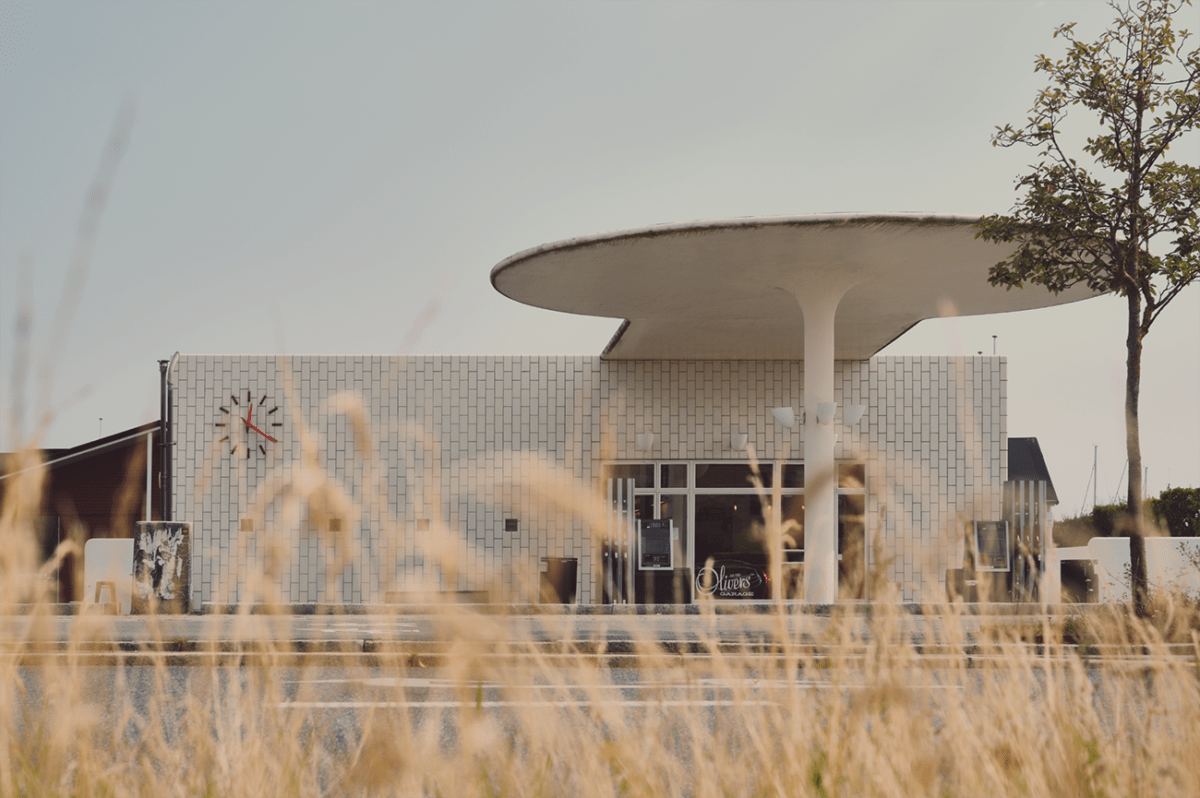
In this same coastal district stands a timeless testament to how design can transform even the most everyday spaces. We are talking about the Bellevue gas station, a masterpiece by the iconic Danish architect Arne Jacobsen, which since its creation in 1937 has proven that even a service station can be an example of elegance and modernity.
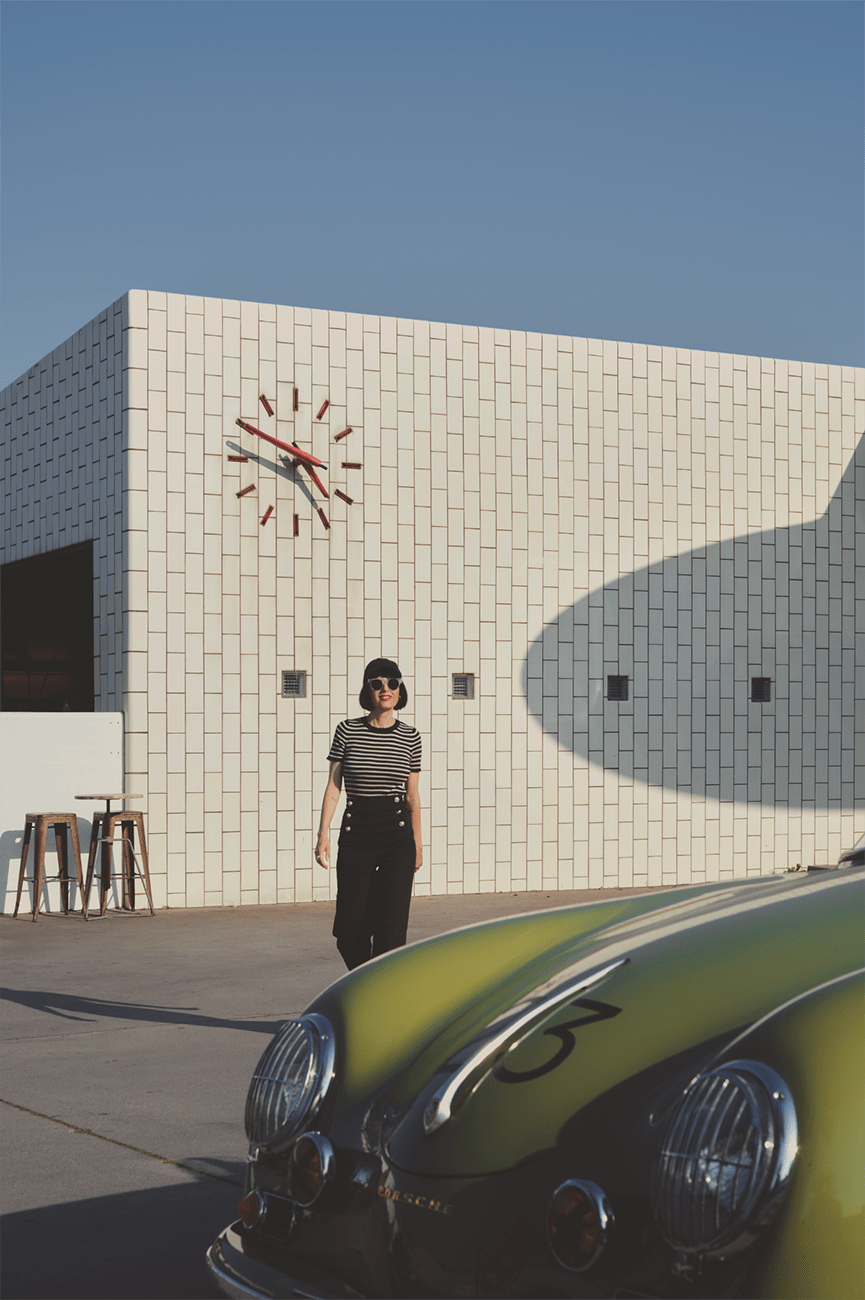
As you’ll see, the Bellevue gas station is a perfect synthesis of the principles of functionalism.
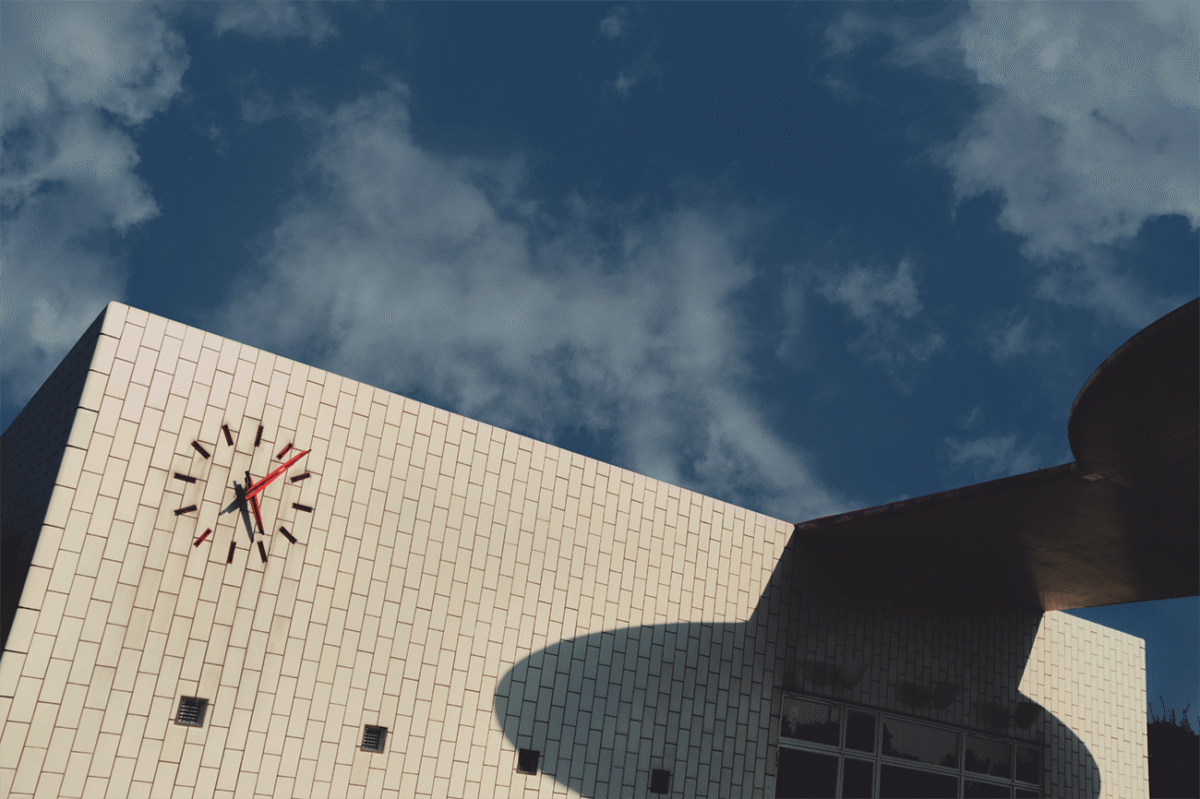
The structure is clean, minimalist, and entirely functional, yet it exudes an unexpected elegance. Its circular shape, crowned by a dramatic flat roof that juts out, breaks with the conventional idea of a gas station. This roof, which seems to float above the building, not only serves as a shelter for the vehicles refueling but also acts as an architectural hat, giving personality to the structure.
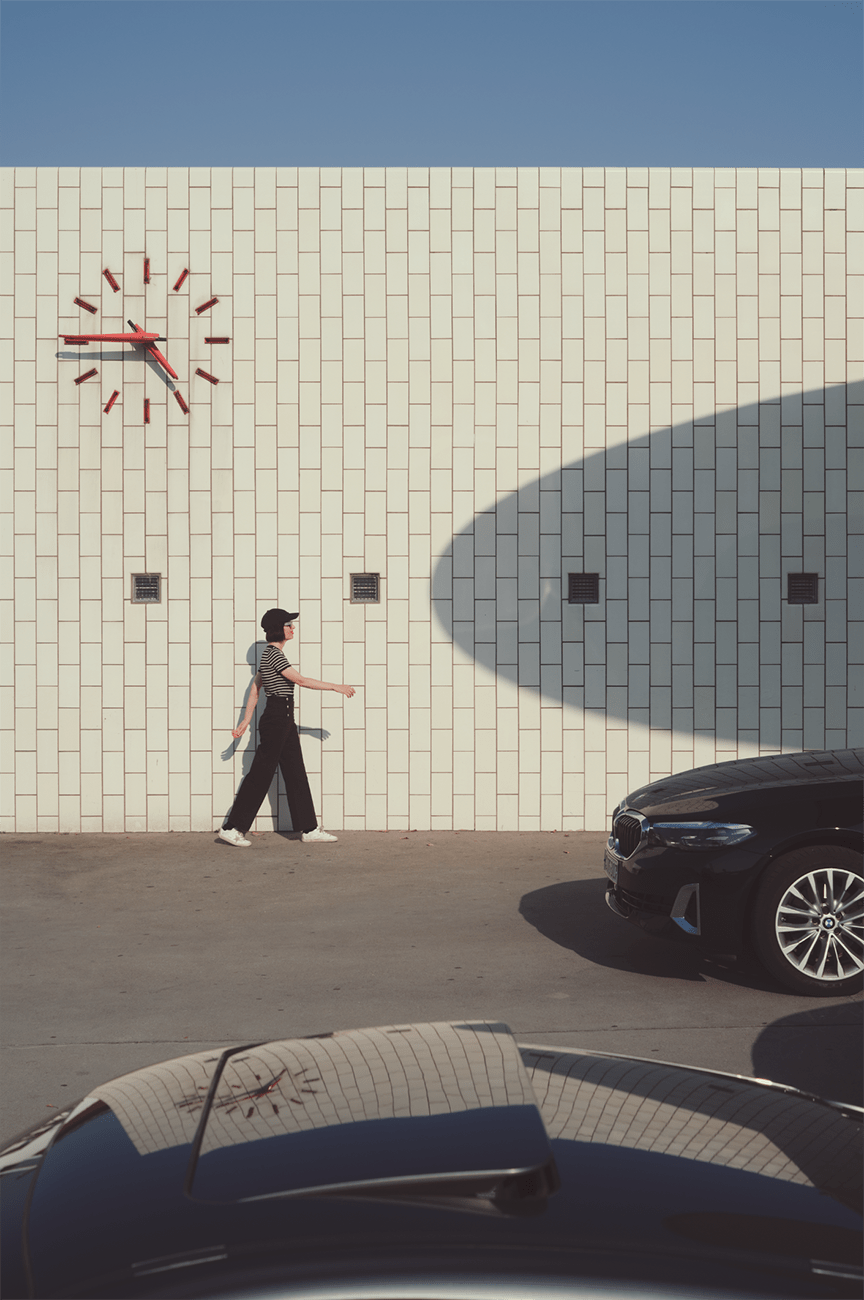
The use of simple materials, such as white concrete and glass, stands out for its visual clarity. But the most surprising aspect is the way Jacobsen brings lightness to what is essentially a purely utilitarian construction. The gas station is an open, illuminated, and orderly space, free of superfluous ornamentation. The absence of unnecessary details emphasizes the purity of its lines, one of Jacobsen’s signature traits.
“Jacobsen’s gas station design shows that even commercial spaces should be beautified.”
Today, the station is still in operation and has been carefully restored, respecting the architect’s original principles. It is a pilgrimage destination for architecture and design enthusiasts who come to this small corner of Denmark to admire Jacobsen’s vision, far ahead of its time.
Between the city and the sea: a sustainable life
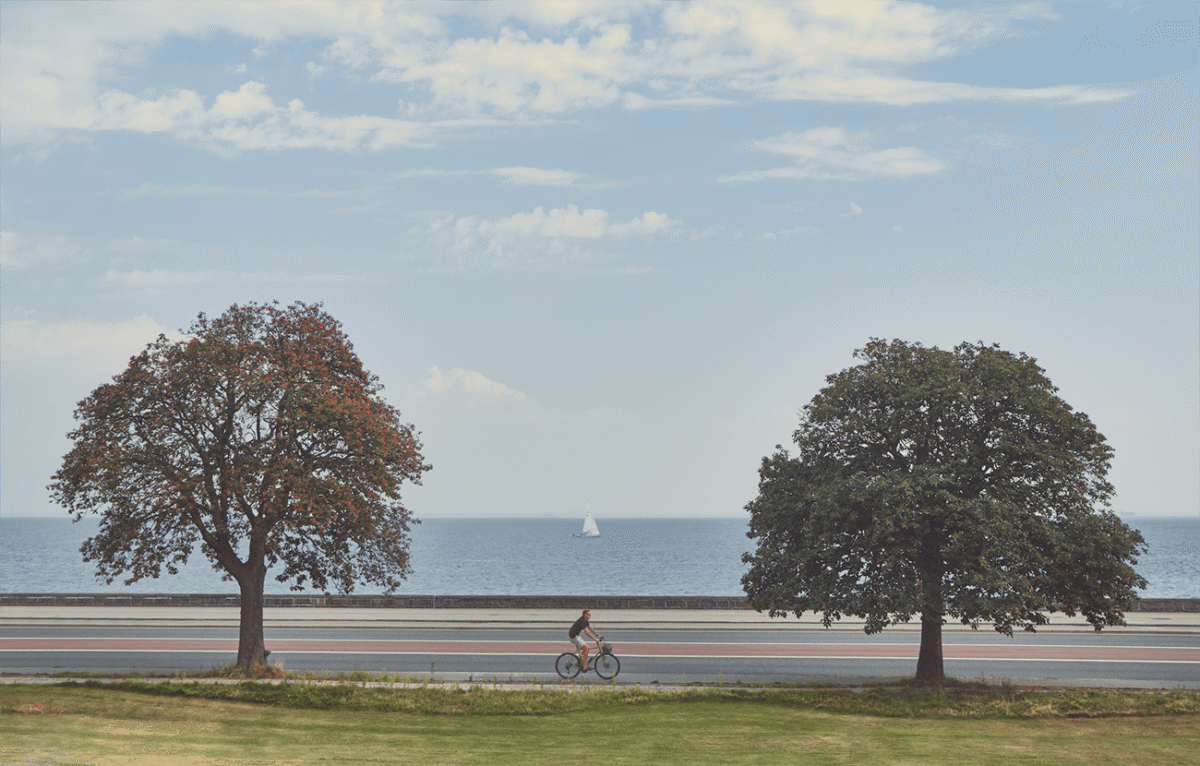
The Copenhagen coast is not only a showcase of Jacobsen’s work but also an example of how the Danes have managed to create an urban life in harmony with nature. The city’s harbor, once an industrial hub, has been transformed into a space where residents and visitors can swim, sail, or simply relax by the water. New developments around the harbor, such as the artificial islands of Nordhavn, follow Danish design principles: sustainability, functionality, and beauty.
The harbor is also a place where Jacobsen’s legacy lives on. Although he didn’t design these new areas, his influence is evident in the sustainability principles guiding current projects. The buildings in Nordhavn, for example, combine modern architecture with renewable energy, and the public spaces are designed to foster an active and environmentally respectful community life.
Design and nature: a journey reflecting the soul of Denmark
Visiting the Copenhagen coast is an immersion into an area where innovation and respect for nature unite in perfect harmony. It’s a journey that takes you from golden beaches and Jacobsen’s modernist buildings to contemporary neighborhoods that continue to set the pace for global design.
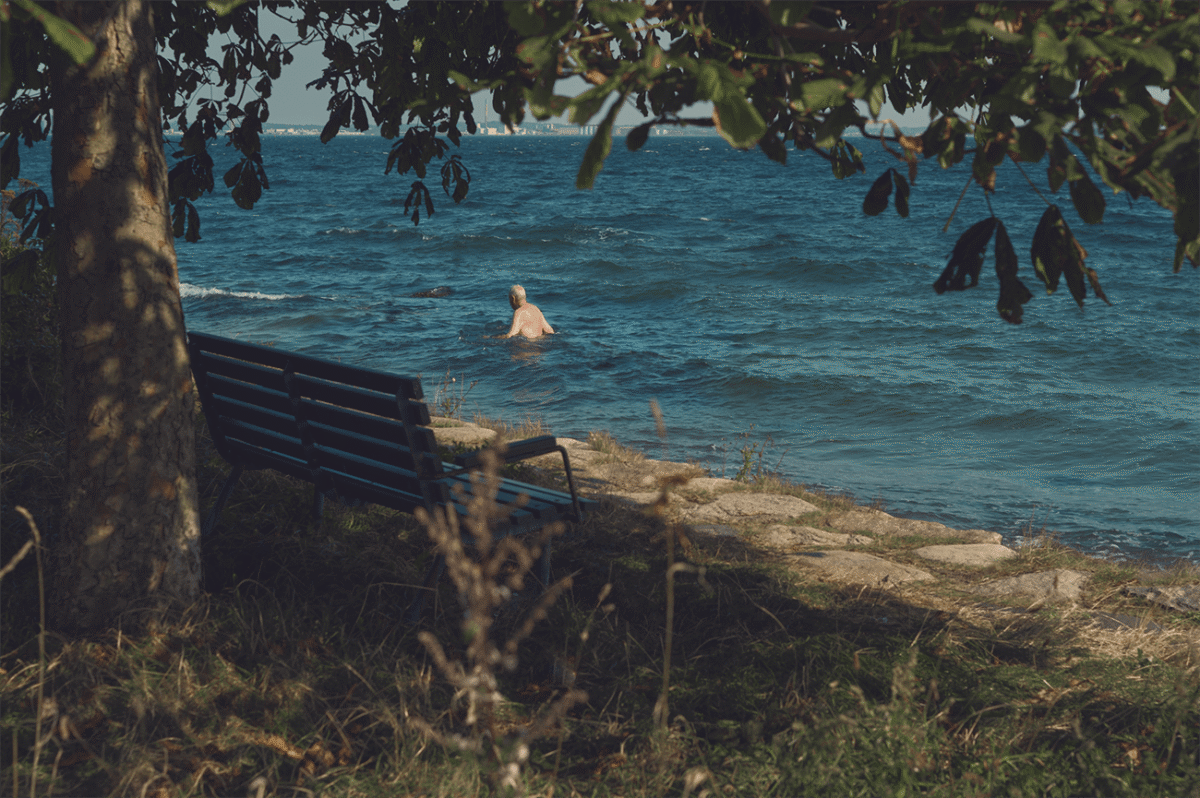
Beyond its architectural value, the Copenhagen coast is a haven for those seeking to disconnect from the frenetic pace of modern life. The wide beaches, nearby forests, and crystal-clear waters invite relaxation, while local cafés and restaurants offer a taste of Nordic cuisine, always focused on fresh, locally sourced products.
The living legacy of Arne Jacobsen
Arne Jacobsen not only shaped the appearance of the Copenhagen coast but also set a standard for how design should integrate with the landscape without dominating it.
Today, his legacy lives on not only in the buildings he left behind but also in the design philosophy that continues to guide the development of this vibrant region.
For those wishing to explore this area, the journey is not just an immersion in Scandinavian nature but also a tour through the history of Danish design—from Jacobsen’s functionalism to the most current trends in sustainable architecture. Here, the sea and design converge, creating a unique and deeply inspiring destination.
Must-see hotspots
We’d like to recommend these must-see hotspots for art and dining, located in the area:
Art
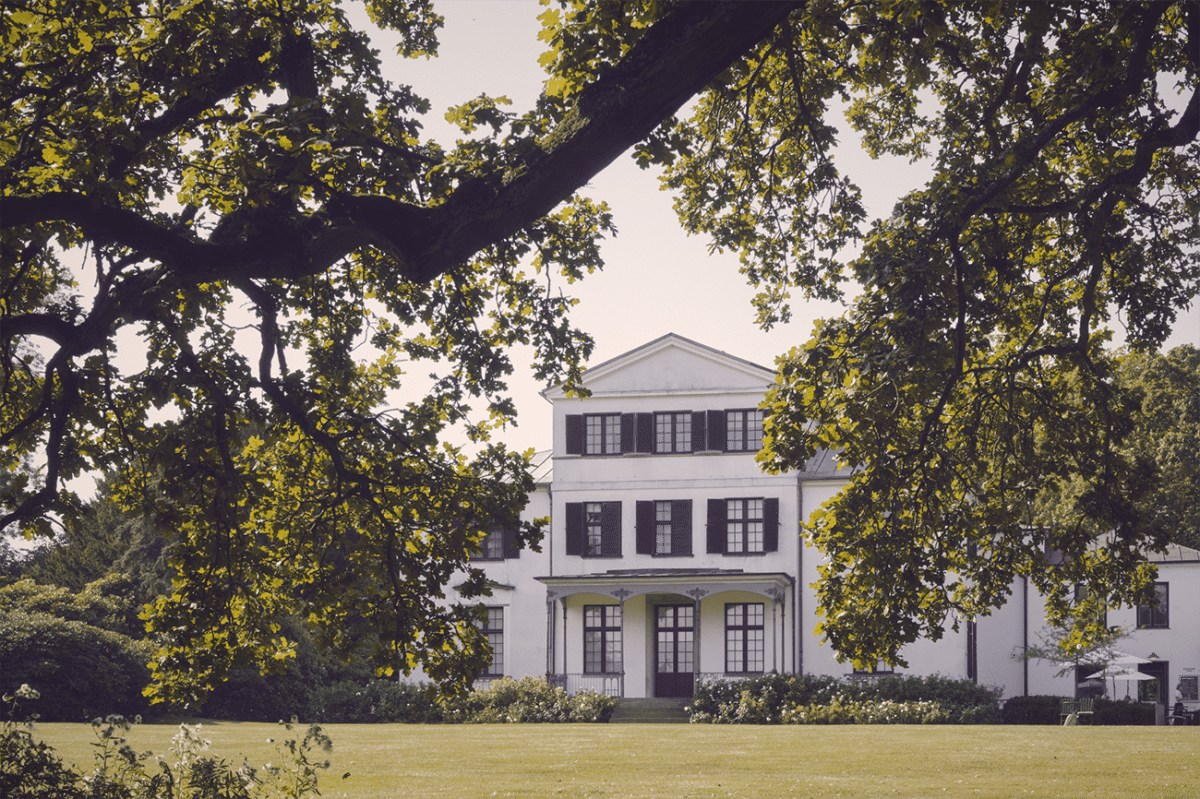
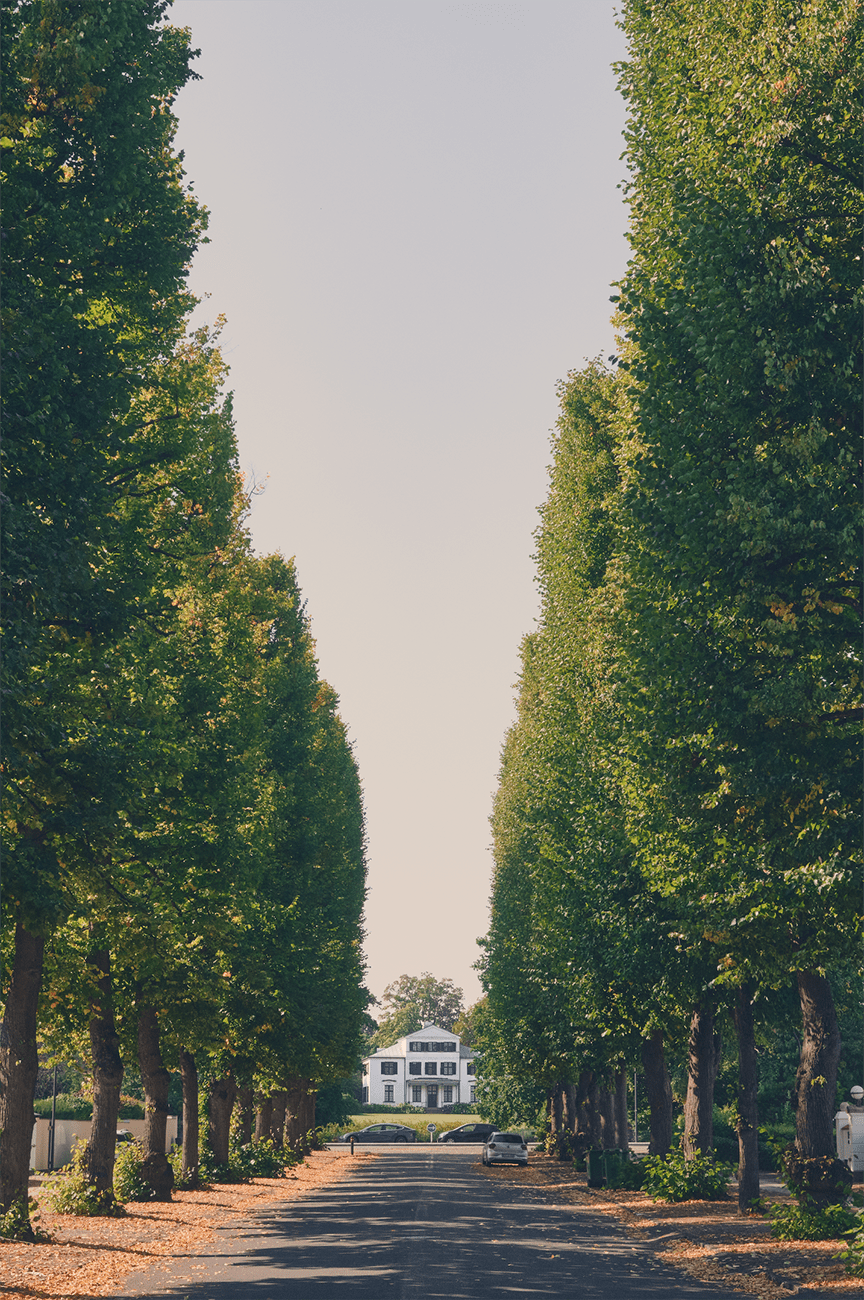
Øregaard Museum: Located in the elegant neighborhood of Hellerup, north of Copenhagen, this small but fascinating museum offers a journey through Danish art from the 18th and 19th centuries. Housed in a majestic neoclassical mansion surrounded by lush gardens, the museum boasts a rich collection of painting, sculpture, and decorative art that captures the spirit of Denmark’s Golden Age. In addition to its permanent exhibitions, Øregaard stands out for its temporary exhibitions, which blend classical art with contemporary offerings, creating a dialogue between past and present.
This cultural space is a haven of tranquility, inviting visitors to explore not only art but also the history and charm of one of the most prolific periods in Danish culture.
Gastronomy
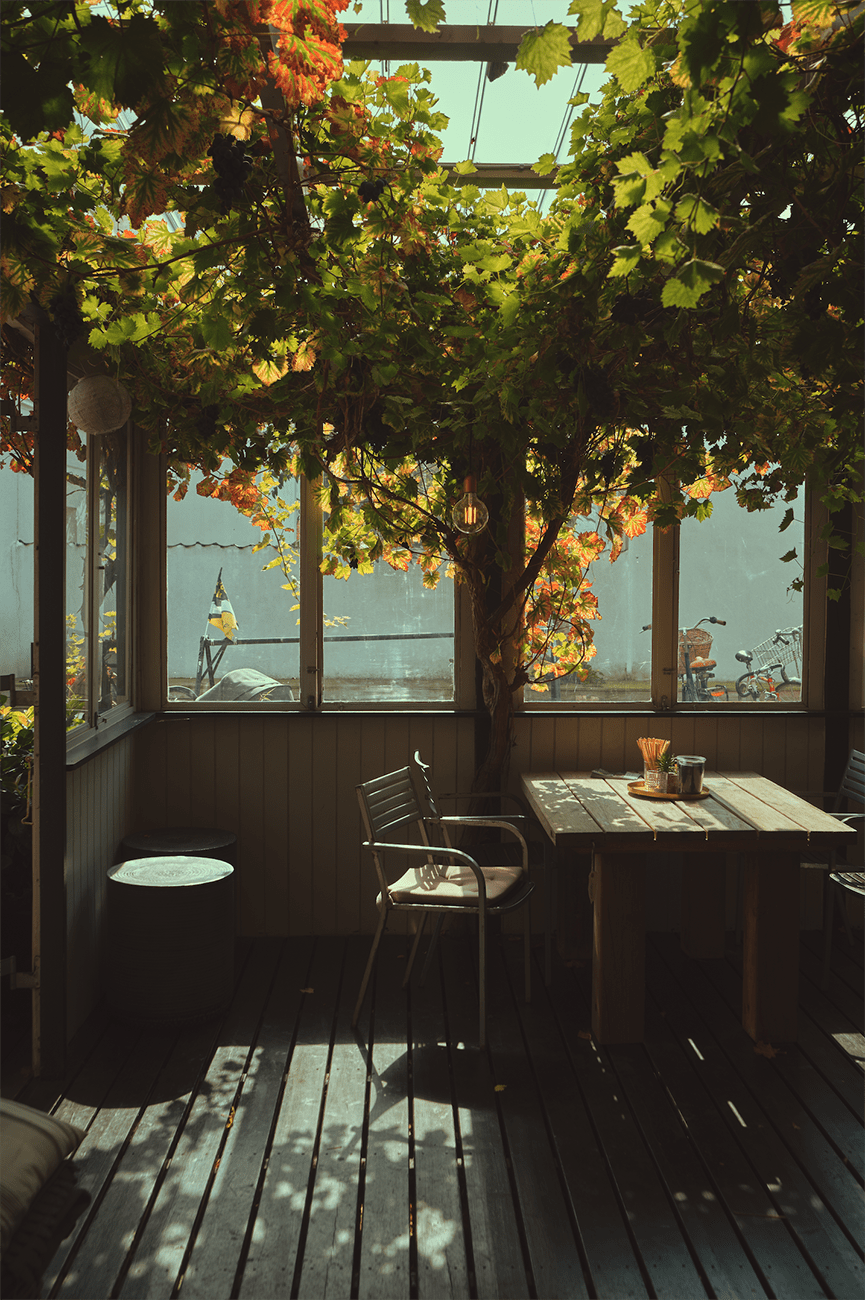
Cranks & Coffee: Nestled in a cozy corner of the city, this café not only offers a select variety of ethically sourced coffees but also stands out for its delicious breakfasts and pastries. Cranks & Coffee attracts a diverse clientele, primarily cycling enthusiasts, who also seek quality and environmental consciousness.
Konstali Café: This café has established itself as one of the most iconic in Copenhagen, standing out not only for its exquisite specialty coffee but also for its cozy, artistic atmosphere.
Located in one of the city’s most vibrant areas, this café is a true homage to Scandinavian aesthetics, with interior design that mixes simplicity and warmth, creating the ideal space to relax or work. Its menu offers a selection of healthy and delicious dishes, from creative brunches to artisanal cakes, made with fresh, quality ingredients. Wulff & Konstali has also cultivated a community of coffee and art lovers, becoming a gathering spot for local creatives and visitors seeking an authentic experience in the Danish capital.
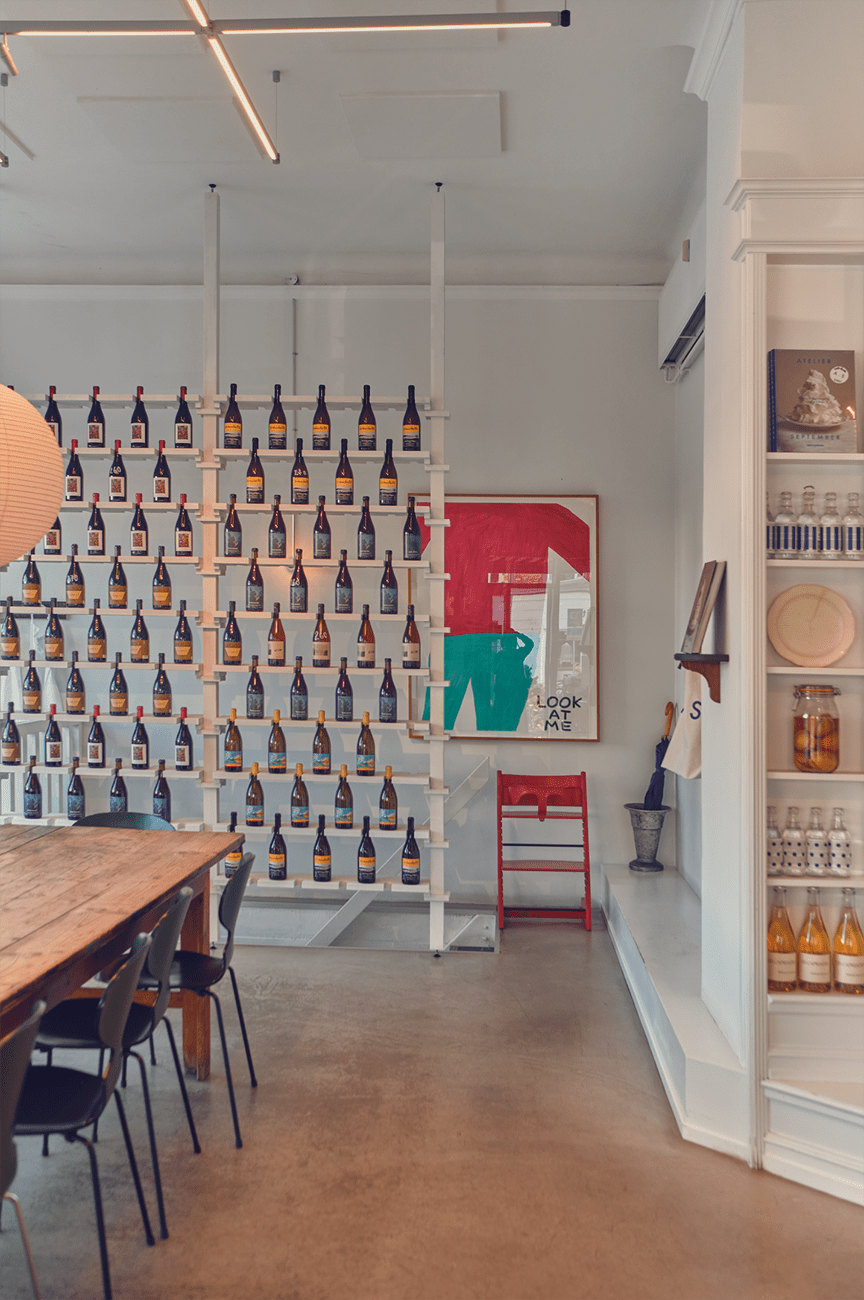
Atelier September Hellerup: Despite having visited other locations of Atelier September, we still had to check out the one in Hellerup, and as expected, we loved it. This charming café, characterized by its minimalist décor and bright ambiance, offers a menu that fuses international influences with fresh, seasonal ingredients. Its famous brunches, including avocado toast and their incredible scrambled eggs, have created a true cult following. Moreover, Atelier September stands out for its commitment to sustainability, using ethically sourced products and promoting responsible practices in the kitchen.
Every visit becomes a celebration of Danish aesthetics and flavor, making this café a must-visit destination for lovers of good food and quality coffee. By the way, their delicious pastries are from Juno.
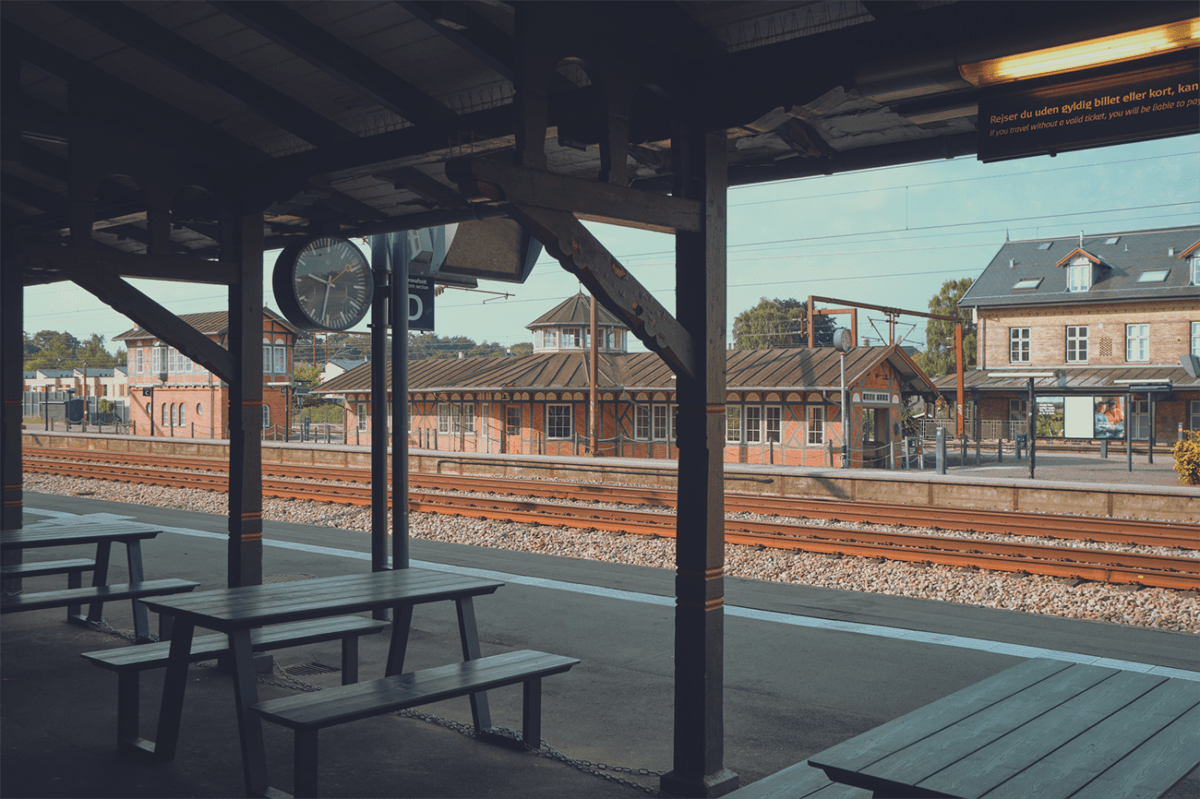
This entire route we’ve recommended across two articles can easily be done from Copenhagen using public transport (train and/or bus). And if you’re feeling adventurous, it’s also possible by bike.
In the next article, we’ll continue traveling up the Copenhagen coast to reach Horbæk Beach and Elsinore, the setting for Shakespeare’s Hamlet and a UNESCO World Heritage Site. Stay tuned!
(*) Photos: Ely Sánchez and Cecilia Camacho (CC/magazine).


&p[summary]=&p[url]=https://ccmagazine.es/en/the-copenhagen-coast-nature-history-art-and-beauty-part-1&p[images[0]=https://ccmagazine.es/wp-content/uploads/2024/10/CCmagazine_copenhagencoast1_18.png)
)