The Faroe Islands: Europe’s last untamed refuge (Part 1)
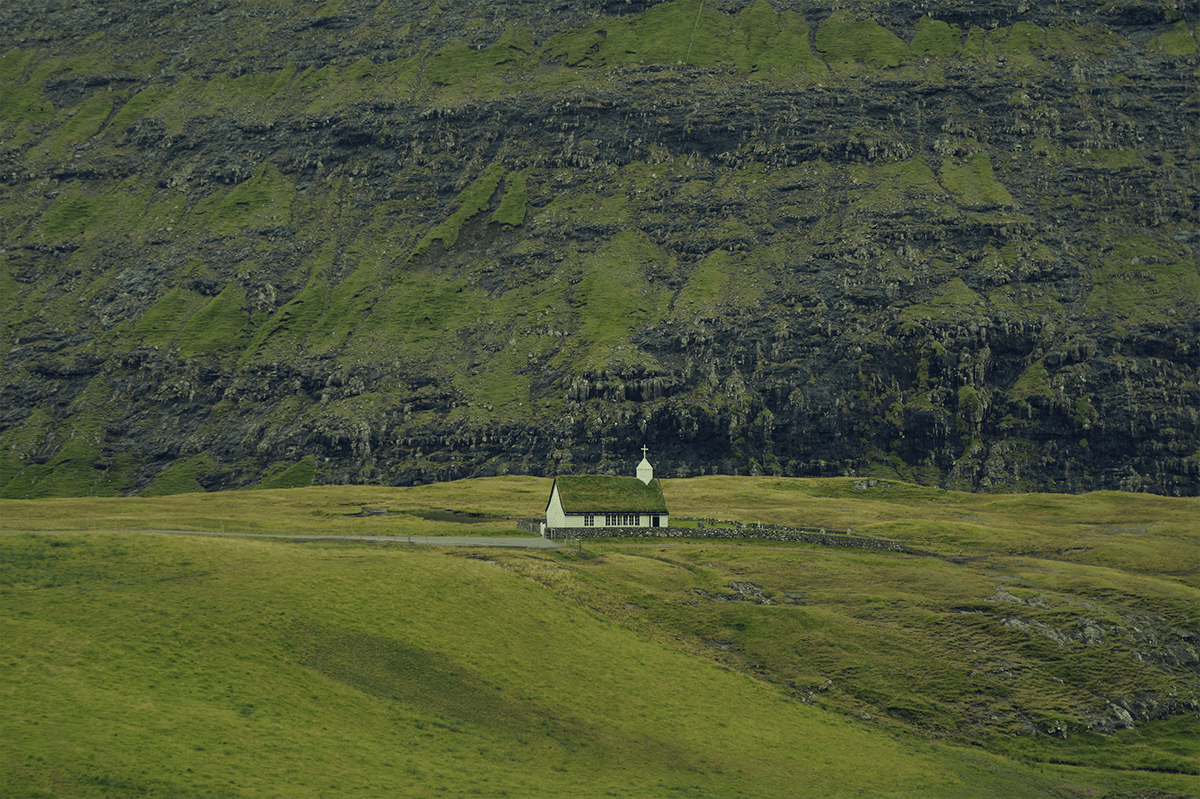
The Faroe Islands, a remote archipelago situated between Iceland and Norway, stand as one of Europe’s best-kept secrets. Comprising 18 islands that rise dramatically from the North Atlantic, the Faroes feel like a world apart—a place where overwhelming nature dictates the pace of life, and time seems to stand still.
This enclave, home to just 50,000 inhabitants and over 80,000 sheep, draws travelers seeking a deep connection with the wild, the authentic, the untamed.
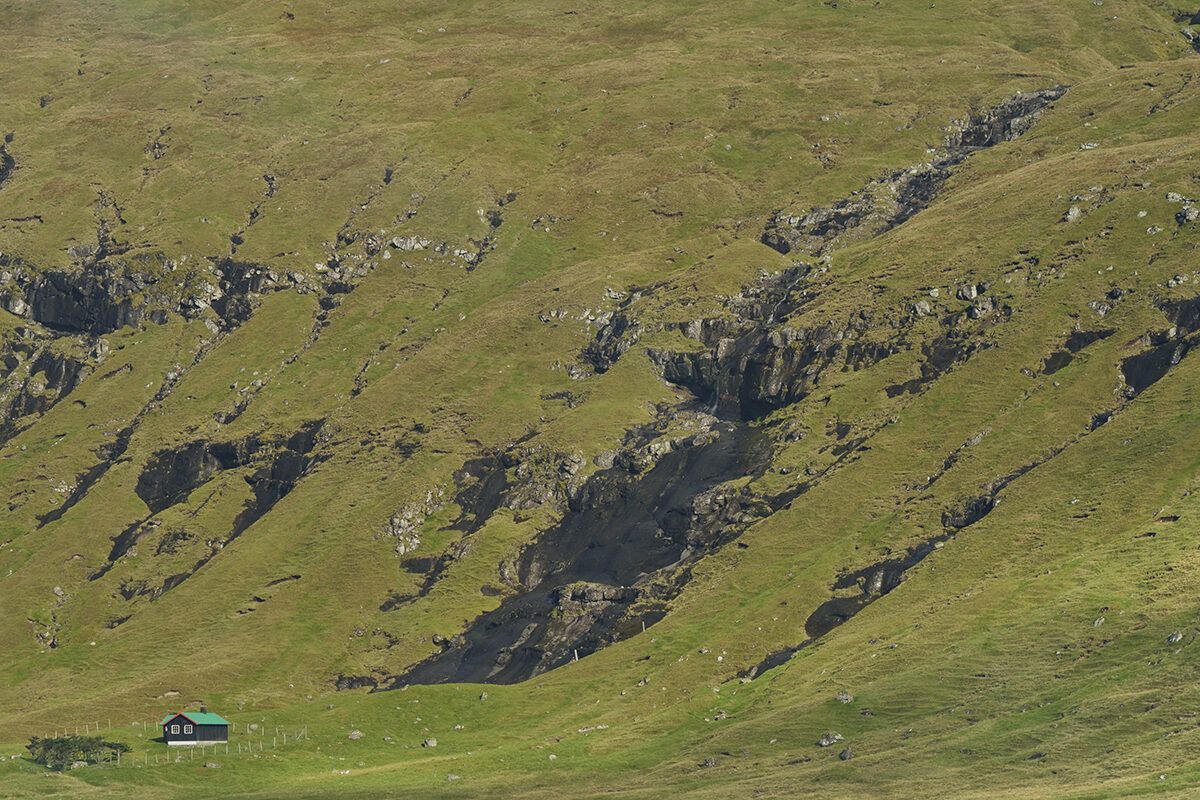
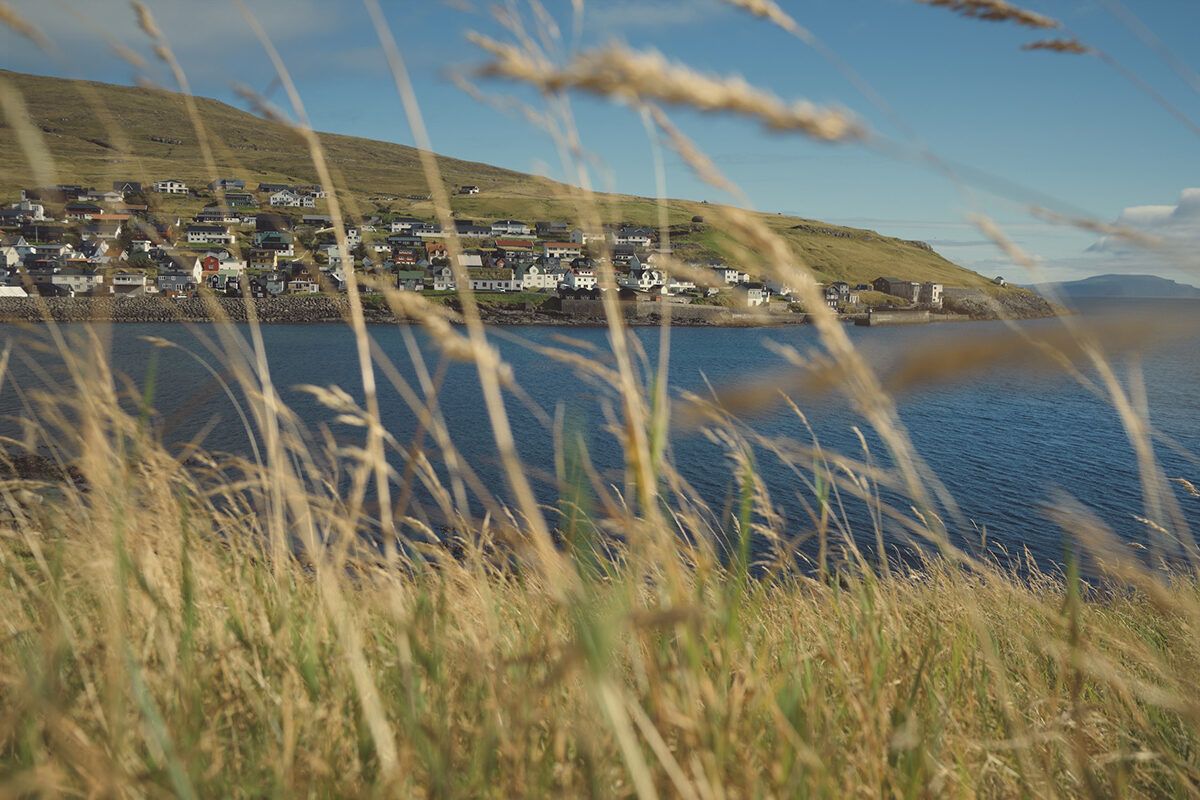
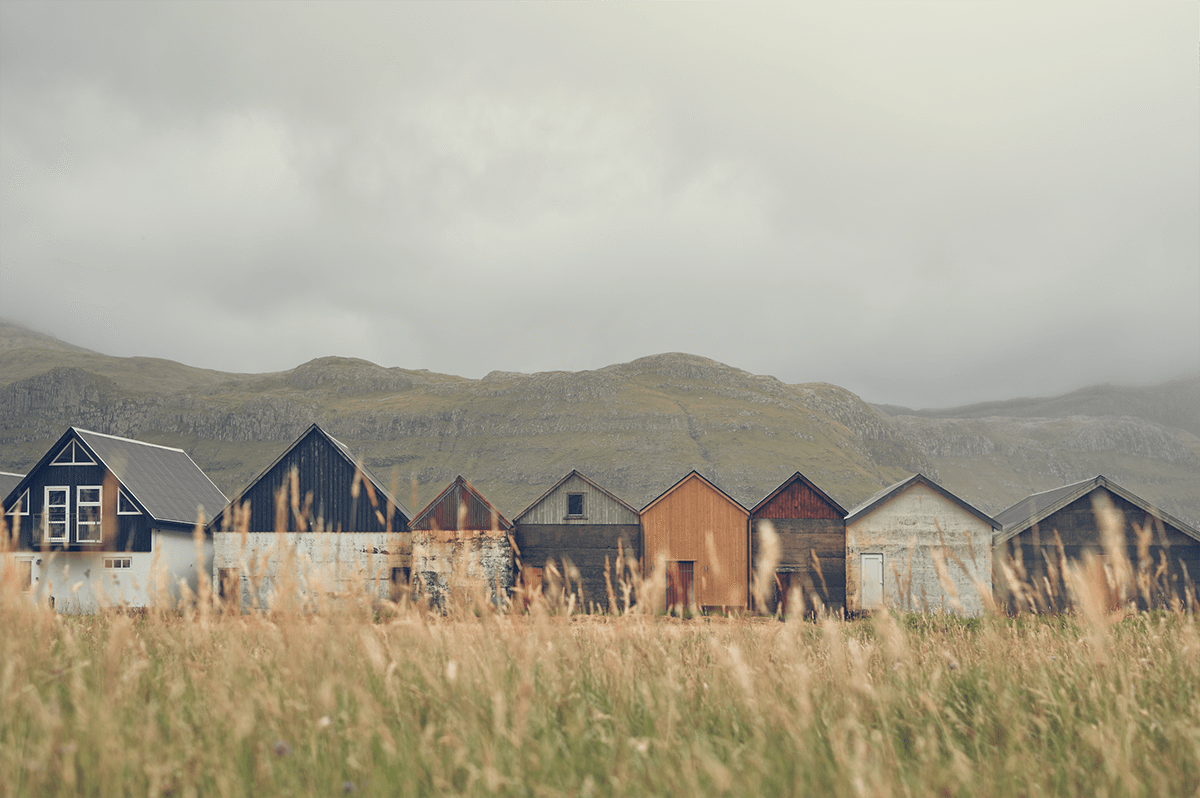
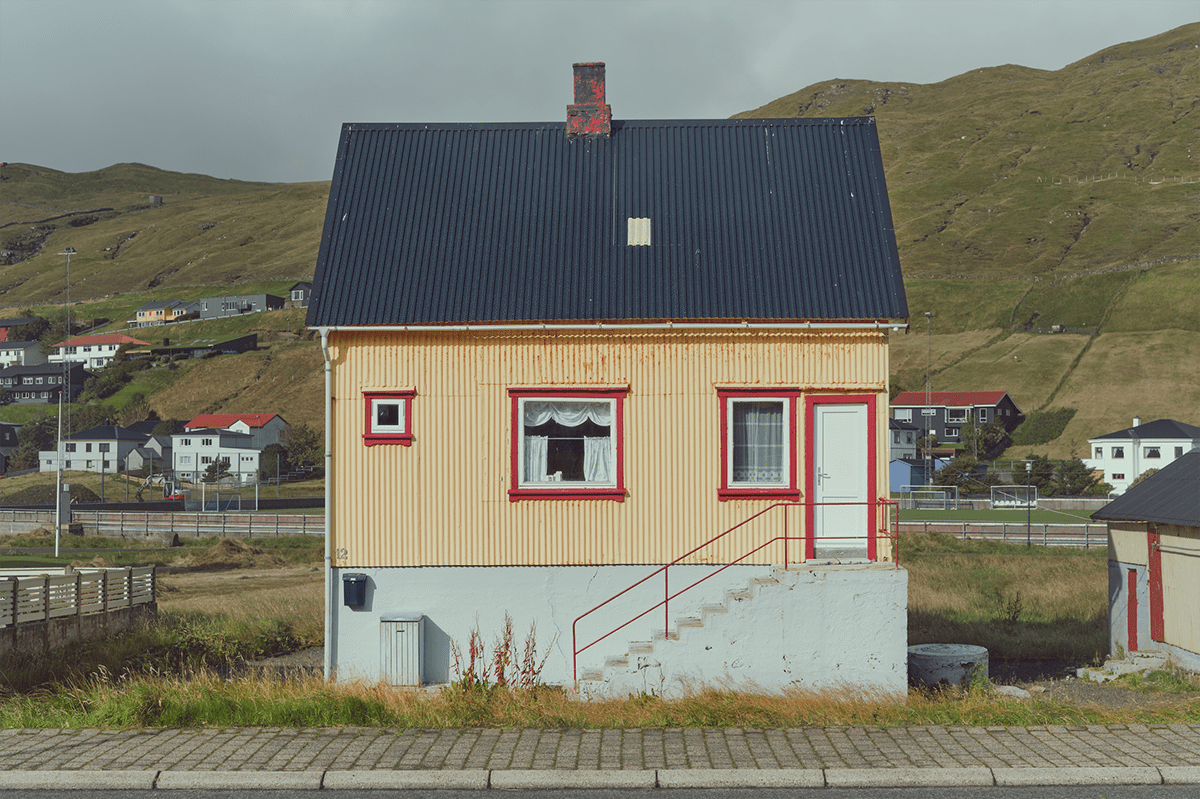
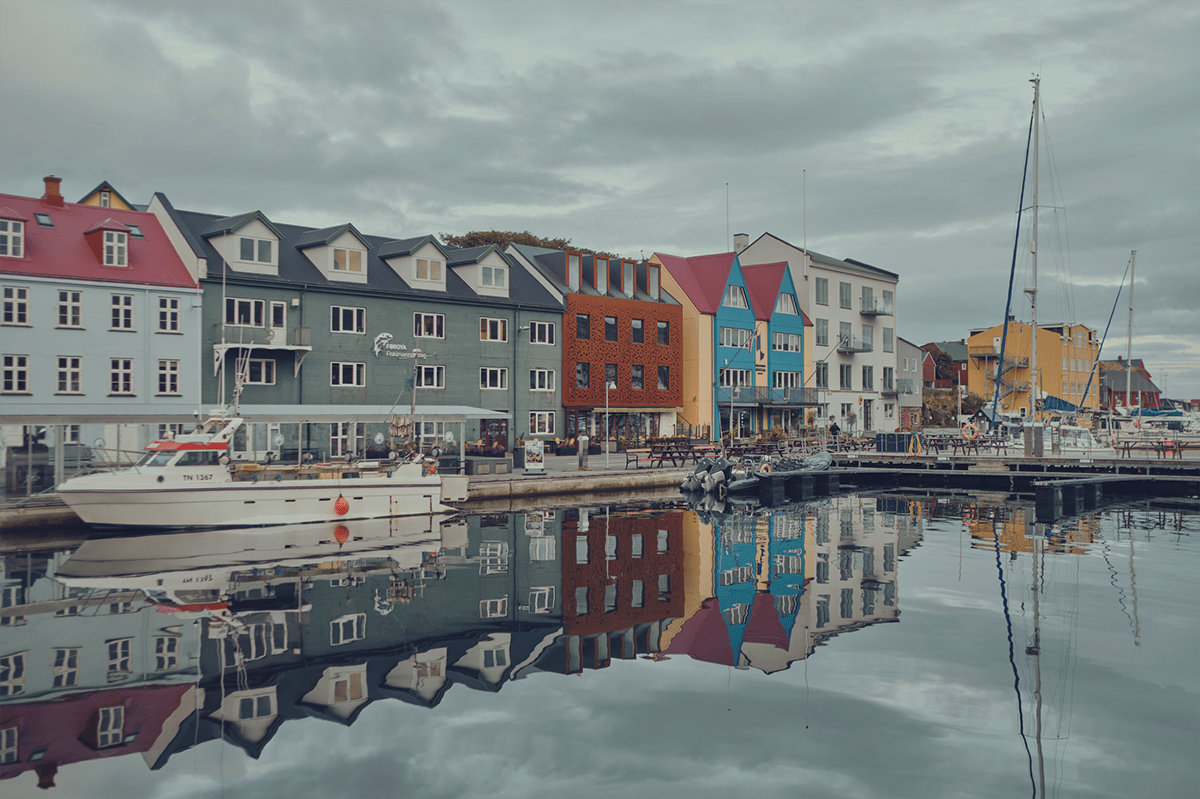
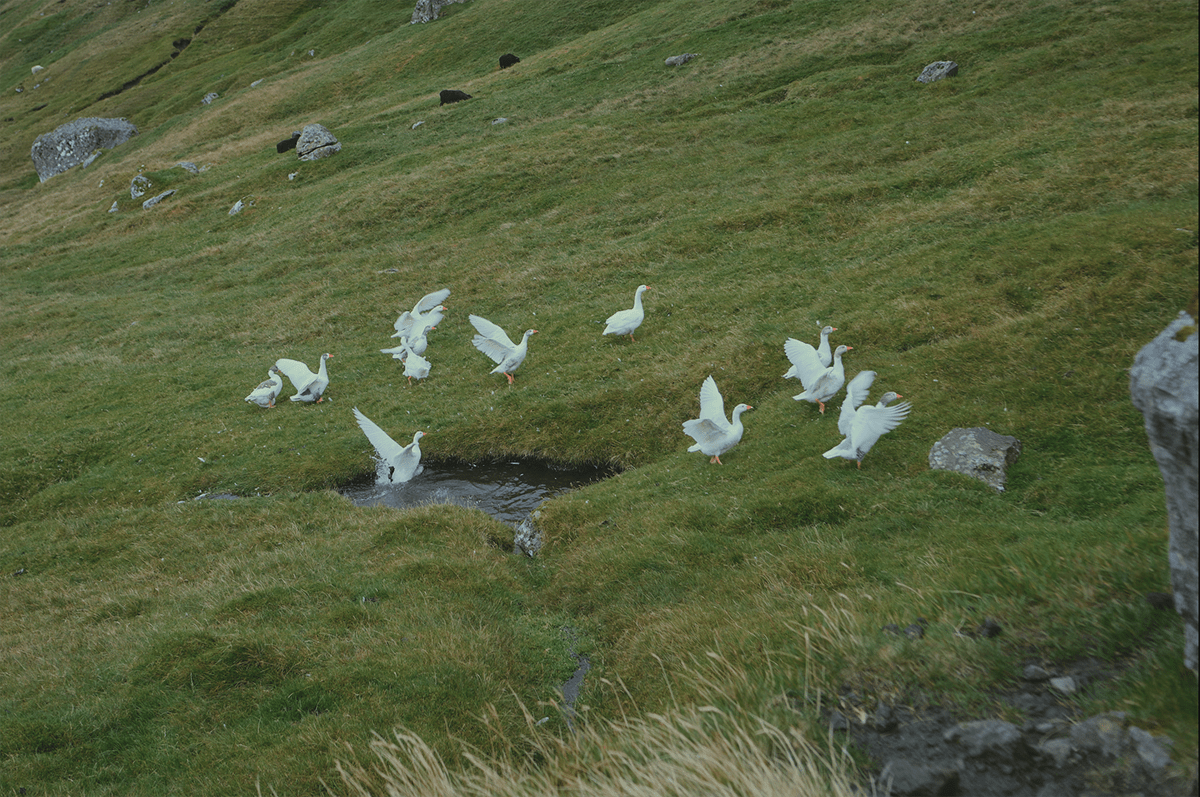
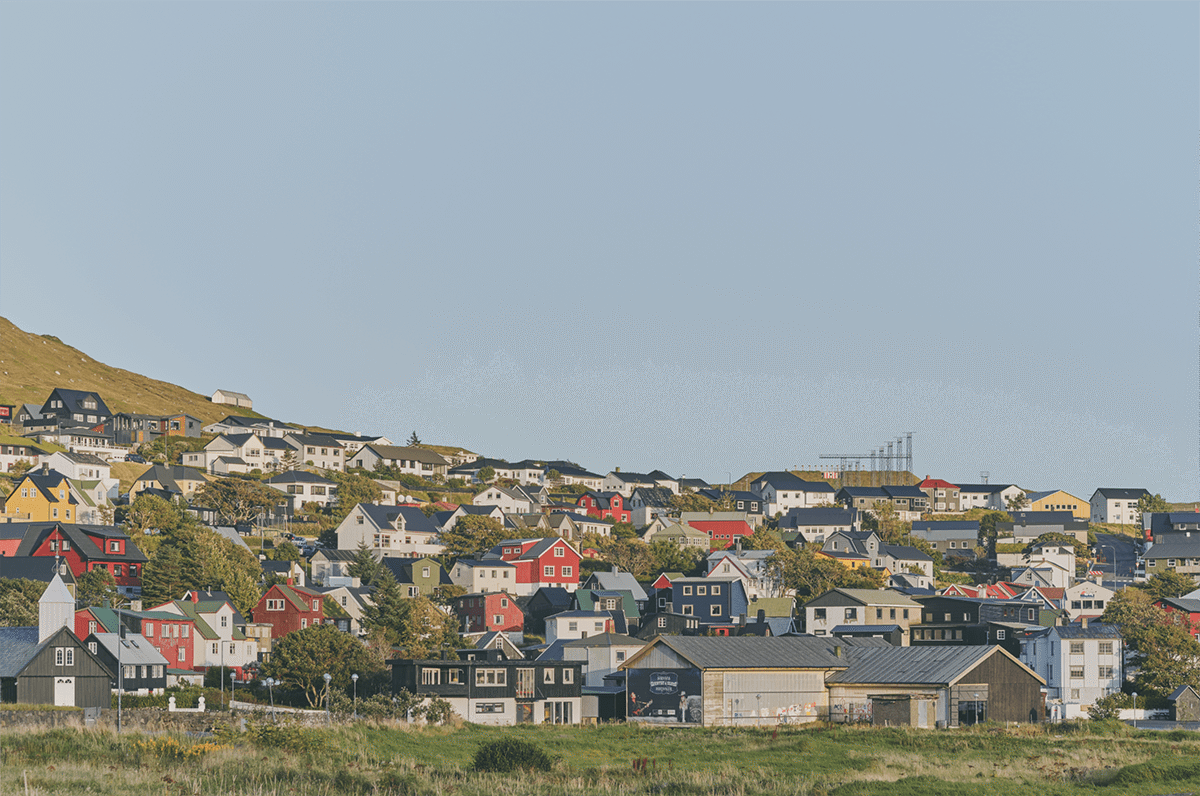
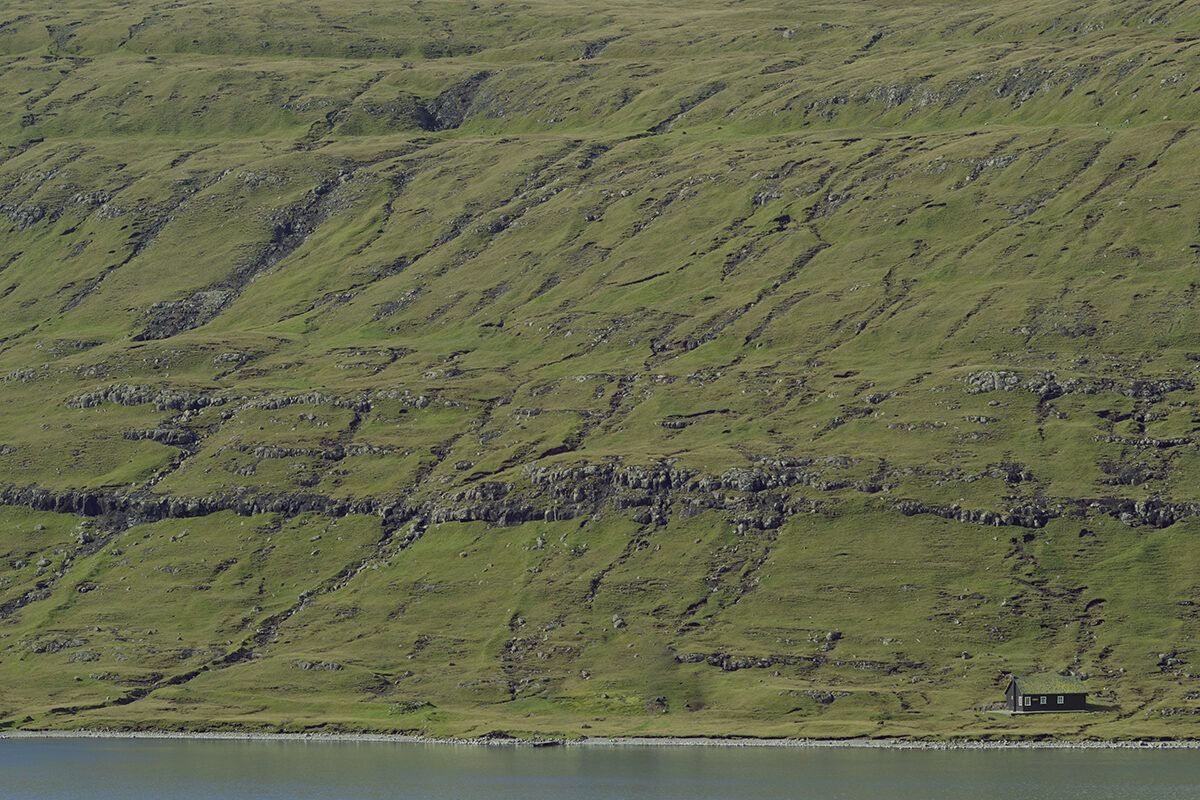
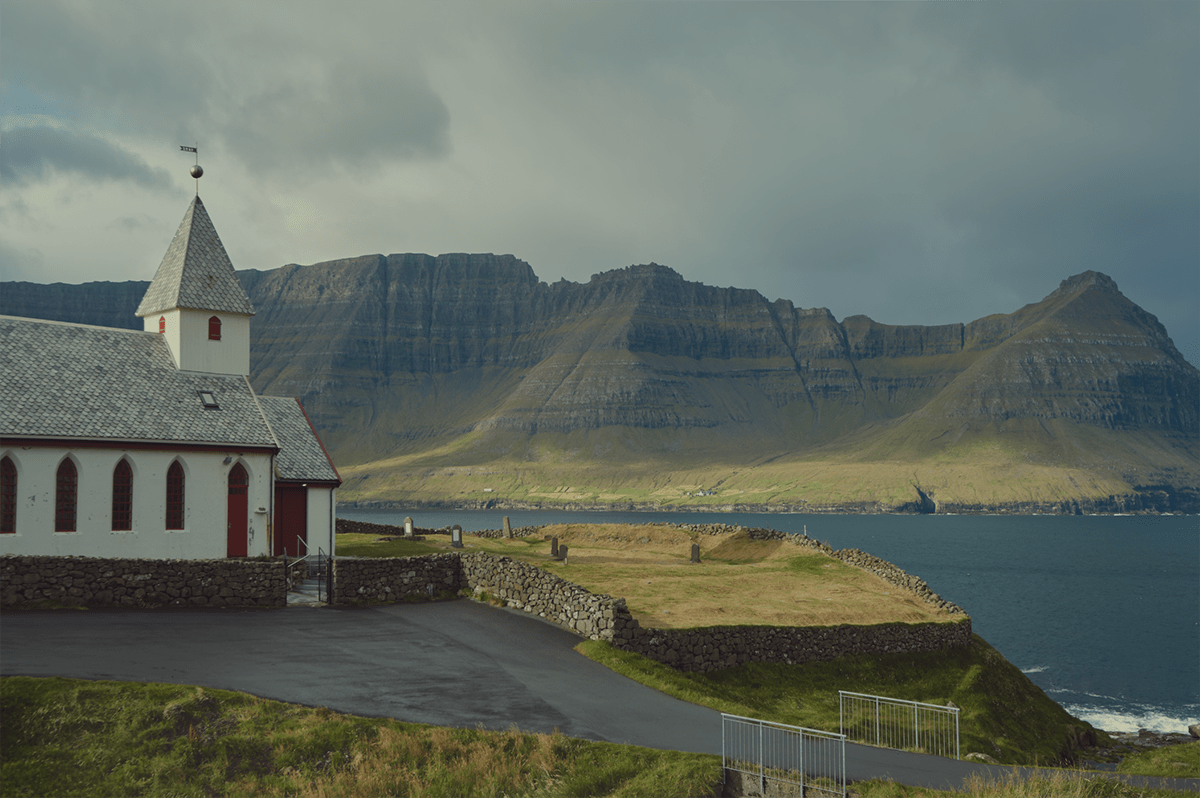
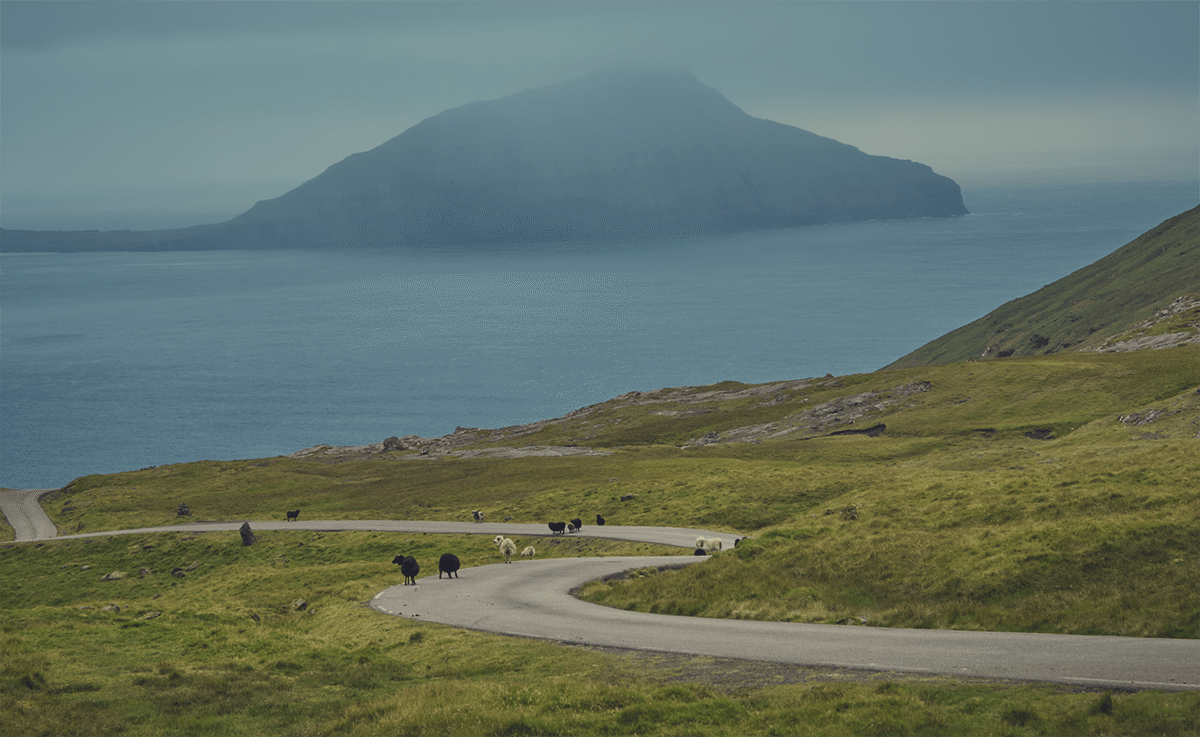
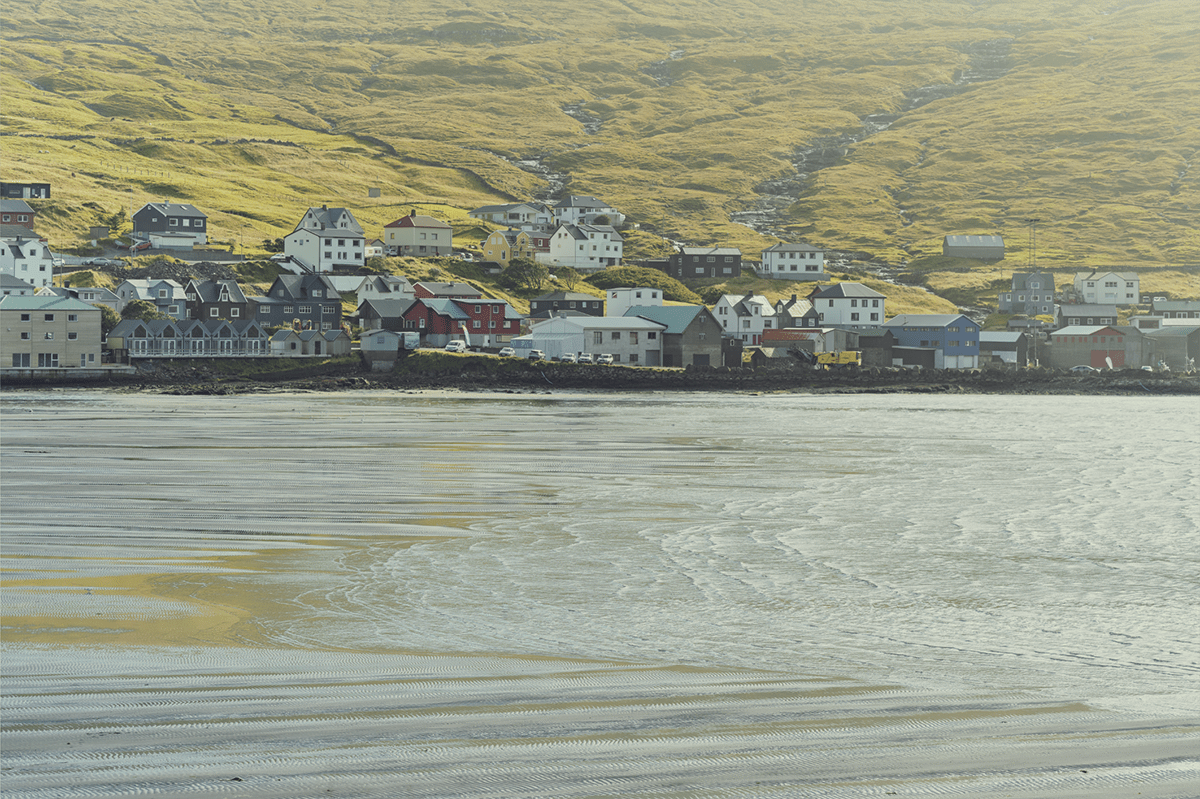
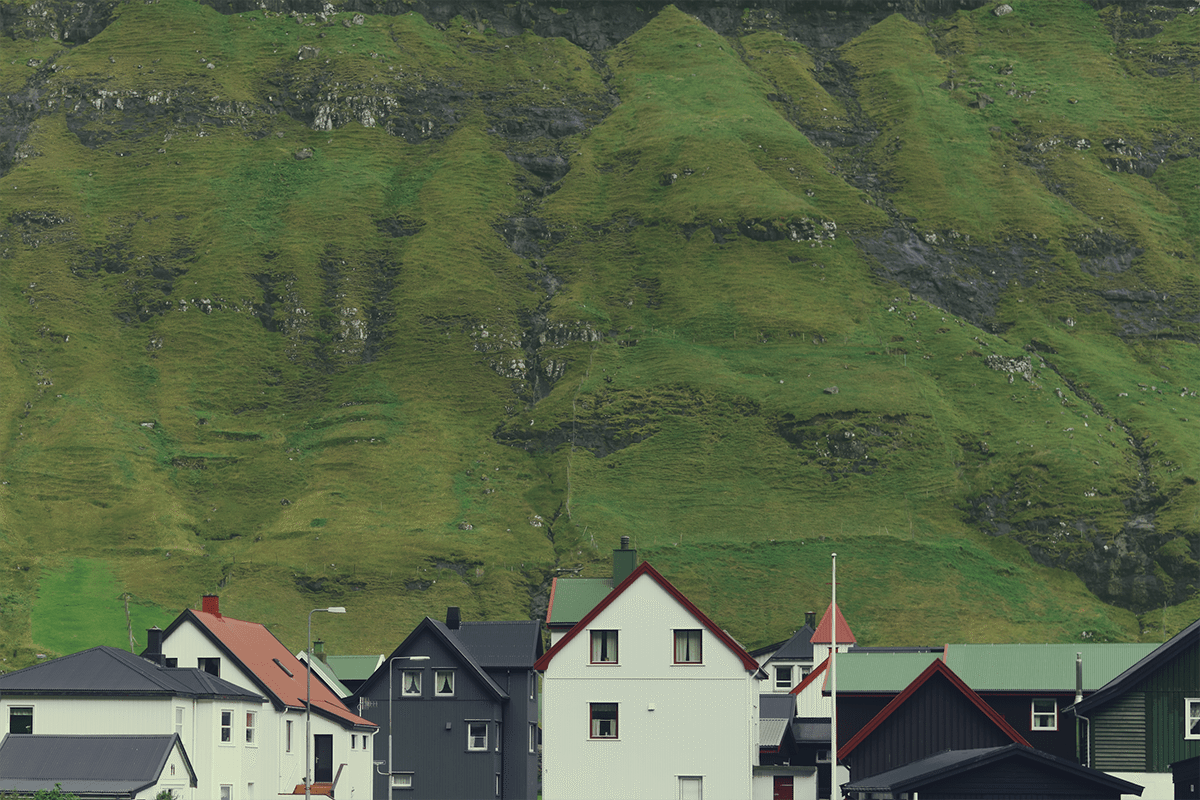
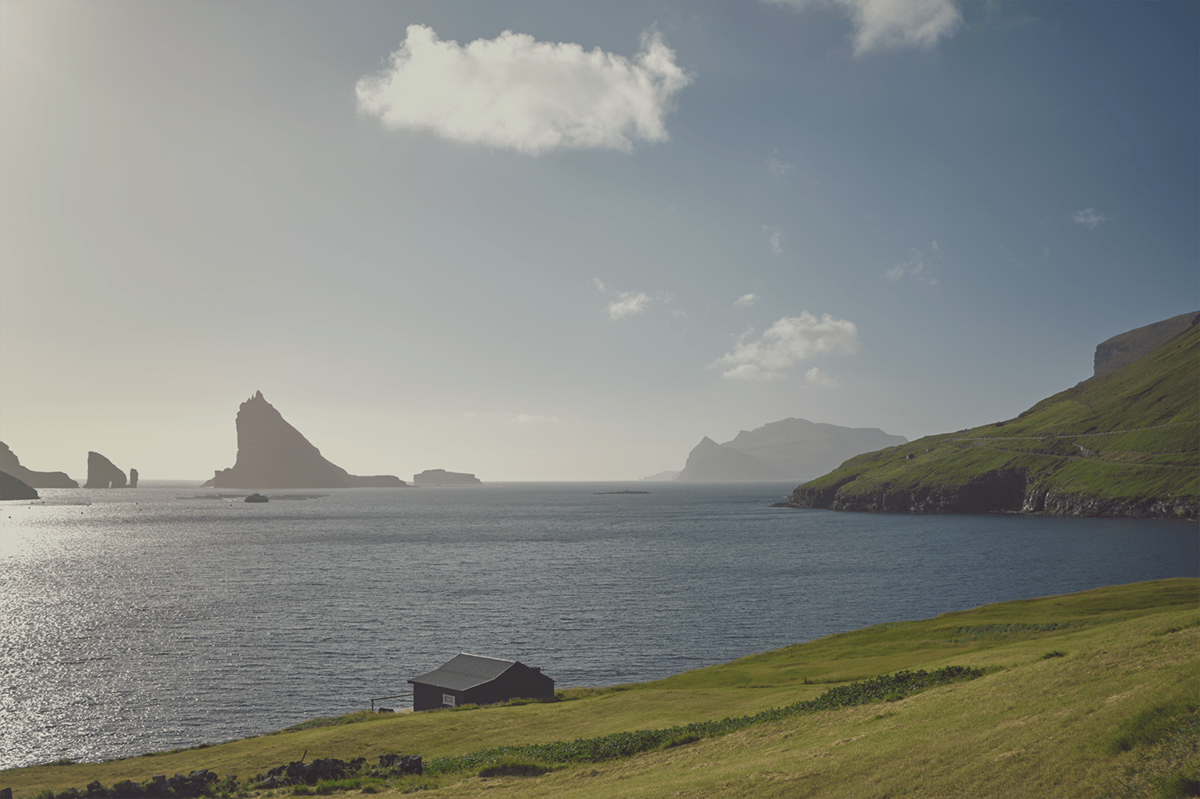
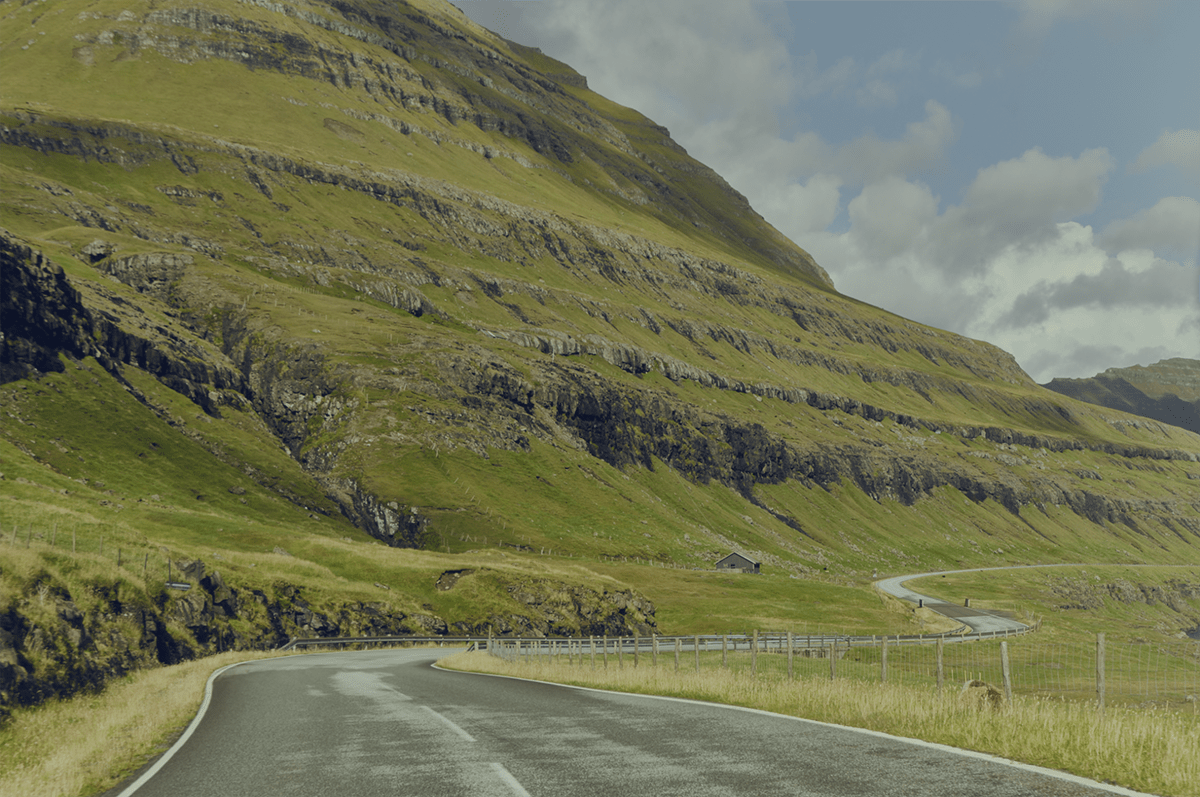
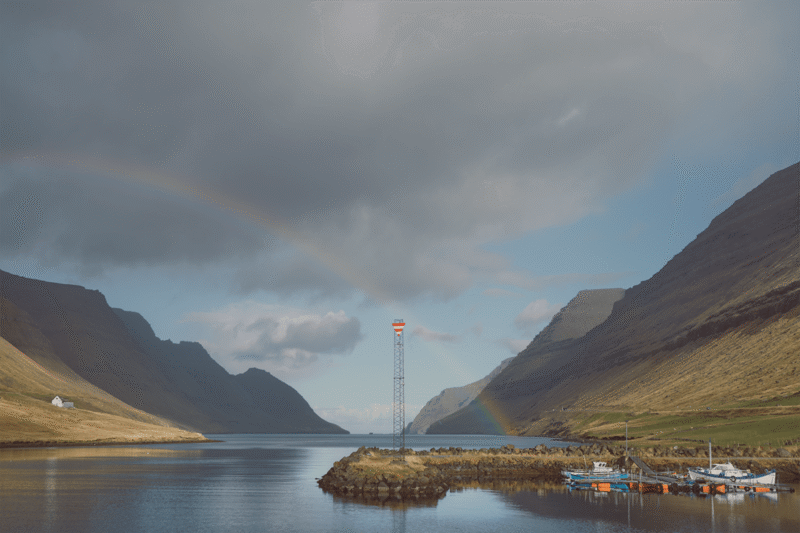
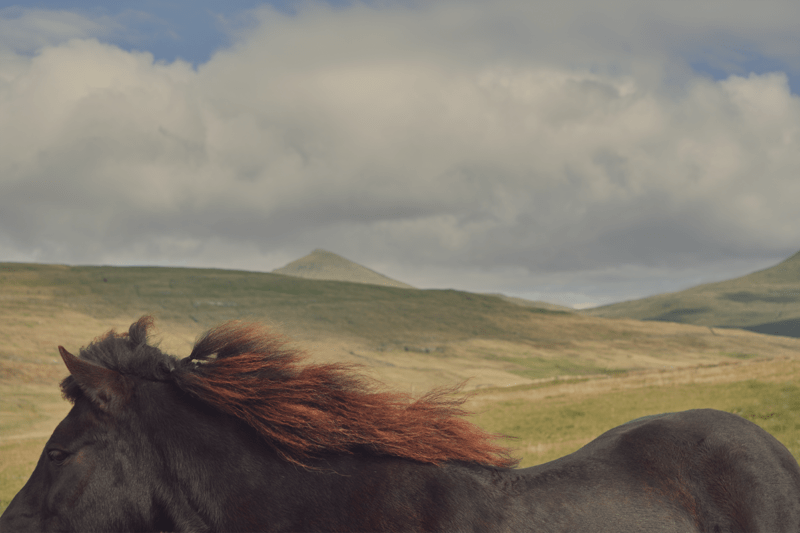
From its rugged coastlines to its green hills dotted with small villages, the Faroe Islands offer a stunning and unique landscape, which has fortunately remained relatively untouched by mass tourism. This is due not only to its remote location but also to the Faroese people’s strong commitment to preserving their environment and traditions. In a world where exotic destinations are increasingly accessible, the Faroes maintain a delicate balance between modernity and their ancestral roots.
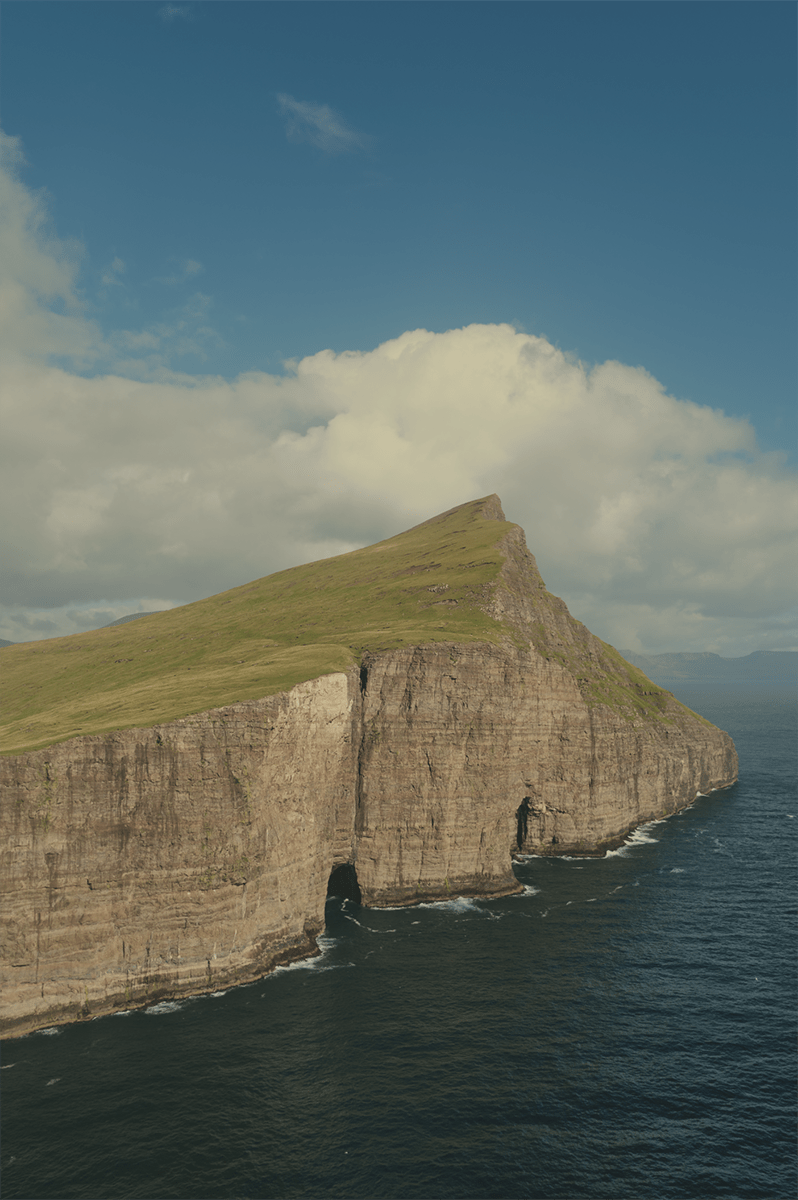
Nature in its purest form
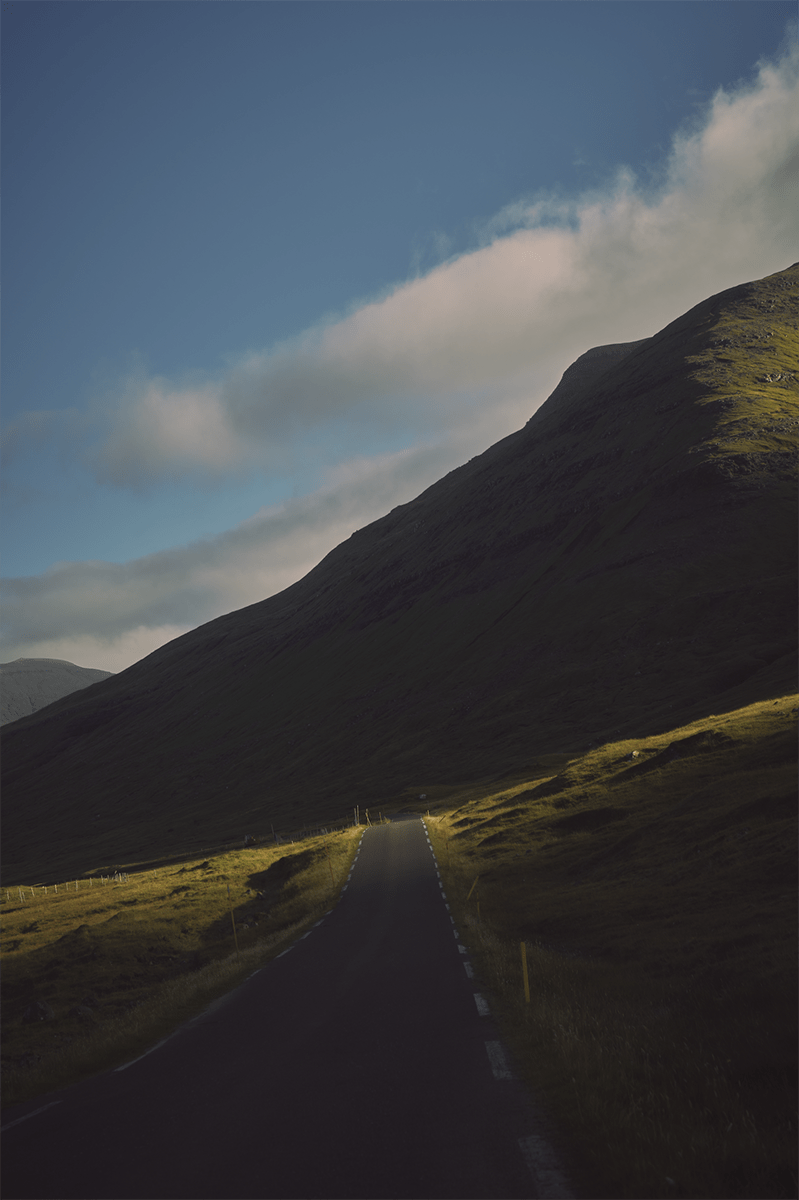
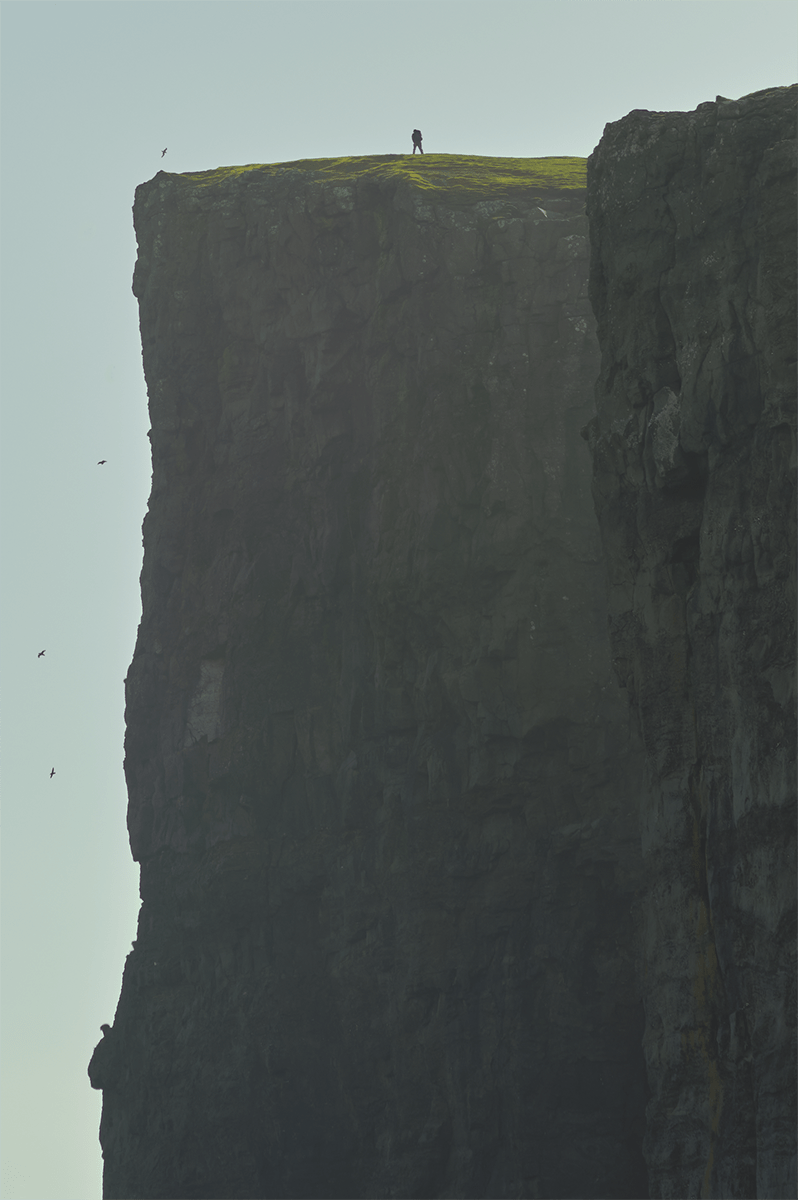
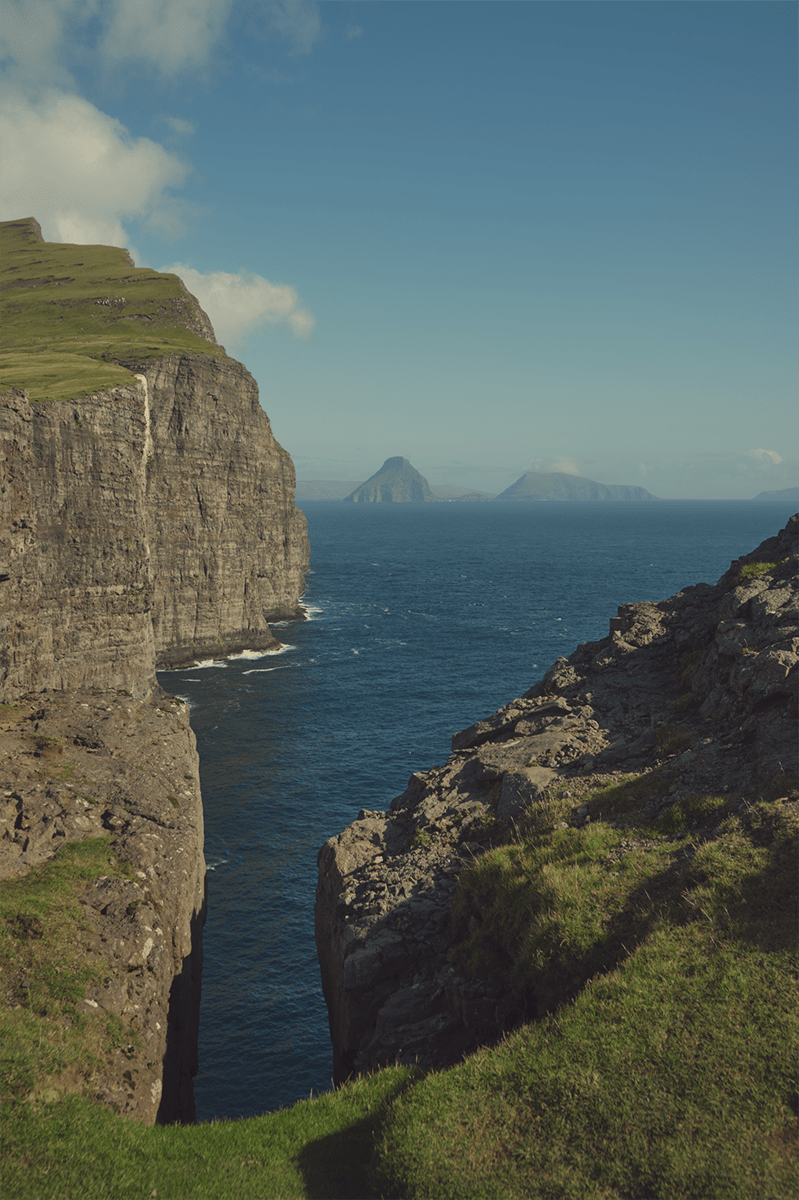
One of the main attractions of the Faroe Islands is their untamed nature. Here, mountains plunge directly into the sea, forming towering cliffs where millions of seabirds nest, including puffins and gannets. For birdwatchers, the islands are a paradise, home to some of the largest bird colonies in the North Atlantic.
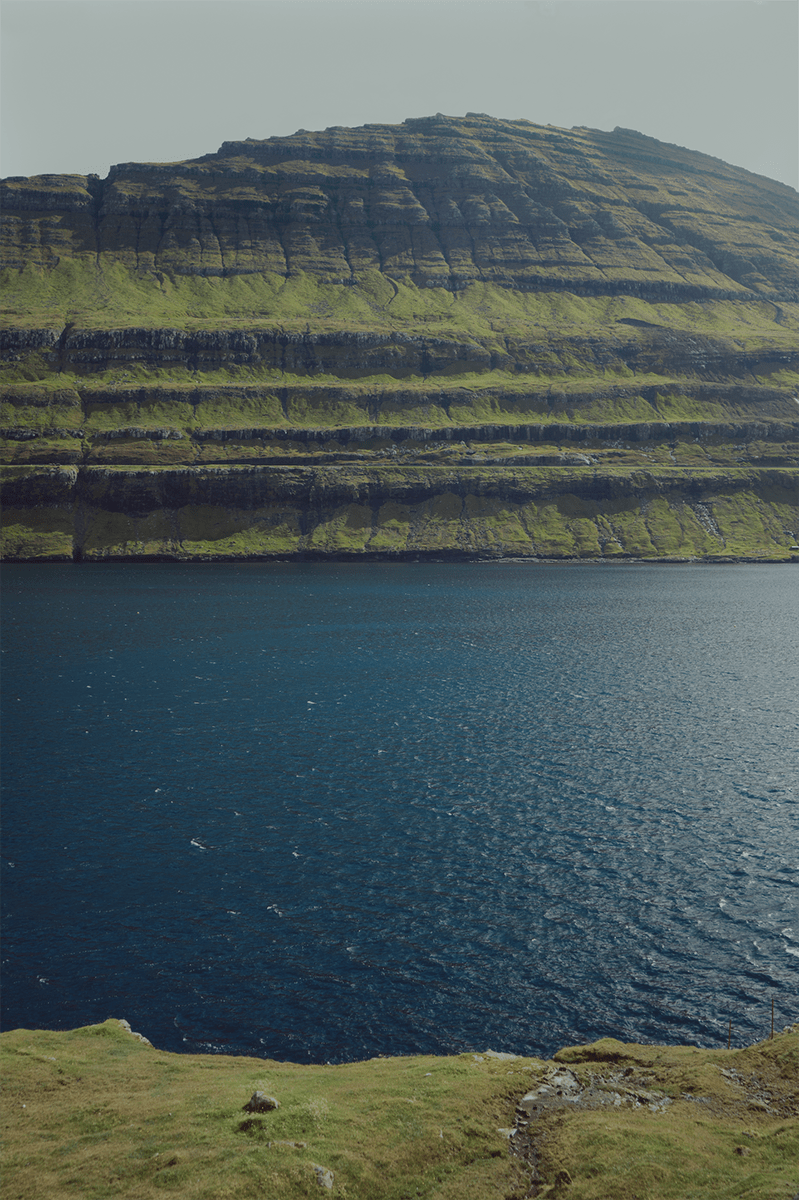
The trails that wind through the islands lead to breathtaking landscapes: waterfalls plunging into the ocean, meadows that resemble carpets of green moss, and deep fjords where the water reflects the sky like a mirror. One of the most iconic spots is the Múlafossur waterfall on the island of Vágar, which, with its dramatic drop into the sea, seems to embody the grandeur of this place.
A culture between land and sea
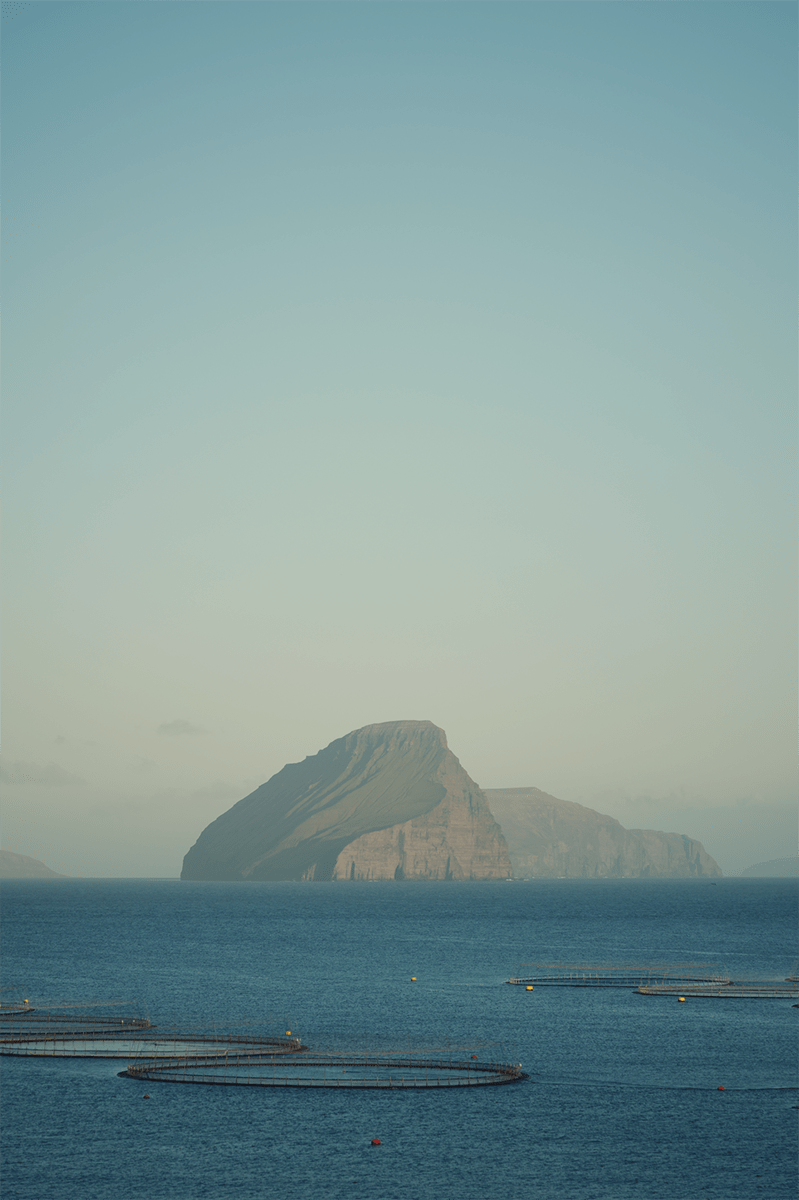
But the Faroe Islands are not just a natural wonder. Their culture is equally fascinating, deeply tied to the sea that surrounds them. For centuries, the Faroese have relied on fishing as their primary source of sustenance, and this tradition remains vital today. The islands’ economy is largely based on fishing and salmon farming, allowing them to thrive while maintaining a strong connection to the ocean.
Throughout the year, communities celebrate various festivals that reflect their Viking heritage and their relationship with nature. One of the most significant events is Ólavsøka, the National Day of the Faroe Islands, celebrated at the end of July with music, traditional dances, and rowing competitions. This festival, more than a patriotic celebration, showcases the cultural resilience of the islands in the face of modernity and global changes.
Sustainability and responsible tourism
The Faroe Islands have also adopted a cautious approach to tourism, aiming to preserve their unique natural environment and traditional way of life. In recent years, they have launched responsible tourism initiatives, such as the “Closed for Maintenance, Open for Voluntourism” project, where certain trails and natural areas are closed so volunteers can work on their maintenance and conservation. These measures have attracted the attention of conscious travelers seeking a more sustainable and authentic experience.
An excellent and varied culinary offering
Faroese cuisine, rooted in tradition and sustainability, has turned its isolation into a strength, creating a culinary movement that embraces the local and the wild, now gaining recognition on the international stage.
For centuries, the cuisine of the Faroe Islands was shaped by necessity. Agriculture is limited in the archipelago due to its harsh climate, so the inhabitants have historically relied on fishing, seabird hunting, and sheep farming. Preservation techniques like drying, curing, and fermentation were essential for surviving the long winters. One of the most emblematic foods of this tradition is ræst, a fermented meat that remains a staple of the Faroese diet. This ancient technique of maturing and fermenting, applied to both fish and meat, defines the flavor of the region’s traditional cuisine.
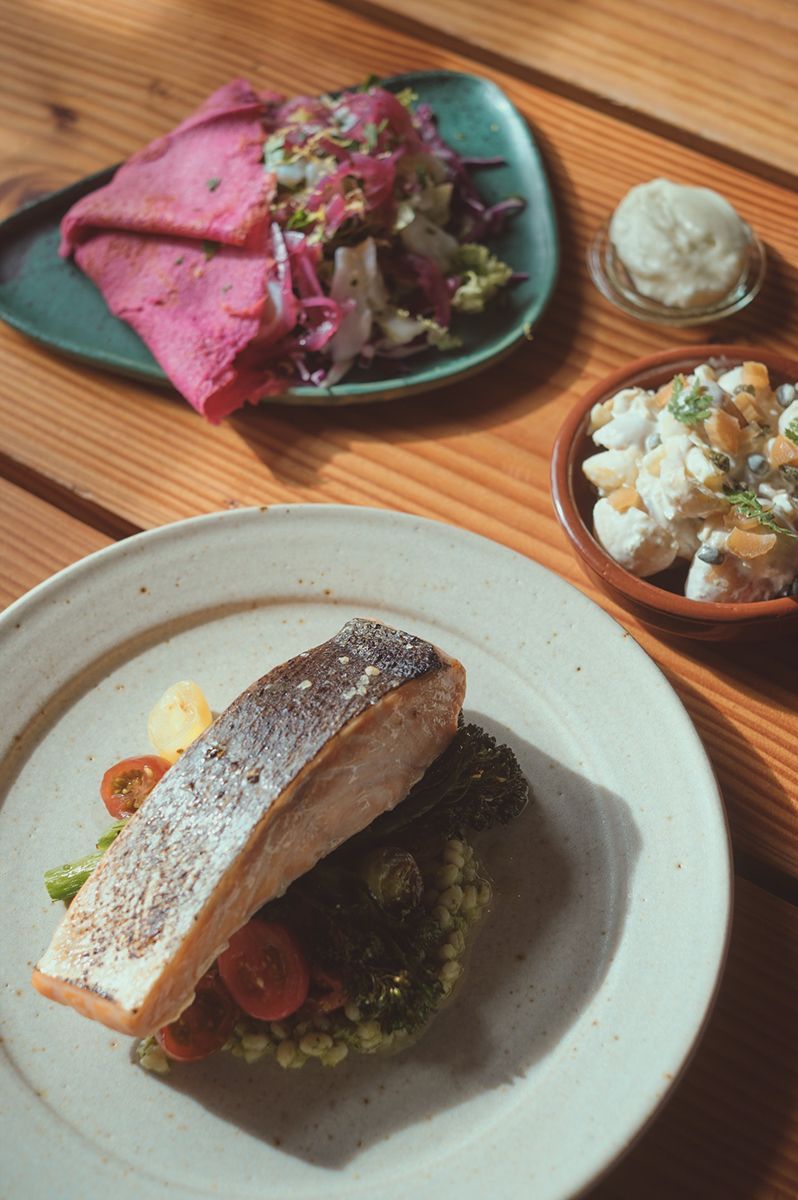
However, in recent times, the gastronomic scene in the Faroe Islands has gained prominence, attracting gourmands from around the world seeking authentic and unique flavors. Restaurants like KOKS, awarded two Michelin stars, reinterpret traditional Faroese cuisine using local ingredients and creating a menu that honors both land and sea.
Beyond this renowned restaurant, there are several other noteworthy dining spots in Tórshavn, capital of the Faroe Islands, and surrounding villages:
Roks: A sister restaurant to KOKS, Roks is housed in an old turf-roofed building with a rustic interior, situated by the harbor in Tórshavn.
The chef, Mexican-born Carlos Alberto Andrade, has crafted two exceptional menus that incorporate a creative touch and modern culinary techniques, featuring top-quality seafood from the Faroe Islands. Great atmosphere, excellent service, impressive selection of wines and unforgettable bites.
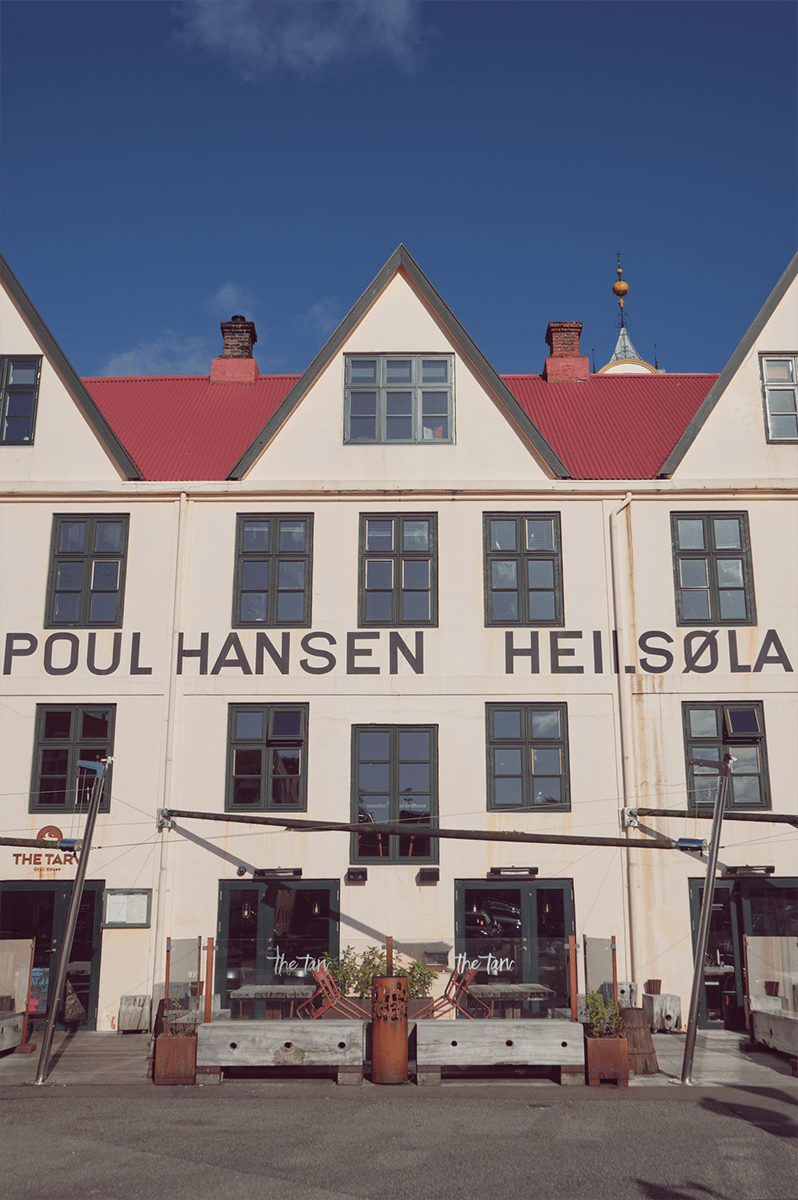
The Tarv: This brasserie, also located on the port, combines modern elegance with a welcoming atmosphere. With a menu focused on meat, it highlights the excellent quality of Faroese lamb and other local products, while also offering fresh fish and seafood. The ambiance is relaxed yet sophisticated, making it a perfect spot for both intimate dinners and special occasions.
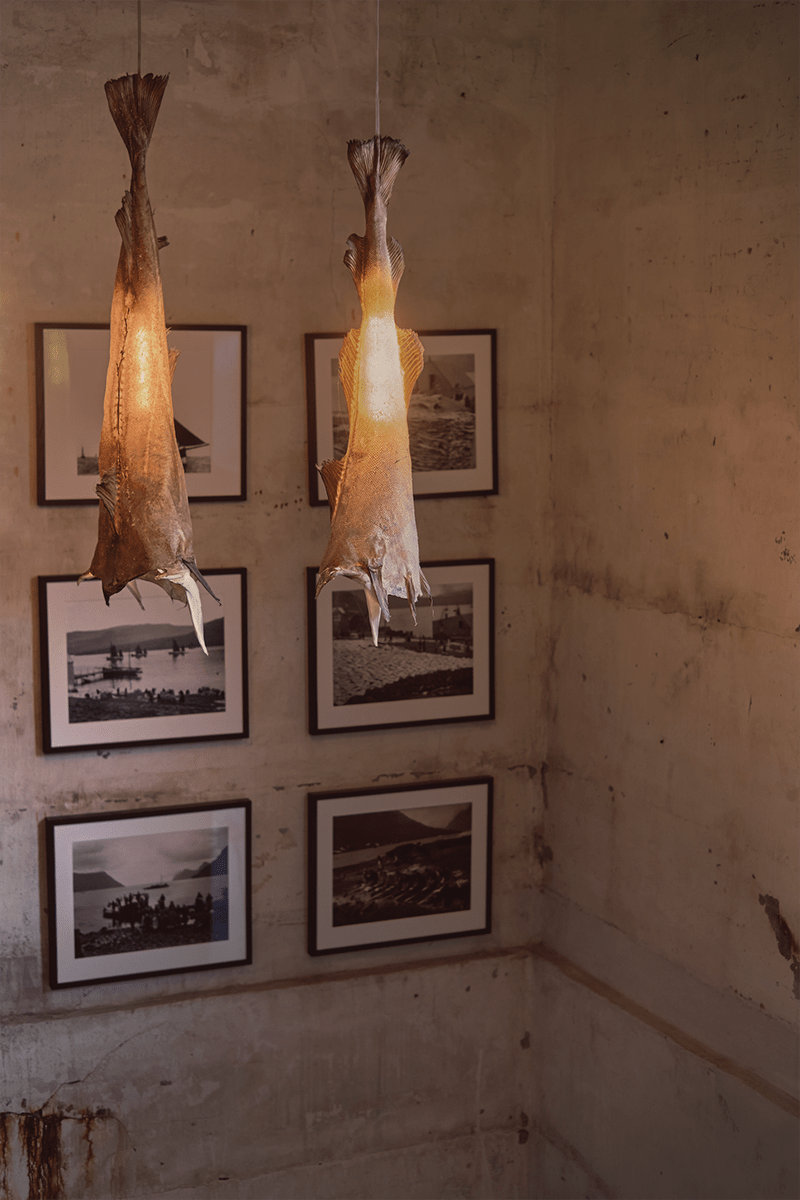
Ræest: Located in the capital, this restaurant pays homage to the Faroese tradition of fermentation, a technique essential for preserving food in this rugged environment. One of its standout dishes is skerpikjøt, a fermented lamb meat that captures the bold, earthy flavors of the Faroes.
Suppu Gardurin: In this casual restaurant, with an interior that evokes a traditional Japanese tavern, they prepare some of the best ramen we’ve tasted—not just in Denmark, but beyond.
Fiskastykkid: This charming café-restaurant in Sandavágur, a fishing village, is a true ode to cod. Here, you can try it in multiple delicious preparations. Their homemade desserts are also incredible.
Hotel Føroyar: a modern 4-star hotel with stunning views
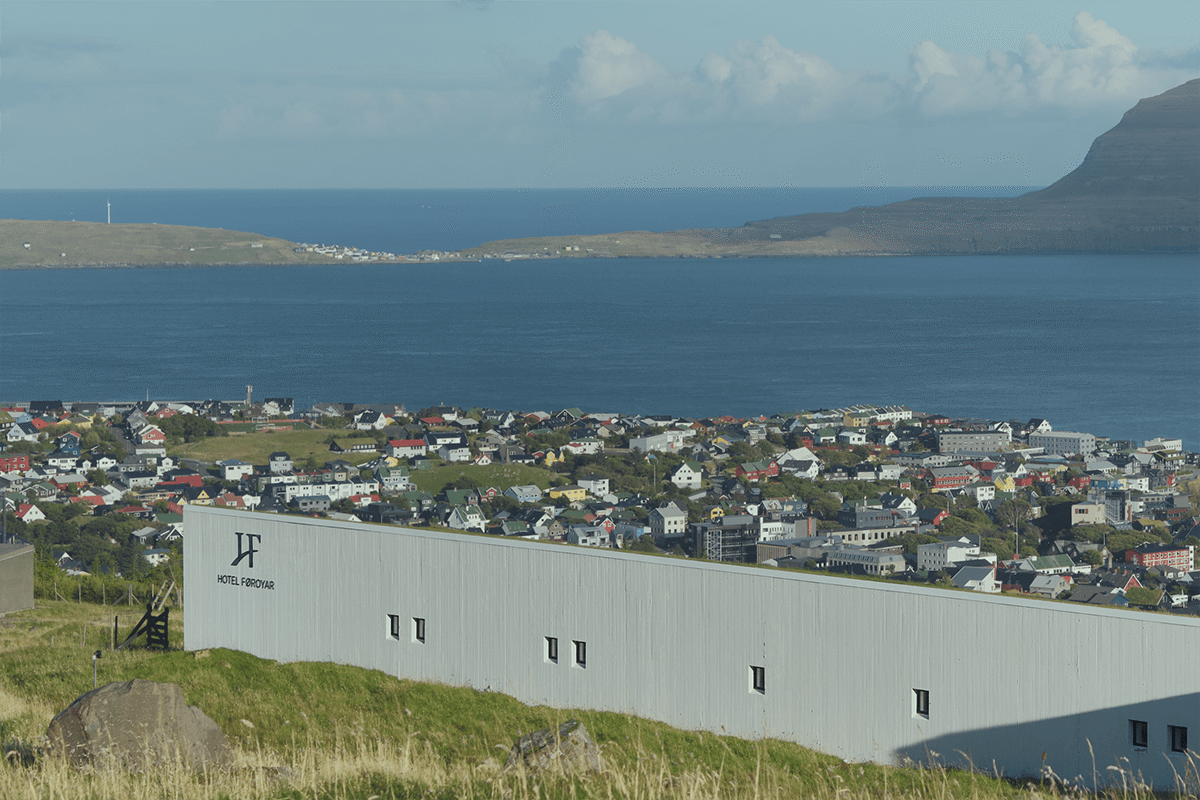
We stayed at this 4-star hotel, perched on a hill with panoramic views encompassing the city of Tórshavn and the vast North Atlantic Ocean.
One of the standout features of Hotel Føroyar is its architectural design, which reflects the Faroese commitment to sustainability and respect for the natural environment. Danish architects Friis & Moltke, known for their minimalist and eco-friendly approach, designed a building that integrates almost organically into the landscape. The hotel structure follows the gentle curves of the hill, with a grass-covered roof that not only acts as natural insulation but also pays homage to the traditional turf houses of the islands.
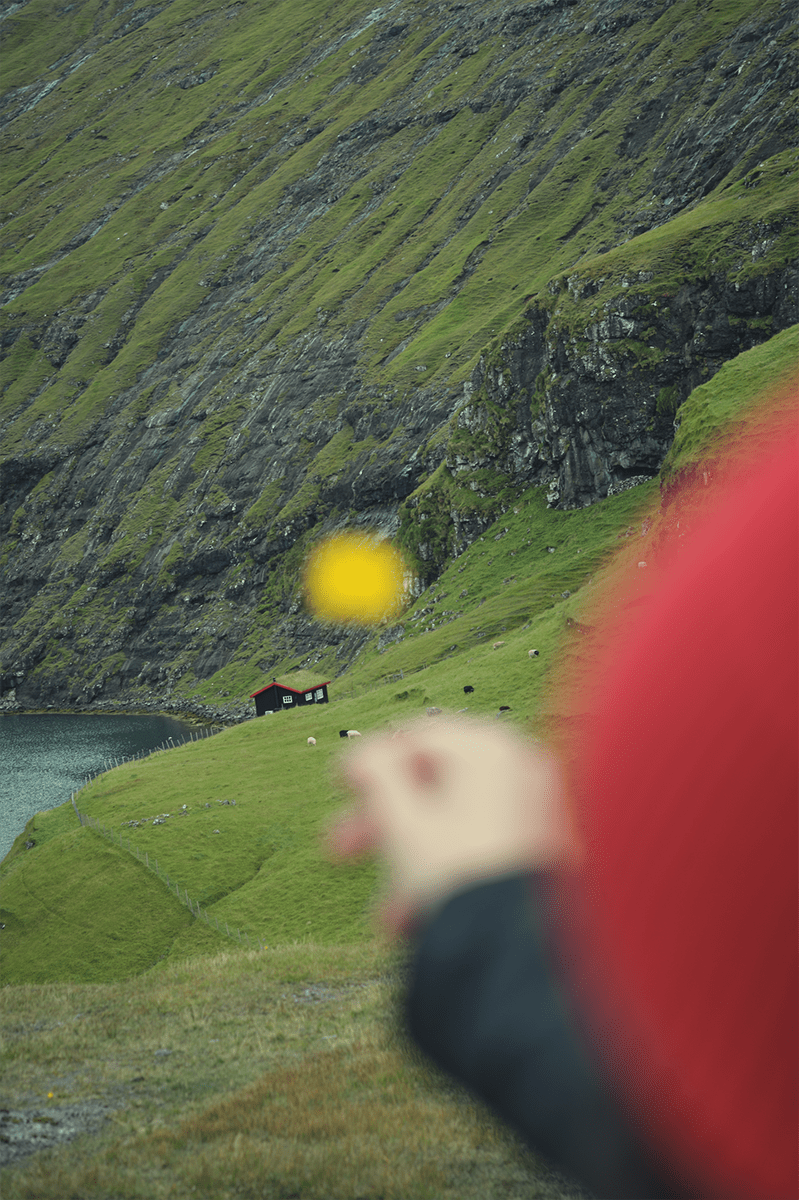
The hotel’s design is simple yet elegant. Clean lines and the use of natural materials like stone, wood, and glass allow the real star to be the surrounding nature. Floor-to-ceiling windows offer breathtaking views of the fjords and ocean, allowing Faroese light to flood every corner of the hotel. This visual and emotional connection to the landscape is, without a doubt, one of the hotel’s greatest attractions for guests seeking to escape the frenetic pace of urban life.
A journey to the end of the world
Visiting the Faroe Islands is not just an exotic getaway but an invitation to reconnect with the essentials: nature in its purest form, enduring traditions, and a way of life that defies the accelerated pace of the modern world.
In an era where everything seems just a click away, the Faroes remind us that there are places that can only be truly understood when experienced up close—walking their trails, listening to the roar of the wind and the song of the birds, and gazing at the vast horizon where land meets sea.
The Faroe Islands are, ultimately, a corner of the world where the wild still reigns, a place where time moves at its own pace, and where, for a moment, you may feel like you’ve reached the end of the world.
Practical information
How to get there: The Faroe Islands are connected by direct flights from Copenhagen and several Scandinavian cities.
You can also access the islands by ferry from Denmark or Iceland. Additionally, from April to October, there are direct flights from Barcelona, Mallorca, and the Canary Islands through Atlantic Airways.
How to get around: To explore the islands, it’s best to rent a car. If you want to visit certain islands like Mykines, you’ll need to take a ferry or helicopter, which is very affordable due to it being subsidized (a flight from Tórshavn to Mykines costs 215 DKK, or about 28 €). Both the ferries and the helicopter should be booked well in advance.
It’s important to note that tunnel tolls are paid automatically via a chip on the windshield, which allows the rental company to add the amount to your bill. Also, be cautious on the roads as sheep can cross at any moment.
Best time to visit: It is best to go from May to September, when the weather is milder and the days are longer, offering more daylight to explore. However, the weather is unpredictable, so it’s best to be prepared. In fact, there’s a local saying that you can experience “four seasons in one day”, with rain, sun, and wind changing rapidly. We were very lucky, as we visited in September and the islands welcomed us with stunning sunny days.
We also recommend downloading this app to check the weather in real-time: faroeislandslive.com.
Roaming and currency: We recommend buying a SIM card at the airport—it’s easy and very convenient. Regarding currency, the good news is that credit cards are accepted everywhere, so we didn’t carry any cash.
Clothing: Depending on the time of year you visit, you’ll need to dress accordingly, but here are some essentials: hiking boots, thermal undershirts, comfortable socks, sweaters and/or fleece, long/short-sleeve shirts for layering, a wool hat, gloves, and a winter coat. It rains often and is windy, so don’t bring an umbrella—opt for a raincoat, as it’s much more practical.
Curiosities
1. “Feroe” means “Sheep Islands” in Old Norse.
2. Tórshavn, the Faroese capital, is the smallest in Europe, with a population of about 20,000. Its colorful wooden houses, some with grass roofs, cluster around the harbor, while its streets host modern cafés, art galleries, and artisan shops that celebrate Faroese culture. Despite its small size, Tórshavn stands as the cultural and political center of the Faroe Islands, a beacon of creativity and heritage in the heart of the Atlantic.
3. Faroese is a unique language, derived from Old Norse, and is spoken by only around 70,000 people worldwide. In addition, it is one of the few languages ??that cannot be translated through Google translator.
4. The Faroe Islands have no natural forests due to their climate and geography. Strong winds and thin soil prevent the growth of tall trees, though some trees have been planted in recent years as part of reforestation experiments.
5. The Faroe Islands are home to one of the largest colonies of Atlantic puffins.
6. The Faroe Islands are not part of the European Union despite being a dependency of Denmark.
7. When they realised that they were the only European territory not appearing on Google Street View (now they do), in 2015, the Faroese launched SheepView, an alternative project that consisted of placing 360° cameras on the backs of a group of sheep so that they could map the Faroe Islands.
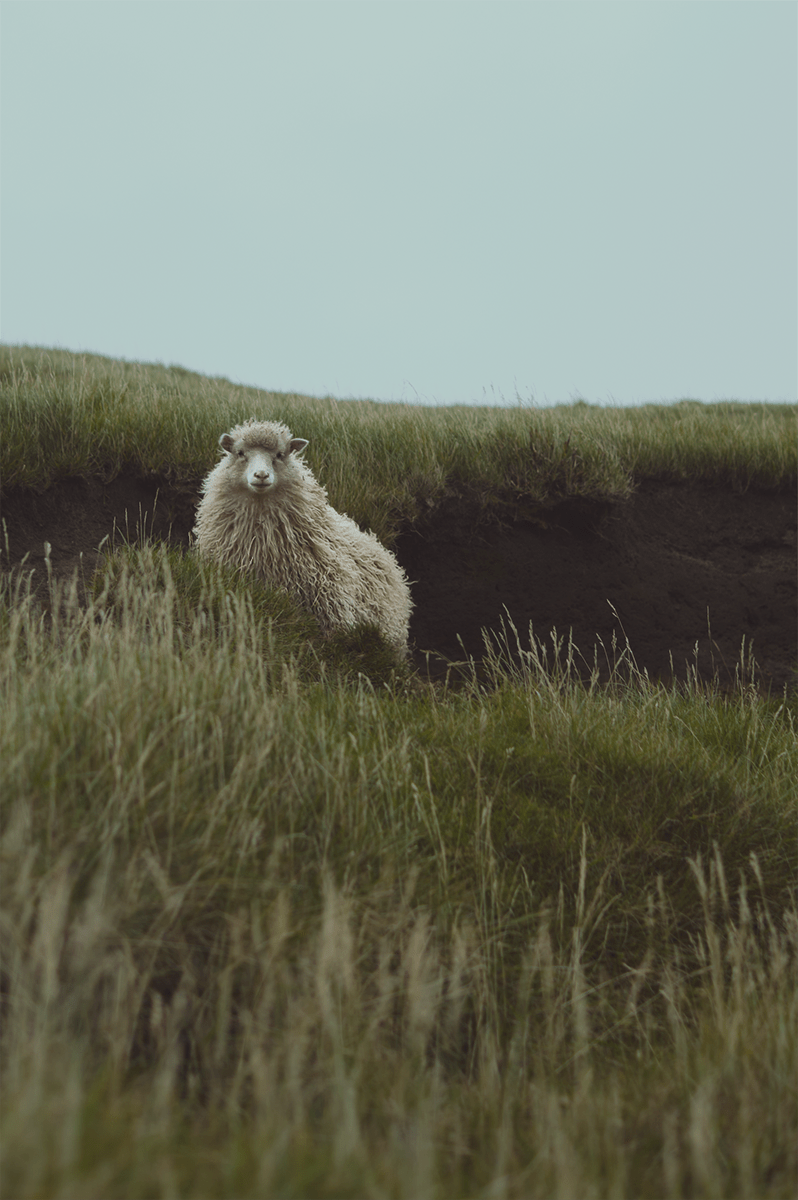
8. Sheep reign supreme in this landscape and are also responsible for cutting the grass on the roofs of many of the islands’ houses, businesses and restaurants. Houses with peat and turf roofs provide excellent insulation from the cold, humidity and other inclement weather. They have been built this way since the Iron Age.
9. Interestingly, there are no traffic lights across the entire archipelago. Despite this, traffic on the islands flows surprisingly well, thanks to their low population and well-planned infrastructure.
10. The islands boast the country’s largest underwater tunnel, which also houses the world’s first underwater roundabout, connecting Skálafjørdur and Tórshavn, the two most populated islands.
In the next article, we’ll show you more places we visited. Stay tuned!
(*) Photos: Ely Sánchez (CC/magazine).

&p[summary]=&p[url]=https://ccmagazine.es/en/the-faroe-islands-europes-last-untamed-refuge-part-1&p[images[0]=https://ccmagazine.es/wp-content/uploads/2024/11/CCmagazinexFeroe1.png)
)