Oostende: art, history, sea and Atlantic calm
There are destinations you discover like a whisper, far from noise and ostentation. Oostende, on Belgium’s Flemish coast, is one of them. This port city, washed by the North Sea, has something that captivates: a magnetic combination of its maritime past, its vibrant cultural scene and a tranquil, luminous atmosphere that transforms every beach stroll into a sensory experience.
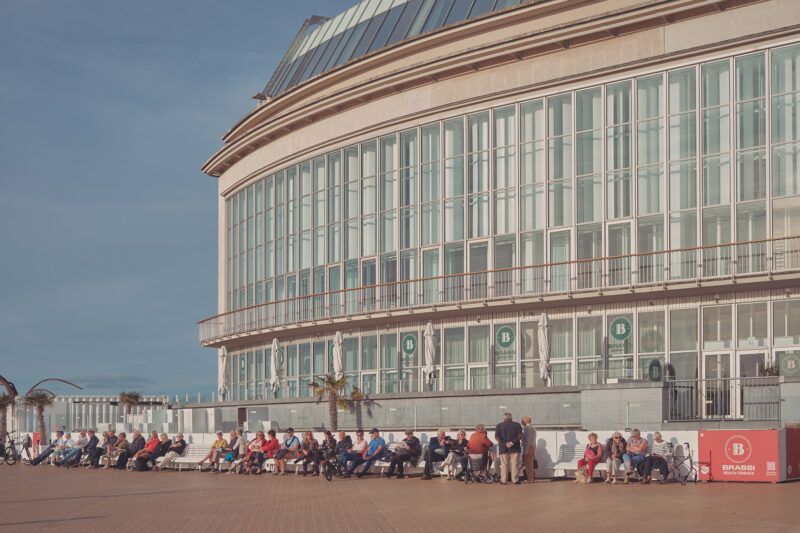
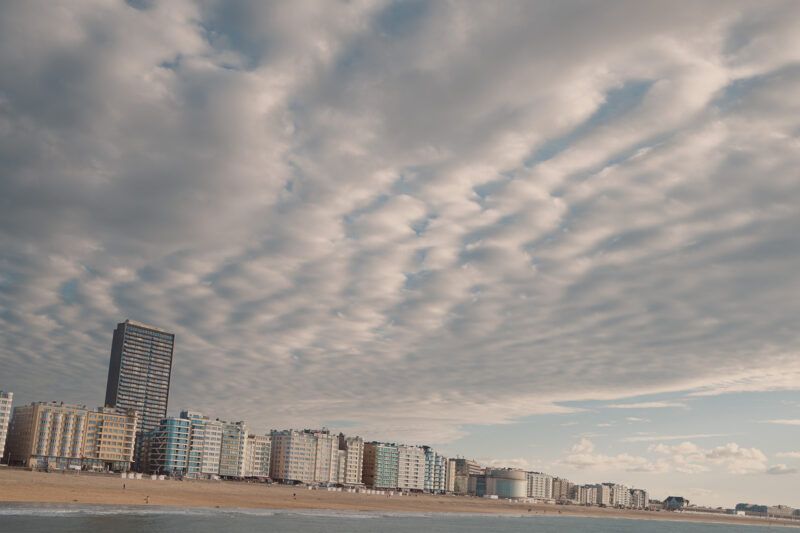
Historically known as the “Queen of the seaside towns”, Oostende was during the 19th century a favoured resort of the Belgian monarchy. King Leopold II pushed through major infrastructure and buildings that still define the city’s profile today. Its story is deeply tied to the sea: as a strategic port, as a defensive bastion in past wars and as the epicentre of Flemish fishing life.
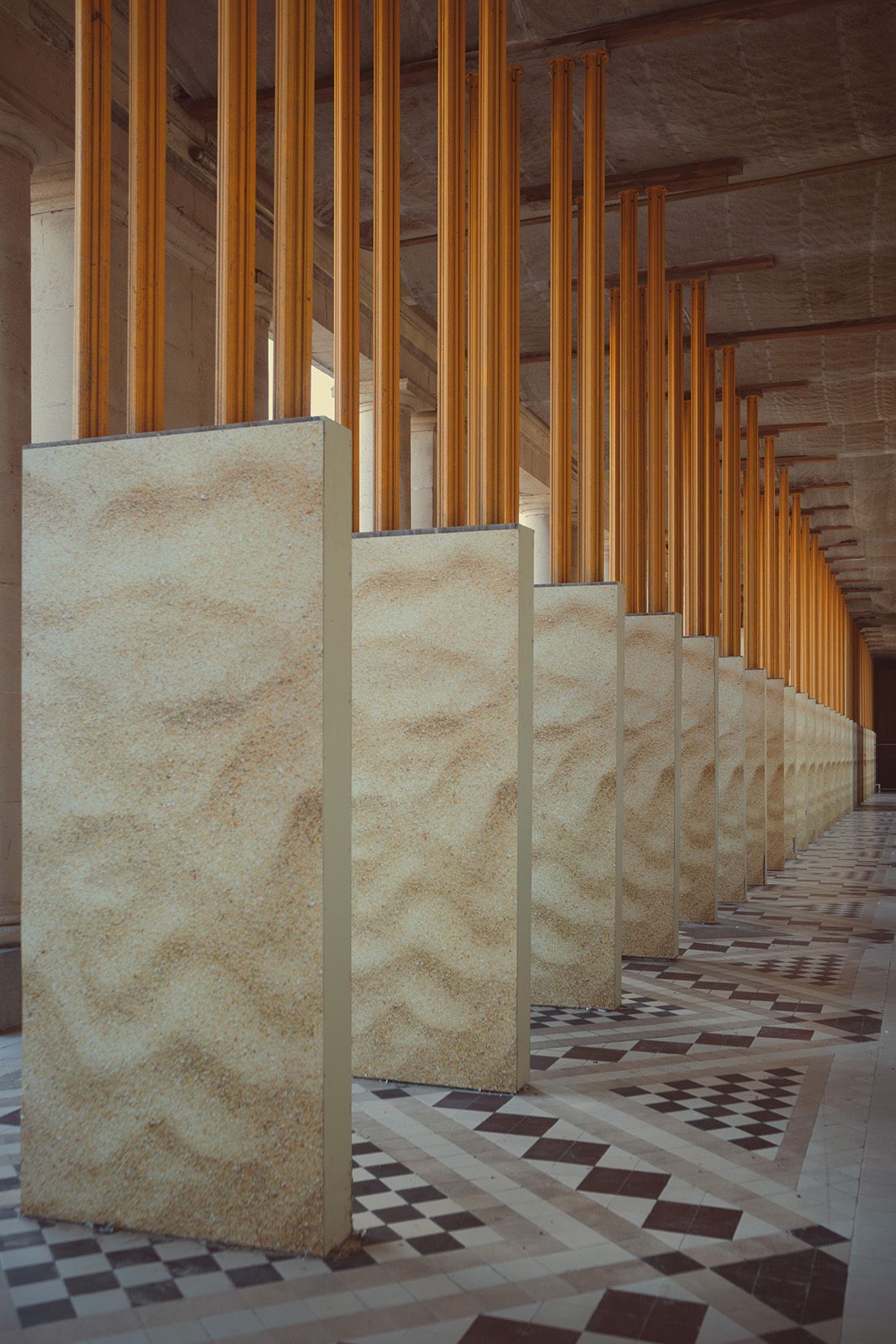
But beyond its historical roots, Oostende has reinvented itself as a singular cultural destination, balancing architectural heritage and contemporary creation. Here infinite skies and tides live alongside art projects, independent galleries, modernist architecture and a serene lifestyle savoured on foot or by bicycle.

Endless beaches and water?colour skies
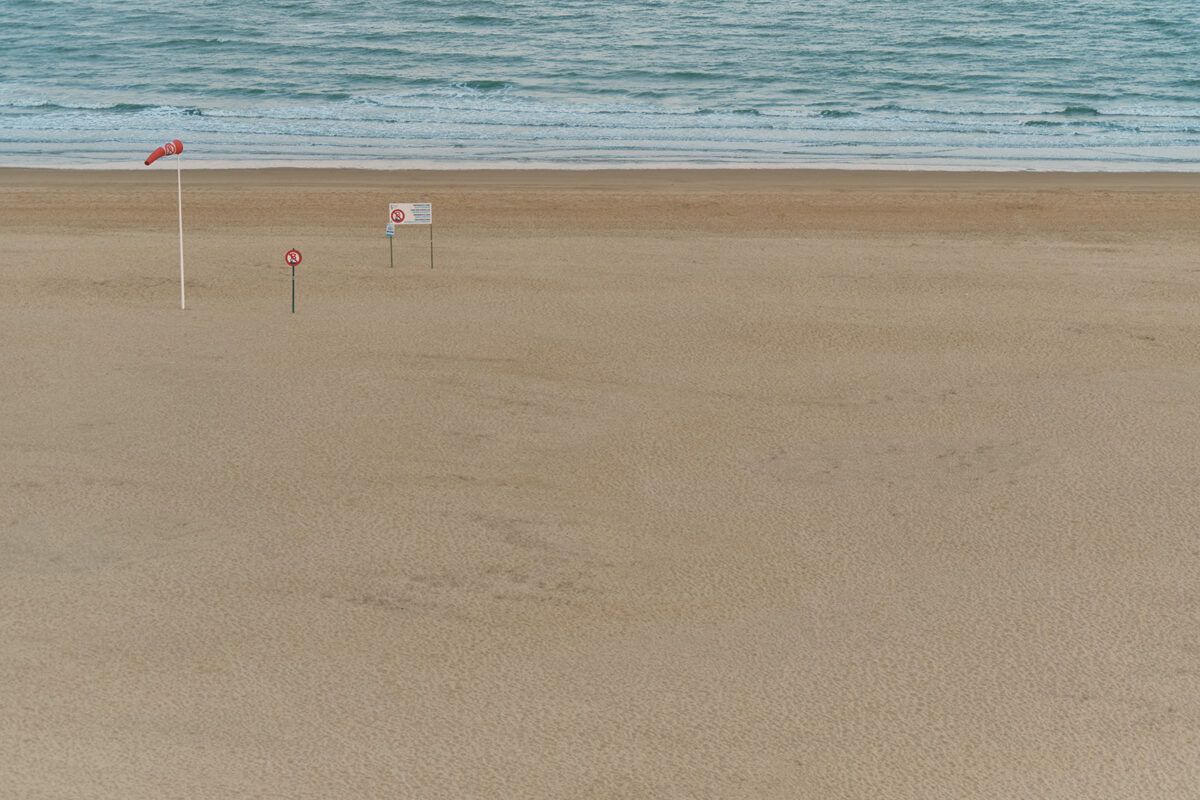
The beach of Oostende is the soul of the city. Broad, clean, uncrowded (especially off-season) and with a timeless charm. Walking along the shoreline when the tide is low is one of those experiences you don’t forget easily. The Groot Strand (the large beach) and Strand Oostende (the main beach) offer kilometres of golden sand inviting both summer swims and contemplative strolls out of season. On clear days, the sky turns blues and oranges like an impressionist palette.
“In Oostende the beach is the soul of the city.”
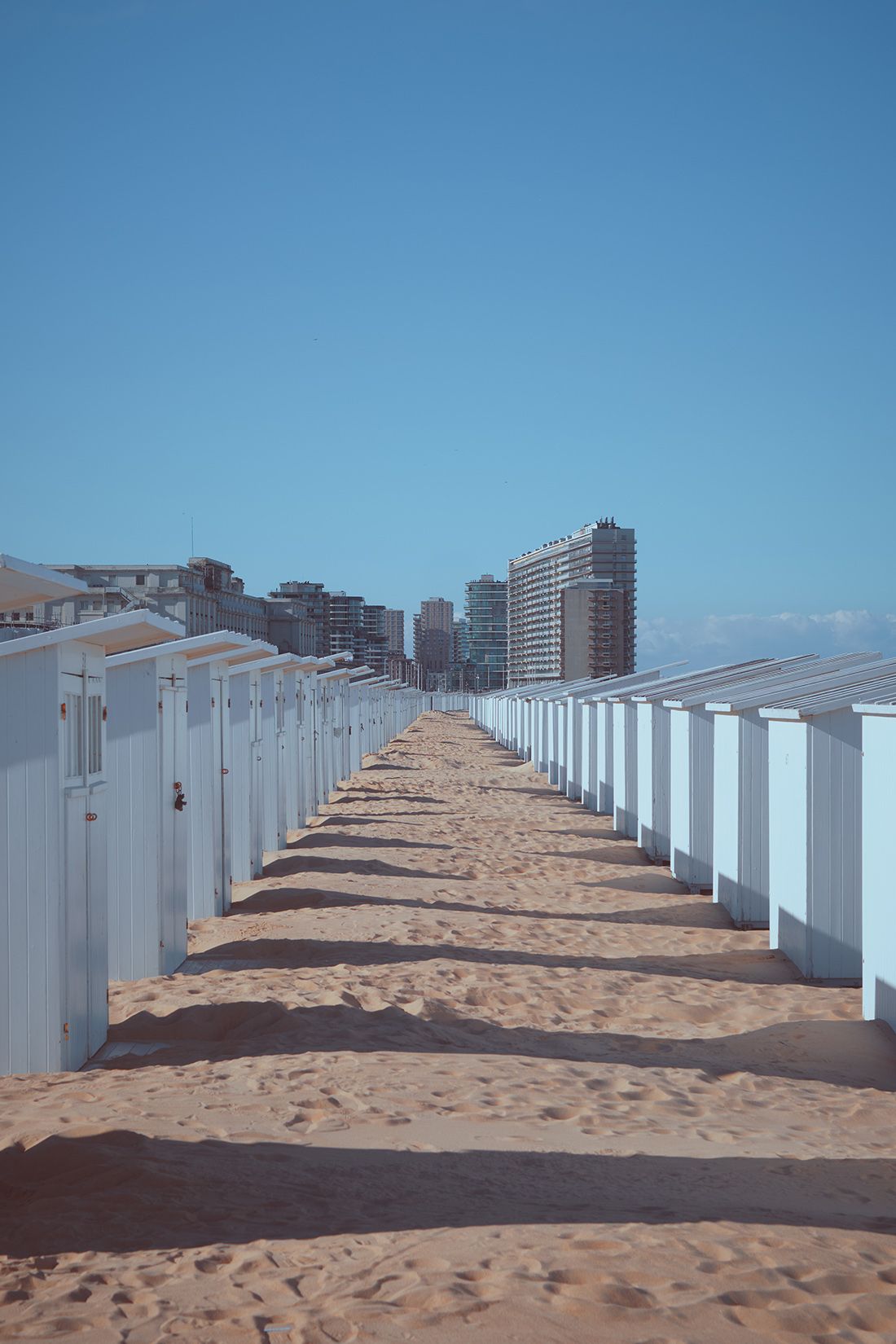
A must-do walk is the one along the Westelijke Strekdam, a pier projecting into the sea and offering a panoramic view of the horizon. Very near is the Oosterstrand, quieter and frequented by locals — perfect for those seeking a less touristy and more authentic corner. From there you can continue to the Havendam Oostende, a linear promenade among dunes, sea birds and fishing boats that combines nature and port life in perfect harmony.
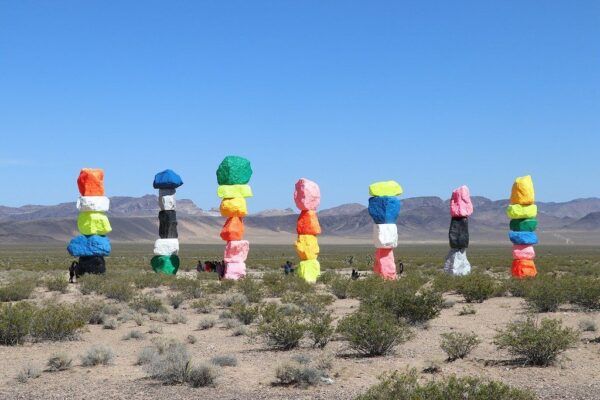
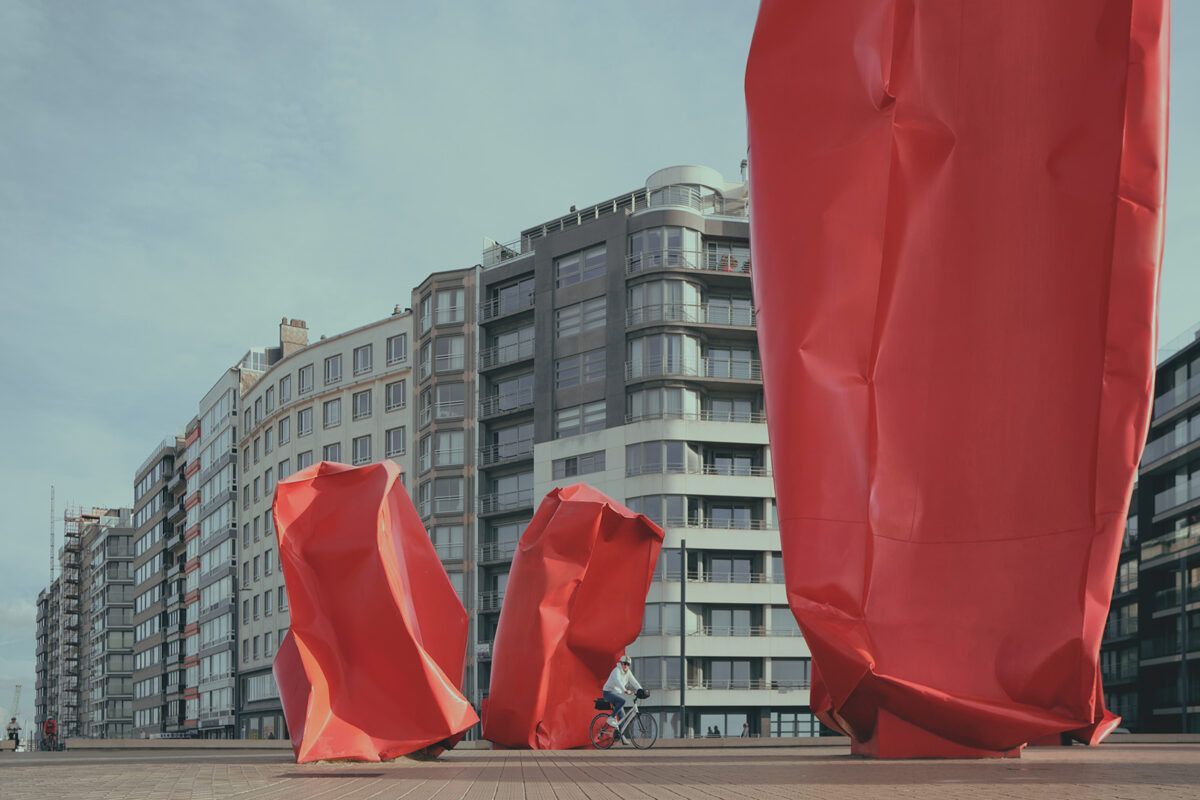
Very close is Zeeheldenplein, an open plaza beside the seafront hosting events and markets, but also functioning as a gathering place for locals and visitors alike. Here stand the “Rocks Strangers” by Belgian artist Arne Quinze. These monumental red-painted steel sculptures, with angled and unexpected forms, seem to have fallen from the sky or been dragged by the wind. Their vibrant presence deliberately disrupts the coastal landscape harmony, forcing the viewer to stop, look and ask. Quinze defines these works as “strangers in the urban landscape”, a visual metaphor for discomfort with the different.
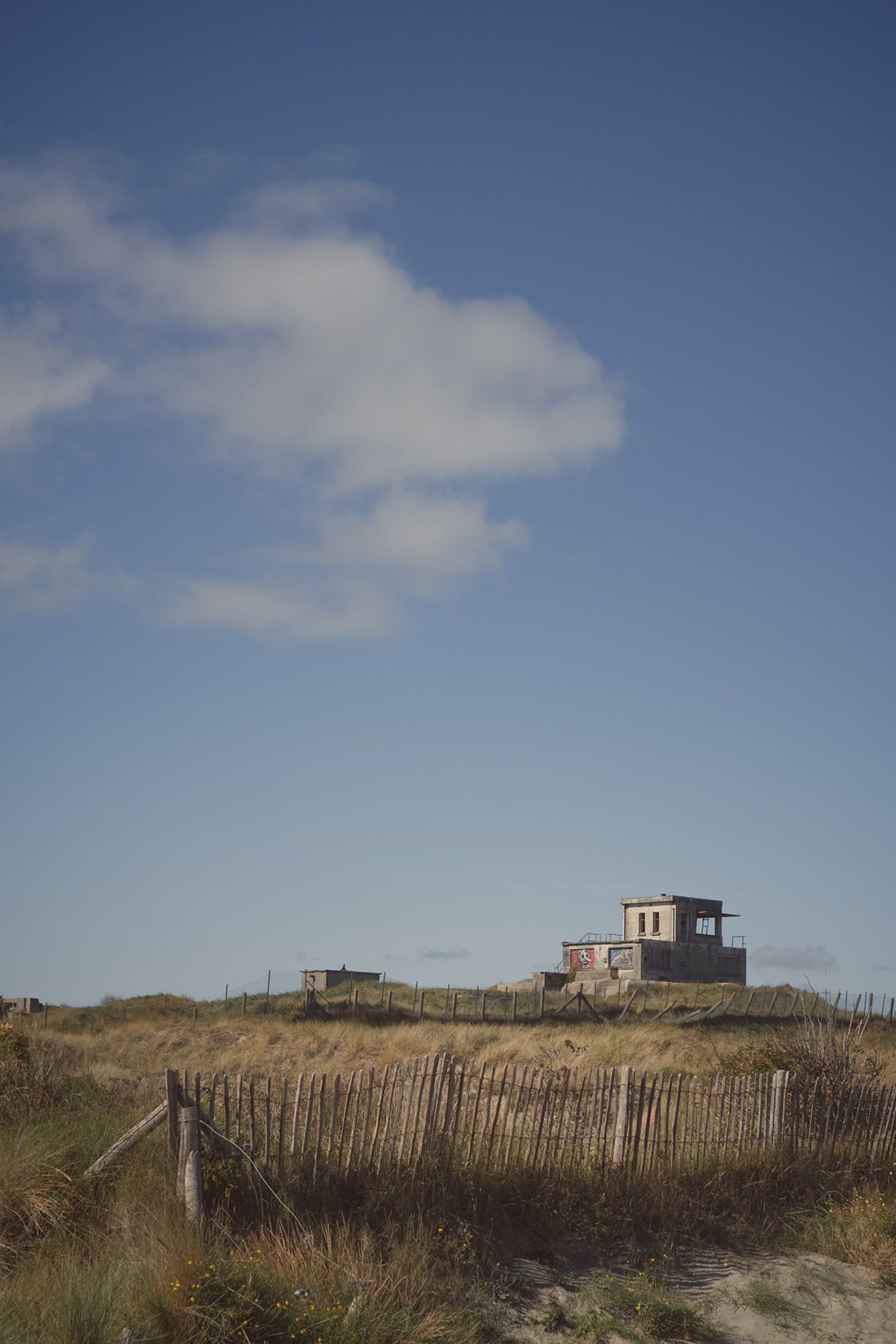
Coastal heritage and cultural enclaves
Oostende is a city to be discovered by walking.
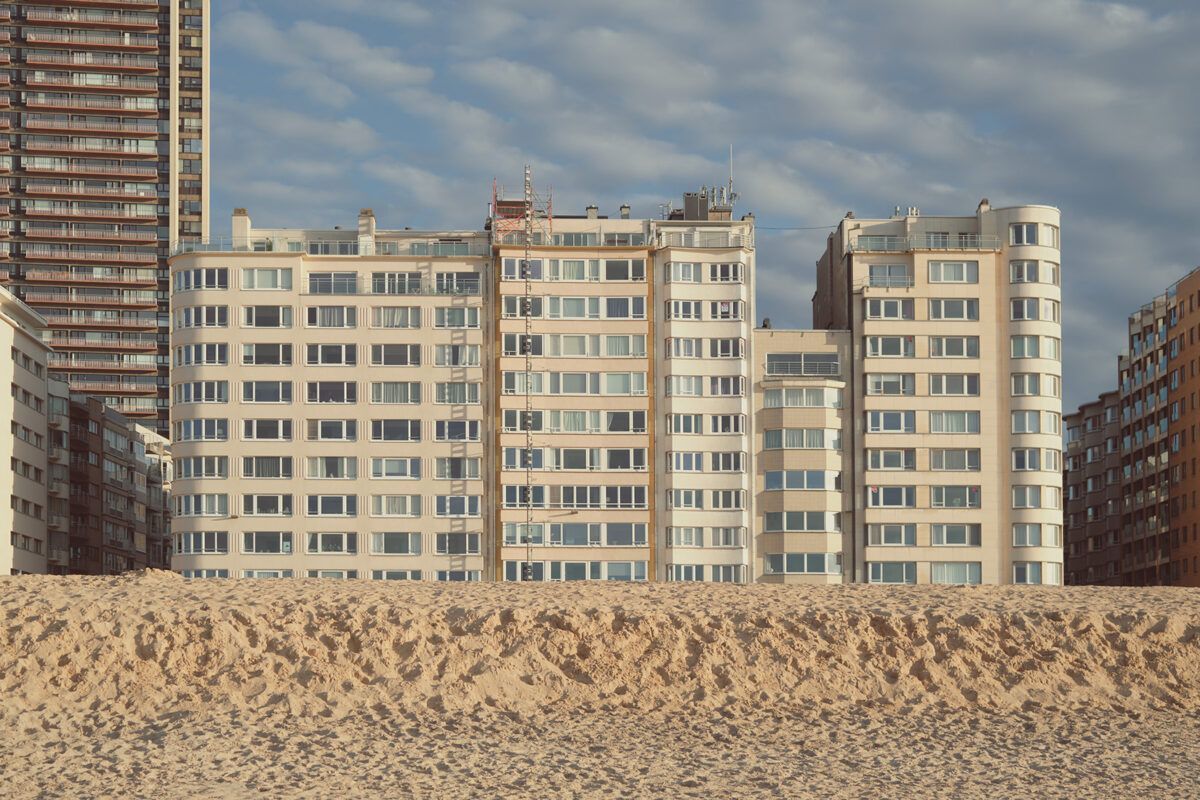
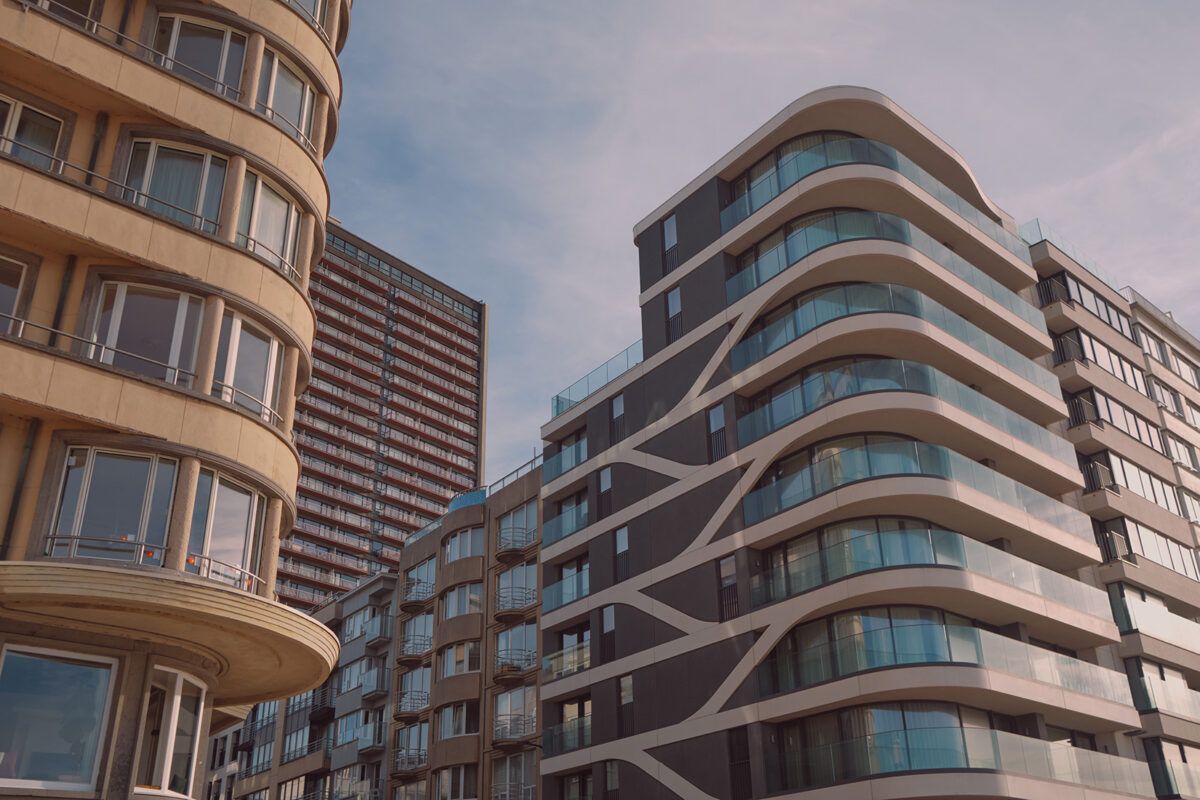
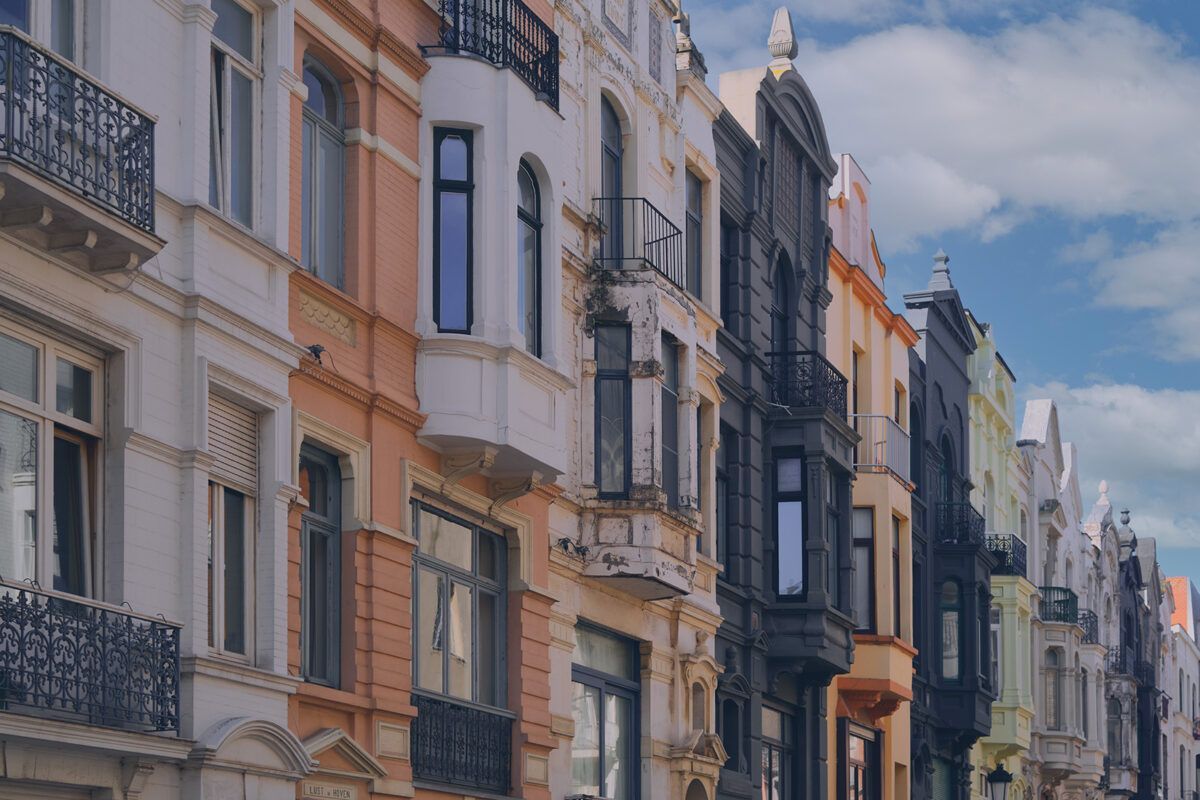
Eclectic architecture coexists with broad boulevards, small residential streets and modernist gems — but also with surprising contemporary spaces.
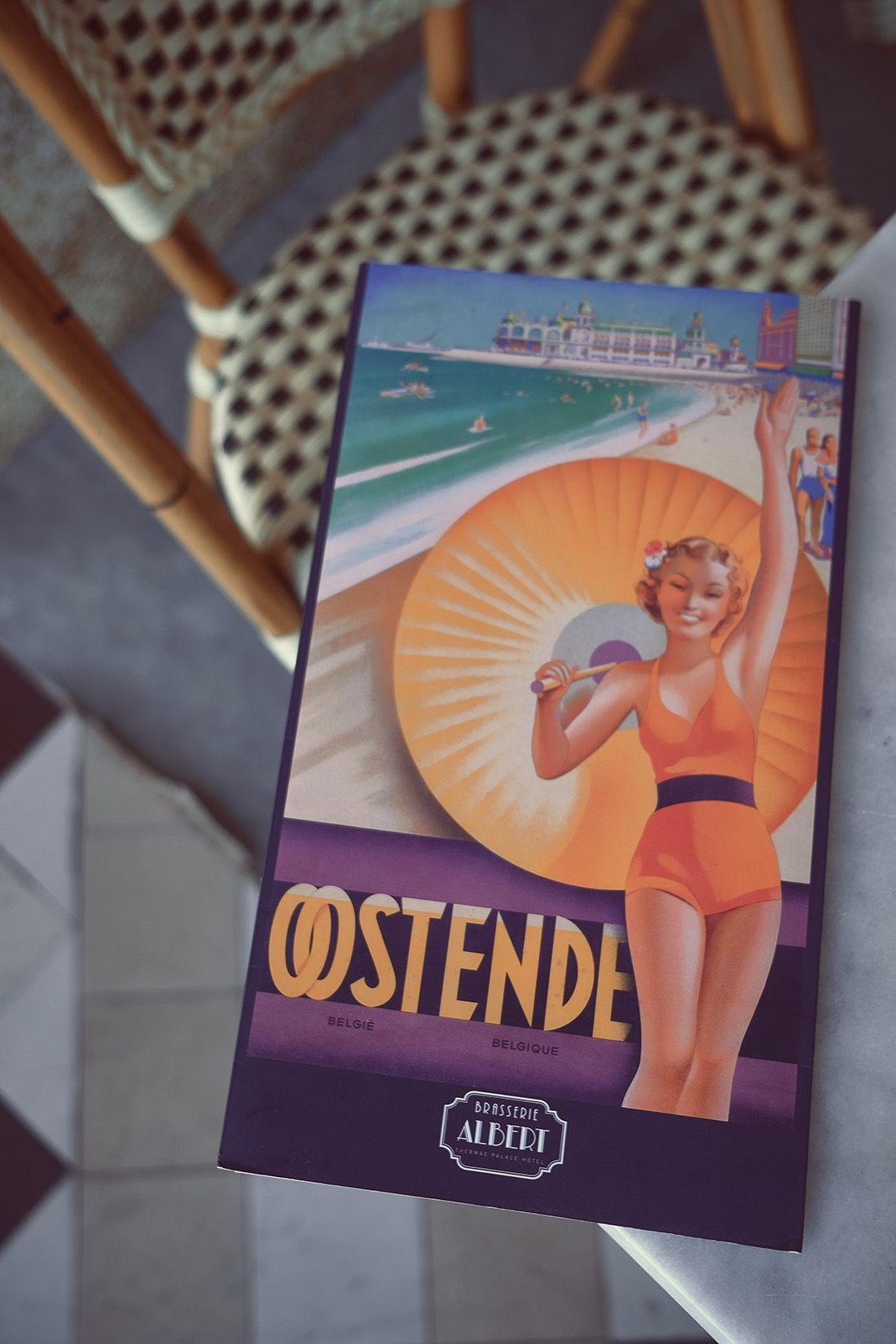
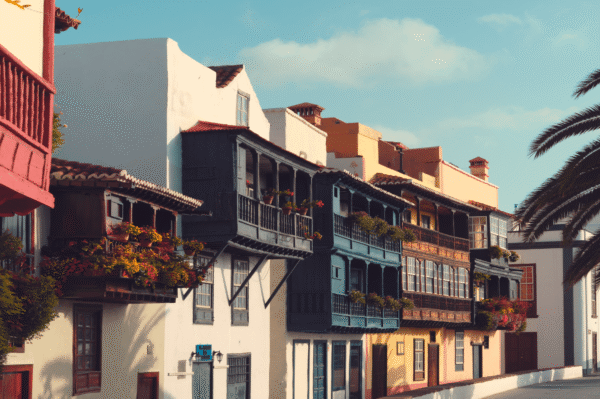
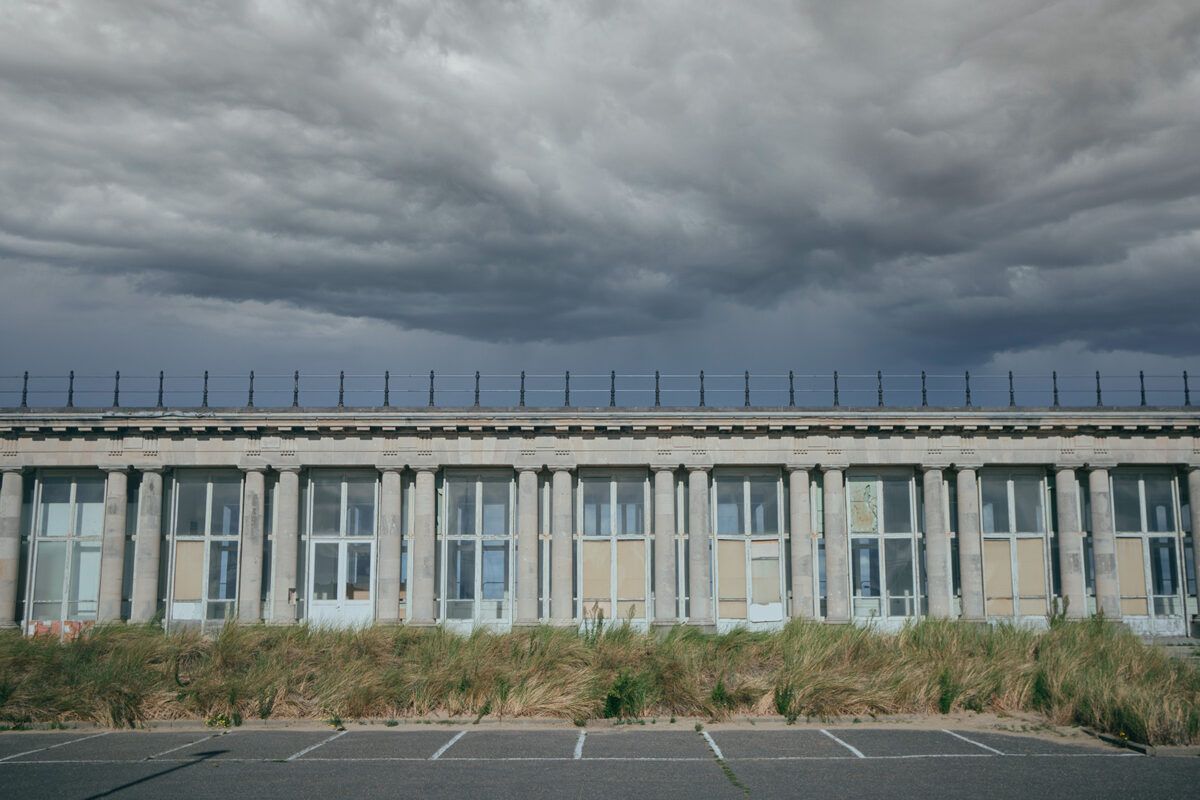
One of the most distinctive points is the set of the Nieuwe Gaanderijen (New Galleries), stretching along the Albert I promenade. These covered structures, designed to shelter pedestrians from the Atlantic wind, are today a symbol of the city’s royal past and a perfect place for a walk in changing weather.
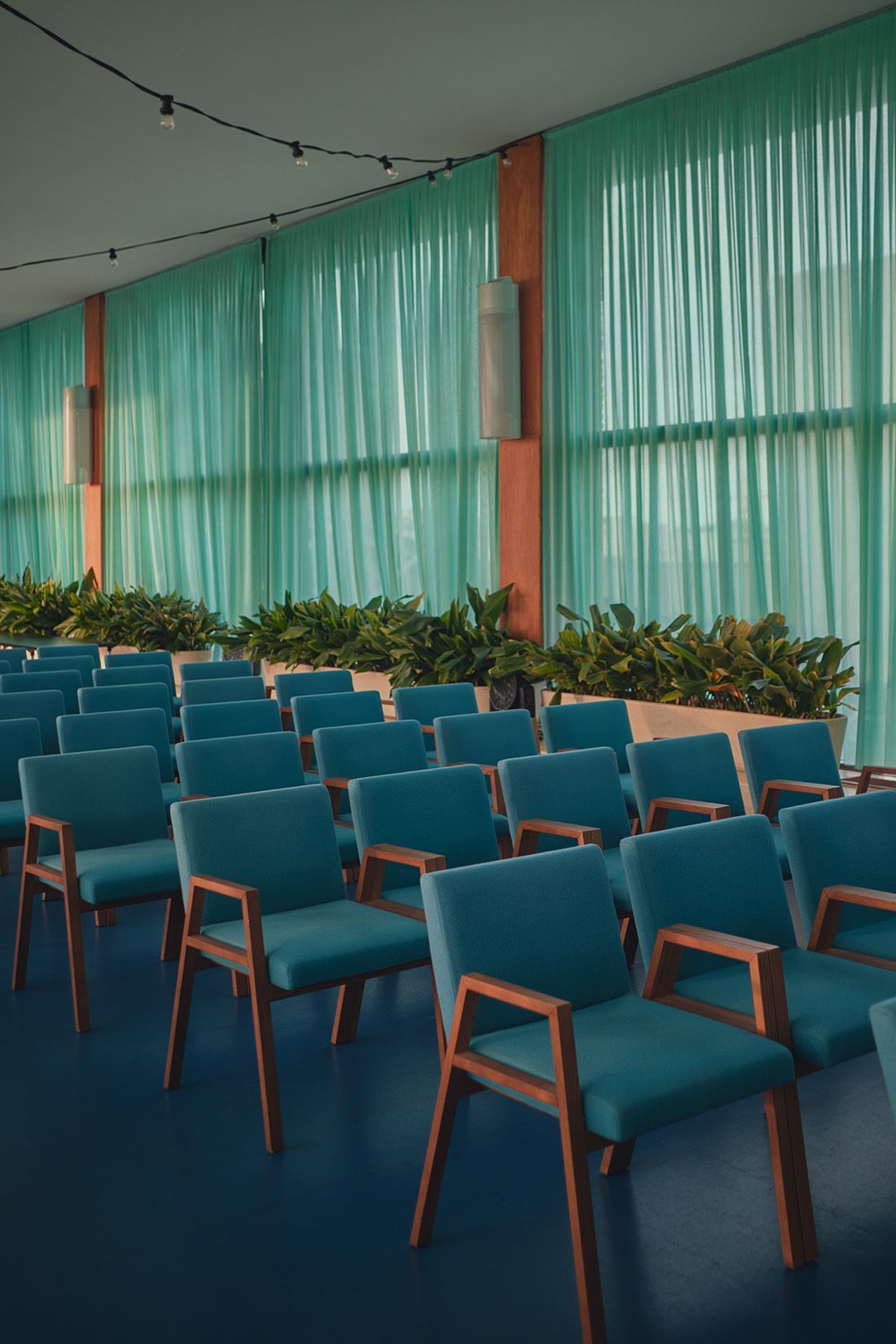
Another must is De Grote Post, Oostende’s cultural centre, housed in a modernist building that used to be the old post office. Today it hosts a rich artistic programme including theatre, exhibitions, music and creative residencies. It’s a good place to connect with the city’s cultural energy, and to enjoy a drink on its terrace overlooking Leopold Park.
A few steps away lies the museum Mu.ZEE, offering a journey through Belgian art from the 19th century to the present, with a particular focus on the country’s modern and contemporary scene. Its temporary exhibitions and carefully curated museography make it an essential visit for any art lover.
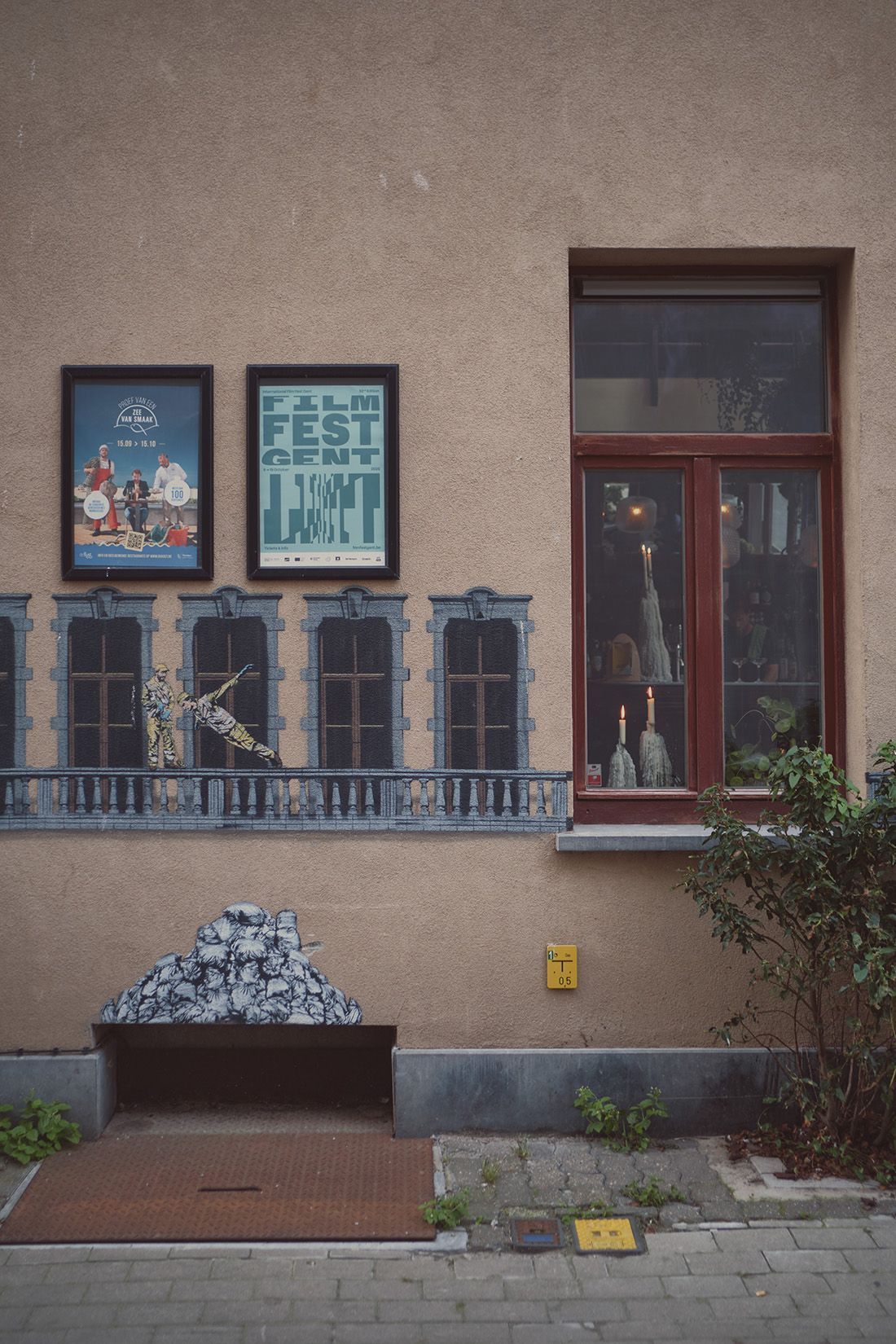
Fort Napoleon and the other side of Oostende
From the Visserskaai, where fishing boats land their catch and the air smells of salt and history, you can take the Overzetboot, a small free ferry that crosses the canal and leads to one of Oostende’s most tranquil and evocative areas. On the other side, away from the buzz of the centre and the busiest seafront, is Fort Napoleon and the Oosterstrand — as we mentioned earlier — a quiet corner where the rhythm slows and the power of the North Sea is felt without filters.
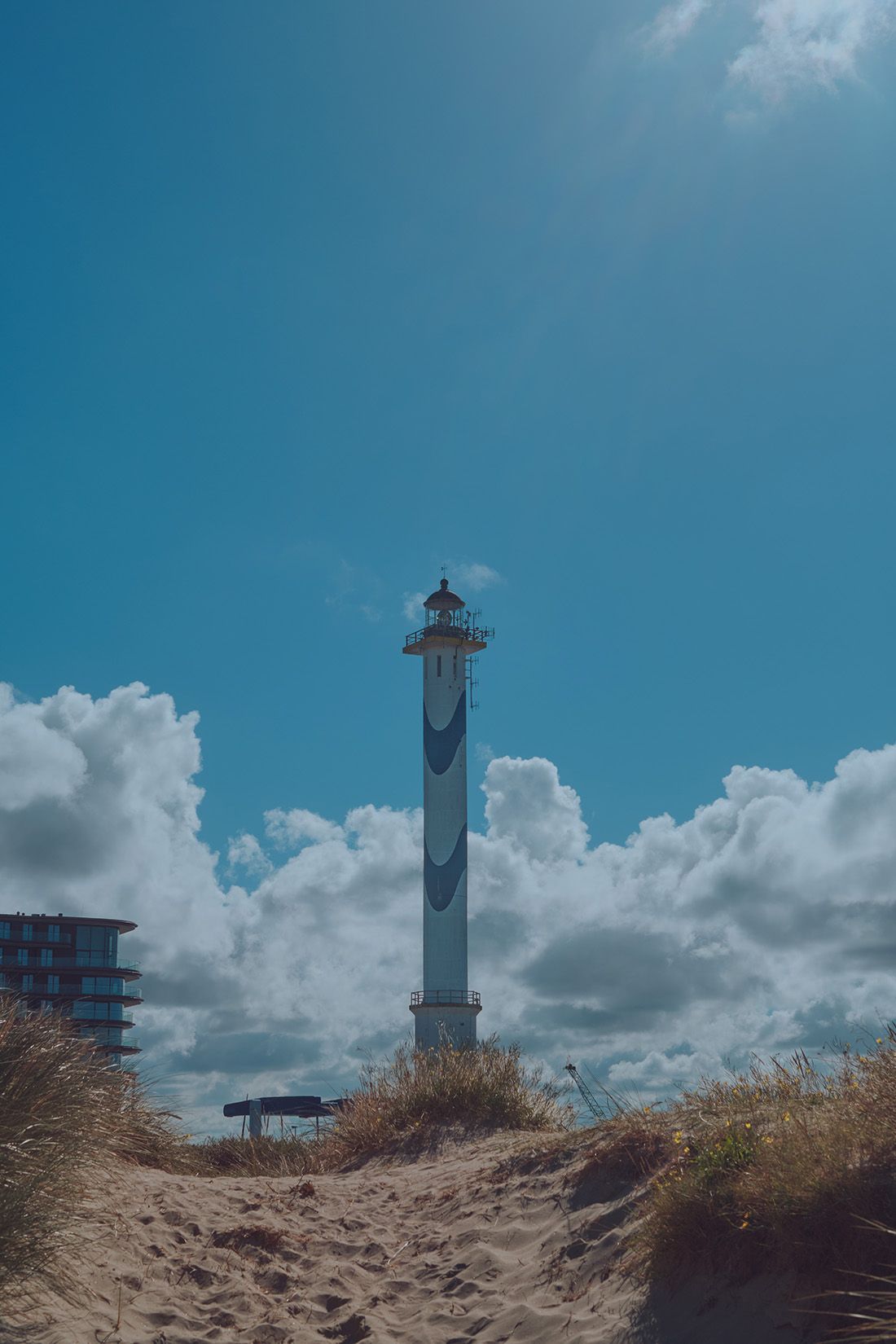
Fort Napoleon itself, a military construction ordered by Emperor Napoleon Bonaparte in 1811 to defend the coast from possible British attacks, has been restored and converted into a cultural centre and museum. Although it was never used in battle, it was occupied during the two world wars and today it allows a deeper understanding of the city’s strategic past. Its sober, almost brutalist star-shaped architecture provides a strong contrast with the natural surroundings of dunes and coast. Today it is one of the city’s cultural epicentres.
“Fort Napoleon, built in the early 19th century as a coastal defence, has been converted into a cultural centre and museum.”
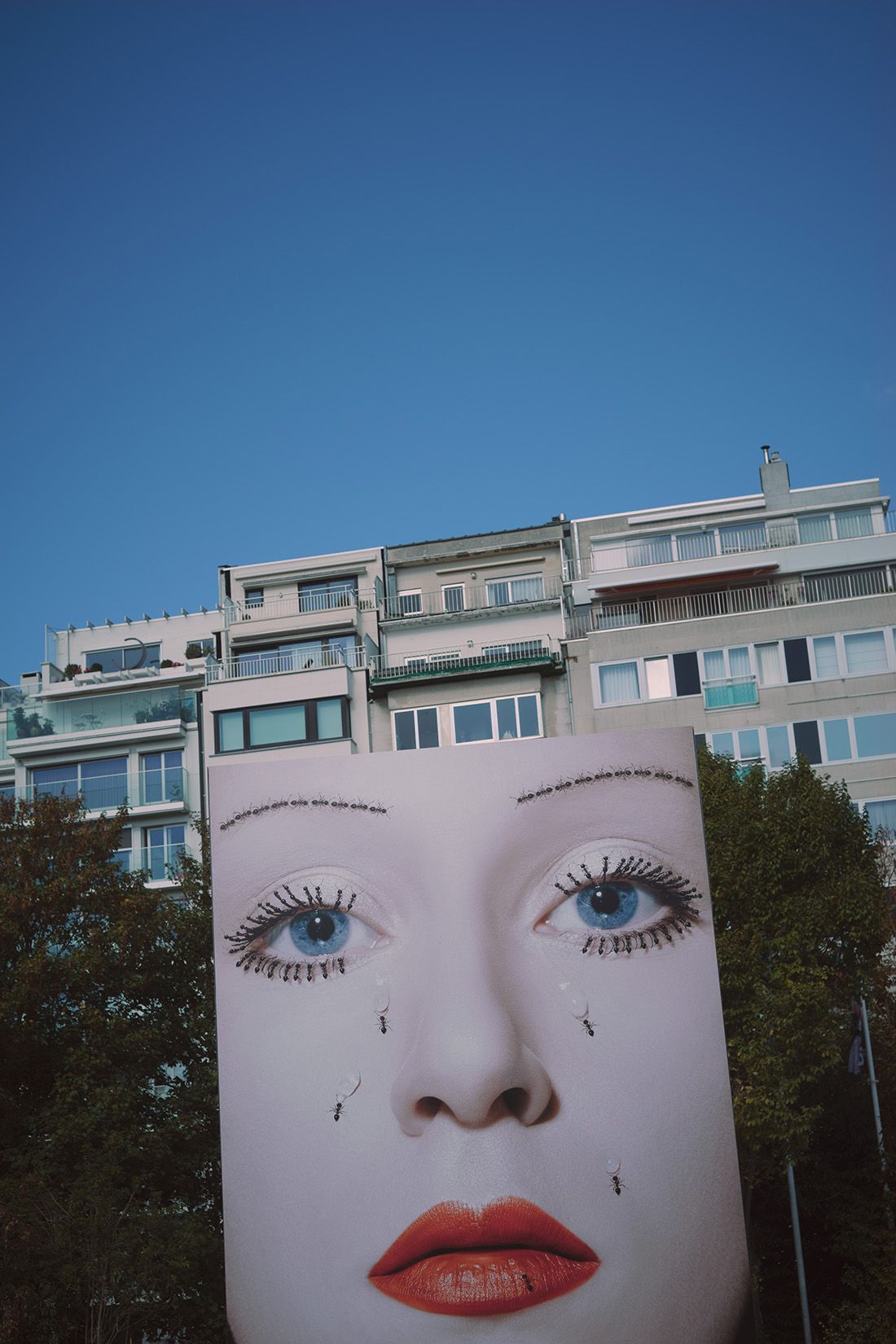
During our visit we happened to encounter the FOTOBIENNALE, Oostende’s Photography Triennial, an initiative that transforms both Fort Napoleon and other urban spaces into scenarios of visual reflection. The exhibitions hosted by the fort engage with its military history and its landscape, offering an immersive experience between memory and modernity.
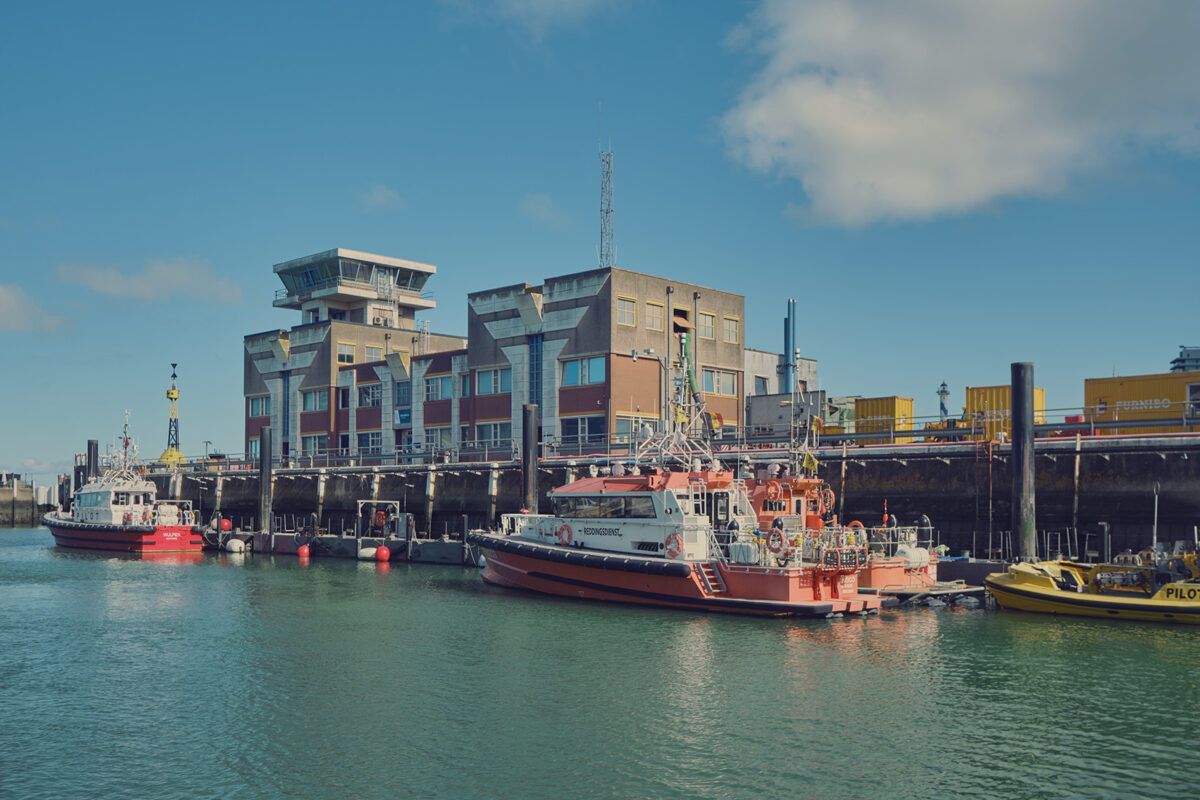
The Havendam Oostende completes this coastal route. It is a perfect linear walk or bike ride while the landscape changes slowly: dunes, boats, port structures, migrating birds…
Dining well by the sea
Oostende isn’t just a city to view, it’s a city to taste. The fishing tradition remains alive in its gastronomic offering, but with a contemporary twist. Here the classics live alongside creative propositions in charming venues, many of them on the seafront.
“The fishing tradition remains alive in its gastronomic offering.”
Among our favourite destinations are Brasserie Albert, a true Oostende classic, with a bright terrace and perfectly executed traditional dishes. We also enjoyed Brasserie David — cosy, with a menu based on local produce. For something more informal, yet with sea flavour and good atmosphere, Lido Sole is an excellent option, especially for lunch in the sun on clear sky days.
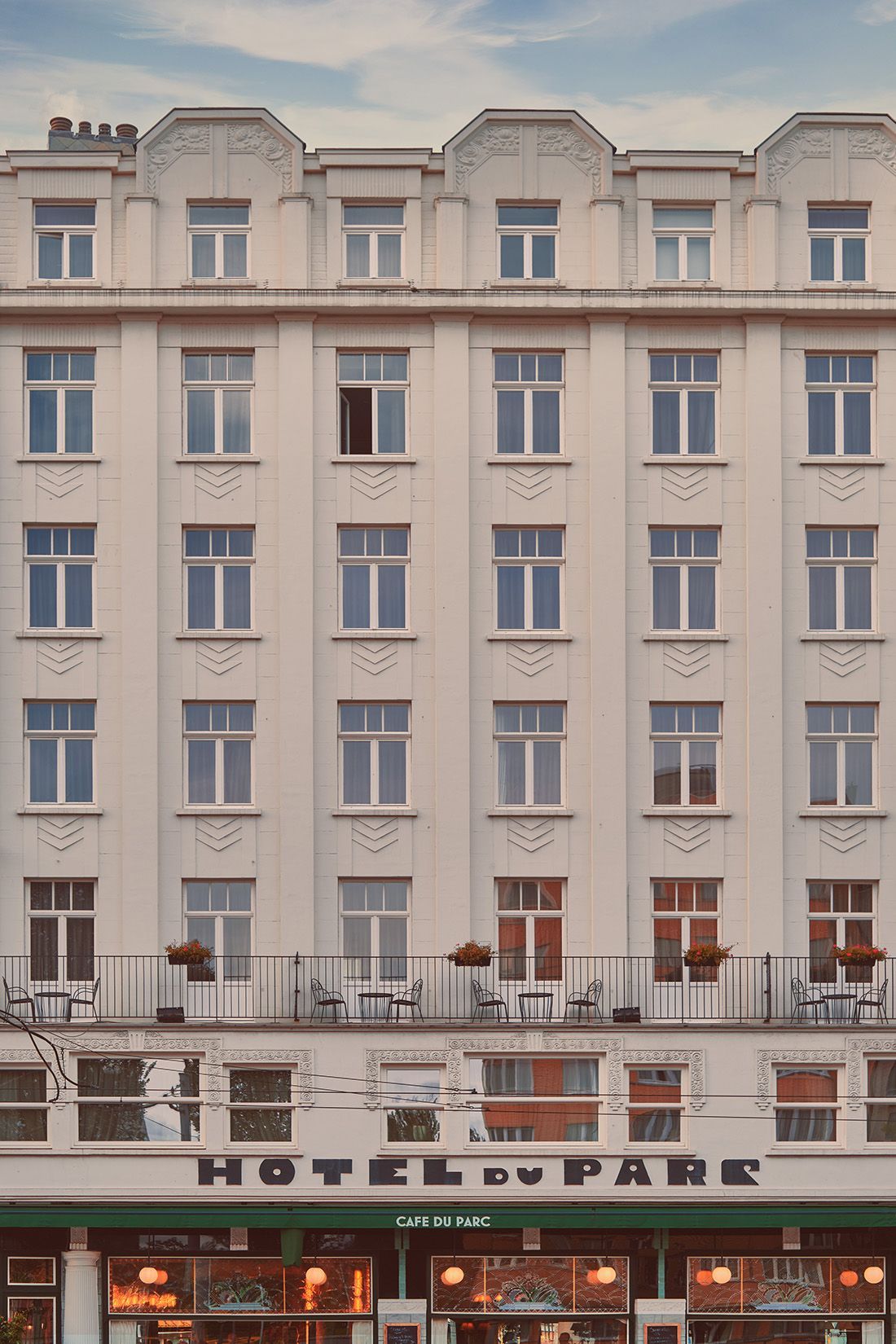
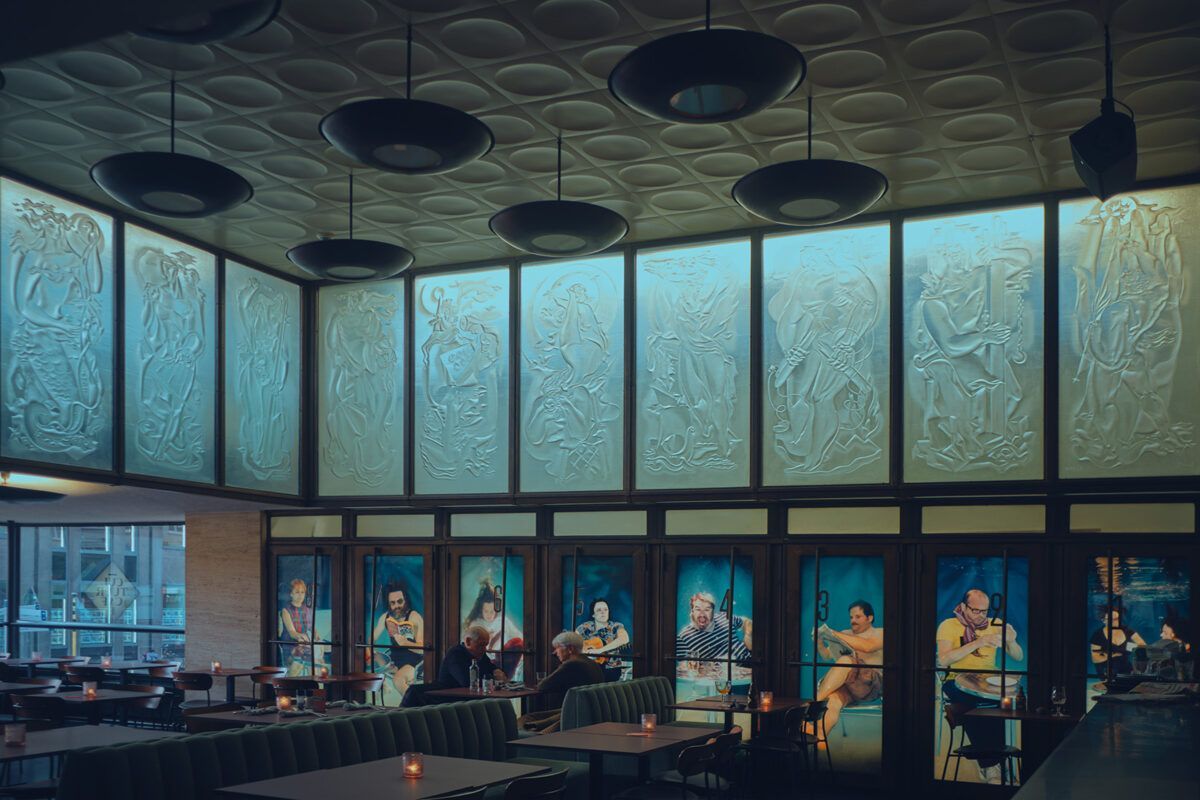
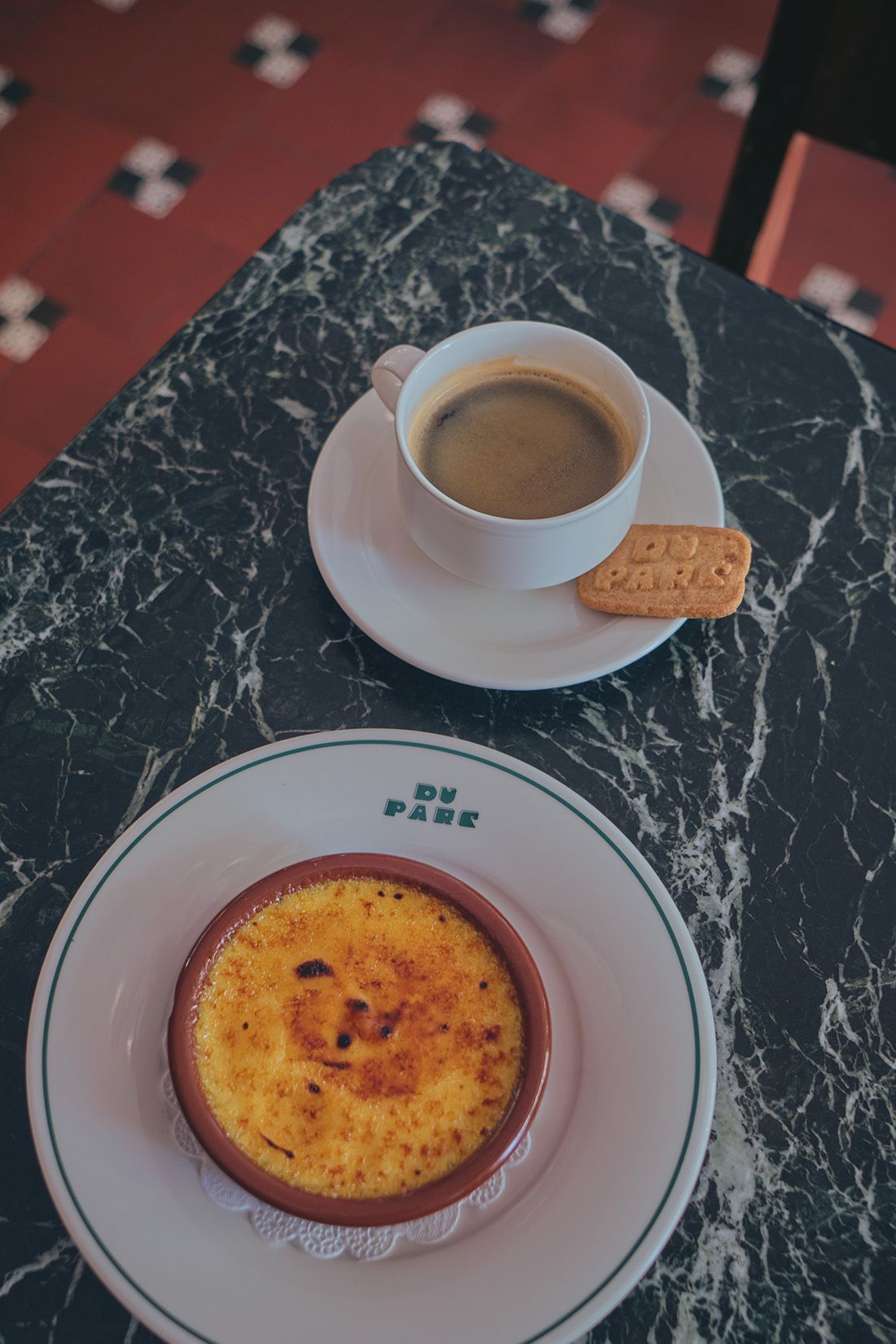
Café du Parc is perhaps one of the most emblematic spots in Oostende, with its intact Belle Époque décor and that sense of another era we so love. Opened in 1929 as part of the historic Hotel du Parc, sitting here is like stepping into a scene from a past time. It was the favourite place of Belgian writer Marcel Broodthaers and has hosted figures from art and politics since its inception. Today it remains a meeting point across generations, where coffee, lunch or dinner take on a different meaning. It is, without question, one of Oostende’s most special corners and one of our favourites.
“Café du Parc is one of the most emblematic places in Oostende.”
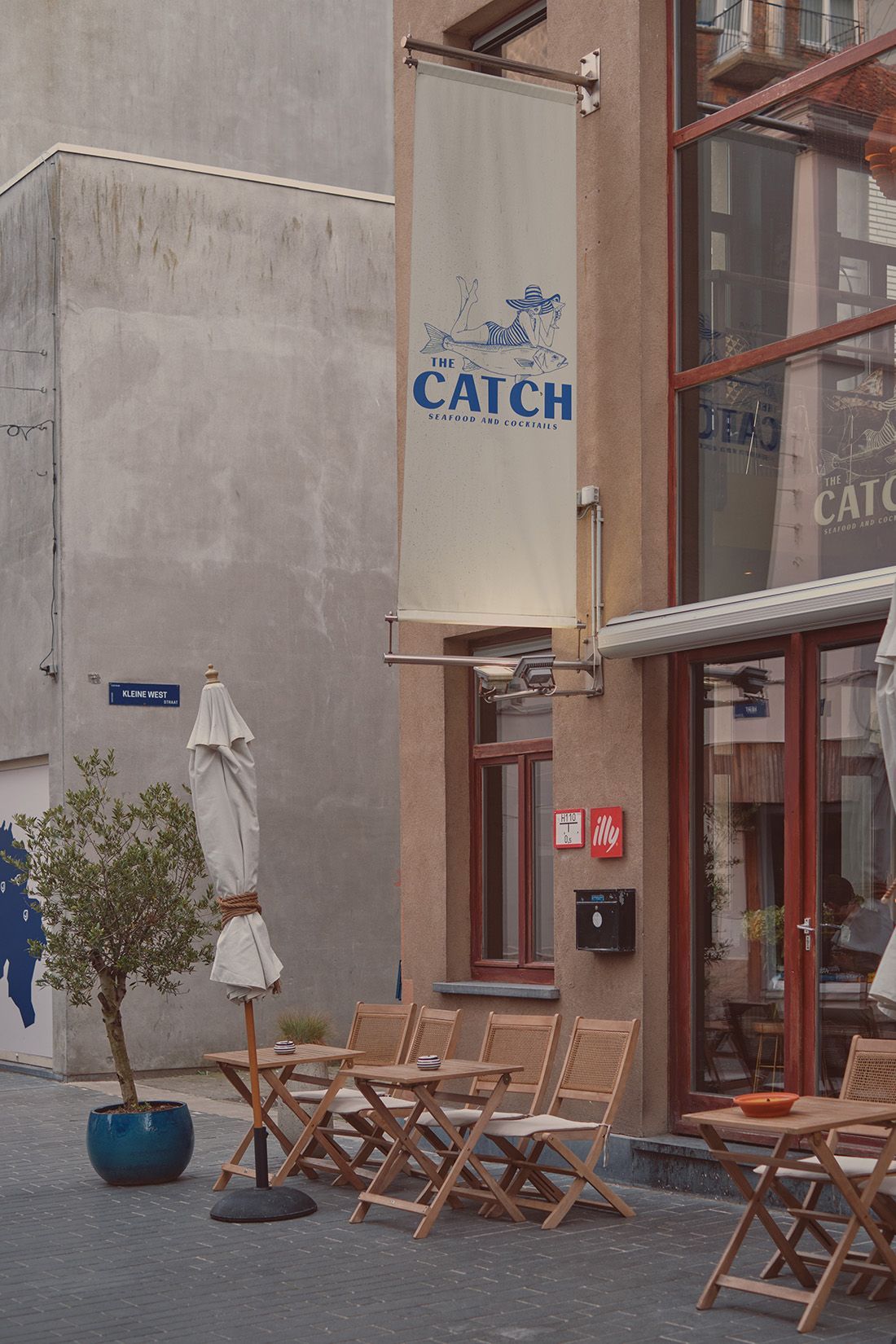
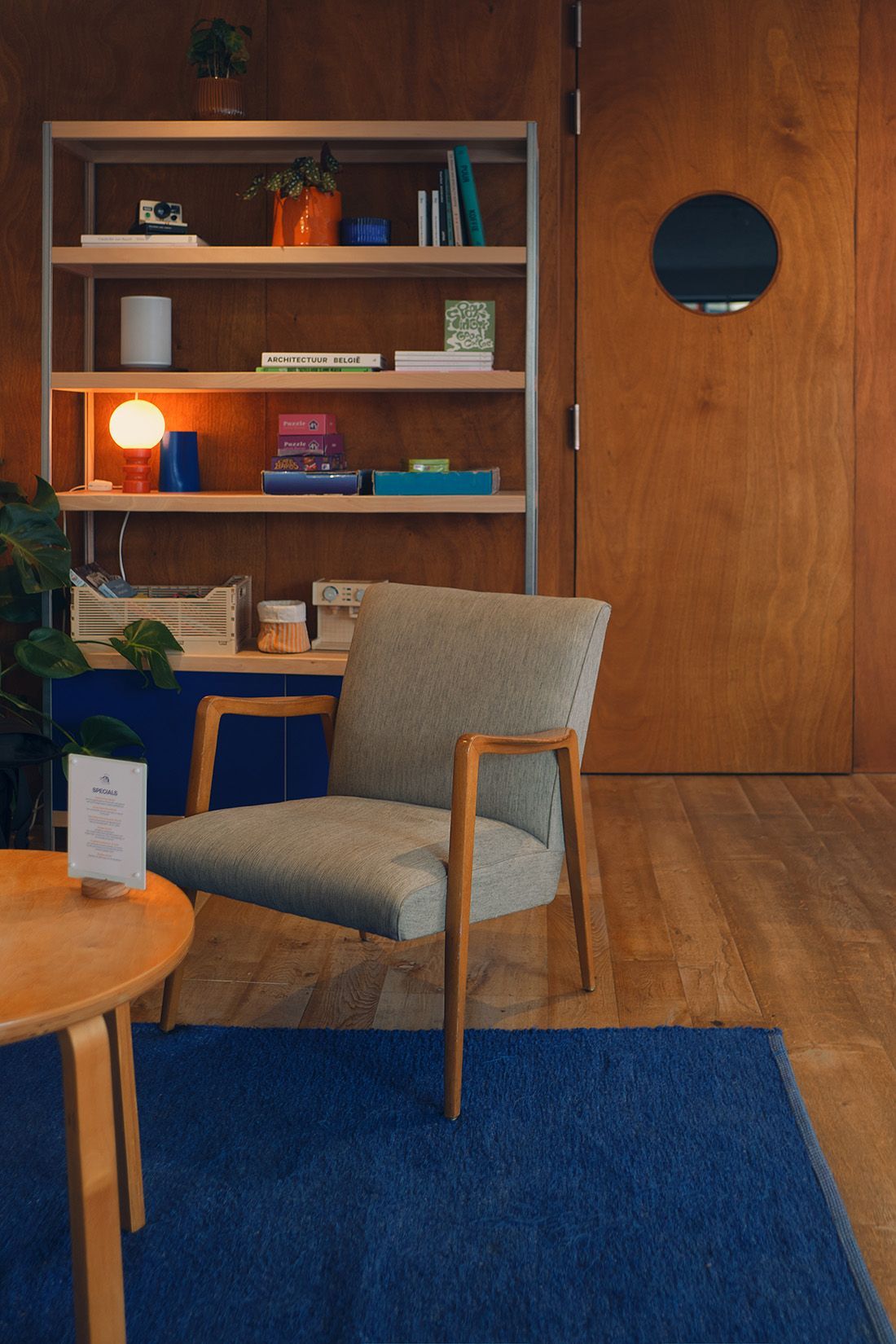
The Catch, for its part, quickly became another essential: good product, thoughtful interior design and a kitchen that knows how to interpret tradition with a modern touch. Their pizzas are excellent, the atmosphere very welcoming and the service top-class.
For those seeking a good coffee, we recommend Meerman Speciality Coffee. We loved it. A design-rich, warm space with an excellent selection of speciality coffees and attention to detail — ideal for starting your day or taking a break between walks.
Oostende, the place you’ll always want to return to
Oostende is a destination that leaves a mark. Its magnetism lies in the details: in light that shifts every hour, in the texture of its buildings, in the balance between memory and the present. It is a city that reveals itself gradually, inviting contemplation even as it fosters creativity, and combining sea, art, history and local life with a disarming naturalness.
Far from hurried tourism, Oostende offers something more valuable: a lasting experience. One that is not only remembered, but wished for again. Because there are places you visit… and others that stay with you.
(*) Photos: Ely Sánchez (CC/studio).