Refshaleøen: a new neighborhood in Copenhagen embracing sustainability and innovation
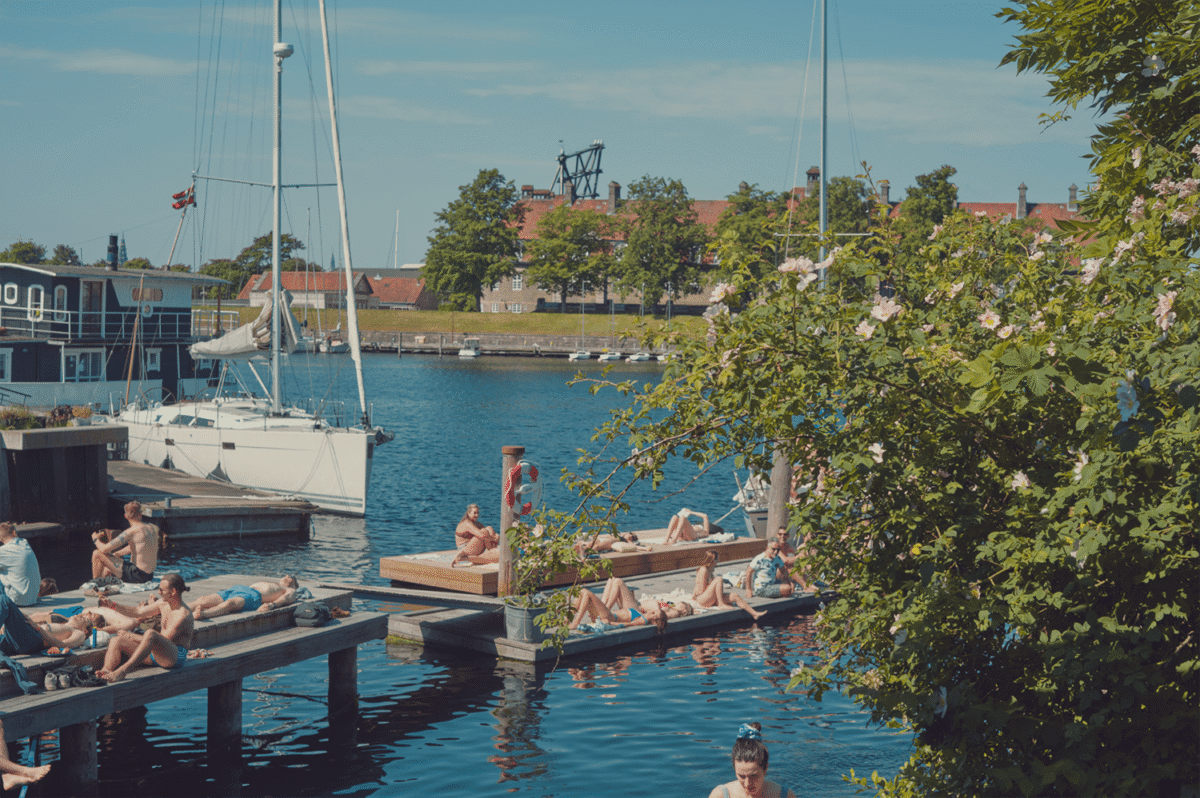
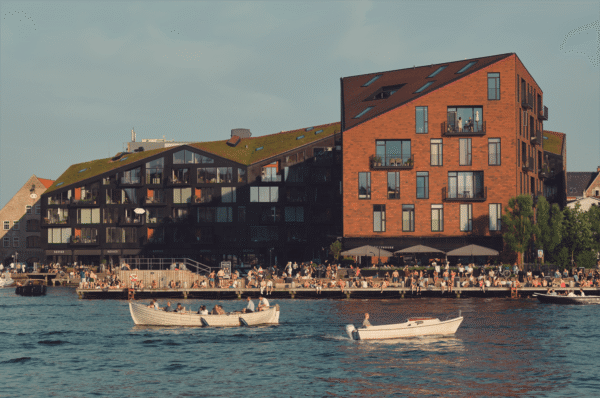
In recent years, the former industrial district has become one of the trendiest areas in Copenhagen, serving as a hub for creativity, alternative urban development, festivals, and excellent culinary offerings, all while prioritizing sustainability and innovation.



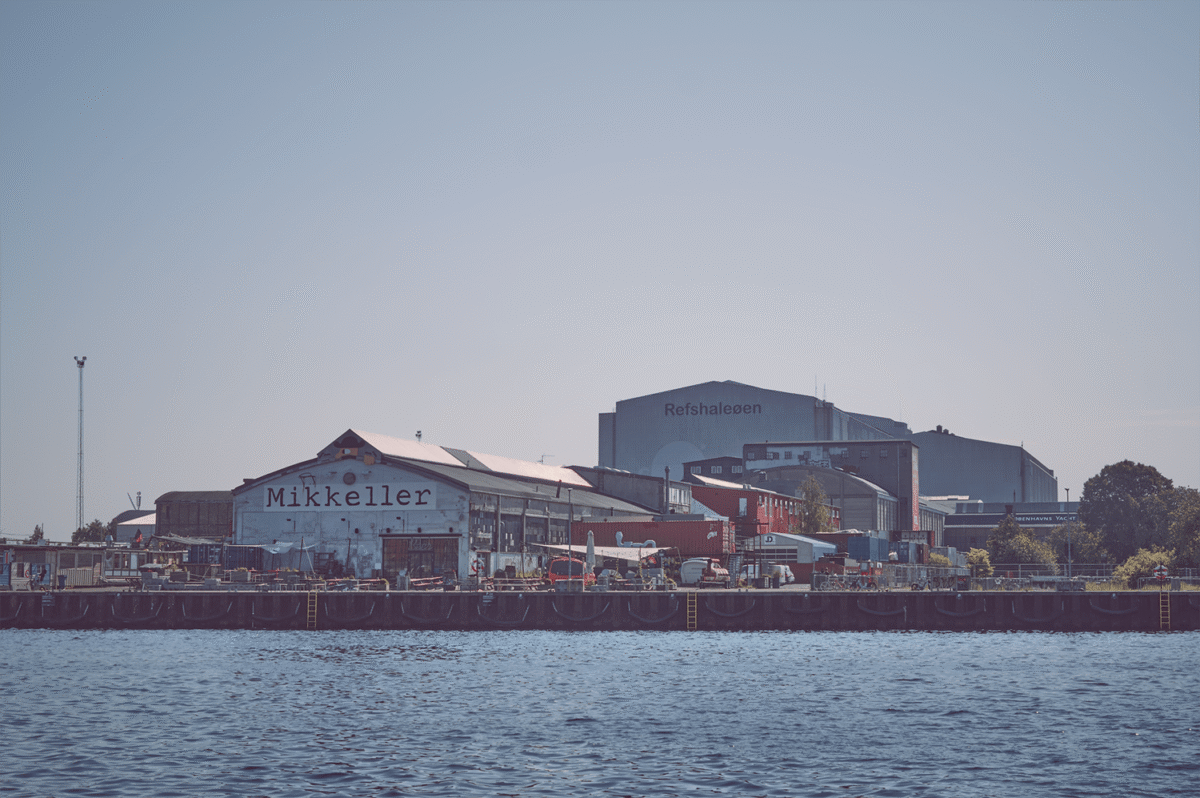
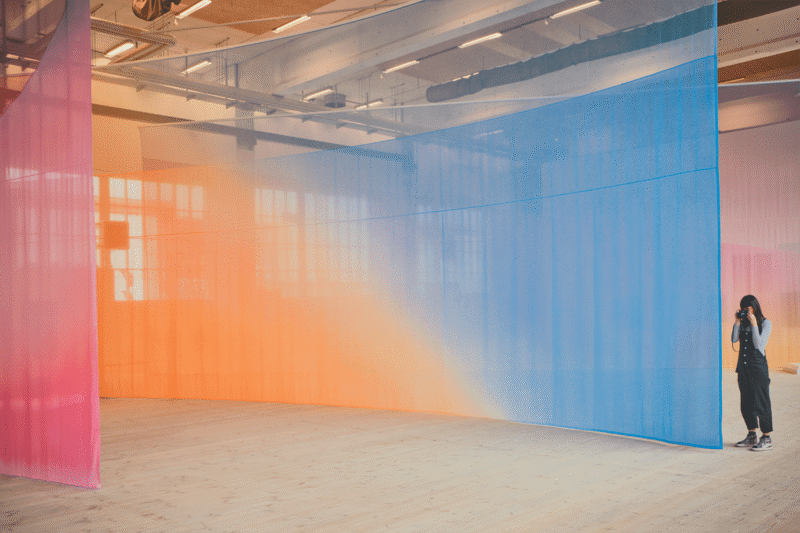
Refshaleøen is a highly versatile neighborhood where you can take a dip in the sea, enjoy a sauna session, have a glass of wine, savor excellent vegan food, buy bread and pastries from one of the city’s best bakeries, shop at Copenhagen’s most popular food market, skate or ski down a hill with spectacular views, and attend theater and music festivals, among many other activities.
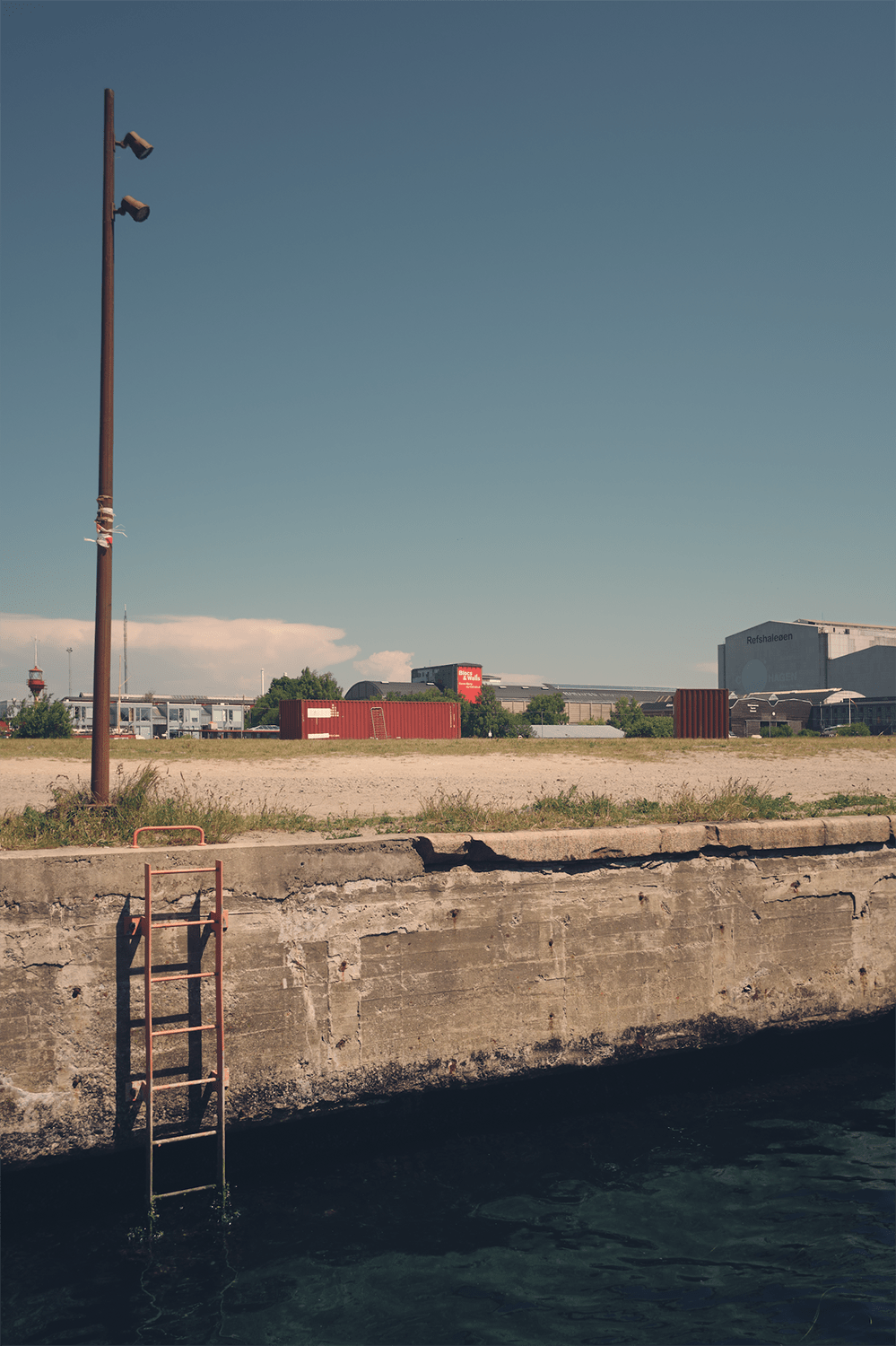
Although it may seem far away, it is not, as it is easily accessible by bicycle, bus, or boat from many neighborhoods in the city and in a matter of minutes.
Among the different hotspots in this emerging and vibrant neighborhood, we highlight the following:
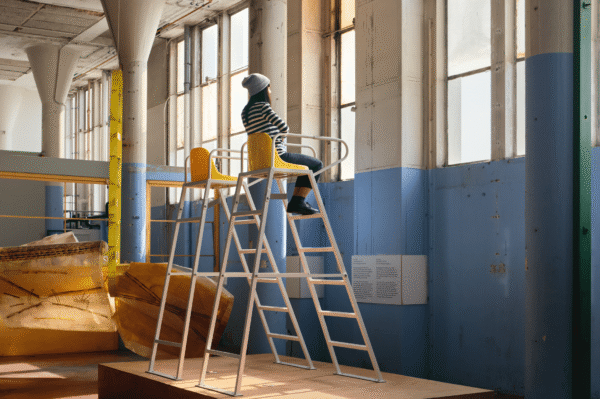
This is definitely our favorite museum in Copenhagen. The Copenhagen Contemporary Art Center showcases installations created by world-renowned artists and emerging talents. It is located in a magnificent space that was once a 7,000 m² B&W welding hall.
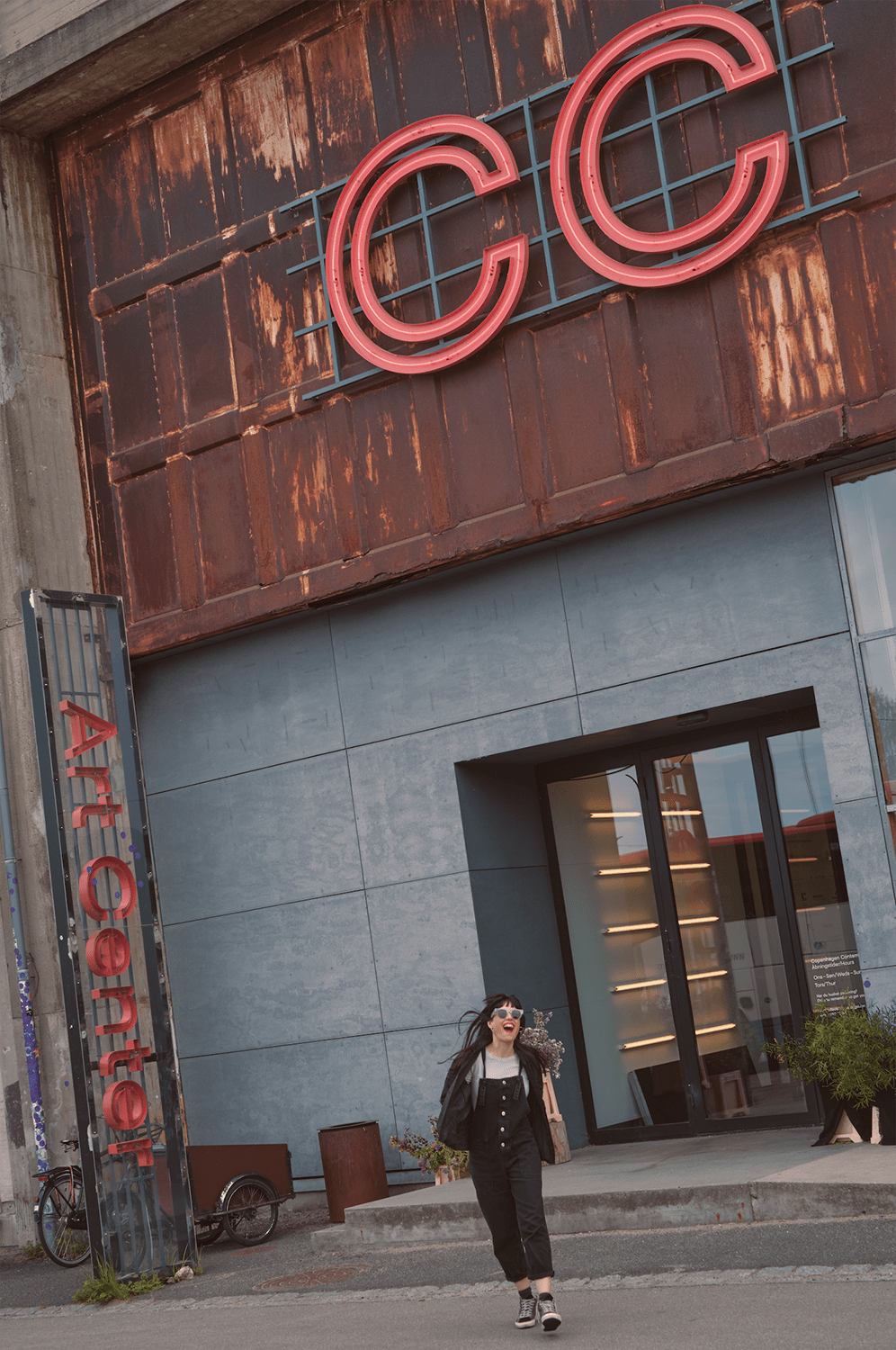
In addition to exhibitions, they organize art talks, art walks, concerts, and creative workshops for children. When we visited, we enjoyed several fascinating temporary exhibitions such as:
Aftershock by James Turrell: An immersive installation created specifically for CC by the American artist James Turrell, who has worked with light and space for over half a century. Influenced by his studies in the psychology of perception and his Quaker upbringing (a pacifist Christian movement, whose members believe in the “inner light”), Turrell began experimenting with light as an artistic medium in the mid-1960s.
The experience of “Aftershock” begins outside the work, where you must wait before ascending the steps (without shoes) that lead to a sensory space where you will witness a cycle of mesmerizing colored light. By enveloping you in light and color, the installation induces an experience of fading spatial boundaries and loss of orientation. Photos are not allowed.
“Aftershock” is part of a series of installations called “Ganzfelds”, which have become iconic in Turrell‘s work with light, space, and color. “Ganzfeld” is a psychological term coined in the 1930s by German psychologist Wolfgang Metzger, who studied the effects of sensory overload.
Exposed to an intense flood of color, the brain begins to hallucinate as it struggles to create meaning in an endless field of color.
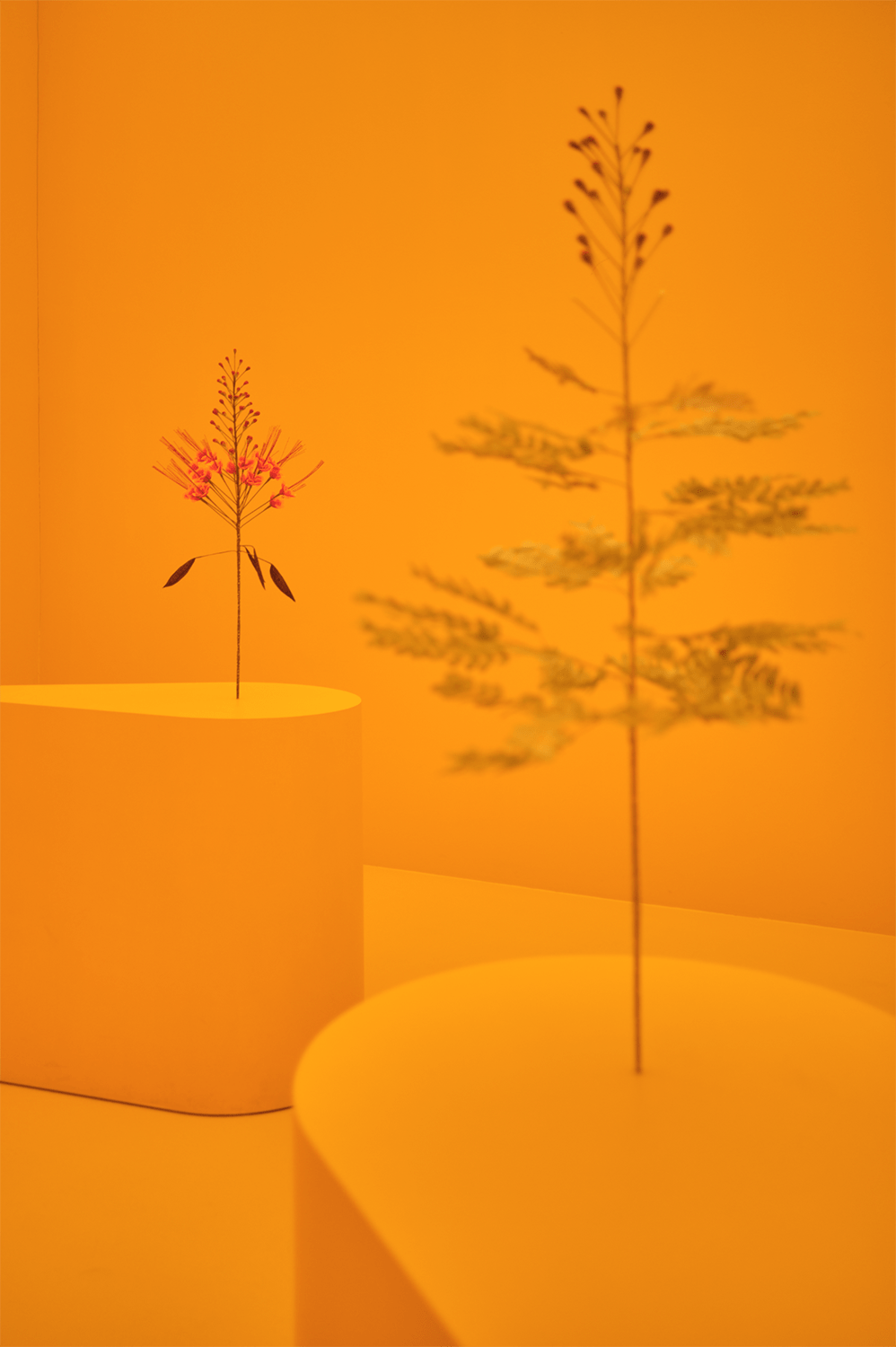
The Length of the Horizon by Kapwani Kiwanga: For her first major exhibition in Scandinavia, internationally renowned artist Kapwani Kiwanga explores social mechanisms and power dynamics through large-scale installations of plants, foliage, sand, color, and light.
Just beneath the surface of Kiwanga‘s seductively beautiful works lie critical themes. The plants tell toxic stories of power imbalances, the colors have manipulative effects, and light is investigated as a political tool.
Another of her works on display is an installation consisting of a 16-meter-long corridor. One section of it has been painted in two colors: one side in pink, specifically a shade known as Baker-Miller Pink, which supposedly reduces stress and heart rate. The other section is bathed in blue fluorescent light, the type installed in public bathrooms to make veins harder to see and drugs more difficult to inject. Through this, Kiwanga aims to show how light is indirectly a tool for monitoring public spaces.
Connie-Connie
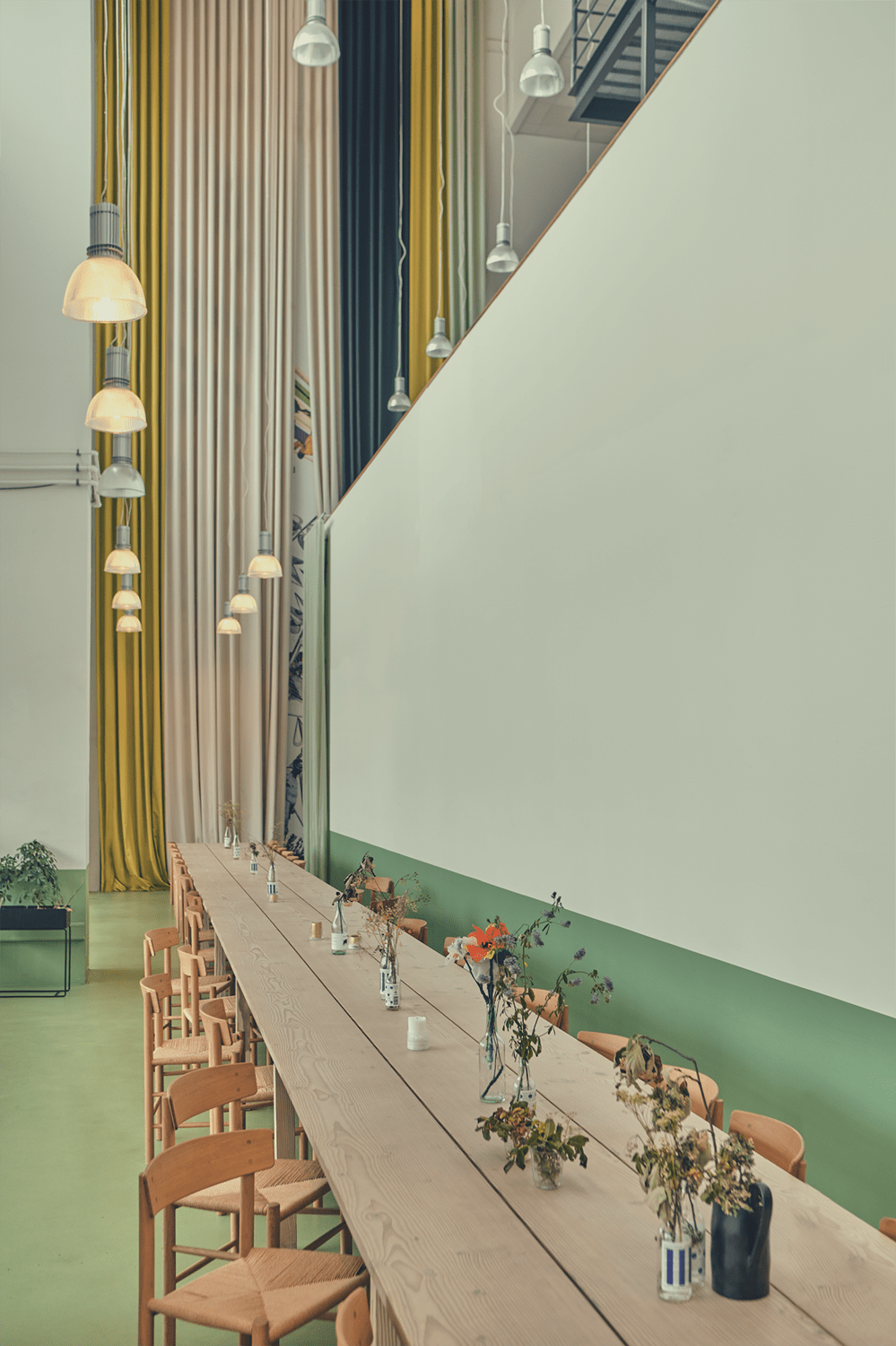
The CC café is beautiful and was created byTableau and Ari Prasetya. Besides admiring it, you can enjoy some of their sandwiches or have a drink after purchasing some items from their mini-shop.
Øens Have
This urban farm is also a restaurant. This bucolic spot is very close to the CC and is ideal during summer days. During the week, they offer lunches and dinners, and on Sundays, they organize a group dinner around a shared table, celebrating seasonal produce. It’s a whole experience.
Reffen
This is a street food market and an urban area for startups, innovation, and creativity. It consists of a 6000 m² area and another 4000 m² area by the water, with beautiful views of Copenhagen harbor.
All the food stalls (over 50) must follow sustainability principles: reduce and reuse. Therefore, they must use compostable food service items, reduce food waste, and use local, organic, and free-range ingredients whenever possible. They also have to sort their waste to maximize reuse.
From day one, noma has defined itself as a restaurant driven by a curiosity to learn and grow. With roots deeply embedded in exploring the natural world, the restaurant’s ever-evolving approach is characterized by a quest for innovation, knowledge-sharing, and a passion for hospitality.
Founded in 2022, noma Projects aims to share the knowledge, innovations, and flavors of noma beyond the four walls of the Copenhagen restaurant. Driven by the same creative team and pioneering spirit, noma Projects develops products that allow everybody to experience noma in their homes, bringing more delight and inspiration to everyday life.
We were fortunate enough to visit their space and taste some of the flavors that have emerged from their experimental kitchen over the past two decades. As it couldn’t be any other way, we fell in love with the packaging of their ingenious products created by the great artist David Shrigley.
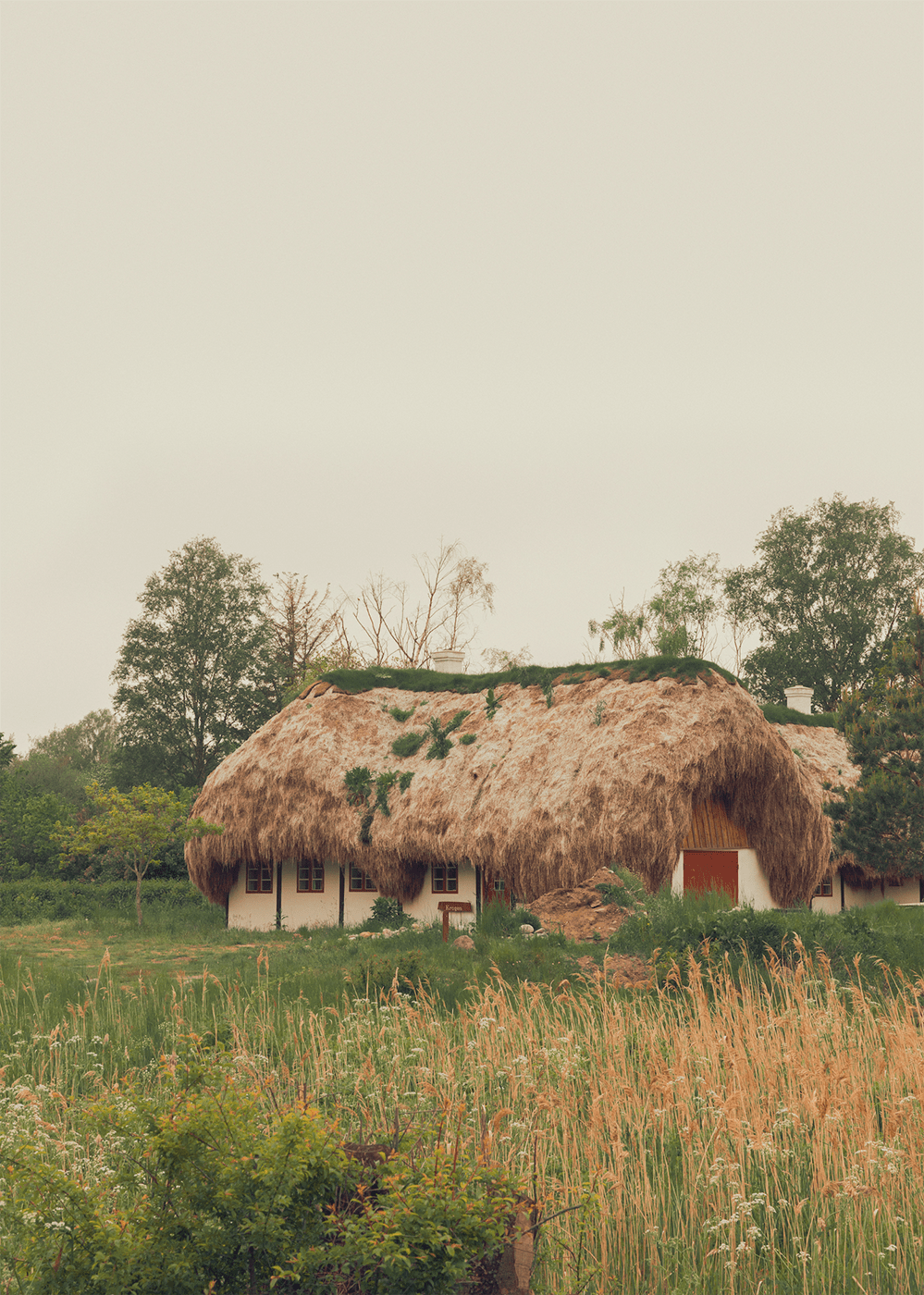
Søuld is a Danish material manufacturer that provides forward-thinking designers, builders, and end-users with environmentally friendly, CO2-storing products made from seaweed.
Founded in 2010, Søuld‘s mission is to produce functional and sustainable alternatives to traditional building materials that can enhance sustainable development in the construction industry while improving our health and well-being.
During 3daysofdesign, they organized an exhibition on a boat, which we loved. It is fascinating to see how this type of waste can be used to create a business and, more importantly, improve our lives and the planet.
La Banchina
La Banchina, which directly translates to “the pier”, is a semi-hidden gem, where Copenhagen residents go to sunbathe, swim year-round, enjoy a sauna, and, of course, savor their delicious Italian-inspired food, natural wine selection, specialty coffee, and homemade pastries.
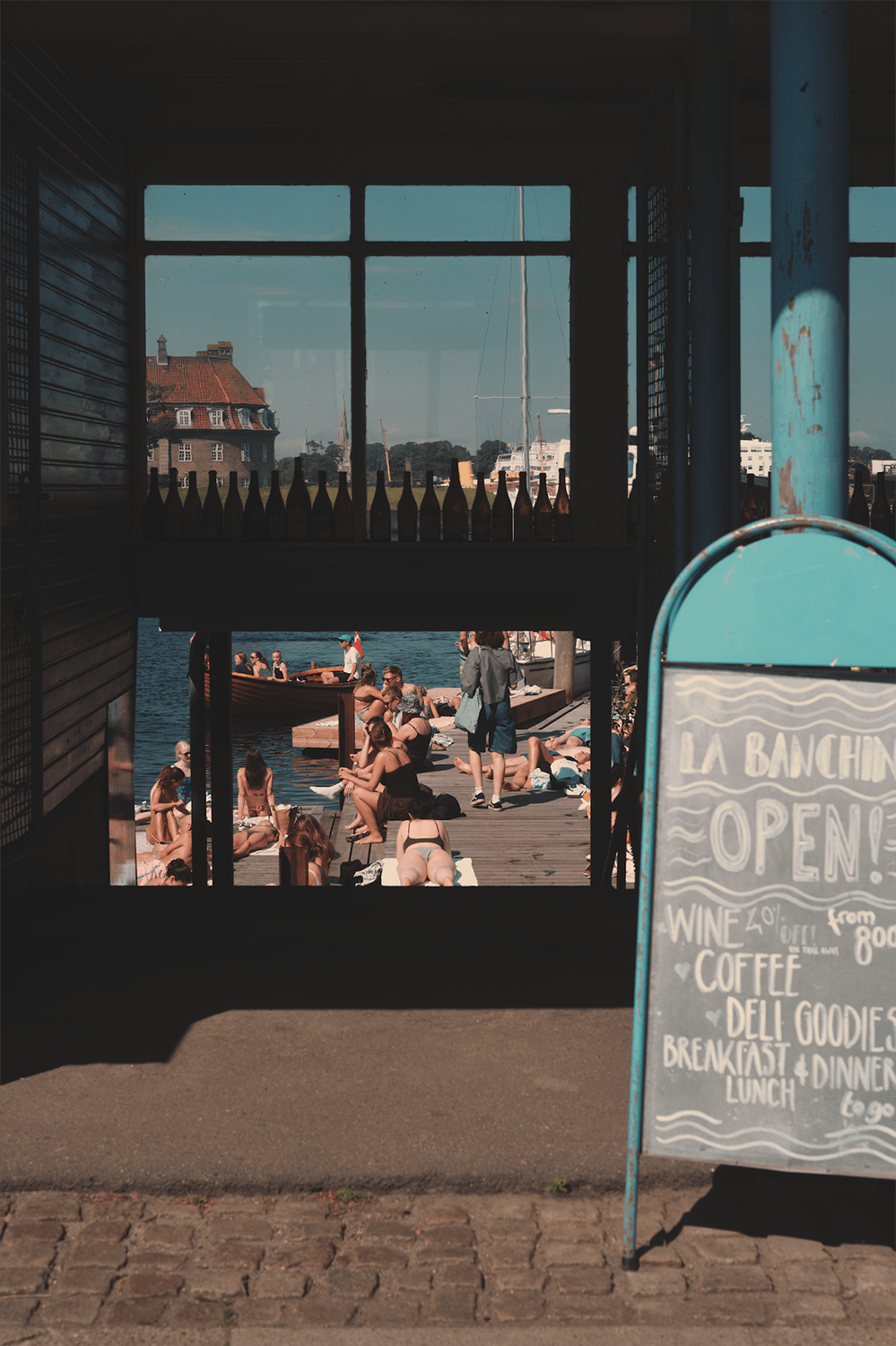
Its location is a dream, making it a dream place for anyone who discovers it.
CopenHill
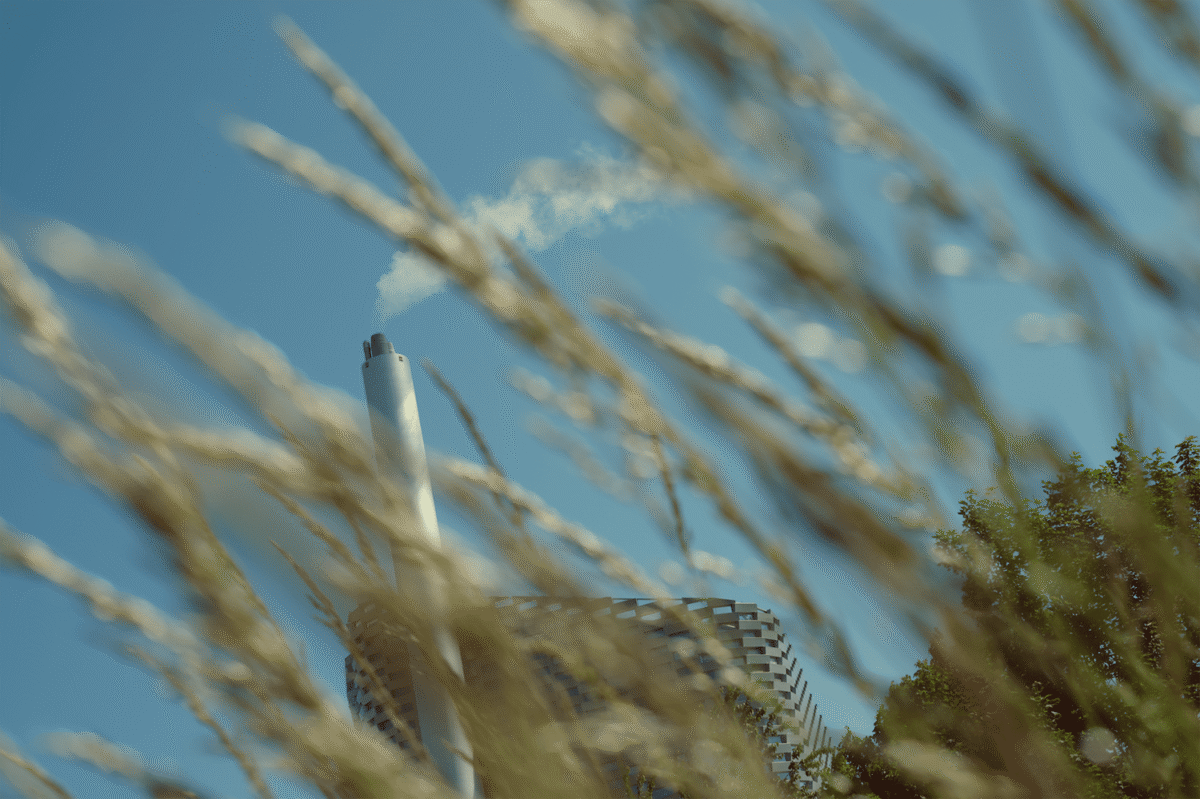
CopenHill is an urban mountain located on top of a state-of-the-art waste-to-energy plant, ARC, which is one of the most unique architectural designs in the world.
This plant produces environmentally friendly energy, providing electricity to 30,000 homes and central heating to 72,000 homes annually.
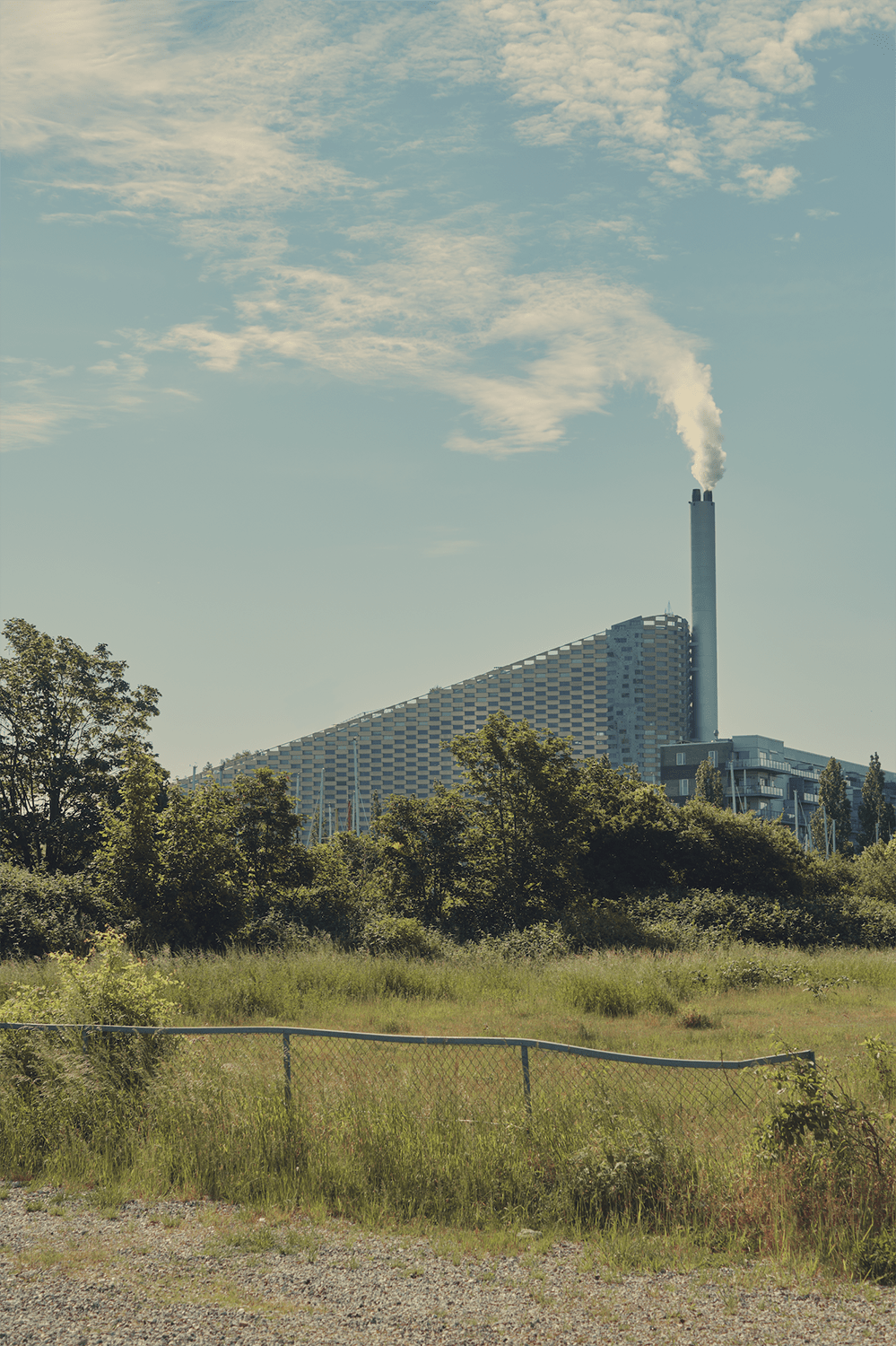
The recreational area on the roof of the power plant features a 450-meter-long ski slope, which is the steepest of its kind in the world, with gradients exceeding 30%.
The top of the ski slope is for advanced skiers, while the middle and lower sections are for newcomers and children. There are a total of four lifts, including a slalom course, a freestyle park, and a children’s area. And if that wasn’t enough, there’s also a walking and running trail, and the world’s tallest climbing wall at 85 meters.
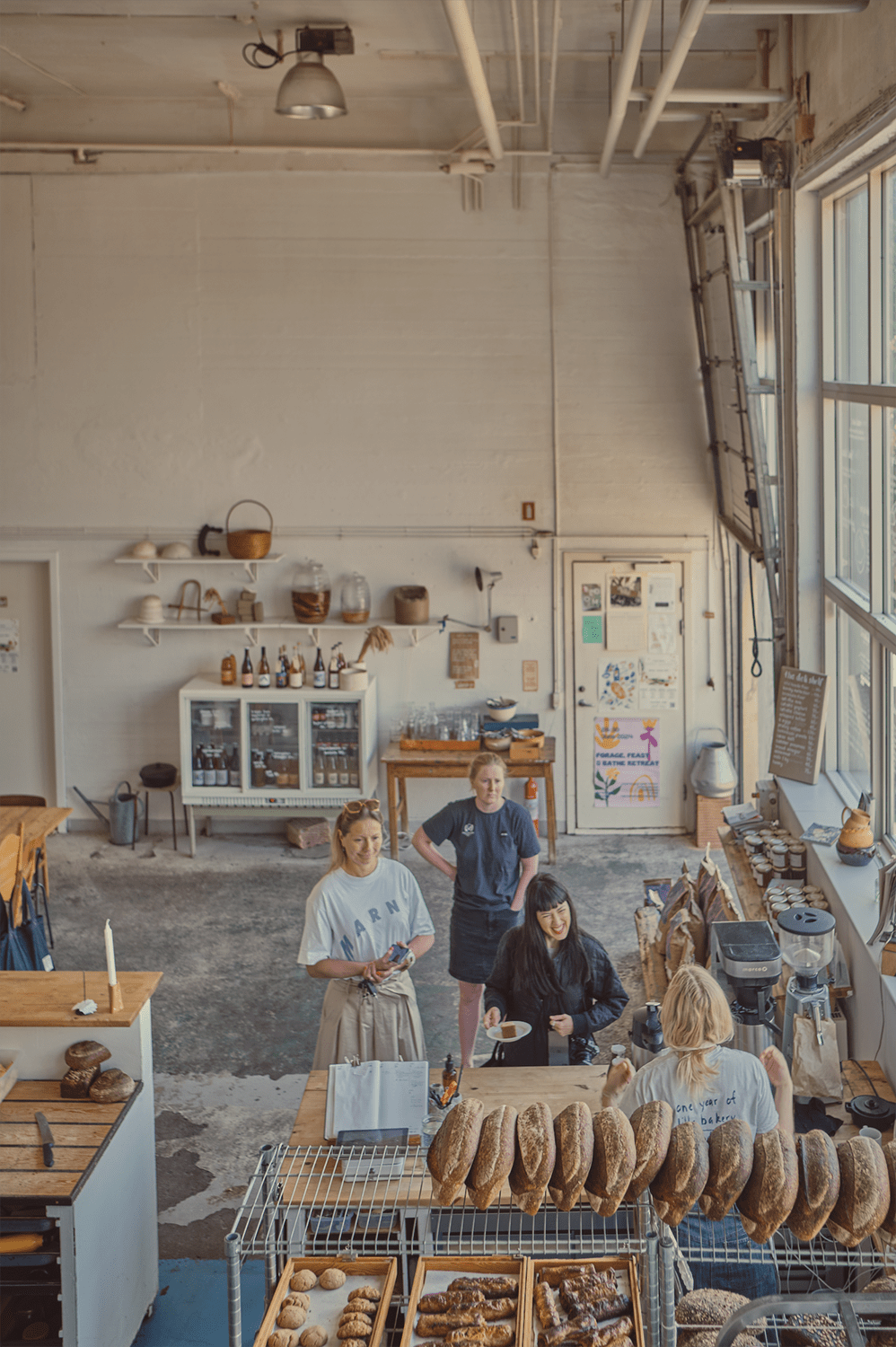
Lille Bakery
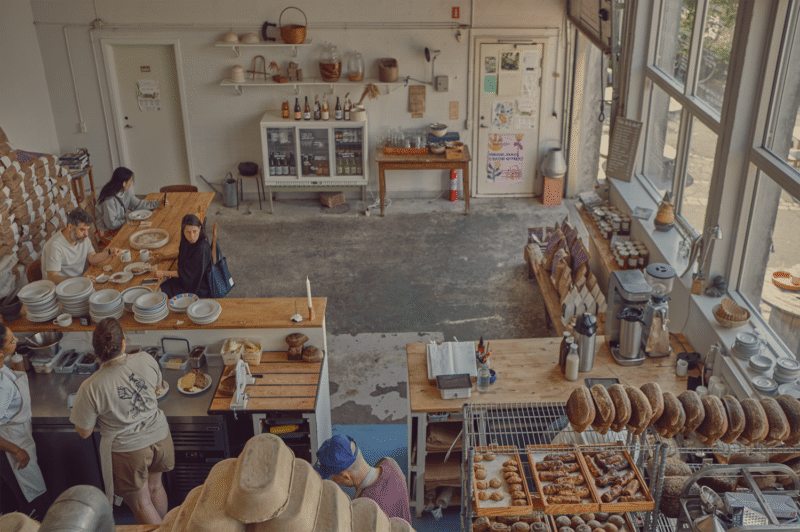
Lille Bakery is one of the best bakeries/pastry shops in Copenhagen. Their Berliners, sourdough breads, and cinnamon rolls are a fantasy.
They also offer lunch with daily dishes made from organic and local products. Their space, alongside noma projects, is very evocative. We recommend sitting upstairs, where you can watch them prepare their delights.
And that’s it for Copenhagen! We hope you enjoyed the journey. To make sure you don’t miss anything, here are the two articles we published about Copenhagen so you can continue immersing yourself in this “perfect city.” Enjoy!
Copenhagen: the perfect city (Part 1)
Copenhagen: the perfect city (Part 2)
(*) Photos by Ely Sánchez & Cecilia Camacho (CC/magazine).