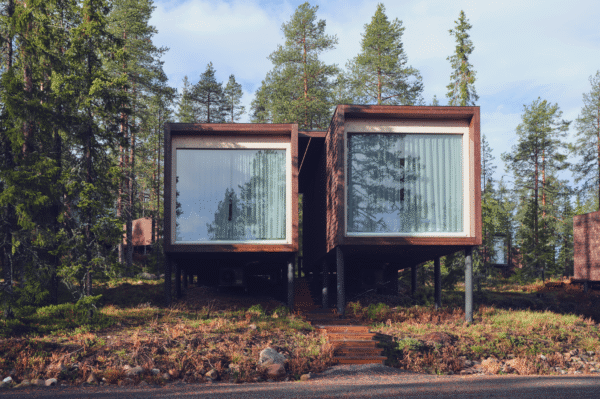
Plantonia: the vegan hotel redefining interior design
Plantonia, Poland’s first vegan aparthotel, places the philosophy of veganism at the heart of every design decision, from construction materials to furniture, lighting and even the products used in day-to-day maintenance. A project that takes veganism far beyond gastronomy.
Developed by the Polish studio krea.tina, the project demonstrates that interior design can also challenge manufacturing processes, the origin of materials and the environmental impact of every element that shapes a space.
Every design decision reflects an approach in which sustainability becomes a rigorous working methodology rather than simply an aesthetic device.
A historic building adapted to a new way of living
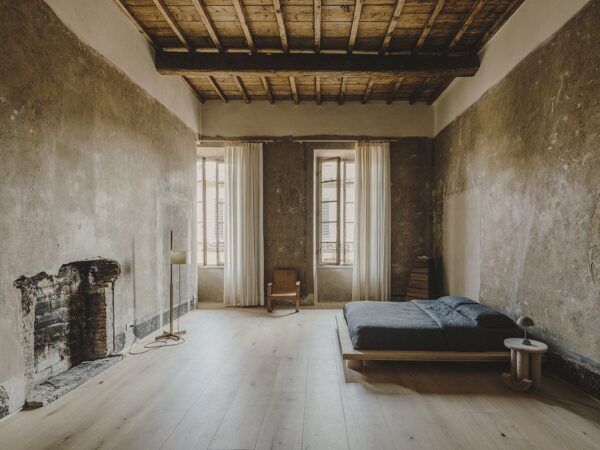
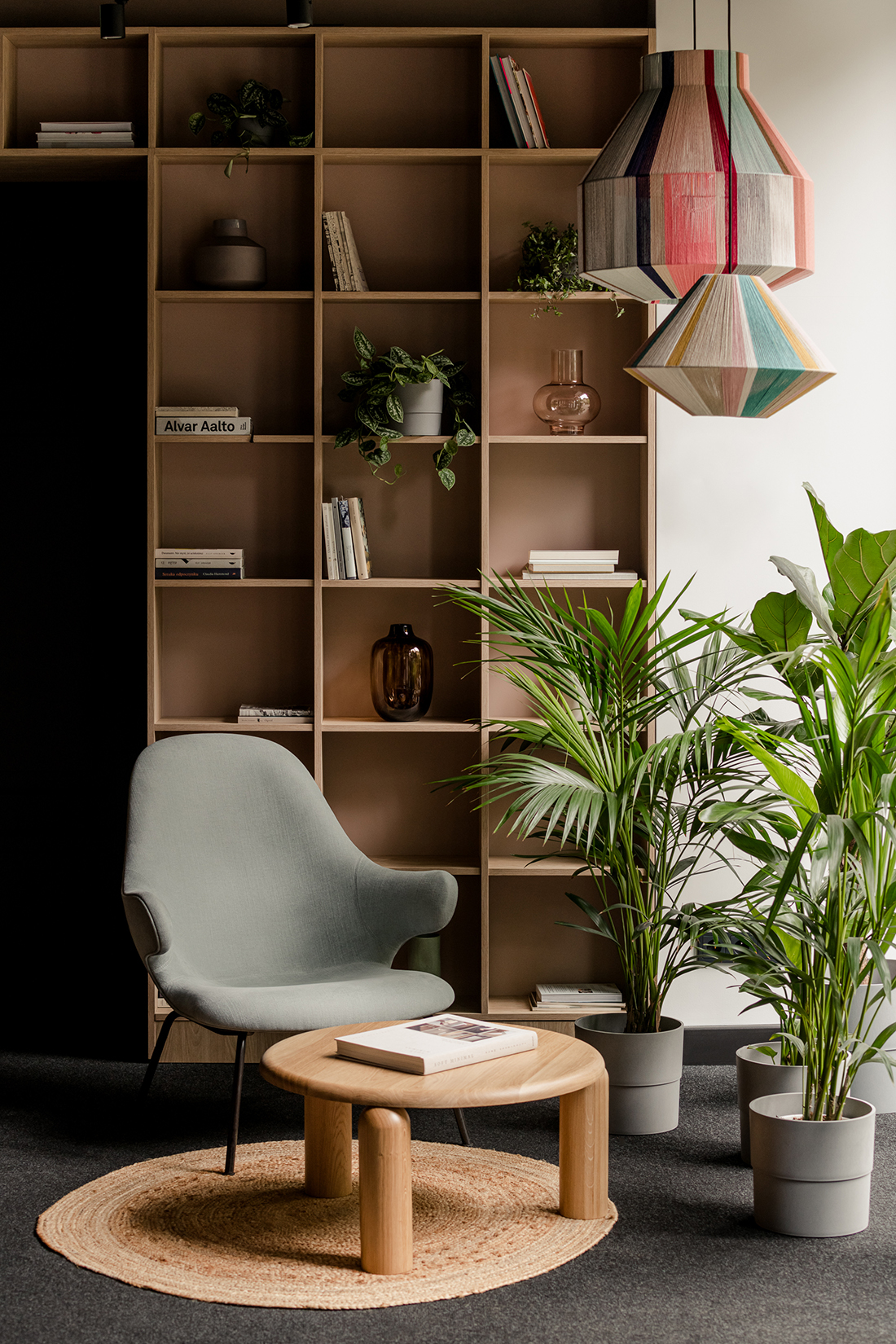
Plantonia occupies a residential building dating from the late nineteenth and early twentieth centuries in Kraków, a historic property that has been completely refurbished and transformed into a contemporary aparthotel.
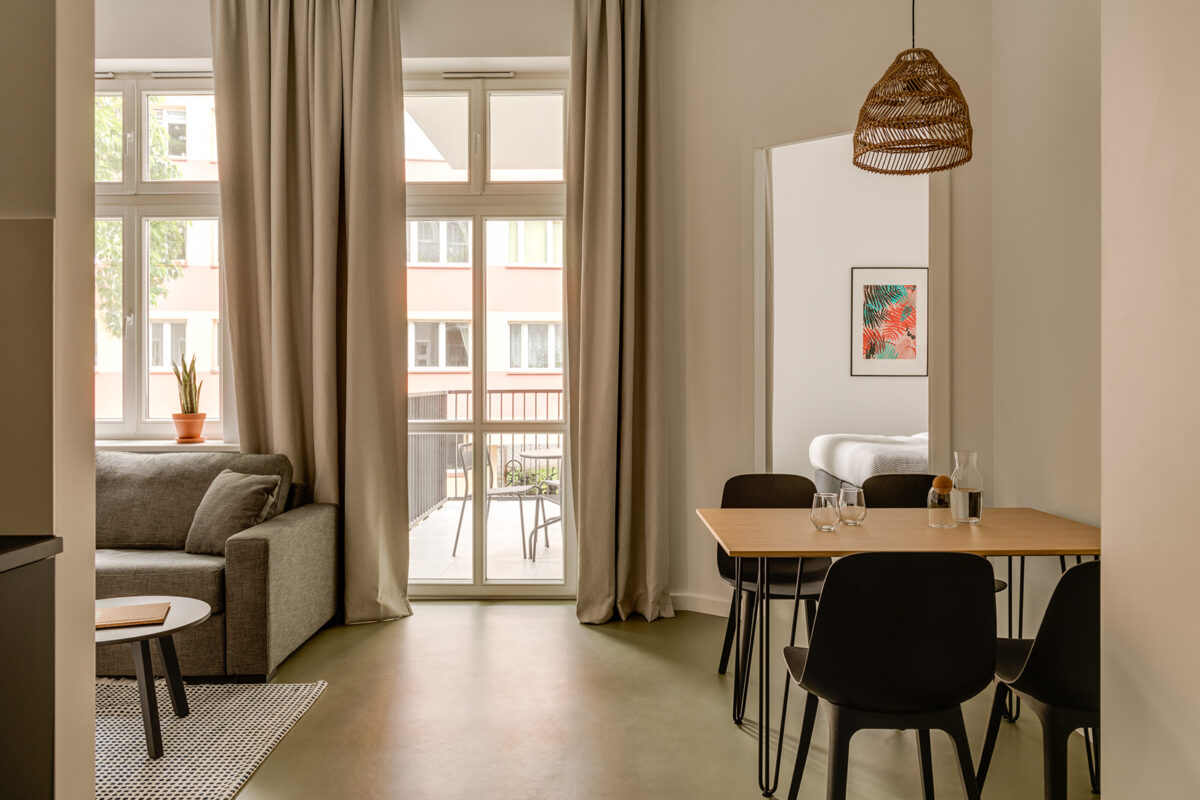
The intervention had to respect the building’s original structure, creating an additional challenge: every floor and every apartment featured different dimensions and layouts. Faced with this spatial diversity, the team at krea.tina developed a system based on repeatable functional modules.
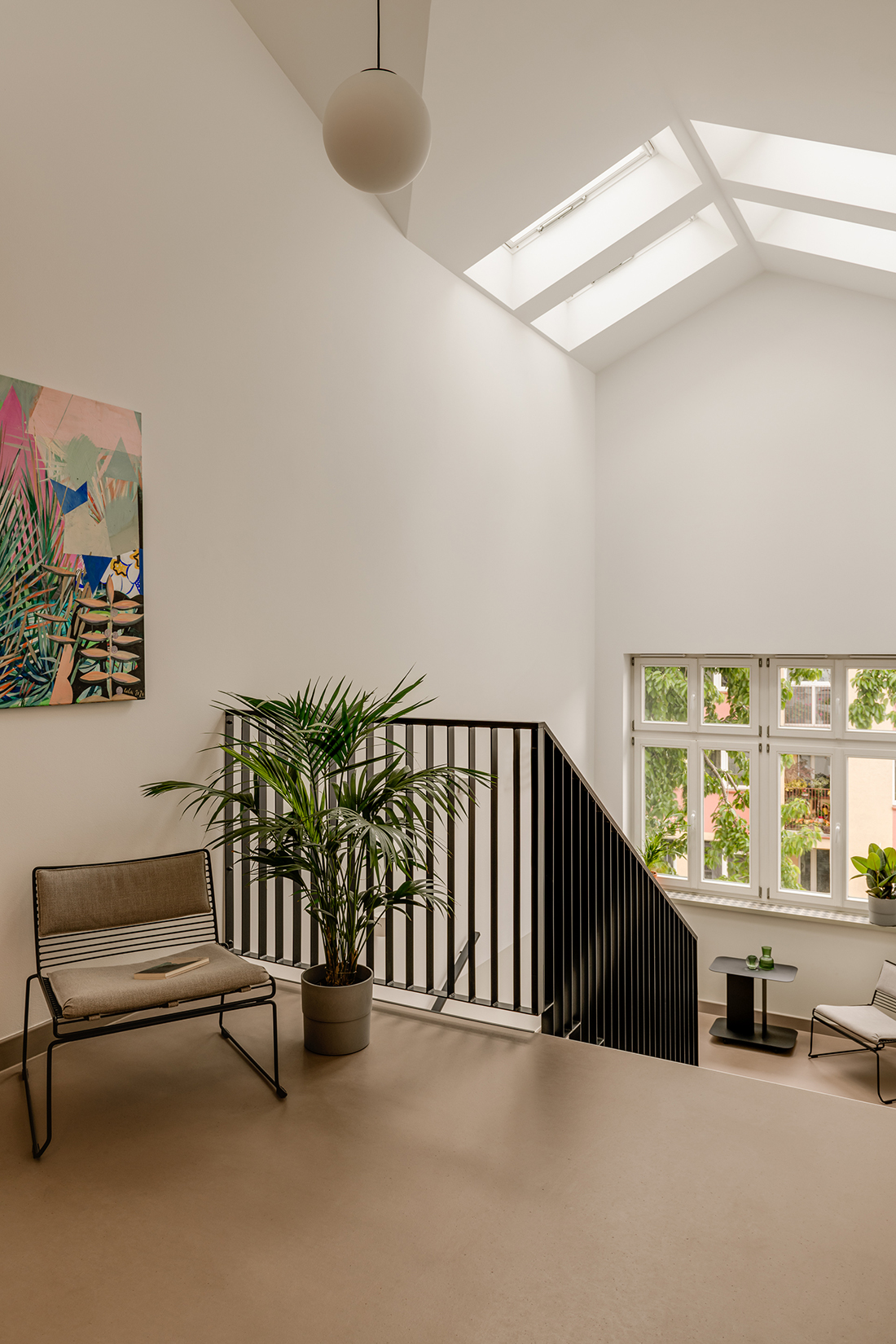
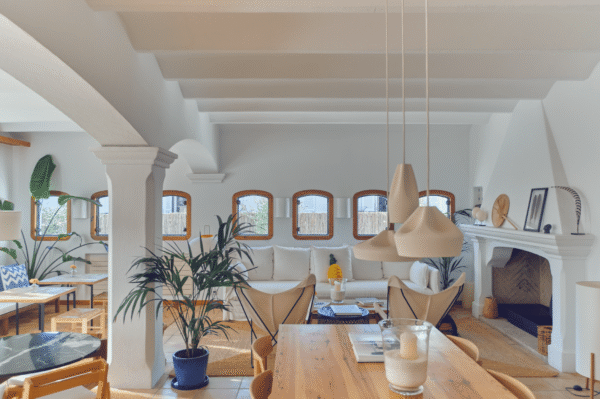
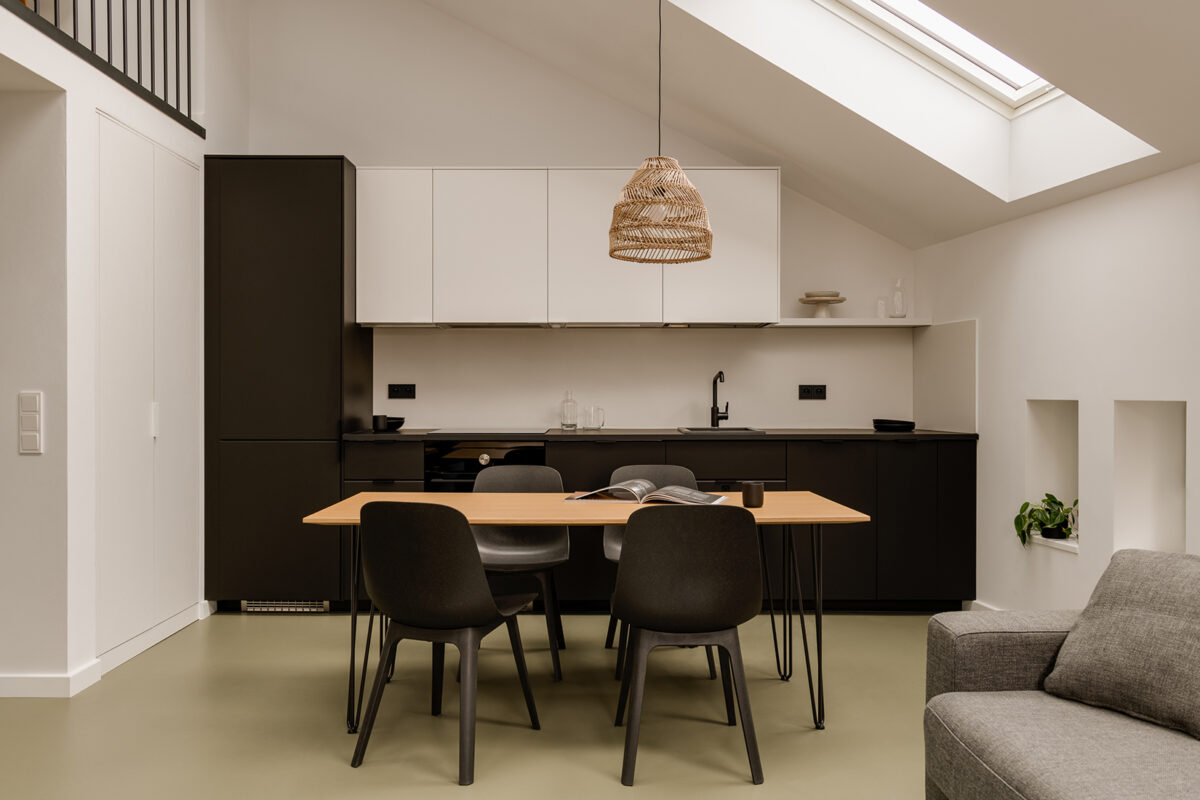
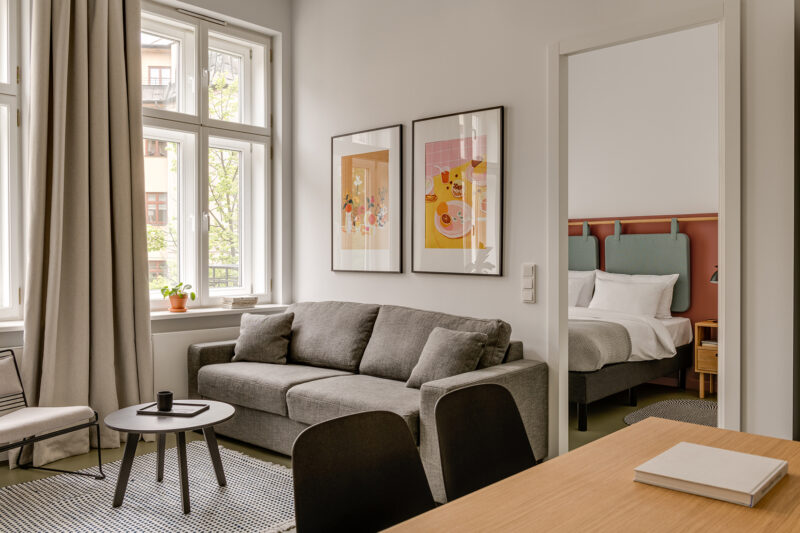
Rather than replicating identical rooms, the architects designed standardised zones — kitchen, dining area, bedroom, living room, bathroom, entrance and storage — capable of adapting to each individual apartment.
This strategy made it possible to maintain a coherent identity across all 24 apartments, ranging from 25 to 68 square metres, without sacrificing the unique character of the historic building.
The solution addresses one of the most complex challenges in hotel design: achieving efficiency and spatial coherence within a building where virtually no two rooms are alike.
Designing a truly vegan interior
The project’s most distinctive feature lies not only in its choice of natural materials but also in the exhaustive research process that preceded every decision.
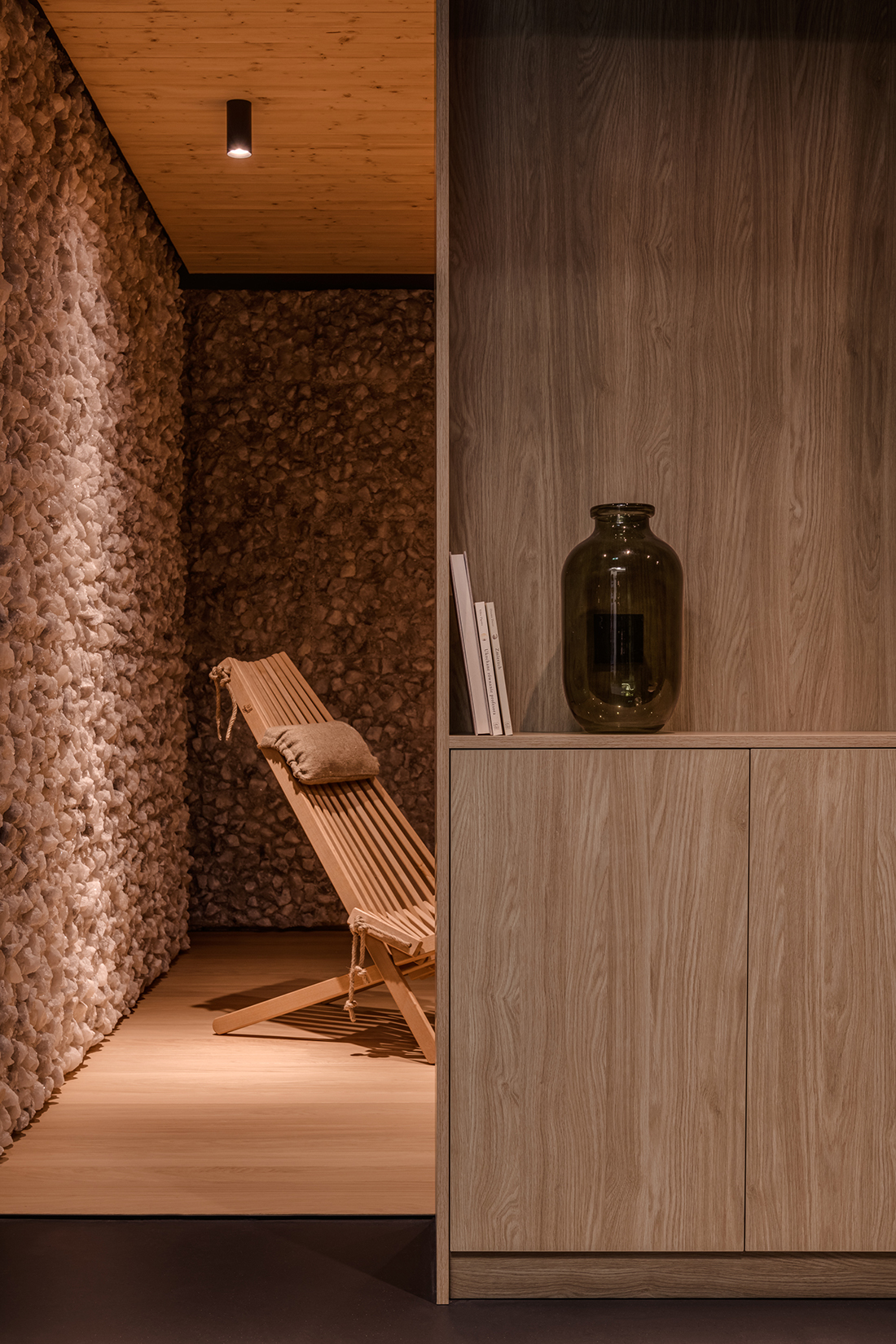
Applying vegan principles to interior design requires reconsidering elements that usually go unnoticed. Adhesives made with animal derivatives, waxes containing beeswax, textiles incorporating small amounts of wool or protective finishes applied to timber are common components whose presence is rarely questioned.
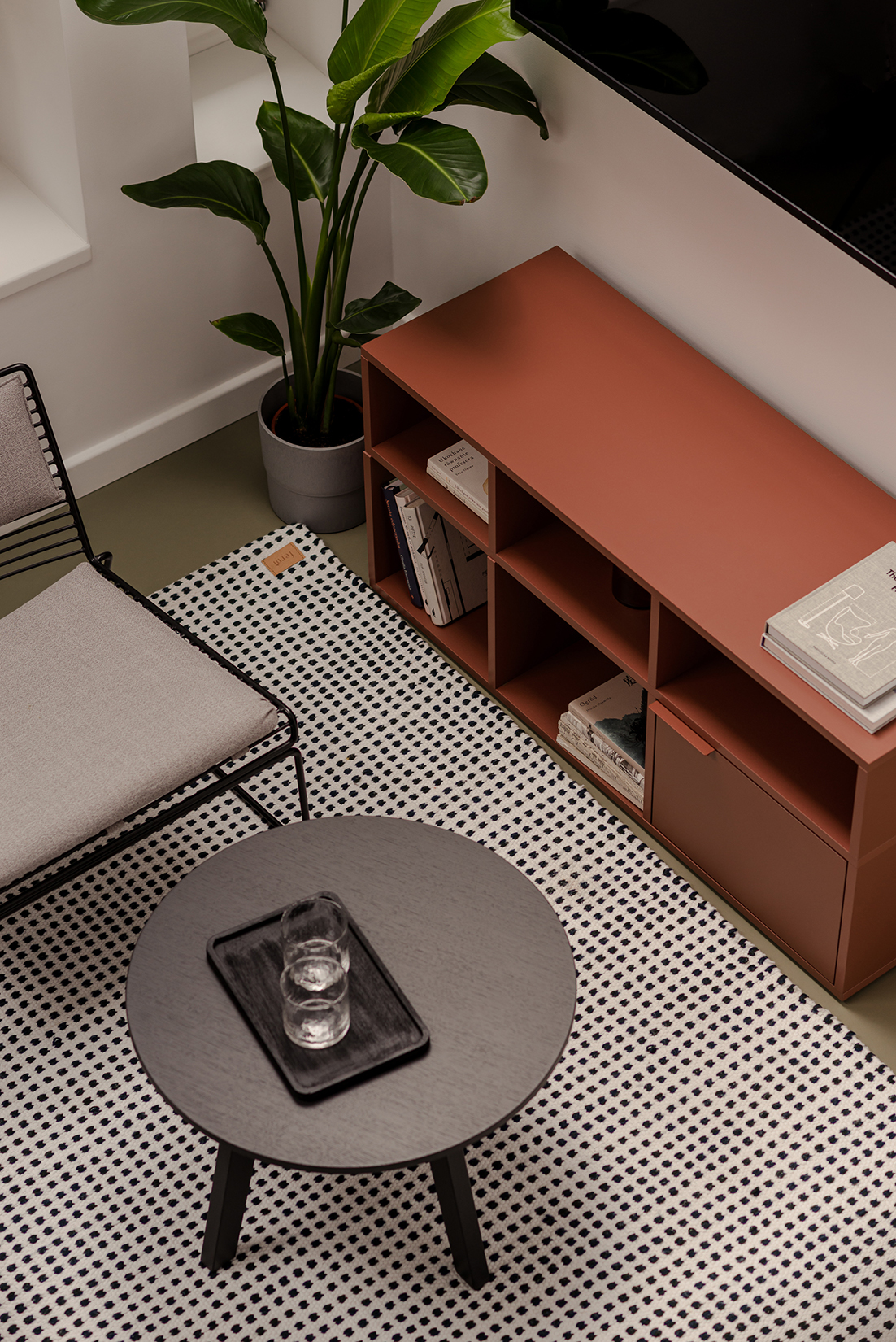
To develop Plantonia, the studio analysed every material used throughout the project, requesting certifications and confirmations from manufacturers to ensure that no product contained animal-derived ingredients or had been tested on animals.
The selection of finishes follows a shared principle: reducing environmental impact without compromising quality or durability.
This research revealed alternatives already available on the market, demonstrating that vegan design doesn’t necessarily depend on experimental or difficult-to-source materials, but rather on a far more precise understanding of manufacturing processes.
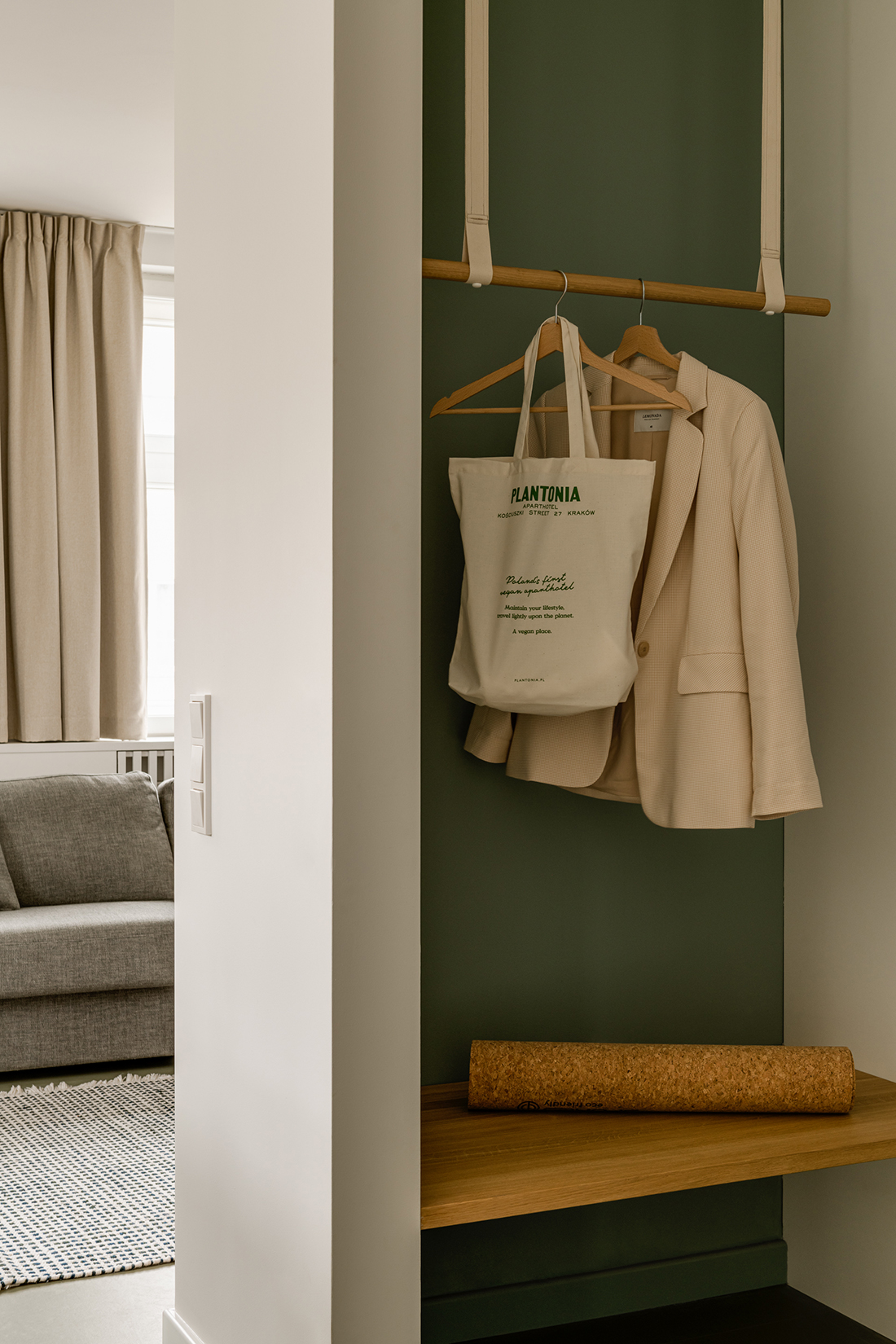
Natural, recycled and low-impact materials
The selection of finishes follows a shared principle: reducing environmental impact without compromising quality or durability.
One of the project’s key materials is Marmoleum, a flooring product manufactured primarily from linseed oil, wood flour, natural resins and jute fibres. Besides being composed largely of renewable raw materials, it offers antibacterial properties and exceptional resistance to wear, qualities particularly suited to high-traffic environments such as hotels.
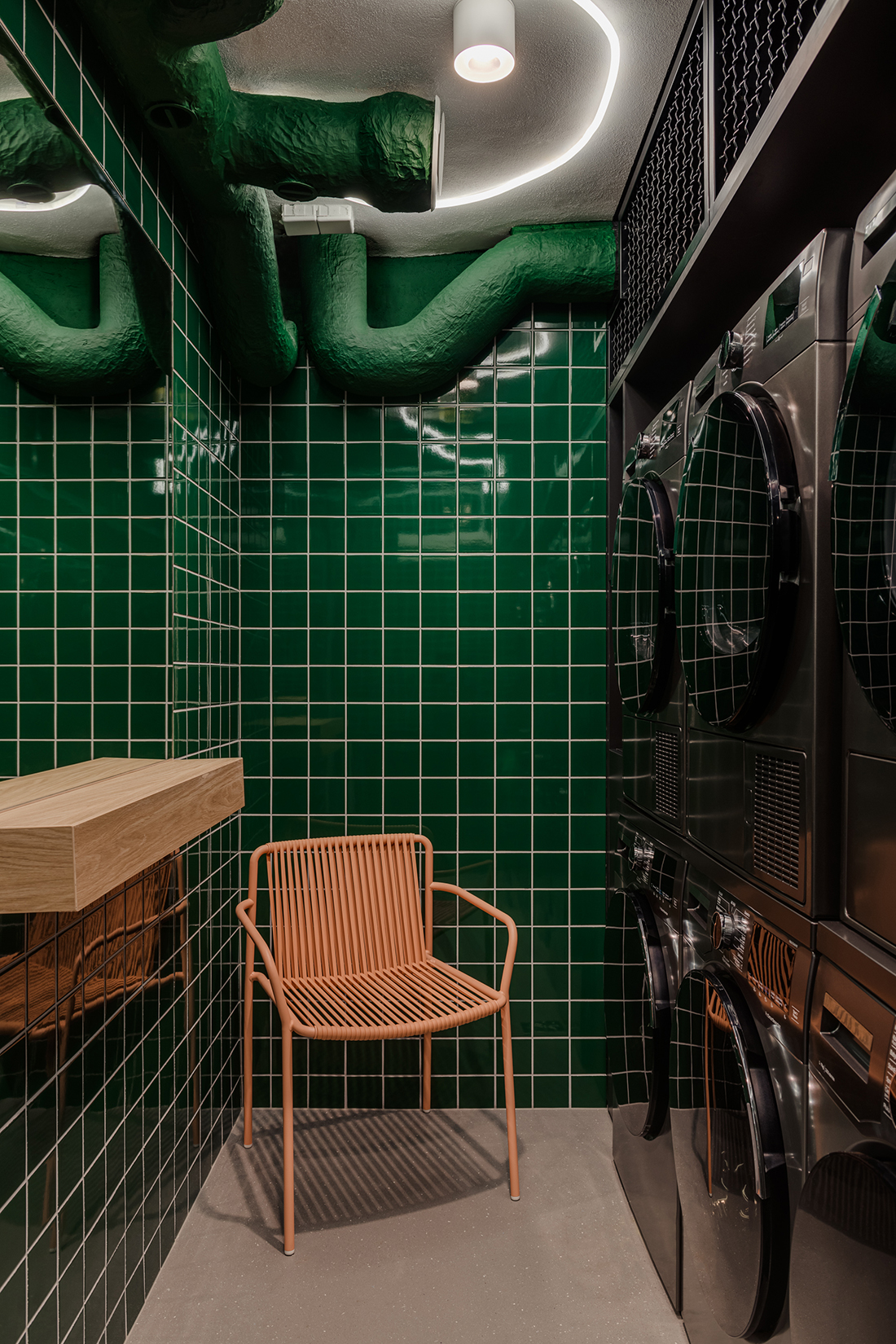
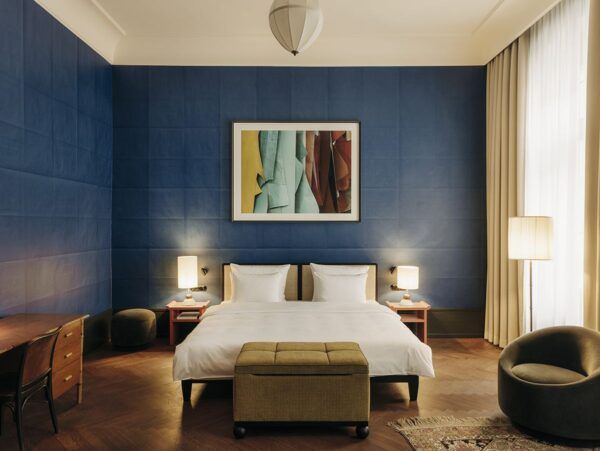
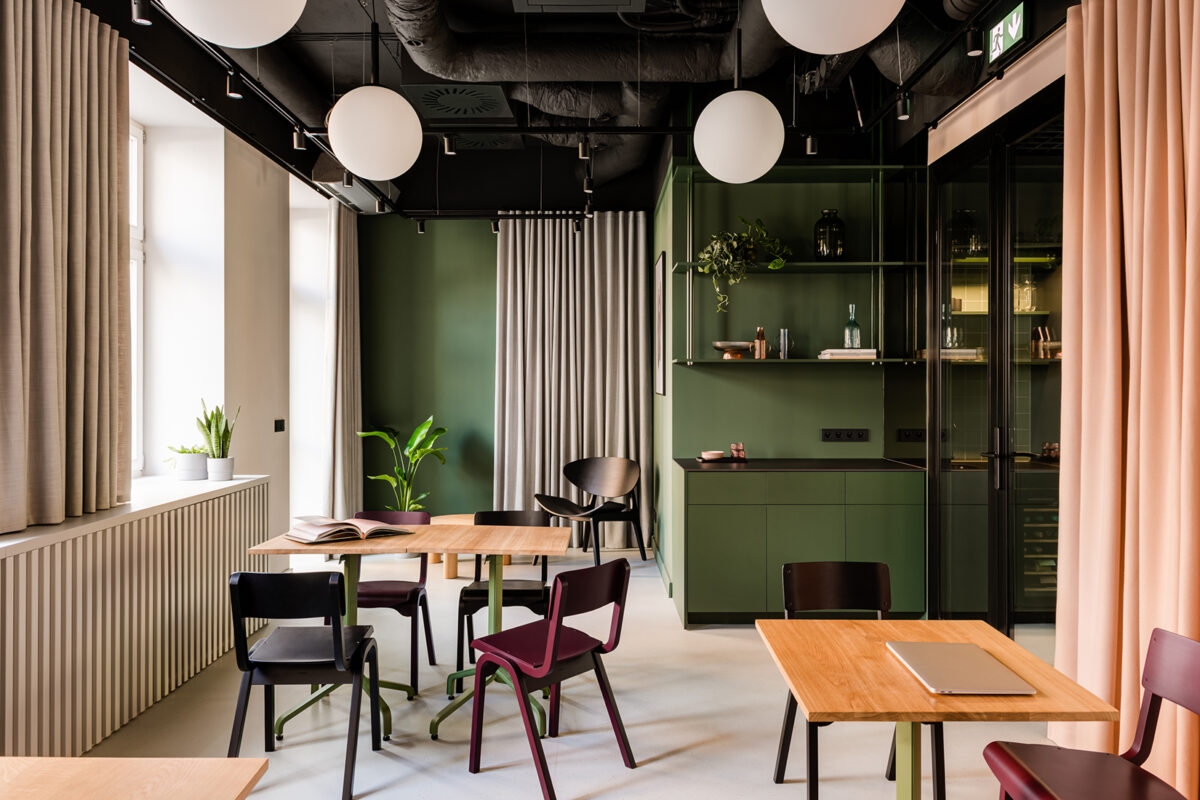
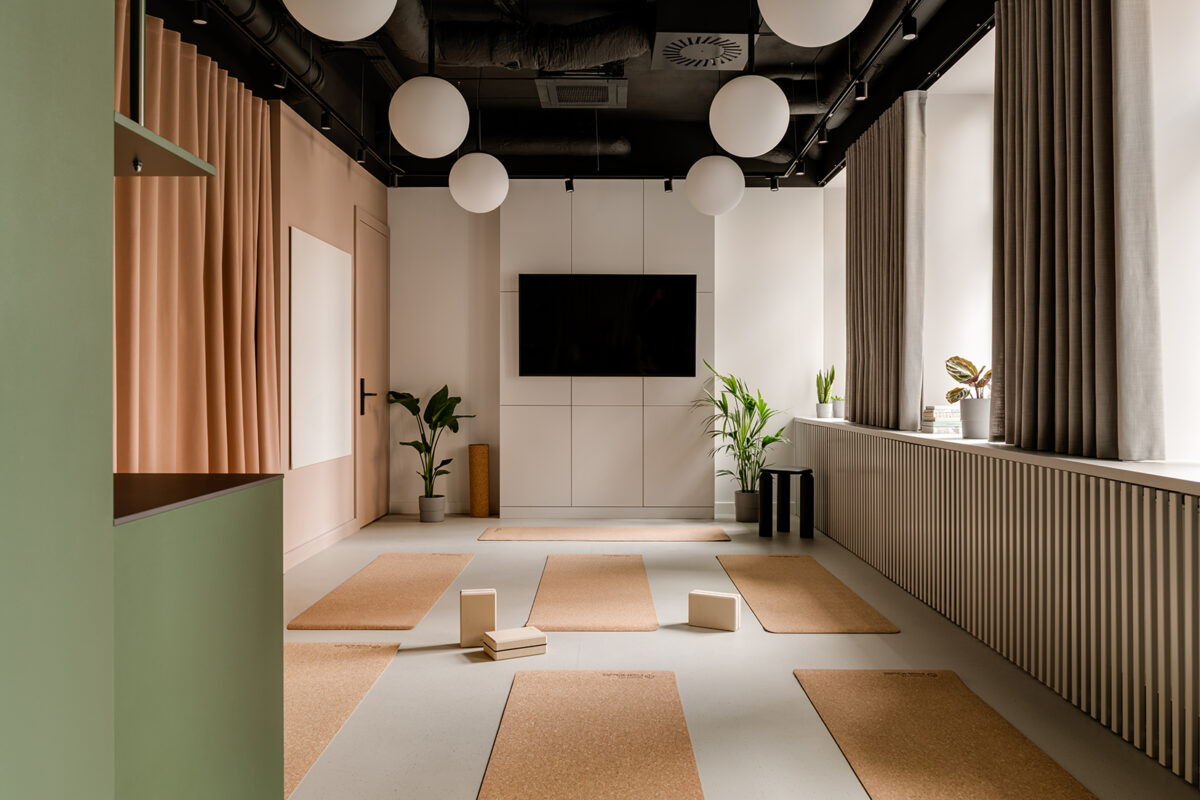
The flooring is complemented by rugs produced from recycled fibres made from plastic bottles, jute textiles, fabrics woven from reclaimed yarns and natural cork finishes, a renewable material that provides both thermal and acoustic insulation.
The selection of finishes follows a shared principle: reducing environmental impact without compromising quality or durability.
Wood also plays an important role throughout the project, although even here the process required careful scrutiny to avoid finishes treated with waxes or other animal-derived products.
Rather than creating an entirely organic aesthetic, Plantonia demonstrates that sustainability and contemporary design can coexist within the same visual language.
The value of local design
Another of the project’s guiding principles was reducing the distance between production and consumption. Much of the furniture, lighting and decorative objects come from Polish designers, craftspeople and manufacturers. Brands such as Tylko, noo.ma, TAMO, Nudo Design and Fameg sit alongside handcrafted lighting created by studios including Rumruk and Lexavala, reinforcing the project’s strong local dimension.
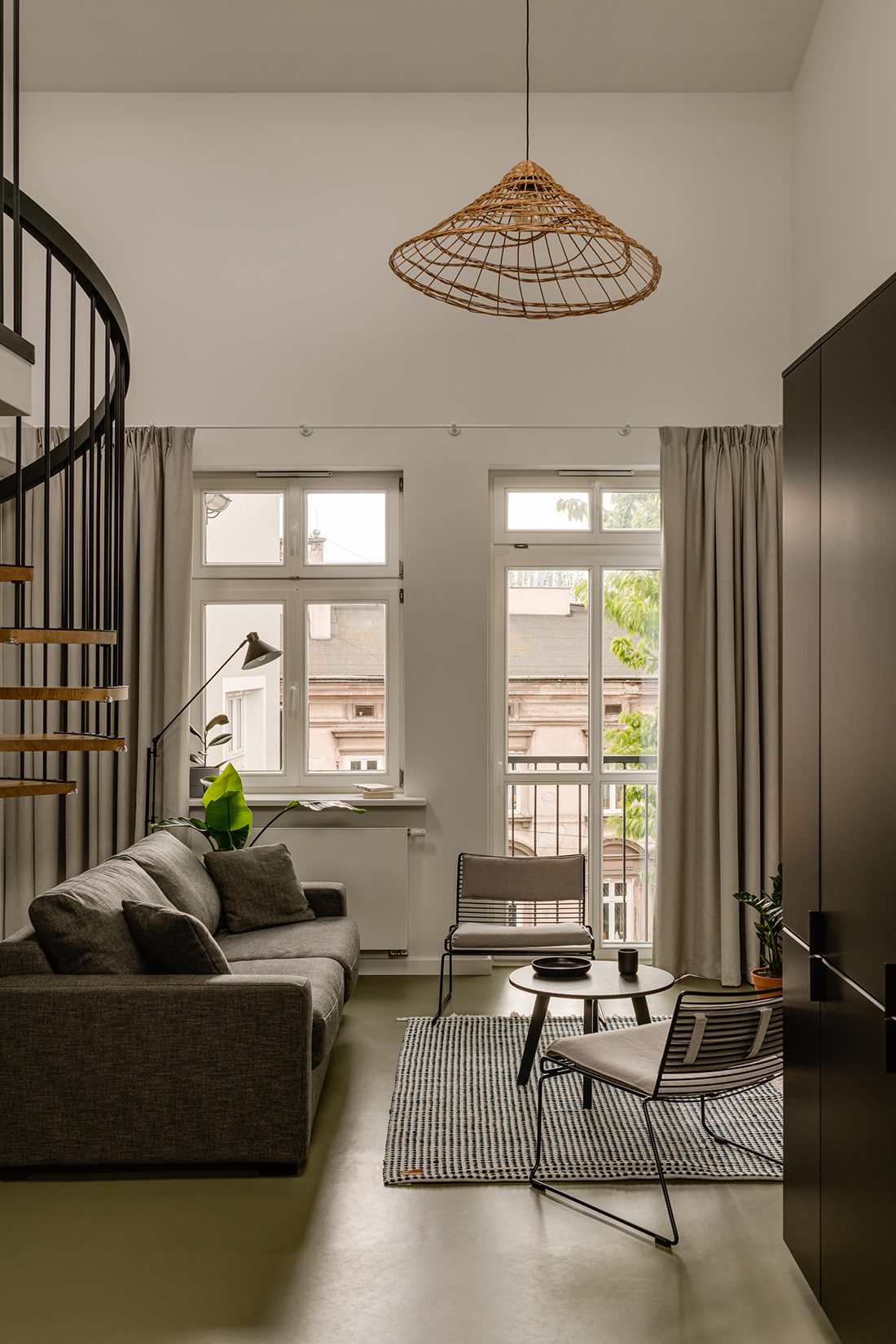
This decision not only reduces the carbon footprint associated with transport but also highlights local production and the expertise of specialised workshops.
The result avoids the homogeneous catalogue-like atmosphere that characterises many contemporary hotels, creating instead an identity that is far more closely connected to Kraków’s cultural context.
A hotel that doubles as an art gallery
The Plantonia experience extends well beyond interior design.
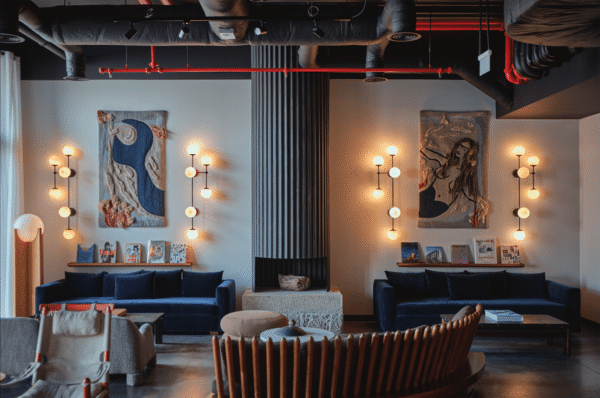
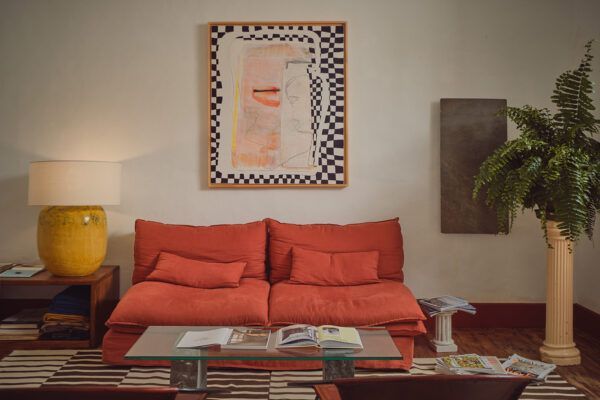
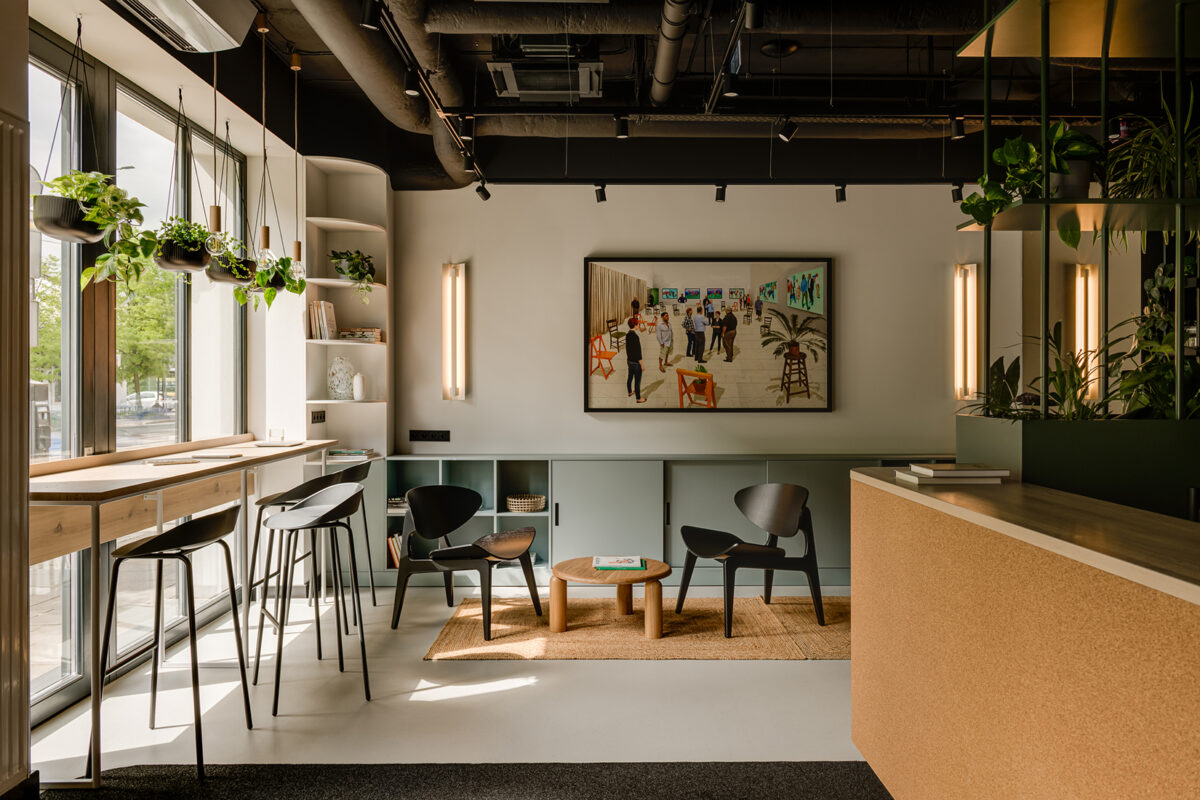
The hotel’s walls function as a small gallery where works by emerging Polish and international artists are displayed, making art part of the guest’s everyday experience.
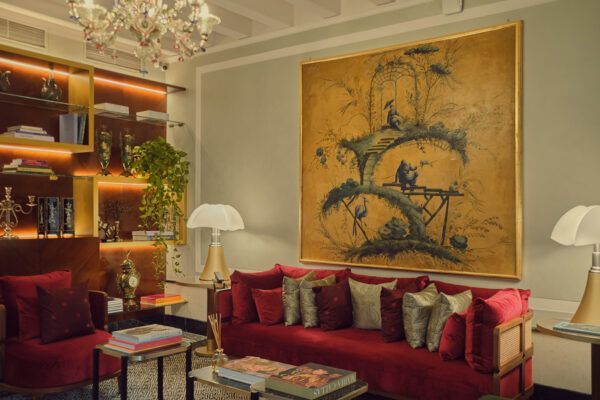
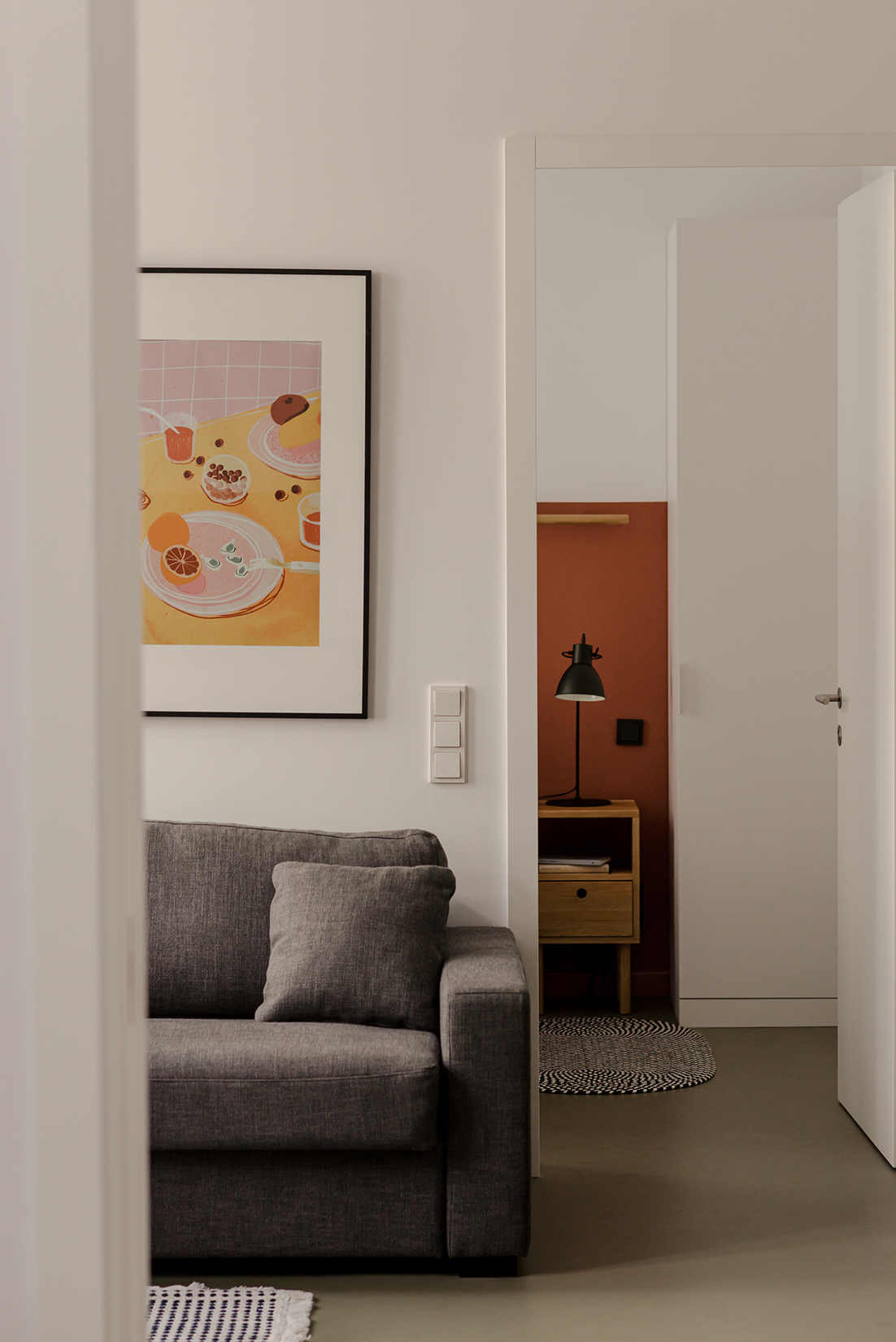
Paintings by Nikodem Szpunar, Grzegorz Jarzynowski, Joanna Styrylska, Olga Szczechowska, Vadym Solowski, Katarzyna Piatek and Basia Pospischil interact with the furniture and natural materials, adding character to both the communal spaces and individual apartments.
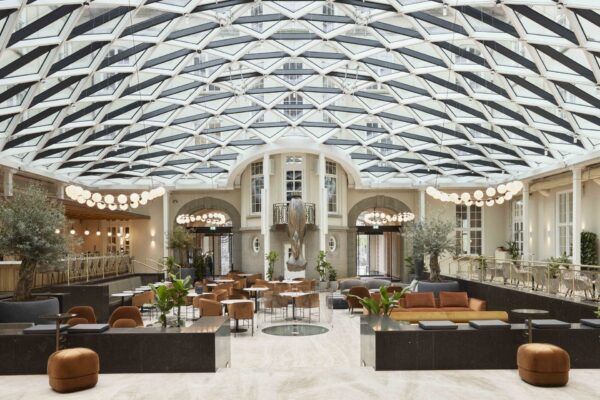
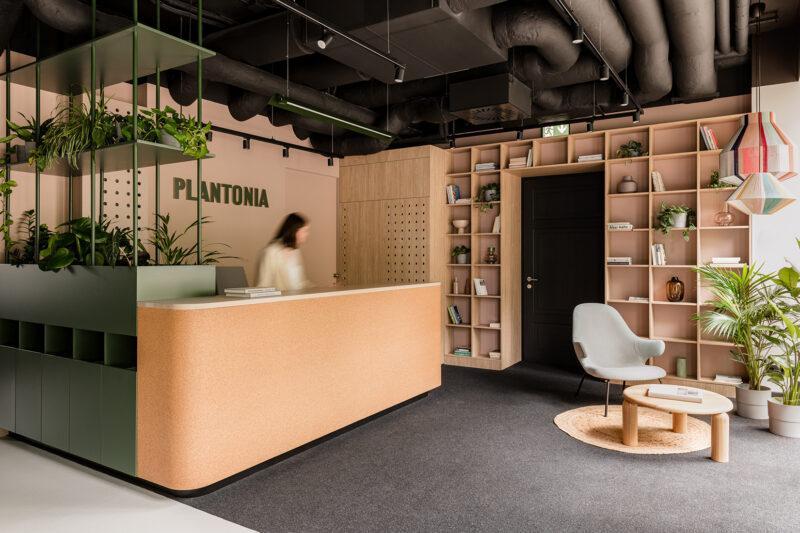
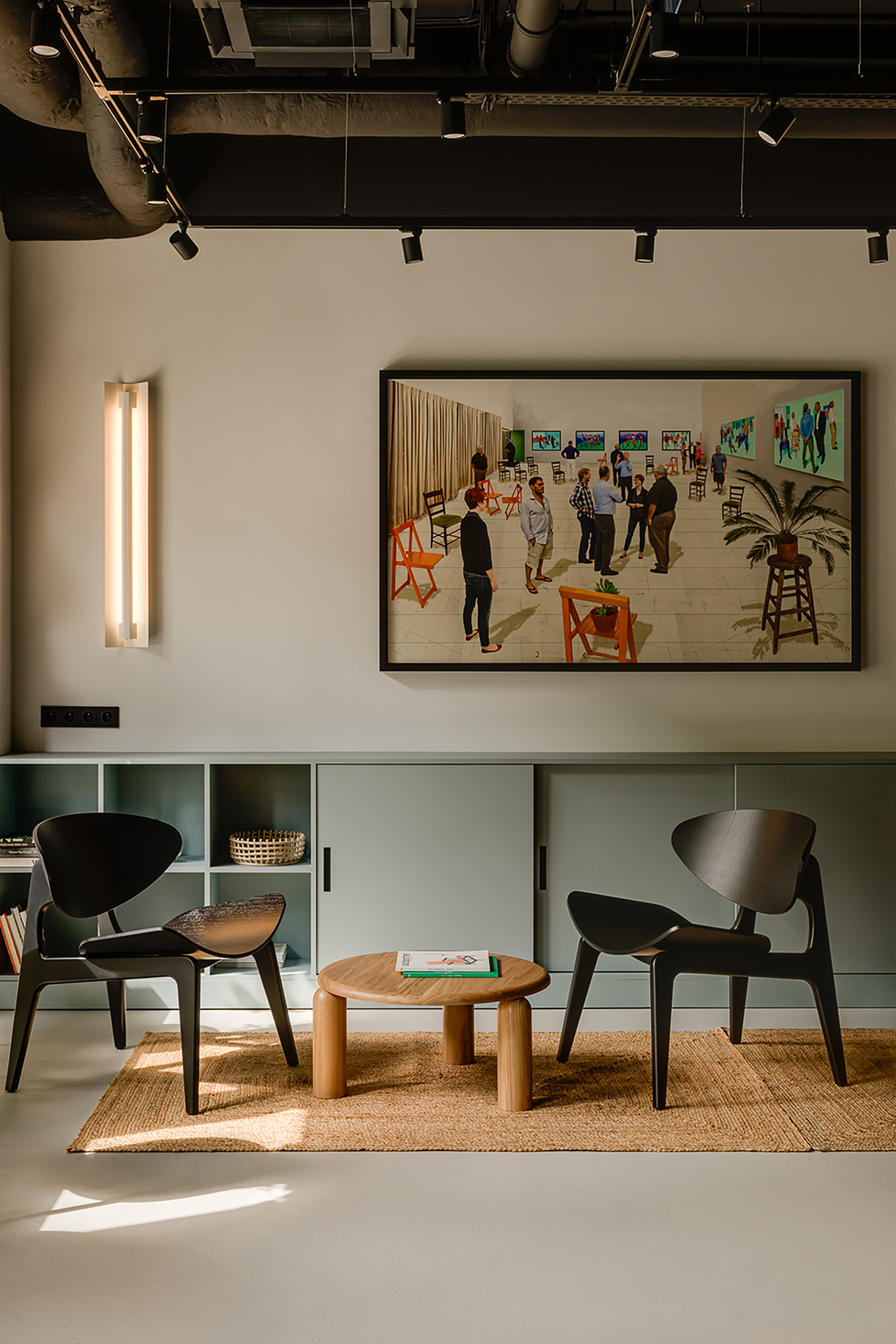
The most remarkable piece is located in the reception area: The Potted Palm, an original work by David Hockney. Its inclusion transforms the lobby into a destination of interest for collectors and contemporary art enthusiasts alike, adding an unusual cultural dimension to this type of accommodation.
The most remarkable piece is located in the reception area: The Potted Palm, an original work by David Hockney.
A sustainable model extending to daily operations
The hotel’s philosophy continues long after construction has been completed. Plantonia incorporates waste separation systems throughout both communal areas and individual apartments, eliminates single-use plastics and uses cleaning products formulated from natural ingredients.
Guests have access to drinking water stations for refilling reusable bottles, a complimentary bicycle loan service and a pantry stocked with carefully selected vegan food and beverages. Even breakfast, prepared by a local vegan bakery, can be delivered directly to guests’ apartments.
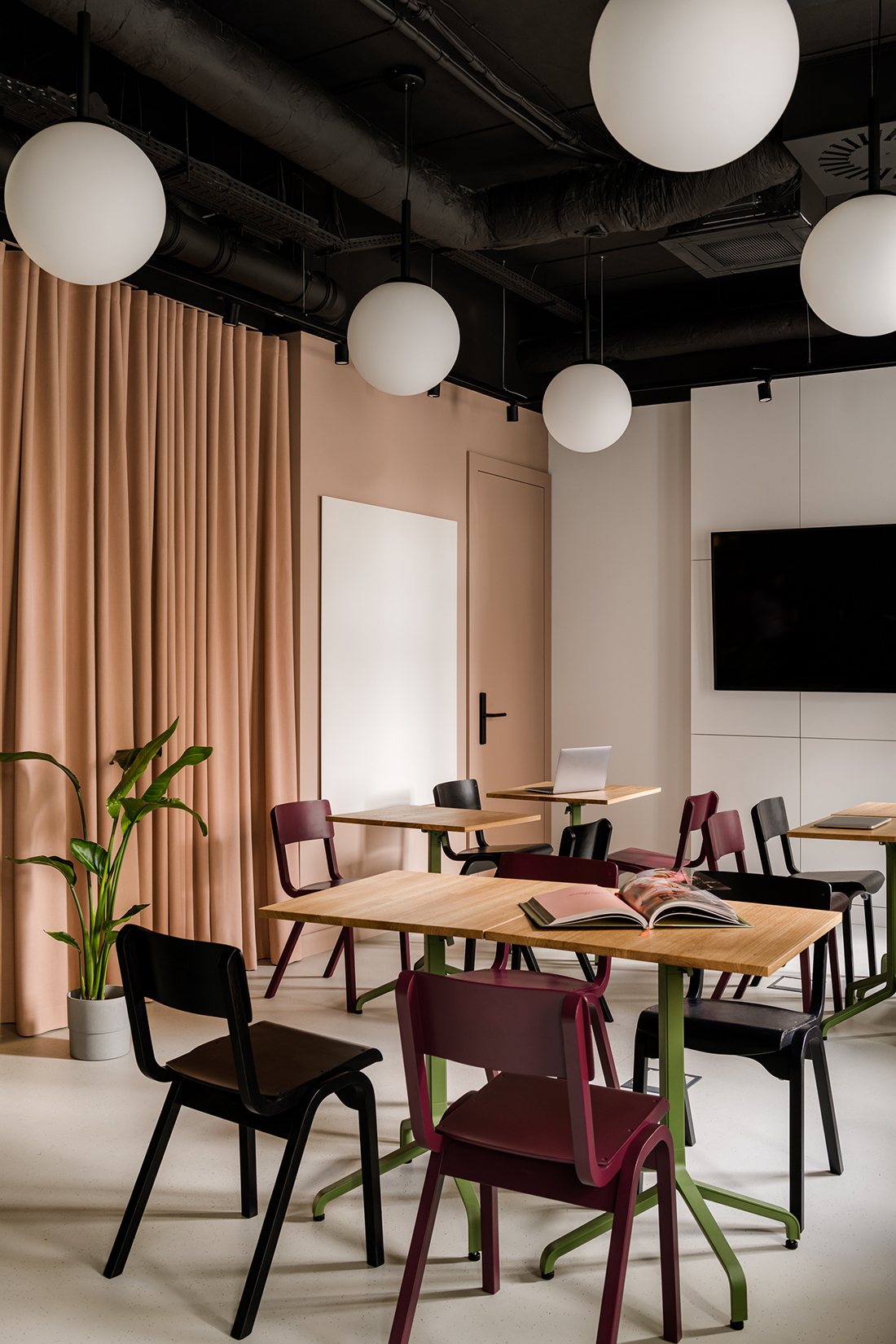
These services are complemented by a library specialising in sustainability and veganism, a room dedicated to workshops and yoga classes, a gym, an inhalation room and a 24-hour self-service laundry.
Rather than presenting these initiatives as a collection of isolated gestures, every decision forms part of a coherent strategy in which architecture, interior design and hotel operations contribute to the same overarching vision.
Beyond sustainable aesthetics
In recent years, many projects have incorporated recycled materials or abundant vegetation as part of their visual identity. Plantonia proposes a different approach: understanding sustainability as a process of research rather than simply a visual language.
The project developed by krea.tina demonstrates that many of the solutions required to create responsible interiors already exist, although they demand additional work in documentation, verification and material selection. The real challenge lies not merely in discovering new materials, but in understanding precisely how the materials we use every day are manufactured.
Plantonia therefore becomes a valuable case study for architects and interior designers seeking to expand the boundaries of responsible design. It does not attempt to impose a particular style or turn veganism into a decorative trend.
Instead, its contribution lies in demonstrating that seemingly invisible decisions — an adhesive, a protective finish or the composition of a textile — can carry just as much weight as the choice of furniture or the colour of a wall.
In a sector where sustainability is often measured through energy certifications or construction strategies, this Polish aparthotel introduces a new variable: the ethical traceability of materials. It is an approach that broadens the conversation surrounding contemporary design and places interior architecture in a field where aesthetics, wellbeing and responsibility are no longer understood as separate concepts.
(*) Images courtesy of krea.tina.