Interview with Belgian graphic designer Stephanie Specht
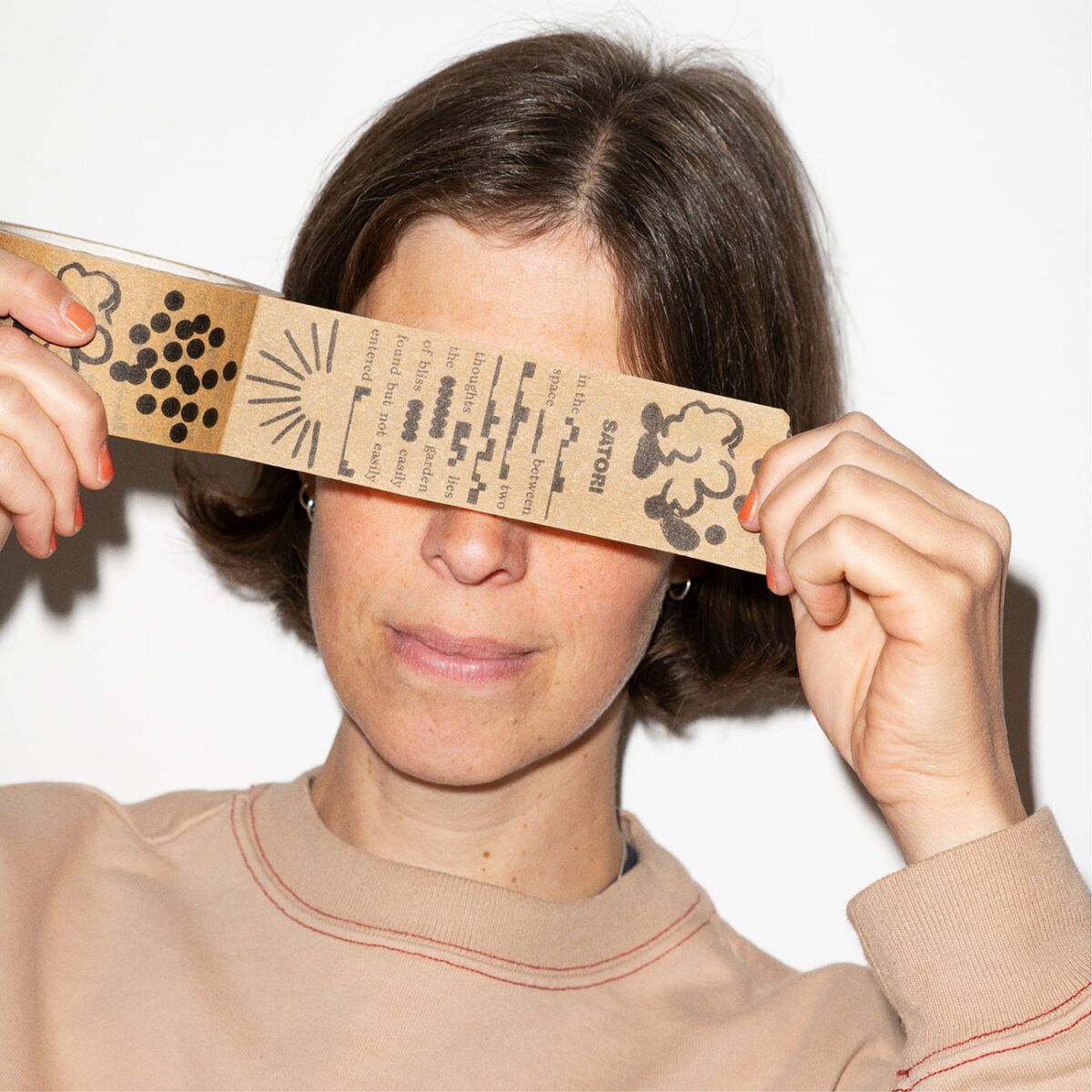
At Us by Night 2025, where the night becomes a canvas for bold creative expression, the presence of Stephanie Specht promises to be one of the most thought-provoking highlights. Founder of Specht Studio, this Belgian graphic designer has carved out a visual language that resists categorization: ever-evolving, adaptive, and fluid—much like water, a recurring metaphor in her recent talks and personal work.
Stephanie doesn’t follow trends—she listens. To her intuition, to her collaborators, and to the deeper meaning behind words and forms. Whether designing for major clients like Google Design or exploring self-initiated work shaped by typography, symbolism, and experimentation, her practice seeks the delicate balance between chaos and minimalism, freedom and structure.
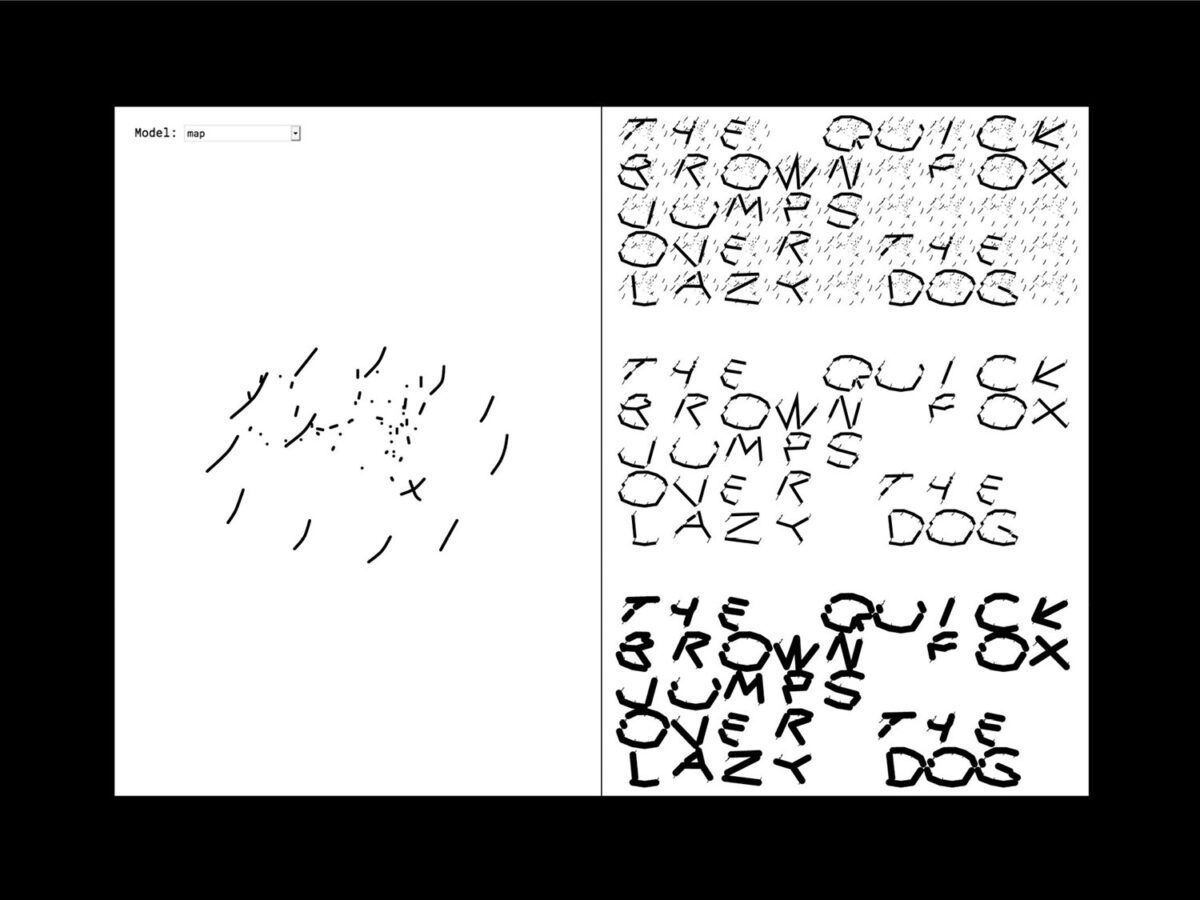
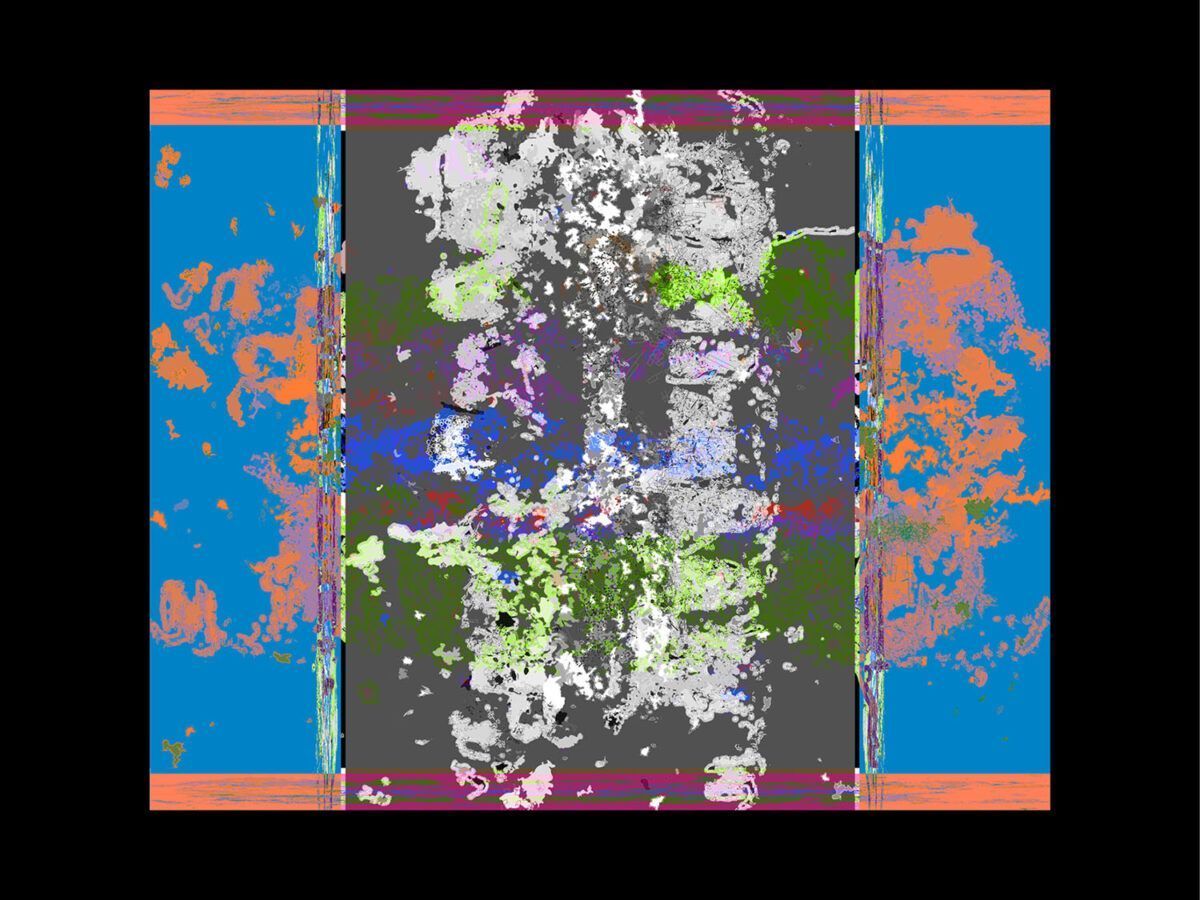
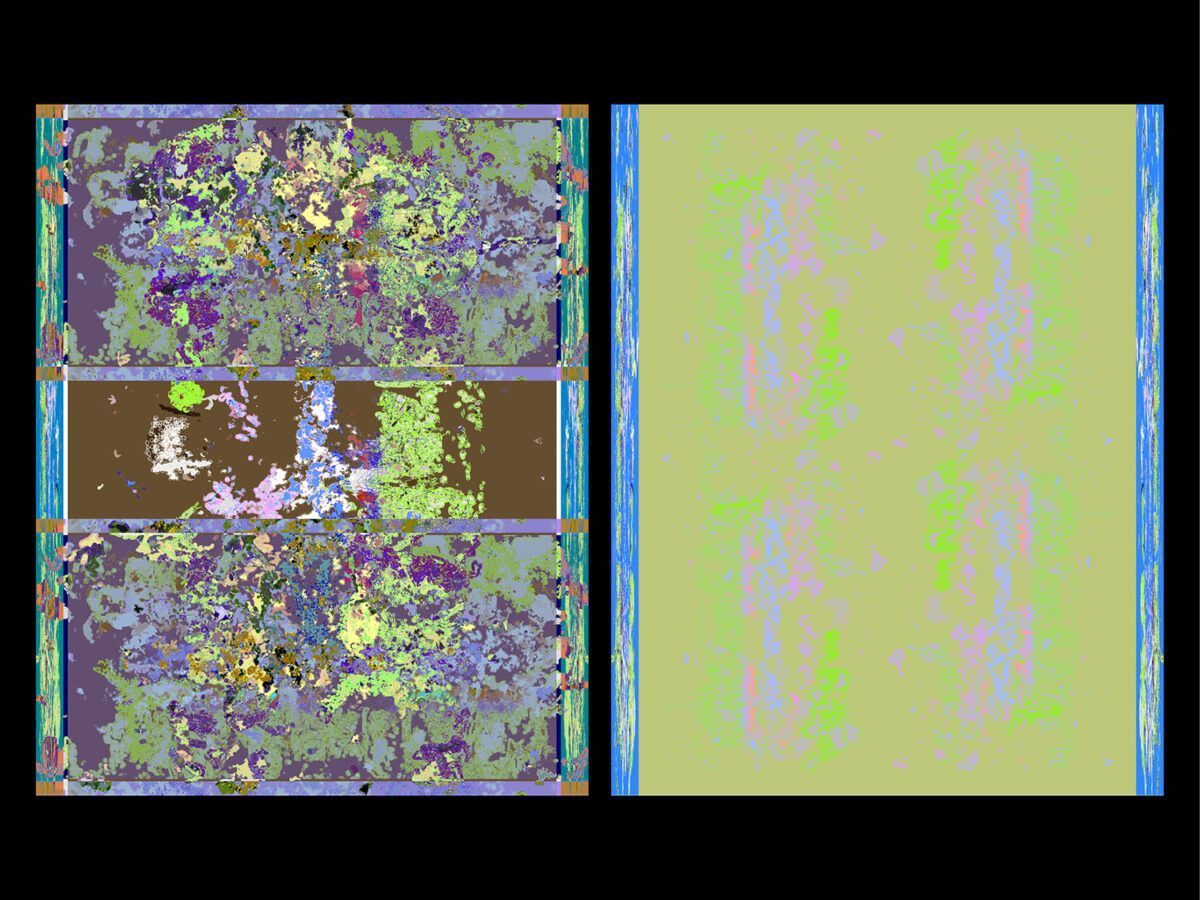
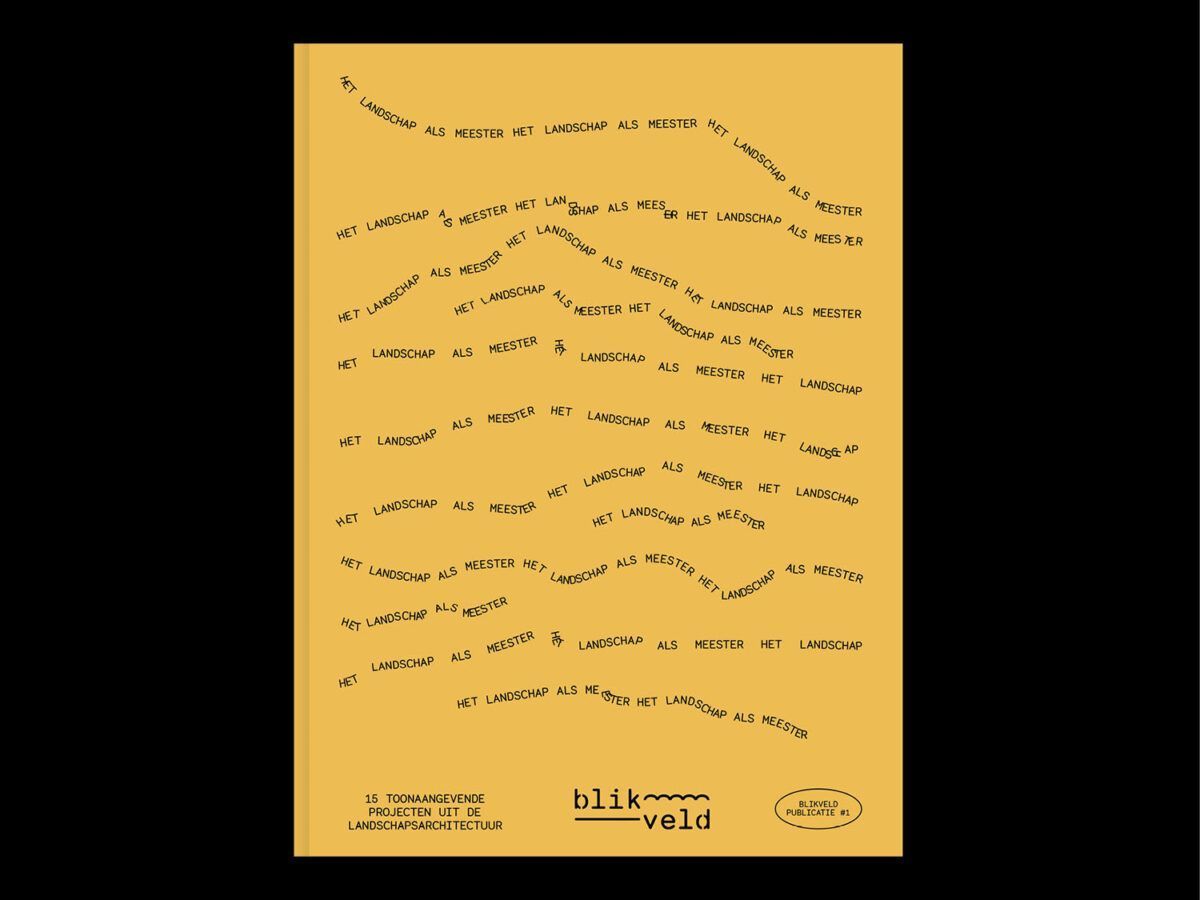
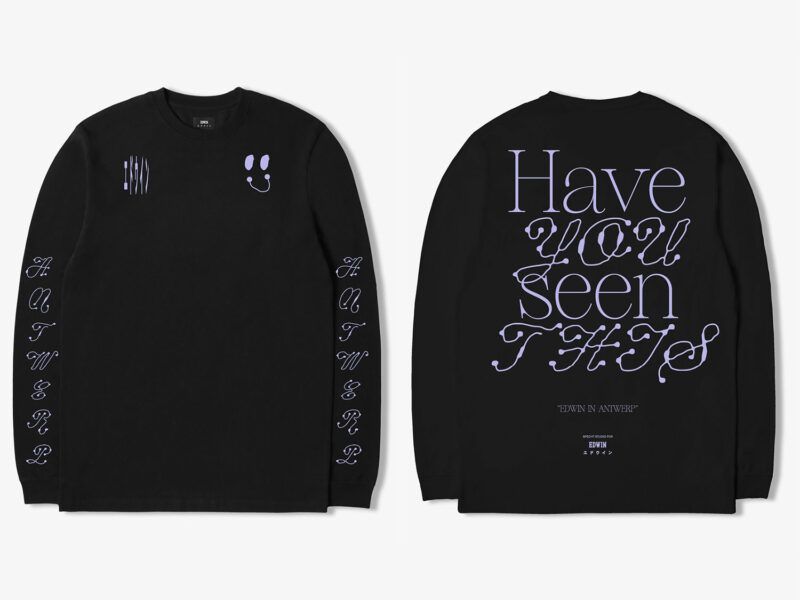
As CC/magazine proudly joins Us by Night 2025 as official media partner, we sit down with Stephanie to explore what drives her creativity, how collaboration and intuition shape her process, and why authenticity may just be the most powerful form of beauty.
Your work feels like a perfect balance of geometry, poetry and restraint. How do you define your own design language?
Describing my own design language is often difficult for me. It’s not something I can sum up in a single sentence. I like to try out different things and experiment. If I feel the need for change or innovation, I like to get started on it as soon as possible. It feels so good to be able to break a pattern in my design style. Sometimes my style also changes depending on who I’m working for or with. People, a brand or a company can definitely have a certain impact on my creativity.
I am happiest when they give me all the freedom I need and really push me to step outside certain boundaries. That’s when I create my best work. So in that way, you could say my work is fluid, changeable, and adaptable—constantly striving for creative freedom. The way you describe my work does appeal to me, maybe especially in my self-initiated work. I like to play with words, texts that have big meaning to me. And I like to play with chaos versus a minimalistic approach in design, looking for the right balance between the two.
“I like to play with words, texts that have big meaning to me.”
My design language is also heavily influenced by the current typographic world. I love experimenting with new fonts, whether they come from a large type foundry or someone who just graduated in type design. As long as it speaks to me, I’m happy to try it out and design with it—whether it’s for a client or for my own work.
You’ve worked across many countries and contexts—how does your environment influence your creative process?
The focus is on adapting. You adapt to the culture, the people, the time zone… I like that. It challenges you to see yourself through different eyes. You can’t do that so easily in your own country or city where you’ve lived for a long time. Especially in New York and Los Angeles, I always feel this great sense of freedom (even if it sounds like a cliché).
There’s something in the air that makes me feel anything is possible. I really don’t know what it is. The creative people I know or have met there have such an inspiring state of mind. I really like to surround myself with such people. And yes, that obviously has a lot of influence on my work. I’ve been living in Belgium for a while now and have my own studio space, which is fantastic, but I still enjoy going abroad and getting those stimuli. In my studio I’m extremely focused and have almost no distractions.
When I’m not working, you’ll find me walking in the woods or fields with my two dogs. I used to love the constant buzz of city life, but not anymore—I now prefer to seek out inspiration more intentionally.
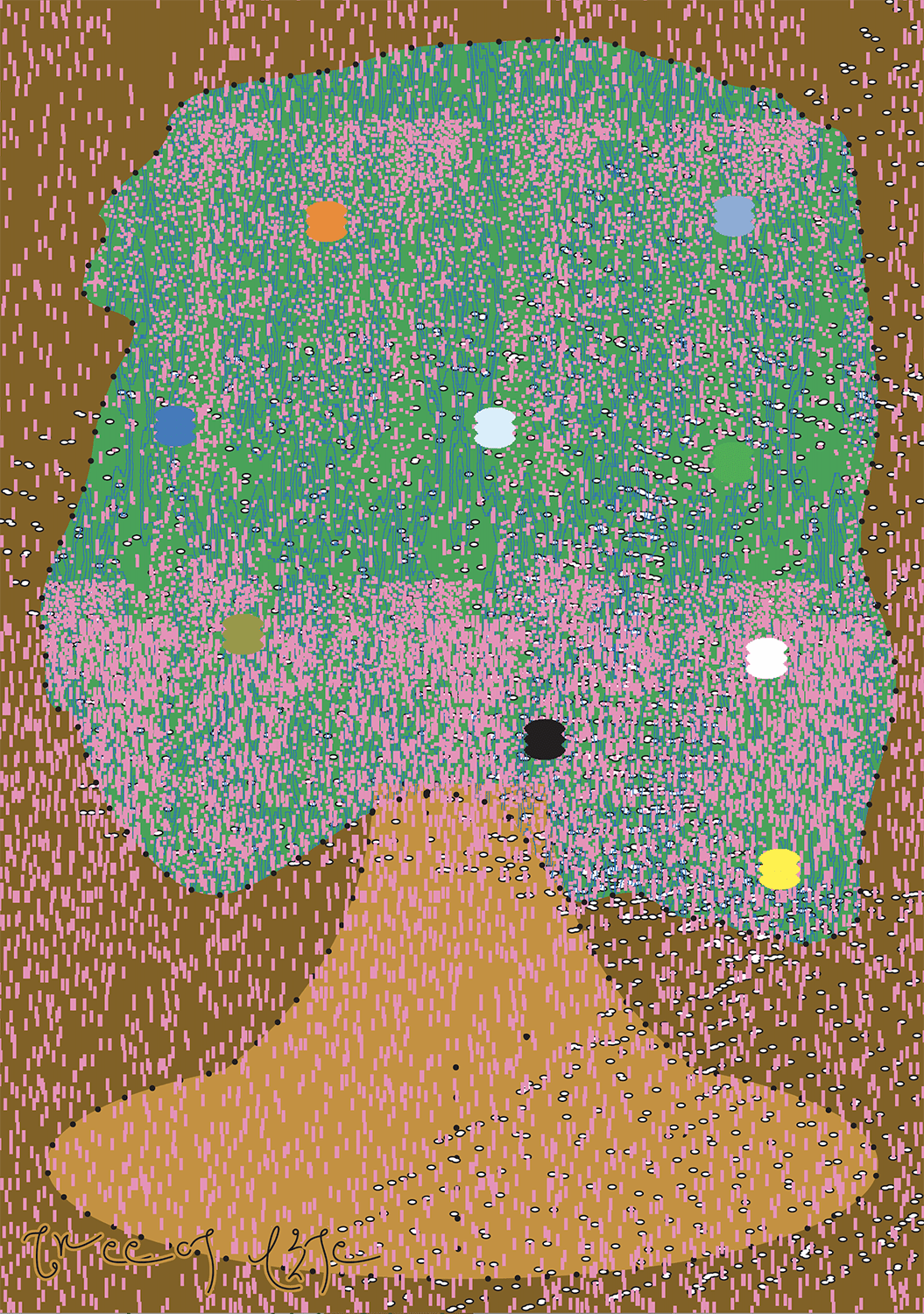
Your studio’s name, Specht Studio, reflects both your personal and professional identity. How do you navigate that boundary?
I worked under my own name for a long time and as soon as I started working with interns or collaborating with other creatives, I added “Studio” to it, simply because I wasn’t doing it alone anymore. I thought I would keep it demarcated: Specht Studio for all the commercial jobs and then Stephanie Specht for my own work. In the meantime, I don’t think about it that much anymore.
The boundary is blurring because I’m also making free work in collaboration with someone else. I think most people know Specht Studio by now, so I’ll stick with that name. By the way, Specht is the Dutch word for woodpecker.
How do you approach visual identity design today, in a world saturated with content and fleeting aesthetics?
First of all, I try not to look at other styles, and really listen to what a client wants. What is that identity? How can something visual flow from their identity? At the same time, I find it fascinating to imagine a world where branding has no fixed identity.
What if everything constantly changed, was not recognizable in terms of branding, and only the products had a fixed style? Why do we want to live in a box with a visual style? Why does it have to be so defined? Why do there have to be rules? These last two questions actually influence my work—and my life—on many levels.
Collaboration seems important in your practice. What do you look for in a creative partner?
With every project that lends itself to collaboration (in terms of size and budget), I always ask myself: who would I like to design this with? Who has the right energy and personality? Because collaboration is not only a style exercise but also two people bringing their energy together.
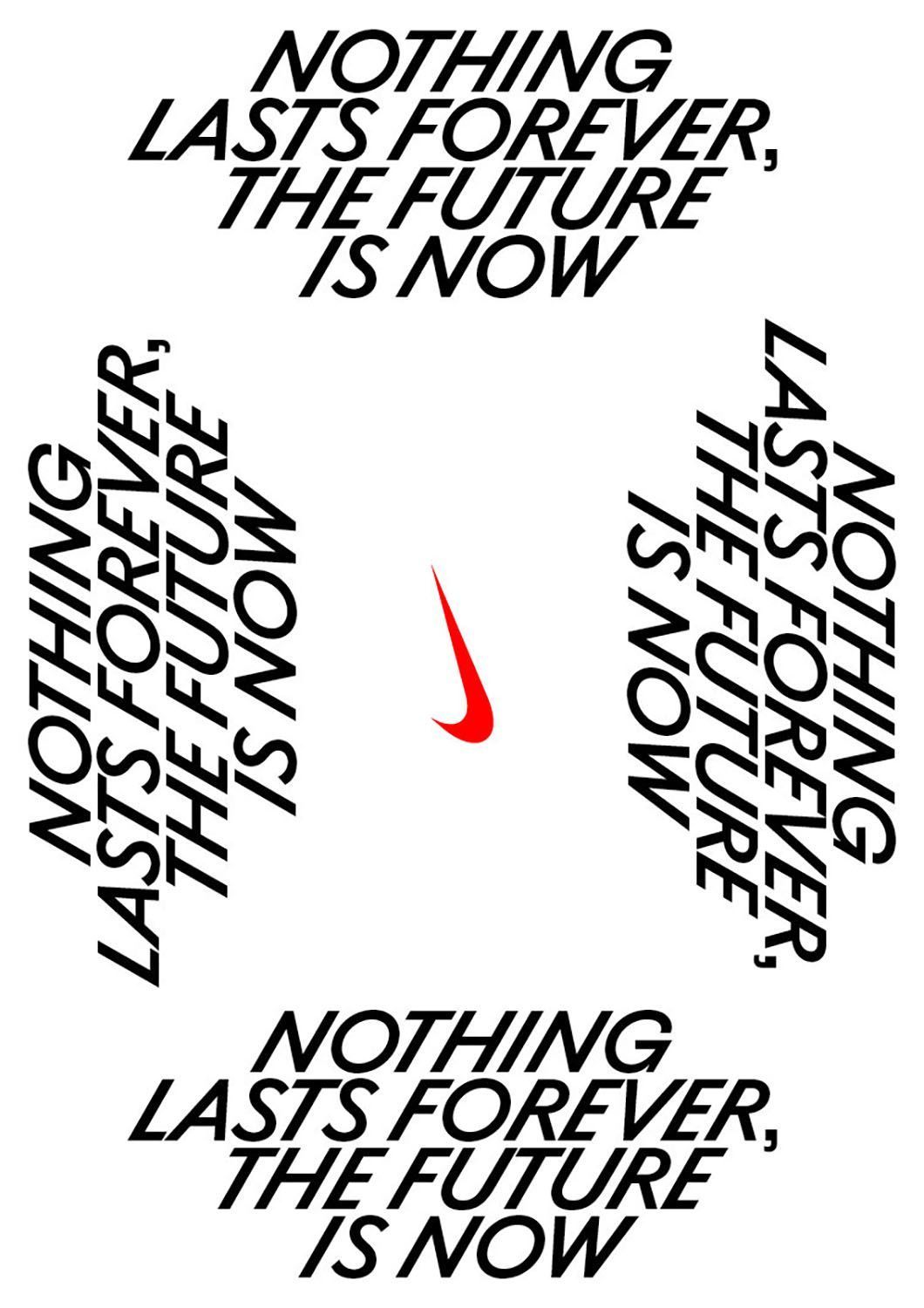
I love Human Design and Astrology and, if possible, I collect information about the potential collaboration from there. It has already paid off in the past. Some people may be particularly strong visual designers, but if our personalities don’t align, we won’t get far, right?
“I love Human Design and Astrology.”
Can you tell us about a recent project that challenged you—creatively, conceptually, or personally?
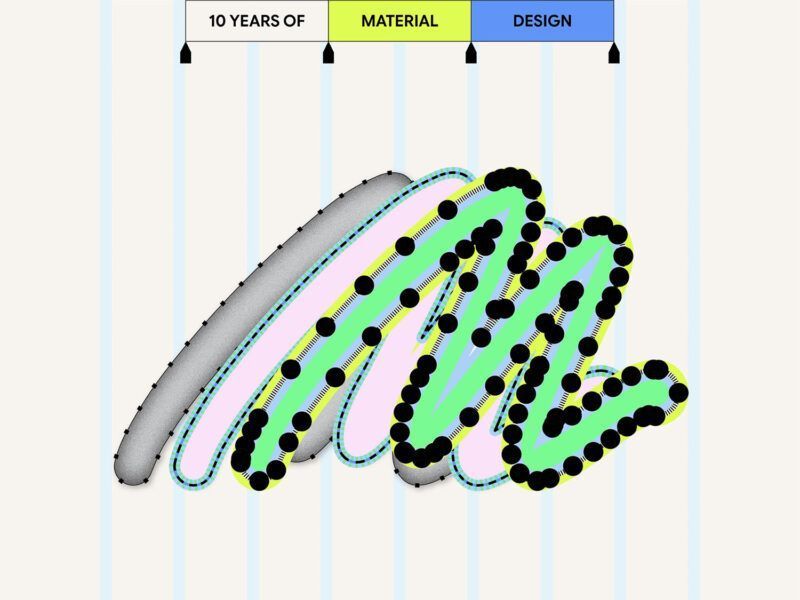
Last year I worked on a big online campaign for Google Design. Their Material Design turned 10 and they asked for a visual identity. Creatively, I was challenged because everything had to be translated into moving images—something I am not used to, but actually really enjoyed doing. It’s a different way of designing and thinking. I put together a team to work with, everyone with their own specialty. Conceptually, it was also a big challenge.
Google Design has such a unique style and Material Design underneath that, so how could it still feel recognizable and yet completely new—while celebrating a decade of design? I had to educate myself a bit about Material Design at the same time! Personally, it was a challenge to work with so many people (my own team and the Google Design team). We had an online meeting almost every other day, so the performance expectations were high.
I can certainly handle that but it was sometimes tough to take so many people’s opinions into account. I learned a lot from it, in every phase of the project. The project ran for several months, and I felt completely immersed in the process. My family and friends saw very little of me last year! Haha!
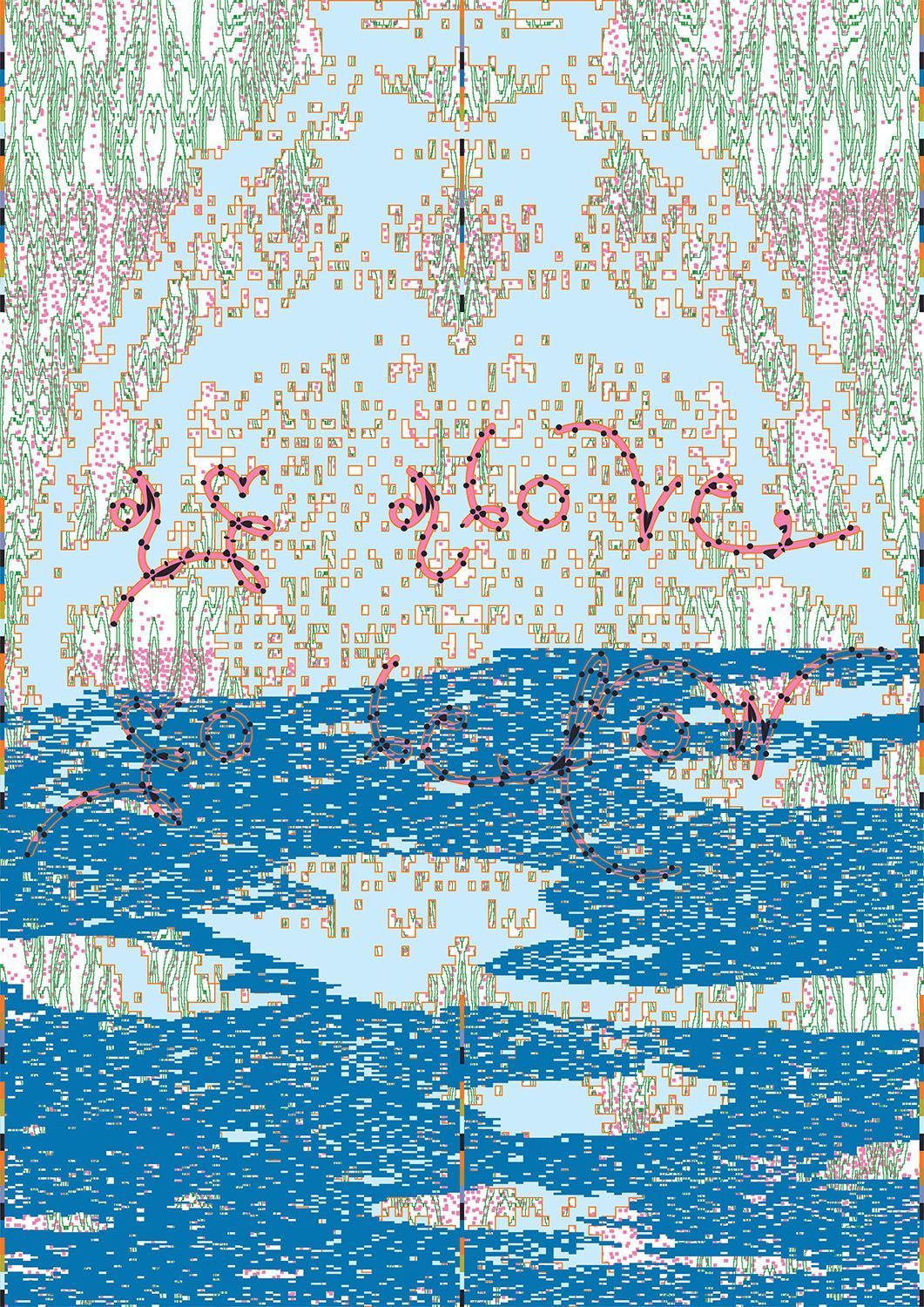
What role does intuition play in your process?
Intuition plays a huge part in my process. I always try to listen to my gut feeling because it’s always right. I know it doesn’t work for everyone, but for me it really is my inner guide. When I see an email asking for a new project, I have to feel that inner buzzing sound, almost like a little song, a “yes.”
I experience my intuition as an expansive feeling (yes) or a contraction (no), an excited sound (yes) or a draining one (no), or an immediate surge of energy and the need to move, or the opposite. But generally, I can sense whether I have energy for something or not.
“I always try to listen to my gut feeling because it’s always right.”
When I’m faced with a question, I feel more content when I first experiment with the ideas in my imagination and visualize the outcome before taking action. The same goes for design.
I can’t describe when a design is done, but I can feel it in every cell of my body.
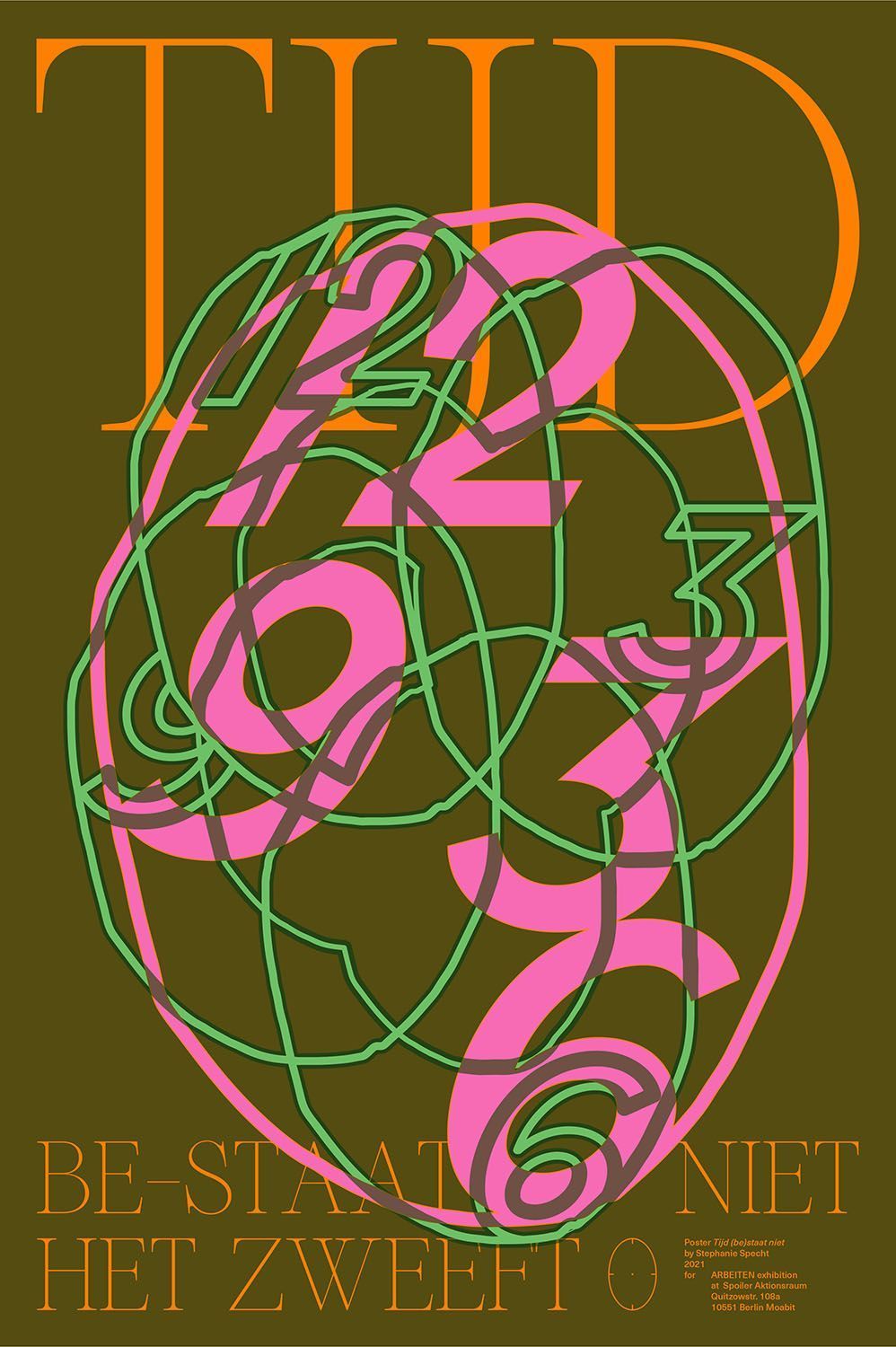
Is there a type of commission or medium you haven’t yet explored but would love to?
There probably is, I just can’t think of it right now.
I’ve done a lot of projects that I’ve loved and there are certainly thousands more that could be even better. Hopefully they’ll come. I’m very happy with what I’ve been able to do so far.
One thing that comes to mind is working for Rick Rubin. To me, he’s one of the few people in the commercial world who truly understands the creative world as I see it. So it would be a dream to design for him. But I’d be happy just having a conversation with him in real life, actually.
Lastly, what’s your idea of beauty—in design, in life?
Beauty to me is something you can see or hear, something you experience with your senses. For me, it has nothing to do with rational thinking, but rather with emotions and feelings.
I think the beautiful things we perceive are usually things that we resonate with, that we understand. And if we don’t understand it, we are so energetically affected by it that we want to grasp it.
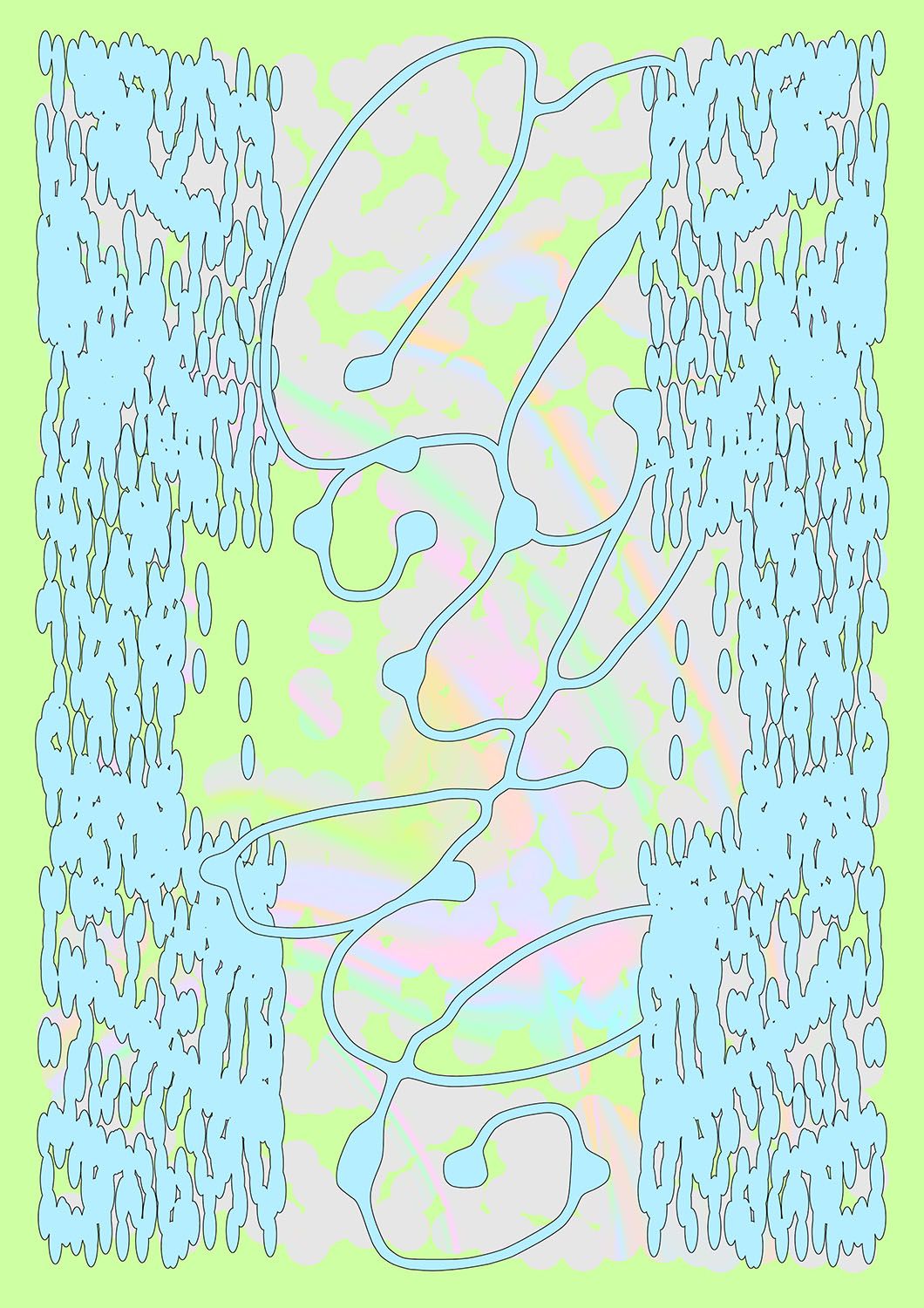
Aesthetics can also refer to imperfect beauty, and perfection can be understood either as technically correct or something that simply feels perfect. I value emotions and authenticity more than aesthetic perfection. A work should feel authentic, as if one person made it from the right state of mind and heart.
“Beauty to me is something you can see or hear, something you experience with your senses.”
What advice would you give to emerging designers who are just beginning their journey?
It may sound cliché, but it’s true: stay true to who you are. Follow your heart and your own path, even though it can seem blurry at first. If you’ve ever experienced such an intuitive reaction to something (as I described earlier), then I encourage you to respect that and develop it further. Also, creating your own work has so much value in a creative person’s life—if you have the time and feel like it. It’s a space for yourself, without clients and without deadlines, to grow, to experiment, and to make mistakes.
Making mistakes is very important, the greatest learning experience actually. I think I’ve learned more from my mistakes over the years than I ever learned in school.
“It may sound cliché, but it’s true: stay true to who you are.”
And finally—what can you share with us about your upcoming talk at Us by Night 2025?
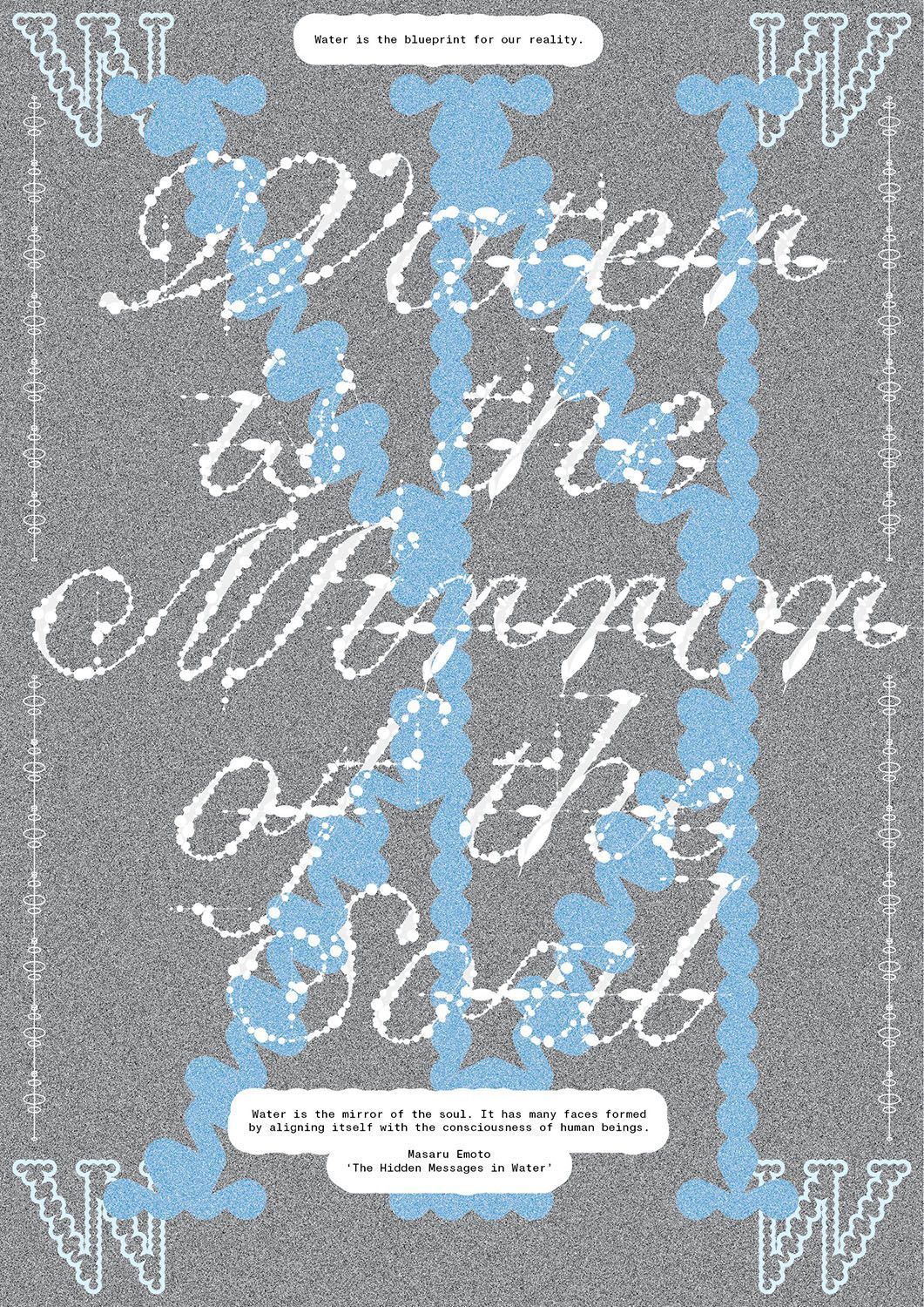
It will focus on creating your own work and experimenting, and how that brings value and can actually attract big clients. It’s a talk that blends commercial insights with deeply personal elements. There is also quite a focus on the theme of water. That’s something that has crept into my last few lectures, without me even realizing it.
It’s a beautiful symbol for my work: water takes the shape of its container. Water has a consciousness and can communicate. I like the idea of being like water: soft, flowing, adaptable, sometimes intense, sometimes quiet—but always powerful.
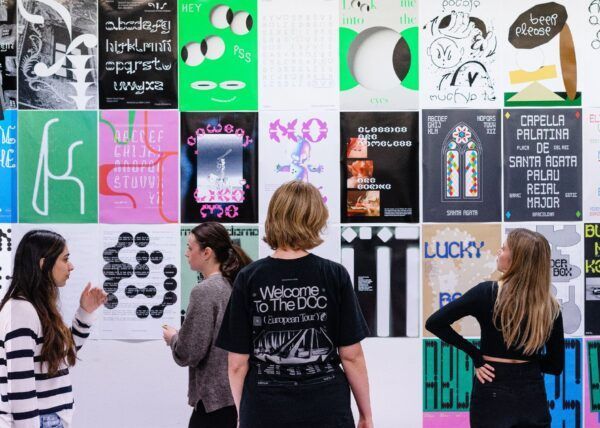
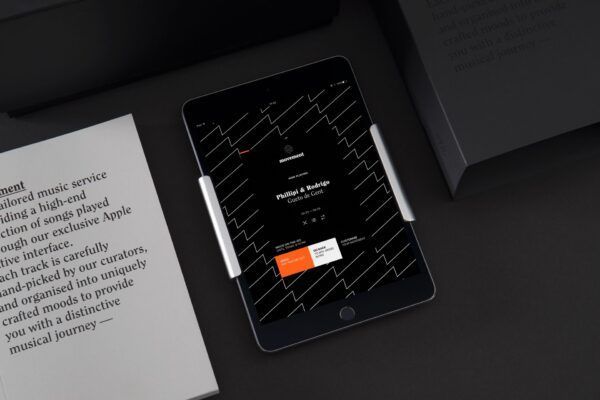
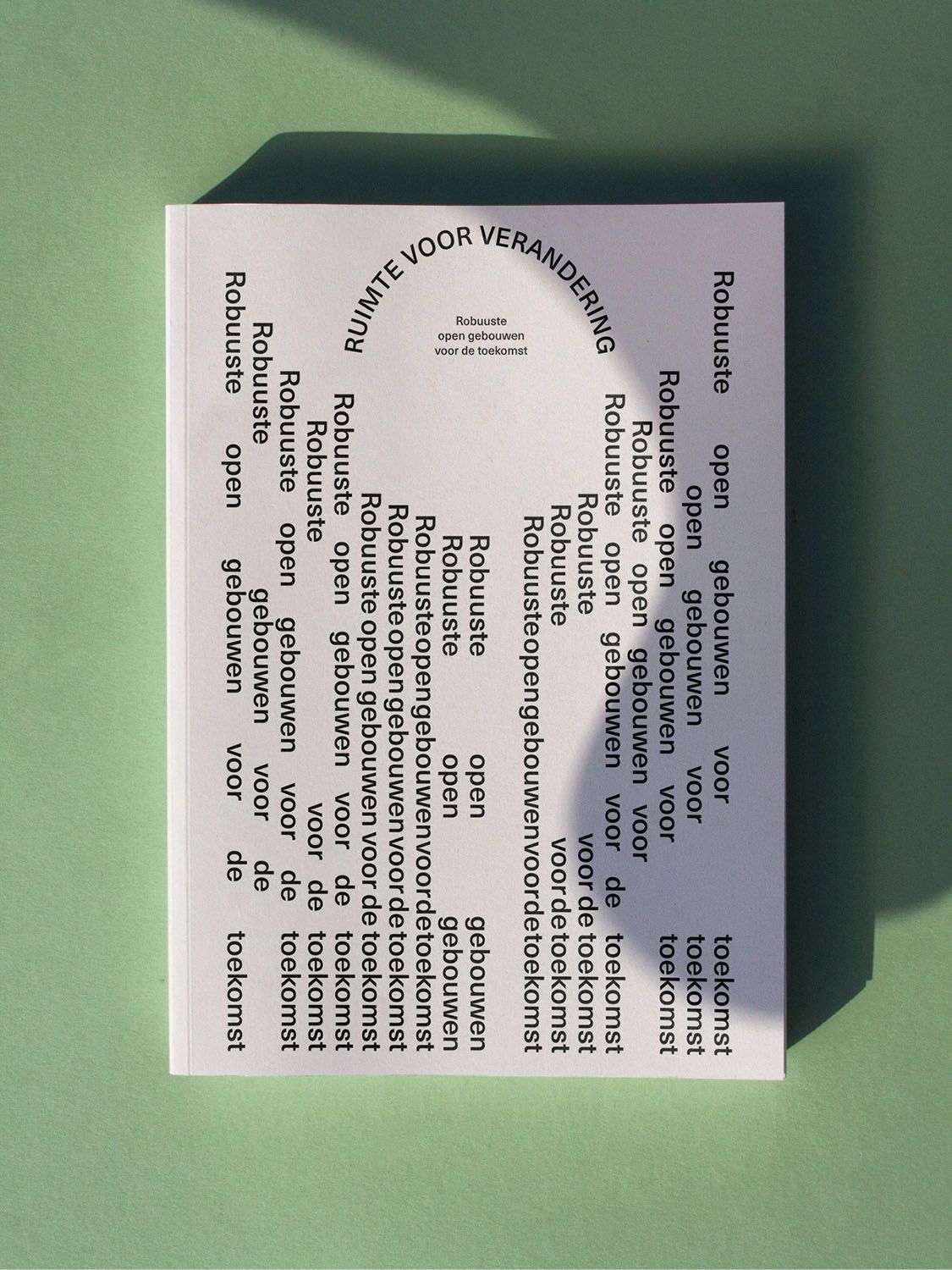
(*) Images by Stephanie Specht.