València Design Fest 2026: a city that creates
Over three days, València Design Fest 2026 opened the doors to Jaime Hayon’s world, Andrea Savall’s photographic vision, contemporary Polish craft and the art housed in Palacio Valeriola. A journey across disciplines that brought us closer to València’s creative scene.
There is something particularly inspiring about getting to know a city through the people who create there: stepping inside their studios, discovering the spaces they have brought back to life and hearing what interests them, what they preserve and what they want to transform. Last week, with the support of Visit València, we returned to València to explore part of its design festival. The programme encouraged us to look more closely at both the objects and the people and knowledge behind them.
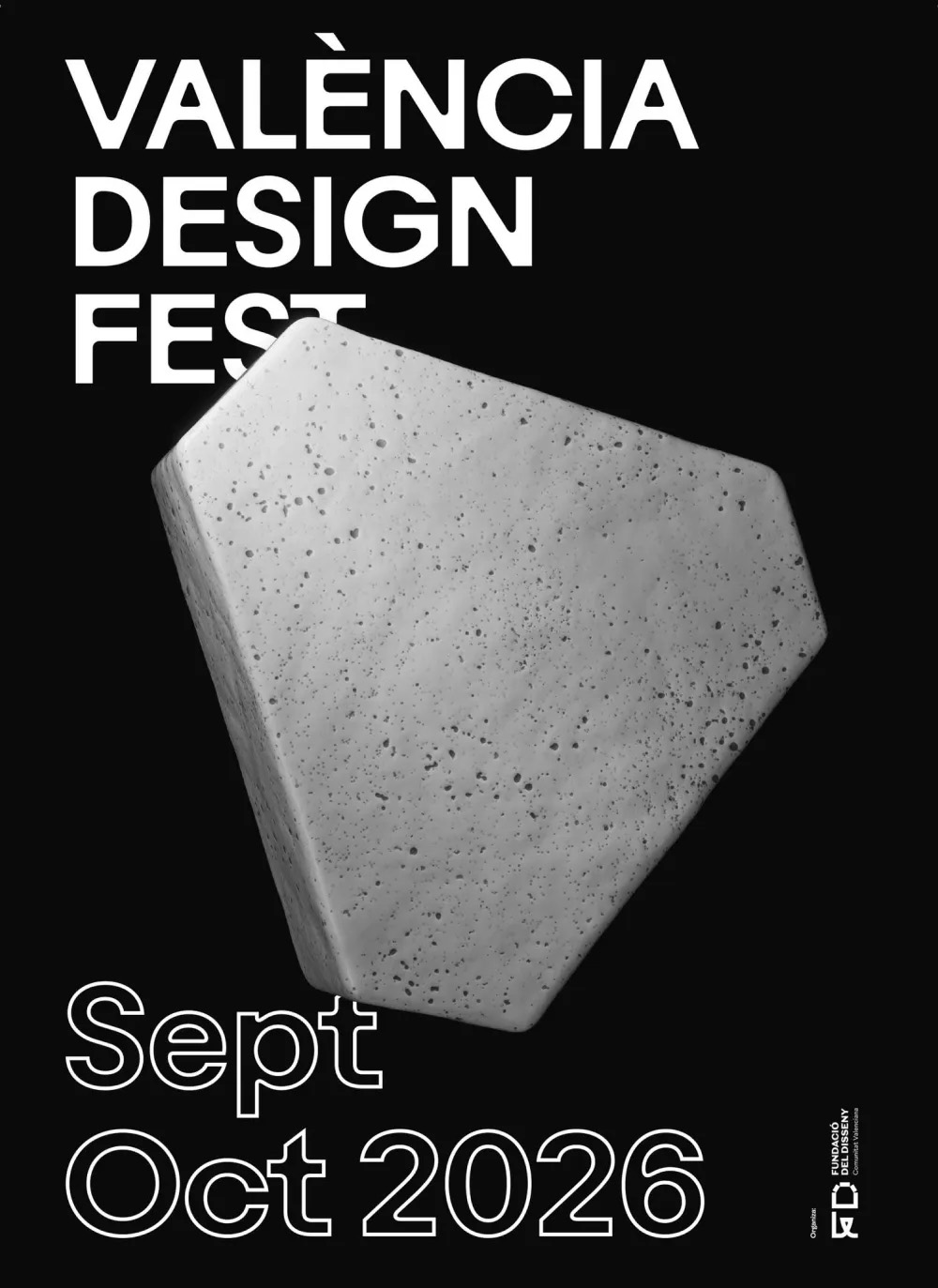
Organised by the Fundació del Disseny de la Comunitat Valenciana, the festival celebrates its fourth edition with more than sixty activities and Poland as its guest country. Through exhibitions, visits and conversations, our stay brought us closer to different ways of understanding design.
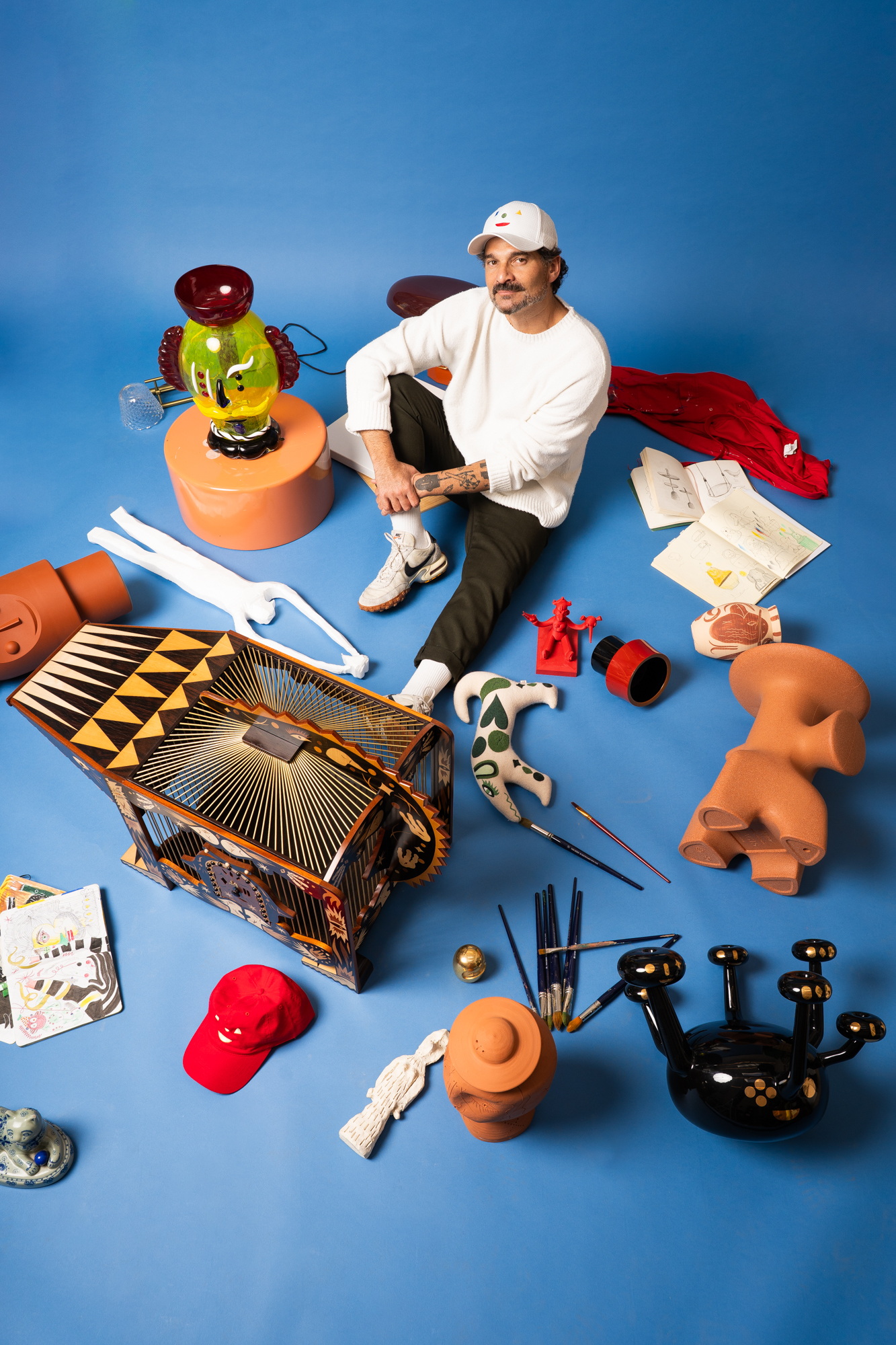
Jaime Hayon, Yonoh and CuldeSac: where ideas begin
We began at the studio of artist and designer Jaime Hayon, whose creative base is in València. His work brings together art, design and craftsmanship in a world that encompasses objects, furniture and interiors, retaining a distinctive identity throughout his international career. There, we gained an insight into the setting in which he develops his work, connecting the city with projects around the world.
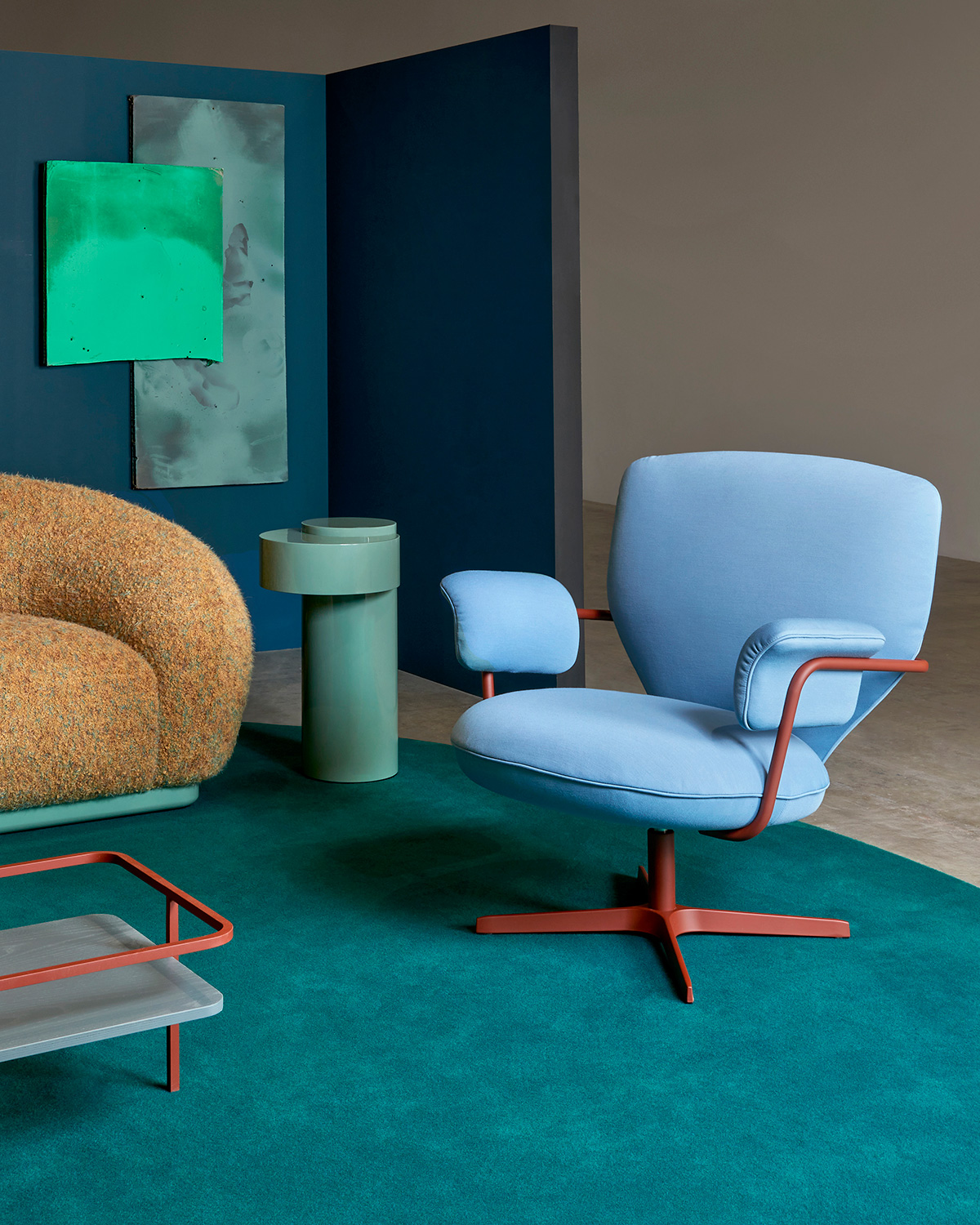
At Yonoh, founded by Clara del Portillo and Álex Selma, we discovered how functionality, attention to detail and a distinctive design language come together in their furniture, lighting and objects. We were particularly interested in how they adapt their work to different manufacturers without losing their identity, always attentive to how each piece is used and its relationship with everyday life. Visiting their studio gave us a closer understanding of this approach to design.
At CuldeSac, we met the team at their new headquarters, still under construction. It was surprising and stimulating to discover how they approach their projects in a space that was itself taking shape. Their starting point is always the client’s business: understanding what it needs and how design can contribute to its objectives. From this perspective, they connect brand strategy, spaces and experiences that go beyond aesthetics to address specific needs. This philosophy positions design as a key business tool, an approach they have developed through projects for brands such as TOUS, HOFF and WOW Concept.
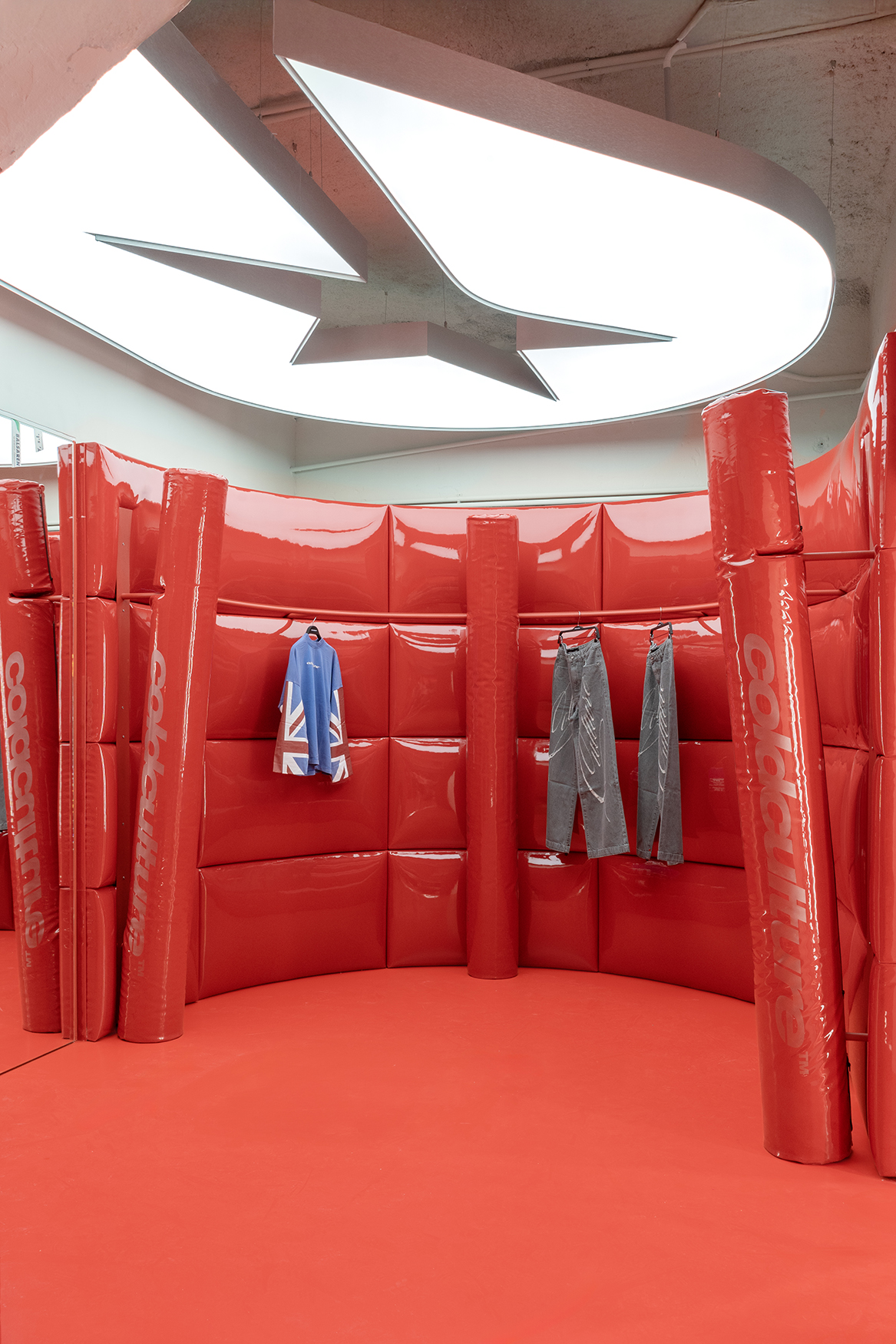
Gnomo and design as part of city life
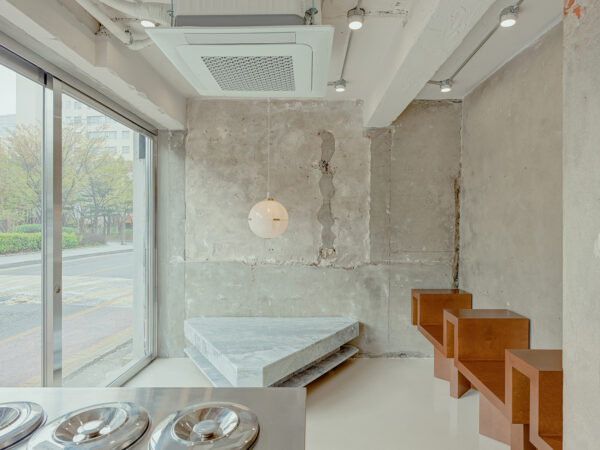
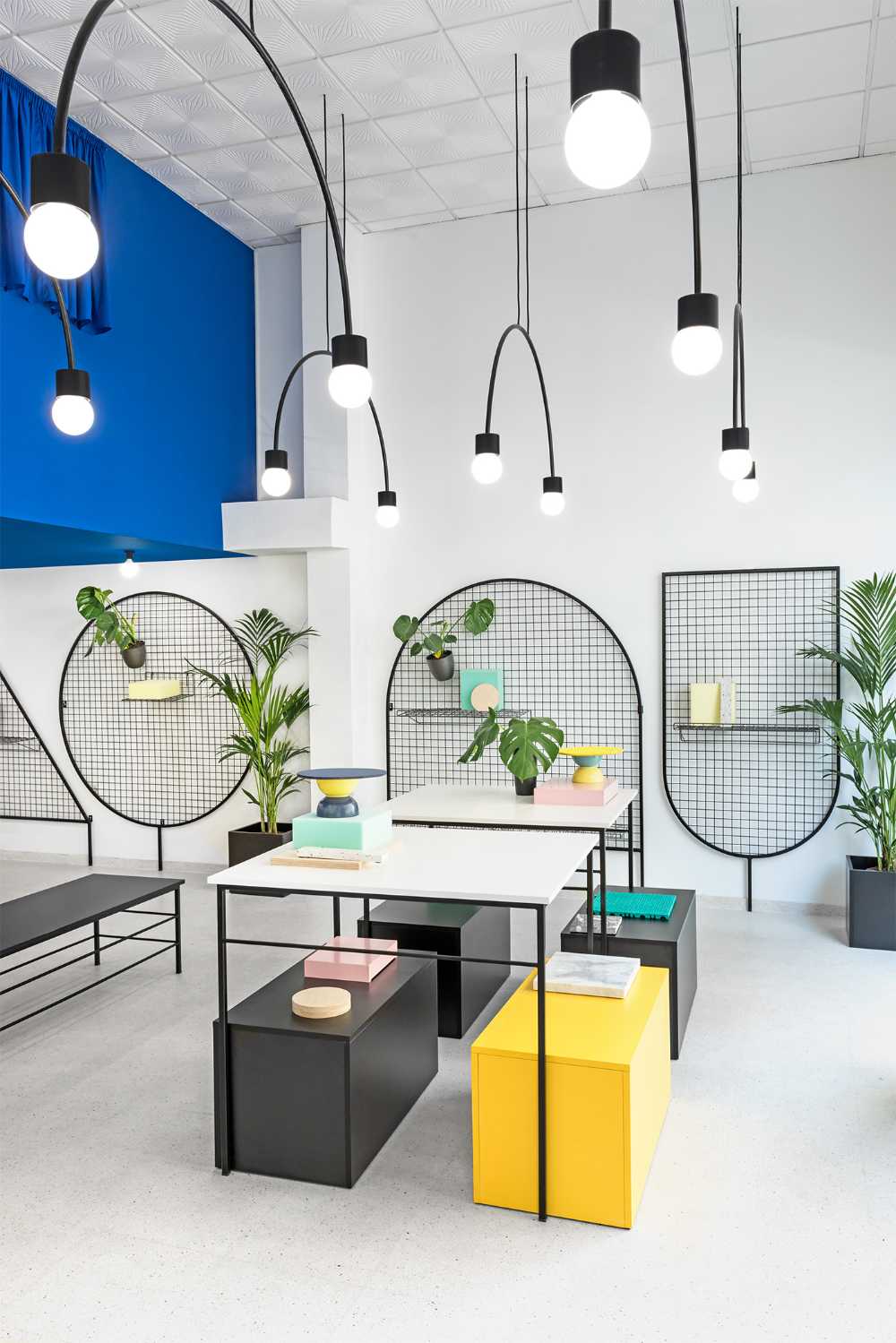
Our stop at Gnomo, the shop founded by Esther Martín and Álvaro Zarzuela in Ruzafa, introduced us to an approach to design rooted in humour, originality and the pleasure of discovering objects with a story. Its selection of illustration, home accessories and gifts has a distinctive personality: pieces that surprise and bring an unexpected touch to everyday life.
The space, designed by Masquespacio, reflects this spirit through nods to the 1980s, accents of blue and green, and flexible displays that allow the shop to reinvent itself with each new discovery.
Our exploration of the relationship between design and the urban environment continued with “Design, the City and Design Policy”, at the Colegio Territorial de Arquitectos de València, with Reyes Pe, Nuria Matarredona, Felix Kosokand Kike Correcher. The conversation explored the connections between design and public policy, a subject that influences how spaces are planned, professional expertise is incorporated and a creative community is supported.
Centro de Arte Hortensia Herrero: heritage and the power of Kiefer
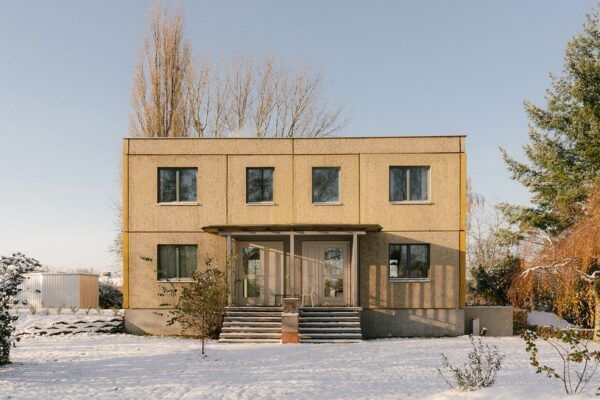
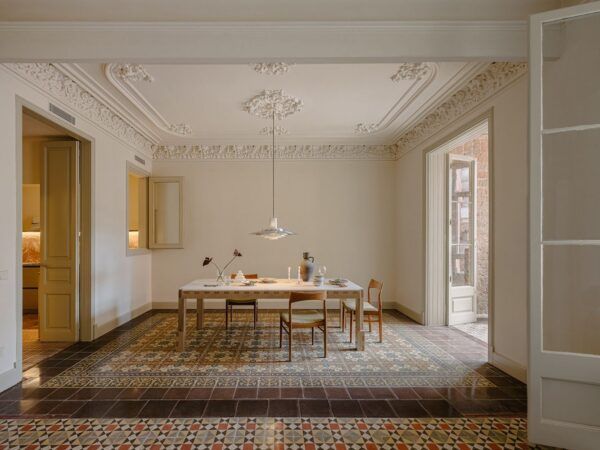
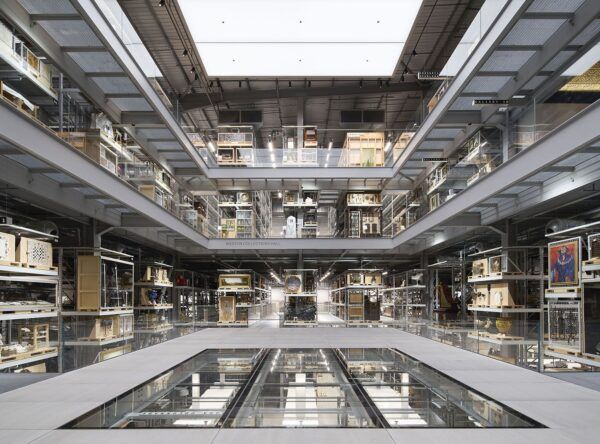
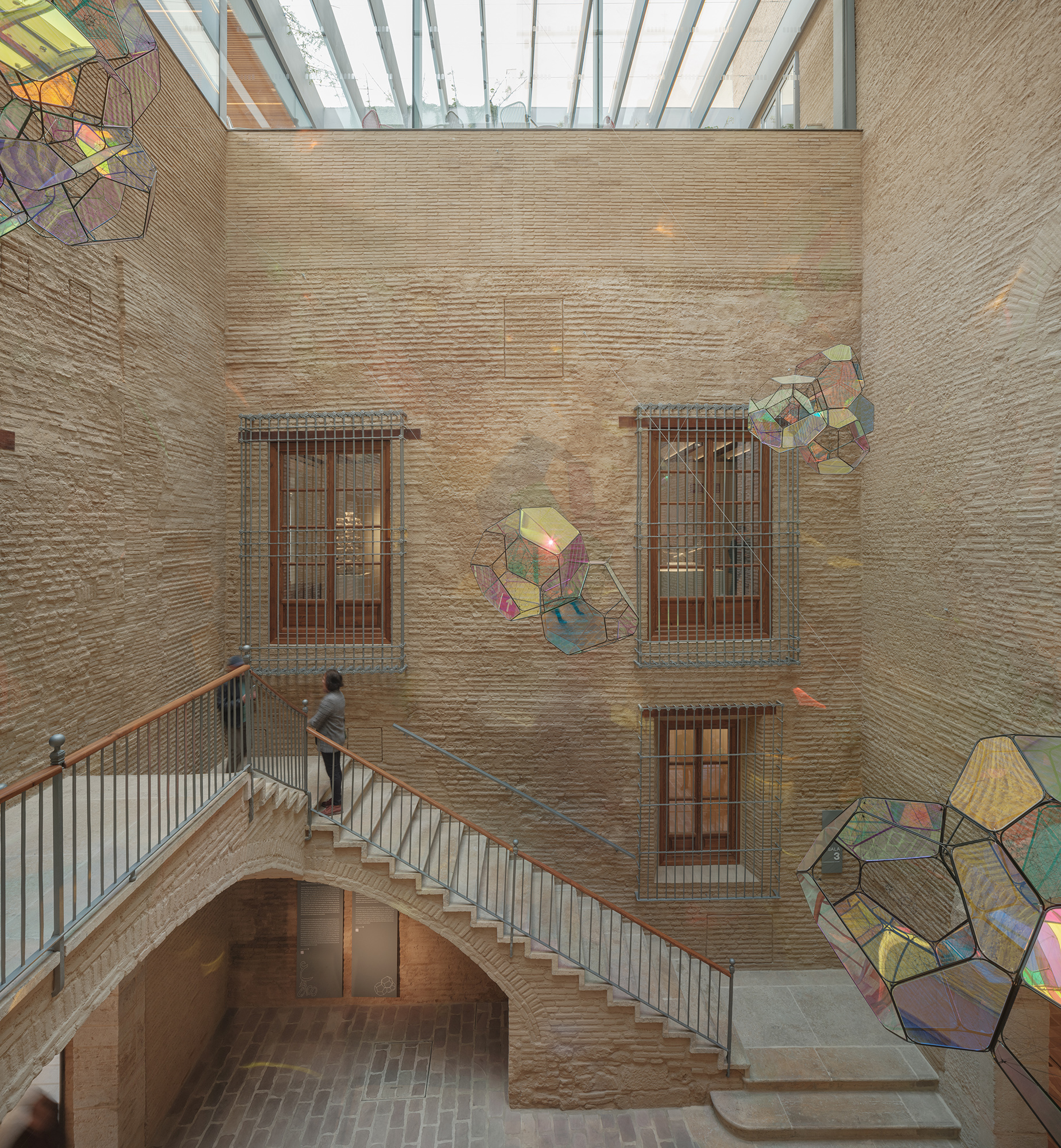
The Centro de Arte Hortensia Herrero was one of the visits that brought together our interest in art and architecture. Its home, Palacio Valeriola, is a 17th-century Baroque building restored by ERRE Arquitectura over five years. Opened in 2023, it preserves historic features and incorporates the remains of the Roman circus discovered during the works, which visitors can explore below ground.
The architectural intervention connects the palace with the building facing Calle de San Cristóbal through a landscaped courtyard. This layout allows visitors to discover the different levels of the complex and explore a collection featuring artists such as Andreas Gursky and Anish Kapoor, alongside works conceived specifically for the centre by Cristina Iglesias, Olafur Eliasson and Mat Collishaw.
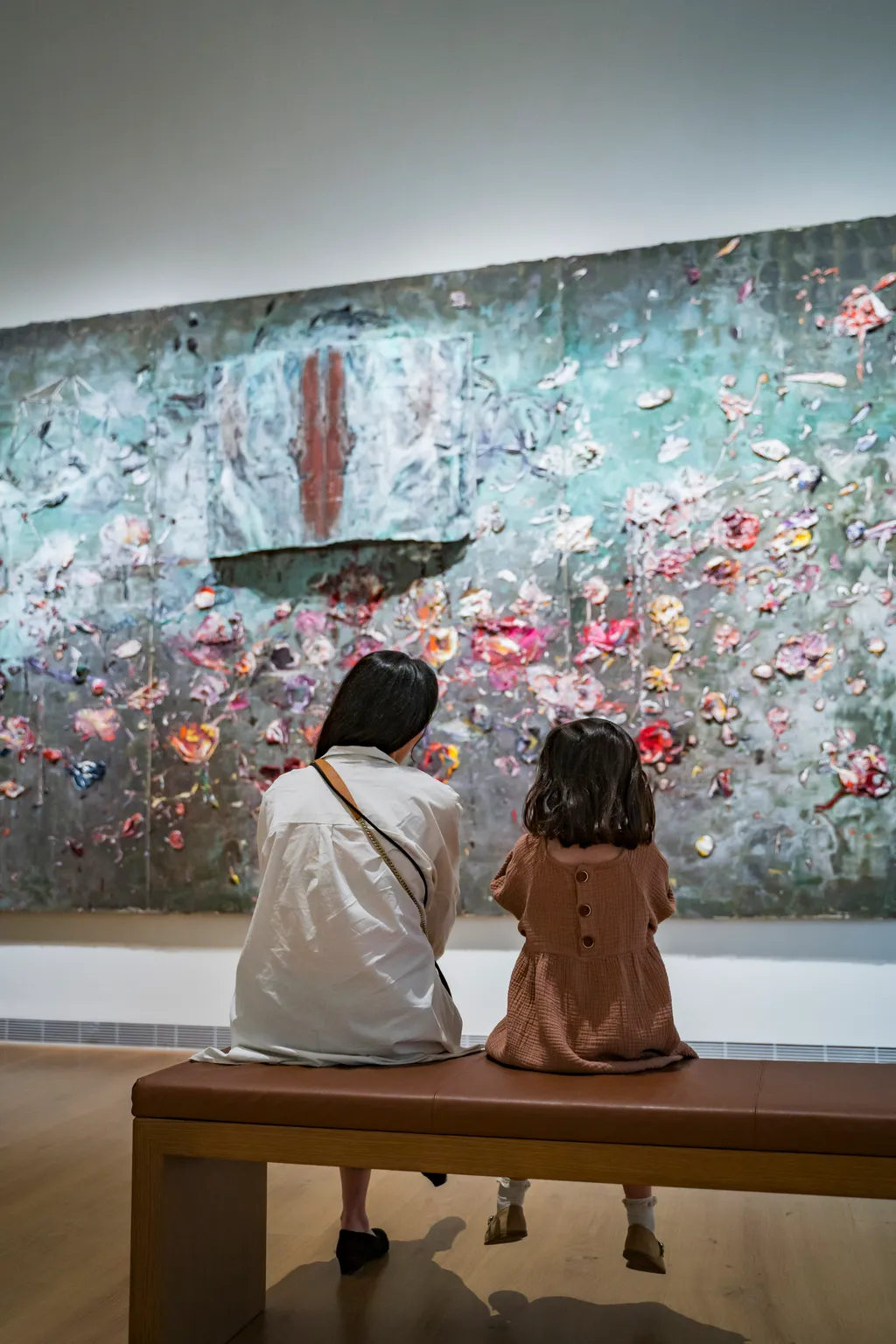
The centre also hosts its first temporary exhibition, dedicated to Anselm Kiefer, which occupies six galleries and brings together eleven works. The scale of the pieces and the intensity of their surfaces invite us to linger over paintings in which the materials themselves become part of the narrative, with references to history, landscape, literature and mythology.
The exhibition runs until 25 October 2026, and it is well worth setting aside time to explore his world.
Between visits, we had lunch with Cristina Salavert, Communications Manager at Andreu World, at Ma Khin restaurant in the Mercado de Colón. It was an opportunity to discuss design and sustainability with a Valencian company that has made the relationship between the two one of its defining characteristics.
“Que no es miga” by Andrea Savall: the women sustaining a legacy
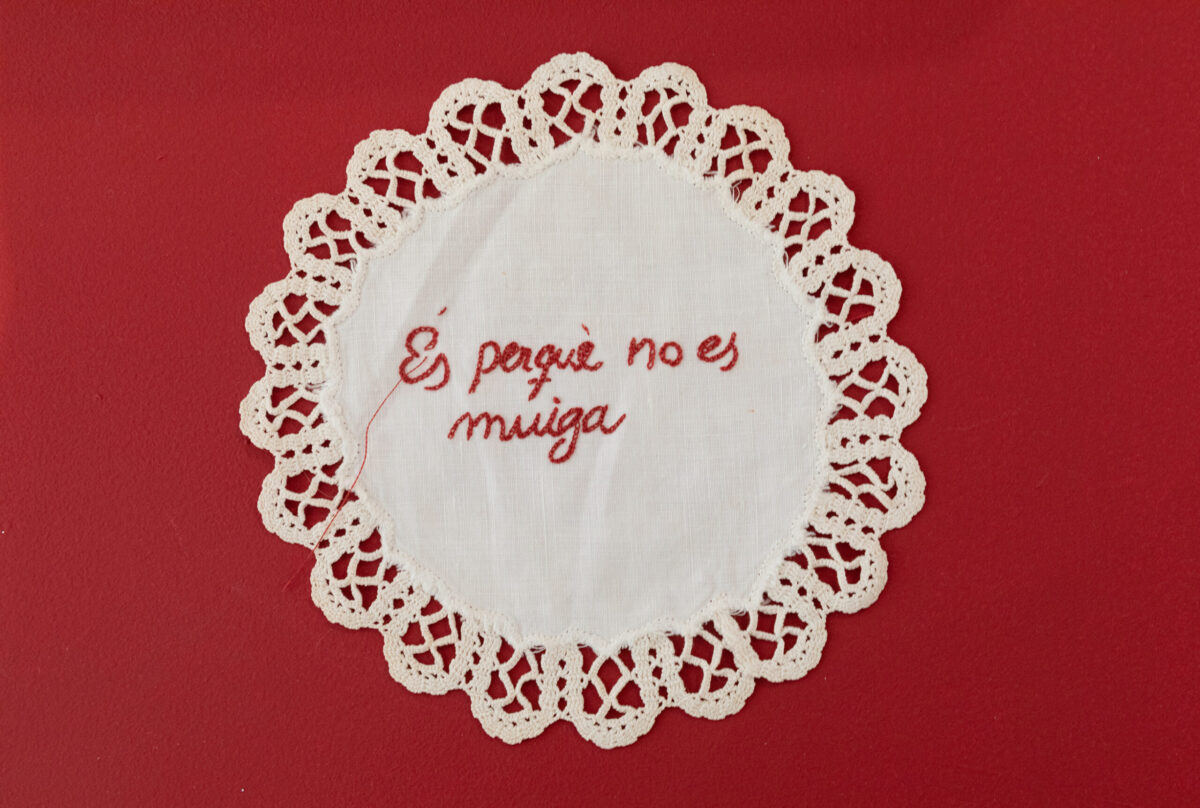
At the Museo Nacional de Cerámica y Artes Suntuarias González Martí, “Que no es miga”, by Andrea Savall, introduced us to a collective memory preserved by women.
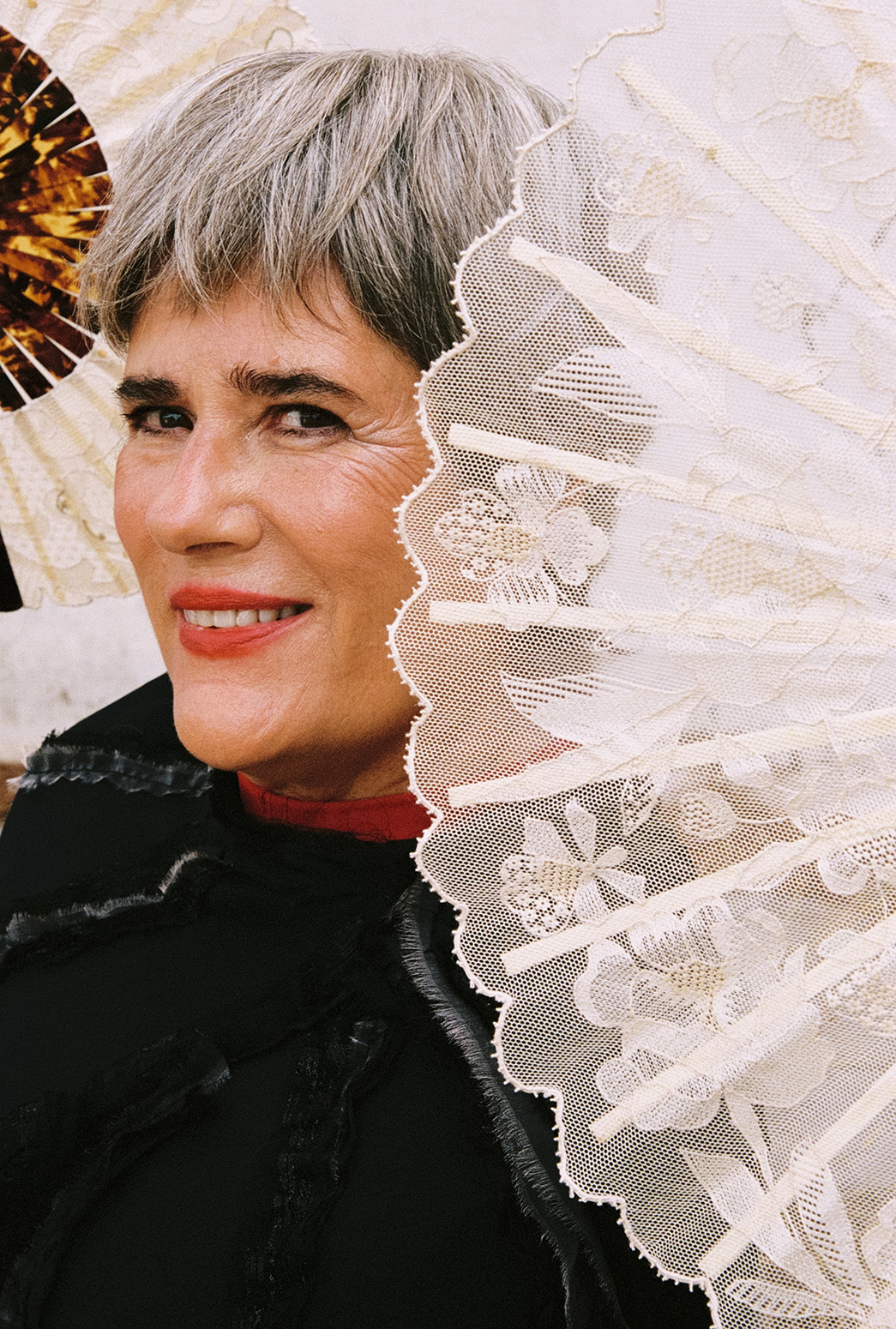
Part of Tiempo + Materia, the programme curated by Estudio Savage together with the Fundació del Disseny, the exhibition brings together embroidery and original pieces of bobbin lace alongside photographs of the women who keep these crafts alive. Savall portrays them in contemporary styling as well as in their everyday surroundings, giving prominence to their faces, their hands and the ways they spend time together.
The project draws on family memories and connects with the seamstresses of Alcoy and the Associació de Bolilleres i Artesanes del Fil de Oliva. Sewing provided a setting in which techniques, remedies, stories and ways of understanding the world were passed on. Gathering together also allowed women to share their concerns, learn from one another and have a space of their own. That shared time is part of the legacy the exhibition invites us to recognise.
We were moved by Andrea’s perspective, by her ability to pay attention to these women and give their work the recognition it deserves within culture and art.
By bringing the pieces together with portraits of their makers, the exhibition allows us to appreciate the skill, sensitivity and years of practice behind each one, as well as the value of a collective activity that builds connections and sustains a community.
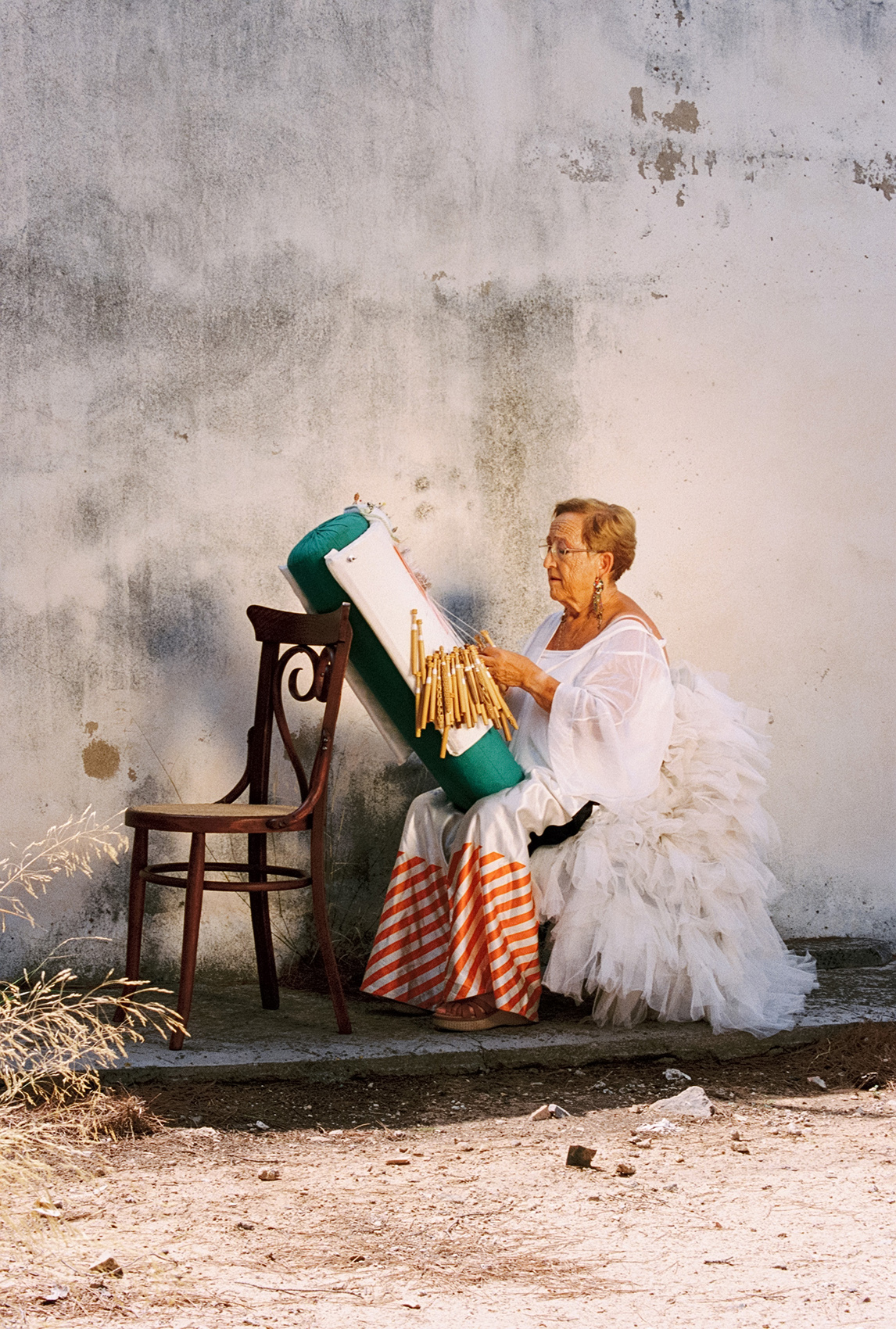
The wish expressed in the title, “may it never die”, takes on meaning through these women who continue to gather, create and teach. Discovering their stories encourages us to value both what they have inherited and what they contribute, and to nurture the conditions that allow this knowledge to continue passing from one pair of hands to another. The exhibition remains open until 31 October.
Tiempo + Materia: telling the story of craft
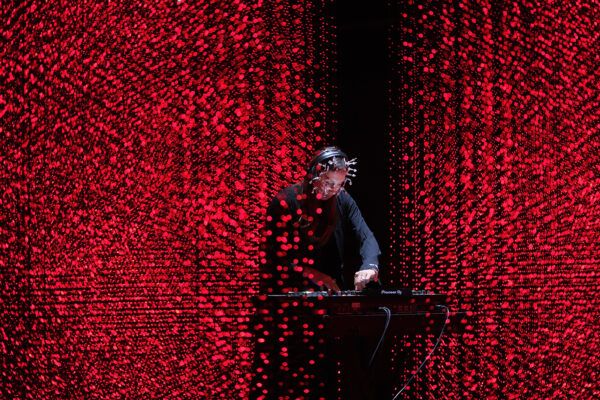
How can we convey what happens in a workshop and spark the interest of those who have never stepped inside one? This question ran through “Craft as Image”, a conversation held as part of “Other Ways of Remaining”, the fourth edition of Tiempo + Materia. The speakers were Liam Aldous, writer, curator and creative director, and founder of ColourFeel; Nacho Errando, film and advertising director; and Rafa Tomás, music producer and sound designer who heads Farmode. All three have collaborated with Loewe.
Listening to their different perspectives on communication, creative processes and sources of inspiration brought us closer to a question that particularly interests us: how images and sound can convey the knowledge, sensitivity and time embodied in a craft. Watching hands at work, hearing the contact with a material or following the transformation of a piece reveals details that the finished object does not always disclose.
A framing choice, the rhythm of a sequence or a sound can draw our attention to a gesture that might otherwise go unnoticed. This is also where the value of communicating craft lies: making visible what goes into each piece and awakening the curiosity to discover more. Social media extends the reach of these stories and can become a first point of entry into a craft, particularly for those who discover new creative references and ideas through it.
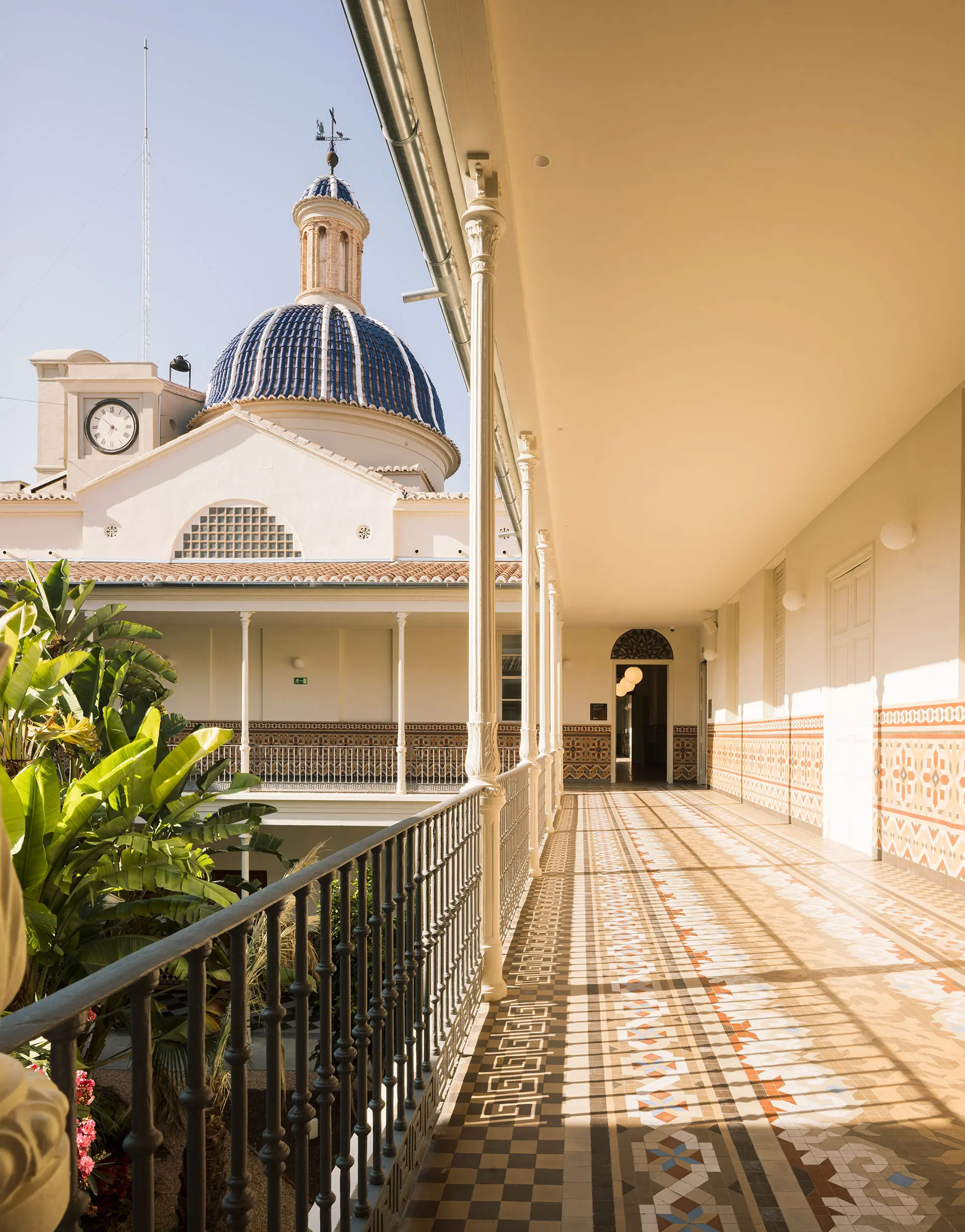
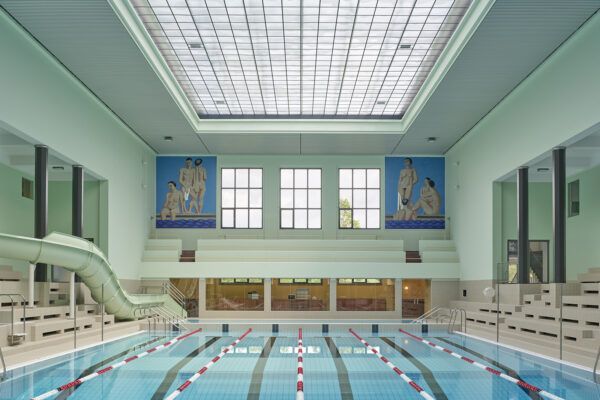
The setting also caught our attention: the Campus Turia of the Universidad Europea de Valencia occupies the impressive former Asilo de San Juan Bautista, restored by Ramón Esteve. The beauty of the building and the restoration of its historic architecture made it a particularly inspiring backdrop.
Pasaje 94 and contemporary Polish craft
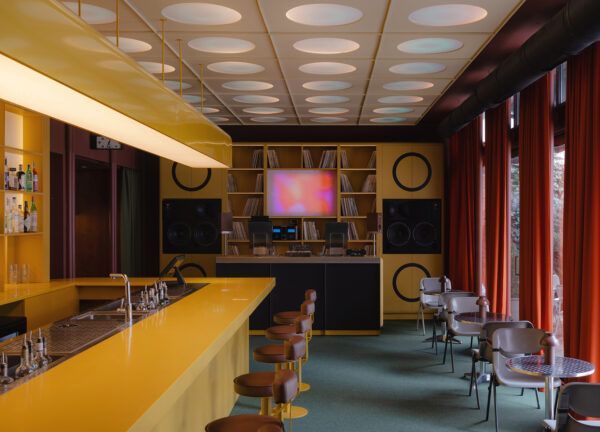
Pasaje 94 was another place we were delighted to discover. On Calle dels Trinitaris, Camila Chiodi and María Viglioccohave brought premises that had been closed for twenty-five years back to life, bringing together their architecture studio, a café and an exhibition space. We particularly liked their intention to open their workplace to the city and allow design to become part of an everyday visit.
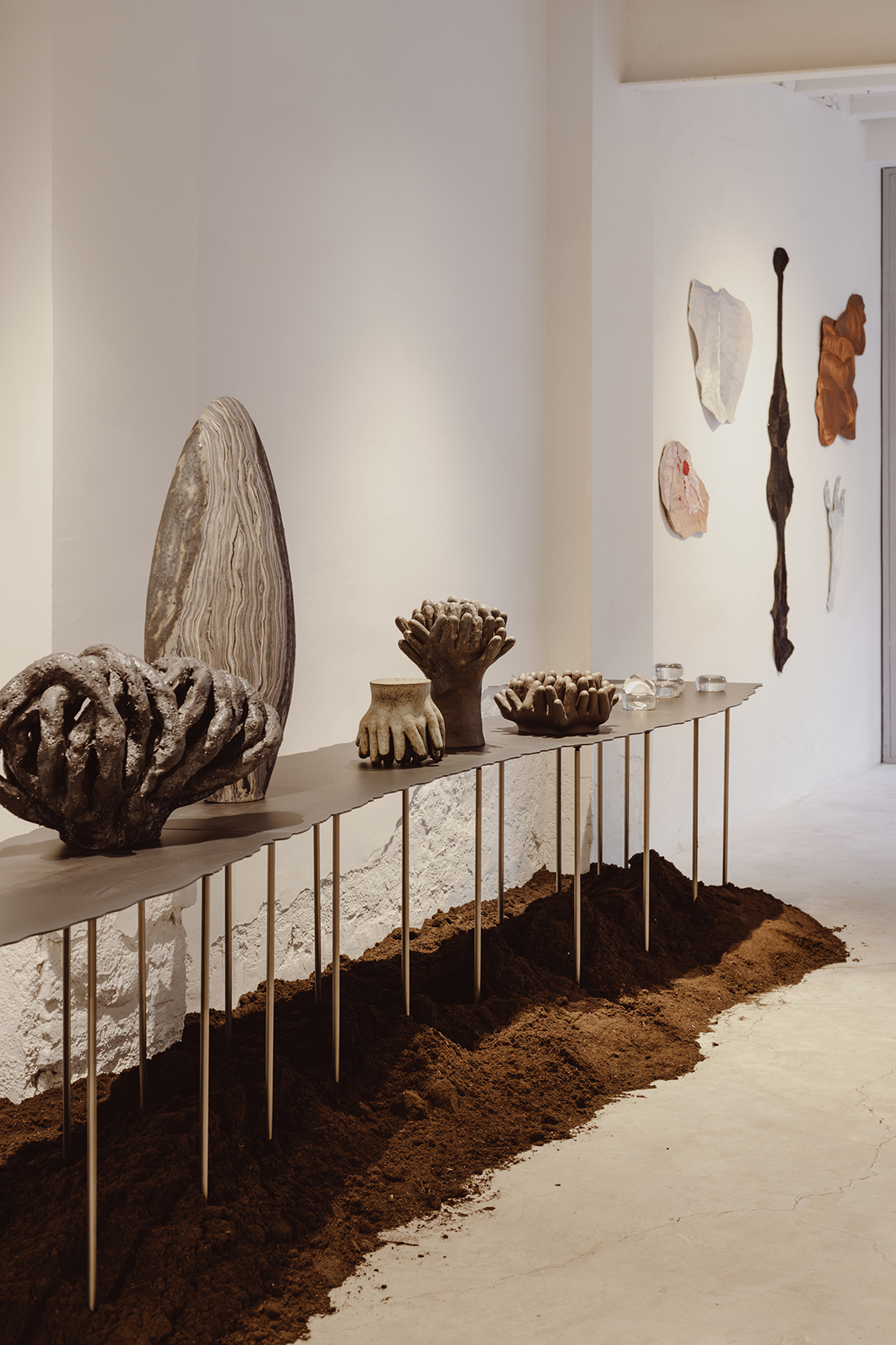
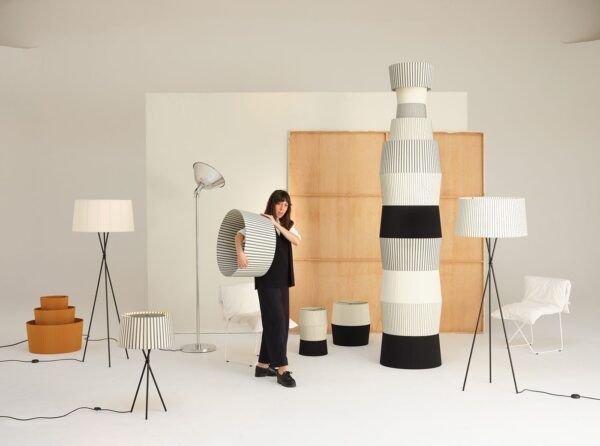
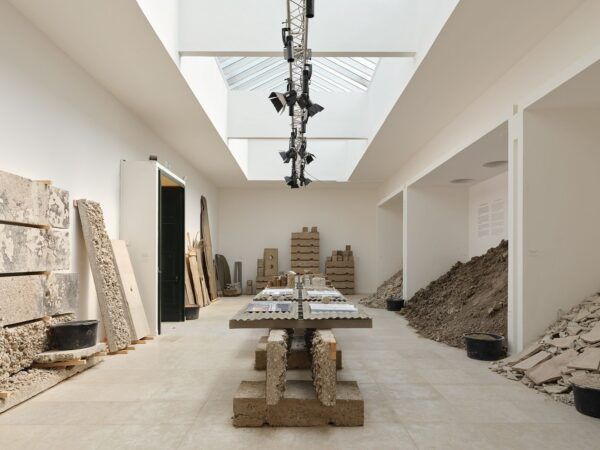
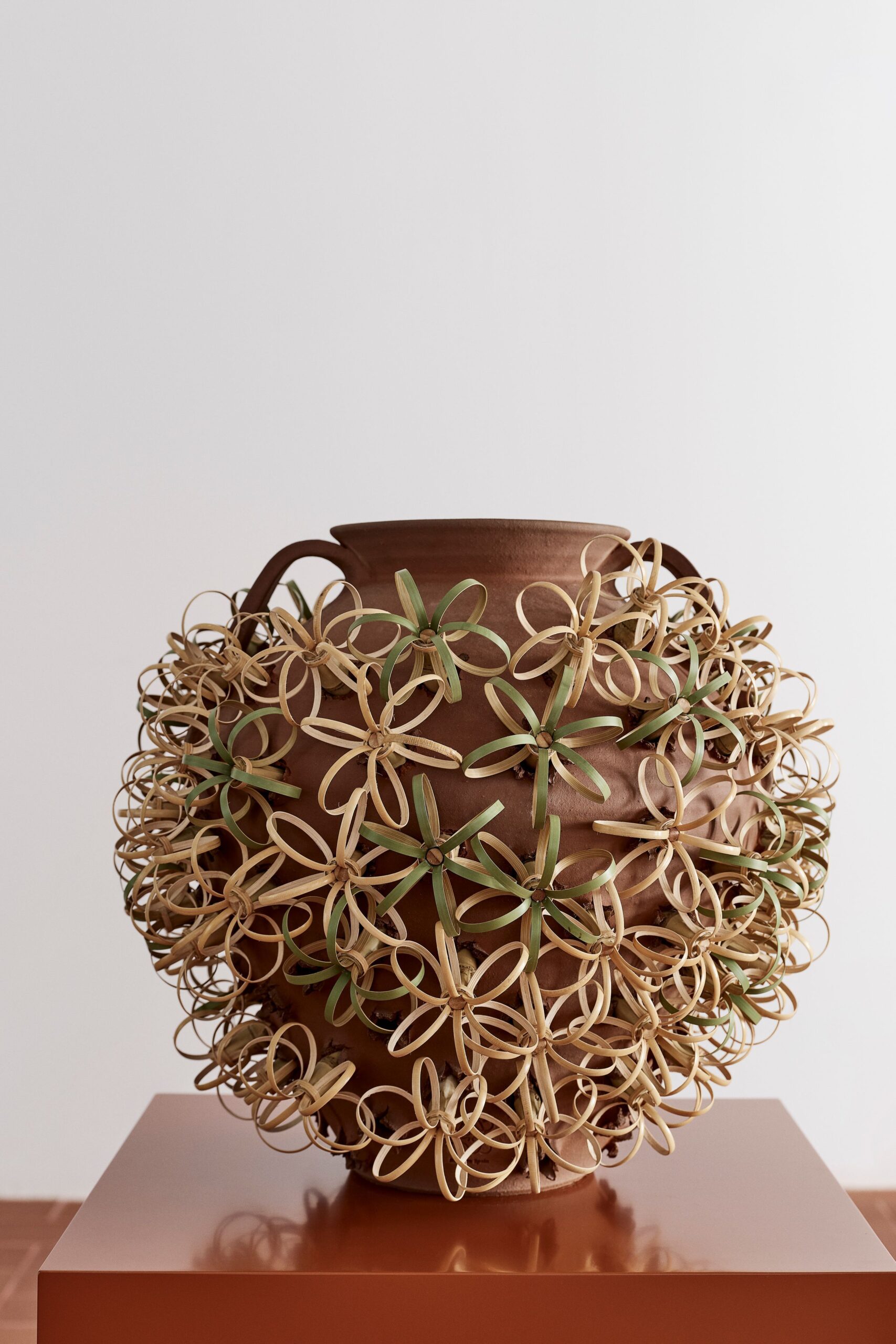
There, we saw “Crafting Reality: In Search of Alternative Habitats”, curated by Alicja Gluszek, which introduced us to contemporary Polish craft. The exhibition brings together ceramics, glass, textiles, wood, metal, paper and embroidery, with works that explore the possibilities of materials and the continuing relevance of inherited knowledge.
Its three chapters, “We Are Earth”, “We Are Roots” and “We Are a Path”, connect the origins of materials, the reinterpretation of traditional techniques and experimentation. We were interested in how these themes take shape through distinctive processes: Agnieszka Bar uses handwoven wicker structures to shape molten glass, while Maciej Gasienica Giewont works with green wood, allowing its knots, cracks and transformations to influence the pieces.
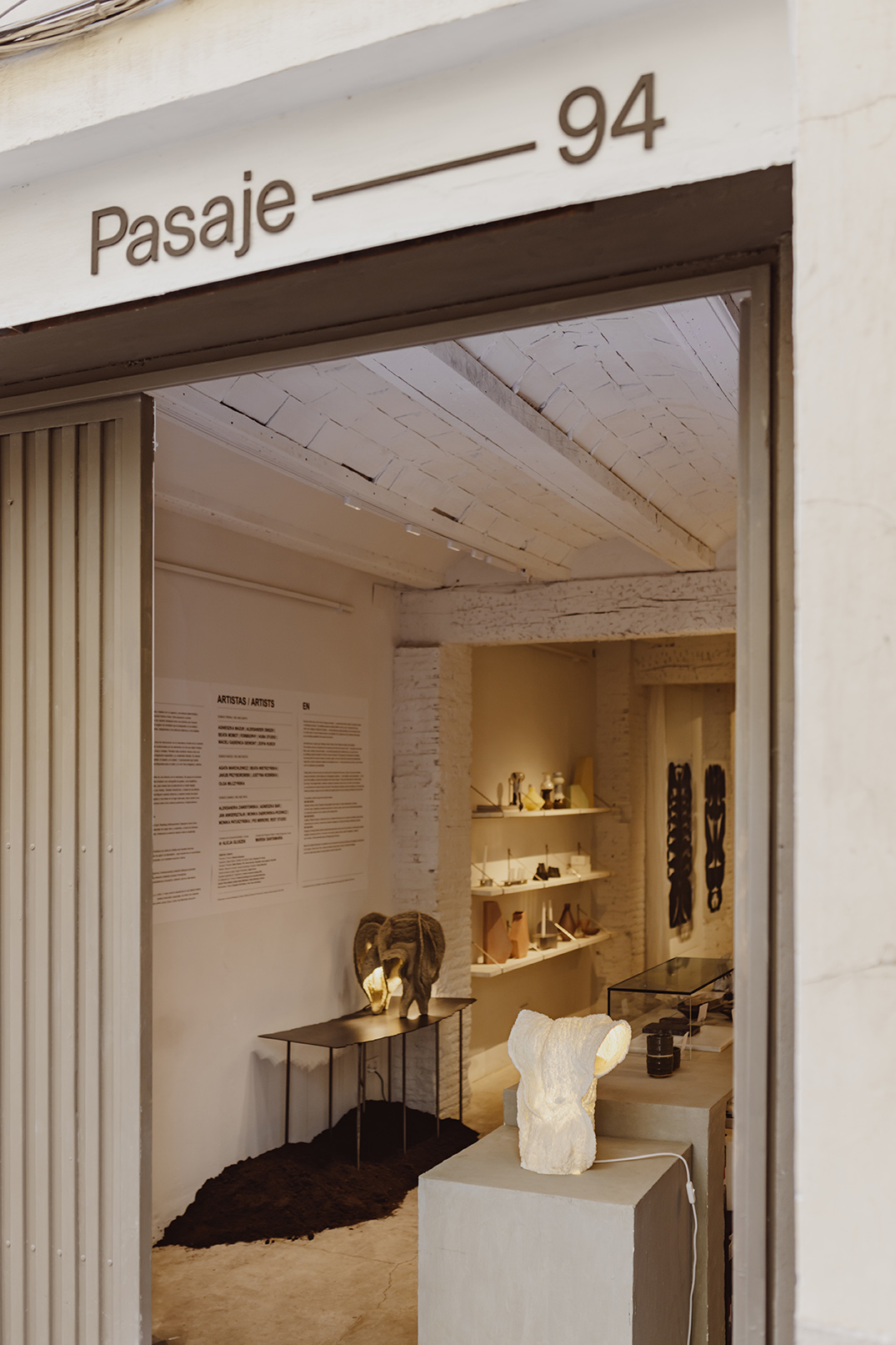
Discovering these processes encourages us to look at objects more closely, imagine the time devoted to working out how to make them and recognise how much knowledge informs every decision. The exhibition offers an opportunity to discover makers and practices, and to reflect on our relationship with the materials we surround ourselves with. It runs until 30 October.
The IVAM: a collection to look at anew
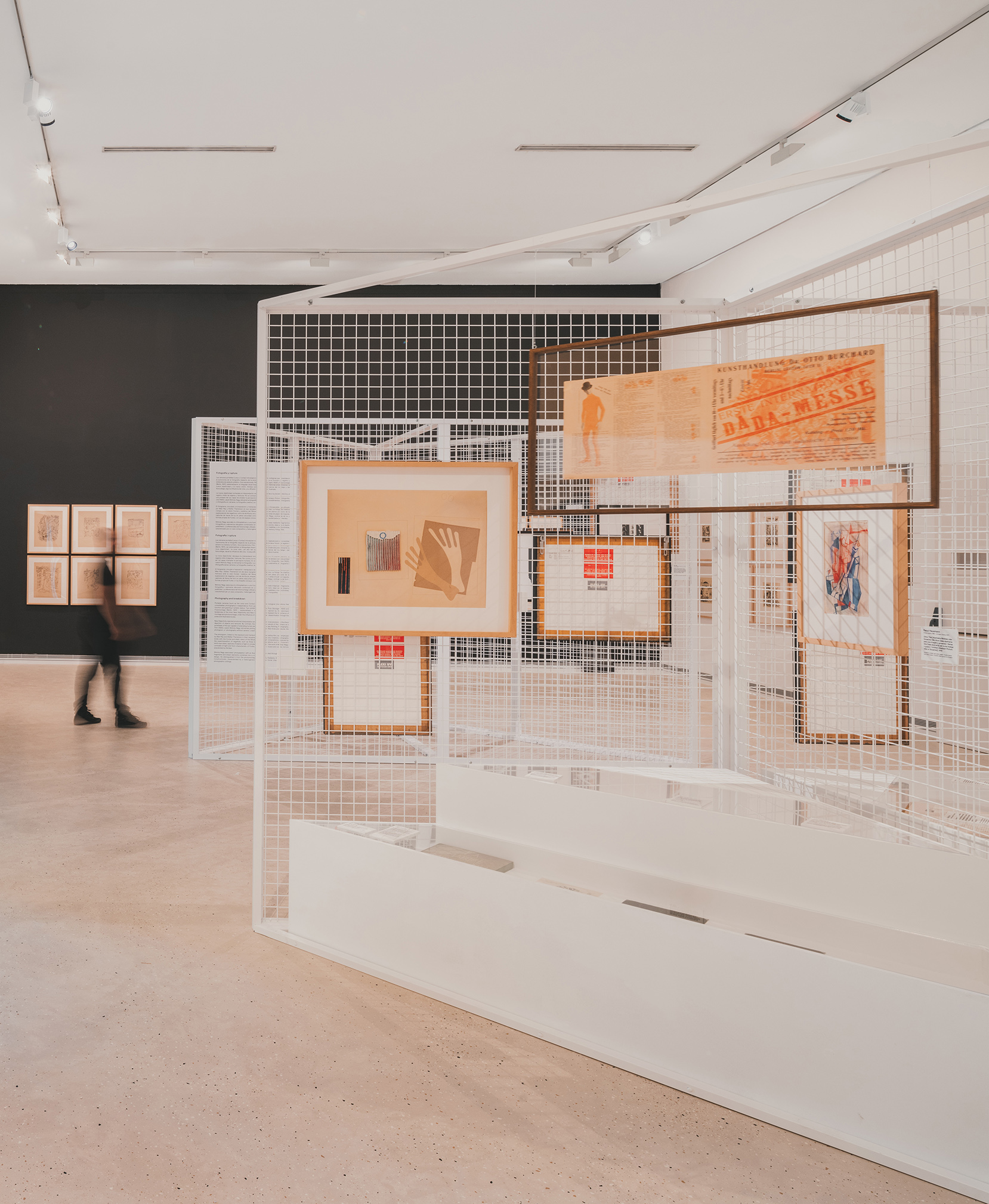
At the IVAM, we visited “The IVAM Collection up to the Present”, an opportunity to discover the richness of its holdings and explore some of the major transformations in modern and contemporary art. The exhibition brings together works by more than 260 artists, including Marcel Duchamp, Man Ray, Joan Miró, María Blanchard, László Moholy-Nagy and Cindy Sherman, placing pivotal figures in dialogue with lesser-known artists who broaden our view of art history.
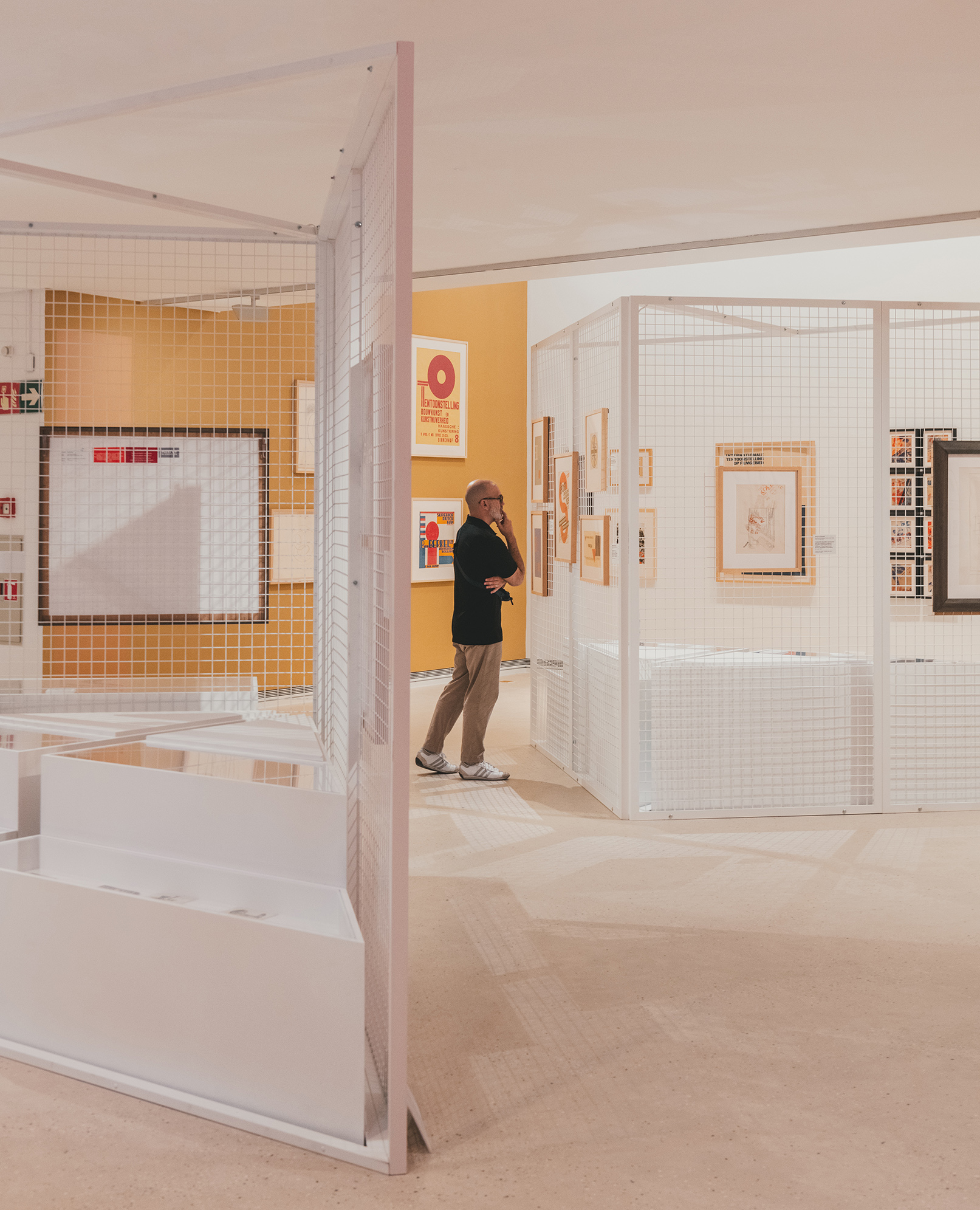
Its appeal also lies in the connections it proposes: visitors can follow the evolution of artistic languages and explore how art addresses identities, conflicts, ecologies and colour. It is an invitation to revisit familiar figures and discover other voices, as the museum re-examines its own collection and the absences that have shaped it. The exhibition design by Smart & Green Design, developed according to ecodesign principles, supports this journey, which visitors can explore until 23 April 2028.
We returned from València with new places to revisit and a desire to continue getting to know the people who shape its creative life. There are still exhibitions, conversations and plenty of opportunities to discover the city through design thanks to València Design Fest, so we encourage you to explore the programme, choose whatever sparks your curiosity and experience it for yourselves.
(*) Photography: cover and ‘Que no es muiga’ exhibition by Andrea Savall; Jaime Hayon by Giovanni Riccò; Crafting Reality by Alka Murat szybkie; Hortensia Herrero Art Centre by Pedro Pegenaute; IVAM permanent exhibition by Javier de Paz; Universidad Europea de Valencia’s Turia Campus by Ramón Esteve.