Beti-Jai: a beautiful historical fronton in the centre of the Chamberí district
Tucked away in the heart of Chamberí, between quiet streets and grand residential buildings, lies one of Madrid’s most unique, beautiful and little-known spaces: the Frontón Beti Jai. This architectural gem, with over 130 years of history, has just permanently reopened its doors to the public, bringing new life to one of the most extraordinary sporting venues of 19th-century Madrid.
A temple for pelota
The story of Beti Jai—which means “always joyful” in Basque—began in 1893, when renowned architect Joaquín Rucoba (also responsible for Bilbao’s Arriaga Theatre and City Hall, and Málaga’s bullring) was commissioned to build a grand frontón in the Spanish capital, driven by the growing popularity of Basque pelota at the time.
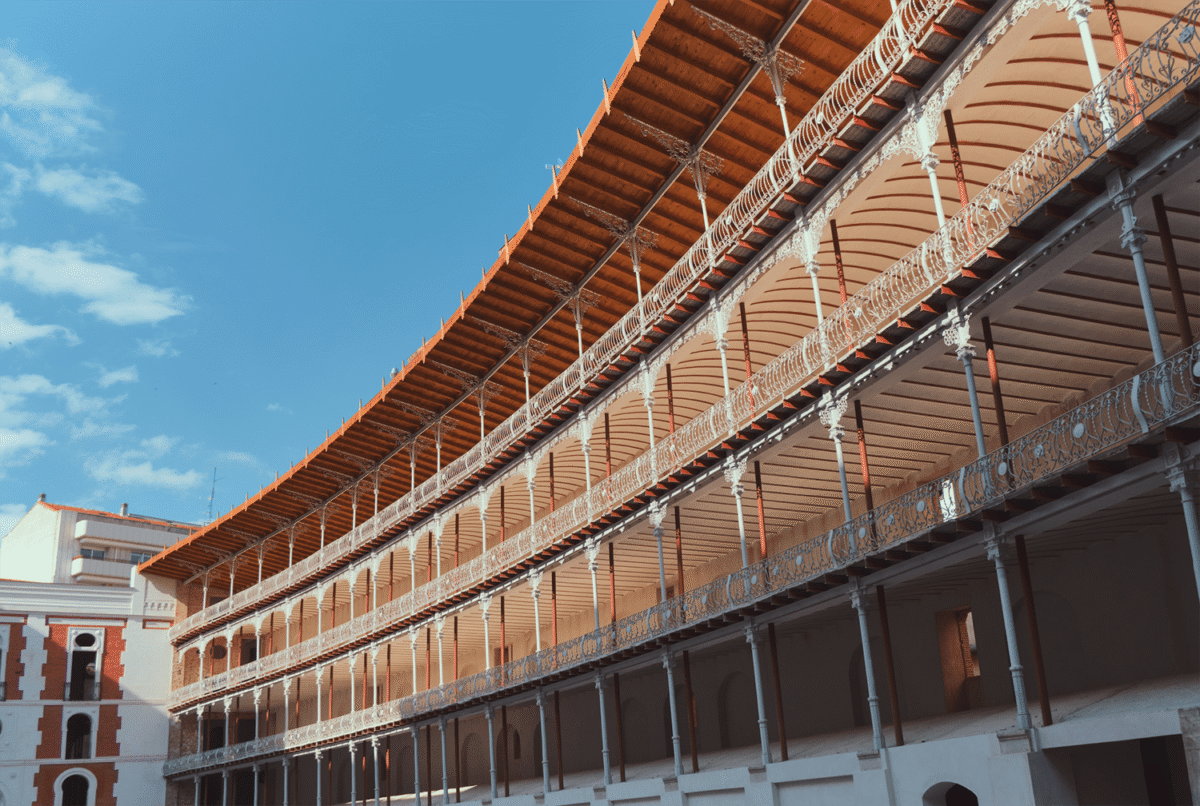
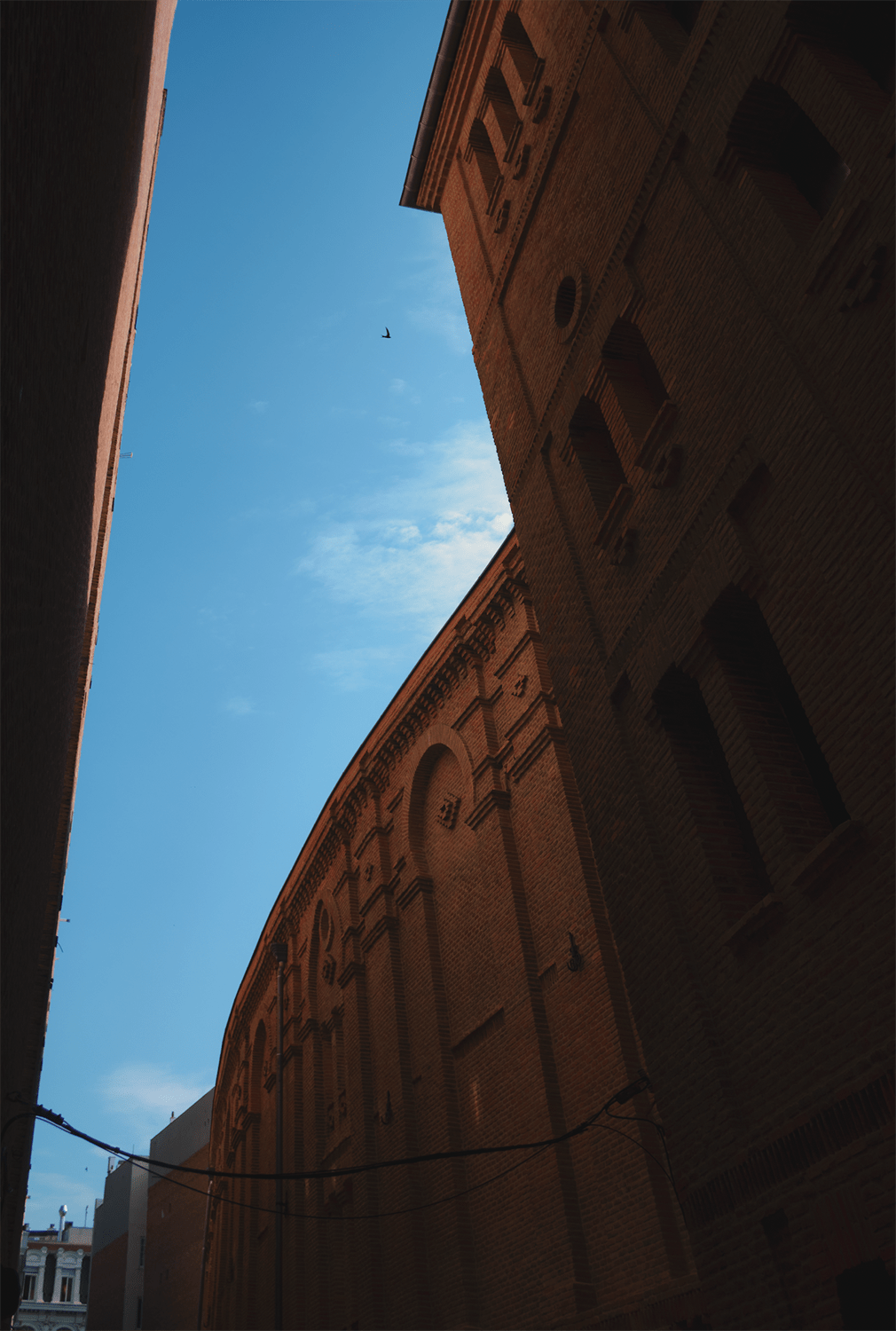
The venue was inaugurated on 29 April 1894 and quickly became one of the most important social and sporting hubs in Madrid. With a capacity of over 4,000 spectators, its design—blending neo-Mudéjar style with 19th-century industrial eclecticism—stood out for its elegance, acoustics and the graceful curves of its terraced seating. A true architectural spectacle dedicated to sport.

130 years of history, neglect and rebirth
Beti Jai operated as a frontón until 1918, after which it ceased hosting pelota matches. From then on, the building lived many lives: it became a car workshop, a police station, even a prison during the Spanish Civil War, and later hosted fencing and equestrian events, served as an aeronautical laboratory, and was used as a storage space for plaster and papier-mâché objects.
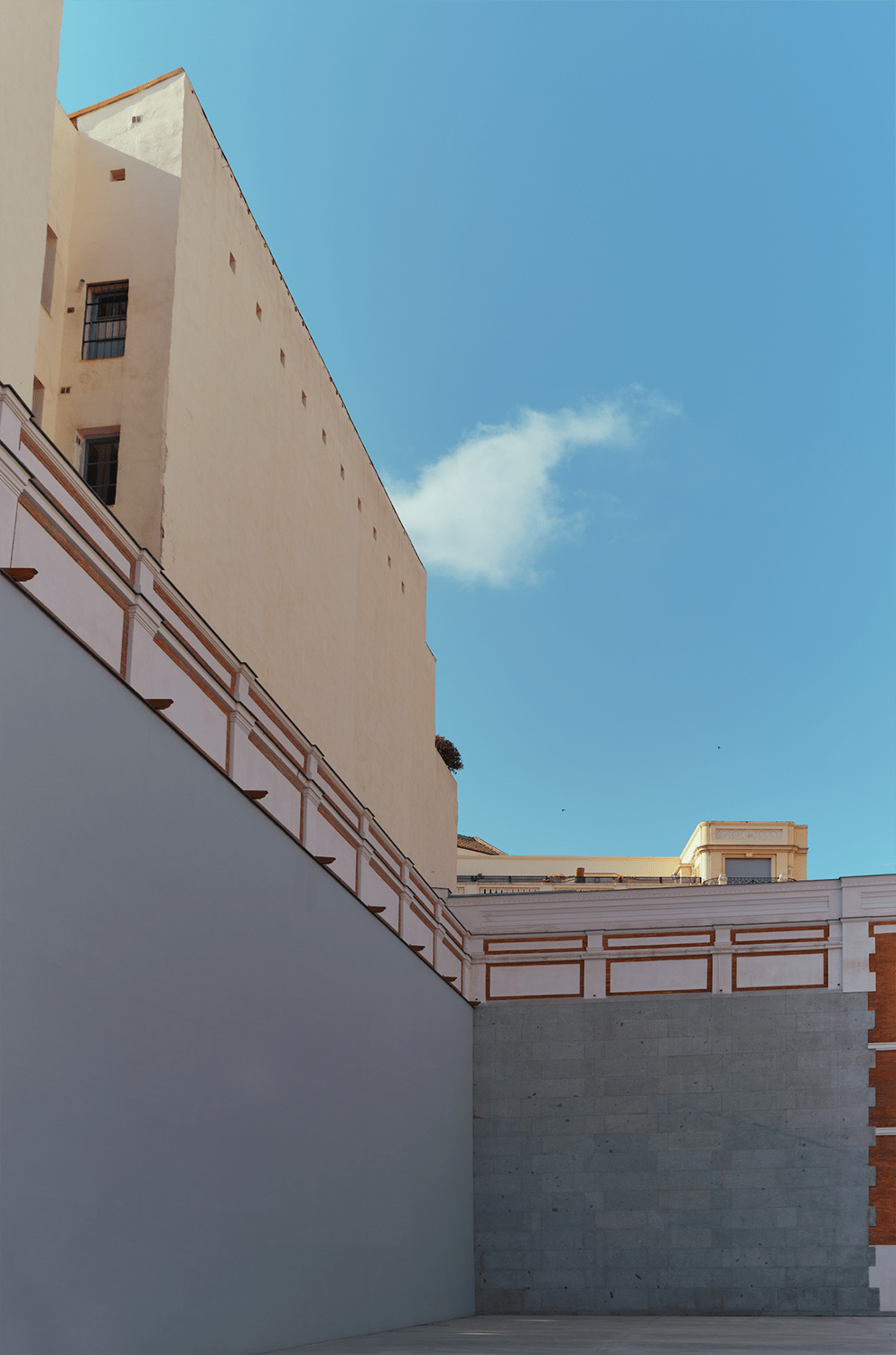
In 1991, it was declared a National Monument, and in 2011, it was listed as a Site of Cultural Interest (BIC), marking the beginning of its official protection. The Madrid City Council finalised its expropriation in 2015, launching a meticulous restoration project that was completed in 2019, restoring the building to its original appearance through extensive historical research.
Permanent opening and the Interpretation Centre
Coinciding with its 130th anniversary, the Frontón Beti Jai has been permanently open to the public since late March 2024. Visitors can now explore the site free of charge, Tuesday to Sunday from 10:00 to 14:00, without the need to book in advance.
One of the frontón’s main attractions is its newly launched Interpretation Centre, an immersive exhibition space that traces the building’s fascinating journey through three main themes: its design and inauguration, its social and sporting significance, and its architectural restoration.
Curated by Fernando Rodríguez Rodríguez, with museography by Juan Pablo Rodríguez Frade, the exhibition is thoughtfully integrated into the building’s galleries and corridors, allowing visitors to enjoy the displays while admiring the spectacular structure itself. Across three floors, a series of balconies offer panoramic views of the central court, creating a vertical tour that both amazes and moves.
Among the historical pieces on display are original photographs, archival documents, sporting equipment, audiovisual material, and other items provided by institutions such as the Leonardo Torres Quevedo Museum, the Save Beti Jai Platform, and the Museo Moto Basella, among others.
A must-see in Madrid
Beti Jai is more than a monument—it is a living testimony to Madrid’s social, sporting and cultural history. Its reopening not only marks the revival of a unique urban space, but also a powerful reminder of the importance of preserving forgotten heritage. Thanks to the determination of heritage associations, experts and engaged citizens, this magnificent building has found its way back into the city’s cultural fabric.
This magical place in the heart of Chamberí invites you to travel back in time, discover what leisure looked like in 19th-century Madrid, and marvel at one of the city’s most captivating works of architecture.
> Discover more of Madrid’s hidden gems with The Unusual Travel Guide Madrid, the essential guide to experiencing the city like never before. Enjoy over 400 curated recommendations including restaurants, bars, cafés, bakeries, shops, nightclubs, museums, art galleries, hotels, souvenirs and charming spots – featuring a special selection by artist and designer Jaime Hayon, included in the current edition.
(*) Photos by Ely Sánchez (CC/magazine).