VibeHaus: furniture with personality and a home on your own terms
“Your furniture doesn’t need to be siblings,” says Julia Engl, founder of VibeHaus. We interview her for CC/magazine to explore the decisions behind her brand and discuss a question that runs through her work: how far we allow ourselves to choose what we like without seeking other people’s approval.
Furnishing a home means negotiating between the images we save for reference, the budget available and everyday needs.
Julia Engl began shaping VibeHaus while looking for furniture for her own flat, finding that much of what was available either looked too similar or was beyond her means. She wanted pieces she could identify with, and that search eventually sparked a professional interest: what would she choose if she could put together an entire collection?
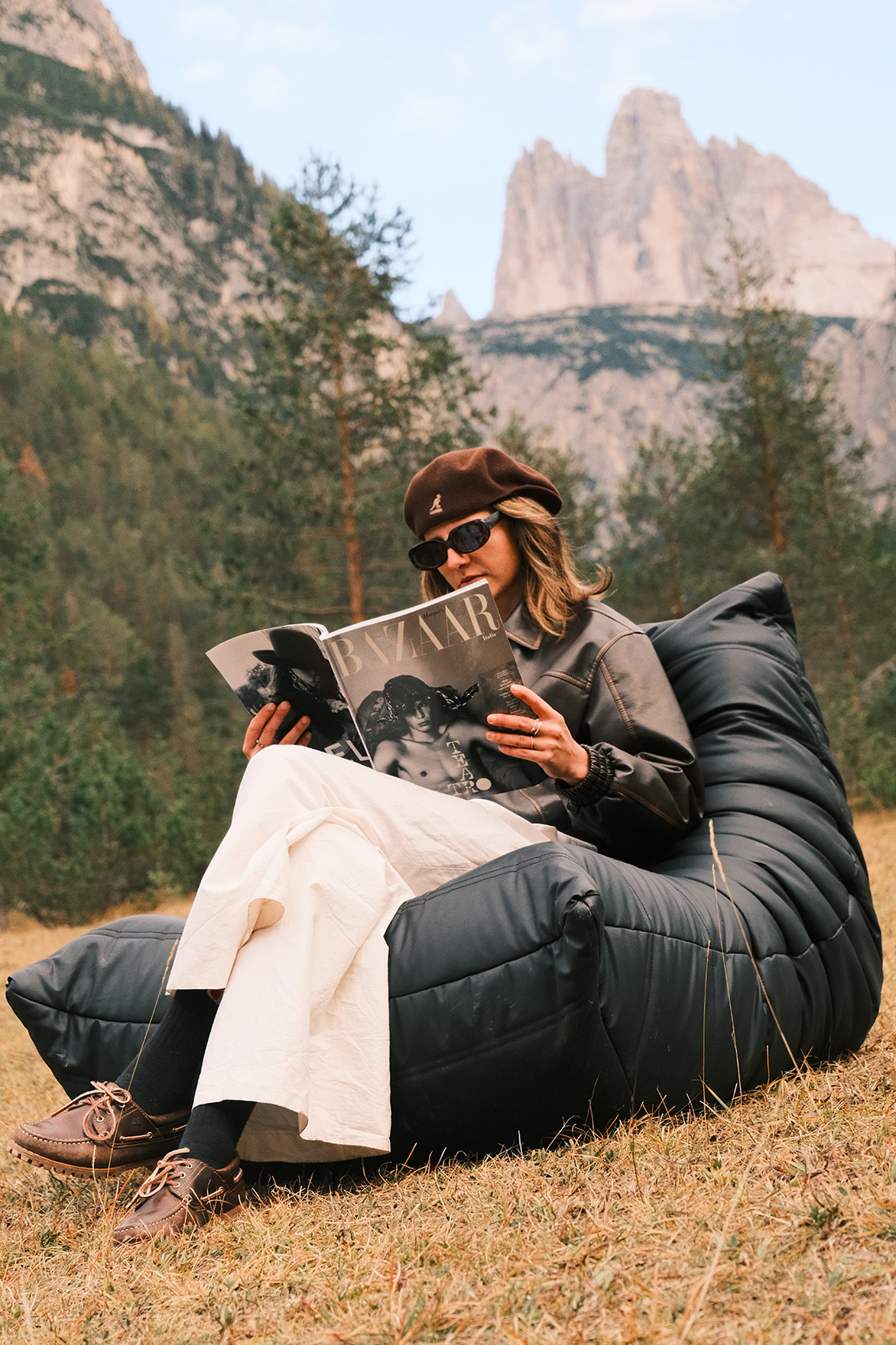
Her experience in photography, video and editing had taught her to pay attention to light, proportions and the relationship between objects and their surroundings. Alongside that creative background was a personal journey marked by changes of scene: she grew up in the Dolomites, left home at eighteen and spent six years in Australia. When her visa expired and she had to start again, VibeHaus became a project she could develop wherever she found herself.
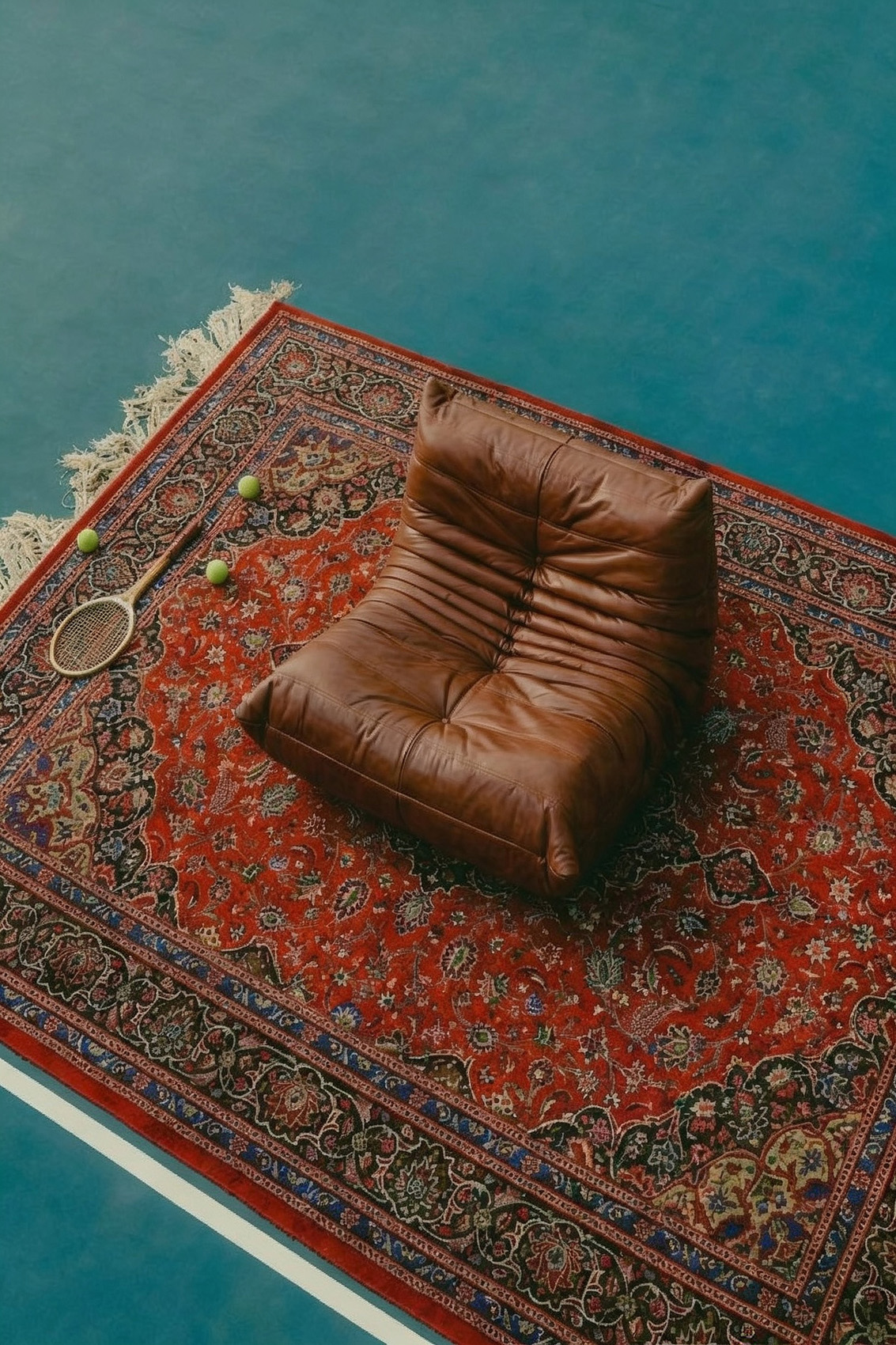
The brand reflects her affinity with the more playful side of retro design through rounded forms, expressive colours and chrome finishes. Its collection combines a selection of existing pieces with the development of its own furniture and objects, an area on which Engl wants to focus more of her efforts. That transition from curating to designing presents one of the challenges she acknowledges during our conversation: establishing an identity that makes her creations recognisable beyond the references that inspire them.
Although her approach is strongly rooted in imagery, Engl emphasises the importance of assessing what a photograph cannot convey, from how a seat supports the body to the atmosphere a lamp creates when switched on. She speaks of homes where people can welcome friends, leave a book open and live with a little untidiness, and brings that same perspective to her ambitions for VibeHaus, which include creating meeting places where furniture encourages conversation and shared experiences.
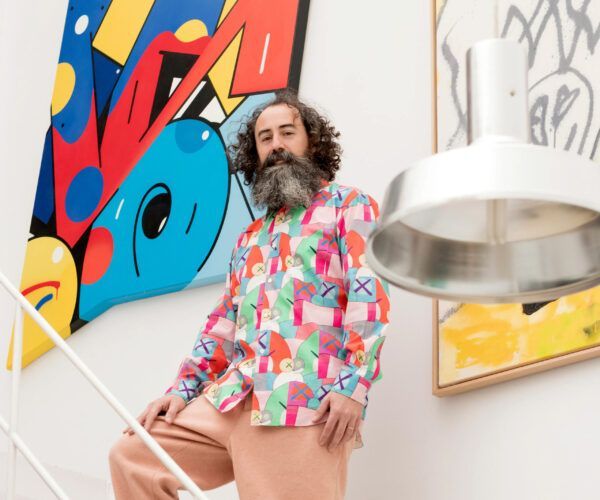
Julia Engl, founder of VibeHaus: the origins of a personal perspective
VibeHaus began when you were furnishing your own flat. What were you looking for that you couldn’t find, and how did that experience develop into a business?
I wanted a home that felt like me. Colour, interesting shapes, pieces with personality. But so much of what I found either looked the same or cost more than I could spend.
At the same time, I’ve always needed to create something. I had a photography business before VibeHaus, so that urge was already there. Looking for furniture became more than furnishing a flat. I started thinking about what I would choose if I could build a whole collection.
There was also a bigger change happening in my life. I had lived in Australia for six years, and when my visa ended, I had to start again. One backpack and a lot of uncertainty. VibeHaus became something I could build for myself, wherever I was.
“A beautiful room should still feel comfortable enough to make a mess in.”
What was your creative background before launching VibeHaus, and how has it shaped your eye for furniture and interiors?
My creative background is in photography, videography and editing. I had my own photography business and loved creating an image, from the idea to the final edit. The light, colours, location, little details. I can spend a ridiculous amount of time on something because one thing doesn’t feel quite right [laughs].
But when I left home to travel at 18, I also did what feels like every possible job you can imagine, from hospitality to farm work. Working in different environments, meeting people from completely different backgrounds and constantly starting somewhere new taught me a lot. You learn to observe, adapt and figure things out. That experience has been just as useful in building VibeHaus as my creative background.

With furniture, I immediately imagine a piece in a room, what I would put next to it, how I would photograph it, and what feeling it creates. But I also think about the people using that space. Sit on the sofa, have friends over, leave a book open. A beautiful room should still feel comfortable enough to make a mess in.
Your collection draws on retro forms, expressive colours and materials such as chrome. Which designers, movements or places have had the greatest influence on your visual language?
I’m drawn to the playful side of retro design. Big soft shapes, colour, chrome, and combinations that sound a bit wrong until you see them together.
I grew up in the Dolomites, then spent six years in Australia, and I’ve moved around a lot since. That gives you quite different ideas of what a home can feel like. I also get inspiration from fashion, photography, cafés, hotels, and little things I notice while travelling.
I don’t think my taste comes from one designer or movement. It’s a collection of things I keep coming back to. Usually, there’s something slightly unexpected about them.
From curating pieces to creating original designs
You describe VibeHaus as both curating and creating furniture and objects. How does this work in practice, and what determines whether a piece belongs in your collection?
The starting point is very personal: would I want this in my own home? If I wouldn’t, it’s difficult for me to get excited about selling it.
Curating means finding pieces that belong in the VibeHaus world. Developing our own designs means taking an idea further, making decisions about the shape, proportions, materials and how it works. We’re now putting more emphasis on creating our own furniture and objects, and that’s a direction I’m really excited about.
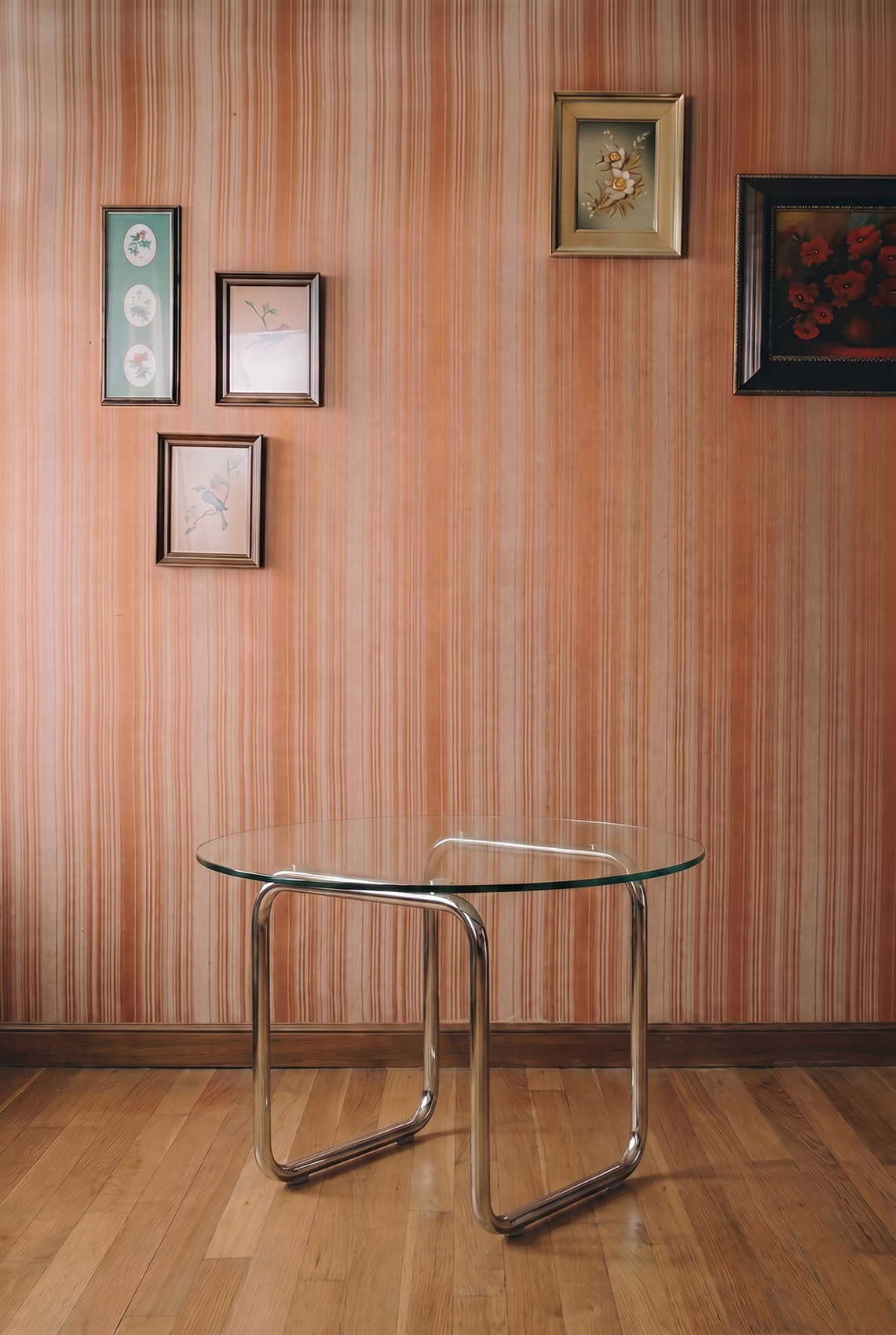
I also think about how a piece sits within the collection. I don’t want everything to match perfectly, but there should be a feeling connecting the pieces. And sometimes I like something personally, but it still doesn’t belong in VibeHaus. Learning that distinction is part of building the brand.
How do you approach references to recognisable designs from the past, and what do you want VibeHaus to contribute to that design conversation?
I’m interested in why certain designs stay with people. Sometimes it’s a shape, sometimes a material, sometimes the feeling of sitting down and immediately wanting to stay there.
My ambition for VibeHaus is to develop a more recognisable identity through our own designs. That’s the direction I want to keep investing in.
I’m still early in building this business, and my ideas are developing with it. I want people to eventually recognise a piece as VibeHaus because it has a point of view they connect with.
Could you take us behind the scenes of one piece that best expresses VibeHaus, from the initial idea or selection through to the finished product?
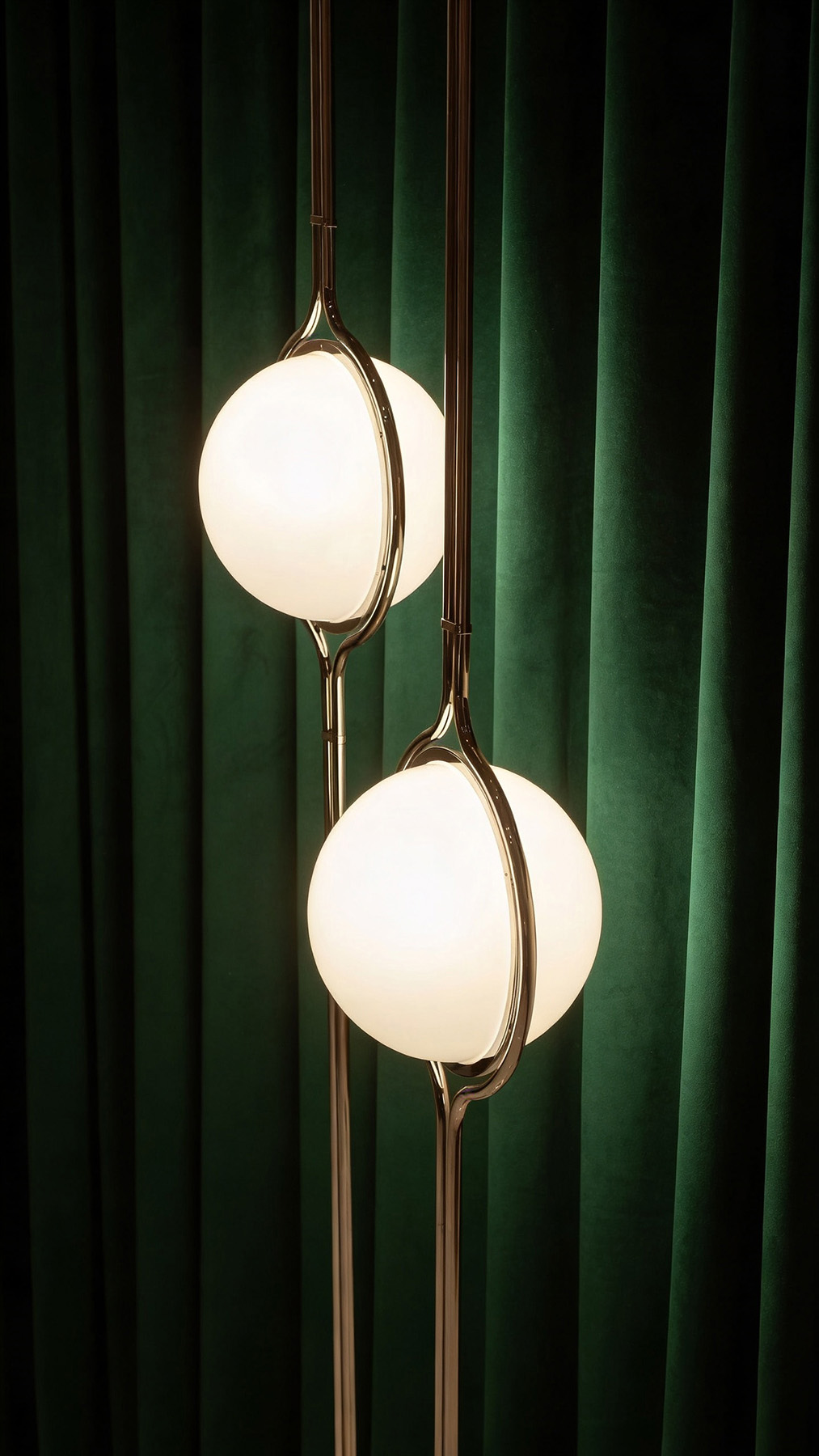
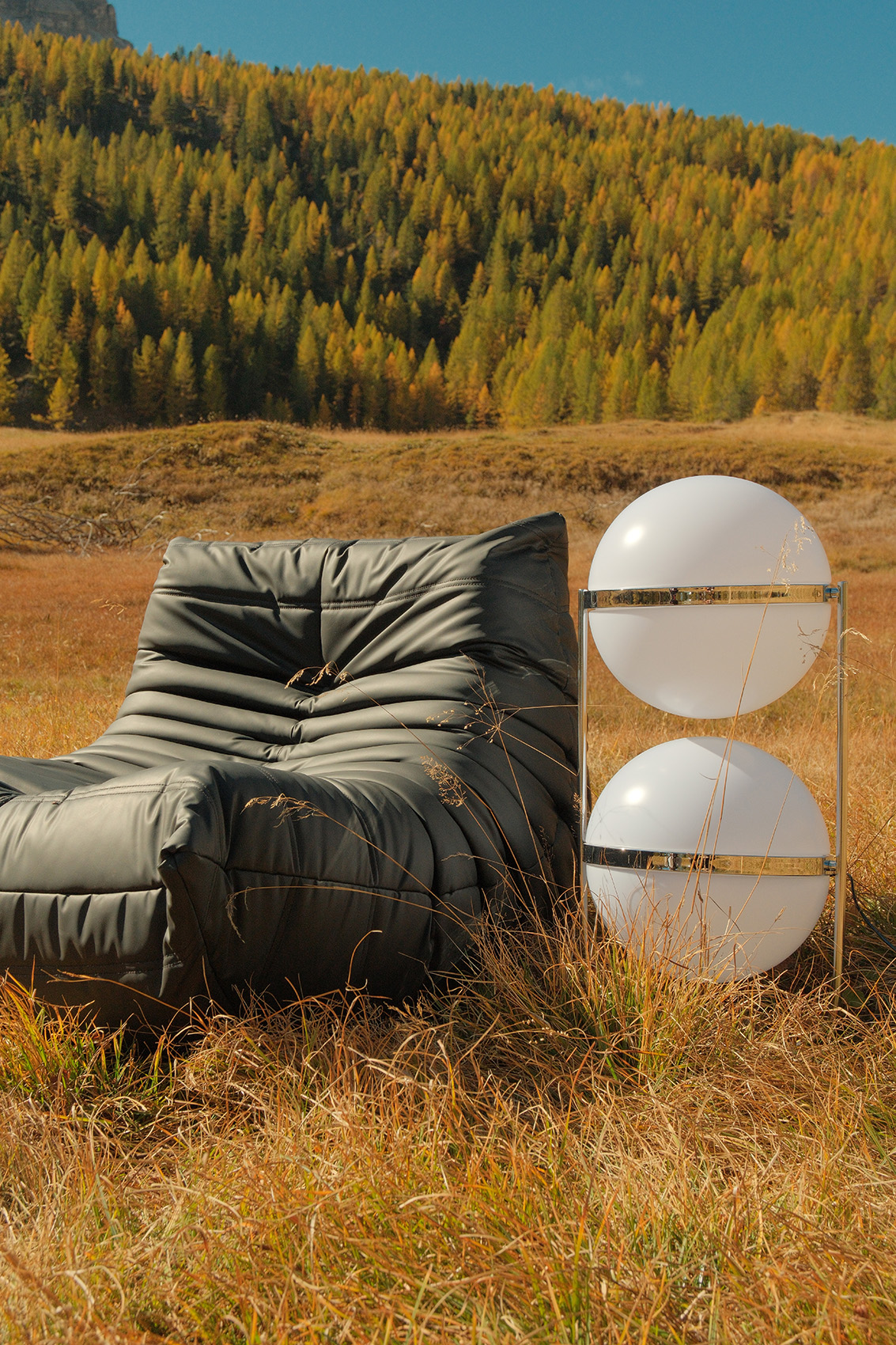
The Zuru lamps capture a lot of what I love.
The curves, the round globes, the way they bring personality into a room even before you switch them on.
When selecting a piece like that, I’m already imagining where it could live. Next to a sofa, in an empty corner, somewhere that needs a little something. Then I think about the proportions, the finish and the light itself. Something can look beautiful during the day, but you also want to love the atmosphere it creates at night.
That’s what I like about Zuru. It has a strong presence, but I can imagine it in very different homes, with each person making it their own.
“We’re now putting more emphasis on creating our own furniture and objects, and that’s a direction I’m really excited about.”
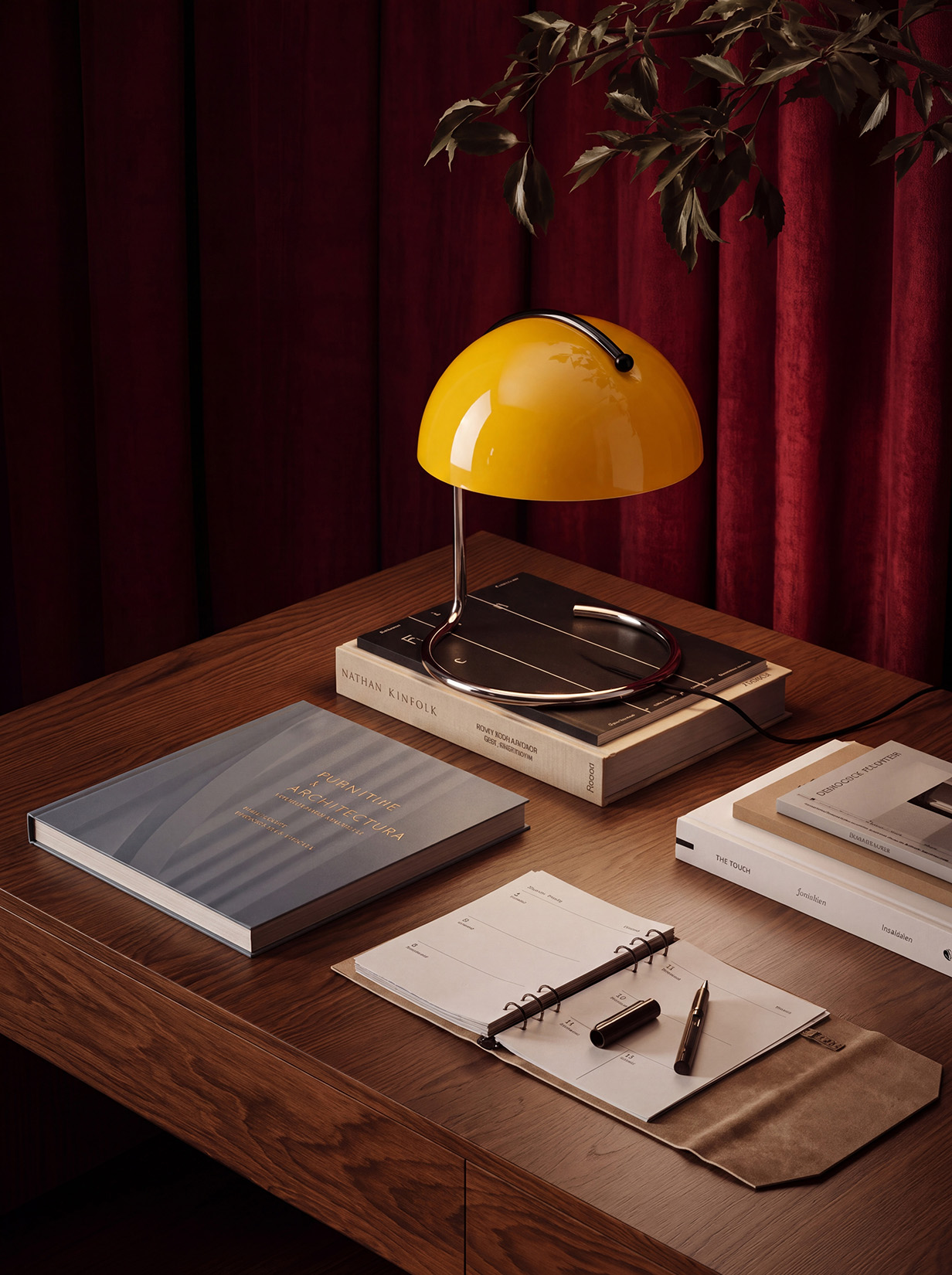
How do you choose your manufacturing partners and materials, and what does the process of testing comfort, finishes and durability involve?
We work with a few sourcing partners across different countries in Asia and in Turkey. I also visit expos to discover materials, meet potential partners and see things in person.
Before we start working with a production partner, I visit them personally. I want to see how they work, look at the quality up close and understand the production conditions. That matters to me. You can have a lot of conversations online, but being there gives you a much clearer picture.
With furniture, there are so many details you need to experience physically: how supportive a seat feels, the texture of a fabric, how a finish looks in different light. Those are things you can’t judge properly from a beautiful photograph.
Making characterful furniture more accessible is part of your vision. What decisions allow you to keep prices approachable, and where are you unwilling to compromise?
We sell online and work with manufacturing and sourcing partners directly. I’m also involved in everything from choosing products to creating content, so VibeHaus is still a very hands-on business.
I spend a lot of time thinking about what something costs and whether that makes sense for the customer. I know the feeling of finding a piece you love and then seeing a price that makes it completely impossible.
But approachable still needs to mean worth buying. A sofa needs to be comfortable. A lamp needs to give you light you actually enjoy. I don’t want someone to buy a piece just for the photo and then regret living with it.
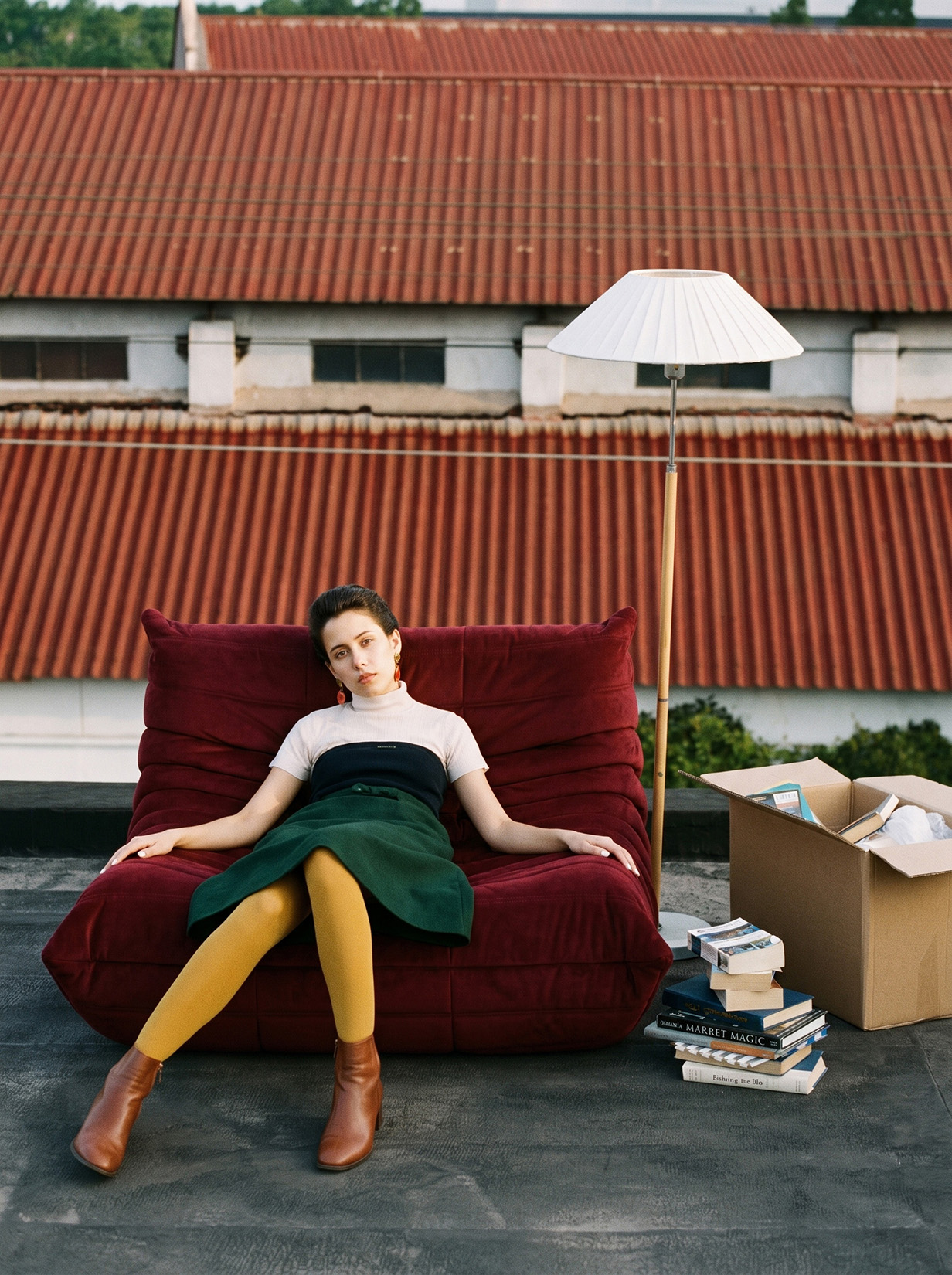
A home with personality and a project that brings people together
At a time when social media makes it easy for interiors to look alike, what do you think makes a home feel personal? Is there an example from your own home that captures this?
Having the confidence to like something before checking whether everyone else likes it too.
We see so many interiors now that it’s easy to start doubting your own taste. Is this colour wrong? Does this table go with that sofa? But if you love both, maybe you should try them together.
I keep saying, “Your furniture doesn’t need to be siblings”. The pieces can have different shapes, colours and backgrounds. The person choosing them is the connection.
Because I’ve moved around so much, I’ve also had to think about what makes somewhere feel like mine. For me, it’s having a few things I’ve actually chosen, rather than buying a whole matching room because it’s the easiest option.
What would you like to explore next with VibeHaus, and are there any upcoming pieces, collaborations or projects you can share with us?
We’re moving towards creating more of our own furniture and objects, with less emphasis on curating existing pieces. That includes the new sofa collections, blankets, rugs and tableware. We have a lot planned for the coming months, and we’re also working towards quicker shipping within Europe.
I want to collaborate with artists from around the world and bring their ideas onto furniture and everyday objects. There’s room for humour too. One plate idea is “Lasagne is cheaper than therapy”. I’m Italian, so obviously food had to get involved somewhere.
But my ambition goes beyond the products. I feel like furniture marketing needs to loosen up a little. I want to put a sofa in the middle of a crowded street and have two people sit down and share a long kiss while the city carries on around them. Give people a reason to stop, smile, get involved. Furniture is part of so many intimate, funny, ordinary moments in our lives. I want to bring more of that into how we present it.
“I don’t want someone to buy a piece just for the photo and then regret living with it.”
I want to build a whole world around VibeHaus and bring people together through it. With AI becoming a bigger part of everyday life, I think those real, human experiences will matter even more. And furniture gives us a very natural place to start. A sofa is somewhere to sit down together, talk for hours, meet someone new. I love the idea of creating a conversation pit where people arrive as strangers and actually get talking.
Hopefully, we’ll launch our first-ever pop-up next year and start bringing those ideas into a physical space. Somewhere you come for the furniture and end up staying for the people.
Honestly, that’s what excites me most: making things I love and seeing what happens when people come together around them.
“That’s what excites me most: making things I love and seeing what happens when people come together around them.”
Choosing furniture, considering the life around it
Our conversation with Julia Engl offers a useful idea for anyone shaping their home: an interior can feel cohesive through a personal connection with its objects, without those pieces having to share the same period, finish or provenance. It also encourages us to look beyond first impressions and consider the comfort of a seat, the light a lamp gives off or how easily a piece finds its place in everyday life.
For VibeHaus, the next step will be to translate that perspective into an increasingly distinctive design language, an ambition Engl places at the heart of her plans. As that journey takes shape, the way she speaks about home brings the focus back to something photographs cannot always capture: what happens between people as they begin to inhabit a space.
(*) Photos provided by VibeHaus.