Tiempo + Materia: craft that transcends at València Design Fest 2025
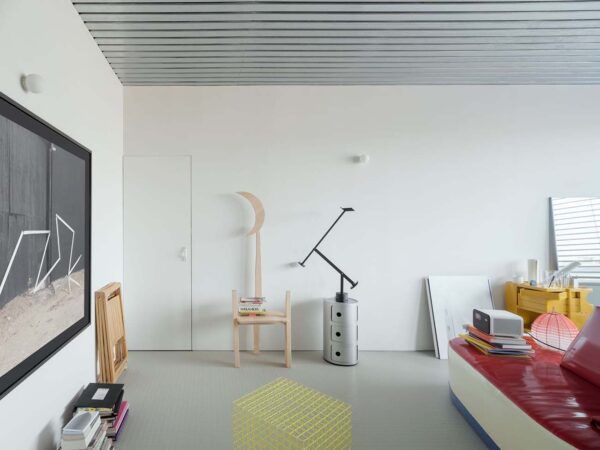
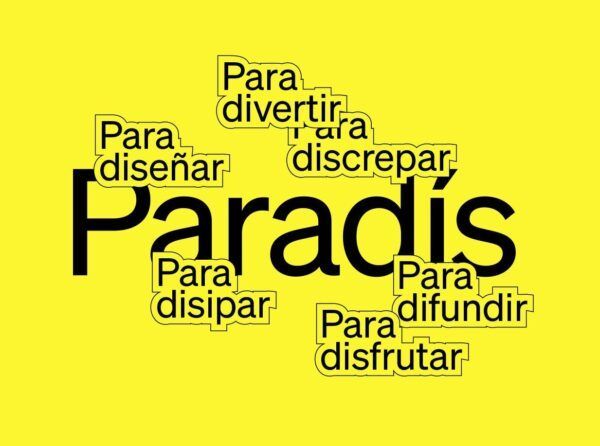
During València Design Fest 2025, Estudio Savage returns with the third edition of “Tiempo + Materia”, a contemporary craft exhibition held at MuVIM that seeks to open a truly reflective space around design, memory and the ephemeral in our lives.
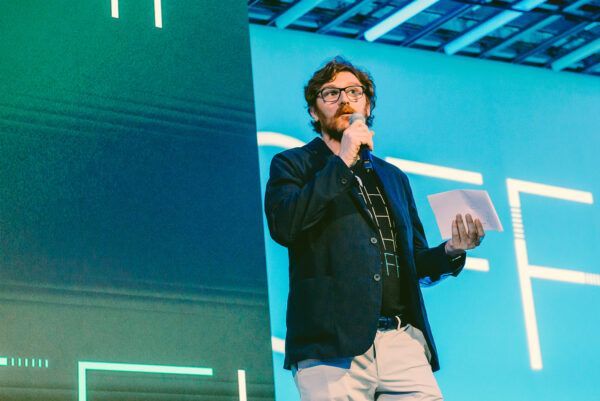
For Xavi Calvo, director of the Fundació del Disseny, this edition marks a decisive step: consolidating the festival as the city’s “major annual showcase for design”. Although still young — only its third edition — it stems from the seed planted during the World Design Capital year and now brings together creative sectors, associations and organisations in a shared space. The result is a more diverse programme, with more stakeholders involved, a growing line-up and an ever-stronger international profile.
And the key moments? Craft with “Tiempo + Materia”, architecture and sustainability — all with a rebellious streak, even a cheeky edge — and formats designed for diverse audiences. There are more than sixty activities aiming to balance the professional with the public-facing, and the local with the international.
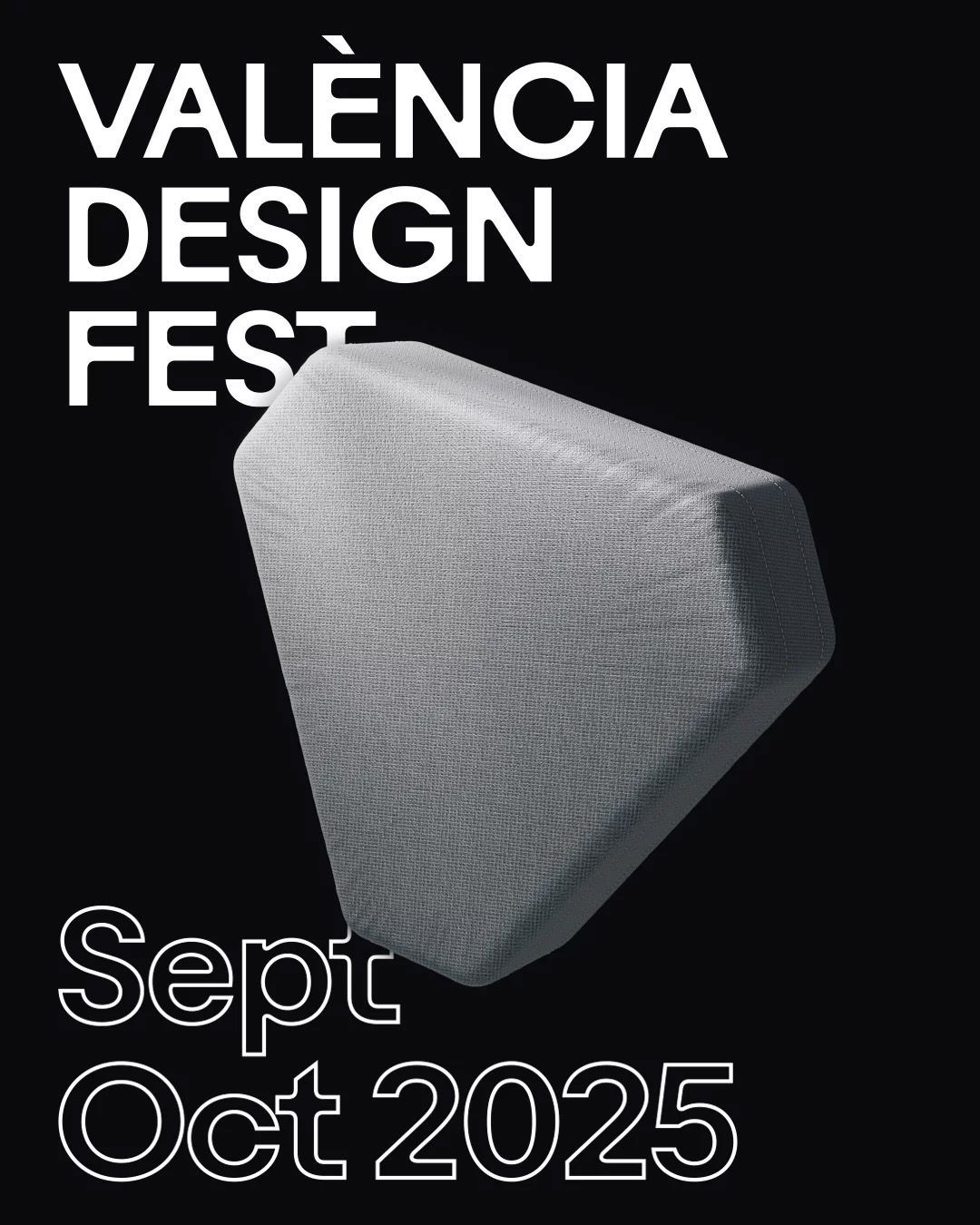
In that landscape, “Tiempo + Materia” occupies an emblematic place. València Design Fest’s commitment to Estudio Savage’s proposal since the very first edition has been, in Calvo’s words, “one of the best decisions”: it allows design to be considered from a thoroughly contemporary perspective — sustainability, circularity and material innovation, and this year the immaterial as well — while engaging in dialogue with craft traditions and the home and interiors industry, building bridges between the local and the global, between memory and experimentation.
With that institutional backing and the stature it has gained within the festival, “Tiempo + Materia” arrives in 2025 as one of the programme’s most eagerly anticipated highlights.
An exhibition that evolves over time
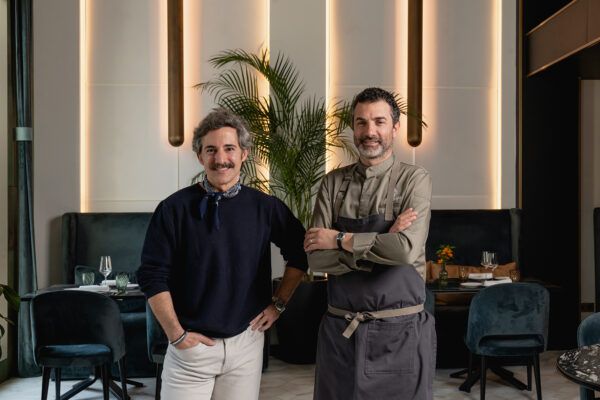
“Tiempo + Materia” was conceived with a clear intent: to bring craft up to date within contemporary design. In contrast to industrial hegemony, it proposes a territory for the manual, the sensorial and the ritual. That ambition takes shape in Estudio Savage’s curatorial stance; we spoke with them recently and they offered a reflective, committed and deeply poetic view of the present and future of craft.
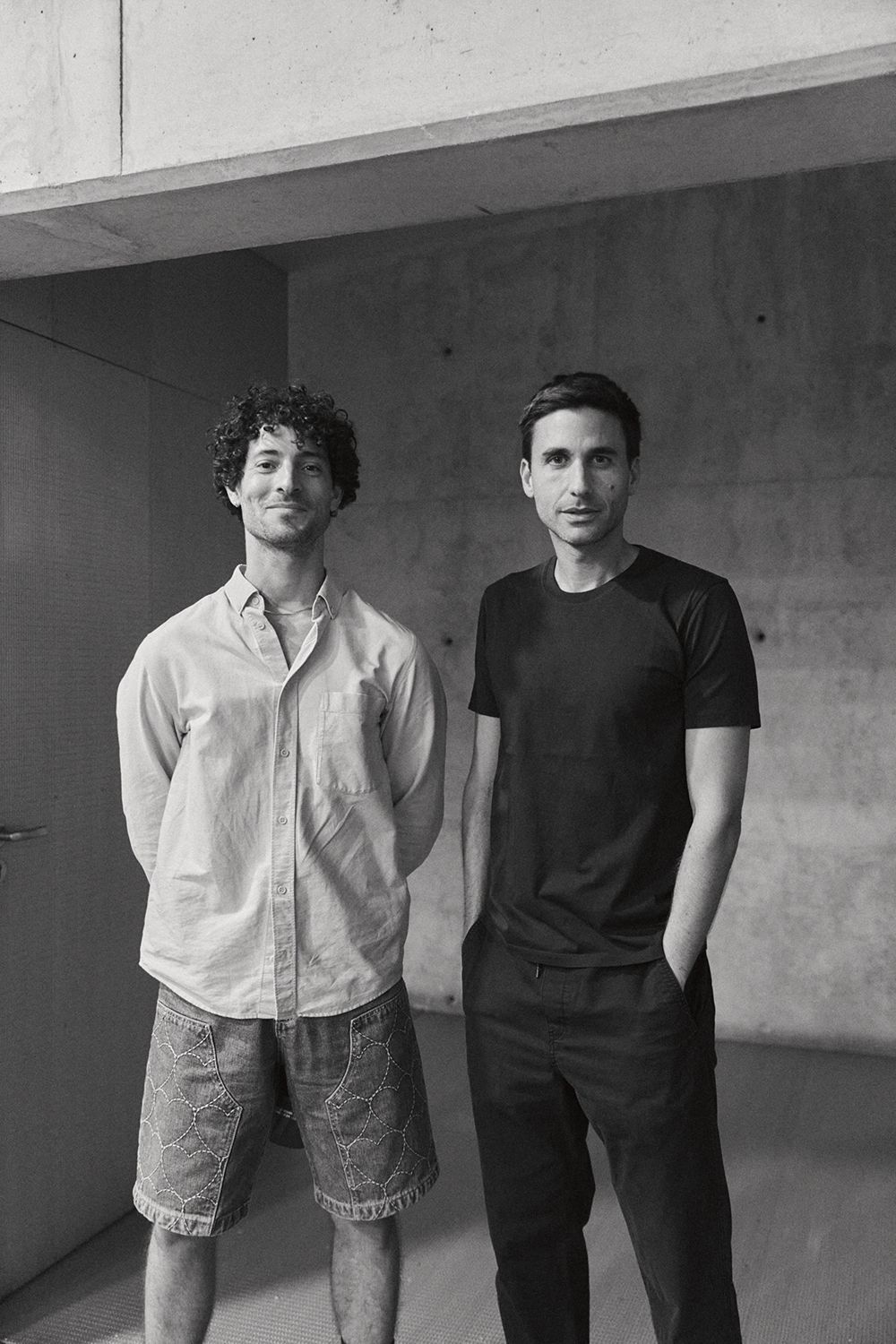
This is already the third edition of Tiempo + Materia. How has the project evolved from its first iteration through to today?
“Tiempo + Materia” was born three years ago as an exhibition intended to make the role of craft visible within a festival and a city strongly linked to industrial design, yet where there was scarcely any representation of craft or collectible design projects. In the second edition we realised it was necessary to open up a broader reflection: what does craft mean today? Since then, we have set out to revisit this question each year, through the work of the participants and collaboration with institutions, businesses and individuals. Craft is not static: it is a living, dynamic field in constant transformation. We want to accompany it and observe how, out of that vitality, it becomes a profoundly contemporary, revolutionary and necessary discipline.
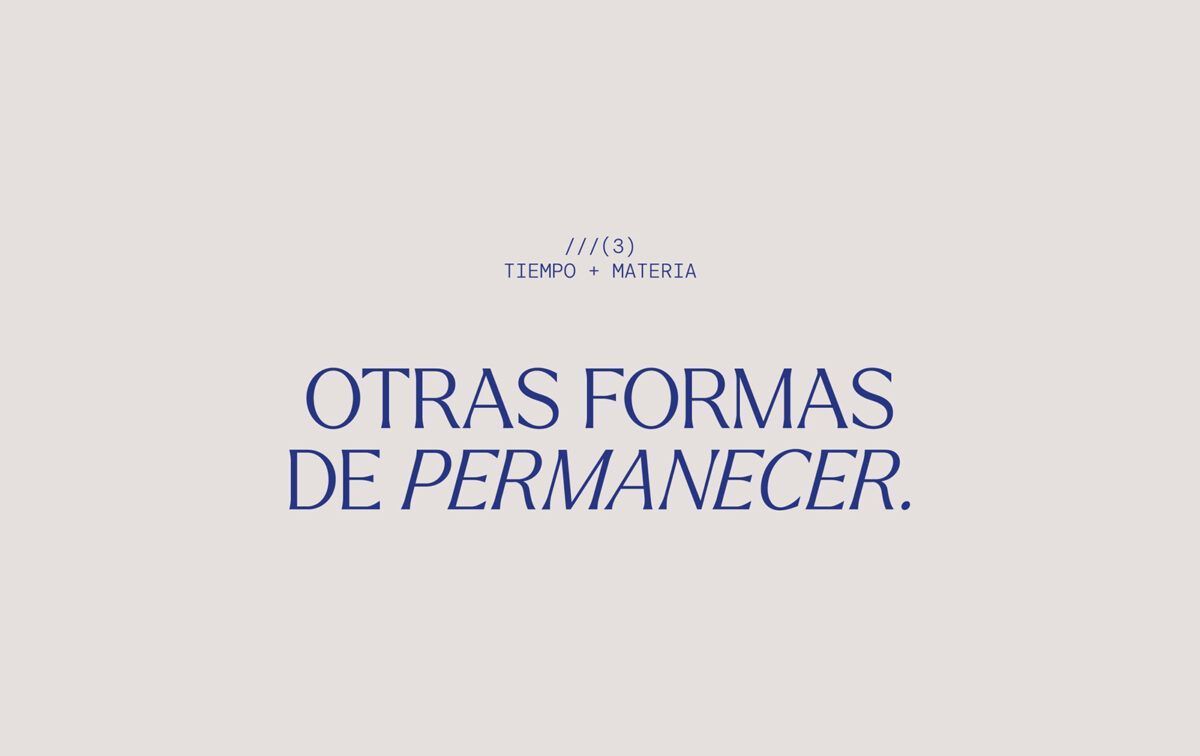
The theme of this edition is “Other Ways of Remaining”. How did you arrive at this idea and what does it mean for you in the current context of design and craft?
This year we wanted to look at craft from a less common perspective. We tend to think of it as matter, object, tangible tool, but beyond the object lies the experience: the memory of a dinner, the taste of a food, the trace left by a gesture.“Other Ways of Remaining” speaks to that intangible dimension: what remains when the material disappears, what survives in memory, in connection or in emotion. In this sense, contemporary craft is manifested not only in what it produces, but also in how it connects past, present and future, generating an immaterial legacy as powerful as the physical.
“Gastronomy has become a space for cultural experimentation.”
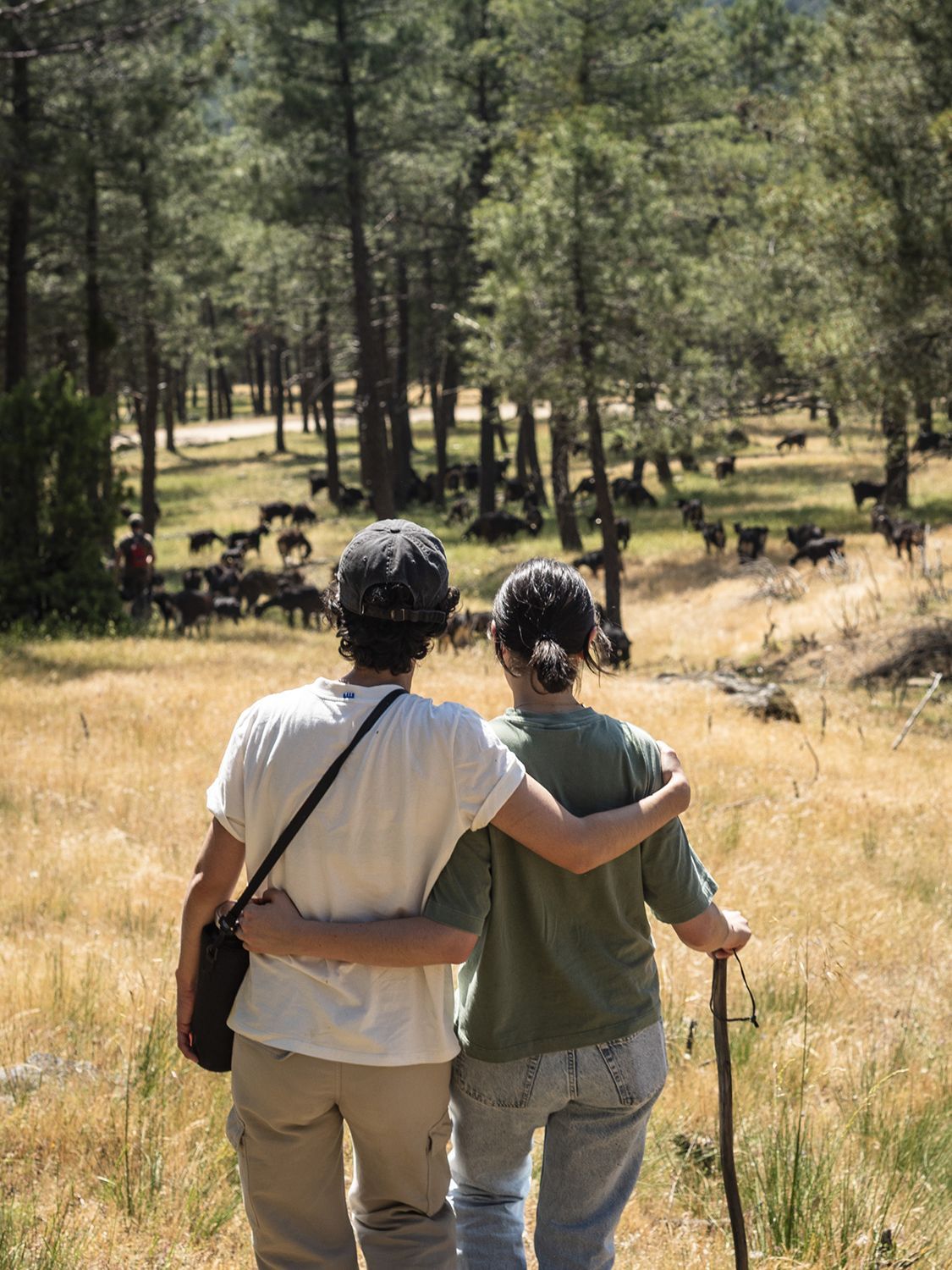
You propose understanding permanence not through the physical object, but through gesture, memory or connection. How does this vision translate into the selection of pieces and the curatorial discourse?
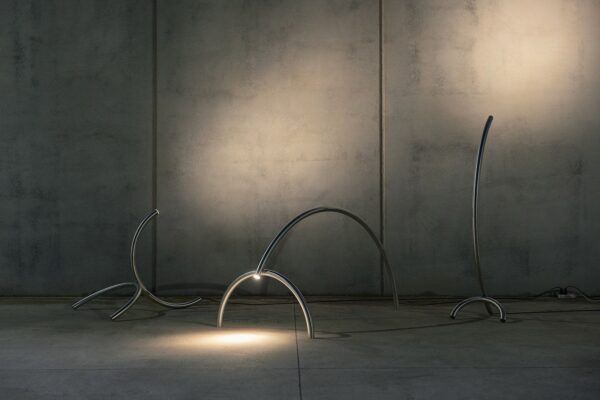
We are inspired by projects such as Steinbeisser, Fondo Supper Club and Formaje, which place the ephemeral at the centre of the experience. The exhibition brings together pieces that are not only utensils or sculptures, but also processes, practices and experiences in which eating, sharing or interacting become the true essence of craft. The curatorial discourse is thus built from what endures in memory rather than from what survives as an object.
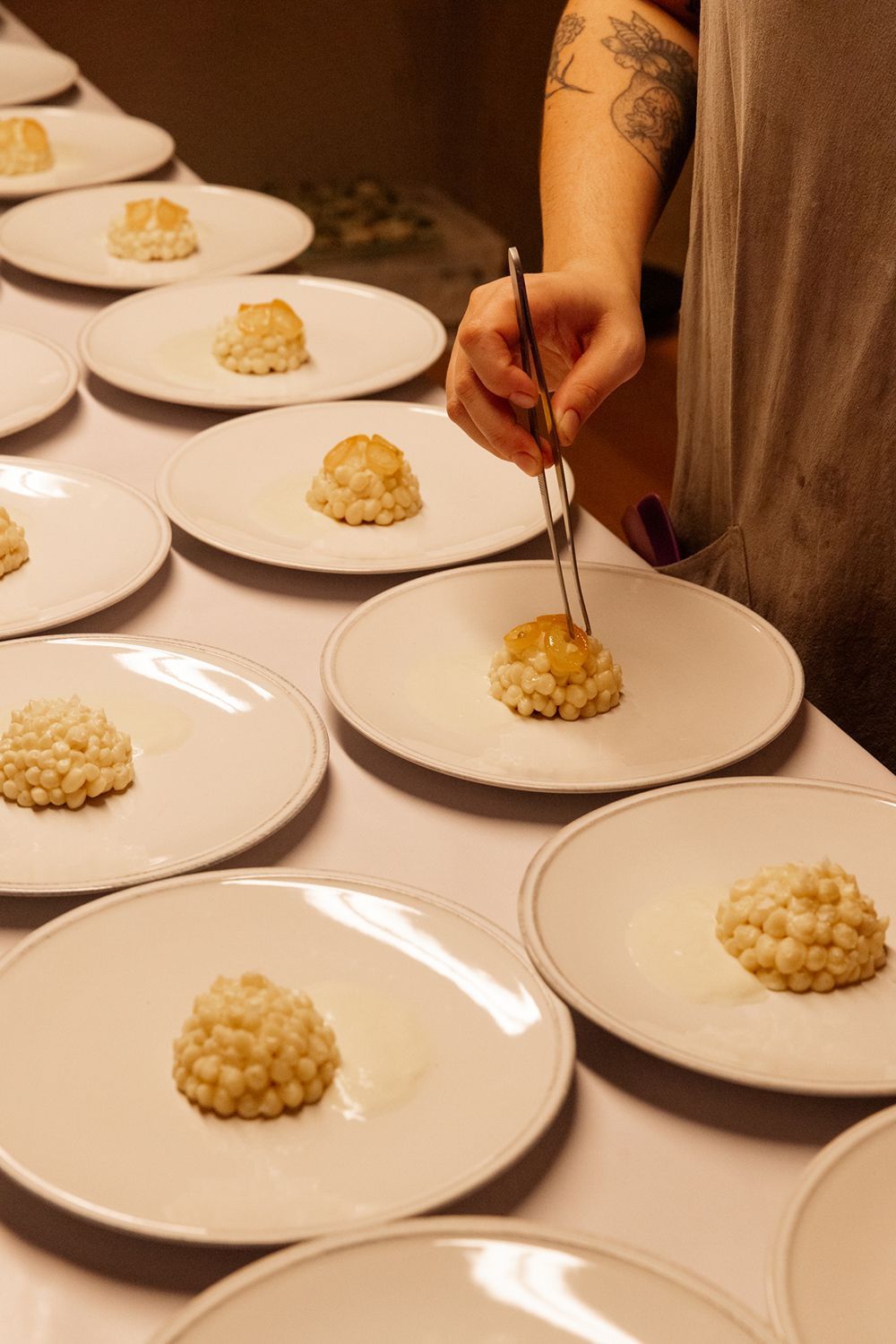
The table becomes a central space for reflection. Why have you chosen this everyday setting as a starting point for speaking about memory, ritual and collectivity?
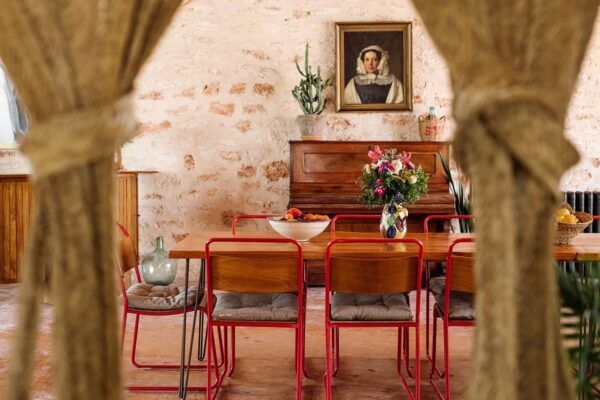
Because the table is where memory, ritual and collectivity intersect. Gastronomy has become a space for cultural experimentation, almost like the old concept stores, but one in which all the senses take part. Umami, that “fifth taste” that is hard to define yet unforgettable, is our metaphor: what leaves a lasting aftertaste beyond the immediate. This is also how we understand craft: not as a fleeting spectacle, but as the trace that accompanies us over time.
At MuVIM you bring together Julia Esqué, Frama, Worn Studio, Alice Herón, Florentine Kitchen Knives, Los Objetos Decorativos, Aléa and 08room, while the parallel experiences involve Fondo Supper Club, Steinbeisser, Clara Díez (Formaje), Canoa Lab, Sara Sorribes and Campo a través – Microheladería trashumante, among others. What curatorial criteria have you followed to articulate the dialogue between these profiles, and how do the exhibition and the experiences relate to one another?
We wanted to represent not only experimental objects linked to the table, but also projects that are building new professional fields.
Designers who are chefs, artists working with food, artisans collaborating with cooks, architects thinking about food spaces, agencies producing gastronomic experiences, designers cultivating fungi in artefacts they have created themselves…
The idea is to show how craft today overflows its boundaries, cross-pollinating and being enriched by diverse disciplines, and how these intersections generate new forms of permanence.
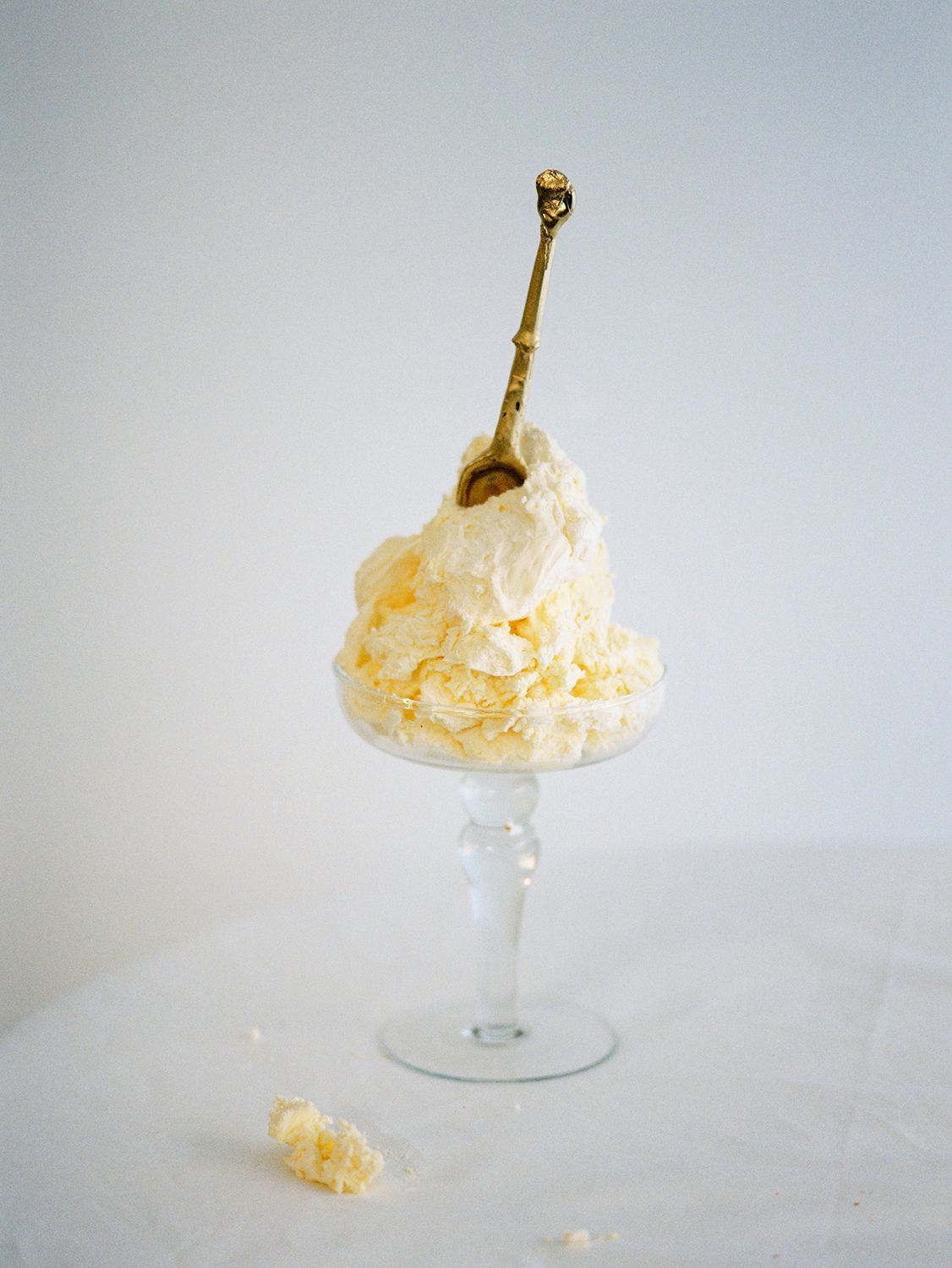
The pieces range from experimental utensils to edible installations. What role does the ephemeral play in your curatorial narrative?
The ephemeral is both a starting point and a challenge. We are interested in visitors understanding that craft is not only what endures materially, but also what activates memory, emotion or community in an instant. That apparent fragility is, in fact, a deeper form of permanence.
“Craft continues to spring forth even in a world saturated with screens and algorithms, offering a necessary counterweight.”
Here, craft is understood as an immaterial legacy. How does this vision dialogue with the technological acceleration and fast-consumption culture that characterise our time?
We undervalue the power of craft. Far from being a vestige of the past, it is a living process that adapts to the times. Faced with fast consumption, it proposes slowness; faced with the immediate, it proposes memory; faced with obsolescence, it proposes care.
Each edition of “Tiempo + Materia” allows us to see how craft continues to emerge even in a world saturated with screens and algorithms, offering a necessary counterbalance.
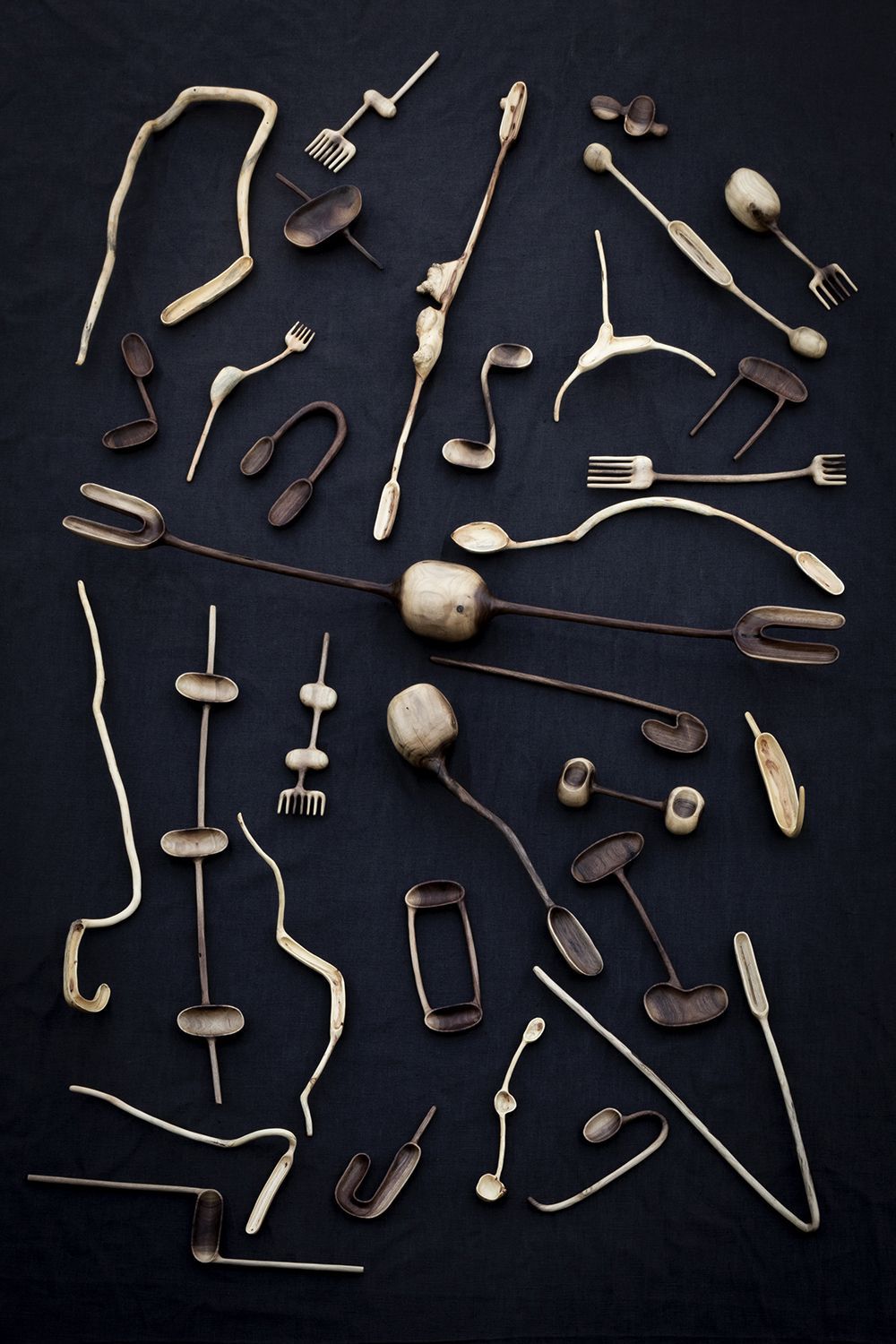
Within València Design Fest, what does Tiempo + Materia contribute as a singular proposal compared with other activities more oriented towards industrial or product design?
At major international events — from the Venice Architecture Biennale to Art Basel or the Salone del Mobile — craft already coexists naturally with art, design and architecture. In Valencia, we wanted to add to the strength of industrial design a space to showcase other markets, channels and languages. “Tiempo + Materia” has become a point of convergence where craft is presented in all its facets: from art and folklore to collectible design, techno-craft or leisure.
Your proposal is not limited to the exhibition: it includes talks and parallel experiences. How important is it for you to generate community and collective thinking around the table?
Since the first edition we have wanted the exhibition to be a meeting place. We organise guided tours and activities so that the public not only sees the pieces but also meets those who create them and understands the discourses behind each object. Building community means that, edition after edition, the concept of craft sinks in more deeply and little by little ceases to be perceived as something superficial or anecdotal.
Looking ahead, what direction would you like Tiempo + Materia to take in future editions?
We like to recall a phrase by Mahler: “Tradition is not the worship of ashes, but the passing on of fire”. For us, craft should not be preserved in an inert way, but as a living fire that reinvents itself and is passed on to each new generation.
We want “Tiempo + Materia” to remain an open observatory and laboratory: a space that accompanies that flame, helping to understand and redefine what craft means in the present and into the future.
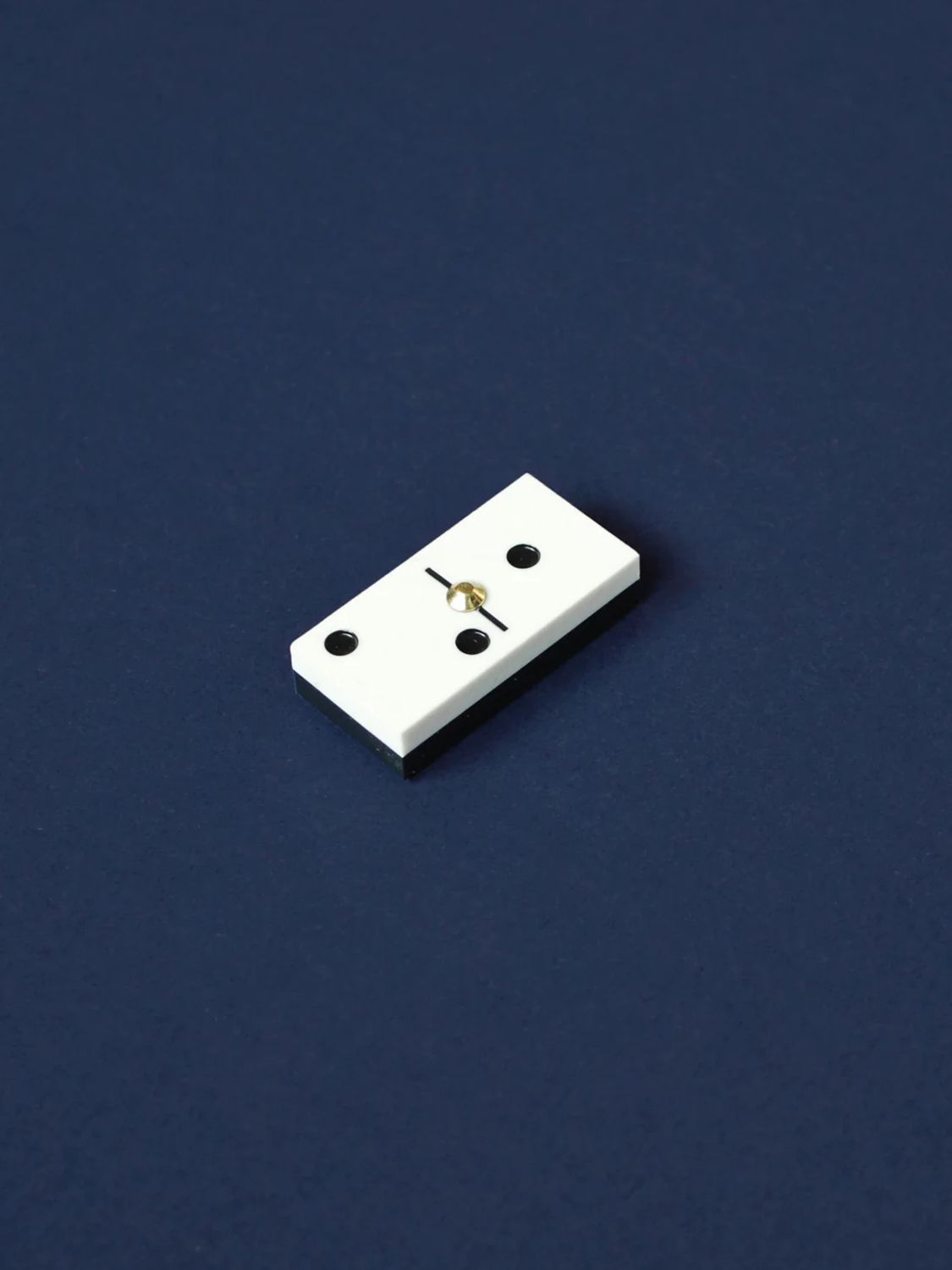
“We want Tiempo + Materia to remain an open observatory and laboratory.”
Tiempo + Materia 2025: An Invitation to Remain
More than an exhibition, this third edition of “Tiempo + Materia” is a shared experience — a space where the ephemeral takes on meaning and where craft unfolds as memory, gesture and collectivity. Throughout September, the project proposes encounters, conversations and rituals that transcend the tangible and invite us to consider other ways of being, making and caring.
For the full programme of activities, parallel experiences and guided tours, we recommend following Estudio Savage on Instagram: @estudiosavage. For what is truly valuable does not always reside in the object, but in what we are able to build together.
(*) Images courtesy of Estudio Savage.