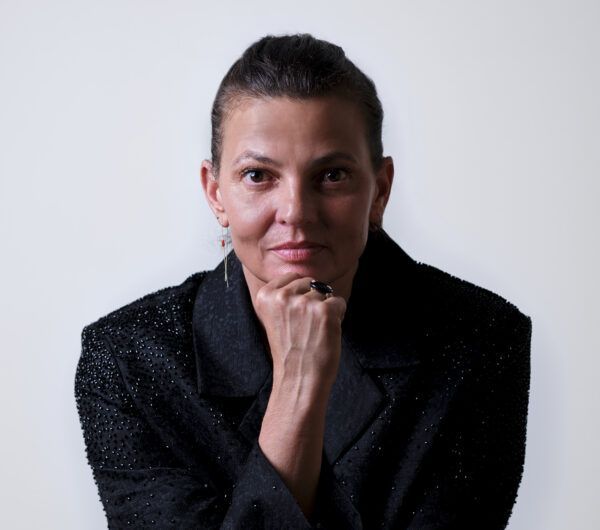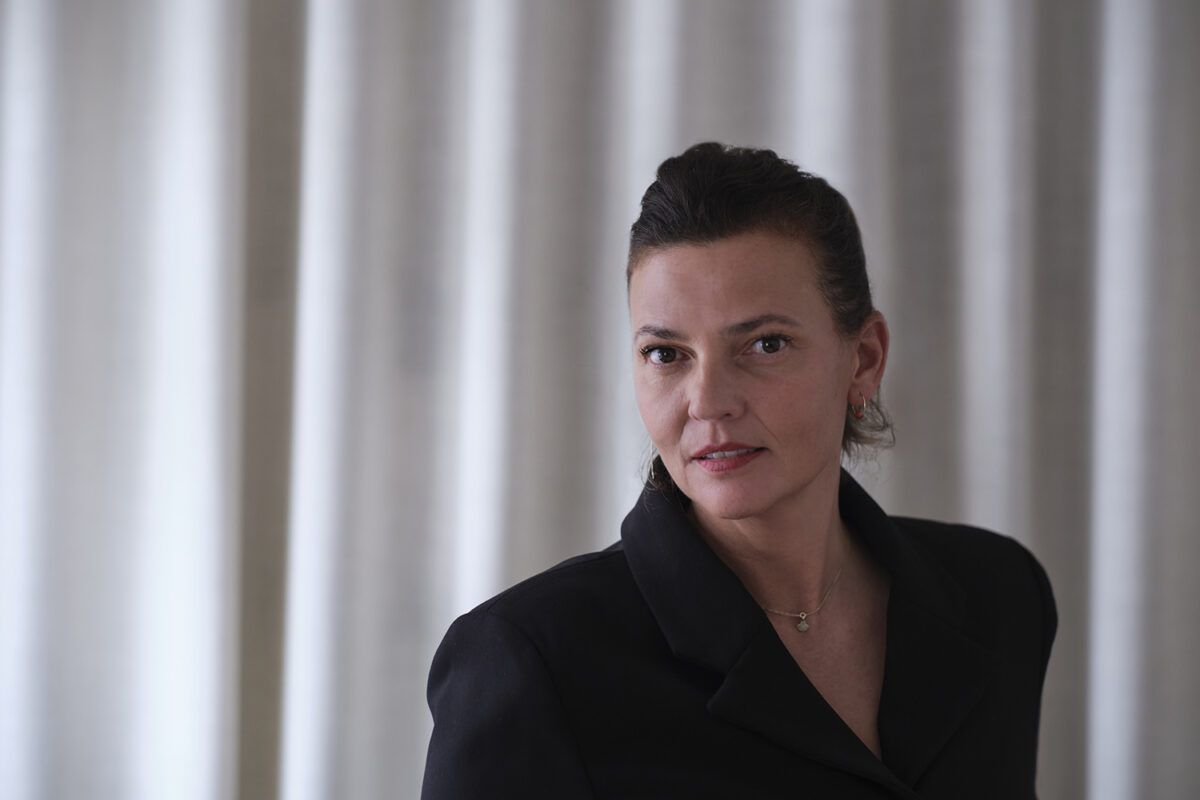
A conversation with Signe Byrdal, founder of 3daysofdesign
Over the past decade, 3daysofdesign has become much more than a festival: it’s a cultural catalyst that places Copenhagen at the center of a global conversation about design, creativity, and a more conscious way of living. At the heart of this project is Signe Byrdal Terenziani, founder and soul of the event, whose vision has shaped a platform where design is not only observed, but deeply felt.
This year’s theme, KEEP IT REAL, is both a timely reflection and a timeless call to return to the essentials. In an increasingly fast-paced, filtered world, 3daysofdesign invites us to rediscover design as a tool for authenticity—not just in form, but also in intention.
We recently spoke with Signe about the festival’s evolution, the rise of interdisciplinary thinking, Copenhagen’s cultural soul, and how design—when rooted in real values—can move us, connect us, and transform our future.
The theme KEEP IT REAL feels both timely and timeless. How did the idea come about and what does it mean to you personally?
From my point of view, it’s easy to feel overwhelmed today by the sheer volume of options, opinions, and the pressure to conform. That’s why it’s more important than ever to stay open to different interpretations of what’s real—and to be inclusive of everyone’s personal vision. It becomes an almost existential question that allows us to connect with what truly matters through our own authenticity.
“KEEP IT REAL reflects our deep desire to live in a more conscious, inclusive, and human world.”
The theme celebrates individual expression and personal experience, and reflects our deep desire to live in a world that is more conscious, inclusive, and human. It’s a call to stay true to our own vision. A tribute to the unique and the unrepeatable.
The festival has become a landmark event in the international design calendar. What sets 3daysofdesign apart from similar events around the world?
Unlike other design festivals, 3daysofdesign isn’t primarily driven by commercial interests. It’s more about storytelling than selling. It’s a space shaped by passion, by the recognition of talent, the celebration of creativity, and the connection between like-minded people who believe in design as a transformative force.
As the festival has grown in recent years, the curatorial process has become more important than ever. We work with a set of criteria for participants that we refine every year, to maintain the high standard of quality expected from 3daysofdesign.
For me and for the team, it’s vital not to lose sight of our founding ambitions: to be a festival where design meets people, to foster open dialogue, and to become a catalyst for positive change. As recognition and participation grow, we want to continue prioritising the wellbeing of people and the planet.
Design, art, architecture, and even social impact increasingly overlap. What role does this interdisciplinary focus play in the festival’s current and future identity?
Architecture, art, and design are deeply connected. They are disciplines concerned with shaping spaces that reflect society’s values and enhance the human experience. They are interdependent, and when they work together, they can address real-world challenges like sustainability or accessibility, ensuring that the environments we inhabit generate positive change.
While interior design will always remain the core of the festival, we actively welcome creative influences from other disciplines such as gastronomy, music, and architecture. We’re fascinated by how design can be enriched by these fields and learn from their processes.
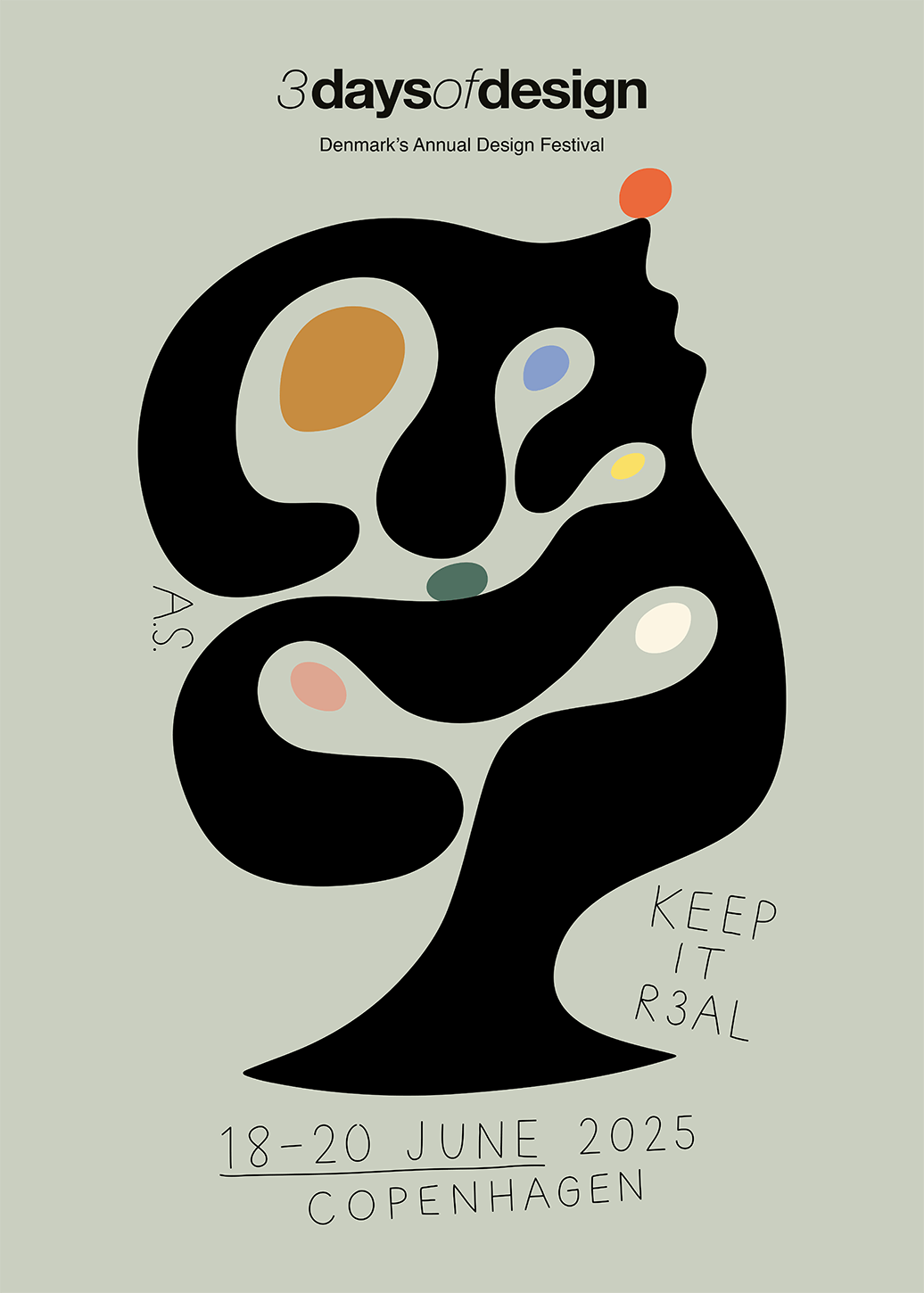
How has Andreas Samuelsson’s visual identity helped capture the emotional tone of this year’s edition?
Andreas is both a designer and an artist, with the rare ability to distil ideas, images, and impressions to their purest essence. The result is a poetic simplicity that is moving and powerful, graphic and iconic.
For the visual identity of KEEP IT REAL, Andreas created a striking image composed of organic, flowing shapes, surrounded by curved negative space and accented with colour. A composition that captures the intangible inner landscape of the soul, while remaining open to multiple interpretations.
Copenhagen continues to position itself as a cultural capital. From your perspective, what makes the city such fertile ground for creativity and design thinking?
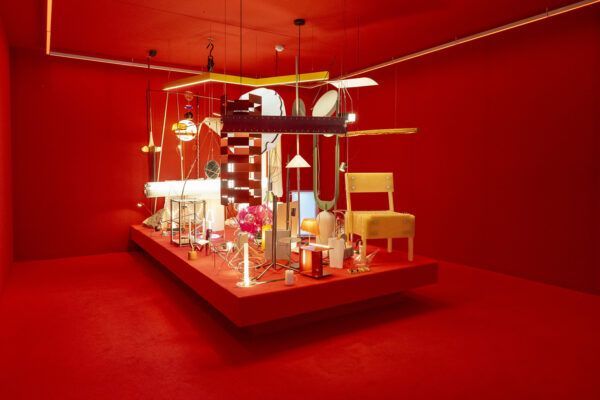
Copenhagen is our natural ally. This year, the city hosts hundreds of exhibitions across eight design districts, offering visitors the opportunity to feel the pulse and unique personality of the Danish capital.
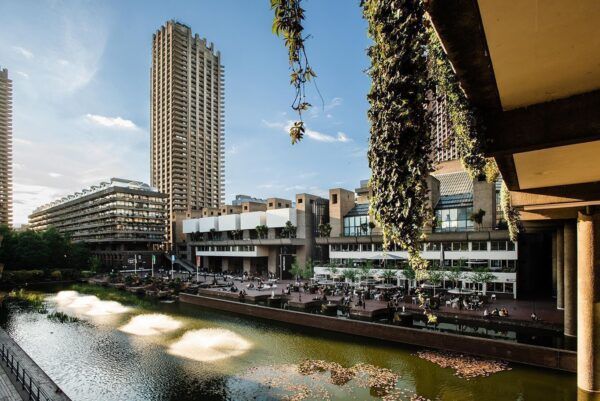
Award-winning architecture, urban development, and a cultural design legacy are deeply rooted in our DNA. The city blends contemporary and avant-garde concepts with innovative urban renewal—without losing its historic heritage, from rococo palaces to neobaroque mansions—all while leading the way toward sustainable living.
I believe it is precisely this diversity of influences—from cultural heritage to international exchange—that makes Copenhagen such a compelling place for inclusive, innovative, and sustainable design.
Sustainability has always been at the heart of Nordic design. How are today’s exhibitors going beyond, both conceptually and materially?
We need to rethink how we do things. We are at a crossroads that compels us to transform how we design, produce, market, recycle, and reuse. It’s an inevitable paradigm shift—but also a tremendous opportunity.
The goal is always to encourage the exchange of ideas, innovative concepts, and meaningful conversations as the foundation for a collective effort around sustainable practices, conscious materials, and more responsible consumption.
“The goal is to foster the exchange of ideas, innovative concepts, and meaningful conversations.”
We’re seeing this in the proposals from our exhibitors: from new materials that could revolutionise upholstery and replace polyurethane foam, to exhibitions that ask seemingly simple but profoundly relevant questions—such as what we really mean by good design.
Looking ahead, how would you like 3daysofdesign to evolve over the next five years?
I truly believe that design can play a key role in safeguarding our future. That’s why we constantly encourage creatives to go beyond what’s possible—to imagine a fairer, more inclusive, and more sustainable world.
My greatest hope is that 3daysofdesign continues to generate meaningful moments that add depth and dimension to our lives. Our mission is to foster knowledge exchange, networking, dialogue, debate, fresh ideas, and those small personal epiphanies that resonate beyond the three days of the festival.
Ultimately—today and in the years ahead—we want 3daysofdesign to be an open invitation to our community to keep nurturing a deep passion for design and its capacity to transform how we relate to the world, to others, and to ourselves.
“Design has the power to shape our mood, our thinking, and our emotions.”
Finally, what would you like international visitors to take away from this edition—intellectually and emotionally?
Our ambition is to offer the creative community real knowledge. To design spaces with purpose—not just aesthetically pleasing, but impactful. Spaces that influence our behaviour, our wellbeing, and our society.
Design has the power to shape our mood, our thinking, and our emotions. From the form, size, colour, and materiality of an object, to interior design concepts that promote conversation, collaboration, or contemplation.
In short, I hope our visitors leave Copenhagen with a desire to explore design beyond form and function—with a deeper reason why.
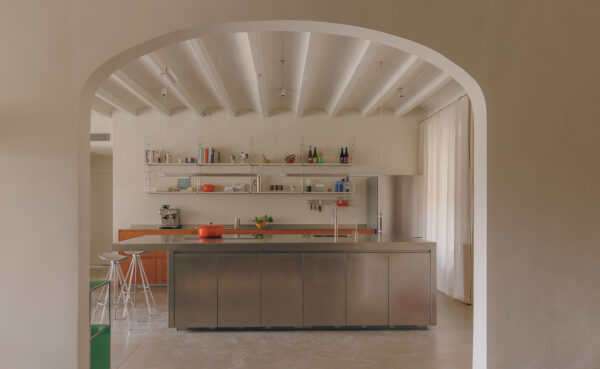
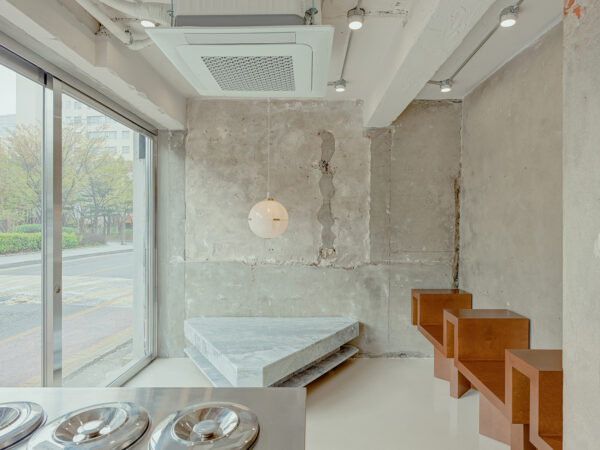
(*) Images courtesy of 3daysofdesign. Photo of Signe Byrdal Terenziani by Egon Gade.