Other Circle: a new way of understanding design
The second edition of the event held in Copenhagen consolidates a format that brings together design, art, fashion, technology and gastronomy to explore new forms of contemporary creativity.
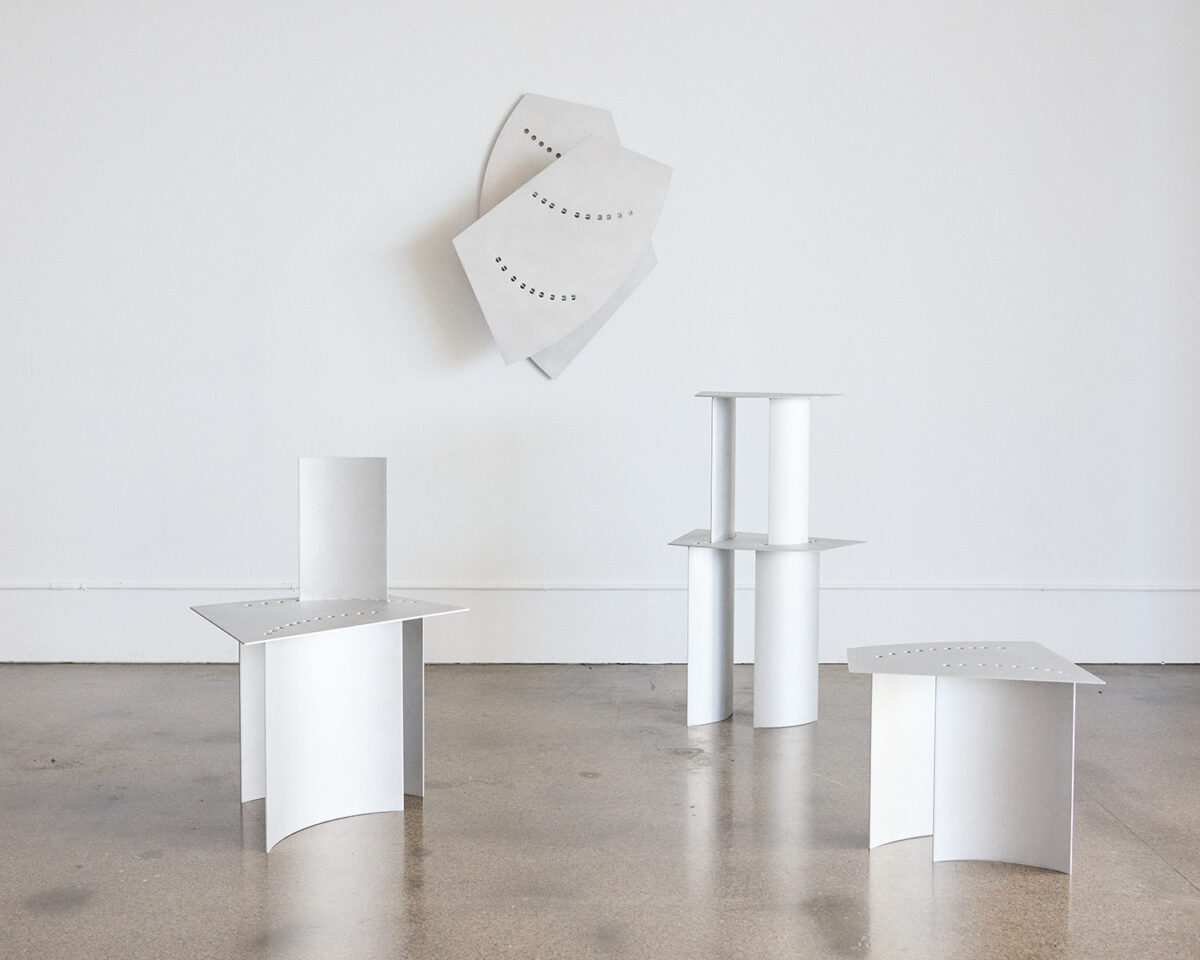
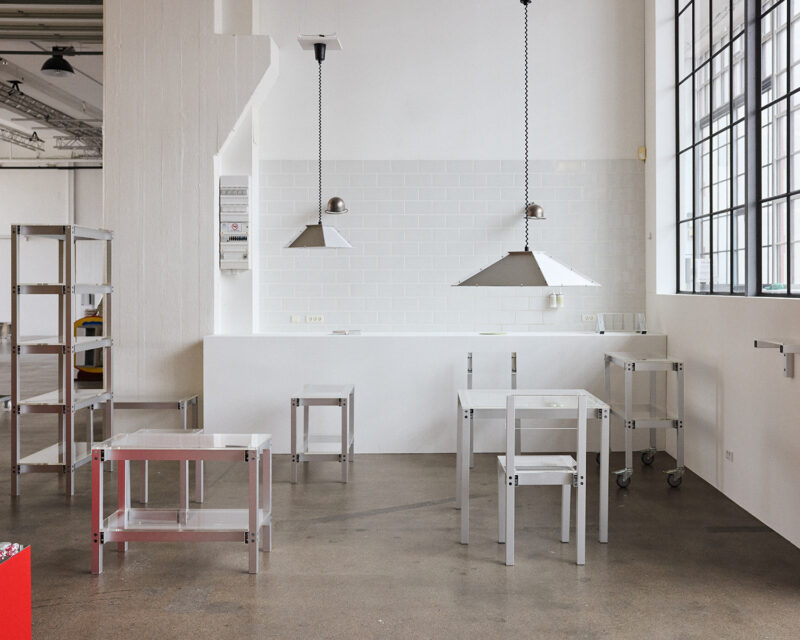
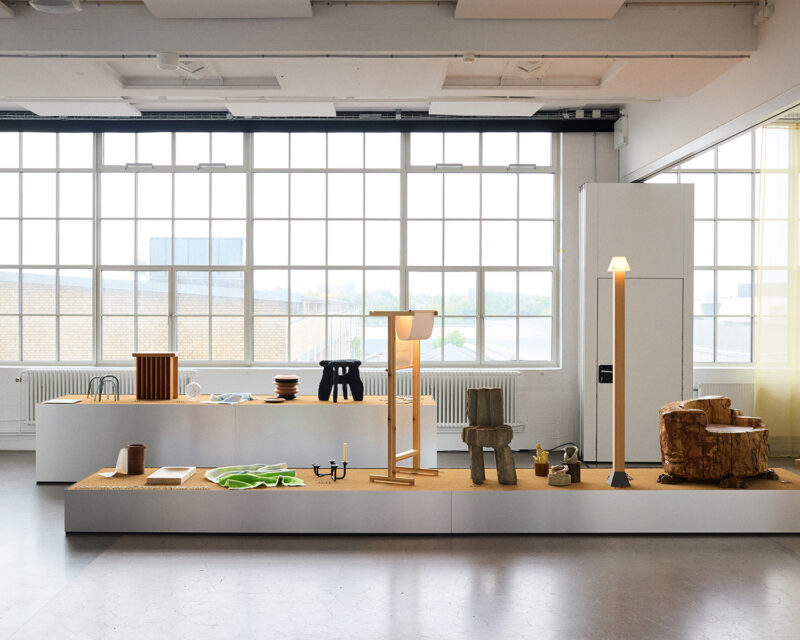
Every June, Copenhagen becomes one of the world’s leading centres of design. Yet among the many exhibitions, launches and events that make up Copenhagen Design Week, one event is proving that the future of the industry lies in breaking down the traditional boundaries between disciplines.
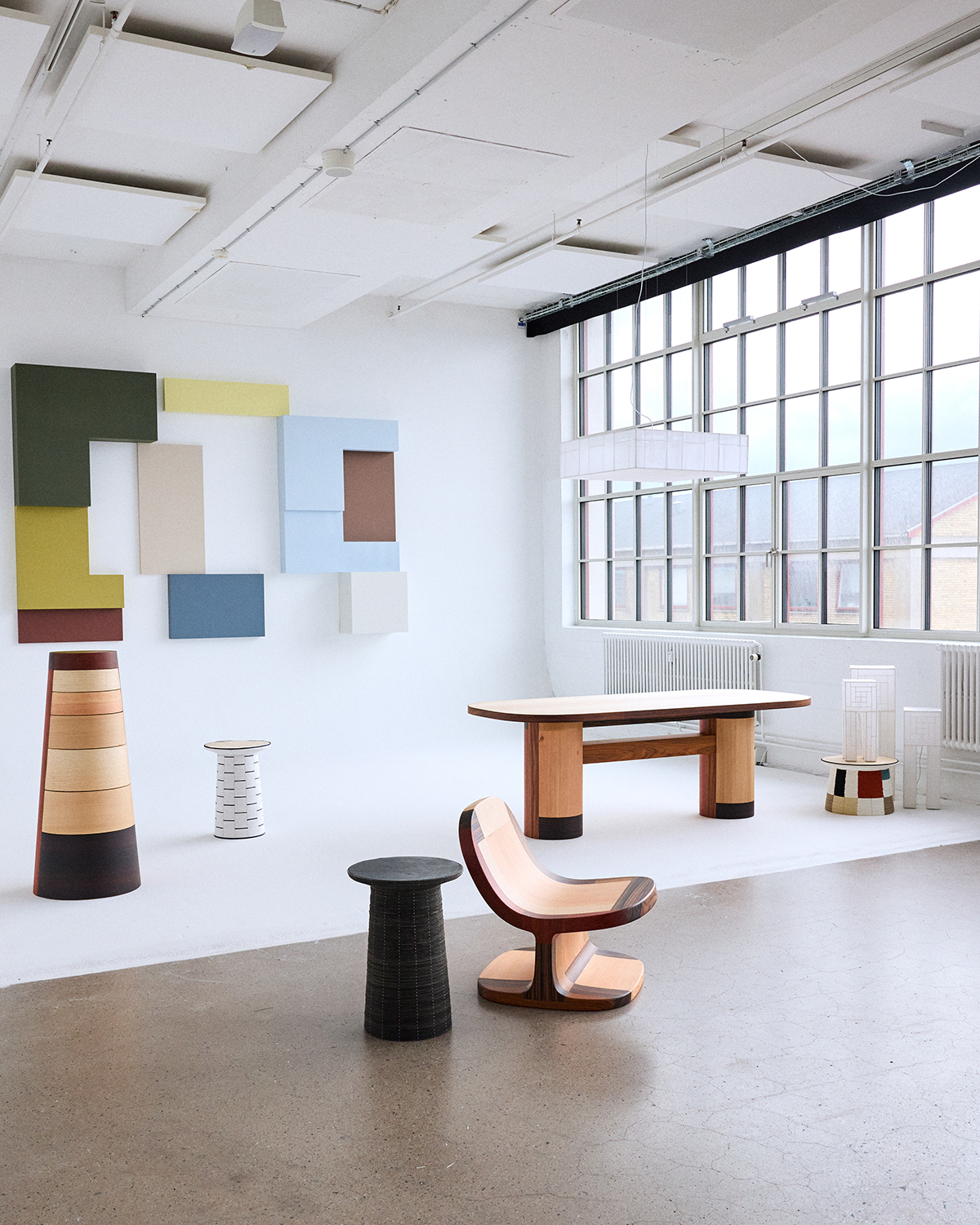
The second edition of Other Circle, held from 10 to 13 June at The Lab, confirmed that contemporary design can no longer be understood as an isolated discipline, but rather as a space where creativity, technology, art, architecture, fashion, gastronomy and culture converge.
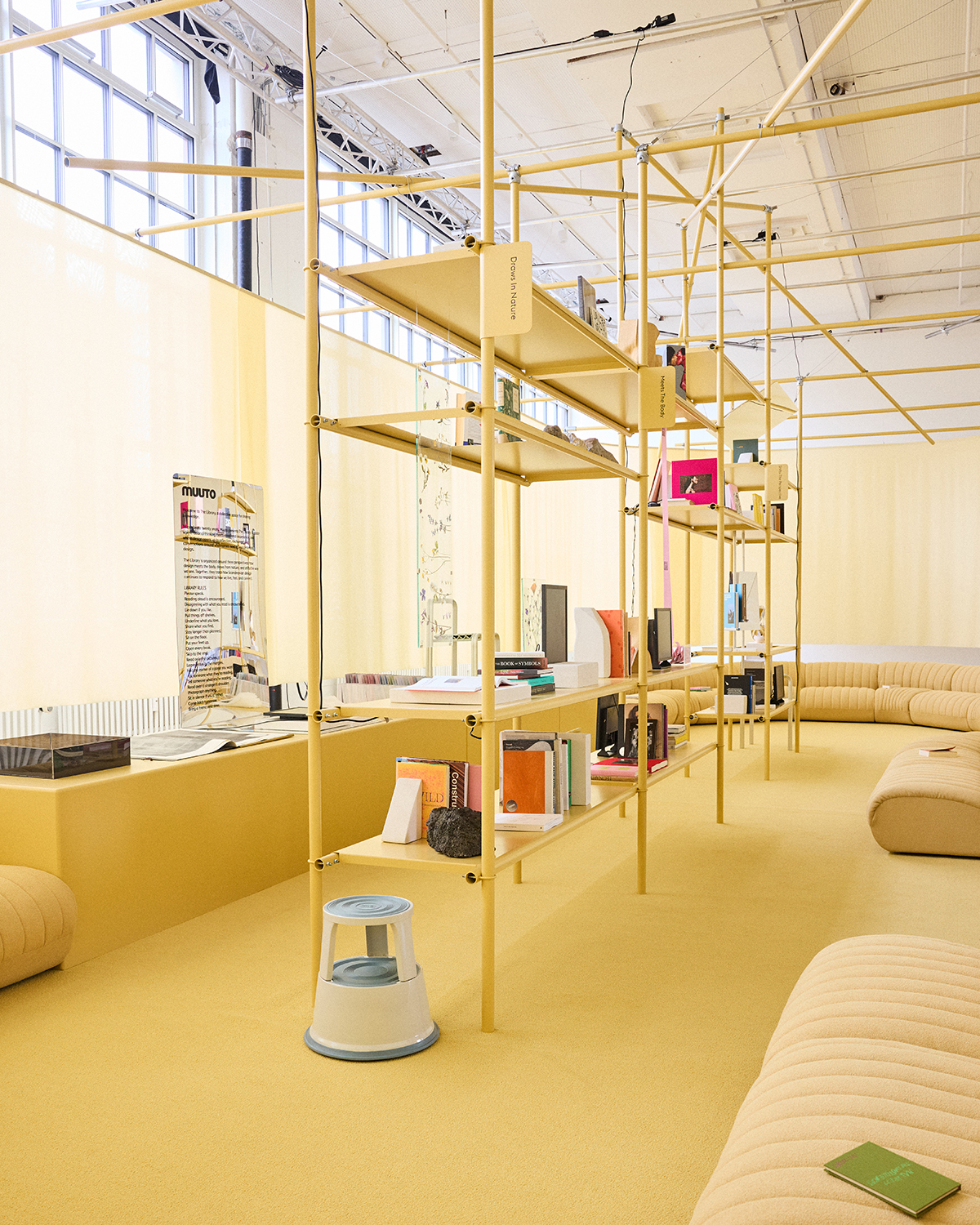
Far from reproducing the conventional format of a trade fair, Other Circle has established itself as a carefully curated platform that proposes new ways of experiencing design. It is a place where unexpected collaborations replace traditional exhibition stands, and where the exchange of ideas is just as important as the objects on display.
A global perspective on contemporary design
One of the most compelling aspects of this year’s edition was its commitment to presenting a genuinely international perspective. A total of 78 brands and projects from 17 countries across Europe, Asia, Africa and North America took part in a programme that embraced cultural diversity as one of its defining values.
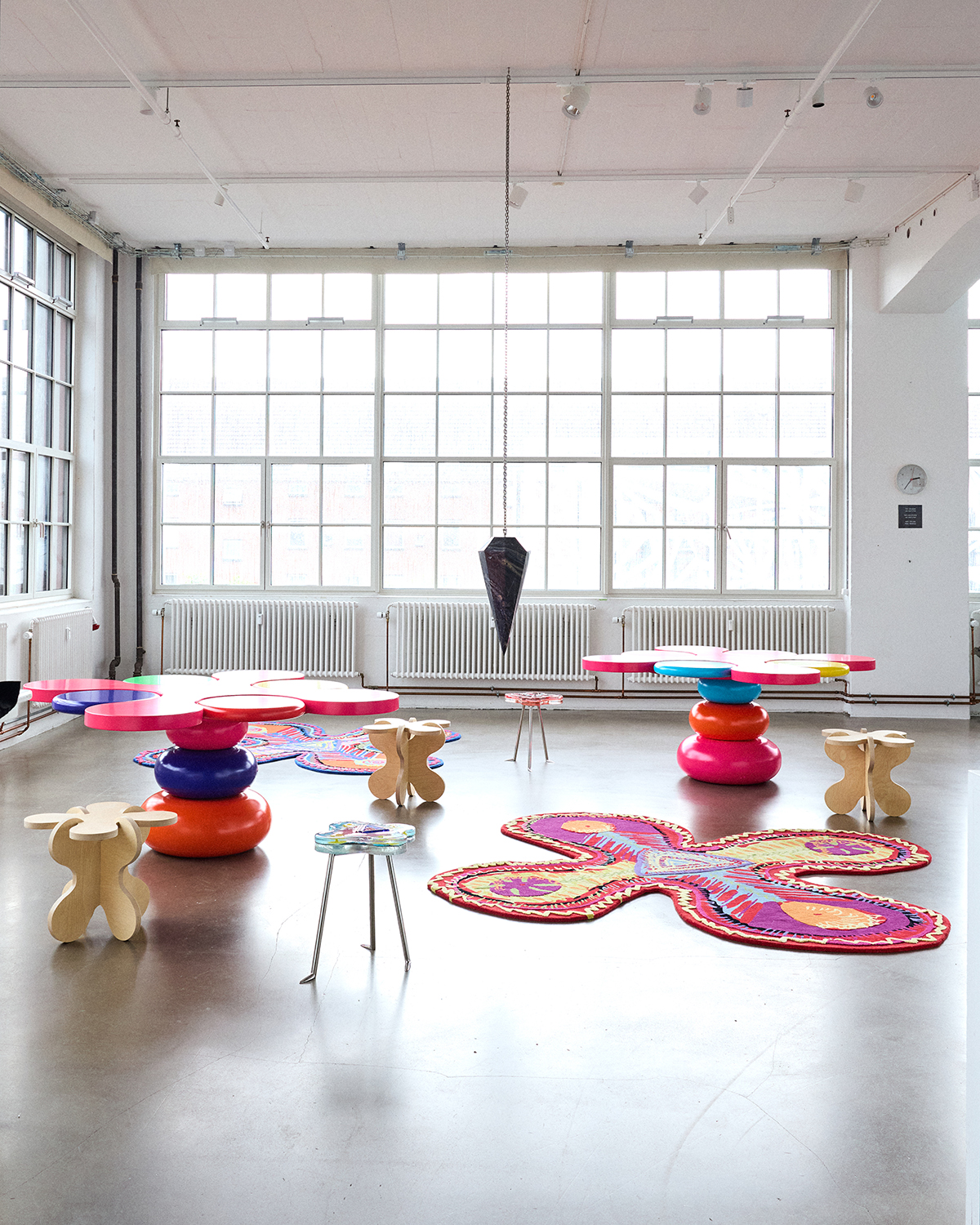
This represents a significant shift from many European design events, which are still largely centred on a predominantly Western or Scandinavian perspective. At Other Circle, the aim was to broaden the conversation by incorporating voices, materials, processes and creative traditions from a wide variety of cultural contexts.
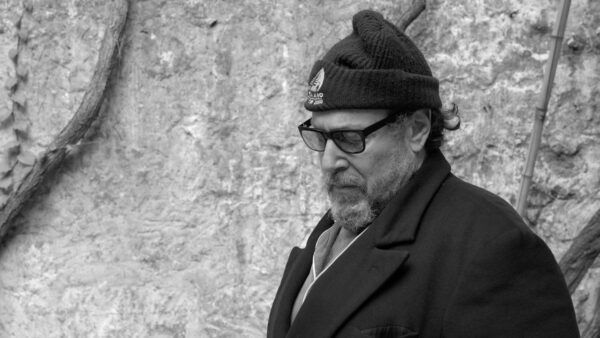
Among the participants, Ghanaian artist Paa Joe stood out for his internationally recognised sculptural coffins, which have for decades become a powerful artistic and cultural expression deeply connected to Ghanaian identity. His participation perfectly symbolised the event’s ambition to expand the boundaries of contemporary design and introduce narratives that are less commonly represented within the international design circuit.
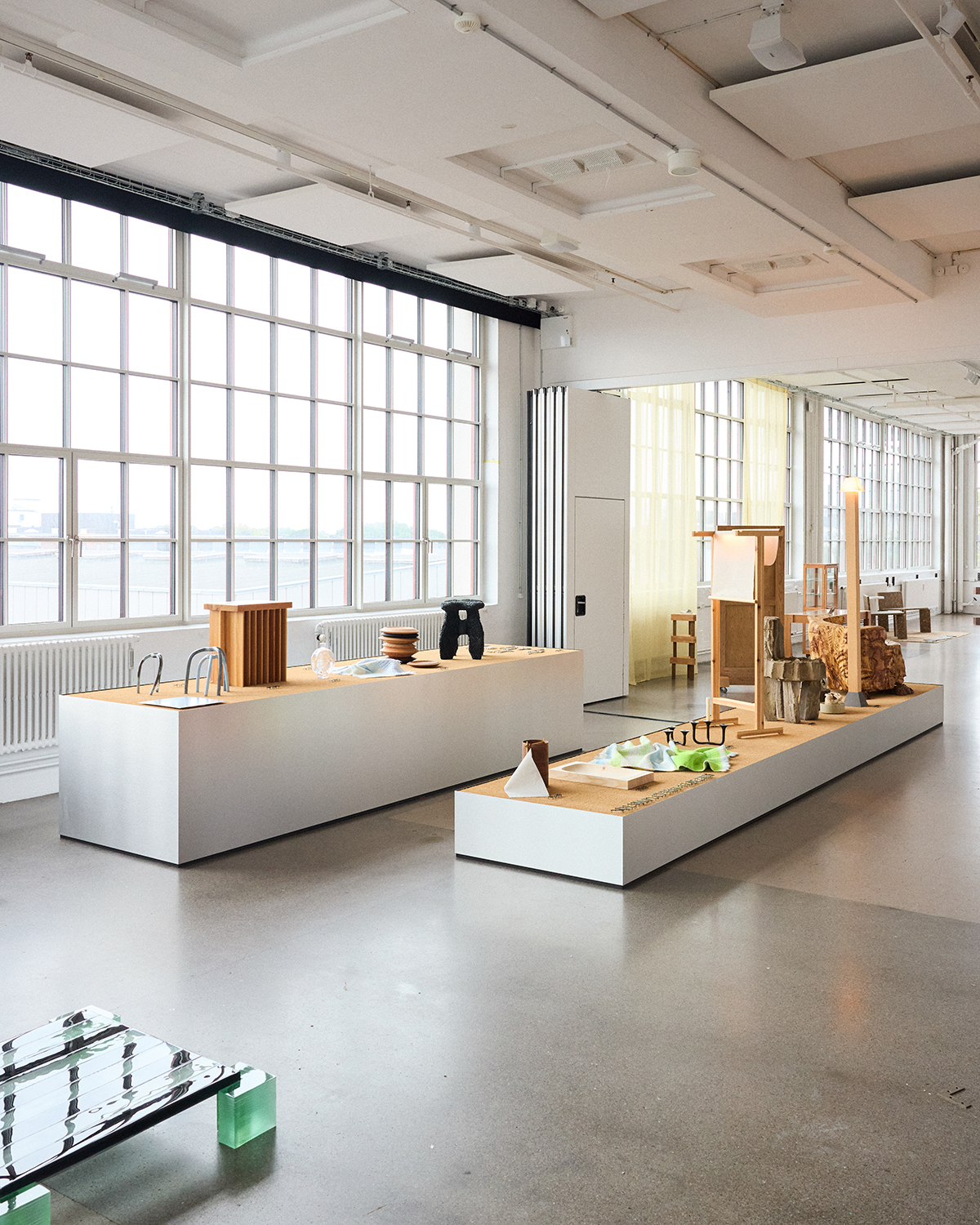
When the boundaries between disciplines disappear
Perhaps the best way to understand Other Circle is through its guiding concept: “post-disciplinary culture”, an idea that underpins its entire curatorial approach. More than simply a statement of intent, it reflects a reality that is becoming increasingly evident across today’s creative industries: traditional disciplines no longer function as isolated silos.
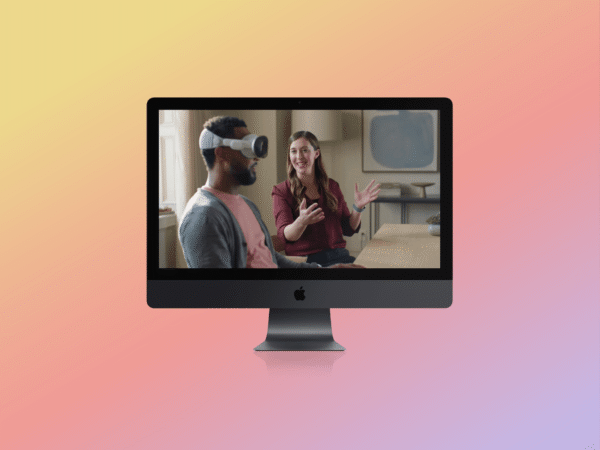
Brands, studios and creatives presented projects born out of experimentation.
Today, it is increasingly common for a designer to collaborate with a chef, for a furniture company to develop a project alongside an artist, or for artificial intelligence to become part of creative processes that until recently belonged exclusively to human practice.
Within this context, Other Circle creates a space where such connections are not merely possible but become the driving force behind new ideas.
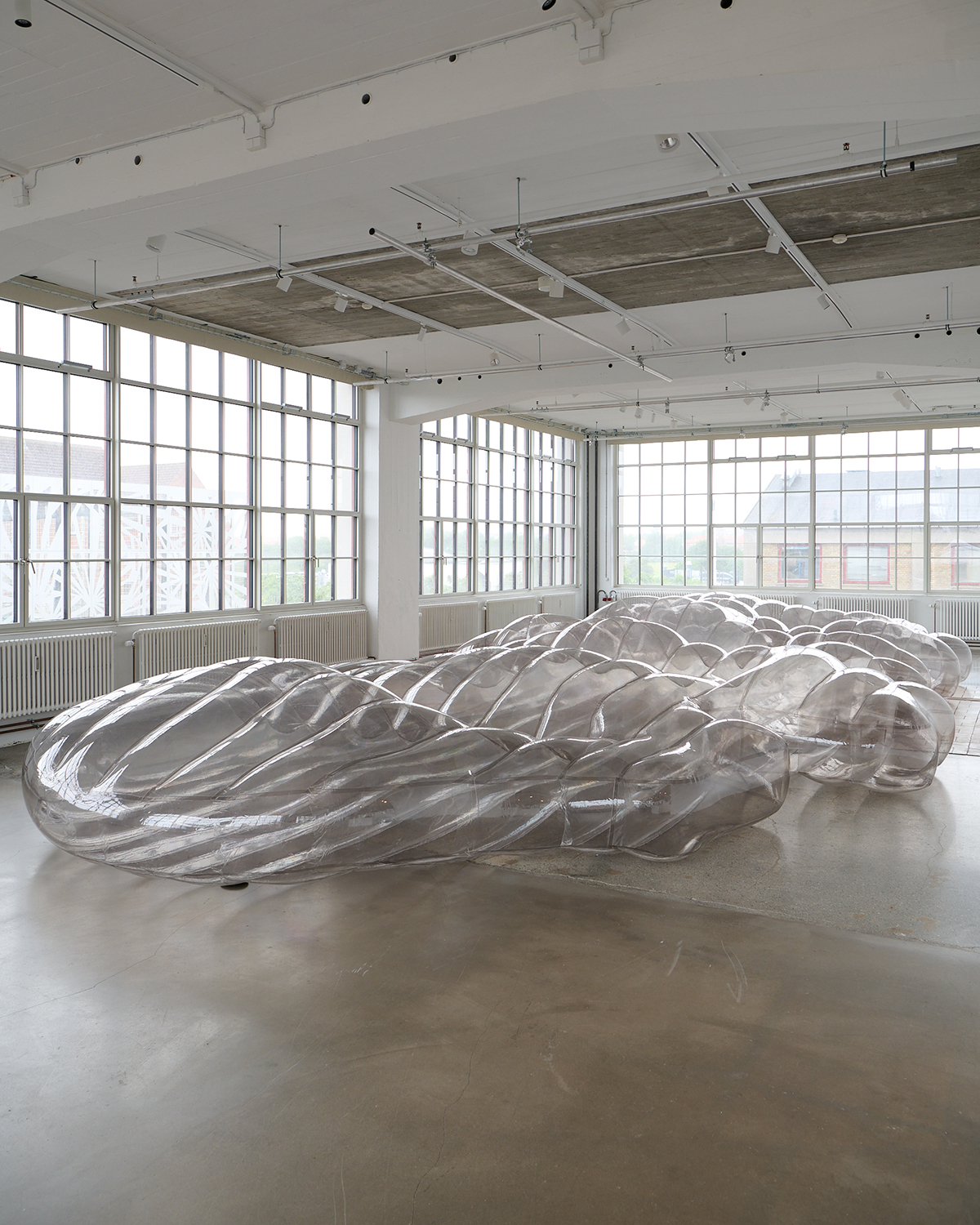
Throughout the four-day event, this philosophy translated into collaborations that would be difficult to imagine within a conventional exhibition format.
Brands, studios and creators shared projects born from exploration, opening new avenues of dialogue between materials, technology, craftsmanship and cultural production.
Among the most talked-about collaborations were NAKED SPACE × Nike, Spacon × Muuto, Wasted × Max Lamb, Sucuk und Bratwurst × KPM Berlin, and Pholc × Nick Ross, demonstrating that unexpected partnerships can generate some of the most exciting outcomes in today’s creative landscape.
The Lab: a venue designed to encourage encounters
The venue chosen to host Other Circle explains much of its identity. Covering almost 3,740 square metres, The Lab has served as a creative hub in Copenhagen for more than three decades.
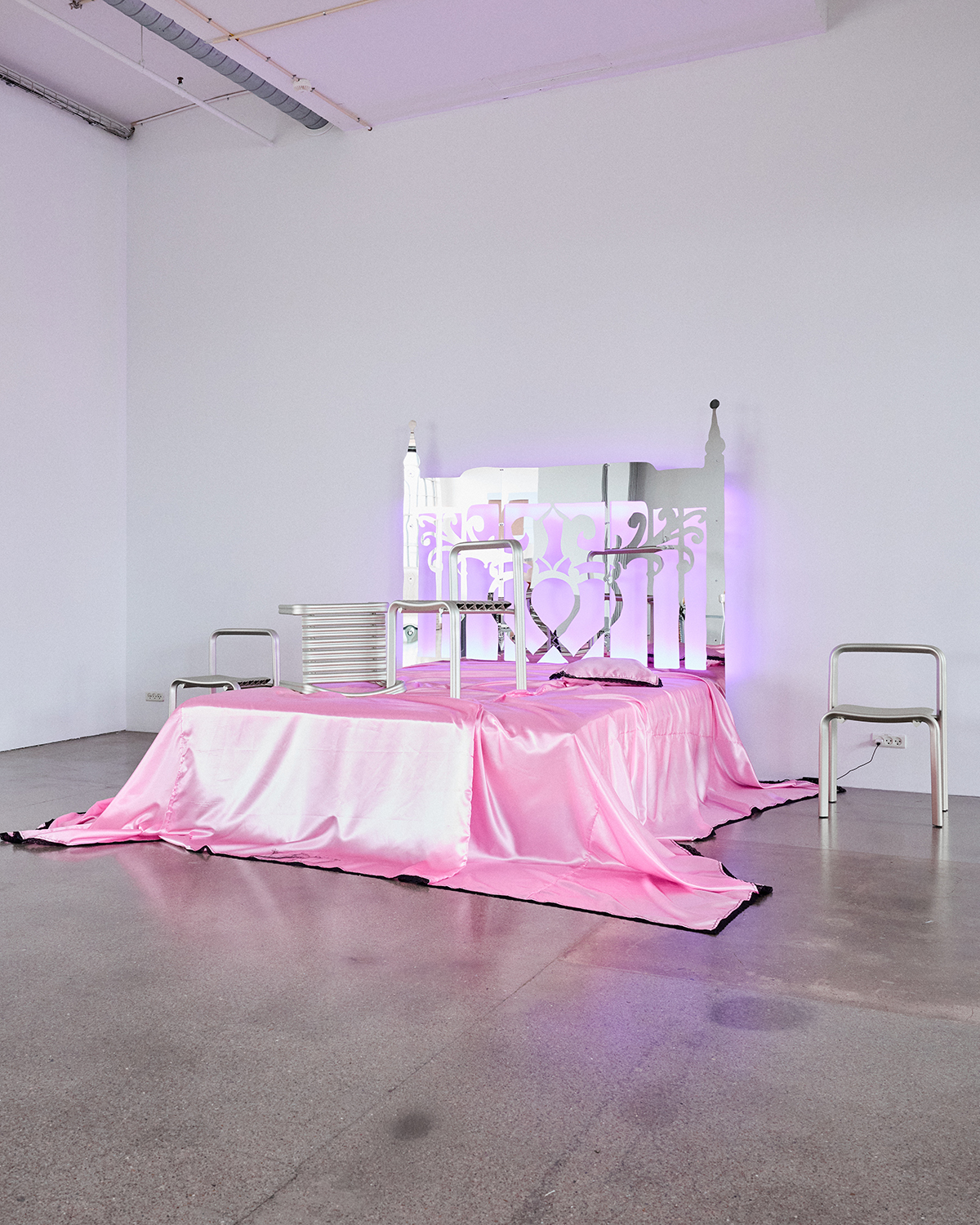
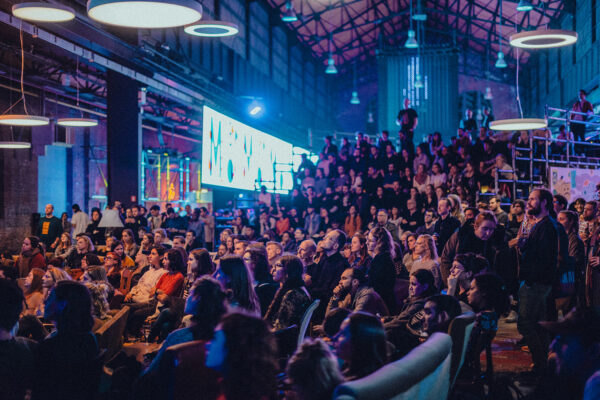
Its industrial architecture and flexible layout allow design, art, gastronomy, music and technology to coexist naturally, encouraging spontaneous encounters between disciplines that would normally evolve independently.
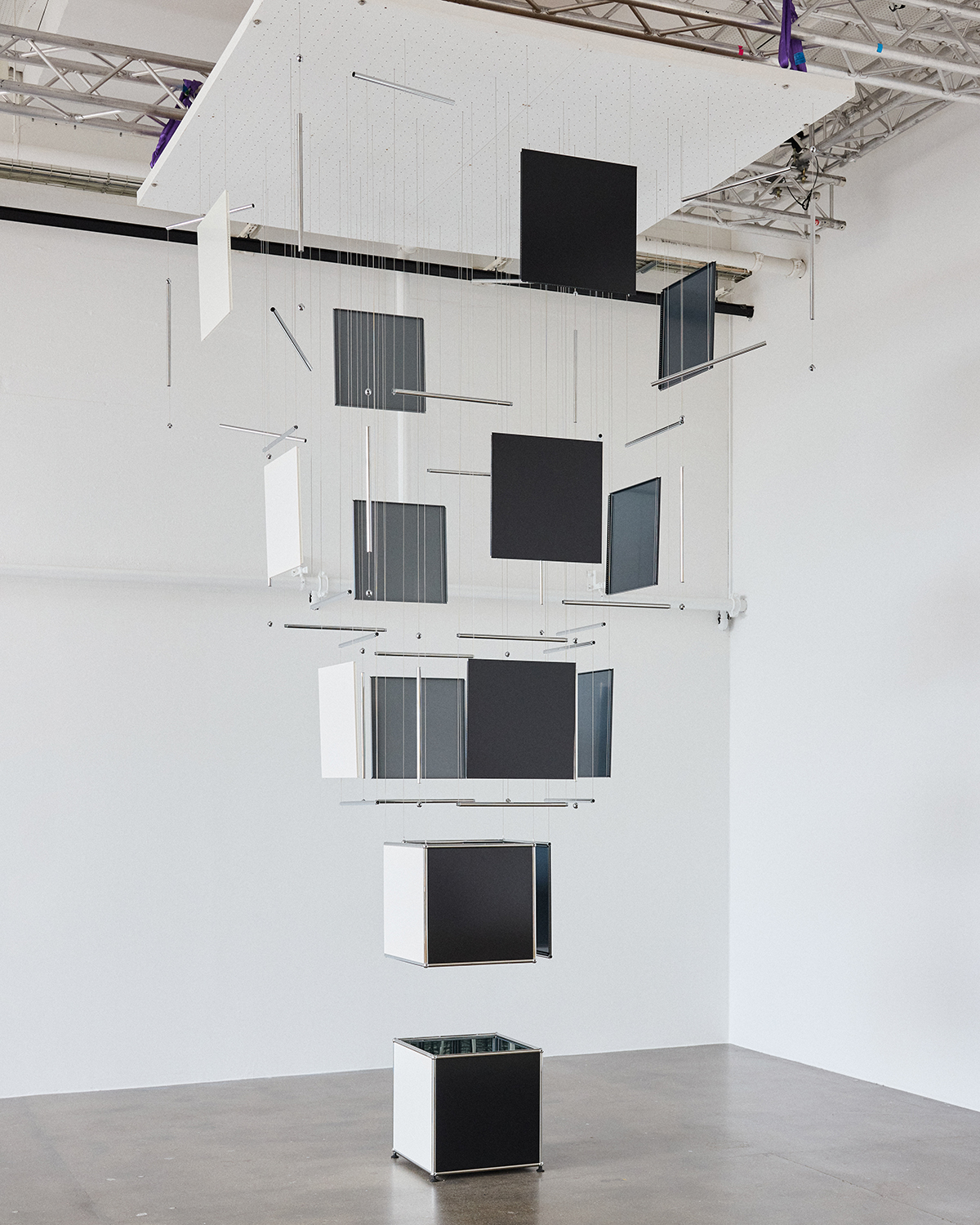
More than simply housing exhibitions, The Lab functions as a laboratory where ideas can intersect free from the usual limitations of commercial trade fairs. This constant sense of discovery forms part of the experience, transforming every visit into an open journey where each space offers a different conversation.
Technology, artificial intelligence and cultural heritage
Another of the edition’s most interesting features was the presence of collaborators from remarkably diverse fields.
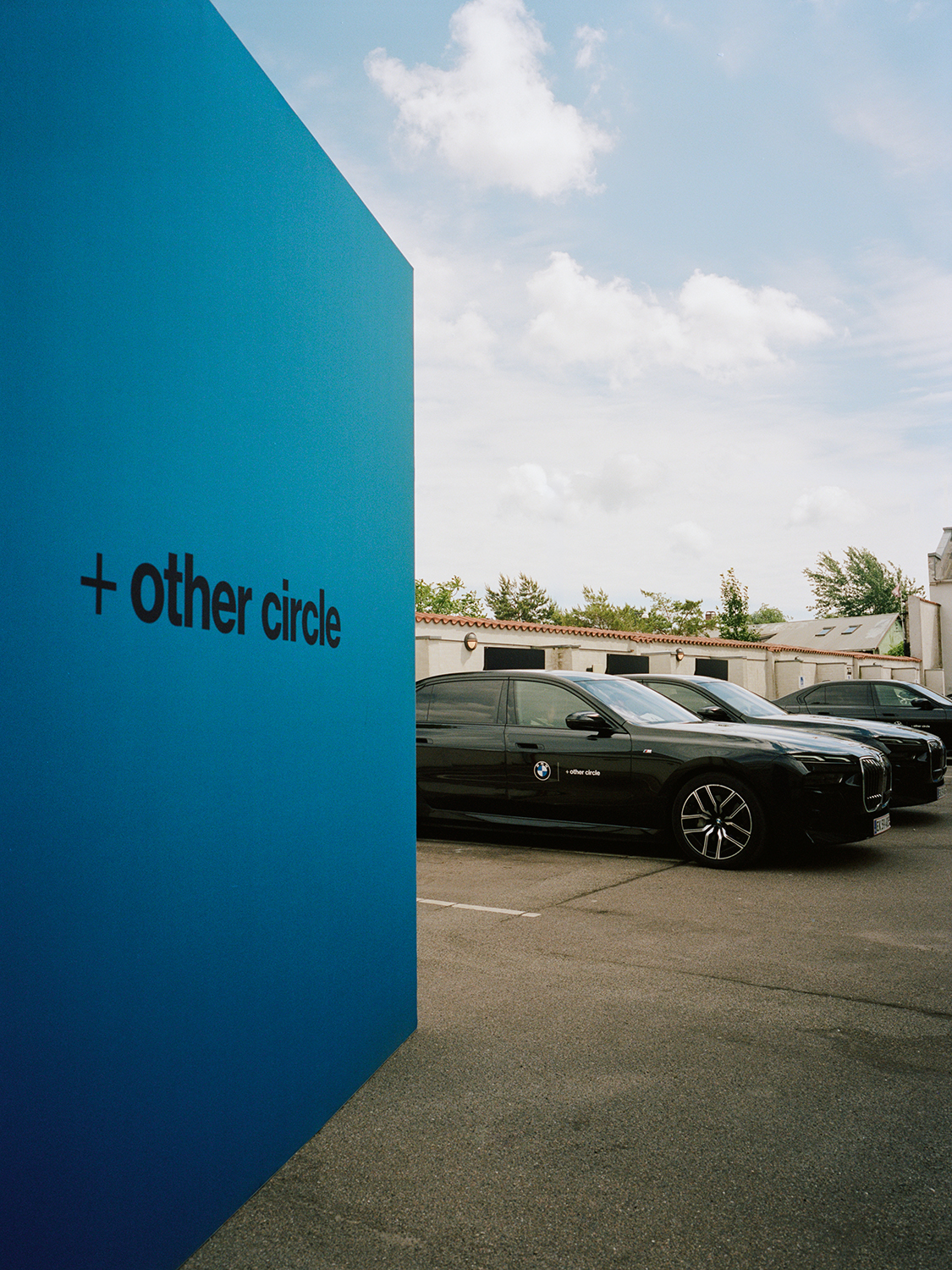
Among them were Anthropic, BMW and PIN-UP Magazine—three organisations representing seemingly different worlds that found common ground at Other Circle to explore new creative possibilities.
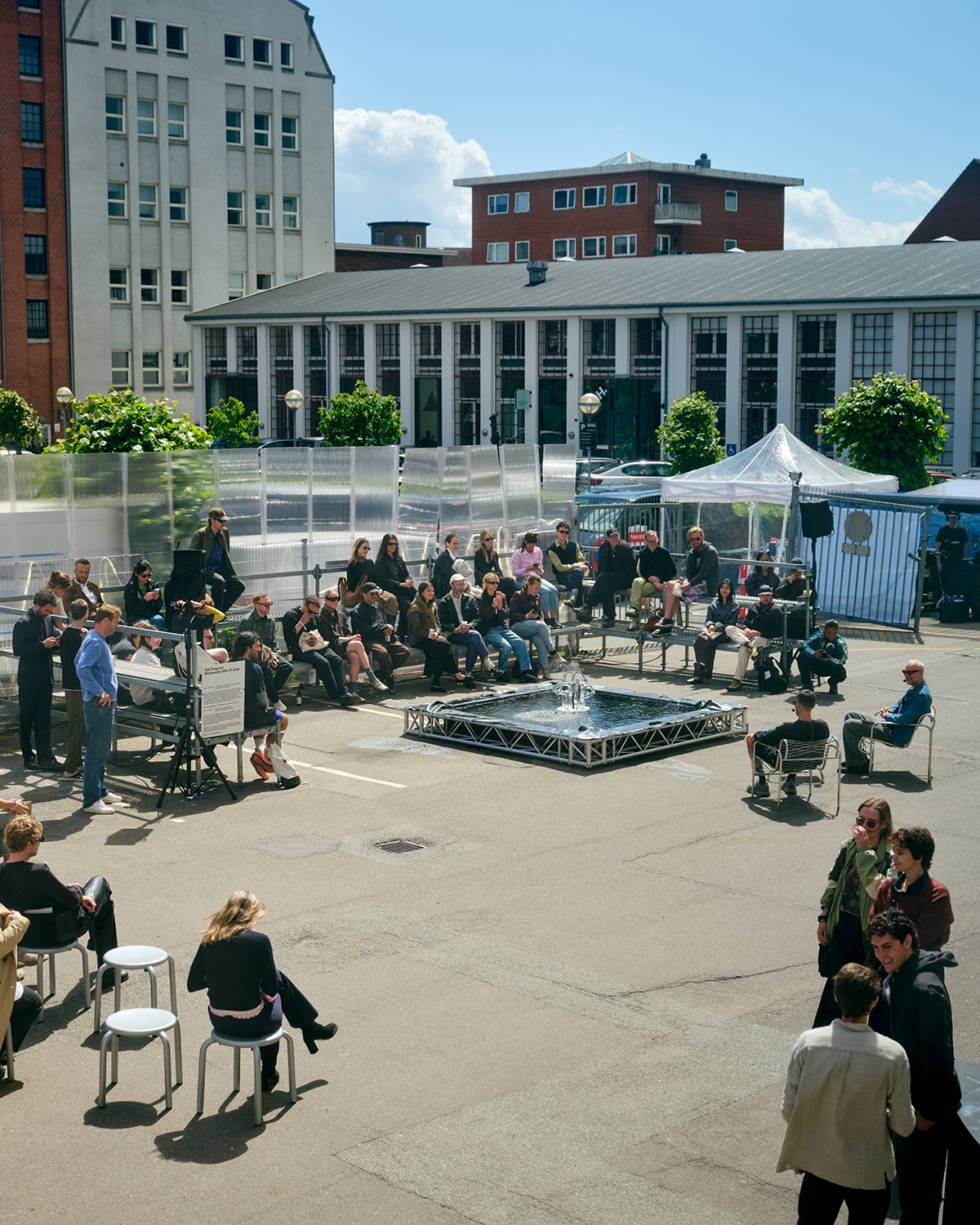
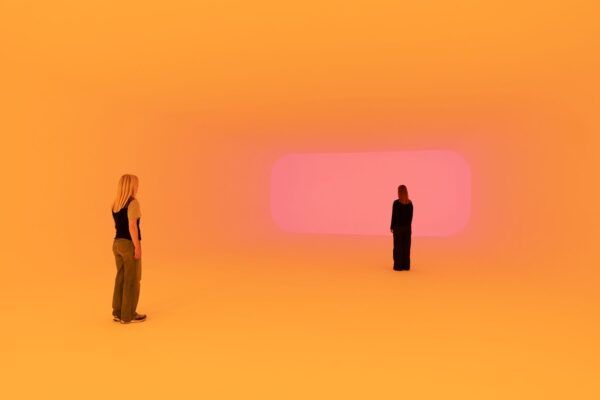
The Lab has served as a creative hub for more than three decades.
Particularly noteworthy was the collaboration between BMW and South African artist Esther Mahlangu, internationally recognised for translating traditional Ndebele patterns into contemporary art. The project demonstrated how cultural heritage can engage with technological innovation without losing its authenticity.
The participation of Anthropic reflected another increasingly evident reality: artificial intelligence has become an integral part of conversations surrounding design.
Rather than presenting AI solely as a technological tool, the event positioned it within a broader cultural context, where discussions revolve around creativity, working processes and new forms of collaboration between people and intelligent systems.
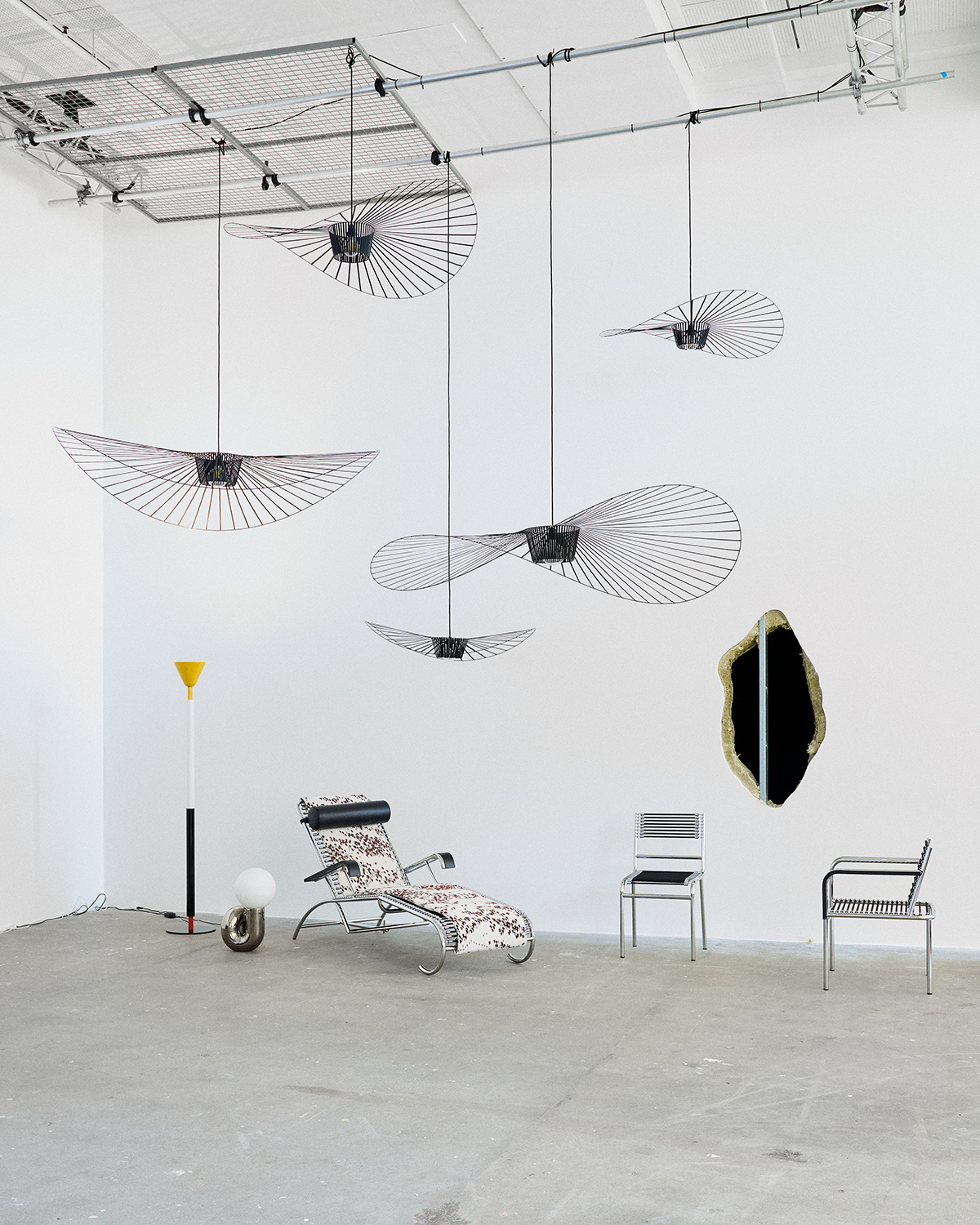
Much more than design
Another of Other Circle‘s greatest strengths lies in its understanding of contemporary culture—not as a collection of separate disciplines but as an ecosystem in which ideas circulate, merge and enrich one another. This vision is reflected in a programme that extends far beyond a conventional design exhibition.
Alongside installations and exhibitions, the event hosted talks, live radio broadcasts, gastronomic experiences and spaces specifically designed to encourage interaction between professionals, creatives and visitors.
Rather than merely displaying objects, Other Circle created an environment where conversations, collaborations and spontaneous encounters became an essential part of the experience itself.
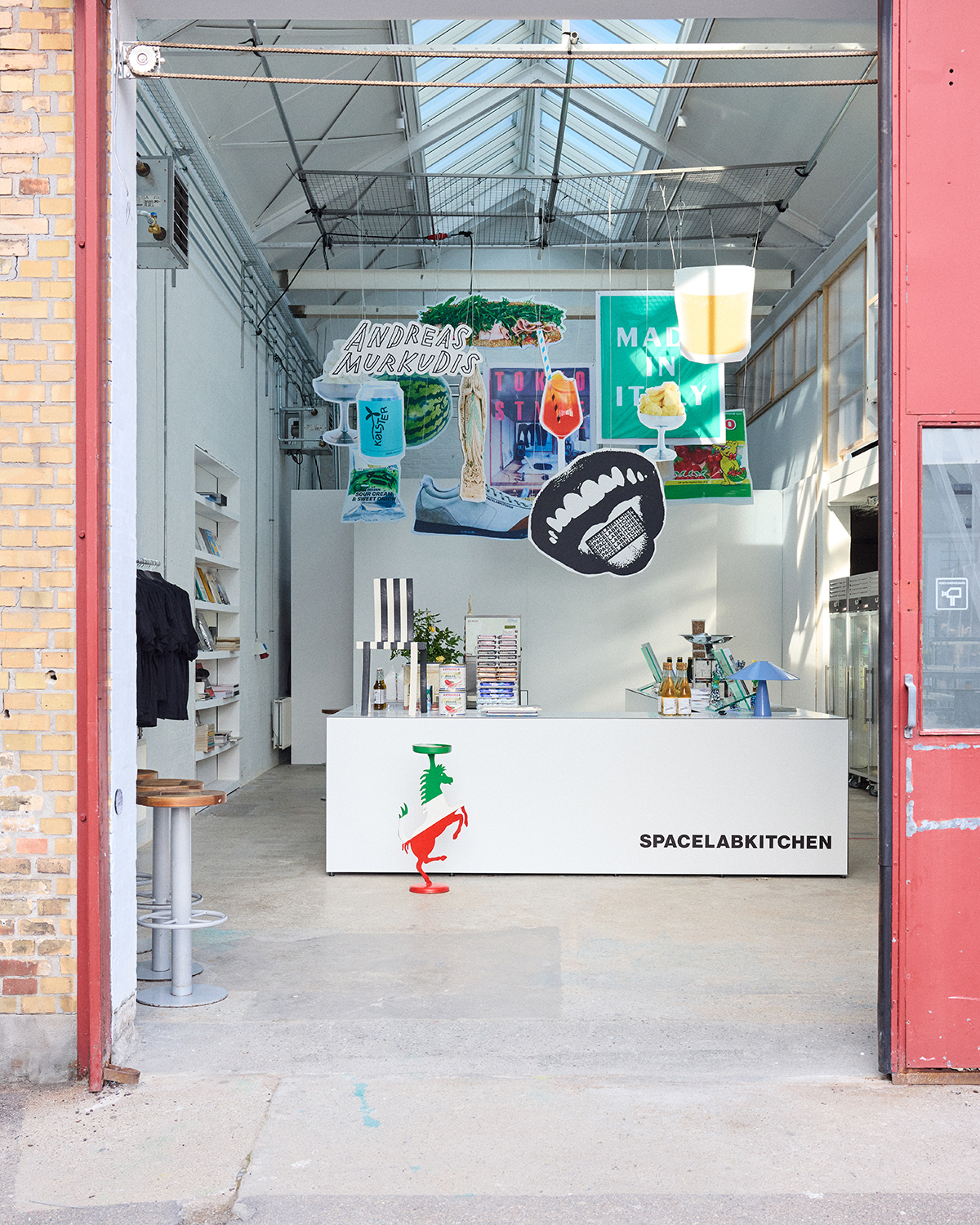
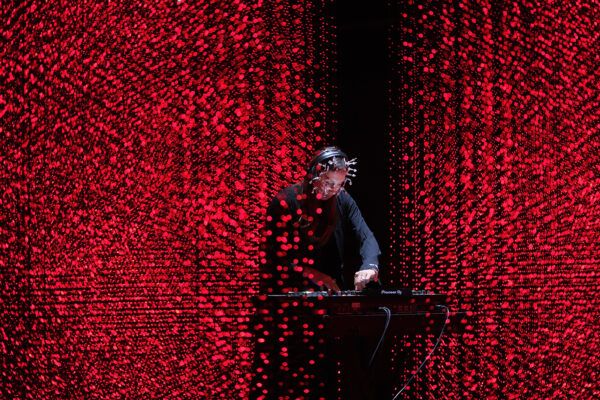
Enter Art Fair incorporated several galleries, reinforcing an ongoing dialogue between art and design.
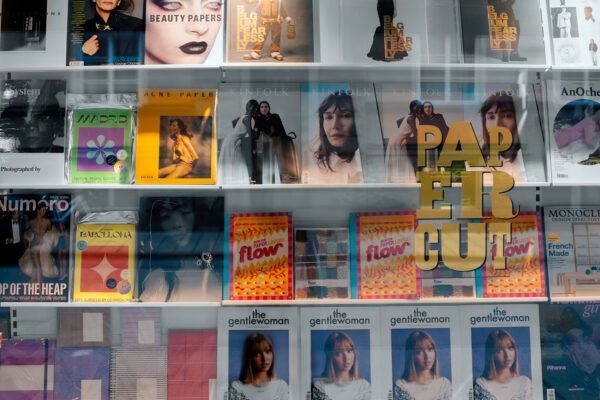
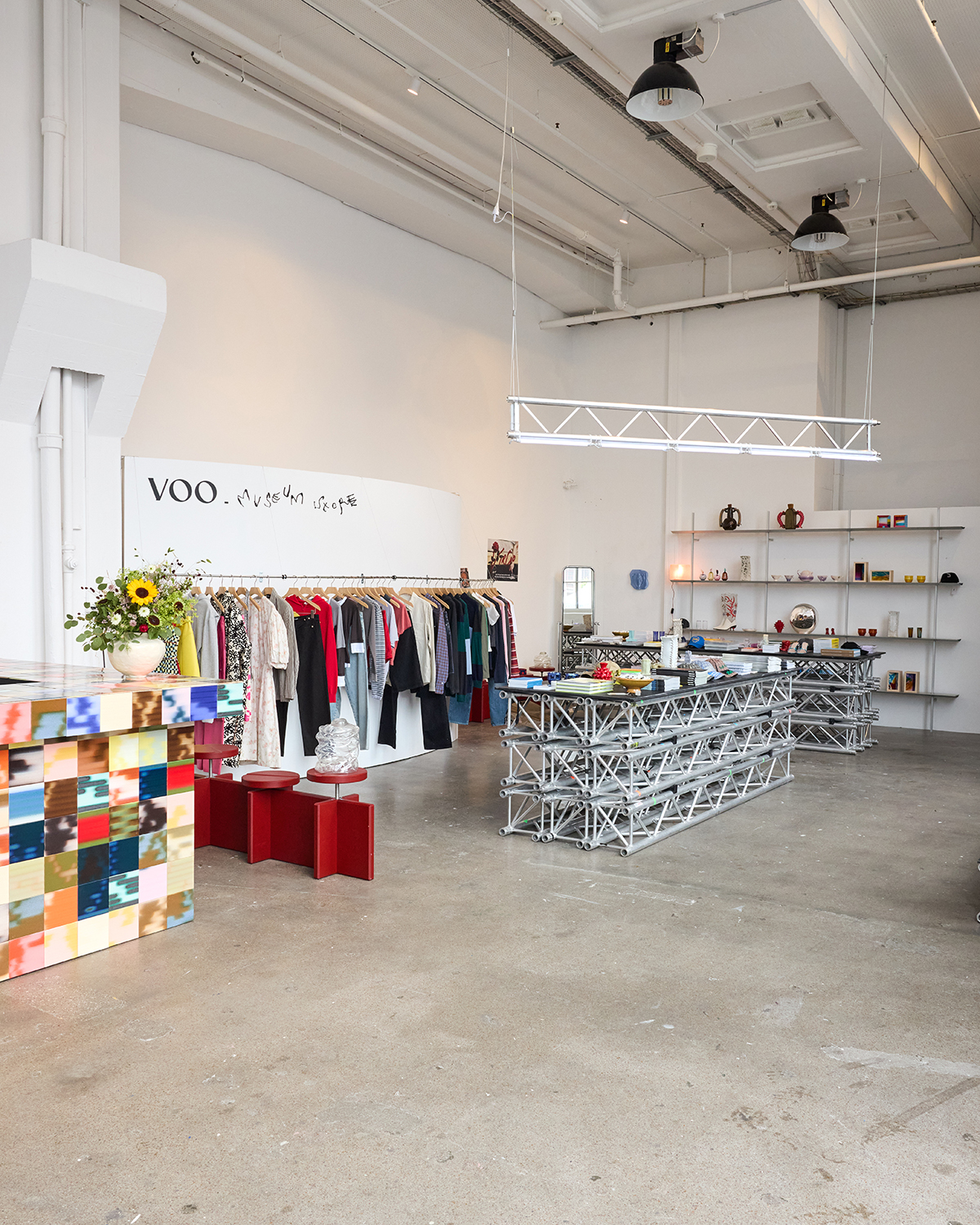
The presence of Enter Art Fair, which integrated several galleries into the exhibition route, further strengthened this continuous dialogue between art and design. Likewise, initiatives such as Hart Bakery, Spacelabkitchen, The Lab Kitchen, and the temporary shop developed together with Berlin concept store Voo expanded the visitor experience far beyond the designed object itself.
Instead of separating disciplines, Other Circle brought them together within a single narrative, demonstrating how they all contribute today to the same broader cultural conversation.
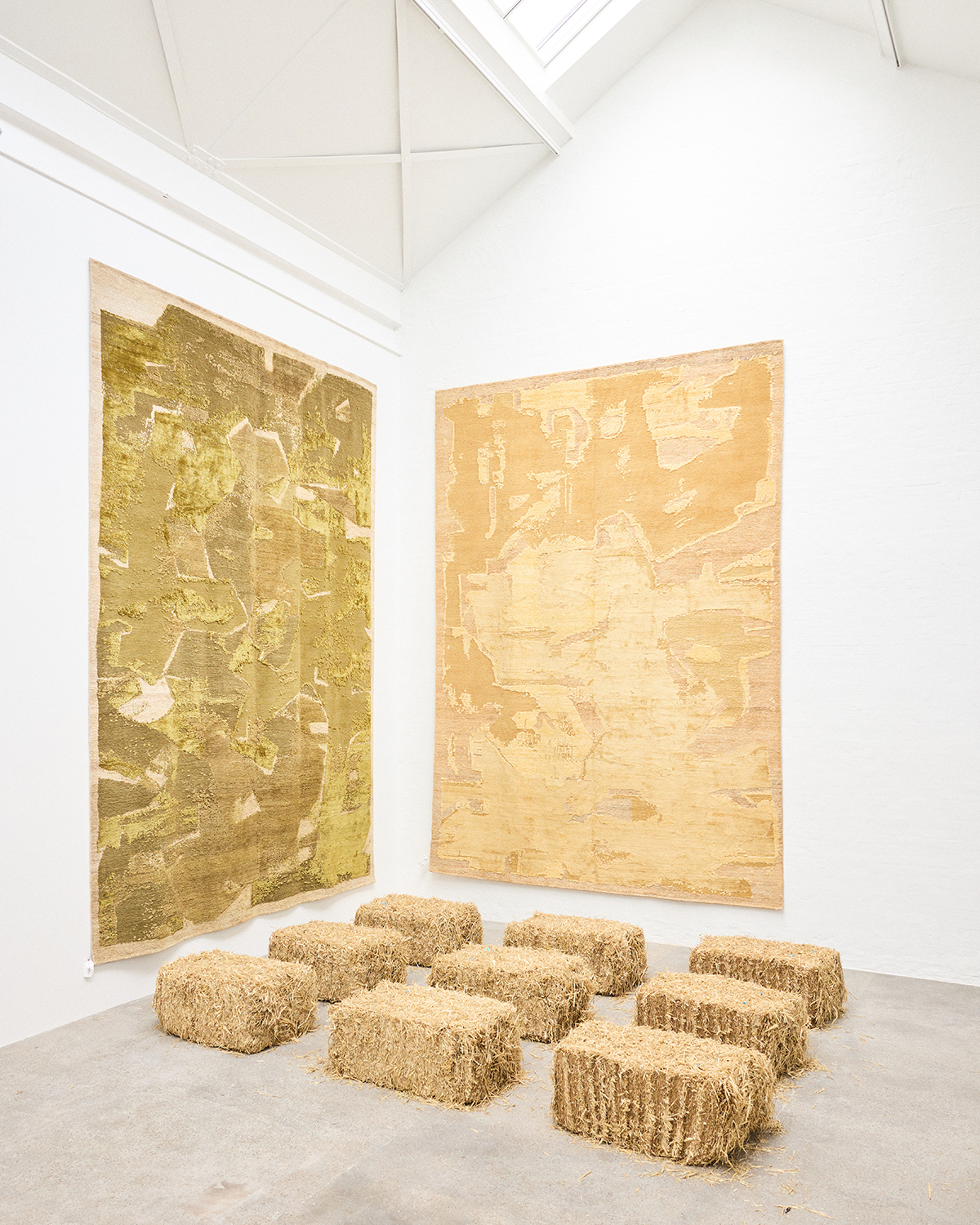
Copenhagen continues to set the pace
If the success of Other Circle demonstrates anything, it is Copenhagen’s remarkable ability to continually reinvent its creative scene.
For decades, the city has been an international benchmark thanks to the legacy of Scandinavian design. Yet in recent years it has also embraced new generations of designers, architects, artists and entrepreneurs who approach design from a far more open perspective.
Within this context, Other Circle offers a complementary vision alongside the city’s other major design events. It does not seek to compete with them but instead enriches Copenhagen’s creative ecosystem by offering a more experimental, cross-disciplinary format that responds directly to today’s concerns within the design industry.
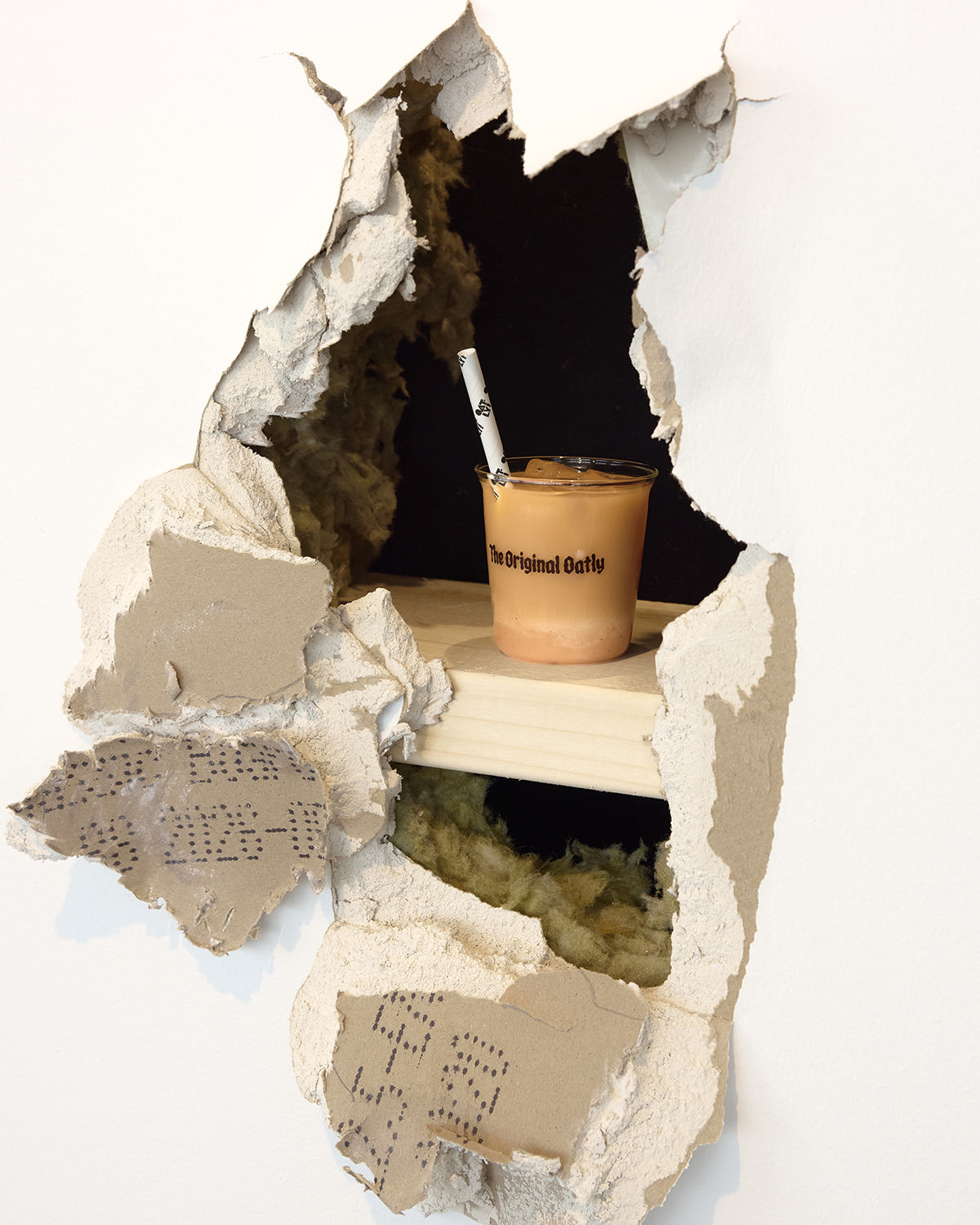
The result is an event that reflects the way international design is evolving: less focused on objects themselves and far more interested in the relationships between people, disciplines and cultures.
An event worth following closely
Following the success of its inaugural edition, Other Circle has taken a significant step forward by establishing a distinctive identity within the international design calendar.
Its commitment to diversity, experimentation and unexpected collaborations responds to an increasingly pressing need: creating spaces where ideas can circulate freely across disciplines, generations and cultural contexts.
At a time when many trade fairs are attempting to reinvent themselves in order to remain relevant, Other Circle proposes a different model. Rather than simply showcasing new products, it creates an environment where design becomes the meeting point between art, technology, gastronomy, architecture, fashion and contemporary thought.
Rather than presenting objects, it sparks conversations. And that is precisely where its greatest value lies. The design of the future will probably not be defined by traditional categories, but by its ability to connect worlds that until recently appeared entirely separate. Copenhagen has once again demonstrated that it remains one of the best places in the world to imagine that future.
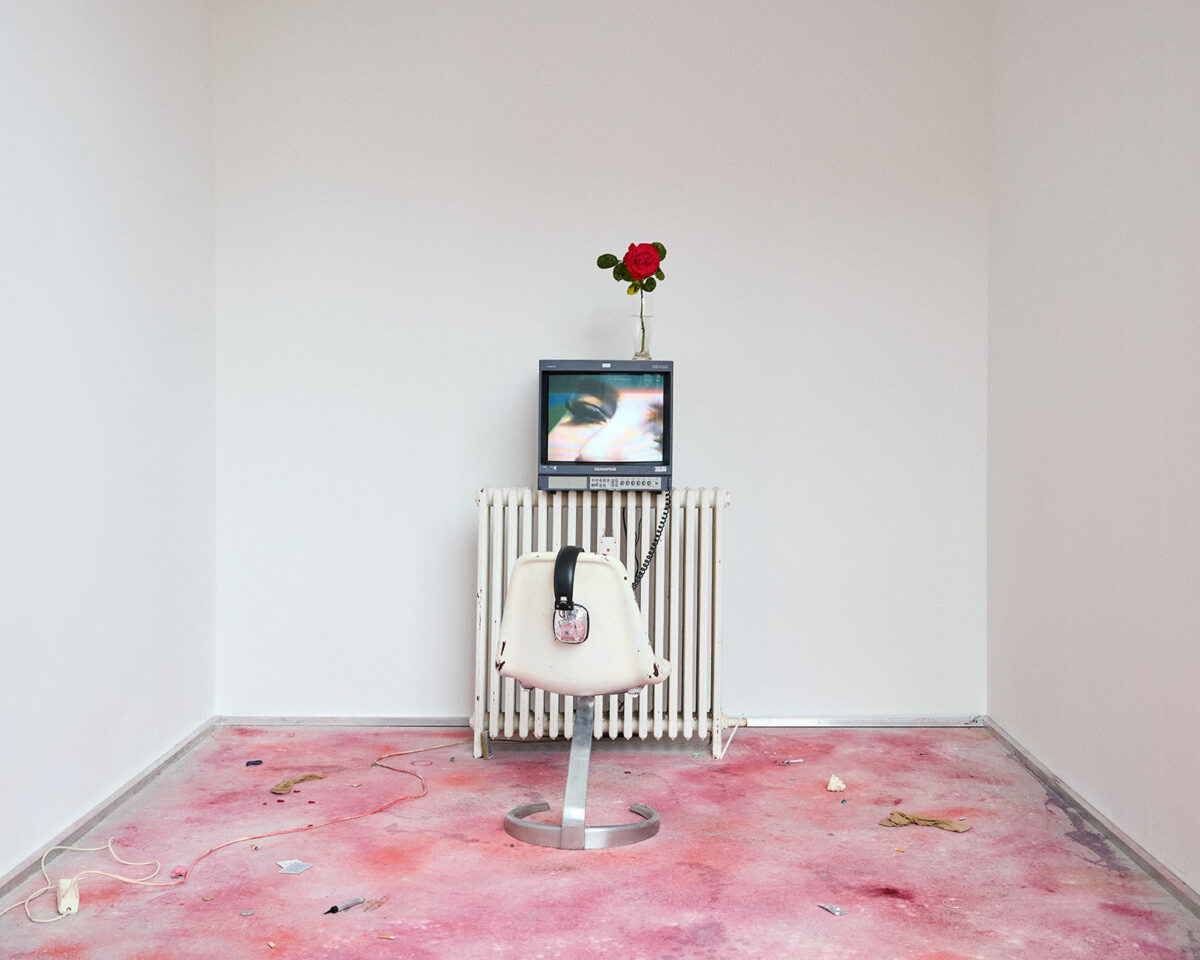
Other Circle acts as a meeting point between art, technology, gastronomy, architecture, fashion and contemporary thought.
Follow Other Circle on Instagram to stay up to date with next year’s dates and the latest news.
(*) Photographs courtesy of Other Circle.