Matter Of questions the rules of design
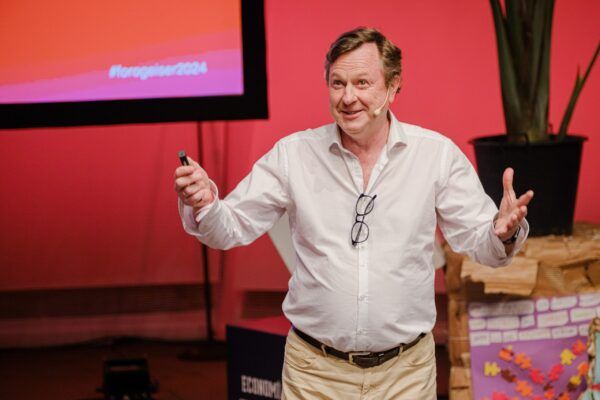
Our collaboration as media partners of Forward Festivals brings us into contact with professionals who offer diverse perspectives on creative practice, such as Matter Of, who spoke at Forward Festival Frankfurt this June.
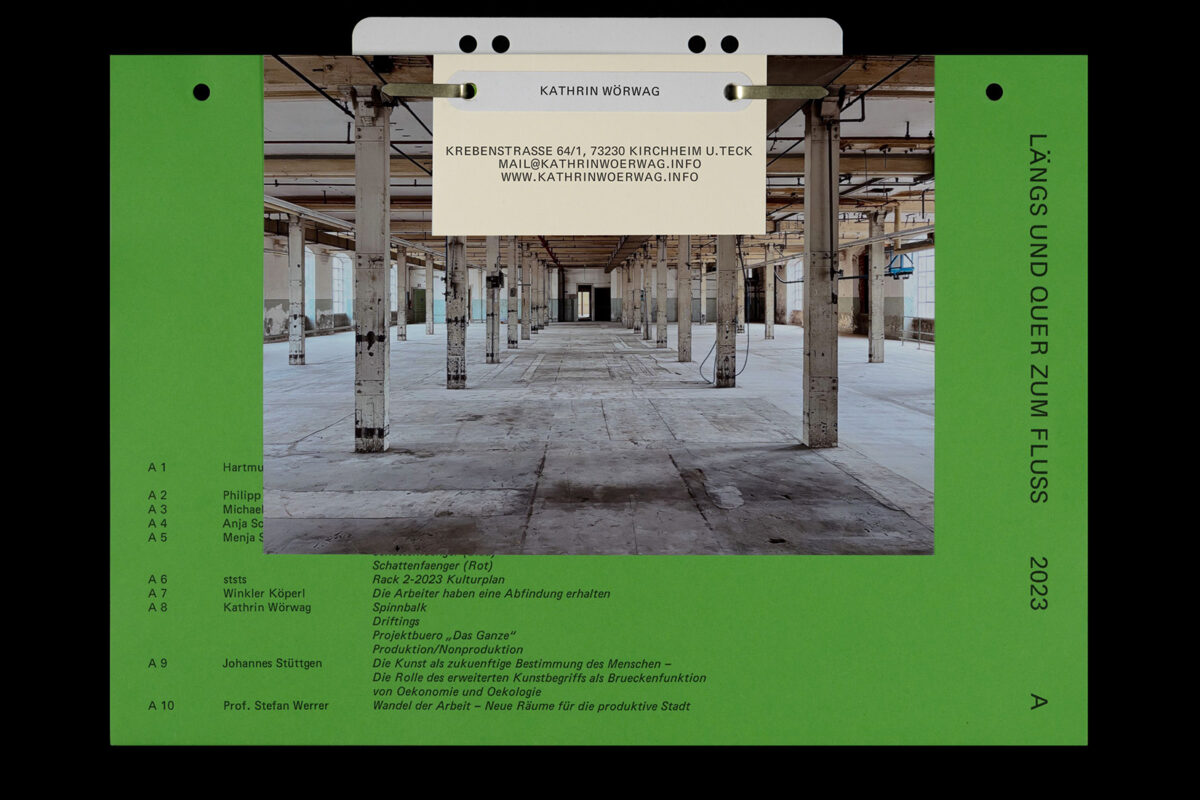
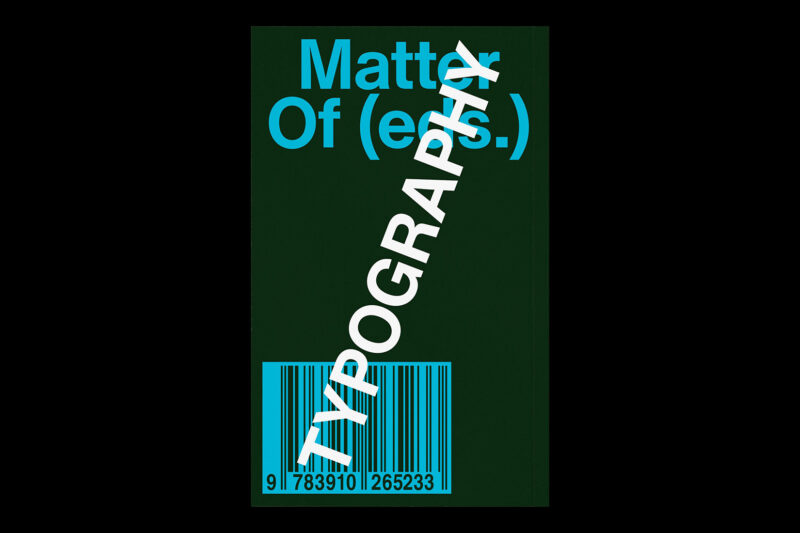
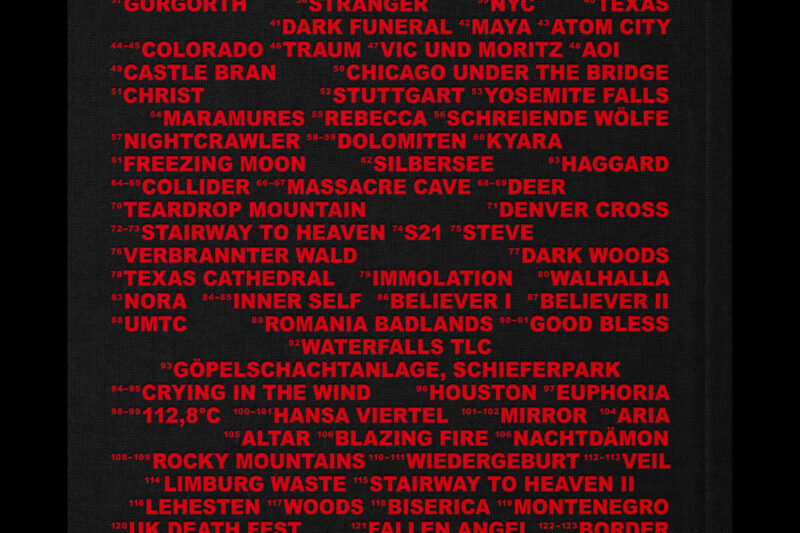
In this conversation with the studio, we explore what it means to work under the definition of “transborder visual practices”, a phrase they chose after spending time considering how best to describe their work. Beyond reflecting their freedom to move between disciplines, these words express an approach to each project: engaging with cultures and contexts that they come to understand through their work, while recognising that this understanding will always be partial.
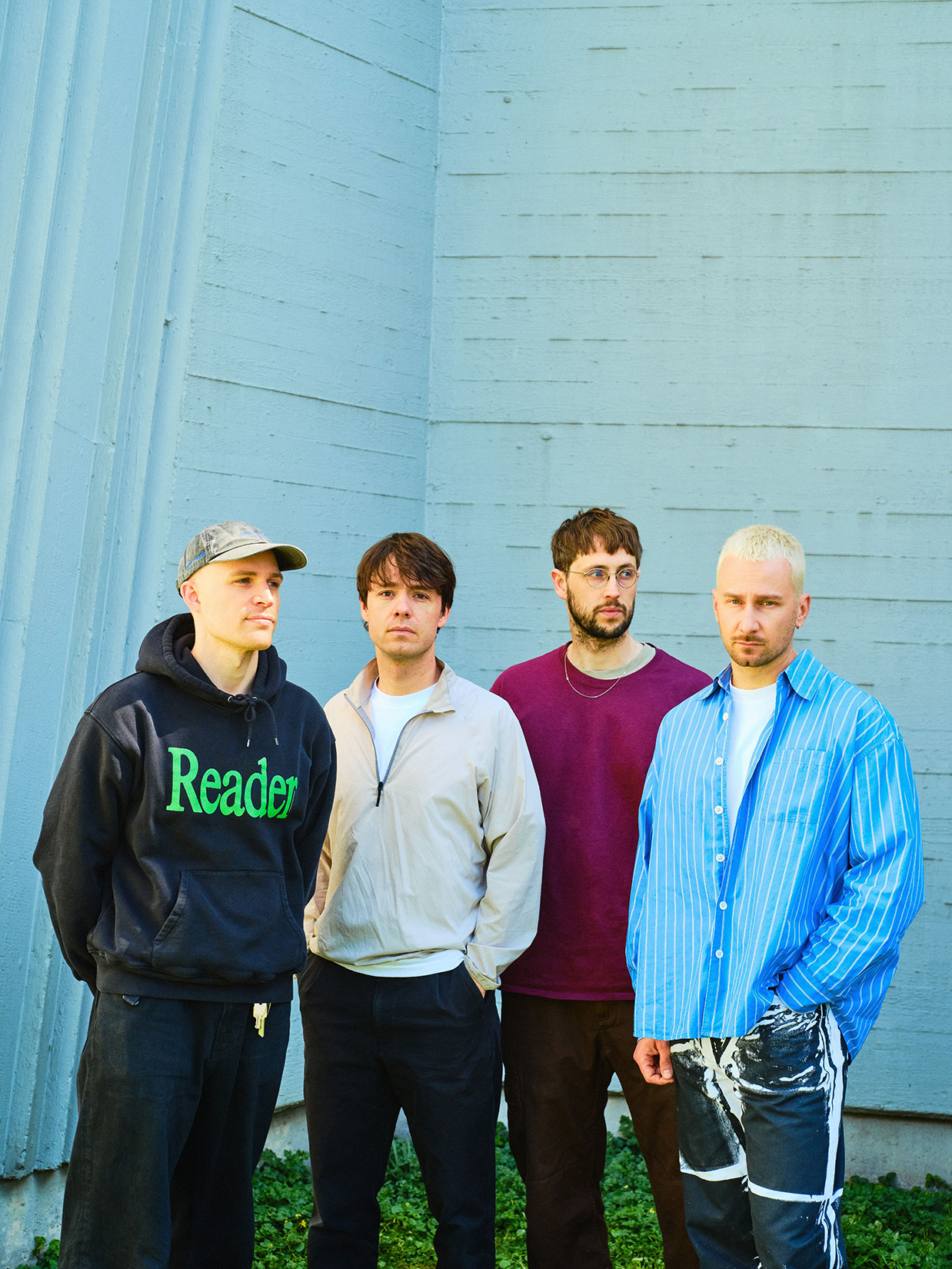
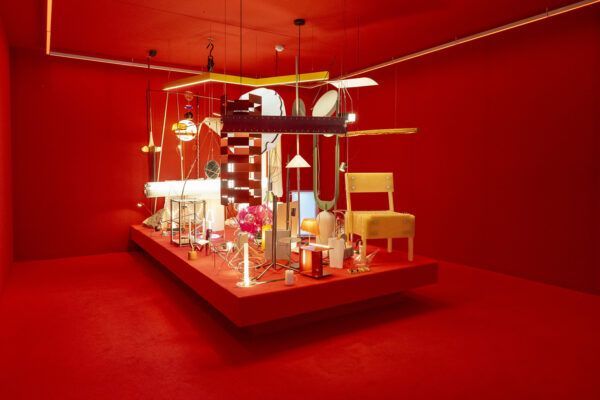
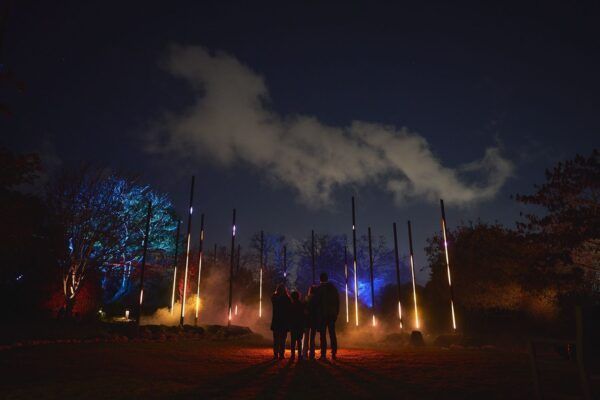
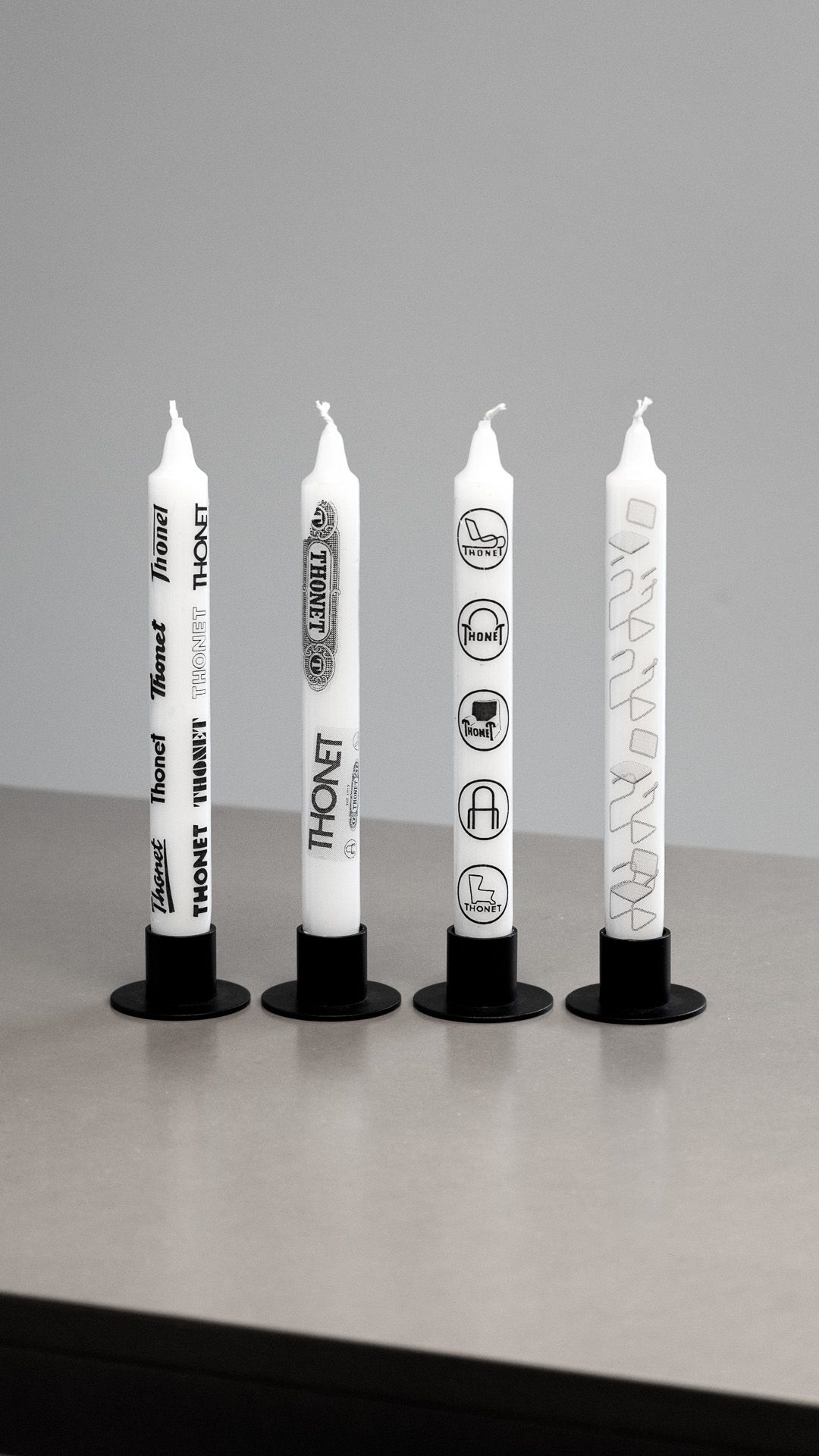
Based in Stuttgart, Adrian Riemann, Fabian Schewe, Marian Rupp and Marcel Mendler, who founded the studio in 2019, develop books, visual identities, exhibitions, installations and research projects. Their collaborators include the German Pavilion at the Venice Biennale, ZKM Karlsruhe, Kunsthalle Baden-Baden, Thonet and publishers such as Distanz, Hatje Cantz and Spector Books. This variety allows them to take on commissions of different scales and requirements, exploring the relationship between design and culture from multiple perspectives.
Throughout the conversation, the team repeatedly returns to the conditions that make their work possible: having people who are willing to listen, finding arguments to support a proposal, drawing on the knowledge of others and making time to research together. When discussing typography, they question the idea of a single authoritative account of its history; when we ask about the cultural sector, they challenge the assumption that working within it necessarily means working within flatter hierarchies.
Their answers invite us to look at what happens before a piece is published or exhibited: the conversations in which decisions are made and ideas that initially seemed clear are reconsidered.
You describe Matter Of as a studio for “transborder visual practices”. What does crossing borders mean to you today — geographically, culturally and creatively?
First of all, thank you very much for inviting us to this interview. That’s a very interesting question.
A few years ago, we spent quite some time thinking about how best to describe our practice, and eventually arrived at this formulation. On the one hand, we were looking for a term that felt more specific and more distinctly our own than the widely used label transdisciplinary. While all of us were originally trained in the visual arts and media, our work has always extended beyond those disciplinary boundaries. This includes, for example, engagements with spatial design, as well as theoretical inquiry through which we continually question and challenge our own practice.
At the same time, the term reflects our understanding that our work necessarily engages with cultures and contexts we can never fully know in advance. Recognising that our understanding is always partial, we approach these as fields of inquiry that can only be understood through the process itself.
Your work moves fluidly between books, identities, exhibitions, installations and written narration. How do you decide what form a project should take?
For commissioned projects, this is usually shaped by our clients’ briefs. What matters more to us is maintaining a diverse client base that allows us to work on a wide range of different projects. With self-initiated projects, we have greater freedom to steer our focus towards whatever currently interests or excites us.
This combination of commissions and self-initiated projects gives Matter Of room to pursue different interests. While some projects respond to needs identified by others, their independent work allows the studio to decide which questions to explore.
You often work within cultural contexts rather than purely commercial ones. Does that change the responsibility of the designer?
We would not necessarily agree with that distinction. We naturally prefer to work within flat hierarchies where our perspective is heard and where we are entrusted with responsibility. However, this is by no means a given, even in cultural contexts.
“While all of us were originally trained in the visual arts and media, our work has always extended beyond those disciplinary boundaries.”
In our experience, mediation is always an important part of the work. It means preparing strong arguments, developing clear presentations, and communicating ideas in ways that bring others along.
That alone, however, does not level out the privileges that are granted to or denied to people on the basis of certain positions or identities.
What have you learnt from working with artists and cultural institutions that commercial design often forgets?
What we have learnt, and what we have particularly enjoyed in some collaborations, is a very close and self-critical way of working.
This reflection on hierarchies raises a question relevant to any creative process: the sector in which a project takes place does not determine the relationships between those involved. For Matter Of, the opportunity to contribute to decisions and to be heard needs to be established within each collaboration. There must also be room to question and reconsider their own judgement.
You published New New Typography in 2025. What feels “new” about typography today, and what should we perhaps leave behind?
For us, what feels “new” is not the pursuit of novelty itself. It is about moving away from the idea that typography can be defined through universal principles or a single dominant history. Instead, we see it as an opportunity to expand its vocabulary by bringing marginalised, overlooked, and excluded practices into the conversation. Perhaps what we should leave behind is the belief that there is only one way of doing or understanding typography.
Many studios speak about research, but in your work it feels central. Where does research end and design begin?
We usually begin with a phase we call the rebrief, during which two people conduct research together for the project. In most cases, this phase ends quite pragmatically through discussions with the client and the realities of project deadlines.
For self-initiated projects, we are relatively structured as well. We integrate them into our regular workflow and set deadlines for ourselves.
How do you approach visual identity when the subject is complex, fragile or politically charged?
We never work on these projects entirely on our own and instead seek support from others. Depending on the project, this means having more extensive conversations with the client or bringing in external experts.
In an age of speed, templates and instant visual production, what still requires slowness?
Many of the things that make up our everyday practice as a small studio require slowness. Conversations between people, spatial objects and tactile encounters, and specific social contexts.
You just spoke at Forward Festival. What kind of conversation do you hope to open with the audience?
We hope to open conversations about the possibilities of intervening in culture through design, and in the culture of design itself.
“We hope to open conversations about the possibilities of intervening in culture through design, and in the culture of design itself.”
With this final answer, Matter Of turns its attention to its own professional environment. The histories that are taught, the voices that are heard and the relationships built over the course of a commission all influence the outcome. The studio addresses these questions through everyday decisions: researching together, making a clear case for an idea, bringing in other perspectives and allowing time for conversations without knowing in advance where they might lead.
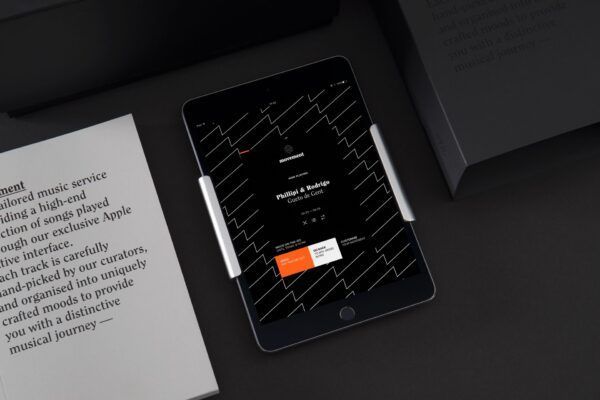
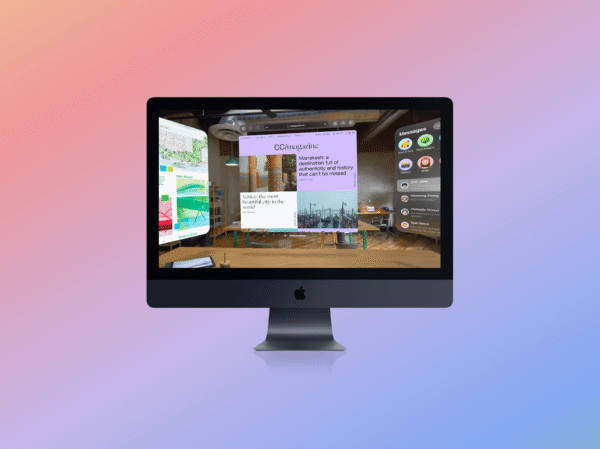
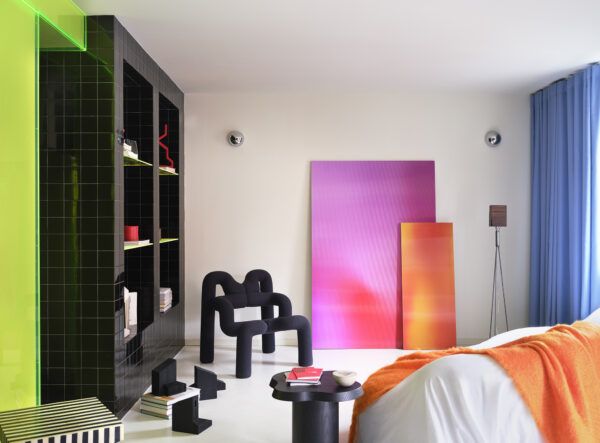
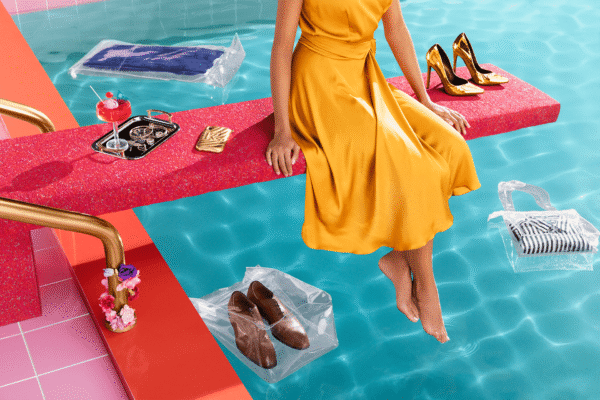
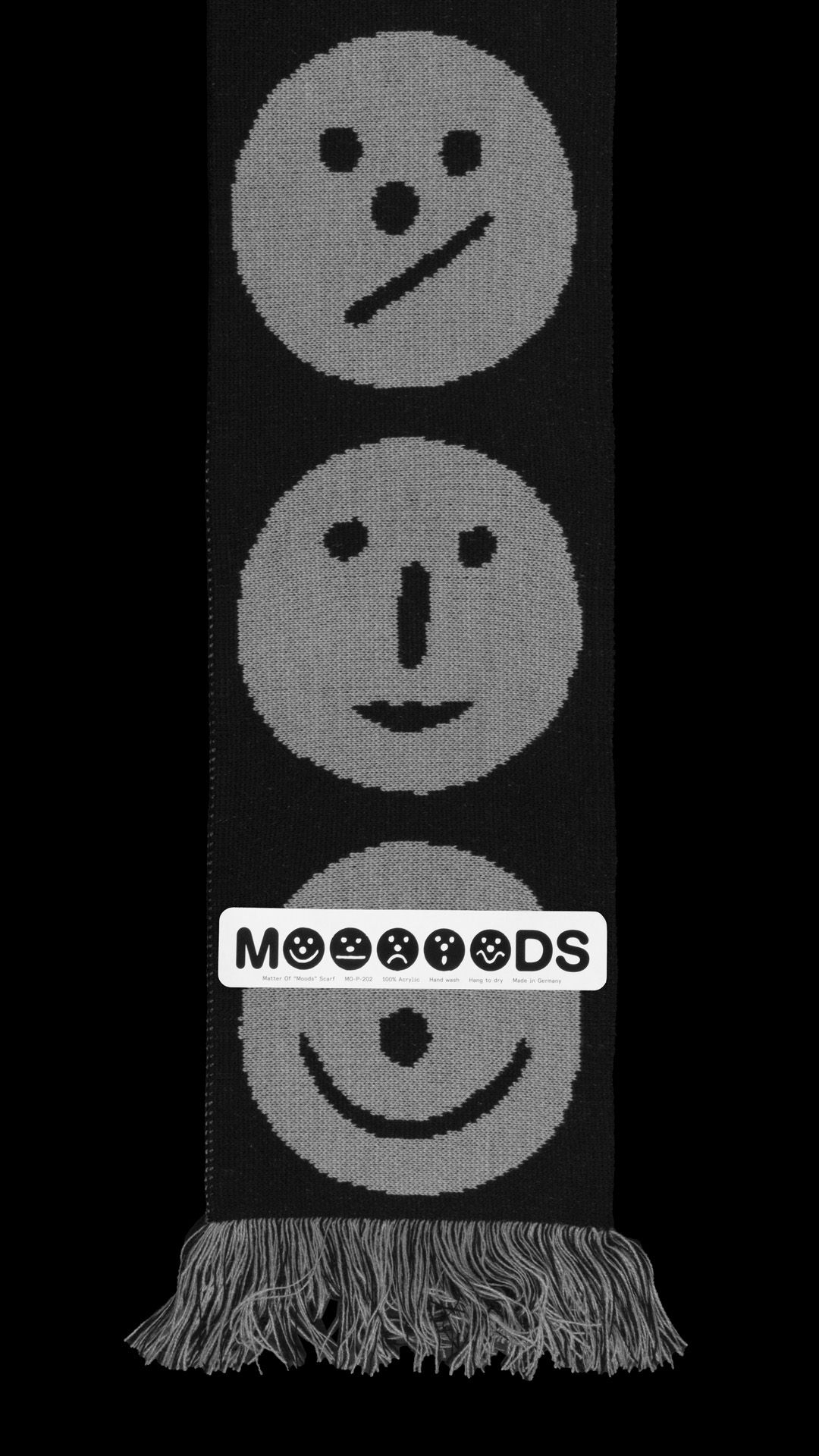
(*) Images provided by Matter Of.