Gaudí’s secret apartment at Casa Batlló
The last original residence designed by Antoni Gaudí opens to the public for the first time in Barcelona.
Barcelona lives with a constant paradox: it is one of the most photographed cities in the world and, at the same time, it still manages to conceal spaces capable of surprising even those who believe they know it well.
Casa Batlló is part of that contradiction. For decades, millions of visitors have explored its undulating rooms, impossible staircases and façade, now an international symbol of Catalan Modernisme. Yet behind that familiar image, one of its most unknown spaces remained largely untouched: the last original apartment designed by Antoni Gaudí within the building.
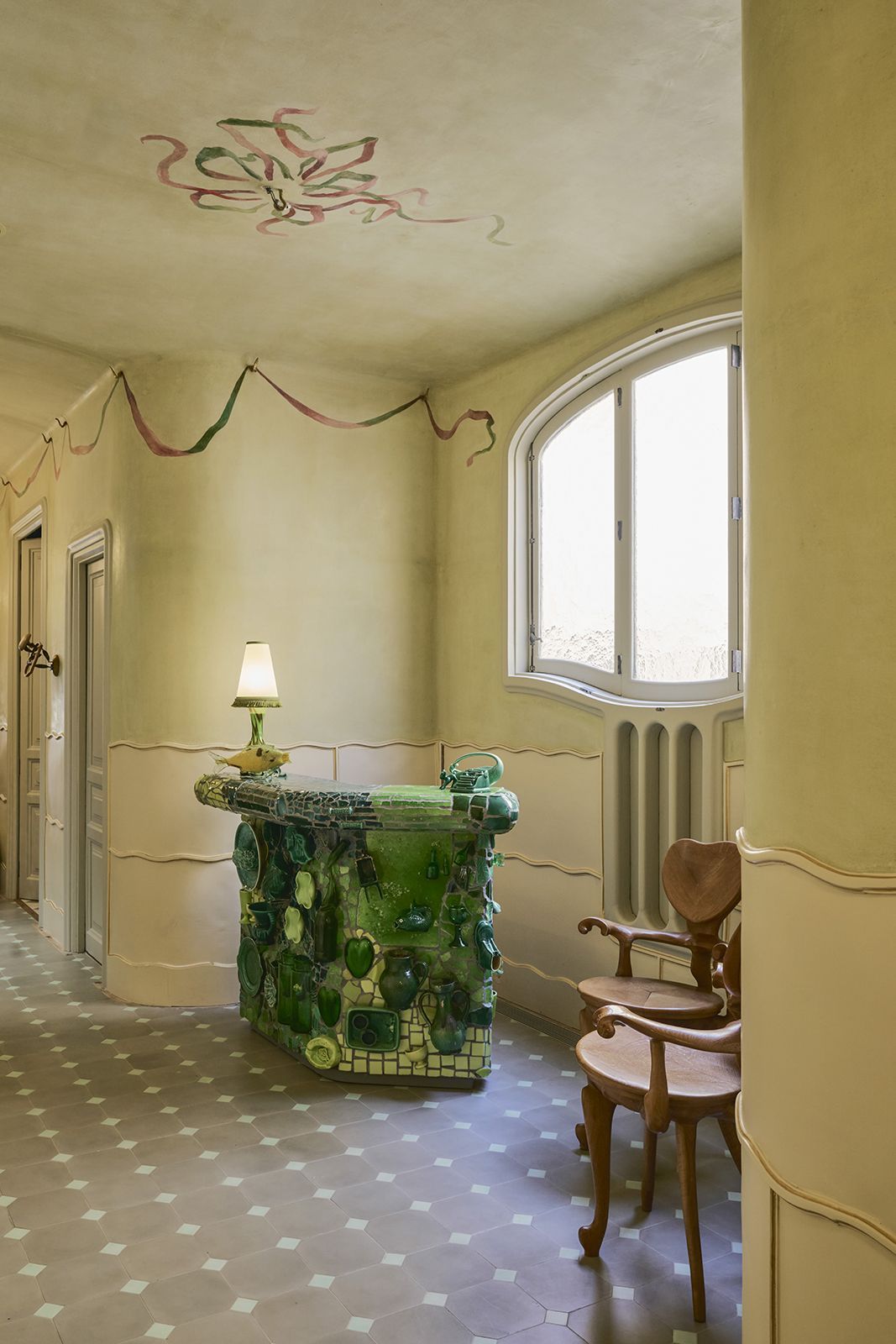
Now, following an extensive restoration process, this historic residence is opening to the public for the first time, offering visitors the chance to discover a far more intimate dimension of the architect. Far removed from the monumentality usually associated with his work, the apartment reveals how Gaudí imagined everyday life, how he understood domestic light, movement within a home and the emotional relationship between objects and those who inhabit them.
“This space reveals how Gaudí imagined everyday life.”
The opening is not simply the recovery of an exceptional historic interior. It also reflects a growing phenomenon in cities such as Barcelona: the increasing fascination with hidden spaces that survive behind seemingly familiar buildings.
Gaudí’s private Barcelona
When people think of Gaudí, the image is often linked to grand architectural gestures. The almost mystical verticality of the Sagrada Família, the organic forms of Park Güell and the sculptural façades along Passeig de Gràcia have contributed to a monumental perception of the architect. This restored apartment inside Casa Batlló offers precisely the opposite: an opportunity to experience his most domestic scale.
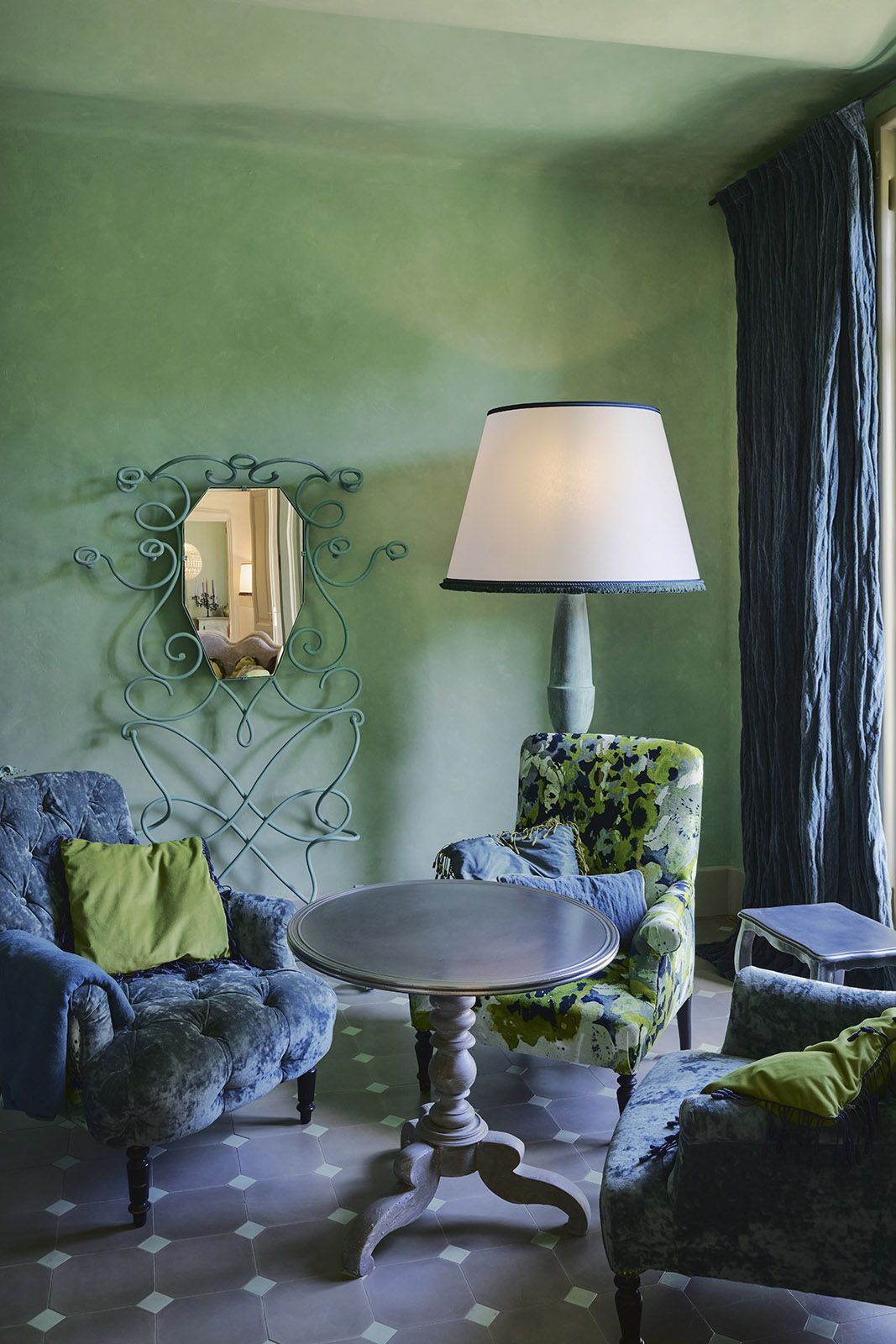
Covering more than 200 square metres, the apartment was originally conceived as the private residence of the Batlló family. Unlike other areas of the building that have evolved over time, many of Gaudí’s original spatial and decorative decisions remain intact here.
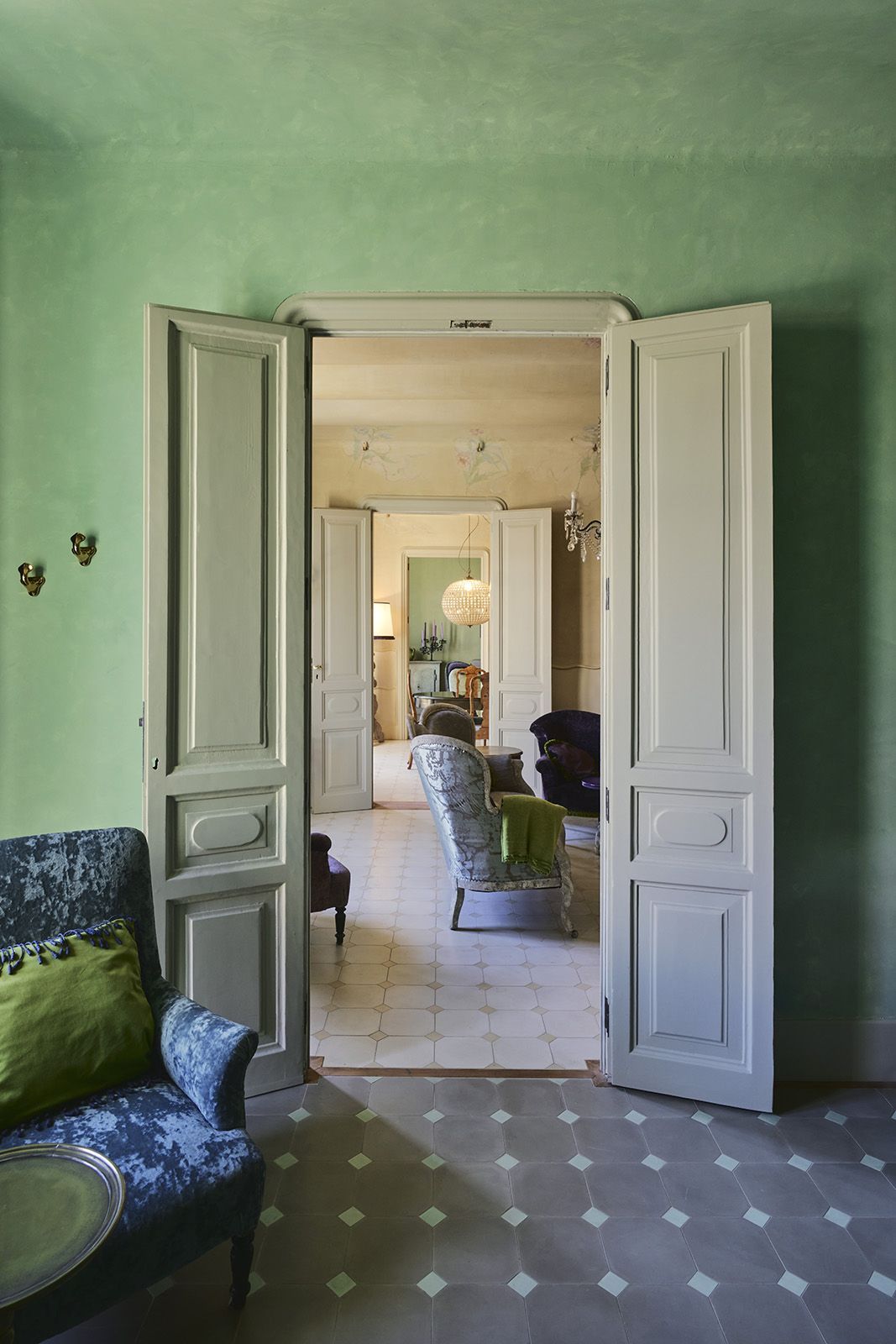
This is where the project becomes particularly fascinating. The apartment allows visitors to observe how the architect applied his creative language to seemingly ordinary situations: a gallery designed to capture the light of Barcelona’s Eixample district, doors organically integrated into walls, ceilings that eliminate straight lines and decorative elements conceived not merely to be admired, but to be lived with.
The experience is especially revealing because it challenges one of the most widespread assumptions about Gaudí: that he was exclusively an exuberant or theatrical creator. In reality, many of his decisions stemmed from a remarkably precise understanding of comfort, ergonomics and the emotional relationship between people and space.
An apartment designed to breathe
One of the apartment’s most surprising qualities is the sense of fluidity it still conveys more than a century later. Even when viewed through contemporary eyes, the home retains an extraordinarily modern spatial logic.
Gaudí understood domestic architecture as an extension of nature. He avoided abrupt visual interruptions, favoured organic circulation and treated light as a structural element. Nothing feels entirely rigid within the apartment. Transitions between rooms are gentle, curves dissolve visual tension and many details appear designed to generate a constant sense of movement.
Equally striking is the way he approached the relationship between interior and exterior. The large gallery overlooking Passeig de Gràcia acts almost like a luminous filter, continuously transforming the atmosphere of the apartment throughout the day. Rather than merely decorating with light, Gaudí seemed interested in domesticating it.
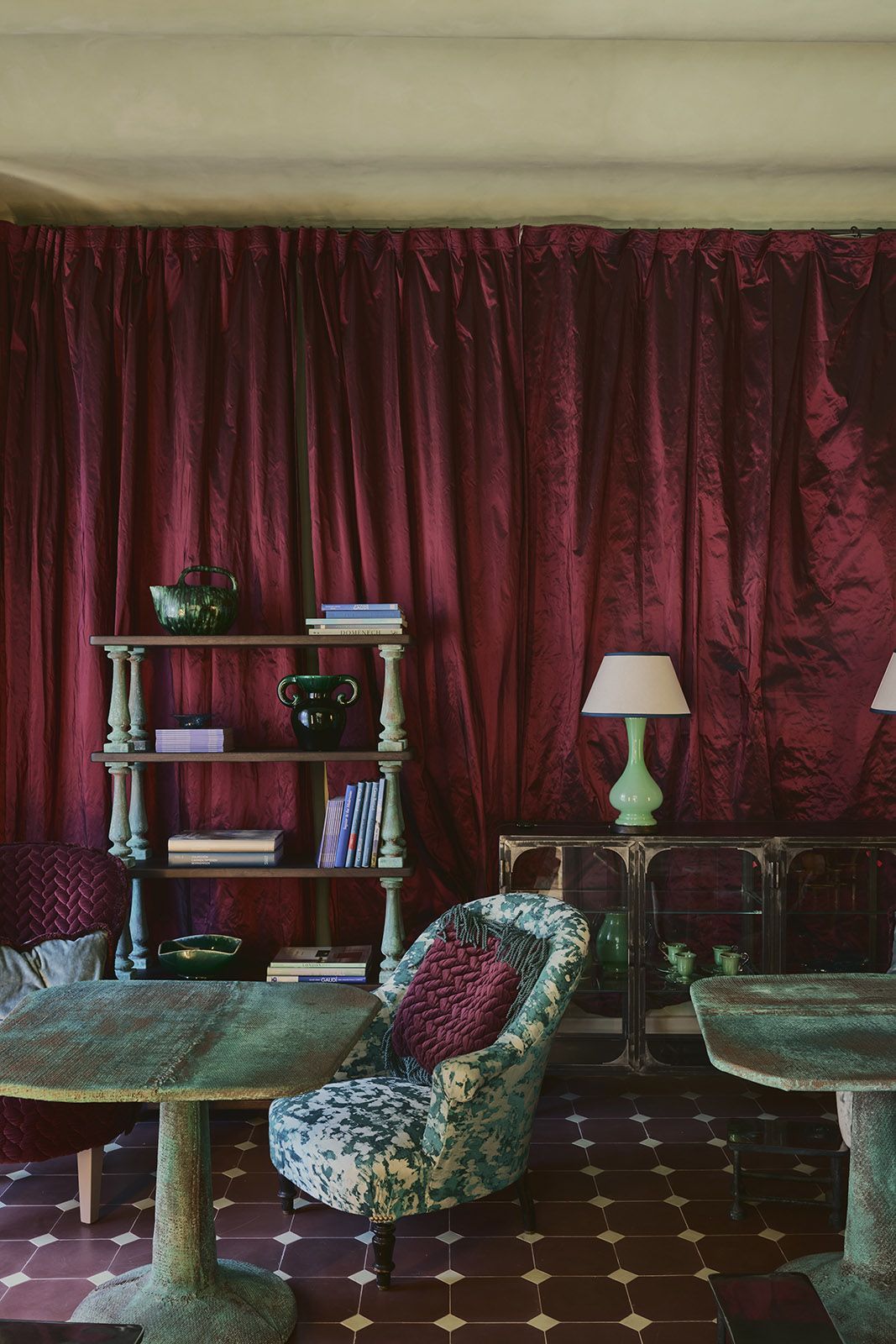
That sensitivity feels particularly contemporary at a moment when much of today’s architecture is once again focused on emotional wellbeing, materiality and sensory connections with space.
Restoration as domestic archaeology
The recovery of the apartment involved a meticulous process of research and restoration.
Over the decades, many original elements had been concealed beneath later interventions, layers of paint and functional modifications inevitable in a building more than one hundred years old.
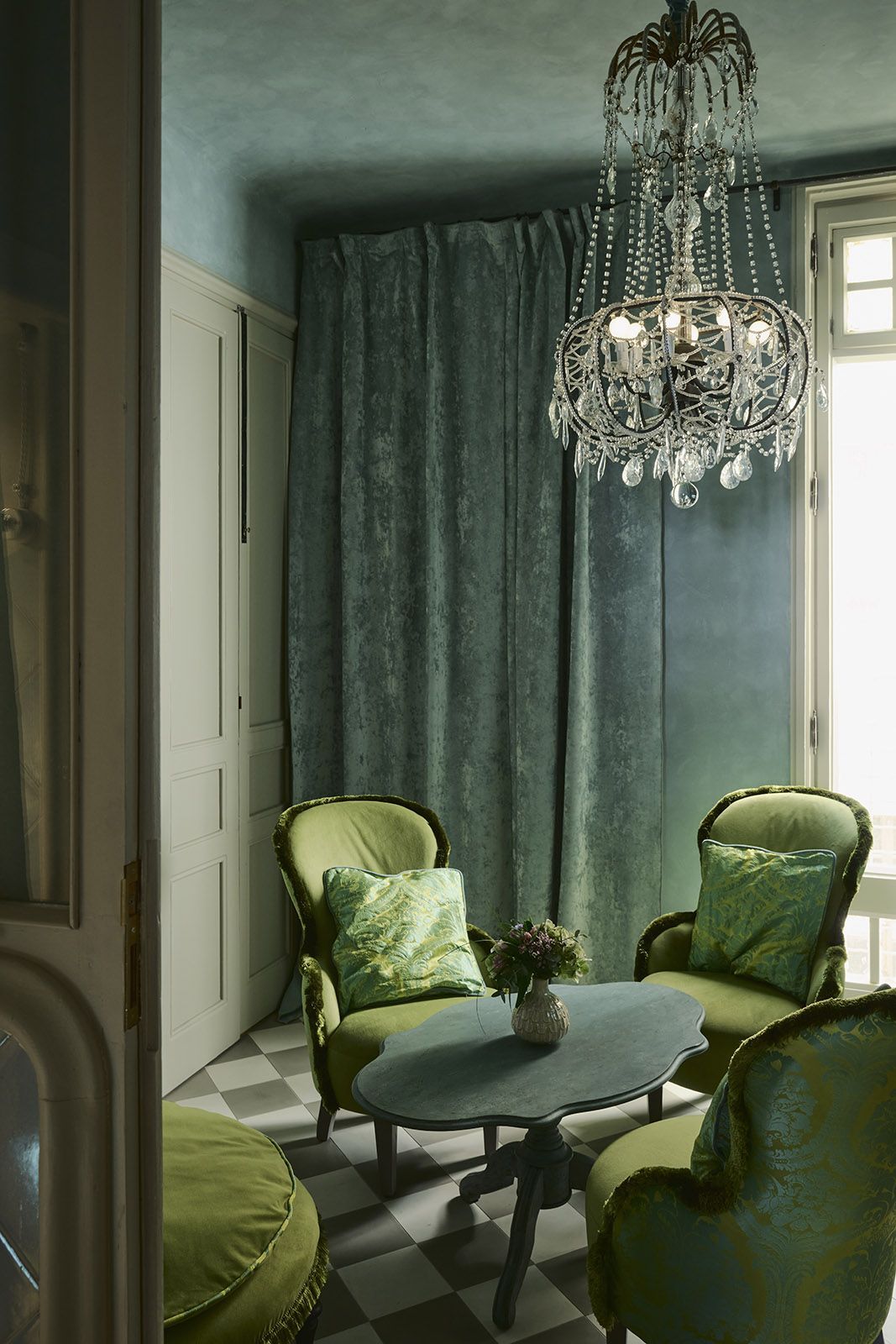
The restoration has uncovered original joinery, finishes, wall coverings and colour schemes that help reconstruct the atmosphere Gaudí originally envisioned. Yet beyond the technical achievement, what makes the project especially compelling is how the restoration functions almost as a form of domestic archaeology.
Every recovered detail offers a deeper understanding of life in bourgeois Barcelona at the beginning of the twentieth century and reveals how Gaudí reinterpreted those everyday needs through a radically personal lens.
The apartment doesn’t feel like a frozen museum piece. Quite the opposite. It retains something profoundly human. Perhaps because it continues to feel like a home rather than a stage set. And that distinction completely transforms the visitor experience.
The contemporary fascination with hidden spaces
The opening of this apartment also connects with a broader cultural phenomenon: today’s fascination with inaccessible or little-known spaces hidden within highly popular destinations.
There is a growing visual fatigue surrounding traditional tourist icons. Certain images have been reproduced so often that many cities risk becoming predictable backdrops. Hidden spaces, by contrast, still retain a sense of mystery.
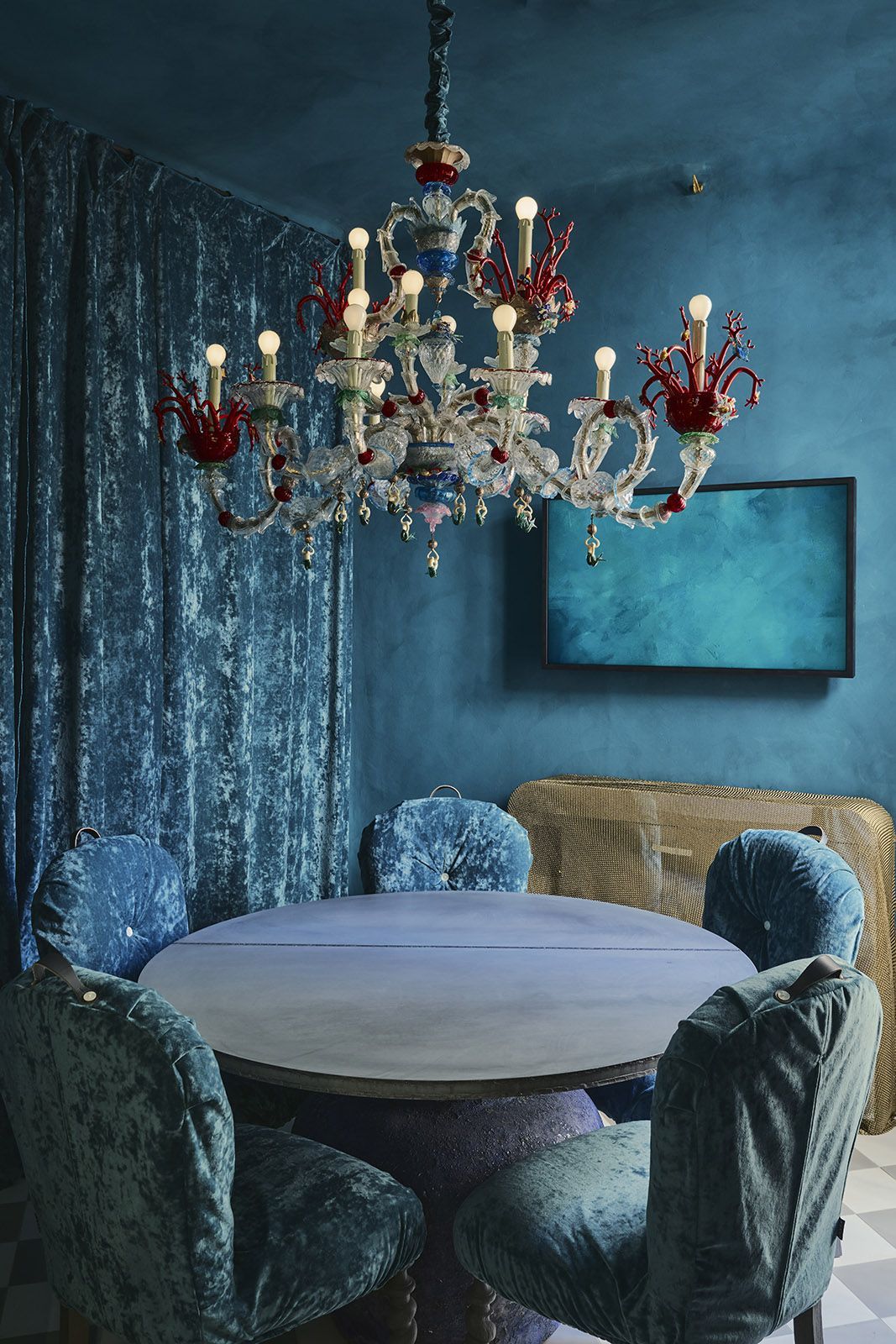
The phenomenon can be seen in private archives, historic workshops, abandoned stations, discreet hotels and apartments closed for decades. Places that offer access not only to a different architecture, but also to an alternative narrative of the city itself.
In the case of Casa Batlló, the attraction lies not solely in the exclusivity of the space. What makes the apartment truly significant is that it changes the way we read Gaudí’s work. It shifts the focus from spectacle to everyday life.
And that may well be where much of its power resides.
Beyond monumental tourism
Barcelona maintains a complex relationship with Gaudí’s legacy. On the one hand, his buildings form an essential part of the city’s visual identity and continue to attract millions of visitors each year. On the other, there is an undeniable sense of saturation surrounding some of these landmarks, which have become global symbols of mass tourism.
The restoration of this apartment introduces a different perspective. Rather than amplifying visual spectacle, it proposes a slower and more intimate approach to Modernist architecture.
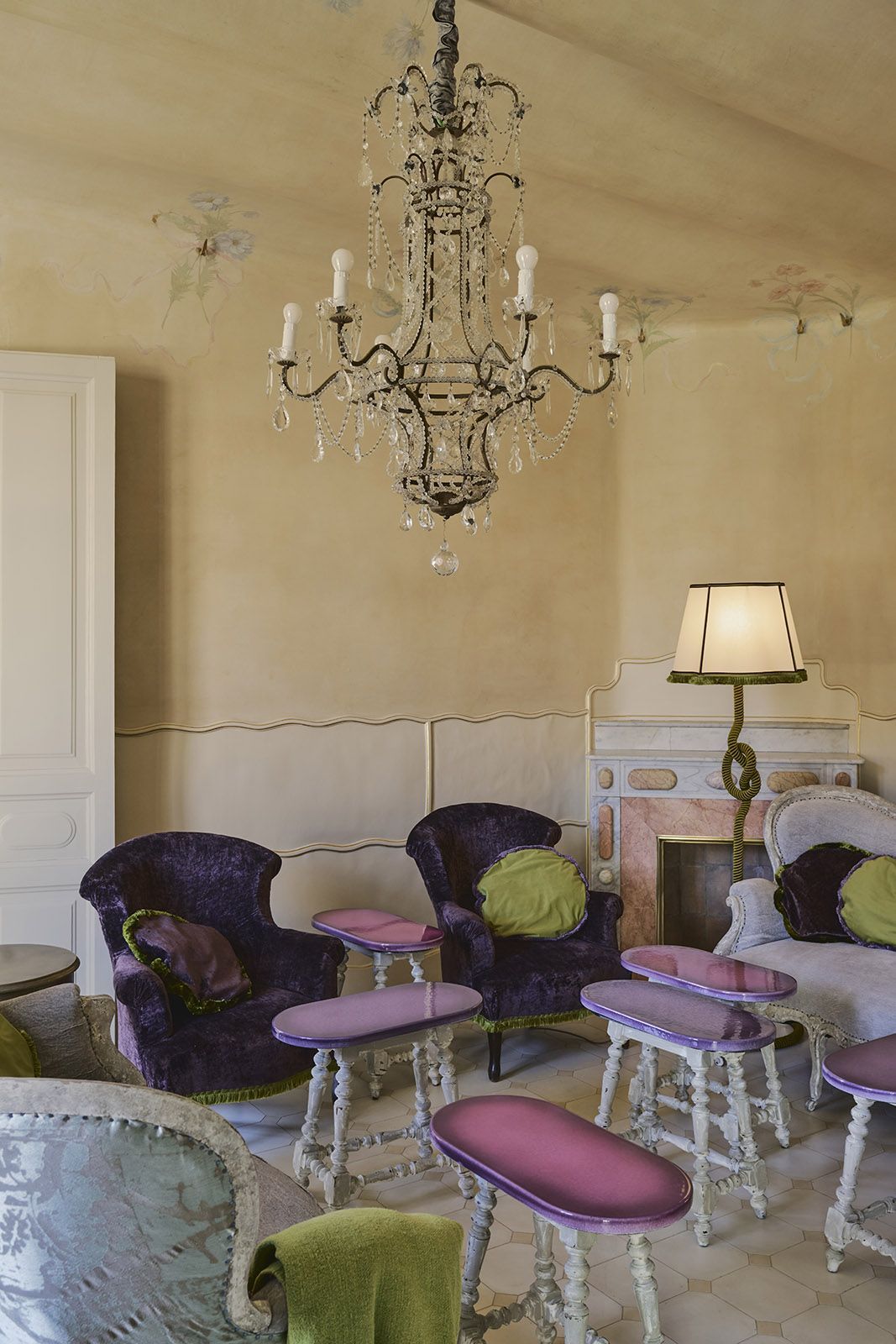
The experience is not simply about admiring a masterpiece, but about understanding how it might have been lived every day: how air circulated between rooms, how light moved across surfaces and how objects interacted within a functioning home.
In that sense, the apartment restores something fundamental: the human dimension of architecture.
A new narrative for Casa Batlló
The public opening of the residence also represents an important shift for Casa Batlló as a cultural institution. For years, the building’s narrative focused primarily on Gaudí’s visual brilliance and formal innovation. Now a different opportunity emerges: to interpret the building through the experience of inhabiting it.
The apartment introduces a far more intimate emotional scale. It allows visitors to imagine conversations, routines, silences and domestic scenes unfolding within an architecture that is usually viewed from a respectful distance.
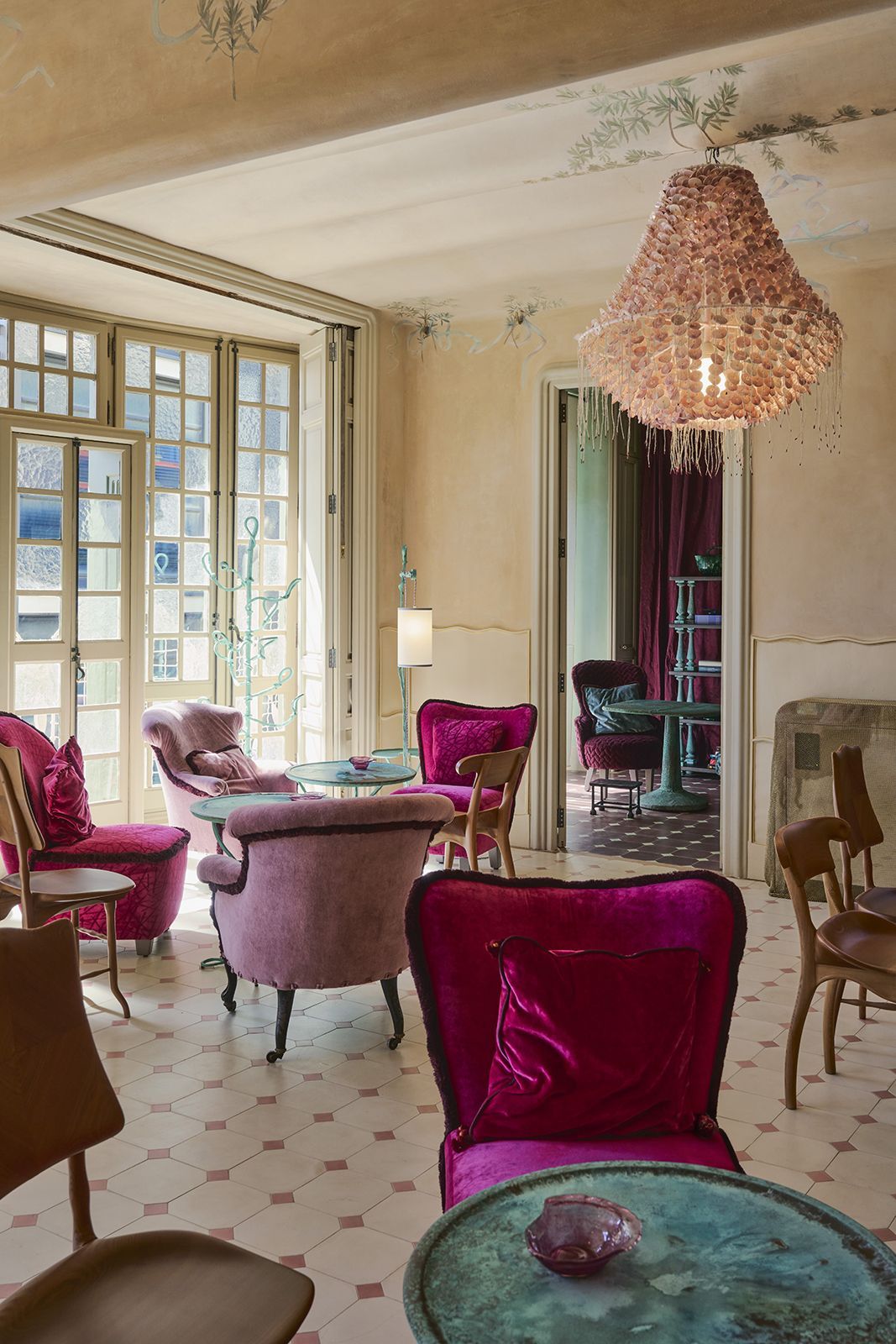
Perhaps that explains why the space generates such fascination. It transforms Gaudí into something more complex than a visionary architect. It also reveals him as a designer deeply concerned with how people feel, move through and remember spaces.
In a city accustomed to constantly monumentalising its heritage, that shift in perspective feels particularly valuable.
The importance of preserving historic interiors
For many years, architectural conservation focused largely on façades and visible structures. Today, however, there is growing recognition of the importance of preserving historic interiors as well.
Not only because they contain craftsmanship that would be difficult to reproduce today, but because they reveal ways of living that have largely disappeared.
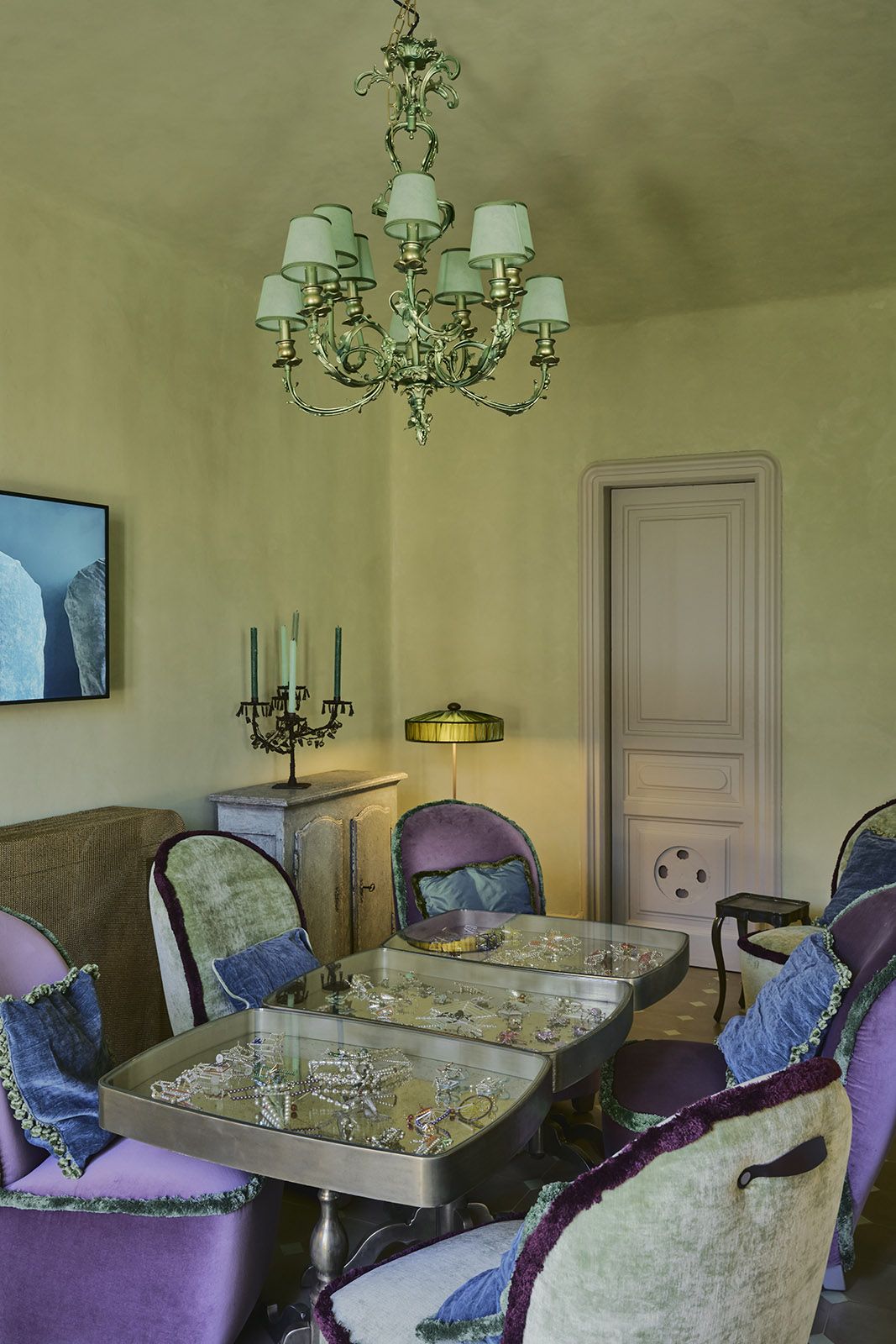
The apartment at Casa Batlló functions as a cultural capsule of Modernist Barcelona — a space capable of connecting architecture, design, social history and urban memory within a single experience.
“This apartment is a cultural capsule of Modernist Barcelona.”
At a time characterised by increasingly homogeneous interiors, international chains and standardised environments, stepping into a home designed down to the smallest detail by Gaudí creates an almost unusual sensation: encountering a place where every element appears to possess intention, character and time.
Perhaps that is why this opening extends far beyond a simple new tourist attraction. Above all, it represents the recovery of a different way of understanding how we inhabit space.
(*) Photographs by Claudia Mauriño, courtesy of Casa Batlló.