Casa Batlló Contemporary: a new era of art, light and technology
Casa Batlló continues to surprise the world. Coinciding with the beginning of the Gaudí Year 2026, the iconic modernist building takes a bold step towards contemporary art with the creation of Casa Batlló Contemporary, a new programme dedicated to present-day artistic creation. Its debut arrives with full force: a spectacular façade mapping titled “Hidden Order” by Matt Clark , founder of the London-based studio United Visual Artists (UVA), and a site-specific exhibition inside the building titled “Beyond the Façade”.
“Hidden Order”: a visual gift to the city
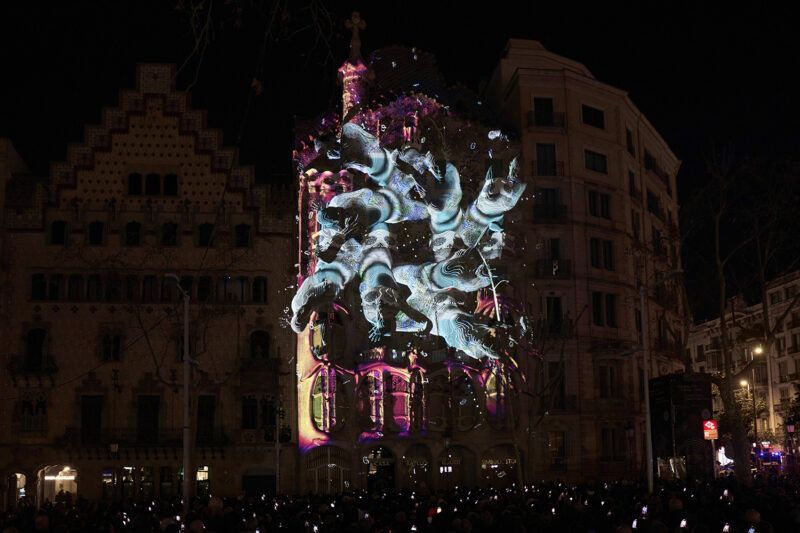
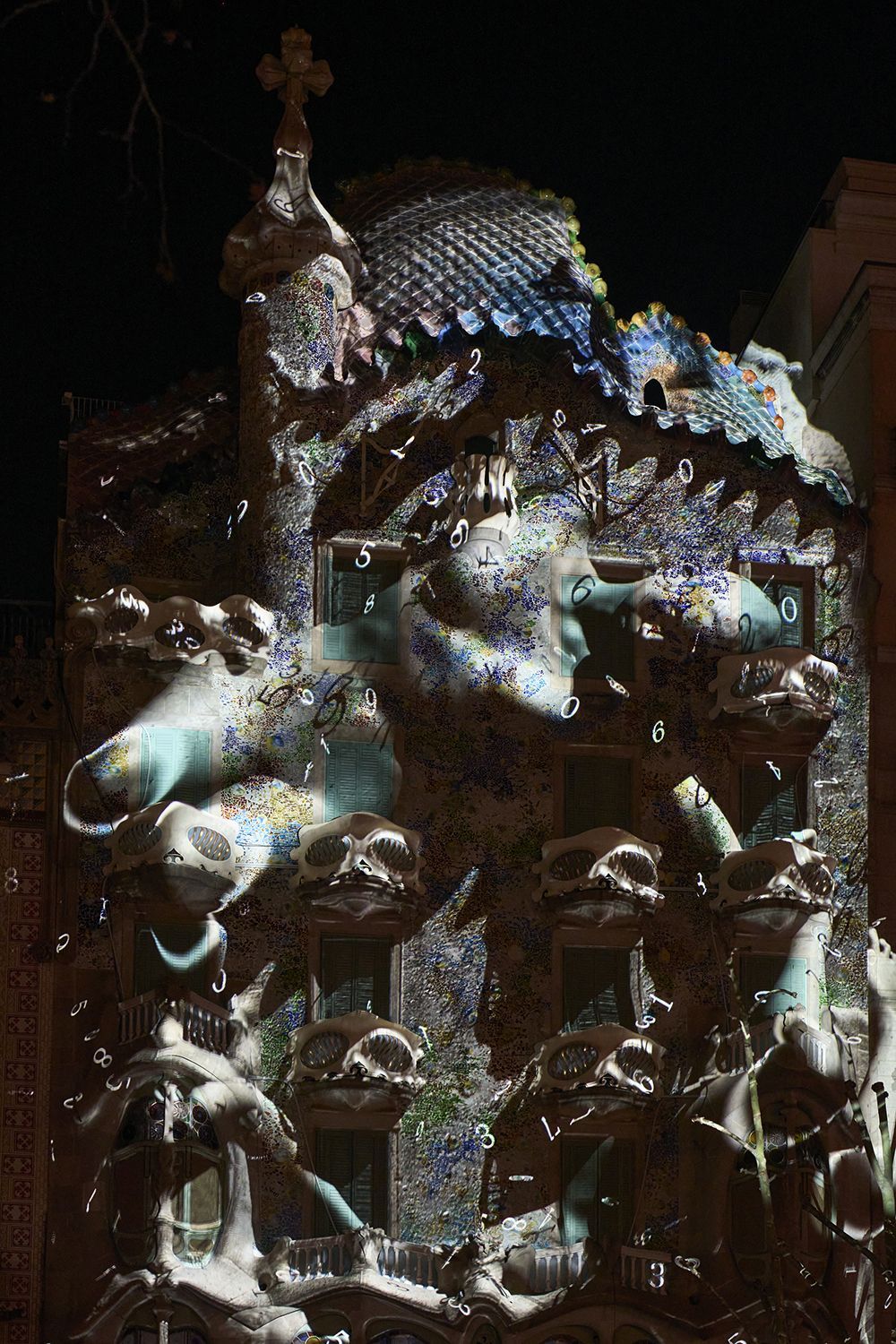
On 31 January and 1 February 2026, Casa Batlló’s façade came to life once again with a monumental mapping piece that, for the fifth consecutive year, transformed the building into a stage of light, sound and emotion. Conceived as a large-scale audiovisual performance, “Hidden Order” was a free public spectacle — and if you missed it, you can still enjoy it here.
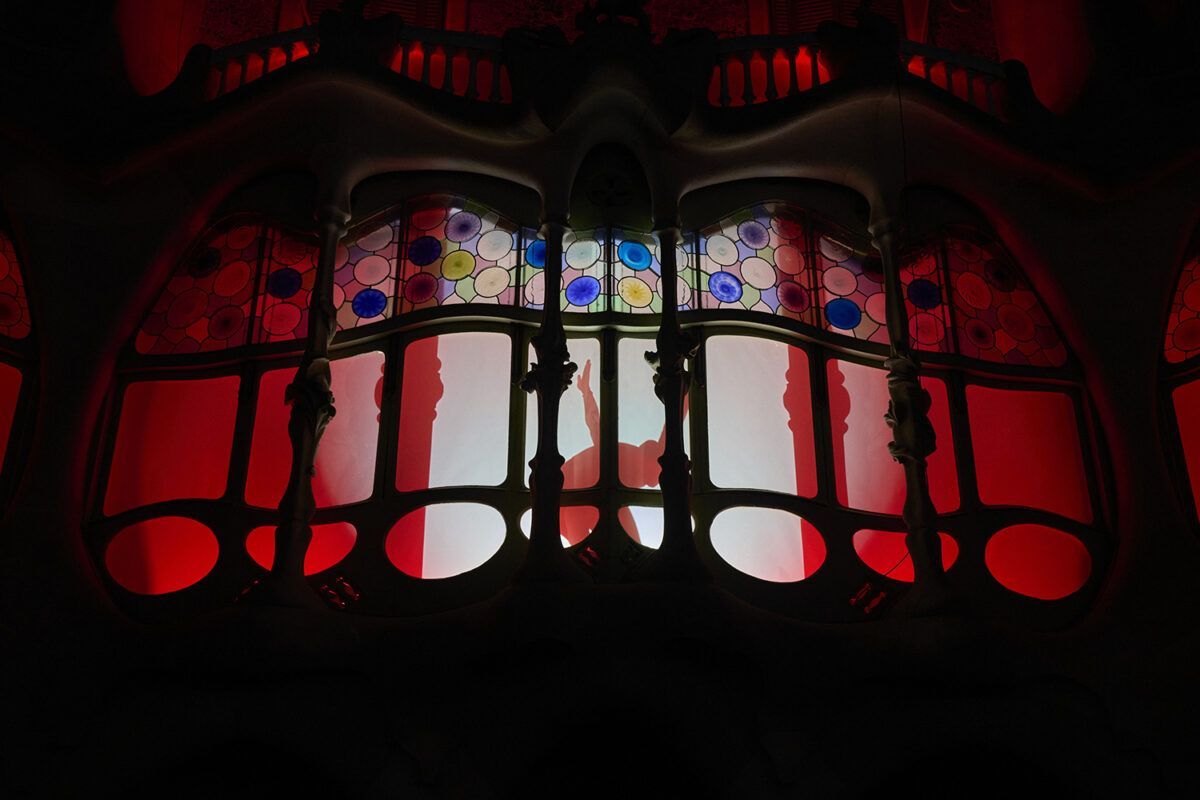
Inspired by the official theme of Gaudí Year 2026, “L’ordre invisible“, the piece explored the tension between order and chaos, revealing the hidden structures that shape the natural world. Clark, a multidisciplinary artist, used motion capture technology to integrate the movements of choreographer Fukiko Takase directly onto the façade, creating a digital choreography that interacted with Gaudí’s architecture.
The experience was enriched by an original score by composer Daniel J. Thibaut, guiding the visual journey with soundscapes inspired by geometry and sensory perception. As a result, “Hidden Order” was not just a projection — it became a performative work in which body, sound and building merged into a unified artistic gesture.
“Beyond the Façade”: when the exhibition moves indoors
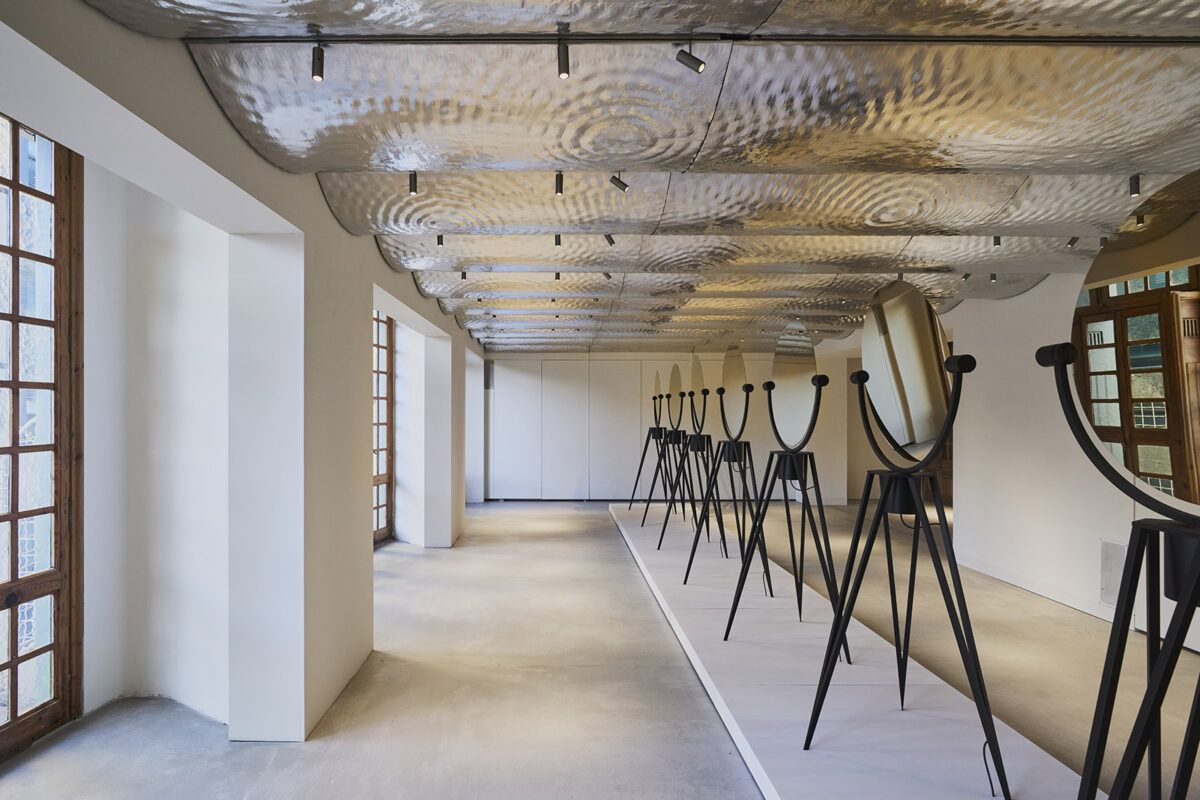
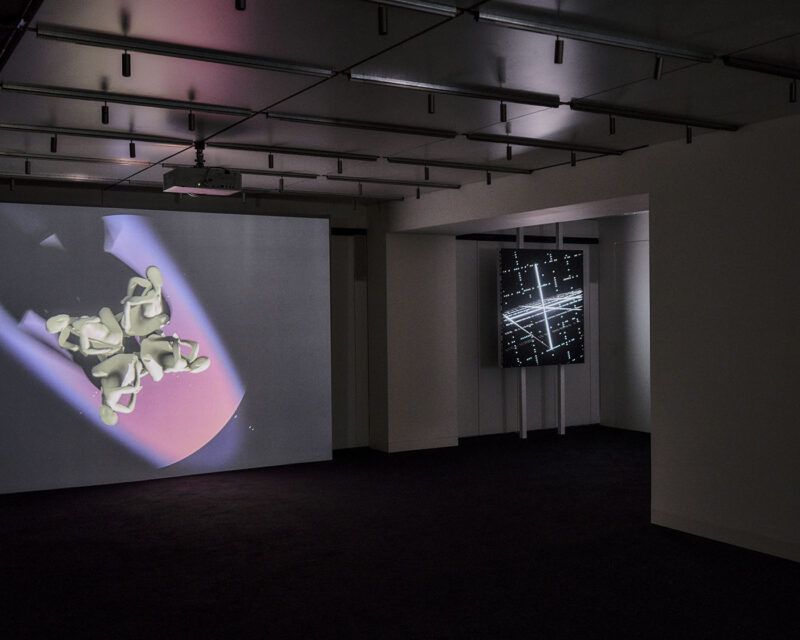
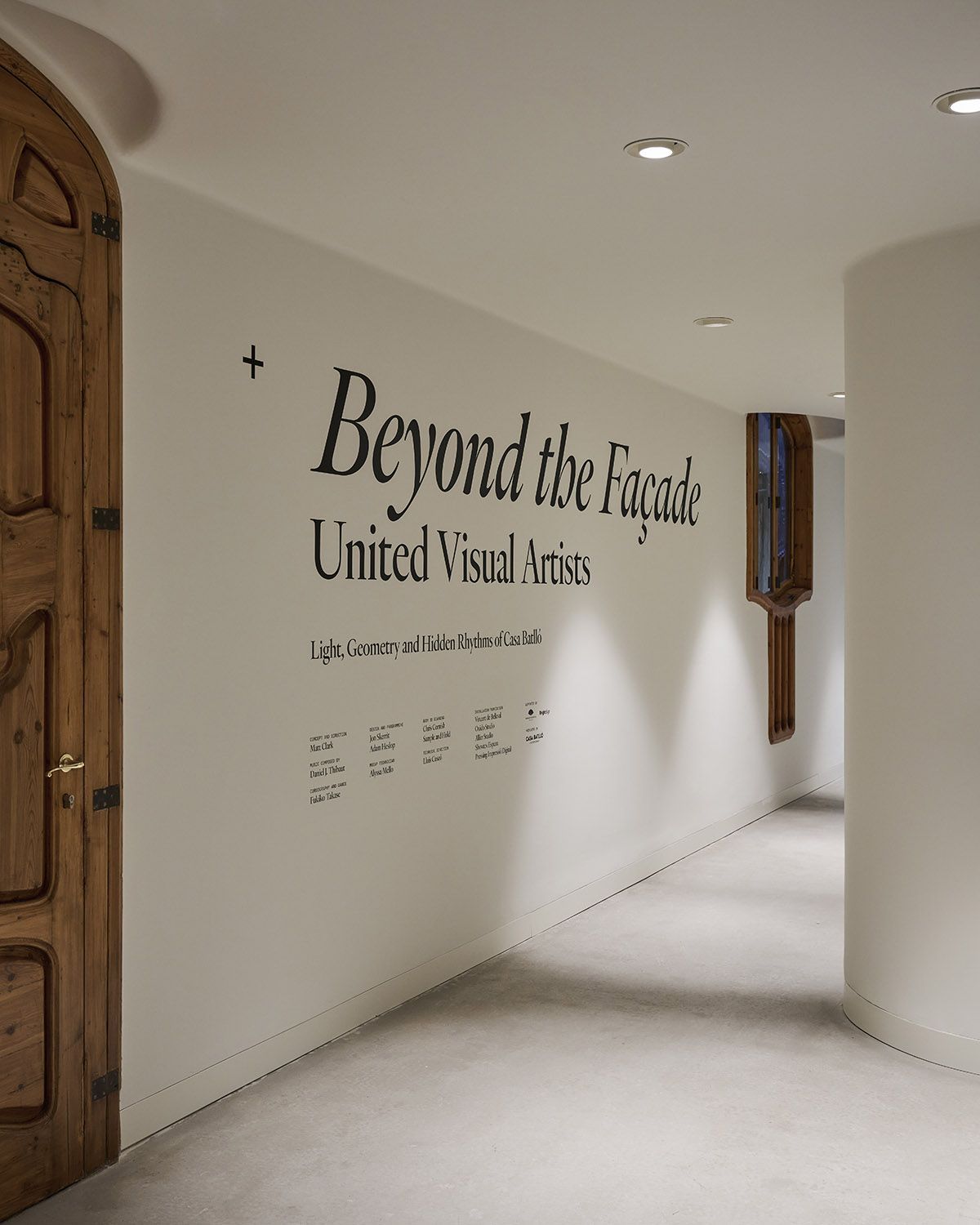
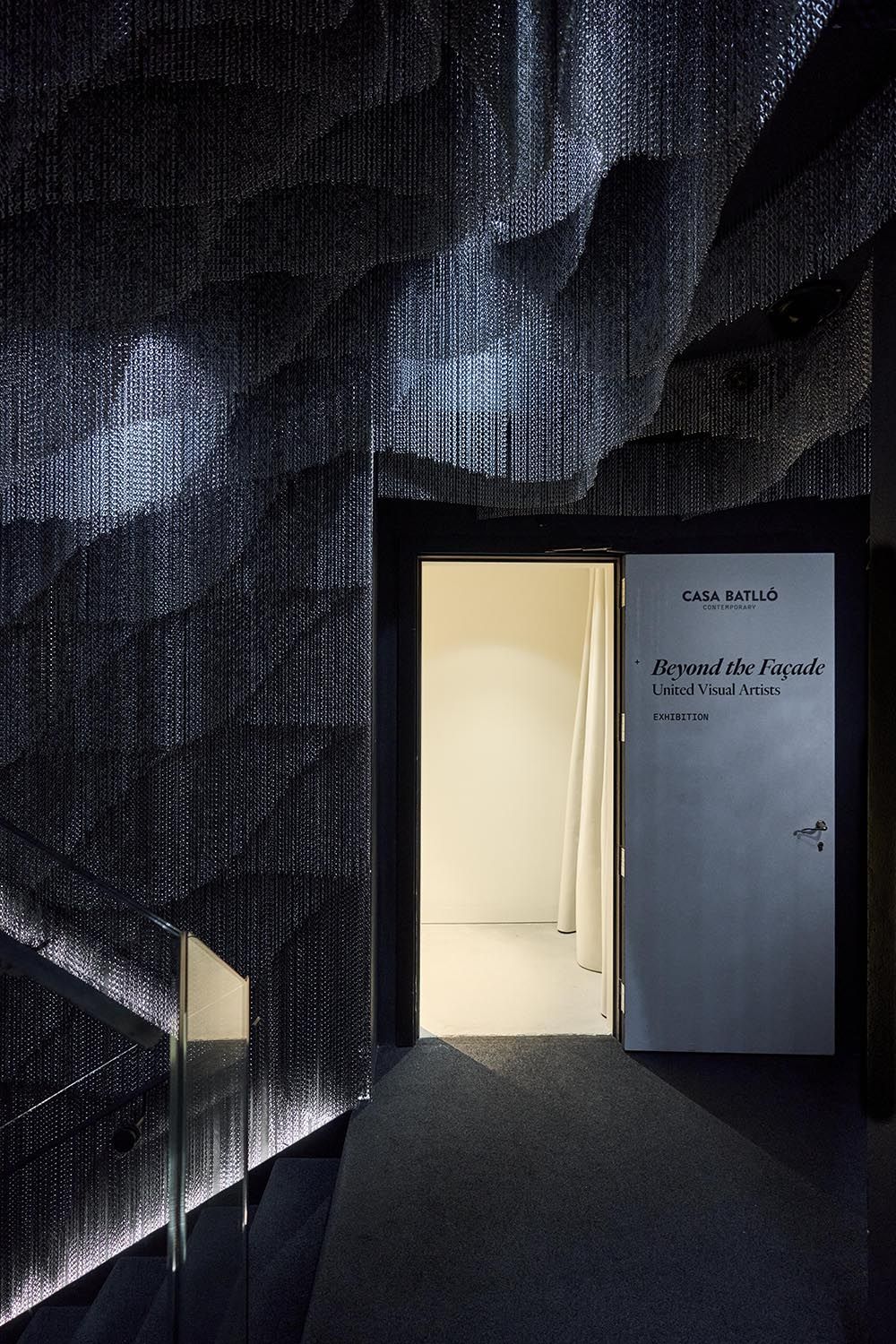
But this year, there was more. For the first time, the mapping extended inside the building, giving rise to “Beyond the Façade”, the inaugural exhibition of Casa Batlló’s new contemporary art space, located on the second floor of the monument.
“For the first time, the mapping extended inside the building.”
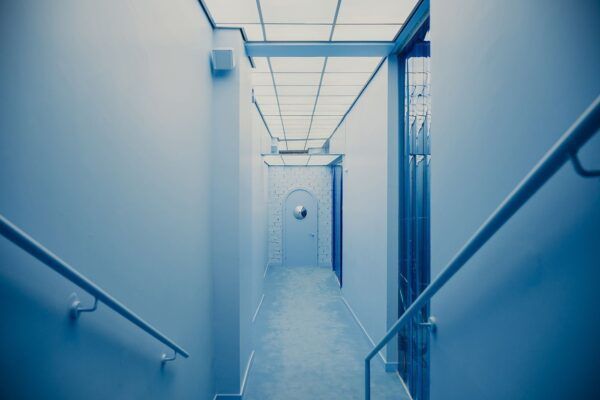
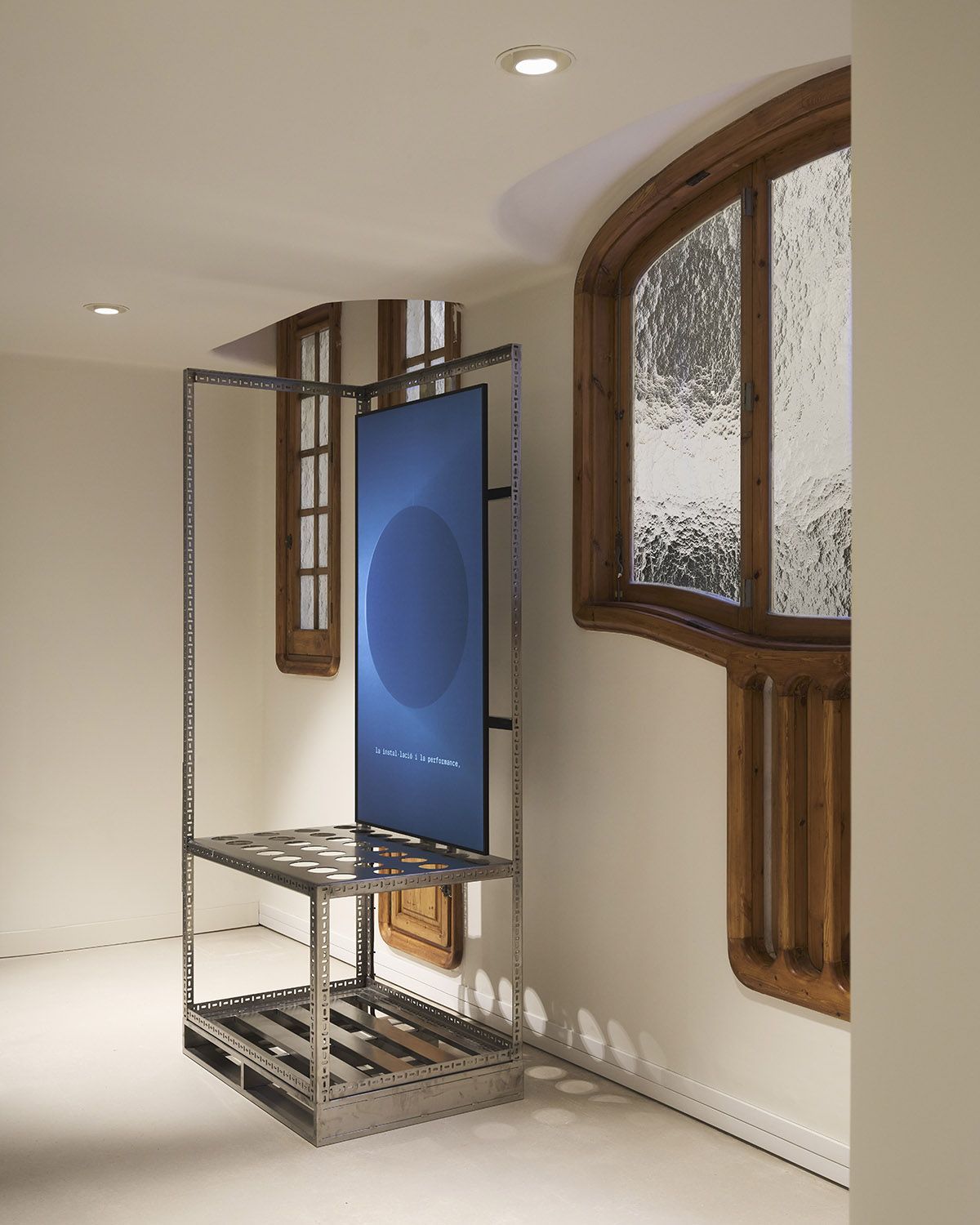
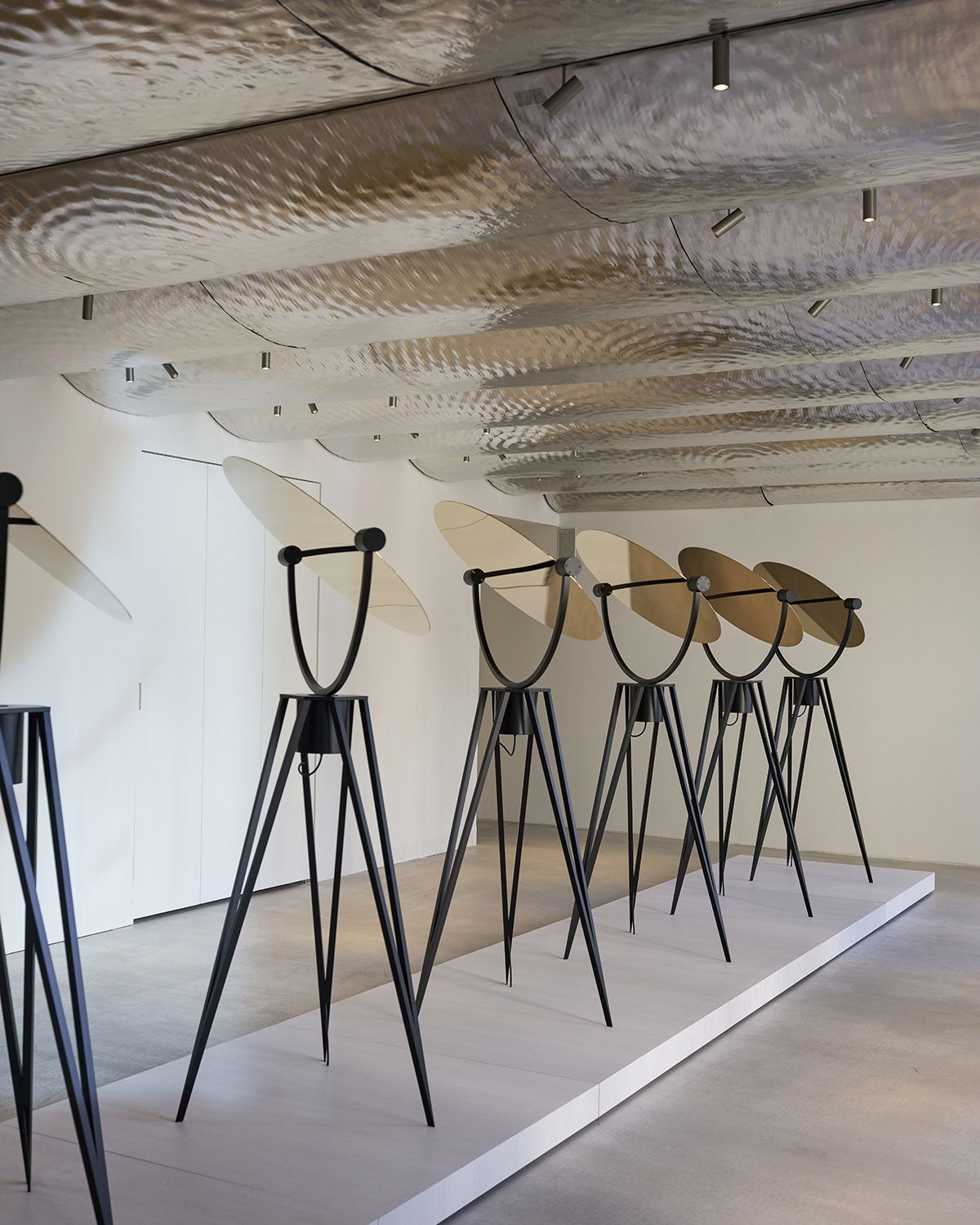
Also created by United Visual Artists, the exhibition offers a sensory journey from natural light to darkness, articulated through luminous installations, kinetic sculptures and interactive projections. Visitors cease to be passive observers and become active participants in the experience. The project draws a poetic connection between Gaudí and Ramon Llull, the 13th-century Mallorcan philosopher and mystic whose algorithmic and symbolic thinking would inspire generations to come. As Matt Clark explains, “Beyond the Façade” functions as a “slower and more contemplative counterpoint” to the spectacle outside — an invitation to pause, observe and engage.
A total artistic experience: body, light and technology
The fusion of art, architecture and technology proposed by Casa Batlló Contemporary is both radical and organic.
Takase, during the creative process, danced inside the building and treated the architecture not as a backdrop but as a “choreographic companion”. That connection is then projected onto the façade and amplified within the interior.
Meanwhile, Thibaut’s music is composed with the space in mind: how light suggests rhythm, how volumes define harmonies, and how an architectural path can become a visual score.
His collaboration with UVA is the result of ongoing interdisciplinary dialogue — and this is evident in every detail of the experience.
Digital art as the new gaudinian language
Casa Batlló Contemporary does not aim to pay nostalgic tribute to Gaudí, but to project his legacy into the future. In line with this vision, it has already commissioned works by artists such as Refik Anadol, Sofia Crespo and Quayola — all pioneers in digital art and algorithmic visualisation.
This new phase also includes the launch of a publication curated by Francesca Gavin and designed by Pony Studio, exploring how digital practices are reimagining Gaudí’s universe from a contemporary perspective.
A celebration that goes beyond art
This new chapter opens at a key moment: the centenary of Antoni Gaudí’s death, the official designation of 2026 as Gaudí Year by the Spanish Government and the Generalitat de Catalunya, and Barcelona being named World Capital of Architecture.
A powerful context for positioning the city and Casa Batlló as epicentres of global artistic innovation.
The collaboration with Integrated Systems Europe (ISE) — the world’s leading AV fair — reinforces the project’s technological dimension, while support from Mandarin Oriental Barcelona brings hospitality and connection with high-end cultural tourism.
“Casa Batlló is also launching a new way of understanding the relationship between heritage, art and contemporary experience.”
A new exhibition language for the 21st century
With “Hidden Order” and “Beyond the Façade”, Casa Batlló is not only opening a new artistic venue — it is redefining how we engage with architecture, creativity and immersive storytelling. As Maria Bernat, director of Casa Batlló Contemporary, explains: “The exhibition seeks to transform visitors into participants, creating an immersive experience through the use of technology, light and the architectural space of Casa Batlló”.
(*) Photographs courtesy of Casa Batlló Contemporary. Photographer: Claudia Mauriño.