ITS A MOOD debuts with “Curvas”, a furniture collection where emotion meets materiality
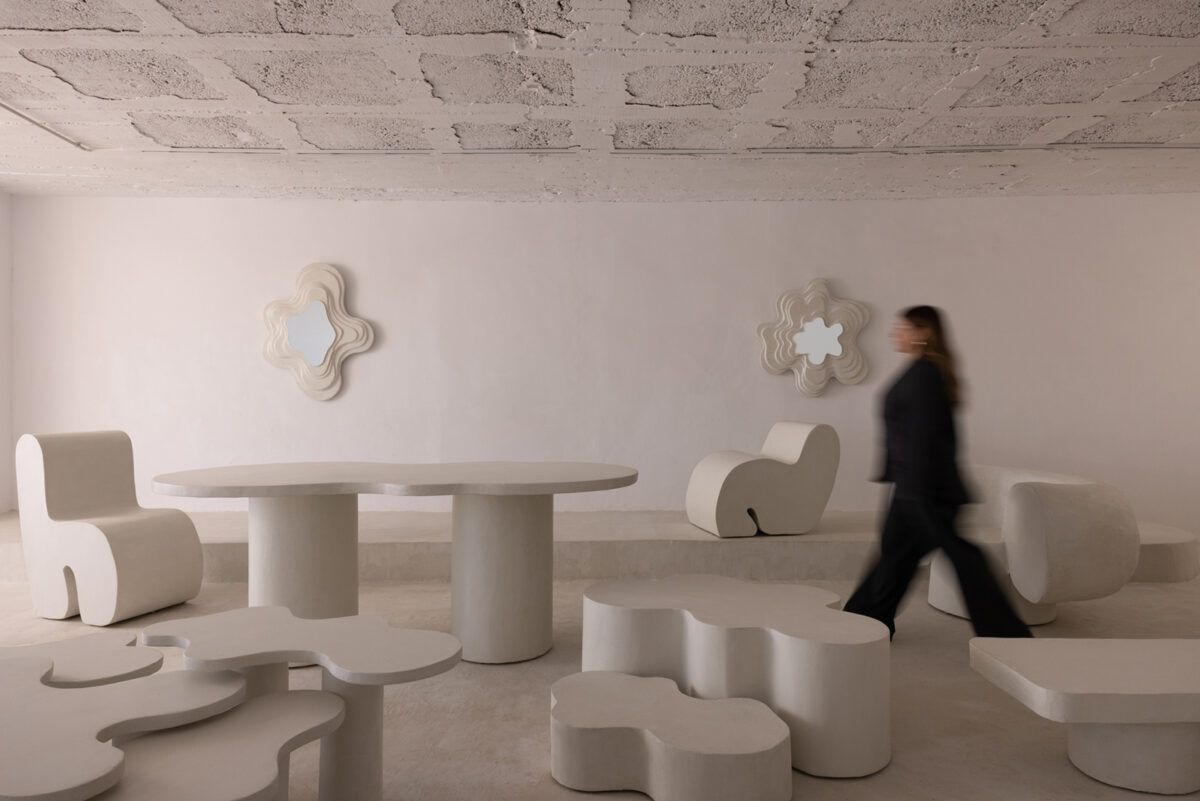
Designer Maria Massaad launches “Curvas”, a sculptural collection that connects architecture, material and emotion from her studio in Barcelona. We spoke to her about heritage, sensitivity and design as an intimate language.
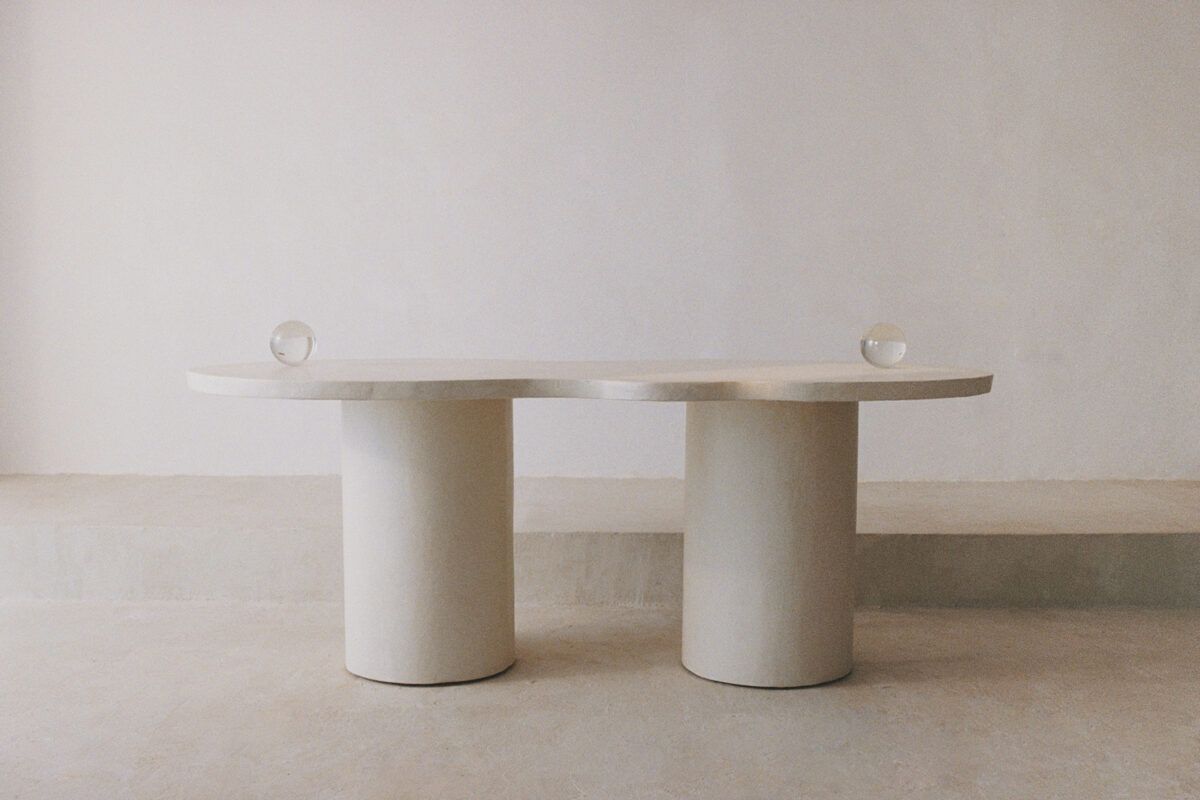
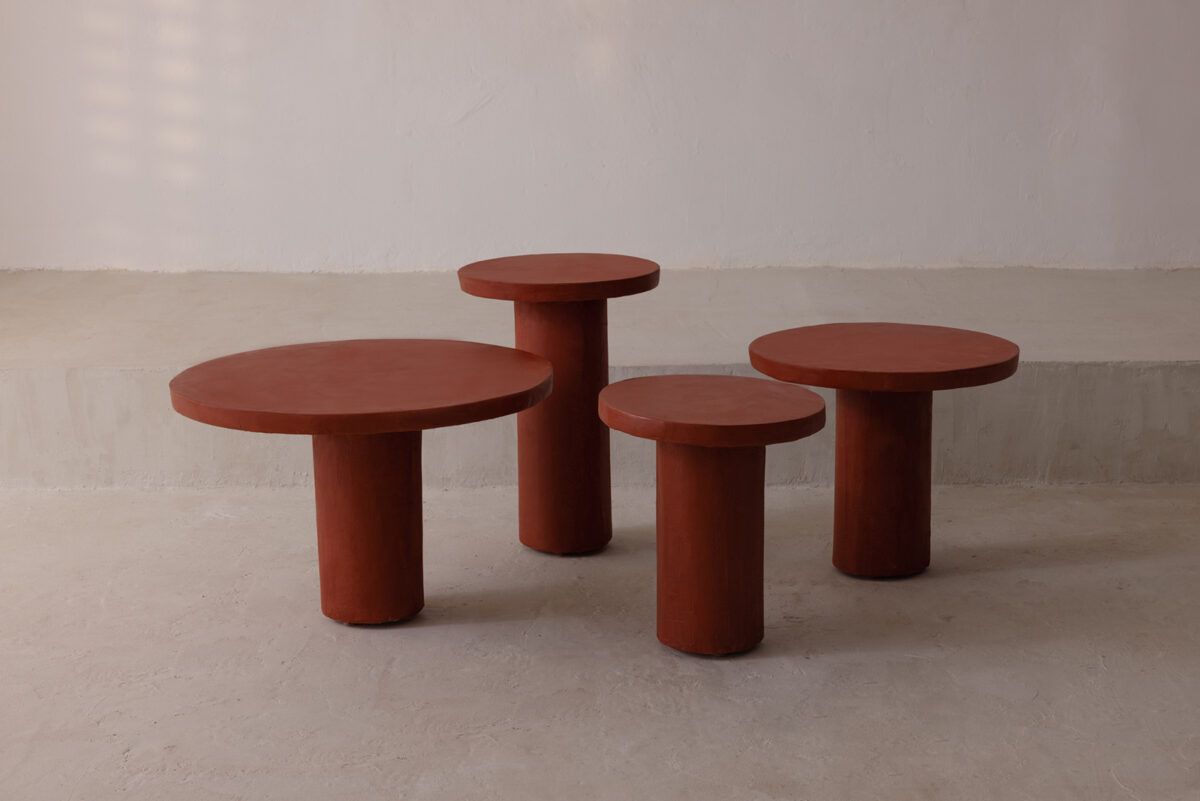
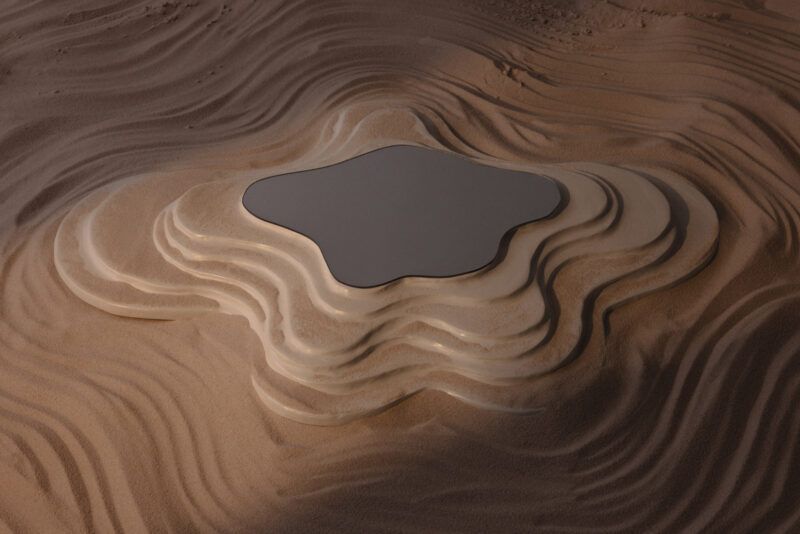
Some projects are not born from a single idea, but from an internal need. They do not follow a logical roadmap, but a deeper, almost physical impulse. “Curvas”, the first official collection from the studio ITS A MOOD, is one of them. A body of work that finds its language in matter, gesture, emotional heritage, and the curved form as a vital symbol.
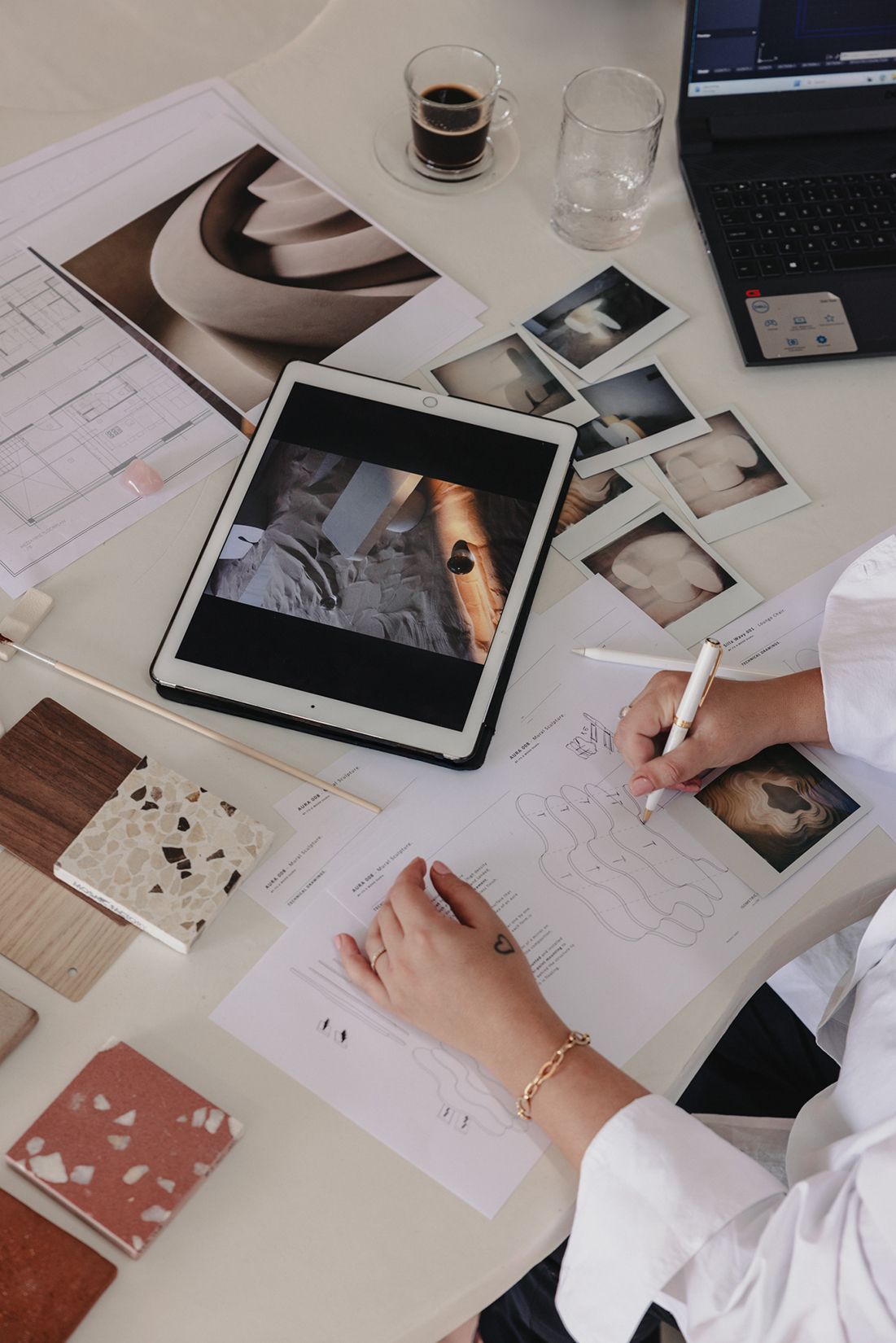
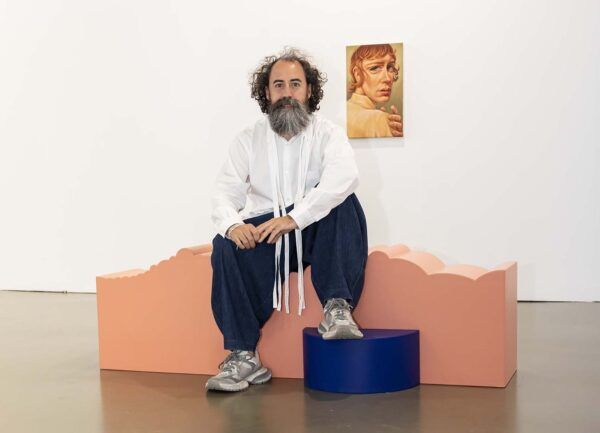
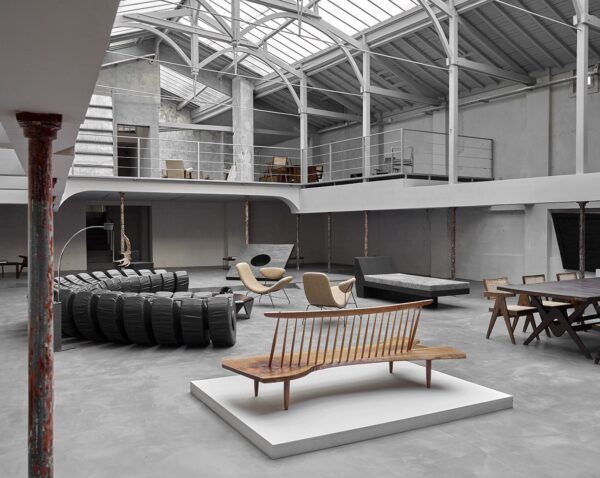
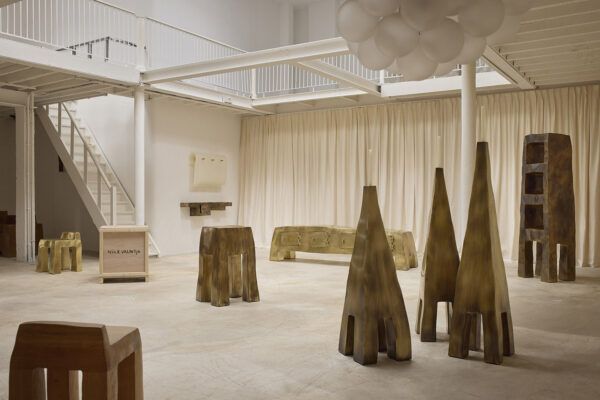
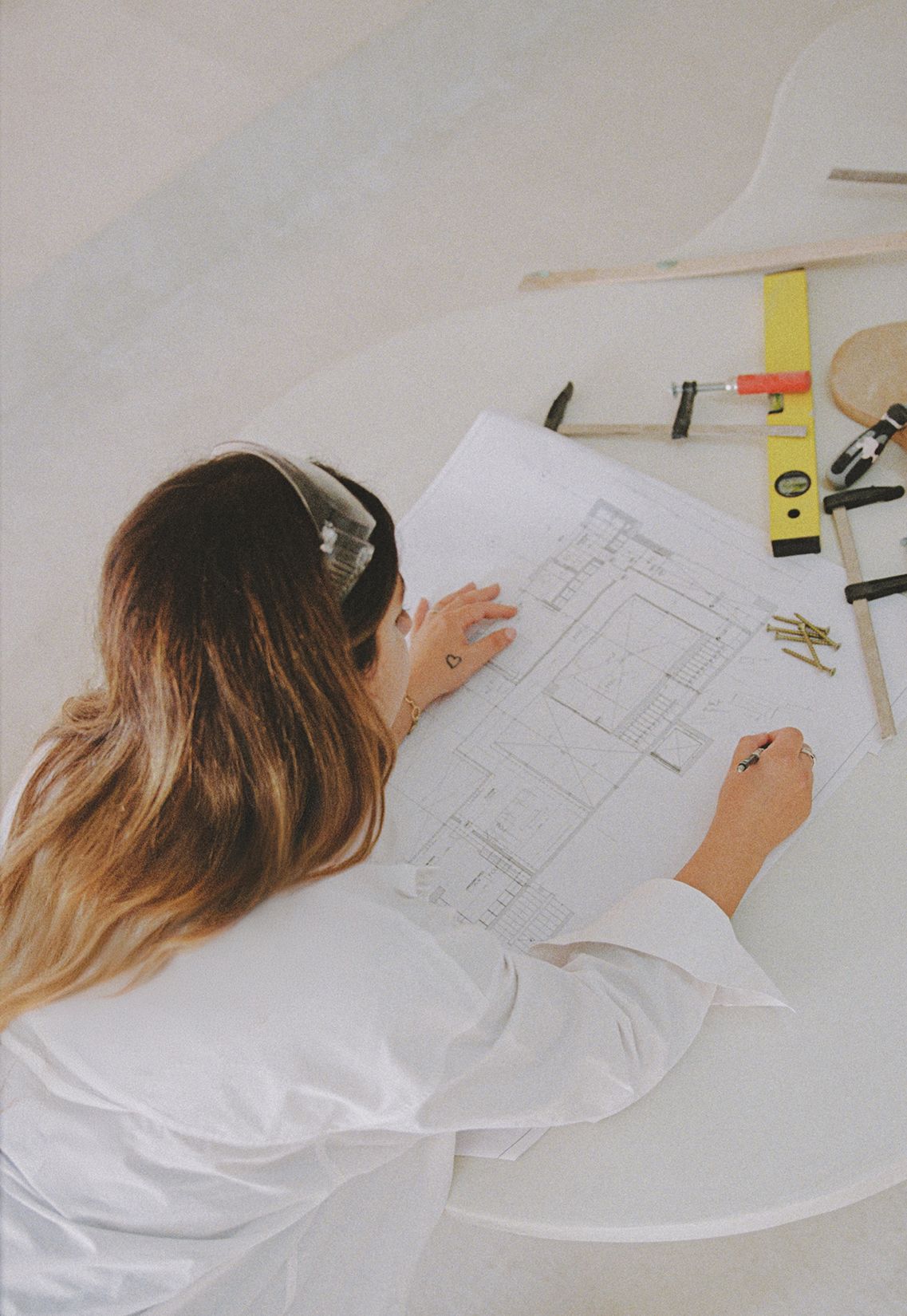
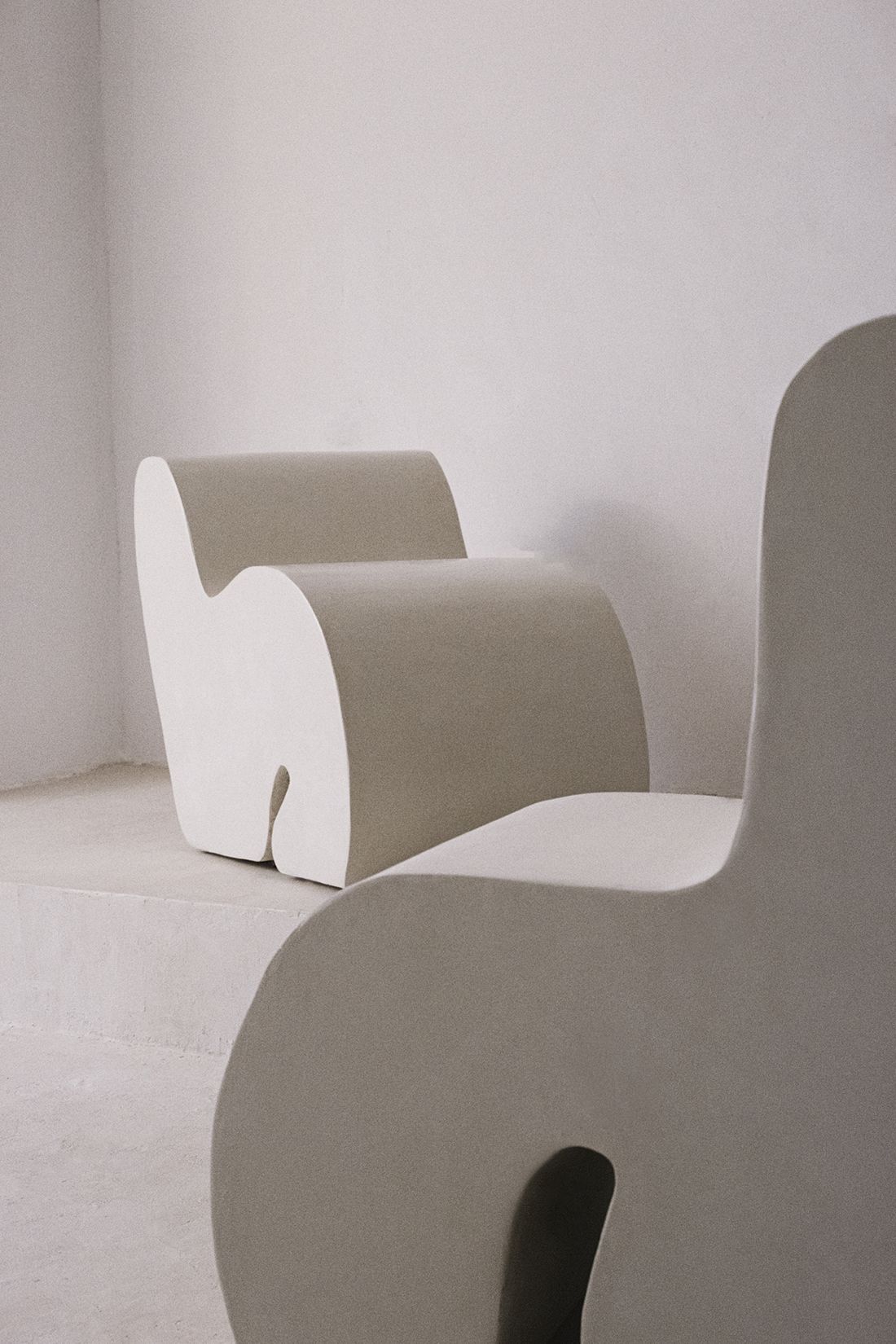
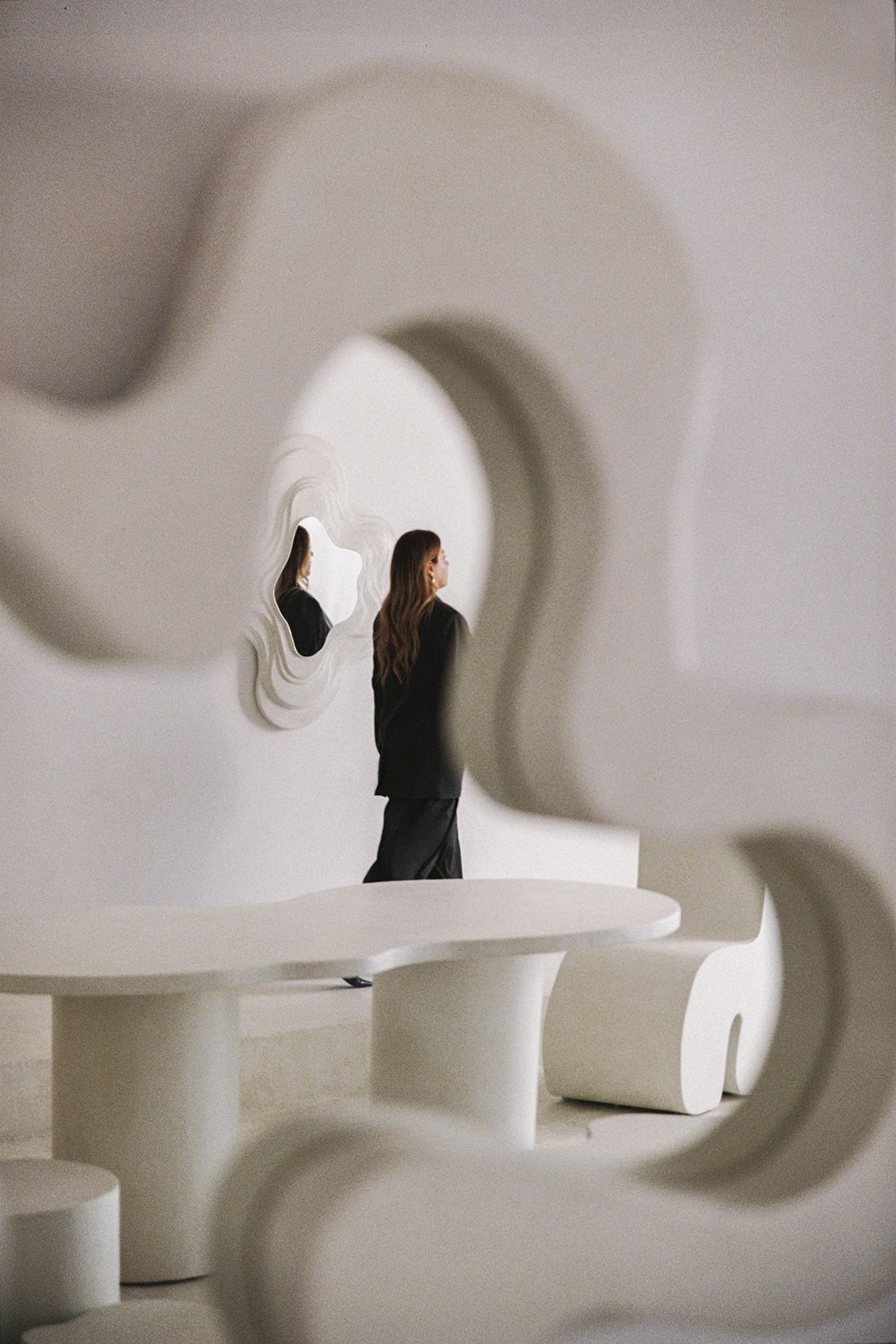
The studio, based in Barcelona, is led by Maria Massaad, a Lebanese-born interior designer who has successfully combined architectural precision with artistic intuition. In “Curvas”, eleven pieces — including tables, chairs and wall sculptures — give shape to a universe where design transcends function to become a sensorial experience.
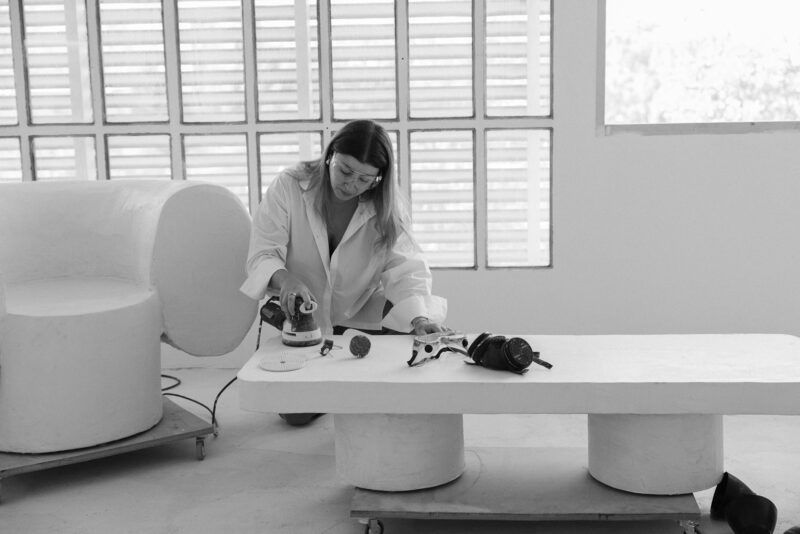
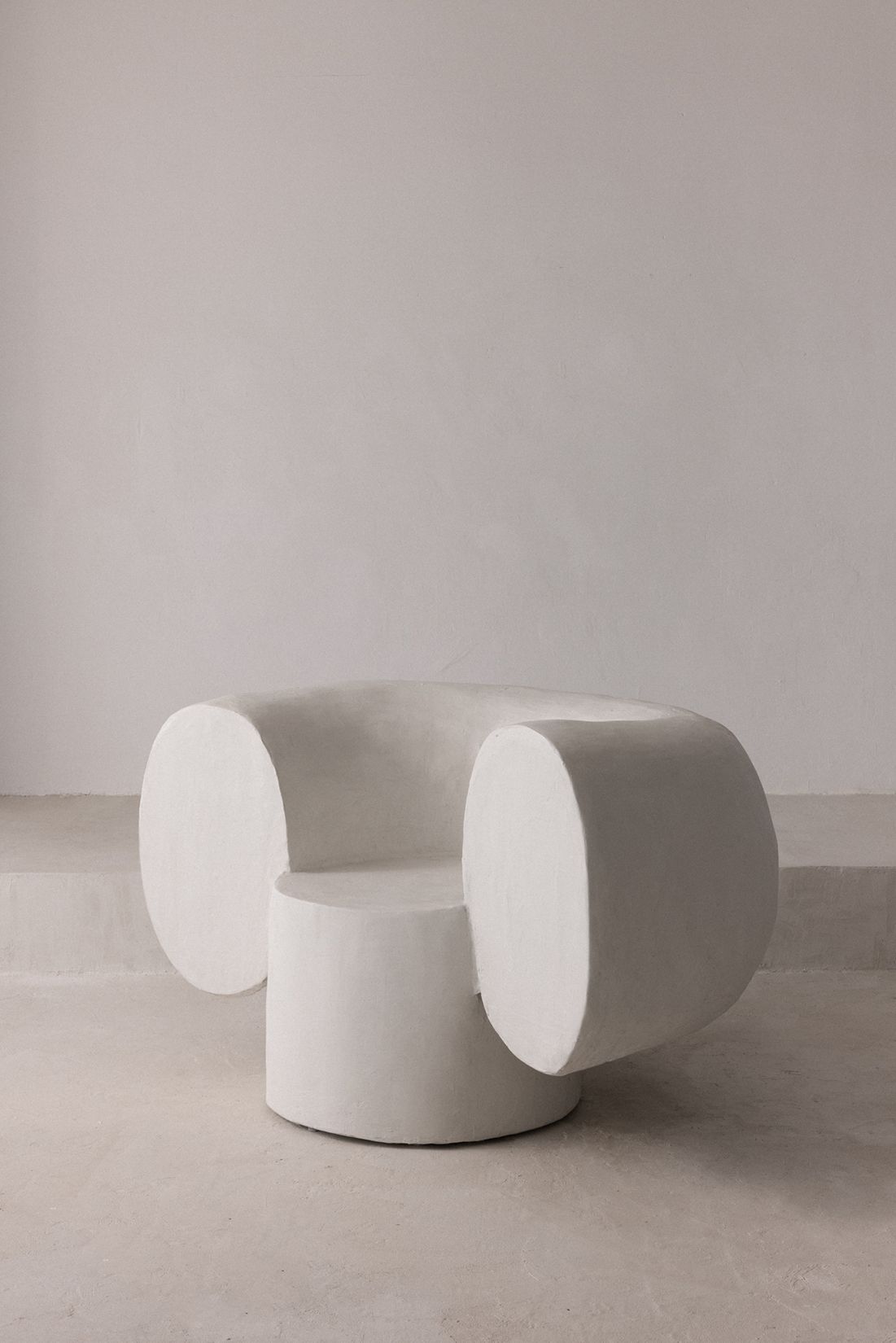
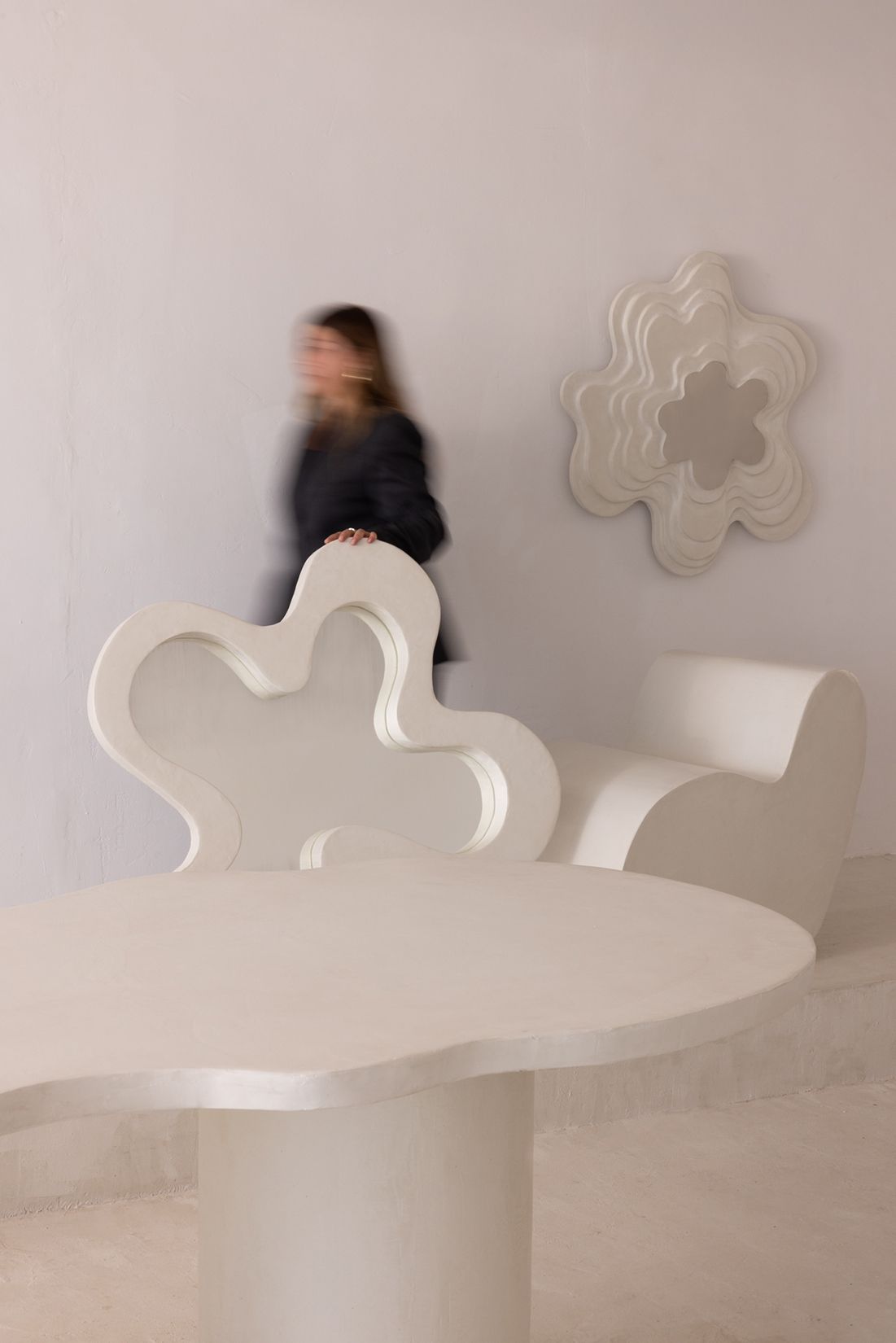
The pieces are hand-sculpted using a blend of wood and micro-cement, a material that allows softness, texture and unique reflections depending on the light. The result: mineral, organic, silent surfaces where the tactile is just as prominent as the visual. Here, curves are not an aesthetic device, but a structural and symbolic principle.
“A curve has no beginning or end. It moves and flows. Other geometries tend to define, confine or control a form. Curves free it”, says the designer.
We now explore her vision in depth through an intimate conversation that maps the emotional landscape behind “Curvas”.
The origin: creating from instinct
“ITS A MOOD was born from a very personal moment of clarity. A desire to create freely and explore without limitations. For years I carried ideas, sensations and visual instincts, waiting for a space where they could unfold. I realised I wanted to build my own universe, where I could create in a way that felt instinctive. The studio represents that: a space where each piece carries the honesty of how it was made.”
From the very beginning, Massaad knew she wanted to design from mood — hence the studio’s name. In her practice, it’s not a superficial idea, but a guiding principle: “Mood is the invisible layer that the eye doesn’t see first but the body feels immediately. If I’m feeling expansive, the curves open. If I feel grounded, the volumes calm down. Each piece carries an emotional trace of how I felt that day.”
Curves as a vital language
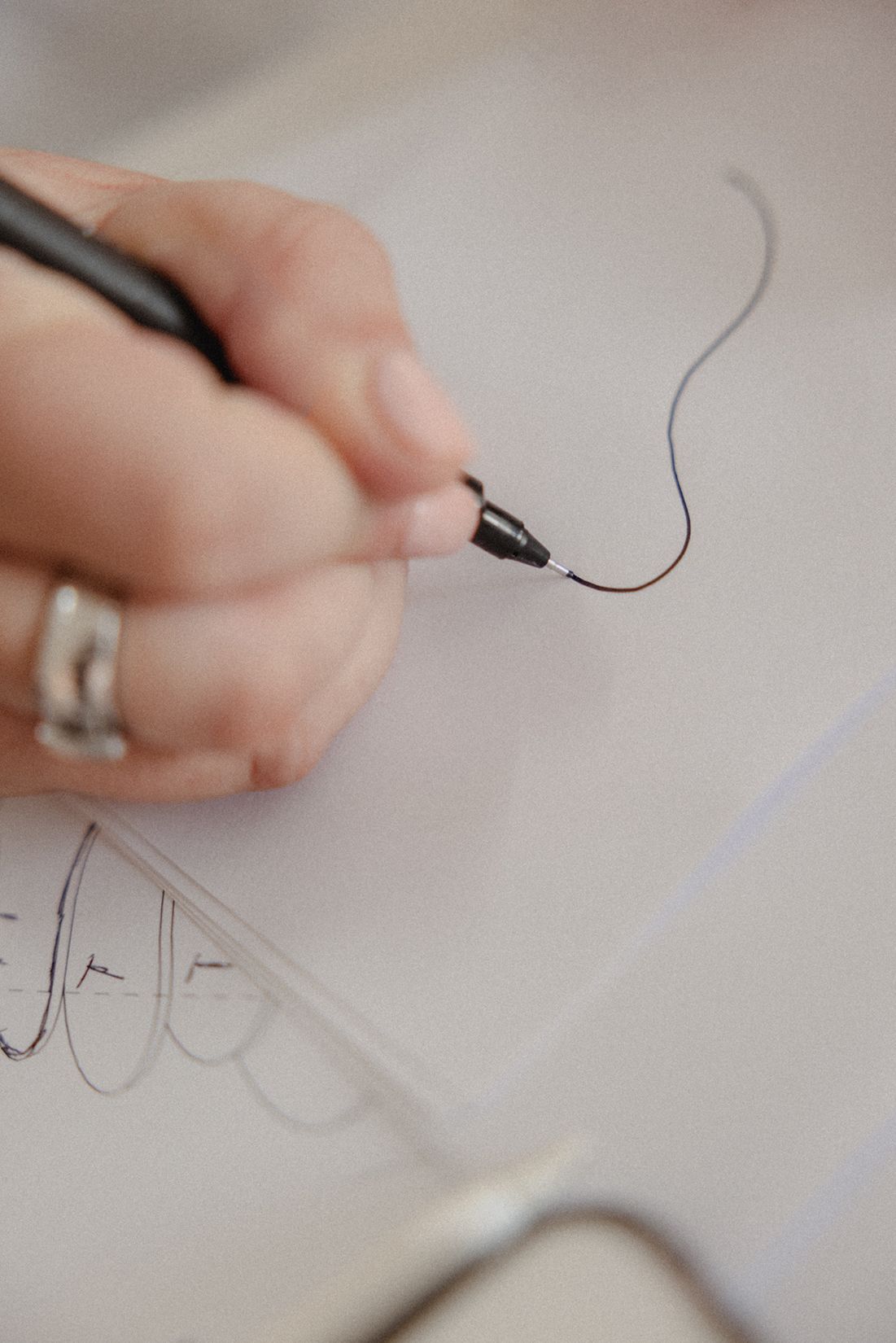
The collection, composed of eleven collectible pieces, was developed over the course of two years. Its construction blends digital processes with handcrafted work: from hand sketches and 3D modelling to artisanal sculpting.
“Curvas is the first deep breath of the studio. It didn’t come from a rigid concept, but from a form that began to appear again and again, naturally. The collection grew piece by piece, guided by what felt right in each moment.”
The decision to work with micro-cement was no accident: “I needed a material that offered plasticity and strength. Something that would let me sculpt freely, but also withstand daily use.
Micro-cement reflects light differently depending on how it’s applied. That sensitivity makes it feel almost alive.”
A layered heritage
Massaad was born in Lebanon and has found in Barcelona her place to create. Both geographies coexist in her imagination.
“Barcelona plays a profound role in my identity as a designer. My connection started even before I lived here: my first project at university was to redraw the curved façade of the MACBA. That curve stayed with me.
Today, I’m still surrounded by inspiring architecture, like that of Xavier Corberó or Ricardo Bofill.
And Lebanon… Lebanon brings emotional depth. Everything there has a story. Texture, human warmth, nostalgia… All of that shows up in my work. My roots and this city are in constant dialogue in each piece.”
Architecture that is felt
Unlike approaches focused solely on aesthetics or function, Massaad’s work begins with a simple but essential question: how does a space feel?
“People don’t just pass through a space — they feel it. That was one of my key discoveries while studying interior architecture. I’m deeply interested in spatial psychology: how a shape can change the way you breathe in a room. My designs always start there: from the body, from touch, from how space breathes.”
Naming the emotional
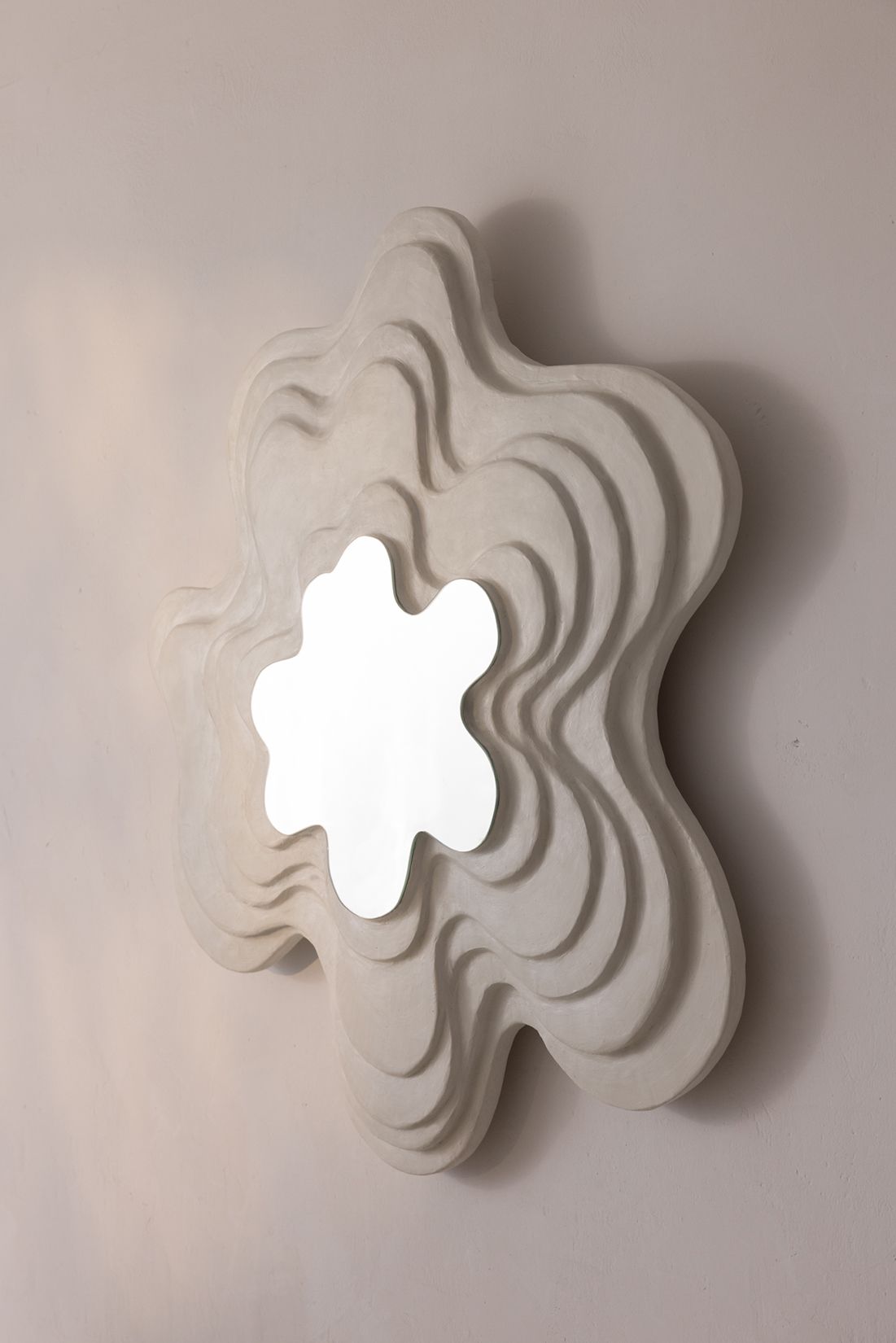
Each of the pieces in the collection has its own name: Columna, Maraya, Mawjé, Oléa, Aura Duna…
“For me, curves are not just shapes. They’re emotional coordinates. The names are not decorative — they reveal a fragment of the process, of the material, of the moment. Some of the words come from Arabic, my mother tongue. I’m fascinated by its writing — so fluid and continuous. It’s very similar to the way I sculpt.”
The beauty of imperfection
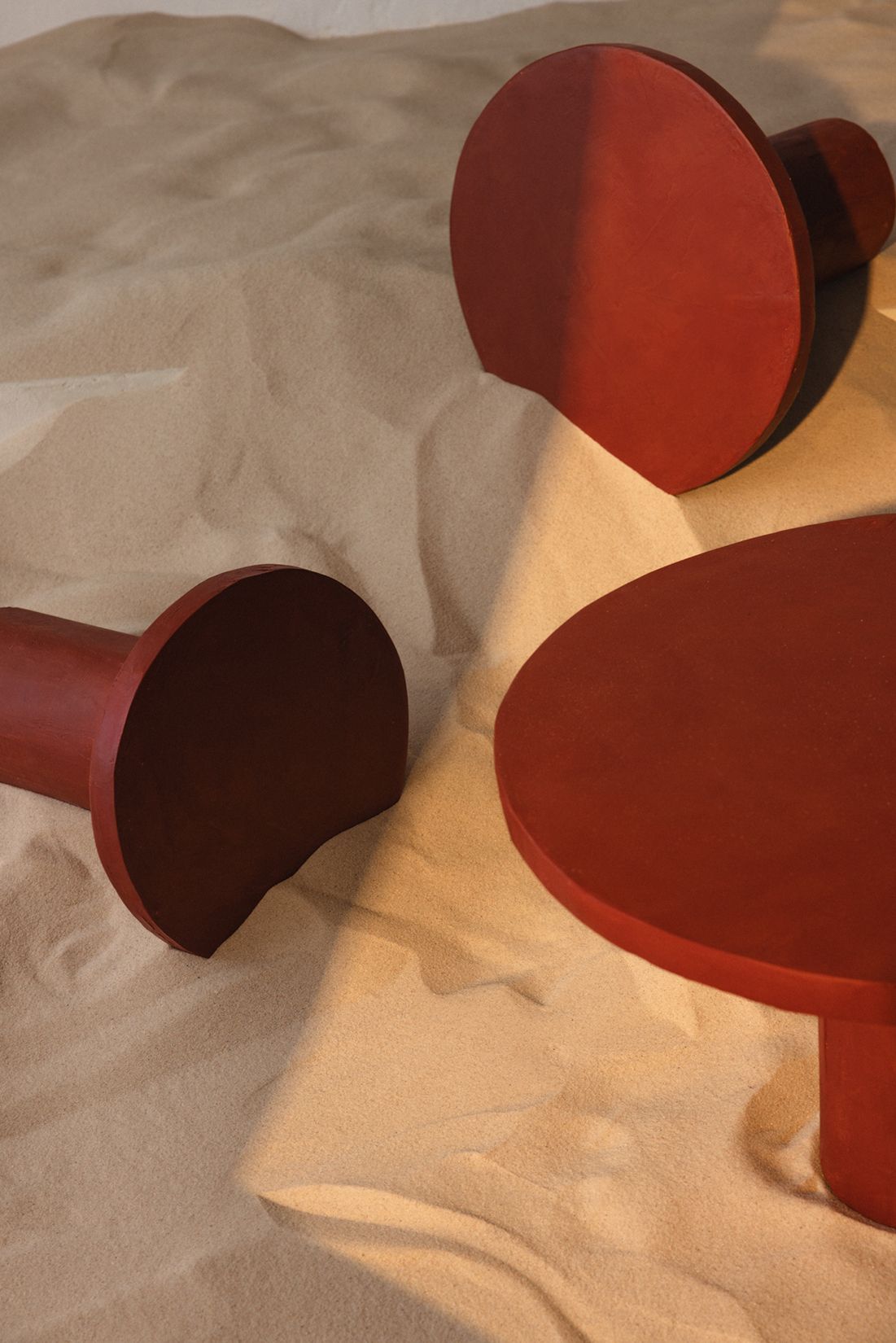
Returning constantly to manual work — sanding, cutting, carving — is not just a technical step. It is, in Massaad’s words, a way to reconnect with the reality of the piece: “Working by hand forces me to slow down and pay attention. To make micro-decisions I would never see on a screen. It teaches me patience, humility, precision. And it’s there, in that process, that the piece gains its soul.”
Pieces with soul
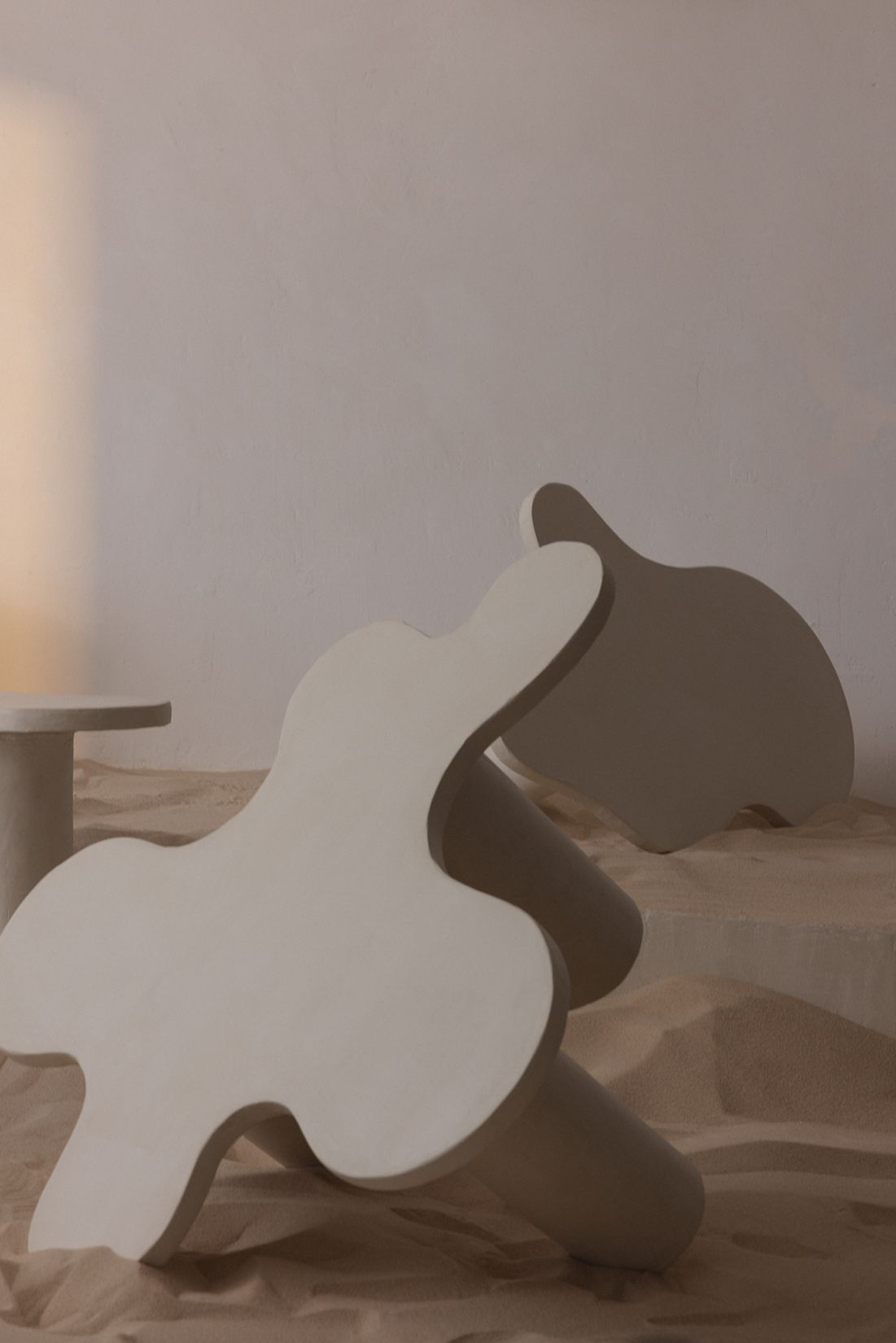
The collection does not aim to impose a style, but to create an emotional experience. Some pieces invite introspection; others, connection.
“For example, the Puzzle tables come to life when several people gather around them. Aura Duna, on the other hand, creates a more introspective moment. What matters is that whoever chooses them feels something when using them. That a real, intimate connection is established.”
The body as inspiration
We asked Maria what symbolism she finds in curves.
“For me, curves are like life: they don’t follow straight lines. We grow in chaotic, unexpected, sometimes painful ways. Curves express that. They don’t restrict, they flow. They’re in our bodies, in our breath, in nature. They allowed me to express a personal truth: that beauty is born from movement, not from the perfect plan.”
Lessons that remain
While creating “Curvas”, Massaad discovered unexpected things about herself:
“I realised that we often impose limits on ourselves. I thought certain processes weren’t ‘for me’ — because they were physical, technical. But I learned to weld, to mix materials, to carry weight. I learned that I can do everything. That strength and vulnerability can coexist. Curvas gave me a new confidence in my creative language.”
The future: designing atmospheres
Although “Curvas” marks a milestone, ITS A MOOD looks ahead.
“I dream of expanding into full interior design projects. Designing entire spaces, not just individual pieces. I also want to explore new materials: stone, glass, marble, metal… To see how they transform the emotional tone of my work.”
Design to move
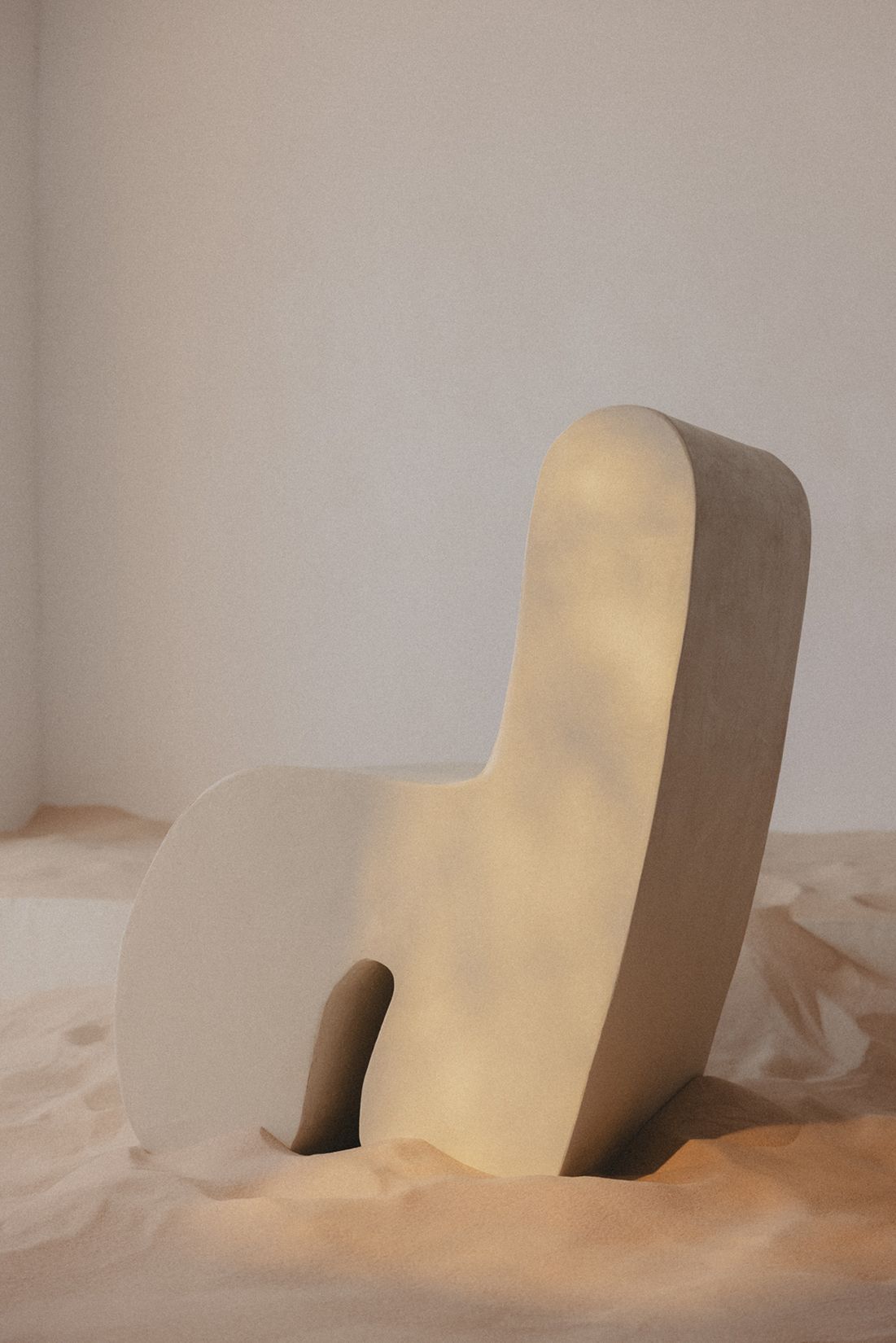
In a world where the visual often dominates the essential, Maria Massaad’s proposal breaks through the surface to explore the depth. “Curvas” is not just a furniture collection: it is an emotional map where each piece embodies a mood, an intimate gesture, a story told through matter.
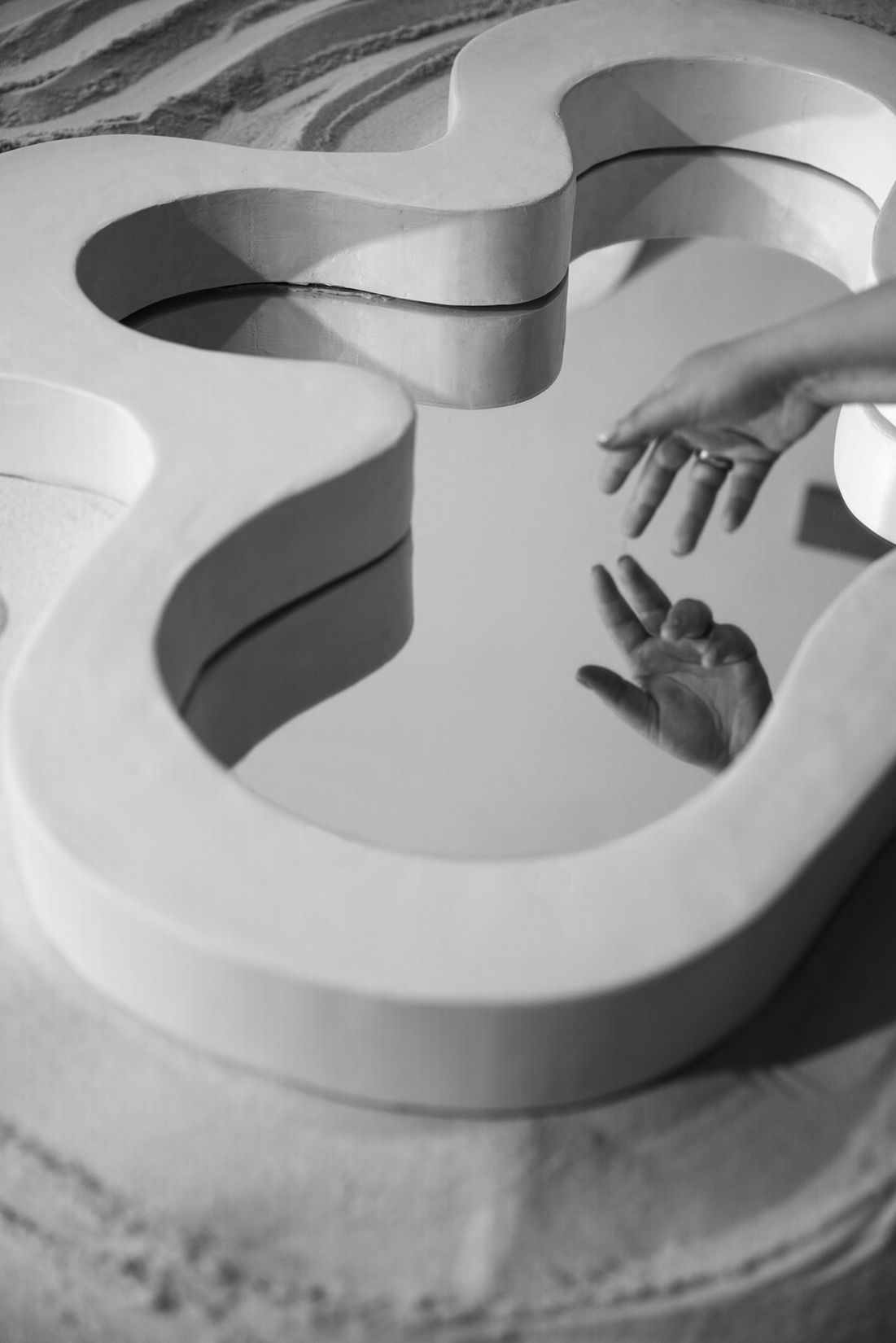
Here, design becomes a form of listening, of connection, of presence. An invitation to inhabit spaces — and ourselves — with greater sensitivity.
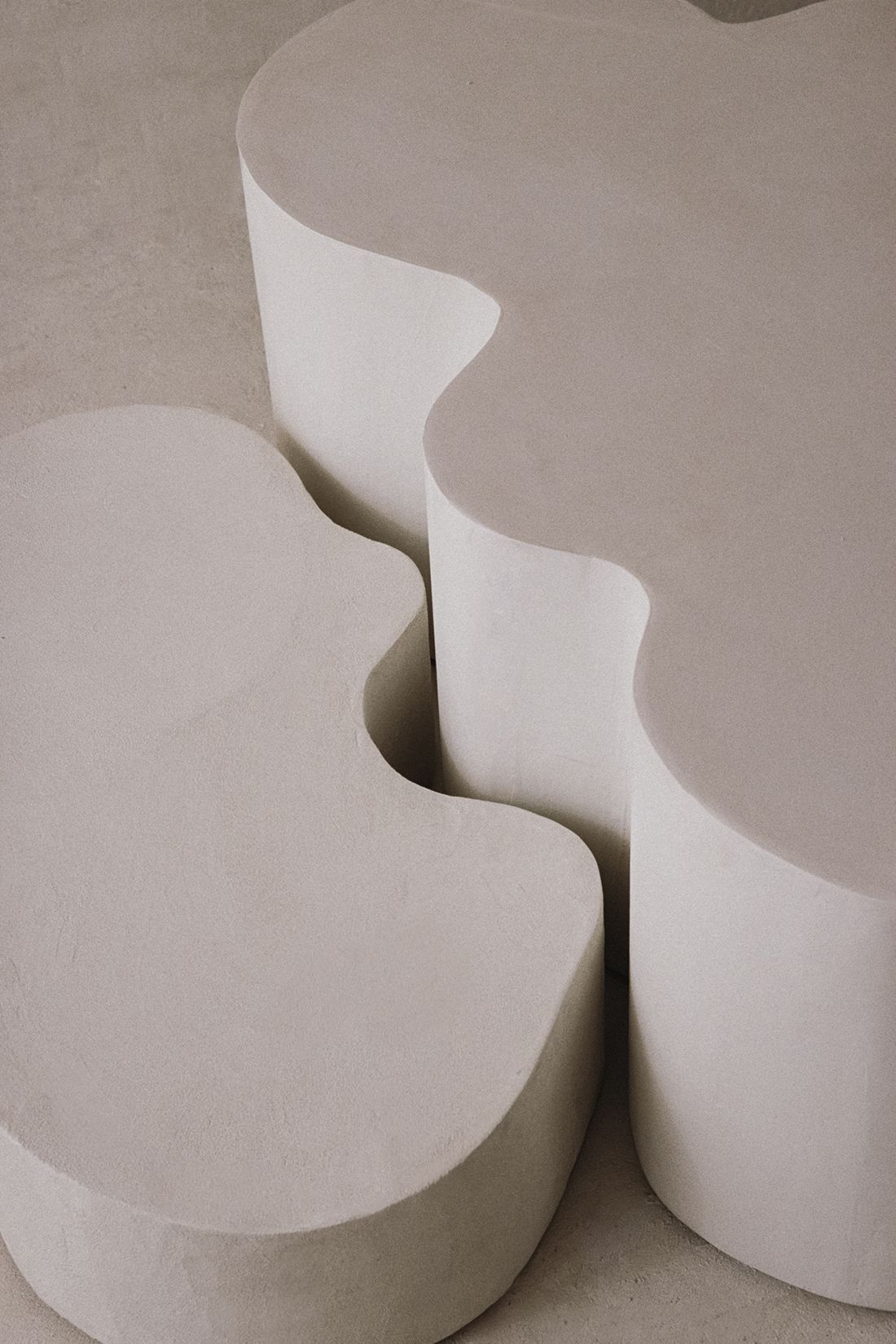
As the designer herself says: “Design begins when a form changes the way you breathe inside a room.”
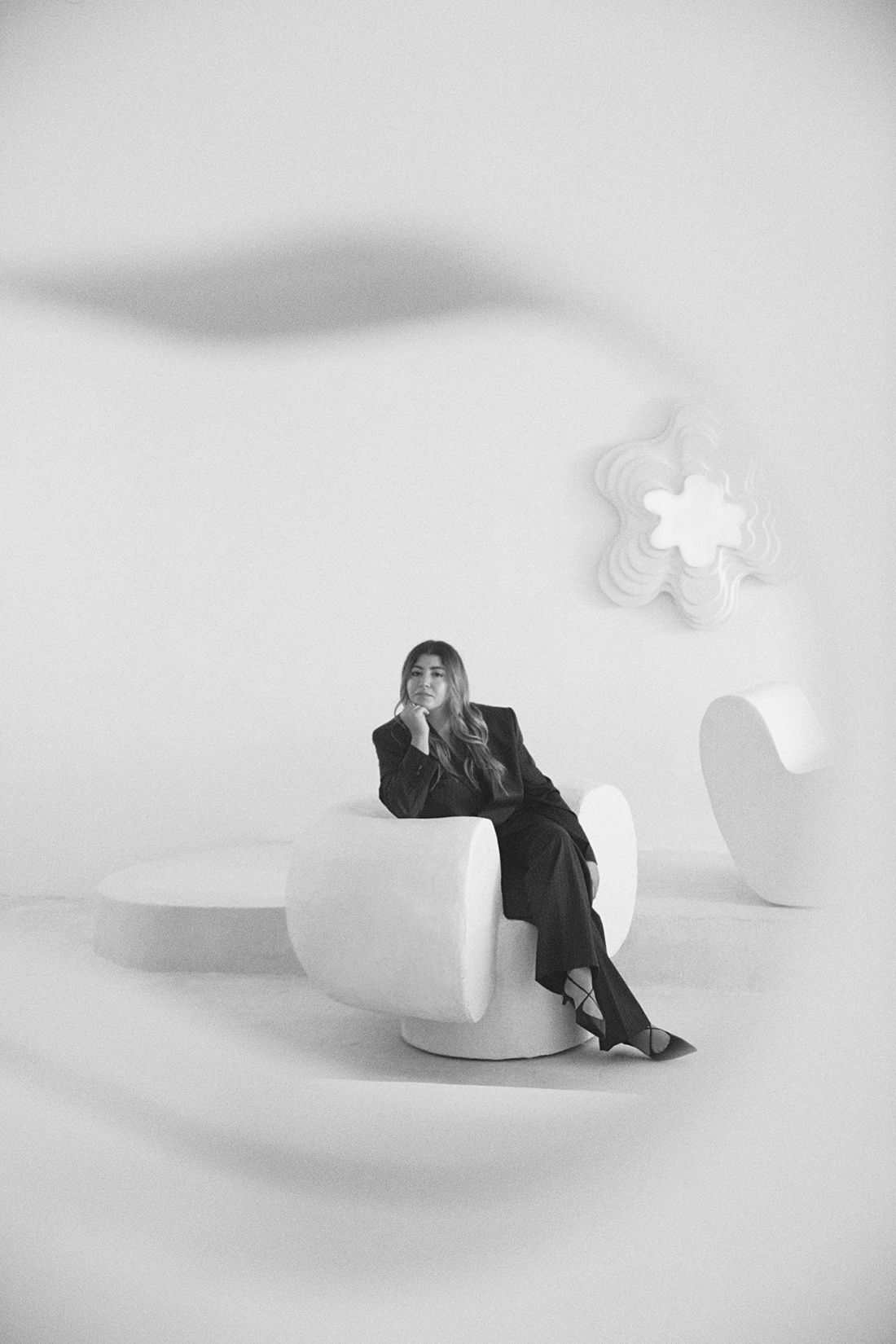
If you’re interested in acquiring one of her creations, you can get in touch with her via this email: info@itsamood.io.
(*) Photography by ITS A MOOD Studio. Shot by Kamila Solarz.