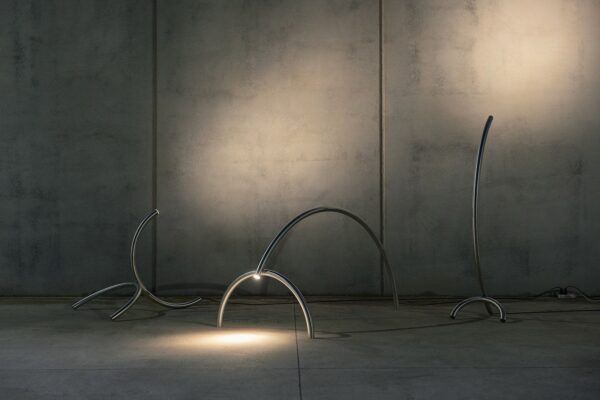
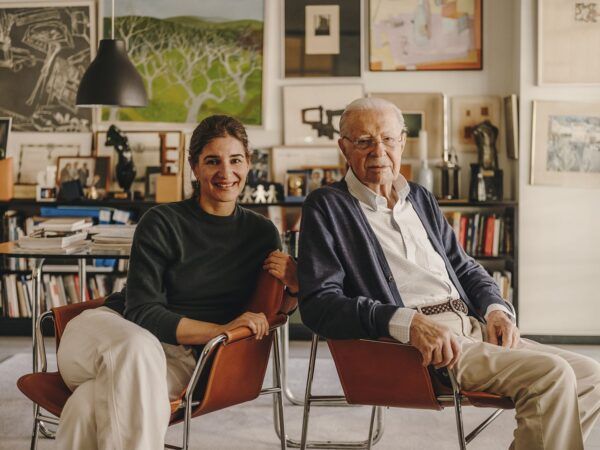
Sunday-S Gallery: the art of looking slowly
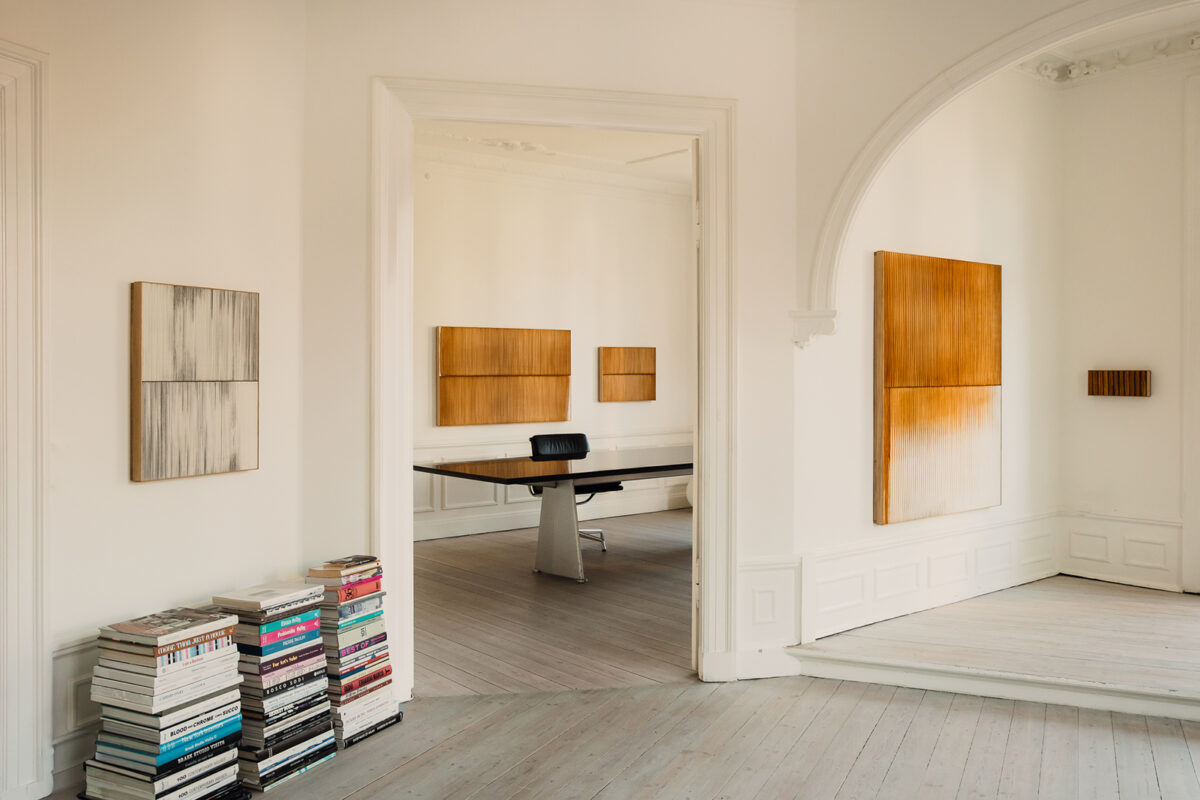
The gallery created by Peter Ibsen across Copenhagen, Paris and Rørvig proposes a different way of engaging with contemporary art: with time, intimacy and far from the clinical neutrality of the white cube.
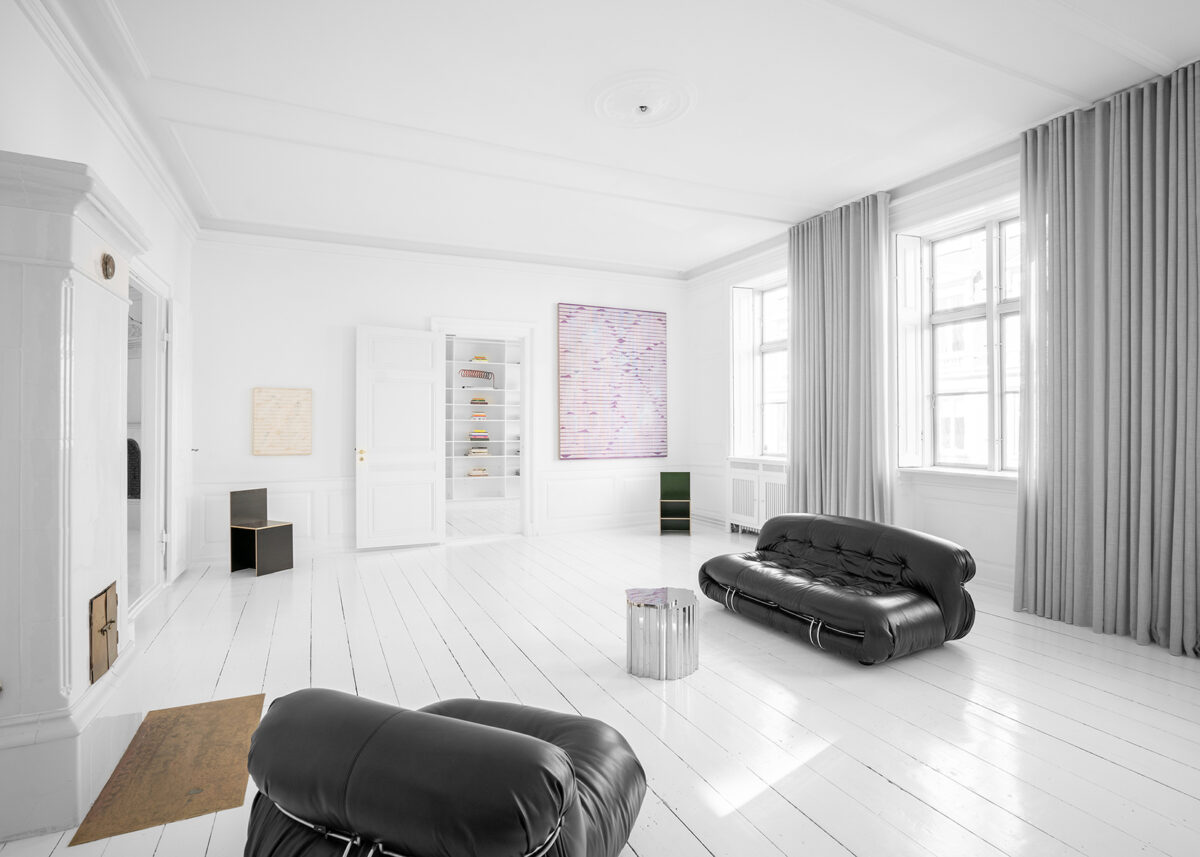
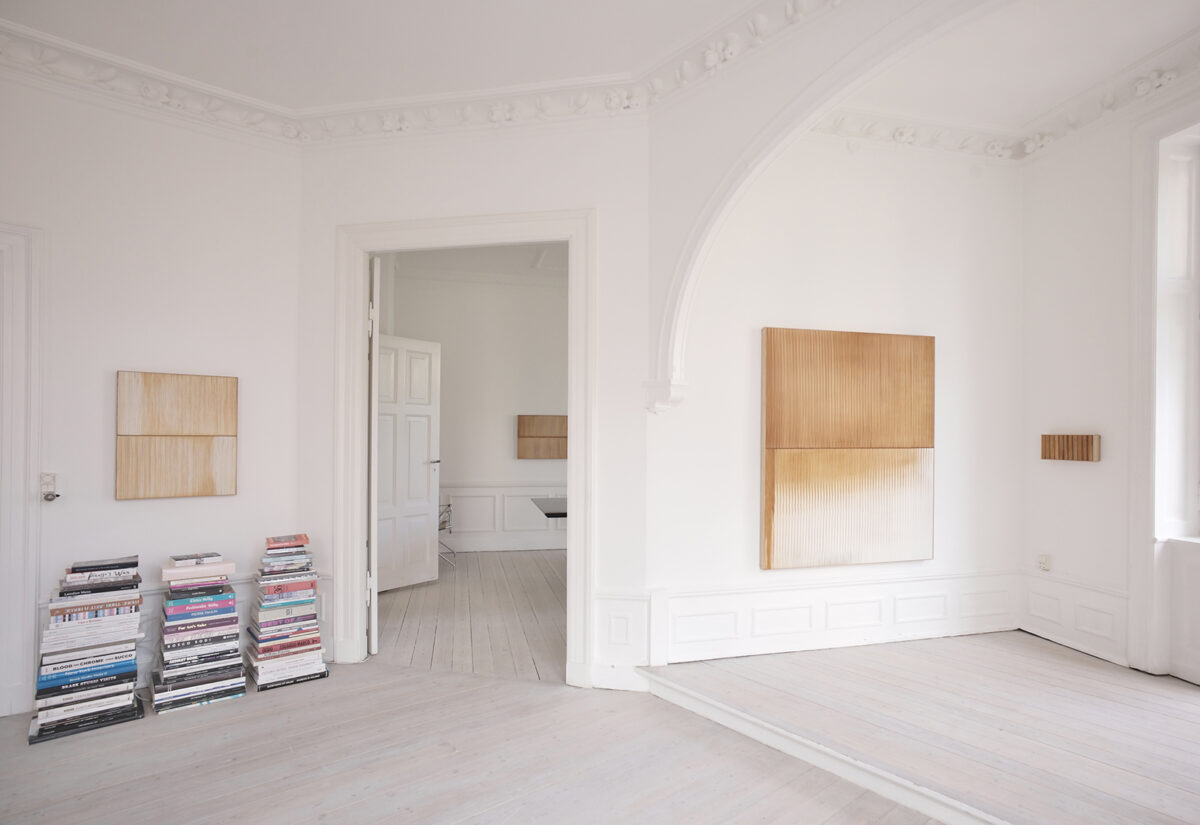
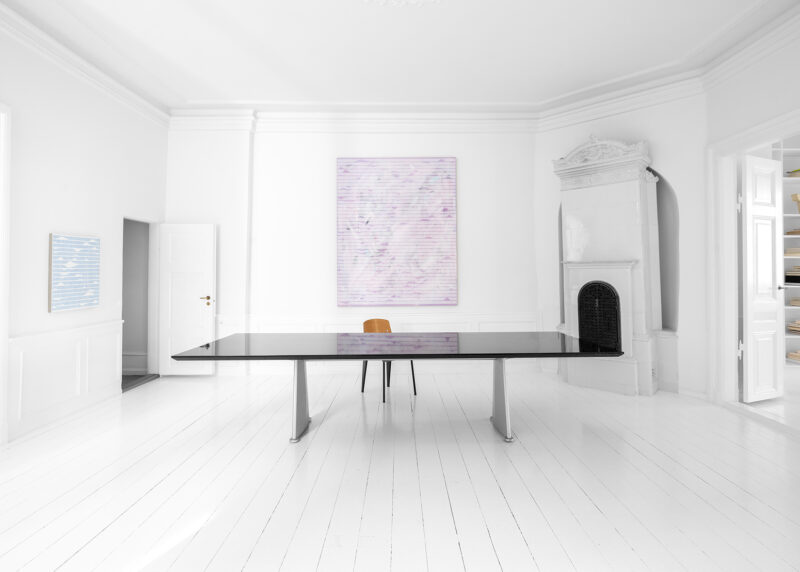
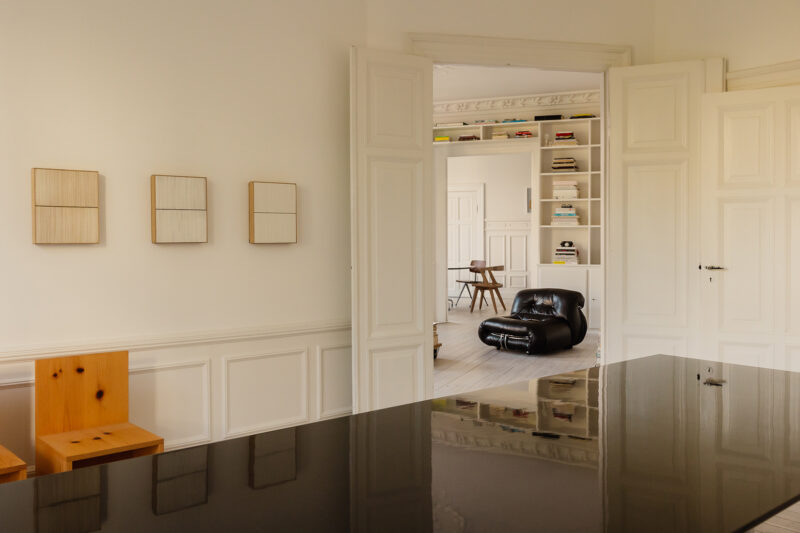
There are places where art seems to demand silence and a certain solemnity. White, immaculate, carefully lit spaces in which each work is isolated from everyday life, as though it required a specific distance in order to be contemplated. Sunday-S Gallery, the project created by Danish collector and gallerist Peter Ibsen, begins from a different premise: bringing art back into life.
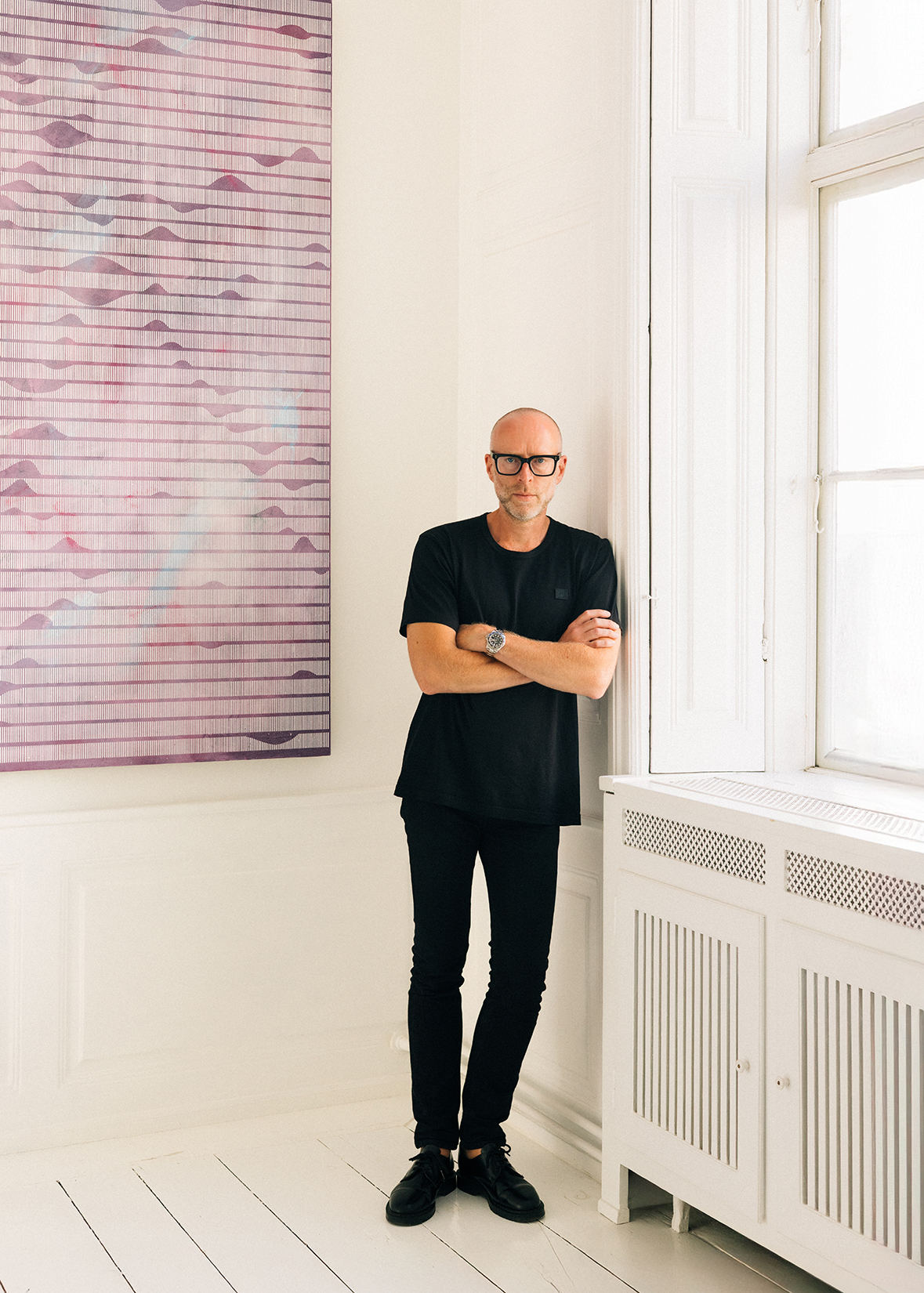
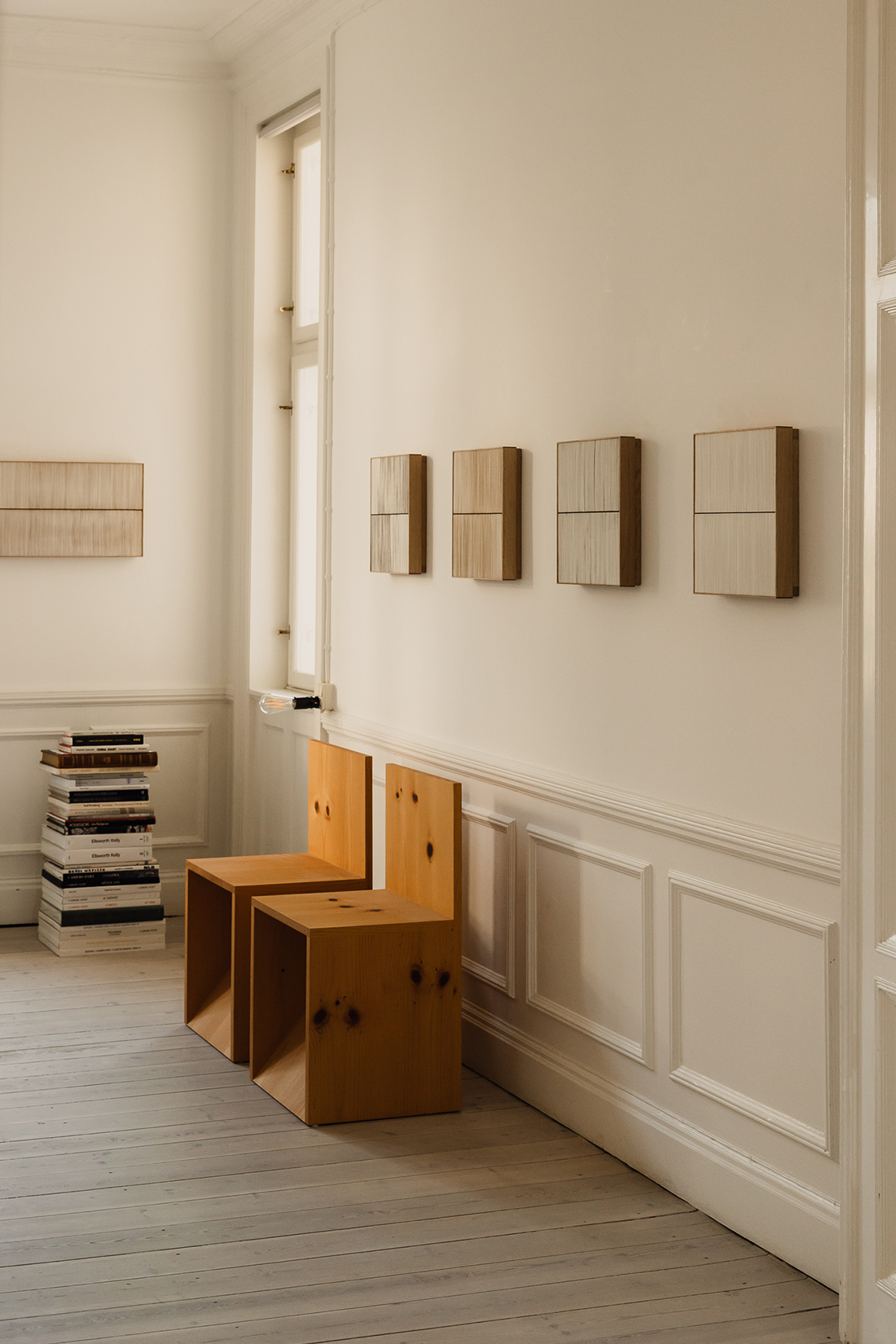
In its Copenhagen and Paris spaces, conceived as apartments, and in its summer project in Rørvig, a former stable located in an entirely different setting, the experience of art moves away from many of the conventional codes of the gallery. There are pieces of furniture, books, natural light and traces of everyday life. The works share space with everything that would normally remain outside an exhibition room.
This isn’t merely an aesthetic question. Behind Sunday-S lies a reflection on how we look at contemporary art, how much time we give it and what happens when we stop treating it as something exceptional that we visit and begin incorporating it into everyday life.
At a time built around images competing to capture our attention for a few seconds, Ibsen seems to argue for precisely the opposite: works capable of resisting the quick glance.
Peter Ibsen and the art that stays with you
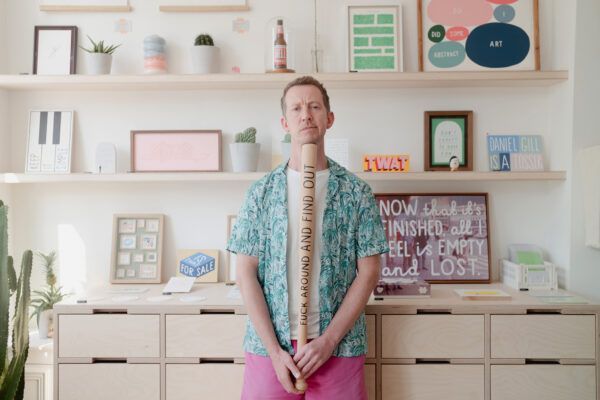
Peter Ibsen has been collecting contemporary art for more than 25 years. During that time, his eye has changed, but one essential element of his relationship with a work has remained: the physical response that can arise from a first encounter.
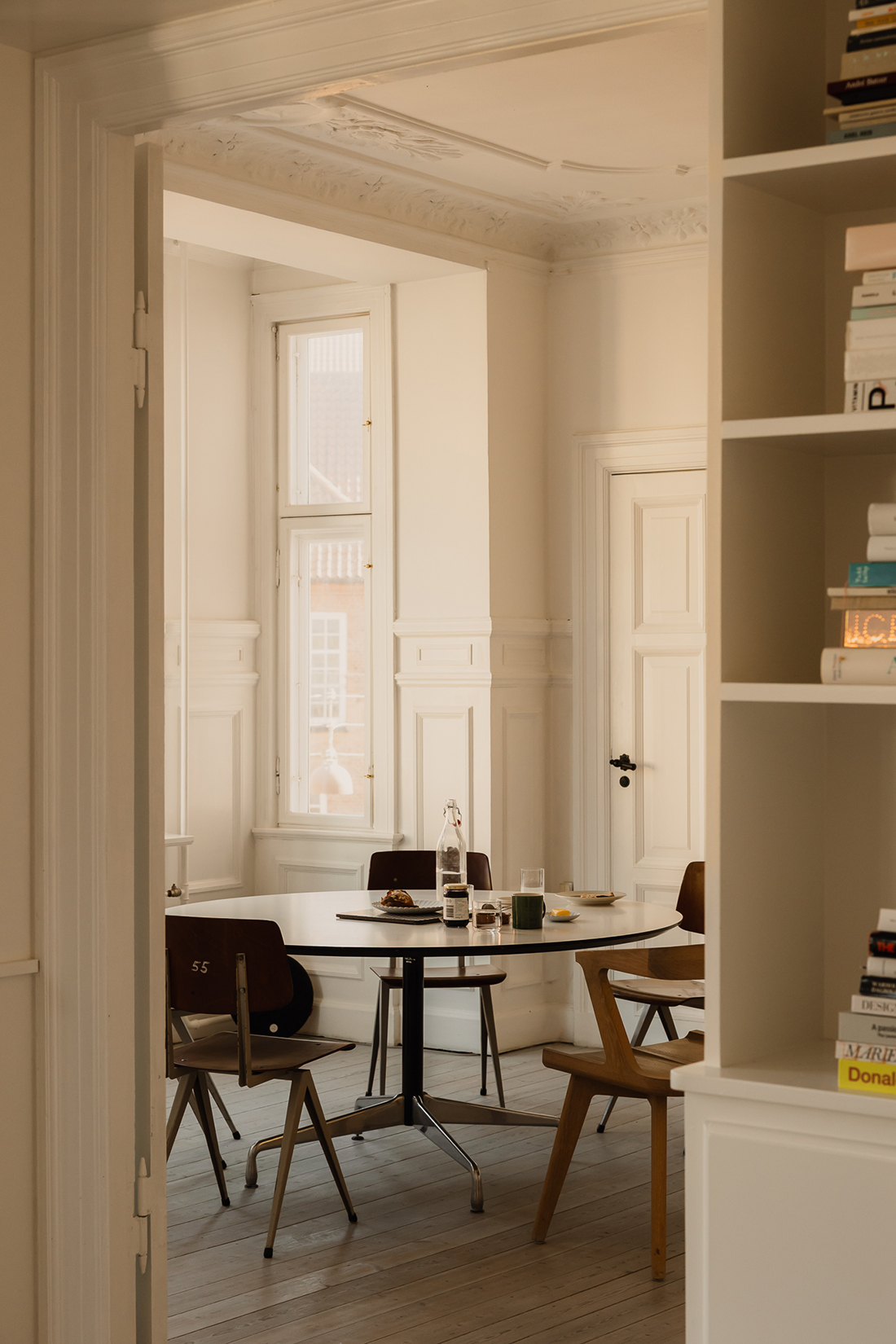
“I still value that immediate physical reaction: a work has to stay with me, even unsettle me a little, after I have left the room,” he explains.
Intuition remains important, although the years have taught him to distrust seduction that is too immediate. Rather than works that reveal themselves at once, Ibsen is increasingly drawn to those that hold something back.
“I want visitors to feel comfortable enough to look slowly and return more than once to the same work.” P. Ibsen
That distinction feels especially relevant within a cultural ecosystem dominated by speed. A work may be spectacular, photogenic or instantly understandable and yet quickly exhaust itself. For Ibsen, attraction and lasting interest are not necessarily the same thing.
“Over time, I have learned not to confuse instant attraction with lasting interest. The works I return to are often those that keep something in reserve. They do not reveal everything immediately, but continue to open up as you look at them, live with them and discover new layers.”
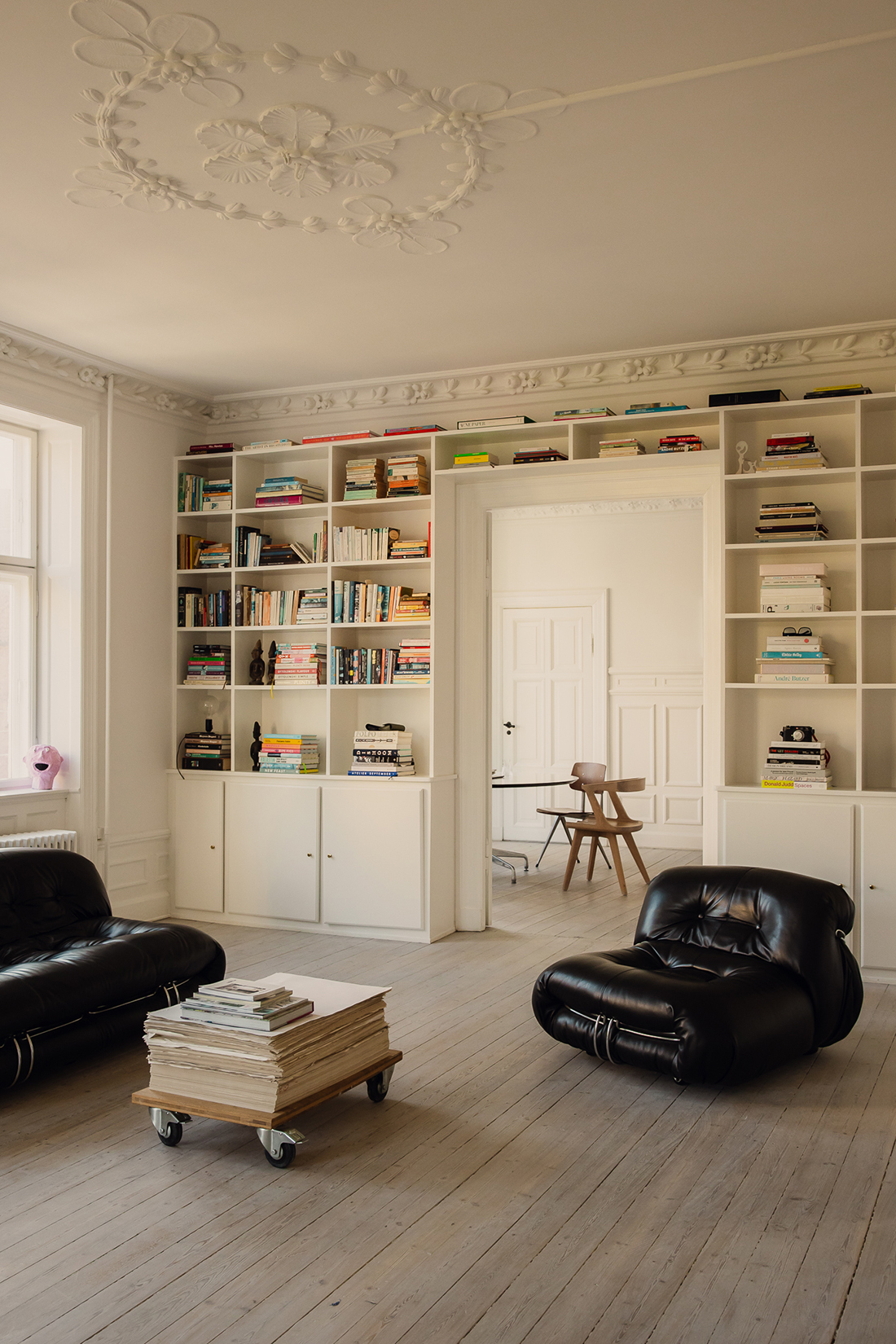
His collection and his work as a gallerist have been shaped around that curiosity. He is equally interested in young artists who are still relatively unknown and in artists from earlier generations whose work may have been overlooked or forgotten.
In both cases, there is the pleasure of discovery: noticing something that has not yet received enough attention, or looking again at something we thought we already knew.
For Ibsen, the question is not the artist’s status but the internal necessity of the work: “What interests me is not whether an artist is already established, but whether the work has a necessity of its own, depth and the ability to remain alive over time.”
A gallery that feels like a home
The philosophy of Sunday-S finds its clearest expression in the space itself. Its Copenhagen location occupies a former apartment. Some rooms function as exhibition spaces, while others incorporate works from Ibsen’s private collection. There is none of the radical separation between art and life that defines so many contemporary galleries.
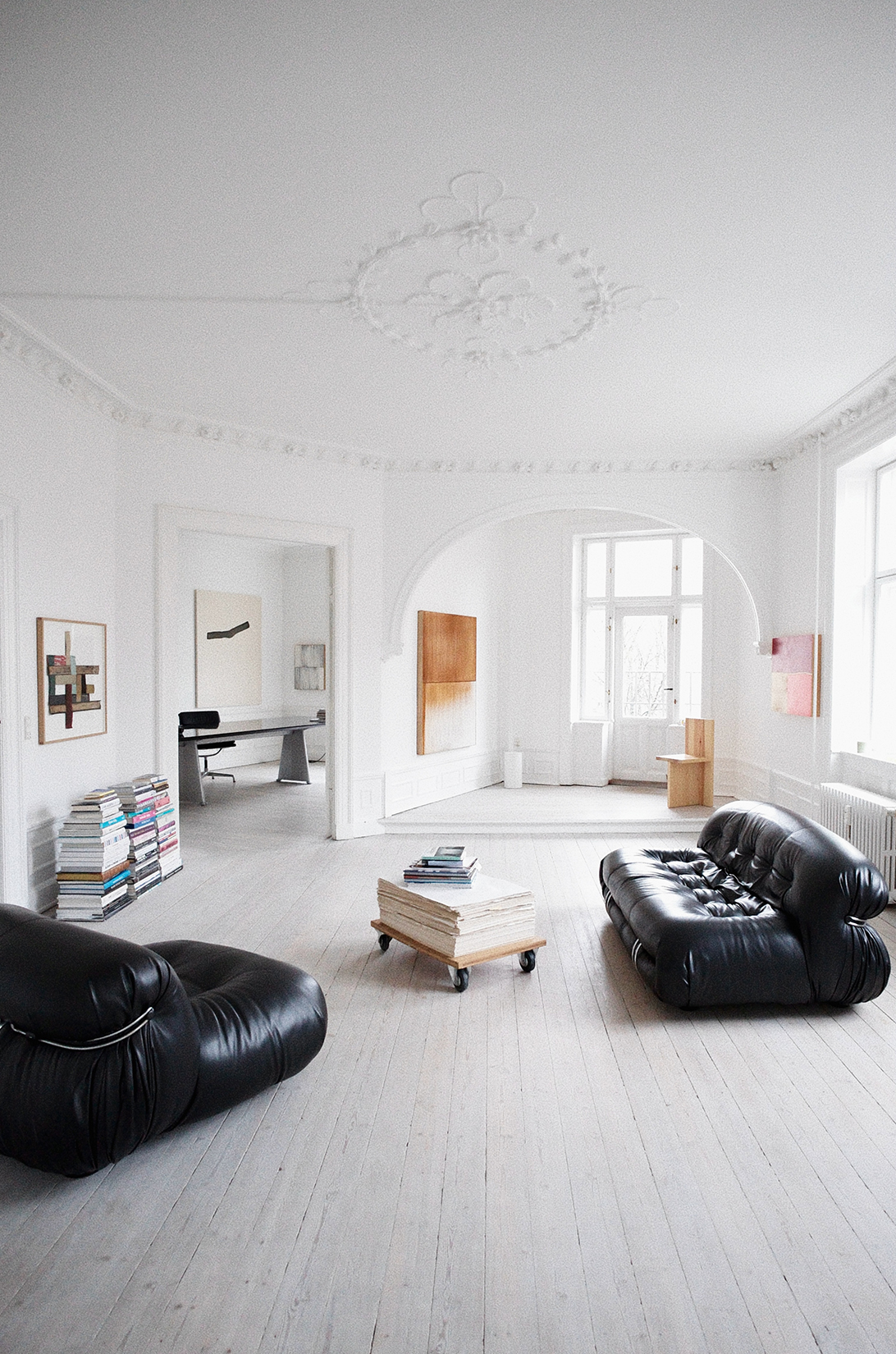
Natural light also plays a fundamental role. In contrast to the controlled lighting of the white cube, here the works change as the day changes. The architecture, furniture and objects surrounding them inevitably alter our perception.
For Ibsen, far from being a problem, that contamination is precisely part of the experience: “Context changes everything. In a home, a work becomes part of a lived rhythm: it is seen in morning light, alongside books, furniture, conversations and everyday life.”
Sunday-S was born, to a large extent, from his desire to escape the coldness that a traditional gallery can create. The domestic format also lowers a psychological barrier that often goes unnoticed within the art world: many people still feel they need to understand certain codes before entering a gallery.
Here, the opposite happens. Visitors tend to stay longer and conversations take on greater depth.
“This doesn’t make the art less serious; on the contrary, it allows for a more intimate and probably more honest relationship. At Sundays, I want visitors to feel comfortable enough to look slowly and return more than once to the same work.”
Hospitality therefore ceases to be a peripheral detail and becomes part of the curatorial project.
Slow looking as an act of resistance
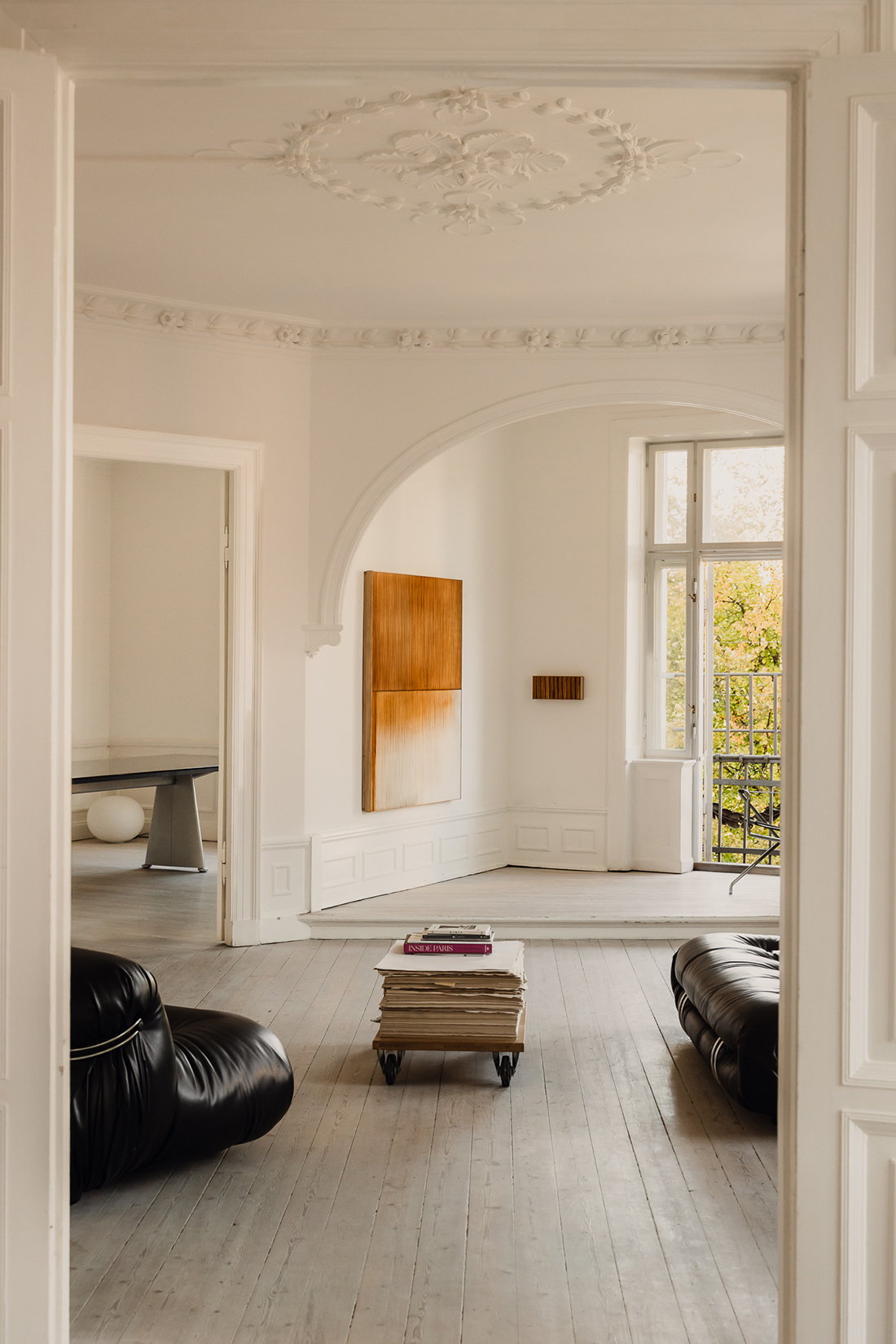
Sunday-S can also be read as a defence of slow looking, a form of contemplation that feels almost countercultural today.
Every day, we look at hundreds of images. We consume, classify and forget them with remarkable speed. Social media, advertising, media platforms and digital culture have turned immediate impact into one of the currencies of our visual world.
Ibsen proposes a different relationship with the image: “Looking slowly means allowing yourself not to understand immediately. It means giving a work enough time to become more complex, even more difficult.”
Not understanding can be uncomfortable. Especially because we are used to searching for quick explanations, references and contexts capable of resolving whatever lies in front of us. Art, however, retains an exceptional ability to leave certain questions open.
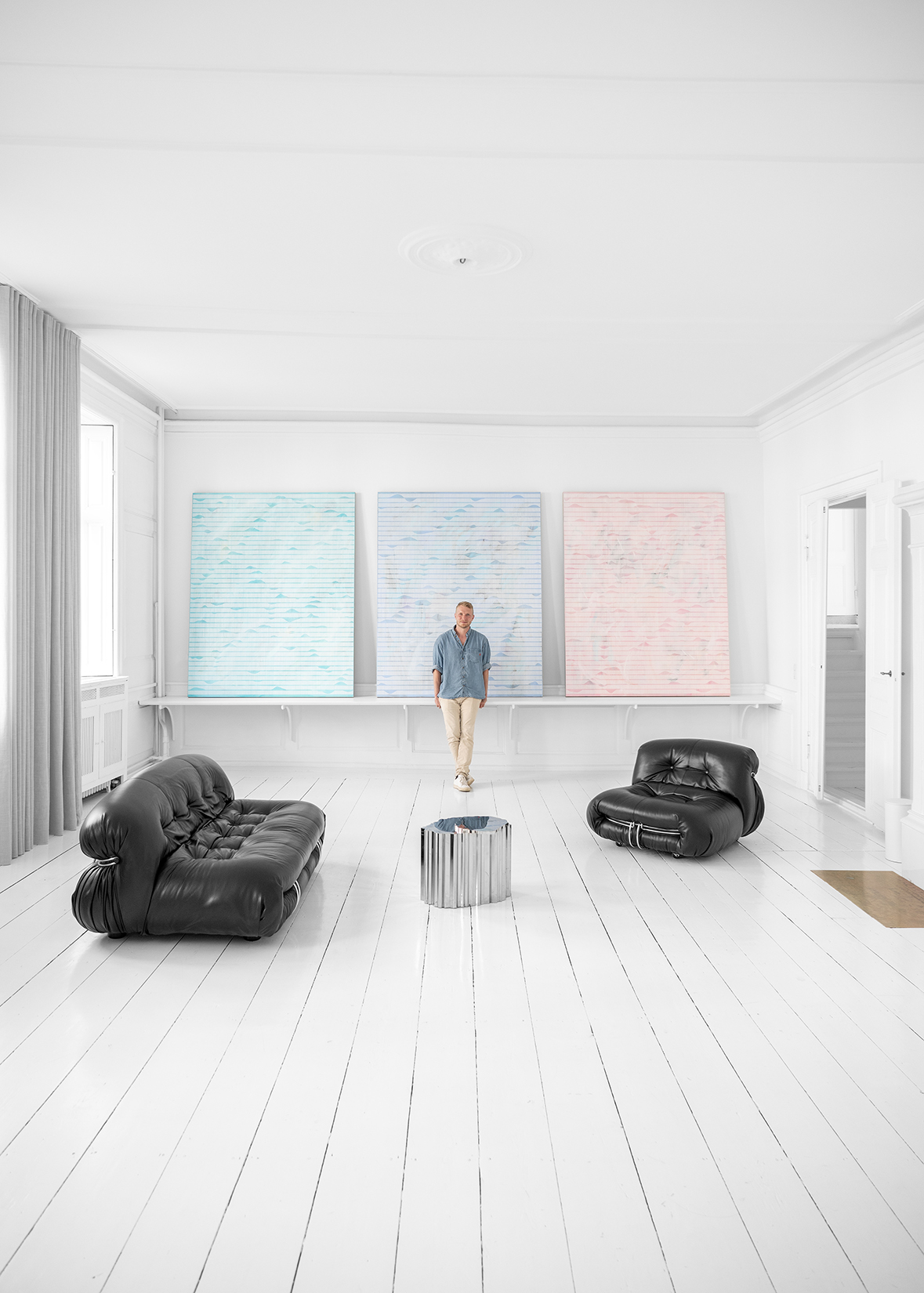
“We are surrounded by images that demand an instant reaction, but art can offer precisely the opposite: a pause, a resistance and a space for our own thoughts.”
Perhaps one of the best ways to measure the intensity of a work is precisely to see what happens once it is no longer in front of us.
“The most powerful works do not end when you have finished looking at them; they should continue working inside you afterwards,” says Ibsen.
It is an idea that explains much of Sunday-S. The aim is not simply to show artists, but to create the conditions in which this kind of encounter can take place.
When art stops being a visit
The transformation becomes even more profound when a work becomes part of a domestic space.
In a cultural institution or gallery, we go deliberately to look at art. The experience has a relatively clear beginning and end. We enter, observe, move through the space and leave.
Living with a work changes that temporality completely: “Art becomes a companion rather than an object. When you live with a work, it changes with your mood, the seasons and the light; sometimes it disappears into the background and then suddenly becomes completely present again.”
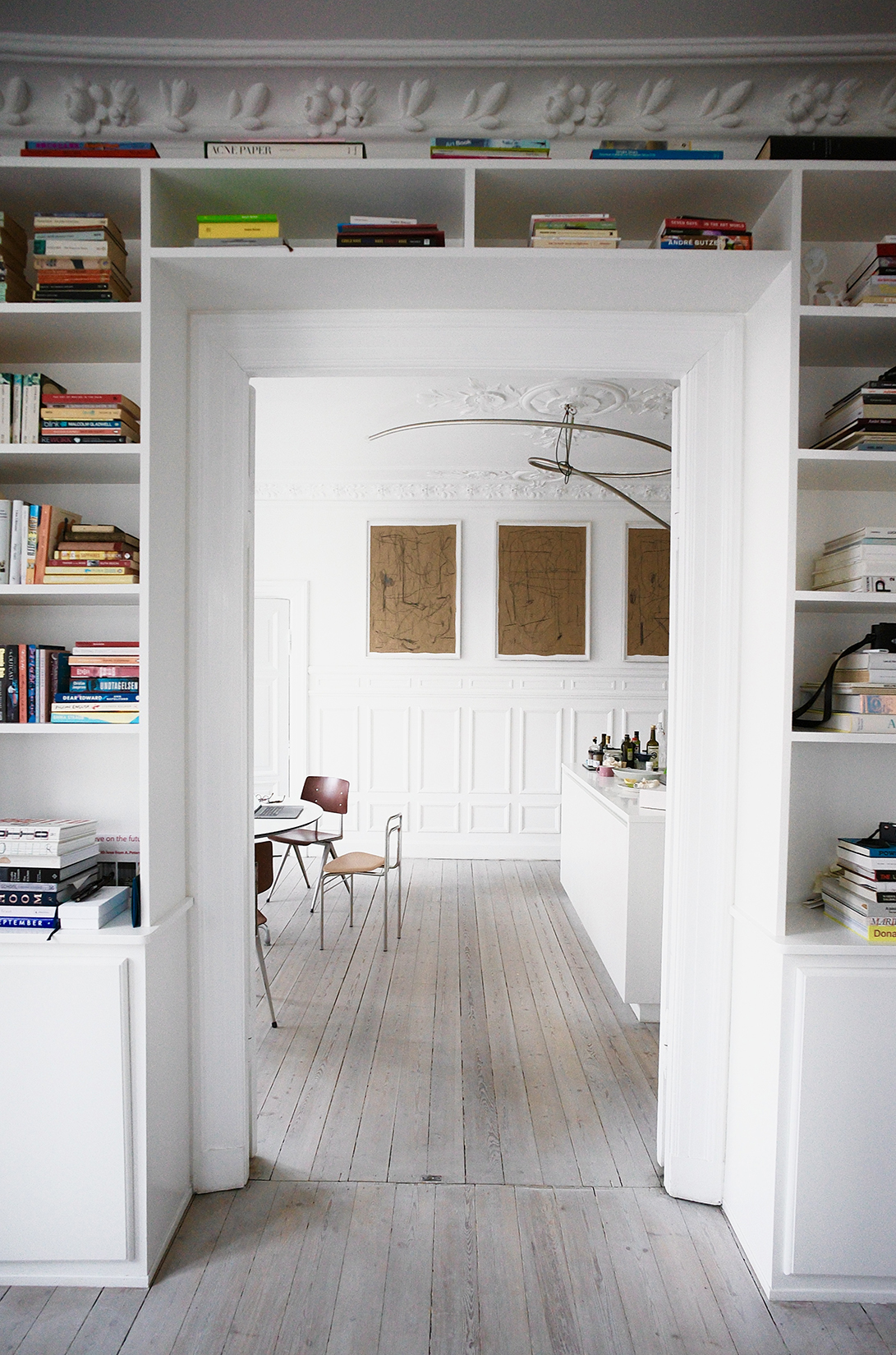
That alternation between presence and absence is probably one of the deepest forms of intimacy we can have with art. A painting, photograph or sculpture stops demanding constant attention. It becomes part of the everyday landscape until one day, for some reason, we look at it again. The work may not have changed, but we have.
“Art becomes a companion rather than an object. When you live with a work, it changes with your mood, the seasons and the light.” P. Ibsen
For Ibsen, living with art also affects the way we perceive what lies beyond the home: “It changes the way we see the world, our city and our life in general, and ultimately influences our choices and our actions as well.”
Understood in this way, collecting is not simply about owning valuable or meaningful objects. It can become a way of shaping sensitivity.
Copenhagen, Paris and Rørvig: three ways of being Sundays
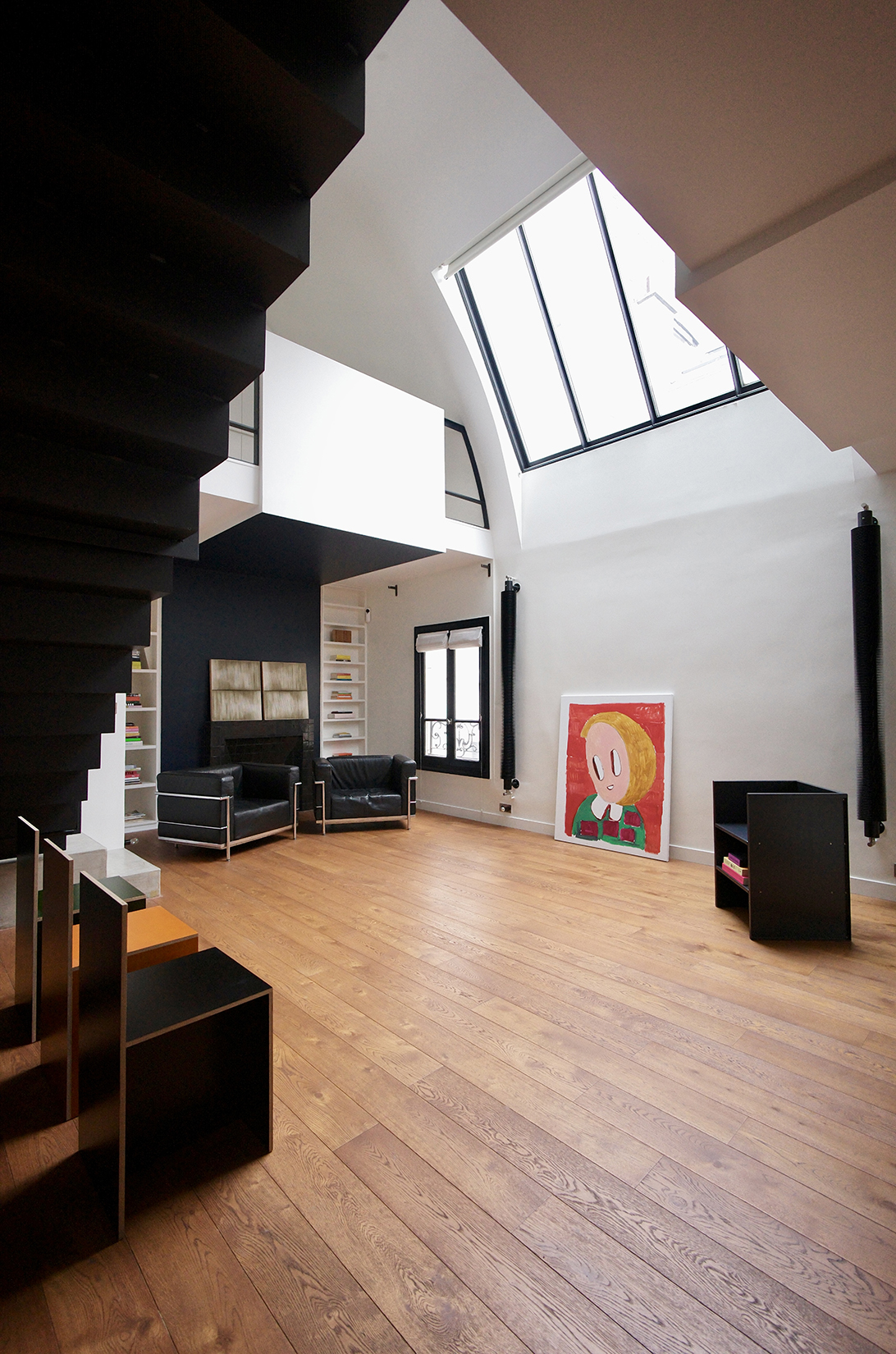
The world of Sunday-S currently extends across very different settings. In Copenhagen, the project retains the intimacy of an apartment. Paris continues that idea within another urban and cultural context.
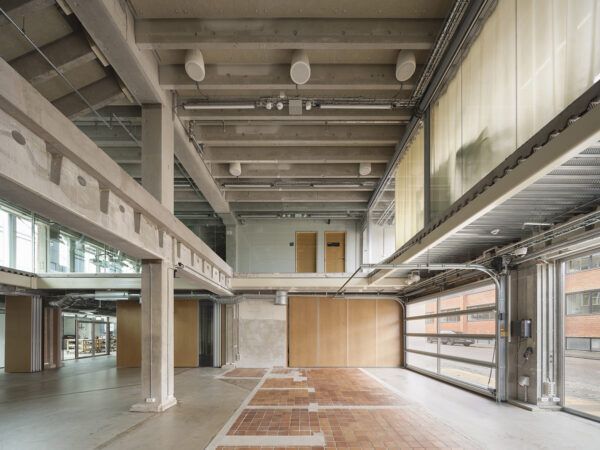
During the summer, Rørvig Contemporary takes the conversation to a former stable near the coast of Zealand, where landscape and architecture once again transform our perception of the works.
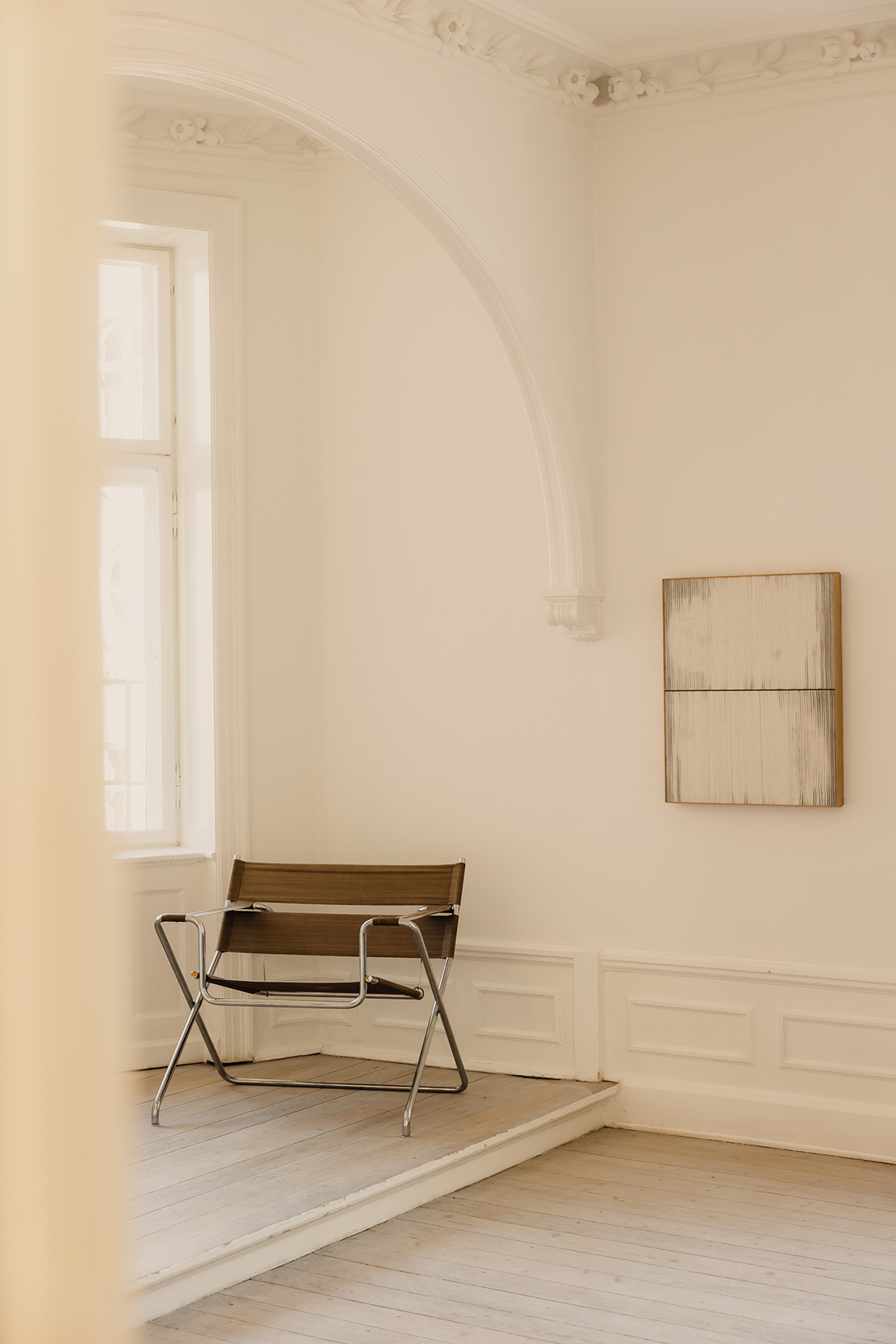
The diversity of these locations is deliberate: “Each place has its own character — an apartment in Copenhagen, a Parisian home, an old stable in Rørvig — but all of them invite a close encounter with art,” explains Ibsen.
There is therefore no corporate aesthetic to be repeated from one city to another. What matters is preserving a particular emotional condition.
“Sunday-S isn’t about creating identical spaces, but about generating the conditions in which a work, an artist and a visitor can meet without too much distance or formality.”
The idea may sound simple, but it questions many of the conventions on which the contemporary gallery experience has been built. At Sunday-S, the space does not attempt to disappear so that we see only the work. Architecture, furniture, light and even conversation inevitably become part of the encounter.
Art, design and objects that survive the passage of time
This interest in the things we bring into our lives connects Sunday-S with another of Peter Ibsen’s projects: A. Petersen, which he describes as his passion project.
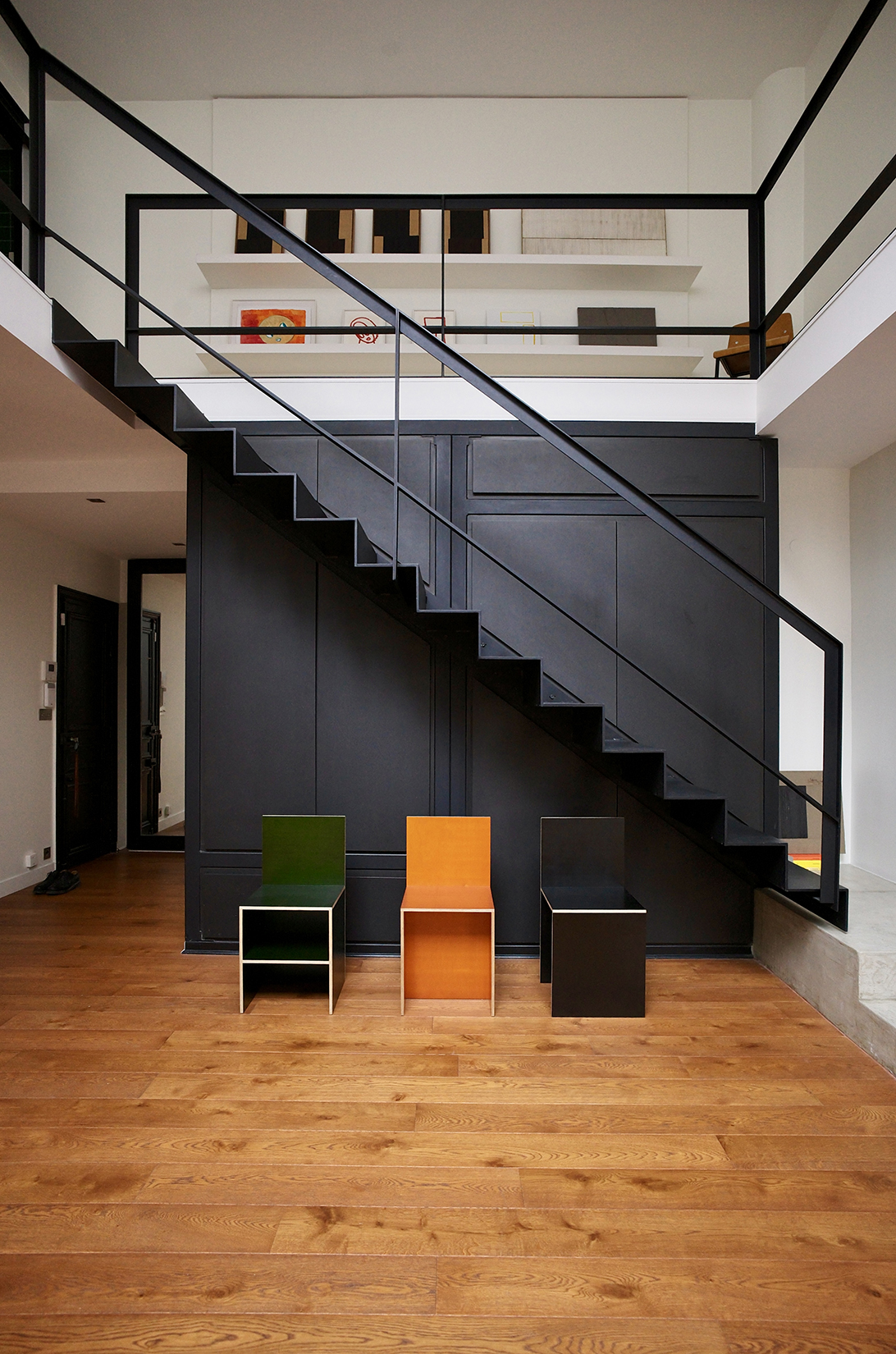
While Sunday-S focuses on contemporary art and the emotional response a work can provoke, A. Petersen allows him to explore the territory of design, craftsmanship and objects from a more material and collaborative perspective.
Its starting point lies in a respect for the tradition of Danish design, although it also functions as a platform for new ideas, makers and international conversations.
The boundaries between the two projects are clear, but they share the same understanding of our relationship with things.
“Both come together in my belief that objects — whether a painting, a chair, a piece of ceramics or a sculpture — should have presence, integrity and the ability to acquire meaning over time.”
In a world saturated with objects designed to be replaced, this defence of permanence takes on a meaning that goes beyond collecting.
It is not about accumulating more, but about choosing better. Nor is it about turning every everyday object into a work of art, but about recognising that what we decide to live with ultimately shapes our perception.
The luxury of paying attention
Sunday-S belongs to a generation of spaces reconsidering the boundaries between gallery, private collection, home and meeting place. Yet its interest doesn’t lie solely in the apartment format.
What feels truly contemporary about Peter Ibsen’s proposal may be precisely what appears least spectacular: creating the conditions necessary to pay attention.
The possibility of living with images and objects that don’t exhaust themselves at first glance, that retain areas of uncertainty and that can accompany us for years without ever becoming completely familiar.
Perhaps that is also the essential criterion Peter Ibsen has developed after more than 25 years of collecting: looking for works that don’t need to explain everything in order to keep speaking, and for spaces capable of reminding us that truly looking remains one of the deepest forms of attention.
You can follow this cool art gallery on instagram.
(*) Photos provided by Peter Ibsen. Cover photo & vertical photos 2, 3, 5, 6 and 10 by Nolwenn Pernin; vertical photos 5, 8 & 11 by Frank Moll and Peter Ibsen portrait by Kate Devine.