Nike conquers the Vitra Museum

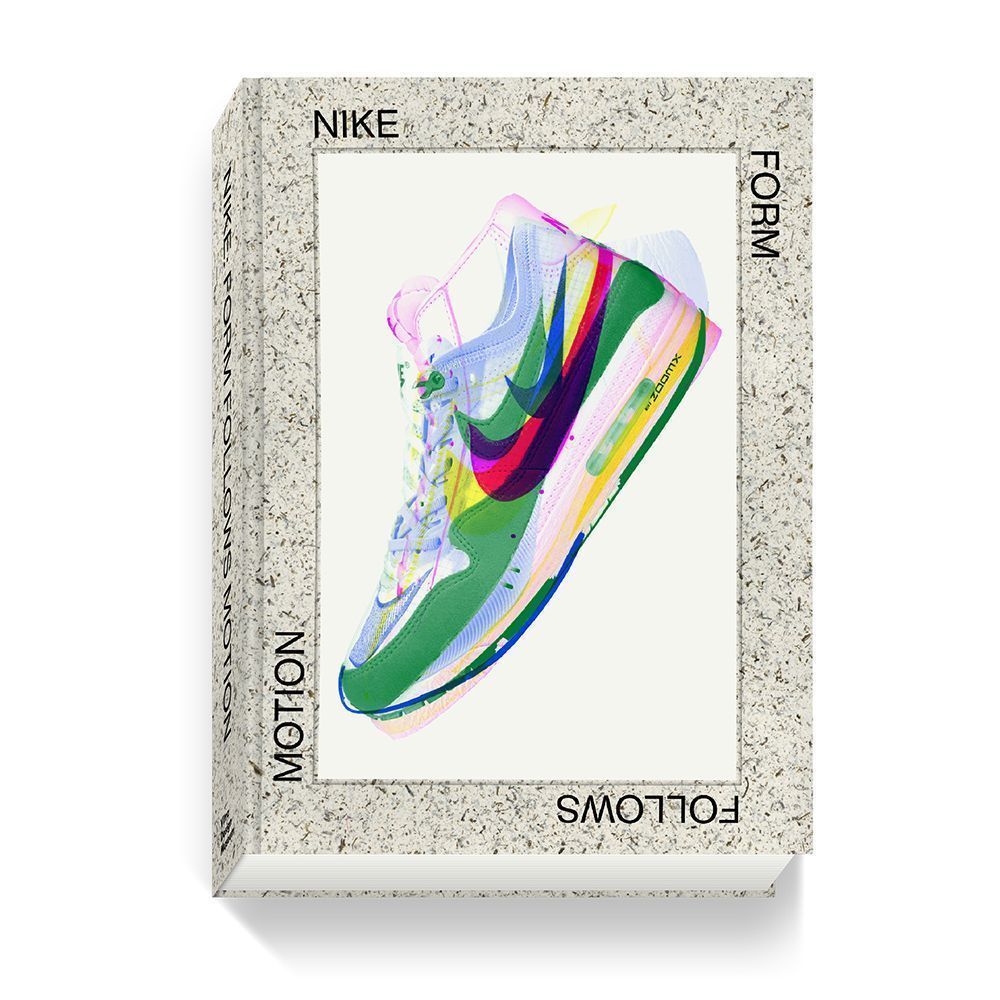
The Vitra Design Museum presents “Nike: Form Follows Motion”, the first museum exhibition dedicated to the famous sports brand. This showcase spans nearly six decades of the company’s work, with a special focus on its close relationship with design: from its experimental beginnings in the 1960s, through the sketch of the iconic “swoosh” logo in the early 1970s, and innovations such as the Air sole, to its current research on sustainability and new materials.
Address: Vitra Design Museum, Weil am Rhein
Hours: September 21, 2024 – May 4, 2025
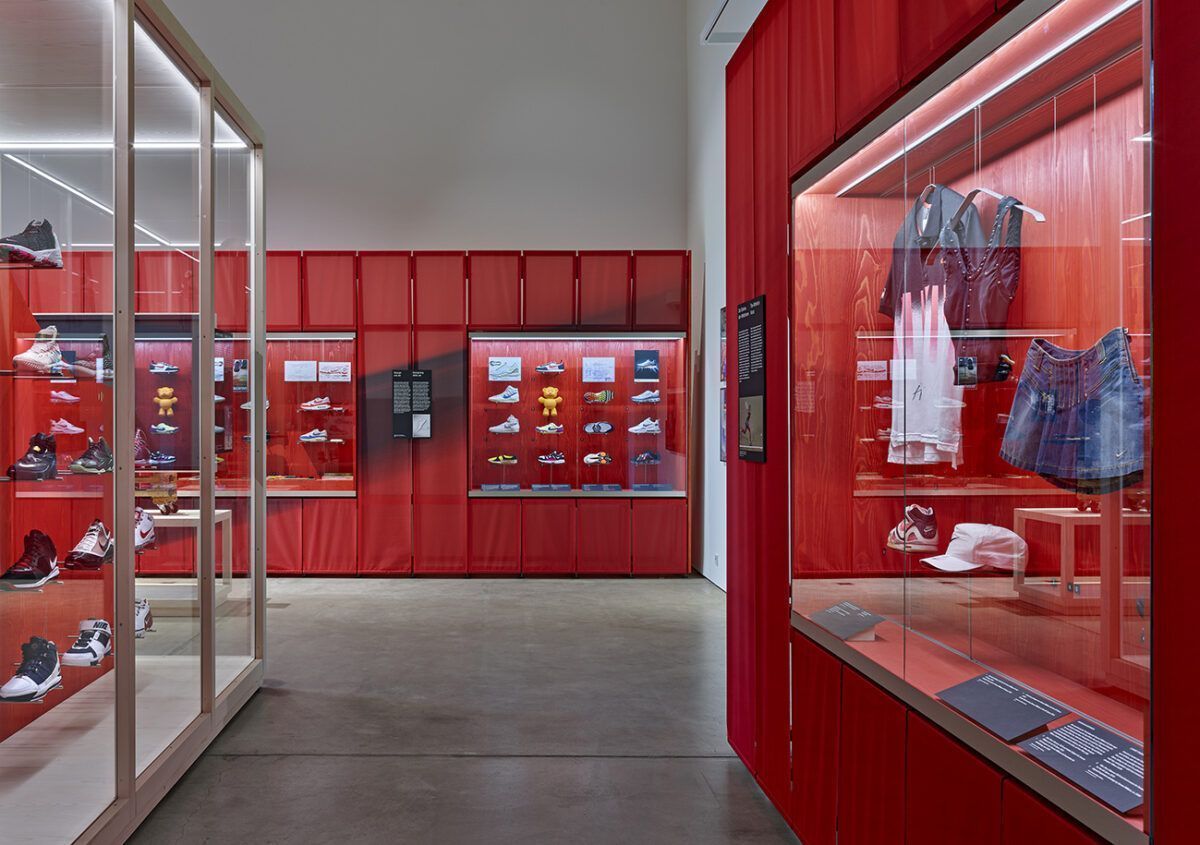
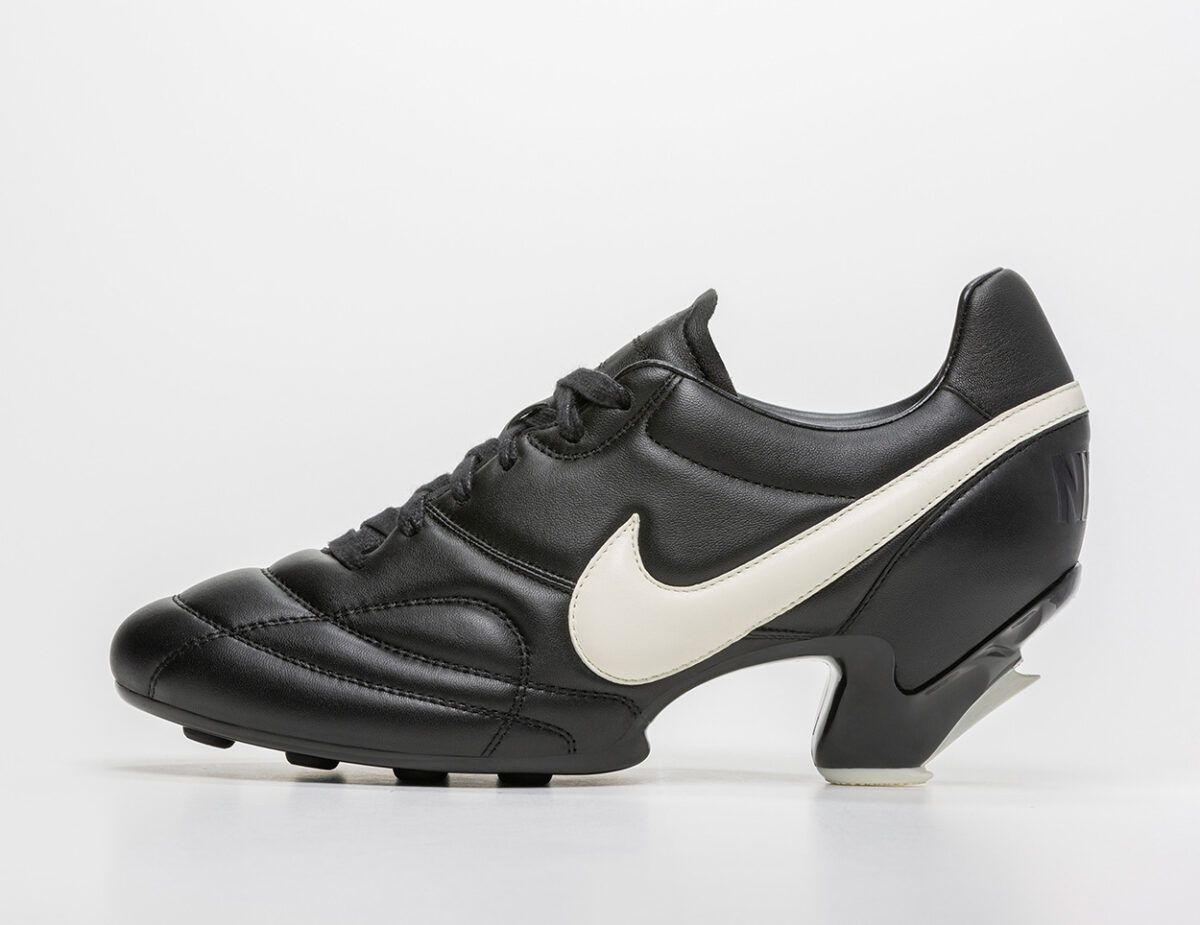

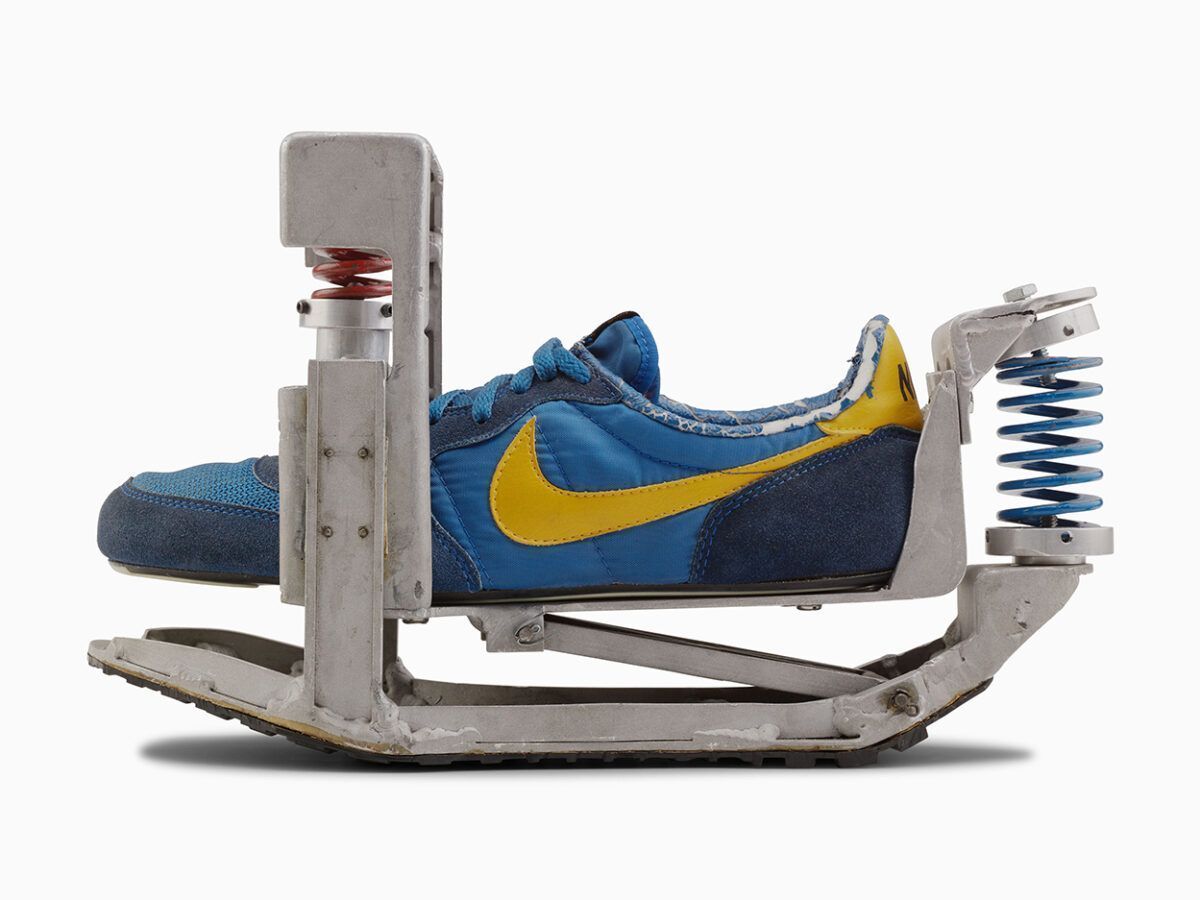

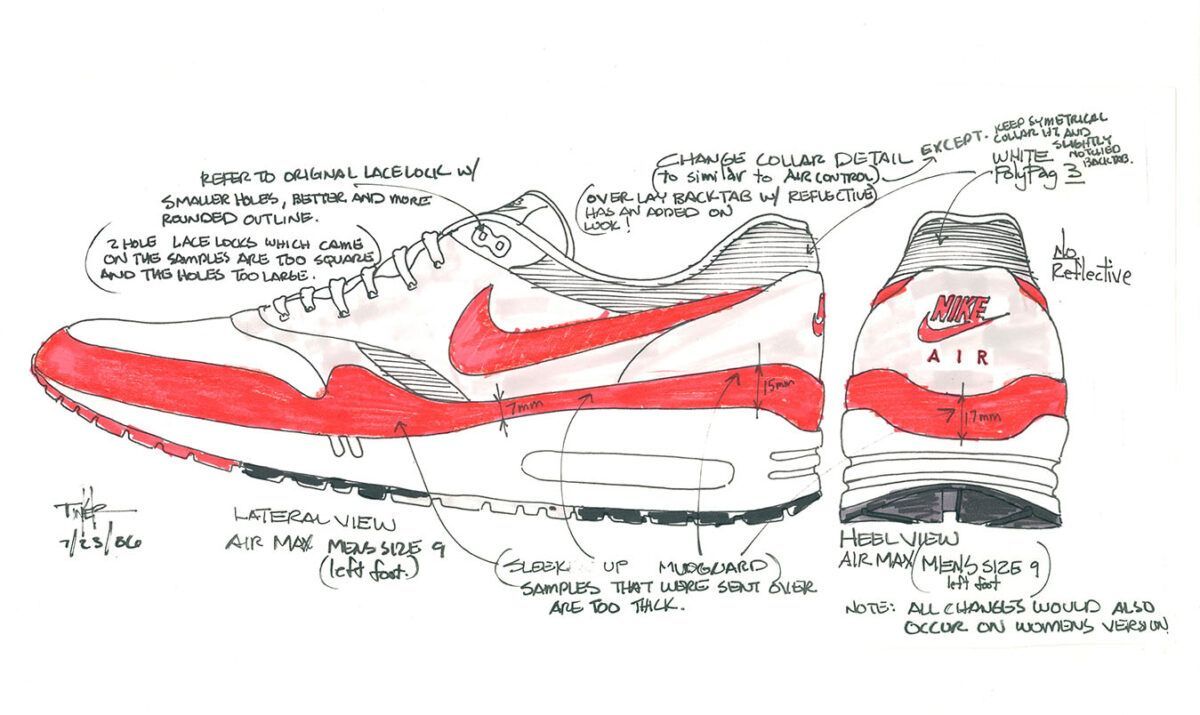
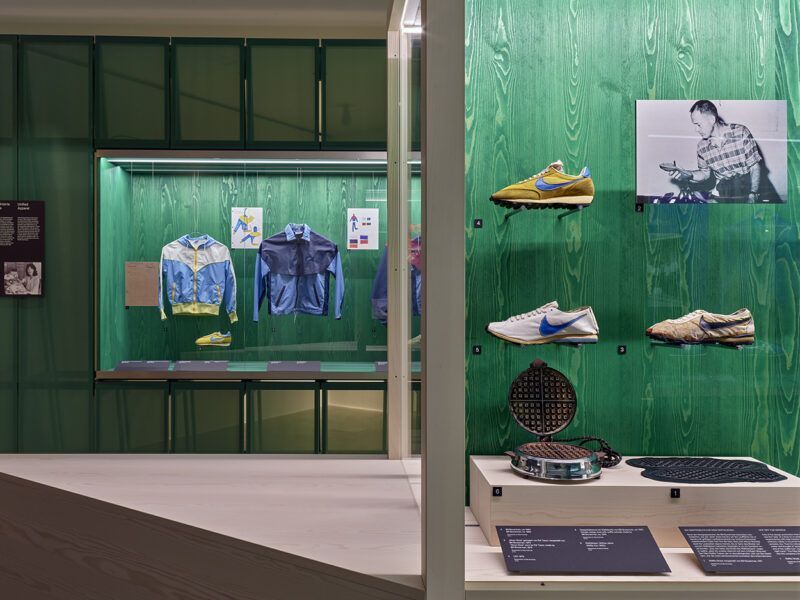

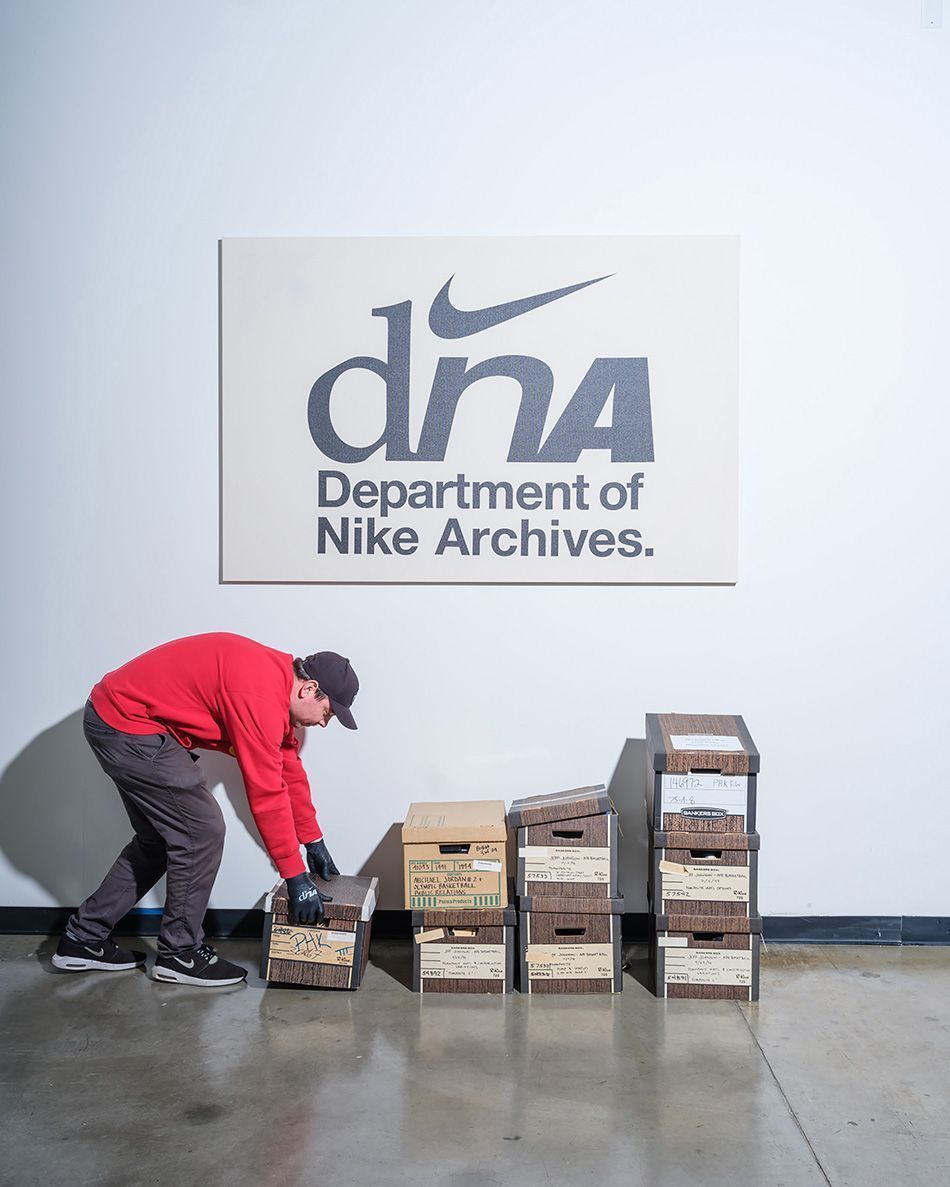
“Nike: Form Follows Motion” features pieces from the Department of Nike Archives, which holds over 200,000 items from the brand. These include design sketches and studies, experimental sneaker prototypes, as well as historical recordings and images.
The exhibition has been spearheaded and produced by the Vitra Design Museum, and its curator is Glenn Adamson, a renowned international design historian.
The role of sport in our society
Another intriguing aspect explored by the exhibition is the role that sport plays in our society, as well as the almost mythical reverence for sneakers and sports fashion in popular culture and on social media. “Nike: Form Follows Motion” thus ties into a summer filled with major sporting events, marked by the Olympic and Paralympic Games in Paris and the European Football Championship held in Germany.
The origins of Nike
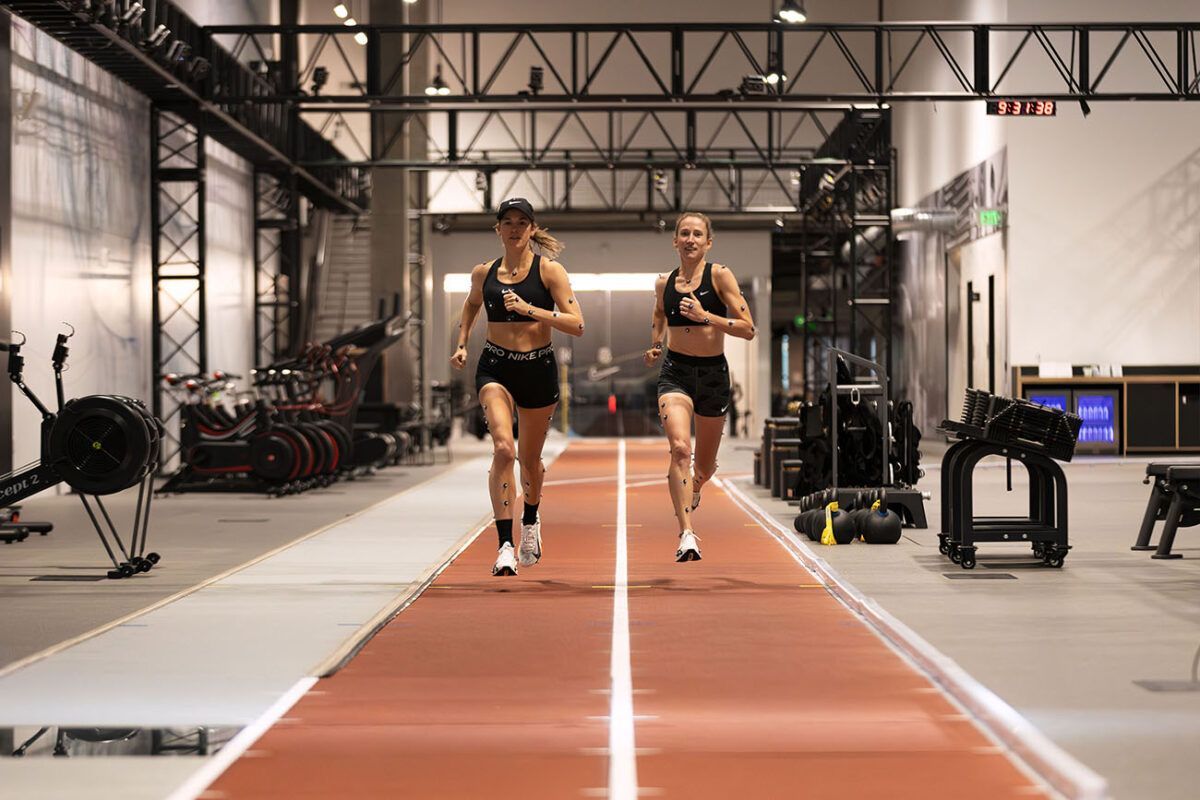
Since its founding in 1972, the company named after the Greek goddess of victory, Nike, has become the world’s most important sports brand. With annual sales exceeding $50 billion, Nike is also the largest apparel company globally. Design has played a significant role in this success: Nike products are visible everywhere in our daily lives, often as a harmonious blend of dynamic forms, innovative materials, and an exceptionally effective brand image. Most of these products are developed at the company’s headquarters in the United States, just outside of Portland, Oregon, where hundreds of designers work alongside scientists and engineers from numerous fields, including materials science, physics, and biomechanics.
The exhibition offers a behind-the-scenes look at the company’s design labs for the first time. Most of the objects on display come from the Department of Nike Archives (DNA), the company’s own archive, which houses over 200,000 items. In fact, this is the first time Nike has presented a selection of its inventory to the public.
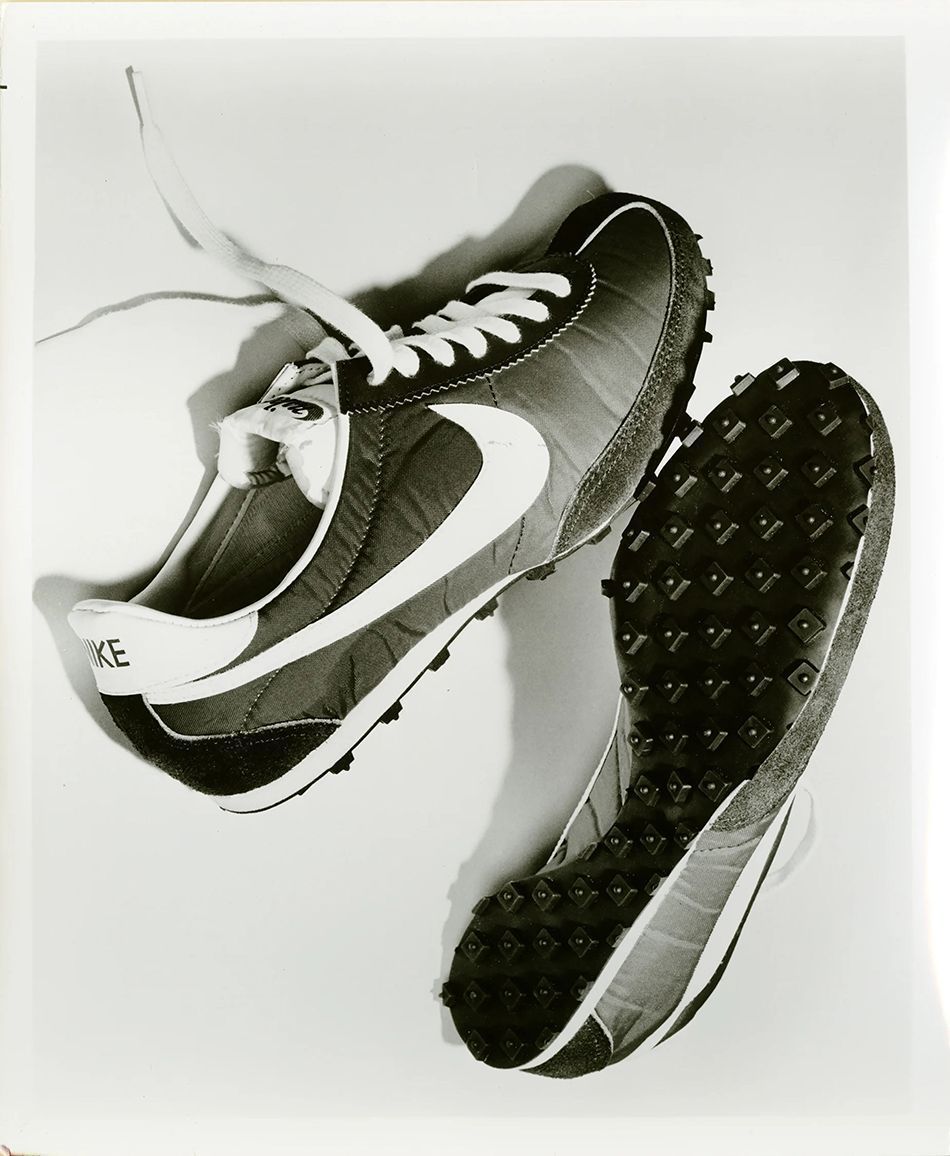
Among the unique pieces and rarities are experimental prototypes of models such as the Waffle Trainer, the Air Force 1, and the Shox. Original sketches, design studies, as well as historical recordings and photographs provide insight into Nike‘s design process.
Names such as Diane Katz, Tinker Hatfield, and Eric Avar are inextricably linked to the company, along with external designers like Marc Newson, Comme des Garçons, and Virgil Abloh, with whom Nike has collaborated on several occasions.
Nike and athletes
The exhibition also delves into the teamwork between designers and athletes during the design process, for both competitive sports and mass-market products. This collaboration is a vital element in their campaigns, with a significant impact on sales that continues to be crucial.
4 exhibitions in one
The exhibition is divided into four sections organized chronologically:
1) The first section, titled “Track”, presents the early history of the company by delving into its archival materials. Nike was founded by Phil Knight, who was an active runner during his high school years, and his former coach Bill Bowerman. In fact, the company’s first two employees—and the majority of its early clientele—were amateur athletes from their high school, as well as a few professional athletes who gradually helped spread the word about the brand.
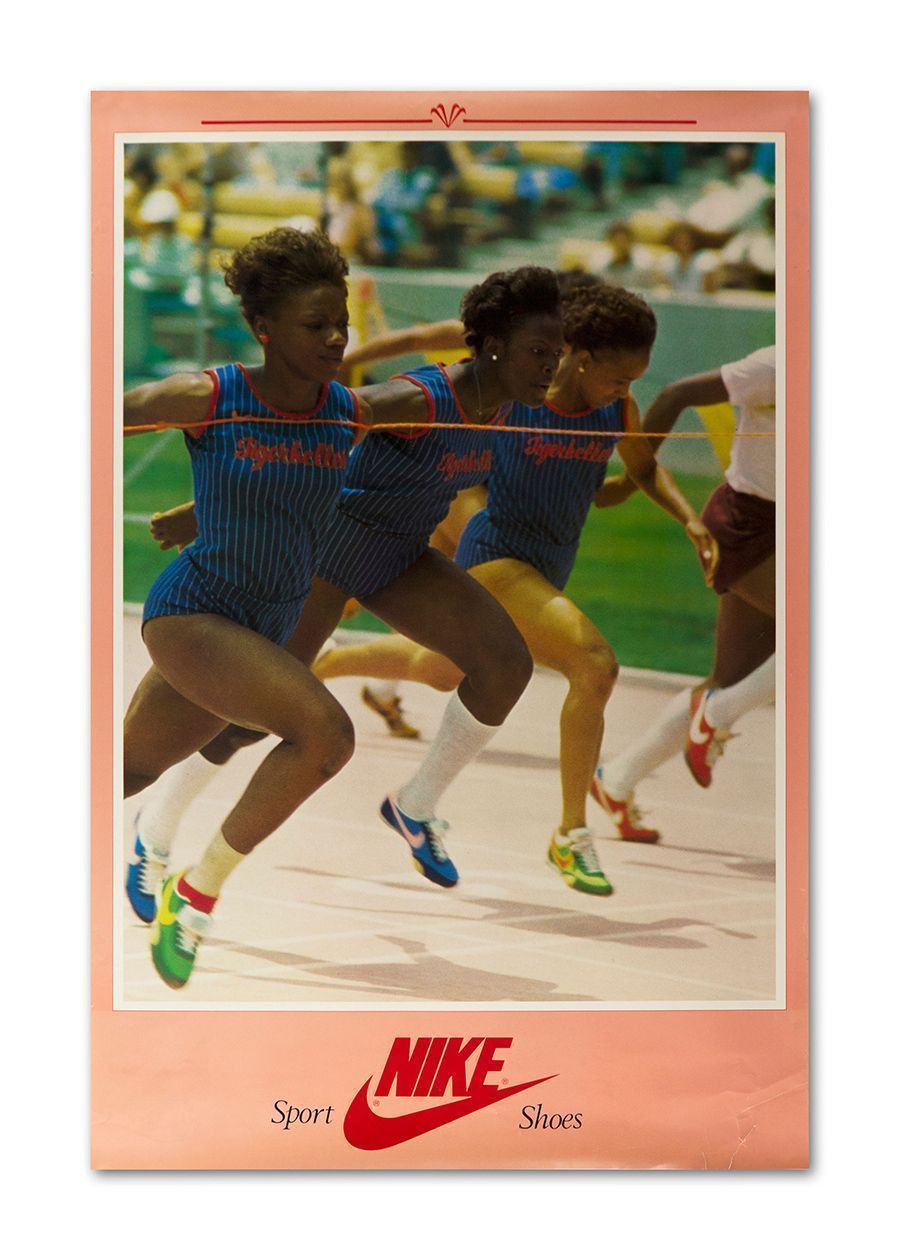
The design process followed the same “hands-on” principle as its marketing: Nike representatives would take the shoes to track and field competitions for athletes to try. This section of the exhibition showcases Nike’s design culture and the key early moments in the company’s history, such as the development of the first waffle sole in Bill Bowerman’s kitchen and the story of the Tigerbelles, a team of black female athletes from Tennessee State University, with whom Nike signed one of its first cooperation contracts. From these early years came the principle that still holds today at Nike: close collaboration with athletes in both research and design.
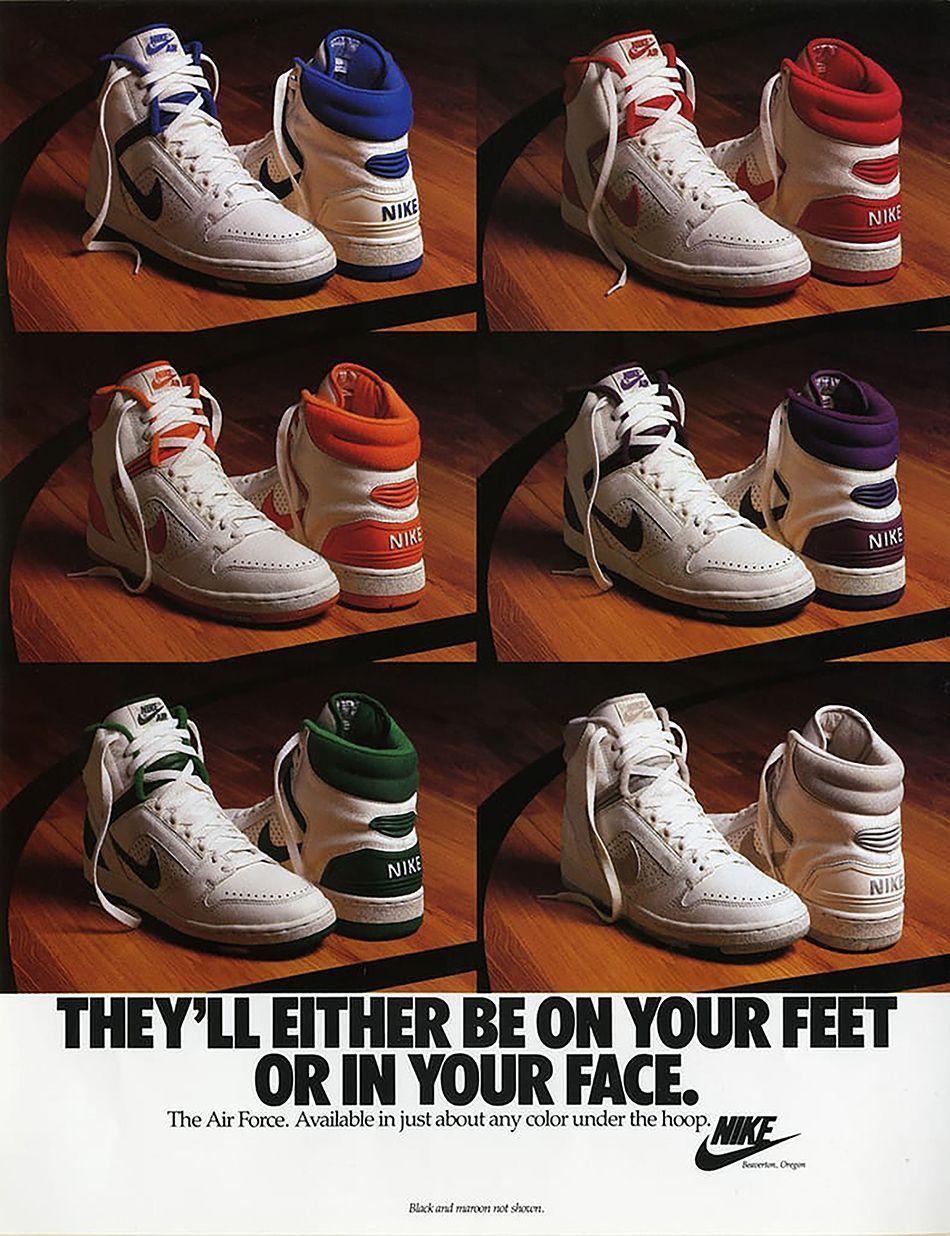
2) The second section, “Air”, is dedicated to the 1980s, when Nike broke into the international market. Expanding from its athletic roots, the company ventured into other sports, including basketball, tennis, soccer, and skateboarding. This growth was driven by partnerships with athletes like Michael Jordan, Andre Agassi, and Serena Williams. At the same time, Nike’s prestige in the music scene and pop culture was rising, largely thanks to innovative TV commercials produced by the advertising agency Wieden + Kennedy, often featuring famous pop stars.
However, the foundation of Nike’s success during this era was the development of the Air sole, which used gas-filled capsules to provide better shoe cushioning. Initially, this technology was hidden within the sole, but when the Air Max showcased it in 1987, it became a major hit.
The exhibition presents the development of the Air sole through various artifacts, including prototypes of the air chambers and a testing device from former NASA engineer Frank Rudy, who approached Nike with the concept for this technology.
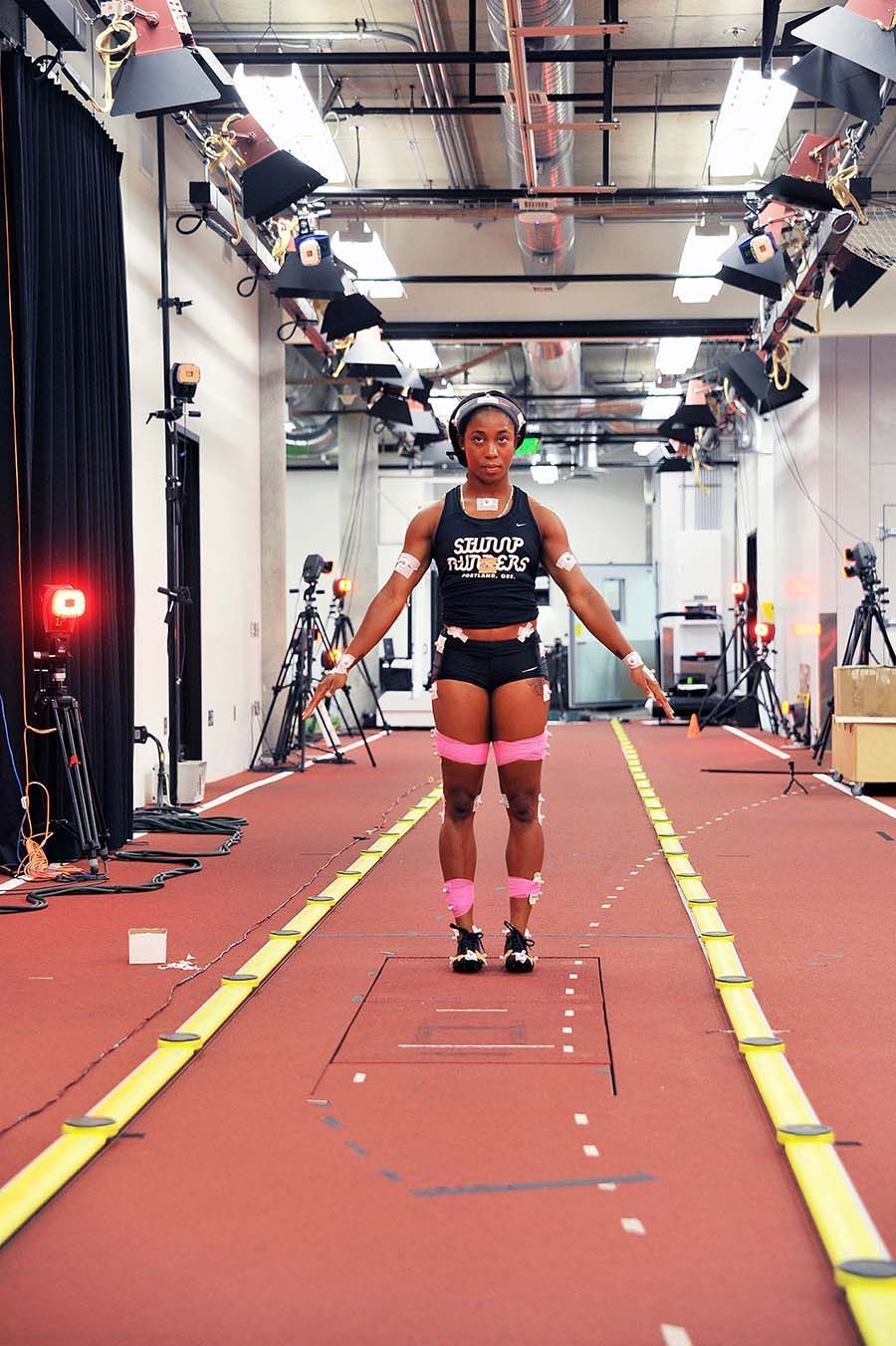
3) The third section of the exhibition, “Sensation”, focuses on Nike‘s development from the 1990s onwards. During this period, sensory experience and product sustainability began to play an increasingly important role. The creation of the Nike Sport Research Lab (NSRL), a high-tech laboratory dedicated to fundamental research on the human body in motion, continues to play a central role in Nike’s product development. Many of Nike’s most important innovations have emerged from this lab, such as the Nike Free series, which mimics the sensation of walking barefoot, and the Vaporfly, a high-performance running shoe. Material innovations are also crucial here, particularly the Flyknit principle, a 3D knitting technology with digital support that enables the creation of seamless, entirely new pieces, minimizing material waste in production.
This section also presents other aspects of sustainability in Nike’s design process, such as Nike Grind, a granulated material made from recycled products that can be used for various purposes. It also traces the company’s historical development from its early recycling projects in the early 2000s to the current “Move-to-Zero” initiative.

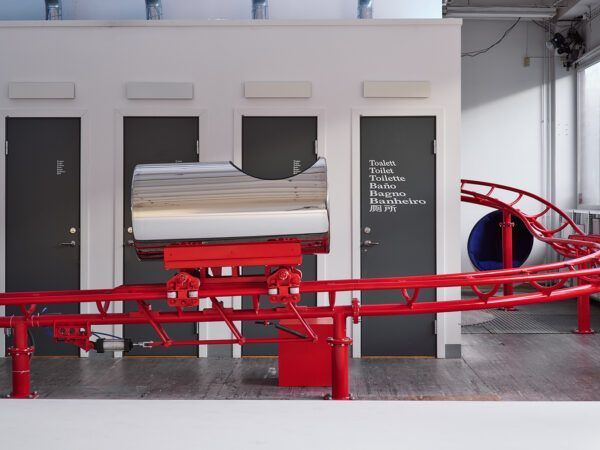
4) The fourth and final part of the exhibition, titled “Relation”, highlights the numerous cultural references that have influenced Nike‘s design culture to this day: external influences on the company and its creators, as well as the interactions between Nike’s designers and other creators, including Virgil Abloh, Hella Jongerius, Comme des Garçons, and Marc Newson.