Grip Face: art as emotional shelter
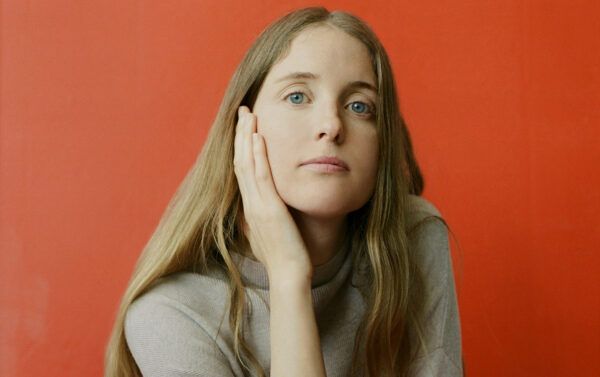
David Oliver, aka Grip Face, reflects on anxiety, painting, identity, refuge and visual saturation in a conversation with CC/magazine.
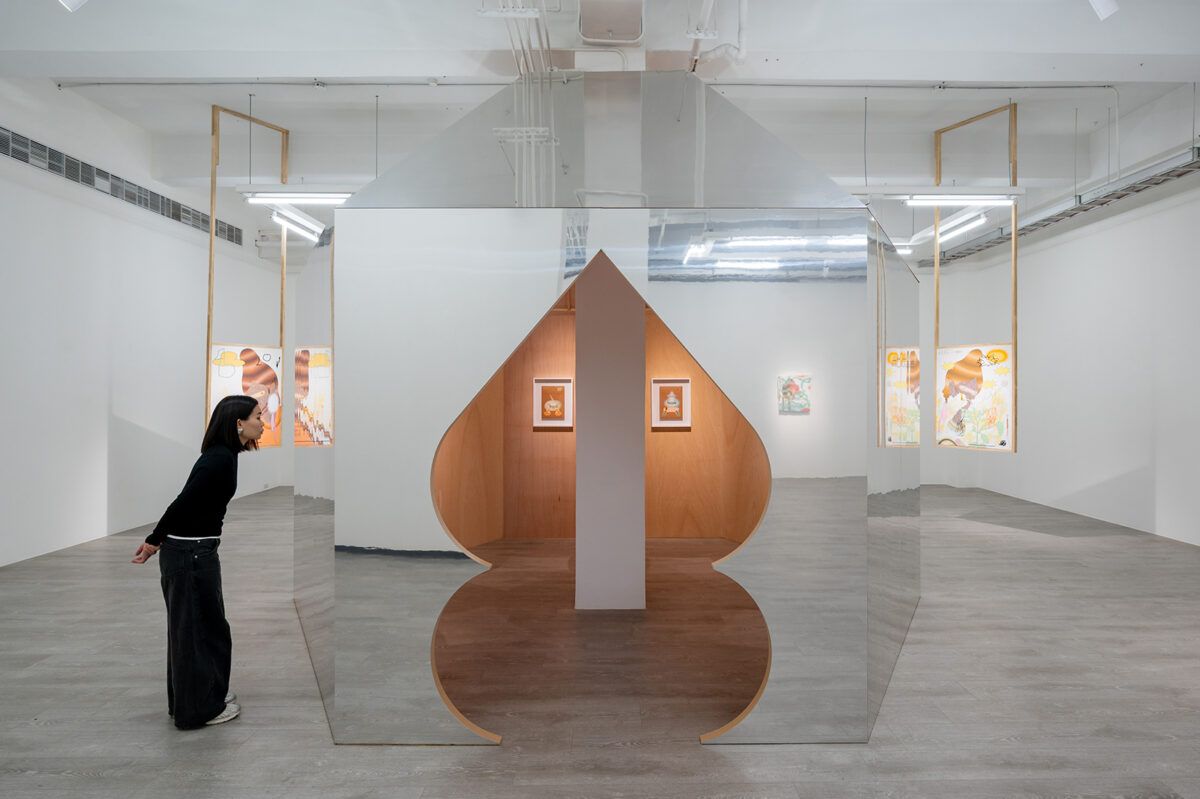
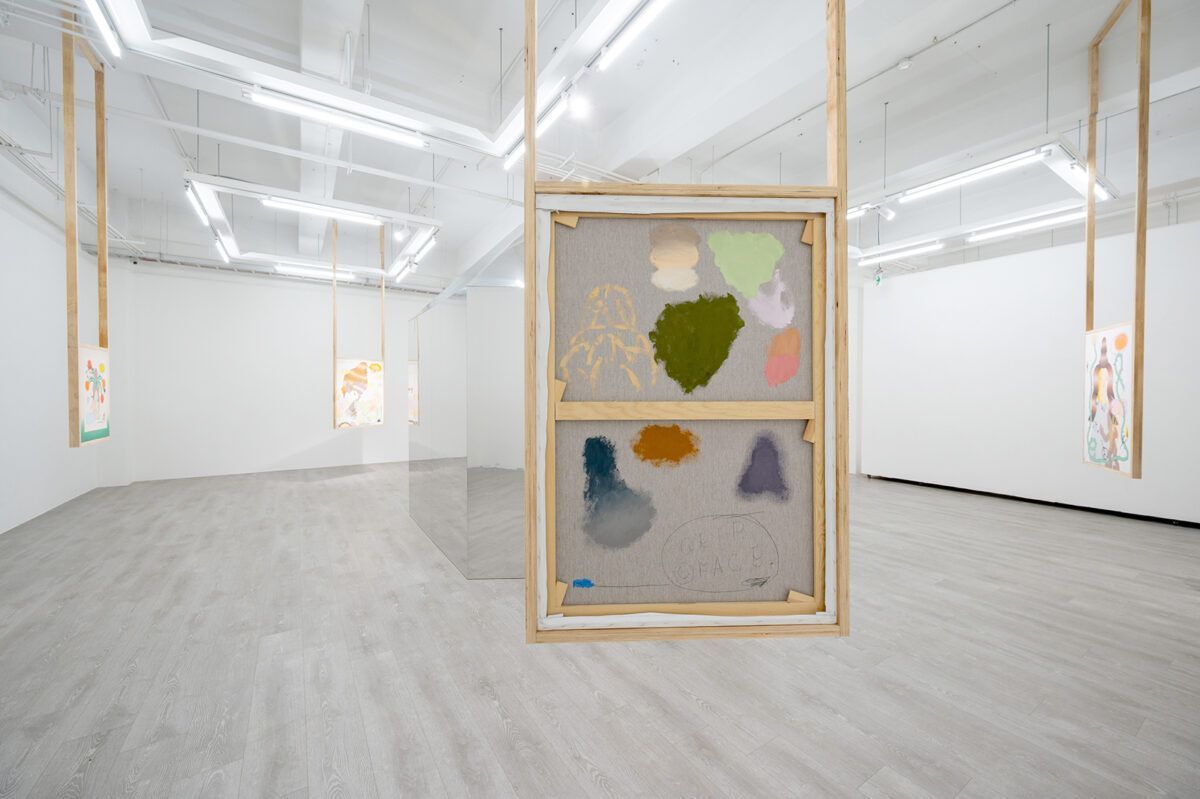
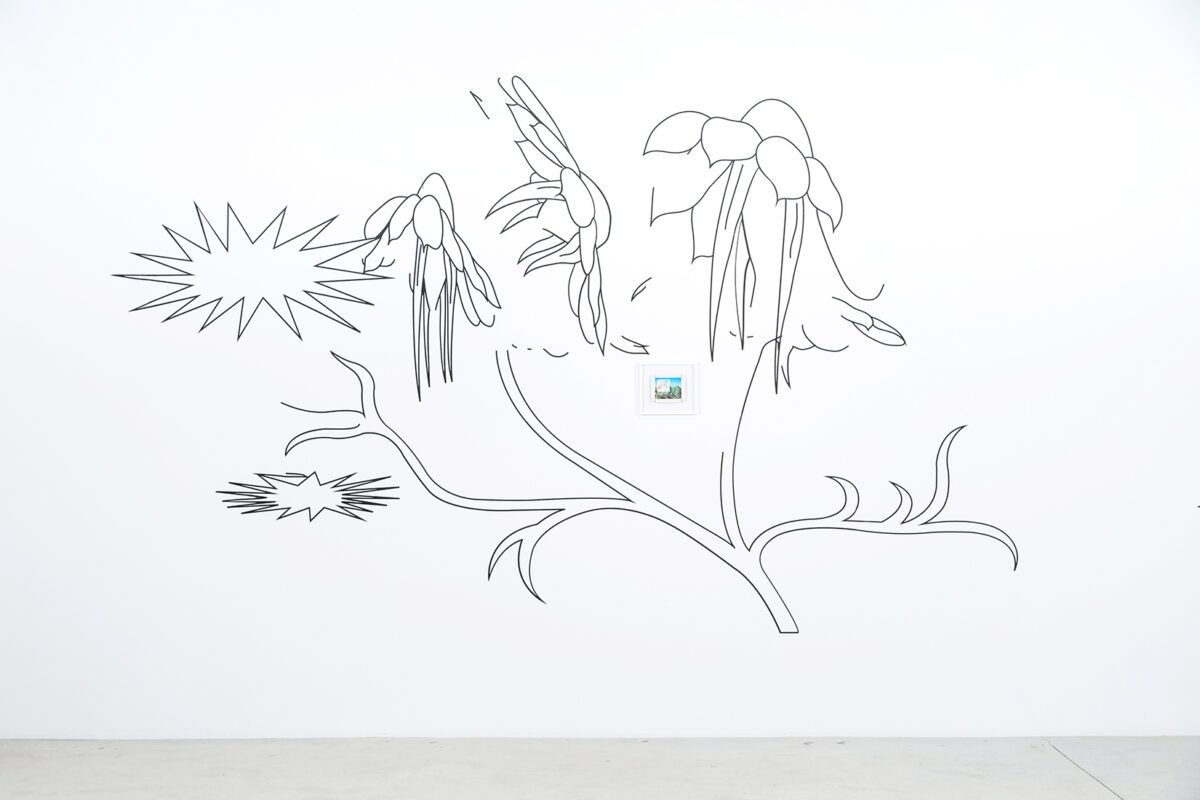
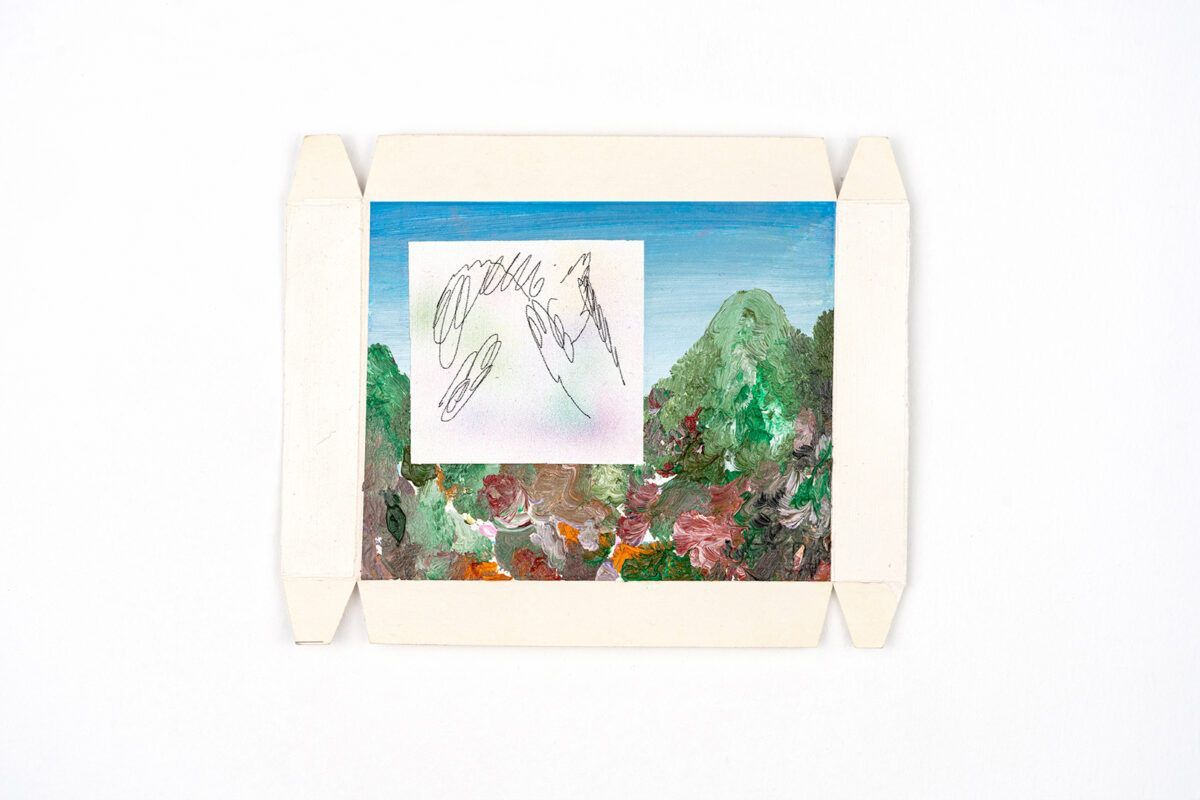
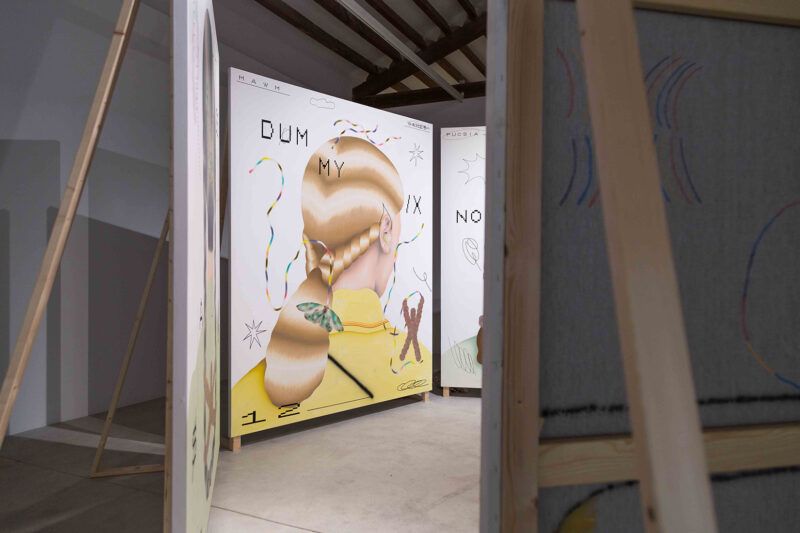
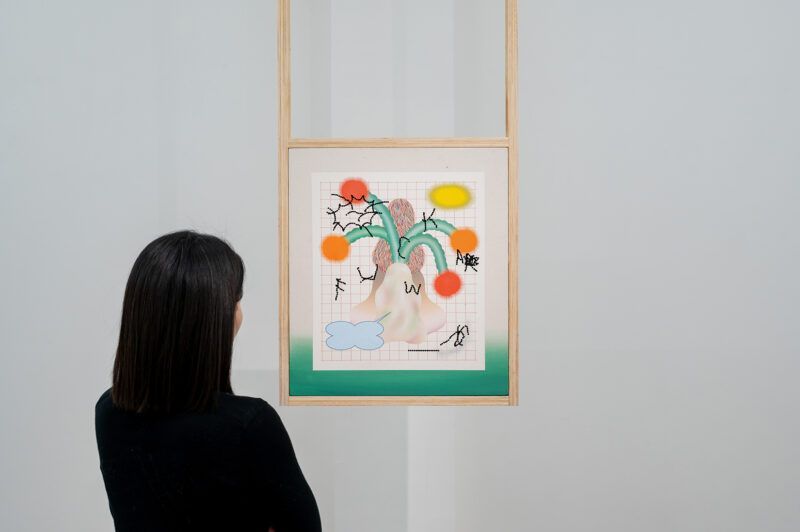
For years, the Mallorcan artist has been building one of the most personal and recognisable visual universes within the contemporary art scene. His work — permeated by masks, reflections, shelters and ambiguous surfaces — constantly moves between emotional fragility, anxiety and the construction of identity, shaping a visual language that has expanded far beyond painting itself.
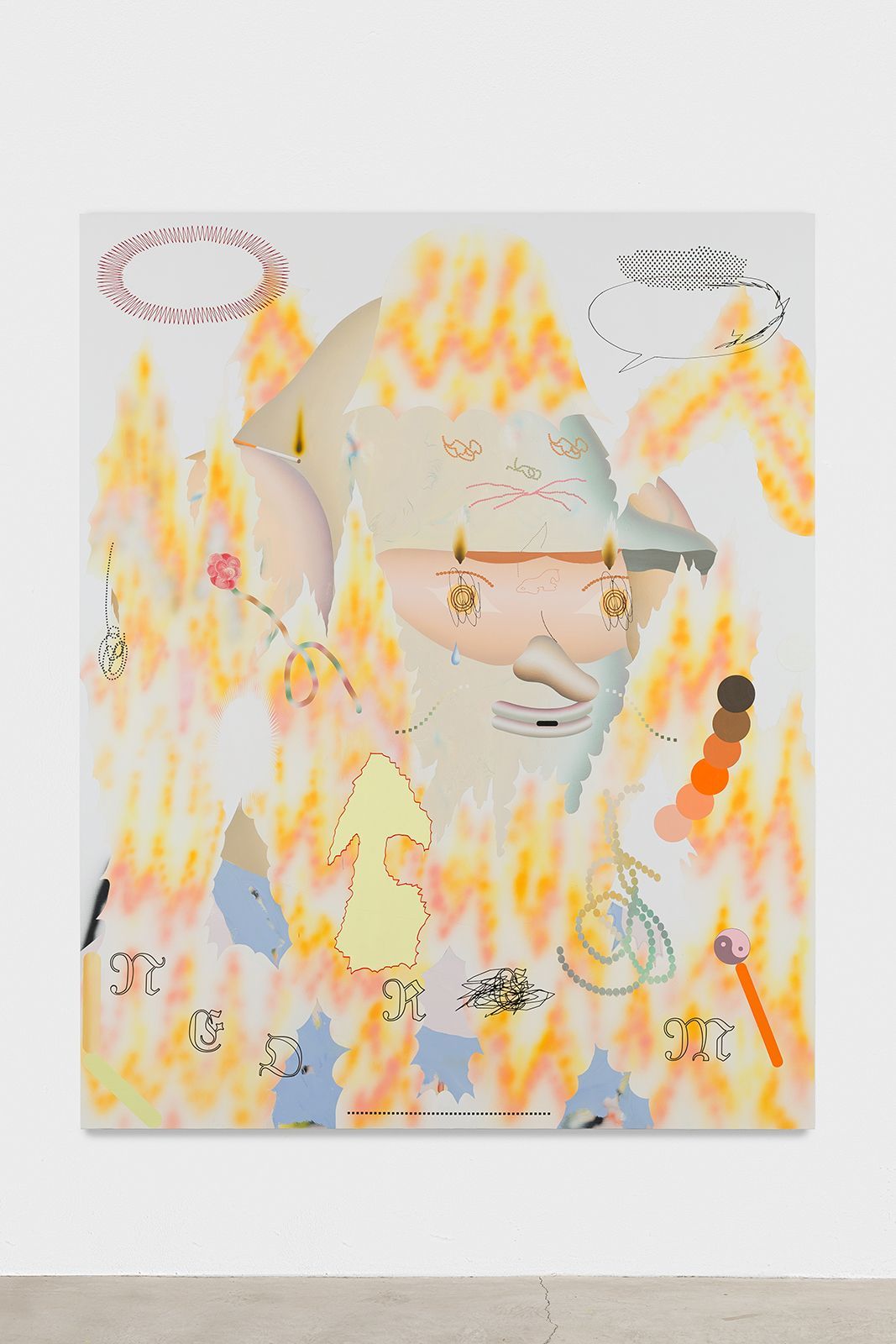
At CC/magazine, we have been following and admiring his work for many years, practically since the very beginning. What initially emerged in the streets and in peripheral spaces far removed from traditional art circuits has gradually expanded towards museums, international art fairs, site-specific installations and some of the most compelling projects within the contemporary landscape today. Yet beyond institutional recognition, there remains something in his work that still preserves the emotional tension, fragility and urgency of those early years.
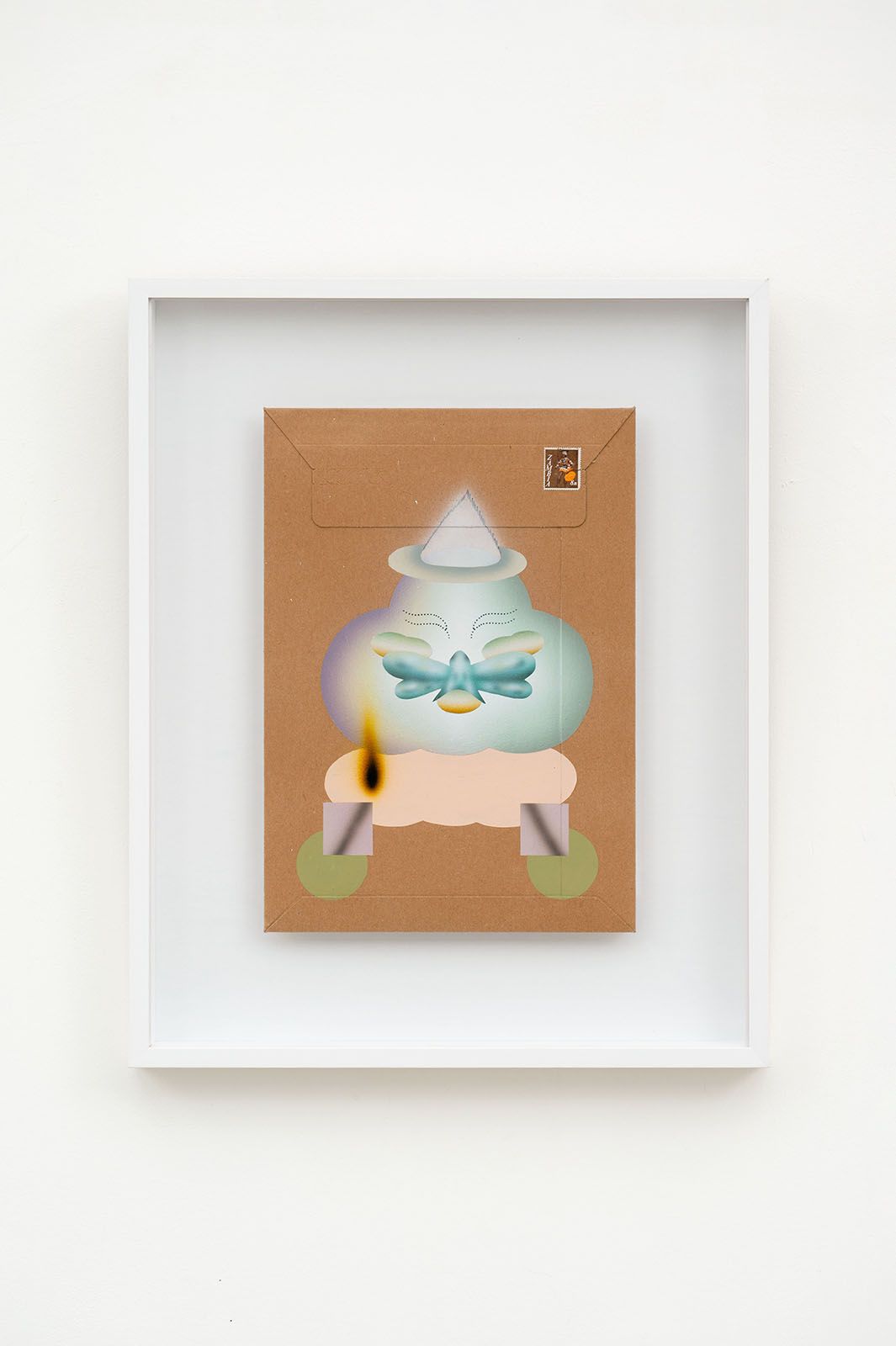
His visual universe — traversed by masks, reflections, shelters, ambiguous surfaces and figures suspended somewhere between the childlike and the unsettling — functions almost as a psychological landscape where anxiety, vulnerability and identity construction constantly coexist. Painting, sculpture and installation appear within his practice not merely as formal languages, but as tools for building emotional spaces and questioning the way we inhabit a present saturated with images.
We recently spoke with Grip Face about memory, anxiety, self-publishing, fragility, contemporary painting and that almost visceral need to continue creating from an honest and deeply intuitive place.
“I remain interested in what operates in a subversive way.”
Although his work is now present in museums, galleries and international fairs, Grip Face still maintains a strong connection with the margins and with practices developed outside the legitimising structures of the art system.
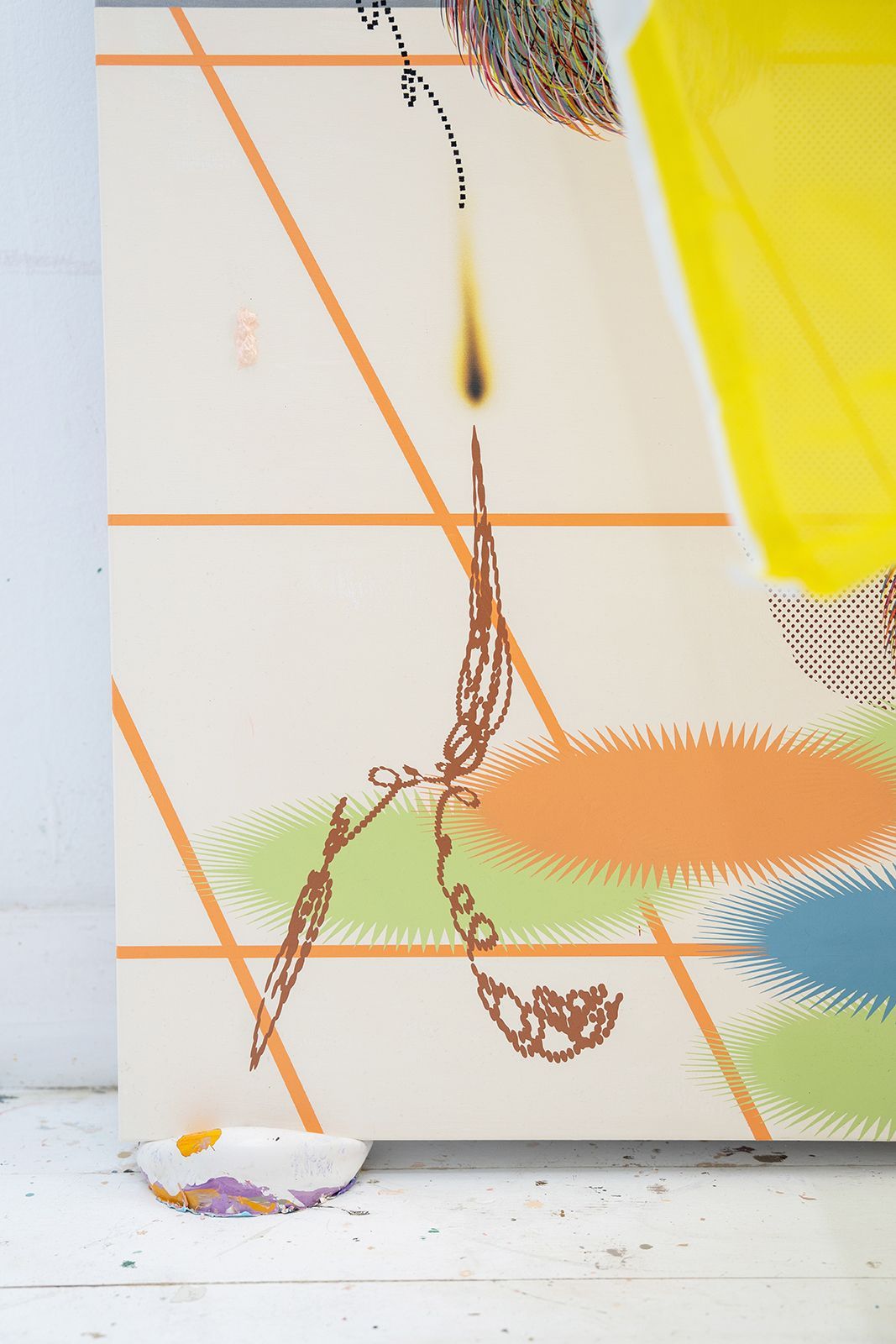
“That almost organic need to create as a form of emotional survival” remains one of the fundamental driving forces behind his practice. The artist acknowledges that arriving at art through peripheral spaces rather than through traditional academic training has profoundly shaped the way he observes and constructs images.
“I remain interested in what operates in a subversive way, but through subtlety, fragility and the displacement of the gaze”, he explains.
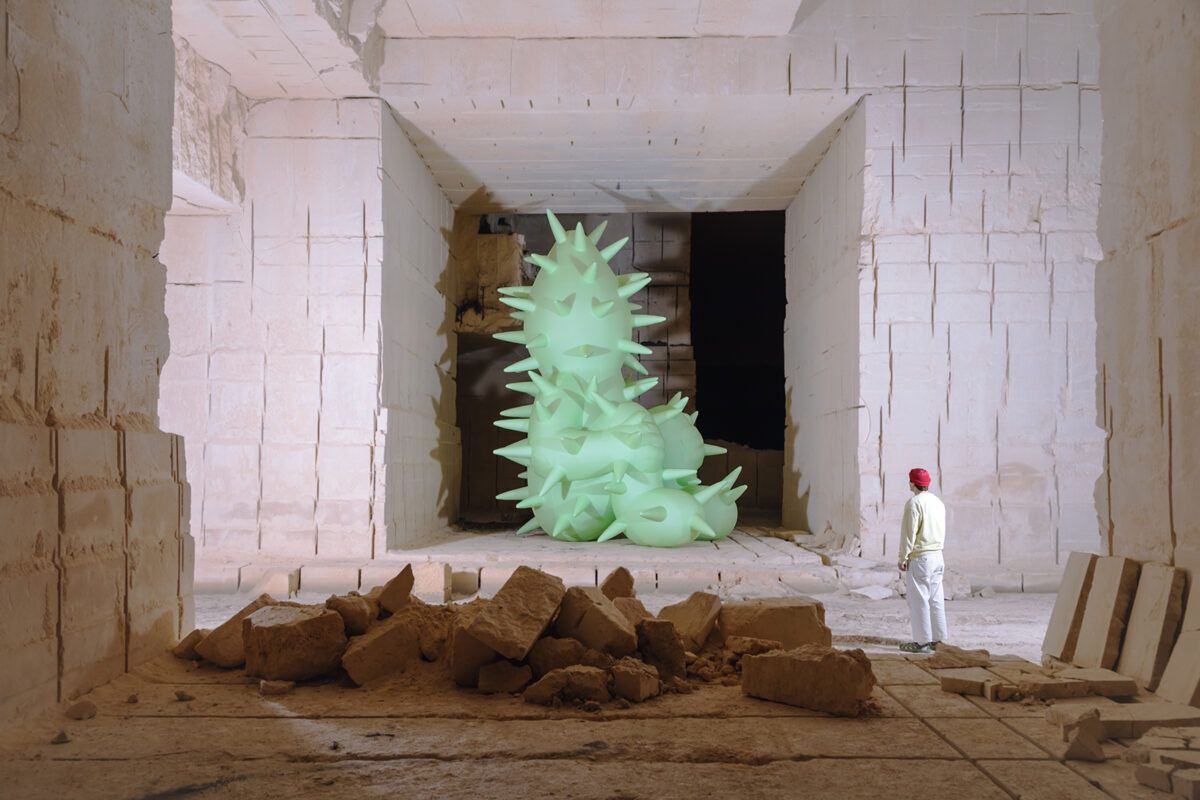
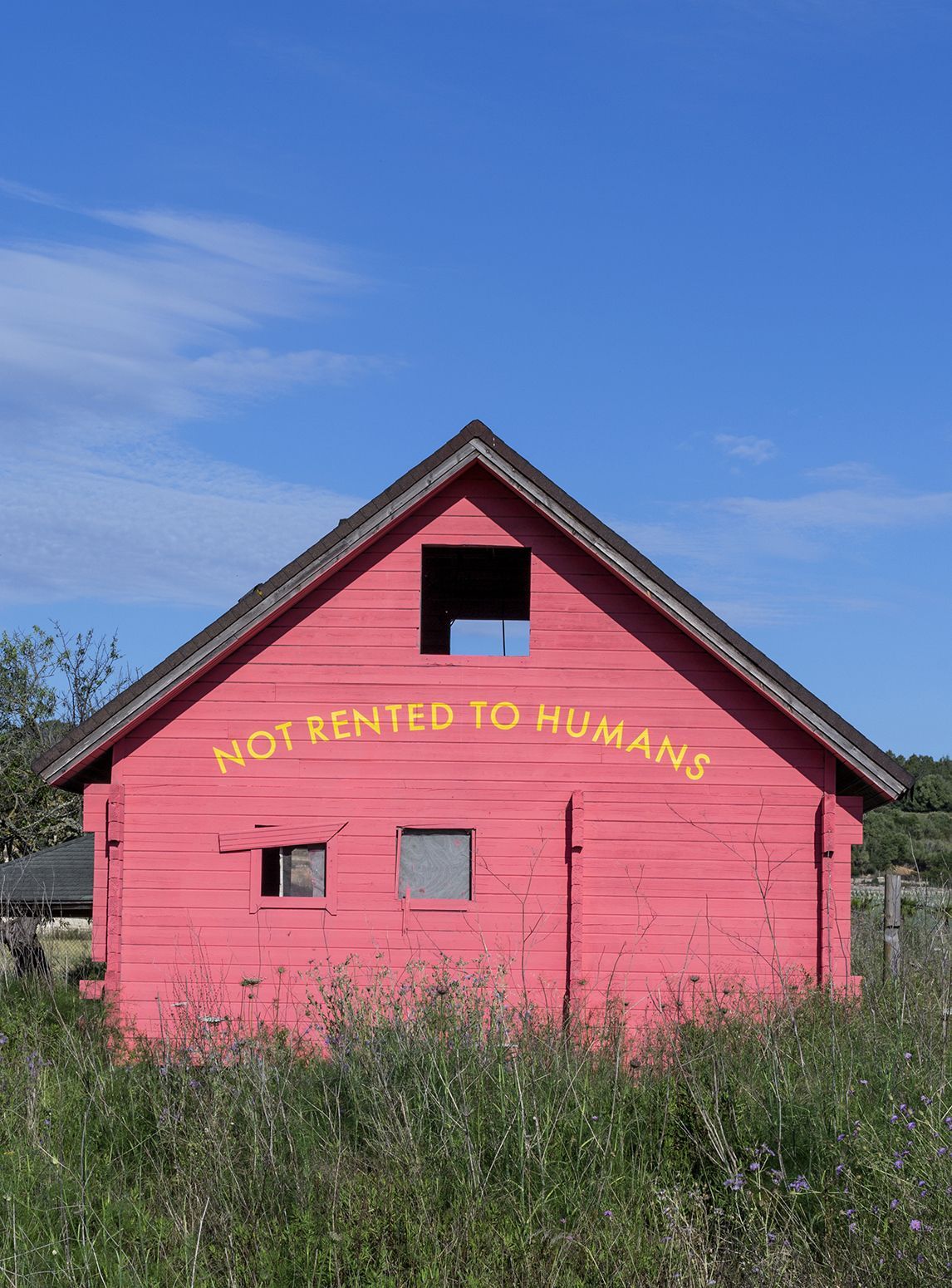
For that reason, some of the projects he considers most honest are precisely those developed outside conventional contemporary art circuits, such as the site-specific intervention created beneath an illegal quarry or projects like Not Rented to Humans.
“They are works that allow me to sustain a more honest practice, where the experience, the context and the stories I go through still retain a living and untamed dimension.”
That tension between institutionalisation and freedom runs throughout much of his career. Although his work has evolved towards increasingly complex and sophisticated formats, there remains a clear determination to preserve a certain fragility and intuition within the creative process.
Anxiety, vulnerability and fragility as artistic language
One of the most compelling aspects of Grip Face’s visual universe is the way seemingly opposing elements coexist. Soft colours, delicate textures and symbols associated with childhood are constantly crossed by a latent sense of unease or threat.
“I continue working from a deeply visceral place, from a fragility that I perceive as both intimate and collective.”
Far from concealing that emotional dimension, the artist places it at the centre of his practice.
Anxiety appears within his discourse not only as a personal experience, but as a shared condition affecting much of our generation. His work emerges largely from a need to understand how certain emotional states progressively colonise both body and mind.
“In that process, art has always functioned for me as a mechanism of resistance, protection and transformation.”
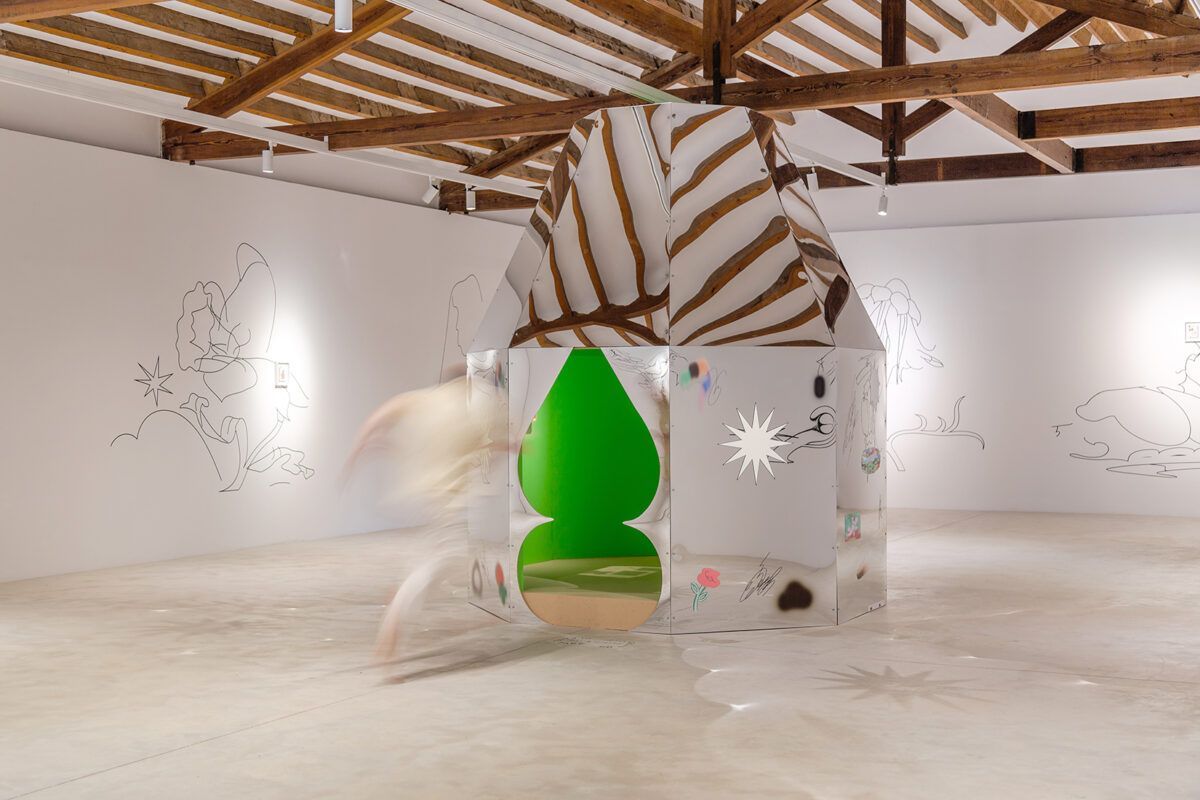
Grip Face understands vulnerability as a space of connection rather than as a symptom of weakness. That sensitivity permeates both his paintings and his installations and scenographic shelters, where the viewer often becomes enveloped within ambiguous and deeply emotional atmospheres.
“Today, I feel it is more necessary than ever to speak from that vulnerability and emotional honesty”, he explains. “We are living through a moment in which the ways we relate to one another are becoming increasingly fragmented.”
Painting, obsession and contemporary visual excess
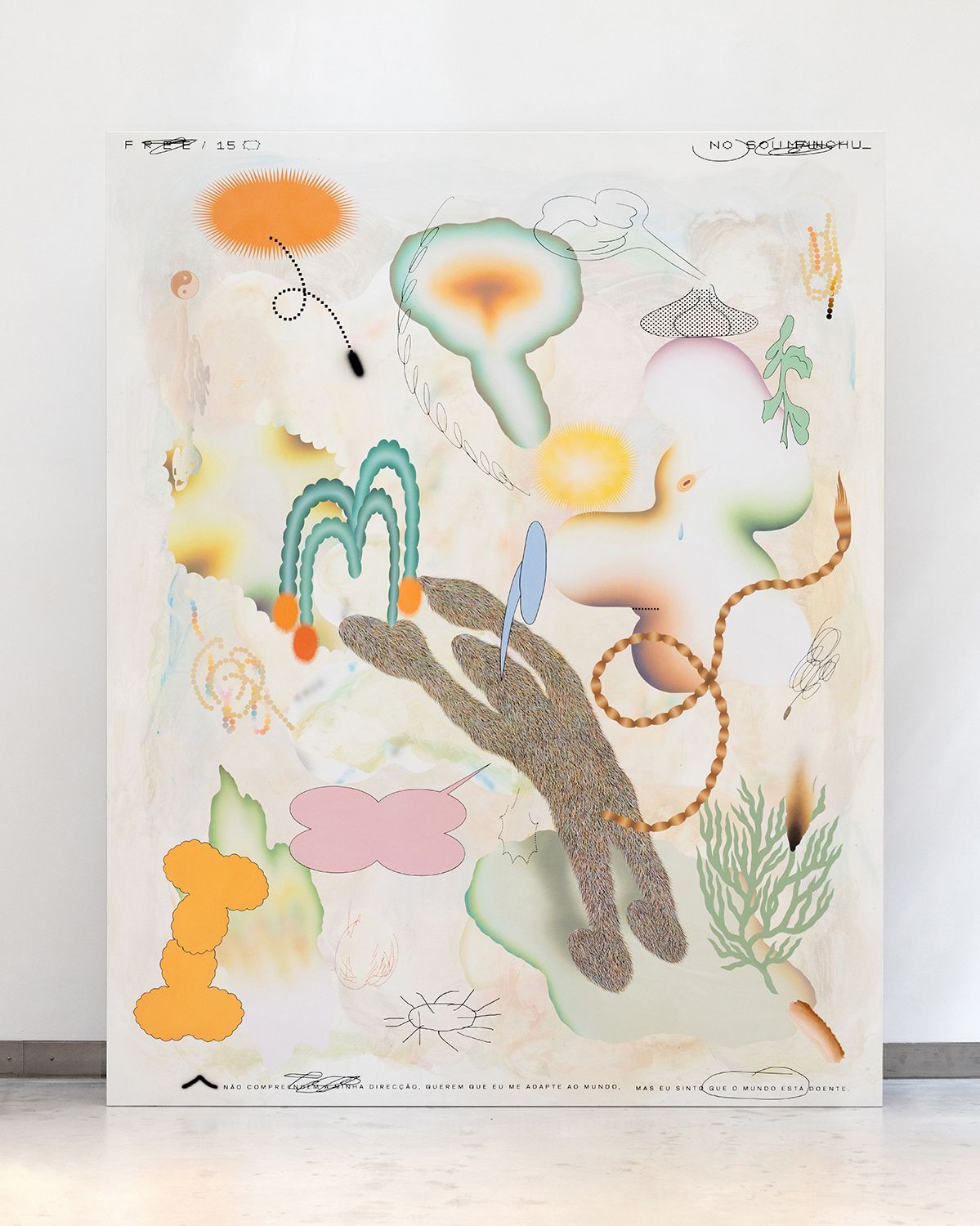
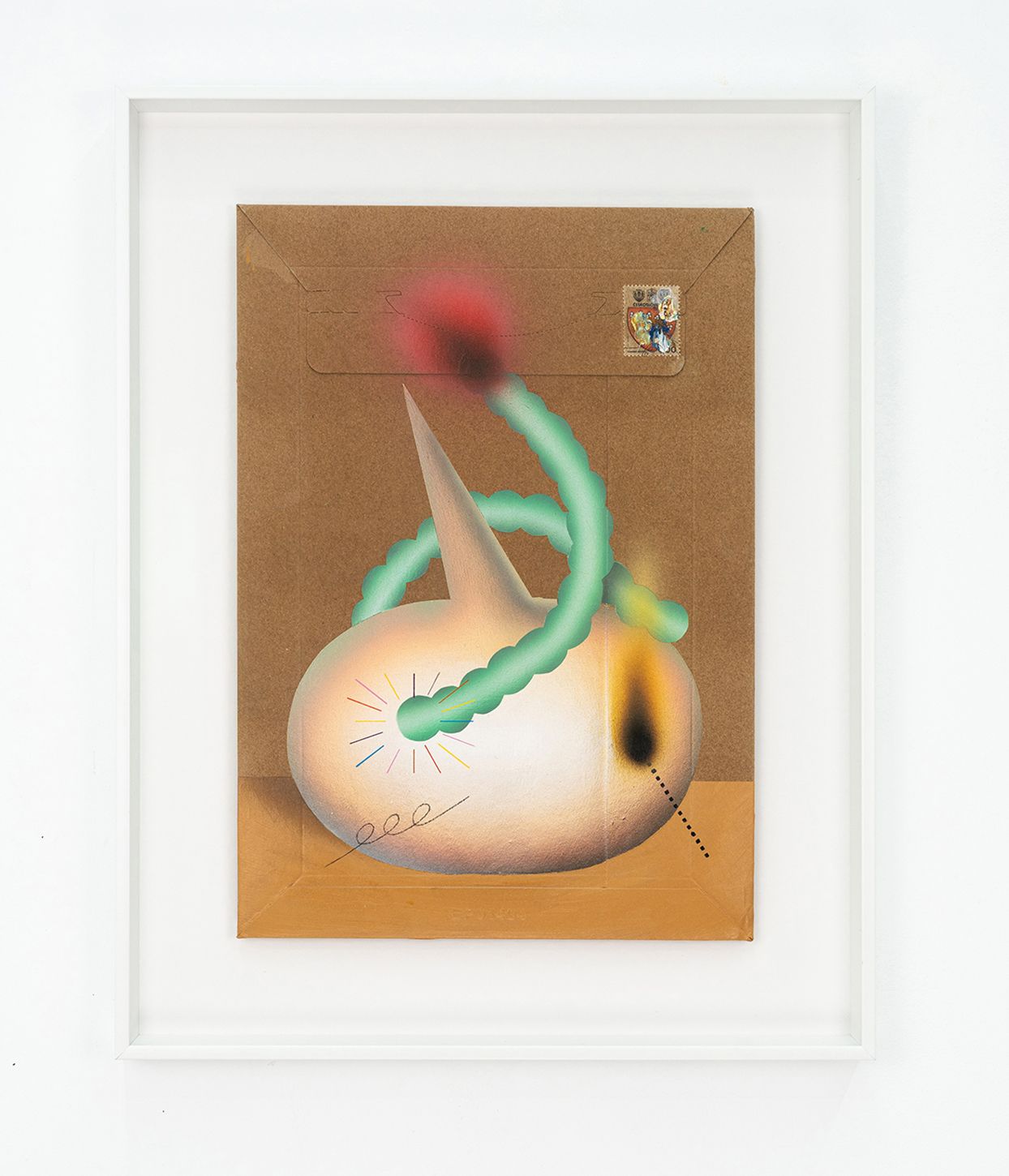
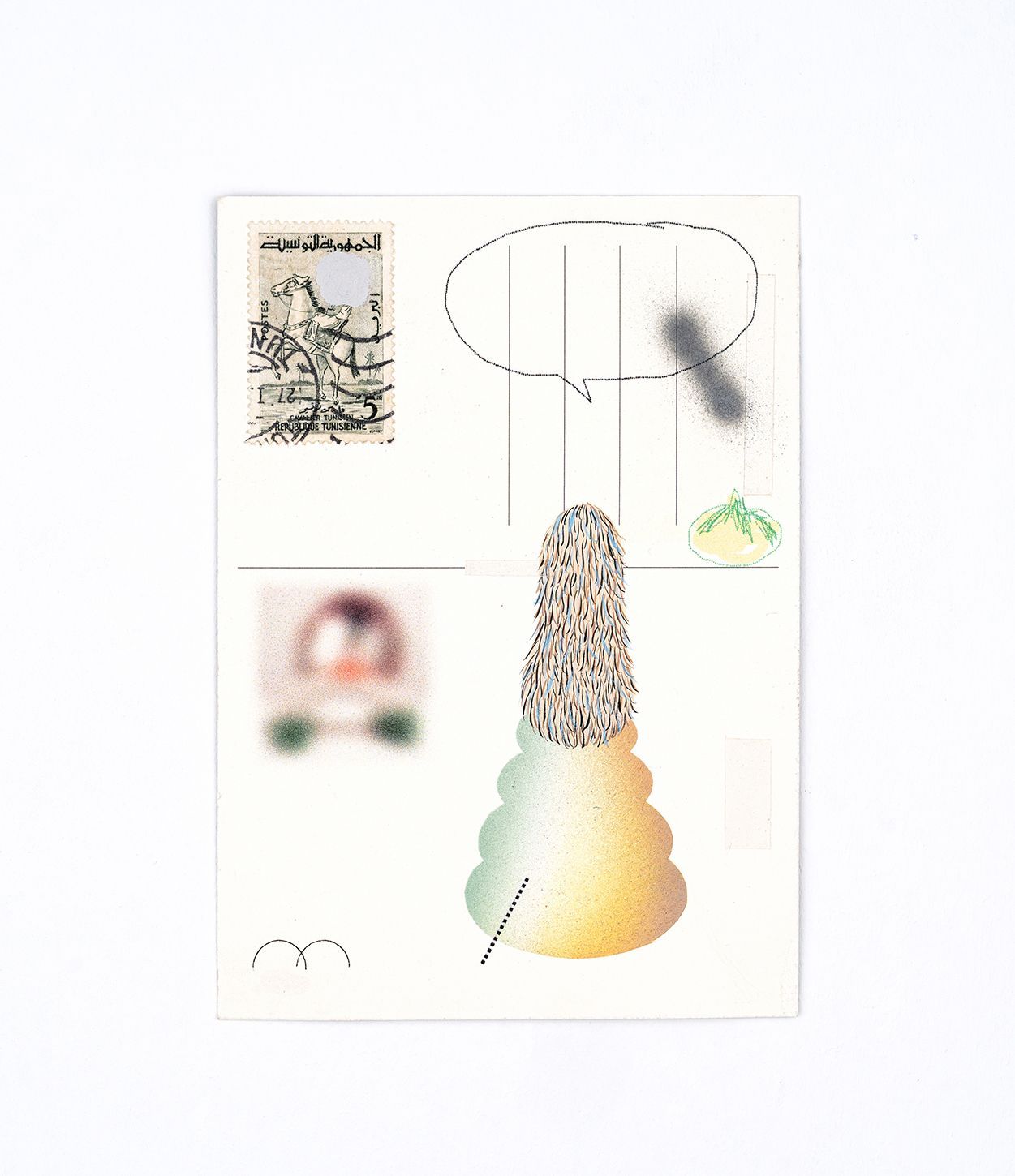
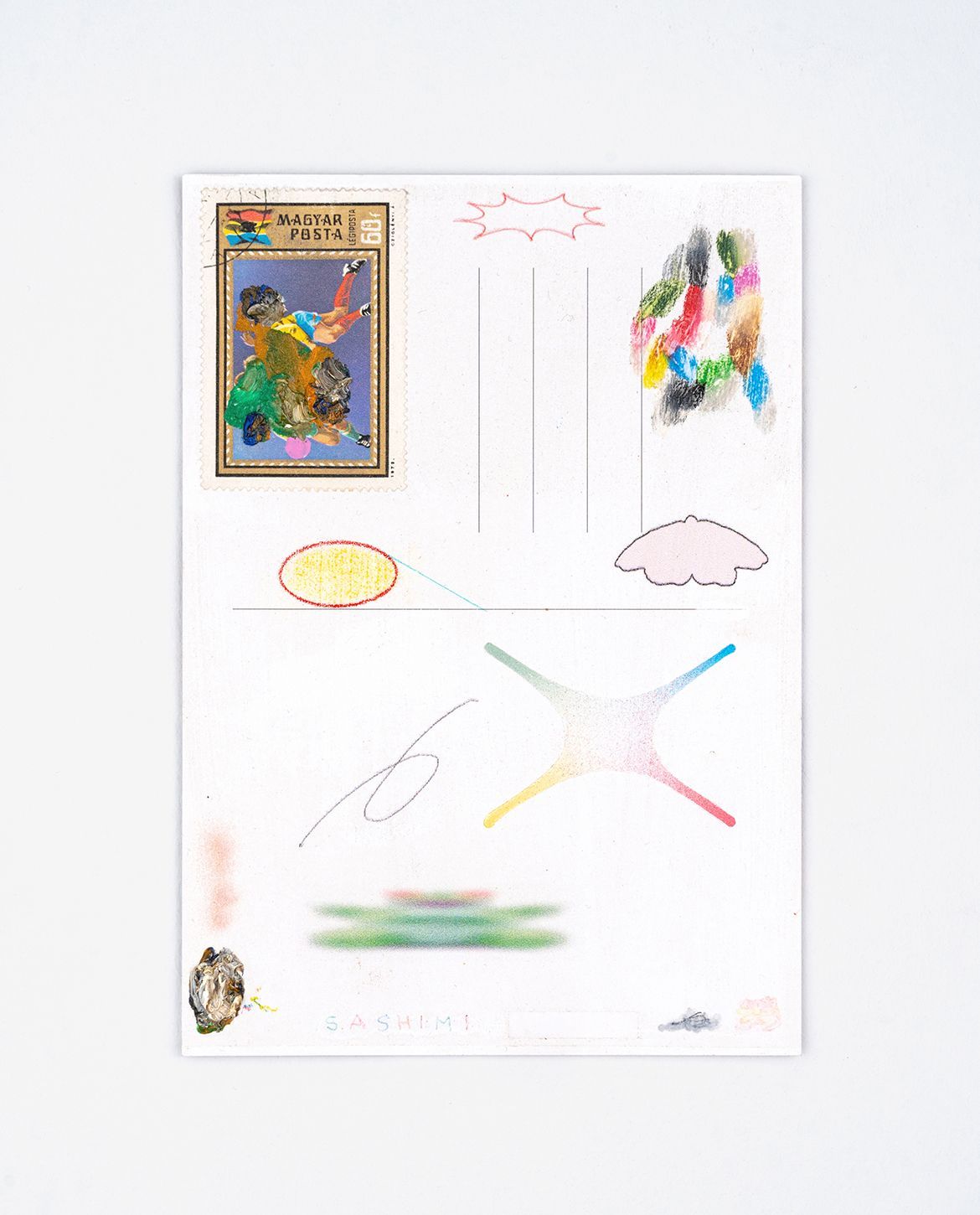
The technical complexity of his paintings is another of the most recognisable characteristics of his work. Layered surfaces, glazes, airbrushing, intervened materials and constant processes of concealment build compositions where multiple levels of interpretation coexist.
Grip Face openly acknowledges that this way of working is deeply connected to his obsessive personality.
“I live with a profoundly obsessive character, and that inevitably filters into the way I paint.”
Yet beyond technical virtuosity, there is also a reflection on visual saturation and on the difficulty of producing images within a completely overstimulated context.
“I’m interested in my painting entering into dialogue with my contemporaneity and with my generation”, he explains. “My real obsession lies in how to articulate unstable, liquid and eclectic discourses through visual language and allow them to find some form of balance.”
Painting functions for him as a space capable of absorbing contradictions without necessarily resolving them entirely.
“I believe painting, precisely because of its capacity for absorption and friction, allows that complexity to be sustained.”
Masks, mirrors and emotional shelters
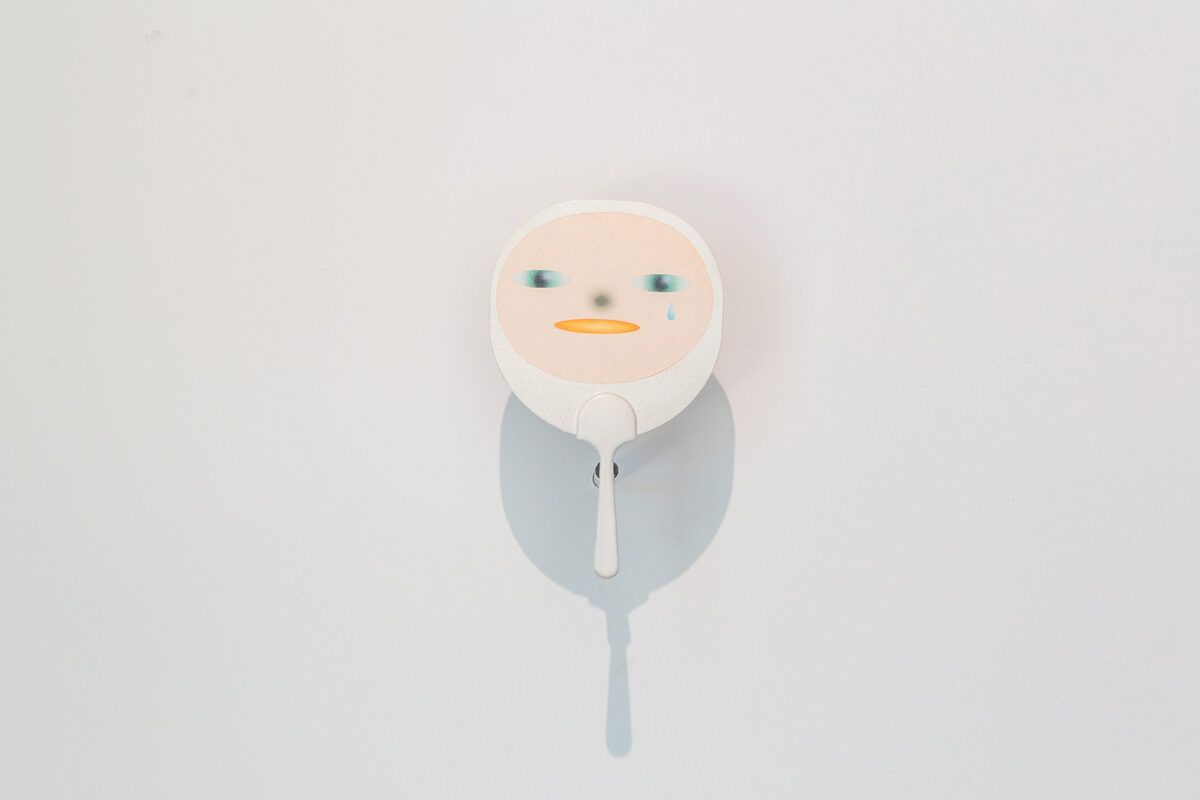
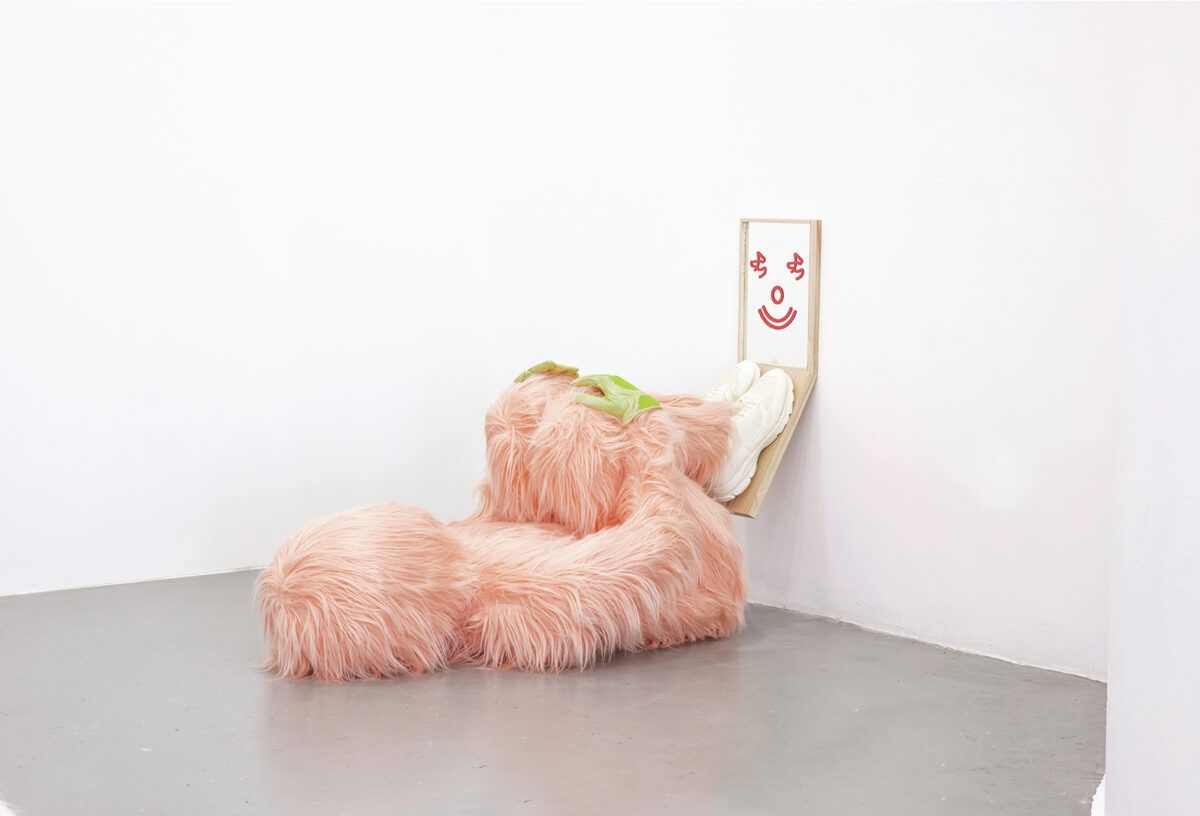
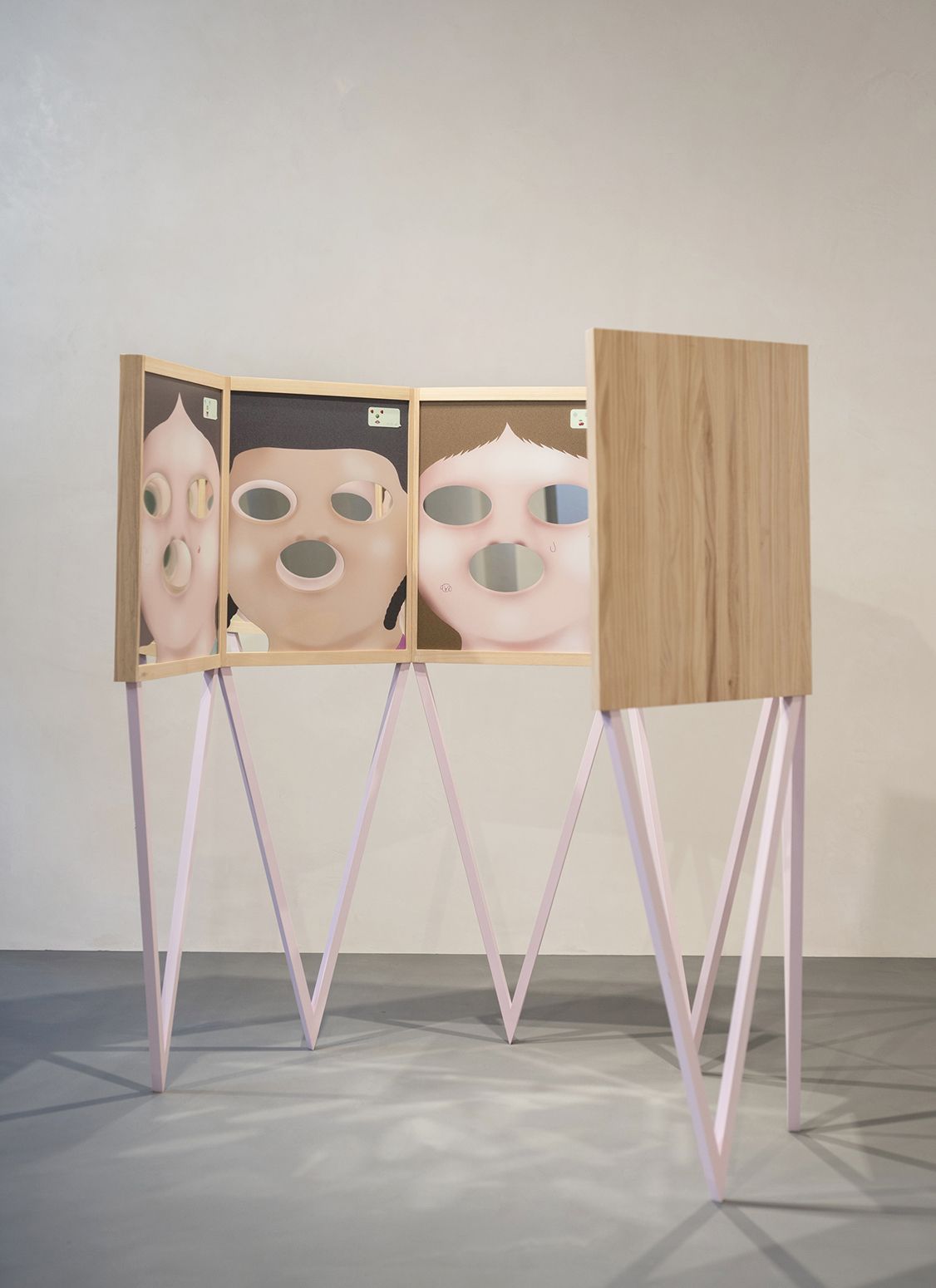
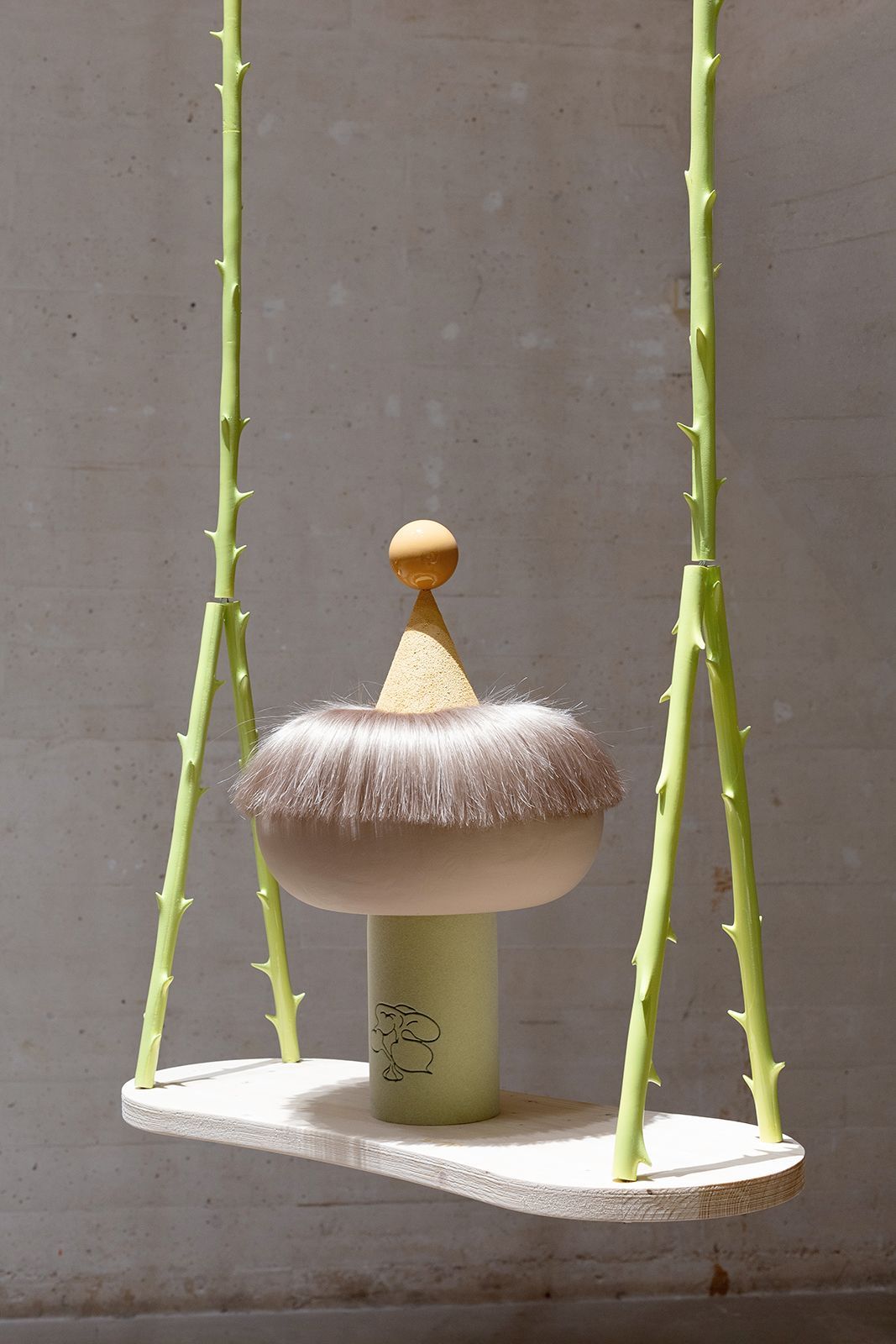
Within Grip Face’s visual universe, certain recurring symbols have gradually formed a completely recognisable language. Masks, hair, costumes and mirrors appear constantly throughout his paintings, sculptures and installations.
Many of these elements emerge directly from fear and from the need to construct symbolic structures of protection.
“The mask and the costume function as mechanisms of mediation between the individual and the environment”, he explains. “They emerge from a deeply introspective process connected to anxiety.”
In his work, these elements function simultaneously as shelter and as forms of negotiation with whatever feels emotionally invasive.
The mirror, meanwhile, originates from a far more intimate and personal experience linked to his own phobia of reflection. Yet over time, that symbol has also acquired a broader political and social dimension: “I’m interested in the mirror as a symbol of a society trapped in permanent self-observation.”
The contemporary construction of identity, constant exposure and dynamics of social validation become essential parts of his artistic discourse.
“The mask and the costume function as mechanisms of mediation between the individual and the environment.”
“Utopía del lodo y sashimi de bruma” at Fundació Miró Mallorca
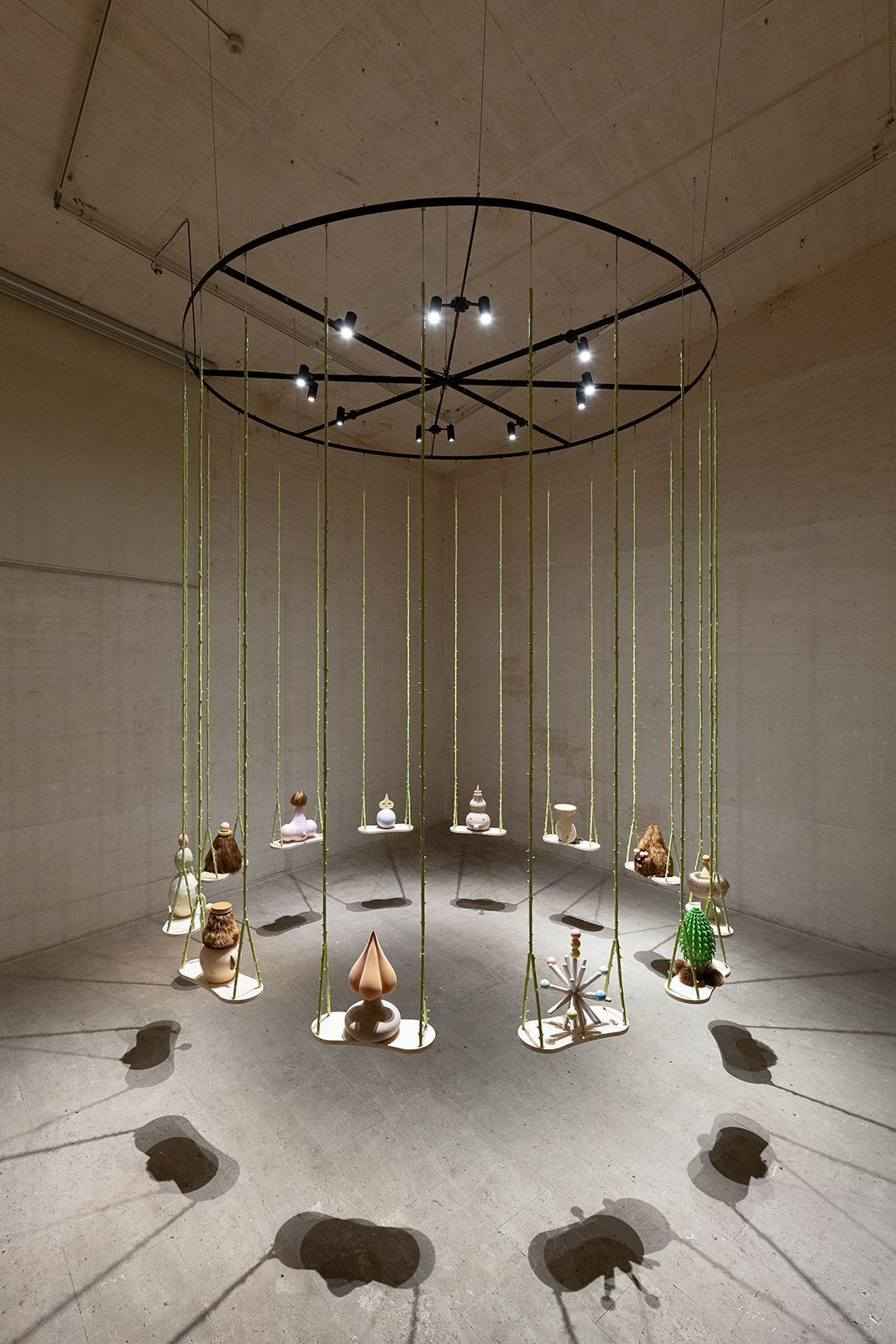
One of his most ambitious projects in recent years was Utopía del lodo y sashimi de bruma, the installation presented at Fundació Miró Mallorca.
The exhibition proposed a critical reflection on Europe’s ambiguous position regarding contemporary war conflicts through an installation composed of twelve suspended swings and twelve masks positioned with their backs turned towards the viewer.
“I was interested in the idea of power as an increasingly fragmented structure, incapable of sustaining a real relationship with its citizens”, he explains.
The installation combined a strong scenographic dimension with a deeply symbolic political reading.
Developed over nearly a year of work, the project transformed the Espai Cubic into a kind of psychological landscape where the playful and the unsettling constantly coexisted.
“I was interested in using a symbol associated with childhood to speak about the fragility of childhood within war contexts.”
The relationship between shelter and exposure once again emerges here as one of the central conceptual axes of his work.
Constructing the shelter as psychological space
The idea of refuge occupies a central place within Grip Face’s universe. Both in exhibition projects and in installations developed in Taipei or spaces such as La Bibi, the shelter repeatedly appears as an emotional architecture.
“The idea of shelter comes directly from childhood”, the artist explains.
During those years, he remembers building small domestic structures, tipis and improvised spaces where he could isolate himself from certain emotional tensions perceived within his environment.
Over time, that need naturally migrated into his artistic practice.
“I’m interested in constructing intimate scenographies where the viewer can feel contained and connect with the atmosphere through a more sensory and emotional experience.”
Beyond individual works, Grip Face understands exhibition spaces as emotional ecosystems where every element must enter into dialogue with one another: “What truly interests me is constructing spatial narratives.”
Art, freedom and spaces of trust
Throughout the conversation, one idea repeatedly emerges: the need to preserve spaces of creative freedom.
For that reason, Grip Face maintains a particularly close relationship with independent spaces and projects such as La Bibi, where he finds an autonomy difficult to sustain within more institutionalised contexts: “Over time, I’ve understood that I can only develop my work honestly in spaces where there is absolute trust in the creative process.”
The artist acknowledges that much of his practice emerges precisely from the need not to domesticate certain conceptual or emotional tensions: “I deeply value being able to work from a place of trust and freedom, without having to filter certain ideas.”
“I live with a deeply obsessive nature, and that inevitably filters into the way I paint.”
The underground quarry and the desire to intervene extreme spaces
Among his most striking interventions is the piece created inside an illegal underground quarry — one of those projects where architecture seems to completely absorb the work itself.
The intervention emerged after discovering the space alongside a friend: “I remember feeling completely overwhelmed and immediately sensing the need to intervene within it.”
The project developed without institutional permission and through a profoundly intuitive logic: “These kinds of projects developed outside institutional structures are the ones I feel most honestly connected to within my practice.”
The experience eventually evolved into a fictional narrative centred around the figure of the costume: a being who decides to take refuge underground because the exterior world has become too hostile.
That intersection between architecture, narrative and emotion appears constantly throughout his work.
Contemporary image, hyperconnectivity and visual saturation
Many of Grip Face’s current concerns revolve around our contemporary relationship with images: “One of my main concerns is how to continue producing images within a context completely saturated by them.”
The artist reflects on how the image has ceased to function solely as representation and has instead become an active structure mediating reality itself: “We inhabit a visual ecosystem of accelerated consumption where constant overexposure affects the way we perceive and construct identity.”
Phenomena such as polarisation and contemporary radicalisation appear directly linked to that intensified visual economy.
Self-publishing, books and physical resistance
Within a context dominated by digital culture and the immediate consumption of images, Grip Face continues to maintain a strong connection to publishing and self-editing.
He is currently working on a new book compiling approximately ten years of his career: “I still feel deeply connected to self-publishing, not only as a format of dissemination but also as a space of freedom and community building.”
The new volume will gather paintings, drawings, installations and scenographic projects, becoming perhaps the publication that most comprehensively represents his practice to date: “In some way, it reflects that eclectic and expanded condition that has always traversed my work.”
A universe still expanding
After so many years developing such a recognisable visual universe, Grip Face continues searching for situations capable of generating tension, uncertainty and adrenaline.
“I remain deeply interested in developing scenographic projects within complex or difficult spaces.”
That ongoing search for balance between fragility, anxiety, beauty and conflict continues to form the core of an artistic practice that never stops expanding.
The artist is currently working on the publication of his upcoming book and on several international projects, including a future exhibition at Es Baluard Museu d’Art Contemporani de Palma and a public art project in Taipei.
His visual universe continues to grow while preserving the same emotional necessity that defined the early years: constructing images capable of functioning simultaneously as shelter, wound and mirror of our contemporary condition.
(*) Photography courtesy of Grip Face Studio.