Muller Van Severen: when design becomes liveable sculpture

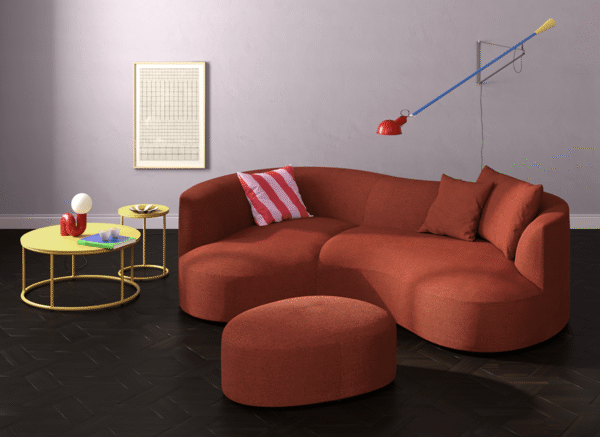
In the international landscape of contemporary design, few names have managed to carve such a singular and poetic path as Muller Van Severen, the Belgian studio founded in 2011 by the artistic duo Fien Muller and Hannes Van Severen. Their work, positioned at the intersection of art and design, has captivated both collectors and institutions alike — from the Centre Pompidou to the Vitra Design Museum — and has defined a new way of understanding the relationship between object, space and experience.
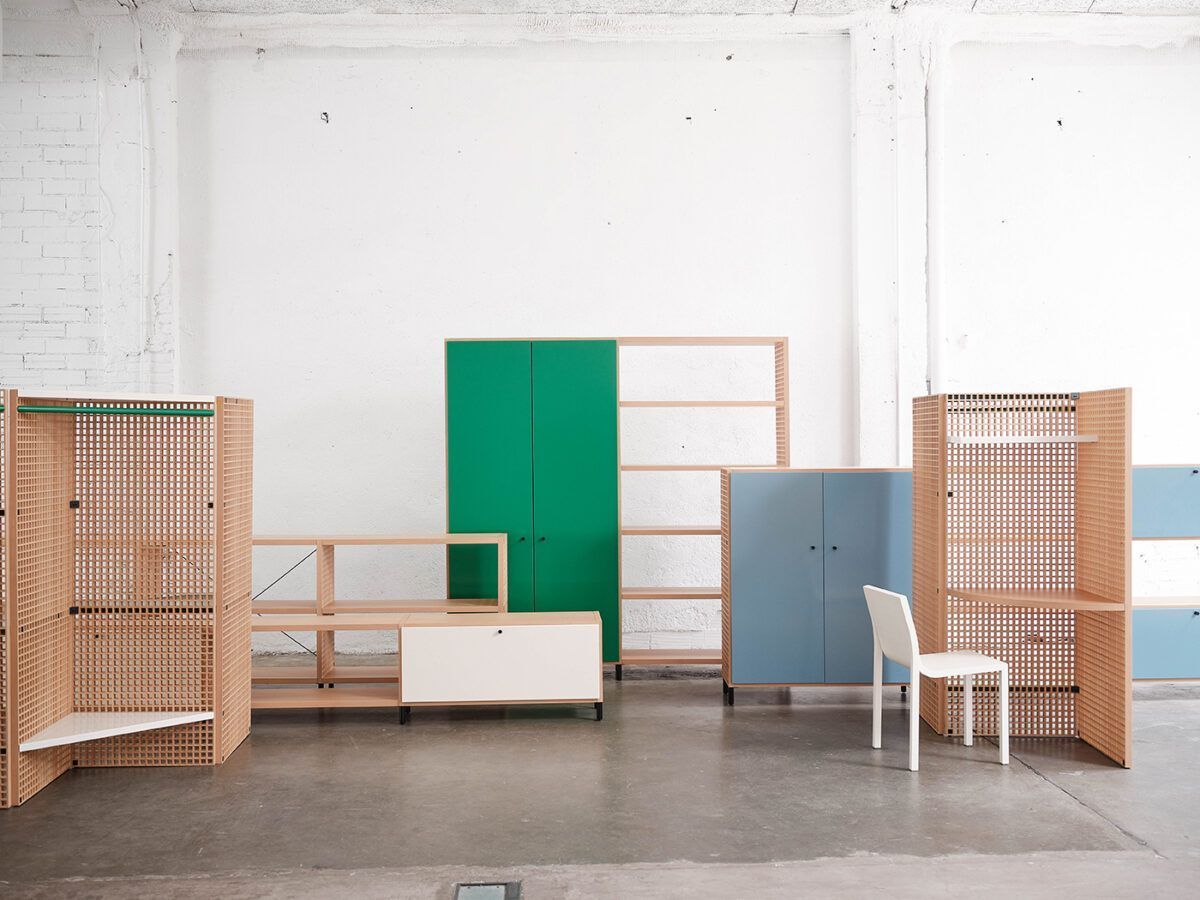
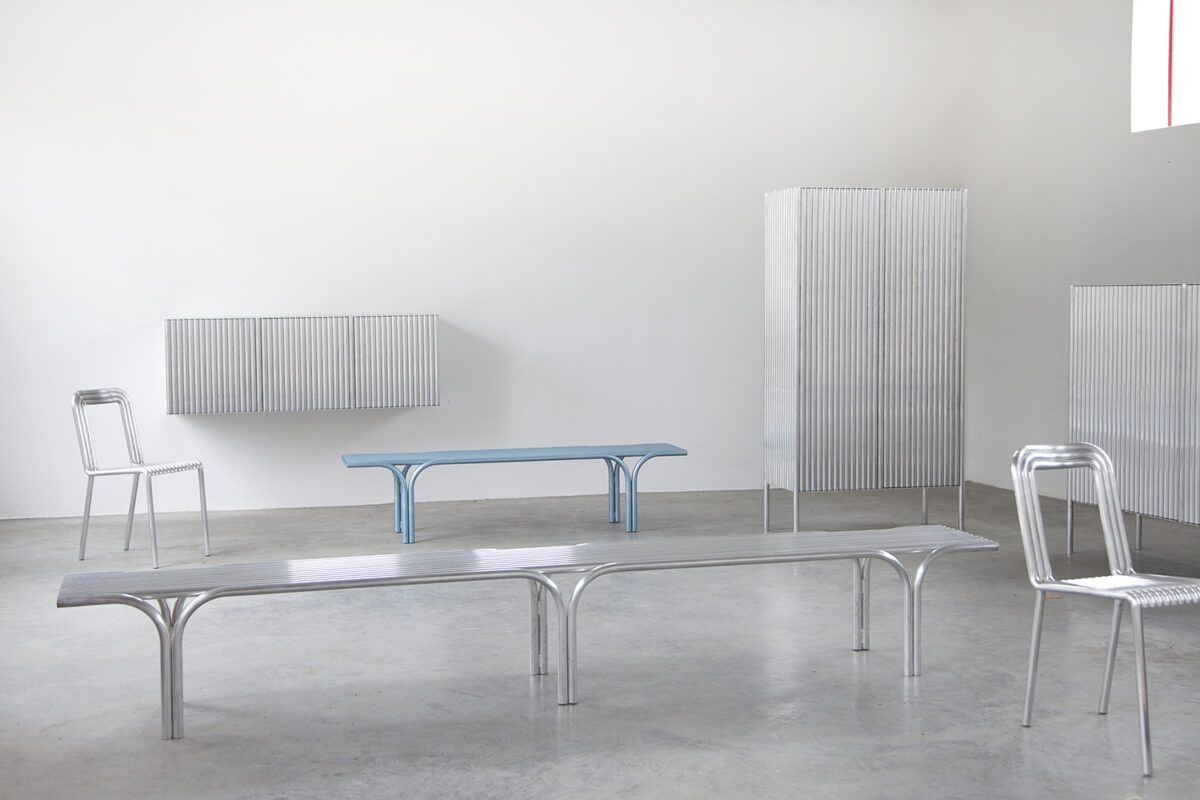

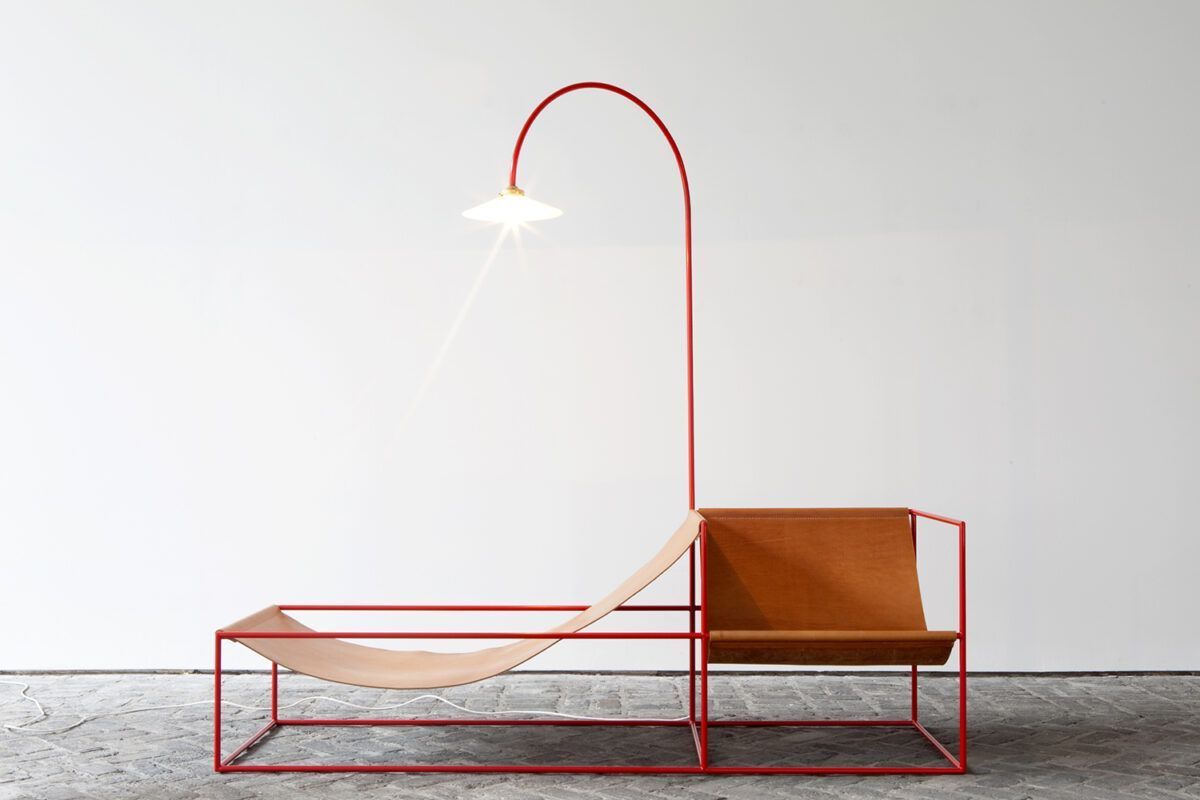
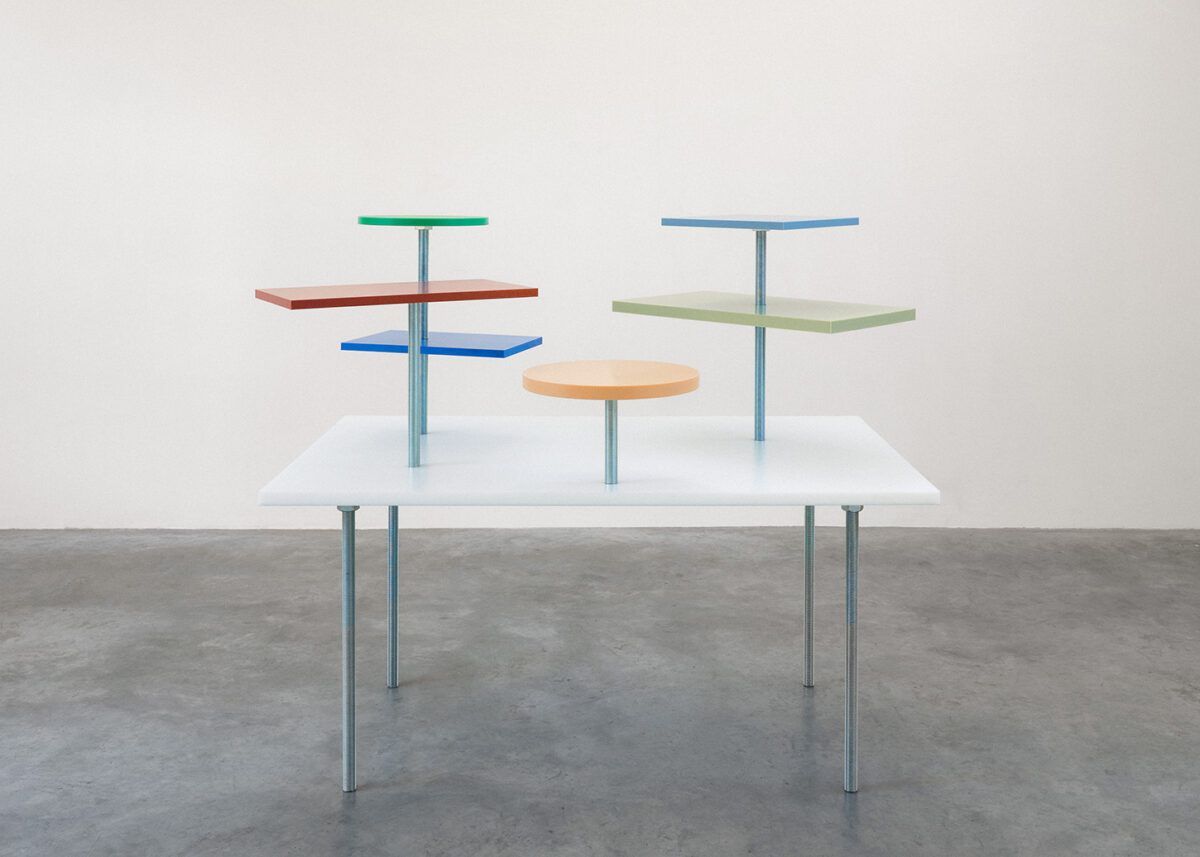
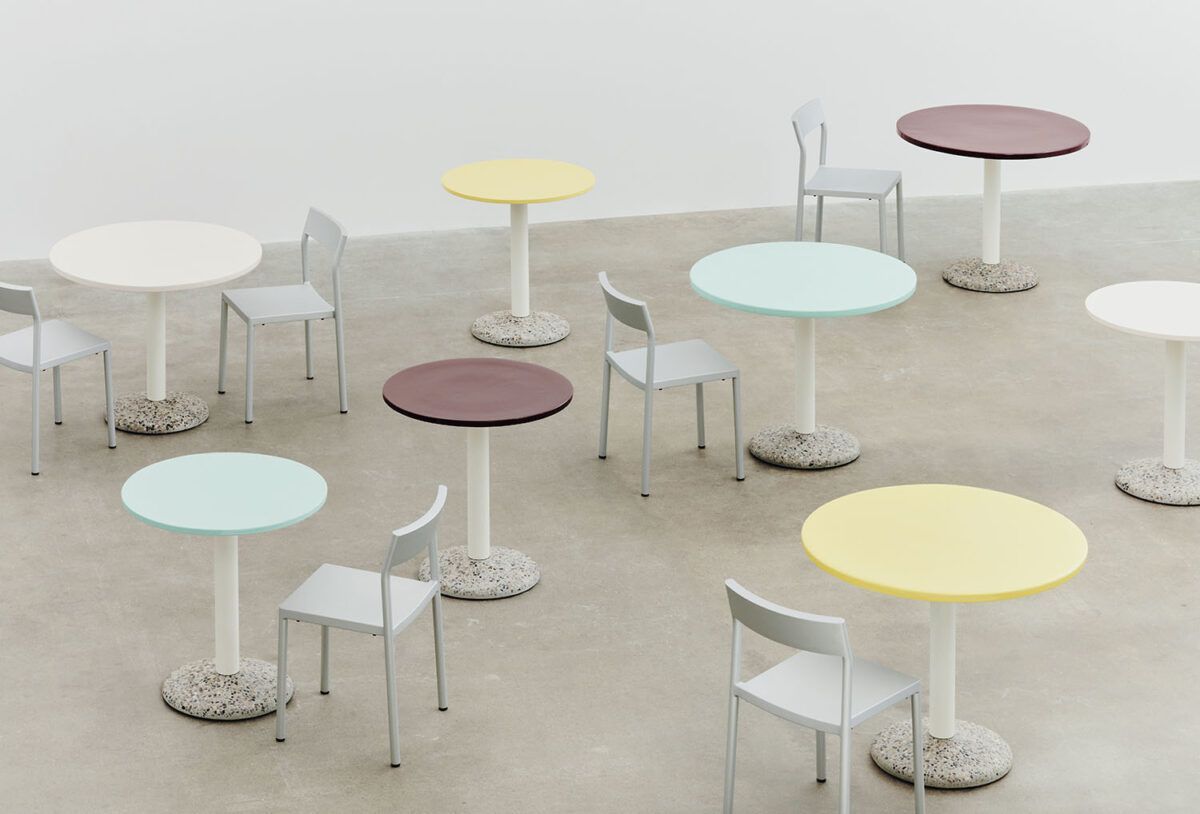
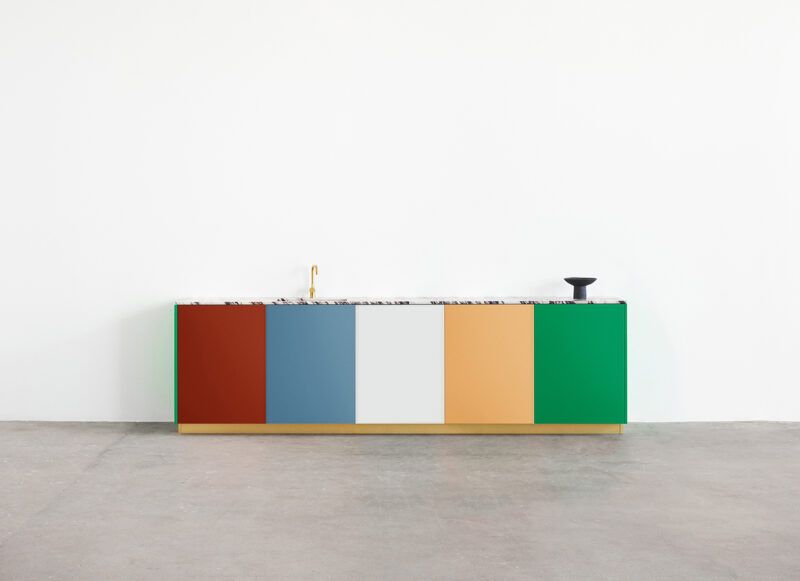
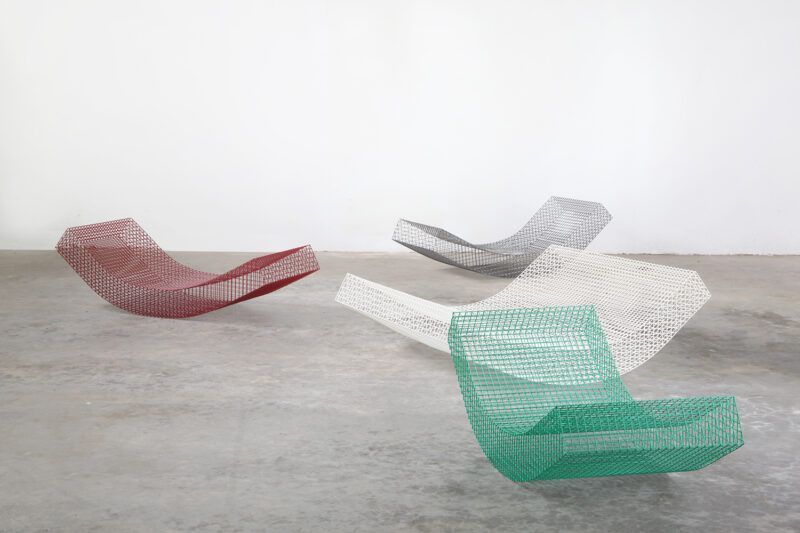
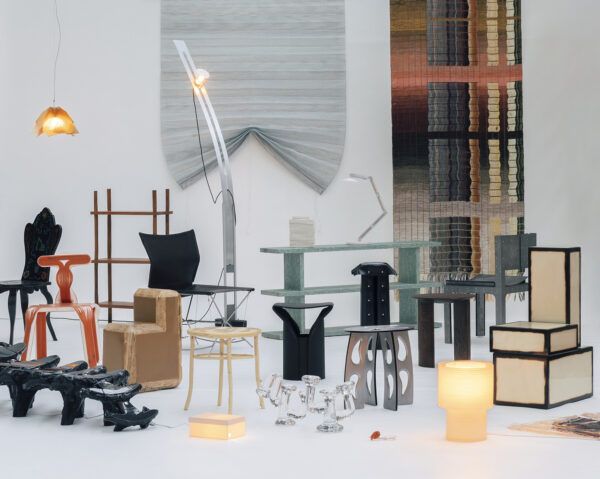
What sets Muller Van Severen apart is not only the refined aesthetic of their pieces, but their ability to imbue functionality with soul — transforming a chair into sculpture, a lamp into architecture, a shelving unit into a spatial gesture that invites contemplation. Their work breathes the clarity of minimalism, yet never succumbs to coldness: there is humour, playfulness, intuition and, above all, a constant search for humanity within the essential.
From their studio in Ghent, they work both on self-initiated projects and in collaboration with international brands such as valerie_objects, Bitossi, HAY and BD Barcelona Design. Their pieces, which combine noble materials with a bold, graphic and colourful language, have been described as “mini-architectures” for their capacity to shape space beyond their immediate function.
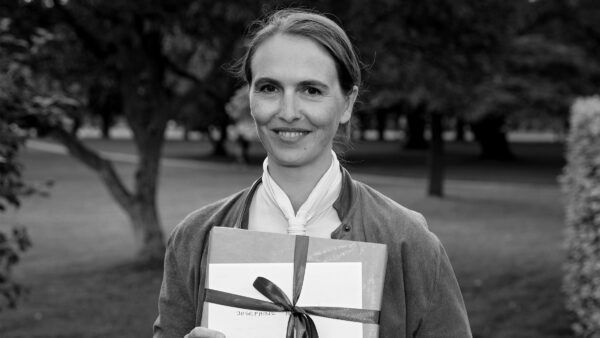
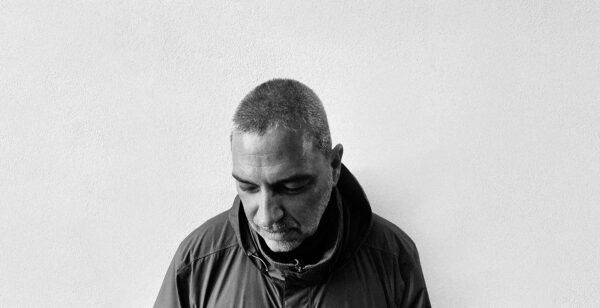
The story of Muller Van Severen is also that of an ongoing dialogue between two sensibilities: Fien, trained as a photographer, and Hannes, deeply rooted in the sculptural tradition. This combination has given rise to a unique vocabulary, where each piece of furniture transcends the label of object to become an aesthetic experience.
In this exclusive conversation with CC/magazine, Fien and Hannes share their vision of the boundaries between art and design, the importance of materiality, the balance between form and function, and their plans for the future.
Your work is often described as existing at the intersection of art and design. How do you personally define where sculpture ends and the functional object begins?
We always aim to strike a balance between compelling form and practical function—whichever way feels most appropriate. Form and function should guide one another; they should make each other interesting.
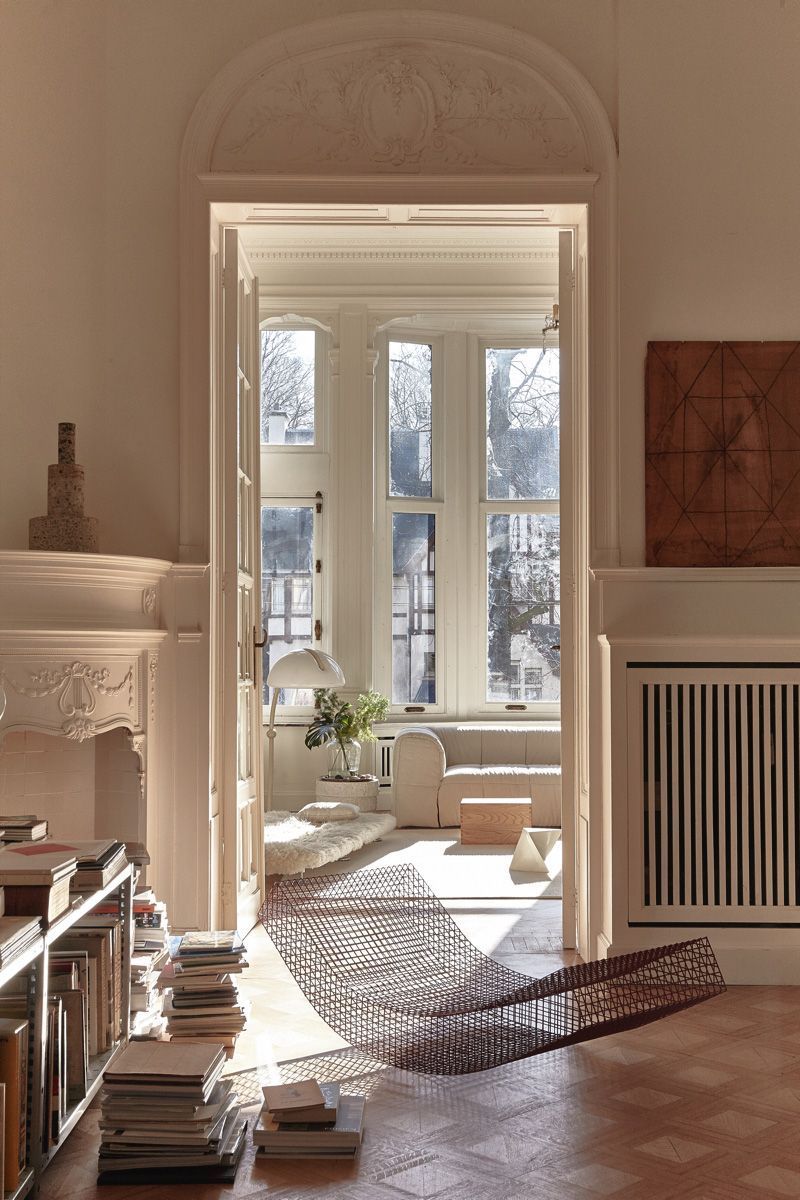
Our goal is to make functional elements as intriguing as possible in terms of form, encouraging a different perspective. For us, any object we design has the potential to occupy space like a sculpture. Whether it’s perceived as functional, decorative, or something entirely different is ultimately up to the viewer.
“Any object we design has the potential to occupy space like a sculpture.”
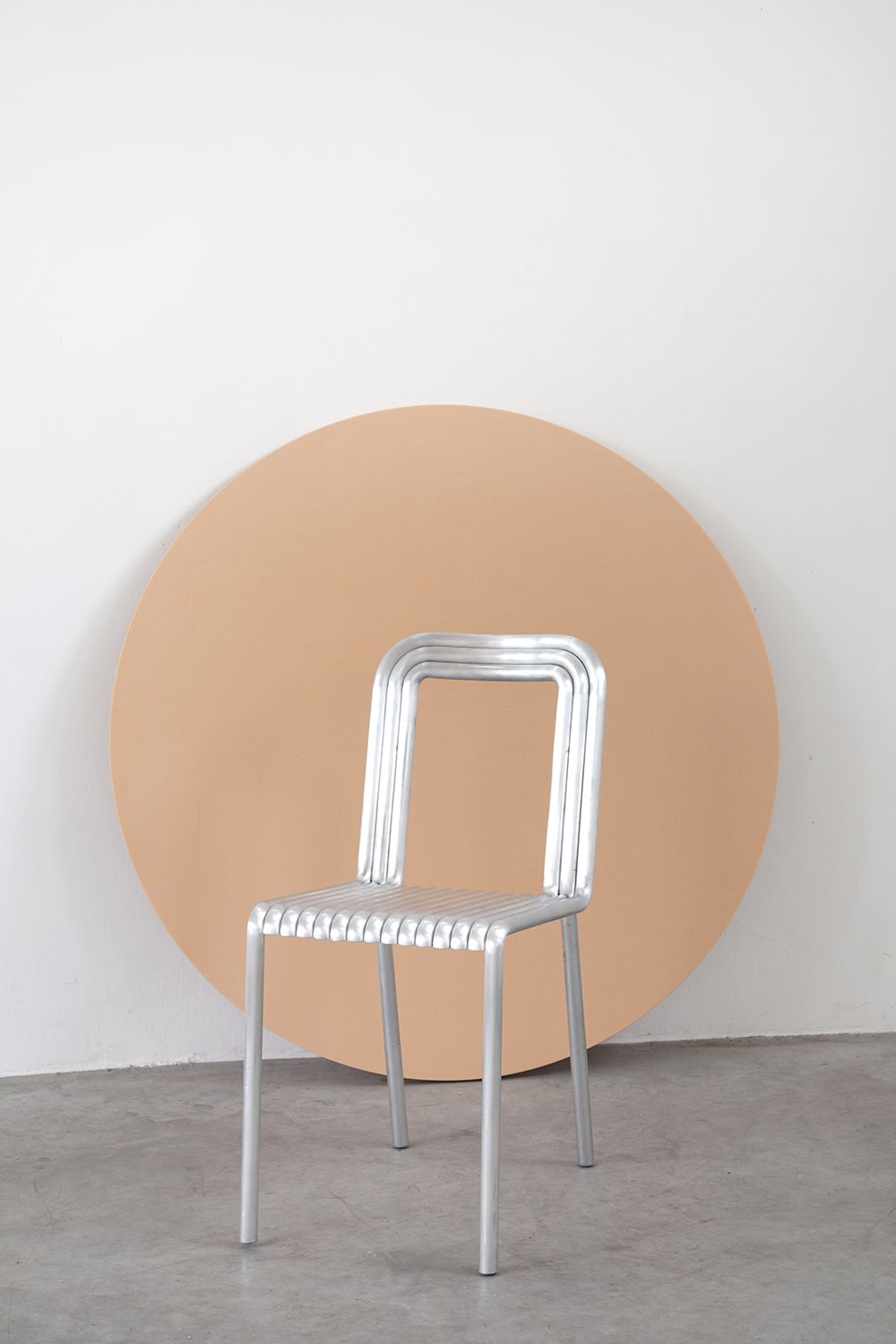
You’ve spoken about rethinking furniture design while avoiding unnecessary distractions. How do you decide what stays and what is stripped away in a piece?
We do strip away what’s unnecessary—but we make sure it doesn’t become boring in the process. We’re not minimalists, but we do value clarity. With the few elements we keep, we want them to be as exciting as possible in terms of material, finish, shape, and color.
You have to feel as free as possible with the little that you have.
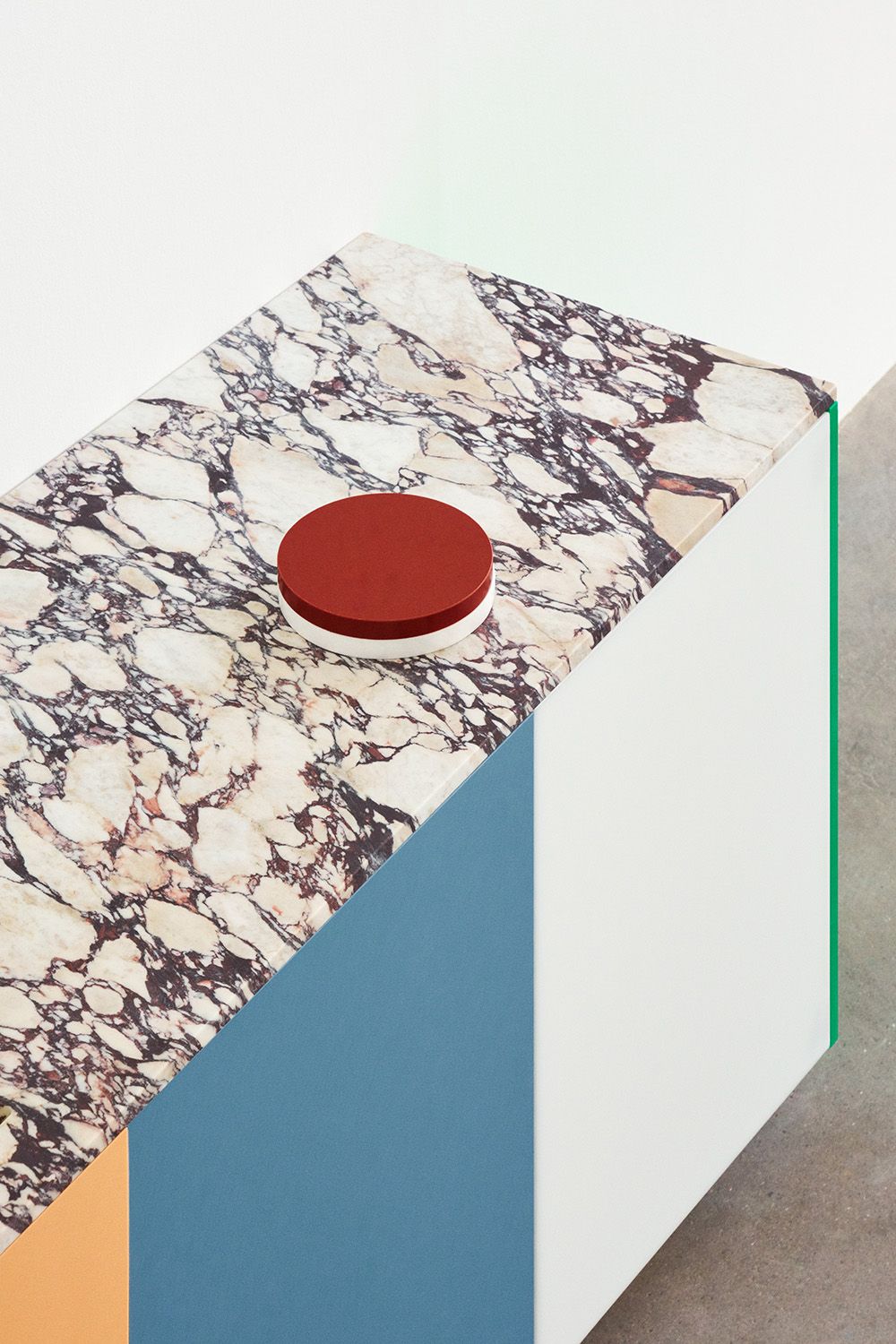
Your practice embraces contrasts—introversion and extroversion, presence and absence, femininity and masculinity. Can you share a piece where this duality is especially present?
Our Marble Box is a good example.
Materiality plays a central role in your work. What qualities are you looking for in a material before you decide to work with it?
We look for solid, strong materials that we can use in a light and elegant way. Metal is usually the glue in our work—it allows us to create something structurally strong while keeping it airy.
The purity of form is a signature of your collections. How do you ensure that minimalism remains warm and inviting, rather than cold or distant?
By choosing the right mix of materials, colors, and forms. The harmony between them is key.
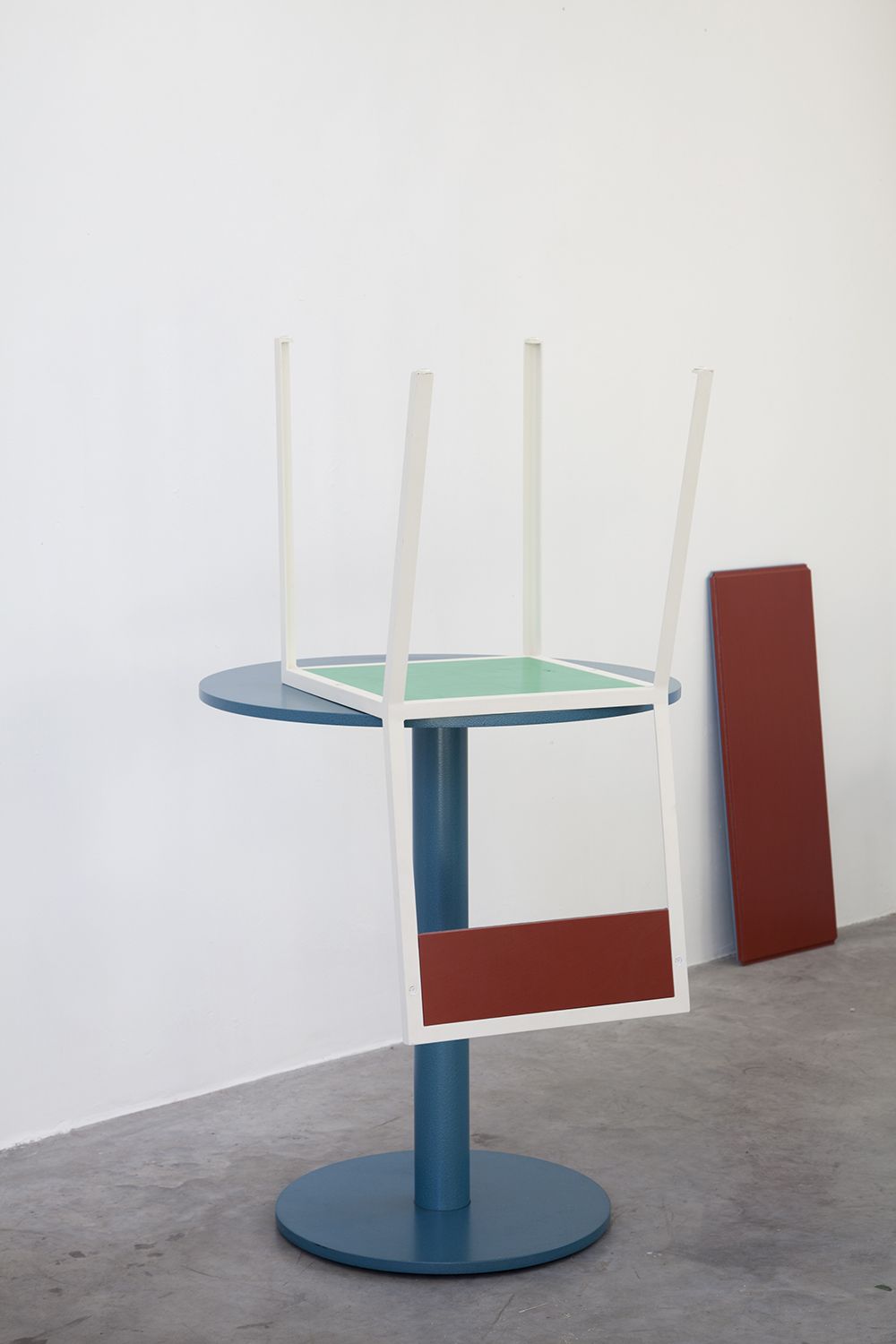
Collaboration is clearly important to your studio, from small-scale artisans to global brands. How does the creative process differ when you work on self-initiated projects versus brand collaborations—for example, your recent work with BD Barcelona and valerie_objects?
It’s actually not that different. The main difference is that when we create something for our own production or for a gallery, we handle everything ourselves—from start to finish. But when it’s for a brand, they usually manage the execution: they find the manufacturers, source materials, and coordinate with the right people to ensure quality and craftsmanship.
You’ve cited drawing connections across disciplines as part of your creative process. Can you give an example of an unexpected influence that shaped a design?
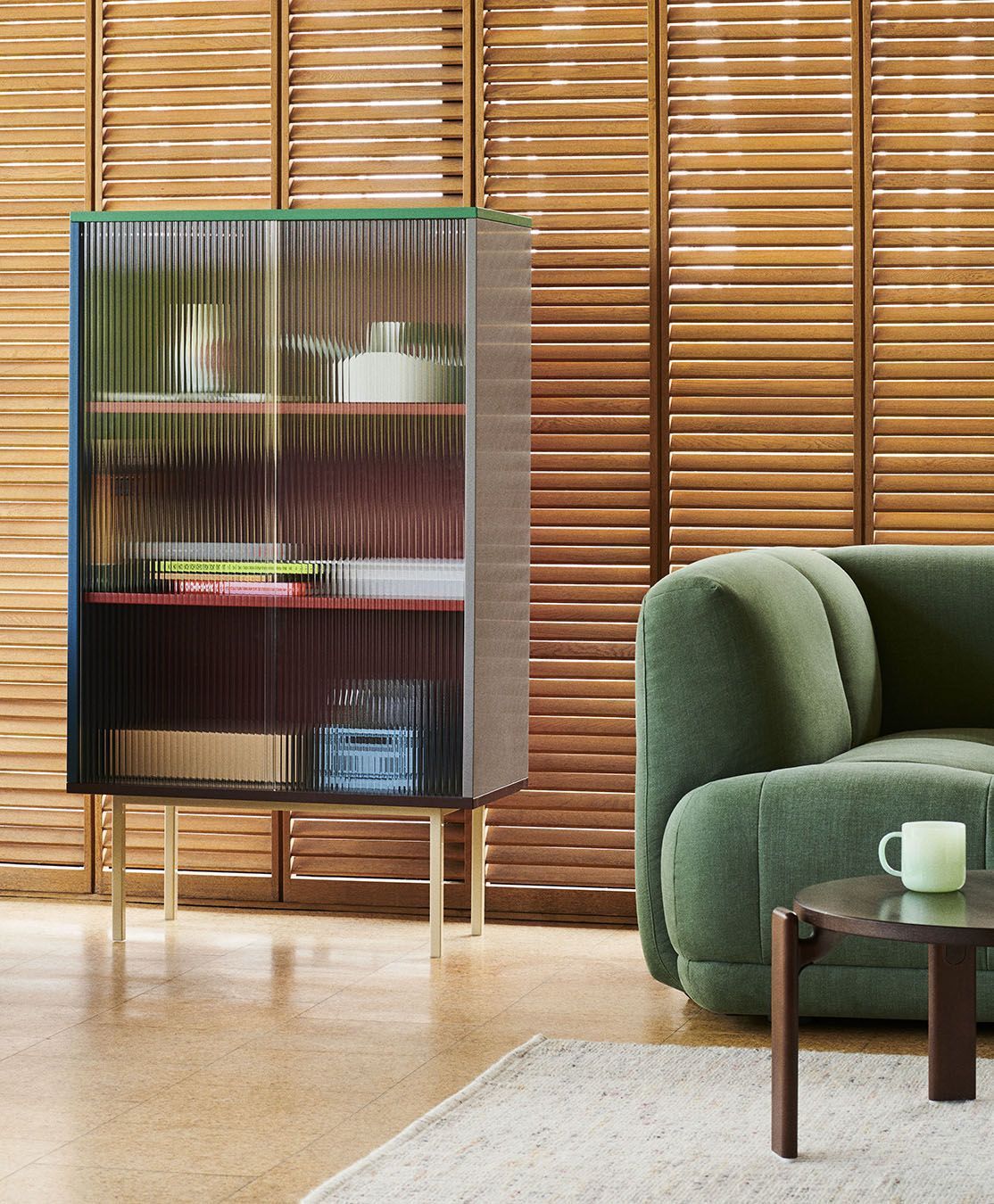
In the vases we designed for Bitossi, we suddenly saw models for fantastic cabinets. It was a real eureka moment—one thing had nothing to do with the other, except for the shape. The base of the vase became the base of a cabinet.
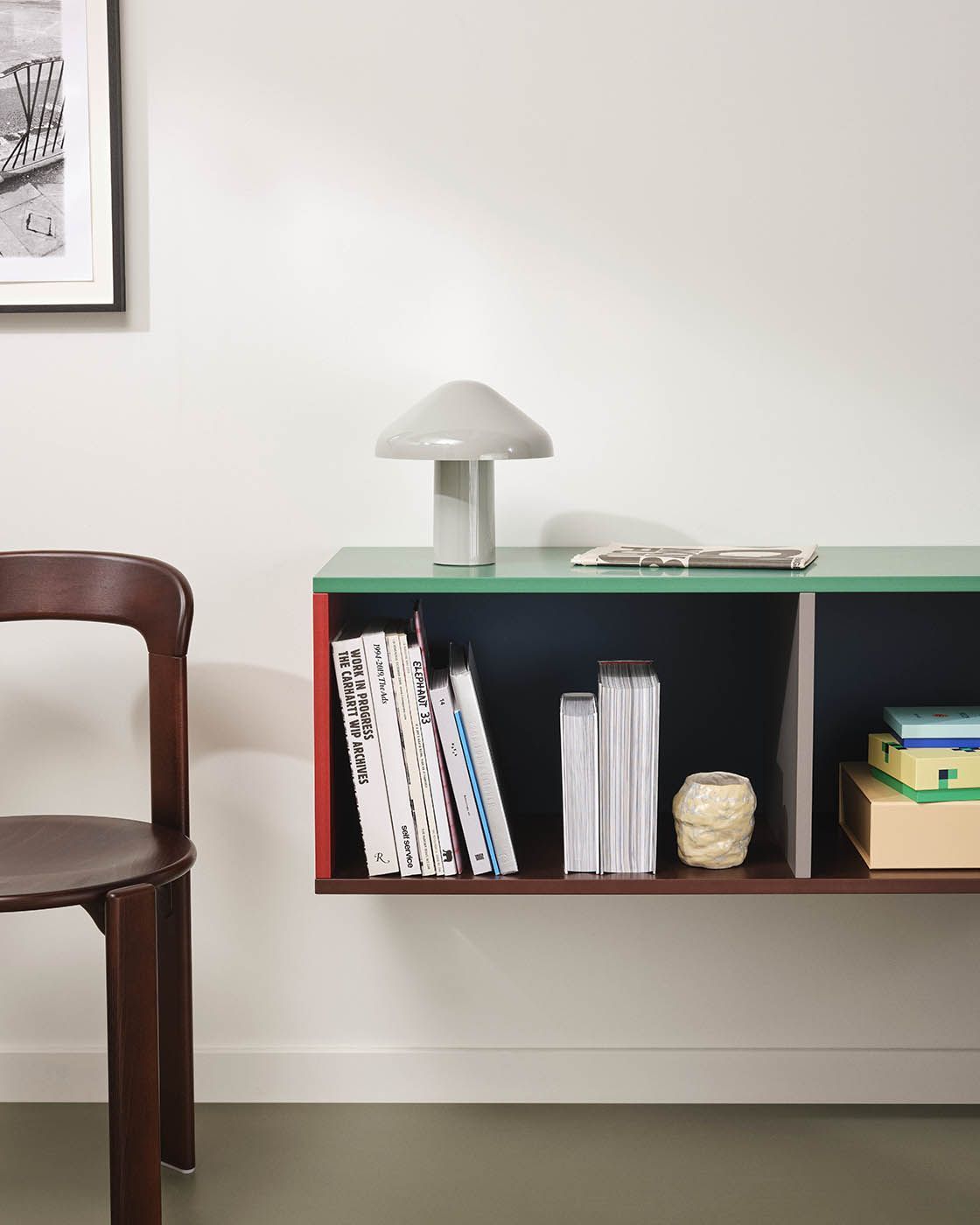
Many of your pieces feel like miniature architectures. Do you consciously design with a spatial narrative in mind, or does it emerge organically?
Architecture is a constant reference point in our work—not only in form but also in how we think about space, structure, and function.
We’re interested in how an object can suggest shelter, threshold, or spatial experience, even on a small scale.
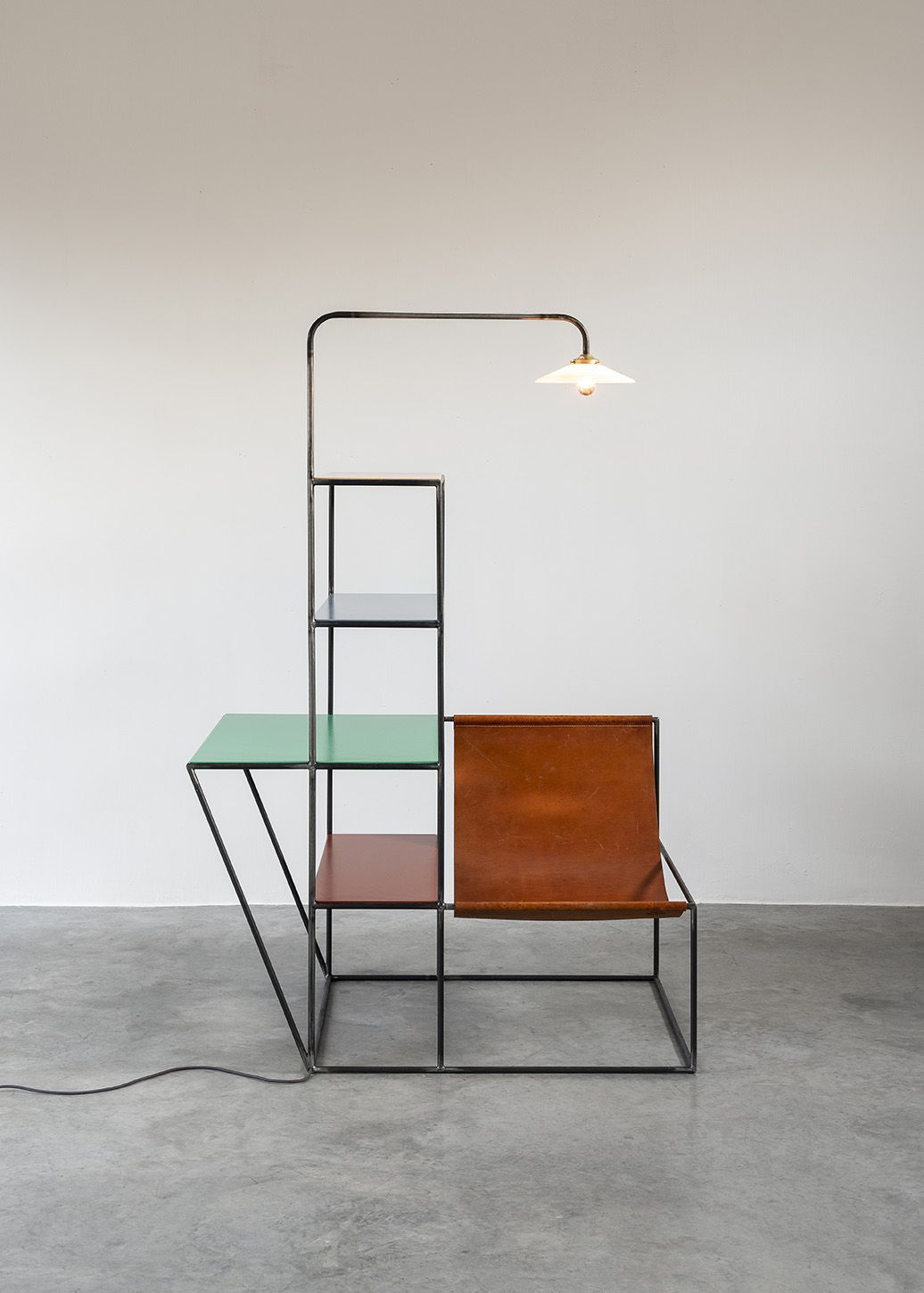
Architectural thinking pushes us to consider how a piece relates to its surroundings, how it’s entered or interacted with, and how it occupies space over time. The goal isn’t to replicate buildings in miniature, but to distill architectural ideas into objects that invite interaction and contemplation.
“The goal is to distill architectural ideas into objects that invite interaction and contemplation.”
After more than a decade working together, how has your dialogue as a duo evolved? Do you find yourselves challenging each other more or less than in the early years?
It’s not much different from how we used to work. The biggest change is that we take on fewer tasks ourselves now. We used to do everything—transporting, finishing, packing, building exhibitions… Now we can focus more on the design itself.
Your work is now part of the collections of institutions like the Centre Pompidou and Vitra Design Museum. How does seeing your pieces in a museum context influence your future designs?
It’s a boost. It gives you a sense of credibility, motivation—even pride. It’s one of the highest compliments you can receive. But it doesn’t change the way we work. It won’t make us design differently. It simply says: you’re doing a good job.
Looking ahead, what areas of exploration or materials are you most curious about right now?
We’ll see what comes our way. A coincidental discovery—of a material or an idea—can happen at any time and in any place.
It often happens that we come across new ideas or materials while traveling.
“We come across new ideas or materials while traveling.”
What are your plans and aspirations for the coming years, both creatively and in terms of collaborations?
We’re currently in conversations with some exciting new brands—though we can’t share details just yet. In the meantime, we’re continuing to develop our body of work across galleries, brand collaborations, and our own productions.
We’re also working on a book, which we’ll be able to share more about soon. It feels rewarding to explore these different directions and let each process unfold in its own time.
An open future for experimentation
Over more than a decade, Muller Van Severen have succeeded in creating a language of their own—recognisable and deeply coherent—while continuously reinventing themselves. Their work is a testament to how design can be both functional and poetic, useful and contemplative, minimal and exuberant.
The future, for them, seems as open as their creative processes: new materials, collaborations, editorial projects, and above all, a firm belief that design can be a vehicle for freedom and discovery.
In their words, it’s not about deciding whether an object is art, design, or architecture, but about allowing it to find its place in space and in people’s lives—inviting interaction and emotion. A reminder, perhaps, that the best design is not only used, but also lived.
(*) Photos courtesy of Club Paradis.