Goetheanum: the Swiss brutalist temple where art, science, and spirituality converge
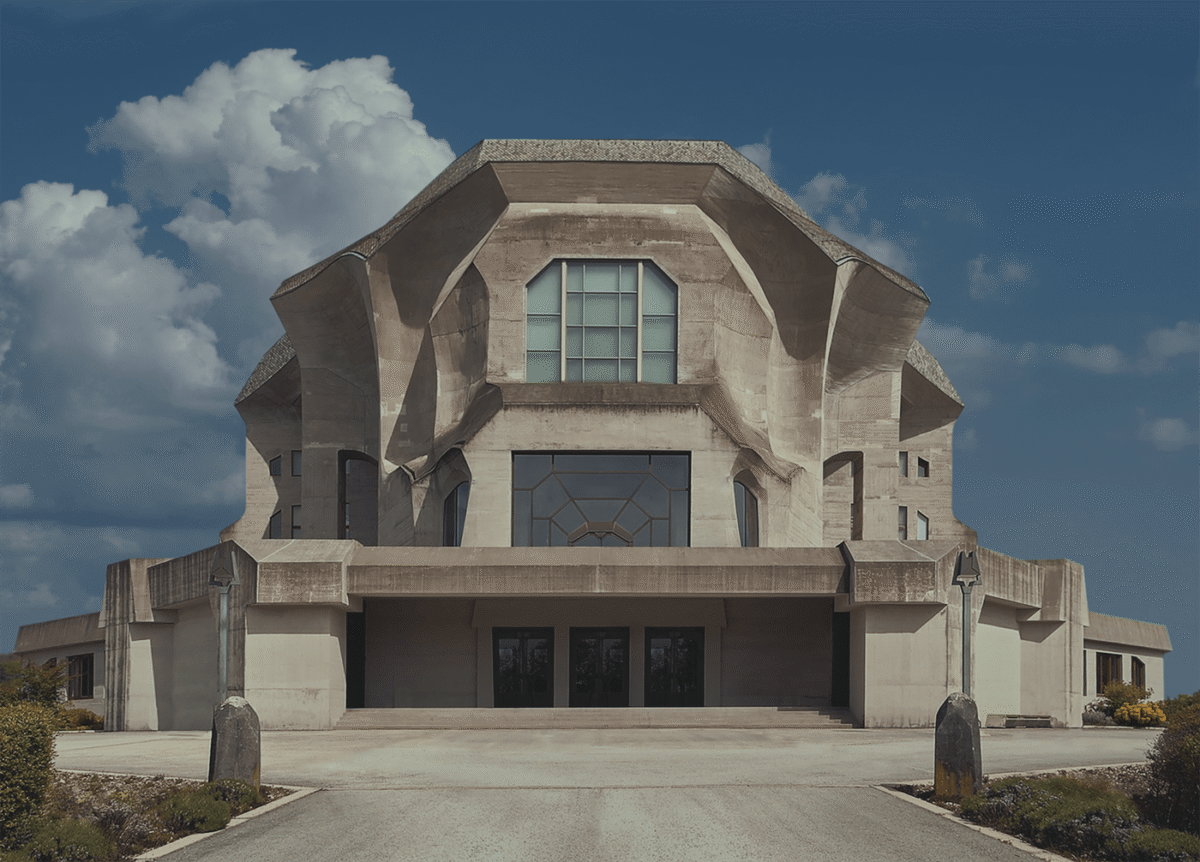
In the heart of Dornach, a small Swiss town near Basel, stands the Goetheanum, one of the most enigmatic architectural works of the 20th century. This imposing structure, with its organic forms and architecture that seems to defy conventional straight lines, is the world center of anthroposophy, a spiritual and philosophical movement founded by Austrian Rudolf Steiner in 1913.


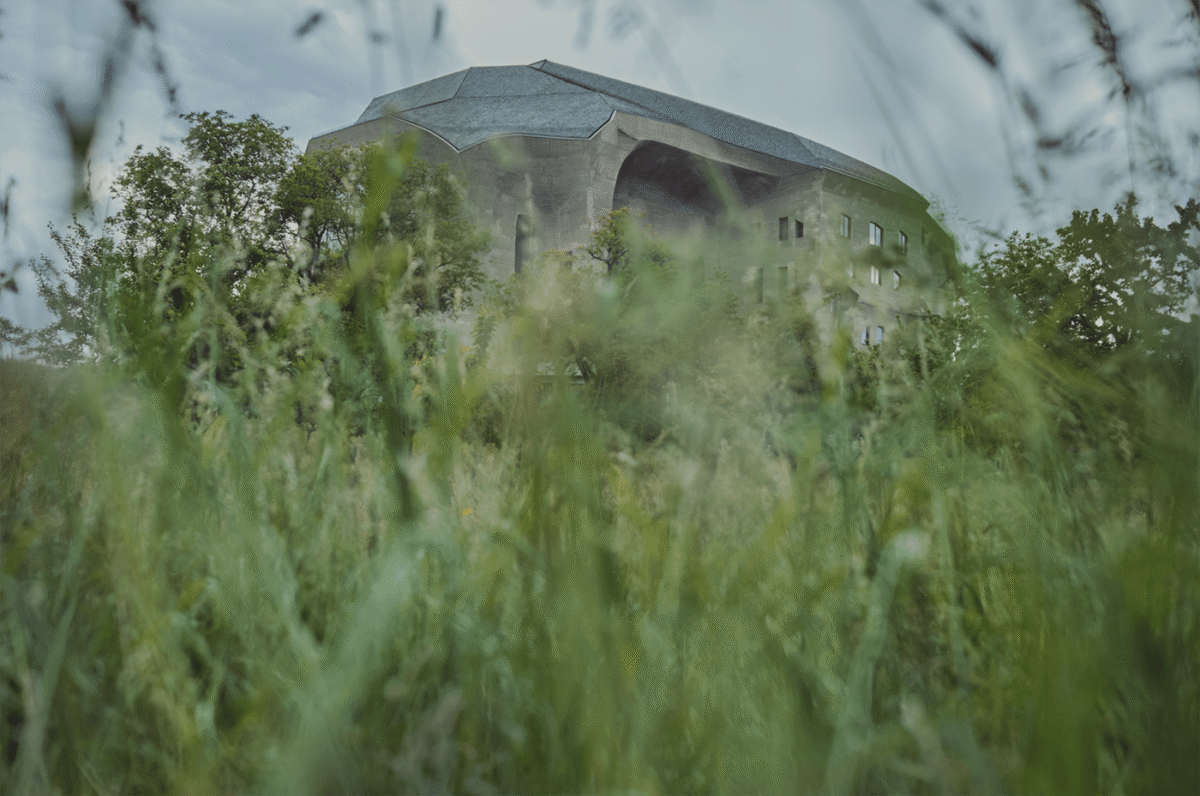


The building is not only the epicenter of the movement but also a meeting place for those seeking to explore the connection between art, science, spirituality, and human nature.
“Spirituality is the science that studies the connection between man and the universe.” Steiner
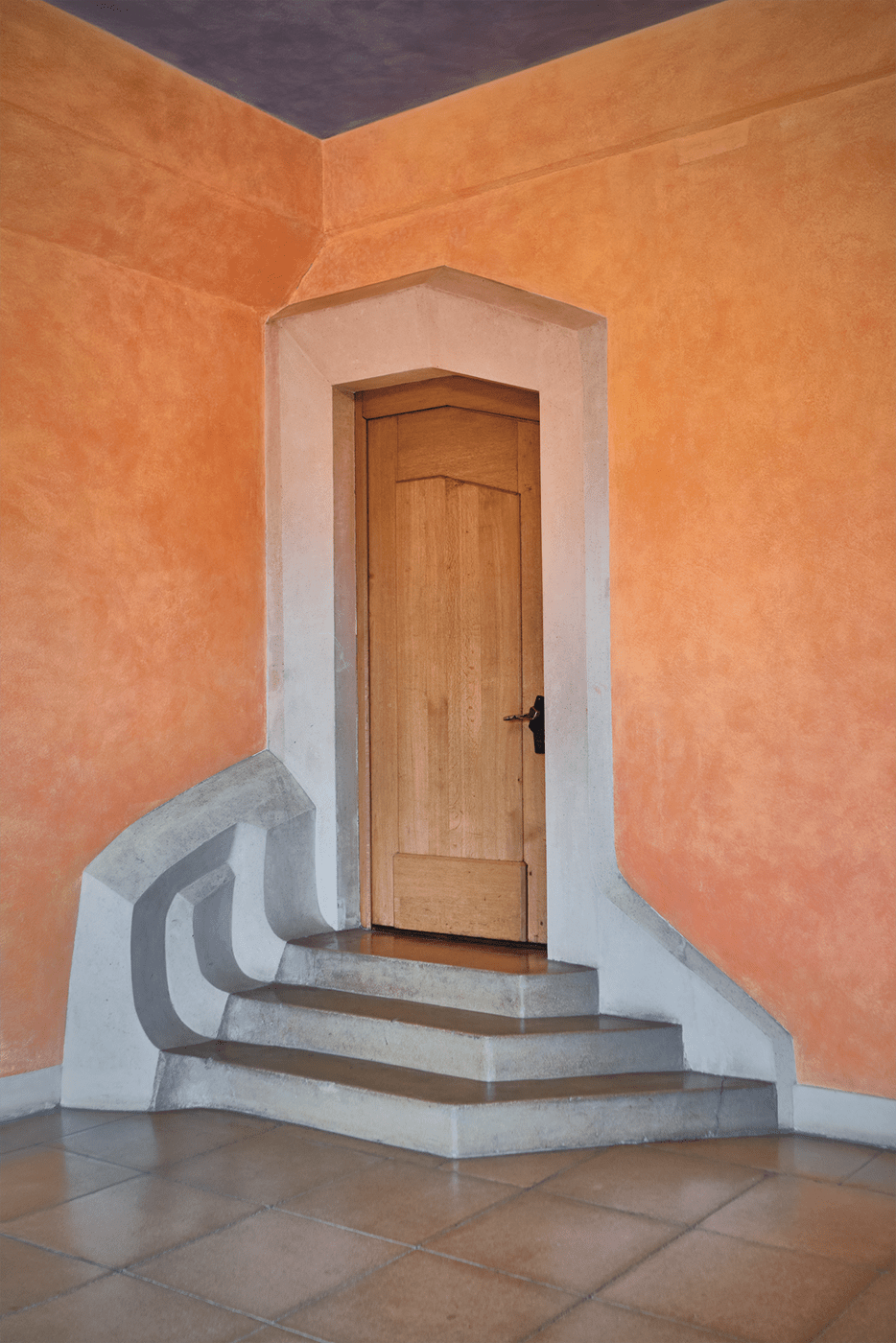
What makes the Goetheanum such a special place is not just its history, but also its meaning and purpose. Originally built in wood by Steiner and a group of anthroposophical craftsmen and architects, the first Goetheanum was destroyed by fire in 1922. Its second version, completed in 1928, was conceived in concrete, an unusual material for the time, but one that Steiner chose to express the fluidity of natural forms.
“Beauty is the nourishment of the soul.” Steiner
This building is considered a hallmark of spiritual brutalism, not only challenging the aesthetic conventions of its time but also transcending traditional categories of art and architecture. For Rudolf Steiner, it was the embodiment of a philosophical vision aimed at uniting the physical world with the spiritual. Instead of following the rigid principles of more well-known brutalism, he shaped the concrete as if it were clay, creating organic and fluid forms that evoke natural growth, from the roots to the skies.
The result is a building that, from a distance, appears as a monolithic sculpture, but upon closer inspection reveals almost ethereal details: windows that bloom like geometric flowers, twisting pillars, and vaulted ceilings that seem to float above the space.
The shape of the Goetheanum reflects Steiner’s anthroposophical ideals, where architecture is not only functional but also conveys a spiritual dimension. Every line and curve is designed to influence the perception and mood of those who visit, generating an aesthetic experience intended to transform the observer.
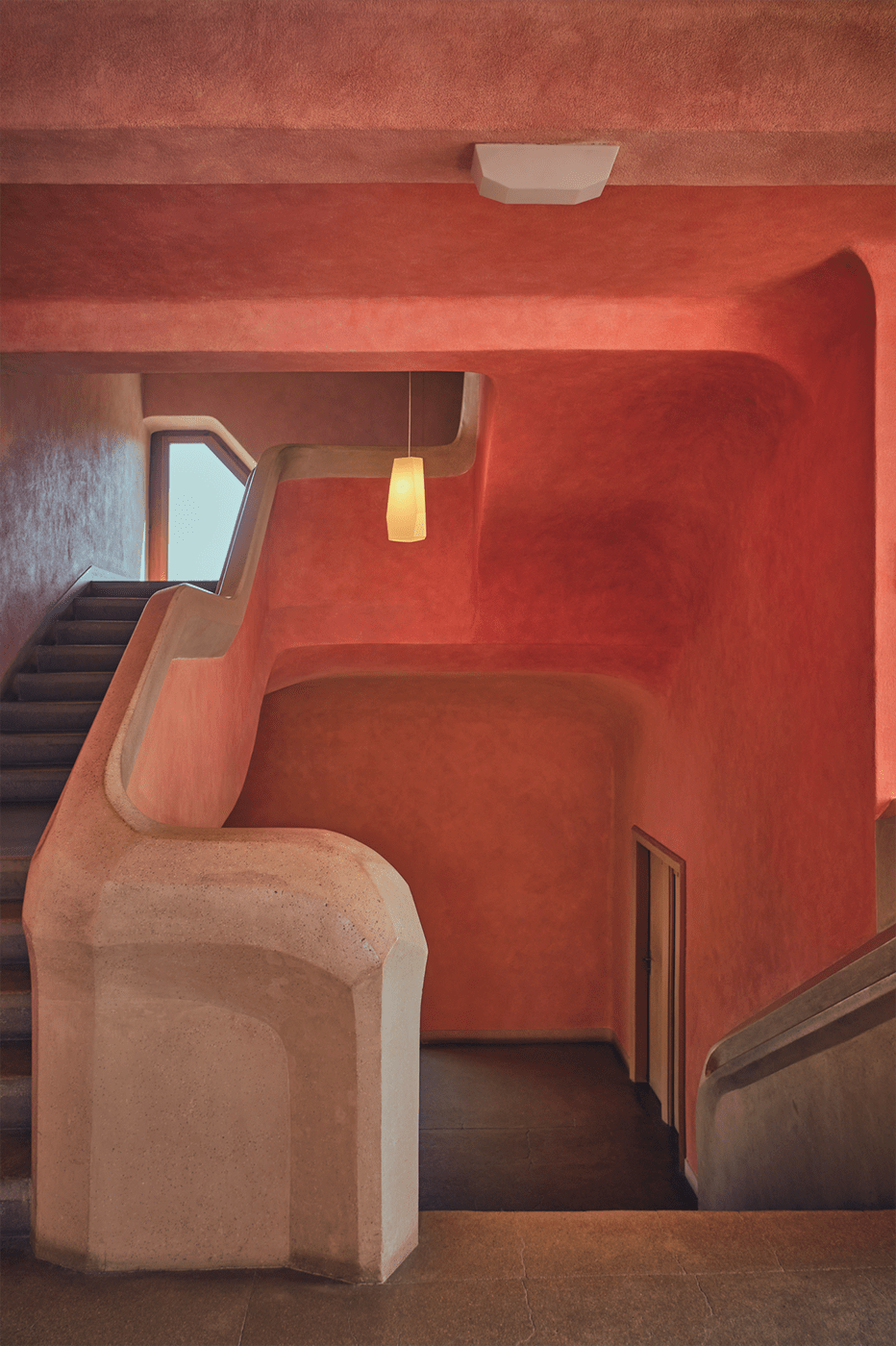
At a time when brutalism was synonymous with severity and functionality, Steiner found in concrete the possibility of expressing something deeper. His Goetheanum is not merely a testament to brutalist architecture, but a manifesto of what he called “social art”, where form must inspire and elevate the human spirit. Rather than imposing itself as a heavy and oppressive structure, the building feels light, almost as if it is expanding into the natural surroundings.
However, this radical vision has not been without its critics. For some, the Goetheanum’s aesthetic is hermetic, difficult to grasp without an understanding of anthroposophical principles. Its form escapes traditional architectural categories, and the expressive use of concrete can seem excessive or whimsical. But for others, this building embodies a lost ideal in architecture: one where constructions not only serve a function but also invite introspection and a dialogue between humanity and the cosmos.
As you will see when you visit, the Goetheanum is more than an architectural monument; it is a living center of cultural activity. It hosts conferences, seminars, theatrical performances, and concerts, and it is also the home of the School of Spiritual Science, founded by Steiner to deepen the understanding of the human being and their connection to the cosmos.

In this space, artists, scientists, doctors, educators, and farmers come together, all united by a common drive: to apply anthroposophy’s ideas to their respective fields.
“Strengthen your mind at any time and place.” Steiner

This place has witnessed the development of ideas that have had a tangible impact on society. Waldorf education, an educational method based on the anthroposophical view of child development, was born here, as well as anthroposophical medicine and biodynamic agriculture, which promotes a holistic relationship with the land.
“Education is the art of helping individuals to manifest their best.” Steiner

Although the Goetheanum remains a beacon for those who share Steiner’s ideals, it is not without controversy. Critics have pointed out that anthroposophy can be seen as an esoteric doctrine, difficult for the general public to access. However, its supporters argue that it offers a deeply humanistic perspective in an increasingly mechanized world disconnected from what is essential.
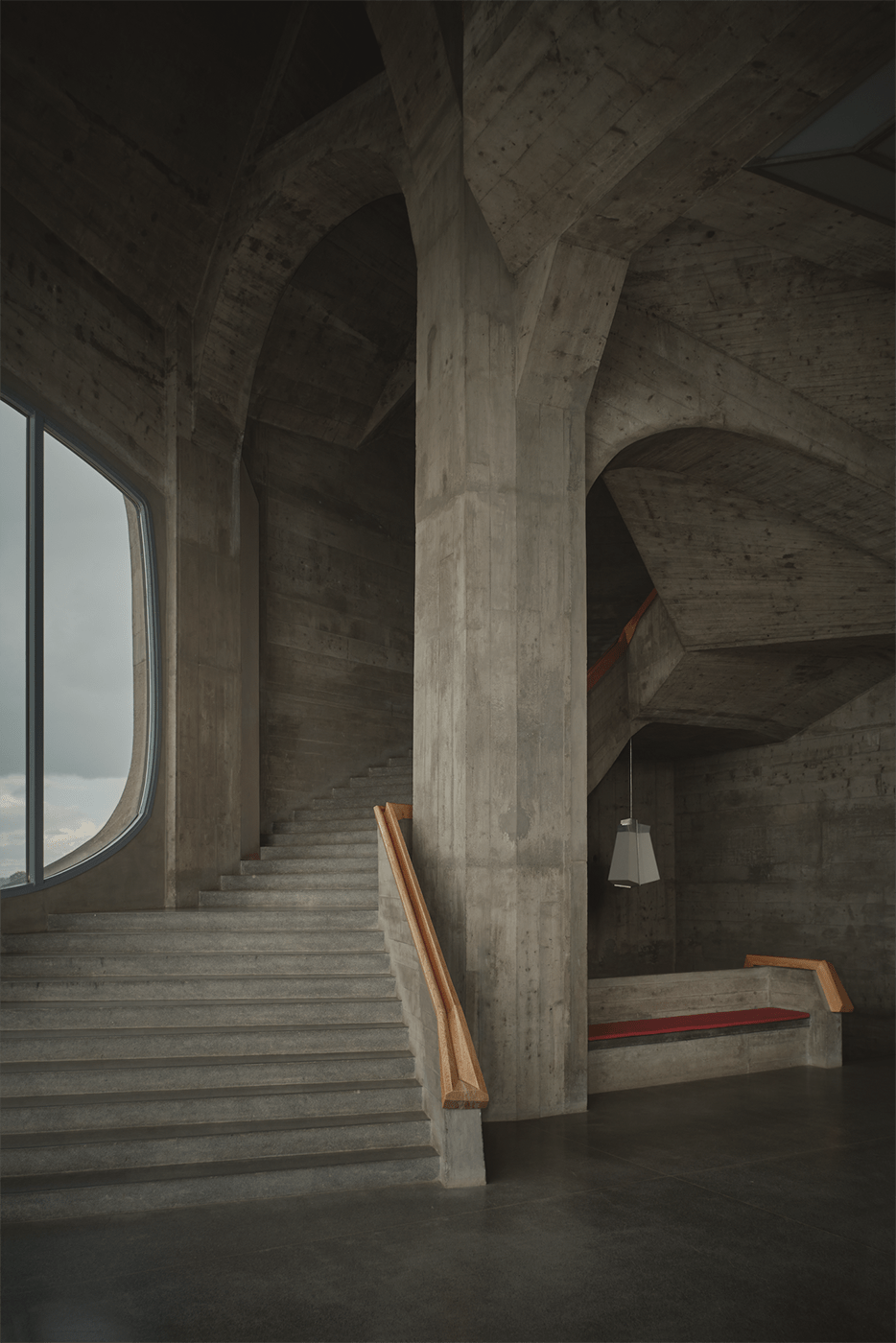
Today, the Goetheanum remains a point of reference for architects, artists, and thinkers who seek to explore the limits of form and space. It is the global center of anthroposophy but also a symbol of how architecture can be a bridge between the material and the immaterial. In its spiritual brutalism, the Goetheanum reminds us that even the hardest and coldest material, like concrete, can be transformed into something that inspires beauty, reflection, and transcendence.
“Happiness is found in the harmony between body, soul, and spirit.” Steiner
5 Facts About Rudolf Steiner
1. Founder of Anthroposophy: Steiner developed anthroposophy, a philosophical and spiritual movement that seeks to integrate science, art, and spirituality. His focus centers on the human being’s connection with the cosmos and the development of a more conscious and fulfilling life.
2. Creator of Waldorf Education: In 1919, he founded the first Waldorf school, introducing an educational method based on the child’s holistic development, emphasizing developmental stages, art, crafts, and the student’s autonomy.
3. Architect of the Goetheanum: Steiner designed the Goetheanum, whose second version, built in concrete, is an example of what’s known as “spiritual brutalism”, aiming to blend architecture with a spiritual experience.
4. Pioneer of Biodynamic Agriculture: He also created biodynamic agriculture, a holistic approach to farming that uses spiritual and astrological principles to cultivate the land sustainably, respecting natural cycles.
5. Influence on Anthroposophic Medicine: Together with collaborating doctors, Steiner promoted anthroposophic medicine, which integrates conventional medical knowledge with a spiritual view of the human being, encouraging therapies that balance body, mind, and spirit.
(*) Photographs: Ely Sánchez (CC/magazine).