Wolfgang Tillmans at the Centre Pompidou
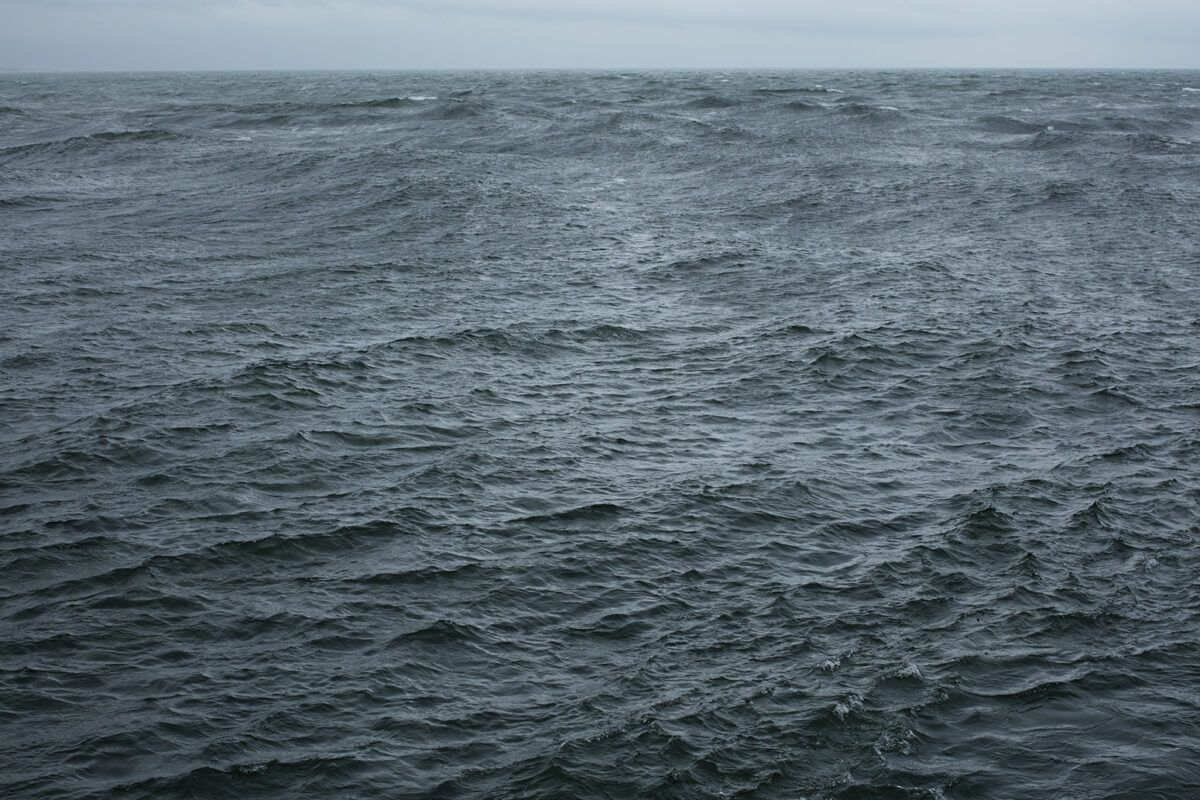
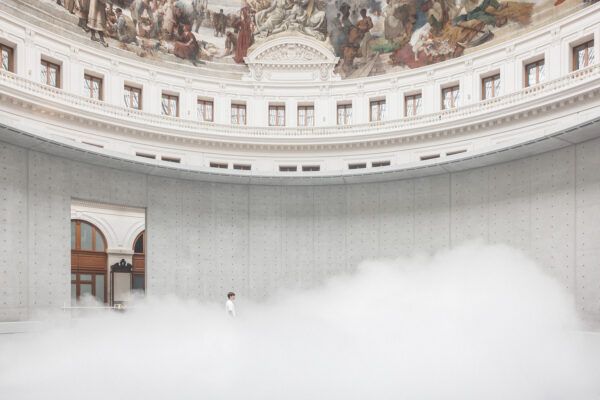
German artist Wolfgang Tillmans transforms Level 2 of the Public Information Library (Bpi) at the Centre Pompidou in Paris into an unprecedented visual and sensory experience. Titled “Nothing could have prepared us – Everything could have prepared us”, this exhibition not only spans nearly four decades of his photographic work, but also reimagines the exhibition space itself as an artistic gesture. And it does so just before the iconic building—designed by Renzo Piano and Richard Rogers—undergoes its major renovation.
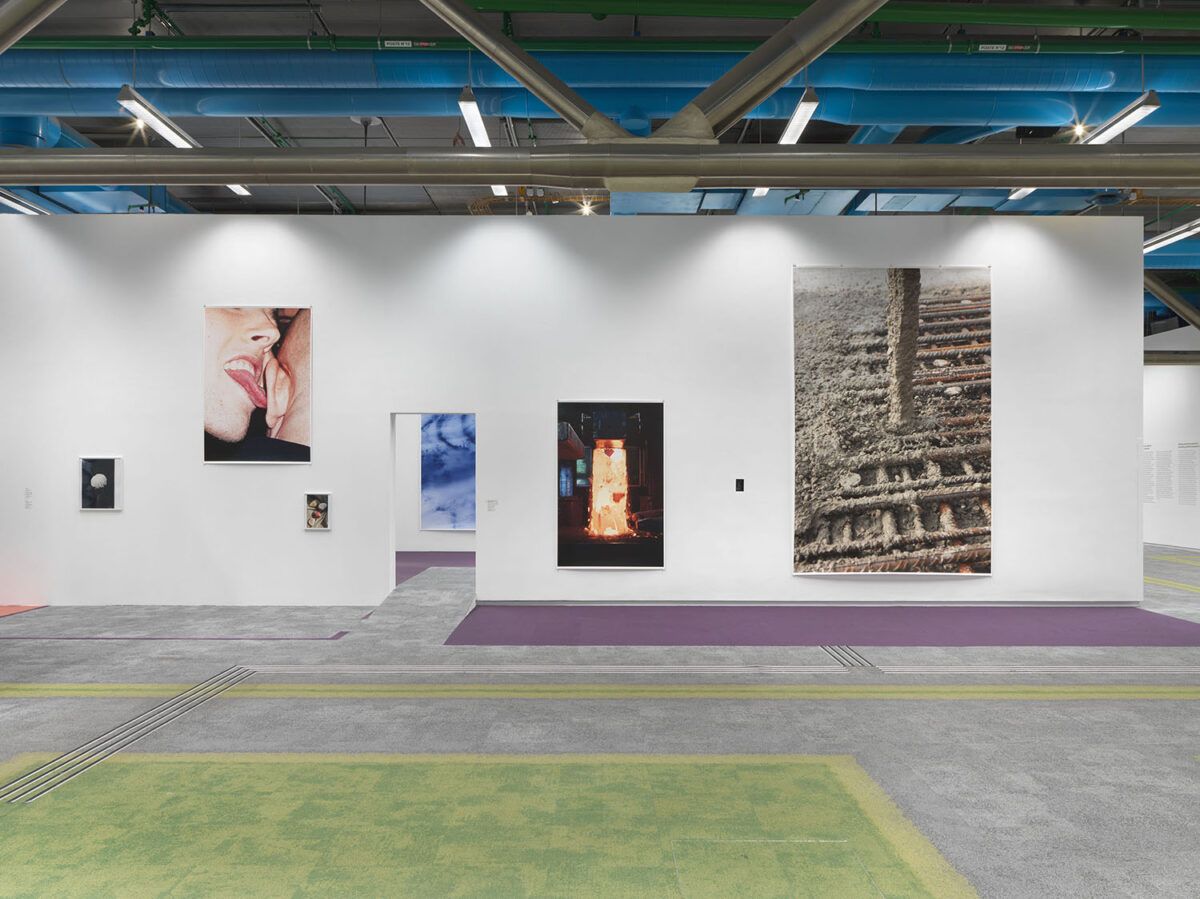

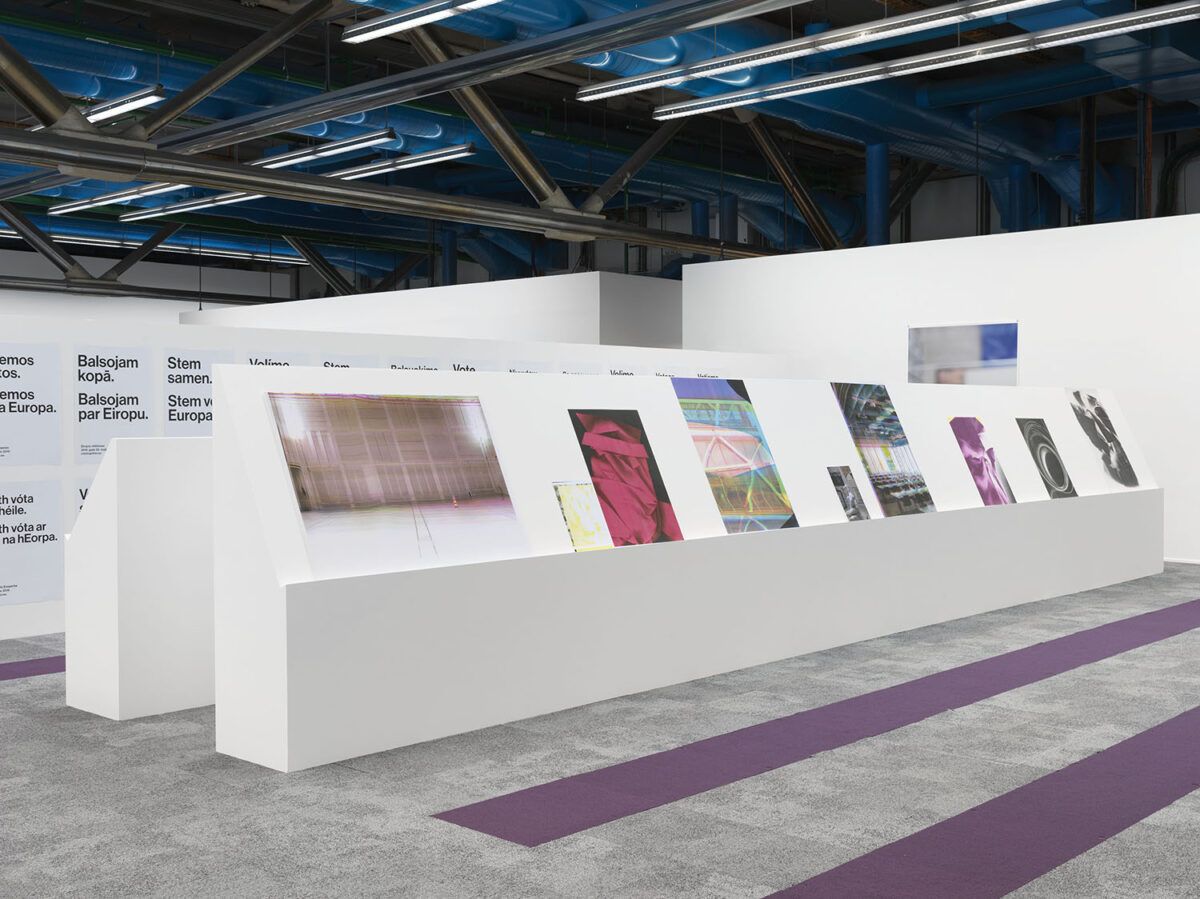
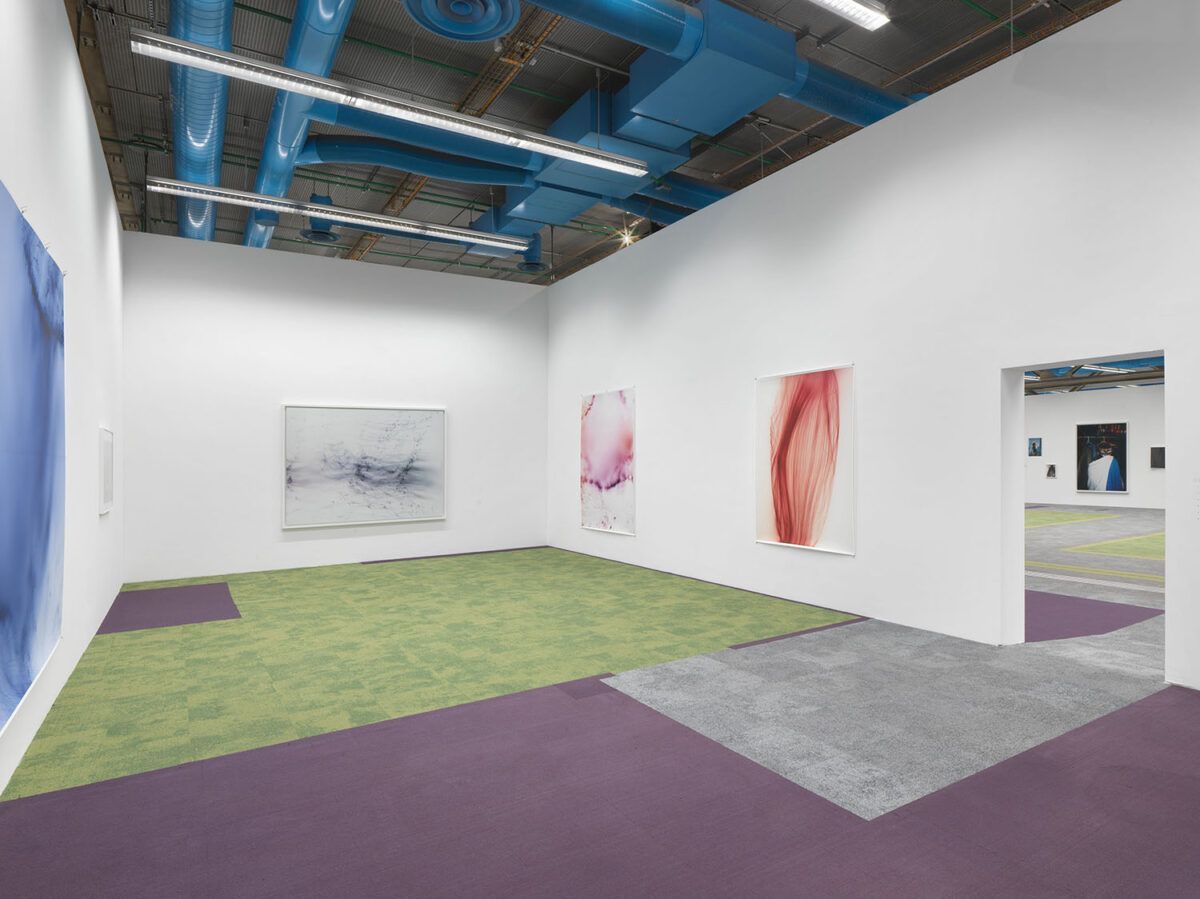

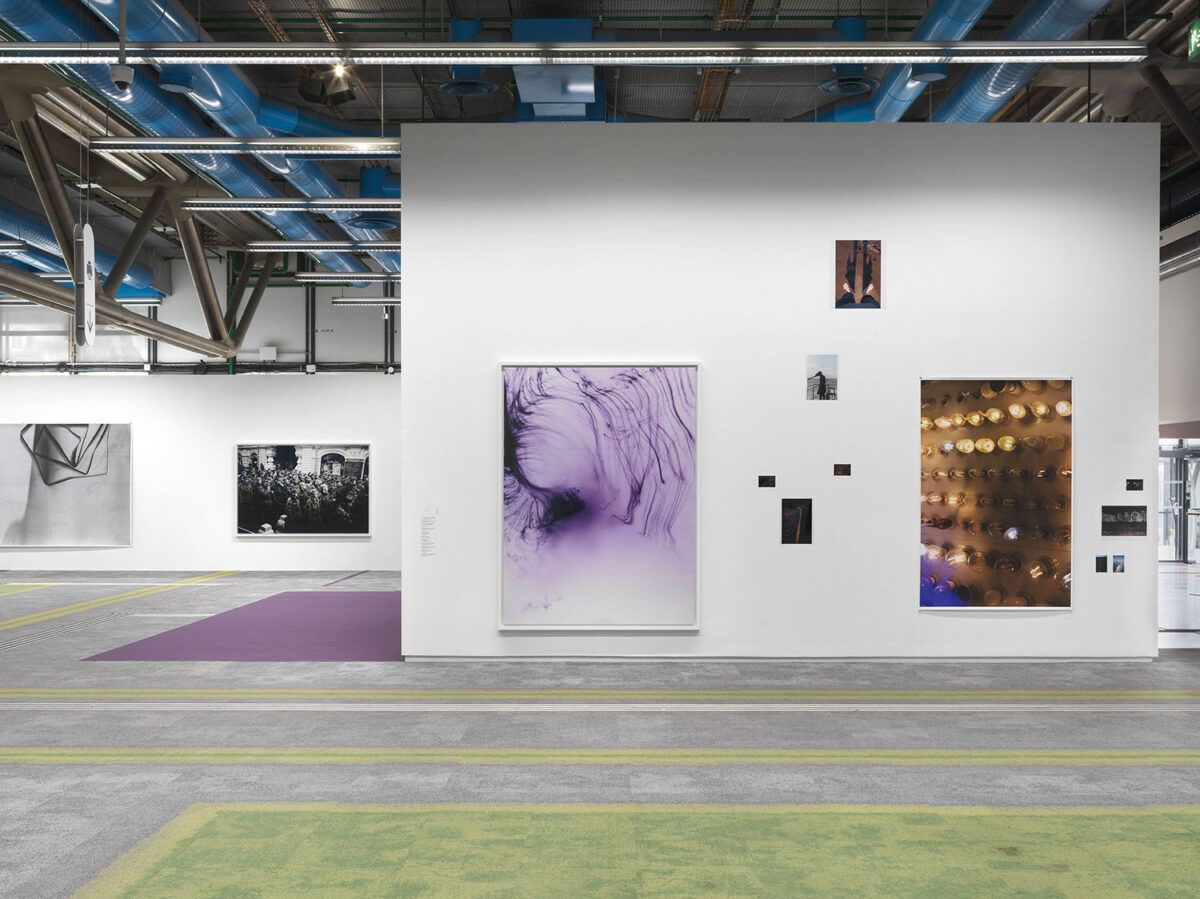
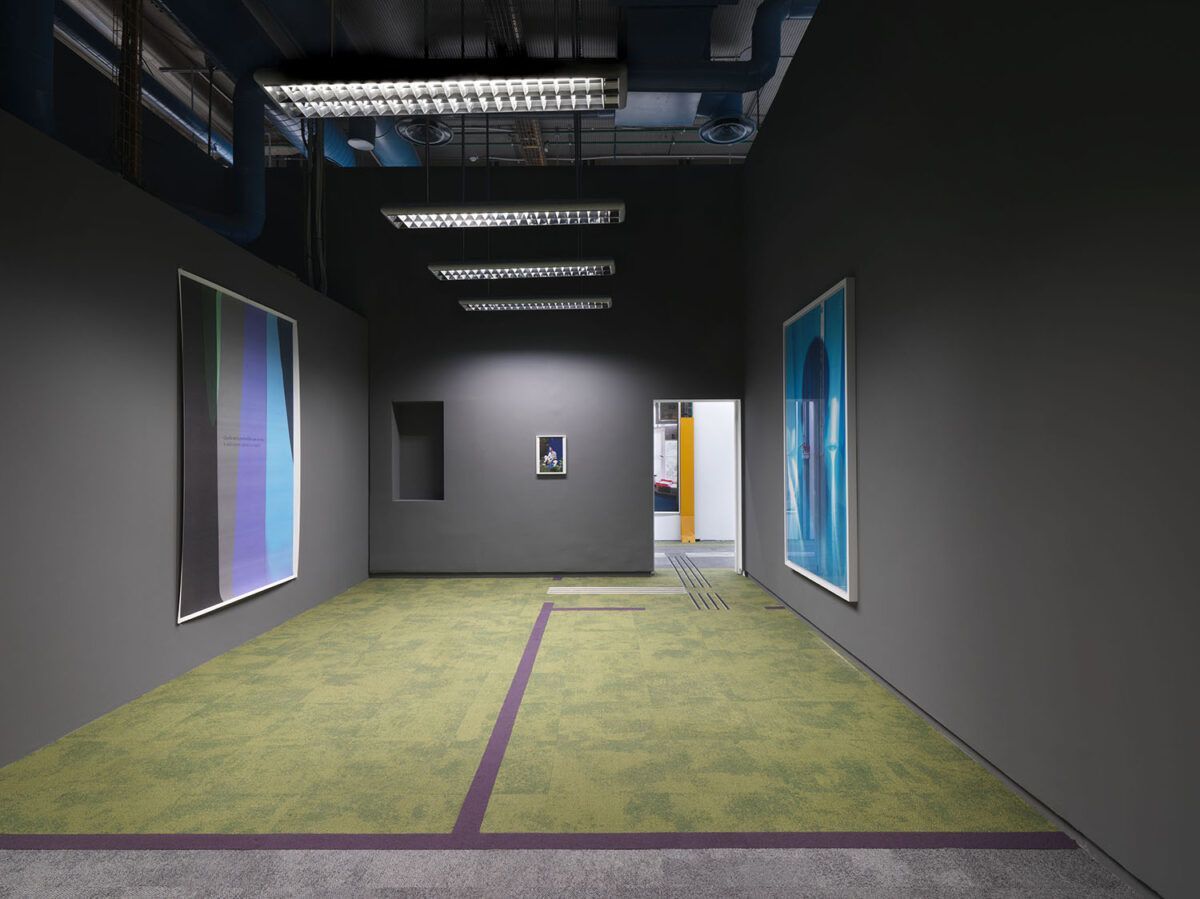
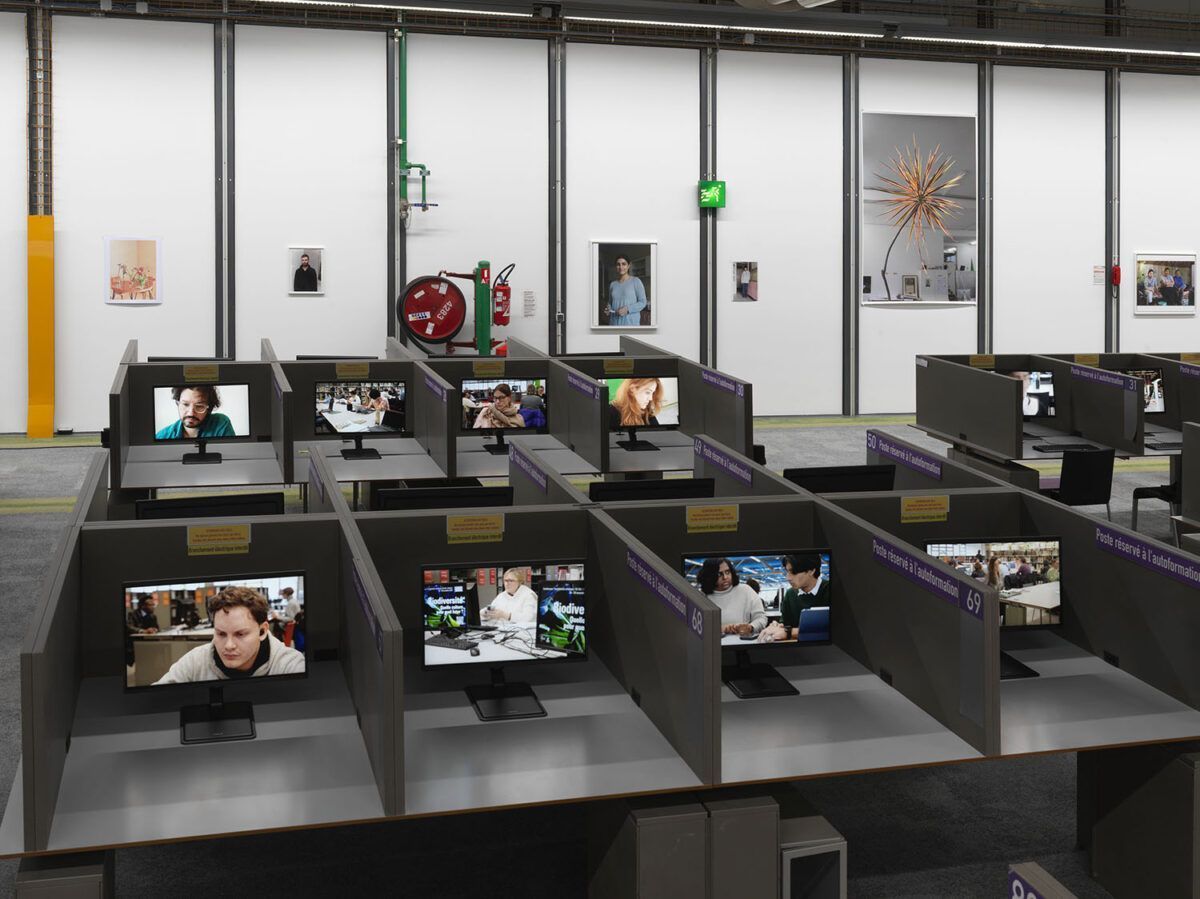
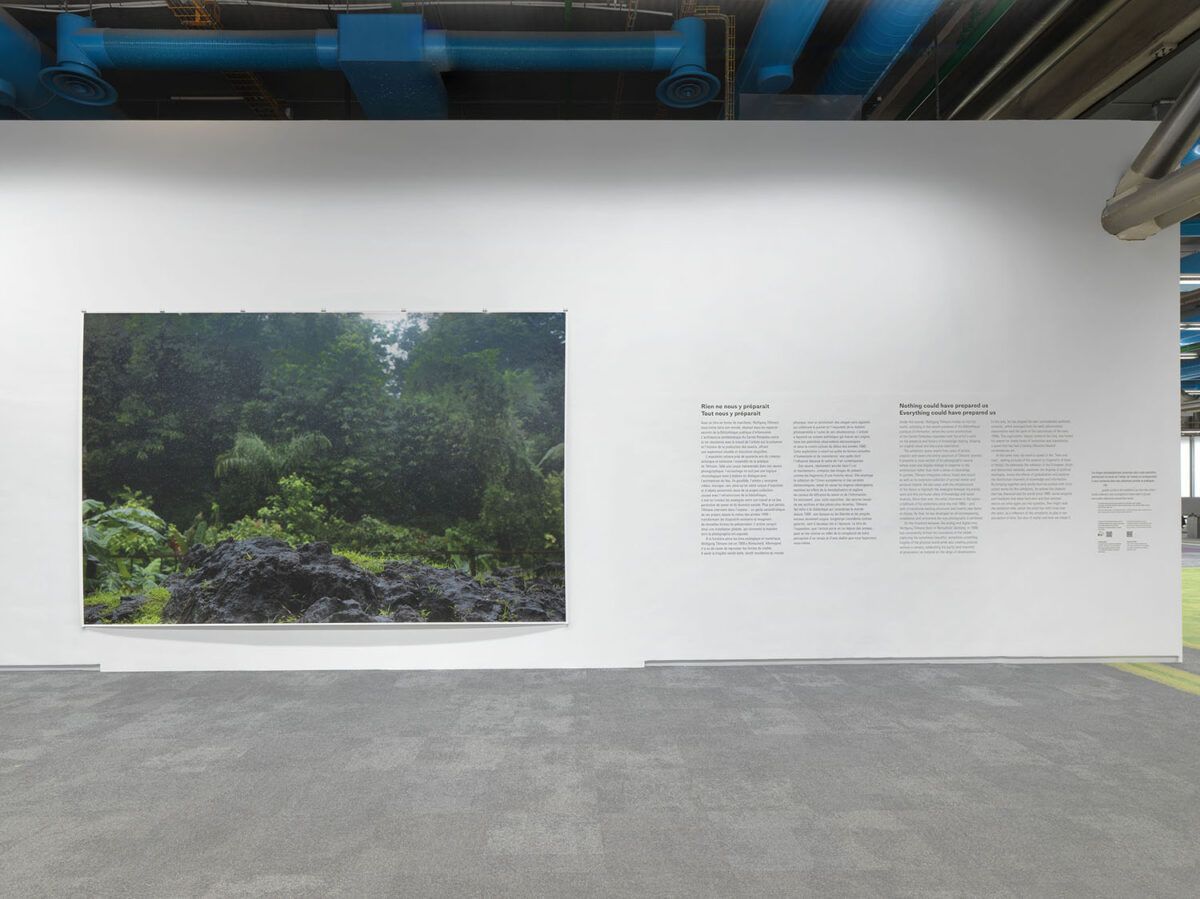

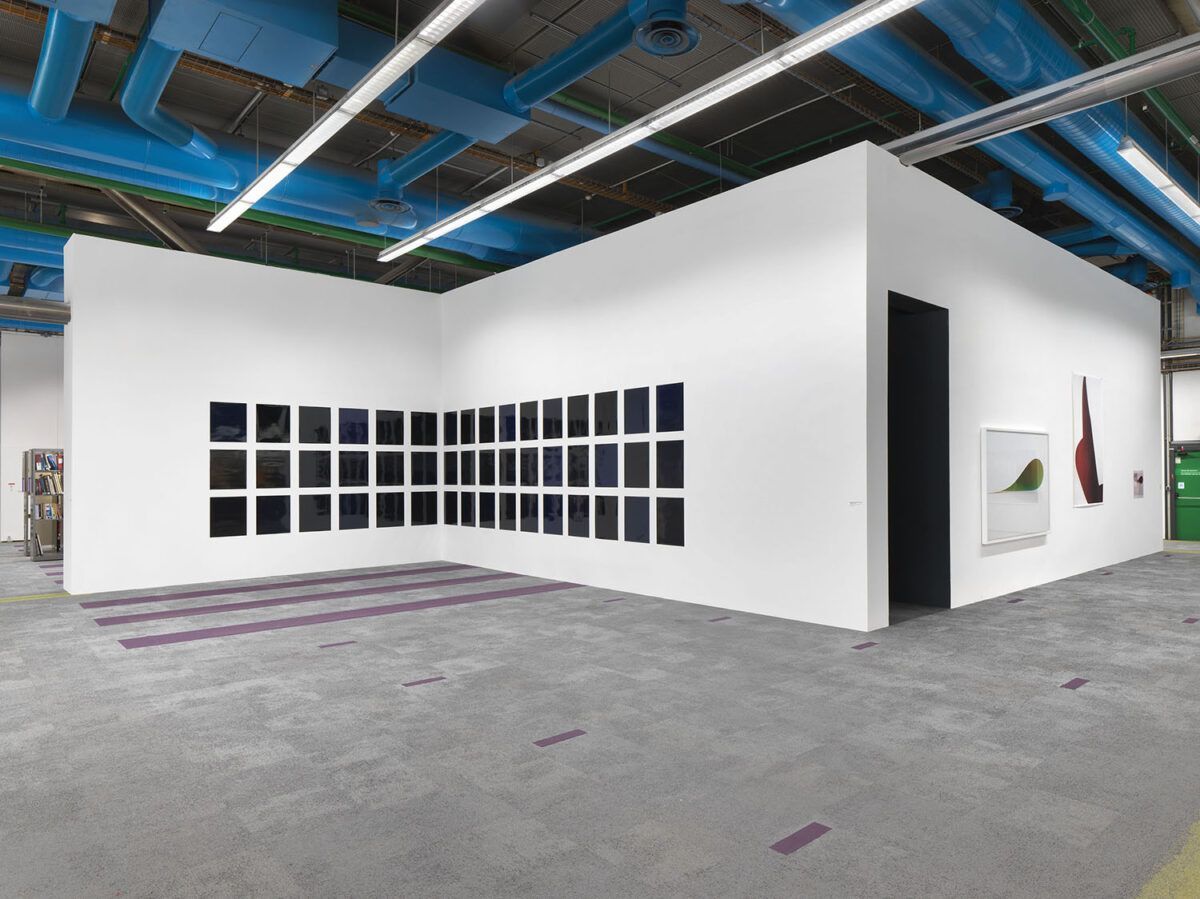
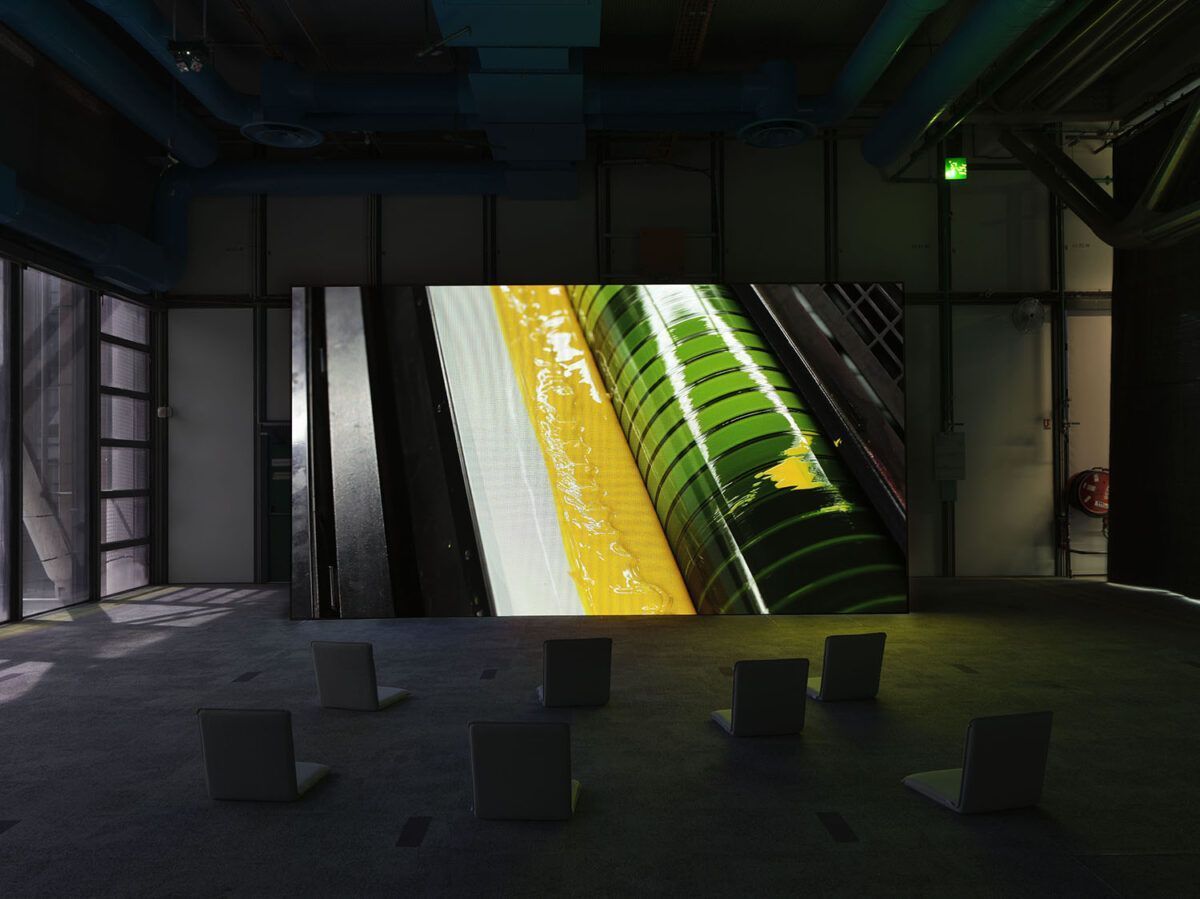
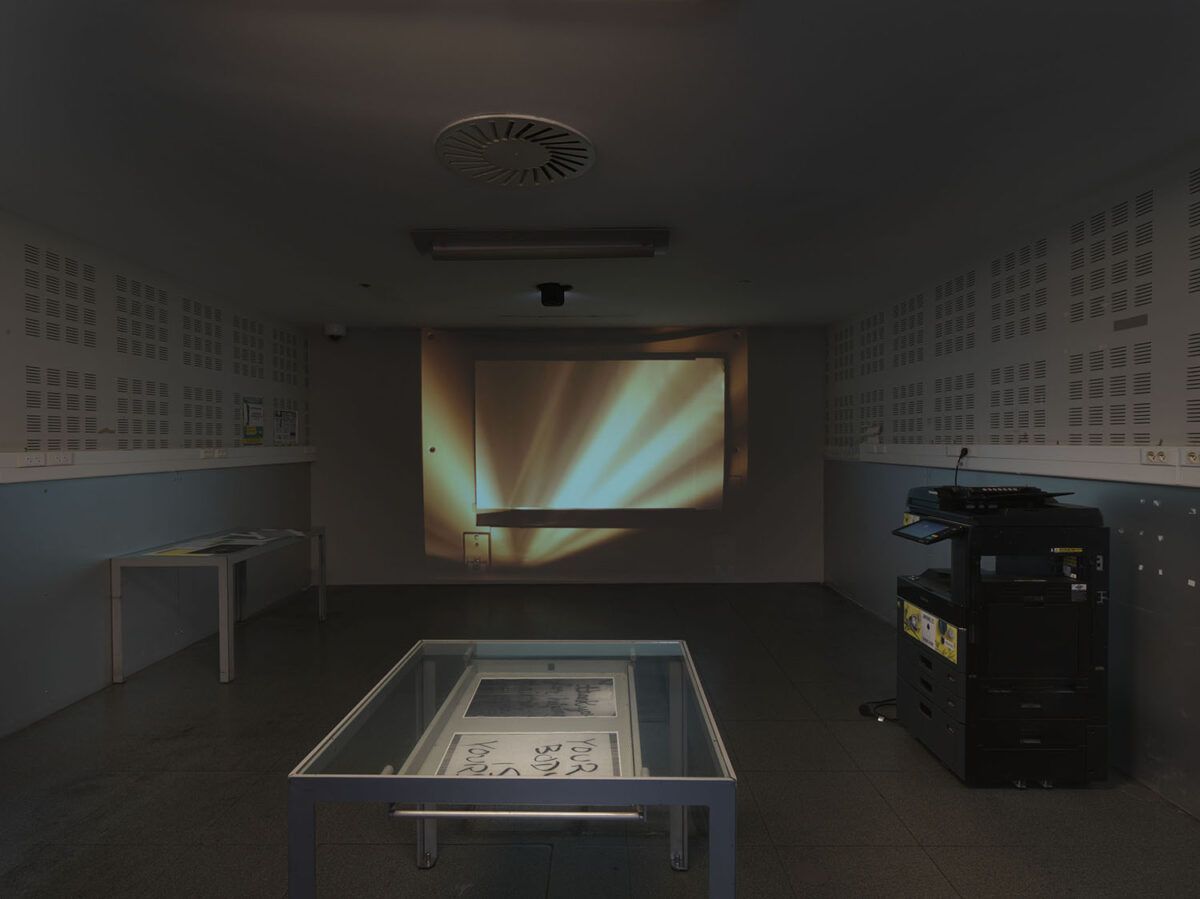
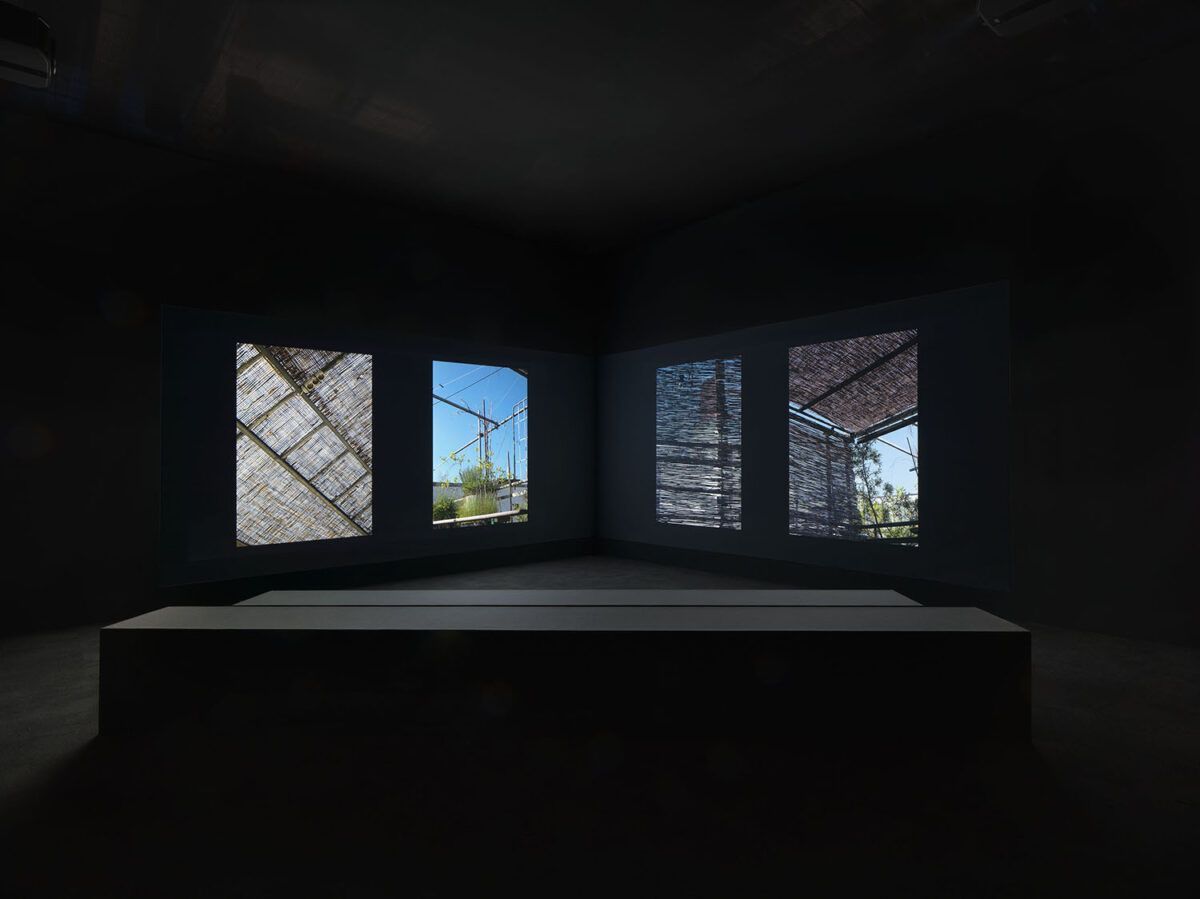
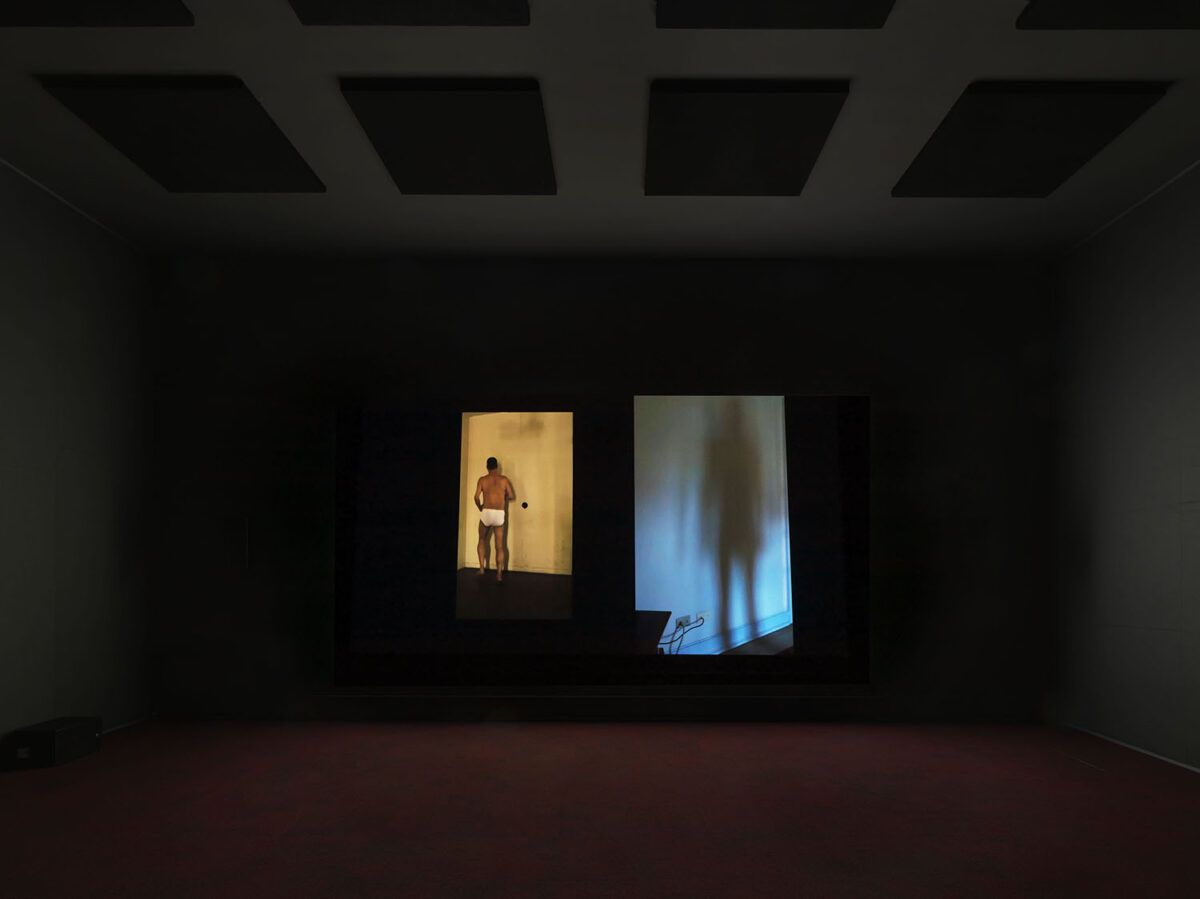

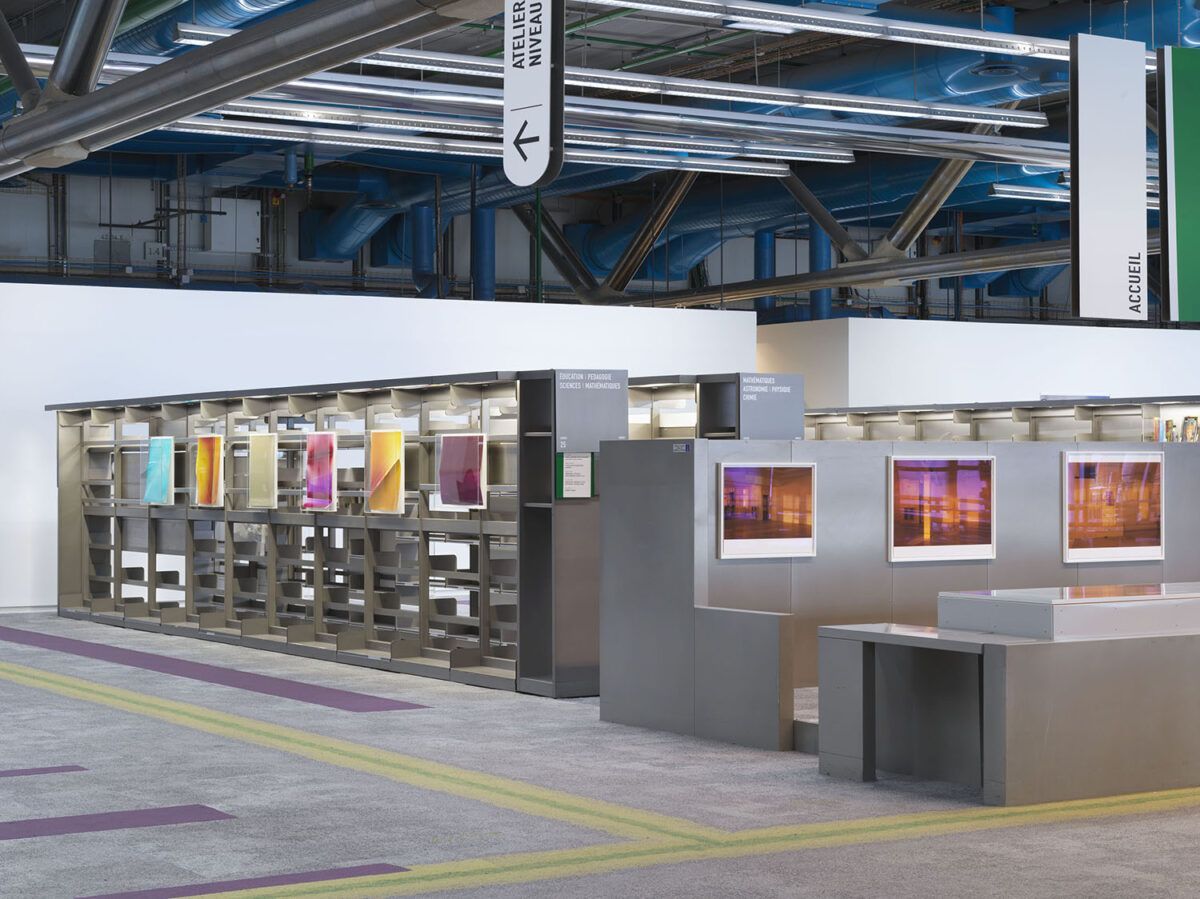
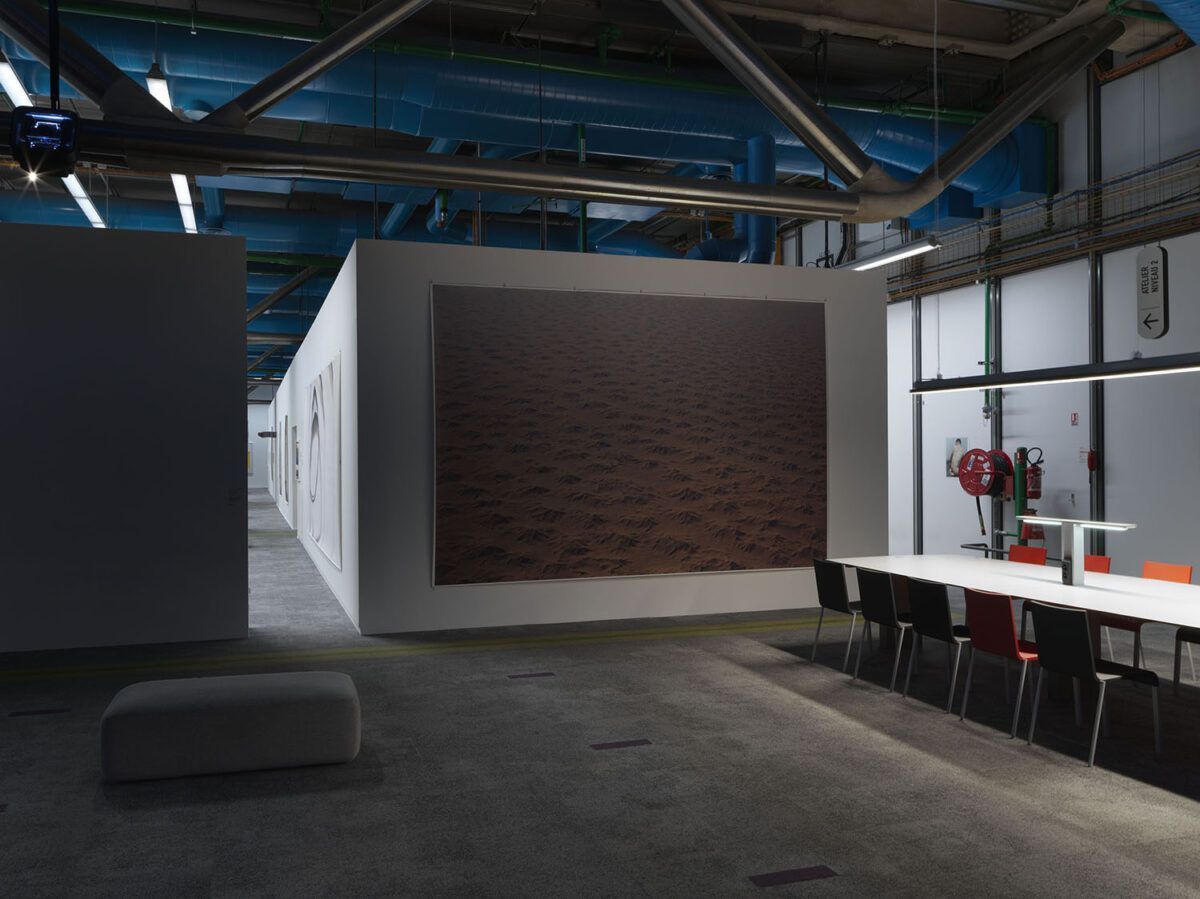
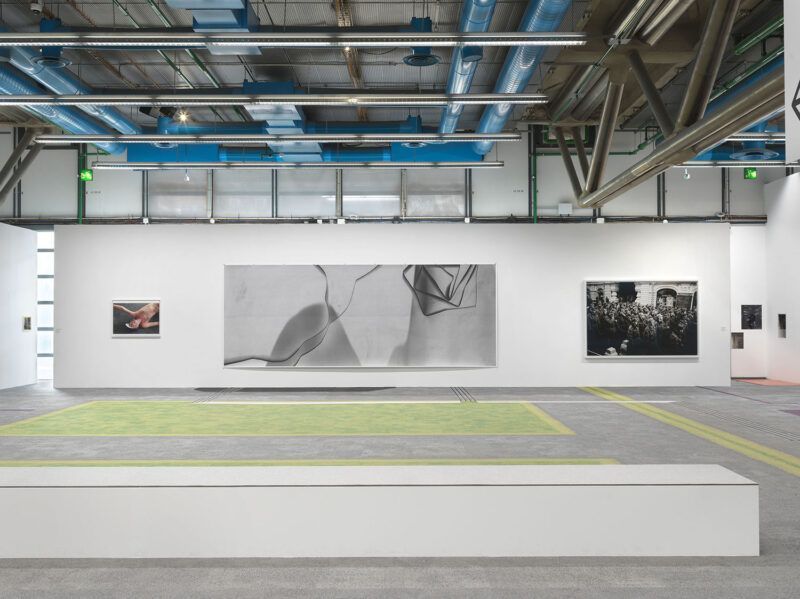
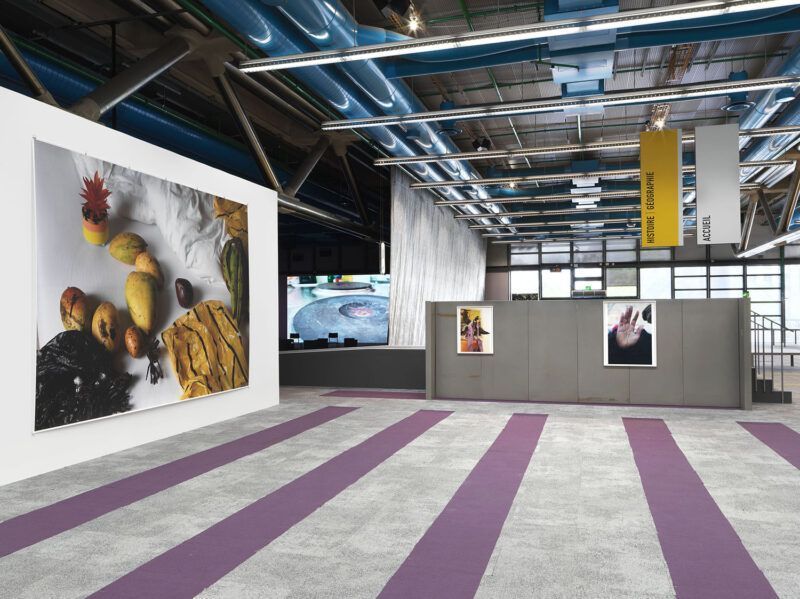
The show, with free entry on selected days thanks to the support of CELINE (via the Accès Libre par CELINE initiative), presents a radical and dynamic retrospective that blurs the boundaries between art, architecture, music, literature and collective experience.
An artist redefining contemporary photography
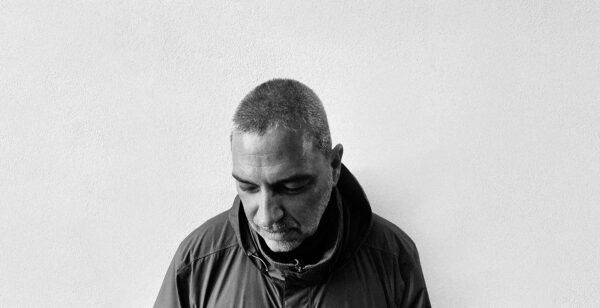
Wolfgang Tillmans (Remscheid, Germany, 1968) is much more than a photographer. Throughout his career, he has expanded the limits of visual language, turning it into a tool for observation, reflection, and activism. Deeply connected to the present, his work questions the workings of the media, social structures, identities, and contemporary ways of life.
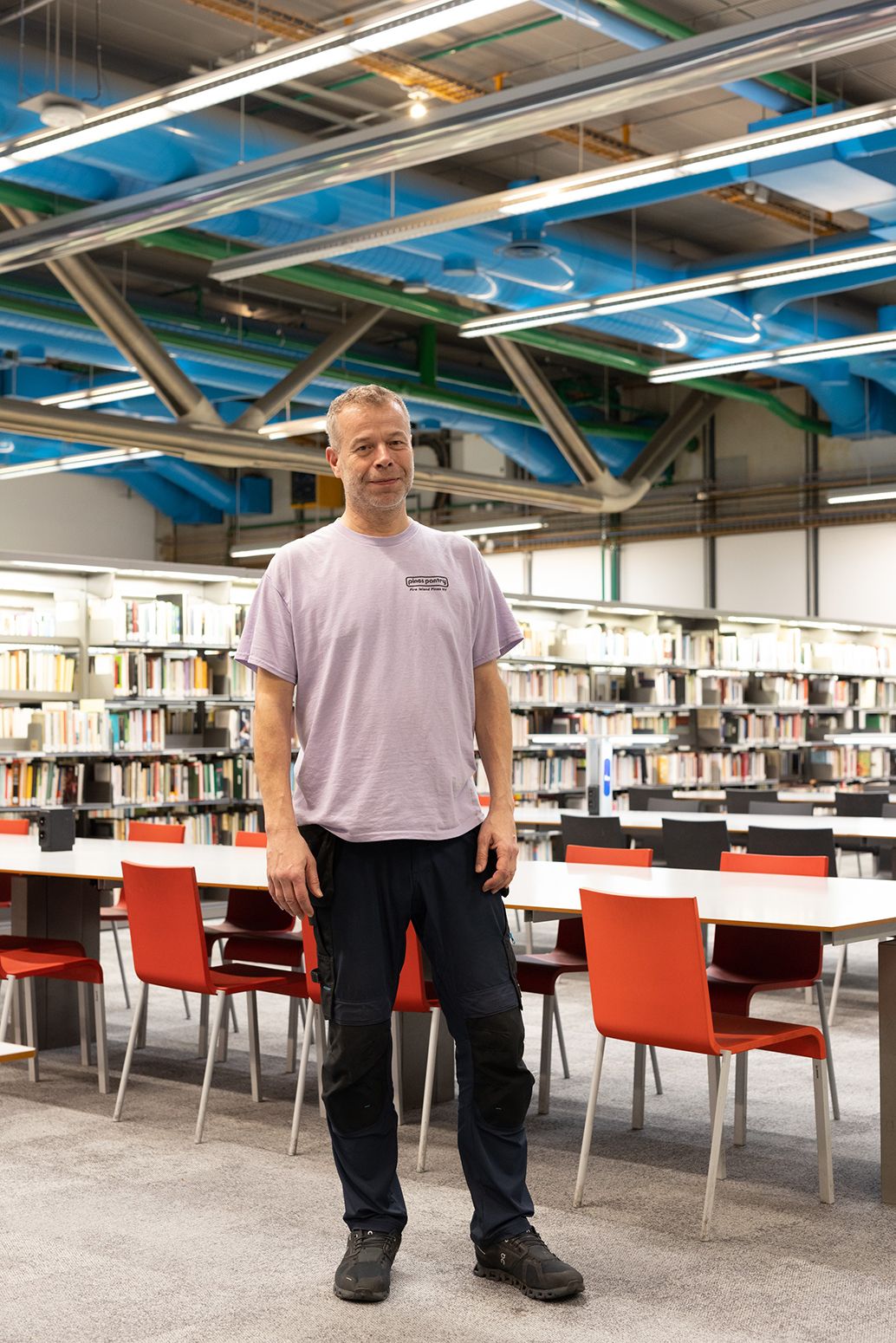
Internationally acclaimed, Tillmans has exhibited at leading institutions such as Tate Modern (London, 2017), MoMA (New York, 2022), and on the African tour Fragile (2018–2022). However, this exhibition at the Centre Pompidou marks a turning point: it is his first institutional solo show in Paris since his landmark installation at Palais de Tokyo in 2002.
A site-specific installation in dialogue with its space
More than an exhibition, “Nothing could have prepared us – Everything could have prepared us” is a full-scale artistic intervention. Tillmans designed the entire show himself, adapting his works to the library space with complete formal and conceptual freedom.
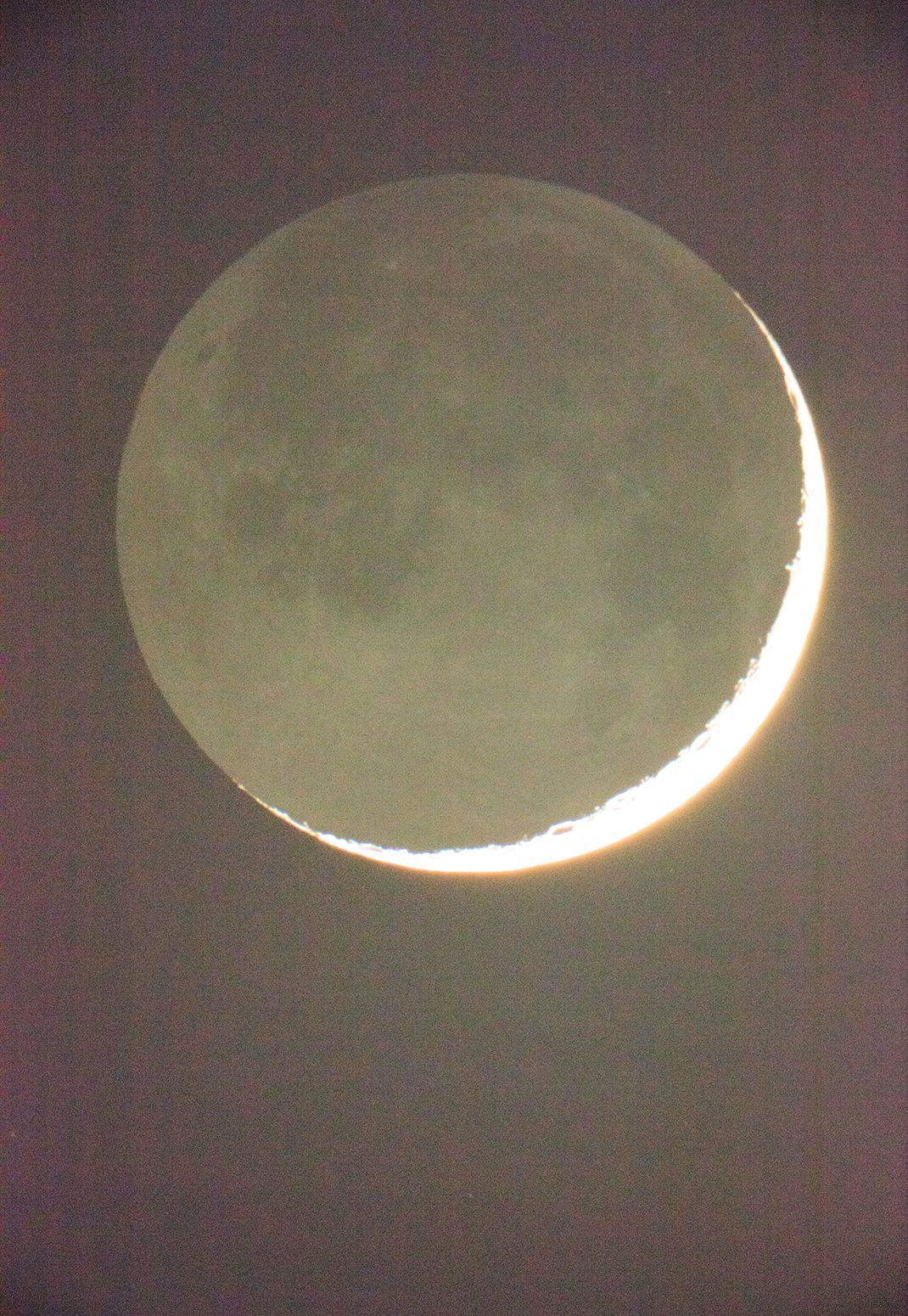
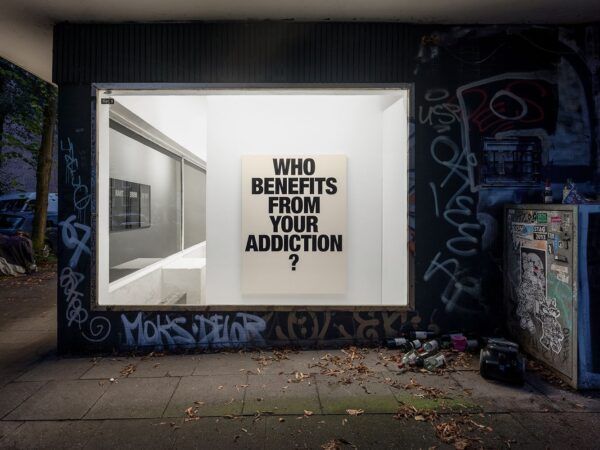
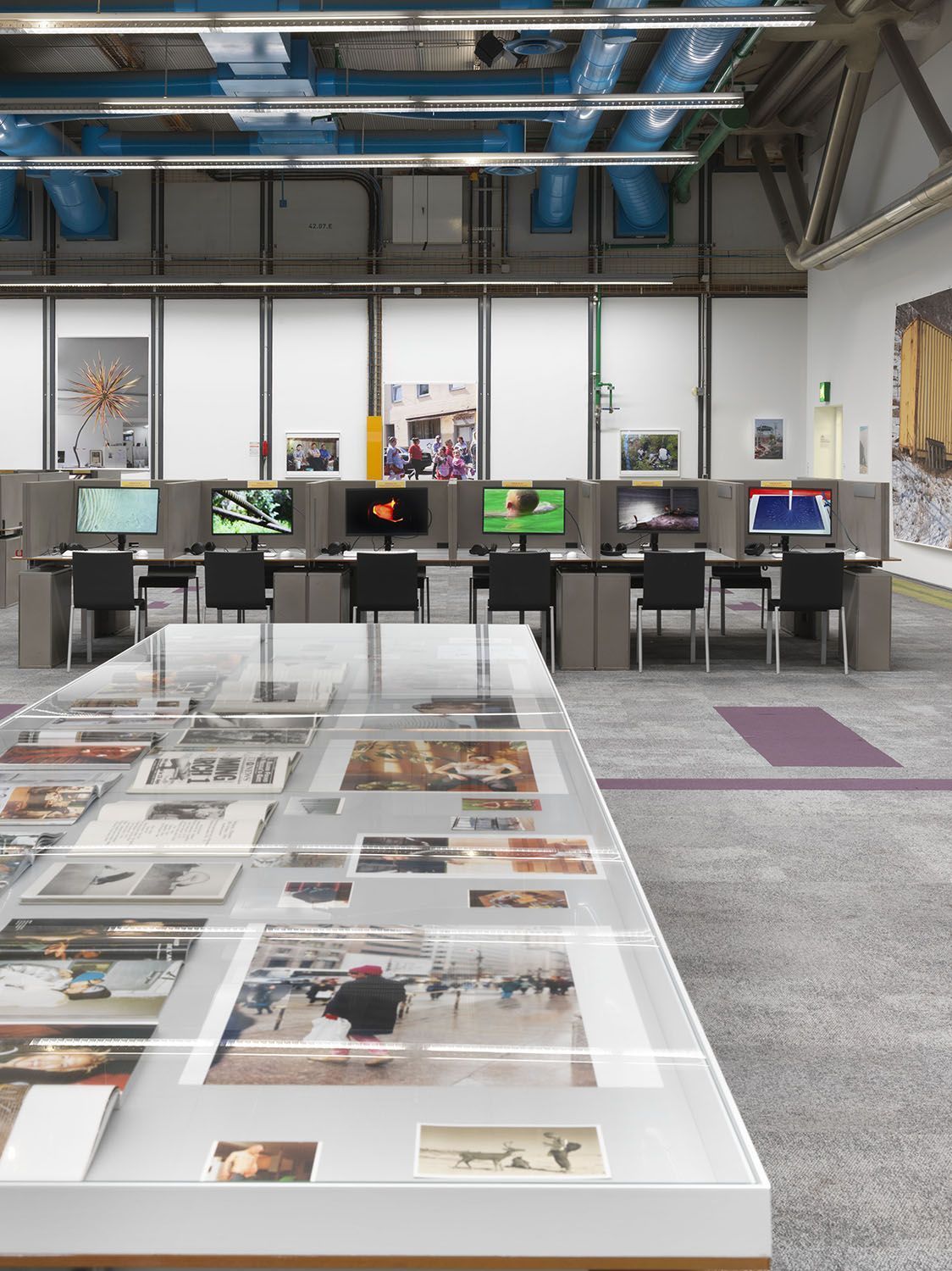
Across 6,000 m² of the Bpi, images are not arranged chronologically or thematically. Instead, the artist creates a hybrid visual landscape that uses the verticality of the walls, the horizontality of tables, and the natural circulation of a library to provoke unexpected encounters between artwork and viewer.
“Tillmans questions the workings of the media, identities, social structures and contemporary ways of life.”
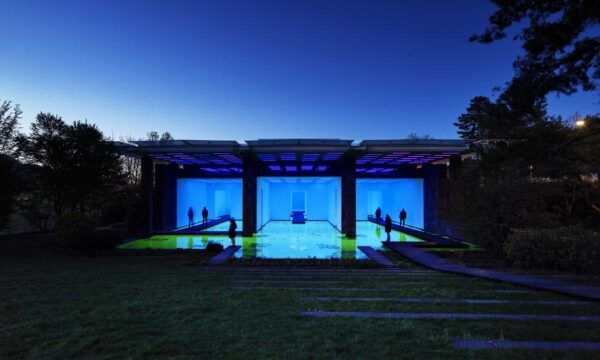
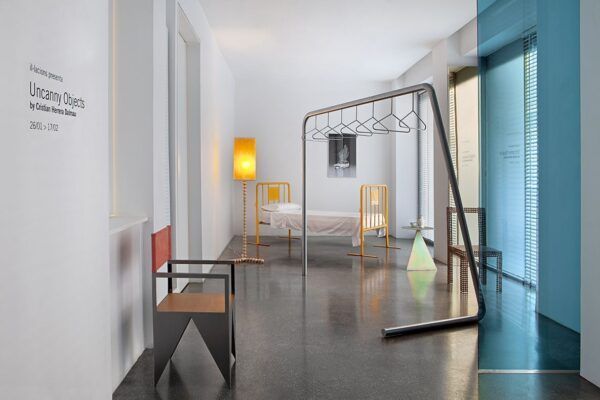
The show includes not only photography, but also video, sound, music, and text—in a staging that erases disciplinary boundaries and draws on the architecture of the space to champion knowledge as a sensory experience.
Between the intimate and the political: the archive as living territory
The exhibition spans nearly 40 years of artistic creation, from Tillmans’ early days in the 1990s—shaped by queer youth and counterculture aesthetics—to his most recent productions.
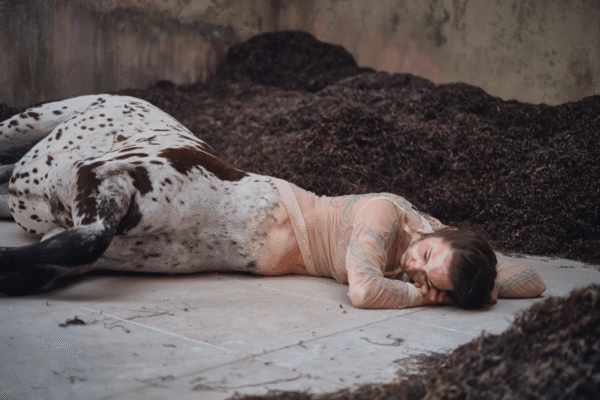
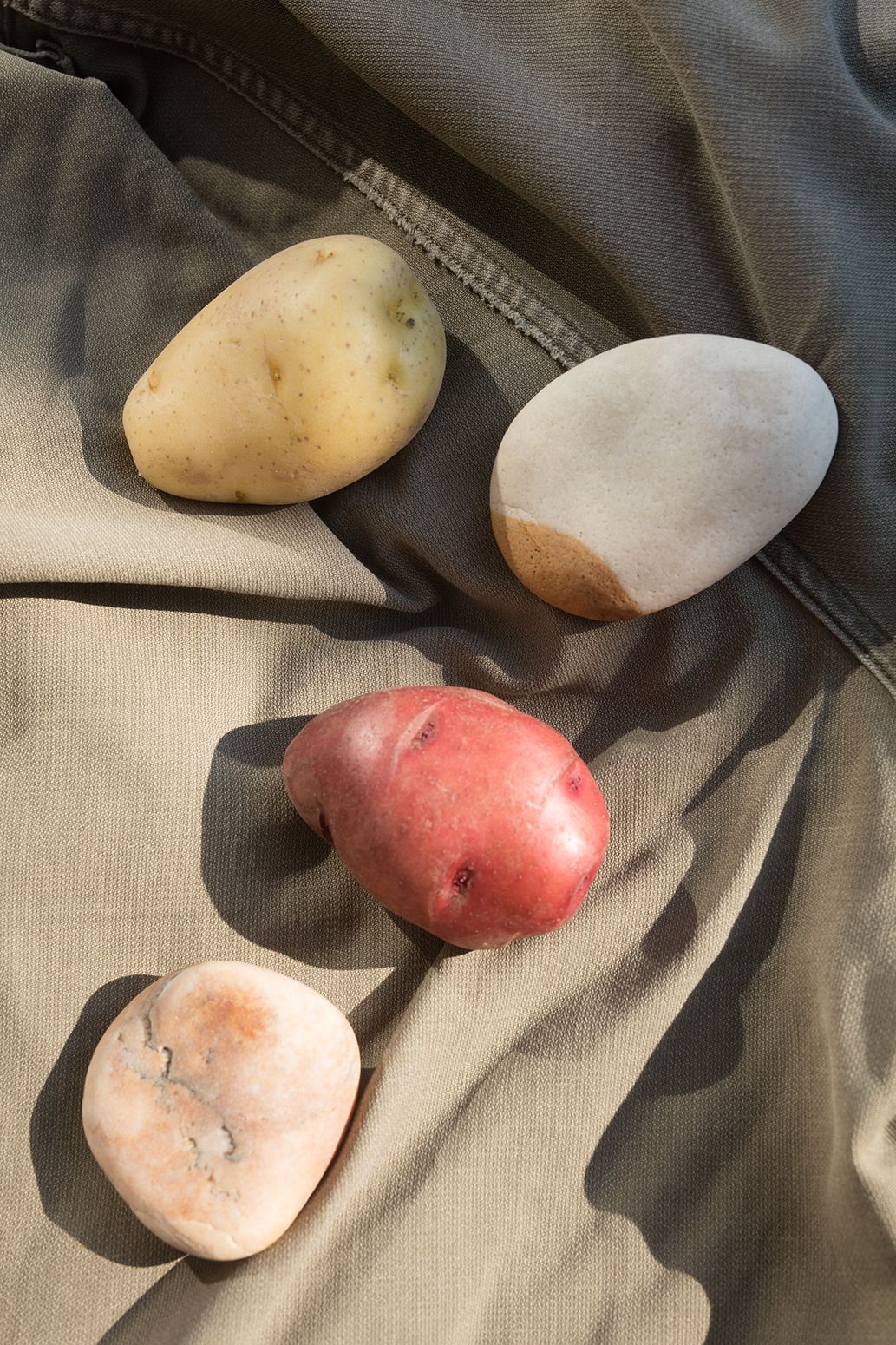
As you’ll see, large-scale photographs coexist with homemade prints, unframed sheets, posters, cut-outs, found objects and archival material.
“Photography, for me, is as much about what is invisible as it is about what is visible.” W. Tillmans
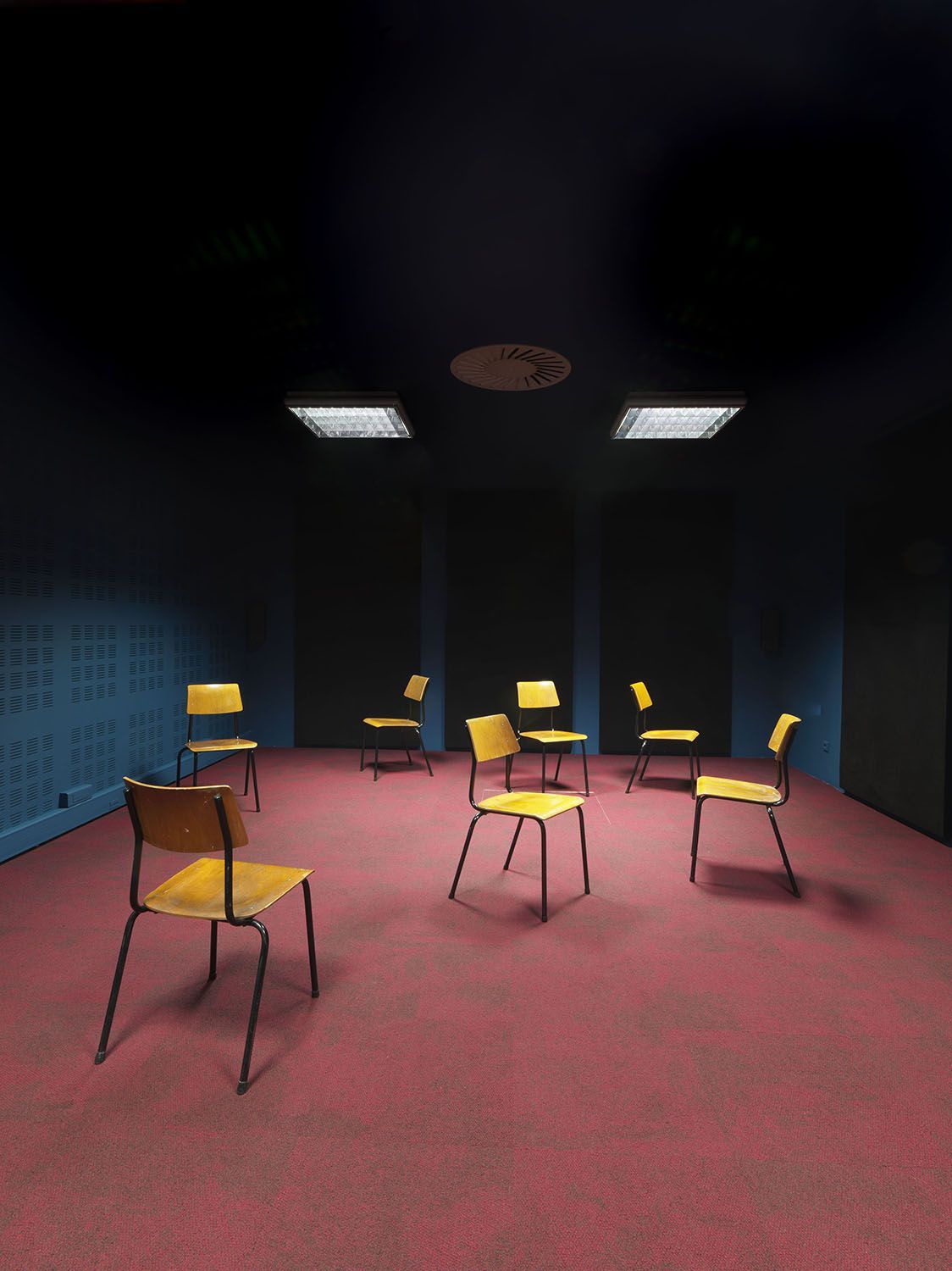
This living visual archive offers a complex portrait of the contemporary world. Tillmans speaks of fragility, desire, community, climate urgency, political crisis, freedom and memory—always through a humanist lens that invites us to observe with empathy and attention.
The exhibition also explores the evolution of visual culture from 1989 to the present, addressing issues such as new forms of information dissemination, the transformation of the public sphere, and how communities reshape themselves in a hyperconnected world.
An aesthetic manifesto for the present
Tillmans does not seek to impose a single reading of his work. Rather, his images open questions, stir intuitions, and allow for multiple interpretations. That is one of the keys to his relevance: his work is an invitation to look without prejudice, to inhabit the world with an expanded sensitivity.
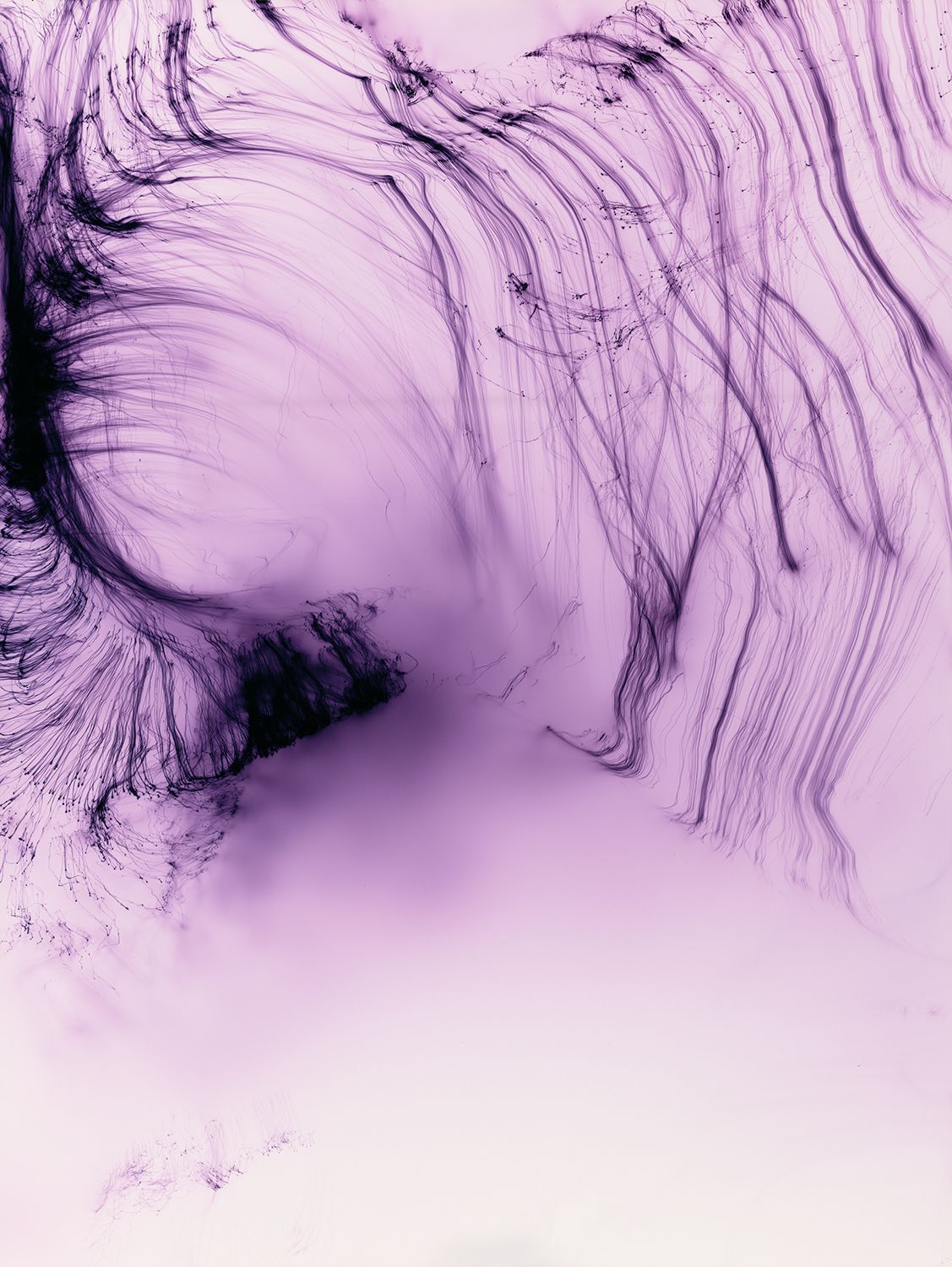
In the artist’s own words, photography is a way of thinking. A way of taking a position. A way of exploring what it means to live in Europe today—in a world increasingly fragmented but also full of possibility.
CELINE and the democratisation of access to art
Thanks to CELINE’s collaboration, the exhibition includes the Accès Libre par CELINE initiative, offering free admission days to the public.
It’s an open invitation for all audiences to enjoy Tillmans’ artistic universe at a pivotal moment for the Pompidou, which will soon temporarily close for renovation.
This gesture reinforces the public and democratic dimension of the project—aligned with the ethos of both the Centre Pompidou and Tillmans himself: art should be accessible to all, without barriers or hierarchies.
A publication to deepen the experience
The exhibition is accompanied by a monographic catalogue and an expanded French-language edition of the Tillmans Reader, featuring interviews, texts, and reflections by the artist. This publication offers deeper insight into his creative universe and key themes: the beauty of everyday life, the politics of the body, and the tension between intimacy and collectivity.
A closing with eyes on the future
Wolfgang Tillmans’ exhibition is not only a major cultural event, but also a declaration of intent on how we can think and experience art in the 21st century. With this, the Centre Pompidou bids a temporary farewell through a radical, free-spirited and deeply contemporary proposal.
Until 22 September 2025, anyone in Paris has a not-to-be-missed date with one of the most influential artists of our time. A chance to pause, look, and feel the world from another angle.
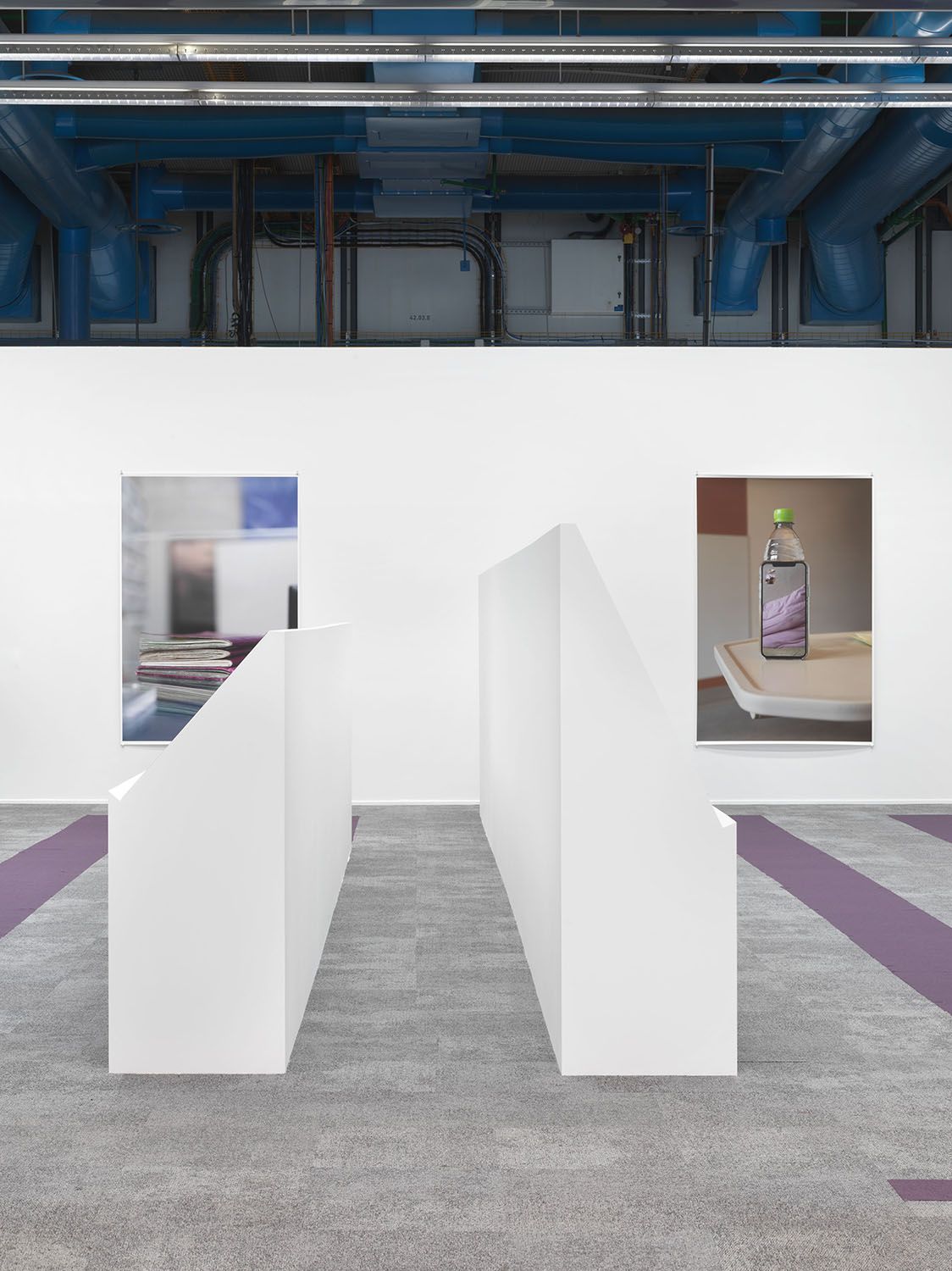
(*) Exhibition photos courtesy of the Centre Pompidou. Installation views by Jens Ziehe.