Interview with Sarah Suco: The curator taking art to new horizons in Ibiza
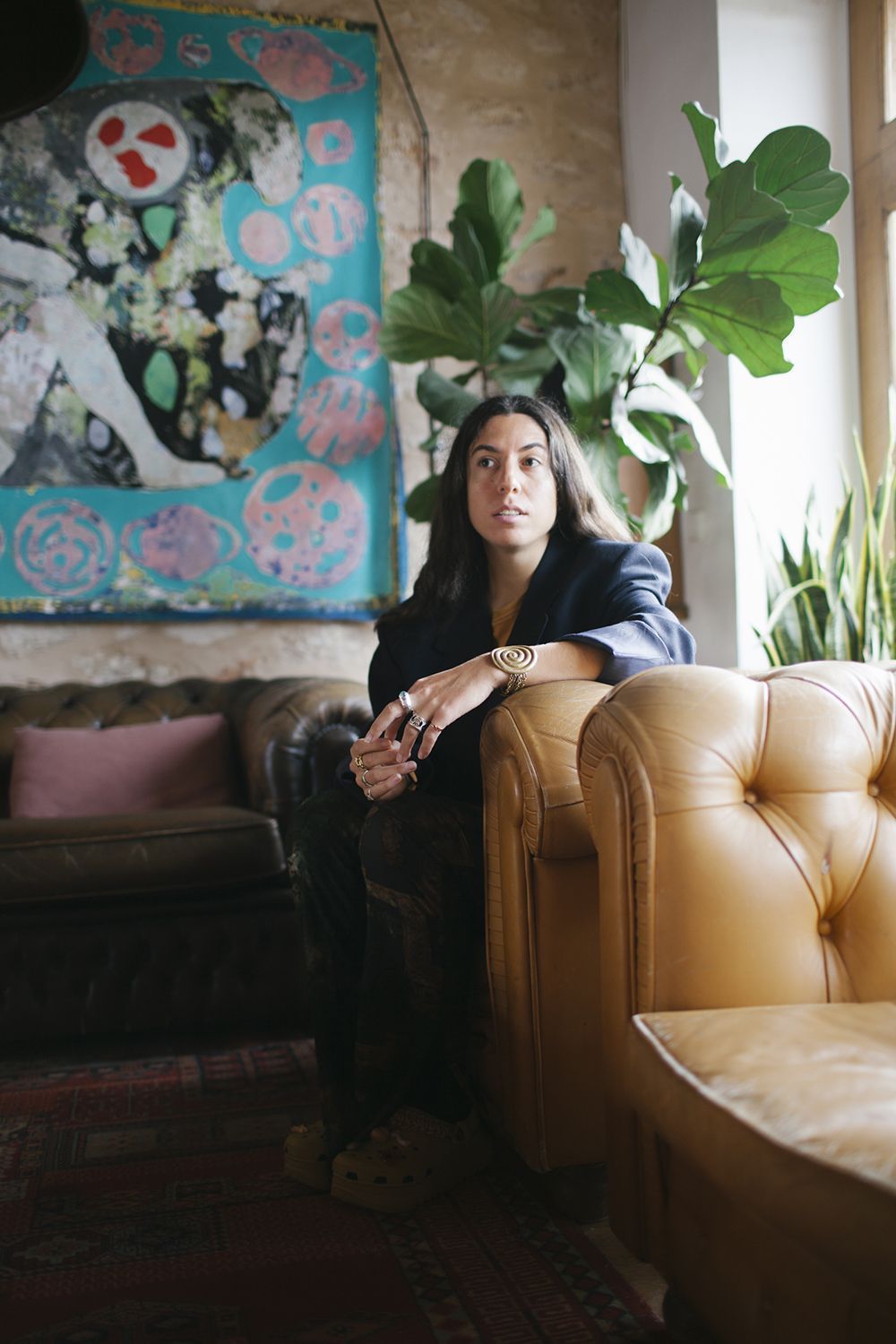
In the world of art, the boundaries between the market, creativity, and experience are becoming increasingly blurred. It is in this context that Sarah Suco Torres has emerged as one of the key figures of the new generation of curators.
With a disruptive approach and a vision that transcends the conventional, this young curator has managed to fuse her passions for contemporary art and architecture, creating projects that not only celebrate artistic creation but also reconfigure the way we understand the relationship between space, the natural environment, and sensory experience.
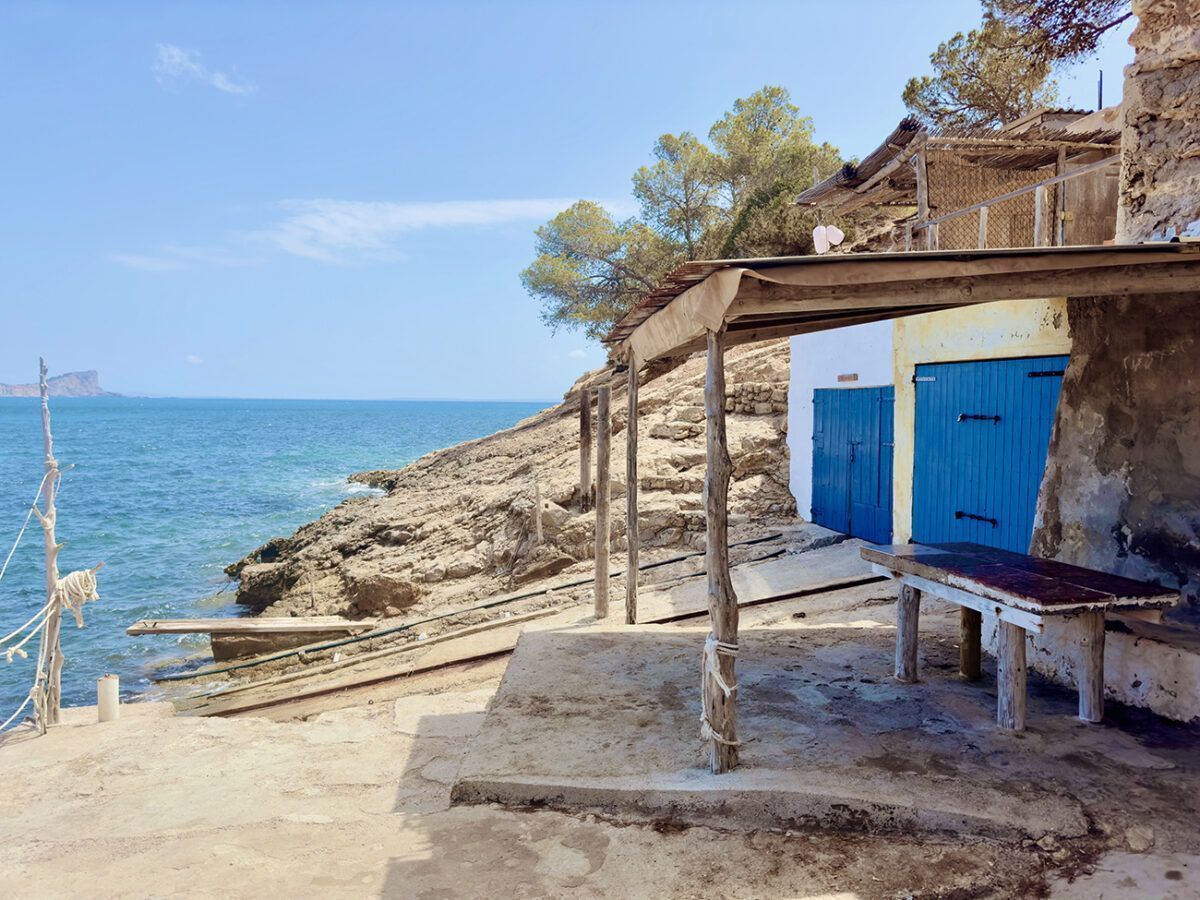
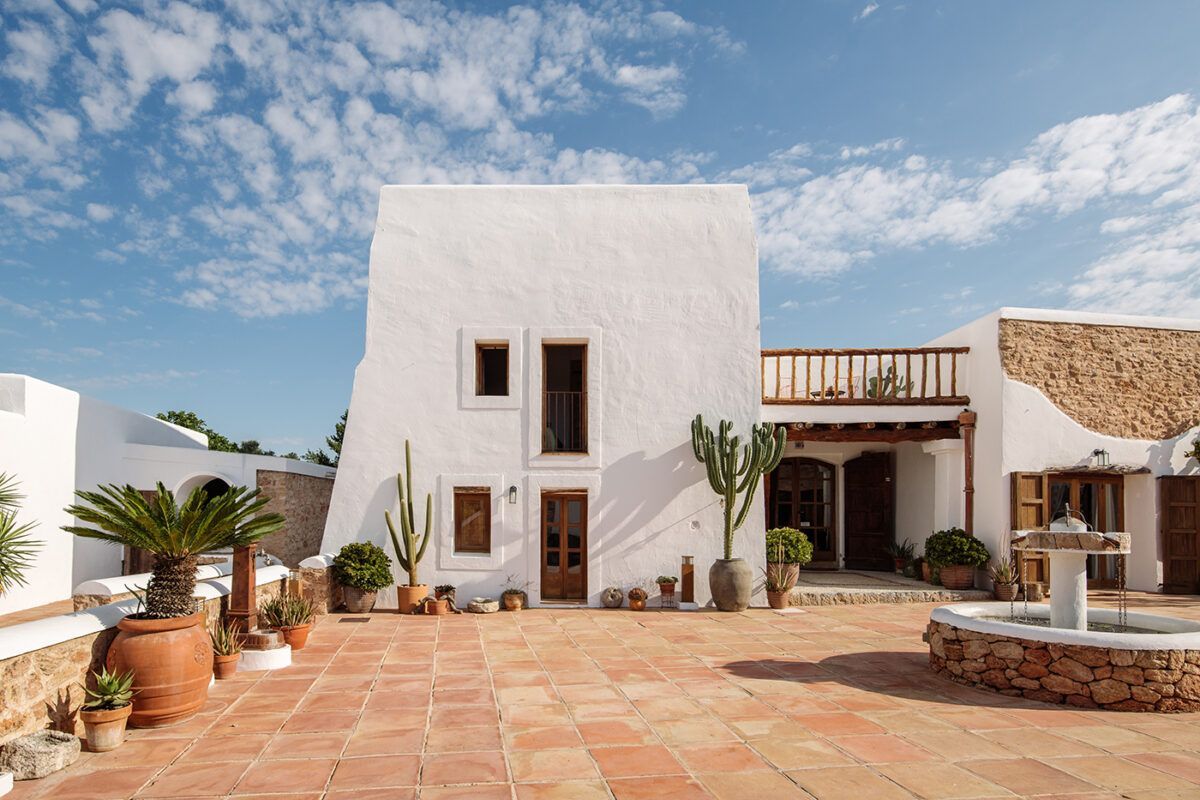
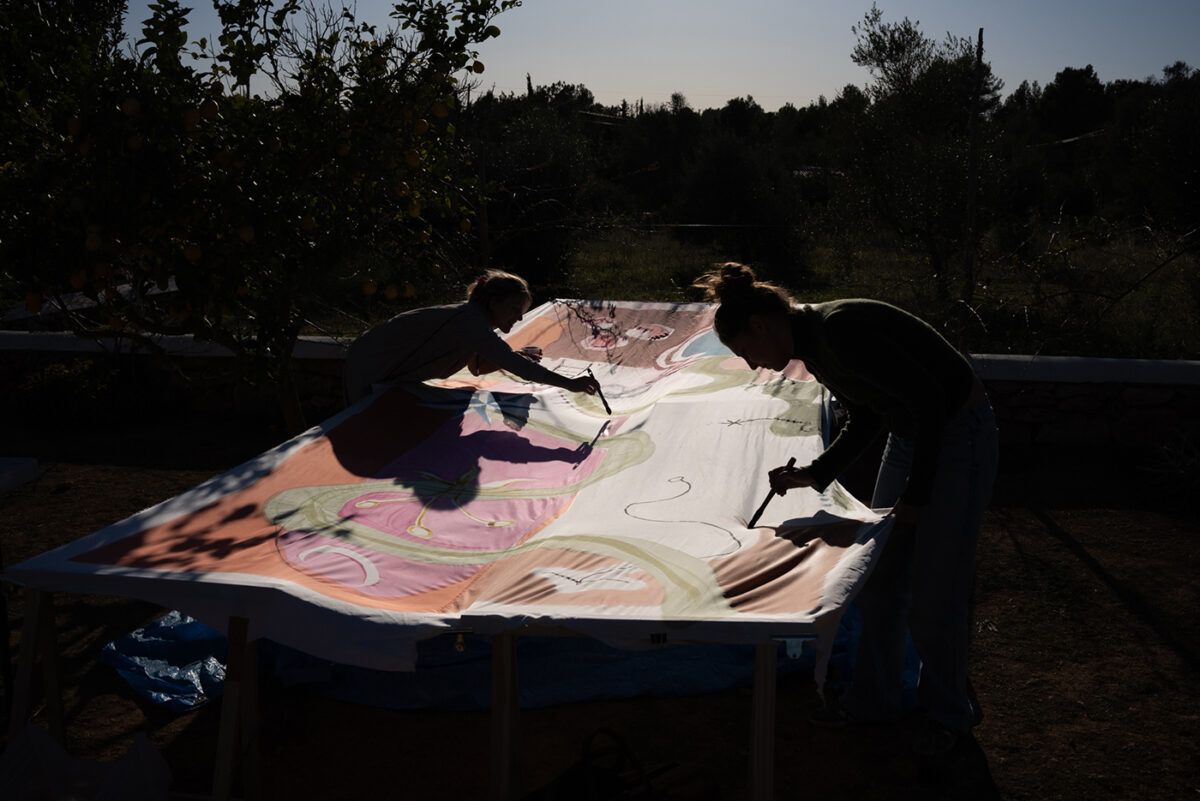
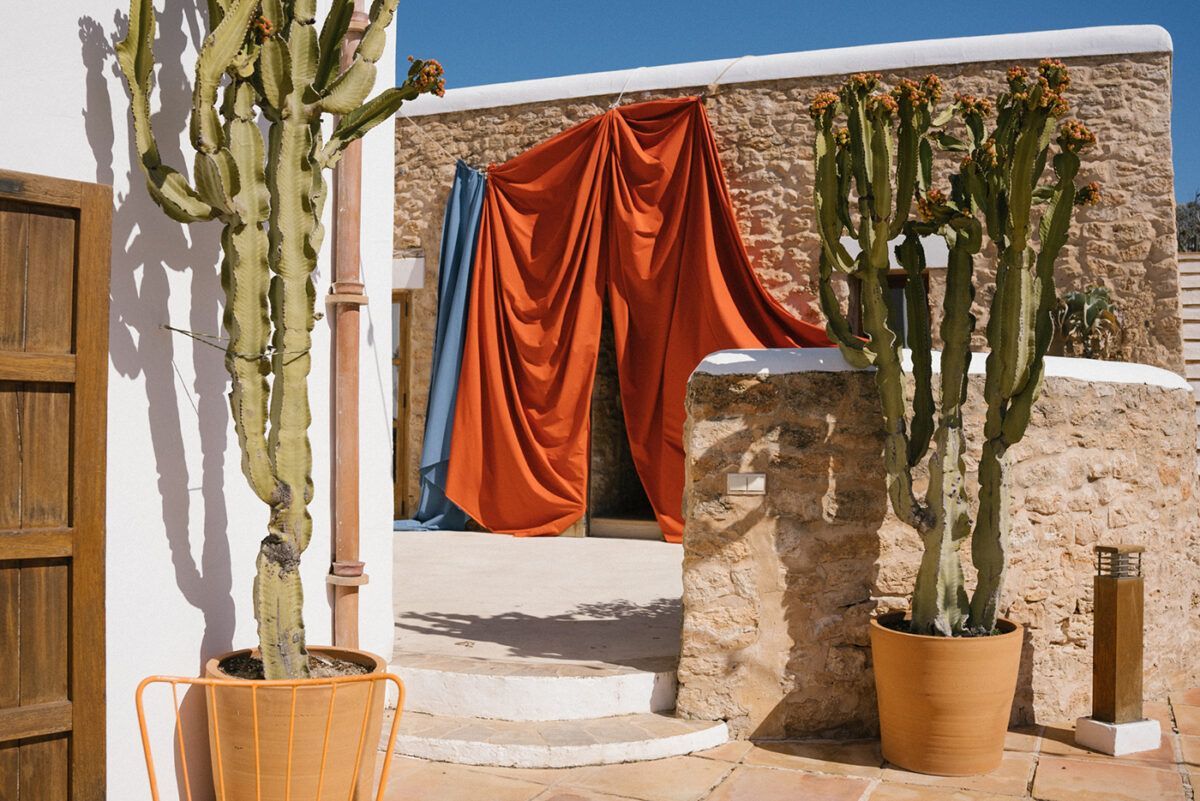
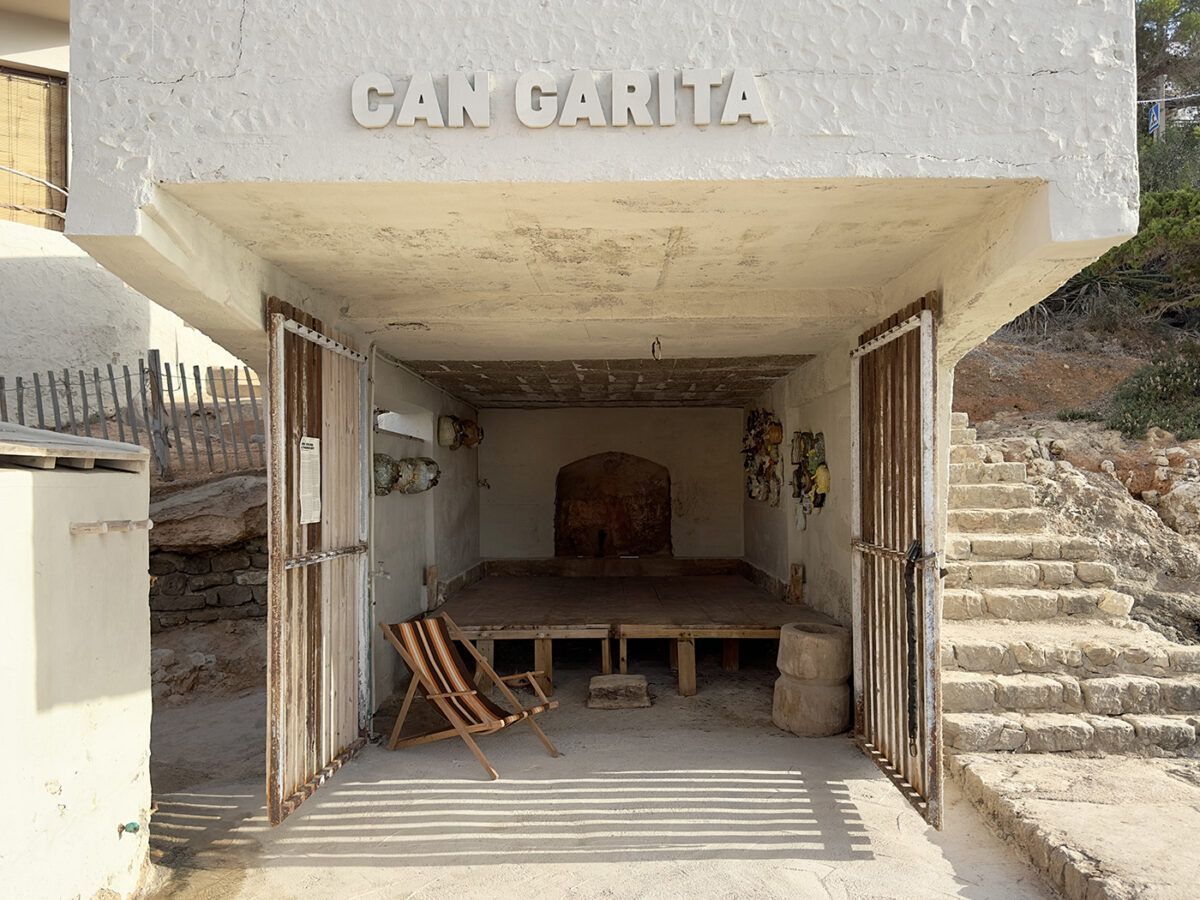
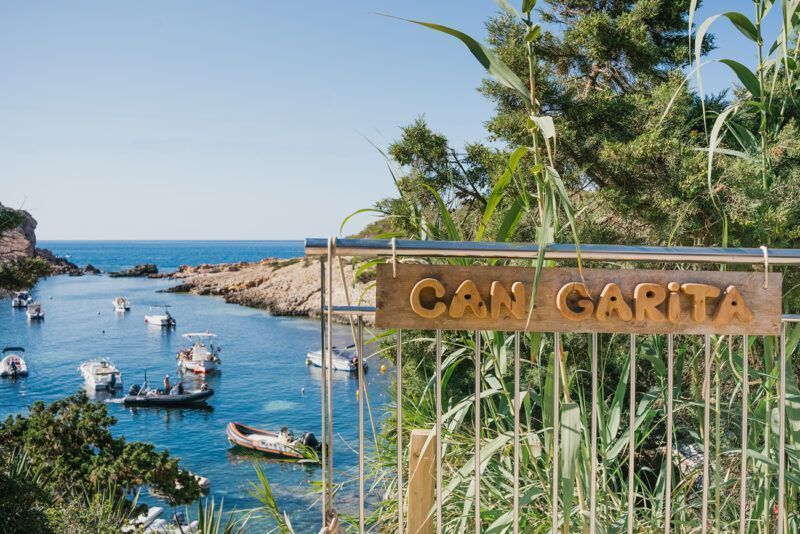
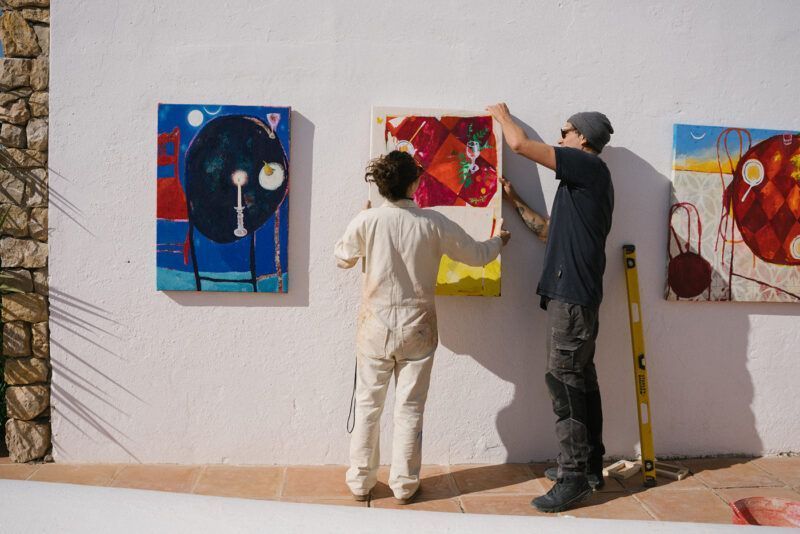
Since her arrival in Ibiza, a place she defines both as home and as a source of inspiration, Sarah has carried out two artistic initiatives that are marking a before and after on the island: Can Garita and Las Cicadas, two residencies and exhibition spaces distinguished by their ability to connect artists with nature and the local community in a deeply original way. In a candid, no-filter conversation, Sarah opens the doors to her vision of art, the future of art residencies, and her role in the transformation of the art market. A market that, according to her, is not just a space for transactions, but a platform for creating genuine, transcendent experiences.
In this interview, we explore how her path has taken her from the galleries of Paris to the iconic “Casetas de Pescadores” of Ibiza, and how her curatorial approach is reshaping what it means to exhibit art in the 21st century. Step in and read on.
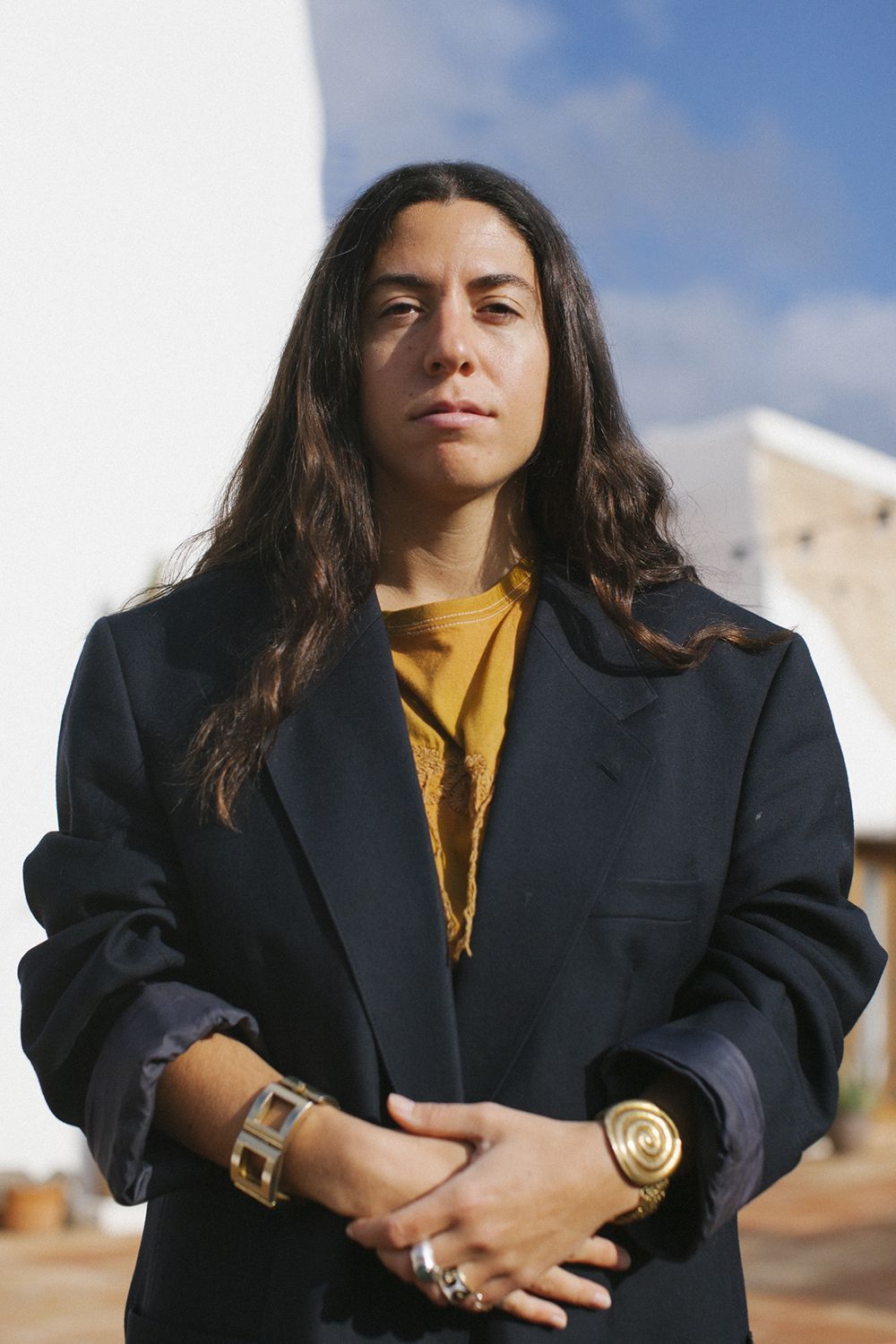
Sarah, to start, we would love to know more about your background working in major art galleries such as the Perrotin Gallery, among others
The story is a bit surreal, because the truth is that I didn’t know anything about art until I was 17, as I don’t come from an artistic family. But somehow, I was always drawn to “beautiful and graphic elements”. I discovered Joan Miró and Keith Haring by chance in a magazine, and then I started browsing art fair catalogs in second-hand stores to learn more about galleries and artists. After some research, I came across Sophie Calle’s work, which immediately became my favorite. I decided to send my brief resume for an internship at Perrotin (Paris). For me, it was a dream come true since it was Paris, and at the time, I was living in Brussels. I will always remember the morning when they called me to offer the internship I wanted at this amazing Parisian gallery. I was lucky enough to work with my two favorite artists, Sophie Calle and Daniel Arsham. My dreams were coming true… and that’s how it all started! It was very exciting, and I was thrilled to meet and help these incredible artists create amazing exhibitions.
After that project, I went back to Brussels to finish my studies. Upon graduation, I received an internship offer from Daniel Arsham’s studio in New York, and once again, another dream came true. The tough part was that I didn’t speak any English! So it was quite a challenge, but I didn’t hesitate for a second to dive into it.
After that experience at Arsham‘s studio, I wanted to fulfill two more dreams: working at Marian Goodman Gallery, as I’ve always admired their program and dedication, and at Gagosian, which was my final experience in New York, where I learned so much about the secondary market with an excellent team.
So, even though that phase involved a lot of hard work, it made me realize that this was my passion and also gave me the opportunity to spend weekends in all the museums. A dream! After my time in New York, I returned to Paris and began working at Perrotin.
In short, working as an artist liaison in these high-level galleries has been an incredible experience, allowing me to work with amazing artists and meet many wonderful, passionate people from whom I learn something new every day about life.
How did Can Garita come about? What was the origin of this project, and what inspired you to create such a special space in a fisherman’s hut in Sa Caleta, Ibiza?
Since I visited the Chinati Foundation in Marfa as a student, art and architecture became inseparable for me. Also, the idea of “difficulty of access” in the middle of nowhere was new to me, and I became very interested in it. Moreover, Minimalism, Conceptual Art, and U.S. Land Art from the 1960s became my main focus. In other words, space and architecture became my motivation.
Even though I always worked as an employee, I knew I wanted to have “my own gallery”, but not the typical “white cube” in the city. I’ve always been a city person, but that changed when I arrived in Ibiza by accident in July 2020.
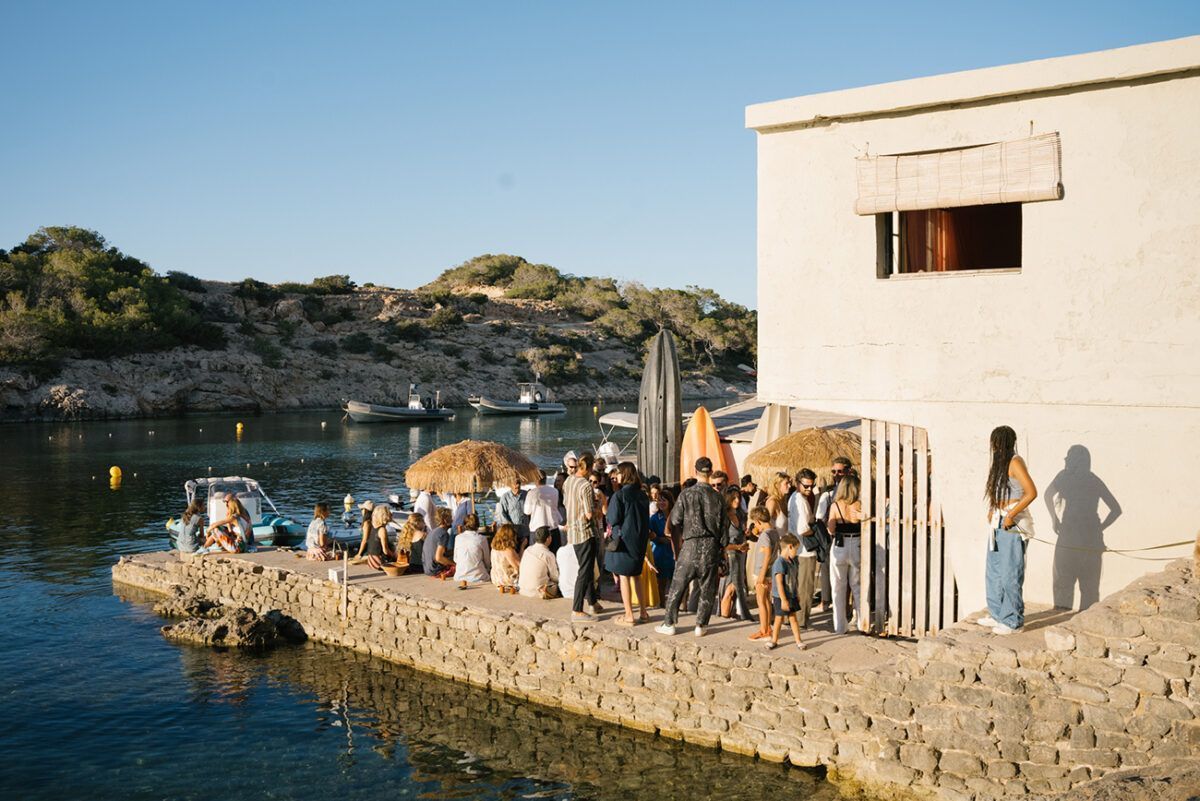
Somehow, I’ve always been interested in quirky, inaccessible architecture, so I was destined to fall in love with this “Caseta de pescadores”. After my first swim in Cala Compte (in the south of the island), I saw a man opening the door of a two-story fisherman’s hut. At that very moment, I envisioned an exhibition space inside, and I told my boyfriend, “It would be so interesting to organize a show here”. That phrase quickly turned into an obsession, and it gained even more strength as I developed the idea of the parallel artist residency.
The island’s vernacular architecture made a direct connection to my experience in Marfa, as it gets to the essence of space. In fact, there is a phrase from the architecture studio Mesura (Barcelona) that I love and sums up my admiration for this type of architecture: “An architecture designed without plans or architects, built by farmers and artisans, made of the earth, out of necessity, and from a secular experience that organically corrects its mistakes”.
Finally, what is very important to me in a project is authenticity. Since I do everything myself (graphic design, communication, etc.), I wanted it to be authentic, to have a story, and to relate to my personality and to the island. This is something we often miss in the contemporary art world.
In CC/magazine, we love stories, so we’d love to know how you found that fisherman’s hut, whose it was in the past, and what you remember about the first time you saw it?
In July 2020, I didn’t speak any Spanish, but Ibiza (its architecture) was a crush, an idea, and above all, a dreamy and accessible island. At that time, I was living in Paris and working at Perrotin, but I came to the island on weekends to research and dream about the artist residency and the “Caseta de pescadores”.
From there, I started meeting people on the island, and I finally found this hut. It took me a long time because it had to be two floors and not too far or difficult to access (since the idea was to host visitors).
The first time I visited “the chosen Caseta”, I felt completely enchanted. Every detail inside was imperfect, irregular, with texture… In my mind, I knew it was going to happen, even though I didn’t know how… but this is how I feel alive. I love impossible challenges!
The concept of Can Garita is also deeply tied to nature. How do you define the relationship between art and nature in your projects?
It’s quite curious because I never really liked the countryside until I first visited Ibiza in July 2020, and it was then that I made the connection with my experience in Marfa (Chinati Foundation), which left a strong imprint on my mind.
For me, the city was very important when I was a student because you feel like a “sponge” there, and I found a lot of inspiration. However, after two years in New York and living in Paris, I felt I needed to find something different. That’s why I feel, in a way, that Ibiza chose me!
I felt that I wanted to leave the “white cube” and the city behind and explore a different kind of experience, as I believe art has always been connected to space, objects, and light.
The challenge of Can Garita is to immerse oneself in a natural environment, away from the urban hustle. Our goal is to rethink our habits regarding our relationship with space and time, the old and the new, and our prejudices towards the private and the collective. The artwork is no longer confined to its space, and that’s the modernity that has always fascinated me.
“The artwork is no longer confined to its space, and that’s the modernity that has always fascinated me.”
As for the “Casetas” (fishermen’s huts), the reality is that they are living elements that have evolved from an essentially fishing use to a recreational and social one. Therefore, I think it’s a beautiful experience for visitors to contemplate art in a place with so much history and such a unique identity. Why does art always have to be displayed in a city and in a cold white cube?
The idea of this project is not just to show artists who work with “nature”, because that would be too narrative. For me, Can Garita is also about showcasing performances, videos, and a range of mediums.
Ibiza has a unique cultural and artistic heritage, but not everyone associates it with art and culture; instead, it’s more linked to mass tourism, luxury, and parties. How do you manage these challenges, and what is your relationship with other galleries in the Balearic Islands, like Hauser & Wirth, who are investing in the islands—Menorca, in their case—as destinations for art lovers?
That’s true, and it’s precisely the idea I had about the island before I came. To me, everything seemed inauthentic—but I was completely wrong! Its architecture and nature completely captivated me. So much so that now, living in Ibiza and working on projects here, I see how people who don’t know the island react. And since my projects are emerging, I notice that people need time to trust me or believe in them.
In any case, it’s important to contextualize each project: working with artists who can bring something to the island, involving international journalists, organizing a solid communication plan… If it’s just about “organizing something for the sake of organizing something”, then I’m sorry, but that makes no sense to me! Projects must have a purpose, good organization, and long-term benefits. For me, that’s the key.
As for the island’s history, there have always been galleries and art spaces. For a while, the Museum of Contemporary Art of Ibiza (MACE), Galería Parra&Romero, and the Ses12Naus Foundation have had a strong international program for the people of the island, giving it visibility and attracting international audiences. For me, all of these projects are truly inspiring and have incredible programs.
On the other hand, if we talk about giants, Hauser & Wirth are simply the best in every field: program, location, architecture, collaboration, generosity, and educational programs. They understood, before anyone else, how things should be done. The space in Menorca is the most incredible thing I’ve ever seen in my life. Not just because it’s large and under the sun, but because it includes all the elements the art world needs. The way they’ve established themselves and become involved in Menorca is spectacular, especially since they’ve managed to make the entire island get involved as well!
After the inauguration of Can Garita and the launch of Las Cicadas Art Residency, can you tell us about the new space in collaboration with Los Enamorados in Portinatx?
After the first edition of Can Garita in July 2023, this project entered a new phase in June of this year. I’m always looking for ways to improve, and in this case, another dream came true thanks to Rozemarijn de Witte and Pierre Traversier (founder and owner of Hotel Los Enamorados).
We worked together at their furniture design gallery in Paris, called Arrogant Verneuil, and since they love both art and design, we decided to join forces and create an exhibition space in a “Caseta” next to the hotel, where we have developed a new summer exhibition program. This project is a natural evolution, and it’s great to do it with such inspiring people!
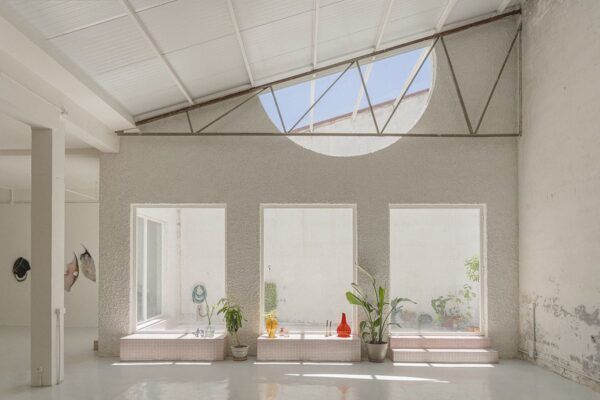
In this case, the “Caseta de pescadores” was two floors and newer, but the architecture was very interesting. It is located in Portinatx, which is a mystical area that could be called “he North of the North”. After a year in Ibiza, the northern part of the island has become more and more important to me. I’ve moved there, and I love its good vibes.
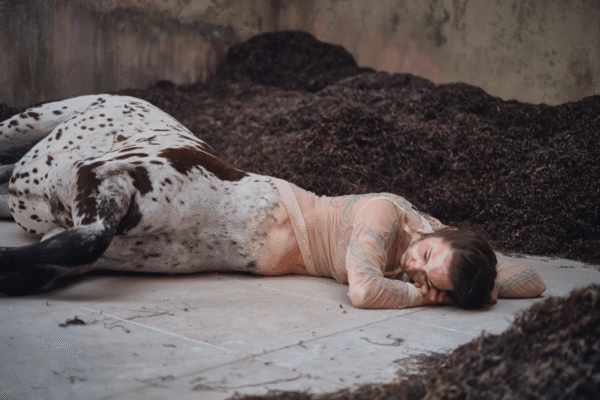
As for the program we organized together, we actually did a brainstorming session of the artists who interested us most, and then we visited their studios. We really complemented each other well, and we formed a perfect team! In this edition, we were lucky to exhibit Belgian artists Eric Colonel and Thomas Spit.
By the way, as the curator for all your projects, how do you select the artists and their works? Is there a specific approach or vision regarding the type of art you like to exhibit?
Although I’ve admired Marian Goodman and Paula Cooper for their consistent and solid programs, my approach is different because today I’m interested in a wide range of mediums.
I don’t want to limit myself to “one single style”. If a video by Arthur Jaffa resonates with me, or a painting by Casi Namoda speaks to me, or a drawing by Soufiane Ababri teaches me something, or a performance by Kenny Dunkan moves me, that’s exactly what I feel art should do.
Through Las Cicadas Art Residency, located in a restored 500-year-old country house, you organize a series of art residencies each year, hosting groups of artists for four-week periods. What exactly does this project entail? Is it true that the next residency will be in January 2025 and will collaborate with CAN Art Ibiza?
The idea is to offer a residency program once a year, for 4 to 5 weeks, with a maximum of 6 artists at the same time (for the rest of the year, the space is rented out as a tourist villa/holiday house).Our goal is to bring together artists from various disciplines and backgrounds so they can interact with the natural environment, local communities, and the island’s history.
The program gives artists from around the world the opportunity to work in an impressive and authentic space, sharing the joie de vivre, the sun, and the exchange of ideas—this is what defines the legacy of Las Cicadas.
Once again, this project is indirectly connected to nature because Las Cicadas is located in the countryside, near the village of Santa Gertrudis. Just like Can Garita, the concept is to immerse the artists in a natural environment, allowing them to break away from the routine of urban hustle and be inspired by this setting.
The process to participate is as follows: we launch an open call where artists can submit their applications, and from there, we select them along with my partners Nora and Tavis. By the way, it’s not necessary for the artists to propose a project in advance. At the end of the residency, we organize an Open Studio with an official dinner. Additionally, during the working month, we organize occasional events at Las Cicadas. The reason we organize an Open Studio instead of a formal exhibition is to change the rhythm of their usual life, which often involves producing works to be sold in an exhibition (under pressure)… An Open Studio fits more with an art residency because it’s more flexible, and if an artist really wants to have an exhibition at the end of the residency, they are of course welcome to do so.
For the first two editions, we were very fortunate to collaborate with the following 8 international artists: John Fou (France), Romain Sarrot (France), Nicolas Momein (France), Carrie Bencardino (Argentina), Miriam Dema (Spain), Caroline Monnet (Canada), Pangea (France), and Rafael Ulecia (Spain). Most of the artists created works during the residency for their exhibitions at their respective galleries.
The next edition will take place from January 6 to February 10, 2025, with Claudio Coltorti, Kenny Dunkan, Charles Hascoët, Hadrien Gerenton, Guillermo Mora (CAN Award), and Giovanni Ozzola (CAN Award).
What would you say is the most common feedback from artists who have experienced one of your art residencies or exhibited at Can Garita?
Some of the most common comments are about how beautiful the natural atmosphere of the place is, and how it helps them break out of their routine and step out of their comfort zones to experiment with new work. They also mention the architecture and our professionalism.
By the way, how was the recent collaboration in the OFF section of CAN Art Ibiza 2024?
When CAN Art proposed collaborating for the Artistic Residency Award to support contemporary creation, it was truly an important step for the project, as it came just after the first two editions. So, we reviewed the list of artists, and Las Cicadas offered an award to Guillermo Mora (Moisés Pérez de Albéniz Gallery, Madrid) and another to Giovanni Ozzola (Galleria Continua). Again, collaboration is key!
I also felt very honored to be included in the OFF Program with Can Garita in both 2023 and 2024. It gave me a lot of visibility and press thanks to the fantastic CAN Art team.
CAN Art started in 2022 and they’re doing a fantastic job with a solid program, bringing great visibility to the island. It’s impressive what they’ve created in such a short time. They bring many collectors and press to the island. It’s also wonderful to see and be part of the evolution of the fair. In June 2024, new established galleries and some of my favorites, such as Galerie Xippas and Galleria Continua, participated.
After all these years working with international galleries and artists, what would you say is your current vision on contemporary art?
In the past, art was only about art, and the art world was very small. Now, the market has changed deeply in the last 7 years. There are so many art fairs that sometimes it becomes difficult for galleries, because there’s so much competition, and it’s not easy to represent an artist because of that.
Moreover, social media has changed everything. Nowadays, an emerging artist can have a solid career quickly after university. It’s beautiful, but at the same time, sometimes it moves too fast for them, and it’s hard to manage this intensity.
Art, obviously, is a necessity, but prices are going crazy, and now there are real structures with investors behind institutions, galleries… so it’s a real business. The art world is becoming more and more like the fashion industry, with a lot of pressure, deadlines, budgets… In a way, it’s beautiful because all industries are blending, but is it too much?
“The art world is becoming more and more like the fashion industry.”
What has also changed a lot is the budget capacity between private and public institutions. Since the larger foundations now have more power than some public institutions, it’s important to ask: who offers what, and how?
Finally, how would you like Can Garita, Las Cicadas Art Residency, and your third project in collaboration with Los Enamorados Ibiza to evolve in the coming years? Do you have any plans for expansion or new initiatives you’d like to share with us?
For Can Garita, the next step will be to organize two or three exhibitions per year, so we can collaborate with more artists. For now, it’s impossible because I have other commitments, but it’s step by step!
For Las Cicadas, it’s similar; I would love to organize more residencies and not just one per year. A dream…
As you know, when I was 20, I was completely fascinated by the Chinati Foundation in Marfa, and because of that, one of my great life goals has always been to have a very small hotel that is also an artist residency and gallery at the same time. For me, that will be the next step in terms of both career and personal life, where I can combine both passions.
Also, after working on the commercial side of contemporary art, I’d like to focus more on curating and developing projects with artists. For me, an artist residency is a very important aspect for them, as it allows them to work in a quiet environment and prepare their exhibition for their gallery or museum.

(*) Cover photo and horizontal still photo 1: Mon Colonel & Spit; Slider photo 3: Grason Ratowsky; Slider photos 1, 3, and 5, and horizontal still photo 2: Ana Lui; Photos Sarah Suco: Valentine Riccardi.