Nadav Kander: the beauty of uncertainty
Foam, in Amsterdam, presents The Edge of Things, an exhibition that connects the landscapes, portraits and studies of the body by Nadav Kander through a shared question: what remains when everything changes? It is on view until 31 January 2027.
Hours: From 18 September 2026 to 31 January 2027.
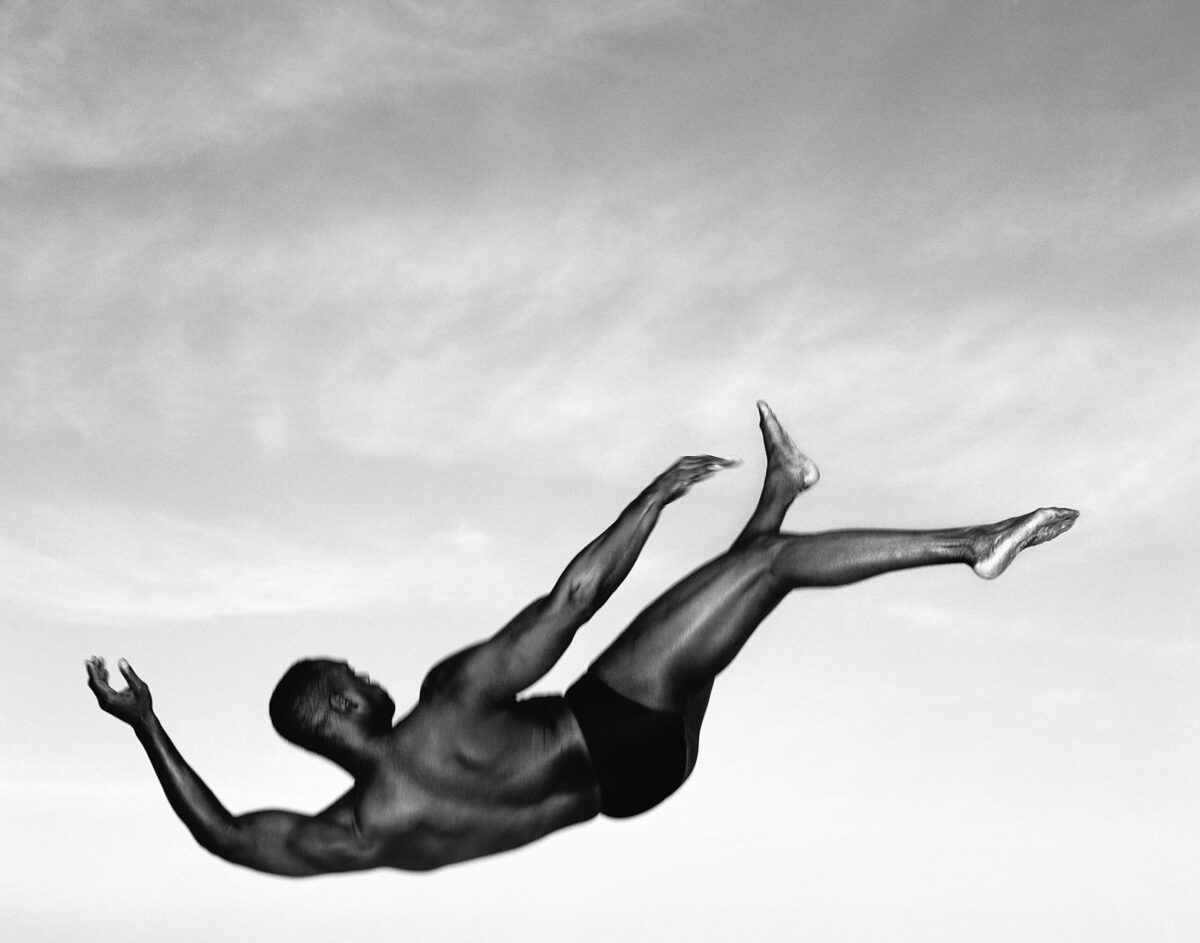
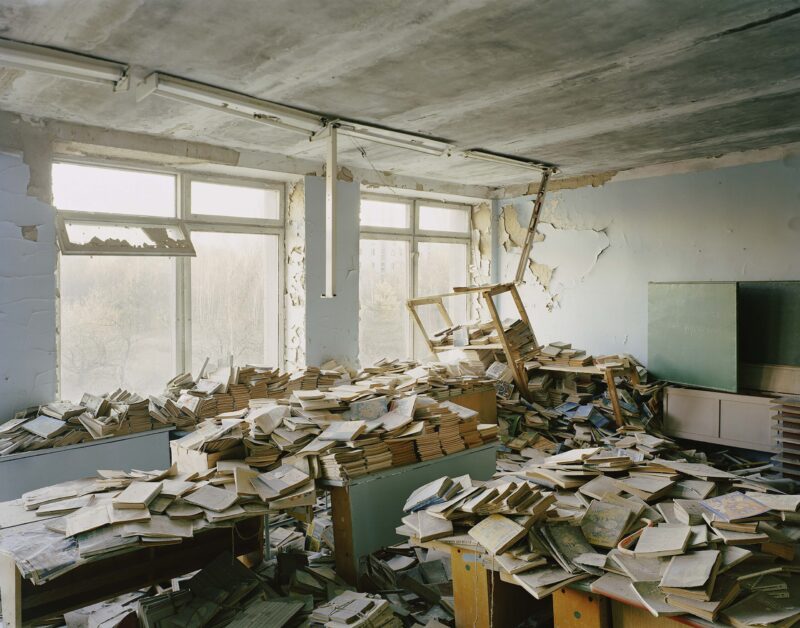
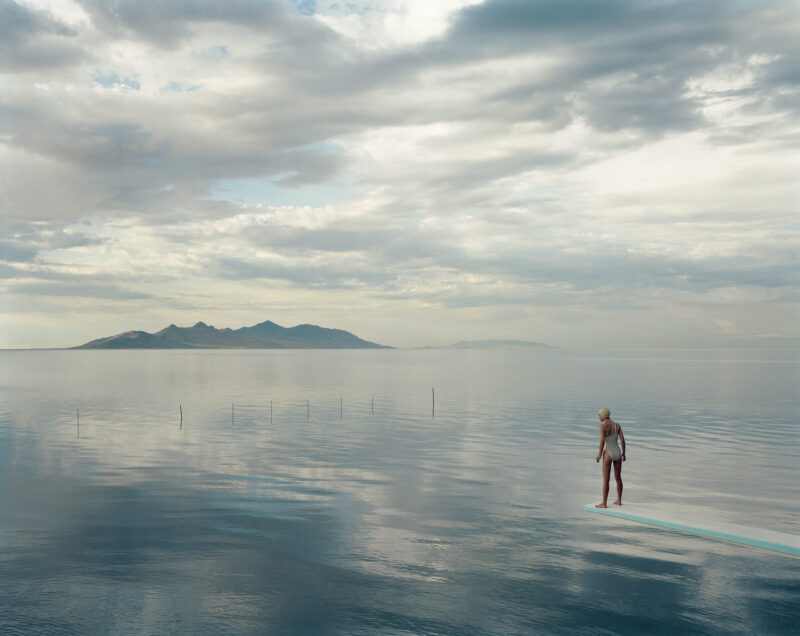
Recognising someone in a photograph does not mean knowing what they are going through. Nor does identifying a landscape allow us to understand everything that has happened there. That distance between what we see and what we can explain is one of the most intriguing aspects of Nadav Kander’s work. His images draw us in through their light, colour and composition, yet leave something unresolved. A sense of strangeness that invites us to keep looking.
Foam, Amsterdam’s photography museum, brings together his work in The Edge of Things, an exhibition spanning four decades that invites visitors to discover the connections between his different projects.
There are portraits, landscapes, still lifes and studies of the human figure. Although the subjects and scales change, a particular sensitivity to fragility, the passage of time and the things we barely know how to name remains.
The exhibition connects landscapes, portraits and studies of the body through a shared question: what remains when everything changes?
Nadav Kander, who is based in London, began taking photographs at the age of 13. Since then, his work has entered collections including those of the National Portrait Gallery in London and the Museum of Contemporary Photography in Chicago, and has been exhibited at institutions such as the Barbican Centre and the Palais de Tokyo. Throughout his career, he has alternated editorial commissions with personal projects, moving between portraiture, landscape, still life and studies of the body. In 2019, the Sony World Photography Awards recognised his outstanding contribution to photography. This career provides a sense of the breadth of his work, although it is the connections between his images that guide Foam’s exhibition.
Landscapes where life goes on
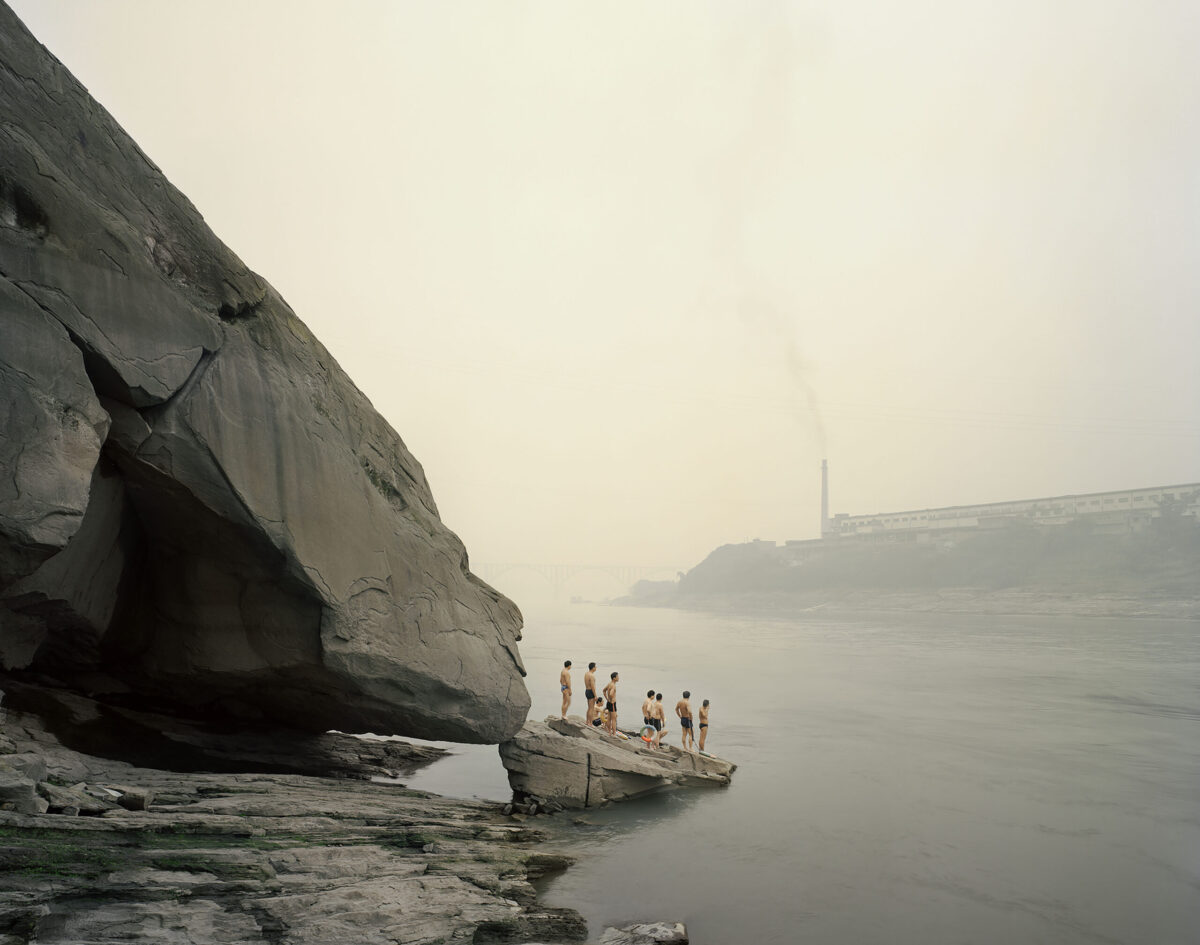
The photographs Kander took along the banks of the Yangtze River, which earned him the Prix Pictet in 2009, offer an insight into this way of observing. In Yibin I (Bathers), from 2007, a group of bathers shares the frame with the industrial presence of the surrounding landscape. The scene brings together the everyday rhythms of those who come to the water and the pace of a territory undergoing transformation.
The relationship between people and the places they inhabit emerges without the photograph having to provide a definitive explanation. We can focus on the bodies, the scale of the structures or the atmosphere that envelops the scene. Each element changes our reading of the others.
The banks of the Thames and places such as Chernobyl also feature in his work. These are settings with very different histories, where the landscape offers a way to reflect on what a society builds, transforms and leaves behind. Here, beauty can coexist with a sense of unease. Perhaps that is why it is difficult to feel we have fully understood an image and move on to the next.
Beyond a familiar face
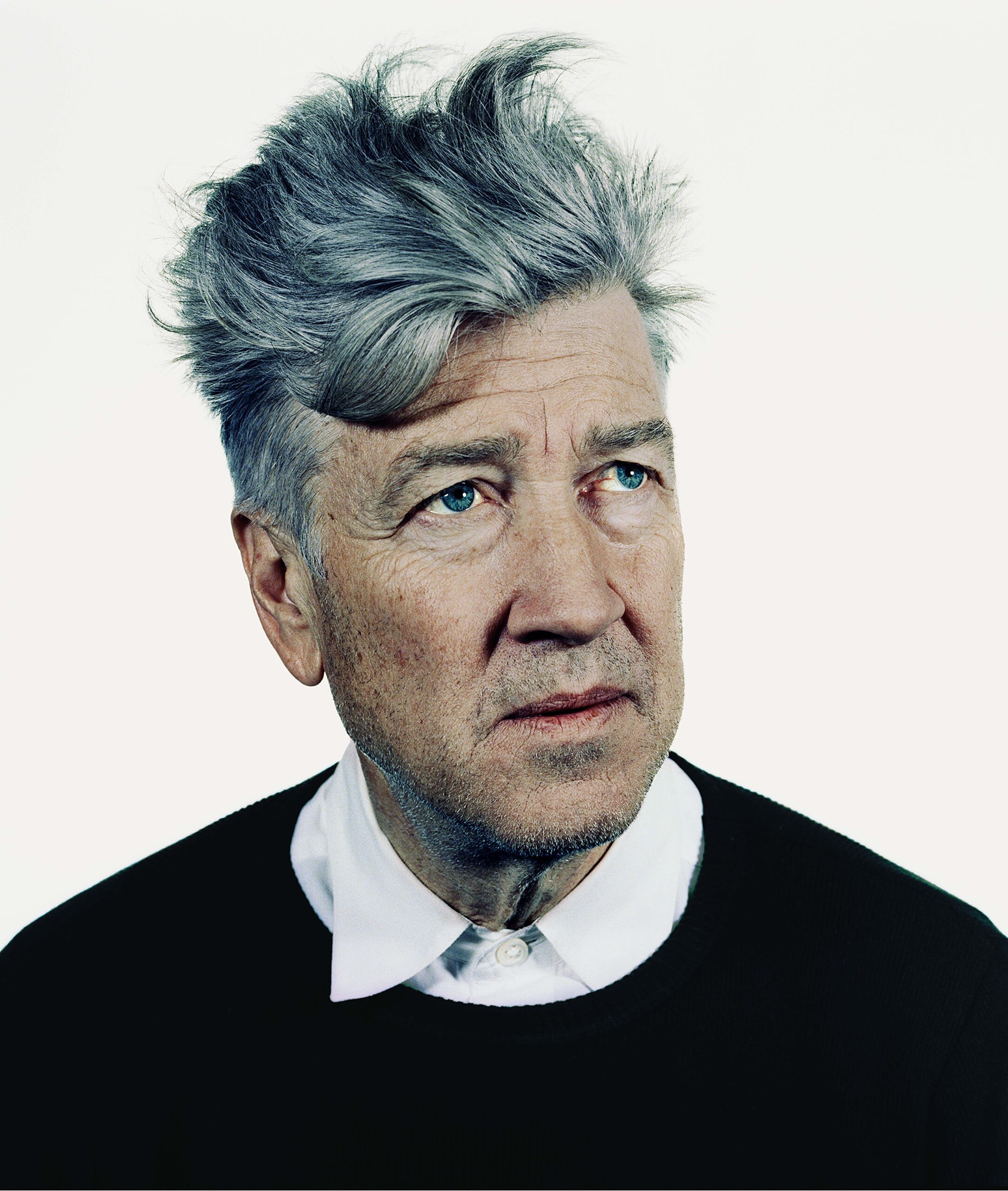
Many will have discovered Kander through his portraits of Barack Obama, Rosamund Pike or David Lynch, created for publications such as The New York Times Magazine, The New Yorker and TIME. His career also includes a commission of particular scope: in 2009, shortly after Obama’s inauguration, he photographed 52 members of his administration for The New York Times Magazine.
The magazine published these portraits in a single issue, the largest collection by one photographer it had brought together up to that point. The project offered a rare opportunity to observe the faces of a new political era.
Yet the presence of well-known figures is just one way into his work. By bringing portraits and landscapes together, The Edge of Things draws attention to what they share: the significance of a distance, a gesture or the space surrounding the subject. Initial recognition gives way to a more attentive gaze.
Light and what lies beyond
Kander works in both black and white and colour, with a technical precision in which lighting plays a decisive role. Light directs our attention, but it can also leave areas unresolved. A shadow or an empty surface can shape an image as much as whatever occupies its centre.
The exhibition’s title points precisely towards these margins: places where certainties lose their strength and a single scene can accommodate contradictory feelings. There is serenity, but also unease; closeness and, at the same time, a distance that is difficult to bridge.
This makes his photography particularly compelling at a time when so many images are consumed alongside an immediate interpretation. Kander leaves room for a response to take time to emerge. Even for it to change.
Max Richter and another way of looking
The exhibition expands this language through video works accompanied by music by Max Richter and a projection featuring the artist’s own voice. Sound and duration introduce other ways of approaching his concerns, from the most intimate scale to the monumental.
The exhibition is curated by David Campany, in collaboration with the Foundation for the Exhibition of Photography and Foam. Alongside it, Thames & Hudson publishes the book The Edge of Things, offering an opportunity to continue exploring Kander’s work beyond the museum.
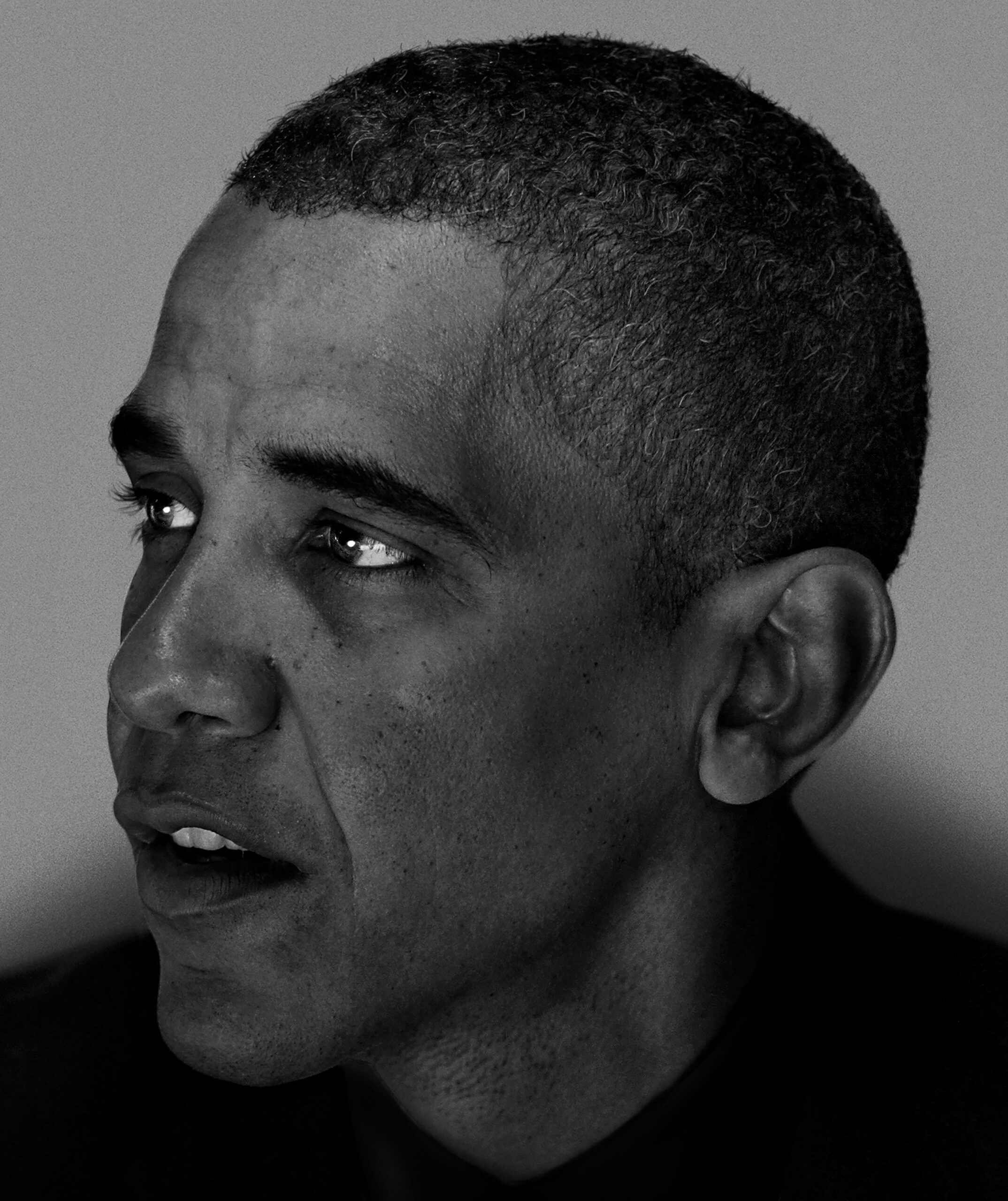
“Beauty and destruction. These paradoxes are displayed in all my work; an inquiry into what it feels like to be human.” Nadav Kander
For those planning a visit to Amsterdam, the exhibition offers an encounter with photography that can awaken curiosity without explaining everything. Sometimes, what interests us most about an image is precisely what we are still trying to understand after seeing it.
(*) Cover photograph: Yibin I (Bathers), Sichuan Province, China, 2007 (from the series Yangtze – The Long River) © Nadav Kander. Courtesy Howard Greenberg & Flowers Gallery; fixed horizontal photograph 1: Falling, Denver, USA, 1997 © Nadav Kander. Courtesy Howard Greenberg & Flowers Gallery; fixed horizontal photograph 2: Diver, Salt Lake, Utah, USA, 1997 (from the series God’s Country) © Nadav Kander. Courtesy Howard Greenberg & Flowers Gallery; slider photograph: School Library, Pripyat, Ukraine, 2004 (from the series Half Life – The Chernobyl Disaster) © Nadav Kander. Courtesy Howard Greenberg & Flowers Gallery; vertical photograph 1: David Lynch I, Los Angeles, USA, 2007 © Nadav Kander. Courtesy Howard Greenberg & Flowers Gallery; vertical photograph 2: Barack Obama I, Washington DC, USA, 2009 © Nadav Kander. Courtesy Howard Greenberg & Flowers Gallery.