Future Days 2026: building the future from the present
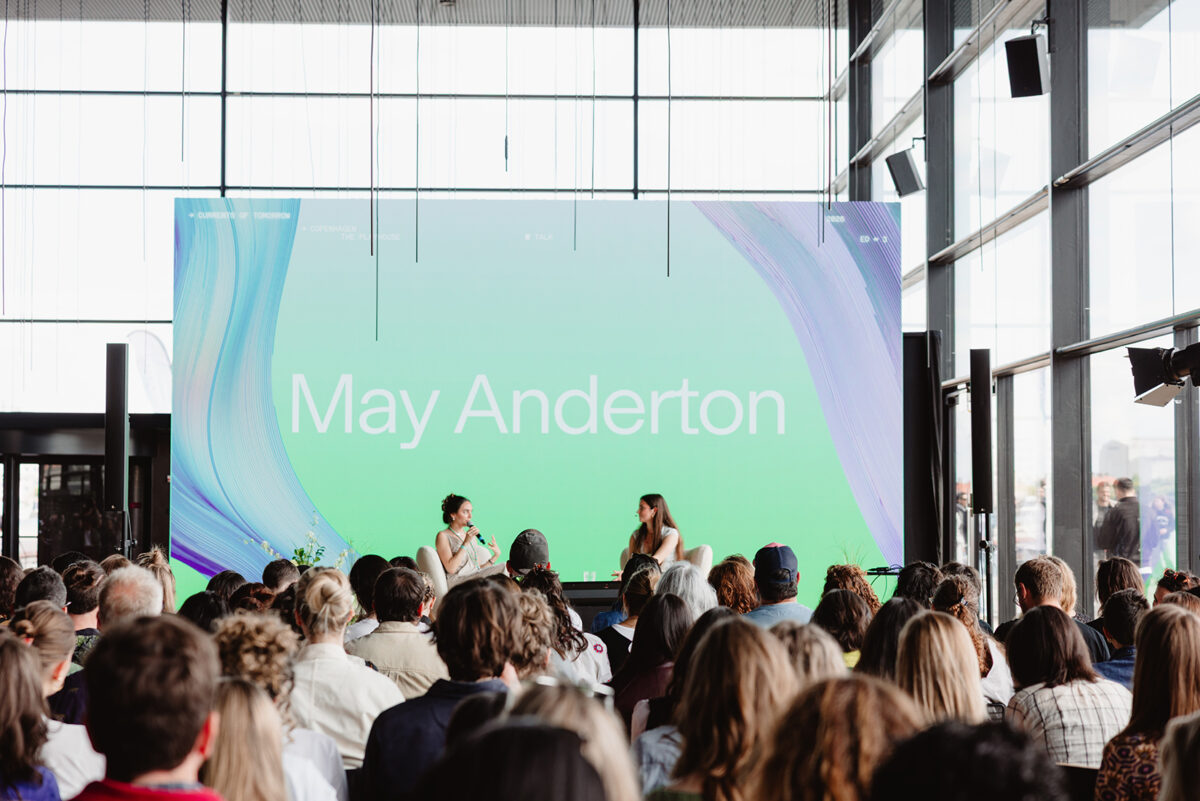
This year, CC/magazine was proud to be a media partner of Future Days in Copenhagen, a gathering that brought together designers, architects, researchers, strategists, artists and thinkers from around the world to address one of the defining questions of our time: how do we build more desirable futures in a present shaped by uncertainty? These are some of the key ideas that emerged from a festival which, rather than simply talking about the future, encouraged us to begin creating it.
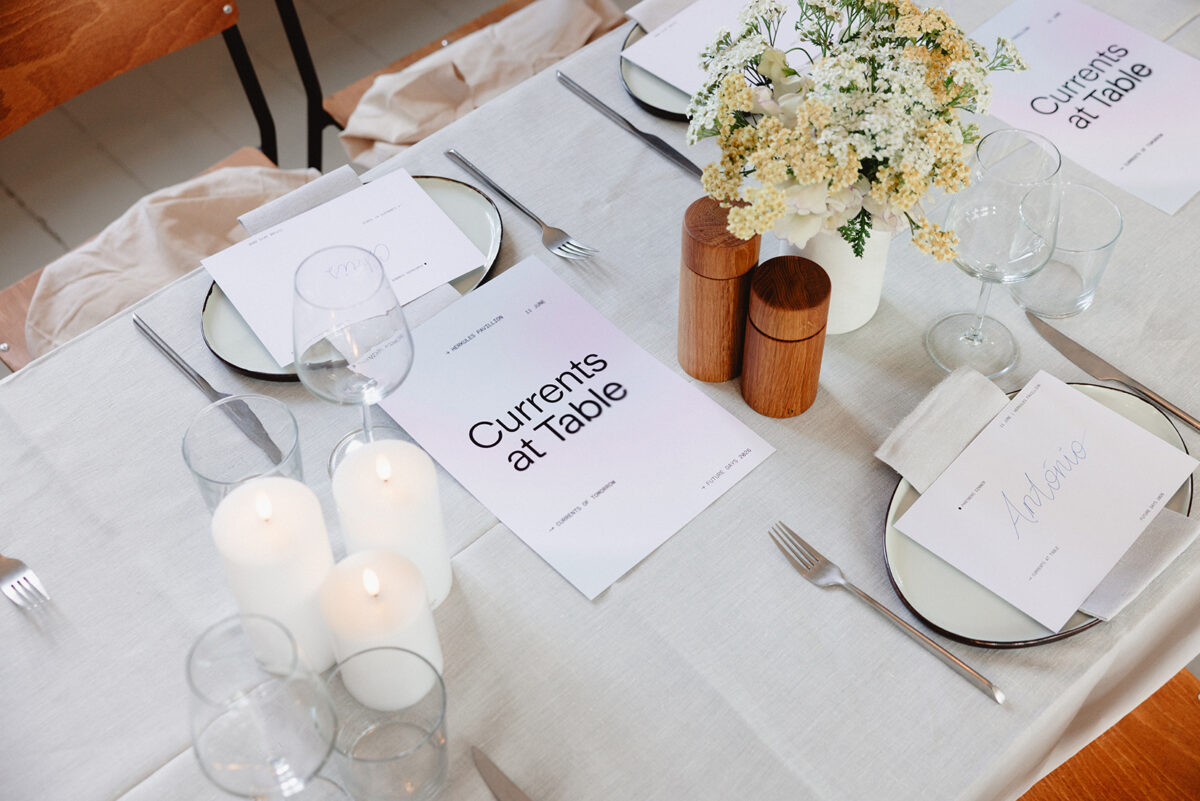
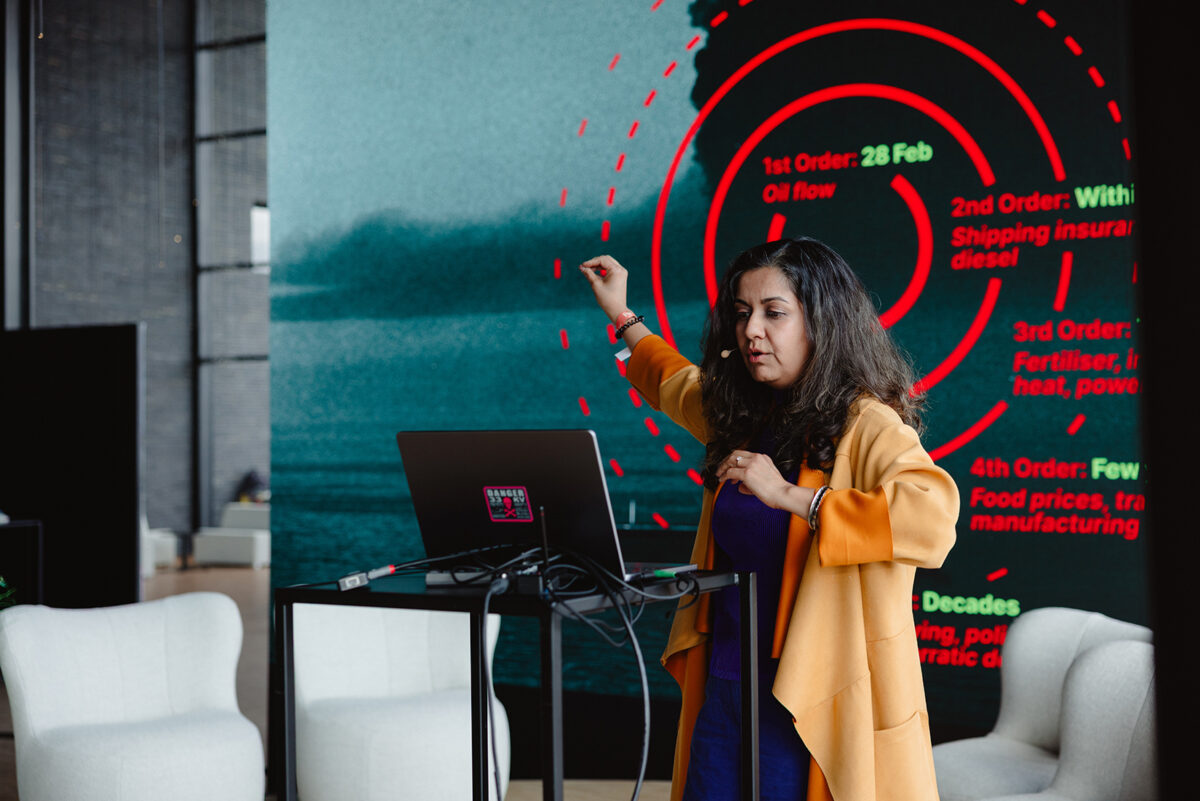
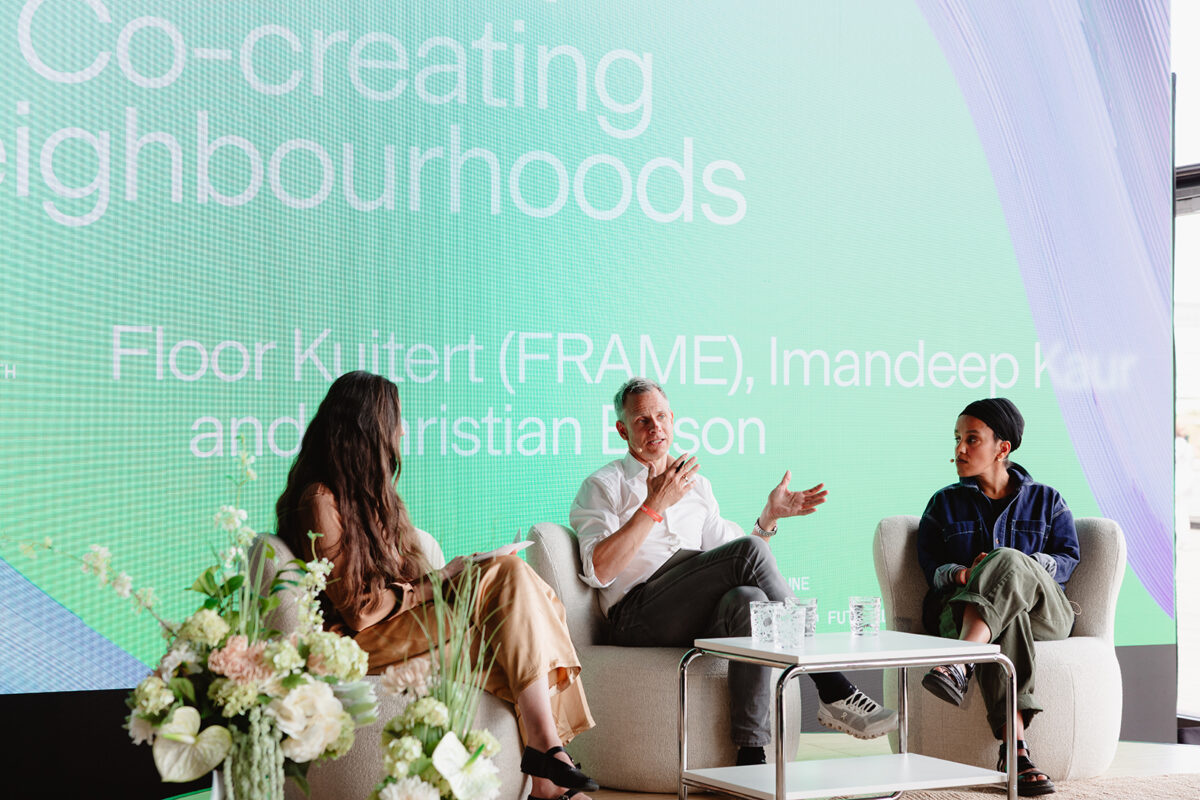
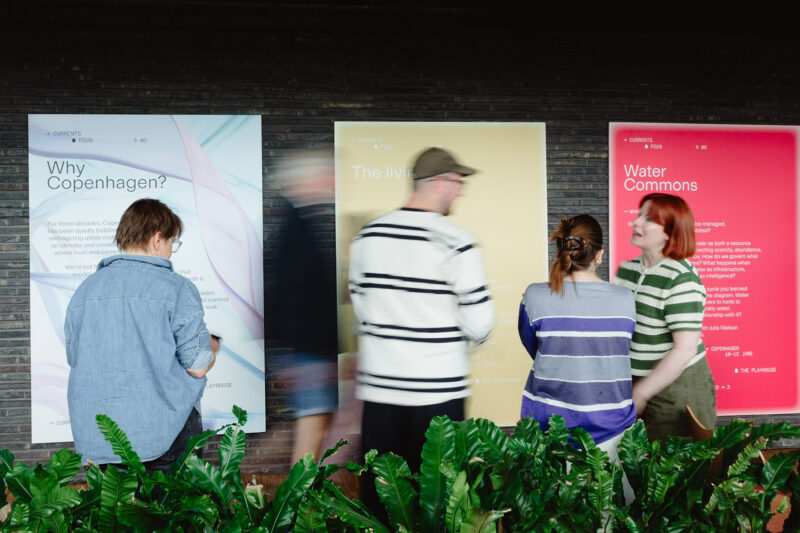
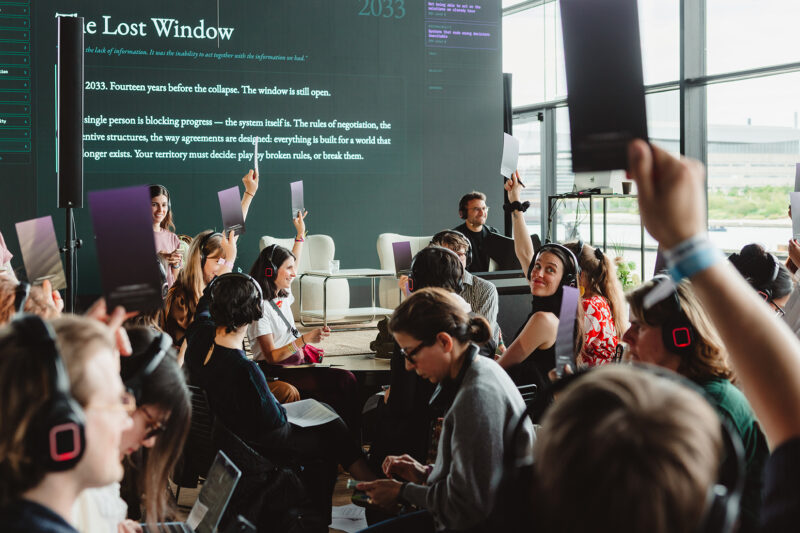
For years, thinking about the future became a discipline in its own right. Possible scenarios, emerging trends, forecasting methods, speculative design and strategic foresight came to occupy a central place in conversations around design, innovation and systems thinking. But something is beginning to shift.
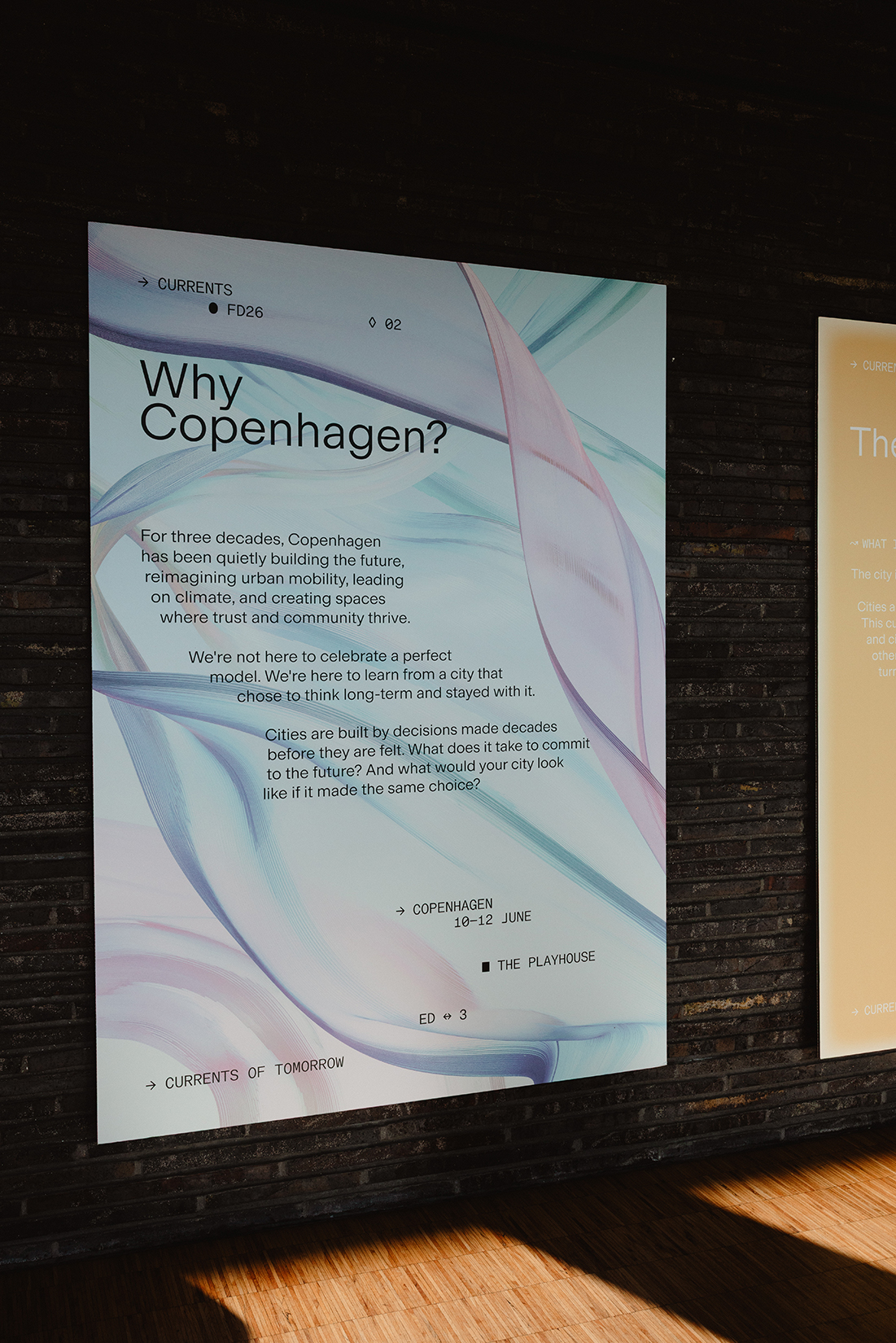
The third edition of Future Days, held for the first time at Copenhagen’s iconic Royal Danish Playhouse during 3daysofdesign under the theme Currents of Tomorrow, brought together some of the world’s leading voices working across creativity, systems design and futures thinking.
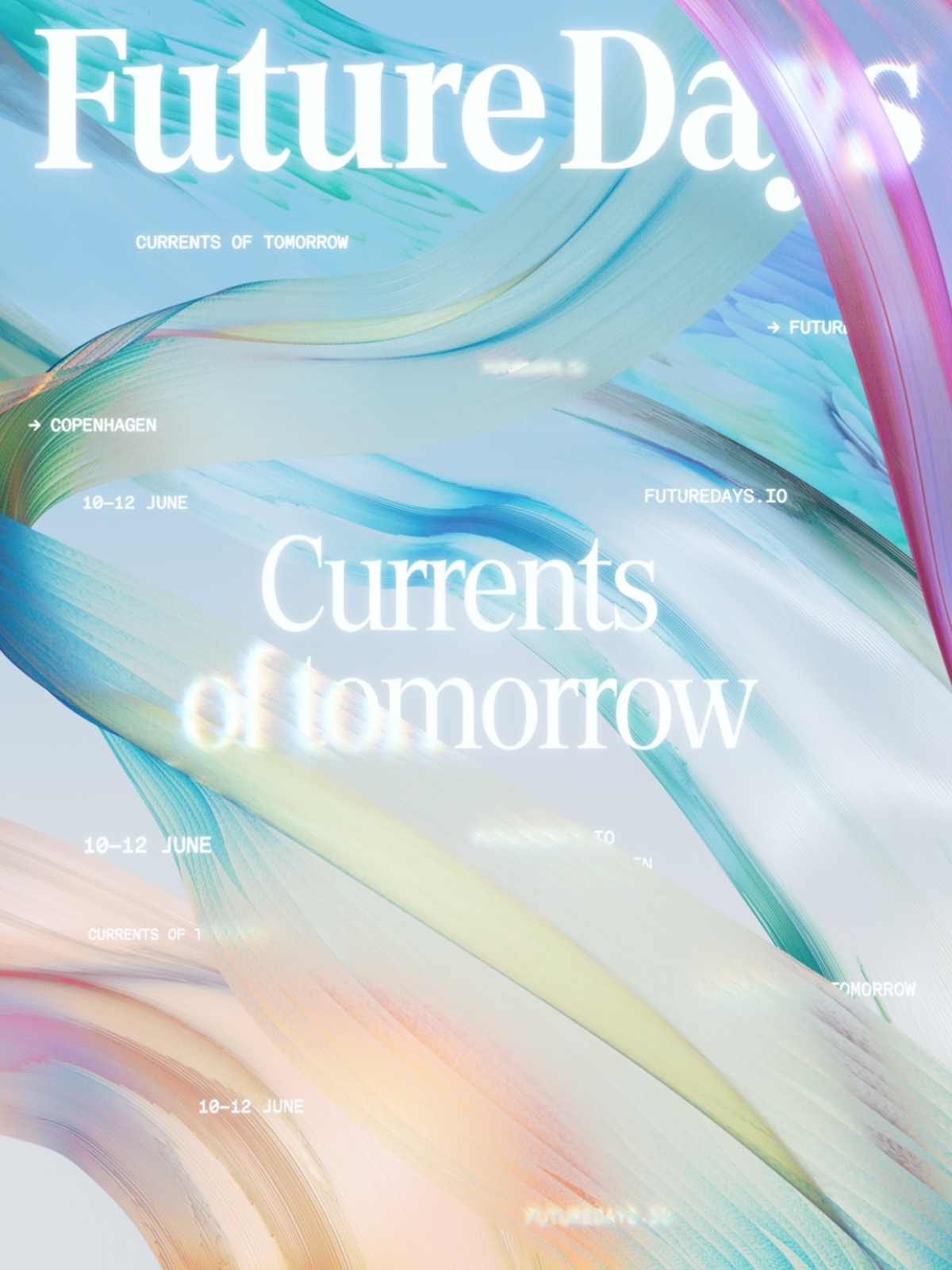
The festival, now firmly established as one of the leading international forums for exploring the major challenges of tomorrow, made one thing unmistakably clear: the conversation about the future is evolving. The future is no longer understood as a distant destination to be anticipated, but as a process that begins with the decisions we make today. The fascination with imagining ever more sophisticated scenarios is giving way to a far more pragmatic mindset—one centred on experimenting, building, intervening and recognising that change does not belong to tomorrow; it begins in the present.
As a media partner, CC/magazine had the opportunity to follow three days of conversations that brought together voices from design, architecture, research, philosophy, technology and the social sciences. Rather than offering definitive answers, Future Days invited participants to ask better questions. And perhaps that is its greatest achievement.
Because if there was one idea shared by both speakers and attendees, it was this: the future does not need more predictions. It needs more people willing to build it.
From future thinking to future making
For many years, disciplines such as Service Design, Design Research, UX and Design Strategy found a common language in Design Thinking. Later came Strategic Foresight, Systems Thinking and Futures Thinking, expanding the ways in which increasingly complex systems could be understood.
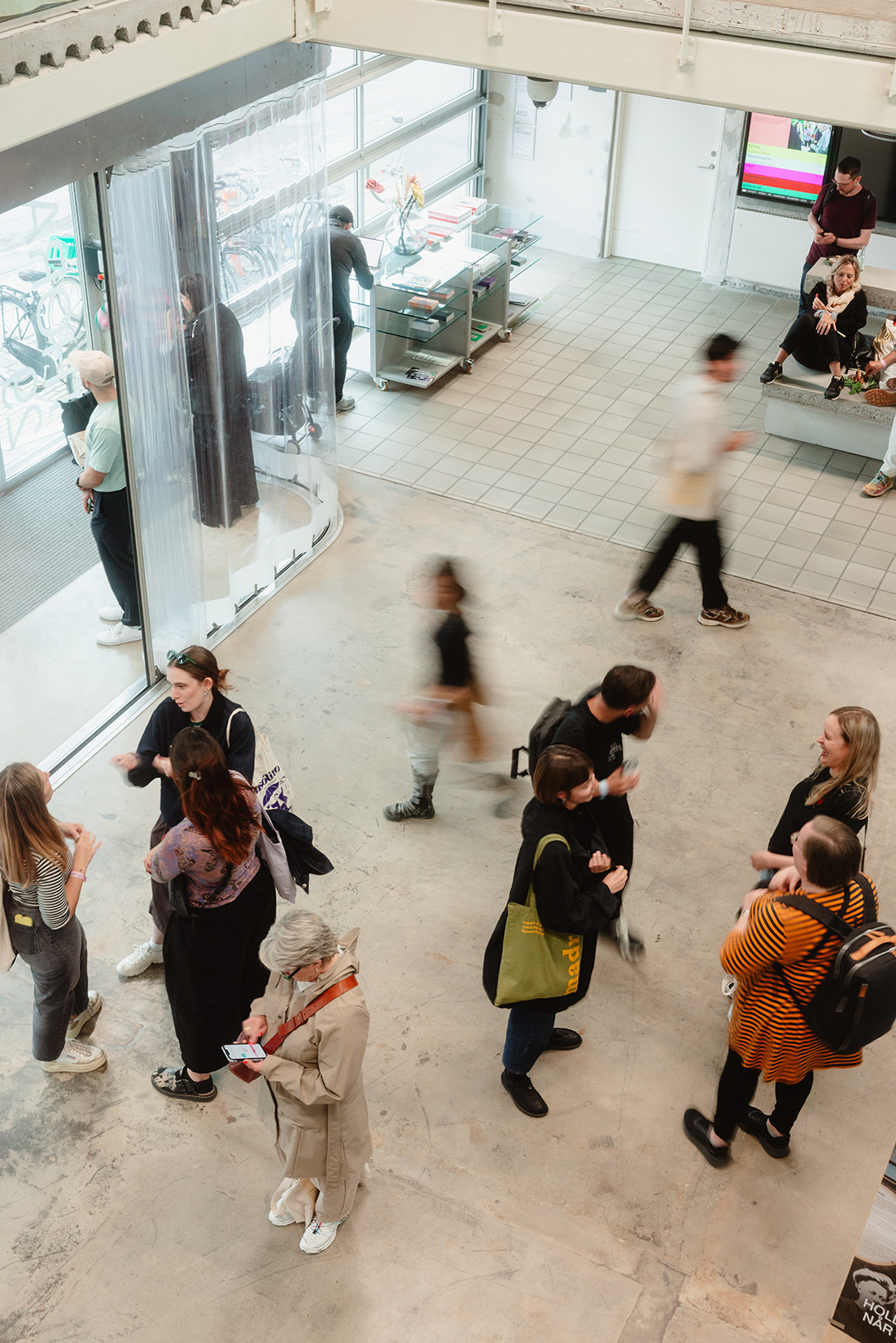
Yet at Future Days, it became clear that these boundaries are beginning to dissolve. Increasingly, the question is no longer which label best describes a particular discipline, but rather the recognition that they all form part of a hybrid practice that is still evolving.
Festival organisers Uri Casademont and Meri Sahade summed it up perfectly:
“Working with uncertainty is no longer about finding definitive answers, but about asking more meaningful questions. Uncertainty is no longer seen as a problem to solve, but as the natural condition of a discipline that is still taking shape.”
Rather than being perceived as a weakness, this lack of fixed definitions was embraced as a sign of maturity. The community gathered in Copenhagen seemed to share something far more valuable than a common vocabulary: a shared way of seeing the world.
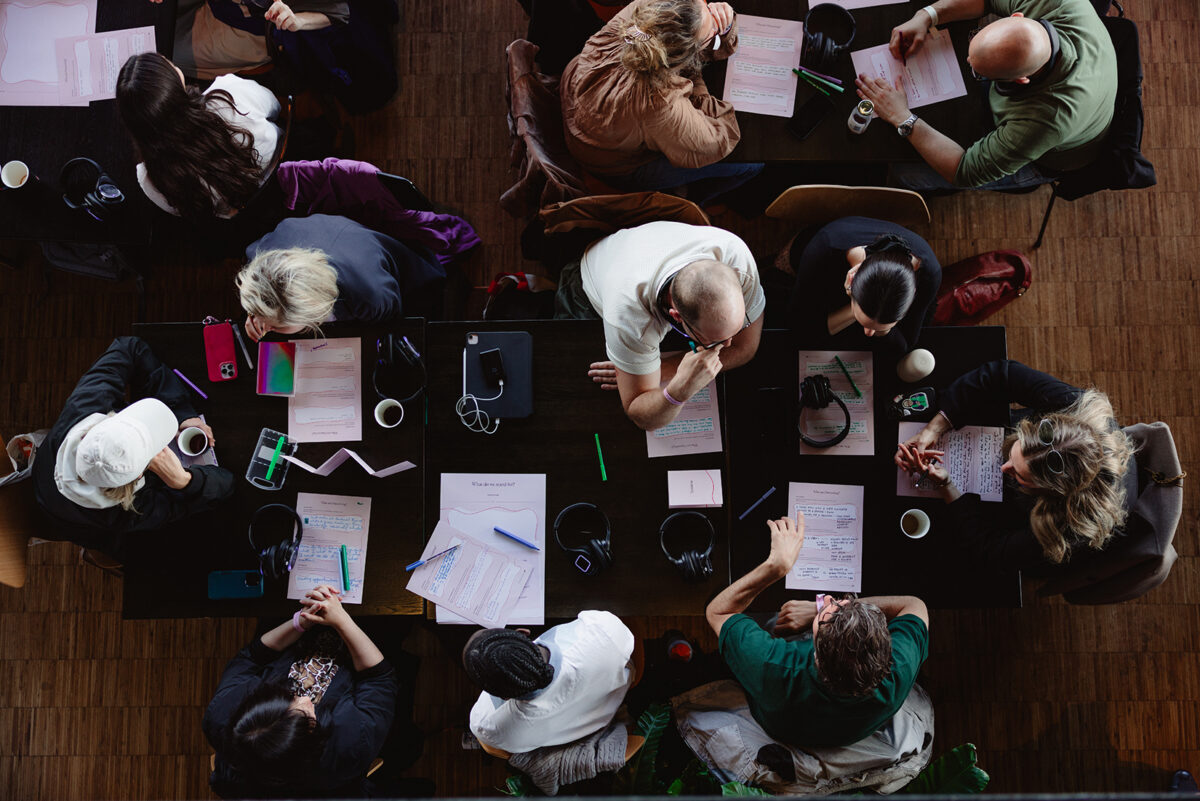
Instead of searching for certainty, the conversations focused on the ability to navigate complexity, connect disciplines that might at first appear unrelated, and accept that many of today’s most pressing challenges simply cannot be solved through straightforward answers.
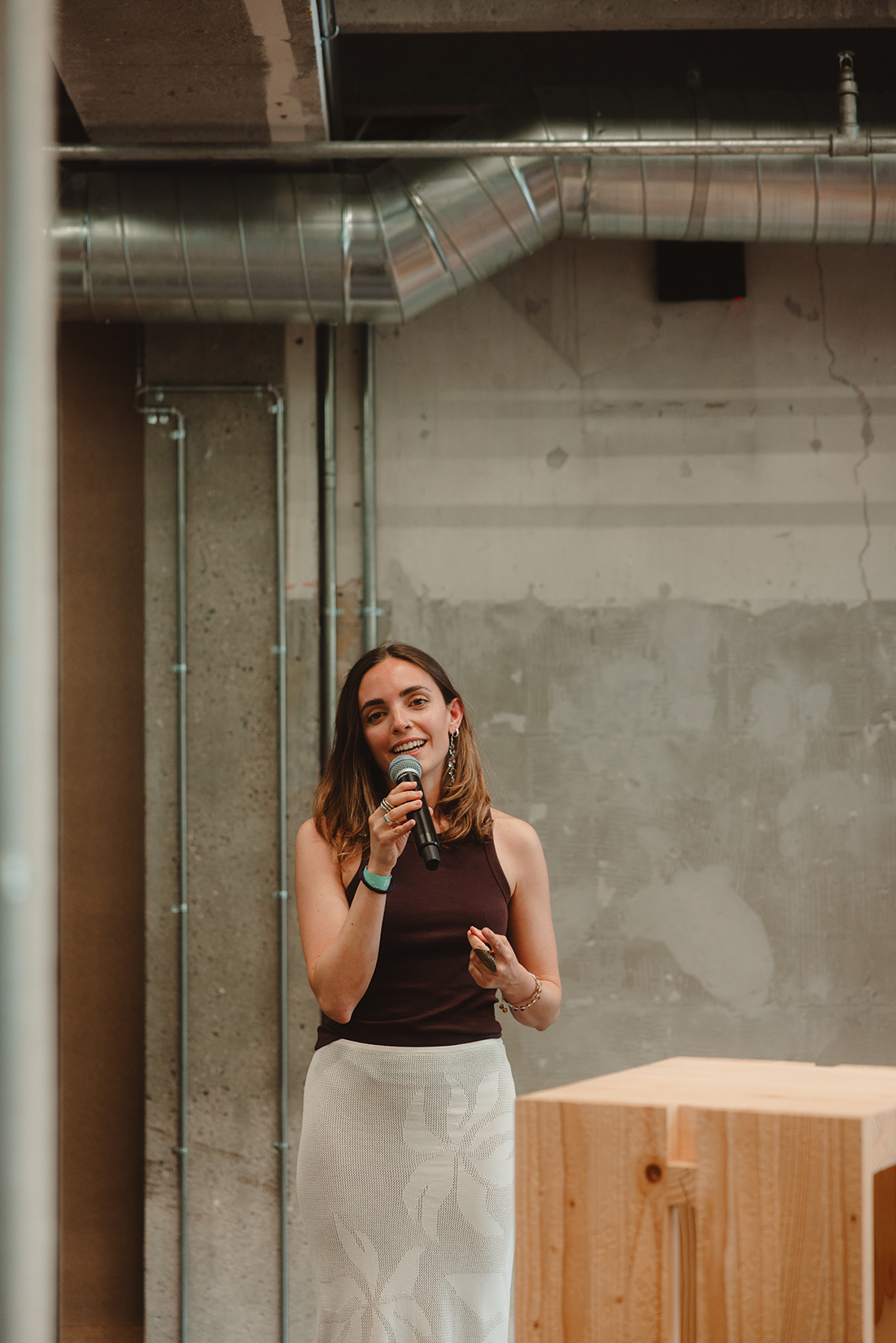
Perhaps that is the most significant shift of all: design is moving away from the search for universal answers and towards the pursuit of better questions.
The future is increasingly understood as a process that begins with the decisions we make today.
Thinking is no longer enough: it is time to build
If there was one idea that ran through almost every conversation at the festival, it was the transition from thinking to doing.
For years, imagining possible futures occupied a central place within strategic design. Today, however, the context has changed. The climate emergency, technological transformation, social polarisation and geopolitical uncertainty demand action on challenges that are no longer distant possibilities—they are already shaping the present.
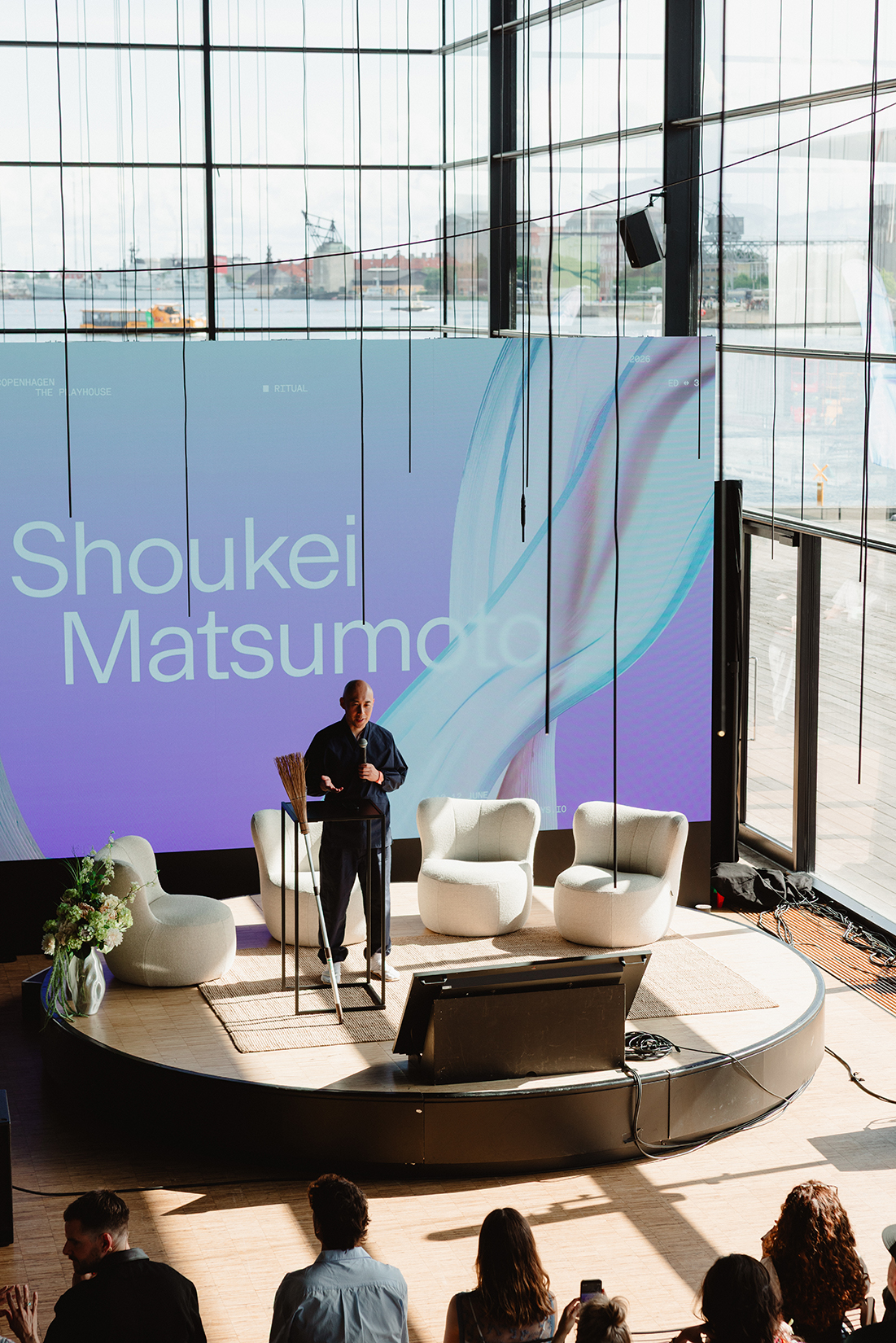
That is why a new vocabulary emerged so prominently throughout Future Days 2026: making, prototyping, building and experimenting.
It is no coincidence that many design studios are expanding their practice into venture building, self-initiated projects and material experimentation. Design is no longer confined to analysing problems; it is increasingly becoming a tool for testing tangible solutions.
One of the most inspiring examples was The Pluriversity, developed by Studio Saol. Rather than presenting a speculative vision, the project proposes a new model of education rooted in place, ecological regeneration and collective learning. It functions as an open prototype, exploring how these ideas might be translated into reality.
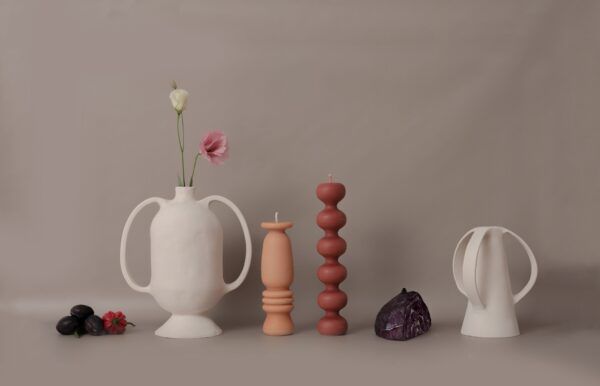
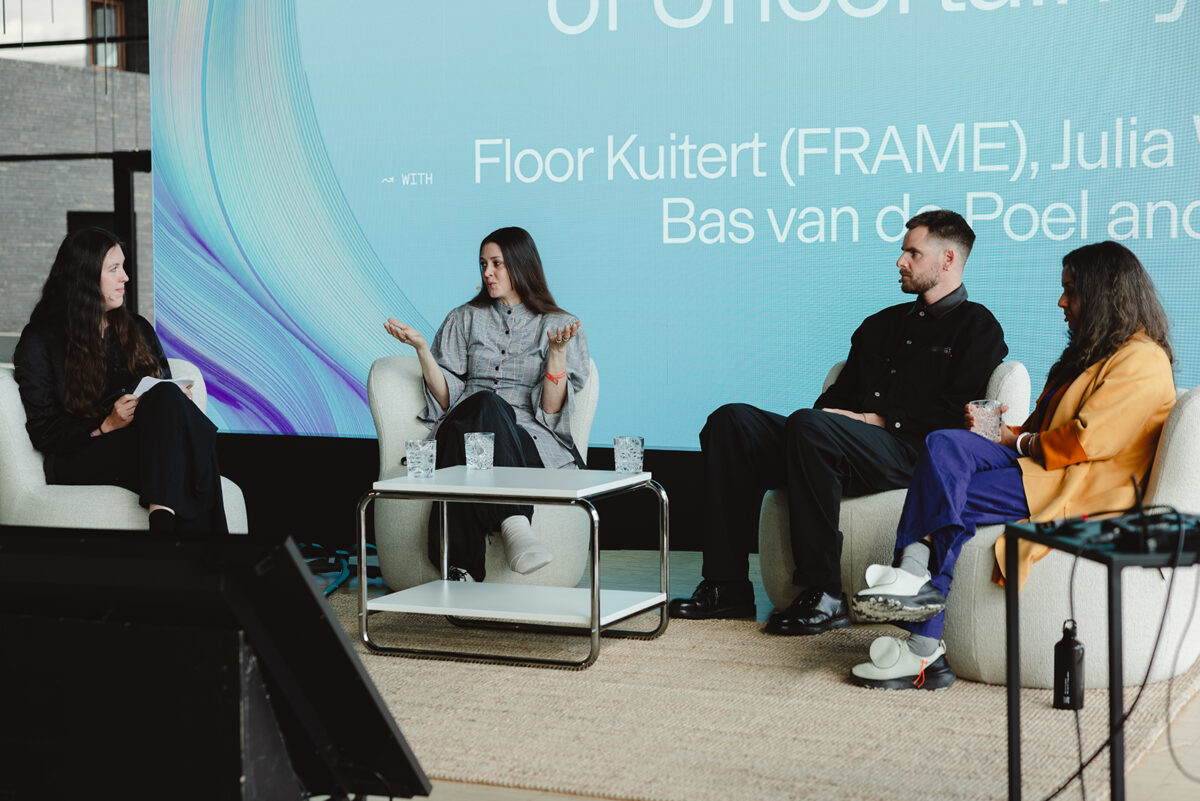
A similar spirit could be found in the artefacts created by Bas van de Poel (Modem). Rather than finished products, they are conceived as instruments for thinking, debating and experimenting together.
The distinction may seem subtle, yet it fundamentally changes the way design itself is understood.
Design is no longer limited to analysing problems; it becomes a means of testing, refining and bringing real solutions into the world.
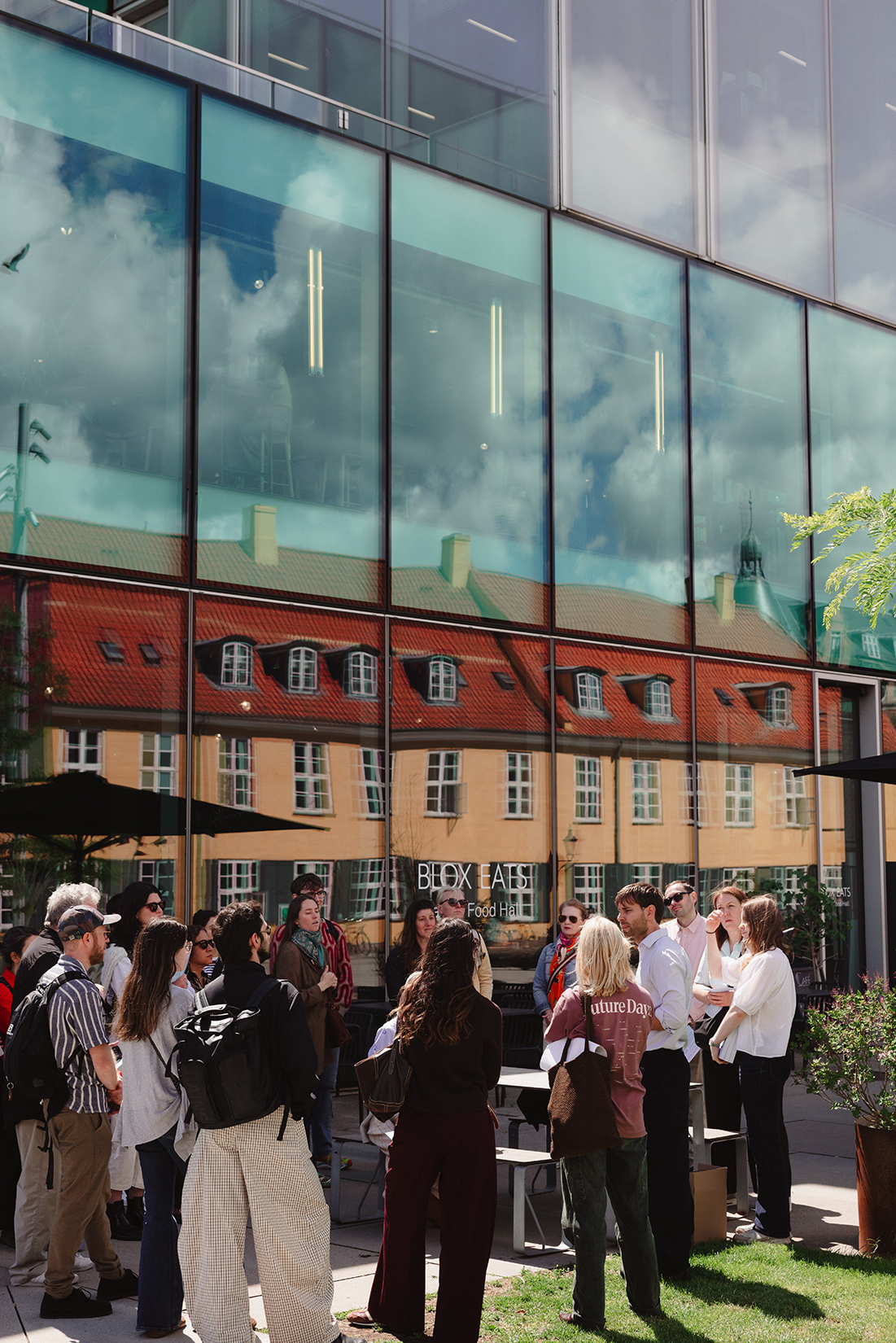
For decades, the prototype existed primarily as a way of explaining an idea. Today, it is increasingly becoming the place where that idea is genuinely put to the test.
As the organisers of Future Days explained, the present demands more than scenarios imagined from a distance:
“It is no longer enough to imagine possible futures. We need to intervene in reality, to experiment and to build from the present.”
Rather than abandoning strategic thinking, the festival proposed expanding it. Imagination remains essential, but imagining without building is beginning to feel insufficient. It is this shift that many now regard as one of the most profound transformations taking place within contemporary design.
Change often begins with the relationships we are able to build with the people closest to us.
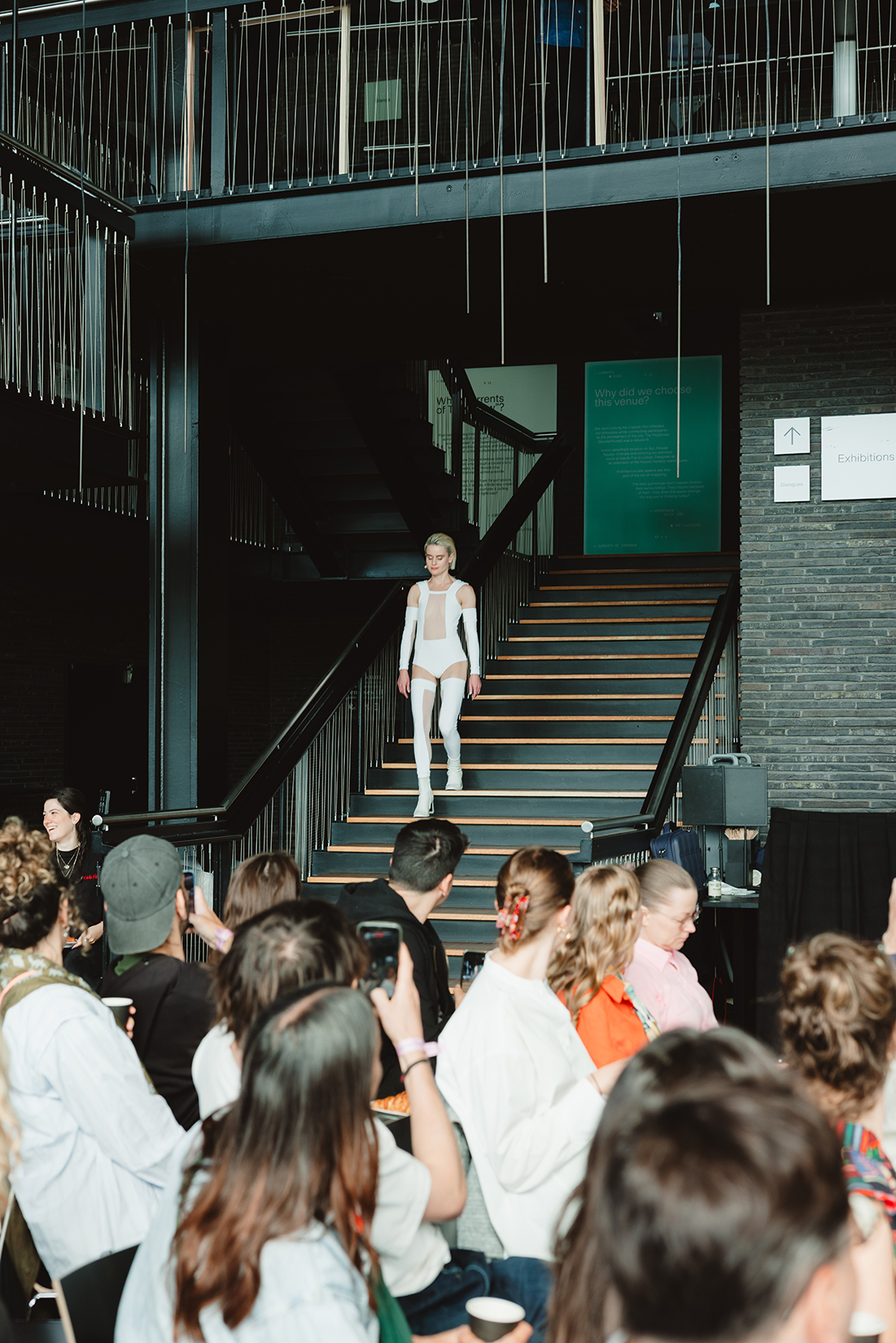
Do we really need another chair?
There was one remark that captured the spirit of Future Days 2026 better than any keynote presentation.
During an informal conversation at one of the 3daysofdesign events, a furniture designer approached another attendee and, almost without introduction, said:
“We don’t need any more bloody chairs. I’m going to dismantle my own company.”
Beyond its deliberately provocative tone, the comment distilled a concern that resurfaced repeatedly throughout the festival. An increasing number of designers are questioning not only how they work, but why they work in the first place.
For decades, the success of design has largely been measured by its ability to create new products, open up markets and respond to the demands of industry. Yet in a world shaped by the climate crisis, dwindling resources and growing social awareness, that logic is beginning to feel increasingly inadequate.
The question is no longer simply what we are capable of designing, but whether it needs to be designed at all.
The organisers of Future Days describe this shift as intentional design. It is neither a new methodology nor an aesthetic movement, but a different way of understanding the profession. A practice that refuses to separate design from the values of those who create it, and one that demands uncomfortable questions: Who are we designing for? From what position do we design? And, above all, what tangible impact will our work have?
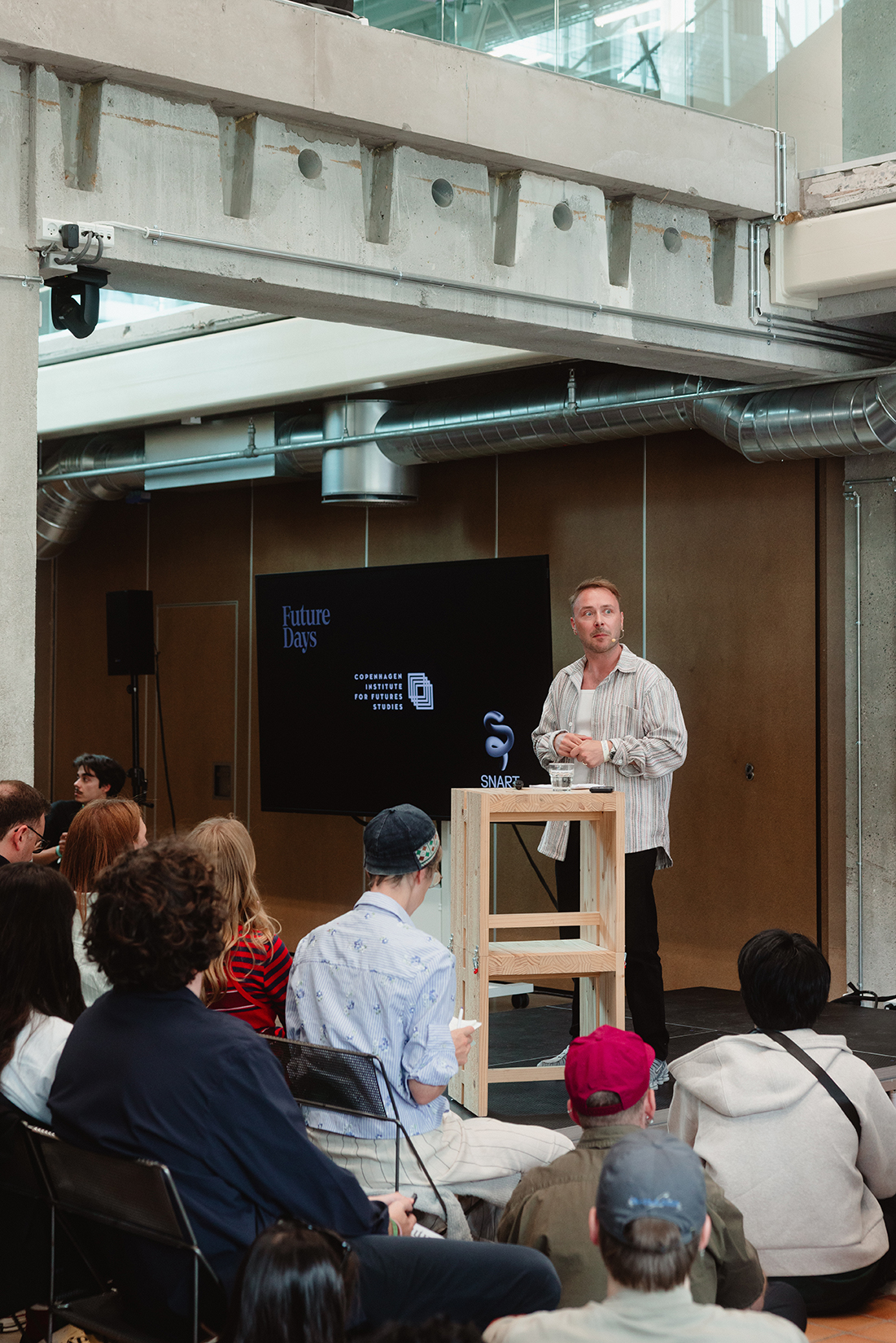
One of the talks that best embodied this perspective came from, founder of Civic Square in Birmingham. Rather than proposing sweeping global solutions, she argued for reclaiming our capacity to act at the local level. Faced with challenges that often appear overwhelming, she reminded the audience that meaningful change frequently begins within neighbourhoods, communities and the relationships we build with the people closest to us. Her contribution was arguably one of the most resonant of the festival because it brought design back to its most tangible dimension: people.
The future is also built by hand
At a time when artificial intelligence dominates almost every conversation about creativity, Future Days deliberately shifted the focus towards something apparently much simpler: the value of working with our hands.
This was by no means a rejection of AI. Quite the opposite. The prevailing feeling was that artificial intelligence is gradually finding its rightful place—as an extraordinarily powerful tool, but not as the unquestioned protagonist of the creative process.
As more and more tasks become automated, interest is growing in the kinds of knowledge that can only emerge through direct engagement with materials, craftsmanship and human relationships.
In this context, craft is no longer understood as an exercise in nostalgia, but as a form of research. Working with one’s hands is not about looking backwards; it is about recovering another way of observing, experimenting and learning. It is a practice that encourages slower processes, embraces the possibility of failure and reveals forms of understanding that rarely emerge from behind a screen.
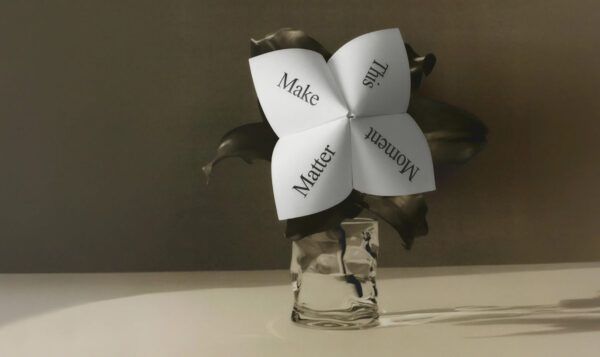
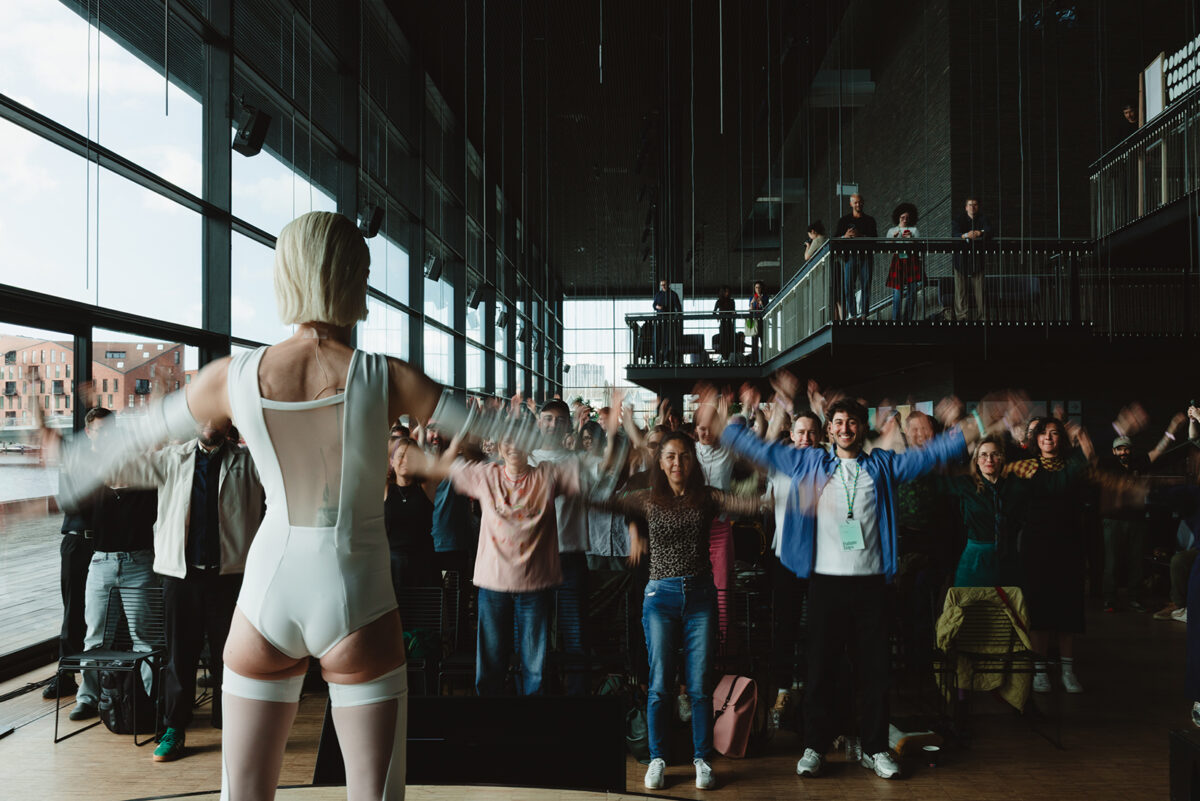
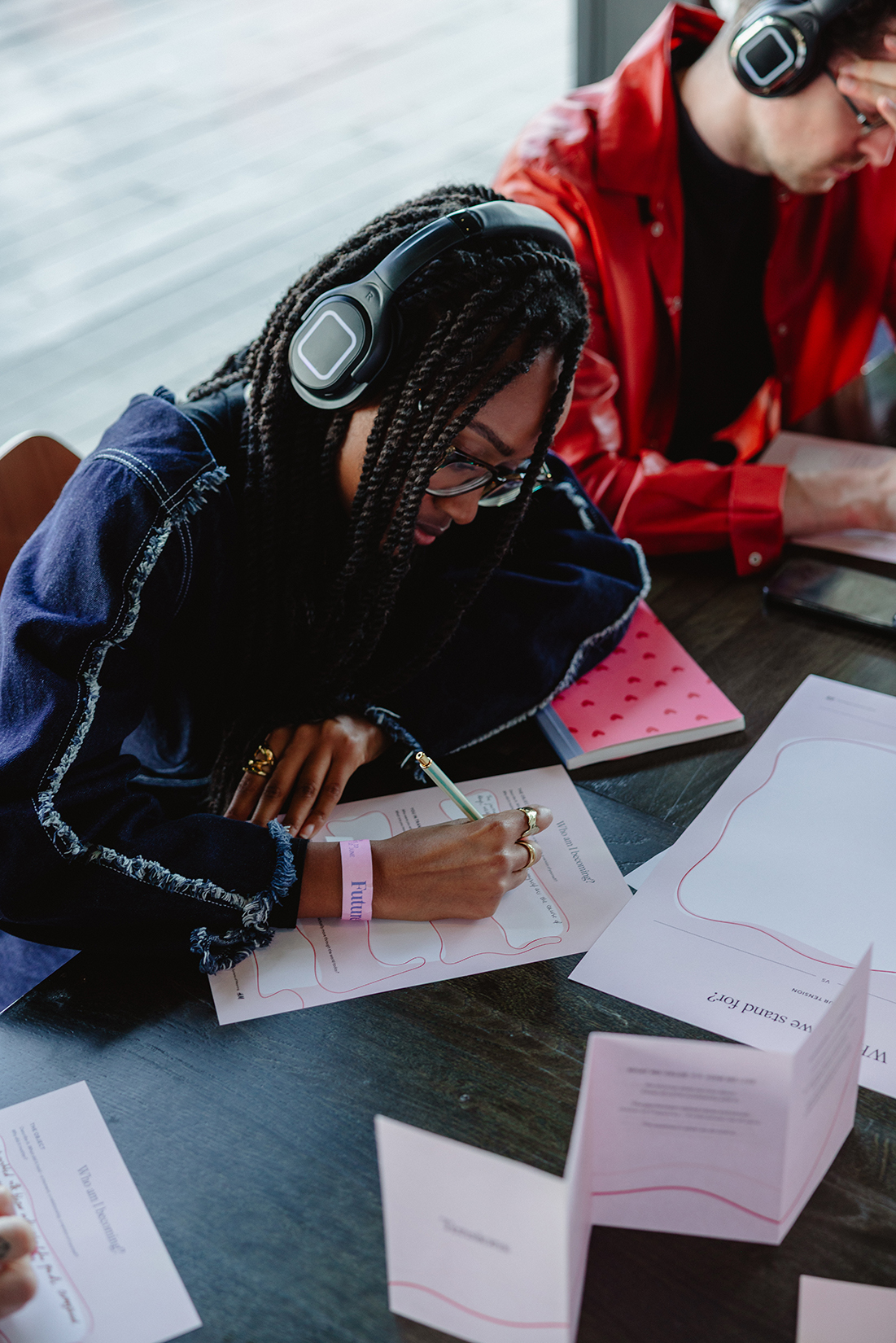
One of the moments that captured this idea most effectively was the workshop led by Noun, where participants created Darumas, the traditional Japanese talismans associated with perseverance. Each person wrote a personal commitment on their Daruma, transforming a collective reflection into a concrete act.
It was a small, almost intimate gesture, yet it conveyed a powerful idea: profound change rarely begins with grand declarations. More often, it starts with modest actions that we are willing to sustain over time.
Local optimism
For years, we have associated the future with sweeping technological breakthroughs, global scenarios and solutions capable of transforming the world. Future Days 2026, however, painted a very different picture.
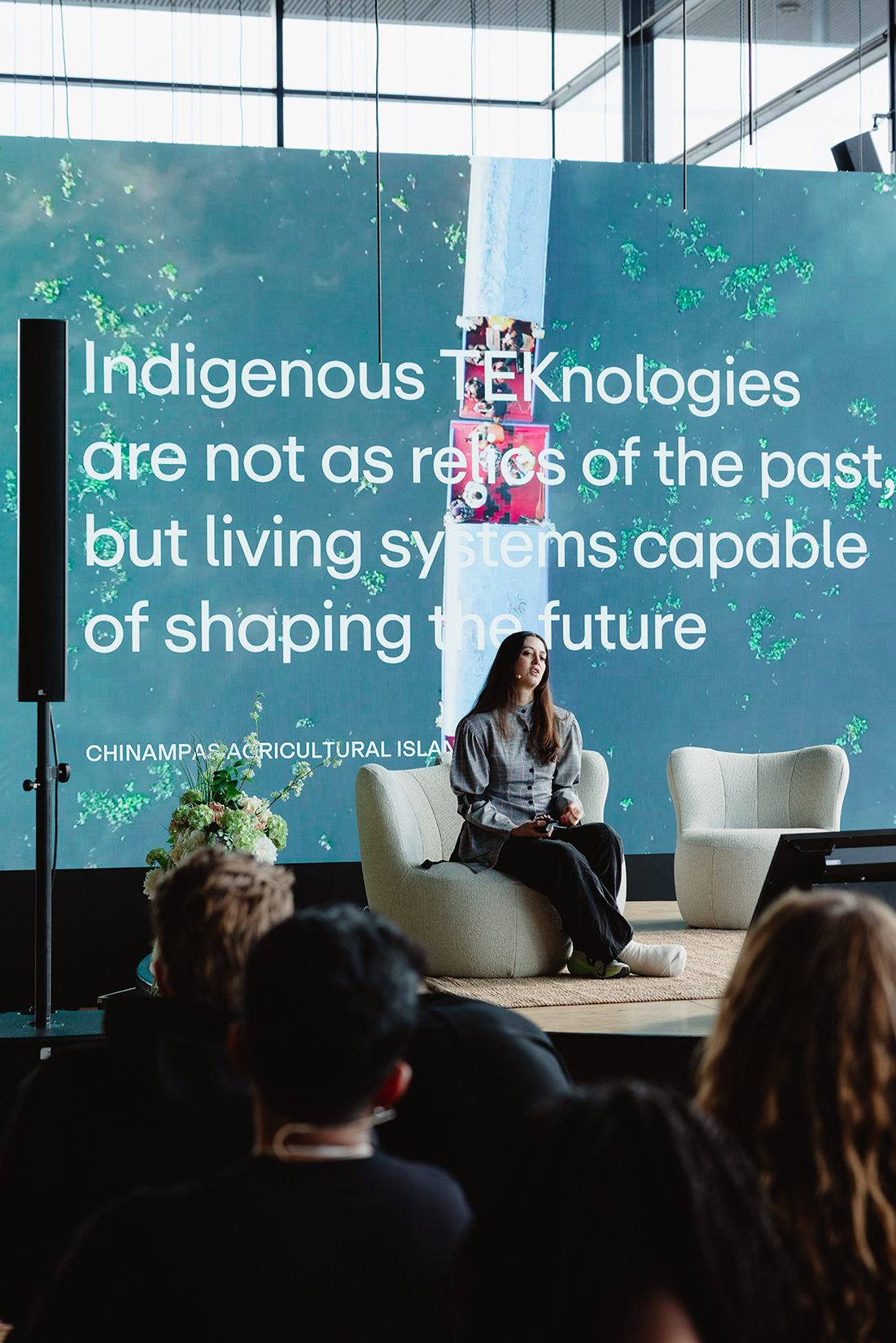
The ideas that resonated most strongly throughout the festival all had one thing in common: they emerged from a specific place. From Ireland’s River Shannon in the case of The Pluriversity; from the neighbourhoods of Birmingham in Imandeep Kaur‘s work; from Japanese craft traditions in Noun‘s workshop; or from the Danish context through the reflections of Christian Bason. None of these projects claimed to offer a universal blueprint. Instead, each grew out of a particular place, a particular community and a real-world challenge.
Working with our hands is not about looking backwards; it is about rediscovering a different way of observing, experimenting and learning.
This perspective was also reflected in Currents of Tomorrow, the central theme of this year’s festival. Like ocean currents, the defining challenges of our time do not move in isolation. Economy, technology, culture, nature and society constantly influence one another. Understanding these interconnections is far more valuable than searching for universal solutions or perfect systems.
As the festival organisers explained:
“Perfect systems do not exist. We live in a constantly changing reality, and no system can ever be considered complete. The challenge is to build systems that are capable of learning, adapting and evolving alongside change.”
Rather than reinforcing a sense of paralysing uncertainty, this idea conveyed a far more grounded form of optimism. Not the optimism of grand promises or the expectation that someone else will solve the world’s greatest challenges, but the belief that meaningful change always begins on a human scale.
That was perhaps the most valuable lesson to emerge from Future Days 2026. The future is not shaped solely by ambitious strategic visions or disruptive technologies. It also takes form in the places we inhabit, the communities we belong to and the decisions we choose to uphold day after day.
Because building the future has never really been about predicting what will happen tomorrow. It is, above all, about deciding what we begin to do today.
Imagining remains essential. But imagination without action is no longer enough.
Today, Future Days is supported by H&M (Innovation & Exploration), PwC Japan (Future Design Lab) and the Copenhagen Institute for Futures Studies. Throughout its journey, the festival has also collaborated with more than thirty organisations, including the United Nations Futures Laboratory and the European Commission Policy Lab.
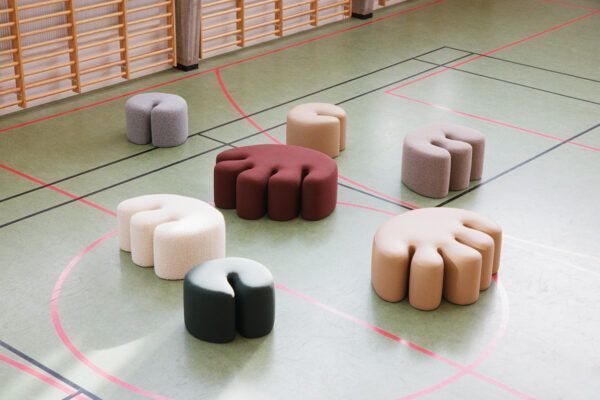
(*) Photography by Dani Bains, courtesy of the Future Days team.