3daysofdesign 2025: design with purpose (1/2)
For three extraordinary days in June, Copenhagen once again became the global epicentre of design innovation with a new edition of 3daysofdesign — this year held under the powerful theme KEEP IT REAL. With 469 carefully curated exhibitions and over 60,000 registered visitors from 127 countries, the Danish capital pulsed with energy, creativity, and a true sense of community.
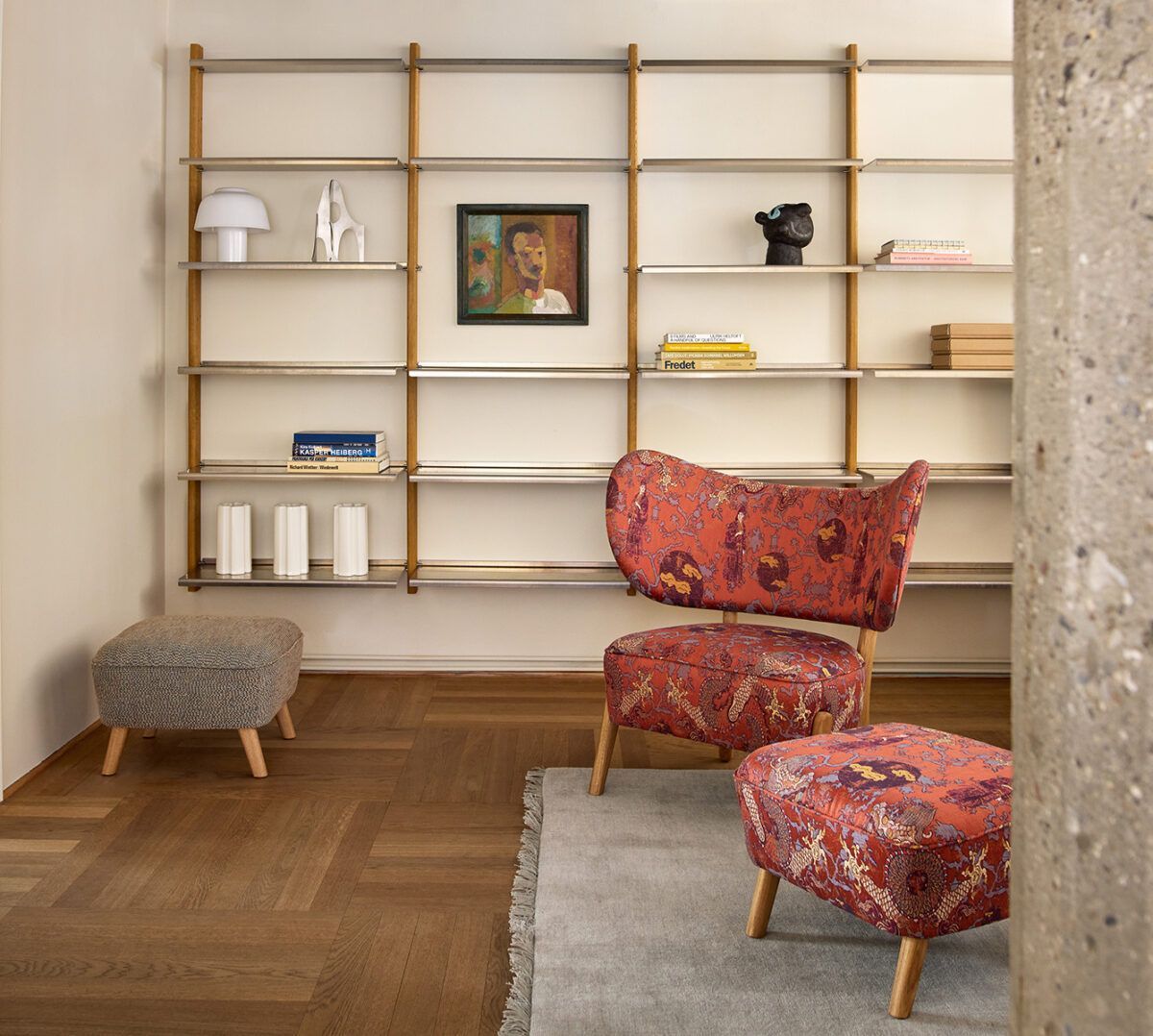
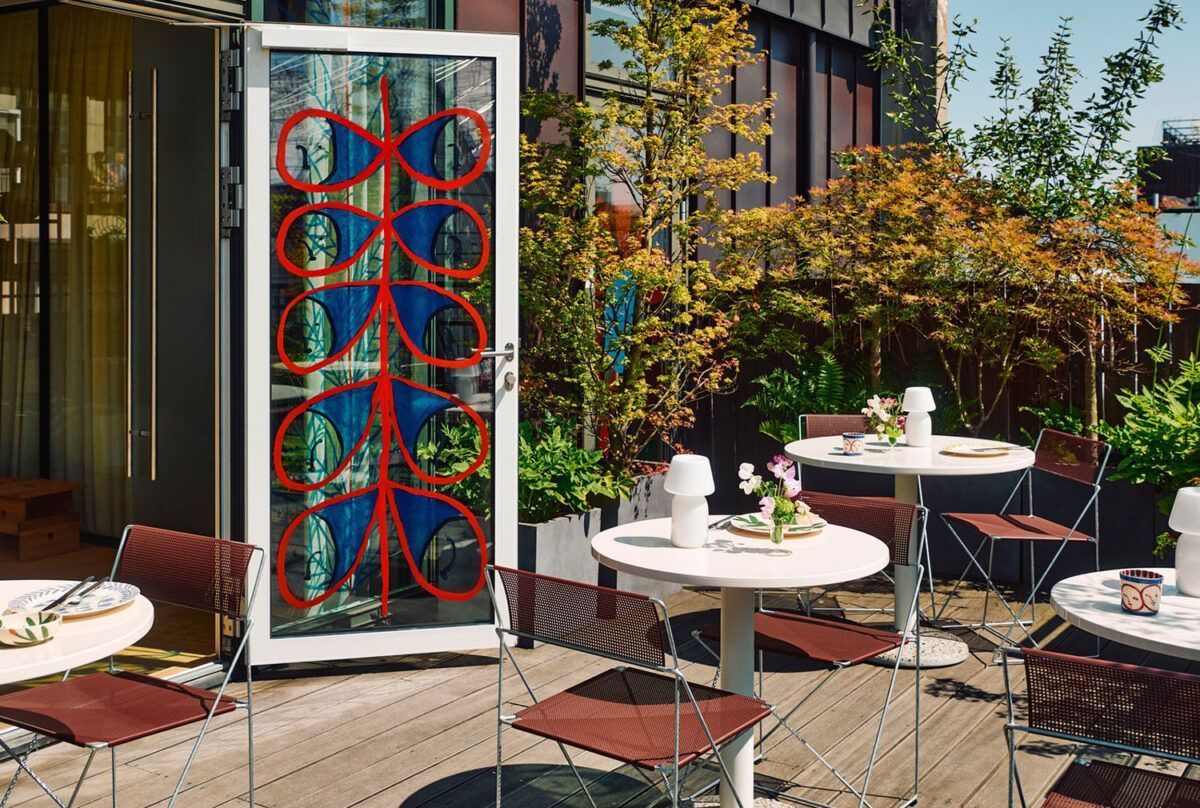
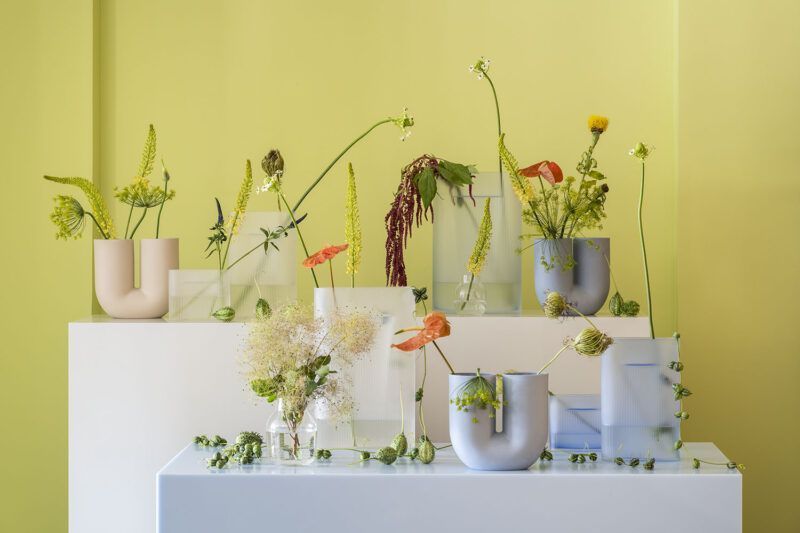
This year’s edition didn’t just showcase design — it embodied it. Across the city’s eight Design Districts, a rich programme of immersive installations, open studios, guided tours, rooftop meet-ups and meaningful conversations revealed what design can achieve when driven by authenticity and purpose.
From established studios to emerging talents, each participant offered more than just products — they shared ideas brimming with meaning, emotion and social relevance. The festival made its message clear: design is not about status, hierarchy or exclusivity — it’s about people. About being inclusive, sustainable and deeply human.
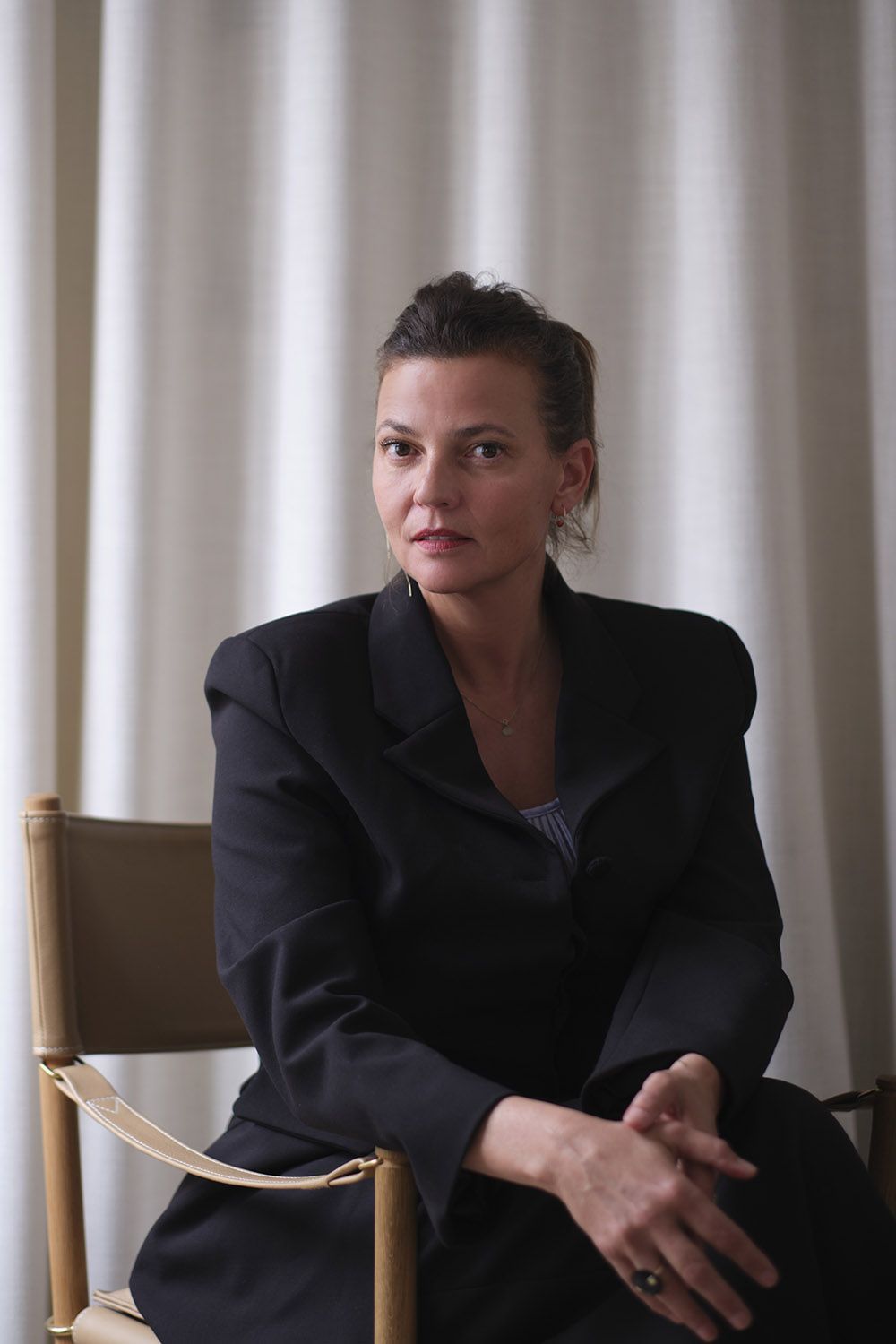
“Inspiration flowed freely in every corner of the city”, said Signe Byrdal Terenziani, CEO of 3daysofdesign. “This year we witnessed a collective expression of creativity at its most transformative: curious, bold and deeply collaborative”.
The theme KEEP IT REAL echoed as a common thread through every exhibition and experience — in the materials used, the craftsmanship on display, the stories shared and the genuine connections formed. From a tactile exploration of natural textures to an introspective installation on mental wellbeing, design wasn’t just seen — it was felt.
More than a design event, 3daysofdesign 2025 became a cultural phenomenon, turning the entire city into a living platform for ideas. And while the numbers reveal its vast reach and impact, what truly defined this edition was something more intangible: a profound, shared sense of purpose and connection.
The result? A powerful demonstration that great design doesn’t divide — it unites.
Now, as the design world already looks forward to the next edition (from 10–12 June 2026), one thing is clear: in Copenhagen, design has not only found a home — it has found a heartbeat.
Highlights and presentations
As you can imagine, this edition was filled with countless remarkable concepts, launches and installations. That’s why we’ve made a selection of the most inspiring highlights from the festival.
Here begins our first journey through the brands, spaces and ideas that moved us most at the vibrant 2025 edition of 3daysofdesign.
INTERMEZZO: A sensory pause in the heart of Copenhagen
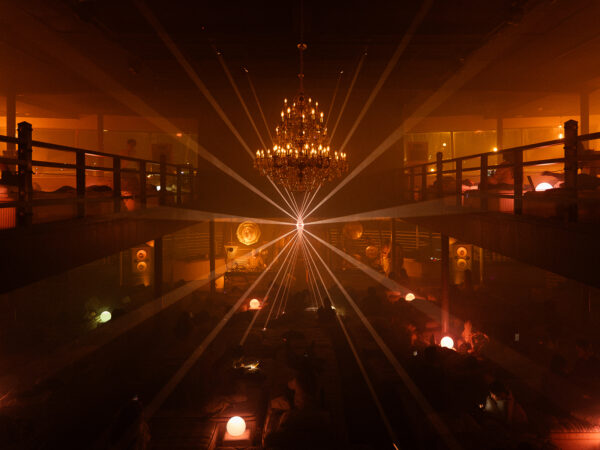
Among the most evocative experiences at 3daysofdesign, Intermezzo stood out for its ability to turn the everyday into something poetic. Located on the ground floor of an industrial car park at Vognmagergade 5, this ephemeral installation offered an unexpected refuge — where natural light, repurposed fabrics and ambient sound danced together in a choreography of calm and contemplation.
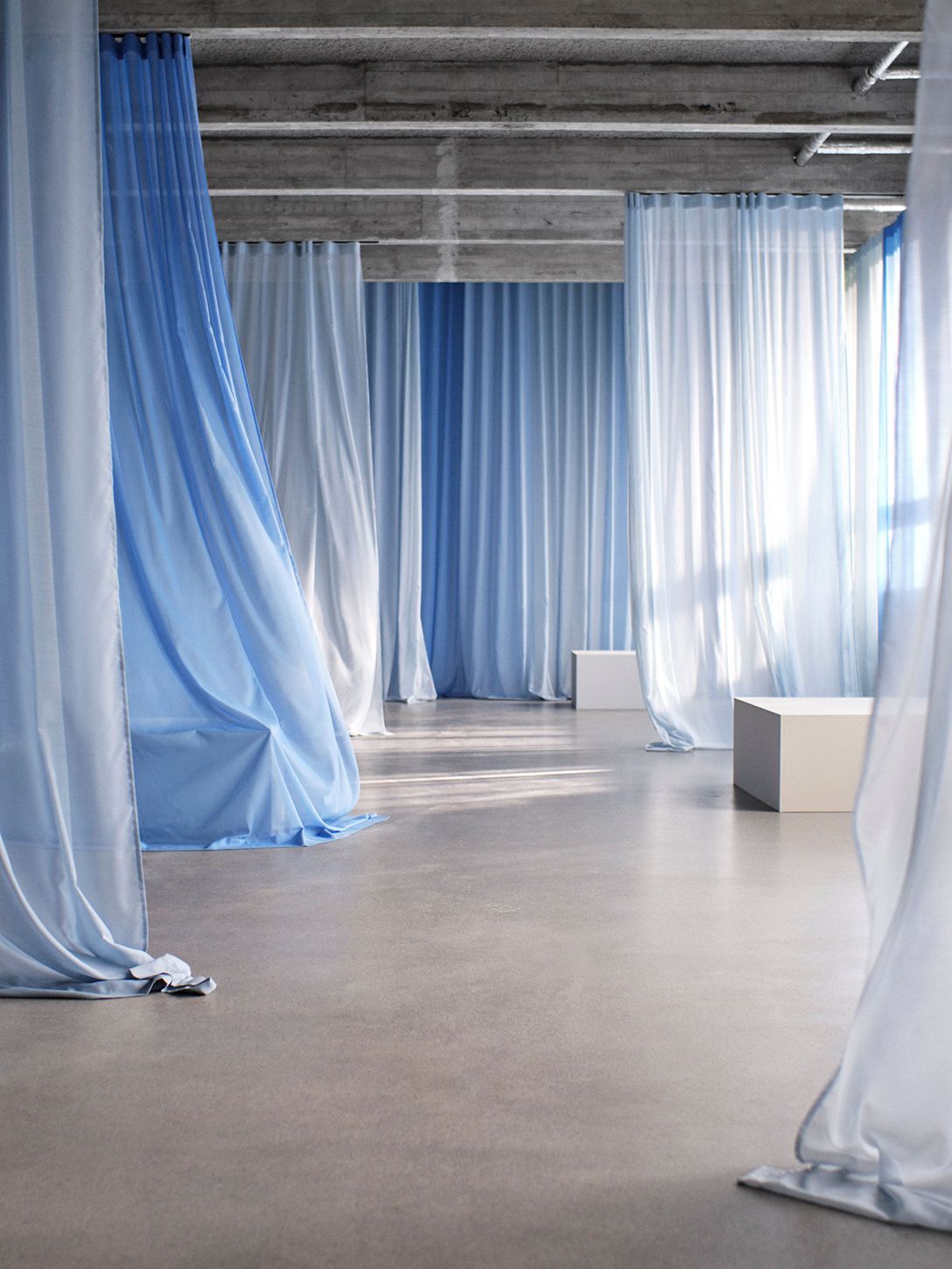
Conceived by spatial designer Yasmin Edgecombe in collaboration with textile studio ARNE AKSEL, Intermezzo reimagined the concept of a sundial — allowing light and shadow to shape the rhythm of the space and inviting visitors to slow down, breathe and surrender to the present. As ARNE AKSEL put it: W”We wanted to create a place you’ve never been before, to think thoughts you’ve never thought before”.
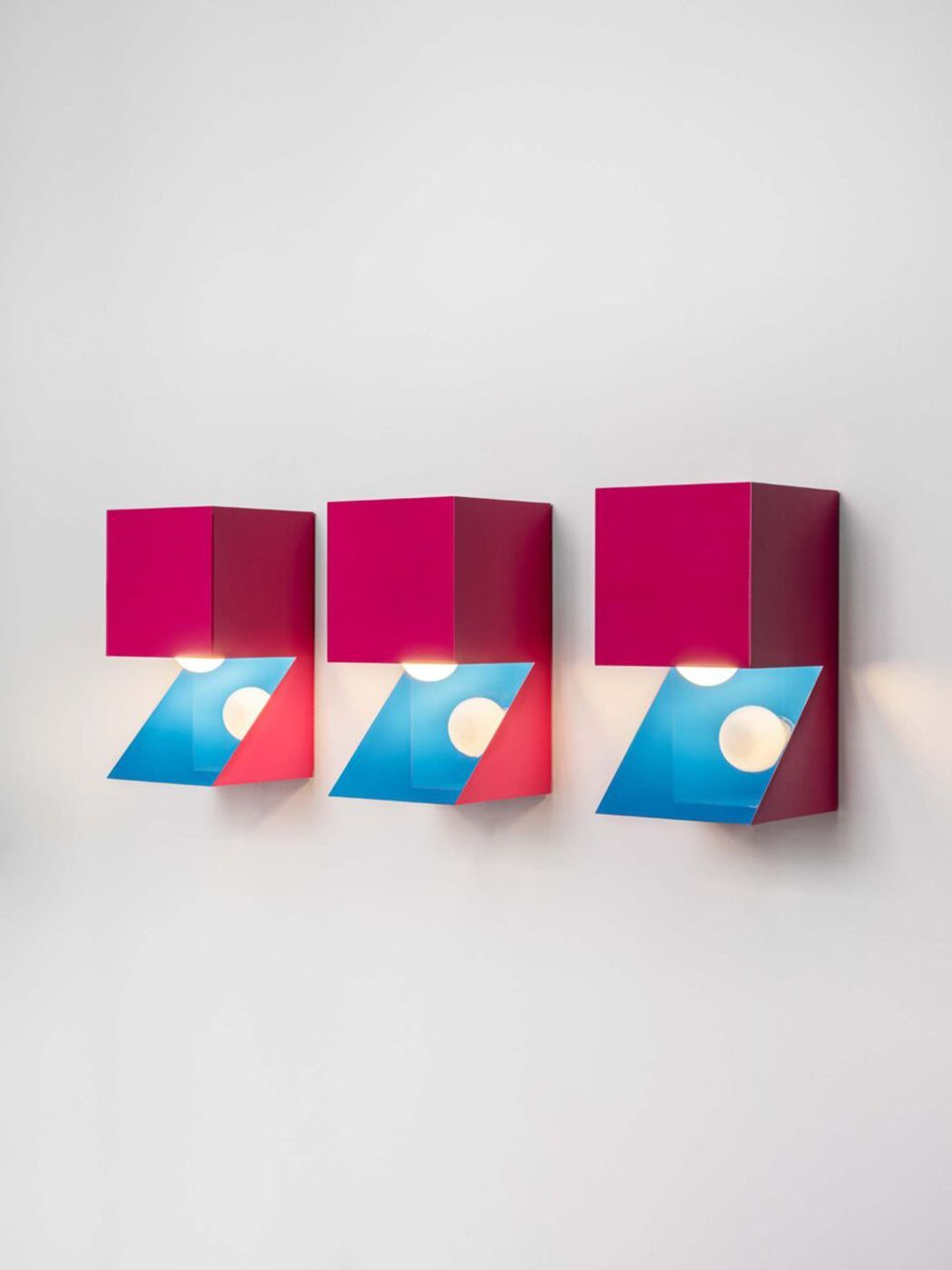
More than an exhibition, Intermezzo was a playful and sensory pause amid the bustle of design week. In this oasis where “creativity dances between lines”, participants included brands such as Loom Design (Denmark), it’s about ROMI (Netherlands), Triple Bottom Line (Japan), Marco Zelli (Switzerland), Marset (Spain), Friends & Founders (Denmark), Manu Matters (Sweden), Jeroen De Ruddere (Belgium) and Hollis + Morris (Canada).
Intentional minimalism, material honesty and architecture without artifice were the cornerstones of a space where nothing was superfluous and everything had purpose. Intermezzo reminded us that design can also be an act of pause, of listening, and of play.
TEKLA x Modern Romance: Embroidered poetry at Charlottenborg
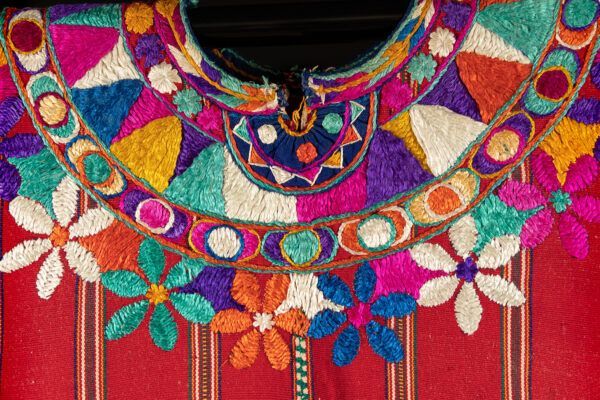
Tekla unveiled its Modern Romance exhibition by transforming the historic Charlottenborg Palace into a sanctuary of calm and textile sensitivity. In collaboration with design studio Mentze Ottenstein and with music by Astrid Sonne, the Danish brand presented its new Broderie Anglaise collection — a delicate evolution of its iconic bed linen.

Returning to its roots — “everything begins with the bed”, said co-founder Kristoffer Juhl — Tekla explored the decorative potential of broderie anglaise through duvet covers, cushions and sheets crafted from organic cotton and embroidered with details that evoke craftsmanship and intimacy. Walnut beds and loungers, made by Georgian carpenters, added a sculptural touch to the space.
The collection celebrates the beauty of the everyday with a more romantic and expressive language, while staying true to the brand’s minimalist DNA. Amid frills, cutwork and the scent of potpourri, Tekla delivered a sensory experience that united design, history and emotion.
VIPP x STUDIO KO: The soul of the kitchen and the poetics of material
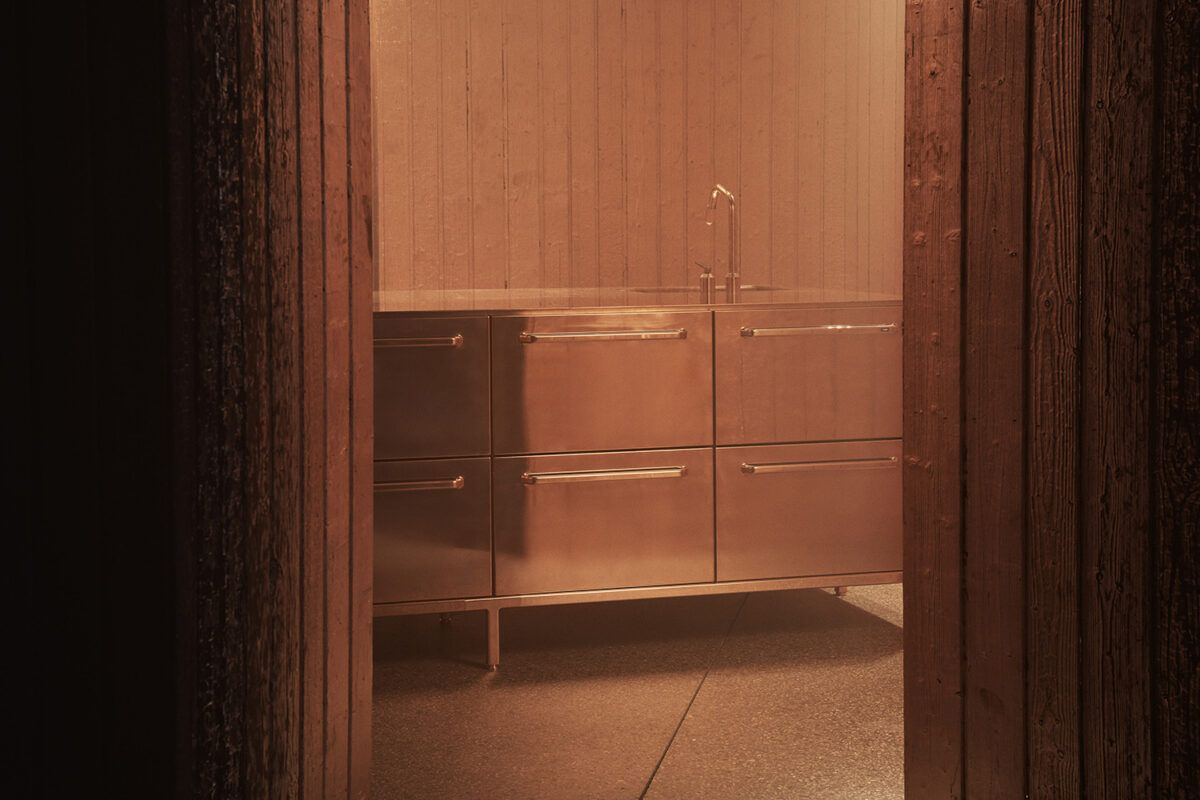
One of the most sophisticated and surprising collaborations of this edition came from Danish brand Vipp and renowned architecture practice Studio KO. Together, they presented a temporary guesthouse that challenged the traditional idea of home. Hidden behind a façade of charred wood — an ancient technique — and located in a former garage, the installation paid homage to the kitchen as the vital heart of the home. The iconic Vipp V1 kitchen system appeared in a never-seen-before copper finish, framed by architecture that was both brutalist and elegant.
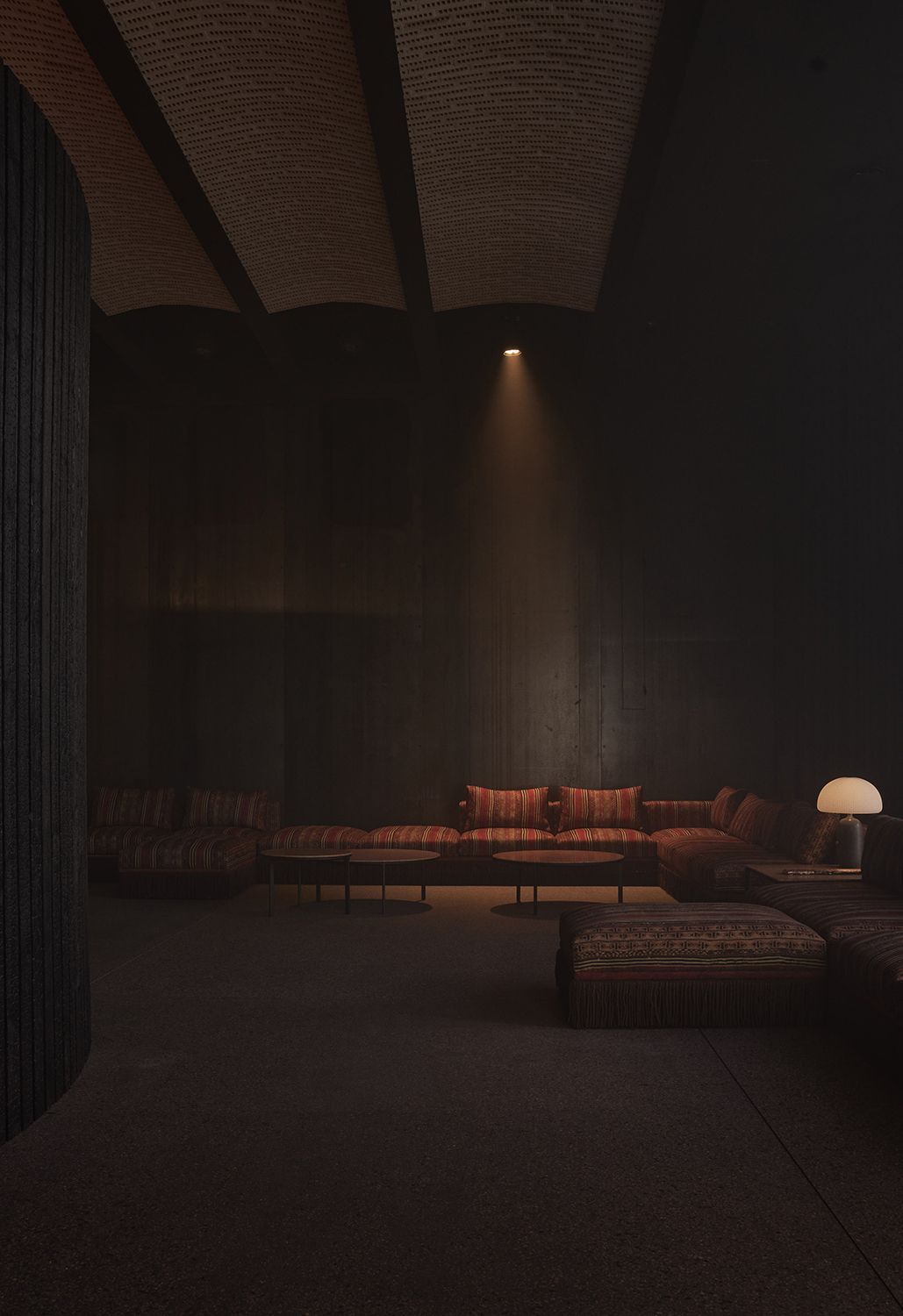
Designed to awaken all the senses, the space blended pure Scandinavian forms with textures, scents and sounds that evoked distant cultures. Studio KO — creators of the Yves Saint Laurent Museum in Marrakech — brought their distinctive narrative of materials and contrasts, creating a sensory experience that, as Karl Fournier explained, “evokes everything central to our collective imagination: sharing meals and the art of cooking”.
HEM: Modular design that brings people together
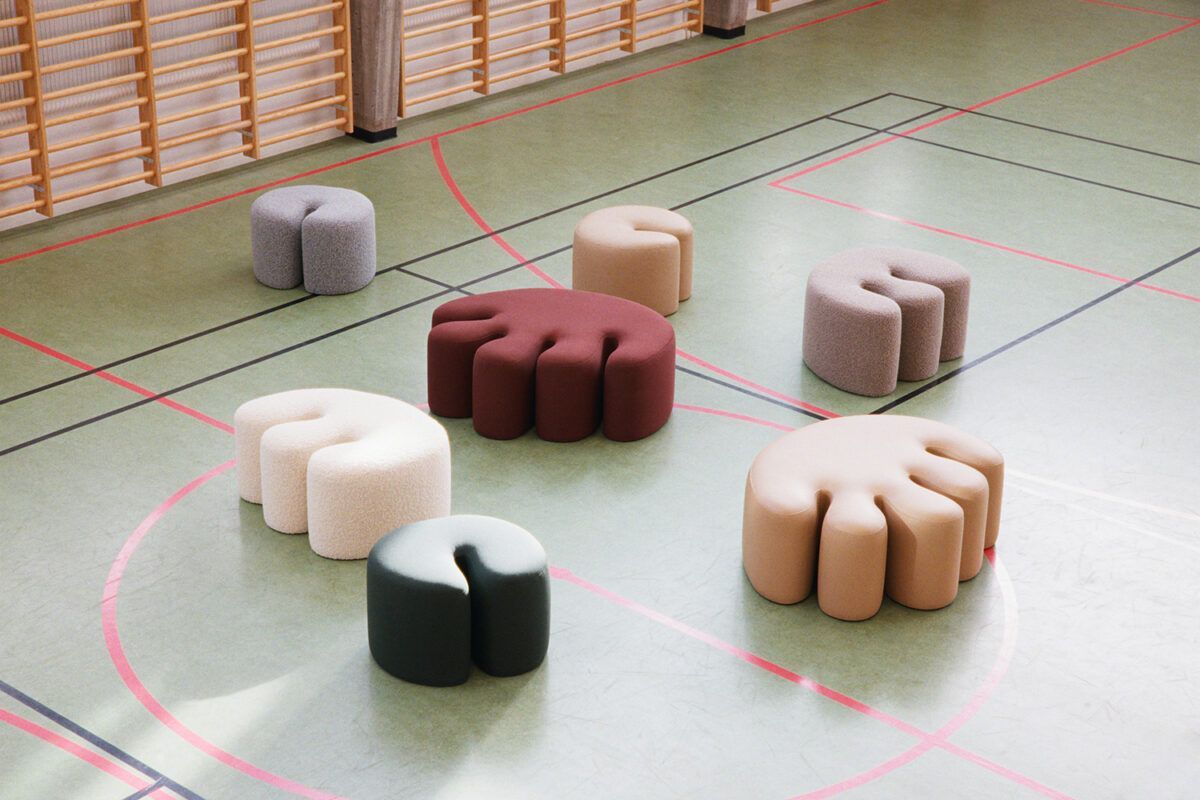
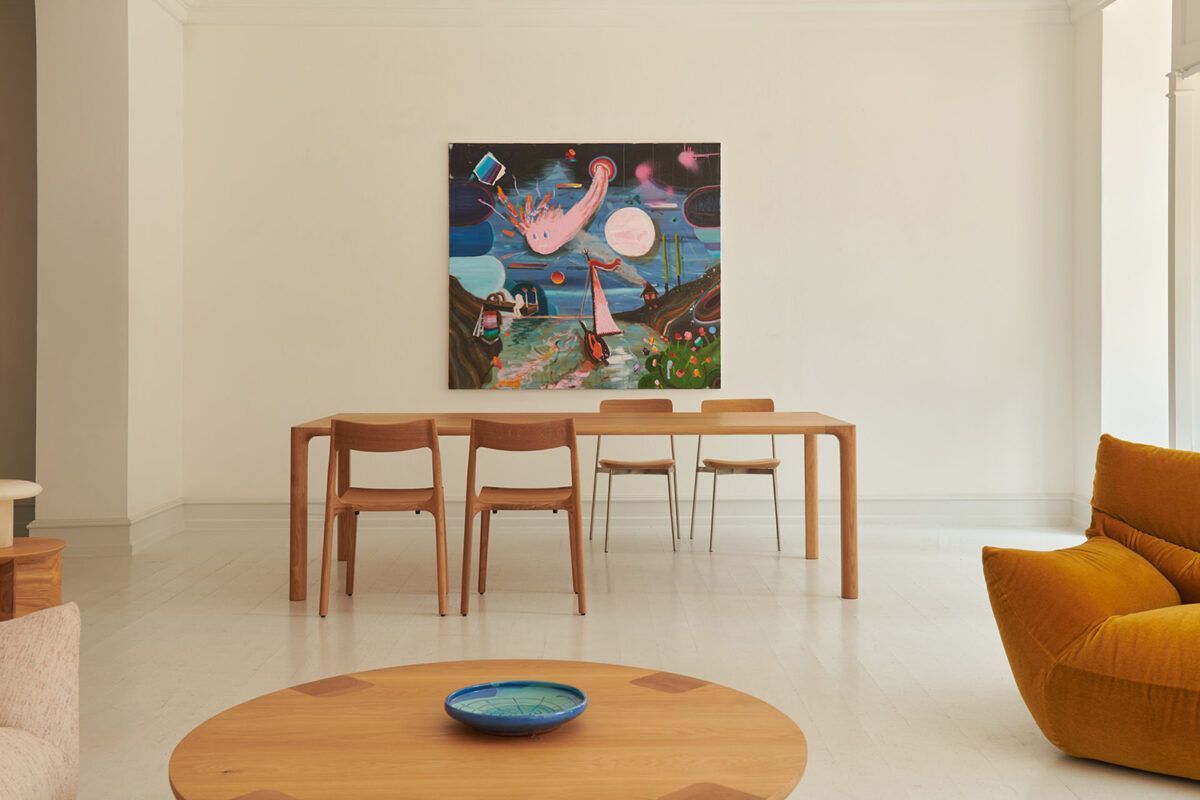
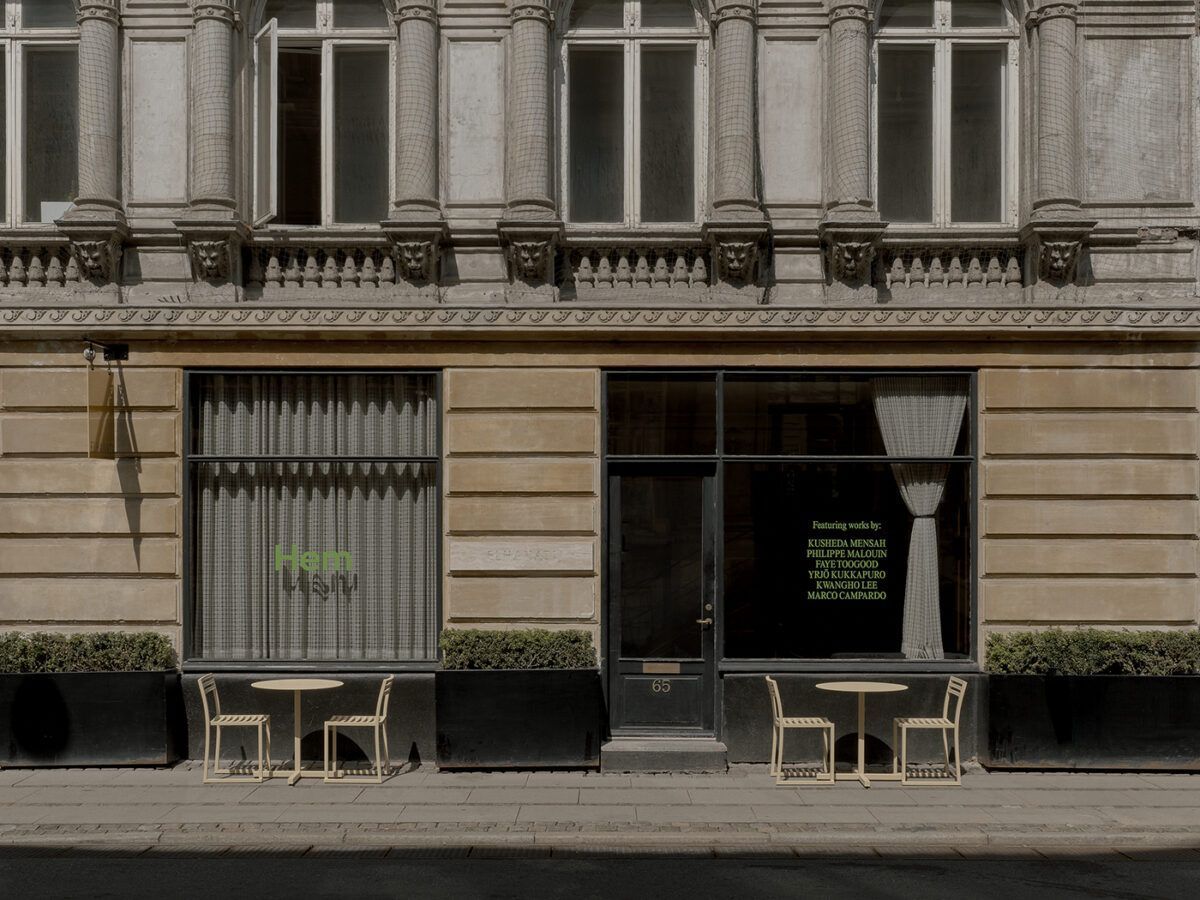
Celebrating its tenth anniversary, independent brand HEM presented one of the festival’s most exciting collections at 3daysofdesign: Palma Pouf by British-Ghanaian designer Kusheda Mensah.
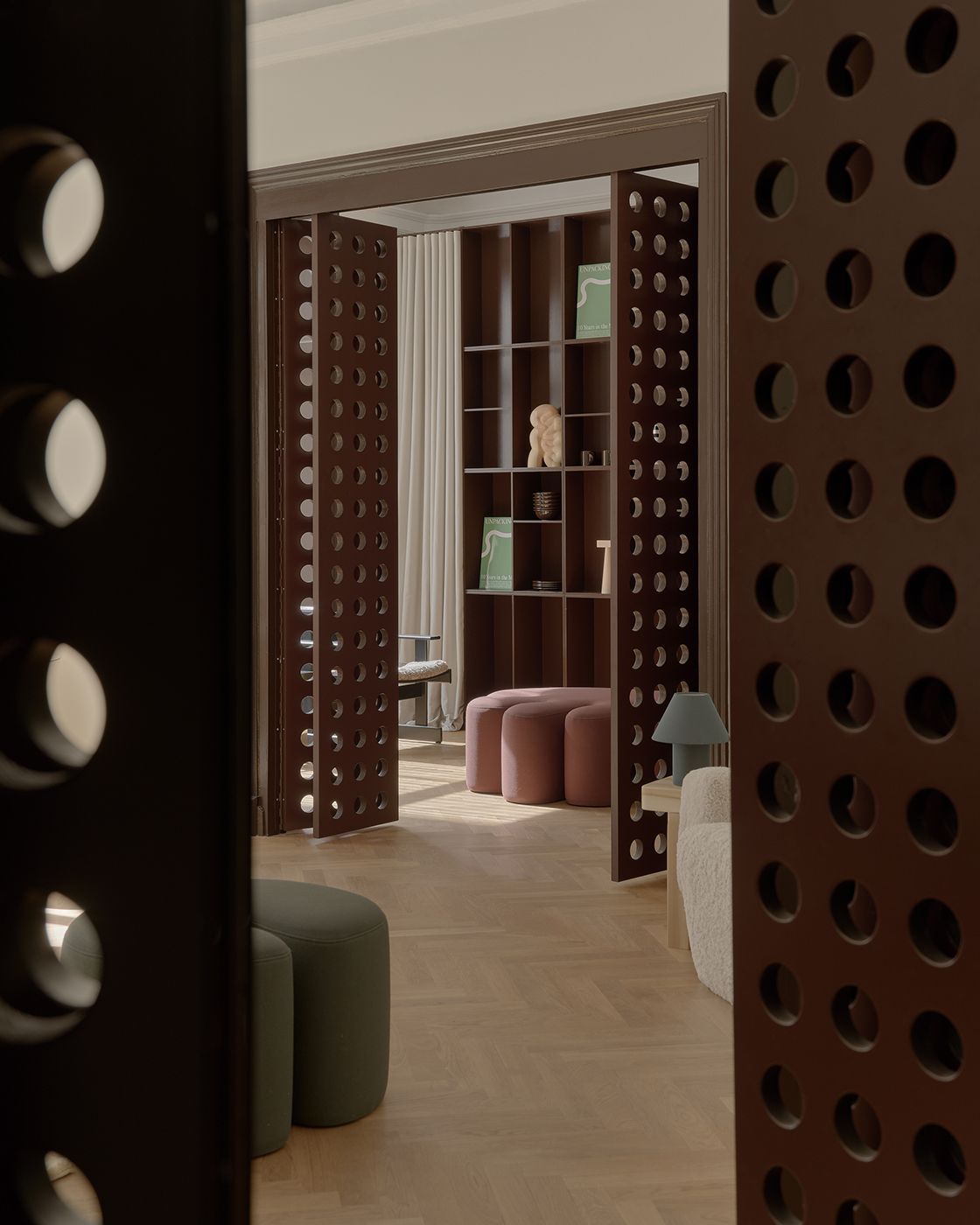
This modular seating series, with its organic forms and playful spirit, was designed to foster human connection. Inspired by her work Mutual I, Mensah transformed her sculptures into tactile, welcoming furniture created not just for sitting, but for conversation, sharing and bonding.
Each module supports multiple positions and accommodates several bodies at once, creating an atmosphere that is informal, intimate and inclusive. “It’s a dream come true to debut this collection at 3daysofdesign”, said Mensah. More than just seating, Palma Pouf is an emotional statement: design as a vehicle for togetherness.
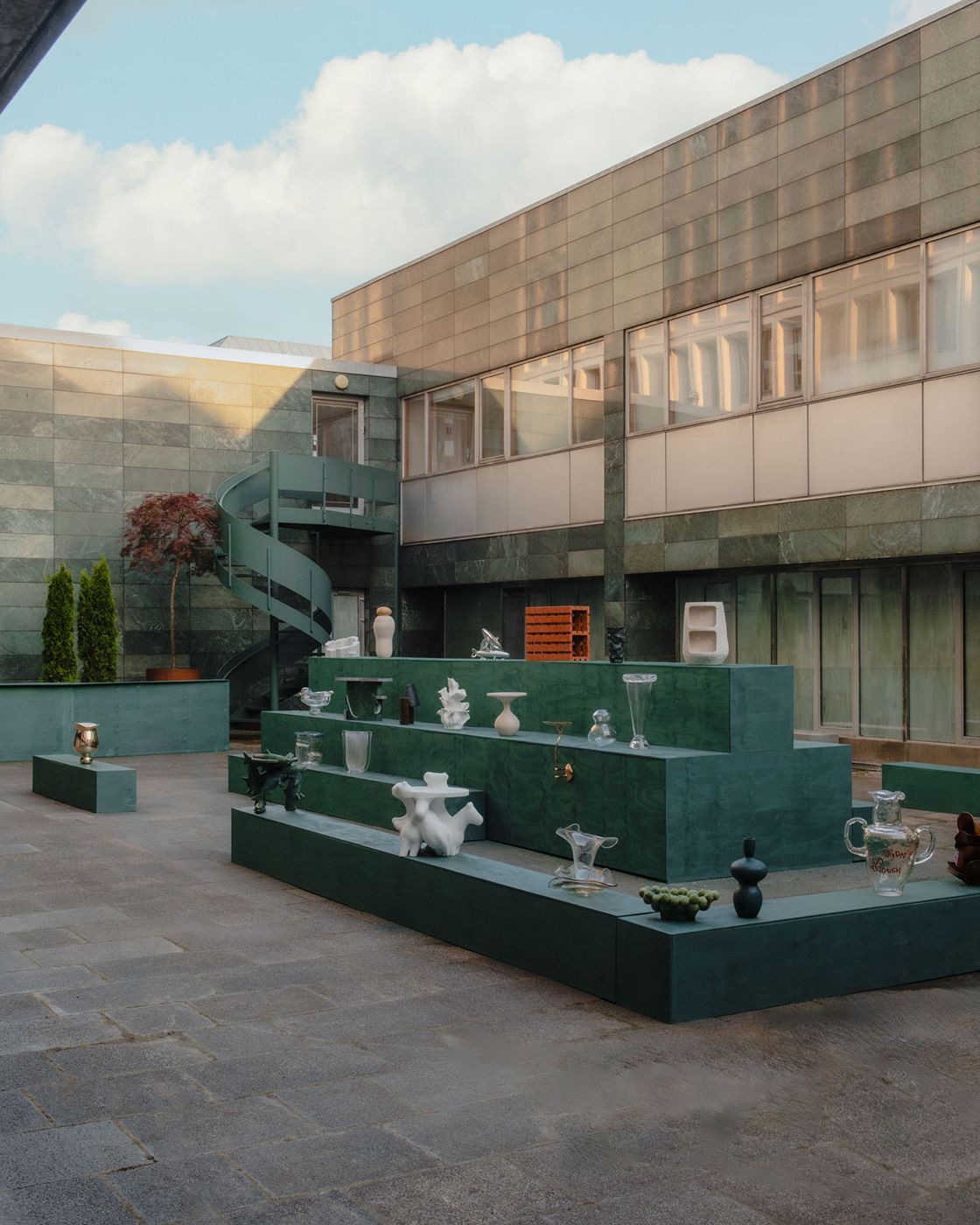
TABLEAU x PROJECT MATERIA: The soul of materials, from past to present
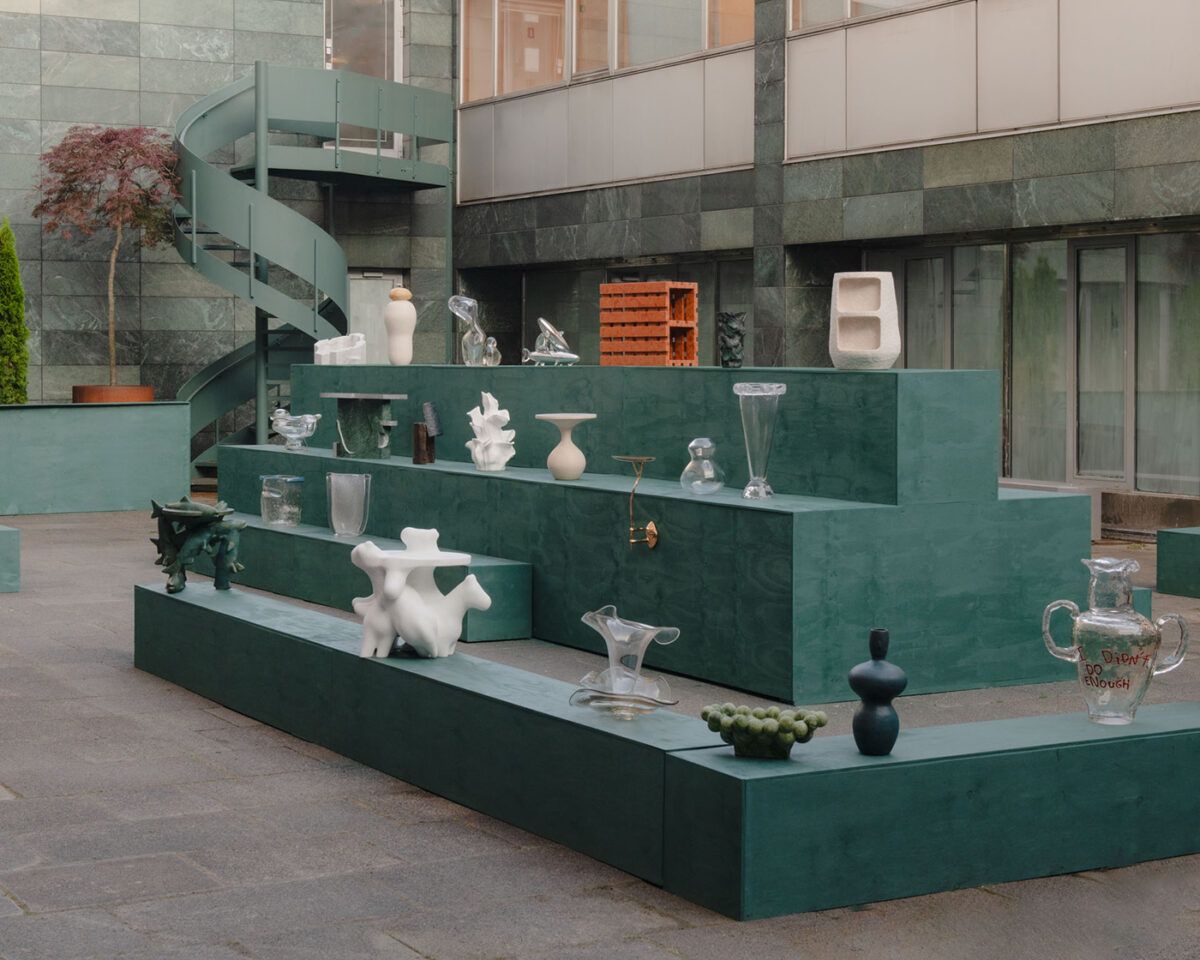
In a refined courtyard in Copenhagen, Project Materia offered one of the festival’s most thought-provoking exhibitions. A collaboration between Tableau and Édition Solenne, it brought together nine international artists to explore three materials central to the history of art: bronze, marble and glass. The exhibition not only honoured their legacy — from the ateliers of Pietrasanta to the alchemy of Murano glass — but reactivated them through works that blurred the boundaries between art, design and function.
From the dreamlike digital forms of Andrés Reisinger to the introspective ceramics of Cathrine Raben Davidsen and the chromatic objects of Helle Mardahl, Project Materia was a conceptual and sensory journey. The exhibition asked a fundamental question: what do the materials that have shaped art history say to us today? A moving experience that revalued origin, process and intention in every piece.
LEE BROOM: An intimate look at the past, present and future of design
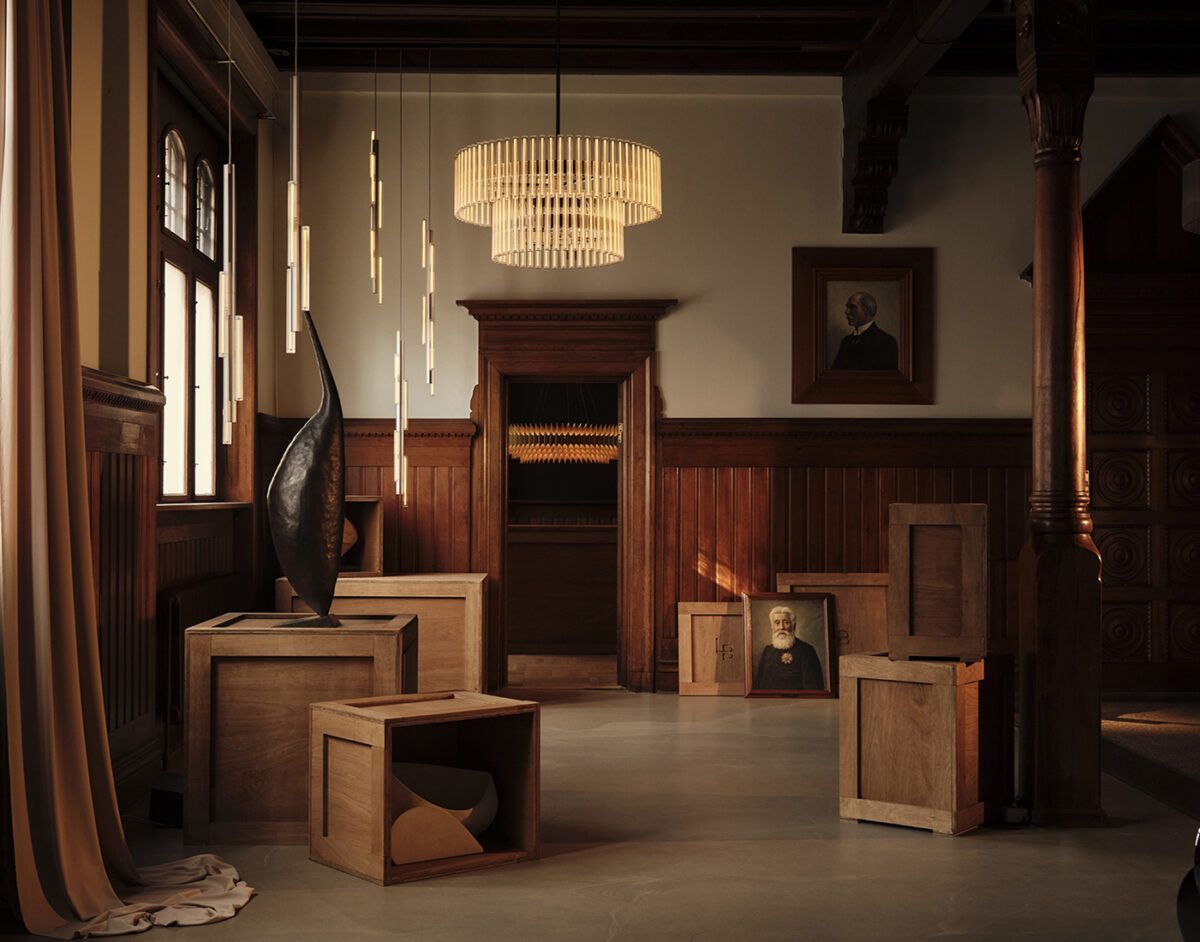
In his highly anticipated 3daysofdesign debut, British designer Lee Broom dazzled with From Here Now, an immersive exhibition set in Copenhagen’s historic Asia House. More than a product showcase, it was a narrative journey through his creative evolution — from reimagined iconic pieces like the Crescent lamp in blackened brass or Orion in antique brass, to the global launch of Chant, his first portable light.
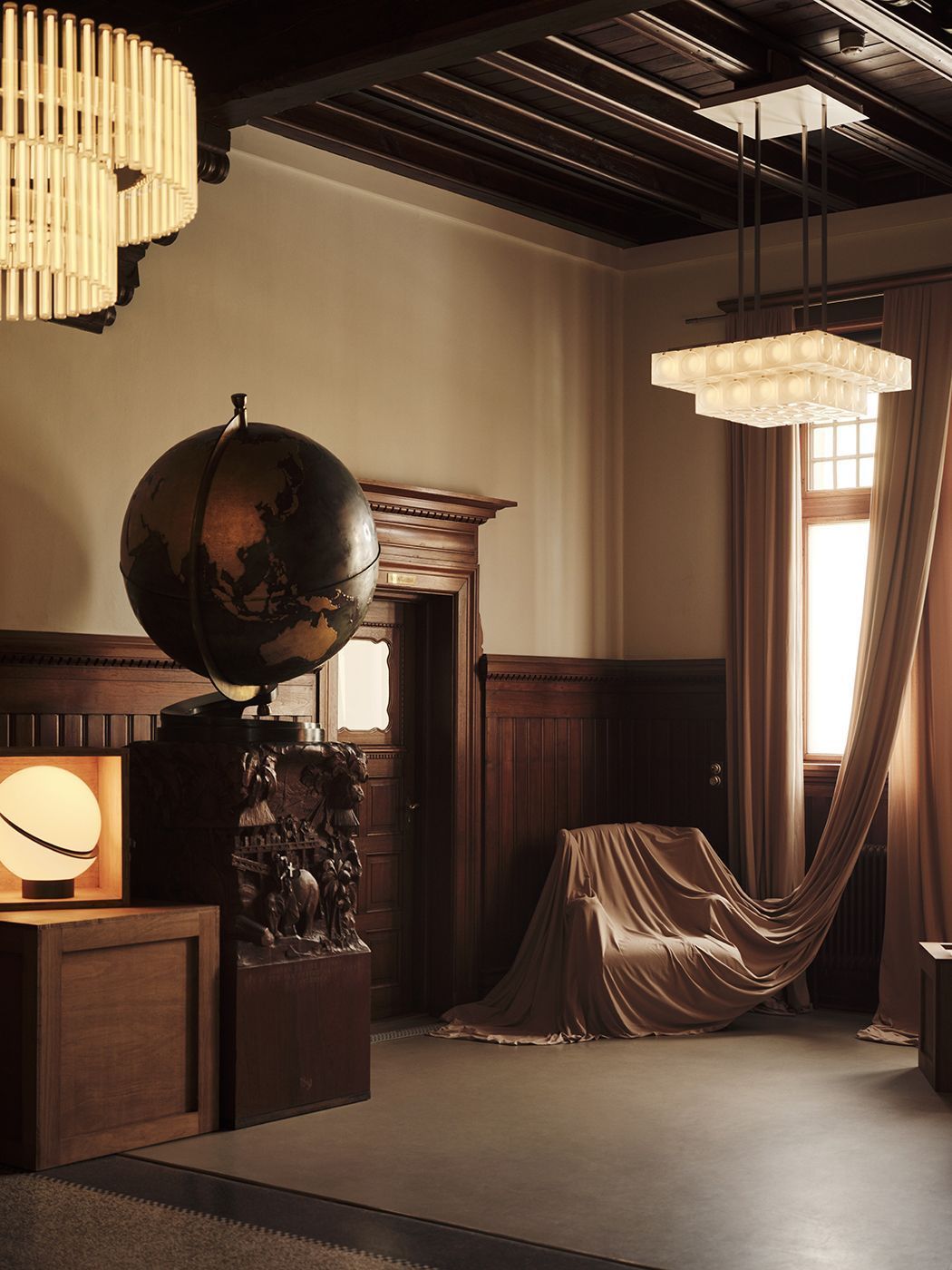
The space evoked the abandoned home of an explorer, with opened wooden crates, found objects and a cinematic atmosphere that merged history, design and emotion. Every corner invited discovery and wonder. From Here Now not only celebrated a decade-long journey, it reaffirmed Lee Broom as one of the great storytellers of contemporary design.
NAU DESIGN: The soul of sustralian design lands in Copenhagen
In its European debut, Australian brand NAU Design arrived in Copenhagen with a flawless showcase that captured the essence of contemporary design from the other hemisphere.
Presented at Galerie Mikael Andersen, the exhibition brought together iconic pieces from its catalogue — such as the Aran sofa and Fat Tulip armchair by Adam Goodrum — alongside new launches by designer Tom Fereday: the Cove collection, with its elegant solid wood structure and gentle lines, and the Nola lamp — a sculptural gem crafted from cast glass and natural stone that radiates a warm, enveloping glow.
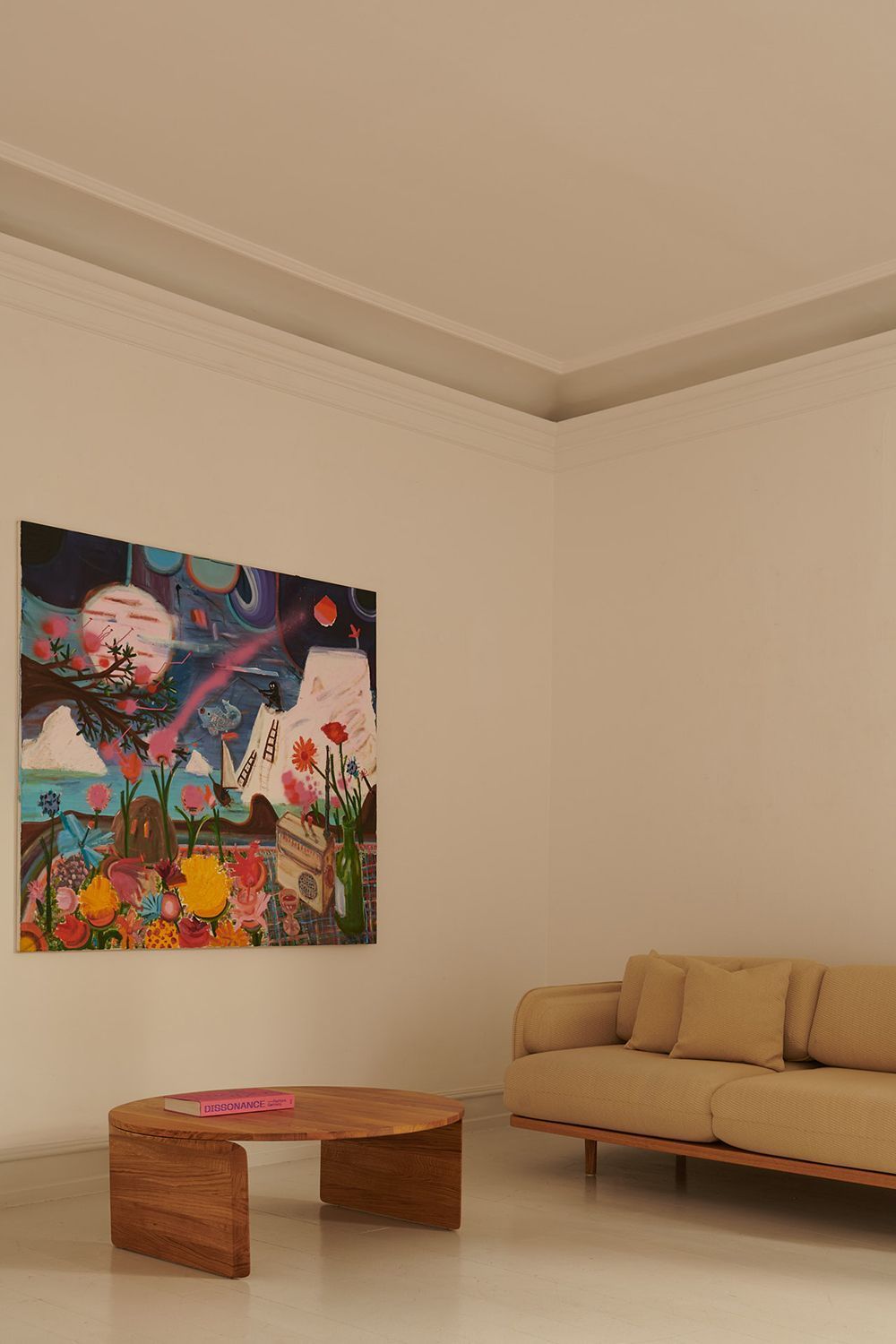
With an approach rooted in simplicity, material honesty and comfort as a central tenet, NAU offered a design experience that was warm, sophisticated and deeply sensory. “We want to show that Australian design can be contemporary, accessible and emotionally resonant”, explained founder Richard Munao. A triumphant entry into the European scene that made a lasting impression.
THE HUB BY MAZO: Redesigning the workspace from Copenhagen
Danish brand Mazo Design presented THE HUB. In collaboration with Bodum and interior design studio by Nathalie Schwer, the Mazo Design showroom was transformed into a contemporary work lab: a living, evolving, functional and emotional office.
Divided into zones ranging from outdoor stations to cafés and deep-focus areas, THE HUB demonstrated that work can also be beautiful, pleasurable and adaptable. At its core was the debut of the MAG chair collection — designed to strike the perfect balance between ergonomics, versatility and style.
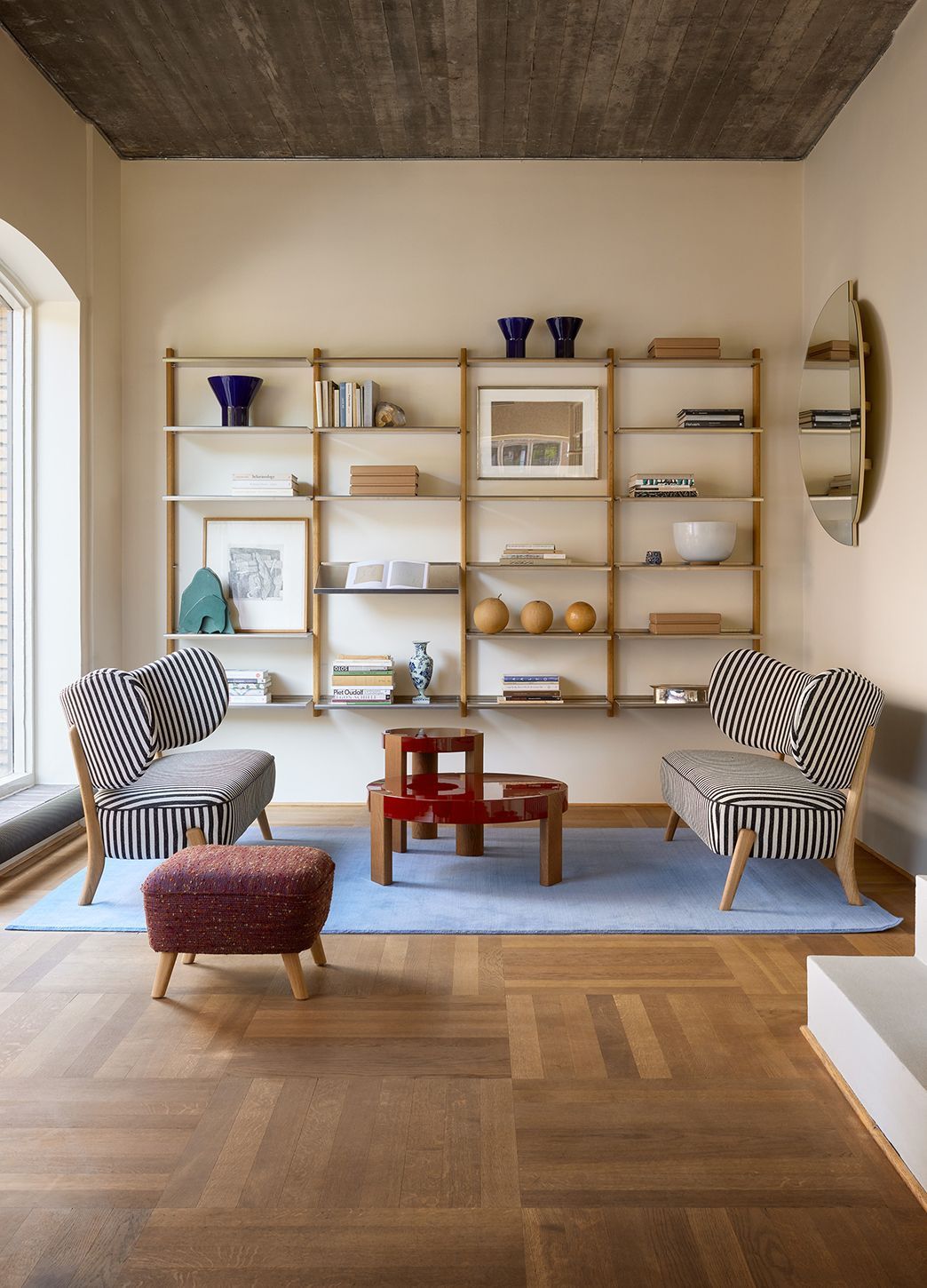
Bodum brought its iconic aesthetic with pieces in steel, glass and wood, including a limited edition French Press with a walnut handle. Under Nathalie Schwer’s direction, the space felt human, sensory and highly relevant — a testament to how design can reframe our work rhythms with honesty and elegance.
HAY x EMMA KOHLMANN: When art is served at the table
This year, HAY surprised with La Pittura — a collection of hand-painted ceramics that blurs the line between art and everyday life. Designed by American artist Emma Kohlmann, the range includes plates, cups, jugs, bowls and vases, each decorated with expressive brushstrokes and emotionally charged motifs.
Handmade in Sri Lanka, each piece is unique: small variations in colour, shape or line reveal the human touch behind each object. “There’s nothing perfect about these pieces — because they’re made by people”, Kohlmann remarked. The collection draws inspiration from both Renaissance Tuscan ceramics and childhood memories at the MET, connecting with a deeply intimate and sensory idea of home design.
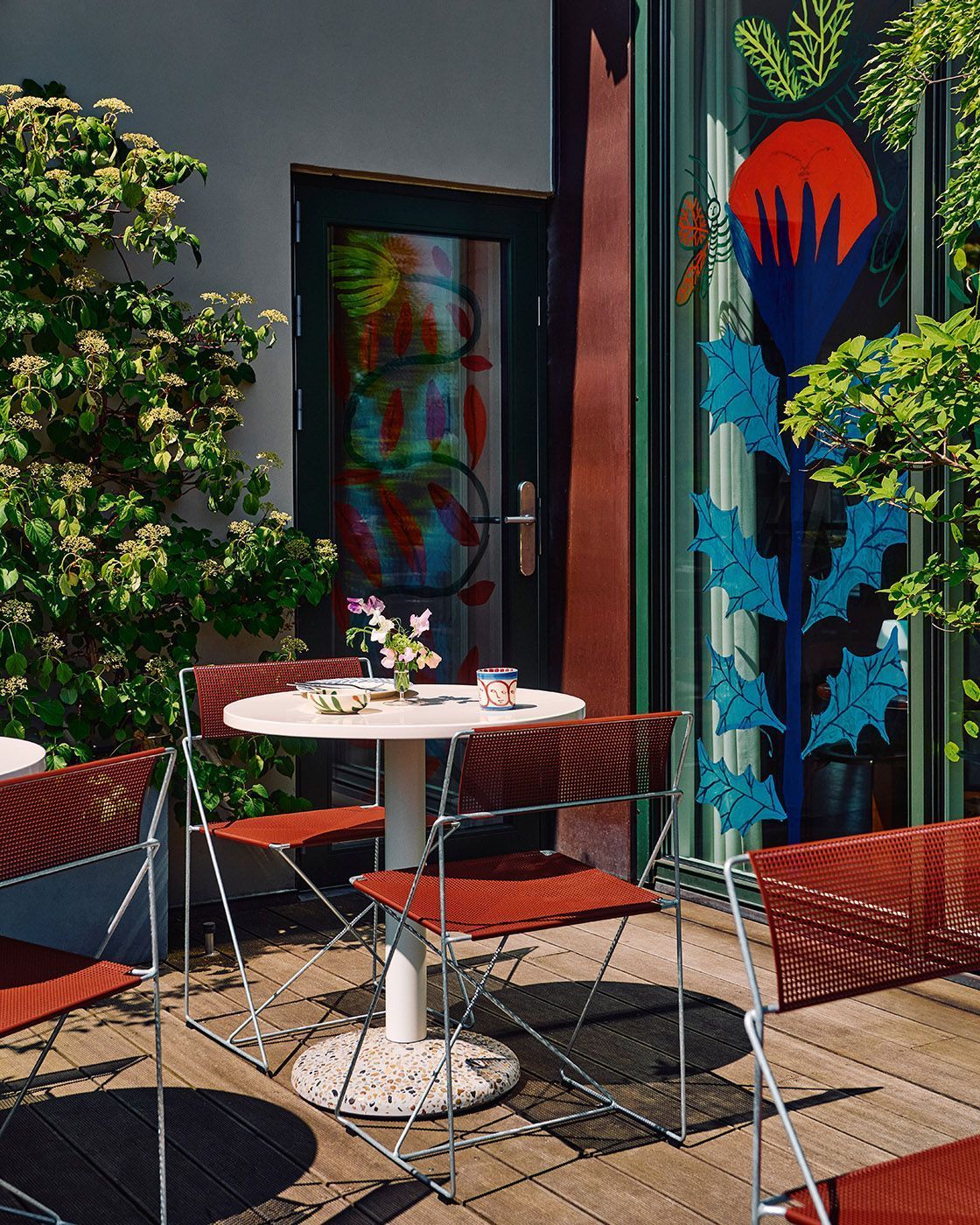
Mette Hay discovered Kohlmann’s work at Copenhagen’s V1 gallery and instantly knew she wanted to bring her world into the functional realm of the table. La Pittura is neither a mere art series nor basic décor — it’s an experience that turns the everyday into something extraordinary.
LOUIS POULSEN: Emotional light, scandinavian heritage and new perspectives
The legendary Danish brand Louis Poulsen once again proved why its name remains synonymous with lighting excellence. Its presence at this year’s edition shone in two complementary acts: Circle Dome Square, an immersive, poetic installation by Danish artist Henrik Vibskov; and the unveiling of Rumee, a new portable lamp designed by Gabriel Tan, signalling a fresh chapter in the brand’s contemporary catalogue.
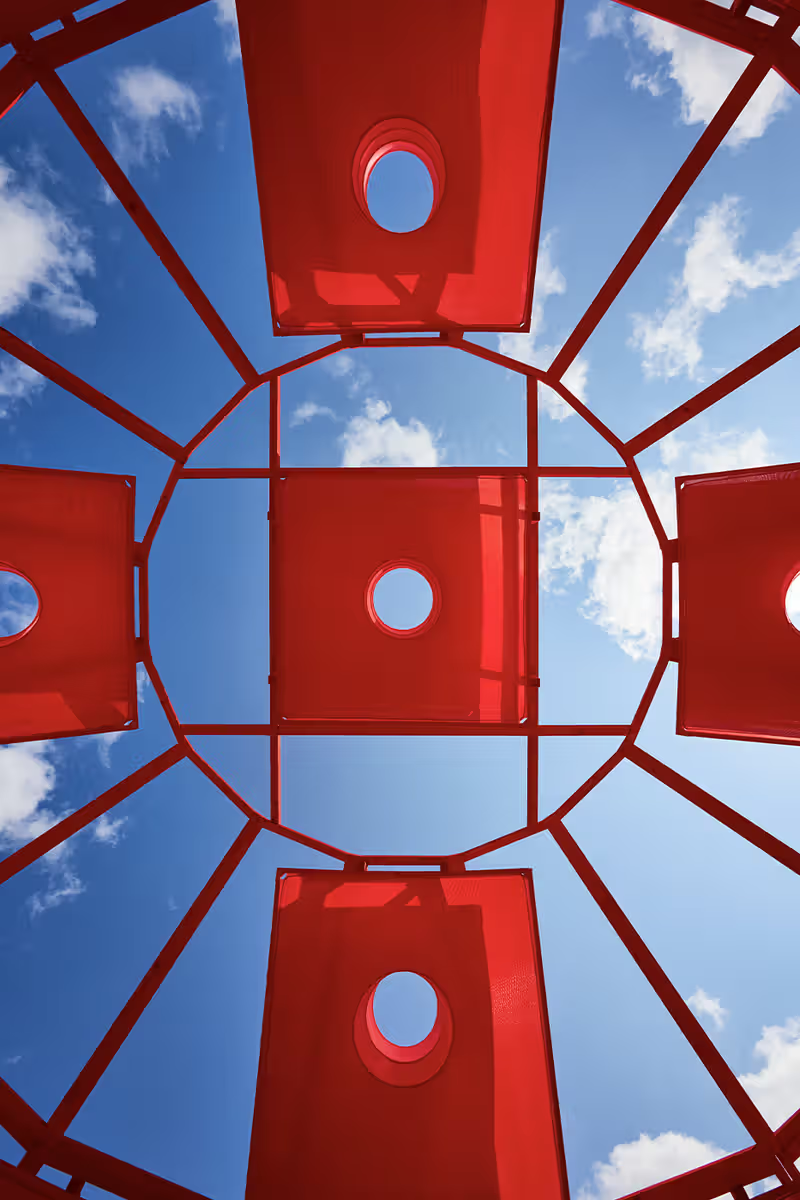
Inspired by Verner Panton’s iconic Panthella lamp, Vibskov reimagined Louis Poulsen’s visual language through his theatrical, sensory world. “The installation draws from Panton’s universe — his shapes, his colours — but also from the accordion, vintage cameras and panopticons”, he explained.
In this piece, textiles played a key role as structural, aesthetic and spatial elements. “I always try to include textiles in my installations. Here we used them to extrude classic forms and create unexpected shadows”. The result was a surprising space, inviting visitors to discover small secrets and shifts in scale — as if stepping into a world suspended between sculpture and stage design.
In parallel, designer Gabriel Tan — Singaporean by heritage and nomadic in spirit across Asia and Europe — introduced Rumee, a portable lamp that challenges the formal and functional norms of lighting design. “Many current models offer radial light. I wanted a lamp with directional light — softer, more human”, he said.
Inspired by daily life and the changing nature of light — depending on place, time and use — Rumee features a powerful LED hidden in the stem, projecting light towards the dome, which can be rotated and adjusted. It’s not a lamp to leave static — it’s meant to be touched, moved, used.
Most moving is how Tan anchors the design in personal memory: “In Singapore, as a child, there were power cuts during storms. I remember using my father’s torch, how it felt in my hand… I wanted to recreate that comforting feeling with Rumee’s handle”.
The result is a piece that, while technically advanced, feels emotionally familiar. “I like that some people see it as a hat, a ladybird or a mushroom. It’s an abstract form each person can interpret in their own way”.
This edition of 3daysofdesign made it clear: Louis Poulsen is not simply preserving its legacy — it is reinventing it from the ground up, with new voices, new materials, and an unwavering devotion to light as a profoundly human experience.
10 DAYS OF SUMMER: Finnish poetry for nordic outdoor living
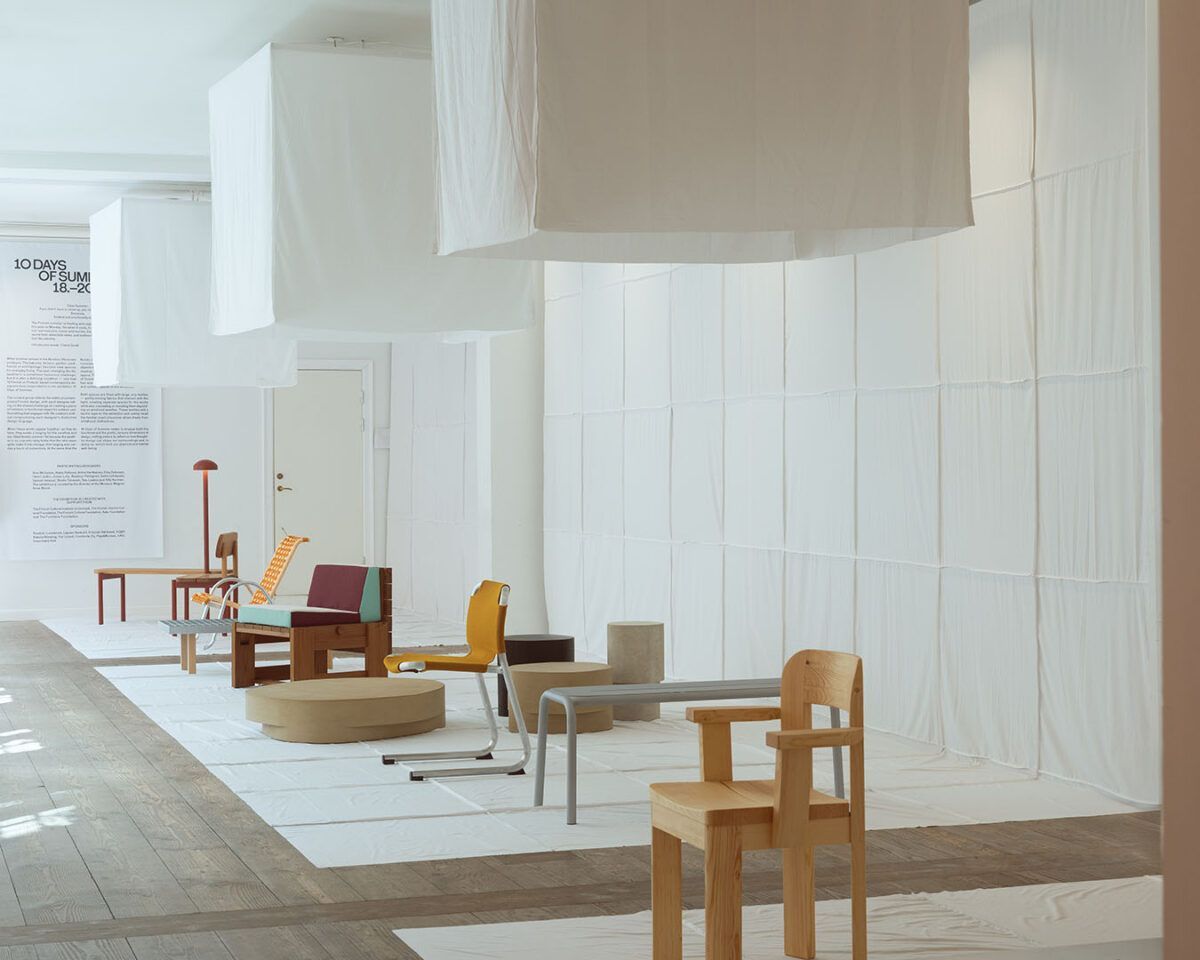
When summer arrives in the North, life migrates outdoors: terraces, balconies, parks and archipelagos become new living rooms. In this context, the exhibition 10 Days of Summer — organised by the Finnish Cultural Institute in Denmark and curated by Anne Blond (Director of the Wegner Museum) — celebrated, at 3daysofdesign 2025, the fleeting and contradictory beauty of the Nordic summer.
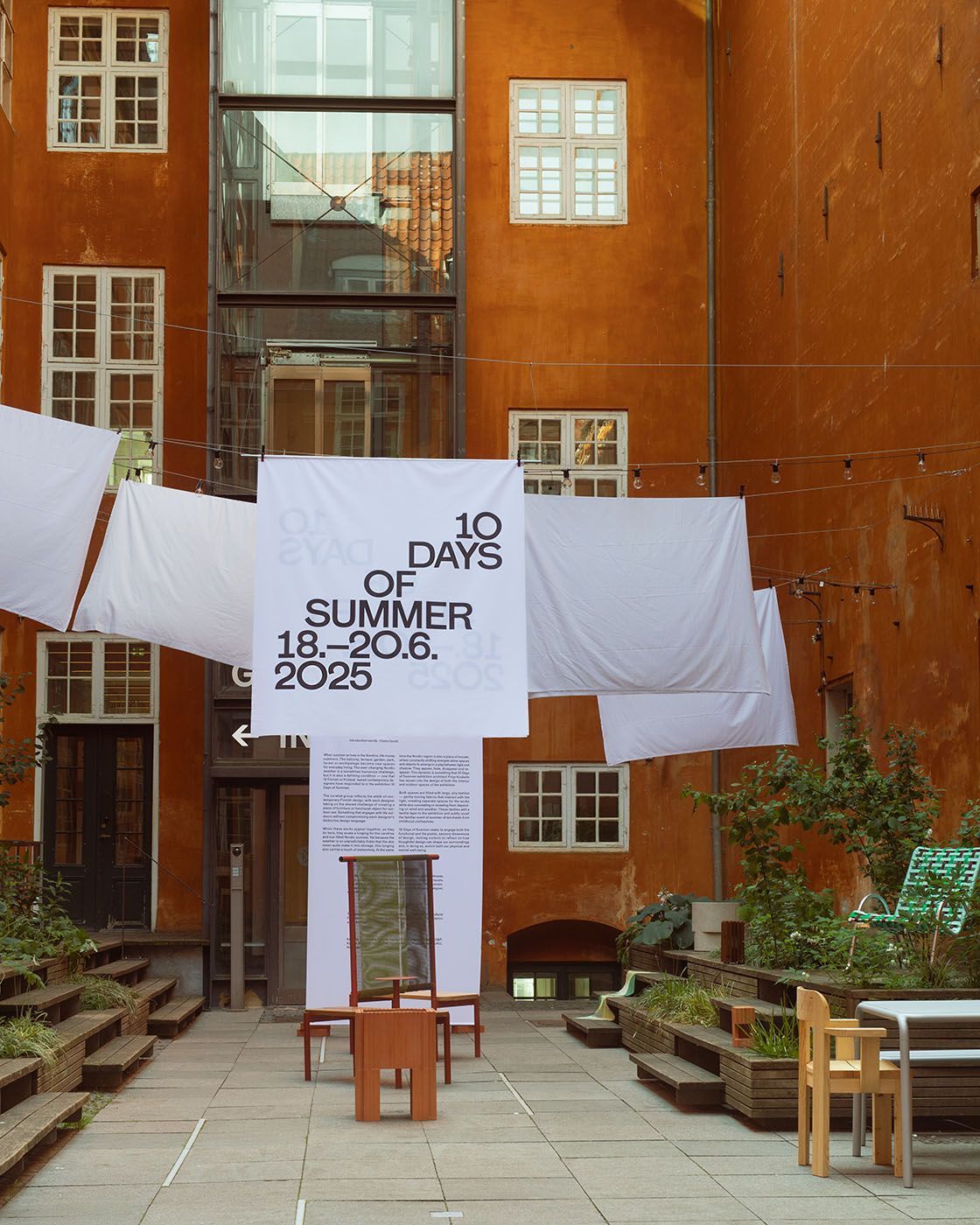
Twelve Finnish or Finland-based designers presented everyday objects and furniture designed for a changing, sensitive and functional outdoor life. From privacy shelters for dense urban environments to lightweight, foldable or weather-resistant solutions, each piece responded to the challenge of designing for a climate that can shift in minutes.
The exhibition architecture, created by Pinja Koskelin, offered a journey through light, shadow and natural materials that evoked the transience of Scandinavian summer and its inevitable nostalgia. As a whole, the show was a tribute to functional design with a poetic soul: pieces that, beyond their use, stir memories, emotions and reflections on how we inhabit nature.
MUUTO: Scandinavian design with sensory roots
At its iconic Østergade showroom, Muuto offered an immersive experience that went far beyond furniture during 3daysofdesign 2025. Under the title Muuto Spaces, the Danish brand presented an expanded vision of contemporary design, where neuroaesthetics, sustainability and emotional wellbeing converged in a unified visual and tactile language.
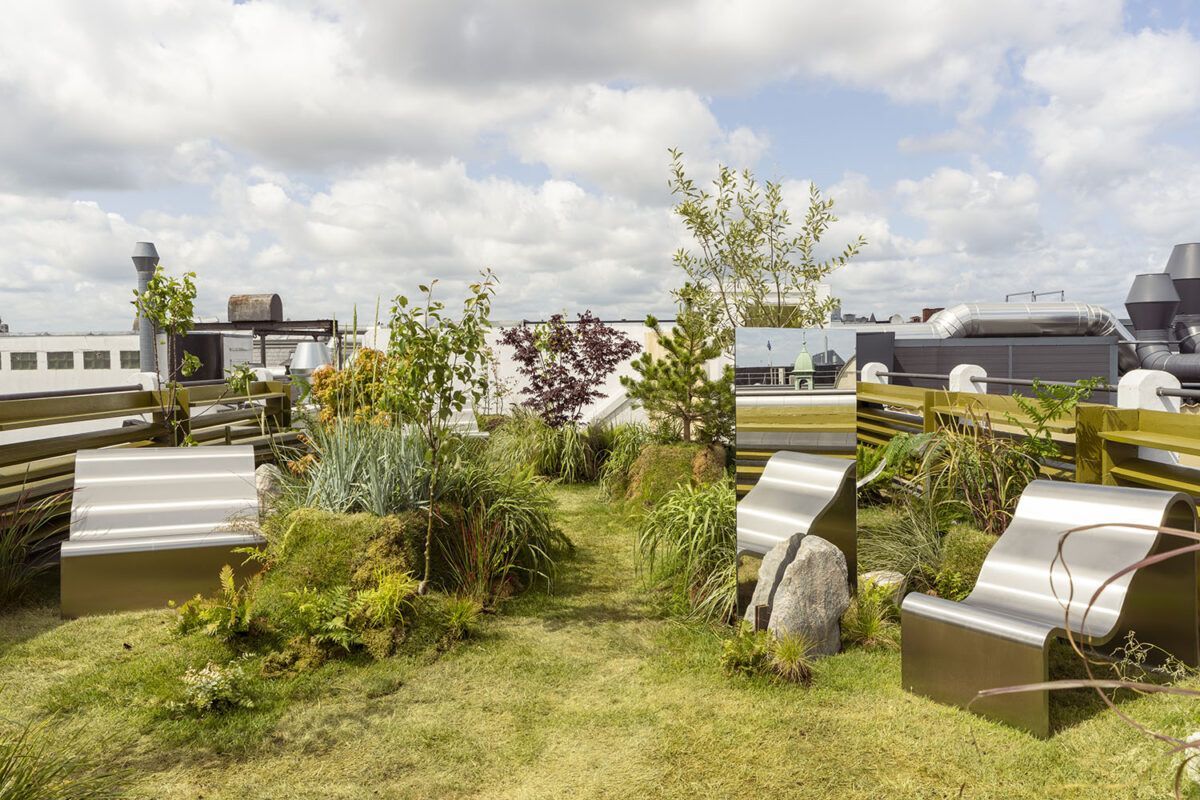
The highlight was Grounded in Nature, a rooftop landscape installation created in collaboration with Kinda Studios, Swell Studio and Studio Pneuma. This urban oasis provided a sensory pause: enveloping sounds, subtle aromas, natural textures and open sky views. At its centre, Lise Vester’s Dream View Bench invited visitors to contemplate, daydream and reconnect with the rhythms of the body and surroundings.
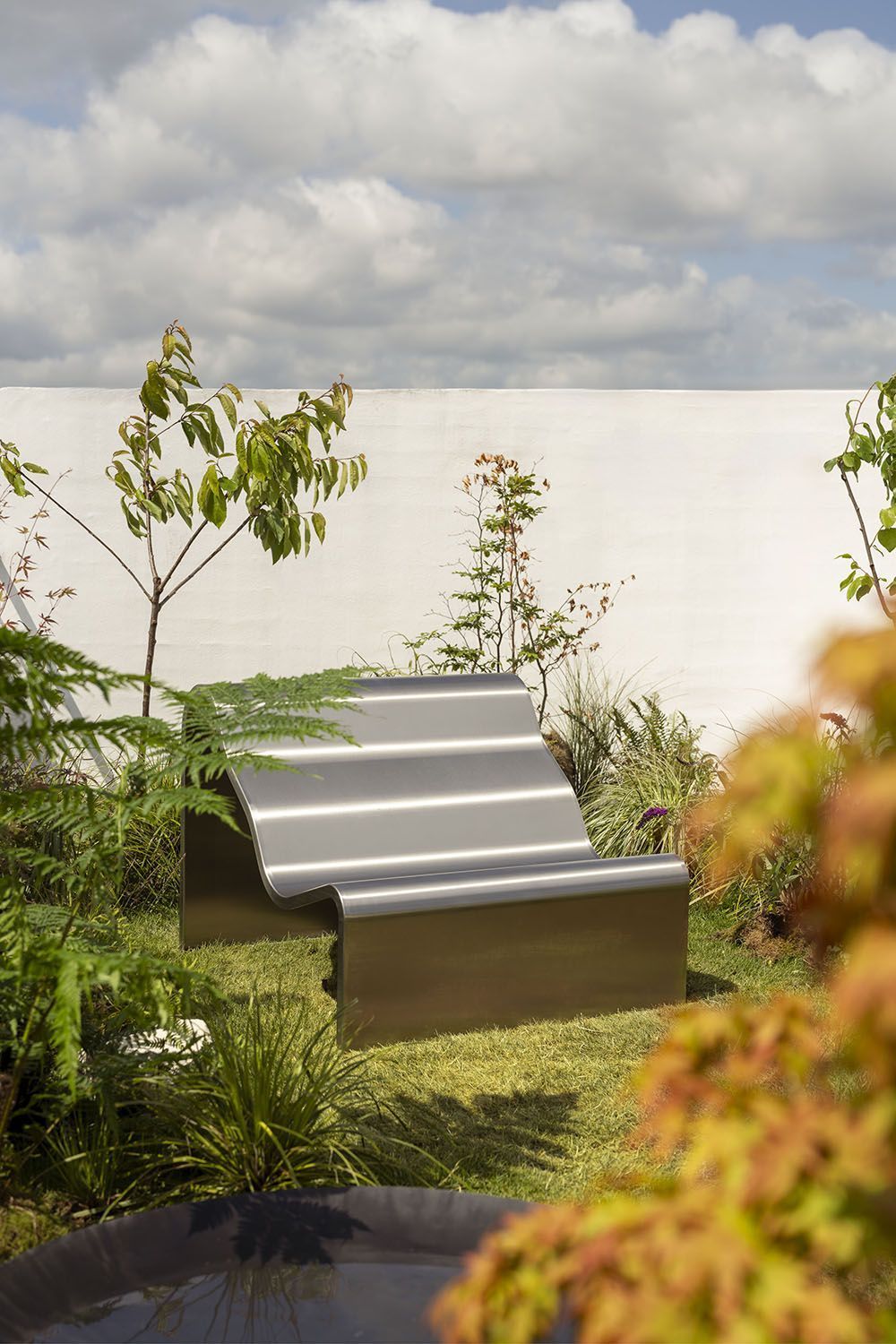
Muuto also used the occasion to announce the winners of its first Muuto Design Contest, a platform supporting new voices in accessory design. As an exclusive preview, they also revealed upcoming September launches, including the Beam Wall lamp by Tom Chung, and new pieces by TAF Studio, Dimitri Bähler and Lars Tornøe.
Muuto Spaces was more than an exhibition — it was a statement: Scandinavian design continues to evolve from its roots, engaging all the senses and looking towards the future with a deeply human sensitivity.
“Scandinavian design continues to evolve, engaging all the senses and looking towards the future with a deeply human sensitivity.”
LINIE Design: Rugs that whisper texture and architecture
Linie Design transformed its Copenhagen brand store into a tactile sanctuary with Echoes of Texture — an exhibition that explored the soul of materials through a poetic fusion of Japanese minimalism and Nordic craftsmanship.
Curated by Danish stylist Pernille Vest and in collaboration with Karimoku Case, the installation presented rugs as vertical textile sculptures, framed by wooden structures inspired by Japanese torii gates.
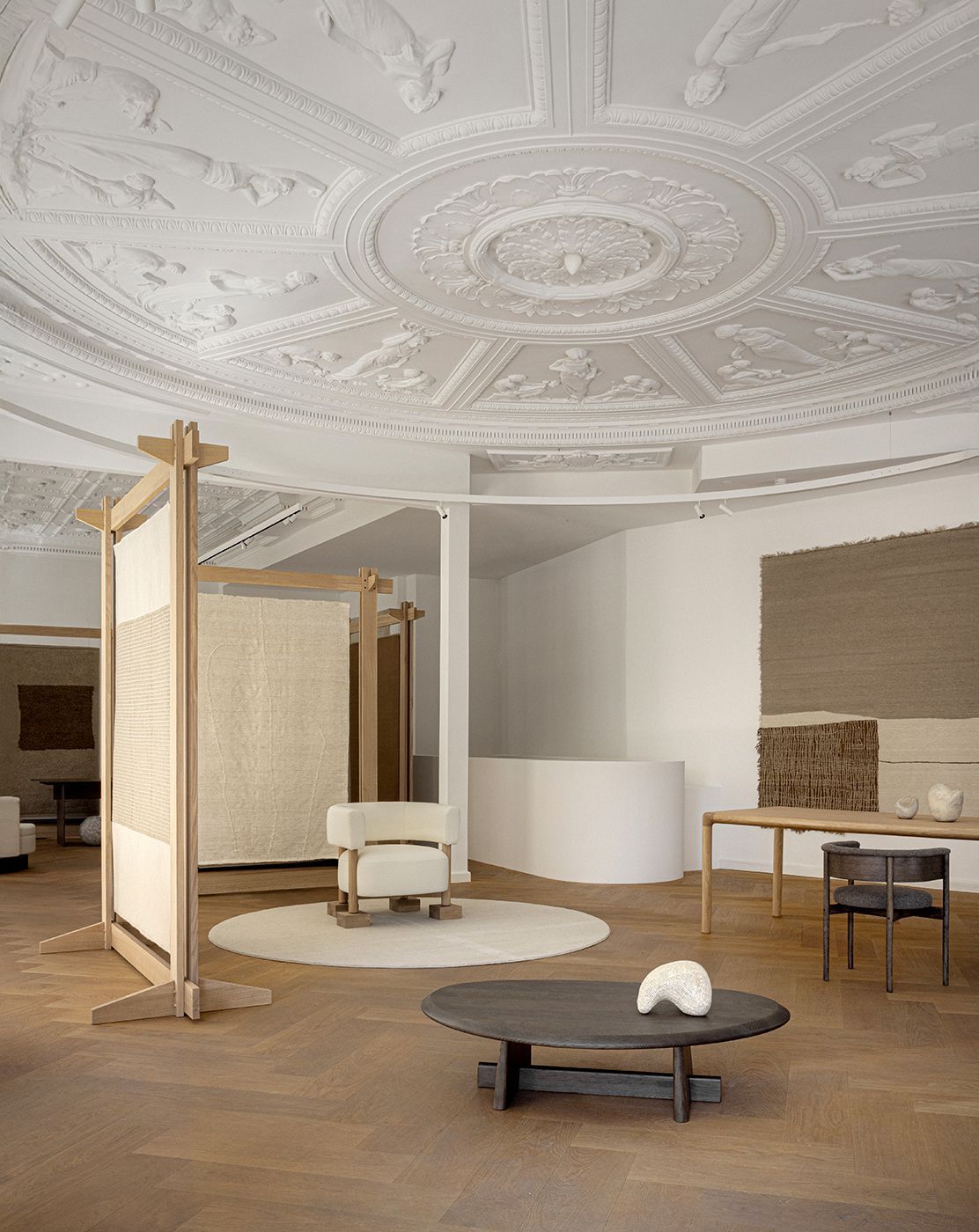
The centrepiece was the new Woven Matter collection, designed by Norm Architects and Urd Moll Gundermann. Handmade by artisans in India, the pieces evoked the calm of Japanese architecture, where line and rhythm become emotional language. “Each thread is a story woven with respect for the material”, explained Gundermann, Linie Design’s Creative Director.
The designs were crafted from natural materials like wool, linen and jute, creating a dialogue between rustic and refined. Models such as Twin Sabi, Calm Seki, Faded Noren and Still Horizon acted as meditative landscapes capturing the essence of time, light and silence.
The collaboration with Norm Architects extended beyond design: it reflected a shared philosophy rooted in atmosphere, sensorial depth and timelessness. The result was a visual and emotional declaration: that design can be calming, that texture can move, and that a rug can be an architectural experience.
FRAMA: Structures of living
As part of Copenhagen Design Week, FRAMA presented Structures of Living, a deep exploration of modular architecture applied to daily life. From 16–22 June, its studio in Fredericiagade was transformed into a living lab integrating — in multifunctional harmony — the spaces where we sleep, relax, eat, work and gather, all in dialogue with generations of thinkers like Munari, Fuller and Zittel.
Beyond a formal exhibition, the intervention aimed to question traditional ways of living — shifting the focus from the floor to the full volume of the room — and proposed a dynamic system with modular furniture, adaptable dimensions and a clear sustainable purpose.
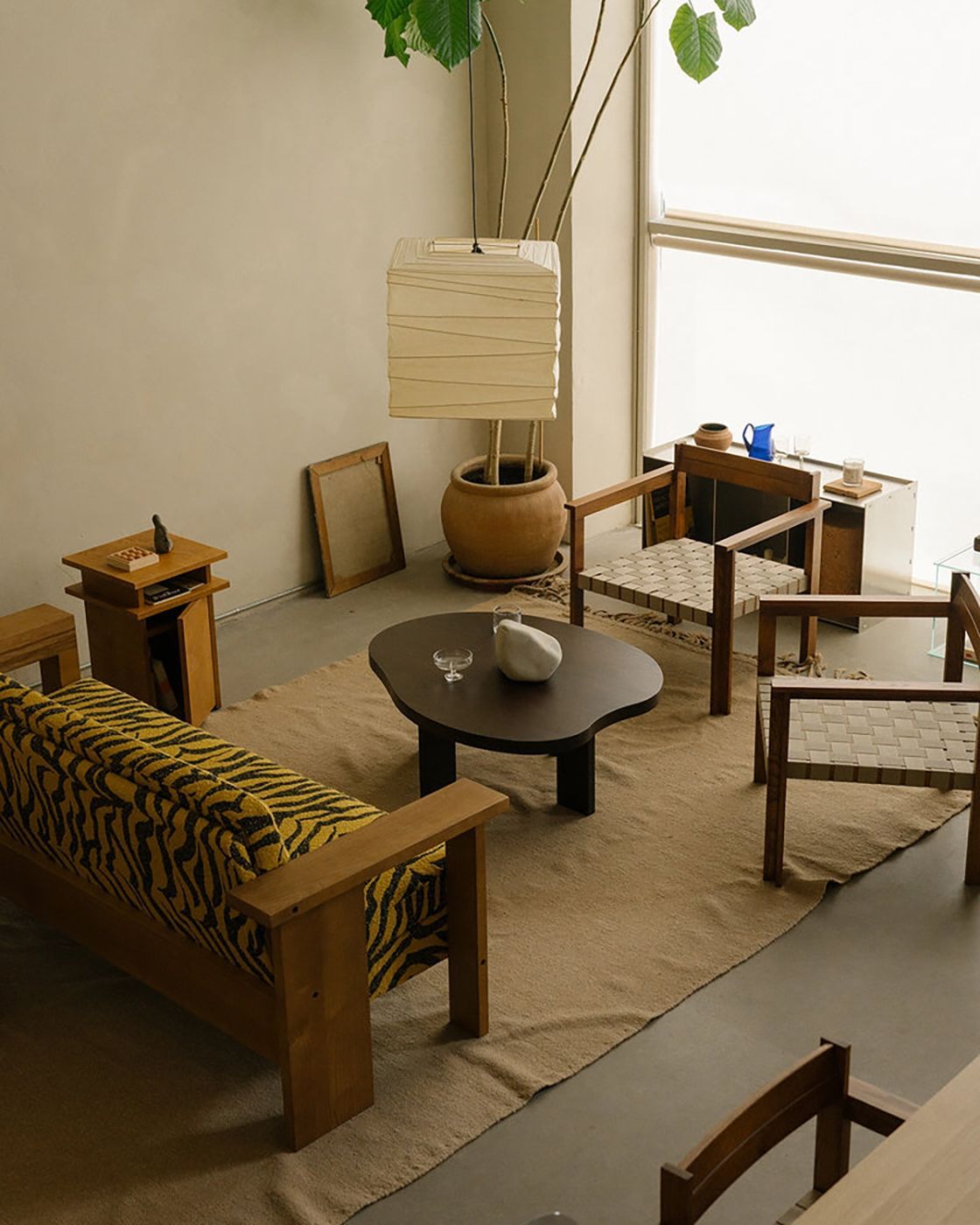
The proposal extended beyond form: FRAMA complemented the experience with three new pieces — an aluminium shelving unit, a T-shirt and a printed essay by FOR SCALE — and hosted an outdoor event with music and curated drinks, reinforcing the communal and sensory aspect of the project. Altogether, Structures of Living showed that the studio not only shapes objects, but designs environments meant to endure and connect deeply with how we live.
BIG – Bjarke Ingels Group: Materialism, a sensory journey to the origins of materials
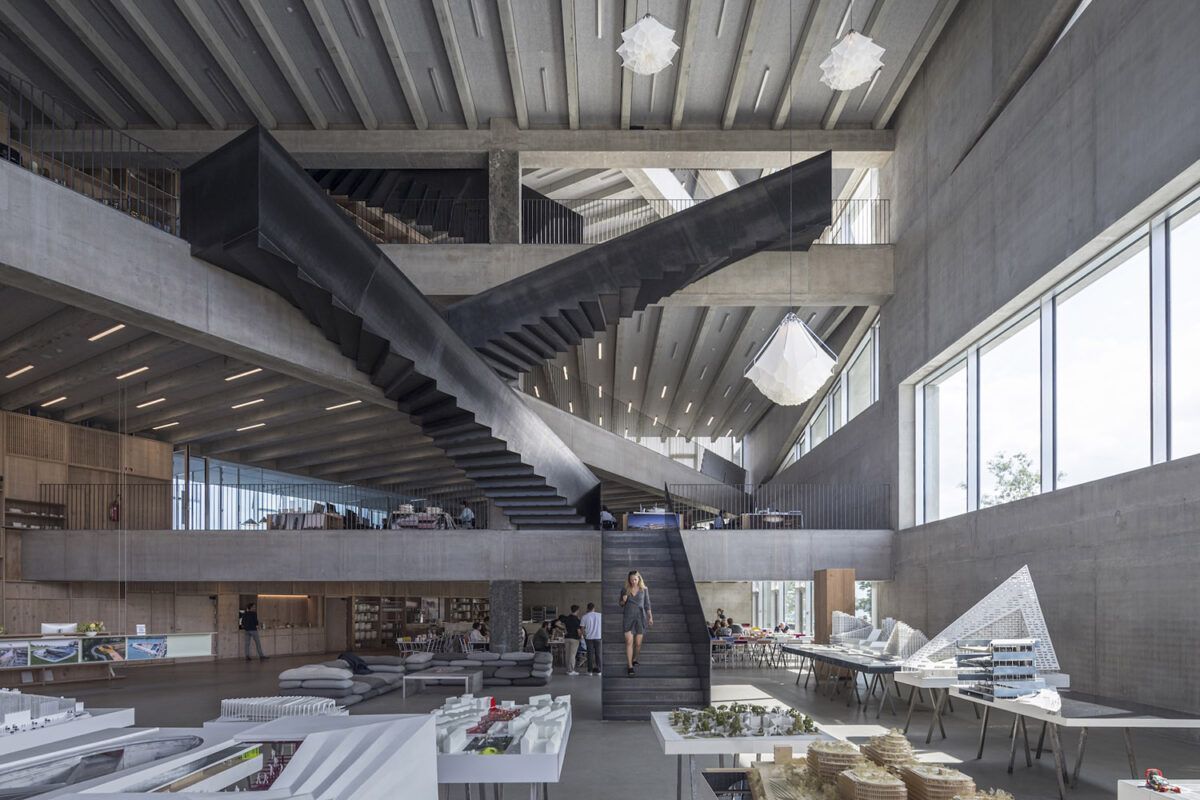
Danish studio BIG – Bjarke Ingels Group opened the doors of its Copenhagen headquarters to present Materialism, an exhibition offering a sensory exploration of the first seven materials featured in domus magazine under Bjarke Ingels’ editorial direction: stone, earth, concrete, metal, glass, wood and textile. Visitors were invited into an innovative route through the headquarters, where each space combined objects, models, prototypes and raw material blocks — fostering a dialogue between matter and its possible architectural applications.
Alongside the exhibition, BIG hosted interactive sessions and intimate talks on how material shapes meaning in our built environment. The proposal celebrated not only the tactile and visual capacities of materials but also their narrative power — how they emerge when fused with everyday life, and how they help us imagine a design that merges the pragmatic with the utopian.
In essence, Materialism reflected BIG’s vision of reshaping the surface of our world — one material at a time — by honouring the origins of everything we inhabit.
(*) Images courtesy of the brands and 3daysofdesign.


&p[summary]=&p[url]=https://ccmagazine.es/en/3daysofdesign-2025-design-with-purpose-1-2&p[images[0]=https://ccmagazine.es/wp-content/uploads/2025/06/2025_02_Hem_Stockholm_Erik-Wahlstrom_4-1.jpg)
)