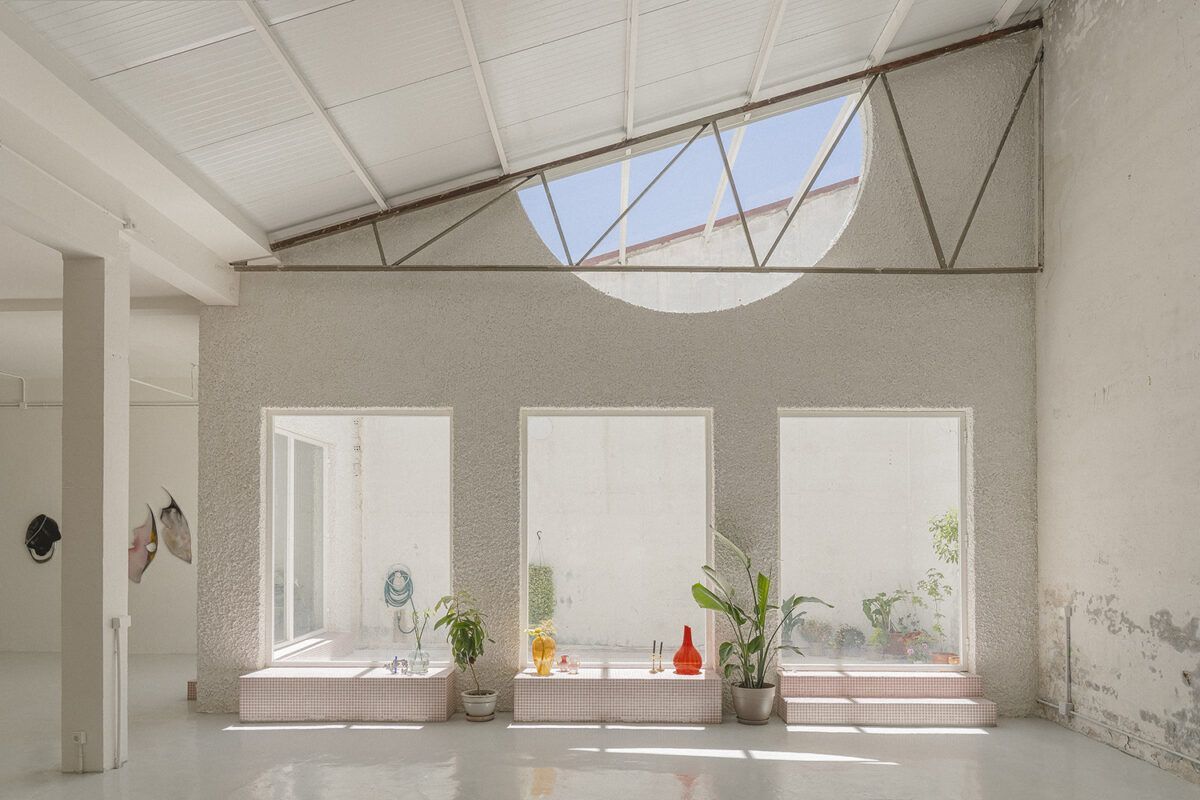
Halo: the creative sanctuary by Esther Merinero breathing new life into Usera
In a rapidly transforming corner of Madrid — the Usera neighbourhood — Halo emerges as a luminous space devoted to creativity and community. Driven by artist Esther Merinero, this hybrid venue is much more than a workshop: it is a vibrant meeting place for cultural, gastronomic and artistic exchange. In collaboration with Burr Studio, Halo has transformed an abandoned structure into a living, breathing cultural hub. We spoke with Esther to uncover the story, philosophy and future dreams behind this unique project.
Halo has a very special identity. How did the idea of creating it come about, and what inspired you to bring it to life?
Halo was born from the desire to have a space where different activities could coexist and where sharing processes was natural. At the time, my sister was studying culinary arts and I needed a larger workshop, so we decided to combine our needs and dreams. We envisioned a hybrid space that could host everything from gastronomic events to creative workshops — a place that transcends conventional labels.
“Halo was born from the desire to have a space where different activities could coexist.”
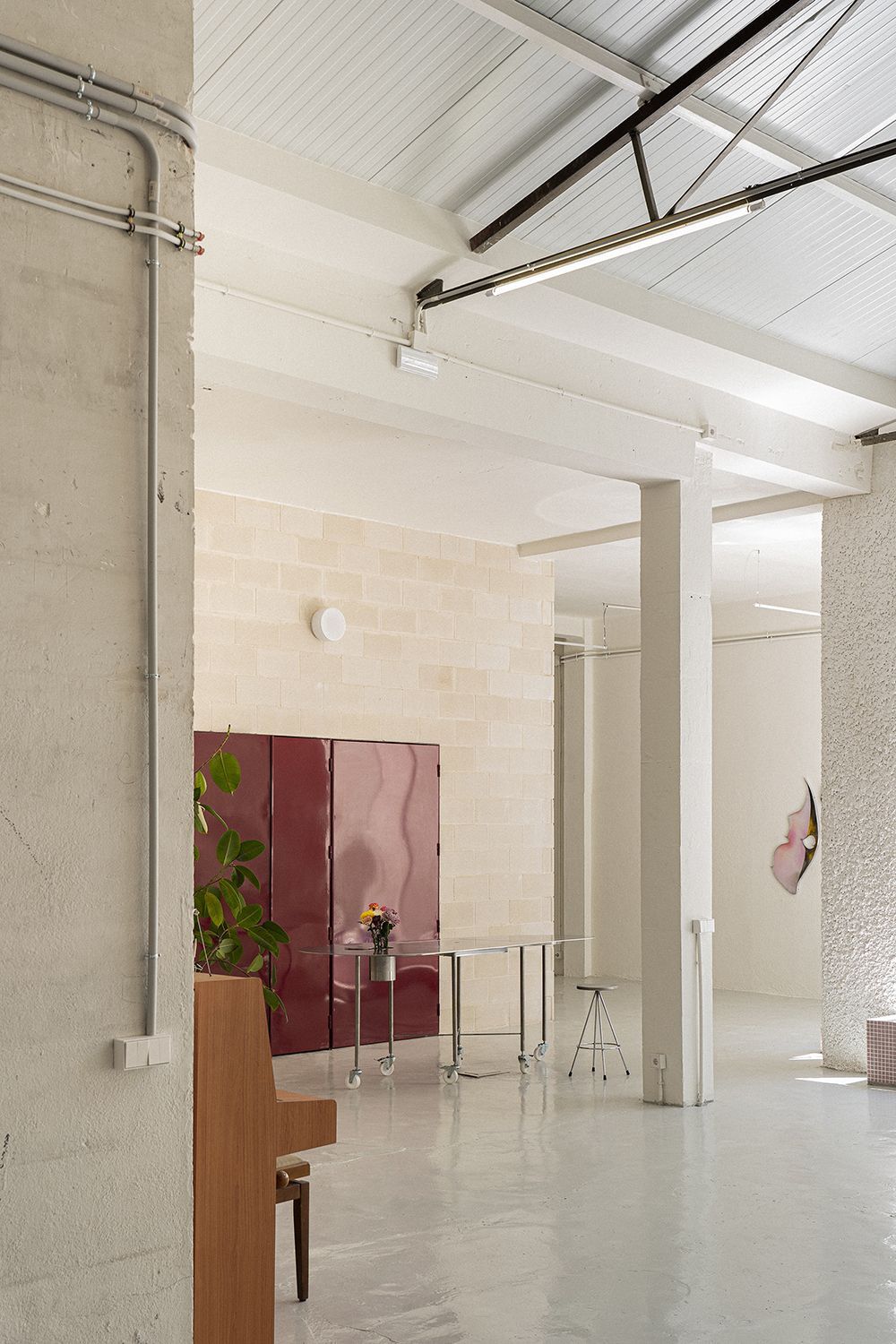
Usera is a neighbourhood undergoing major transformation. Why did you choose this area for your project, and what does Halo contribute to its surroundings?
The choice happened quite organically. Burr Studio had previously worked in the area and had their eye on the space. I also had friends with studios nearby, and there was a personal connection too: my mother grew up in Usera. It felt like a sign. I believe Halo contributes to revitalising the neighbourhood by offering an open, collaborative cultural space.
Burr Studio has carried out an impressive architectural renovation at Halo. What was the collaboration process like, and what key elements shaped the project?
It was a truly fluid and enriching collaboration. I already knew Burr personally and professionally and was eager to work with them if I ever had a space like this. From the outset, I was clear that I wanted a courtyard — a small green lung that would allow me to step outside, breathe, water the plants… a simple but vital ritual in the daily creative rhythm.
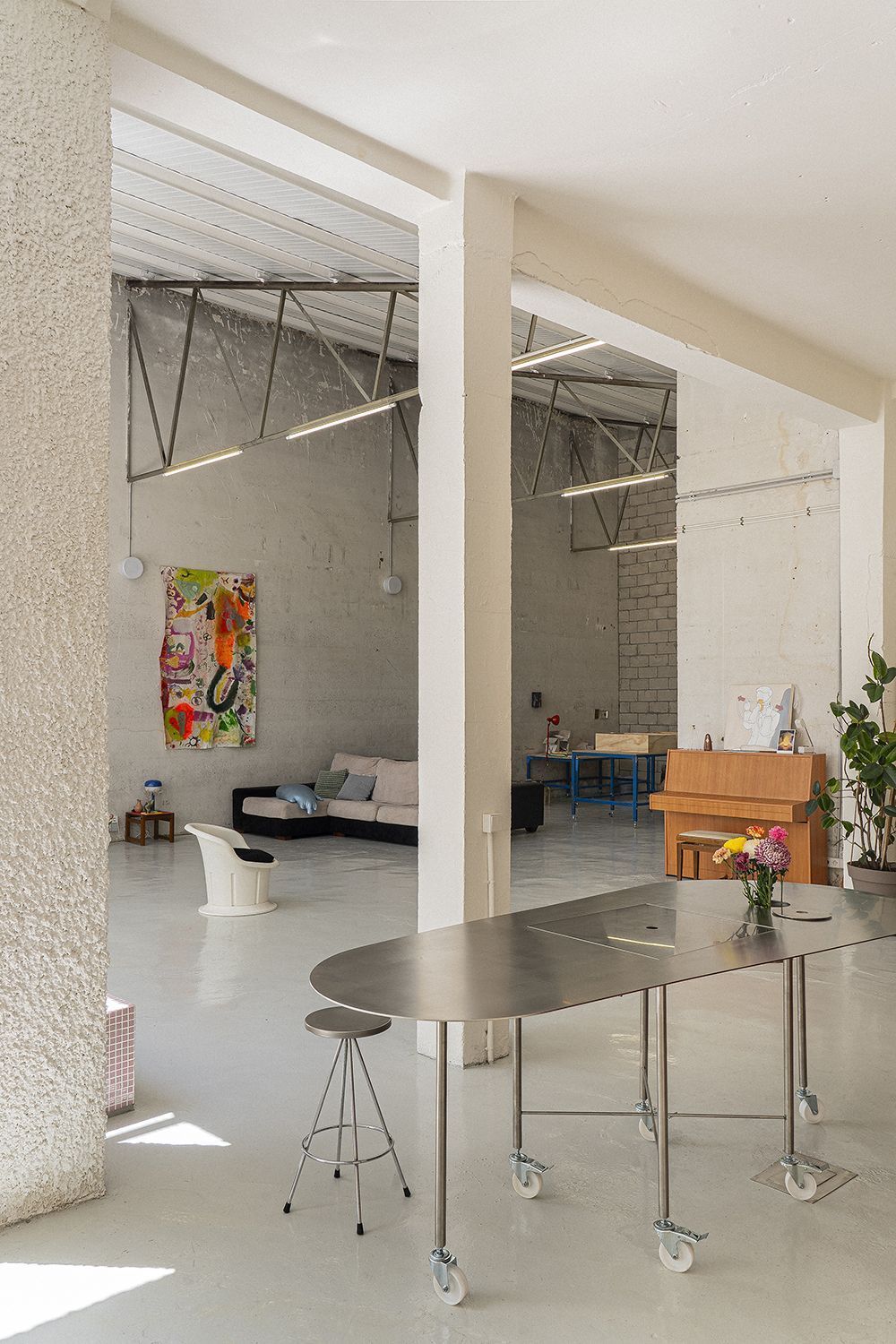
What were the main architectural and structural challenges of the original space, and how did Burr address them?
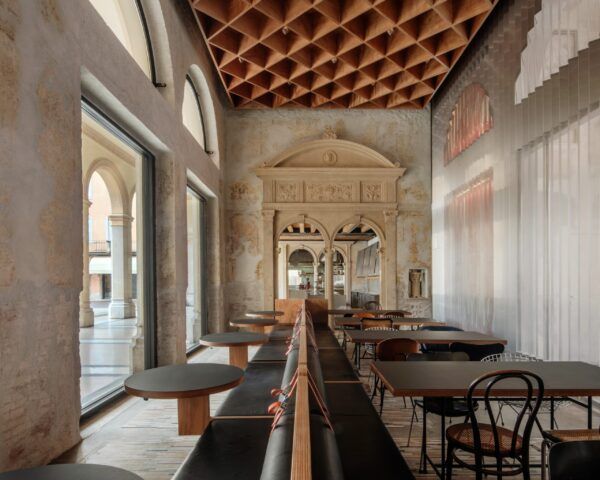
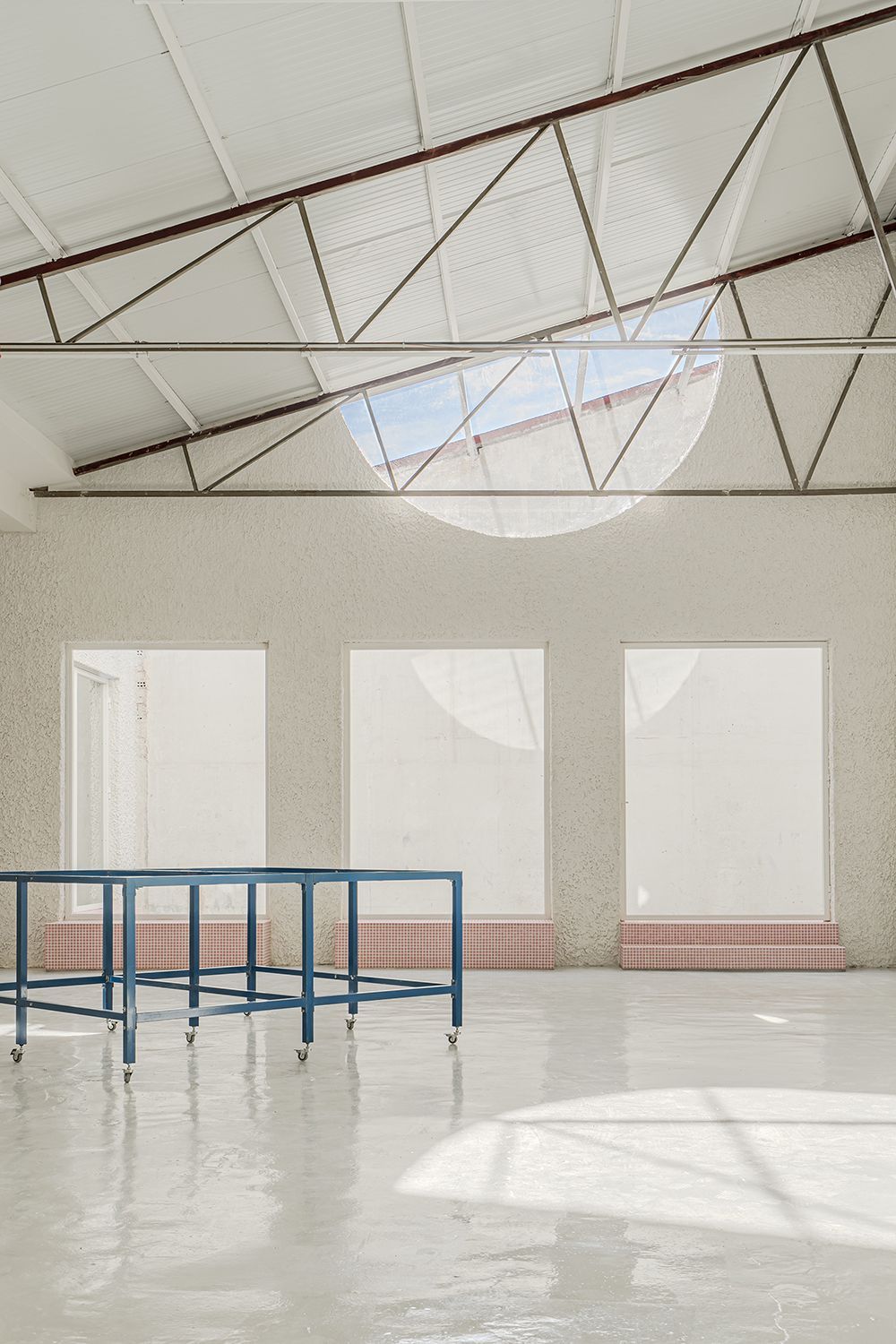
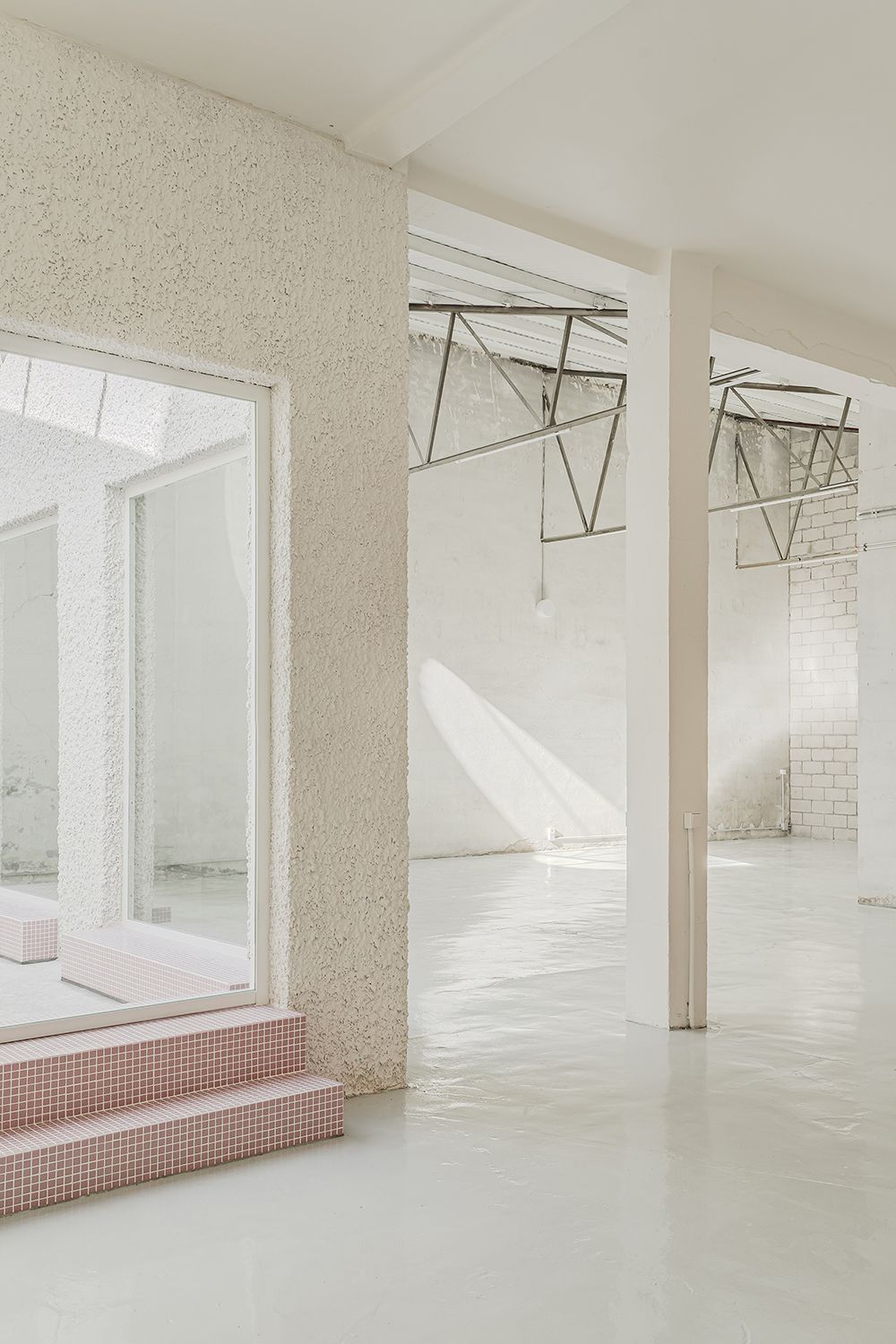
The first challenge was bringing natural light into a place where not a single ray had previously entered — a transformation both symbolic and essential. The second was adapting the space to function as my workshop while remaining flexible enough to host a range of activities, all achieved with minimal intervention that preserved the original spirit of the building.
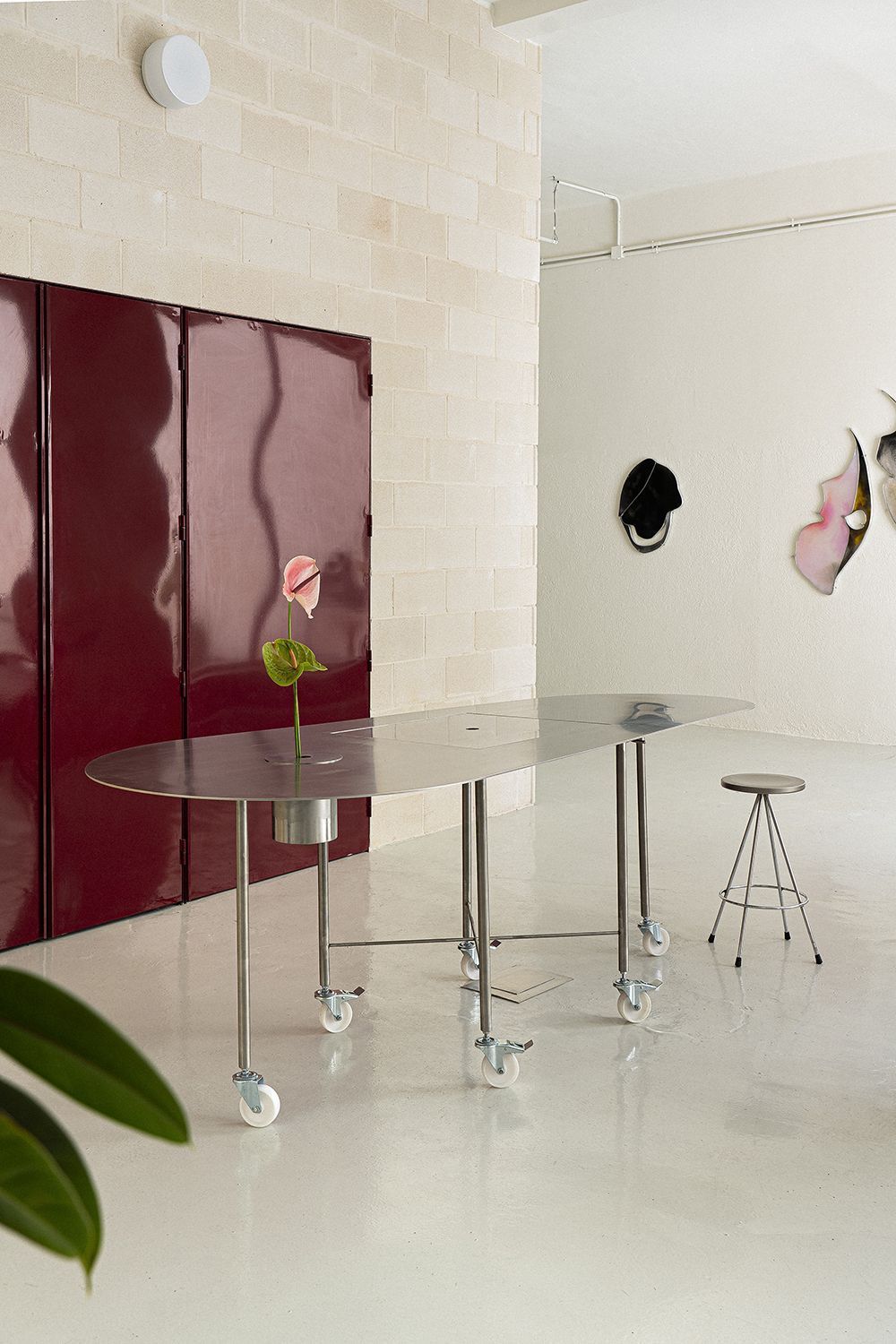
In terms of design, Halo has a very distinctive aesthetic. Which concepts and materials best capture its essence?
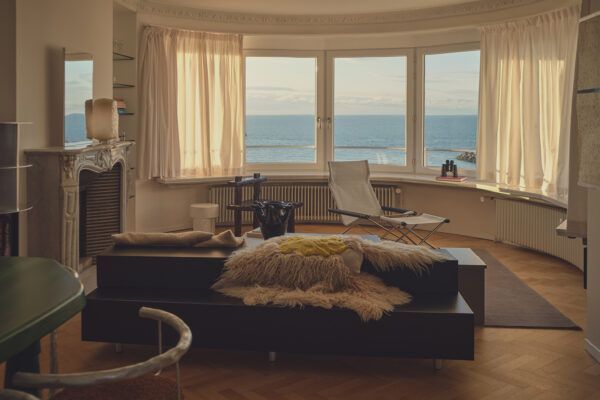
Natural light is the heart of Halo. My favourite part of the space is being able to work all day without ever turning on a light. It was also important to me to preserve something of the original atmosphere. For instance, the worktables we use today were crafted from a large table that was already in the space when we first arrived. We wanted to keep its soul alive.
“Natural light is the heart of Halo.”
Beyond architecture, Halo is a space with soul. What activities, events or experiences take place here, and how do they interact with the design?
I’m glad you feel that way. Halo hosts a wide range of activities: from culinary events to advertising shoots, exhibitions and photo sessions. We work both with major brands and institutions, as well as with much more independent initiatives.
Every project is welcomed with care, and the space adapts itself to each new idea.
In recent years, Madrid has seen a surge in hybrid spaces that blend art, culture and community. How does Halo fit into this new wave of creative venues?
Exactly by refusing to be pigeonholed. We don’t define ourselves strictly as a photography studio, an art gallery or a workshop. Halo is a space that listens and welcomes, a container for ideas that values creative diversity.
“Halo is a space that listens and welcomes, a container for ideas that values creative diversity.”
Since its opening, how has Halo been received by the local community and visitors?
The reception has been fantastic. The local community has been incredibly welcoming and excited to see spaces in the neighbourhood being brought back to life.
Most of our visitors come because they know about our activities or have been invited, but we’d love to create more open proposals to attract local passers-by as well.
Finally, how do you envision the evolution of Halo over the coming years, and what would you like it to represent for the city?
It’s difficult to imagine a space representing something broader like a whole city. For now, I hope Halo continues to grow organically, offering projects that connect with people. Although it may sound ambitious, I’d love for it to become a small reference point for independent spaces in Madrid’s cultural scene. But above all, it will always be my personal creative sanctuary.
About Esther Merinero
Esther Merinero (Madrid, 1994) is a visual artist, trained at Chelsea College of Arts (BA) and the Royal College of Art (MA Sculpture) with the support of a “la Caixa” Foundation scholarship. Her work has been featured in prestigious institutions including CentroCentro (Madrid), Sandretto Foundation, Sala de Arte Joven, and Saatchi Gallery (London).
Merinero explores memory, fragility and encounter through sculptural, narrative and scenographic objects and spaces. She is currently preparing solo exhibitions at Ex Projects (Barcelona) and Des Bains (London).
(*) Photographies by Maru Serrano.