All wrong
By Cecilia Camacho, Founder and Editor of CC/magazine
We live in an age capable of sending rockets to Mars and creating artificial intelligence that writes poetry — yet there are still people who fail to grasp the most basic rule of all: work, including creative work, must be paid for.
Not long ago, I had one of those surreal conversations. After two insistent WhatsApp messages written in a childlike tone and three phone calls, she proposed something “fantastic”: that I write an article about one of her clients. She, of course, would be paid for the commission. I, on the other hand, would not. Apparently, her enthusiasm and the fact that the topic was “very interesting” were meant to be enough as payment. Sad but true.
What’s most unsettling about all this isn’t the audacity, but how normalised it has become — how some people genuinely believe it’s acceptable to profit from someone else’s talent without paying for it. They wrap it up in the shiny packaging of “opportunity”, dressing it with words like collaboration, visibility or, wait for it, feminism. Because in this case, the proposal came with that all-too-familiar twist: “it’s a feminist topic”. And that’s where one draws the line. Because there is nothing more feminist than paying the person you expect to work for you. There is no empowerment without fair pay, and no sisterhood if one is paid and the other is not.
Even when I was an intern, I got paid. So it’s almost comical that anyone might think that, after years of work, experience and editorial judgement, I’d do it for free. I’ve had collaborators and I’ve always paid them —not out of altruism, but out of something as simple as coherence. Because I believe that creative work —like any other— deserves respect, value and dignity. And, above all, because I’m convinced that every time we agree to work for free, we perpetuate a culture that rewards cunning and punishes professionalism.
The problem isn’t an unfortunate email or an out-of-place request: it’s an entire culture that confuses collaboration with exploitation, sharing with taking advantage, sisterhood with emotional manipulation —and then disguises it as good intention.
But a culture doesn’t sustain itself: it survives thanks to those who keep it alive. And what’s truly worrying isn’t just the proposals, but the people who make them so naturally, convinced that their behaviour is reasonable, even generous. They say it without shame, hiding behind habit, as if the repetition of abuse somehow made it less abusive. And frankly, I don’t care if it’s common practice in the industry or something that’s become institutionalised over time: it’s still the same thing. Taking advantage of someone else’s work isn’t a professional strategy —it’s a lack of respect. Because asking for free work while getting paid yourself isn’t naivety, it’s calculation. It’s not clumsiness, it’s convenience. And it’s not collaboration, it’s abuse.
Perhaps it’s time to start saying it plainly: when someone asks you to work for free while they get paid, they’re not offering you an opportunity —they’re insulting you. And that, in any language, in any era, is called abuse.
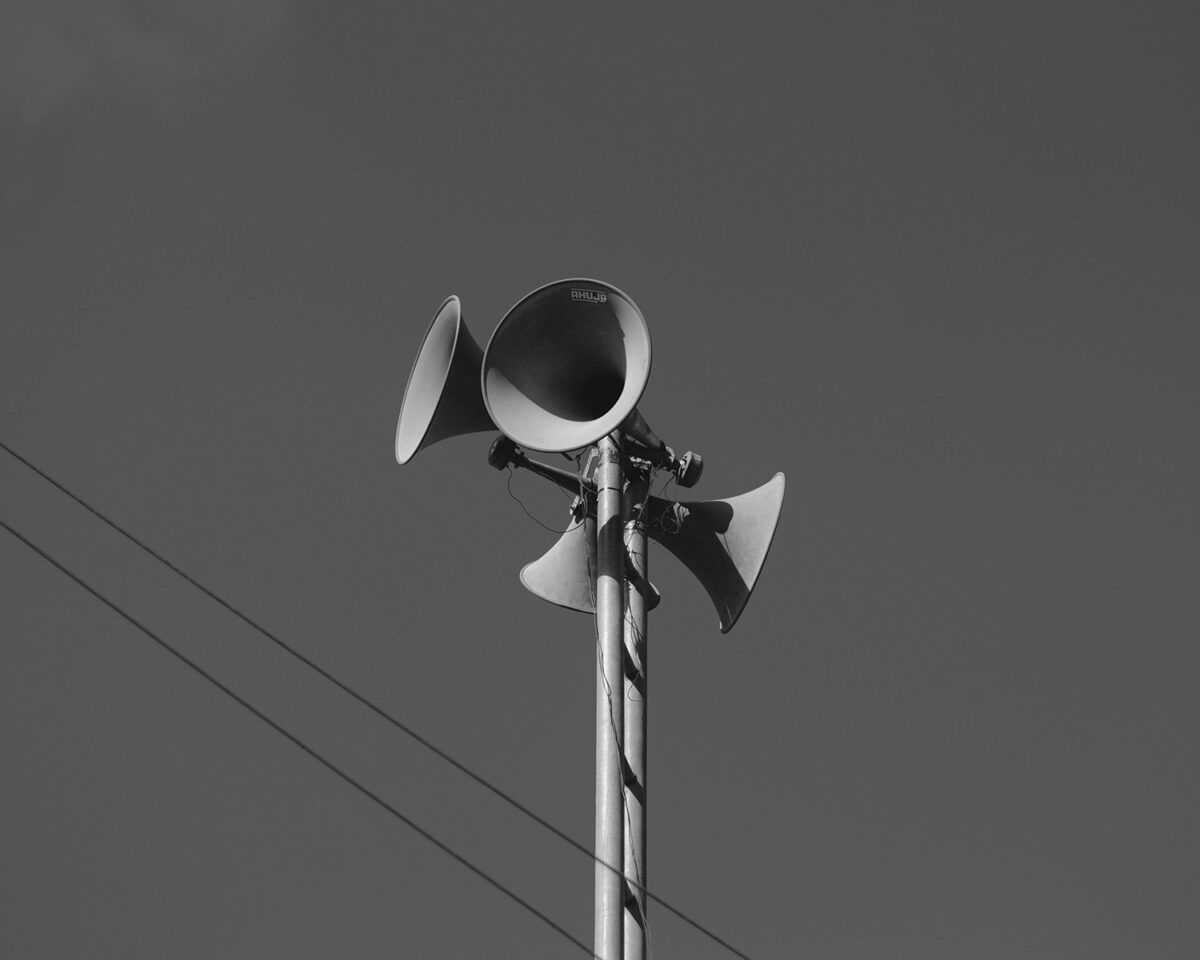
(*) Image: Bigshowlamar.